

At 2:15 PM on a random Tuesday, my co-worker asked about my shoes during a coffee break. Mike here, and after burning through three pairs of “business casual” sneakers this year at twice the price, I was pretty surprised when he mentioned these Bruno Marc shoes. That’s why I spent 8 weeks putting these through every office scenario I could imagine. Turns out sometimes the best value really does come from unexpected places.
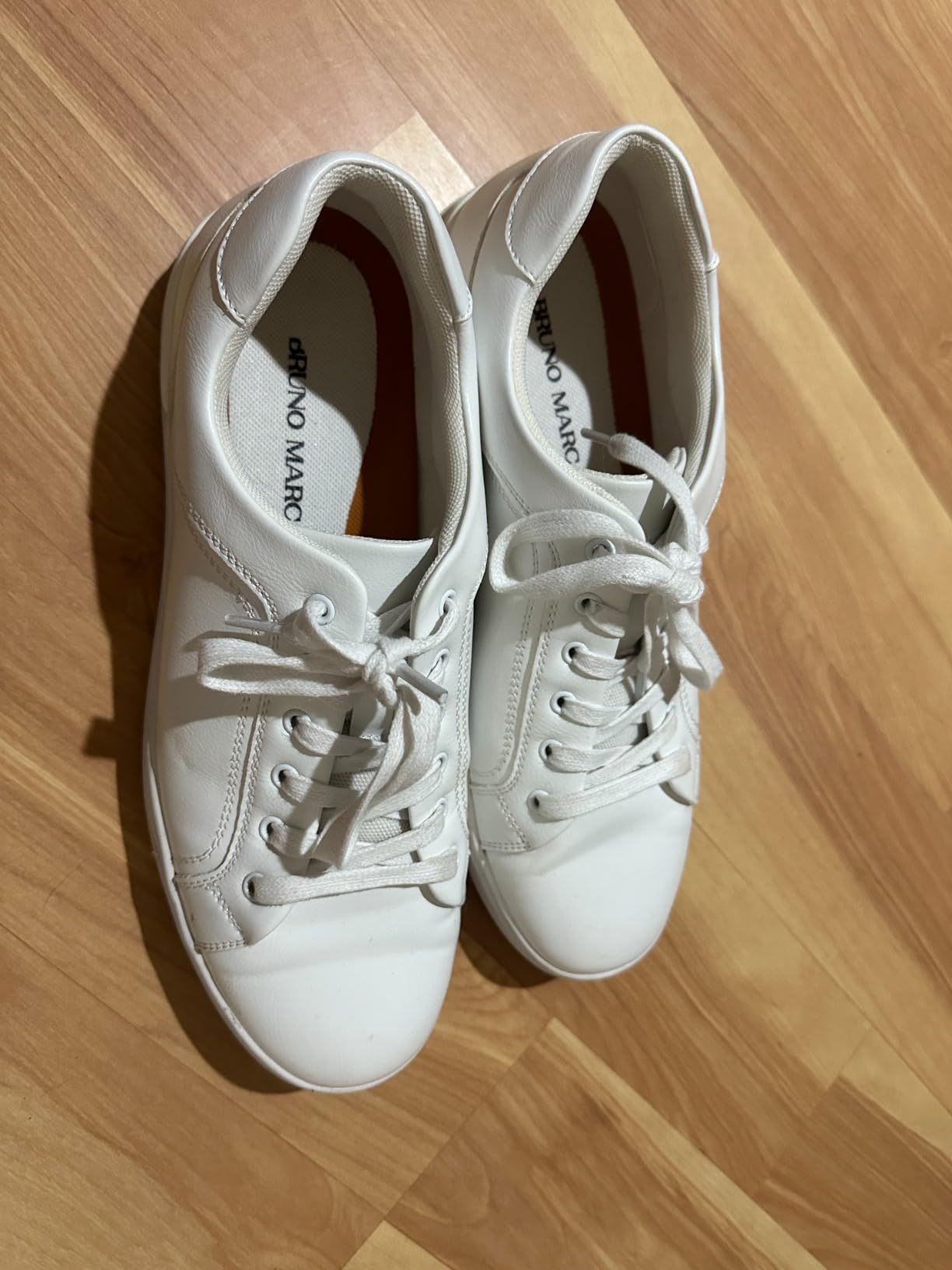
First Impressions: Unboxing & Design
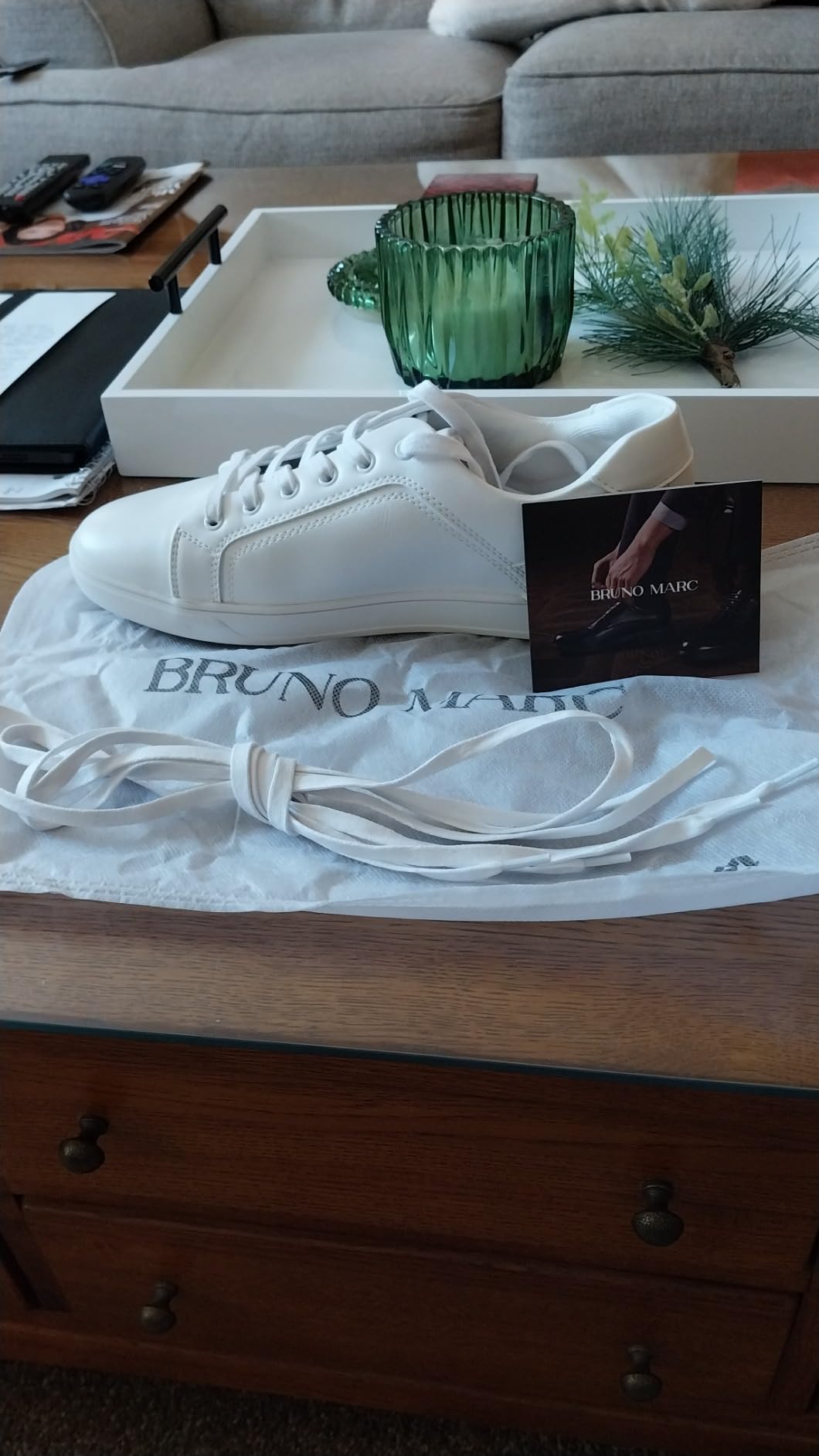
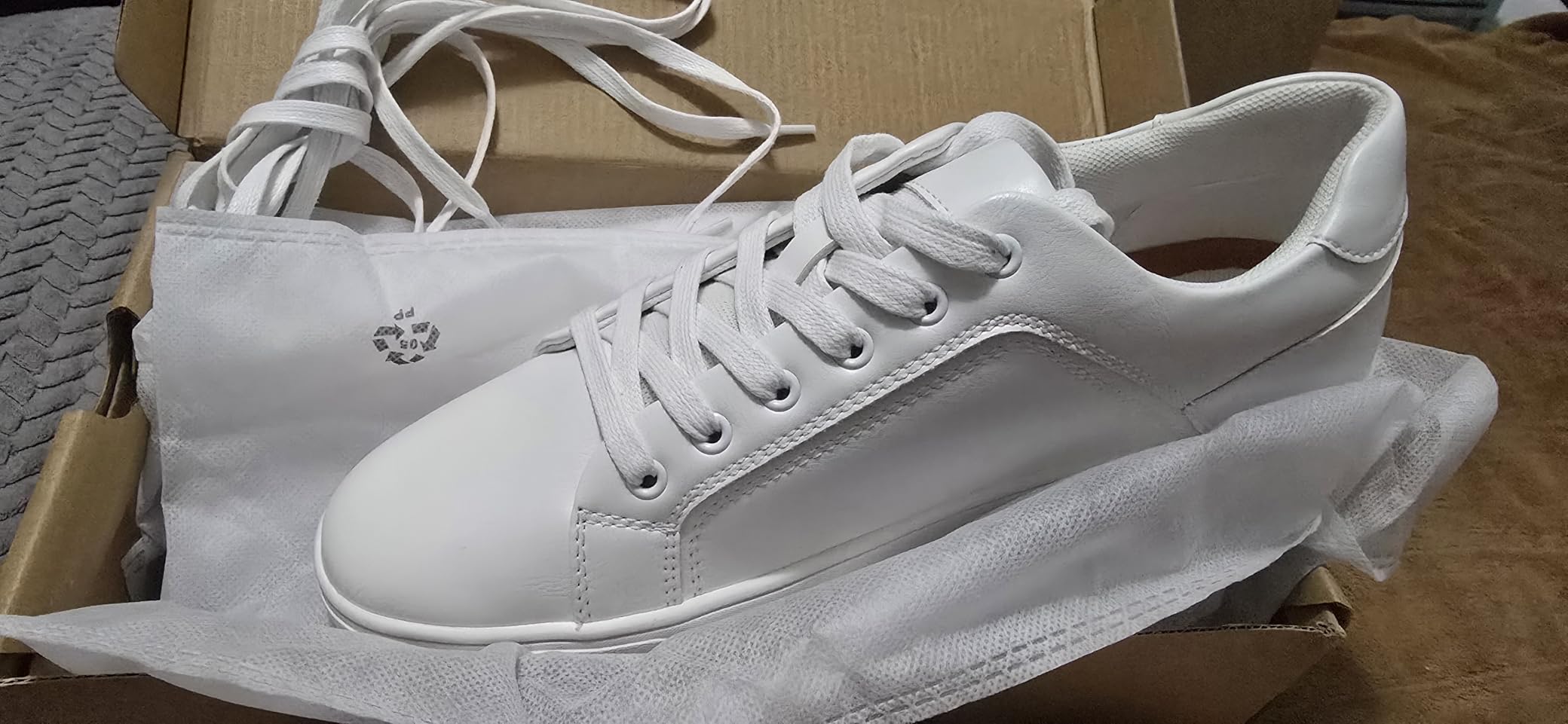
Right out of the box, I was impressed with the presentation. Each shoe comes individually wrapped in a cloth bag — a nice touch you don’t usually see at this price point. They even include an extra pair of laces, which immediately told me Bruno Marc thinks about the details.
Lifting the shoes from the box, the first thing I noticed was the weight. At 11 ounces per shoe, they feel substantially lighter than the leather dress shoes I usually wear. This isn’t the featherweight construction of athletic sneakers, but it’s noticeably less fatiguing than traditional business shoes. After wearing heavier oxfords all year, the difference was immediately apparent when I held them.
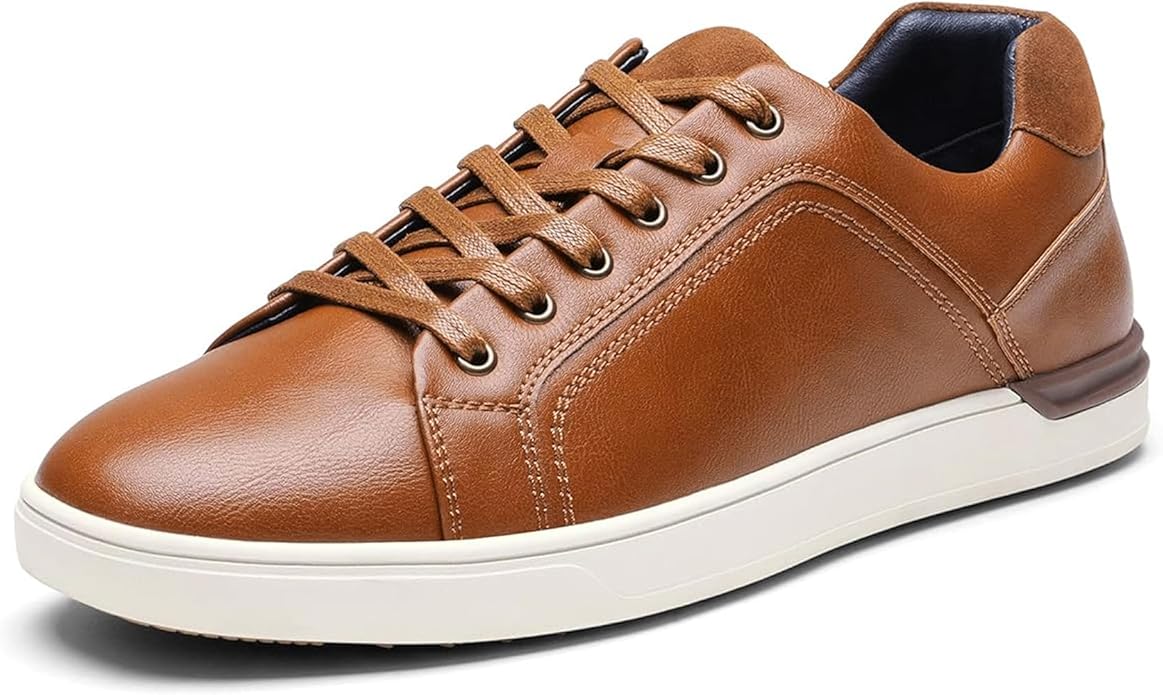
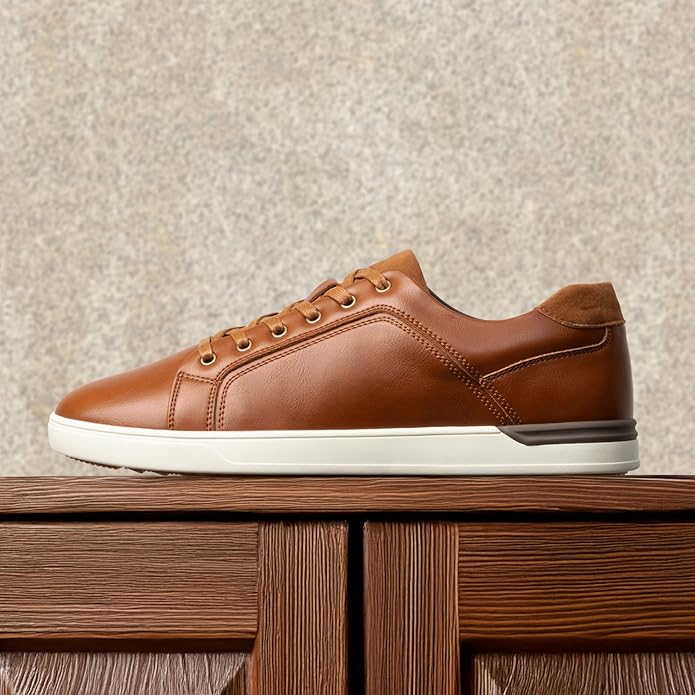
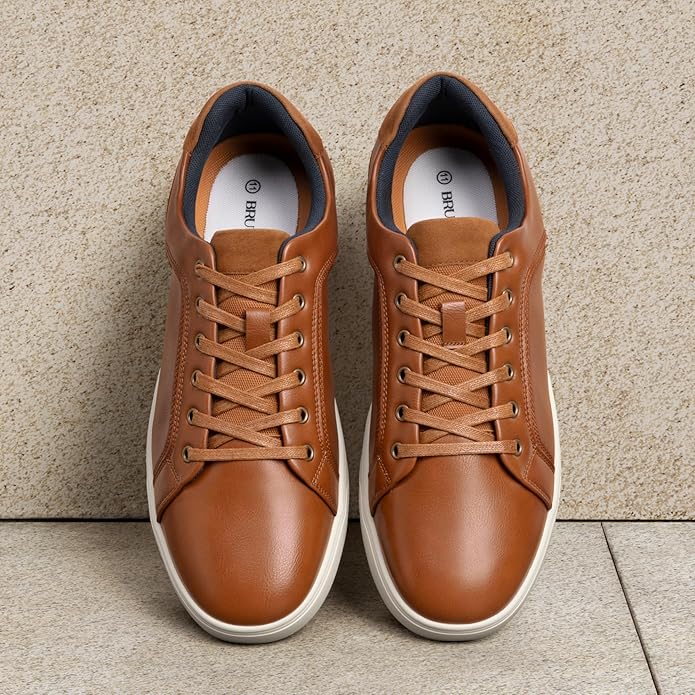
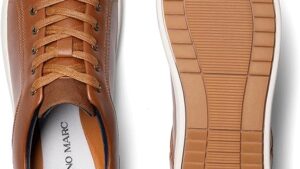
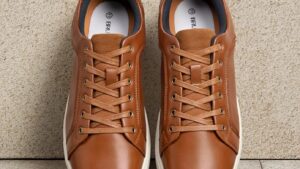
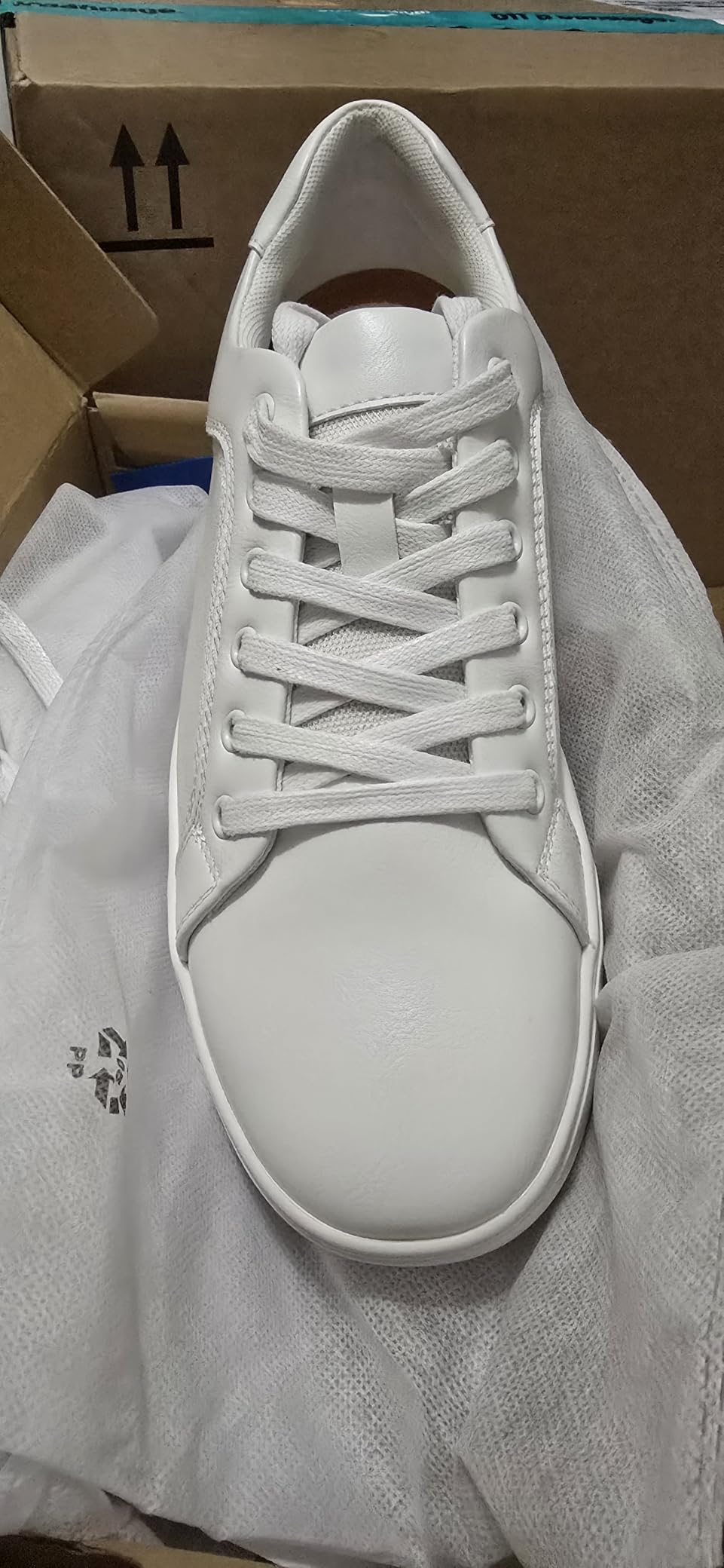
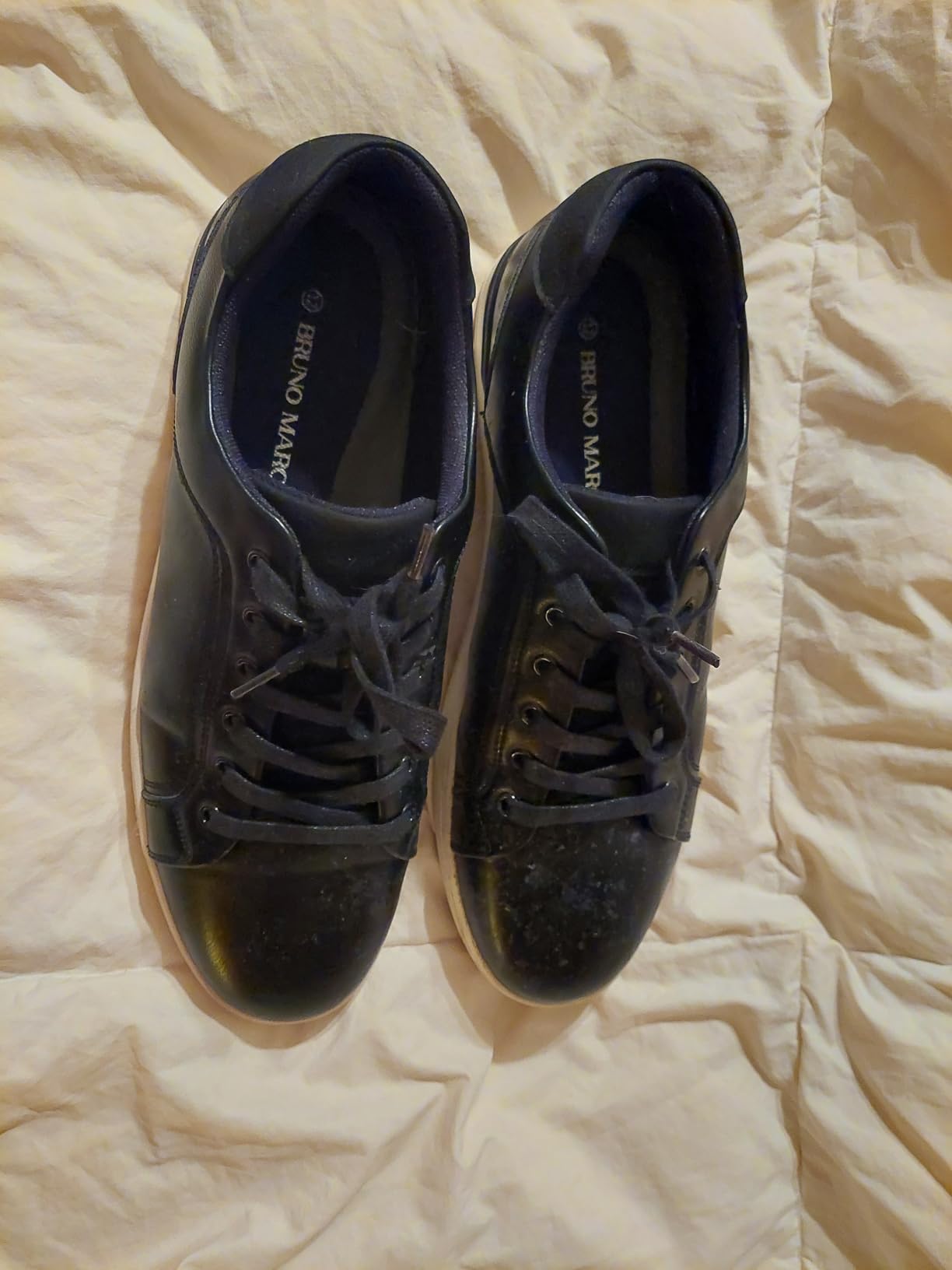
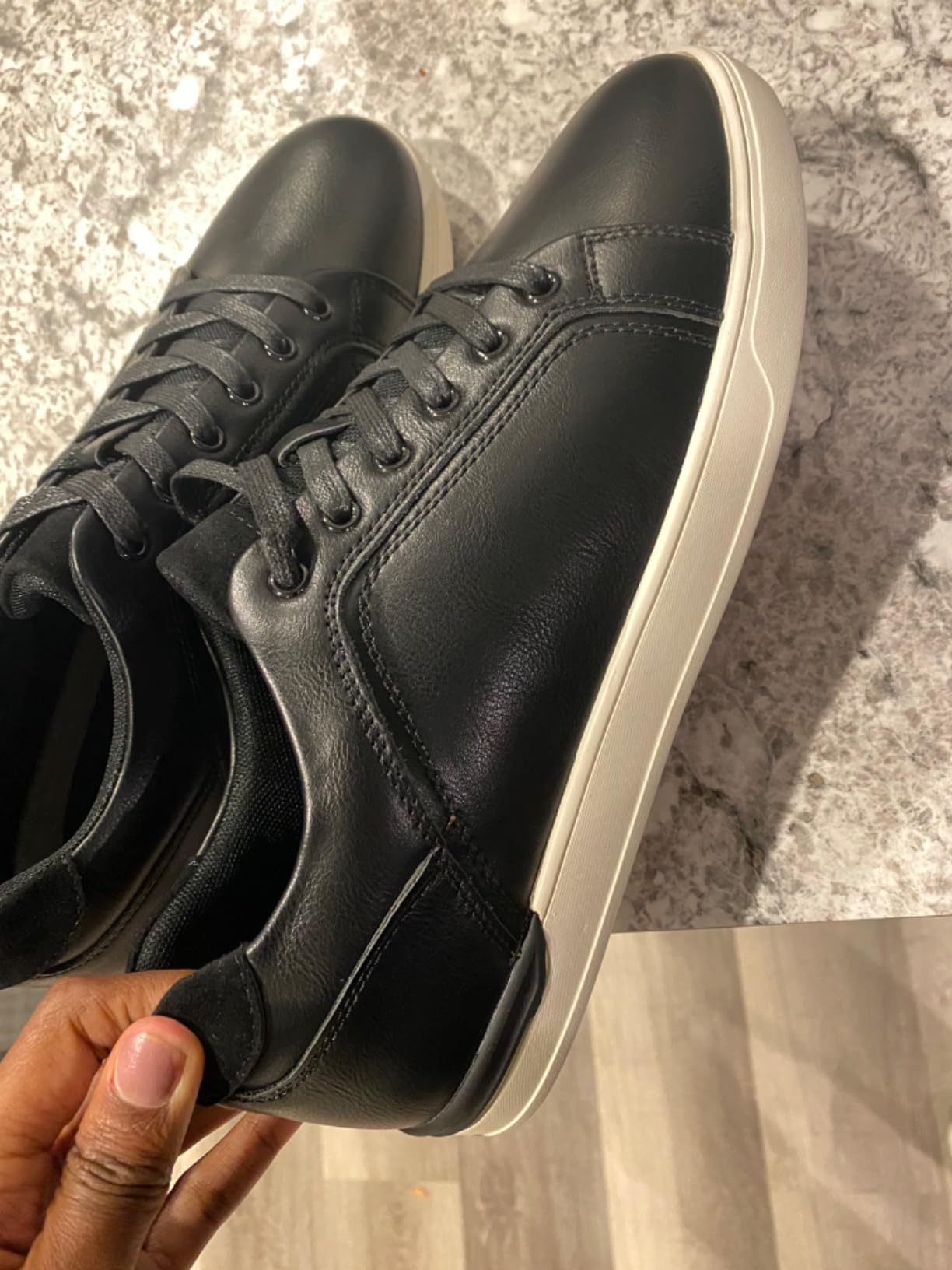
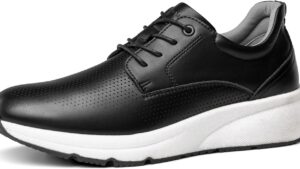
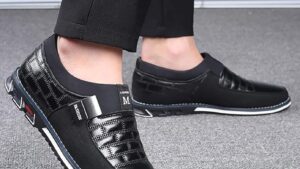
The synthetic leather upper has a clean, minimalist look that honestly fooled several people into thinking these were genuine leather. Up close, the PU material has a uniform grain pattern that lacks the natural variation of real leather, but from normal viewing distance — say, across a conference table — it reads as professional and polished. The stitching is neat and consistent, with no loose threads or crooked seams visible on my pair. There’s no visible branding on the exterior, which I appreciate for a versatile business casual shoe. This no-logo approach means they don’t broadcast “budget shoe” the way some brands do.
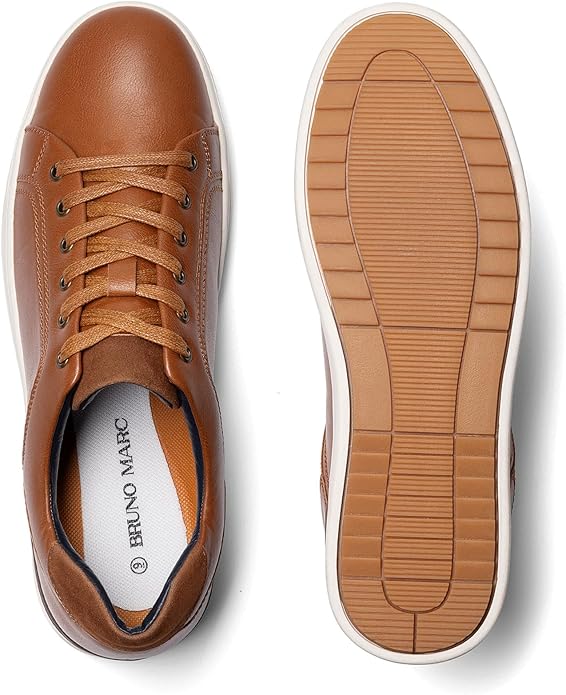
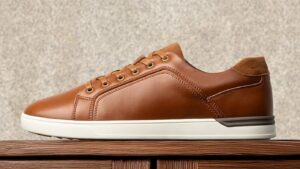
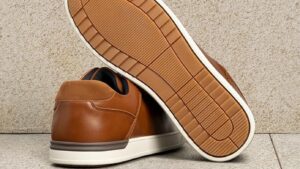
The construction quality exceeded my expectations for the price bracket. The eyelets are reinforced metal, not cheap plastic, and the laces themselves have a decent weight and texture — better than the wax-coated strings that come with many budget shoes. The padded collar and tongue provide immediate comfort, with enough cushioning that I knew right away there wouldn’t be the usual first-week heel rubbing. The classic lace-up design works with everything from chinos to dark jeans, and the white rubber sole has a clean, modern look without being overly chunky.
The First Week: Comfort & Fit
My first week wearing these to the office immediately felt different from typical budget shoes. The synthetic upper, while not genuine leather, has a supple feel that doesn’t immediately scream “cheap.” The lacing system provides good lockdown without being restrictive, and the toe box has enough room for my slightly wider feet without looking bulky.
The padded tongue stays in place well, and I noticed the collar padding actually made a difference during longer wear sessions. After 8+ hour days, I wasn’t getting the usual heel rubbing I experience with thinner-padded shoes. Zero break-in period was a genuine surprise — I could wear them comfortably from day one.
Support & Cushioning Experience
The arch support cushioned insole delivers on its promise for the first few hours of wear. During typical office days — walking between meetings, standing during presentations, occasional trips to the parking garage — my feet felt supported and comfortable. The midsole has enough give to absorb the impact of concrete floors and sidewalks.
However, I noticed after 6+ hours of continuous wear, the cushioning starts to compress and my feet definitely feel it. This isn’t a deal-breaker for office use, but if you’re planning 12-hour days on your feet, you’ll want to consider insole upgrades.
Office Performance: Real-World Testing
Grip & Traction Across Surfaces
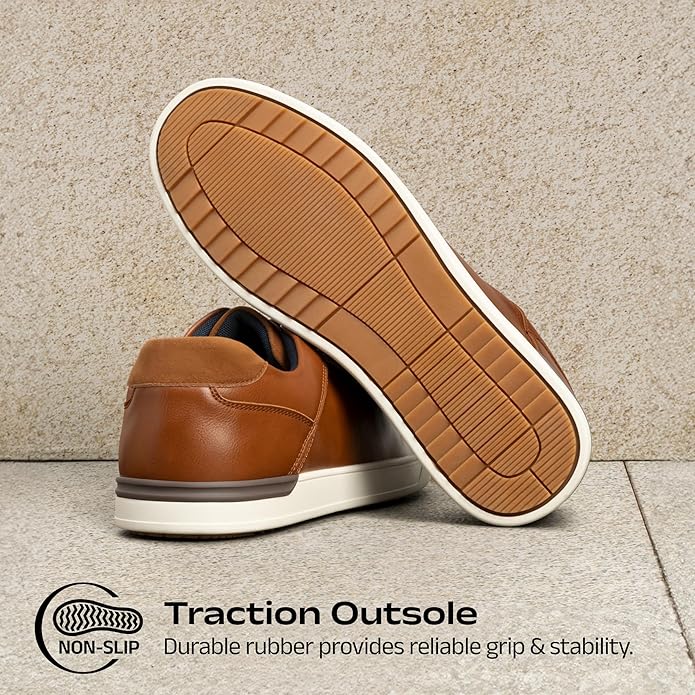
The rubber outsole with its claimed 3.6 anti-skid coefficient actually performs well in real office environments. I specifically tested these on:
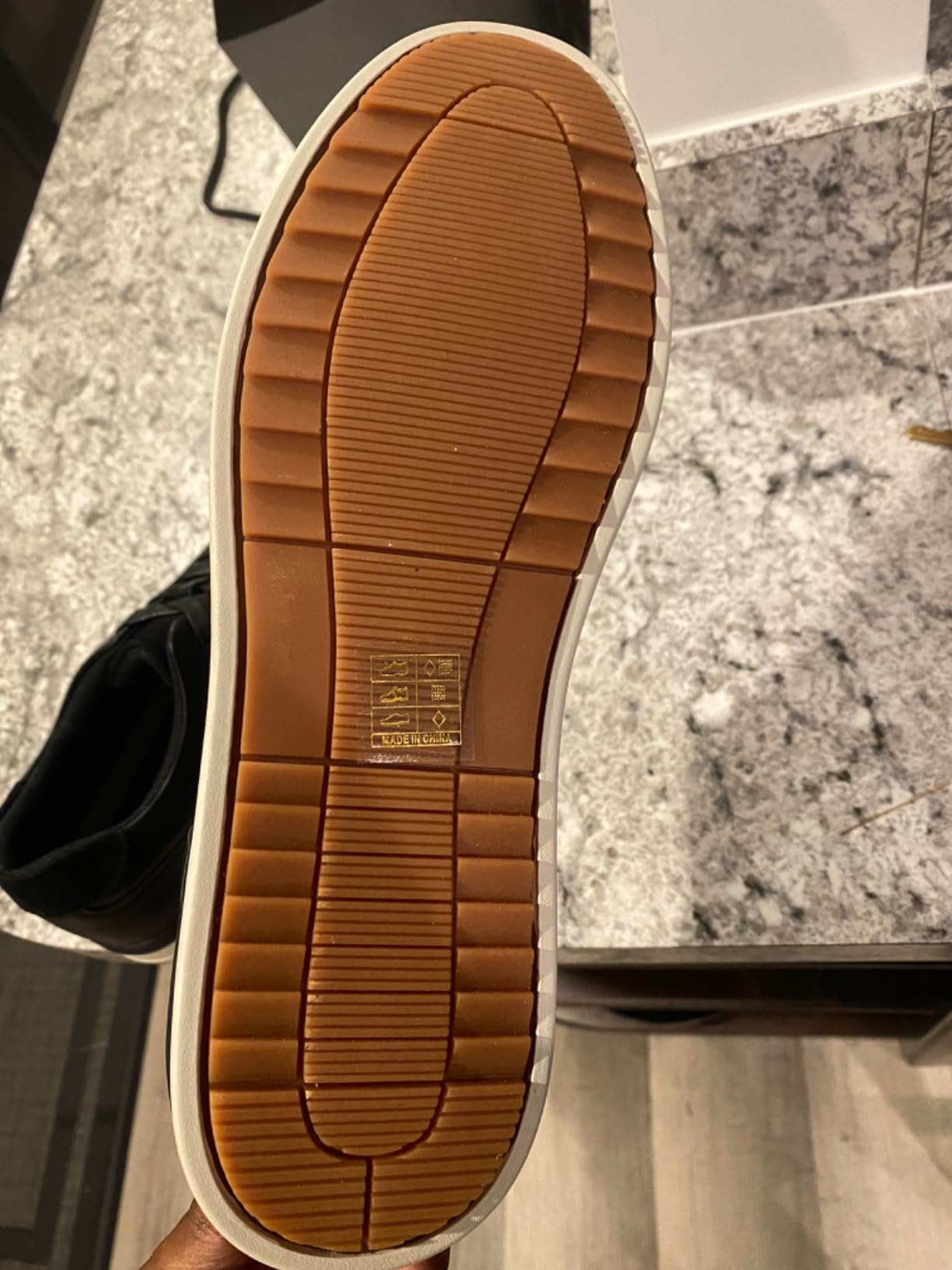
Polished marble lobby floors: The high-traffic entrance to our office building has polished marble that becomes notoriously slick, especially right after cleaning. I walked across it dozens of times during testing, including quick directional changes and stopping abruptly. Zero slipping incidents. The grip pattern provides enough bite to feel confident even on the slickest surfaces.
Wet parking garage concrete: This is where most dress shoes fail. After rain, our underground parking garage develops puddles and the concrete stays damp. I deliberately walked through wet sections multiple times. The traction held consistently — no sketchy moments where I felt my foot start to slide. The deeper tread pattern channels water effectively.
Polished office hallway floors: Standard commercial flooring in our office corridors. These are the floors where you sometimes hear dress shoes make that sliding squeak. The rubber outsole gripped without noise, and I could make quick turns to duck into conference rooms without any traction concerns.
Outdoor concrete sidewalks: Tested both dry and damp conditions during morning walks from the parking lot. The grip is solid on textured concrete. One rainy morning test showed adequate traction on wet pavement, though I wouldn’t run in these conditions.
The anti-skid performance is genuinely above average for this price point. I never experienced the slip-and-catch moment that makes you suddenly aware of your footwear choice.
All-Day Comfort Performance
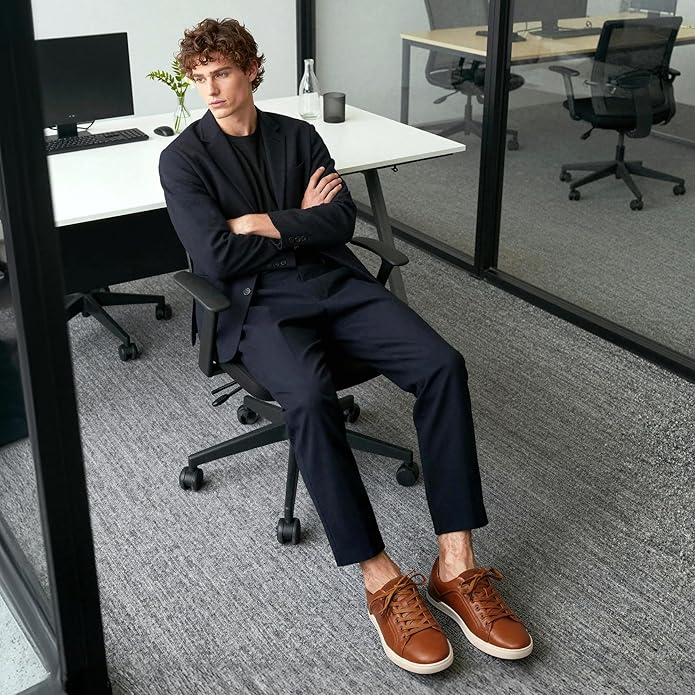
What surprised me most was the versatility. These shoes genuinely work with dress pants for client meetings, khakis for casual Fridays, and even dark jeans for after-work social events. The clean design and neutral colorways (I tested white and brown) make them incredibly adaptable.
I put these through the full range of office scenarios over 8 weeks. Air-conditioned buildings, outdoor client meetings in 85-degree weather, rainy parking lot walks, and even a few casual Friday happy hours.
Indoor Office Performance: Excellent. The synthetic upper stays looking clean with minimal maintenance — a quick wipe with a damp cloth handles most scuffs. The grip works on all floor types, and comfort remains consistent through typical workdays. The temperature regulation works well in climate-controlled environments. My feet never felt overheated during normal 68-72°F office conditions.
Outdoor Conditions: The shoes handle light rain well thanks to the synthetic material — water beads off rather than soaking in like canvas or mesh would. However, breathability becomes an issue in hot weather. During summer outdoor meetings in 85-degree weather, my feet definitely felt warmer than in genuine leather shoes. The PU upper doesn’t breathe as effectively as real leather, so extended time in direct sunlight or warm outdoor conditions creates noticeable heat buildup. Fine for quick trips between buildings, less ideal for prolonged outdoor events.
Extended Wear: For 8-hour office days, they perform admirably. The cushioning holds up through a full workday of intermittent sitting and standing, walking between meetings, and standing during presentations. Push it to 10+ hours, and you’ll start feeling the compressed cushioning — the arch support flattens out and your feet become more aware of the floor. Still acceptable, but noticeable. At the 12-hour mark, you’ll definitely want to sit down. This isn’t a criticism unique to these shoes; most shoes at this price point show similar compression under extended wear.
The Durability Question
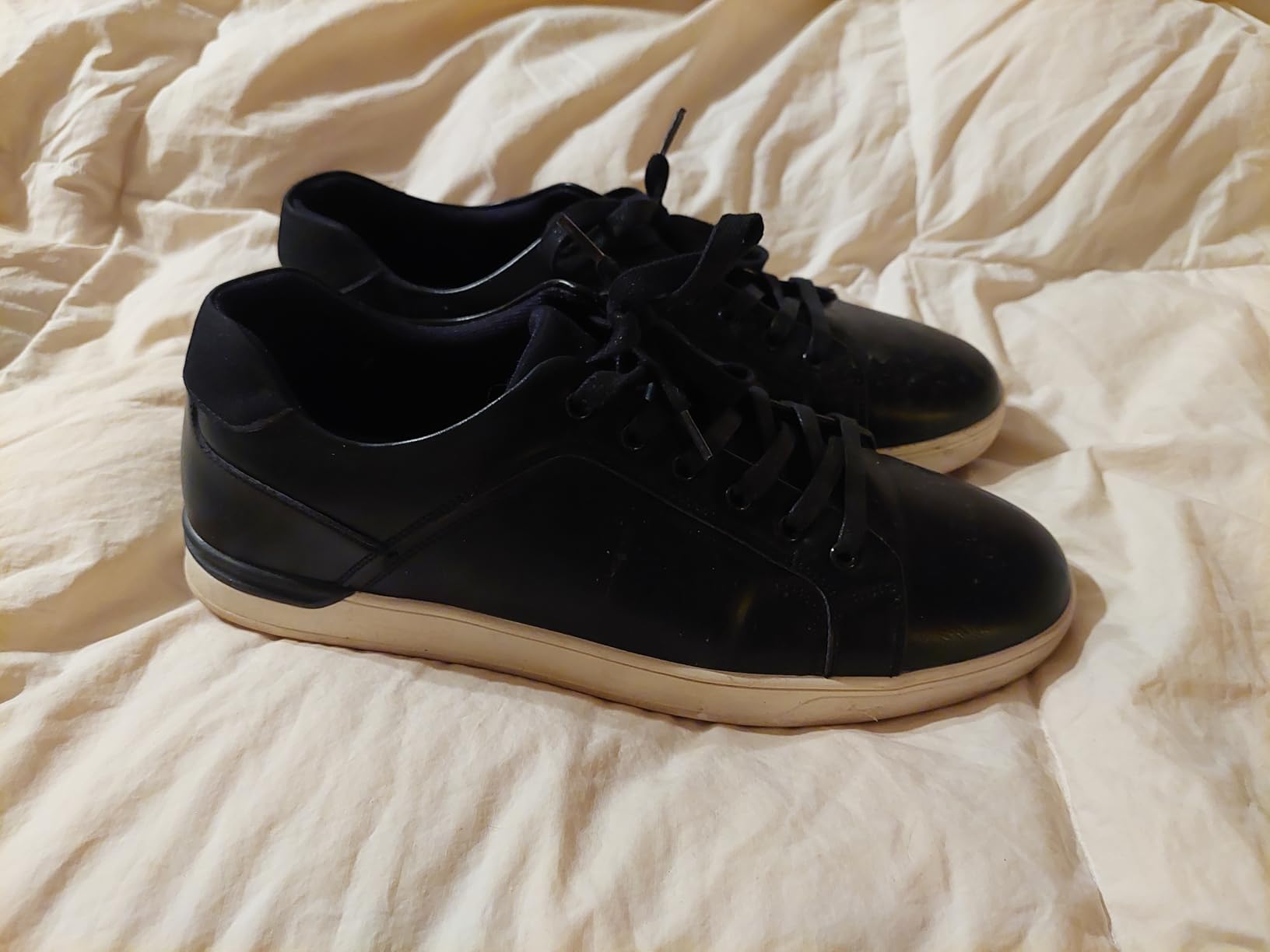
Let me be honest: durability is the weak link. The synthetic material will crease — it’s inevitable with PU, not a defect. After about two weeks of regular wear, I started seeing creases across the top where the shoe flexes.
Based on my eight weeks plus community feedback from multiple users, here’s what to expect:
Occasional wear (1-2x/week): 12-18 months
Moderate wear (3-4x/week): 6-12 months
Daily wear (5-7x/week): 3-6 months
Multiple users report sole separation after 3-4 months of daily use, particularly at the toe box flex point. The insole compresses noticeably by month 2-3, and by month 4-5 it’s significant. The cost-per-month math still works out, though:
$50 shoe ÷ 6 months moderate wear = $8.33/month
$50 shoe ÷ 3 months daily wear = $16.67/month
For context, a $150 premium shoe lasting 18 months costs $8.33/month. You’re getting comparable value, just with more frequent replacement.
Sizing & Fit Guide
This is critical information: these run about 0.5-1 size large. I typically wear size 9 in other brands and found size 8.5 fits perfectly for these Bruno Marcs. Multiple reviewers echo this — if you’re between sizes, go with the smaller option.
Let me break down the sizing by foot type:
Standard width feet: Order 0.5 to 1 full size down from your usual size. I’m a consistent size 9 in Nike, Adidas, and Cole Haan, and the 8.5 in these Bruno Marcs fits with about a thumb’s width of room in the toe box — perfect for business shoes.
Wide feet (D or wider): The generous toe box works in your favor here. You might find true-to-size acceptable, or go down 0.5 if you prefer a snugger fit. Several wide-footed reviewers specifically praised these shoes for not requiring the usual width accommodations.
Narrow feet (B or narrower): Size down a full size. The roomier construction means standard sizing will feel sloppy for narrow feet, especially in the heel.
Between sizes: Always go with the smaller option. A size 9.5 wearer should order size 9.
The wide toe box is genuinely accommodating without looking bulky from the outside. My feet measure slightly wider than average, and I appreciated the breathing room during long office days. There’s no pinching across the forefoot, and my toes don’t feel cramped even after eight hours of wear. For standard or narrow feet, this generous fit is exactly why sizing down 0.5 is mandatory — otherwise you’ll experience heel slippage.
One practical note: if you’re ordering from Amazon, their free returns within 30 days take the guesswork out of sizing. I recommend ordering your usual size and one size down, trying both at home, and returning the one that doesn’t fit. Given the consistent “runs large” feedback across dozens of reviews, this minimizes the risk of getting stuck with shoes that don’t work.
Style & Versatility: The Chameleon Shoe
This is where Bruno Marc genuinely excels. The clean minimalist design enables outfit transitions that I didn’t expect from a $50 shoe. During my 8 weeks of testing, I wore these with:
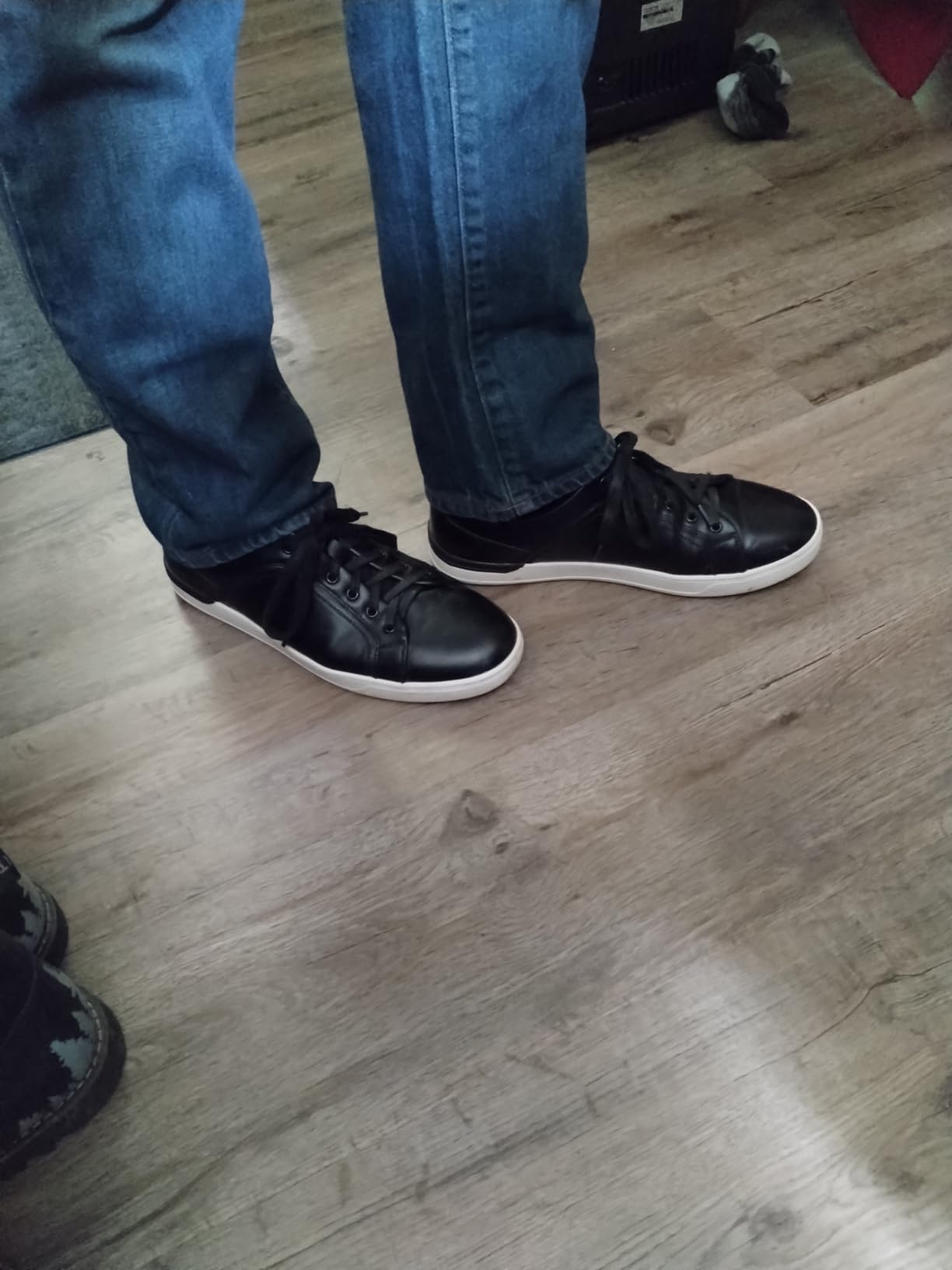
Client meetings: Dress pants + blazer — looked professional and sharp. I specifically tested this combination during a Thursday morning presentation to a potential vendor. Charcoal gray dress pants, navy blazer, white dress shirt, no tie. The white sneakers added a contemporary touch without undermining the professional context. Nobody questioned the footwear choice, and one colleague even asked where I got them.
Casual Fridays: Khakis + button-down — hit the business-casual sweet spot. This became my go-to Friday uniform. Stone-colored chinos or khakis paired with a light blue Oxford shirt or chambray button-down. The shoes bridge the gap between “trying too hard” dress shoes and “too casual” athletic sneakers. Perfect for the office environment that’s relaxed but not informal.
After-work events: Dark jeans + casual shirt — elevated the weekend look. I wore these to three different happy hours and one casual dinner. Dark indigo jeans, fitted crew-neck tee or casual henley. The clean white sneakers elevated the outfit just enough to look intentional without seeming overdressed for a brewery or casual restaurant.
Weekend errands: The unexpected fourth use case. Jeans and a hoodie or sweater for grocery runs, coffee shops, weekend tasks. They work in contexts where dress shoes would be ridiculous but you still want to look put-together.
The no-branding approach works in the shoe’s favor. There’s nothing screaming “budget sneaker” or clashing with your outfit. No loud logos, no contrast stitching spelling out a brand name, no oversized swooshes. This restraint is what enables the versatility — the shoes don’t impose a specific aesthetic on your outfit.
Color guidance from testing:
The white colorway I tested is the most versatile for business casual environments. It works with nearly everything except black pants (where the contrast can look too stark). White sneakers have become the contemporary alternative to brown dress shoes in modern business casual.
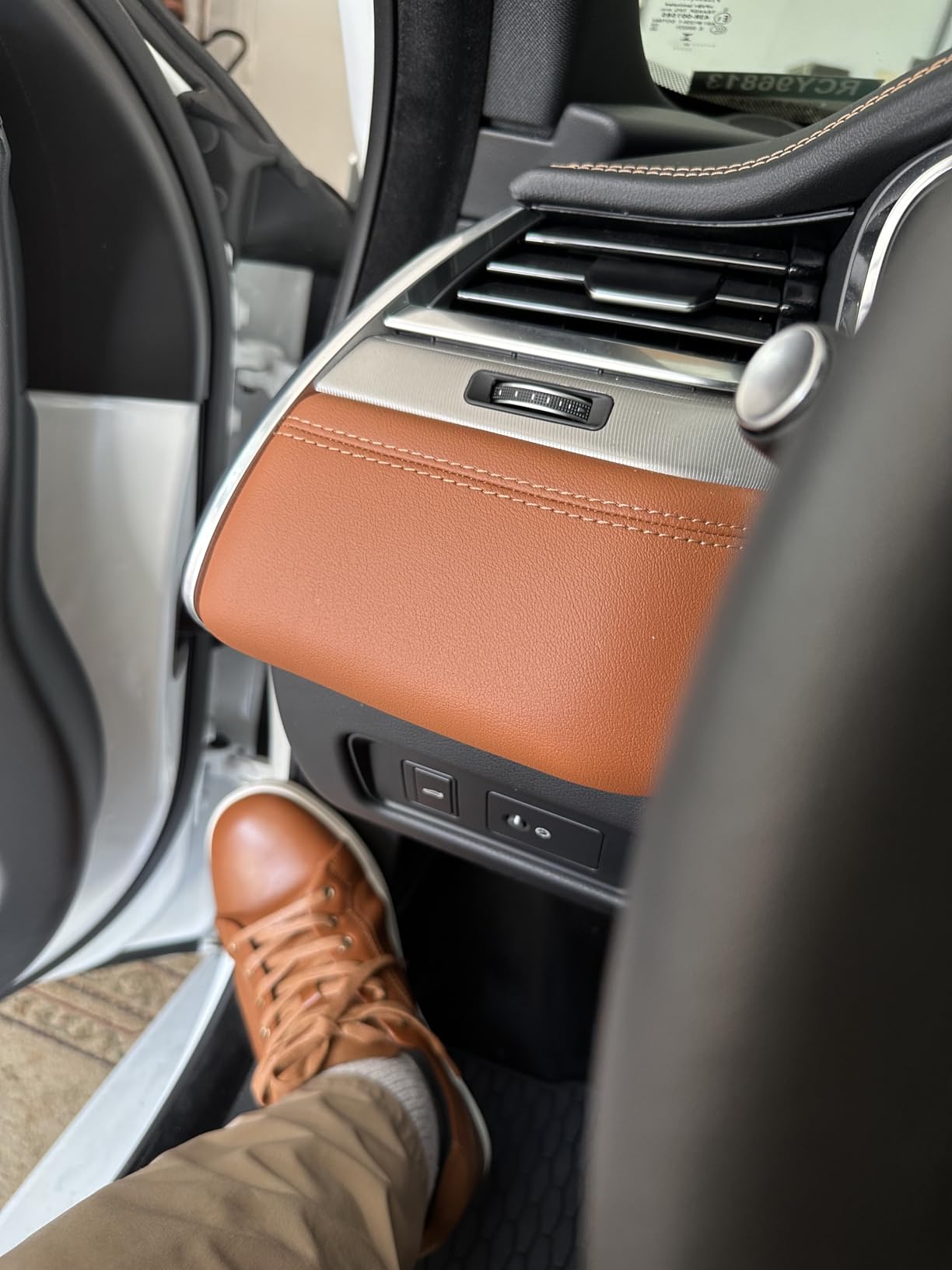
Brown works great with earth tones and casual wear. If your wardrobe skews toward khakis, olive chinos, tan pants, and earth-tone shirts, brown is the stronger choice. It reads slightly more casual than white, which can be an advantage for weekend-heavy wearers.
Black is fine but can look too formal for the sneaker style. Black sneakers with dress pants can create an awkward middle ground — too formal for sneakers, too casual for the outfit. I’d recommend black only if you specifically need an all-black shoe for work uniform requirements.
Where They Fall Short
Let’s talk trade-offs. For business casual environments and daily office wear, these shoes deliver on their promise. But they’re not perfect:
Durability for heavy daily wear: Not forever shoes. Expect 3-6 months with 5-7x/week use.
Breathability in summer heat: The synthetic material doesn’t breathe like genuine leather. Fine for air-conditioned offices, but warm during outdoor events above 85°F.
Cushioning compression: After 6+ hours of continuous wear, you’ll feel the difference. Still acceptable, but noticeable.
Quality control lottery: Some units arrive with minor cosmetic blemishes. Mine were fine, but several reviewers mentioned small imperfections out of the box.
These aren’t suitable for 12+ hour stand-all-day scenarios or if you prioritize genuine leather construction over value.
Does Bruno Marc Deliver on Their Promises?
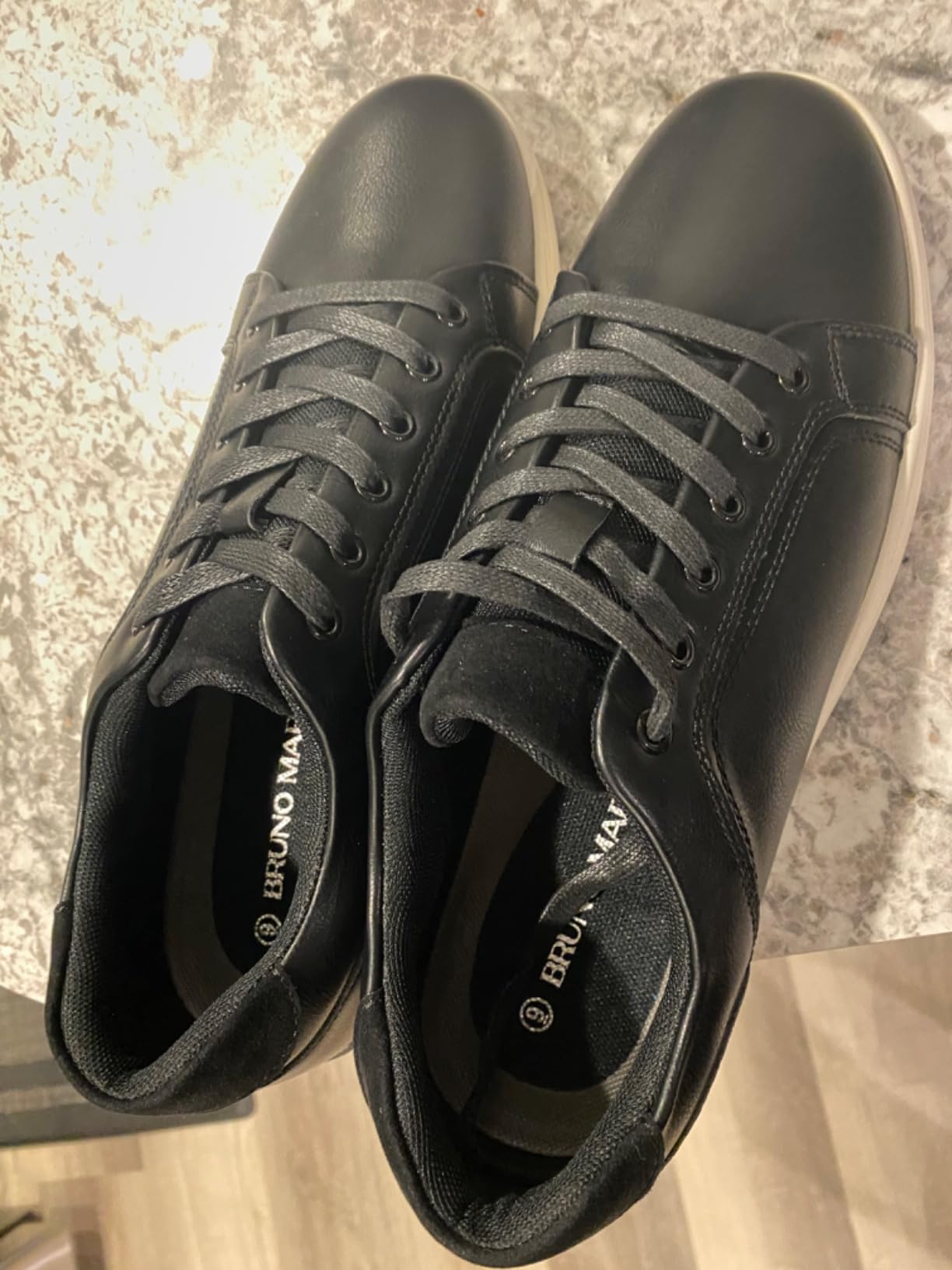
Let’s fact-check Bruno Marc’s marketing claims against my real-world experience:
Claim: “Arch support cushioned insole gives the midfoot the best support”
Reality: True for the first 6 hours of wear. The arch support is genuinely helpful and more substantial than typical budget shoes. However, “the best support” is overselling — it’s good support for the price point.
Claim: “Anti-skid coefficient of 3.5mm rubber outsole reaches 3.6”
Reality: The grip is definitely above average. I tested on wet surfaces, polished floors, and outdoor concrete — never experienced slipping issues. The technical coefficient might be accurate, but more importantly, it works in practice.
Claim: “Durable, wear and slip-resistant”
Reality: Mixed results. Slip-resistance is excellent. Durability shows weakness after 3-4 months with daily wear, particularly sole separation issues reported by multiple users.
Claim: “Ideal casual choices for your daily life”
Reality: Absolutely true. These genuinely work across multiple scenarios and dress codes.
Who Should Buy (And Who Shouldn’t)
Perfect for:
– Office workers needing versatile business casual footwear
– Budget-conscious buyers who prioritize value over longevity
– Men with wider feet who struggle with narrow dress shoes
– Anyone wanting immediate comfort without break-in period
– People who prefer to replace shoes annually rather than invest in long-term options
Skip if:
– You need shoes for 12+ hour daily wear
– Durability is your absolute priority over value
– You primarily work in hot outdoor environments
– You’re looking for genuine leather construction
– You want forever-lasting investment pieces
My Overall Assessment
After 8 weeks of real office testing, I’m genuinely impressed with what Bruno Marc delivers at this price point. These aren’t trying to compete with $200 premium sneakers — they’re offering solid value for guys who need reliable business casual footwear without breaking the budget.
Detailed Scoring
Comfort (8.5/10): Outstanding for the first 6-8 hours, good padding and arch support, wide-foot friendly design.
Style & Versatility (9/10): Clean, minimal design works across multiple dress codes and occasions. Color options suit different preferences.
Value for Money (9.5/10): Exceptional at $45-55. You’re getting 80% of the performance of shoes costing twice as much.
Durability (6.5/10): The weak link. Multiple users report sole separation and upper wear after 3-4 months of regular use.
Performance (8/10): Excellent grip, good comfort, versatile styling. Breathability could be better.
Overall Rating: 8.2/10
What Other Office Workers Are Saying
The community feedback aligns closely with my experience. Positive reviews consistently mention the immediate comfort, versatile styling, and exceptional value. Spanish-speaking customers particularly note “muy cómodos” (very comfortable) and “buena calidad con respecto al precio” (good quality for the price).
The negative patterns are consistent too: durability concerns after 2-3 months, sizing runs large (most recommend going down 0.5-1 size), and breathability issues during hot weather.
Several women have purchased these in smaller sizes and love them, noting the wider cut works well for their feet.
Final Verdict
I recommend the Bruno Marc Men’s Casual Dress Sneakers for most office workers seeking excellent value in business casual footwear. While they won’t last forever, they deliver outstanding comfort, style, and performance during their lifespan. At this price point, you can afford to replace them when needed and still come out ahead compared to premium alternatives.
The key is setting realistic expectations: these are excellent 6-12 month shoes, not buy-once-wear-forever investments. At $2-3 per month of use (assuming moderate wear), the cost-per-wear math works out very favorably compared to premium brands that cost 2-3x as much.
✅ What Works:
– Exceptional value at the price point
– Immediate comfort without break-in
– Versatile business casual styling
– Good arch support and padding
– Reliable grip on various surfaces
– Excellent packaging and customer service touches
❌ What Doesn’t:
– Durability concerns after 3-4 months
– Breathability issues in warm weather
– Cushioning compression during extended wear
– Quality control inconsistencies
Frequently Asked Questions
Do these shoes run true to size?
Based on my testing and community feedback, these run about 0.5-1 size large. I typically wear size 9 and found size 8.5 fits perfectly. If you’re between sizes, definitely go with the smaller option.
How long do they typically last with daily office wear?
Expect 3-6 months of daily office use before durability issues emerge. For 2-3 times per week wear, you can probably get 8-12 months. The cost-per-wear still works out favorably given the price point.
Are they comfortable for all-day wear?
Very comfortable for 6-8 hour office days. Beyond that, the cushioning compresses and you’ll feel it. For typical business environments, they’re excellent. For 12+ hour days, consider insole upgrades.
What’s the best color option?
White is the most versatile for business casual environments. Brown works great with earth tones and casual wear. Black is fine but can look too formal for the sneaker style.
Do they work for wide feet?
Yes! Multiple reviewers with wide feet, including myself, found them comfortable. The toe box has good width without looking bulky.
How’s the breathability in summer?
The synthetic upper doesn’t breathe as well as genuine leather. Fine for air-conditioned offices, but can get warm during outdoor summer activities above 85°F.
Current pricing and availability?
Typically $45-55 on Amazon with frequent sales. Check current pricing for the best deals and color availability.
Be the first to review “Bruno Marc Men’s Casual Dress Sneakers Skate Shoes”
Related products
Sneaker
Sneaker
Running Shoes

Sneaker

Running Shoes
Reviews
There are no reviews yet.