
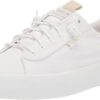
At 11:47 PM, midway through planning a 10-day European itinerary, my friend dropped a TikTok link in our group chat: “Girl. These shoes. Prague cobblestones. Zero blisters.” I was already three browser tabs deep into “most comfortable walking shoes for travel” and this felt like a sign. I’m Sarah — managing director of a household that includes two school-aged kids, a demanding job, and a social calendar that doesn’t stop — and I genuinely needed shoes that could keep up. Eight weeks, 45+ wear sessions, and one very ambitious Europe trip later, here’s the honest report on whether the Dr. Scholl’s Time Off Sneaker deserved the TikTok hype.
Testing Parameters: What I Wore, Where, and How Long
Before getting into the experience, the specs:
- Price: $70 (current Amazon pricing; occasionally $60 at select retailers)
- Weight: 10.2 oz (women’s size 8)
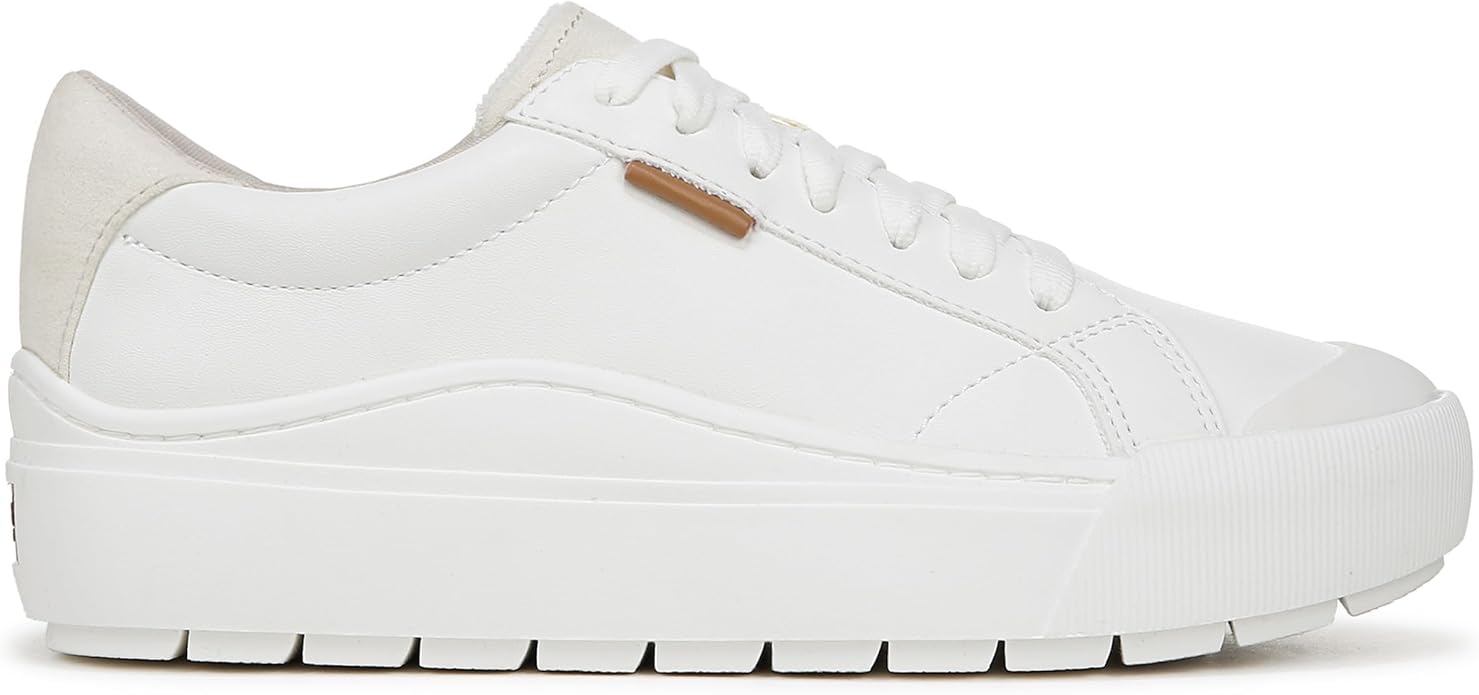
- Platform height: 1.5 inches
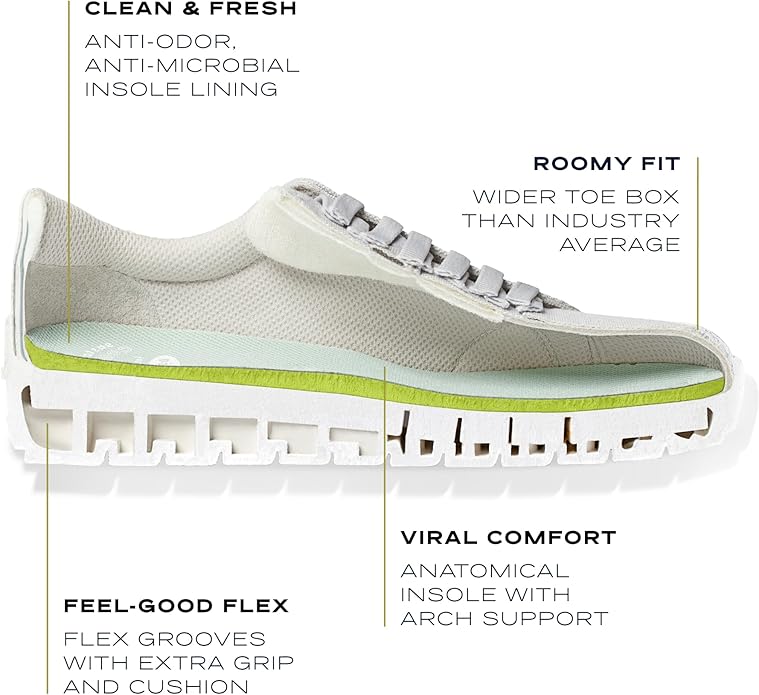
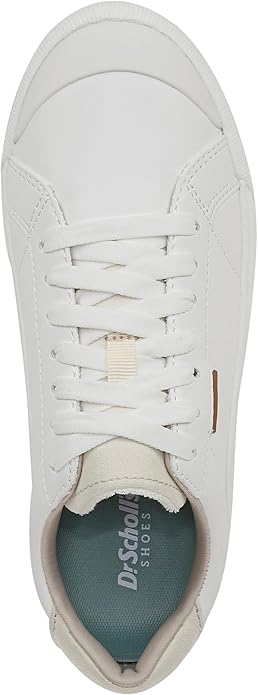
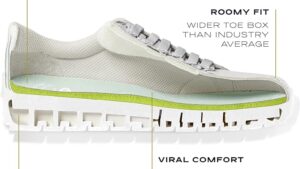
- Insole technology: Anti-microbial, anti-odor with anatomical cushioning and 15% algae-infused BLOOM® foam
- Upper material: Water-resistant faux leather (canvas and fabric variants also available)
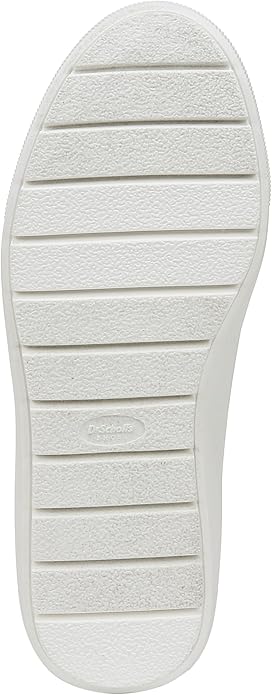
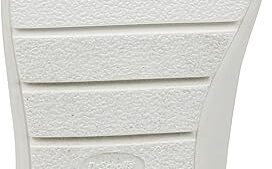
- Outsole: FEEL-GOOD FLEX — ultra-flexible with extra grip
- Sustainability: Partially recycled plastic bottles in toe box, lining, topcloth, and heel counter
- Fit system: Stretch laces with padded heel collar
My testing covered 8 weeks, 45+ sessions, and 200+ miles across everything from grocery parking lots to the cobblestones of Prague. I wear a size 8 with medium-height arches and a history of afternoon foot fatigue that usually turns into lower back soreness by 3 PM. That context matters for what I found.
Immediate Comfort: The First Week Surprise
My usual process with new shoes involves two or three “test wears” before committing them to a full day. These didn’t need that. I pulled them out of the box on a Saturday morning before my daughter’s soccer practice, put them on, and went — grocery store, two hours at the fields, dinner with friends afterward. By 8 PM, my feet hadn’t registered any of the usual distress signals.
The insole does something genuinely different. Dr. Scholl’s doesn’t call it memory foam, and once you’re wearing it you understand why — it’s more structured than memory foam while staying noticeably softer than standard fashion sneaker insoles. The 15% BLOOM algae foam is a small percentage of the total insole, but the overall formulation seems calibrated well for daily-weight distribution. My medium-height arches felt actively supported rather than just padded.
The padded heel collar is snug from the first wear, not tight. No heel slippage on smooth floors, no pressure point developing where the collar meets my Achilles. After a decade of owning shoes where one or both of those problems appears by week two, this was noticeable.
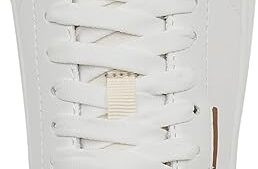
One detail worth noting: the stretch laces look exactly like traditional tied laces, but once you dial in the tension, they function as slip-ons. After an adjustment session on day one, I was stepping in and out in about three seconds flat. Small thing, big quality-of-life improvement for a morning school-drop routine.
Fit and Sizing: What the Platform Actually Changes
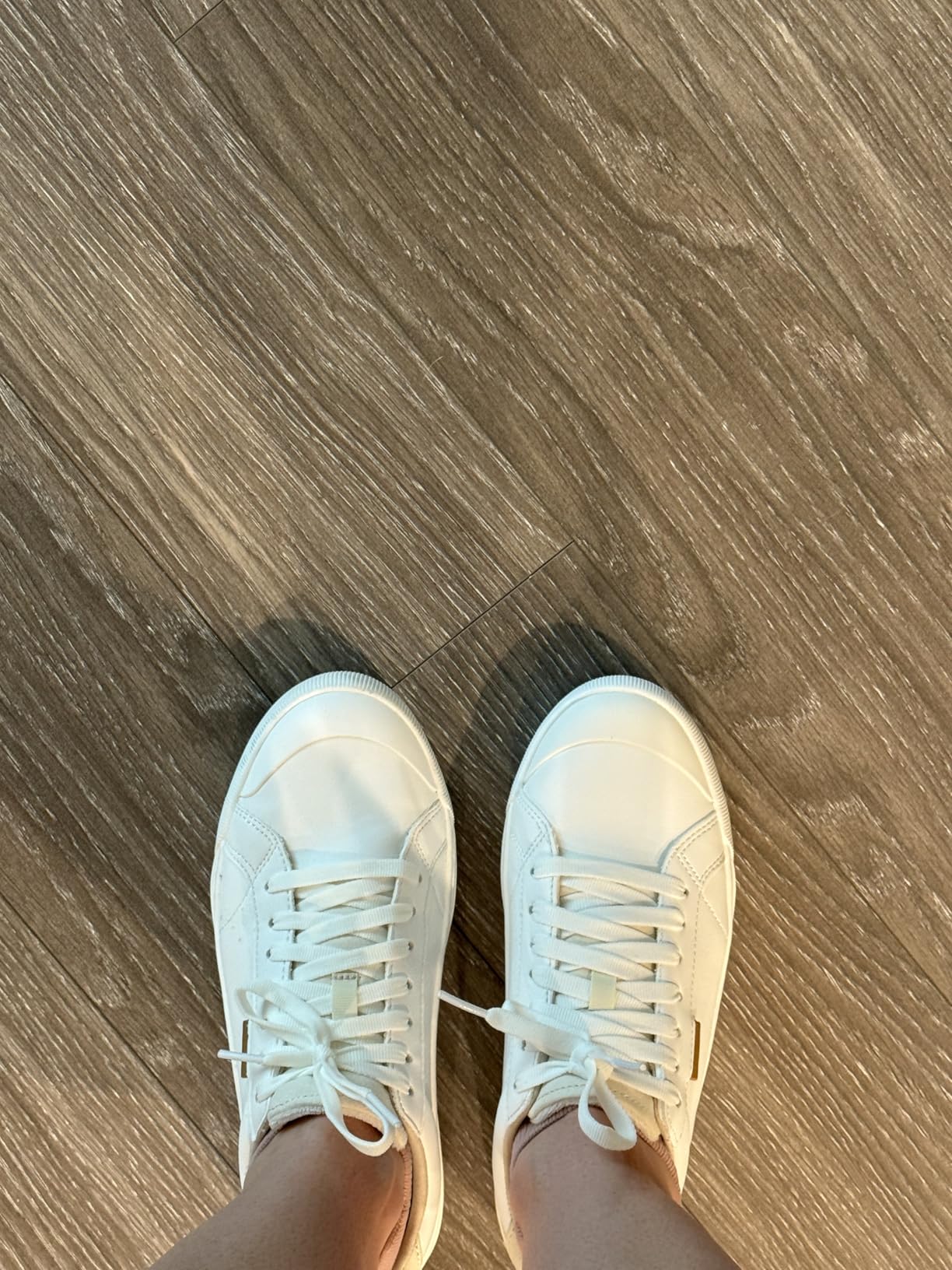
My size 8 fit exactly as expected — no half-sizing required. The toe box is genuinely roomy, not just “not narrow,” and that matters after years of running shoes that gradually compact my toes by hour five. There’s no bunching across the front of my foot at any point in the wear cycle.
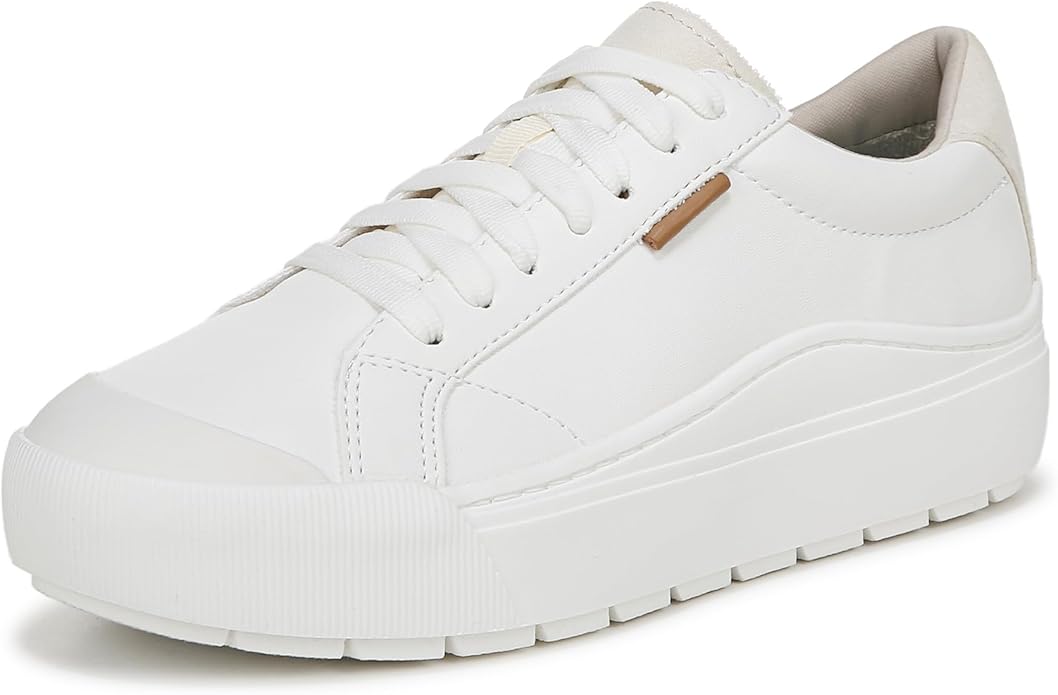
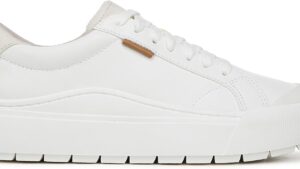
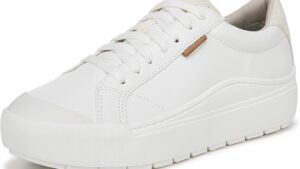
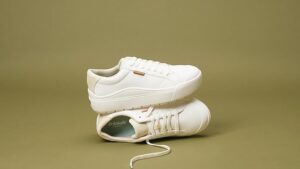
The platform height is something first-time buyers tend to second-guess in photos. In person, 1.5 inches reads as substantial but not unwieldy, especially because the platform is evenly distributed underfoot rather than wedge-shaped at the heel. The result is that your stride mechanics don’t need to adjust — your weight distributes the same way it does in flat shoes, just from a slightly elevated base. I tested this on a 3-mile afternoon walk my first week and had zero sense of platform instability.
Wide-width variants are available separately for those who need them. For standard-width feet, the regular width provides enough toe spread to feel accommodating without feeling sloppy. If anything, those who prefer a snugger fit — shoes that feel more “held” against the foot — might consider a half-size down.
One caveat: if you have very narrow heels and prefer the snug version, be aware that sizing down creates a slightly longer toe box that may feel roomy up front. Test both if you’re at the boundary.
Style in Practice: How Broadly Do These Actually Work?
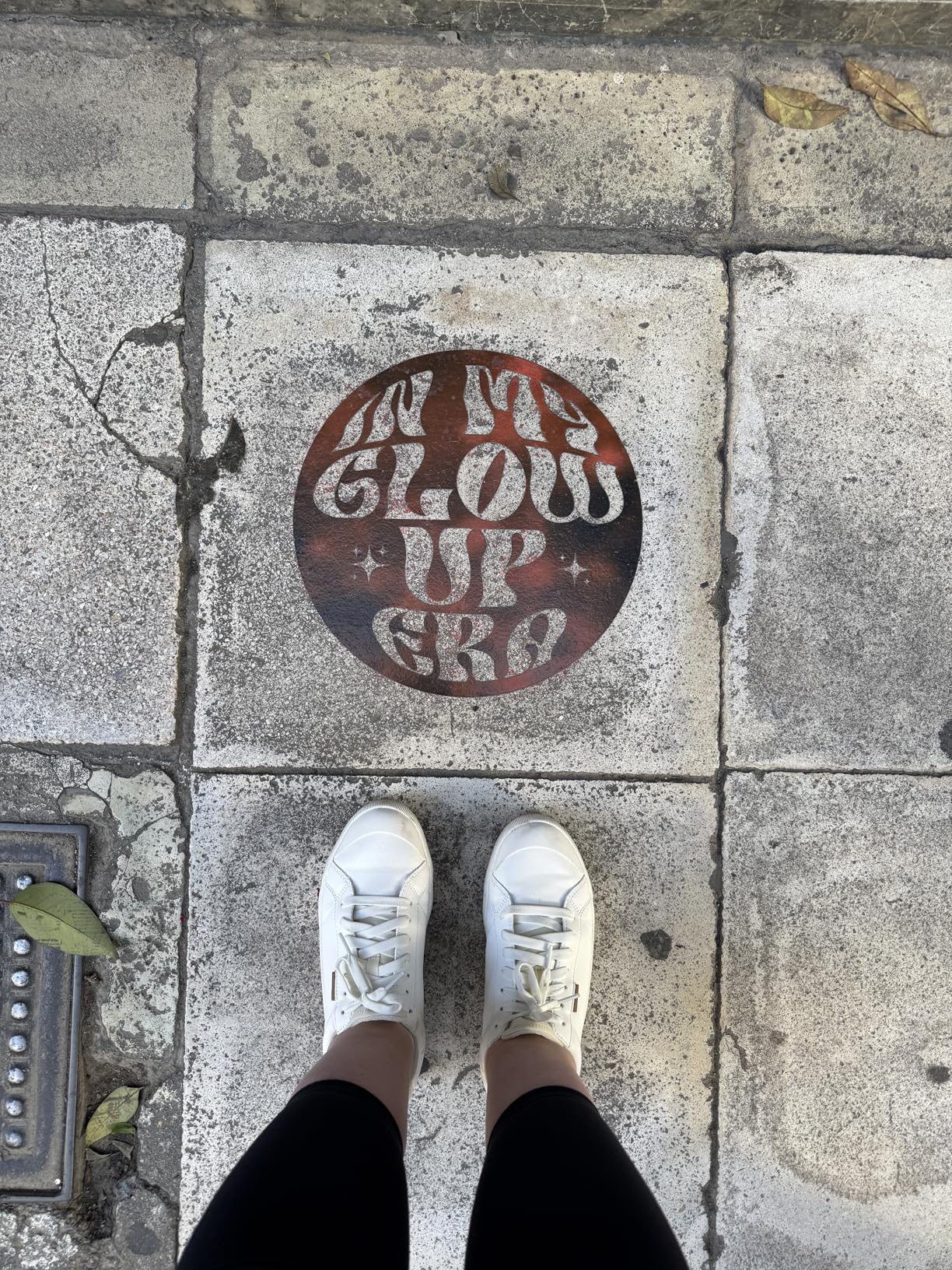
The retro platform silhouette sits in an interesting middle zone — more structured than canvas casual sneakers, less sporty than athletic trainers. In practice, this means they work with a wider range of outfits than I expected.
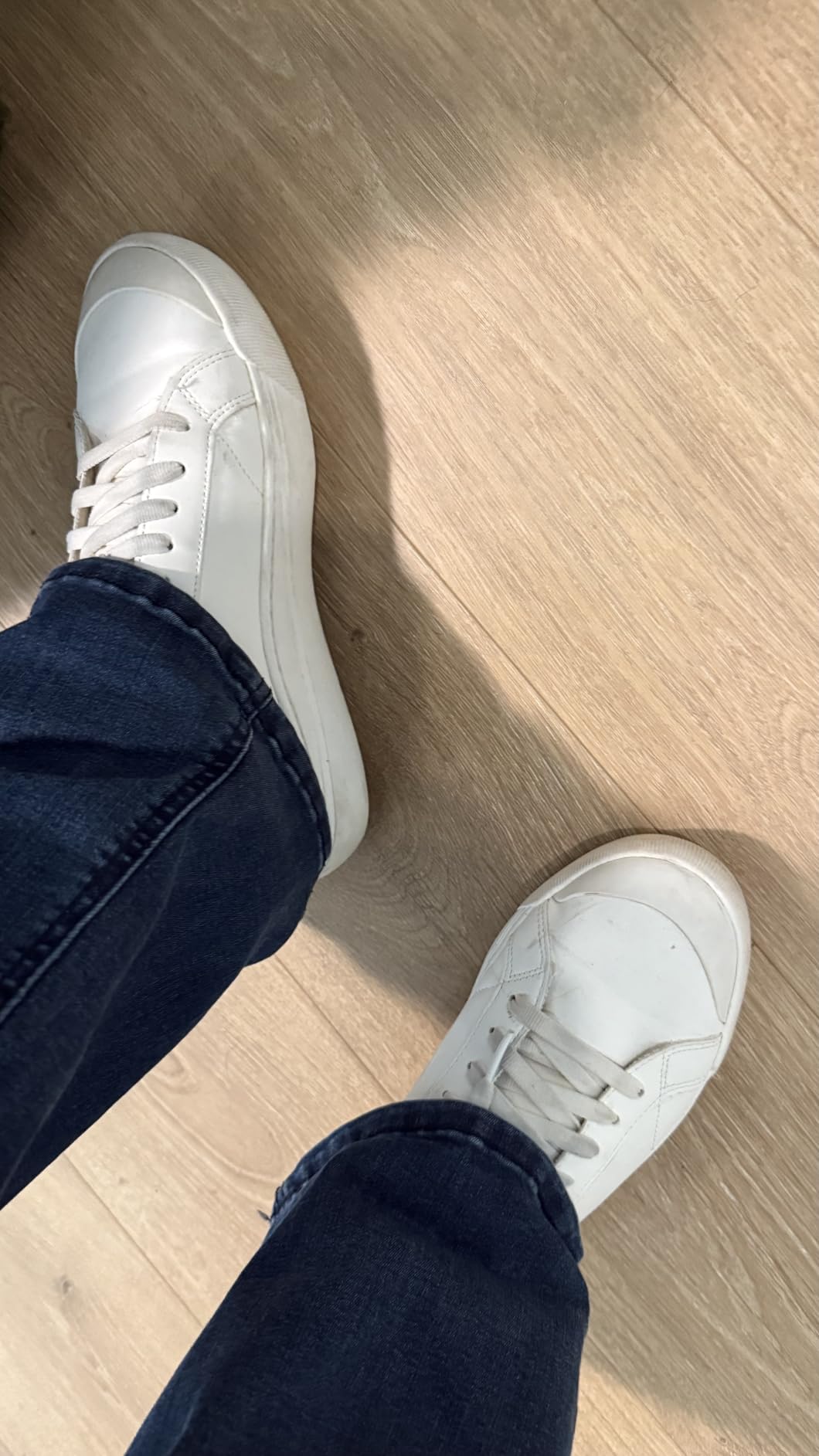
Over eight weeks I wore them with dark work trousers, casual dresses, jeans in three different cuts, and once with tailored shorts for a weekend market visit. The clean white faux leather upper reads as intentionally styled rather than gym-adjacent, which is why business-casual Friday works and weekend errands work equally well. I wouldn’t wear these to a formal dinner or a courtroom, but for everything between “coffee run” and “casual work presentation,” they handled the range without looking mismatched.
The 1.5-inch lift is a subtle confidence element I hadn’t expected to appreciate. On a day with back-to-back standing meetings, that extra inch felt meaningful in posture — though this is hard to quantify, and I’ll admit it may be partially psychological.
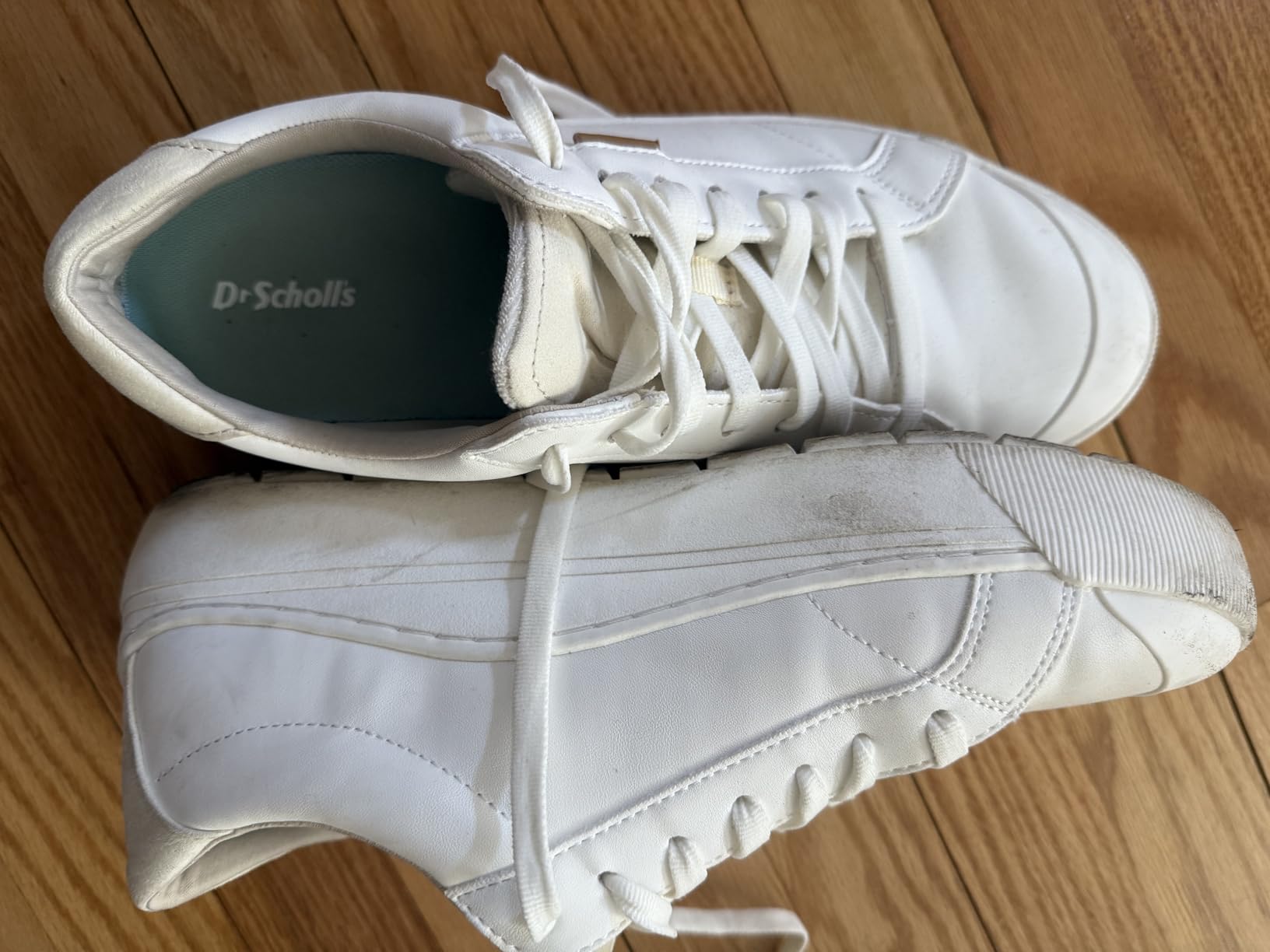
The white color reality: The faux leather upper showed the first scuff marks by day three. The Easy Clean Repellant is real — it does work — but only on the sidewall portion of the sole. The upper itself is not treated, and dirt shows against white immediately. What surprised me was how easily it cleaned up: a damp cloth and about 30 seconds was sufficient for most marks. After two weeks of regular use, I built “quick wipe” into my Sunday routine and it’s been fine since.
Performance Across Five Conditions
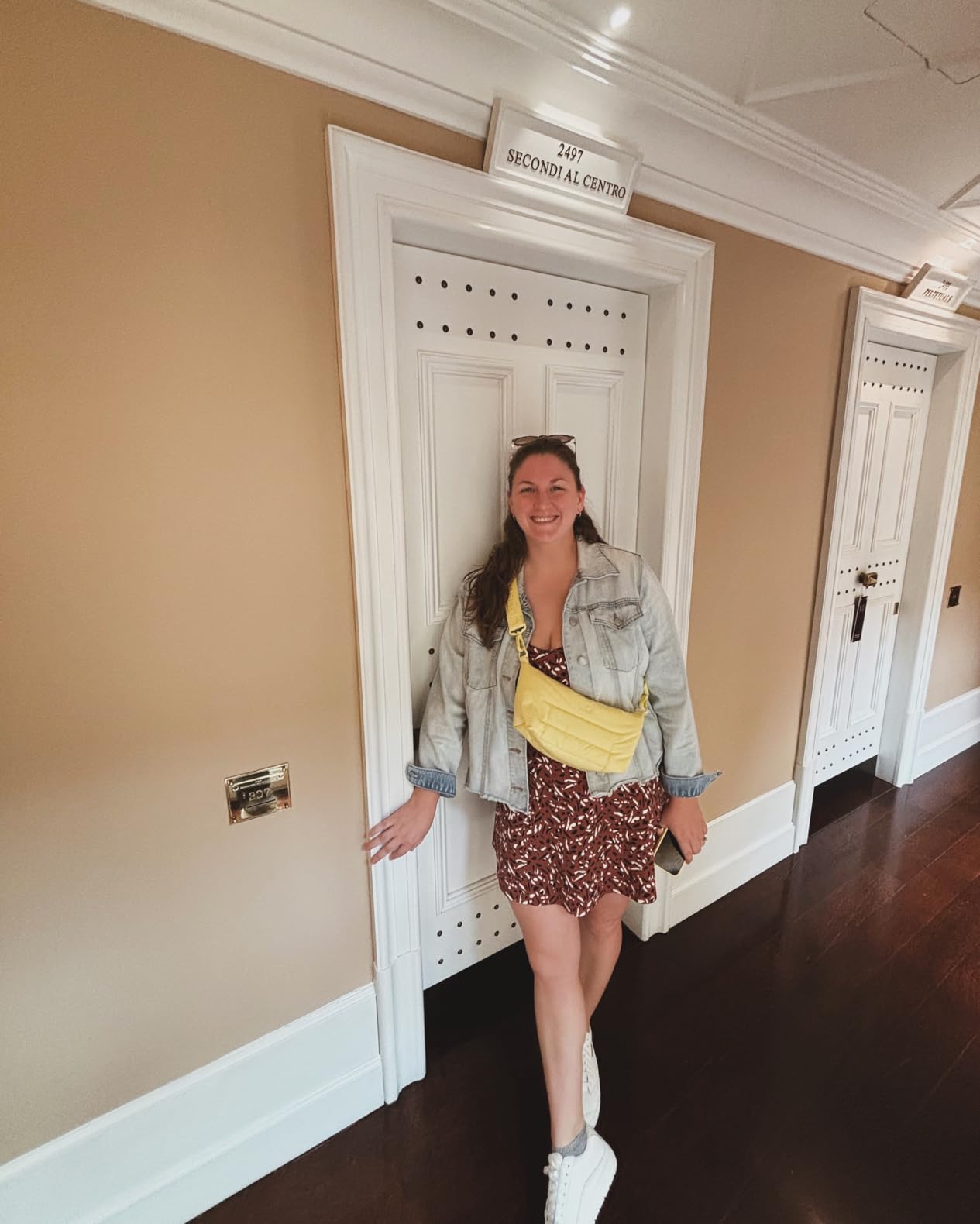
City walking: The FEEL-GOOD FLEX outsole grips flat pavement confidently from day one, though the traction took about four days to feel fully “settled.” On wet concrete and smooth tile, grip was adequate — not exceptional, but I never had a slip concern. For grocery runs, commuting on foot, and standard city sidewalks, 9/10.
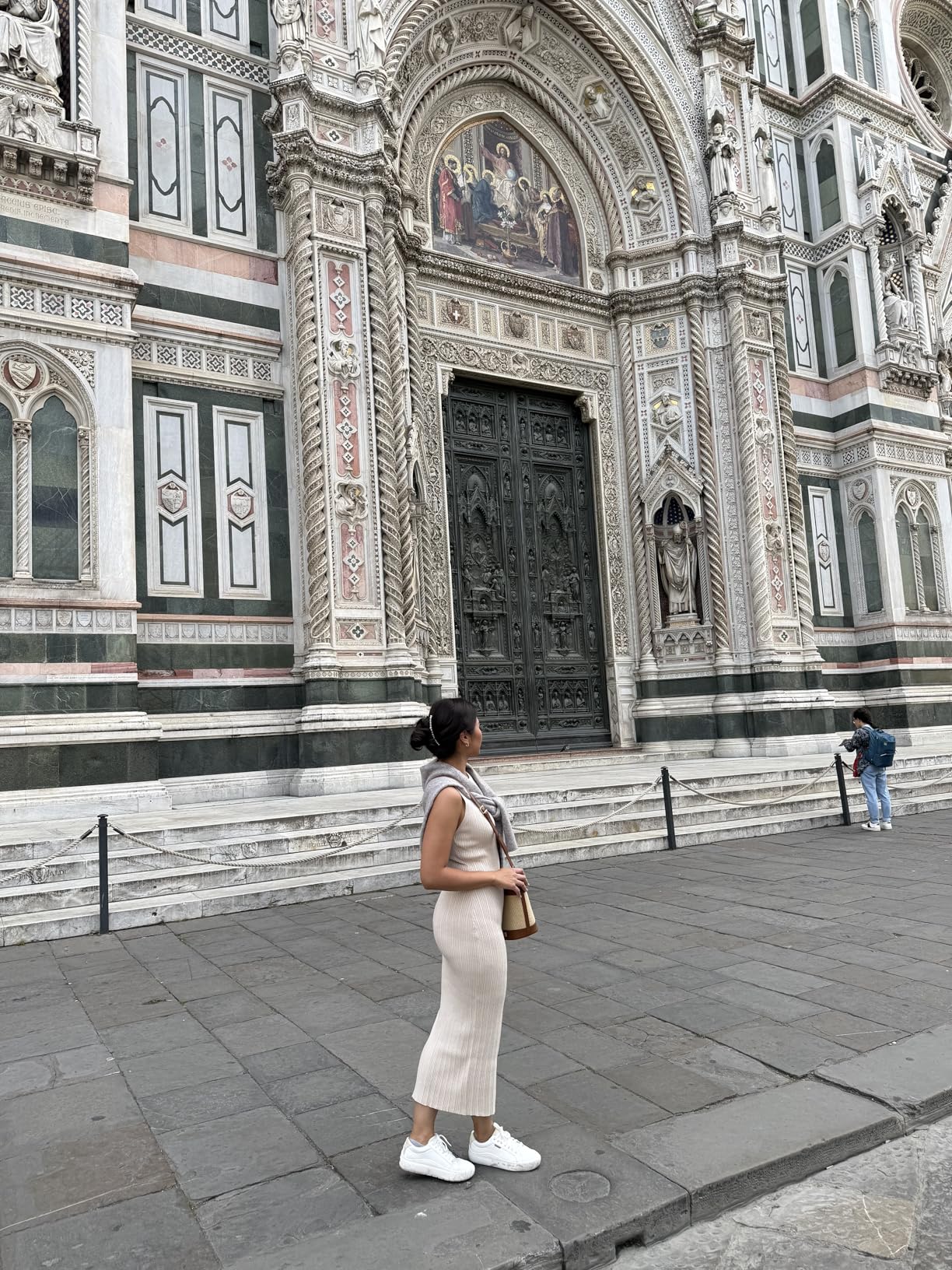
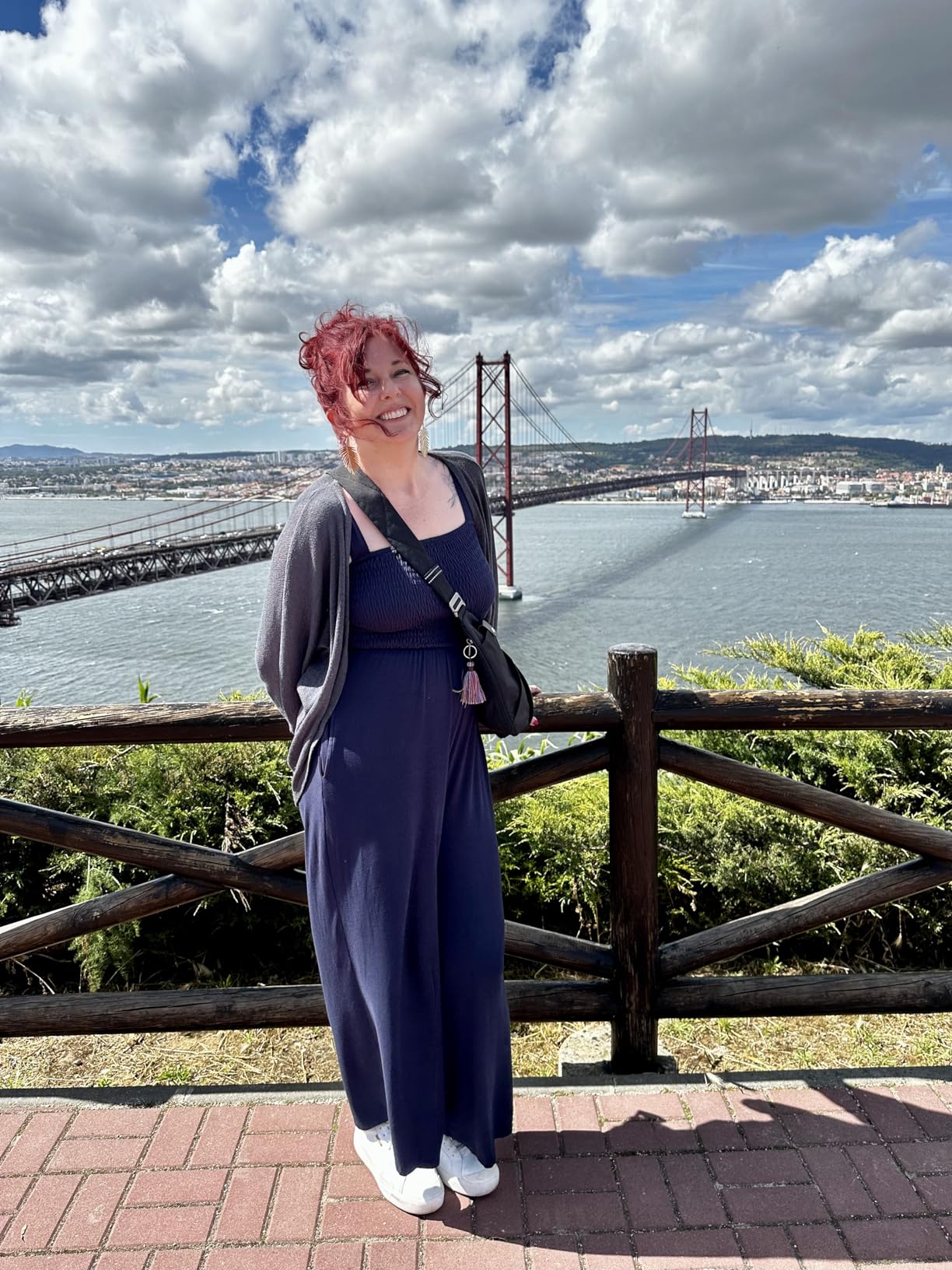
European cobblestones: This is where the platform pays off. Walking through Prague’s Old Town on day two of a 15,000-step day, across uneven stone streets that have humbled more comfortable-looking shoes than these, the 1.5-inch sole acted as a substantial buffer between my foot and the ground. By 4 PM, my feet felt the same as they had at 9 AM. My husband, wearing canvas sneakers he’d worn dozens of times before, was limping slightly by the third day. His feet, his problem — but the contrast was instructive.
Rain: During an unexpected downpour in Budapest, I tested the water-resistant claim properly. For the first 35 minutes, my feet stayed dry while my husband’s canvas sneakers became soaked. After the 35-40 minute mark, water started seeping in along seam areas. This is water-resistant, not waterproof — the distinction matters. For brief rain exposure, strong. For extended wet conditions or deep puddles, plan accordingly.
Heat and breathability: Above 80°F, breathability becomes an issue. During a three-hour outdoor event at around 83 degrees, foot sweat accumulated by hour two. The faux leather is not a breathable material, and the insole — while comfortable — doesn’t wick particularly well at high temperatures. This is the clearest weather limitation: these shoes are best in spring and fall conditions, or temperature-controlled indoor environments.
Extended wear: For the first eight hours, fatigue is non-existent. From hour 8 to 10, I noticed the beginning of platform weight registration — not pain, just awareness. Beyond 12 hours of continuous standing (I tested this at a full-day conference), the calf-to-foot junction noticed the platform weight in a way it hadn’t earlier. Walking at hour 12 felt fine; standing at hour 12 was where fatigue appeared. That’s a meaningful distinction for people whose long days are mostly moving versus mostly standing.
The Durability Timeline: Week by Week

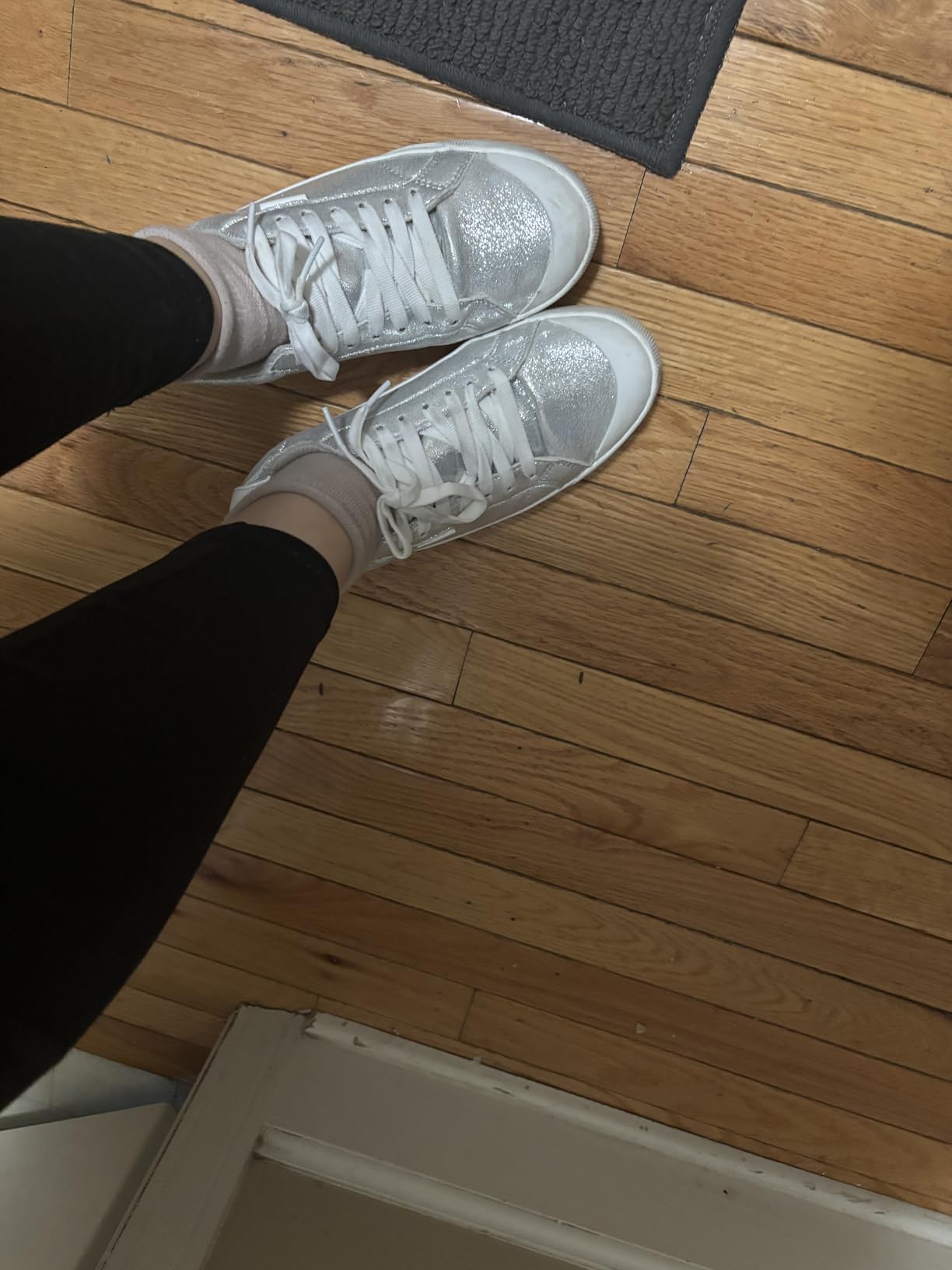
Weeks one through four: no visible wear whatsoever. The faux leather maintained its initial appearance, the insole felt as full as day one, and the sole adhesion was completely intact. This period will trick you into thinking these shoes are more durable than they are.
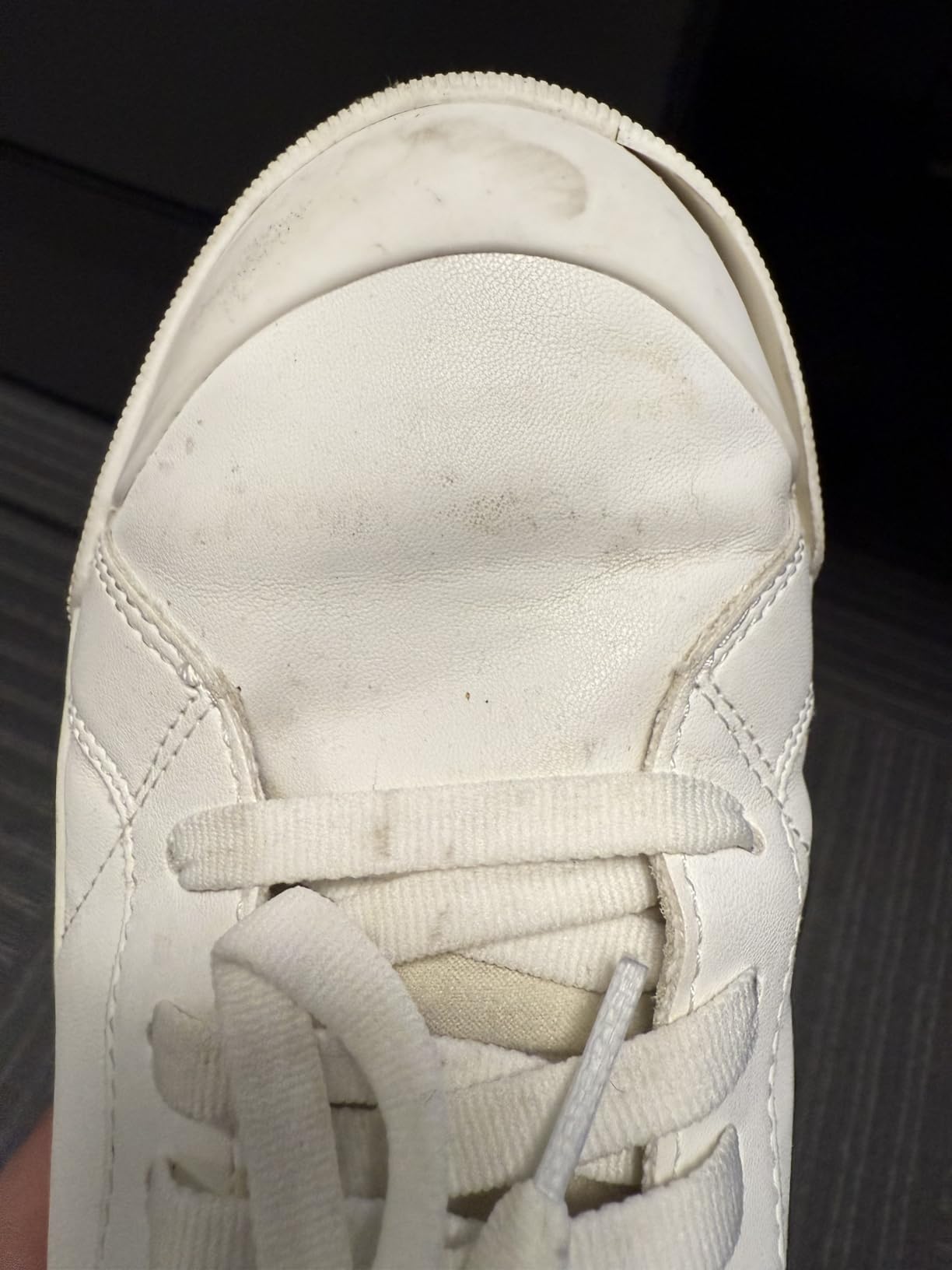
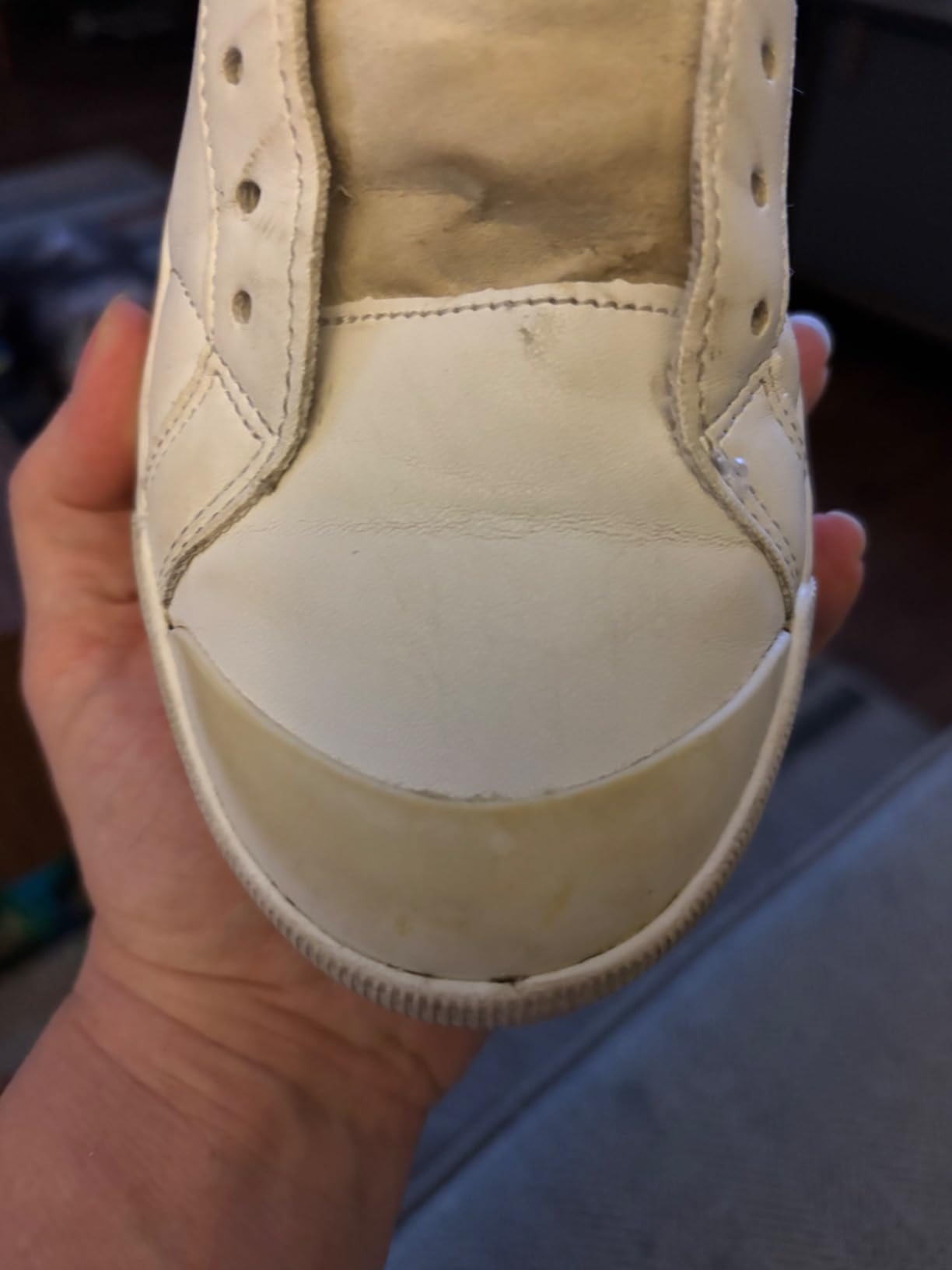
Week five: tiny separation appeared at the toe box, at the flex point where the upper meets the sole. Not structural yet — I pressed it back together and it stayed — but clearly an early sign.
Week six: the separation extended slightly. Faux leather showed its first permanent crease lines at the toe flex area. Still wearing well, still comfortable, but the trajectory was established.
Weeks seven and eight: the toe box separation became a consistent feature rather than a developing one. Canvas fabric showed faint pilling at the highest-friction points. The insole felt slightly less full — not dramatically, but measurably, in the way you notice a slight drop in cushion height. The aesthetic had downgraded from “new” to “regularly worn.”
Projecting forward: under daily wear (5-6 days a week), the 3-6 month ceiling that appears in community reviews seems accurate. Under rotation wear (2-3 days a week), 8-12 months is realistic. The cost math at $70: daily = roughly $2.70 per week of use; rotation = closer to $1.40-1.75 per week. Whether that’s acceptable depends entirely on what you’re comparing it to.
Dr. Scholl’s makes no durability claims in their marketing — they focus entirely on comfort features. That’s an omission worth noting.
The Eco Angle: What the Claims Actually Mean
The sustainability story is genuinely there, but it’s partial rather than complete. Recycled plastic bottles contribute to the toe box, lining, topcloth, and heel counter — confirmed from official materials. The BLOOM® foam algae content is 15% of the insole, not the entire foam formulation. That’s a real use of algae biomass (which does address algae bloom pollution in waterways), but framing these as “eco sneakers” overstates the case.
The durability tension is the harder question: if these last 6 months under daily wear versus a comparable shoe that lasts 18 months, you’re buying three pairs where you’d buy one otherwise. The per-shoe recycled content starts looking different in that math. As someone who tries to make sustainable choices, I’d rather see Dr. Scholl’s invest in both eco materials AND durability improvements — right now they’ve prioritized the former over the latter.
Who Benefits — and Who Should Look Elsewhere
These shoes are genuinely excellent for:
- Travel, specifically: the combination of zero break-in, light water resistance, genuine 8-hour comfort, and cobblestone-absorbing platform makes these exceptional travel shoes. I’d buy them again solely for this use case.
- Busy schedules that need one pair to handle multiple contexts in a single day (work → school pickup → dinner).
- People with medium-height arches and foot fatigue who need real arch support in a shoe that doesn’t look orthopedic.
- Eco-conscious buyers who want some sustainable content in their footwear without going full specialty brand.
- Rotation use: if you rotate between two or three pairs rather than wearing the same shoe daily, the durability ceiling extends enough to make these excellent value.
Consider alternatives if:
- You need a single daily driver that lasts 12+ months without replacement. Consider Lucky Step Retro Fashion Sneakers or the Gola Coaster High if you want retro platform style with longer construction lifespan, or New Balance Fresh Foam Arishi V4 if support is the priority and style is secondary.
- You live in a hot, humid climate — breathability above 80°F is a real constraint.
- You have flat feet or very high arches. Medium-arch insoles don’t serve either extreme well without orthotics.
- You want a gym or training shoe — this platform sole is not designed for lateral movements, and the flexibility that makes it comfortable for walking creates instability for any athletic activity.
- Narrow heels: the roomy toe box means sizing down half a size may be necessary, which some find makes the toe box feel loose.
Score Breakdown
| Category | Score | Notes |
|---|---|---|
| Immediate Comfort | 10/10 | Zero break-in; comfortable from minute one, day one |
| All-Day Support (8 hours) | 9/10 | Sustained arch support through walking-heavy days; slight platform weight registration after hour 8 |
| Style Versatility | 8.5/10 | Works casual through business-casual; not suited for formal occasions or gym |
| Durability | 6/10 | Sole separation week 6 under daily wear; 3-6 month ceiling for daily drivers |
| Value for Money | 7/10 | Excellent comfort delivery at $70; durability ceiling affects long-term cost equation |
| Weather Performance | 7/10 | Light rain 35 minutes OK; poor breathability above 80°F; not for heavy rain or snow |
| Sizing and Fit | 9/10 | True to size; roomy toe box; wide widths available; stretch laces add convenient fit security |
| OVERALL RATING | 7.5/10 | Exceptional comfort, honest durability ceiling |
Frequently Asked Questions
Do these run true to size?
Yes, for most feet. My size 8 fit as a size 8, with enough toe box room to feel generous without feeling loose. If you prefer a snugger fit around the toe, half a size down is worth trying. Wide-width variants are available if needed. The platform height doesn’t create any sizing anomaly — no upsizing required for the platform.
How long will they actually last with daily wear?
Under daily use (5-6 days per week), expect the first signs of sole separation around week six, with visible quality decline accelerating through weeks seven and eight. The 3-6 month window that appears in customer reviews is consistent with my testing trajectory. Under rotation wear (2-3 times weekly), lifespan extends to 8-12 months. If you’re comparing to Skechers Summits or similar comfort-first daily options, factor this ceiling into the value calculation.
Are they waterproof enough for travel?
Water-resistant, not waterproof — and that distinction held in actual testing. About 35 minutes of light-to-moderate rain kept my feet dry; beyond that, seams and material edges let water through. For spring and fall travel, light rain won’t be a problem. For monsoon-season destinations or days with sustained heavy rain, pack waterproof alternatives.
What about plantar fasciitis or arch problems?
For medium-height arches with plantar fasciitis-adjacent fatigue (the “my feet ache by 3 PM” variety), these helped noticeably — my afternoon lower back pain was absent for the full 10-day Europe trip. For diagnosed plantar fasciitis or flat feet, the insole provides more support than most fashion sneakers but less than dedicated orthopedic footwear. A podiatrist’s input matters more than mine here, but casual foot fatigue and mild arch discomfort: genuinely helpful.
Can I use sneaker wipes to clean the upper?
Yes — sneaker wipes work well on the faux leather surface. The Easy Clean Repellant on the sole sidewall handles that area. For the upper, a slightly damp cloth or sneaker wipe every few days keeps white from getting away from you. Canvas portions of the upper are a bit more absorbent and may need spot treatment.
Are these suitable for the gym or any athletic activity?
No. The platform sole is designed for forward-motion walking comfort, not lateral stability, impact absorption under load, or the ankle-support dynamics that training shoes require. Using these for side shuffles, HIIT, or anything involving quick directional changes is both less effective and potentially risky for ankle strain.
Is the platform too trendy? Will these look dated quickly?
The retro platform silhouette has been stable in women’s casual footwear for several years without fading. This is a cleaner, more minimal expression of the style — not chunky in the exaggerated sense, and not overtly branded. If you’re looking for a more dramatic platform statement, the Dream Pairs Platform Chunky Maeve offers a more maximalist take. The Time Off reads closer to elevated basics territory, which tends to age better.
Is $70 the right price, or should I wait for a sale?
At $70, the comfort-to-price ratio is genuinely strong — you’re getting a well-engineered insole and real arch support in a shoe that costs less than most specialty comfort brands. The durability caveat means you’re essentially paying $70 for a 6-month daily shoe or a 12-month rotation shoe. If you catch these at $55-60 (which happens at several retailers periodically), the value calculus gets better. At $70, it’s a fair deal for travelers and rotation wearers; a harder sell for someone who needs a single daily driver to last the year.
Final Take
After eight weeks, the Dr. Scholl’s Time Off Sneaker earns its 7.5/10 on the strength of what it does genuinely well: exceptional first-wear comfort, honest arch support that outlasts a long European walking day, and a clean enough aesthetic to carry a whole range of daily-life contexts.
The durability ceiling is real and worth factoring into any purchase decision. These are not shoes to buy and expect to forget about for 18 months — they’re shoes to buy knowing they’ll be excellent for the first half of that period and declining in the second. For travelers, occasional wearers, and anyone who rotates their footwear, that’s entirely workable. For single-pair daily drivers, the math gets harder.
The lower back pain that typically announces itself by mid-afternoon was completely absent during my Europe trip. Some trade-offs are worth it.
Be the first to review “Dr.Scholl’s Shoes Women’s Time Off”
Related products
Sneaker
Sneaker
Sneaker

Sneaker
Sneaker
Reviews
There are no reviews yet.