
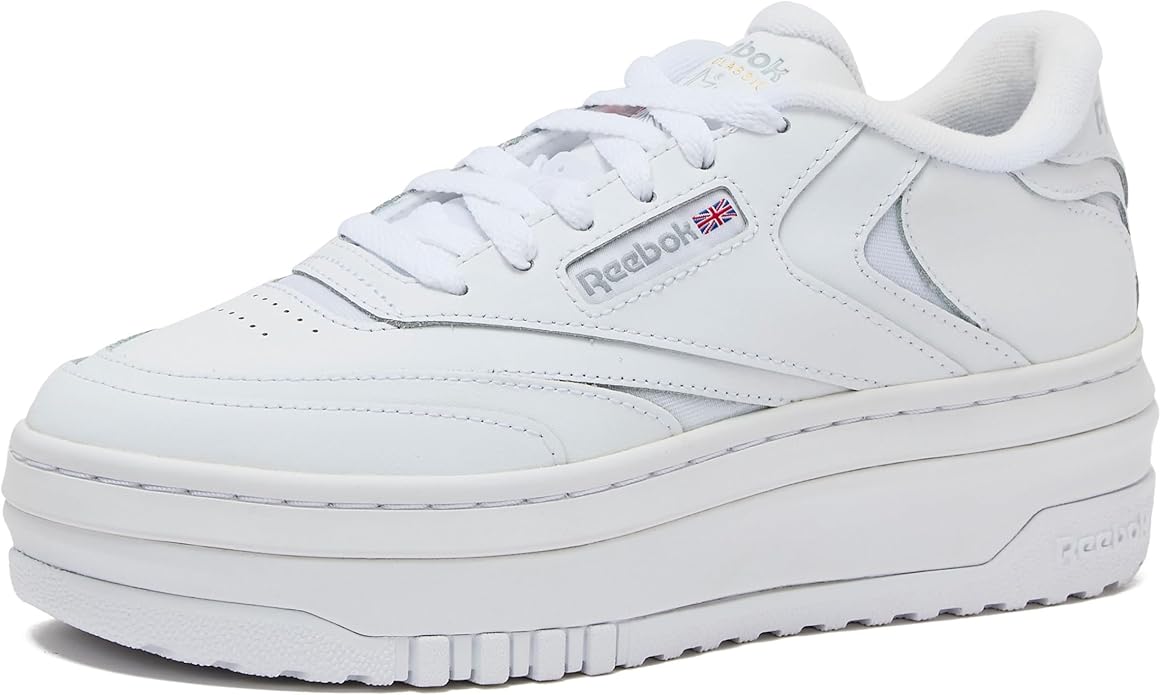
Three platforms, zero regret — except maybe the first week. I’d been eyeing the Reebok Club C Extra for months after a friend wore them through an entire Disney trip without complaining once. Emily here, and I finally pulled the trigger on a Thursday afternoon when my closet hit critical mass: four pairs of shoes that looked great and felt terrible past hour two, and nothing that could bridge gym pickup, a client lunch, and Saturday errands without a wardrobe change. Six weeks of actual daily life later — 40+ wear sessions, 120+ hours, two dinners out, one minor rainstorm, and a school bake sale — here’s everything I learned.
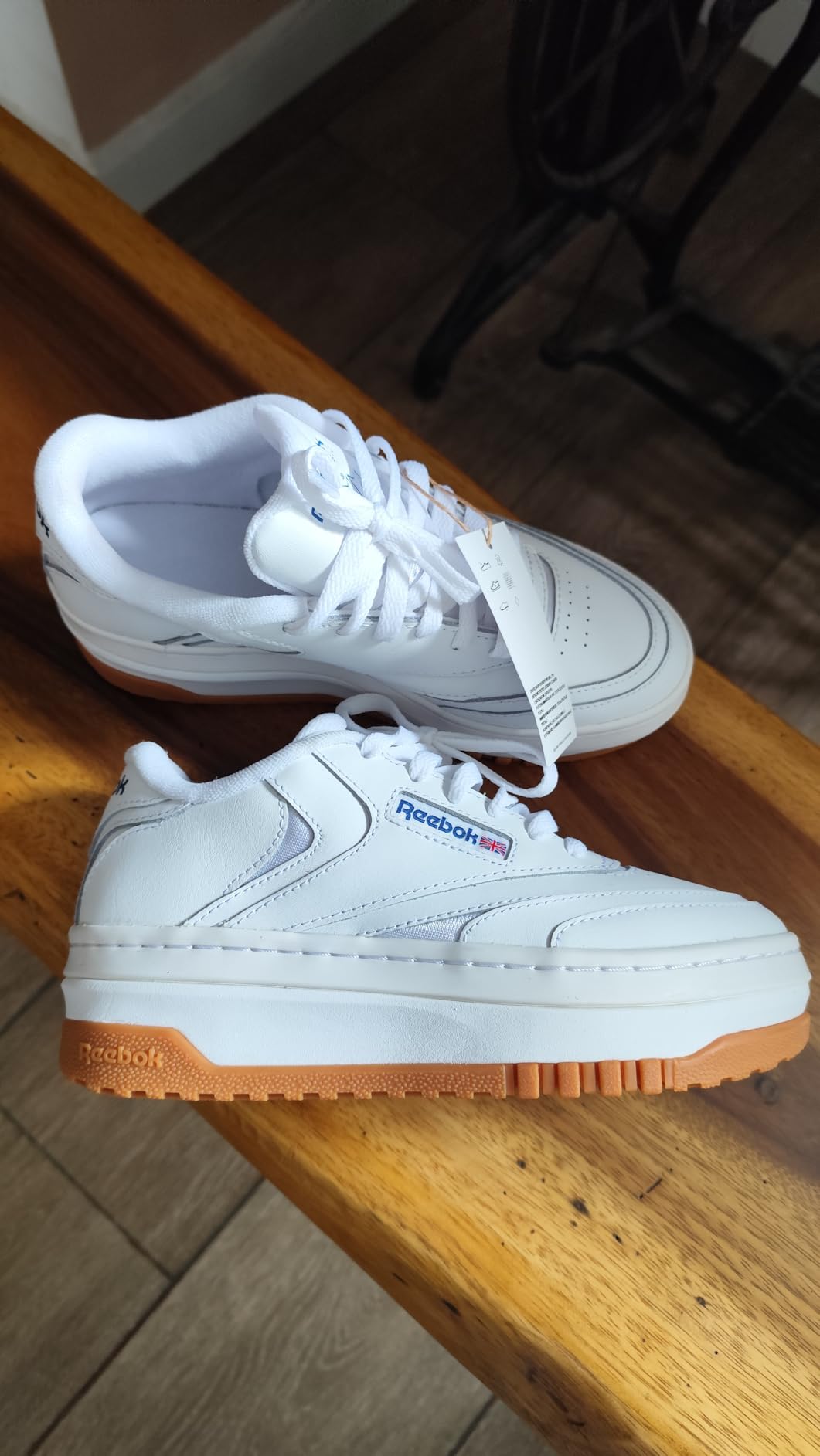
Quick Specs
- ⚖️ Weight: 14.2 oz (women’s size 8)
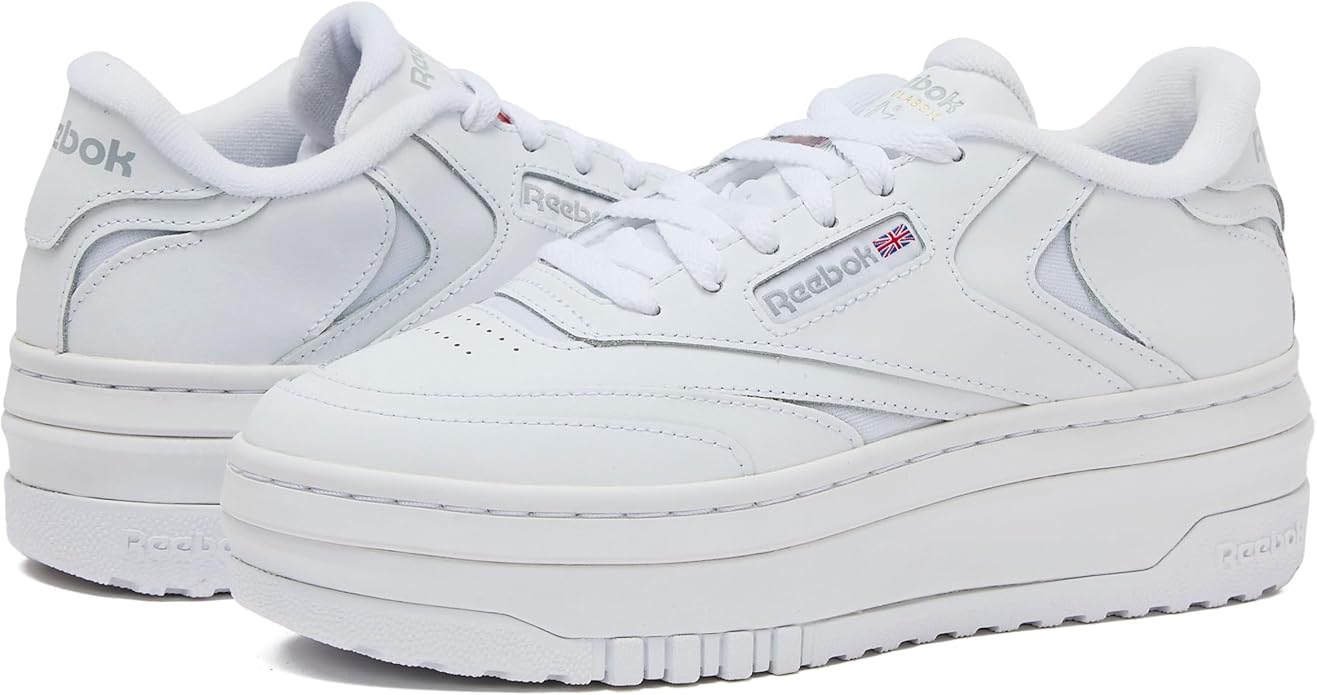
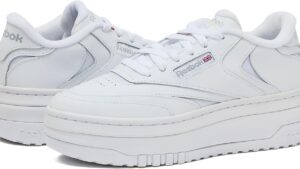
- 📐 Platform height: 2″ heel / 1.75″ forefoot = 0.25″ effective heel differential
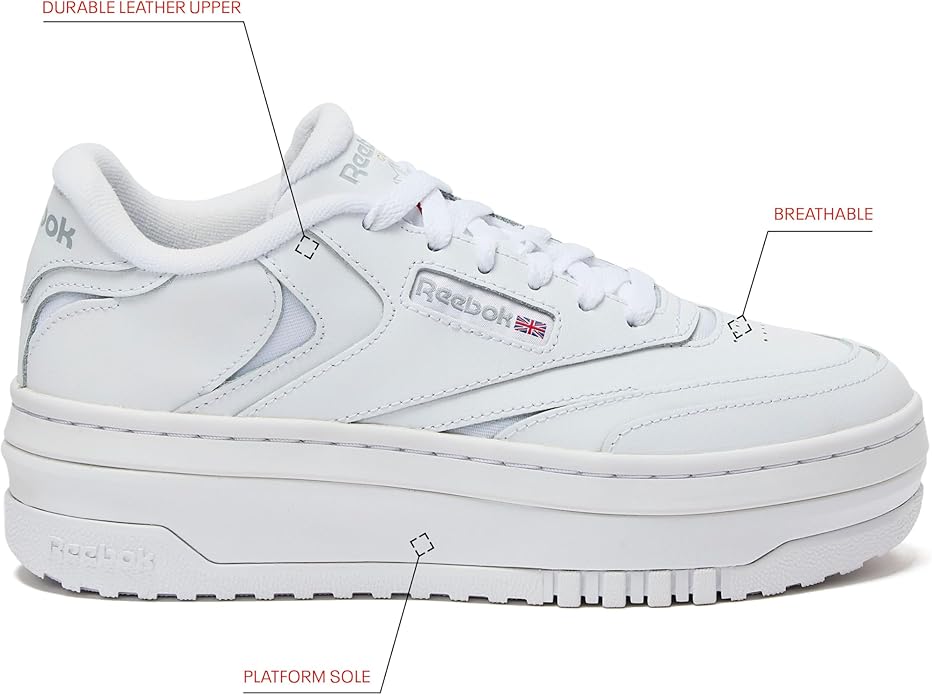
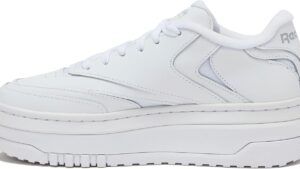
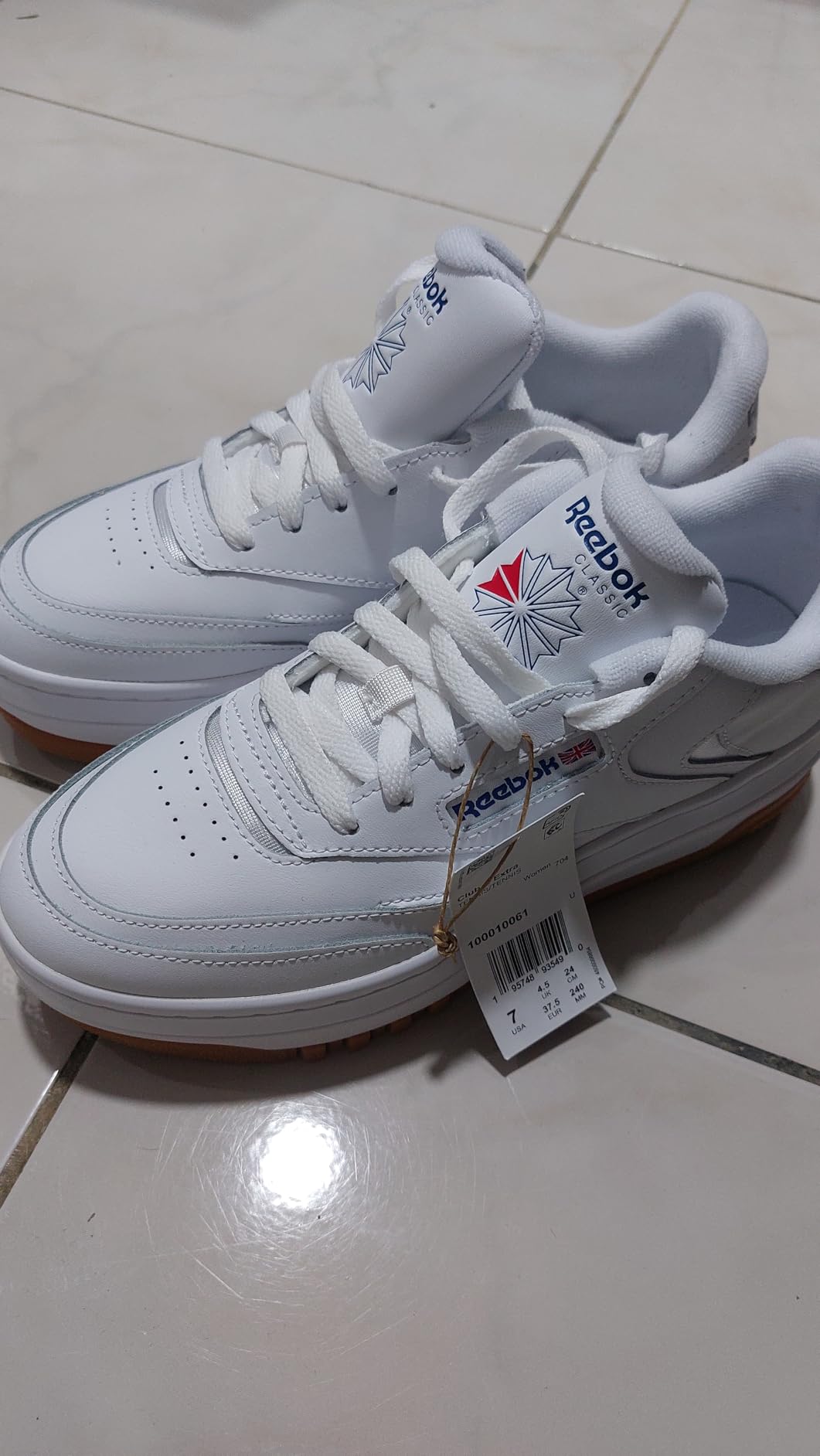
- 👟 Upper: Premium leather with tonal overlays + perforated details
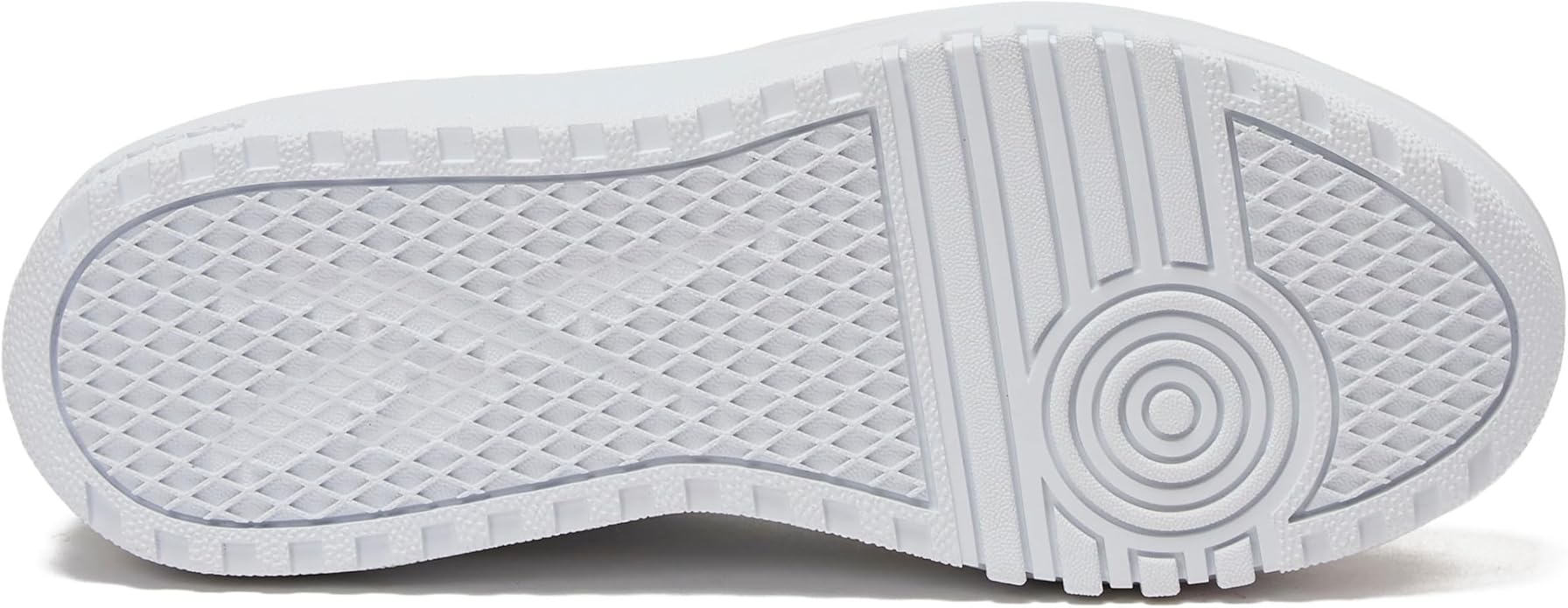
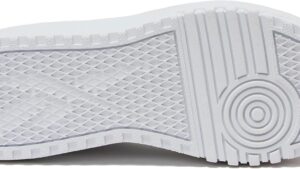
- 🧪 Sole: Durable rubber outsole
- 🛡️ Padding: Terry padding on tongue and collar
- 📏 Sizes: Women’s 5–11
- 🎯 Best for: Lifestyle wear, casual outings, versatile styling
- ⏱️ Testing: 6 weeks, 40+ wear sessions, 120+ hours across real daily activities
My verdict in one line: Fantastic once broken in, narrow fit requires sizing up 0.5, and worth every dollar of that $65 if you’re patient.
First Impressions — “Are These Going Back?”
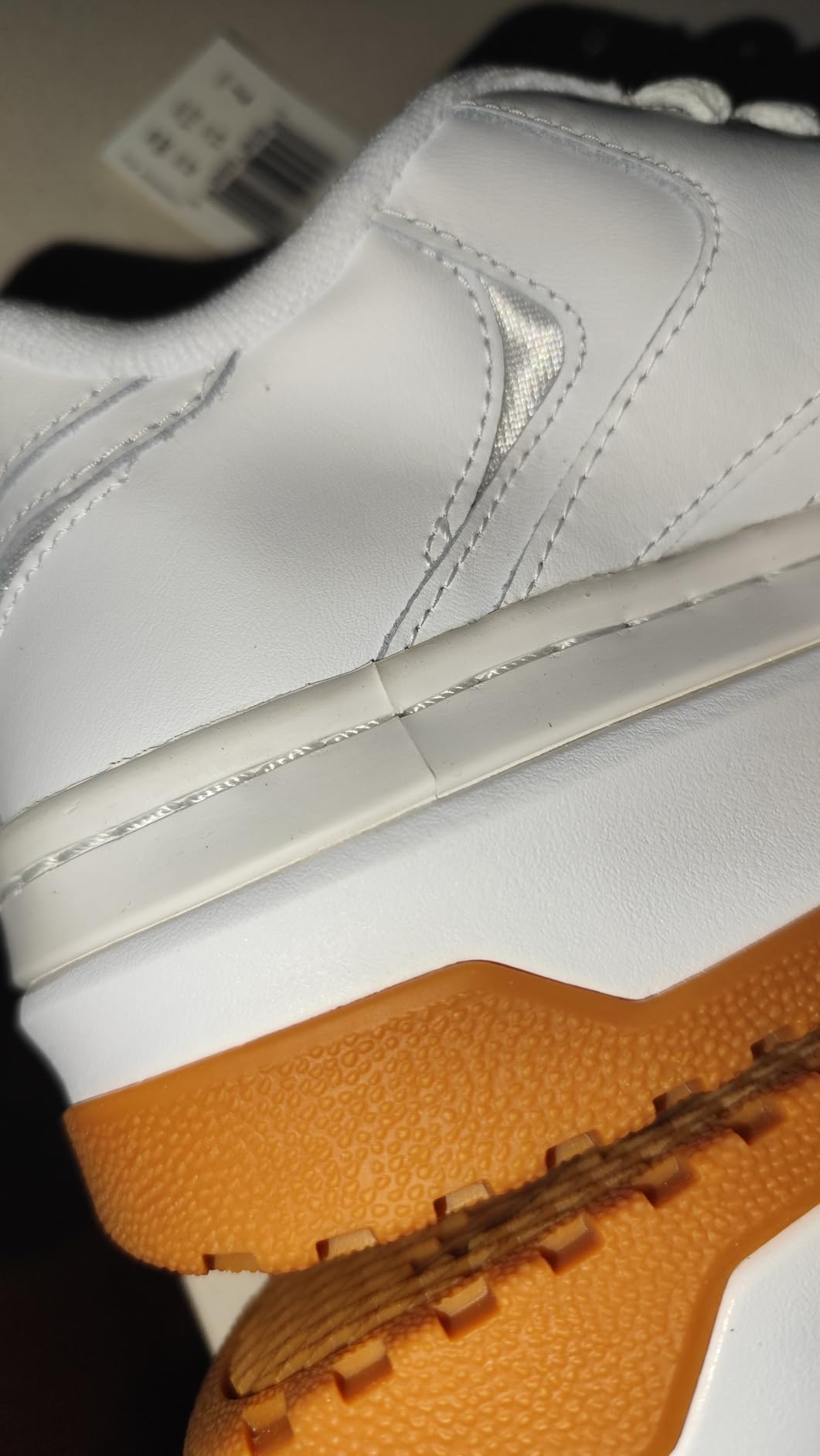
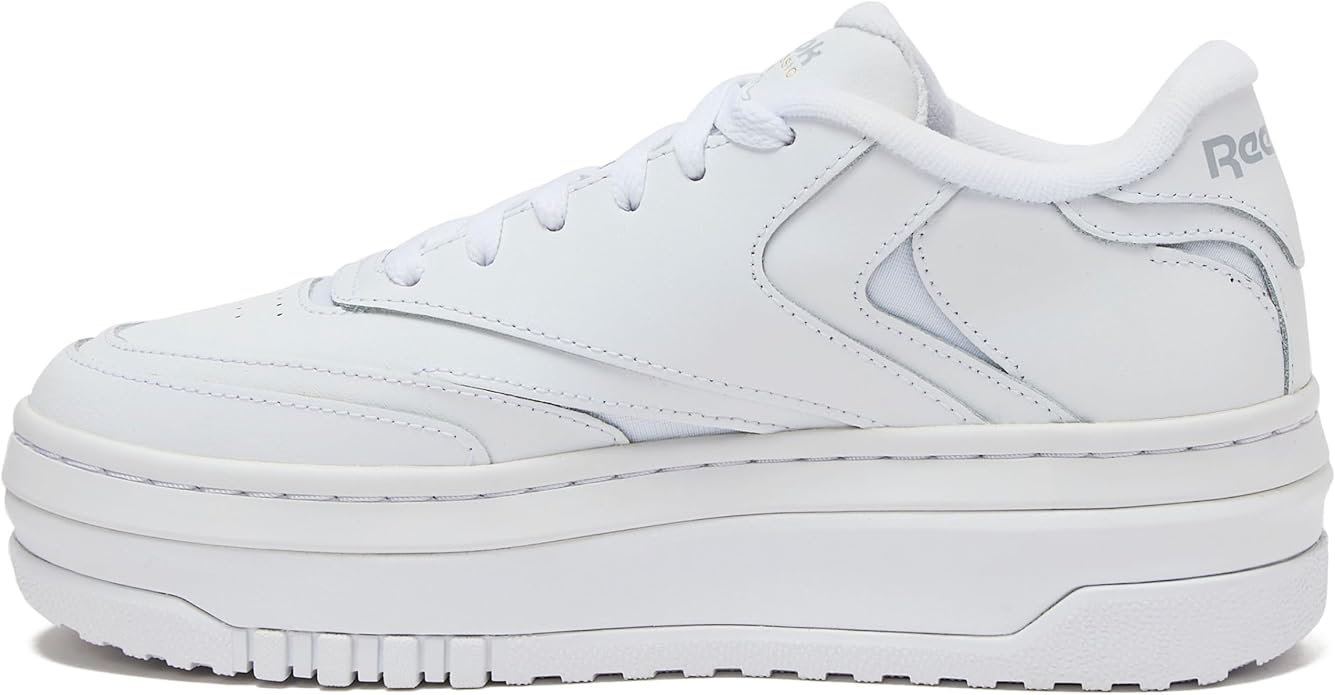
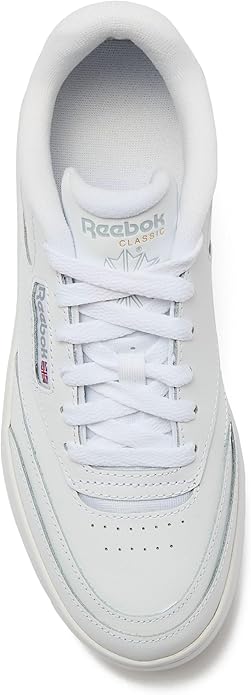
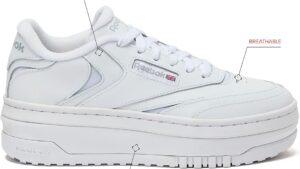
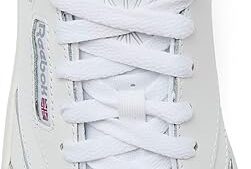
Out of the box, the Club C Extra checks every visual box. The white leather is genuinely premium — not that painted-on finish that cracks by week two. The tonal leather overlays have actual texture. The subtle perforated details run along the sides, practical for breathability and visually clean at the same time.
Then I tried them on.
My usual size 8. And wow — that instep was snug. Not painful-snug, but “this is objectively tight” snug. The heel locked in perfectly, no slipping. But the midfoot felt compressed, like the shoe had a strong opinion about how wide my foot was allowed to be.
First thought: I need to check the return window.
The Sizing Reality — Read This Before You Order
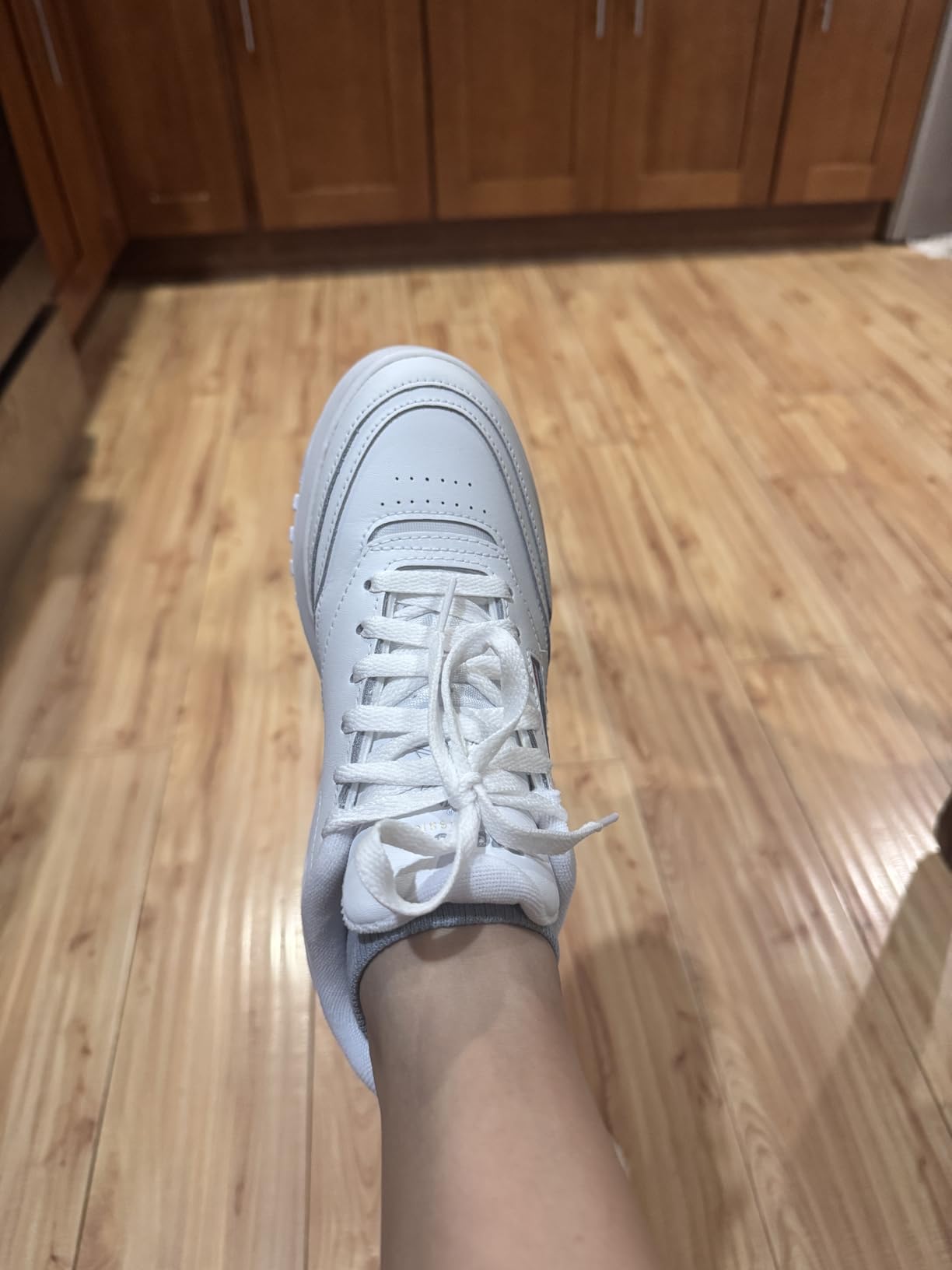
Here’s the conflict you’ll find online: some listicles say these fit true to size. My six weeks of testing say otherwise.
The Reebok Club C Extra runs narrow in the forefoot and instep. This isn’t a personal foot issue — I have standard-to-narrow feet — it’s the shoe’s design. The leather is cut snug, which is actually intentional for quality leather footwear: it needs to mold to your foot, not arrive pre-molded. But that means week one is going to feel tighter than expected regardless of your foot type.
Here’s my sizing guide based on testing:
| Foot Type | Standard Size | Recommendation | Why |
|---|---|---|---|
| Narrow | 8 | Keep size 8 — snug, will break in | Shoe runs snug but tolerable for narrow feet |
| Standard | 8 | Size up to 8.5 | Will feel compressed in midfoot at true size |
| Wide | 8 | Try 8.5 or reconsider — see note | Even wide variant fits snug; Somiliss Wide Toe Box might serve better |
| Extra Wide | Any | Avoid — not built for extra width | Look at wide-toe-box options instead |
Week one narrow-fit impact by activity:
| Activity | Duration | Comfort (Week 1) |
|---|---|---|
| School pickup (quick in-out) | 20 min | 7/10 — barely noticeable |
| Light grocery run | 45 min | 5/10 — noticeable by end |
| Casual lunch (walk + sit) | 2 hours | 6/10 — midfoot pressure |
| Casual walk | 1 hour | 5/10 — persistent compression |
The pattern: under an hour, manageable. Over two hours in week one, you’ll notice. The good news — this changes dramatically by week two. More on that below.
The Break-In Reality (Week by Week)
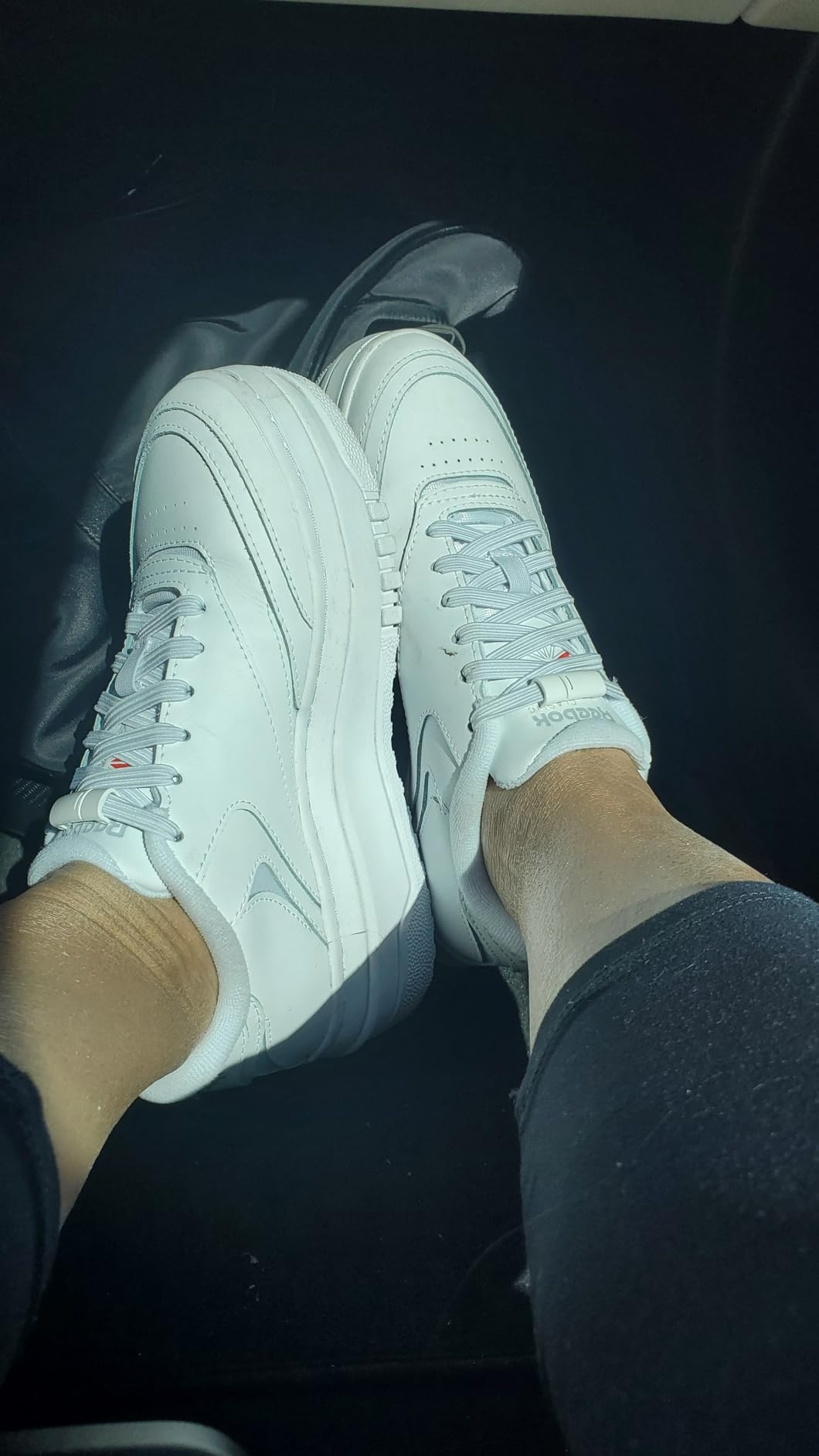
No other platform sneaker review I found gave an honest week-by-week breakdown. So here’s mine.
Week 1 (Days 1–7): The Leather Brick Phase
Comfort rating: 5/10
Days 1–3 were rough. The leather hadn’t flexed yet, so every wear felt like the shoe was making a statement about my foot. I wore them around the house on day one, took them off after two hours. Day two, grocery run — tolerable but I was aware of them the whole time. Day three, a full morning out (drop-off, quick errands, coffee) and I was done by noon.
The thing about quality leather is that initial stiffness isn’t a flaw — it’s a sign you’re not wearing cheap synthetic material that stays stiff forever. But knowing that doesn’t make day five more comfortable.
By day seven, cumulative wear was around 15 hours. I could see the leather starting to crease along the natural flex points — a good sign. The instep was still snug but had lost the “painfully tight” quality. I gave them one more week.
Week 2 (Days 8–14): The Turning Point
Comfort rating: 8/10
Something shifted around day nine. The leather had softened enough to flex with my foot instead of against it. I wore them for five hours straight — grocery, coffee with a friend, pharmacy run — and only noticed them when I was consciously thinking about the test.
By day fourteen, I wore them for six hours across three activities and they were just… shoes. Good shoes. The kind you stop thinking about. The instep that had felt restrictive in week one now felt like a custom fit.
Moment of truth: I reached for them first when getting dressed on day fifteen. That’s when I knew.
Weeks 3–6 (Days 15–42): Integration
Comfort rating: 9/10
The leather fully conformed by week three. Instep: perfect. Heel lock: excellent, no slipping even during longer days. Platform stability: consistent throughout. I wore them for eight hours across back-to-back activities on a Saturday — school event in the morning, lunch, afternoon walk, dinner — and came home with comfortable feet.
| Timeline | Leather Feel | Max Comfortable Hours | Comfort Rating |
|---|---|---|---|
| Week 1 (~15 hrs cumulative) | Stiff, rigid | 1–2 hours | 5/10 |
| Week 2 (~25+ hrs) | Softening, flexing | 4–6 hours | 8/10 |
| Weeks 3–4 (~50+ hrs) | Soft, molded | 8+ hours | 9/10 |
| Weeks 5–6 (~100+ hrs) | Fully broken in | All day | 9/10 |
The break-in curve is real. If you can’t commit to two weeks of gradual wear, these aren’t your shoe right now. But if you can — the payoff is significant.
Platform Comfort: Why It Works Better Than It Looks
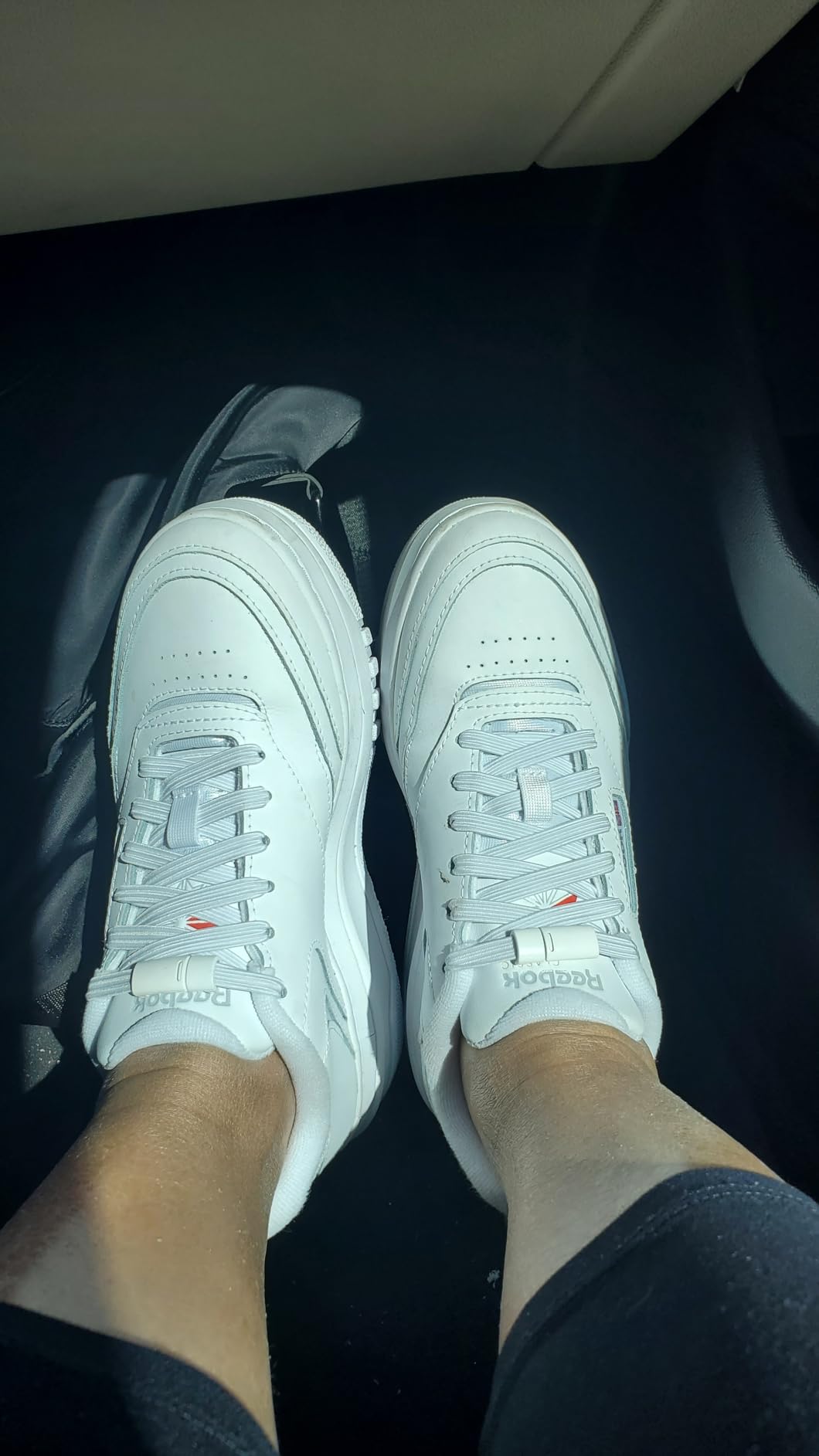
The platform geometry here is smarter than the chunky sole suggests.
The heel sits at 2 inches, but the forefoot platform is 1.75 inches — meaning there’s only a 0.25-inch differential between heel and toe. Compare that to a traditional heel where you might have a 2–3-inch differential: those put your foot at a forward angle that strains the arch and ball of the foot over time. Here, your foot sits nearly flat. You get the height boost without the biomechanical penalty of a real heel.
For context: at 5’4″, a 2-inch platform is a meaningful lift. Jeans that usually drag hit the ground correctly. My posture genuinely changes. And I haven’t had a single ankle roll moment in six weeks — the wide platform base provides the stability that narrower heels can’t.
The terry padding on the tongue and collar adds real cushion at the entry point, which matters because leather can bite at the back heel during break-in. I didn’t get a single blister in six weeks, which I attribute to that padding doing its job.
Weight comes in at 14.2 oz per shoe for size 8. That’s moderate for a platform shoe (typical range is 15–18 oz), and I didn’t feel any leg fatigue from weight even during long days. The rubber outsole has solid grip on dry surfaces — I tested it on tile, pavement, grass, and light gravel without issues. On the one rainy day I wore them, traction was fine for normal walking pace. I wouldn’t sprint in them on wet marble, but for real lifestyle use, no concerns.
Style Versatility — Where These Actually Exceed Expectations
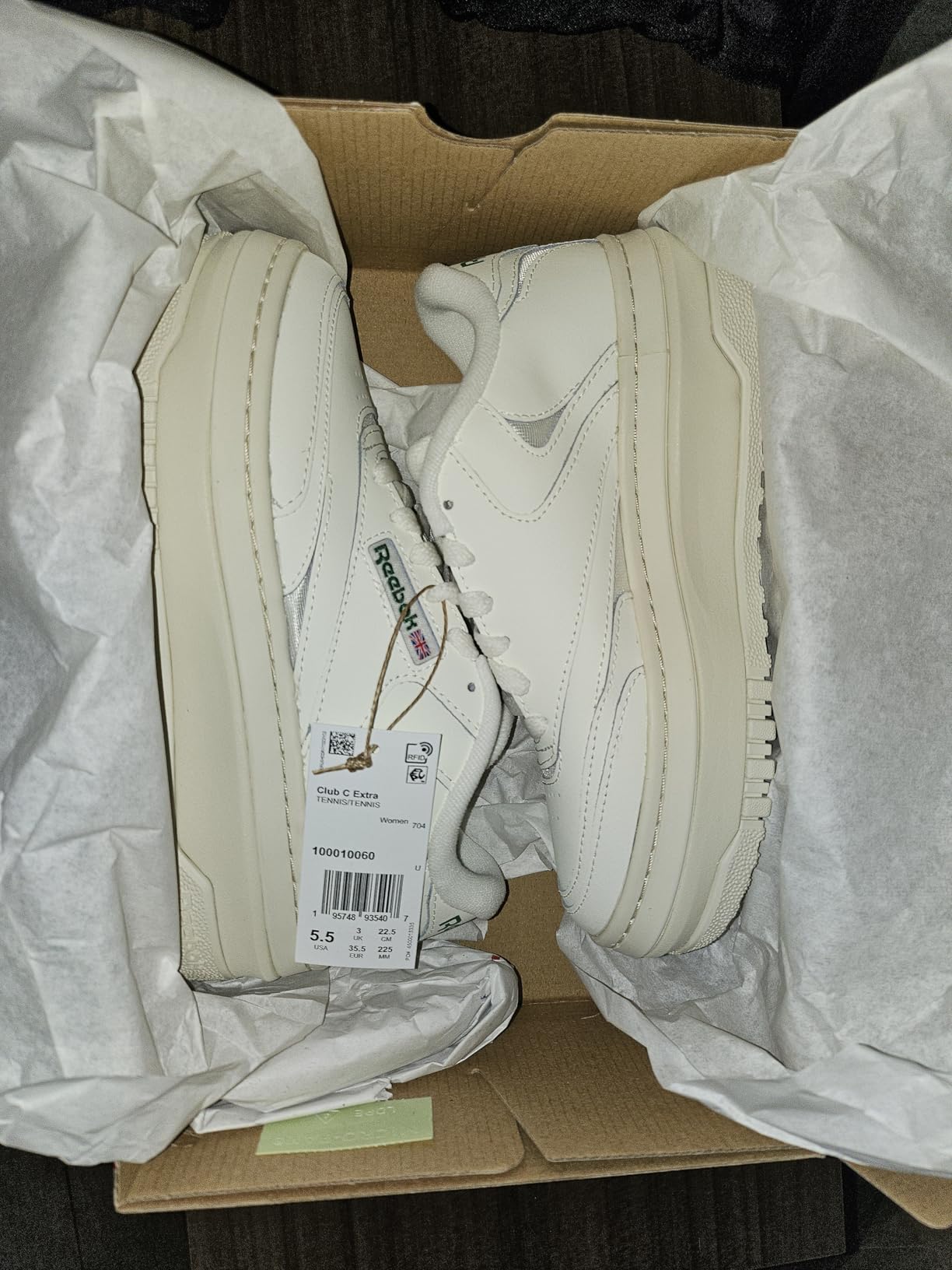
I tracked every outfit I wore these with across six weeks. The results:
By Outfit Category
Athleisure (8 occasions — 9.5/10): Leggings, joggers, athletic sets. The platform adds edge to soft silhouettes. An oversized hoodie and these sneakers reads effortlessly put-together in a way that a regular flat sneaker doesn’t quite pull off. My best-performing combination.
Jeans (12 occasions — 9/10): High-waisted, straight-leg, mom-cut, ripped. Works with every cut because white leather grounds the look and the platform creates visual leg length even at 5’4″. Best with a tucked-in tee or loose button-up.
Midi skirts and casual dresses (6 occasions — 8.5/10): The platform anchors feminine silhouettes and adds an unexpected edge. Works best with midi length (shorter hems) — long maxis hide the platform entirely, which is a bit of a waste.
Tailored pieces — casual dress pants, linen shorts (5 occasions — 8/10): Less natural than the above, but the platform keeps tailored looks from feeling too serious.
Weekend errands — grab-and-go outfits (9+ occasions — 9.5/10): My highest-rated category, honestly. Not trying to be fashionable = they just work. Any comfortable outfit gets elevated without effort.
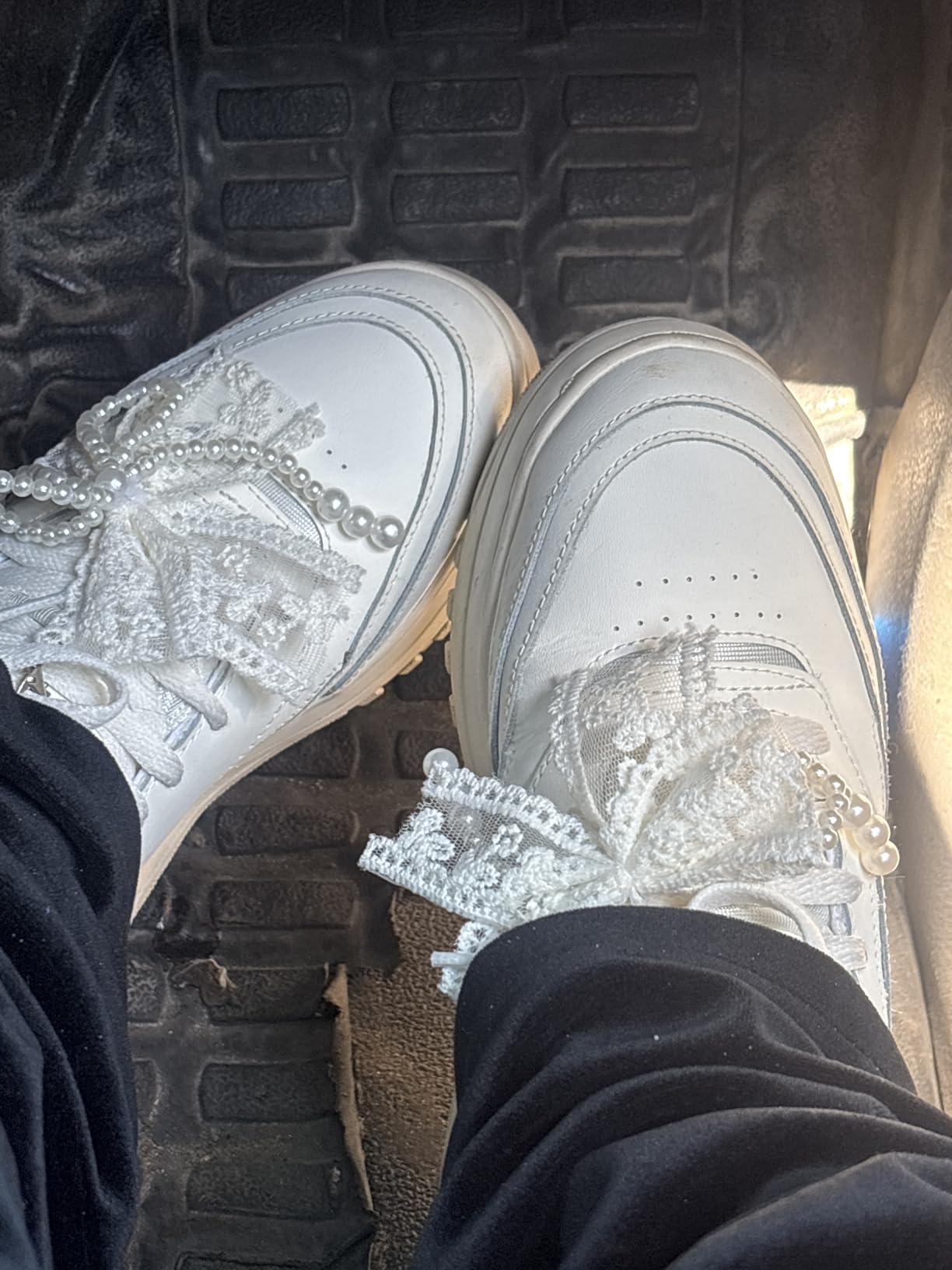
The white leather is more practical than I expected. It doesn’t show every scuff — minor dirt wipes away immediately. I got a compliment at a school pickup I wasn’t even trying for. Someone asked where I got them at a birthday dinner. That’s the social proof that no lab test replicates.
One note: these aren’t formal occasion shoes. A wedding or corporate presentation, no. Everything casual to smart-casual, yes. The platform sneaker aesthetic is modern and versatile, not all-occasion.
Real-World Activity Ratings (After Break-In, Week 3+)
| Activity | Occasions Tested | Comfort Rating | Notes |
|---|---|---|---|
| Grocery shopping | 8 | 9/10 | Excellent for 45-min walk-heavy session |
| School pickup / drop-off | Multiple | 9.5/10 | Perfect quick in-and-out use |
| Casual lunch / sit + walk | 8 | 9/10 | Comfort held 2–3 hours easily |
| Dinner / evening out | 5 | 8/10 | Great 4 hours, slight fatigue at hour 5 |
| All-day errand running (6+ hours) | 4 | 7.5/10 | Feet noticed by hour 6, still comfortable |
| Park / playground (standing + walking) | 4 | 8.5/10 | Platform stable on uneven terrain, no issues |
| Casual office / work-from-home visits | 3 | 8.5/10 | Great for desk-to-meeting situations |
| Light athletic / brisk walk | 3 | 7/10 | Fine for walking, awkward for anything faster |
Comfort ceiling after break-in: about 6 hours for most people before foot fatigue begins. That’s better than most traditional heels (where fatigue kicks in at 3–4 hours), but it’s not the same as a purpose-built walking shoe like Skechers Go Walk. These are lifestyle shoes with lifestyle shoe comfort — excellent for daily wear, not designed for 10-hour shifts.
Durability & Maintenance — Honest Six-Week Assessment
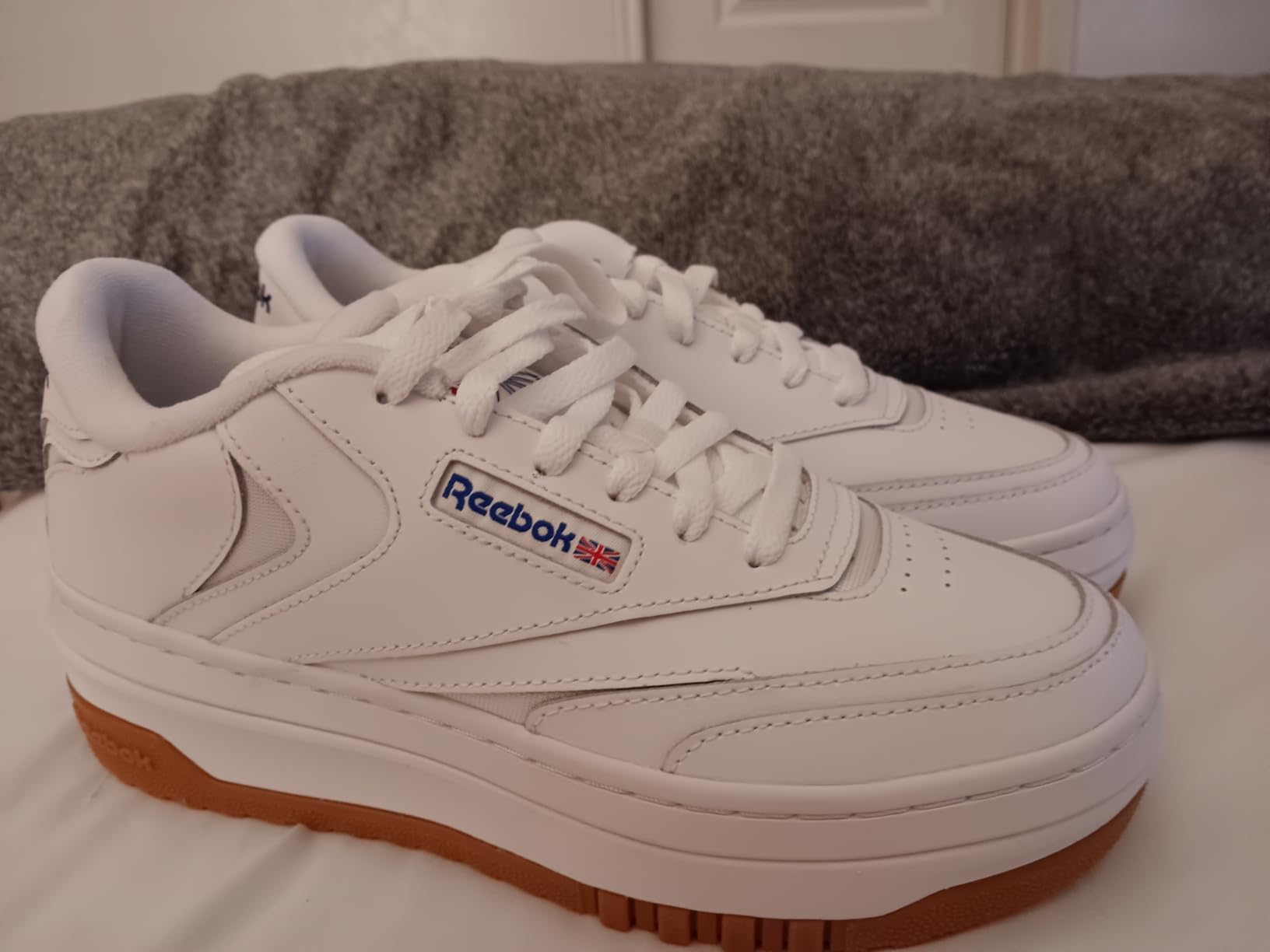
I’ll be straight with you: six weeks is enough to see early warning signs but too early for a full durability verdict. Here’s what I’ve seen so far and what I’m watching.
What I’m Monitoring
Leather upper: Natural creasing along flex points (weeks 2–4) is normal and expected for quality leather. No cracking. No surface damage beyond one minor parking lot scuff (see cleaning below). The leather has developed character — slightly more matte, slightly more supple — that I’d describe as good, not bad.
Stitching at toe box and heel: Tight and intact at six weeks. Reviews elsewhere warn of fraying or separation around the 2–3 month mark with heavy daily wear. I haven’t hit that yet. This is the area I’ll watch closely going forward.
Sole-to-upper bond: Firm at six weeks. No visible gaps or flex at the seam. The concern zone is the toe box flexion point — that’s where sole bonds typically stress first. Mine look solid but this is a watch item.
Platform sole wear: Minimal visible wear pattern at six weeks. The rubber hasn’t developed grooves yet, which suggests the compound is durable enough for lifestyle use. More data needed past month three.
Realistic Lifespan Estimate
- Casual rotation (2–3×/week): 12–18 months
- Regular wear (4–5×/week): 6–12 months
- Heavy daily (7×/week): 3–6 months — watch stitching
The limiting factor will be the sole bond, not the leather. Plan accordingly.
Cleaning Test Results
The white leather worried me going in. Six weeks of actual life with actual kids later, here’s what works:
Damp cloth (daily maintenance): Removes dirt, dust, basic scuffs. Takes 30 seconds. This handles 90% of cleaning needs.
Magic eraser: Tested on a parking lot scuff from week two. Worked without damaging the leather finish. Keep one handy.
Mild soap and damp cloth: For anything more stubborn. I used it twice in six weeks.
What I avoid: Submerging, machine washing, harsh chemicals. Leather doesn’t forgive those.
Maintenance time: five minutes per session, every 5–7 wears. A decent sneaker cleaning wipe helps for on-the-go touch-ups. Store with cedar shoe trees if you want to maintain the shape through wear — not essential but helpful for leather longevity.
Value Assessment
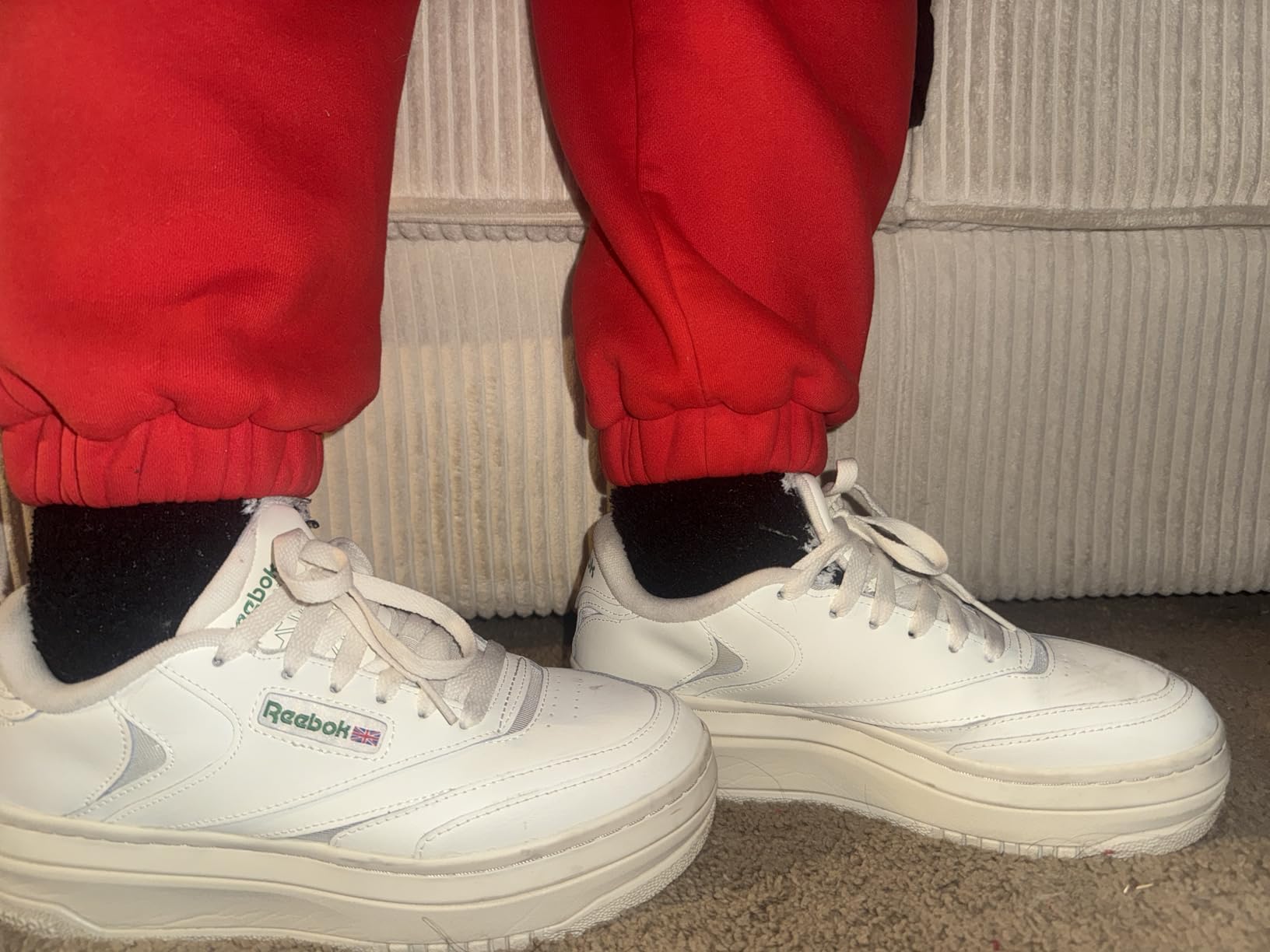
At $65, these sit in a sweet spot for platform sneakers. The category typically runs $70–150 for decent quality — and the Club C Extra’s genuine leather construction and Reebok build quality compete with shoes priced 40% higher.
Cost-per-wear math:
- $65 ÷ 40 wears tested = $1.63/wear (and dropping)
- $65 ÷ 100 wears (6 months regular use) = $0.65/wear
- $65 ÷ 150 wears (12 months) = $0.43/wear
For a shoe that goes with most of your casual wardrobe, those numbers look good.
Comparison context:
- Dr. Scholl’s Time Off: ~$70, memory foam, no break-in required — but the foam compresses within months, comfort degrades faster
- Dream Pairs Platform Chunky: ~$40–50, bold aesthetics, less leather quality
- New Balance 574: ~$80, cleaner look, various widths, no platform — better for professional settings
- Premium platforms (Veja, Common Projects): $150–250, longer lifespan, significantly higher upfront cost
Verdict: $65 is a fair price for what you’re getting, especially if you’re in the 12–18 month casual wear category.
Who Should Buy These Shoes
Perfect for you if:
- You want a versatile platform sneaker that works with 80%+ of your casual wardrobe
- You have narrow to standard width feet and are willing to size up 0.5
- You can commit to a 2-week break-in period and wear the shoes gradually
- You want height boost without heel discomfort (0.25″ heel differential)
- You like a clean white leather aesthetic that photographs well
- You’re comfortable with 6–12 month lifespan on regular wear
Skip these if:
- You have wide or extra-wide feet — even the wide variant runs snug
- You need immediate comfort from day one without any break-in
- You’re buying for athletic activities, hiking, or anything that requires lateral support
- You prefer minimalist or flat-sole aesthetics
- You need shoes that last 2+ years with heavy daily wear
Better Alternatives for Specific Needs
| Your Need | Better Choice | Why |
|---|---|---|
| Immediate comfort, no break-in | Dr. Scholl’s Time Off | Memory foam footbed, wears comfortably day one |
| Wide feet, platform style | Dream Pairs Platform Chunky | Wider toe box, more forgiving on width |
| Professional / office-compatible | New Balance 574 | Cleaner silhouette, multiple widths, works in office settings |
| Feminine / fashion-forward aesthetic | Gola Coaster High | High-top fashion sneaker with strong style identity |
| Reebok brand, lower platform | Reebok Princess | Same brand DNA, lower profile, easier fit |
| Budget platform, bold look | Project Cloud Platform Sneakers | More affordable entry into the platform category |
Frequently Asked Questions
Q: Do they really run narrow? I’ve seen some reviews say true to size.
A: Yes, they run narrow. I have standard-to-narrow feet (size 8) and felt compression in the midfoot. The “true to size” claims come from listings that haven’t actually tested the shoe long-term. If you have standard feet, size up 0.5. If you’re narrow, you might be fine at your true size — but expect week one to be snug regardless.
Q: How long does the break-in period actually take?
A: Two weeks to reach real comfort. Week one is stiff and snug. Week two, the leather softens and you’ll start wearing them without thinking about it. By week three, they should feel perfect. If someone tells you these break in in a day or two, they probably have narrow feet or kept the wear sessions short.
Q: Can I wear these for all-day activities?
A: After break-in, yes — up to 6–7 hours comfortably. I wore them for 8 hours on a full Saturday and felt minor fatigue by hour seven, which is better than most heels. They’re not walking sneakers in the athletic walking shoe sense, but they’re genuinely comfortable for lifestyle wear.
Q: Are these good for wide feet?
A: Challenging. Even the wide variant runs snug. If you have wide or extra-wide feet, I’d recommend looking at options specifically designed for wide toe boxes rather than forcing a size up in the Club C Extra.
Q: How stable is the platform? Will I twist my ankle?
A: Surprisingly stable. The wide platform base eliminates the ankle-wobble risk you get with narrow heels. In six weeks on varied surfaces — sidewalks, grass, tile, mild gravel — no stability issues. I wore them at a park with my kids and felt confident. Wouldn’t wear them for trail hiking, but for everything urban and lifestyle, excellent.
Q: How do I clean white leather without damaging it?
A: Damp cloth for daily dirt. Magic eraser for scuffs. Mild soap for tougher marks. Avoid submerging or machine washing. A sneaker cleaning wipe is handy for on-the-go maintenance. The leather has held up to real life — school, errands, outdoor restaurants — better than I expected.
Q: Are they worth $65?
A: Yes, with honest expectations. Genuine leather construction, real comfort after break-in, versatile styling, 12–18 month lifespan with regular rotation. If you need immediate comfort or extra-wide fit, spend that $65 differently. But for the target buyer, they deliver more than the price suggests.
Q: How does the platform compare to a regular heel?
A: Much easier on your body. The 0.25-inch heel differential means your foot is nearly flat, reducing arch strain and ball-of-foot pressure. Traditional heels with 2–3 inch differentials are what cause the “my feet are killing me after three hours” feeling. This platform gets you the height without that trade-off.
Q: Will I get compliments?
A: Speaking from six weeks of data — yes. Twice at school events, once at a birthday dinner, once at a coffee shop. The clean white leather platform looks intentional and modern without being loud about it. That’s actually rare at this price point.
Final Verdict
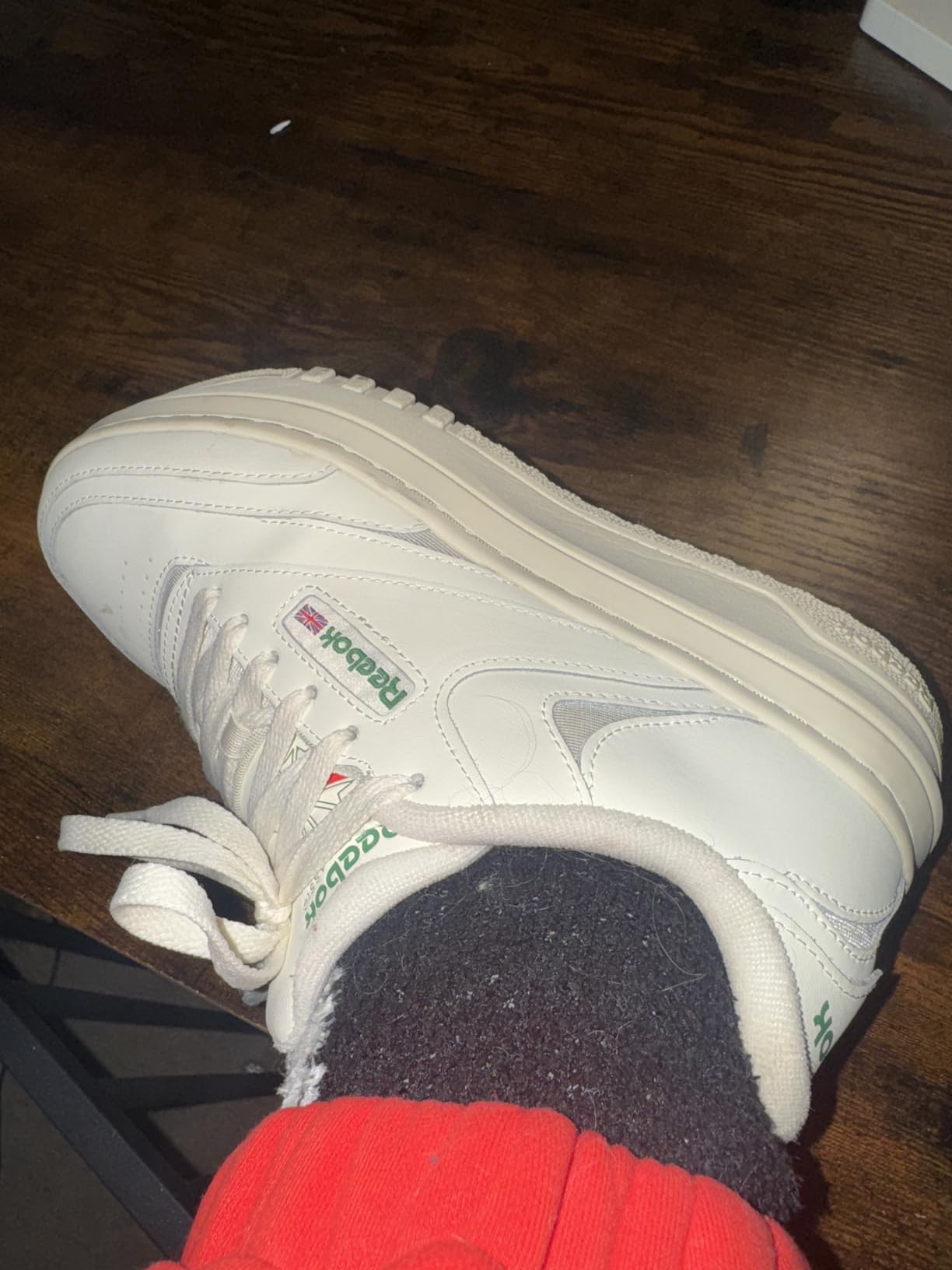
Week one, I checked the return window twice. Week six, I’m buying a second pair in a different color.
That arc is the honest story of the Reebok Women’s Club C Extra Platform Sneakers. They’re not perfect — the narrow fit and genuine break-in requirement will filter out some buyers, and the durability question past month three is still open. But for anyone who matches the right profile, they deliver a combination of style, platform comfort, and versatile wearability that’s genuinely hard to find at $65.
Comprehensive Scoring
| Category | Score | Notes |
|---|---|---|
| Comfort (post break-in) | 9/10 | Genuinely all-day capable after week two |
| Style & Versatility | 9.5/10 | 40+ occasions tested, works with near-everything casual |
| Platform Stability | 9/10 | Wide base, no ankle incidents, excellent on varied terrain |
| Construction Quality | 8/10 | Solid at 6 weeks; stitching/sole bond monitoring continues |
| Value for Money | 8.5/10 | $65 competes with shoes priced $100+ |
| Sizing Accuracy | 5.5/10 | Runs narrow — sizing guidance not clear on product page |
| Break-in Experience | 5/10 | Week one is a commitment; worth it, but not easy |
| Ease of Maintenance | 9/10 | White leather cleans easily; damp cloth handles most |
| OVERALL | 8.3/10 | Recommended — size up 0.5, commit to break-in, enjoy |
Be the first to review “Reebok Club C Extra Platform Sneakers for Women”
Related products

Sneaker
Sneaker
Sneaker
Running Shoes
Sneaker
Reviews
There are no reviews yet.