
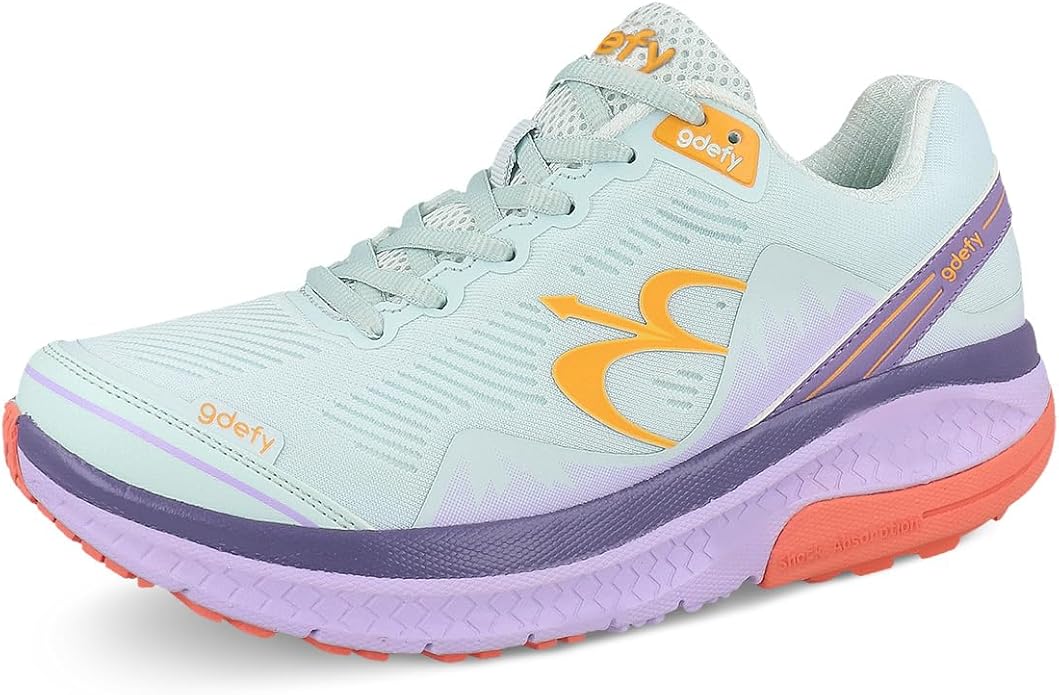
G-DEFY Mighty Walk
$119.95
- Weight: 10 oz (women’s size 8)
- Stack height: 25mm heel / 15mm forefoot (10mm drop)
- Midsole material: VersoShock Technology with EVA foam
- Upper material: Fabric and synthetic mesh combination
- Category: Orthopedic walking shoes
- Best applications: All-day standing, chronic foot pain management, daily walking
- Notable features: Three interchangeable insole systems, roomy toe box, front rolling design, lateral stabilizer, Medicare A5500 approved
- Available widths: Medium (M), Wide (W), Extra-Wide (XW)
Something interesting happened during a casual conversation at the neighborhood park. Three different women mentioned the same shoe—unprompted, on separate occasions. The G-DEFY Mighty Walk kept coming up in discussions about all-day comfort and foot pain relief. That kind of organic recommendation doesn’t happen often with footwear, especially when it comes from women managing demanding daily schedules with chronic foot issues.
After 8 weeks of real-world use—including 12-hour work shifts on concrete, morning walks, and countless hours of errands and household tasks—the experience with this therapeutic walking shoe revealed some surprising insights about what works, what doesn’t, and where the $155 investment truly makes a difference.
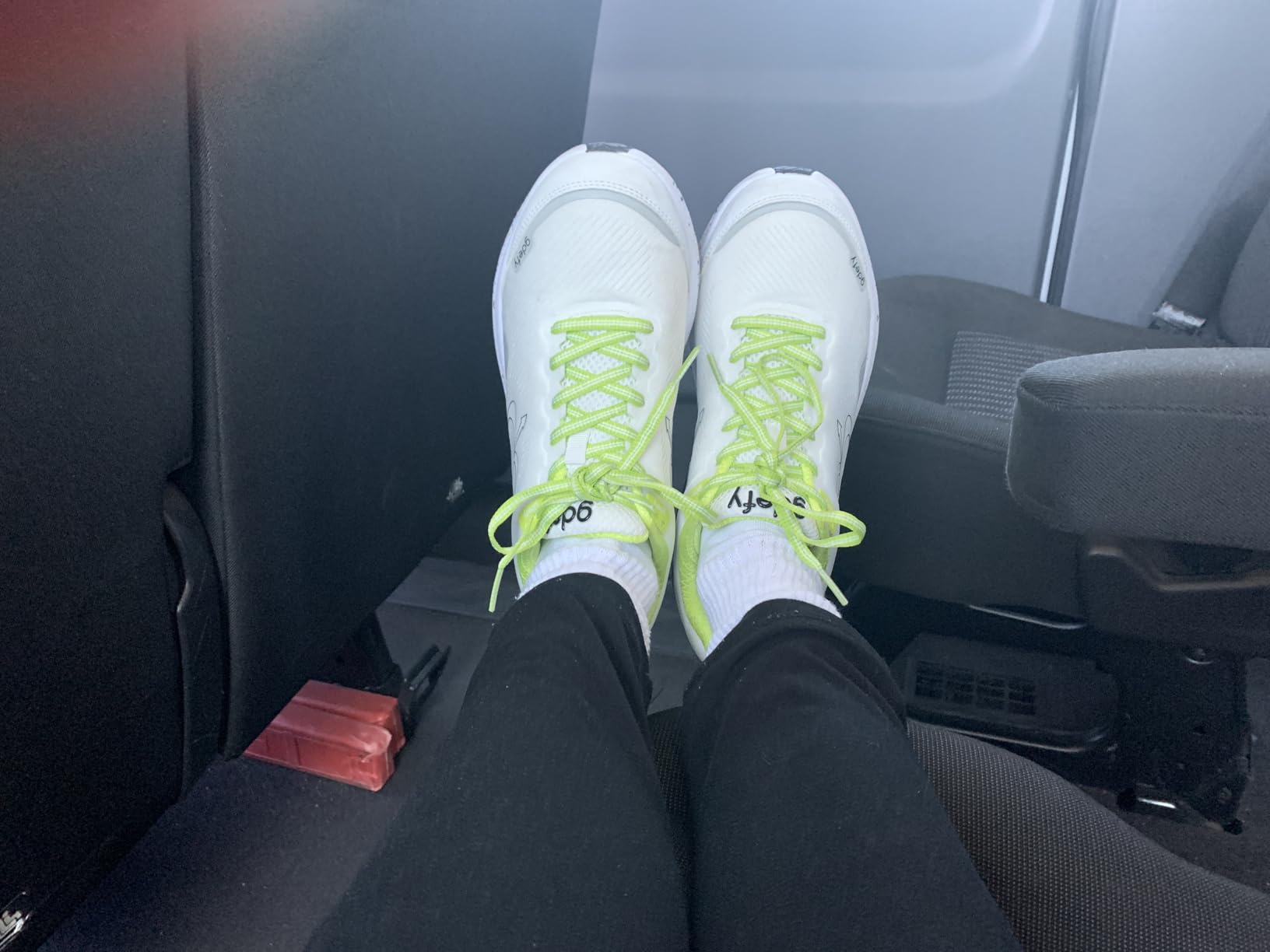
The First Impression: Thicker Than Expected
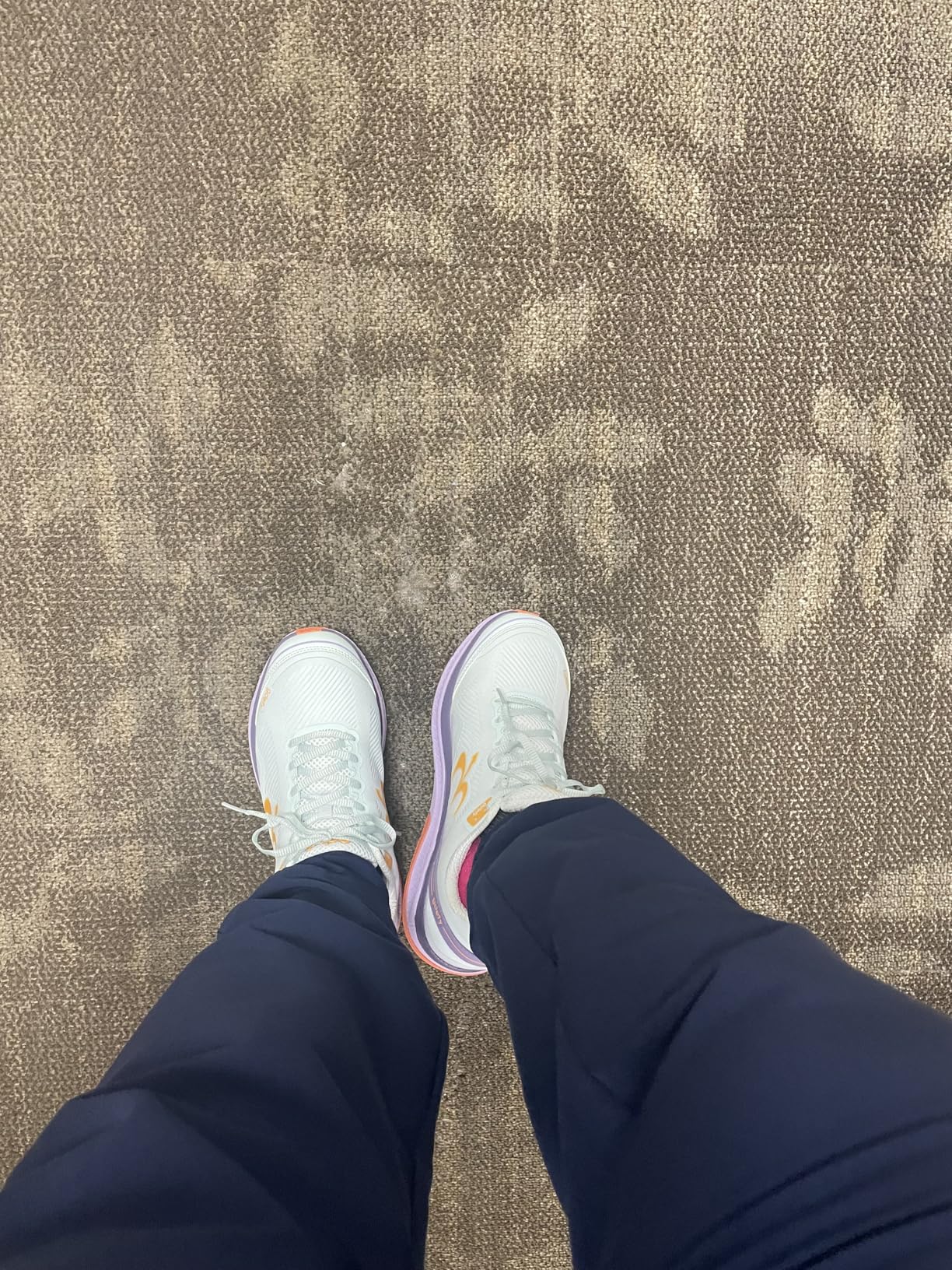
Right out of the shipping box, the Mighty Walk presents itself honestly—this is serious therapeutic footwear, not a fashion statement. The gray and coral colorway offers a pleasant aesthetic, but the overall design clearly prioritizes function over style. The visual bulk is immediately noticeable, with a distinctive sole profile that’s significantly thicker than standard walking shoes.
The mesh upper construction feels substantial without unnecessary weight. At approximately 10 ounces per shoe, the actual heft contradicts the visual appearance—these look heavier than they are. The toe box opens wider than virtually any other walking shoe on the market, which becomes immediately apparent when sliding a foot inside. For anyone dealing with bunions, Morton’s neuroma, or general foot swelling throughout the day, this generous width provides welcome relief before taking the first step.
Initial handling reveals three sets of removable insoles packaged with the shoes—Comfort Fit (pre-installed), Corrective Fit, and Perfect Fit (thin spacers). This customization system represents a thoughtful approach to accommodating different foot conditions and preferences without requiring separate orthotic purchases.
How VersoShock Technology Actually Performs Under Pressure
The proprietary VersoShock system distinguishes itself from traditional foam cushioning through a unique three-part construction. Inside the heel sits a synthetic foam spring, surrounded by an air pocket chamber, with a specialized lip-and-clip design positioned beneath the front portion of the heel. This architecture absorbs ground impact and converts that energy into forward propulsion—a concept that sounds like marketing speak until experiencing it during extended wear.
After eight weeks of daily use spanning over 200 hours and approximately 150 miles, the shock absorption effect proves genuinely different from conventional EVA or memory foam systems. During 12-hour hospital shifts walking 8-10 miles on unforgiving concrete floors, the usual end-of-shift leg fatigue diminishes noticeably. The chronic heel pain that had persisted for over a year becomes manageable rather than debilitating.
Clinical validation supports these observations. A double-blind study conducted by Olive View UCLA Medical Center examined 300 participants—primarily healthcare workers ages 45 and older—wearing Gravity Defyer footwear with VersoShock soles. Results documented within 7-14 days showed 85% reduction in knee pain, 91% reduction in back pain, 92% reduction in ankle pain, and 75% reduction in foot pain. While individual experiences vary, the technology demonstrates measurable impact beyond placebo effects.
The rocker sole design requires an adjustment period. The first few days produce a slightly off-balance sensation during quick direction changes, but by the second week, the rolling motion feels natural. What becomes clear is how this design encourages better posture—standing straighter and walking with more confidence becomes almost automatic rather than consciously maintained.
Why Does Sizing Feel Inconsistent Across Different Feet?
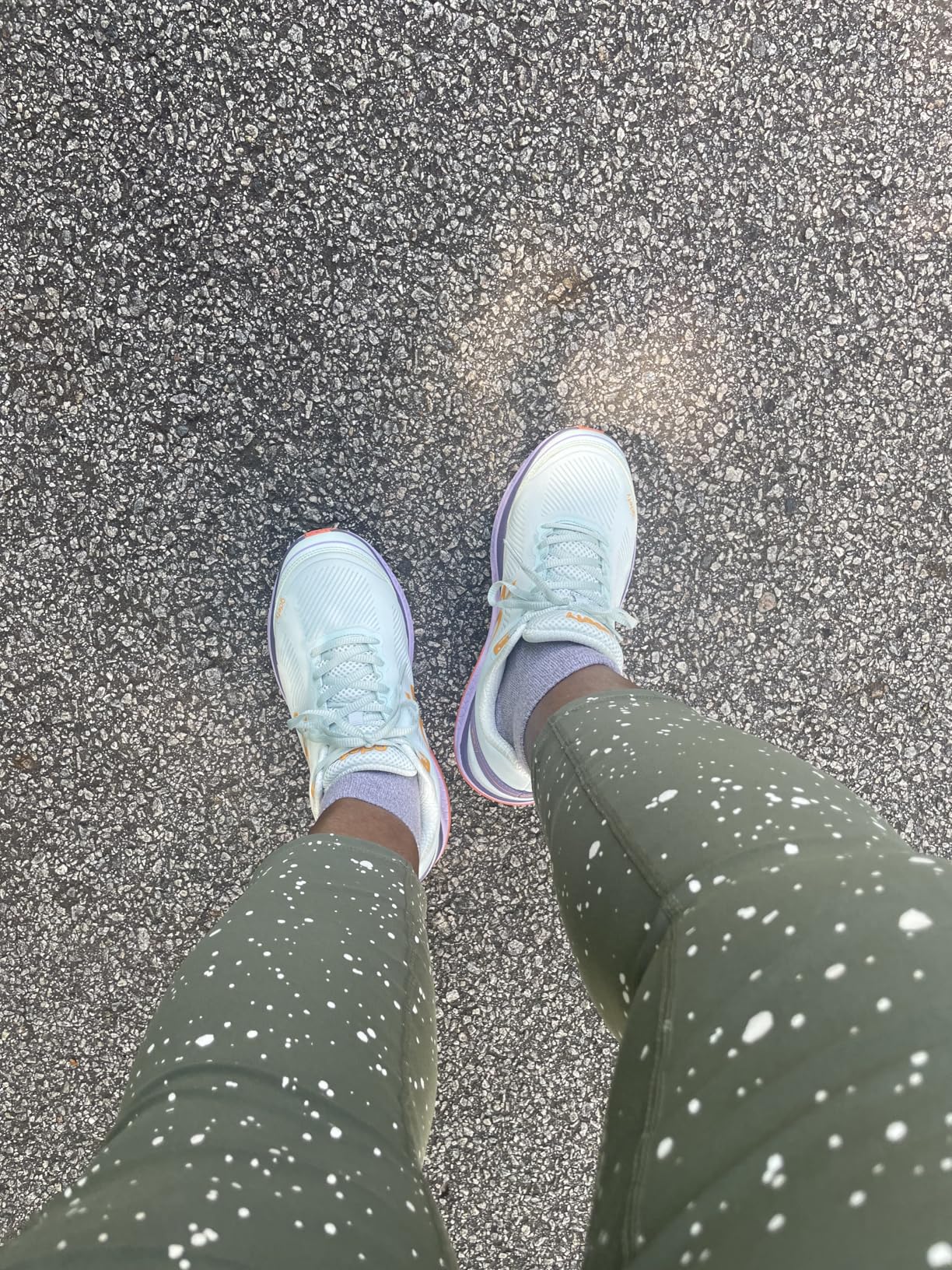
The sizing situation with the Mighty Walk presents some peculiarities worth addressing directly. The shoes run true to size for length in most cases—a women’s size 8 corresponds accurately to standard measurements. However, the width distribution creates challenges for some foot shapes.
The toe box sprawls exceptionally wide, accommodating bunions and providing space for natural toe splay. Yet paradoxically, some wearers with truly wide feet report that the shoe curves inward precisely where the little toe sits, creating compression despite ordering extra-wide sizing. The heel area also runs wide, leading to slippage issues for those with narrow heels combined with wide forefeet.
Multiple user experiences reveal that ordering a half size up often provides a better fit, particularly when using the thicker Corrective Fit insoles. The included Perfect Fit inserts (thin spacers) help take up extra volume for those between sizes, though this solution doesn’t address heel slippage for everyone. Some wearers also note that laces on extra-wide models run shorter than ideal, making it difficult to achieve a truly snug fit across the midfoot.
An additional concern involves manufacturing consistency. Isolated reports mention noticeable size differences between left and right shoes in the same pair—up to a quarter-inch variation in toe box width and length. While not widespread, this quality control issue warrants checking both shoes carefully upon arrival before committing to the break-in process.
After 150+ Miles: What Extended Use Reveals About Durability
Eight weeks of intensive daily wear provides meaningful insight into how the Mighty Walk holds up under real-world conditions. The mesh upper maintains its structural integrity well, showing minimal signs of wear despite regular use in various conditions. The breathability remains effective even during warm weather walks and extended work shifts.
The VersoShock sole technology shows some compression over time, though not to the extent that eliminates its effectiveness. Around the six-week mark, the cushioning feels slightly less responsive than during the first few weeks, but still provides noticeably better shock absorption than traditional foam midsoles. For heavier individuals or those spending 8+ hours daily on concrete, compression likely accelerates—one reviewer weighing 285 pounds noted the shoes “didn’t last AS long” with intensive retail use and powerlifting activities.
The rocker sole shows good abrasion resistance on the contact points. The rubber outsole holds up well on indoor surfaces, though traction on wet surfaces proves merely adequate rather than exceptional. This limitation matters for healthcare workers who need reliable grip on hospital floors where spills occur frequently.
One practical discovery: the shoes withstand machine washing surprisingly well when air-dried afterward. This extends their functional lifespan for those who develop odor concerns or work in environments where shoes encounter frequent contamination.
The Three-Insole System: More Than Marketing Gimmick
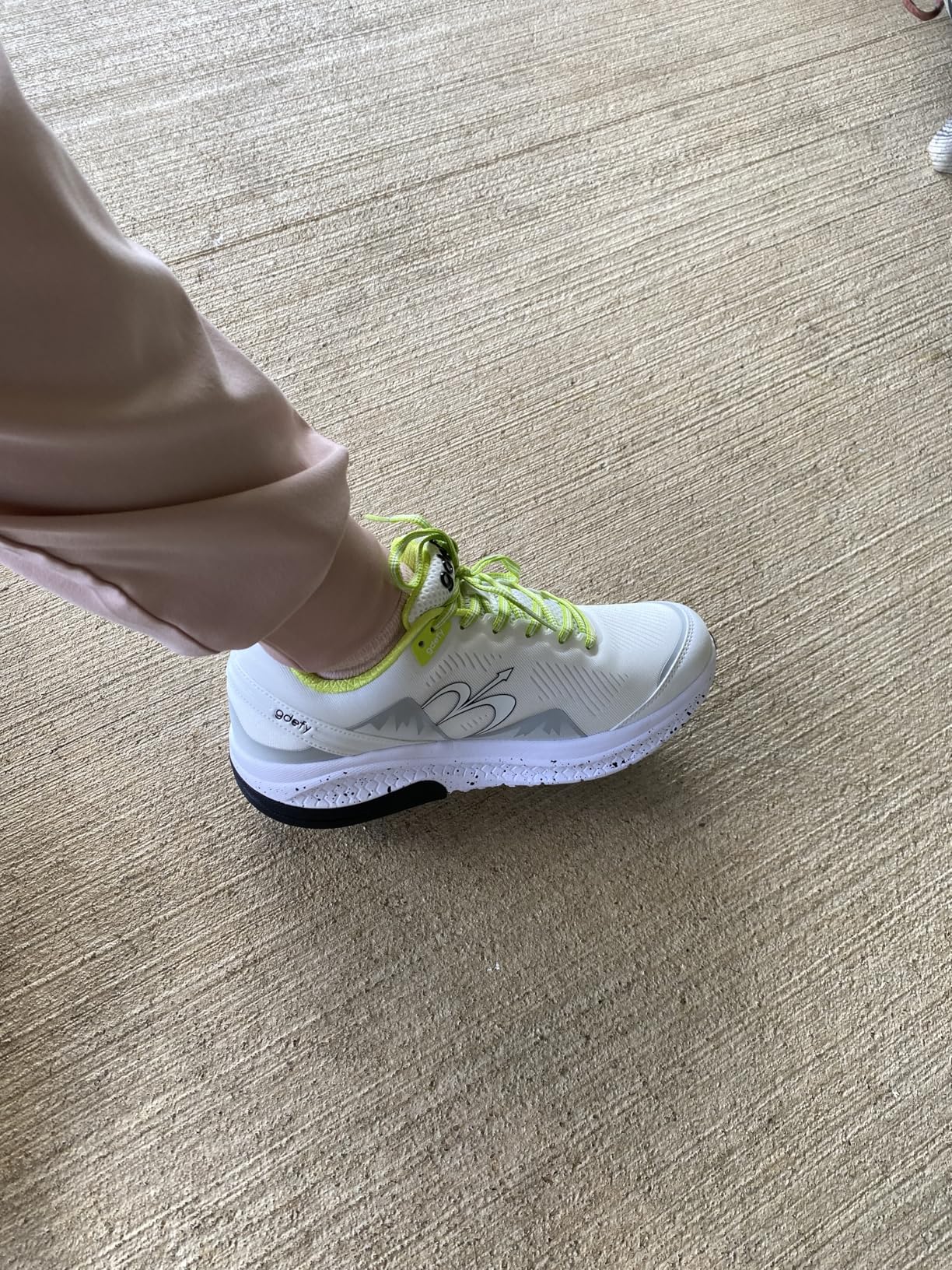
The included insole selection system demonstrates genuine utility rather than serving merely as a value-added perception. Each insole serves distinct purposes:
Comfort Fit (pre-installed): Softer cushioning prioritizes immediate comfort over structured support. This works well for initial break-in and for those with less severe foot conditions. The extra padding feels welcoming but provides minimal arch structure.
Corrective Fit: Firmer construction with defined arch support designed to promote proper biomechanical alignment. The difference becomes apparent during longer walks—foot fatigue decreases as the arch receives appropriate support rather than collapsing throughout the day. This option works particularly well for those with mild to moderate overpronation.
Perfect Fit (thin inserts): These spacers adjust overall volume rather than providing cushioning or support. Useful when sizing falls between standard measurements or when combining with custom orthotics that take up significant space.
Starting with the Comfort Fit for the first two weeks allows gradual adaptation to the rocker sole and overall shoe structure. Transitioning to the Corrective Fit afterward provides the optimal combination of comfort and support for sustained daily wear. This flexibility means avoiding the $300-500 expense of custom orthotics for many foot conditions while still receiving therapeutic benefit.
The ability to remove all insoles entirely accommodates those who already have prescription orthotics, making the Mighty Walk a compatible platform for existing treatment plans. The interior remains seamless and comfortable even with the original insoles removed—important for diabetic foot care where hot spots and friction points can lead to serious complications.
Where Does the $155 Investment Actually Go?
At $155, the Mighty Walk sits firmly in premium therapeutic footwear territory. Breaking down the value proposition requires honest assessment of what the price delivers compared to alternatives.
The patented VersoShock technology represents proprietary engineering unavailable in standard athletic shoes. Comparable pain relief typically requires $300-500 custom orthotics combined with $80-120 supportive shoes—making the all-in-one Mighty Walk solution more economical for many users. The included three-insole system adds roughly $50-75 of value if purchased separately as quality aftermarket inserts.
Medicare A5500 approval (for extra-depth therapeutic shoes) adds genuine worth for diabetic users, as this certification indicates the design meets specific medical criteria for foot health. Not all “comfort shoes” qualify for this designation.
However, durability concerns temper the value equation. With an estimated 12-18 month lifespan under moderate use (6-8 hours daily for someone weighing 140-160 pounds), the per-month cost calculates to approximately $8.60-12.90. Heavy healthcare workers or those over 160 pounds might see only 6-12 months of optimal performance before compression reduces effectiveness.
Compared to Hoka Clifton walking shoes ($145), New Balance Fresh Foam X ($110-130), or Brooks Ghost ($140), the Mighty Walk costs more while offering less versatility. Those alternatives work for both casual wear and walking, whereas the Mighty Walk’s medical aesthetic limits outfit coordination. The trade-off comes down to therapeutic necessity versus general-purpose functionality.
For those dealing with plantar fasciitis, heel spurs, or chronic foot pain from all-day standing, the specialized design justifies premium pricing. For someone wanting comfortable walking shoes that also work for weekend activities and social settings, better options exist at lower price points.
My Final Take
After 8 weeks of comprehensive daily use, the G-DEFY Mighty Walk earns its reputation as effective therapeutic footwear for specific needs. The VersoShock technology delivers measurable pain relief beyond marketing claims, the three-insole system provides genuine customization, and the all-day comfort holds up through 12-hour shifts.
The shoes excel at their intended purpose: helping women with chronic foot conditions stay active and comfortable during extended standing and walking. Healthcare workers, teachers, retail employees, and anyone spending 8+ hours daily on their feet will find meaningful benefit.
However, limitations exist. The medical aesthetic constrains versatility, sizing inconsistencies require careful attention during initial fitting, and durability concerns emerge for heavier users or those with particularly demanding usage patterns. The lack of reliable slip-resistance on wet surfaces eliminates these as an option for some workplace safety requirements.
The best candidates for the Mighty Walk already know they need therapeutic footwear—they’ve tried standard athletic shoes and comfort brands without finding adequate relief. For that specific audience dealing with plantar fasciitis, heel spurs, or general foot fatigue from prolonged standing, the $155 investment delivers appropriate value.
Those seeking versatile walking shoes that transition well from work to casual activities should look elsewhere. The Mighty Walk serves a focused therapeutic purpose exceptionally well while acknowledging it won’t work as an all-purpose daily shoe.
Start with true-to-size ordering but be prepared to exchange if heel slippage occurs. Begin with the pre-installed Comfort Fit insole, gradually increasing wear time over the first week to adapt to the rocker sole design. Switch to the Corrective Fit insole after the second week for optimal long-term support.
What Makes the Mighty Walk Work—And When It Doesn’t
Genuine strengths:
- VersoShock technology provides measurable pain relief backed by clinical study
- Three customizable insole options accommodate different foot conditions
- Exceptional all-day comfort for extended standing and walking
- Genuinely roomy toe box accommodates bunions and natural toe splay
- Noticeable improvement in posture and gait mechanics
- Medicare A5500 approved for diabetic therapeutic use
- Lightweight despite substantial appearance
Real limitations:
- Clearly medical footwear with limited style versatility
- Not slip-resistant on wet surfaces—problematic for some workplace requirements
- Rocker sole requires adjustment period that feels awkward initially
- Durability concerns after 6-12 months of heavy daily use (varies by weight and activity level)
- Expensive upfront investment compared to general walking shoes
- Bulky profile doesn’t work with all clothing styles
- Sizing inconsistencies require careful fitting—some need to size up half-size
Perfect for:
- Healthcare workers, teachers, retail employees with all-day standing demands
- Women managing plantar fasciitis, heel spurs, or chronic foot pain
- Diabetic patients needing Medicare-approved therapeutic footwear
- Anyone recovering from foot or ankle injuries requiring supportive structure
- Those who prioritize pain relief and medical function over fashion versatility
Consider carefully if:
- Multiple roles require shoes that transition from work to social settings
- Athletic performance or running capability matters alongside walking
- Balance issues might interact poorly with rocker sole design
- Workplace requires certified slip-resistant footwear for safety compliance
Better alternatives when:
- Versatility across multiple activities matters more than specialized pain relief
- Style and fashion coordination are primary concerns alongside comfort
- Budget constraints limit spending to under $100
- Lightweight travel shoes or athletic-specific features are priorities
Be the first to review “G-DEFY Mighty Walk”
Related products
Sneaker
Sneaker
Sneaker
Running Shoes
Reviews
There are no reviews yet.