
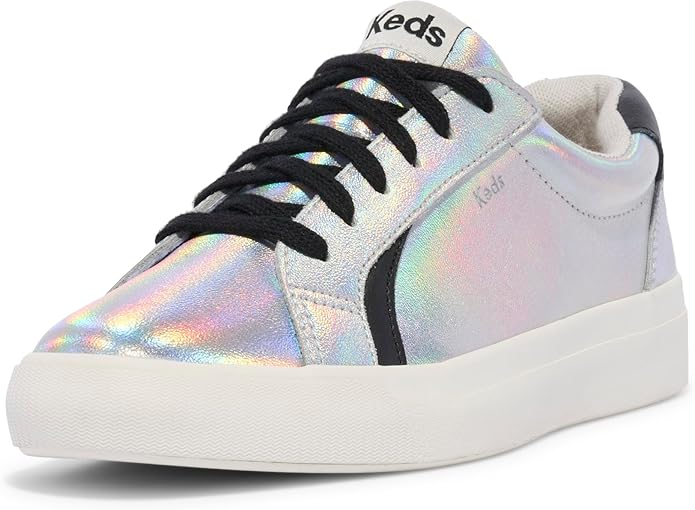
Four weeks ago, I pulled these out of the box expecting another pair of throwaway casual sneakers. The soft leather surprised me—genuinely supple, not the plasticky stuff you sometimes get at this price point. But that first crease appeared by day three, sharp lines forming right where my toes flex. That pattern would repeat itself throughout testing: pleasant surprises followed by honest limitations.
After a month of daily wear—office days, weekend errands, deliberate walking tests pushing past comfortable distances—I can tell you exactly who these work for and who should keep scrolling. If you need a lightweight leather sneaker for casual rotation under 2-3 miles daily and you’re fine with a broken-in look developing quickly, the Pursuit delivers solid value at $60-70. Those wanting all-day standing comfort, extended walking support, or pristine leather long-term should look elsewhere.
First Impressions: Unboxing and Initial Fit
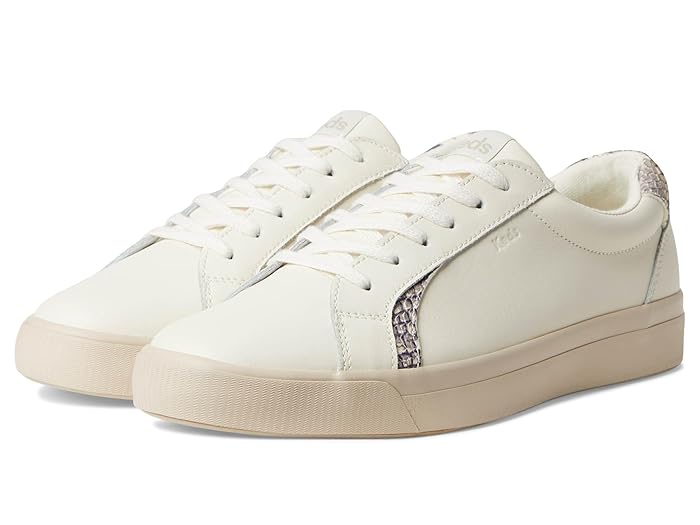
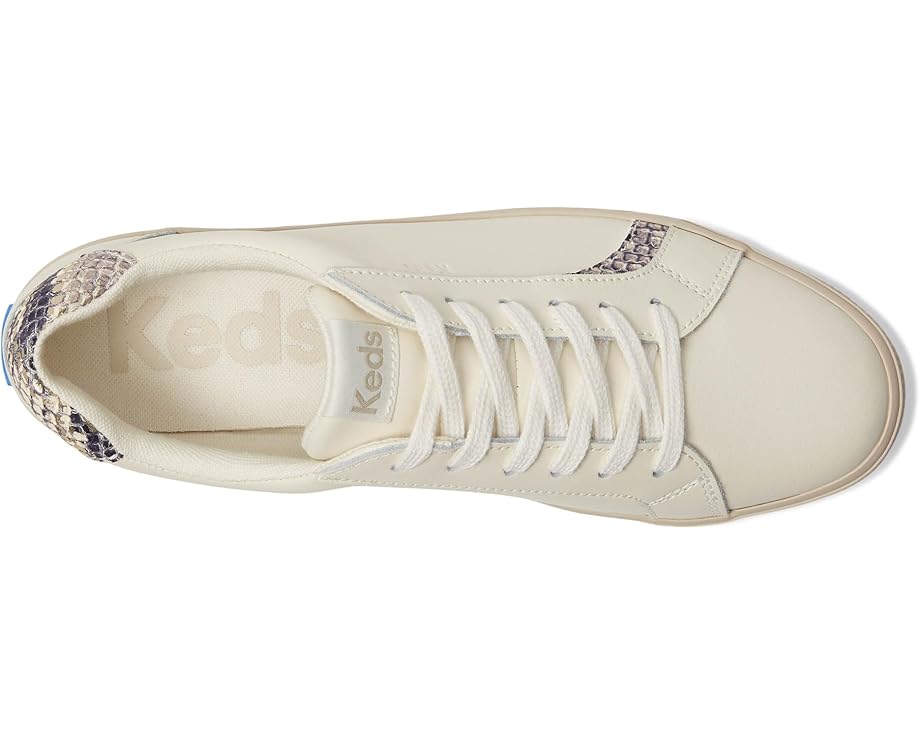
The leather felt notably softer than I expected right out of the box—no stiff break-in period looming. That curved leather panel on the sides isn’t just a design detail; you can feel it shaping around the midfoot immediately. I ordered my usual size 8, which felt snug through the arch initially but not uncomfortably so.
The embossed Keds logo sits subtly at the heel, and those stitching details actually stand out more in person than in photos. What didn’t stand out: substantial cushioning. Pressing down on the insole revealed this wasn’t going to be a marshmallow-soft ride. First short walk around the block confirmed that thin profile—you feel the ground more than you would in heavily cushioned sneakers.
By day three, those first creases appeared at the toe box. Not a manufacturing defect—just soft leather doing what soft leather does when it bends. Worth noting upfront because this pattern continued as the shoes broke in.
Fit and Sizing: True to Size with Caveats
True to size proved accurate for my normal-to-slightly-wide foot, but that initial snugness through the midfoot lasted about three wears before the leather gave enough to feel properly comfortable. Length-wise, the fit stayed consistent—no toe crowding, reasonable space without excess. The toe box shape runs slightly rounded rather than pointy, which prevented any pinching during the natural splay that happens after a few hours on your feet.
Keds offers wide widths across the size range, and customer feedback backs up that the wide is genuinely wider, not just marketing. One consistent complaint worth flagging: someone with wide feet noted the laces run short for that width. Standard lace length works fine for regular width, but if you order wide, consider grabbing replacement laces with extra length.
The heel counter holds securely without aggressive grip—your foot stays in place during walking without the shoe clinging uncomfortably. No slippage issues even after the leather relaxed. If you’re between sizes, I’d round up based on that initial snugness factor. Those with genuinely wide feet should order the wide width from the start rather than hoping regular will stretch enough.
Comfort and Cushioning: All-Day Friendly with Limits
Let me address the “cushiony footbed” claim head-on. Keds uses their Softerra foam, which sounds fancy but translates to basic PU foam with 10% recycled content. Underfoot, it feels… adequate. Comfortable for the first four hours of a typical day mixing sitting, light walking, and standing. Past that threshold, the minimal nature becomes apparent.
That “tiny little arch bump” one customer mentioned? Accurate description. This is essentially a flat insole with barely any contouring. For my medium arch, it worked fine for short-to-moderate wear but provided zero support during that deliberate 4-mile walking test. By mile three, my arches were protesting. This isn’t a problem inherent to the shoe—it’s a design choice prioritizing lightweight, minimal construction over substantial support.
Standing periods tell a similar story. Two-hour stretches cooking or at events felt fine. Push past three hours and you’ll want more substantial cushioning. Compare this to truly all-day comfortable shoes with contoured footbeds, and the difference becomes obvious.
The sweet spot: casual office days, errands totaling under 2 miles of walking, weekend activities where you’re moving but not marching. I wore these through multiple 8-hour days that fit that profile and felt comfortable throughout. The caveat is “light activity.” An 8-hour day walking a trade show or retail shift would be miserable.
Heel cushioning stays consistent with the overall minimal theme—enough to avoid harsh impact on normal surfaces, not enough for extended concrete pounding. Forefoot padding lets you feel the ground, which some prefer for natural movement but others find fatiguing.
Break-in-wise, comfort improved after that initial three-day period when the midfoot snugness relaxed. No painful rubbing or hot spots emerged. The super-soft lining marketing claim holds up—canvas interior feels gentle against bare skin or low-cut socks.
Materials and Build Quality: Leather That Shows Its Age
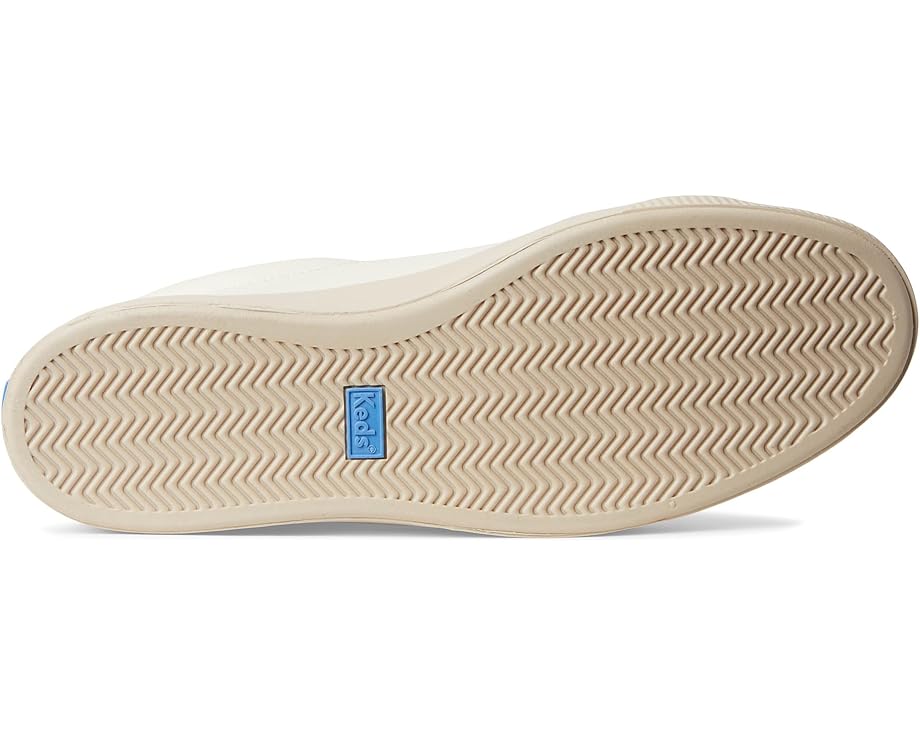
That soft leather creates an immediate tension: comfortable from day one, but visibly worn-in by week two. The creasing I mentioned in first impressions intensified predictably—deepest at the toe box flex point, moderate lines radiating from there. White leather shows every crease starkly. Darker colors would camouflage this better, though the creasing happens regardless of color.
Multiple customers reported the same pattern, with one calling it “wrinkles/creases badly during the 1st day of wear.” That’s not exaggeration for particularly active first days. The trade-off is explicit: you’re choosing soft, pliable leather that molds to your foot over stiffer leather that maintains structure. If you value that broken-in, lived-in aesthetic, this works. If you want pristine-looking leather shoes long-term, these won’t deliver.
The leather type isn’t specified—feels like full-grain or possibly top-grain, definitely genuine leather rather than synthetic. Quality seems fair for the $60-70 price point, though one reviewer called it “cheap material” after experiencing heavy creasing. That’s probably harsh, but the leather does age faster than stiffer alternatives in this range.
Canvas lining held up well through four weeks with no signs of wear or deterioration. The stitching around that curved leather panel and at the heel detail remained tight with no loose threads. Construction quality feels solid even if material durability raises questions long-term.
I tested spot cleaning after some minor scuffs—warm water and mild soap removed marks easily from the leather. White requires more maintenance attention than darker colors, which surprised no one. The lack of protective coating means the leather breathes well but absorbs dirt more readily.
Durability projection based on four weeks: these will hold up structurally, but the leather will look progressively more worn. That independent 12-18 month lifespan estimate for regular use seems reasonable. Heavy daily use might compress that timeline.
Outsole and Traction: Lightweight but Functional
The lightweight rubber outsole delivers on its primary promise—these genuinely feel light on your feet. Picking up the shoe, that 1-pound weight (for size 7) tracks with the barely-there feeling during wear. After 6-7 hours, my feet didn’t feel weighed down the way heavier leather sneakers can cause.
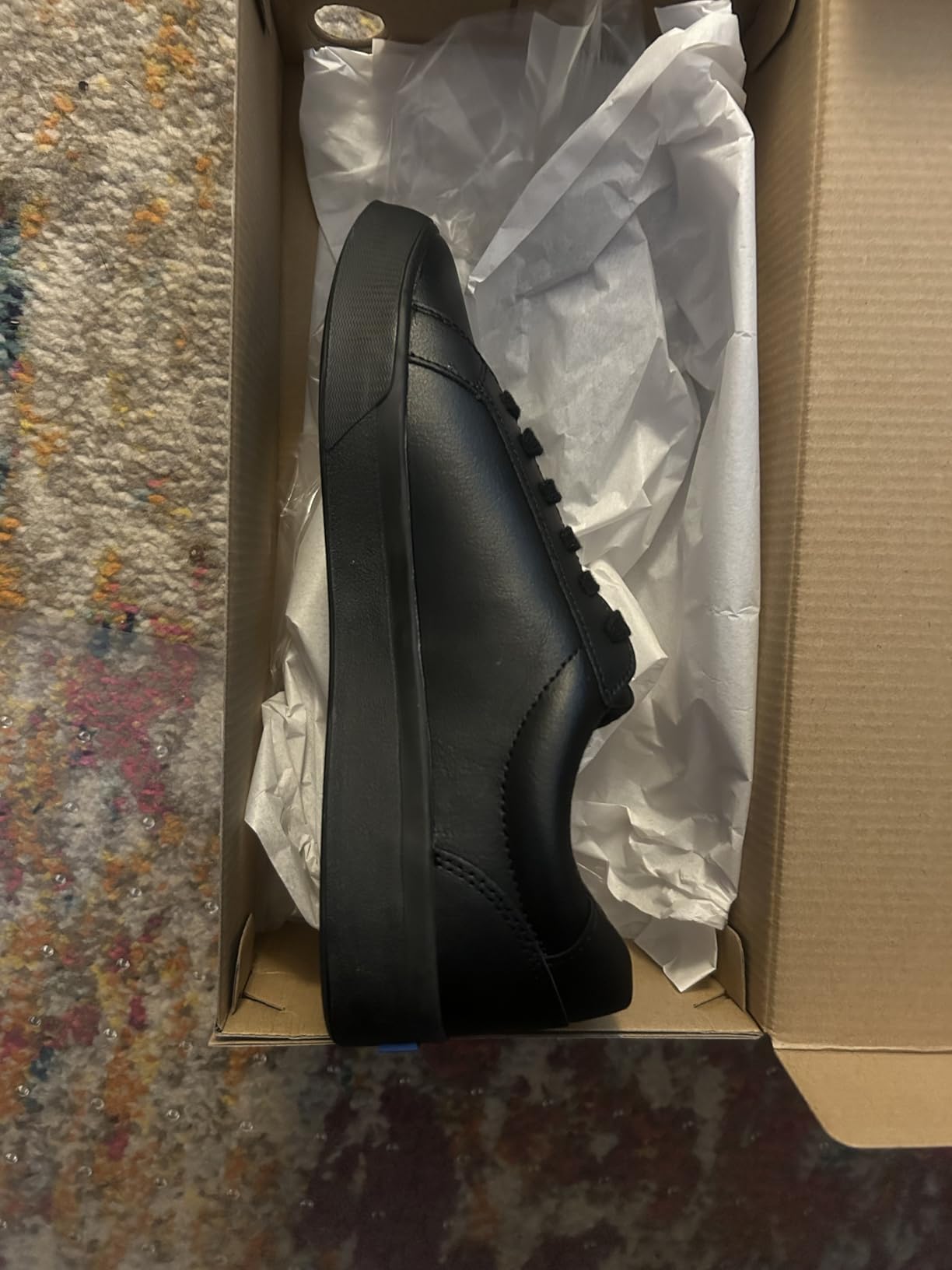
Tread pattern runs shallow with minimal aggressive lugs—this is designed for sidewalks and smooth surfaces, not hiking trails. Dry pavement traction performed fine across various textures: concrete sidewalks, tile floors, wooden surfaces all provided confident footing. Light outdoor terrain like packed park paths worked adequately. I wouldn’t trust these on wet leaves or loose gravel.
One light rain test (brief drizzle, not downpour) showed decent grip on wet pavement with no concerning slippage. The rubber compound seems standard rather than specialized, but adequate for intended casual use. Smooth indoor floors occasionally felt slightly slick if I pivoted quickly, though normal walking and standing posed no issues.
Flexibility is notable—the sole bends easily at the ball of the foot, contributing to that natural ground feel. Some prefer this flexible connection; others find it less supportive than a stiffer platform. After four weeks, tread depth showed minimal wear, though the soft rubber might compress faster with heavier use.
The lightweight construction trades substantial durability for immediate comfort. That 6/10 durability rating from the 8-week independent review aligns with my observations—fine for occasional wear, questions arise for daily heavy use.
Style and Versatility: Clean Aesthetic with Real-World Applications
The minimalist court sneaker aesthetic does make these easy to style with many casual basics. I tested them with straight-leg jeans, casual trousers, midi skirts, and casual dresses throughout the four weeks. The clean lines and understated design worked across all those combinations without competing visually.
Where they fit: weekend casual, business casual offices (depending on dress code flexibility), running errands, coffee dates, casual dinners, travel days. The white leather reads more polished than canvas sneakers, giving you slightly more styling range upward. That said, there’s a ceiling. These looked out of place with dressier fabrics like silk or tailored suiting. The sneaker is too casual for actual dressy occasions despite the leather upgrade.
Colorway matters significantly for versatility. White leather maximizes pairing options but demands regular cleaning. Black leather would hide wear better and work in more contexts where stark white feels too casual. The suede versions add texture but sacrifice the easy-clean advantage of leather.
Seasonal appropriateness skews three-season. These work fine spring through fall in moderate climates. Not warm enough for winter cold, and the leather doesn’t breathe enough for peak summer heat in humid regions. The canvas lining helps somewhat with ventilation but can’t overcome the solid leather upper.
Compared to “truly versatile” shoes, the Pursuit offers wide range within the casual category, not truly unlimited versatility. Don’t expect these to replace athletic shoes for workouts or dressier shoes for occasions requiring polished footwear. Within their lane—casual everyday wear—they perform admirably.
The curved leather panel and heel stitching details add enough visual interest to prevent the plain, generic look some minimalist sneakers suffer from. The embossed logo stays subtle. Overall design reads contemporary rather than trendy, which should age well stylistically.
Performance By Activity: Where It Shines and Where It Struggles
Daily casual wear represents this sneaker’s sweet spot. Office days mixing sitting at a desk with short walks to meetings felt comfortable throughout. The lightweight construction meant I didn’t notice them on my feet during typical movement, which is exactly what you want from everyday shoes.
Light walking under 2 miles felt effortless. Errands around town, parking to destination, casual neighborhood strolls—all comfortable. That 2-3 mile range is where performance starts degrading. The 4-mile deliberate test revealed clear limitations: minimal arch support becomes problematic, thin cushioning feels insufficient, feet fatigue faster than in more supportive sneakers.
Standing jobs or events requiring 4+ hours on your feet would be tough. That flat insole with minimal contouring doesn’t provide the support needed for extended standing. Retail workers, teachers, or anyone spending most of their day on their feet should choose shoes with actual arch support and substantial cushioning.
Light exercise like casual gym training (weight room, not running) worked okay but felt suboptimal. These aren’t athletic shoes despite the sneaker category. No ankle support, minimal cushioning, and flexible outsole mean they can’t provide the stability or impact protection athletic activities demand.
Travel proved surprisingly suitable. Lightweight for packing, versatile enough to work with multiple outfits, comfortable for typical travel activity levels (walking through airports, sightseeing under 3-4 miles, dinner out). The easy-clean leather is practical for travel wear.
Weather limitations surfaced quickly. Light drizzle and brief rain exposure caused no issues—the leather repelled moisture adequately. Extended rain or wet conditions would eventually saturate the shoe. No insulation means cool/cold weather requires warm socks. Summer heat and humidity highlighted limited breathability.
Comparison: Keds Pursuit vs Champions vs Similar Casual Sneakers
Customer feedback consistently describes the Pursuit as “more substantial” than Keds Champions. The leather upper provides more structure than canvas, and the overall construction feels sturdier. That said, both share minimal arch support and similar flat insole construction. You’re getting premium materials with the Pursuit, not radically different comfort or support.
At $60-70, the Pursuit sits in the middle of the casual leather sneaker market. Premium options at $100+ typically offer better leather quality that resists creasing, more substantial cushioning systems, and longer durability. Budget alternatives at $40-50 often use synthetic leather or lower-grade materials but might last comparably given the Pursuit’s durability questions.
The wide width availability distinguishes these from many fashion-forward casual sneakers that skip extended sizing. For wide-footed buyers seeking stylish casual shoes, options narrow significantly—the Pursuit fills a real gap there despite the lace length quirk.
| Feature | Keds Pursuit | Keds Champion | Similar $60-70 Leather Sneaker |
|---|---|---|---|
| Price | $60-70 | $40-55 | $60-75 |
| Upper Material | Leather | Canvas | Leather (varies) |
| Arch Support | Minimal | Minimal | Minimal to Moderate |
| Weight | 1 lb (light) | ~12 oz (lighter) | 14-18 oz (average) |
| Wide Width Option | Yes | Yes | Sometimes |
| Durability Rating | 6/10 | 7/10 (canvas resilient) | 7-8/10 (varies) |
| Style | Minimalist court | Classic tennis | Varies widely |
| Best For | Casual daily <2 miles | Ultra-casual, breathable | Varies by model |
Who Should Buy the Keds Women’s Pursuit Lace Up
Ideal candidates:
- Casual daily wear focused on errands, office, and light activity under 2-3 miles walking
- Those seeking lightweight leather sneakers that pack easily for travel
- Minimalist style preference—appreciate clean, understated design over flashy details
- Wide-footed buyers struggling to find stylish casual sneakers (with awareness of lace length limitation)
- Neutral to low arch feet that don’t require structured support
- Preference for broken-in aesthetic or tolerance for visible leather wear
- Rotating multiple shoe pairs rather than relying on one all-purpose option
- Budget around $60-70 for casual sneakers with occasional wear pattern
Specific scenarios where these excel: Business casual offices, weekend errand running, casual social outings, light travel, creating capsule wardrobe foundations, replacing worn canvas Keds with something more refined.
Best colorway recommendations: White leather for maximum versatility (accept cleaning commitment), Black leather for reduced maintenance and wider occasion appropriateness, Suede versions for texture variety (sacrifice easy cleaning).
Who Should Skip This Sneaker
Deal-breaker scenarios:
- Extended walking over 5 miles regularly—insufficient cushioning and arch support will cause fatigue and discomfort
- Standing jobs (retail, teaching, healthcare)—flat insole can’t provide needed all-day support
- High arches or overpronation requiring structured support—minimal arch will feel uncomfortable quickly
- Wanting pristine leather appearance long-term—soft leather creases heavily and rapidly
- Heavy daily use expectations (wearing 6-7 days weekly)—durability concerns suggest these won’t last 2+ years
- Budget constraints prioritizing cost-per-wear over style—cheaper alternatives might provide better longevity value
- Need for athletic performance or gym use—these lack necessary support and cushioning
- Preference for substantial, cushiony underfoot feel—minimal construction won’t satisfy
Better alternatives to consider:
- If you need arch support: Look for casual sneakers with contoured footbeds or orthotic-friendly options
- For extended walking: Consider shoes specifically designed for walking with proper cushioning systems
- Heavy daily use: Invest in $100+ range with proven durability or choose affordable options you’ll replace more frequently
- Want structured leather: Spend more for higher-grade leather that resists creasing, or choose canvas that doesn’t show wear the same way
The Verdict: Solid Casual Sneaker with Clear Boundaries
The Keds Pursuit delivers exactly what it promises within a specific use case: lightweight, stylish casual sneakers for short-to-moderate daily activities. That soft leather comfort comes at the cost of visible wear. The minimal construction keeps them light but limits support. The clean aesthetic works across many casual outfits but hits a ceiling before dressy territory.
At $60-70, value depends entirely on your wearing pattern. Occasional wearers rotating multiple pairs will find these a solid addition lasting 12-18 months comfortably. Daily heavy users will likely find them insufficient for both comfort and durability needs at this price point.
The wide width availability matters—this is a rare find for that foot type in fashionable casual sneakers. Just budget for longer laces if you order wide.
My recommendation: Buy these if casual daily wear under 2-3 miles represents your typical day and you value lightweight, versatile styling over maximum cushioning. Skip them if you need all-day standing comfort, extended walking support, or shoes that maintain perfect appearance. Within their clear boundaries, they perform well. Outside those boundaries, better options exist.
Frequently Asked Questions
Do Keds Pursuit sneakers run true to size?
Yes, these run true to size for the majority of wearers based on extensive customer feedback and my testing. Expect slight initial snugness through the midfoot that relaxes after 2-3 wears as the leather gives. If you’re between sizes, round up. Wide width option is available and reported as genuinely wide, though laces may run short for wide feet—consider ordering longer replacement laces.
Are these comfortable for all-day wear?
Depends on your activity level. All-day comfortable for typical office work, errands, and light walking under 2-3 miles. Not comfortable for all-day standing jobs, extended walking over 5 miles, or intensive activity. The minimal arch support and thin cushioning work for light casual days but become limiting during demanding all-day use. First 4-5 hours feel great; fatigue sets in beyond that with active use.
How’s the arch support in the Pursuit?
Minimal. The Softerra footbed is essentially flat with a tiny arch bump—more of a suggestion than actual support. Fine for neutral to flat arches during casual wear, insufficient for anyone needing structured arch support. High arch wearers or overpronators should look elsewhere. This is a minimalist shoe prioritizing lightweight natural feel over substantial support.
Do the leather uppers crease easily?
Yes, noticeably. The soft, supple leather that makes these comfortable from day one also means visible creasing develops quickly, especially at the toe box flex point. I saw first creases by day three, and the pattern intensified over four weeks. Multiple customers report the same. This is the trade-off for comfortable, pliable leather—it shows wear faster than stiffer alternatives. White leather makes creases particularly visible; darker colors camouflage them better.
Are wide widths truly wide?
Yes, customer consensus strongly confirms the wide width is genuinely wider, not just marketing. Wide foot wearers report good fit without pinching or crowding. One documented caveat: laces run short for the wide width, which can make tying awkward. The width itself accommodates well; just budget for longer replacement laces if you order wide.
How do you clean white leather Keds?
Spot cleaning with warm water and mild soap works well for minor marks and scuffs. Use a soft cloth or sponge, clean gently, and air dry—don’t machine wash. The leather lacks protective coating, so it cleans easily but also absorbs dirt readily. White requires regular maintenance to stay fresh-looking. For deeper cleaning, leather cleaning products designed for sneakers work, though test on inconspicuous area first. Darker colors hide dirt better if low maintenance is priority.
What’s the break-in period like?
Minimal. The soft leather feels comfortable from first wear with no painful break-in process. Slight initial snugness through the midfoot relaxed after 2-3 wears as leather molded to foot shape. No rubbing, blisters, or hot spots developed. This is one of the genuine upsides of the soft leather choice—immediate wearability. The creasing that develops quickly is part of this same softness, not a break-in issue.
Are these good for walking long distances?
No. Under 2 miles feels comfortable; 2-3 miles is pushing it; beyond 3-4 miles becomes genuinely uncomfortable due to minimal arch support and thin cushioning. During a deliberate 4-mile test, fatigue set in noticeably by mile three. These are designed for casual short-distance daily wear, not extended walking. If regular long walks are your use case, choose shoes with substantial arch support and cushioning systems.
How do Pursuit compare to Keds Champions?
Pursuit feels “more substantial” according to consistent customer feedback—leather upper provides more structure than Champion canvas. Both share minimal arch support and similar flat insole construction. Main differences: Pursuit has premium material feel, refined design details (curved panel, heel stitching), higher price ($60-70 vs $40-55). Champions breathe better, weigh less, and canvas arguably ages more gracefully than this soft leather creases. Choose Pursuit for more polished look, Champions for ultra-casual breathable comfort.
Are they worth the $60-70 price?
Depends on wear frequency. For occasional wear (2-3 days weekly) rotating with other shoes, yes—the estimated 12-18 month lifespan translates to $3.60-5.40 per month, reasonable for genuine leather casual sneakers with good styling. For daily heavy use, questionable—durability concerns and minimal support suggest these won’t provide years of intensive wear. Better value for those building a rotation than relying on one everyday shoe. Wide foot wearers get added value from rare sizing accommodation in stylish casual sneakers.
Be the first to review “Keds Women’s Pursuit Lace Up Sneakers”
Related products
Sneaker

Sneaker
Running Shoes

Sneaker
Running Shoes
Sneaker
Reviews
There are no reviews yet.