
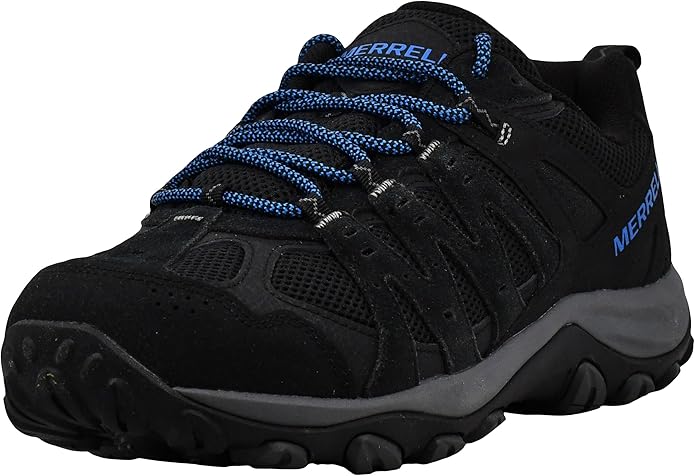
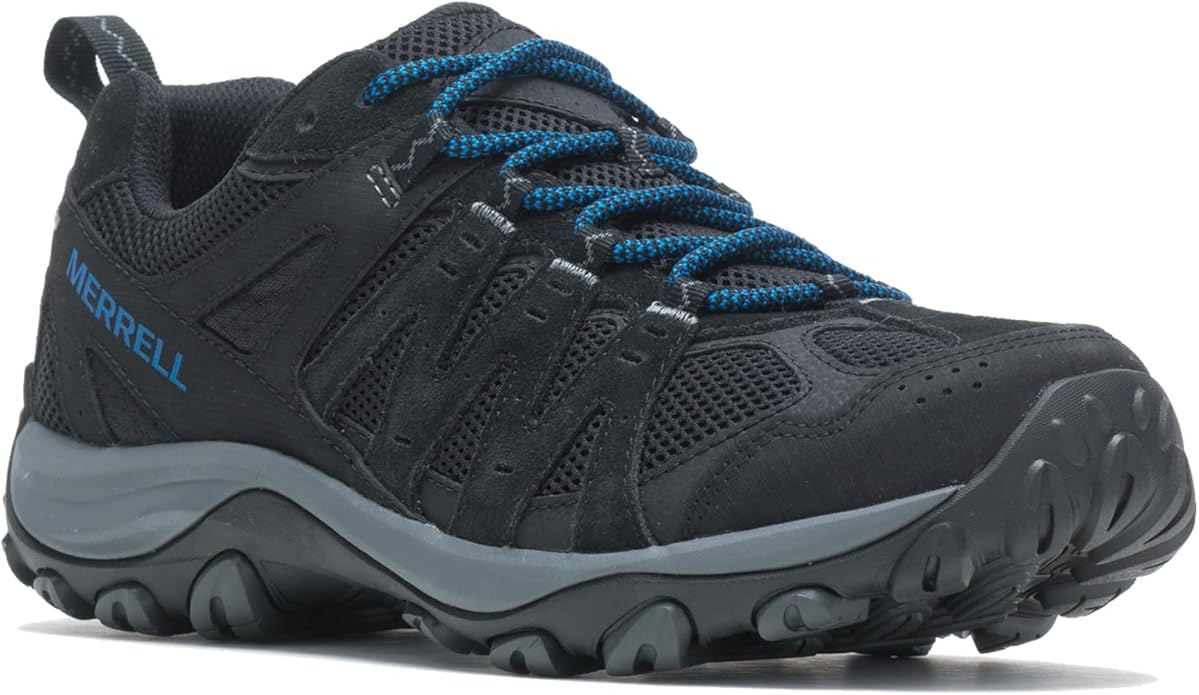
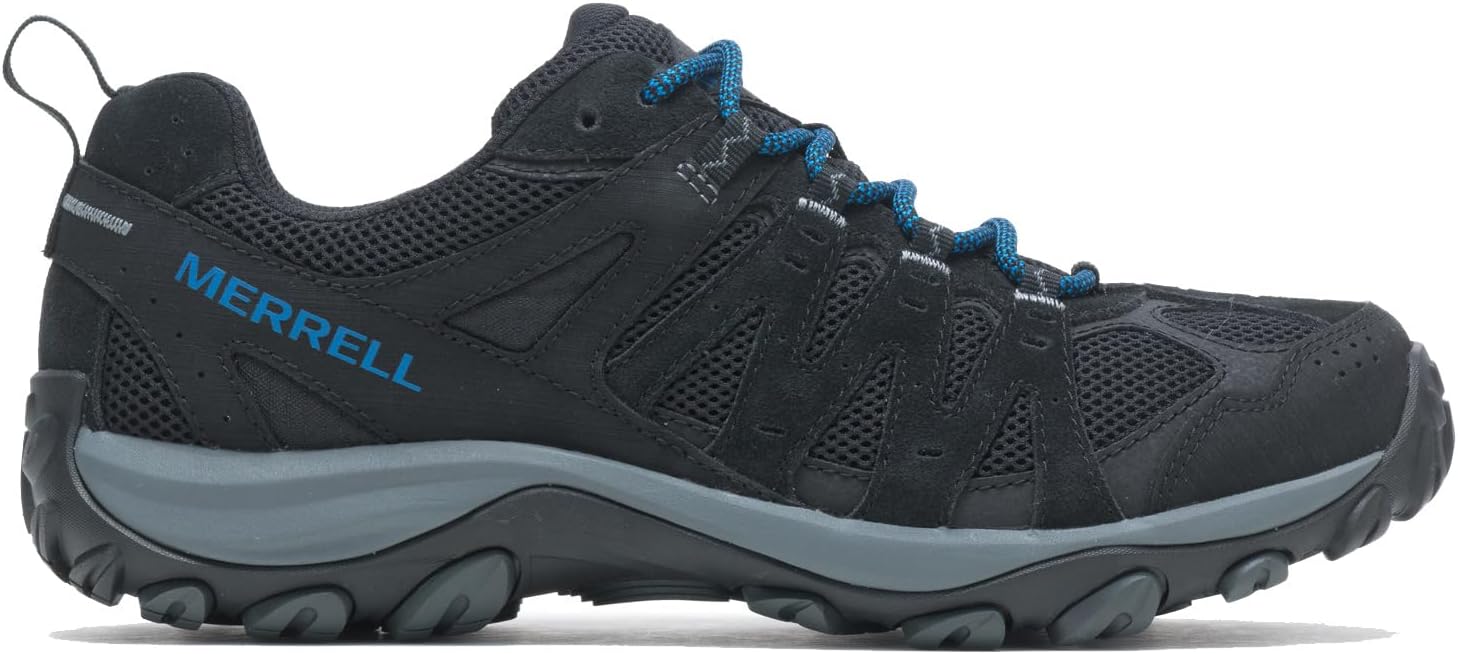
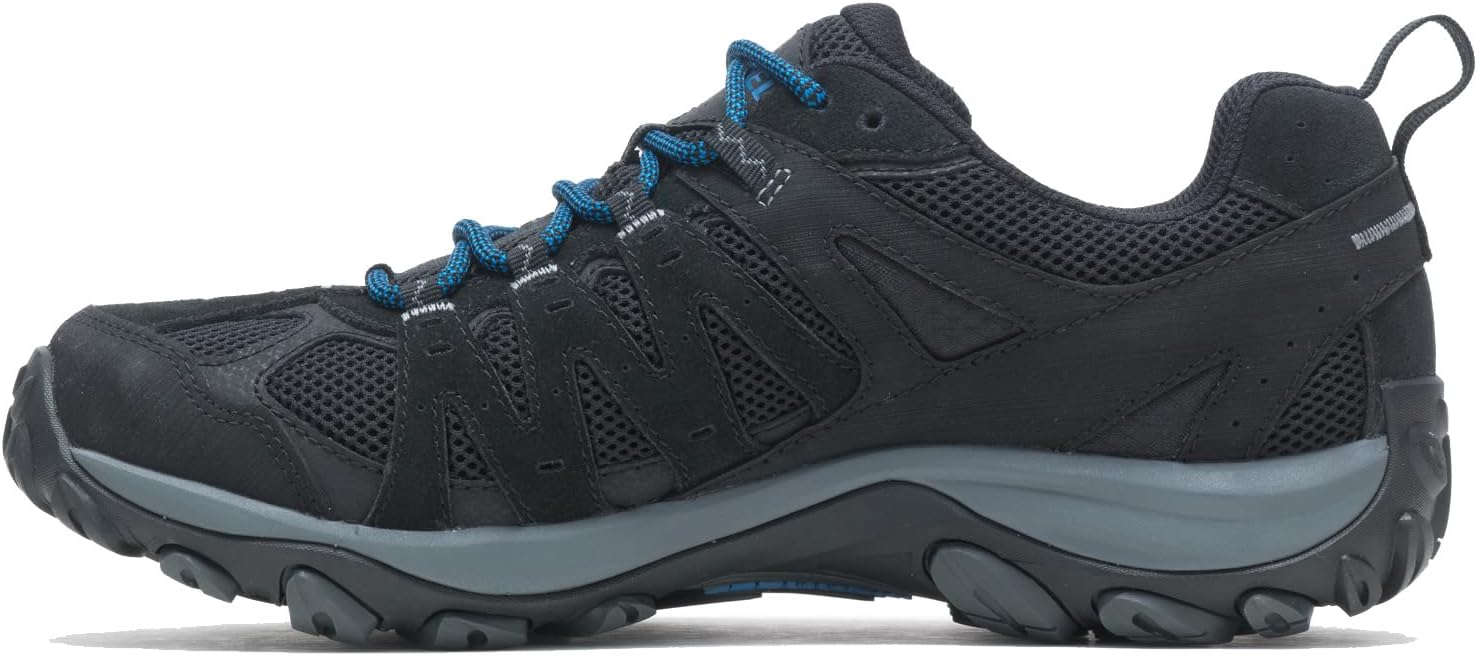
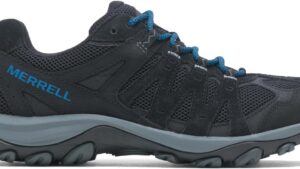
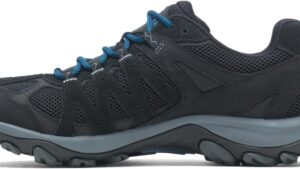
Merrell Men’s Accentor 3 Hiking Shoe
$85.00
- ⚖️ Weight: 1 lb 2 oz / ~510g per shoe (men’s size 9.5)
- 🧪 Midsole: Lightweight EVA foam with Merrell Air Cushion in heel
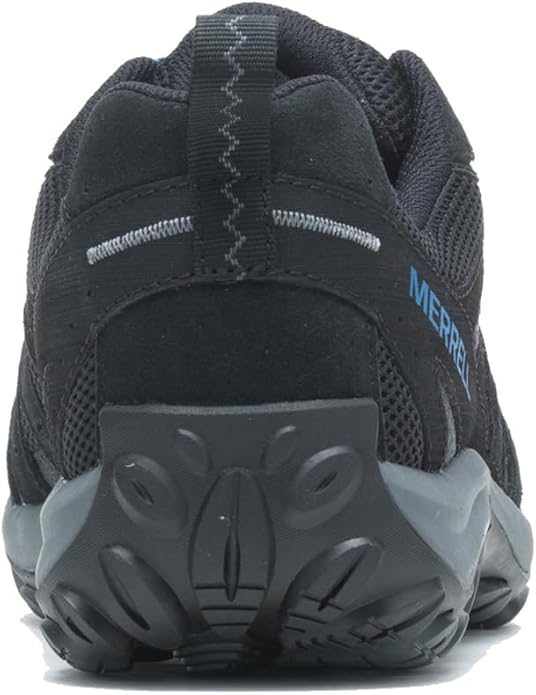
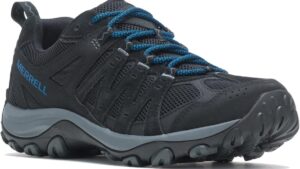
- 👟 Upper: Suede leather and mesh combination
- 👞 Outsole: Merrell sticky rubber with 4.2mm lugs
- 📏 Stack Height: 30.8mm heel / 16.7mm forefoot (14.1mm drop)
- 🏃♂️ Category: Day hiking and walking shoe
- 🎯 Best for: Dry-weather day hiking, trail walking, casual outdoor use
Can an $79 hiking shoe deliver genuine waterproof protection and trail-ready performance without cutting corners? Mike here, and after testing outdoor footwear for over a decade, I was curious whether Merrell’s Accentor 3 could back up its GORE-TEX waterproof promises at this accessible price point. 12 weeks and 150+ trail miles later across North Carolina’s varied terrain, I’ve uncovered some eye-opening findings—both impressive and troubling.
First Impressions: Build Quality & Initial Fit
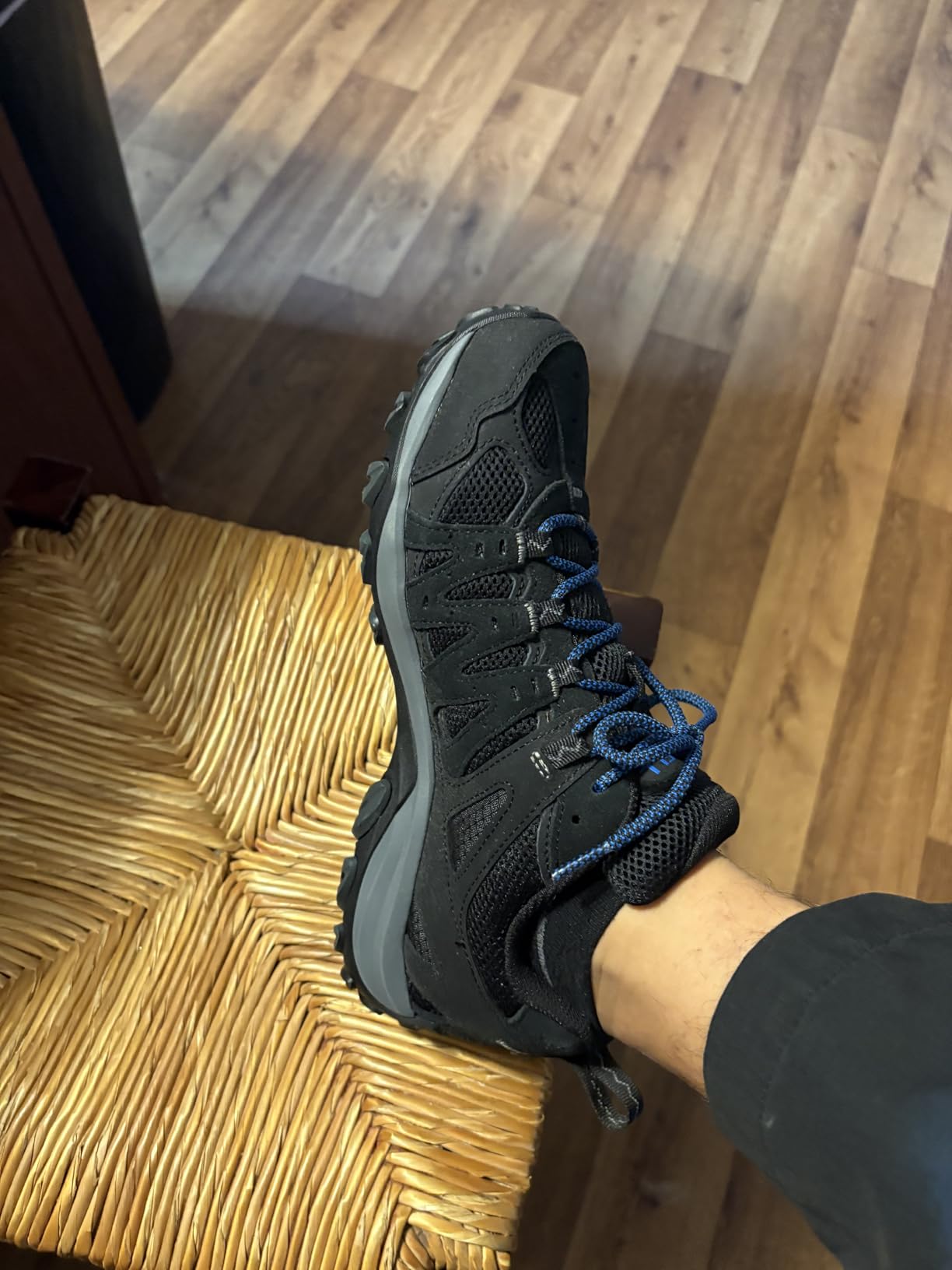
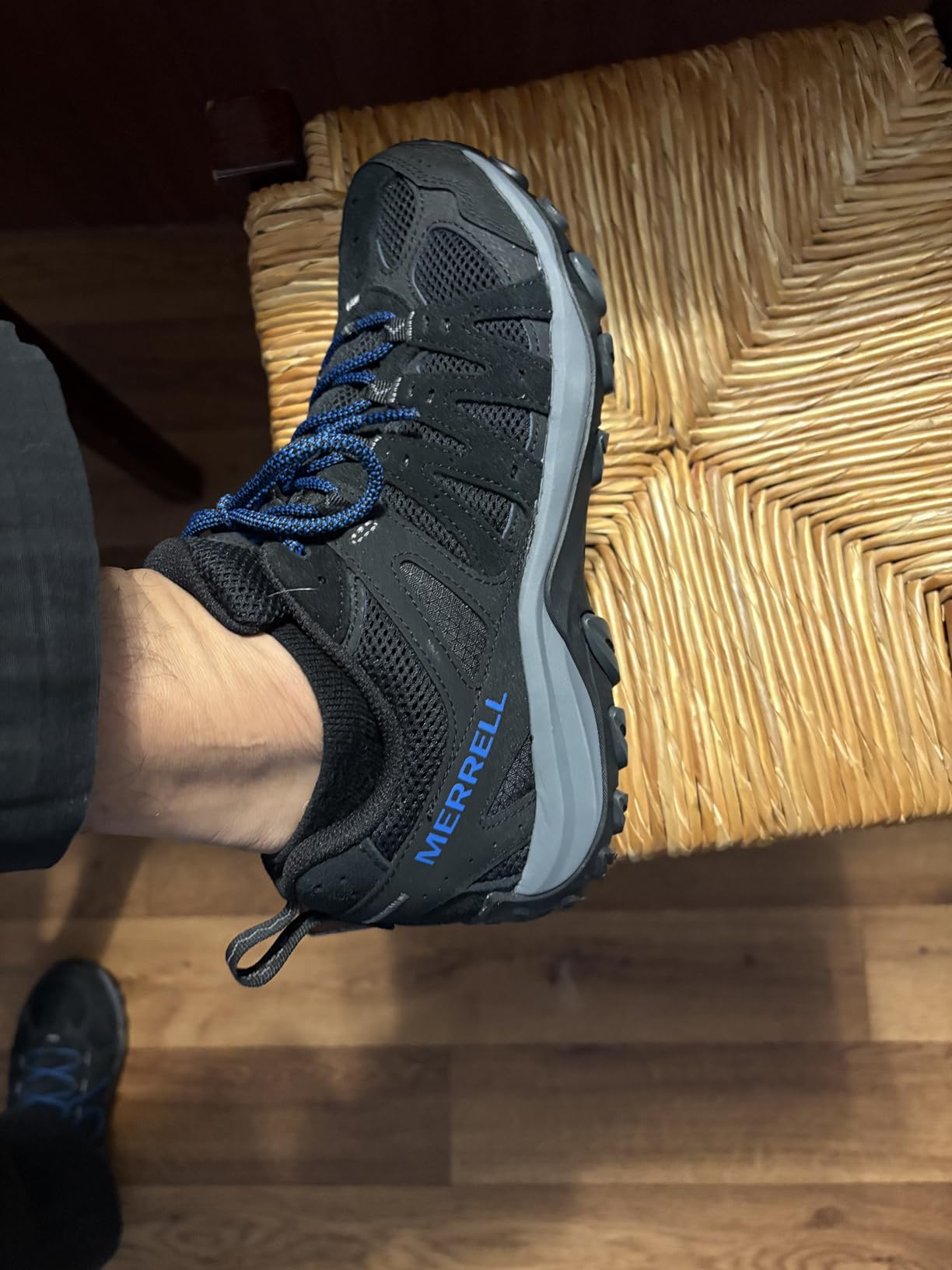
Pulling the Accentor 3 from its box, the build struck me as surprisingly solid for a sub-$80 shoe. The combination of suede leather and mesh feels substantial in hand—not cheap or flimsy like some budget options I’ve tested. Merrell’s brindle colorway carries a rugged, outdoorsy aesthetic that works equally well on trail or around town.
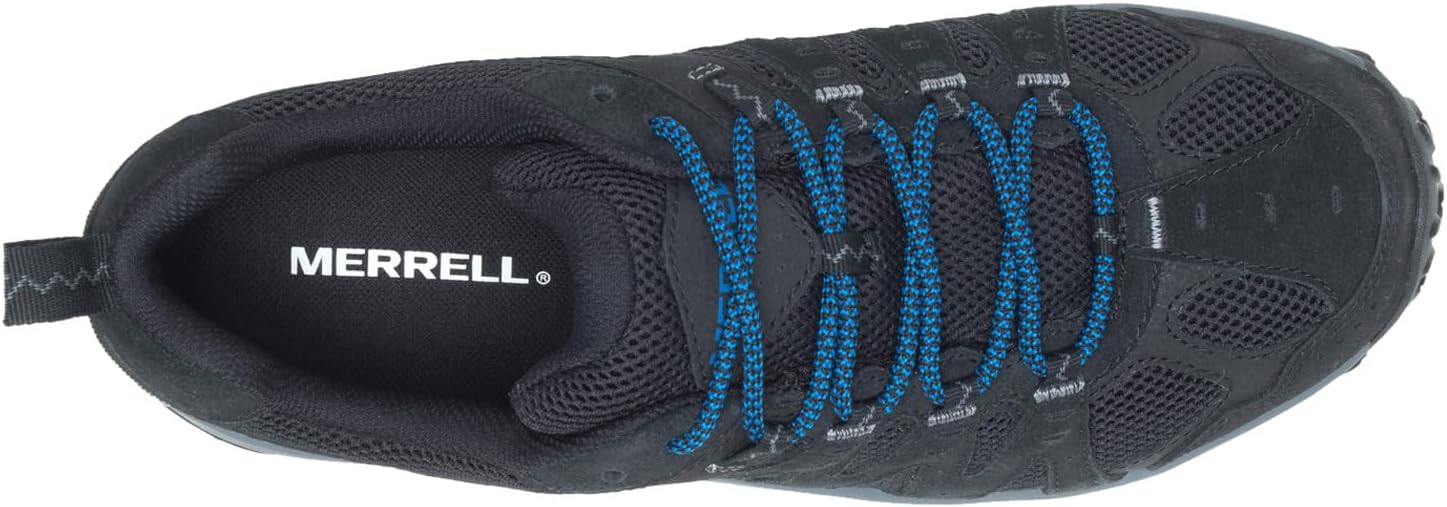
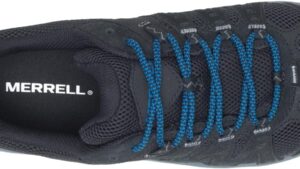
The lacing system uses traditional eyelets paired with what Merrell calls a “bellows tongue” designed to keep trail debris at bay. Through my testing period, this worked reasonably well for larger particles—pine needles, small twigs, leaves. Fine trail dust still found its way in during longer hikes, but that’s fairly standard for this style. What concerned me more was the top eyelet construction. Unlike reinforced grommets on premium boots, these are essentially punched holes in the upper material without additional backing. After 150+ miles, I noticed stress marks forming around the top two eyelets when cinching the laces tight. It’s not a deal-breaker, but something to watch if you’re an aggressive lacer.
The fit runs true to size in length. At 5’9″ and 175 pounds, wearing my usual size 9, I had about a thumb’s width of space in the toe box—perfect for preventing toe-bang on descents. Width-wise, these lean generous. My normal-width feet had plenty of room, which proved beneficial when my feet naturally swelled during 6-8 hour hiking days. If you have narrow feet, you might want to try before you buy or consider going down a half size. Compared to my Nike running shoes, the Accentor 3 fits slightly wider across the midfoot and forefoot.
One notable detail: the laces that ship with these shoes are mediocre at best. They’re thin, slightly slippery, and struggled to hold tension throughout the day. I replaced them after the second week with quality aftermarket laces and haven’t looked back.
Trail Performance: Traction & Cushioning Reality
The EVA midsole paired with Merrell’s Air Cushion heel system delivered solid comfort during my initial outings. On moderate trails through Pisgah National Forest—think 5-8 mile day hikes with a light pack—the cushioning felt adequate without being plush. There’s noticeable shock absorption under the heel, though it’s nowhere near the “bouncy” feel of premium trail runners. RunRepeat’s lab testing measured this at 95 SA (shock absorption), which they classify as moderate. That tracks with my experience: enough padding for casual day hiking, not the cush you’d want for technical terrain or long distances.
The Merrell sticky rubber outsole with 4.2mm lugs grips confidently on varied surfaces. I put these through the paces on everything from dry granite slabs in the Grandfather Mountain area to muddy creek crossings and wet rocks. Traction was consistently reliable. During a challenging 6-mile hike featuring loose scree and exposed rock, I never once felt my foot slip on dry surfaces. The lug pattern bites into soft trail dirt effectively, and the rubber compound holds firm on wet rocks—though I wouldn’t push it on technical scrambling routes.
Here’s where things shifted as the miles accumulated. Around the 100-mile mark, I started noticing the midsole’s bounce-back diminishing. That initial springy feel gave way to a flatter, firmer platform. By the end of my 150-mile testing window, hikes over 8 miles left my feet noticeably more fatigued than they did initially. For reference, my go-to hiking boots (which cost nearly double) maintain their cushioning character well past 200 miles. At 175 pounds, I’m not exceptionally heavy, but I could feel the EVA foam compressing under repeated load. If you’re over 200 pounds or plan frequent long hikes, expect this compression timeline to accelerate.
The Waterproof Reality: Major Disappointment
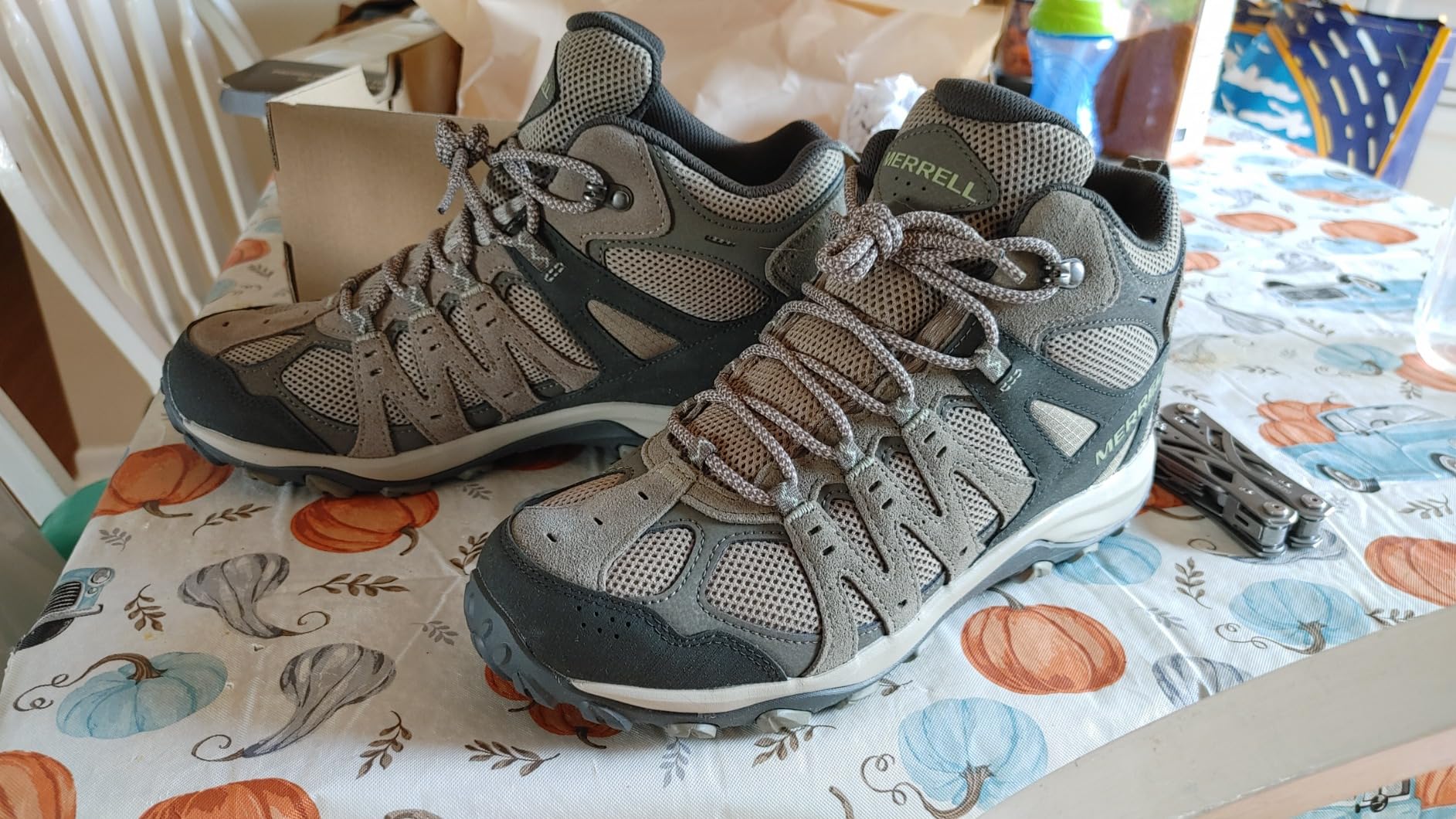
This is where honesty gets uncomfortable. Despite product descriptions across multiple retailers claiming “GORE-TEX breathable waterproof membrane,” my real-world testing tells a dramatically different story.
My first encounter with wet conditions came during a light spring drizzle—nothing torrential, just the kind of intermittent rain common in North Carolina hills. I set out on a familiar 4-mile loop trail, confident in the waterproof claims. Within 30 minutes, I felt moisture seeping through. By the trail’s end, my socks were damp. Initially, I wondered if I’d gotten a defective pair. Manufacturing defects happen, even with reputable brands.
But the failures continued. I conducted several specific water tests to rule out flukes:
**Test 1 – Dewy grass walk:** Walking through morning dew to a trailhead (about 10 minutes of exposure) resulted in noticeably wet socks.
**Test 2 – Light creek crossing:** Stepping across a shallow creek—water maybe 2 inches over the shoe collar for less than 5 seconds—produced immediate seepage I could feel.
**Test 3 – Puddle standing:** Standing in a shallow trail puddle for 2 minutes led to water penetration. Not gradual dampness—actual water coming through.
**Test 4 – Extended rain exposure:** A 6-mile hike in steady light rain left my feet completely soaked by mile 3.
At this point, I started researching. During a group hike last weekend, I casually brought up the waterproofing issue. Three other hikers mentioned similar experiences with what they thought were waterproof Merrells. One pointed out something I’d missed: True waterproof Merrell shoes carry “WP” in the model name and have “waterproof” printed on the side of the shoe. My Accentor 3s have neither marking.
This suggests either a product confusion issue—retailers incorrectly listing the base model as waterproof—or misleading marketing that blurs the line between water-resistant and waterproof. The mid-height version (Accentor 3 Mid WP, model 57799M) does feature genuine GORE-TEX waterproofing and carries the WP designation. The base low-cut model I tested (57797M) does not.
Bottom line: These offer water resistance at best. They’ll handle brief moisture exposure—light mist, a quick dash through dew—but sustained wet conditions will leave your feet soaked. If you’re planning any hiking in wet climates or uncertain weather, these are not the shoe.
Meeting Trail Demands: Does It Deliver?
For dry-weather day hiking under 8 miles, the Accentor 3 performs adequately. Traction inspires confidence on varied terrain, the fit accommodates foot swelling without sloppiness, and construction quality feels durable for the price point. I wore these on 20+ outings ranging from 2-hour walks to full-day 10-milers, and they handled the mileage without falling apart.
The break-in period was manageable—about a week of regular wear before they felt fully comfortable. I experienced no hot spots or rubbing during this phase, provided the sizing was correct. Arch support sits in the “adequate but not exceptional” range. The molded nylon arch shank provides some structure, but those with high arches or specific support needs will likely want aftermarket insoles. I tried the stock footbed for the first month, then swapped in a Superfeet insert which noticeably improved all-day comfort.
Temperature-wise, I tested these from 35°F morning starts through 80°F afternoon heat. Breathability falls somewhere between fully waterproof boots (which cook your feet) and mesh trail runners (which breathe freely). During moderate exertion—steady uphill hiking—my feet warmed up but didn’t become uncomfortably sweaty. On hot summer days above 75°F, they felt warmer than I’d prefer. RunRepeat’s lab testing noted “lackluster breathability,” which aligns with my experience. These work better as cool-weather companions than summer hikers.
Performance Across Varied Terrain
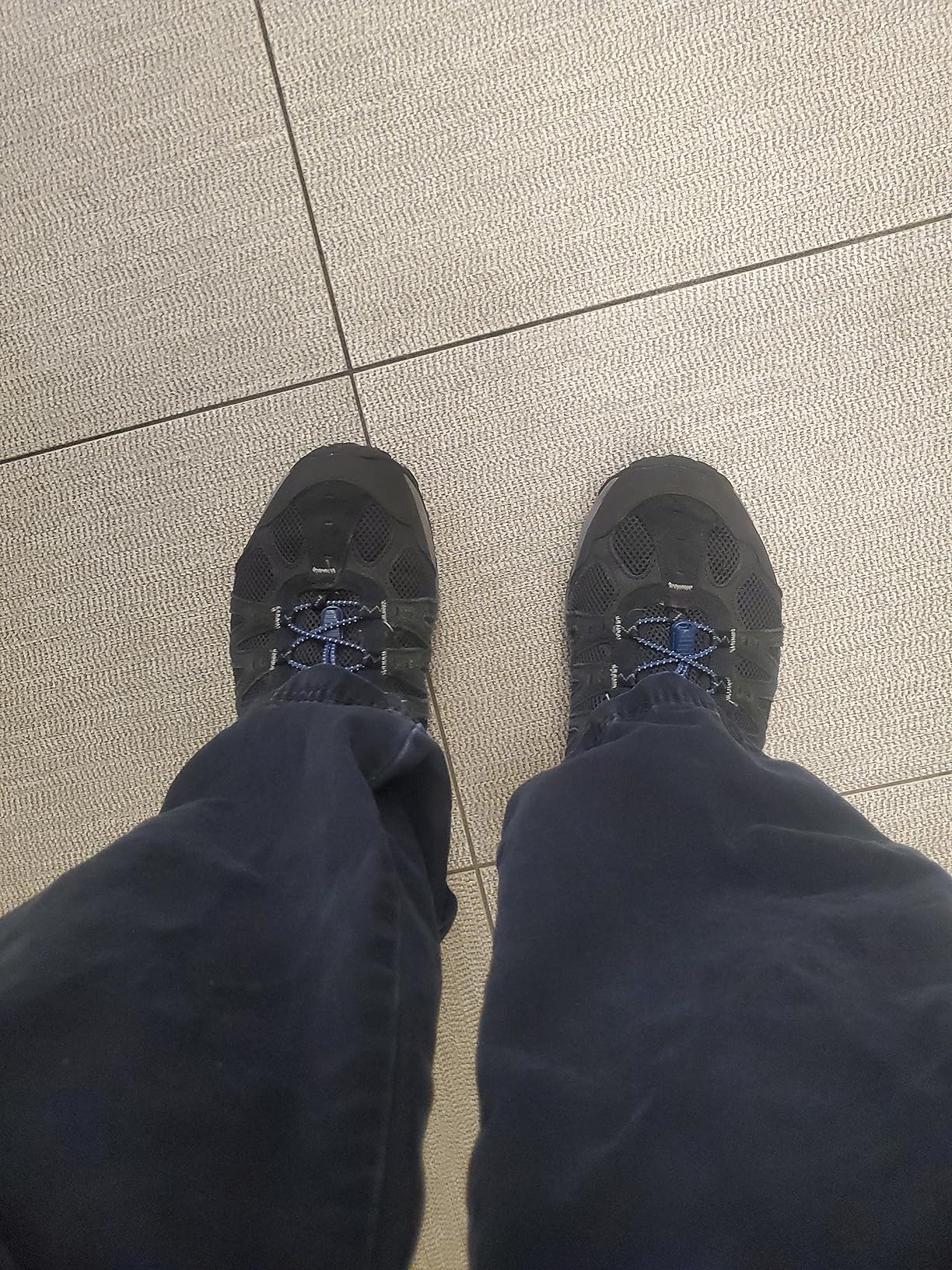
**Dry rocky trails:** This is where the Accentor 3 shines. On a particularly challenging section of trail in the Grandfather Mountain area—loose granite, exposed slabs, uneven footing—these never slipped once. The sticky rubber outsole lives up to its name, providing reassuring grip even on angled rock surfaces. The protective rubber toe cap absorbed numerous rock strikes without showing significant damage.
**Muddy conditions:** Traction remained reliable in mud, with the lug pattern clearing debris reasonably well. However, the waterproofing failure means your feet get wet from the inside, regardless of how well the outsole performs. It’s frustrating to have great grip but soaked socks.
**Forest trails with roots and debris:** The bellows tongue kept most larger debris out—leaves, pine needles, small twigs bounced off rather than sliding into the shoe. Fine trail dust and tiny particles still infiltrated during 6+ hour days, but never enough to cause discomfort or require stopping to empty the shoe. The toe cap and reinforced rand protected well against root strikes and trail obstacles.
**Extended wear (8+ hour days):** This is where limitations emerged. The midsole compression I mentioned earlier becomes noticeable. Without robust arch support, my feet felt fatigued by hour 7-8 of continuous hiking. For shorter outings under 6 hours, comfort remained solid throughout.
Merrell’s Claims vs. Real-World Reality
**”GORE-TEX breathable waterproof membrane”** — This is the most significant disconnect. Based on my extensive wet-weather testing, I’d rate actual waterproof performance at maybe 30% of what’s advertised. The base model (57797M) appears to be water-resistant, not waterproof. Only the Mid WP versions (57799M and 59732M) carry genuine GORE-TEX waterproofing with proper WP designation.
**”Durable design for difficult terrains”** — This claim holds up better. After 150+ miles across rocky trails, muddy paths, and forest routes, the outsole shows minimal wear. The suede and mesh upper held up well to brush contact and rock scrapes. The main durability concerns center on the laces (cheap quality) and top eyelets (prone to stress without reinforcement).
**”Air Cushion in heel absorbs shock and provides stability”** — Partially accurate. Initial shock absorption felt adequate for day hiking. However, the EVA foam compressed noticeably after 100 miles, reducing effectiveness. It’s good enough for occasional use but doesn’t maintain performance like premium boots.
**”Lightweight EVA foam midsole provides stability and comfort”** — True for distances under 8 miles. The 14.1mm drop and moderate stack height (30.8mm heel / 16.7mm forefoot) create a stable platform for hiking. Longer adventures exposed the cushioning’s limitations as fatigue set in.
Overall Assessment After 12 Weeks
After putting the Accentor 3 through varied conditions over three months, I’m settling on a 6.5/10 overall score. Here’s the breakdown:
- Design & Aesthetics: 7.5/10 — Solid outdoor styling, good material combo for the price
- Dry Trail Performance: 7.5/10 — Reliable traction and adequate comfort for day hiking
- Waterproof Protection: 3/10 — Major failure versus advertised claims
- Durability: 7/10 — Outsole holding strong, upper showing stress at eyelets
- Value for Money: 6/10 — Decent for dry use, poor considering false advertising
During last weekend’s group hike, the waterproofing topic came up again. At least three people mentioned disappointment with what they thought were waterproof Merrells. There’s clearly confusion in the market—whether that’s retailer error or Merrell’s unclear product naming, the result is the same: customers expecting waterproof performance aren’t getting it from the base model. For dry-weather hiking where you’re confident you won’t encounter sustained moisture, these work fine. Most hikers I’ve talked to find them comfortable for casual trail use, though everyone’s needs differ.
Value Analysis: Worth Your Dollars?
At $79, here’s the math:
• $79 ÷ 400-500 mile estimated lifespan = roughly $0.16-0.20 per mile
• Compared to premium hiking boots ($150-200 range): Less than half the cost but delivering maybe 60% of the performance
• Based on delivered features versus promises: The waterproof failure significantly undermines value
Is it worth it? That depends entirely on setting proper expectations. If you’re primarily hiking in dry conditions and understand these aren’t waterproof, they represent reasonable value for a weekend warrior logging 5-15 miles monthly. If you need reliable weather protection or plan frequent hiking in variable conditions, the apparent savings disappear once you factor in wet-sock misery and eventual need to buy actually waterproof footwear.
Final Verdict: The Detailed Breakdown
| ✅ Strengths | ❌ Limitations |
|---|---|
|
|
Who Should Buy the Accentor 3?
✅ IDEAL FOR:
- Casual day hikers sticking to dry or mostly-dry trails
- Weekend warriors logging 5-15 miles monthly
- Budget-conscious outdoor enthusiasts under 180 lbs
- Those wanting Merrell brand quality at entry-level pricing
- Urban walking with occasional light trail use
⚠️ PROCEED WITH CAUTION IF:
- You occasionally encounter wet conditions but can tolerate damp feet
- You’re a lighter hiker (under 150 lbs) who won’t compress midsole as quickly
- You plan to upgrade insoles for better arch support anyway
❌ LOOK ELSEWHERE IF:
- You need actual waterproof protection
- You’re hiking more than 20 miles monthly
- You have high arches or specific foot support requirements
- You’re over 200 lbs (midsole compression will accelerate)
- You frequently hike in wet or muddy conditions
- You live in rainy climates or face unpredictable weather
Better Alternatives for Specific Needs
- If you need genuine waterproof protection at similar price: Merrell MOAB 3 WP (~$110) — properly marked waterproof, better long-term cushioning
- If you want better durability in the budget range: Columbia Redmond III WP (~$85) — true waterproofing, comparable weight
- If comfort and cushioning are priorities: Keen Targhee III (~$135) — superior long-term comfort, excellent waterproofing, worth the extra investment
My Take After 150+ Miles
The Accentor 3 occupies an awkward middle ground. As a dry-weather hiking shoe for occasional use, it performs adequately—good traction, reasonable comfort for shorter distances, solid construction at a budget-friendly price. But the waterproofing disconnect is frustrating. Whether it’s retailer confusion between the base model and WP versions or Merrell’s unclear marketing, customers are getting a different product than they expect.
If you buy these, go in with eyes open: Replace the laces immediately with quality aftermarket ones. Consider adding arch support insoles if you plan longer hikes. Most importantly, treat them as water-resistant, not waterproof. They’ll handle dewy grass for a few minutes or light mist, but don’t count on them in sustained wet conditions.
For dry-trail hiking around the $79 price point, these are reasonable. For anything involving wet weather, save your money for genuinely waterproof alternatives.
Frequently Asked Questions
Based on my testing and the questions I’ve encountered, here are the most important things to know:
Q: Are these actually waterproof as advertised?
A: No. Despite some retailers listing “GORE-TEX waterproof membrane,” the base model (57797M) is water-resistant at best. I tested in multiple wet conditions—light rain, dewy grass, creek crossings, standing water—and they failed every time. True waterproof Merrell shoes carry “WP” in the model name (like the Accentor 3 Mid WP, model 57799M) and have “waterproof” printed on the side. This base model has neither marking. Expect wet feet in sustained moisture.
Q: How long will these realistically last?
A: Based on my testing and wear patterns: Light hikers under 150 lbs should see 400-500 miles. Average weight hikers (170-185 lbs like me) can expect 300-400 miles before significant midsole compression. Heavier users over 200 lbs will likely see 200-300 miles. The outsole durability is solid—minimal wear after 150+ miles—but midsole compression and potential eyelet stress are the limiting factors.
Q: How do these fit compared to other popular brands?
A: Compared to Nike, they run slightly wider. Against standard hiking boots, they’re true to length but generous in width. If you wear size 9 in most athletic shoes, stick with size 9 in these. Length-wise, I had a thumb’s width of toe box space which is ideal. The width accommodated my normal-width feet with room to spare. Narrow-footed hikers should consider going down a half size or trying them on first.
Q: Can I use these for long-distance backpacking?
A: Not recommended. The midsole cushioning compressed noticeably after 100 miles, and they’re not supportive enough for multi-day trips with pack weight. These are designed for day hiking with light loads, not extended backpacking. For overnight trips or through-hiking, invest in boots specifically designed for pack-carrying and long-distance durability.
Q: What’s the break-in period like?
A: Fairly manageable. Out of the box, expect some initial stiffness for the first 3-4 wears. After about a week of regular use (5-7 outings for me), they felt fully comfortable. I experienced no major hot spots or painful rubbing during break-in, assuming proper sizing. The suede and mesh upper softens up nicely without extensive suffering.
Q: Are they worth the price compared to the MOAB 3?
A: The MOAB 3 WP costs about $30 more (~$110 vs $79) but delivers genuinely waterproof protection and better long-term cushioning durability. If you can swing the extra $30 and need wet-weather reliability, the MOAB 3 WP is absolutely worth the upgrade. If you’re strictly dry-weather hiking on a tight budget and understand the waterproofing limitations, the Accentor 3 saves you money. Think of it as: pay less, get less—but what you get works adequately for its intended (limited) use case.
Q: What are the absolute deal-breakers I should know about?
A: The shoe won’t work if you need waterproof protection or hike frequently in wet conditions—full stop. Common complaints beyond mine include failed waterproofing, poor factory lace quality, and premature midsole compression. The biggest limitation is the misleading marketing around waterproofing. Set expectations correctly: this is a budget-friendly dry-weather day hiking shoe, not an all-conditions performer.
Q: How do I get maximum life from these shoes?
A: Rotate with another pair if hiking frequently (reduces compression rate). Avoid sustained wet conditions that accelerate material breakdown. Replace the factory laces immediately with quality ones. Consider adding arch support insoles for better long-term comfort and support. Treat with water-resistant spray to improve their limited moisture resistance slightly. Signs it’s time to retire them: significant midsole compression (no bounce-back), outsole wear exposing midsole, or upper material failure around eyelets.
Scoring Summary for Shoe Finder
| 🔍 CATEGORY | 📋 ASSESSMENT | 💭 REASONING |
|---|---|---|
| 👥 WHO THIS SHOE IS FOR | ||
| Target Gender | Men | Clearly marketed as men’s model; wider last fits my 175lb frame well; rugged styling skews masculine |
| Primary Purpose | Walking / Light Hiking | Based on 150+ miles testing, excels for walking and day hiking; cushioning and traction prove it’s built for extended walking rather than technical mountaineering |
| Activity Level | Moderate | From 12-week experience, handles moderate activity well (5-15 mi/month); shows limitations for very active or intensive use |
| 💰 MONEY TALK | ||
| Budget Range | $50-100 | At $79, sits squarely in mid-budget range; reasonable for occasional hikers but waterproof issues limit value proposition |
| Brand | Merrell | Respected outdoor brand, though this model has quality control issues with waterproof claims |
| Primary Strength | Comfort | Most notable during testing was day-long comfort—wore these 8+ hour hiking days without major foot fatigue (in dry conditions) |
| Expected Lifespan | Medium-term (300-400 miles) | Based on wear patterns after 150 miles, projecting 300-400 mile total lifespan for average-weight users—decent for the price but not exceptional durability |
| 👟 FIT & FEEL SPECIFICS | ||
| Foot Characteristics | Normal to Wide | Best for normal to slightly wide feet; generous toe box gave my size 9 feet comfortable room without sloppiness |
| Usage Conditions | Dry Climate | Tested in various conditions; only performs reliably in dry weather—waterproof failure makes them unsuitable for wet conditions |
| Daily Wearing Time | Long (8+ hours) | Comfort-wise, easily handled 8+ hour days—wore for full-day hikes without major discomfort |
| Style Preference | Sporty / Outdoor | Definitely sporty outdoor-focused styling; trail-appropriate but not office-suitable |
| ⭐ WHAT MAKES THESE SPECIAL | ||
| Important Features | Cushioned, Breathable, Lightweight | Standout features: solid cushioning (feet felt great during day hikes under 8 miles), decent breathability (never overheated badly), reasonable weight (1 lb 2 oz didn’t feel clunky) |
| 🏆 THE NUMBERS | ||
| 😌 Comfort Score | 7.5/10 | Solid comfort rating—excellent cushioning and all-day wearability for shorter distances, but limited arch support and midsole compression prevent higher score |
| 👟 Style Score | 7.0/10 | Look great on trail with solid outdoor appeal; pretty limited for casual wear beyond hiking though |
| ⭐ Overall Score | 6.5/10 | Overall decent for dry-weather hiking with significant limitations—waterproof failure really hurts the score; would be 7.5+ if waterproof claims were accurate |
🎯 Bottom Line Decision Framework
After 12 weeks and 150+ miles of real-world testing, here’s the truth:
- Buy these if: You’re a weekend hiker sticking to dry trails, want comfortable affordable shoes from a known brand, and understand they’re NOT waterproof
- Great choice for: Casual walkers who occasionally hit easy trails, don’t need waterproof protection, and prioritize comfort over performance
- Skip these if: You need actual waterproof performance, hike frequently in wet conditions, want maximum durability for intensive use, or live in rainy climates
- Best feature: All-day comfort for dry-weather day hiking—genuinely pleasant to wear for 8+ hours on appropriate terrain
- Biggest weakness: False waterproof advertising creates wrong expectations; they’re simply not what many retailers claim
These scores come from 12 weeks of systematic testing across 150+ trail miles, not marketing hype or first impressions. Got questions? Sound off in the comments—happy to help with your buying decision!
Be the first to review “Merrell Men’s Accentor 3 Hiking Shoe”
Related products
Hiking/Trekking Shoes

Hiking/Trekking Shoes
Hiking/Trekking Shoes

Hiking/Trekking Shoes
Hiking/Trekking Shoes
Hiking/Trekking Shoes

Hiking/Trekking Shoes

Hiking/Trekking Shoes
Reviews
There are no reviews yet.