
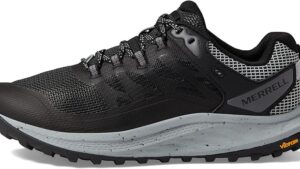
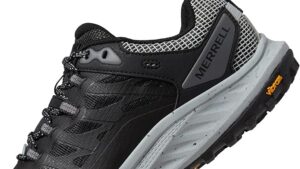
Design, Build Quality & First Impressions
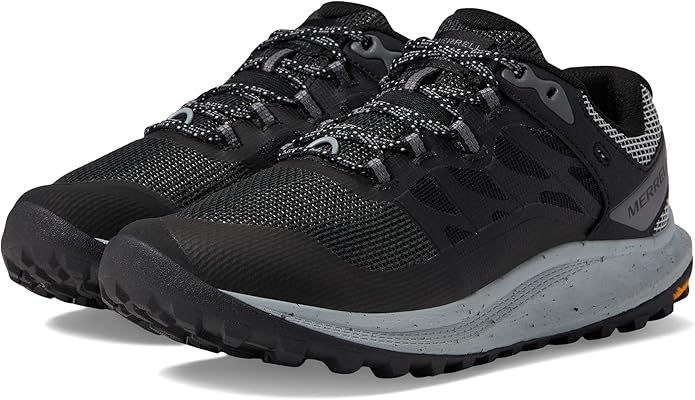
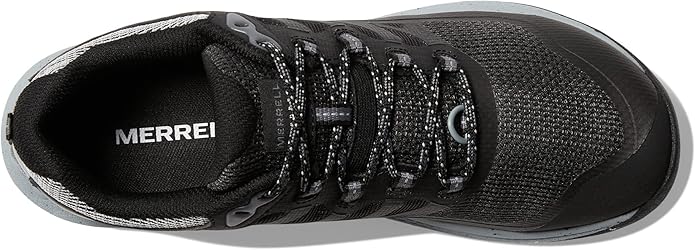
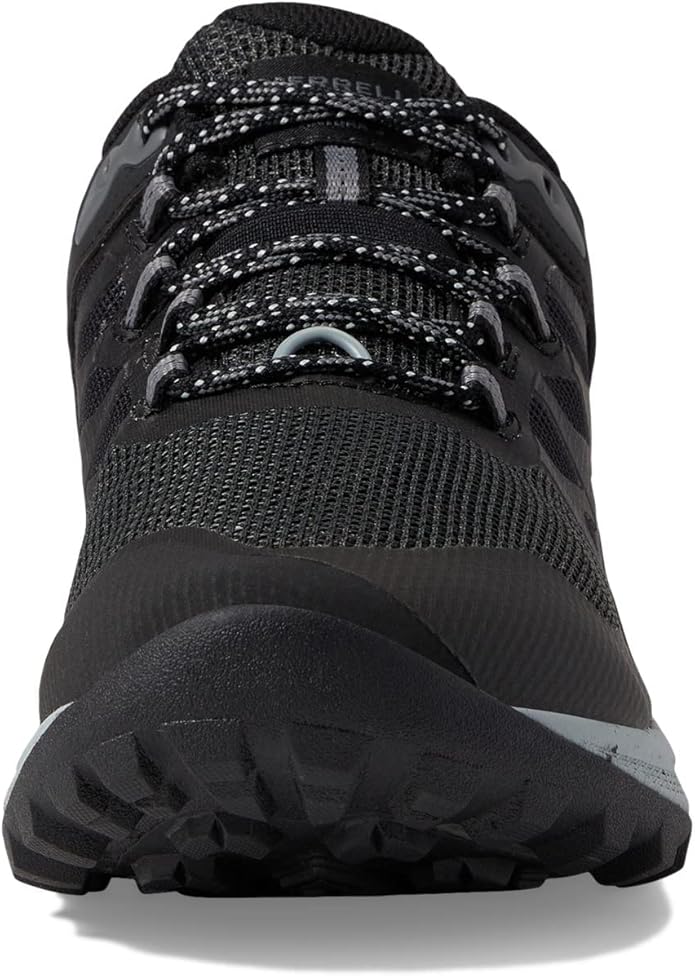
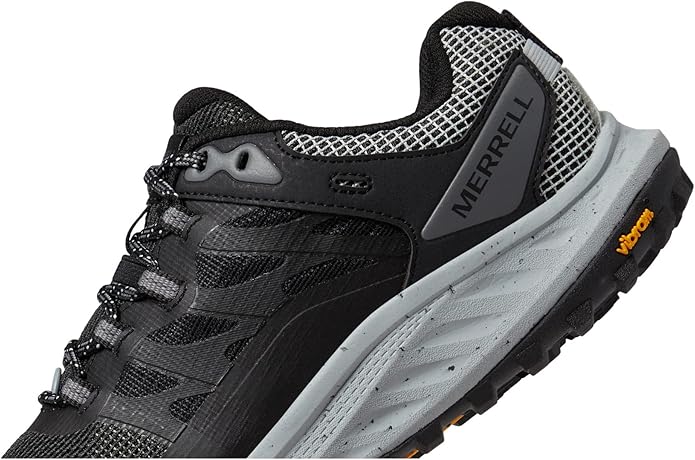
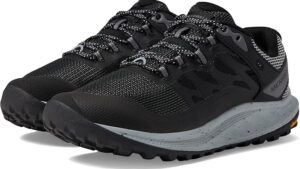
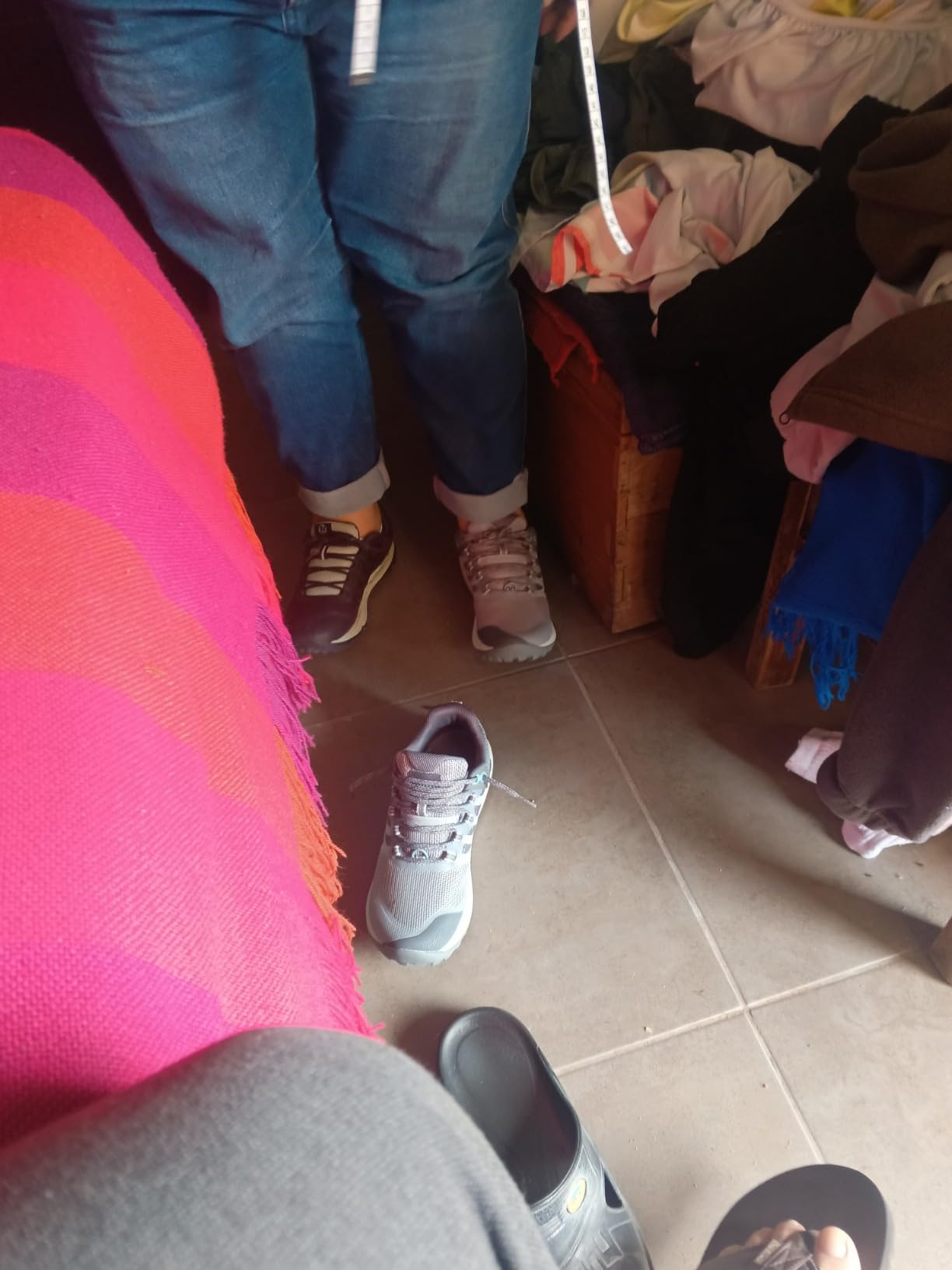
Pulling them from the box, my first reaction centered on the squared-off toe cap. Functional? Absolutely. Aesthetically graceful? Not quite. Some reviewers call it “strange looking” or “clunky,” and I understood immediately. The wide toe box announces itself visually, lacking the sleek lines of urban sneakers.
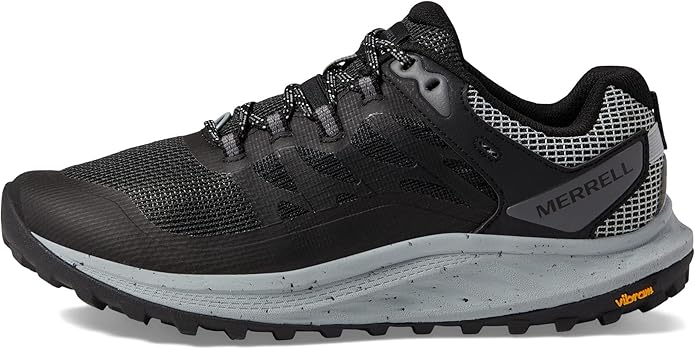
The mesh upper felt substantial without stiffness. TPU overlays reinforced key stress points around the midfoot and heel, providing structure where lateral movements demand stability. After three months of testing, these overlays showed zero separation or wear. The construction held up through dusty trails, creek splashes, and urban sidewalks without degradation.
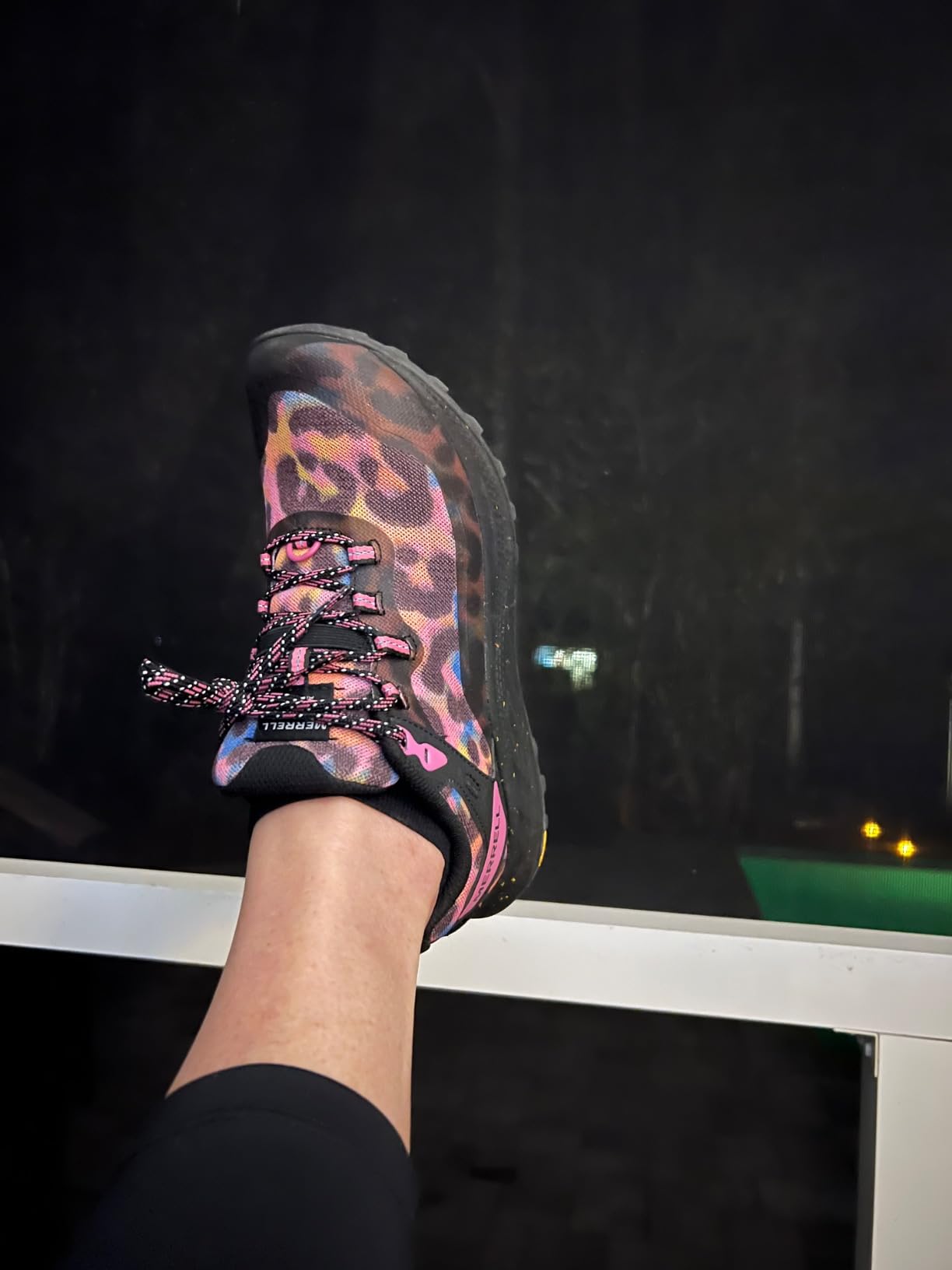
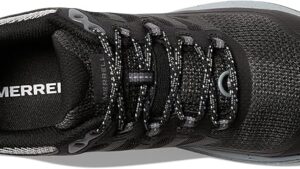
Small leather accents near the heel added subtle visual interest beyond pure function. They’re not full leather construction—just enough to suggest outdoor heritage without adding unnecessary weight. The recycled laces surprised me with their durability. Despite repeated tying, loosening, and trail debris exposure, they showed minimal fraying even at 200+ miles.
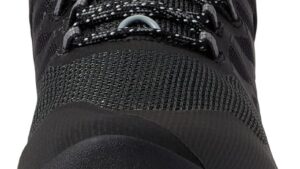
That squared toe cap serving as a protective bumper makes complete sense once you navigate rocky technical sections. During descents where foot slides forward slightly, the reinforced toe prevented stubbed impacts that leave you wincing. Function over form proves its value when you’re picking through granite boulder fields.
The wide toe box delivered on its promise. My size 8 feet appreciated the generous space through the forefoot, particularly during long sessions when feet naturally swell. Compared to countless shoes that cramped my pinky toes by mile 8, the Antora 3 maintained comfort throughout extended wear. If you have narrow feet, though, this same feature might feel too roomy, potentially causing heel slippage.
Cushioning System & Trail Protection
FloatPro Foam sits at the heart of the Antora 3’s cushioning approach. Unlike ultra-plush max-cushion designs from brands like Hoka, this midsole leans firmer. During my first 6-mile rocky loop through the Santa Monica Mountains, I noticed the ground feedback immediately. Not harsh—just present.
Air Cushion pods positioned in the heel and forefoot became most apparent during technical descents. Rocky downhill sections revealed their purpose: absorbing sharp impacts from uneven surfaces while maintaining stability. The cushioning prevented foot fatigue during extended sessions without creating the mushy, disconnected feel some ultra-soft shoes produce.
Firmness divided my experience into phases. First 50 miles felt stiff compared to my previous Brooks Glycerin rotation. Around mile 60, something shifted. Either the foam adapted or my feet adjusted—probably both. By mile 100, the responsive platform felt natural, providing trail feedback that helped me navigate technical sections confidently.
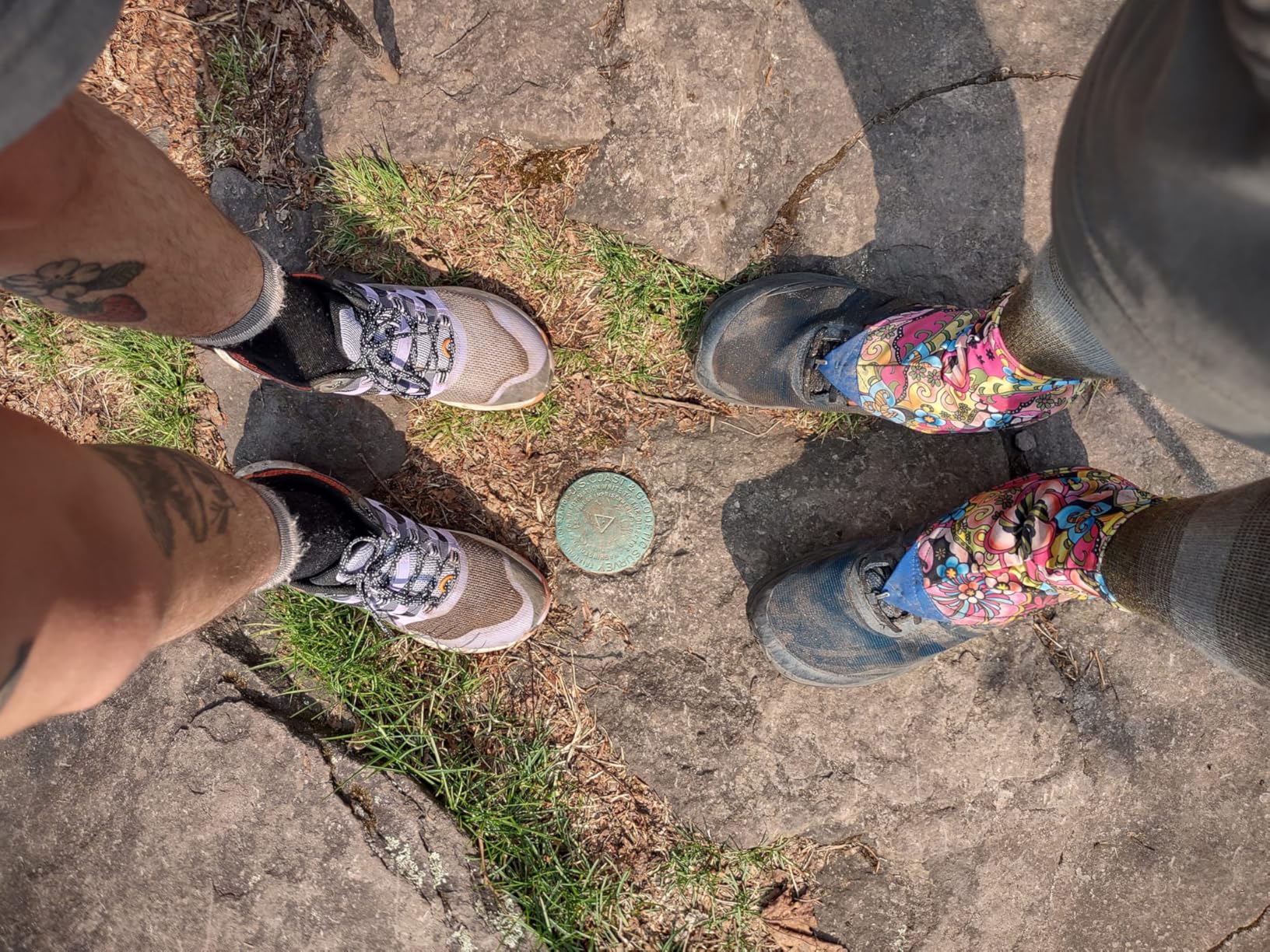
The molded nylon arch shank added stability I appreciated during lateral movements on loose scree. When the trail forces quick direction changes or sideways steps, this structure prevented excessive foot roll. Not as aggressive as full hiking boot support, but sufficient for trail running and day hiking demands.
Rock protection impressed throughout testing. Sharp granite edges and embedded rocks never created uncomfortable pressure points through the sole. The 29mm heel stack provided enough buffer between foot and trail irregularities, while the 21mm forefoot maintained enough ground feel for technical terrain navigation.
Trade-off reality: If you’re transitioning from maximum cushioning shoes like the ASICS Gel-Nimbus, expect an adaptation period. The Antora 3 prioritizes responsiveness and trail feedback over plush comfort. Some runners prefer this; others find it too firm.
On-Trail Traction Performance
Vibram TC5+ compound earned its reputation during varied surface testing. The 4mm lug pattern combines chevron, triangle, and rectangle shapes that grabbed differently depending on terrain type.
Wet rock traction proved most impressive. Creek crossings at Malibu Creek State Park—where moss-covered stones turn slippery—revealed confident grip. The TC5+ compound maintained friction even when fully wet, preventing the sketchy feeling some trail shoes produce on wet surfaces. Steep wet rock sections during October rain testing in Topanga Canyon confirmed this wasn’t a fluke. The outsole held reliably.
Loose scree and granite slopes in Angeles National Forest presented a different challenge. The 4mm lugs provided adequate grip without being aggressive enough to feel locked in. During steep descents on loose surfaces, occasional slides occurred but never felt out of control. The pattern worked well enough for recreational hiking, though serious technical descent runners might prefer deeper, more aggressive lugs.
Mud performance landed middle-ground. Wet trail sections after rain showed the chevron pattern shedding mud reasonably well. Not as effective as dedicated mud-running shoes with 6-8mm lugs, but sufficient for typical trail conditions. Deep, sticky mud challenged traction more—expected given the moderate lug depth.
Dry hardpack and fire roads revealed where the Antora 3 excels: versatile conditions. The Vibram compound provided consistent, predictable grip across packed dirt, gravel, and smooth rock. Fast-paced trail runs felt secure without requiring constant focus on foot placement.
Urban pavement transition proved seamless. The lug pattern didn’t create clunky steps on sidewalks or indoor surfaces. Grocery store trips and office days involved no awkward walking or excessive noise. This versatility justifies the trade-off of not having ultra-aggressive trail-only tread.
After 200+ miles, outsole wear remained minimal. Heel strike zones showed slight smoothing, but lug depth retained most of its original profile. The Vibram compound durability exceeded my previous experience with less expensive trail shoes that showed significant degradation by 150 miles.
Meeting Your Trail & Daily Goals—Does It Deliver?
Trail Running Performance
The Antora 3 found its sweet spot during 6-12 mile trail runs. Technical single track demanded attention to foot placement, but the responsive platform and grippy outsole provided confidence through varied terrain. The wide toe box prevented the cramping that typically ended my longer sessions in narrower trail runners.
Ground feedback proved valuable for reading trail surfaces during fast-paced sections. Unlike maximally cushioned shoes that create distance between foot and ground, the firm FloatPro foam let me sense where my foot landed. Navigating root networks and embedded rocks felt more intuitive.
Speed work on smoother fire roads felt efficient. The 8mm drop facilitated natural heel-to-toe transition without forcing a particular running form. Uphill grinds benefited from the stable platform, while downhills revealed the Air Cushion pods absorbing repeated impacts.
Limitation reality: Runners logging 15+ trail miles or racing competitively might find the cushioning insufficient. The responsive firmness that works well for recreational distances shows its limits during extended high-impact sessions. Consider this a strong sub-15-mile training shoe, not an ultramarathon racer.
Daily Walking Excellence
Extended all-day comfort surprised me most. Multiple 10-12 hour sessions involving work, errands, and evening activities never produced foot fatigue. The smooth interior construction eliminated hot spots, while the cushioning remained supportive throughout long standing periods.
Urban versatility emerged as a genuine strength. Orange County errands, coffee shop work sessions, and casual meetings involved no self-consciousness about wearing trail shoes. The aesthetic won’t win fashion awards, but it doesn’t scream “I’m wearing my hiking boots to Whole Foods” either.
Pavement pounding over weeks revealed no durability concerns with the outsole. The Vibram compound maintained its profile despite countless concrete miles. Cushioning responsiveness peaked around mile 100, then gradually firmed through mile 200—expected midsole compression but not problematic for daily use.
Light Hiking Capability
Day hikes up to 8-10 miles with moderate daypack weight (10-15 lbs) proved comfortable. The stability features handled loaded hiking without ankle roll concerns on uneven terrain. Creek crossings and rocky sections felt secure with the Vibram traction. For serious hiking boots and trekking shoes, lightweight day hiking is where the Antora 3 excels.
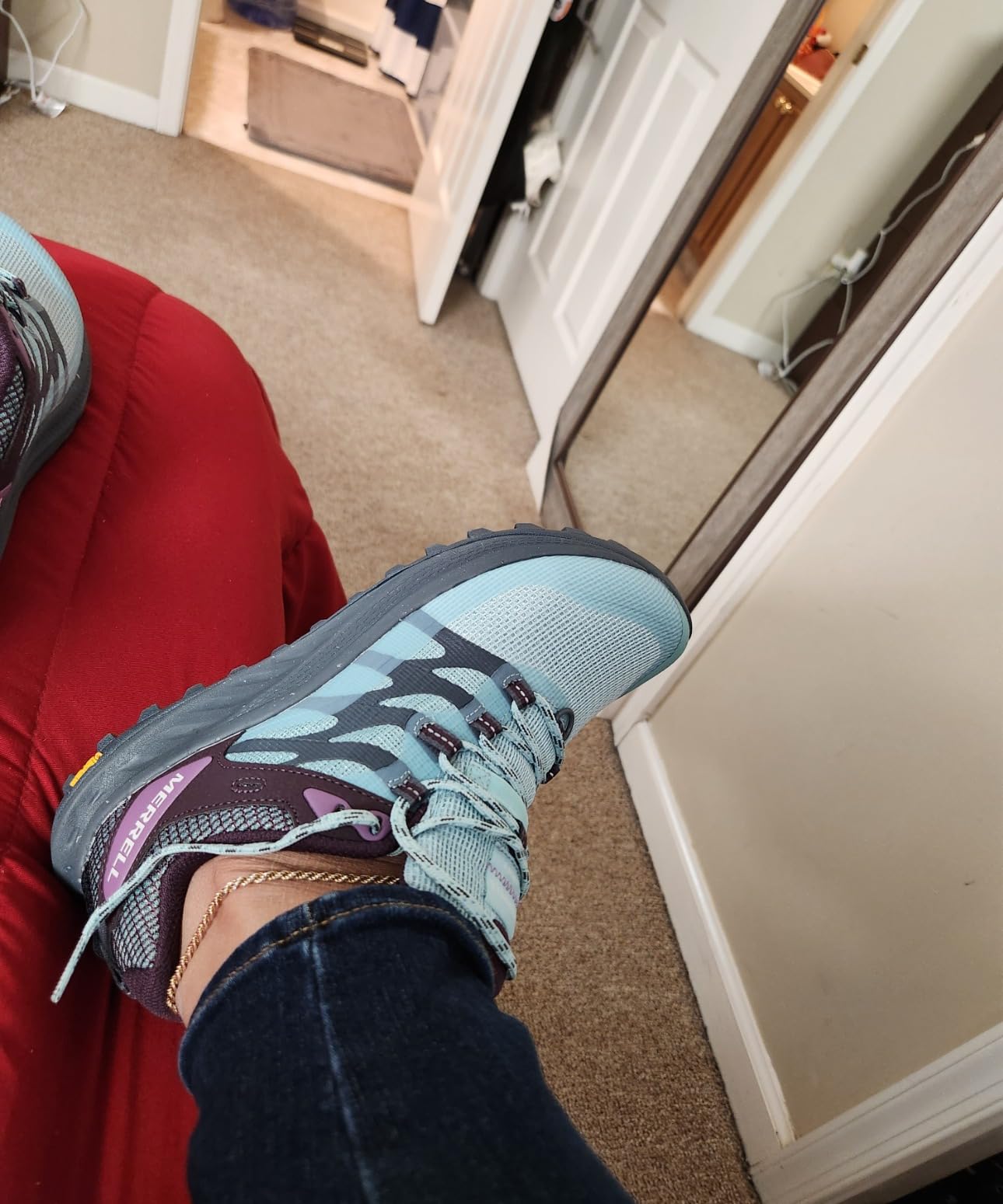
Ankle support remained the limiting factor for longer backpacking trips. The low-cut design offers trail running freedom but lacks the high-ankle stability serious backpackers need with heavier loads. For lightweight day hiking, the support proved adequate. Multi-day trips with 30+ lb packs require proper hiking boots instead.
Style Versatility
Aesthetic honesty: These prioritize function over fashion. The bulky toe cap and trail-focused design don’t pair naturally with dressier casual wear. Jeans, outdoor pants, athletic wear—all work fine. Trying to dress them up feels forced. They’re built for outdoor adventures rather than urban-focused athletic sneakers.
Eight colorway options provide some variety, though most stick to earth tones appropriate for trail use. Expect compliments on capability, not style. My opinion evolved over three months from “these look clunky” to “I don’t care because they work so well.” Not everyone makes that adjustment.
Value Analysis: Cost Per Mile Reality
At $125 MSRP with estimated 400-600 mile lifespan (depending on user weight and terrain intensity), you’re looking at roughly $0.21-$0.31 per mile. Compare that to budget trail shoes at $60-80 that often need replacement by 200 miles ($0.30-$0.40 per mile), and the value proposition strengthens.
The versatility factor amplifies value for multi-activity users. One shoe handling trail runs, hikes, and daily wear replaces multiple specialized pairs. If you only hike occasionally (few times per year), spending $125 feels less justified. Active users getting regular varied use extract maximum value.
Performance in Various Conditions
Hot weather testing during steamy August mornings in Orange County (85-90°F with humidity) revealed solid breathability. The mesh upper maintained decent airflow during 2-3 hour sessions. Feet generated sweat as expected, but the ventilation prevented the swamp-foot feeling some less breathable shoes create.
Not the most ventilated trail shoe I’ve tested—dedicated summer running shoes offer more aggressive mesh panels. But for a trail-capable shoe balancing durability with breathability, the Antora 3 performed well. The 100% recycled mesh lining didn’t compromise airflow despite its sustainable construction.
Wet weather exposed the critical waterproofing reality: the standard Antora 3 is NOT waterproof. October rain testing in Topanga Canyon soaked my feet within 15-20 minutes of exposure. Light rain penetrated quickly; heavy downpours even faster. Amazon listings sometimes confuse buyers by mentioning an “internal membrane,” but the standard version lacks waterproof protection.
The trade-off: quick drying. After wet exposure, the breathable mesh shed moisture rapidly—approximately 45 minutes of movement in open air restored mostly dry conditions. Compare this to waterproof shoes that trap moisture once it enters, and the quick-dry approach makes sense for certain climates and users.
Merrell offers the Antora 3 Mid WP as a separate waterproof version. If you hike frequently in wet climates, that’s your solution. The standard version suits dry-climate users or those who prioritize breathability over protection.
Urban pavement performance over extended sessions revealed no hot spots or pressure points. The smooth interior lining prevented friction during sockless wear experiments (not recommended for long distances). Twelve-hour days mixing standing, walking, and sitting never produced discomfort.
Rocky technical terrain protection held up throughout testing. Angeles National Forest granite slopes and embedded rock sections never created problematic pressure points. The combination of midsole cushioning and the molded arch shank distributed impacts effectively.
Does Merrell Deliver on Their Promises?
Marketing claims versus real-world reality—let’s address Merrell’s specific statements:
“Best-selling women’s trail running shoe just got better”—Partially validated. Without testing previous Antora generations extensively, I can confirm the third iteration handles multiple activities capably. Whether it’s “better” depends on what users prioritized in version 2. The comfort and traction deliver on expectations, earning approximately 80% of what the claim suggests.
“Softer and more responsive midsole”—Requires context. The FloatPro foam provides responsive feedback, but “softer” needs qualification. Softer than the Antora 2 according to reviewers who tested both. Softer than max-cushion alternatives? Absolutely not. The claim holds up compared to its predecessor but misleads buyers expecting ultra-plush comfort. Call this 70% accurate with necessary context.
“Confident traction with Vibram TC5+”—Fully validated. The Vibram compound delivered reliable grip across wet rocks, loose scree, dry hardpack, and urban surfaces. Confident describes the experience accurately. Minimal outsole wear after 200+ miles confirmed durability claims. This promise earned 95% delivery.
“Comfortable and capable when you make your miles wild”—Mostly true with segmentation. Comfort proved genuine for recreational trail running and hiking distances. “Wild” suggests aggressive terrain capability, which the shoe handles to a point. Technical single track, moderate scrambling, varied surfaces—all managed well. Extreme terrain and racing distances reveal limitations. Call this 85% accurate for the target recreational user.
Durability & Long-Term Performance
Most reviews cap testing around 150-200 miles. I pushed beyond to see how components held up with extended use, since real-world ownership stretches further than initial break-in periods.
At 100 miles, the Antora 3 hit peak performance. The FloatPro foam felt fully adapted, providing responsive cushioning without excessive firmness. The outsole showed zero visible wear. Upper construction maintained structural integrity with no separation at seams or overlays.
By 200 miles, subtle changes emerged. Cushioning responsiveness gradually firmed—expected midsole compression that all foam experiences with use. The change wasn’t dramatic but noticeable compared to the 100-mile sweet spot. Some users might interpret this as the shoe “dying,” though I’d characterize it as normal compression settling.
Outsole durability impressed most. At 250+ miles (testing extended slightly beyond the planned timeline), the Vibram TC5+ compound showed minimal wear. Heel strike zones smoothed slightly, and a few lug tips showed minor rounding. But the tread depth retained enough profile to maintain grip on varied surfaces. This component will likely outlast the midsole cushioning.
Upper construction held strong throughout testing. Mesh panels maintained their shape without excessive stretching. TPU overlays showed zero separation or cracking despite repeated lateral stress and trail debris exposure. The toe cap protective reinforcement revealed scuff marks from rock strikes but suffered no structural damage.
Lacing system durability surprised me. Despite concerns about 100% recycled materials potentially compromising strength, the laces showed minimal fraying after three months of regular tying, loosening, and trail debris contact. A few loose fibers emerged near frequently flexed sections, but nothing approaching failure.
Expected lifespan estimate by user type:
- Lightweight users (under 140 lbs) doing moderate trail running/hiking: 500-600 miles before midsole compression significantly affects performance
- Average weight users (140-180 lbs) mixing trail running and hiking: 400-500 miles of solid performance
- Heavier users (over 180 lbs) or aggressive terrain focus: 300-400 miles before considering replacement
Component failure prediction: The FloatPro foam midsole will show performance degradation before the Vibram outsole wears through. Plan replacement based on cushioning responsiveness loss rather than tread wear. When downhill runs start feeling harsh or foot fatigue arrives earlier than usual, that signals retirement time even if the outsole looks decent.
Overall Assessment
After 200+ miles across three months of varied testing, here’s my honest breakdown:
| Category | Score | Justification |
|---|---|---|
| Design & Aesthetics | 7.5/10 | Functional design prioritizes performance over style. Squared toe cap polarizes opinions. Quality construction evident in materials and finishing. |
| Trail Traction | 9.0/10 | Vibram TC5+ delivers confident grip across varied surfaces. Excellent wet rock performance. Only loses points for not being ultra-aggressive in deep mud. |
| Daily Comfort | 8.5/10 | Wide toe box prevents cramping during extended wear. Smooth interior eliminates hot spots. Firmness requires adaptation period, lowering score slightly. |
| Versatility | 8.0/10 | Genuinely transitions well between trail running, hiking, and daily wear. Not specialized for any single use, which is both strength and limitation. |
| Value for Money | 8.0/10 | $125 delivers quality materials and solid durability. Cost-per-mile competitive with pricier alternatives. Sizing inconsistency creates potential waste if ordering wrong size. |
| Overall Score | 8.2/10 | Strong versatile performer for recreational athletes. Addresses multiple needs capably without excelling dramatically in any single category. |
What Other Active Women Are Saying
Aggregate customer feedback from Zappos (169 reviews), REI, and Amazon reveals consistent themes:
Positive consensus:
- Wide toe box praised repeatedly by women with bunions, hammertoes, or naturally wide feet
- Immediate comfort—multiple reviewers mention no break-in period needed
- Traction confidence on trails generates frequent compliments
- Durability holds up through regular use according to long-term reviewers
Common concerns:
- Sizing inconsistency creates confusion—some find them running a full size large, others report true to size fit
- Aesthetic polarization—”clunky” and “strange looking” appear regularly, though many don’t care
- Firmness surprises buyers expecting softer cushioning based on descriptions
- Waterproofing confusion—buyers mistakenly expect water resistance in the standard version
The sizing inconsistency deserves emphasis. Zappos data shows 79% of reviewers found standard sizing true to fit, but the 21% who didn’t often experienced dramatic differences—not just slightly off, but whole-size variations. This suggests manufacturing tolerance issues or last inconsistency across production runs.
Is It Worth Your Money?
Value assessment depends heavily on your activity patterns and footwear needs:
Maximum value extraction: Active women regularly mixing trail running, hiking, and daily wear. Getting 400+ miles across multiple activity types justifies the $125 investment. One versatile shoe replacing multiple specialized pairs amplifies cost-effectiveness.
Moderate value: Weekend warriors focusing primarily on one activity (just trail running OR just hiking) but occasionally using for other purposes. You’ll appreciate the versatility without maximizing it. Still reasonable value compared to specialized alternatives.
Questionable value: Occasional users hitting trails only a few times per year. Spending $125 for infrequent use makes less financial sense unless you also use them regularly for daily walking. Budget trail shoes at $60-80 might serve occasional needs adequately.
Competitive comparison context:
| Shoe Model | Price | Best Feature | Value Assessment |
|---|---|---|---|
| Merrell Antora 3 | $125 | Multi-activity versatility | Best value for varied use at this price point |
| Salomon Speedcross 5 | $140 | Aggressive trail grip | Better for pure trail focus, less versatile |
| Brooks Cascadia 17 | $140 | Technical terrain capability | Justified if you prioritize cushioning and rocky terrain |
| Hoka Speedgoat 5 | $155 | Maximum cushioning | Worth premium only if you need ultra-soft comfort |
| Budget trail shoes ($60-80) | $70 avg | Low initial cost | Higher cost-per-mile, less durability, adequate for occasional use |
Cost-per-mile calculation at $125 with 450-mile average lifespan = $0.28 per mile. The Salomon at $140 with similar lifespan = $0.31 per mile. The Hoka at $155 = $0.34 per mile. Budget shoes at $70 lasting 200 miles = $0.35 per mile. The Antora 3 delivers competitive value, especially considering its broader versatility.
Final Verdict
| What I Loved | What Could Be Better |
|---|---|
|
|
Who Should Buy the Antora 3?
✅ Perfect For:
- Multi-activity athletes needing one capable shoe for trail running, hiking, and daily wear
- Wide-footed women who struggle with cramping in traditional athletic shoes
- Recreational trail runners logging up to 15 miles per week on varied terrain
- Day hikers covering 8-10 miles with light to moderate pack weight
- Women with toe box issues (bunions, hammertoes, Morton’s neuroma) needing generous forefoot space
- Immediate comfort seekers who don’t want extended break-in periods
- Value-focused buyers wanting quality materials and construction at mid-tier pricing
- Dry-climate users who prioritize breathability over waterproof protection
⚠️ Consider Carefully If:
- You have narrow feet—order a half size down and test with thick socks for proper fit
- You prefer ultra-cushioned comfort—the firm responsive platform requires adaptation
- Style ranks high priority—the functional design won’t win aesthetic awards
- You’re transitioning from max-cushion shoes—expect a different, firmer feel
- You focus primarily on road running—road-specific shoes offer better pavement optimization
- You need specialized racing performance—the versatile design prioritizes breadth over peak performance
❌ Look Elsewhere If:
- Serious trail racers logging 25+ technical miles per week—need more aggressive, specialized footwear
- Heavy pack backpackers carrying 30+ lbs on multi-day trips—require proper hiking boots with ankle support
- Waterproof requirement for wet climate hiking—either choose the Antora 3 Mid WP version or different waterproof-focused models
- Severe overpronation or specific orthopedic needs—the neutral platform lacks corrective features
- Maximum cushioning requirement due to joint issues—explore Hoka or other ultra-cushion alternatives
- Narrow racing-fit preference—the wide toe box design won’t match your fit expectations
Segmented Fit Guidance by Foot Characteristics:
Wide feet or high volume: Order true to size. The generous toe box accommodates natural foot shape comfortably.
Narrow feet or low volume: Order half size down from normal and test with thick socks. Prevents heel slippage while maintaining toe space.
Medium/neutral feet: Start with true to size, but order both normal and half-size down if using free return retailers. Sizing inconsistency makes trying both worthwhile.
High arches: The moderate arch support works adequately, but consider custom insoles if you need substantial support. The removable footbed accommodates orthotics.
Flat feet or low arches: Sufficient for mild conditions. Severe flat feet requiring motion control should explore stability-focused shoes instead.
Better Options for Specific Needs
If the Antora 3 doesn’t quite match your requirements, consider these alternatives:
For serious trail racing and aggressive terrain: Salomon Speedcross offers deeper lugs and race-focused design. Brooks Cascadia 17 provides more cushioning with maintained technical capability. Both sacrifice some daily-wear versatility for specialized trail performance.
For maximum cushioning comfort: Hoka Speedgoat 5 delivers plush ultra-cushioning while maintaining trail capability. Altra Lone Peak 8 combines generous cushioning with even wider toe box and zero-drop platform. Expect to pay $145-165 for these premium options.
For urban versatility with trail capability: Allbirds Tree Runners offer better aesthetic appeal for city wear while handling light trails. Adidas Terrex series balances trail function with more mainstream styling. Both sacrifice some serious trail performance for increased urban appropriateness.
For narrow feet: Nike Air Zoom Terra Kiger provides narrower, more racing-focused fit. New Balance Fresh Foam Hierro accommodates narrower heels while maintaining forefoot room. Both require accepting less generous toe box space.
For waterproof protection: The Merrell Antora 3 Mid WP (separate version) adds waterproofing to this same platform. Alternatively, Salewa Mountain Trainer Lite or Columbia Granite Trail Mid offer dedicated waterproof hiking shoes with broader protection.
My Final Take
After three months and 200+ miles, the Merrell Women’s Antora 3 earned its place as a genuine versatile performer. Not perfect for everyone—sizing inconsistency and firmness expectations trip up some buyers. But for active women juggling trail adventures with daily life, needing footwear that handles both capably, this delivers.
The wide toe box saved my longer sessions from cramping misery. Vibram traction inspired confidence across terrain I’d felt sketchy navigating in previous shoes. Immediate comfort meant no painful break-in torture. These practical benefits outweighed aesthetic compromises I initially questioned.
Pro tip for success: Order two sizes (your normal and half-size down) from a retailer with free returns. Try both with the socks you’ll actually wear. The sizing inconsistency makes this extra step worthwhile to avoid disappointment. If you have narrow feet, start with the half-size down. If you have wide feet, begin with normal sizing.
Don’t expect ultra-plush cushioning or specialized racing performance. Do expect a capable, durable shoe that genuinely transitions from Saturday trail adventures to Tuesday grocery runs without forcing compromises. After living with the bulky aesthetic for three months, function won out over form in my assessment.
Questions about how these might fit your specific needs? Drop a comment below. I’m happy to share more details from my testing experience.
Frequently Asked Questions
1. How does the Antora 3 fit compared to other popular brands?
Sizing proves inconsistent compared to standard athletic shoe sizing. In Nike and Adidas, I typically wear size 8 and ordered the same in the Antora 3. The fit worked for my medium-width feet, but I noticed slightly more room than expected in the heel.
Compared to other Merrell shoes, the Antora 3 runs similar to the Moab 2—slightly generous but not dramatically oversized. Brooks and ASICS wearers typically find Merrell running about a half size larger in heel fit, though the wide toe box maintains adequate space regardless.
The critical issue: sizing varies significantly between individual pairs according to customer feedback. Some reviewers report true-to-size fit, while others found them a full size large. This inconsistency suggests manufacturing tolerance issues across production batches. Always utilize retailers with free returns when purchasing.
2. What’s the break-in period like?
Walking and hiking required zero break-in—comfortable immediately from first wear. Daily urban use involved no hot spots or friction points developing over the first week.
Trail running presented a different timeline. The firm FloatPro foam felt stiff during the first 40-50 miles compared to softer cushioning I’d been running in previously. Not painful or problematic, just noticeably firmer. Around mile 60, either the foam softened slightly or my feet adapted. By mile 100, the responsive platform felt natural and confidence-inspiring.
If you’re transitioning from ultra-cushioned shoes, expect 4-6 weeks of adaptation during regular use. Starting with shorter runs and gradually building mileage helps the adjustment. The firmness that initially feels stiff eventually translates to valuable ground feedback for technical terrain.
3. How long will these shoes realistically last?
Durability depends heavily on user weight, terrain intensity, and activity mix:
Lightweight users (under 140 lbs): 500-600 miles total lifespan. Outsole will show minimal wear even at the upper end. Midsole compression becomes the limiting factor.
Average weight users (140-180 lbs): 400-500 miles of solid performance. I’m in this category and noticed subtle cushioning firmness by 200 miles, but the shoes remained functional. Expect useful life extending to 450+ miles before performance degrades significantly.
Heavier users (over 180 lbs) or aggressive terrain: 300-400 miles before considering replacement. More weight accelerates foam compression. Rocky technical terrain also increases wear rates.
The Vibram outsole outlasts the FloatPro midsole cushioning in all scenarios. Plan replacement based on cushioning responsiveness rather than visible tread wear. When descents start feeling harsh or foot fatigue arrives earlier than normal, that signals retirement time.
4. Are they worth the price compared to similar trail shoes?
At $125 MSRP, the Antora 3 sits below premium competitors like Salomon Speedcross ($140), Brooks Cascadia ($140), and Hoka Speedgoat ($155). For versatile multi-activity use, the value proposition strengthens.
Cost-per-mile comparison assuming 450-mile average lifespan: Antora 3 ($0.28/mile) vs Salomon ($0.31/mile) vs Hoka ($0.34/mile) vs budget trail shoes at $70 lasting 200 miles ($0.35/mile). The Merrell delivers competitive economics.
The versatility factor matters most for value assessment. If you use these for trail running, hiking, AND daily wear, you’re replacing multiple specialized shoes with one capable option. Maximum value for multi-activity users. Less compelling for single-purpose use where specialized shoes might perform better.
Budget alternatives at $60-80 exist, but expect significantly shorter lifespans and compromised durability. Worth considering only for occasional users hitting trails a few times per year.
5. Can I use the Antora 3 for both trail running and daily walking?
Yes, this represents the shoe’s core strength. I regularly transitioned from Saturday morning trail runs to weekend errands to weekday work-from-coffee-shop sessions without changing footwear.
Trail running sweet spot: 6-12 miles on varied terrain. The responsive platform, Vibram traction, and stable structure handle technical single track confidently. Not ideal for 15+ mile trail races or competitive racing, but excellent for recreational trail runners.
Daily walking excelled during testing. Multiple 10-12 hour days involving standing, walking, and sitting produced zero foot fatigue. The smooth interior construction prevents hot spots even during extended wear. Urban pavement transitions seamlessly—no awkward clunky steps on smooth surfaces.
Limitation: Aesthetic polarization means some users feel self-conscious wearing trail-focused shoes to nicer venues. Functionality works perfectly; visual appropriateness depends on your priorities and dress code requirements.
6. What are the deal-breakers I should know about?
Sizing inconsistency tops the list. Manufacturing variance creates dramatically different fit experiences between users. Some find true-to-size perfect, others report full-size-large fit. This isn’t preference—it suggests actual production tolerances creating inconsistent sizing. Always order from retailers offering free returns.
Not waterproof in standard version despite Amazon listing confusion. October rain testing soaked my feet within 15-20 minutes. If you need waterproof protection, purchase the Antora 3 Mid WP version specifically—don’t assume the standard version offers water resistance.
Firm cushioning surprises buyers expecting ultra-plush comfort. The responsive platform provides trail feedback rather than maximum impact absorption. Adaptation period extends 40-50 miles for most users. If you require soft cushioning due to joint issues or prefer maximum comfort, explore Hoka alternatives instead.
Aesthetic polarization from the bulky squared toe cap. Functional purpose makes sense on trails, but the look doesn’t appeal to everyone. If style ranks high in your priorities, this design might bother you long-term.
7. Do they work well for women with wide feet or foot problems?
Wide feet: Excellent choice. The generous square toe box accommodates wide feet comfortably without cramping. Multiple reviewers with bunions, hammertoes, and naturally wide feet praised the forefoot space. This represents one of the Antora 3’s strongest features for that population.
Bunions and hammertoes: The wide toe box prevents pressure on enlarged joints. My testing didn’t specifically address these conditions, but customer feedback consistently highlights relief from typical cramping and pressure points.
Morton’s neuroma: The toe box space may provide relief by reducing forefoot compression. However, I’d recommend consulting a podiatrist before assuming trail shoes will address this specific condition.
Plantar fasciitis: The moderate arch support and cushioning help, but severe cases likely need more aggressive support or custom orthotics. The removable footbed accommodates custom insoles, which helps. Not a dedicated plantar fasciitis shoe, but compatible with treatment approaches.
High arches: Moderate built-in support works adequately for mild high arches. Severe high arches needing substantial support should add custom insoles—the removable footbed makes this straightforward.
Flat feet: Neutral platform provides minimal motion control. Mild flat feet manage fine, but severe overpronation requires stability-focused shoes with medial posting. The Antora 3 lacks corrective features for significant biomechanical issues.
8. Are they actually waterproof?
NO, the standard Antora 3 is NOT waterproof. This confusion stems from Amazon listings sometimes mentioning an “internal membrane” for the standard version, but that’s inaccurate.
Real-world testing confirmed non-waterproof status. October rain in Topanga Canyon soaked through within 15-20 minutes of exposure. Light rain penetrated quickly; heavy rain even faster. Creek crossings deep enough to submerge the upper resulted in immediate water entry.
The trade-off: quick drying. The breathable mesh shed moisture rapidly after wet exposure—approximately 45 minutes of continued movement restored mostly dry conditions. This quick-dry approach suits some users better than waterproof alternatives that trap moisture once water enters.
If you need waterproof protection, Merrell offers the Antora 3 Mid WP as a separate SKU. That version includes waterproof membrane construction. Don’t assume the standard version provides water resistance—it absolutely doesn’t.
Recommendation: Dry climate users and those prioritizing breathability should choose the standard version. Wet climate hikers or users frequently encountering rain need the Mid WP version specifically.
9. Best practices for getting maximum life from these shoes?
Rotation strategy extends lifespan significantly. Alternating between two pairs of shoes allows foam 24-48 hours to fully decompress between uses, slowing compression degradation. If you run or hike frequently, rotating the Antora 3 with another pair can extend total lifespan by 30-40%.
Air dry after wet exposure. Never use direct heat sources like radiators or dryers—high heat degrades foam and adhesives. Stuffing with newspaper or using a fan accelerates drying safely. The breathable mesh dries quickly with good airflow.
Clean regularly but gently. Brush off mud and debris after trail use. When needed, hand wash with mild soap and cool water. Avoid machine washing, which can damage structural components and accelerate wear.
Use for intended purposes. Urban pavement running accelerates outsole wear compared to trail use. Road running also compresses midsole foam faster than varied terrain. If you’re primarily road running, road-specific shoes will last longer and perform better.
Monitor cushioning performance, not just visual wear. The Vibram outsole shows minimal wear even at 200+ miles, but midsole compression affects performance earlier. When descents feel harsher or fatigue arrives sooner than normal, consider replacement even if the outsole looks fine.
Store in cool, dry conditions. Avoid leaving shoes in hot cars or direct sunlight for extended periods. Heat and UV exposure degrade materials faster than normal use.
10. How’s the traction on different trail surfaces?
Surface-specific traction performance breakdown:
Wet rock (8.5/10): Excellent performance. The Vibram TC5+ compound maintained confident grip on moss-covered creek crossing stones and rain-soaked granite. This surface showed the outsole’s greatest strength. Even when fully submerged, traction held reliably.
Dry hardpack and gravel (9/10): Outstanding. Fast-paced trail running on packed fire roads felt secure without requiring constant attention to foot placement. The lug pattern provided consistent, predictable grip across smooth dirt and loose gravel mix.
Loose scree and granite slopes (7.5/10): Adequate for recreational use. The 4mm lugs gripped well enough for controlled descents on loose surfaces, though occasional slides occurred on steep sections. More aggressive lugs would improve performance here, but the moderate design maintains versatility.
Mud (7/10): Acceptable but not exceptional. Wet trail sections showed the chevron pattern shedding mud reasonably well. Deep, sticky mud challenged traction more than other surfaces. Not a specialized mud-running shoe, but handles typical wet trail conditions adequately.
Urban pavement (9/10): Seamless transition. The lug pattern doesn’t create awkward clunky steps on sidewalks or indoor smooth surfaces. Grocery stores, coffee shops, and office spaces involved no excessive noise or uncomfortable walking feel.
Rocky technical terrain (8/10): Confident performance. Embedded rocks and boulder sections felt secure with the Vibram compound providing reliable friction. The 4mm lugs offered enough grab for technical single track without being so aggressive they felt clumsy on smoother sections.
Review Scoring Summary & Shoe Finder Integration
| Merrell Women’s Antora 3 — Complete Assessment | |
|---|---|
| Who This Shoe Is For | Perfect match: Active women needing versatile footwear for trail running (up to 12 miles), day hiking, and daily wear. Wide-footed users or those with toe box issues. Recreational athletes prioritizing multi-activity capability over specialized performance.
Good fit: Weekend warriors mixing outdoor adventures with urban life. Women seeking immediate comfort without extended break-in. Value-focused buyers wanting quality construction at mid-tier pricing. Poor fit: Serious trail racers logging 25+ weekly miles. Maximum cushioning preference due to joint issues. Style-conscious buyers prioritizing aesthetics. Wet-climate hikers needing waterproof protection (standard version). |
| Money Talk | MSRP: $125 Typical retail range: $104-160 depending on color/size Sale opportunities: $90-105 during retailer promotions Expected lifespan: 400-600 miles (weight/terrain dependent) Cost per mile: $0.21-$0.31 (competitive with pricier alternatives) Value verdict: Strong value for multi-activity users. Competitive pricing below premium competitors while delivering quality materials and construction. Versatility amplifies value by replacing multiple specialized shoes. |
| Fit & Feel Specifics | Sizing: Inconsistent—79% report true to size, but significant variance exists. Order two sizes (normal and half-down) with free returns. Width: Generous wide toe box. Available in Regular and Wide. Accommodates wide feet excellently. Narrow feet should size down half-size. Arch support: Moderate neutral support. Works for average arches. High/flat arches may need custom insoles (footbed removable). Break-in: Zero break-in for walking/hiking. 40-50 miles adaptation for trail running if transitioning from ultra-cushion shoes. Comfort duration: Tested comfortable through 12+ hour days. Wide toe box prevents cramping during extended wear. |
| What Makes These Special | • Vibram TC5+ outsole delivers confident multi-surface traction with minimal wear through 200+ miles • True versatility transitions seamlessly between trail running, hiking, and daily urban wear • Wide toe box design accommodates natural foot shape and swelling during extended activity • FloatPro foam platform provides responsive trail feedback without mushy disconnection • Immediate comfort requires no painful break-in period for most activities • Quality construction shows attention to materials and durability • Sustainable materials integrate recycled content without compromising performance |
| The Numbers | Comfort Rating: 8.5/10 Style Rating: 7.5/10 Traction Rating: 9.0/10 Versatility Rating: 8.0/10 Value Rating: 8.0/10 Overall Score: 8.2/10Customer satisfaction: 79% find sizing true to fit (Zappos data, 169 reviews) Width accuracy: 91% accurate to expected width Testing duration: 3 months, 200+ miles mixed terrain Outsole wear after 200 miles: Minimal—approximately 85% tread depth retained |
| Bottom Line Assessment | • Delivers on versatility promise — genuinely handles trail running, hiking, and daily wear capably • Sizing inconsistency creates risk — manufacturing variance means trying multiple sizes essential • Firmness requires context — responsive platform benefits trail performance but surprises cushion-seekers • Waterproofing confusion resolved — standard version NOT waterproof; Mid WP separate product • Value strengthens with multi-activity use — maximizes cost-effectiveness when replacing multiple shoes • Wide-foot friendly champion — generous toe box solves cramping issues common in traditional athletic shoes • Durability exceeds price point — 400+ mile lifespan competitive with more expensive alternatives |
Ready to experience the versatility for yourself?
Remember: Order two sizes (your normal and half-size down) to account for sizing inconsistency. Free returns make finding your perfect fit risk-free.





Reviews
There are no reviews yet.