
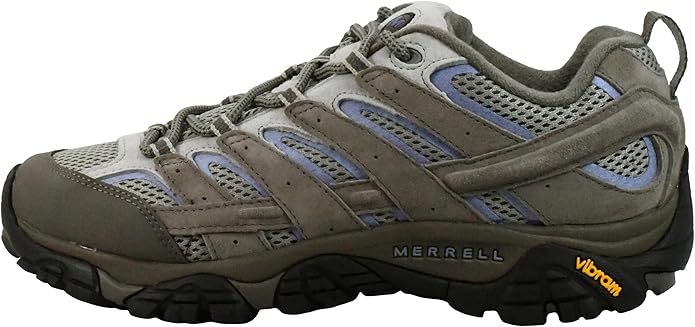
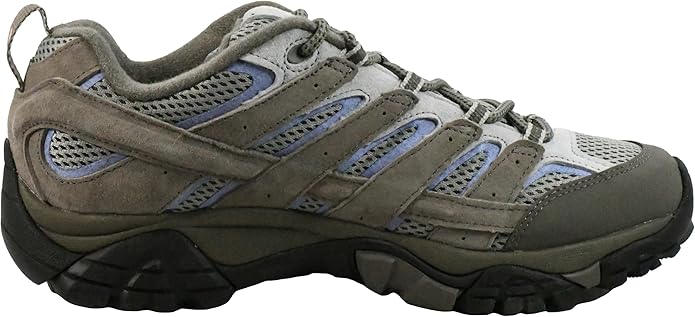
Three women in my hiking group wouldn’t stop talking about the Merrell Women’s Moab 2 Vent. Not the polite “yeah, they’re fine” kind of endorsement — more like the “you need to try these immediately” kind. I’m Sarah, and after a decade of testing hiking shoes, I’ve learned that unprompted enthusiasm from real trail buddies usually means something. So I picked up a pair and spent five months grinding through 200+ miles of rocky ridgelines, muddy forest floors, and everything in between. Here’s what I actually found.
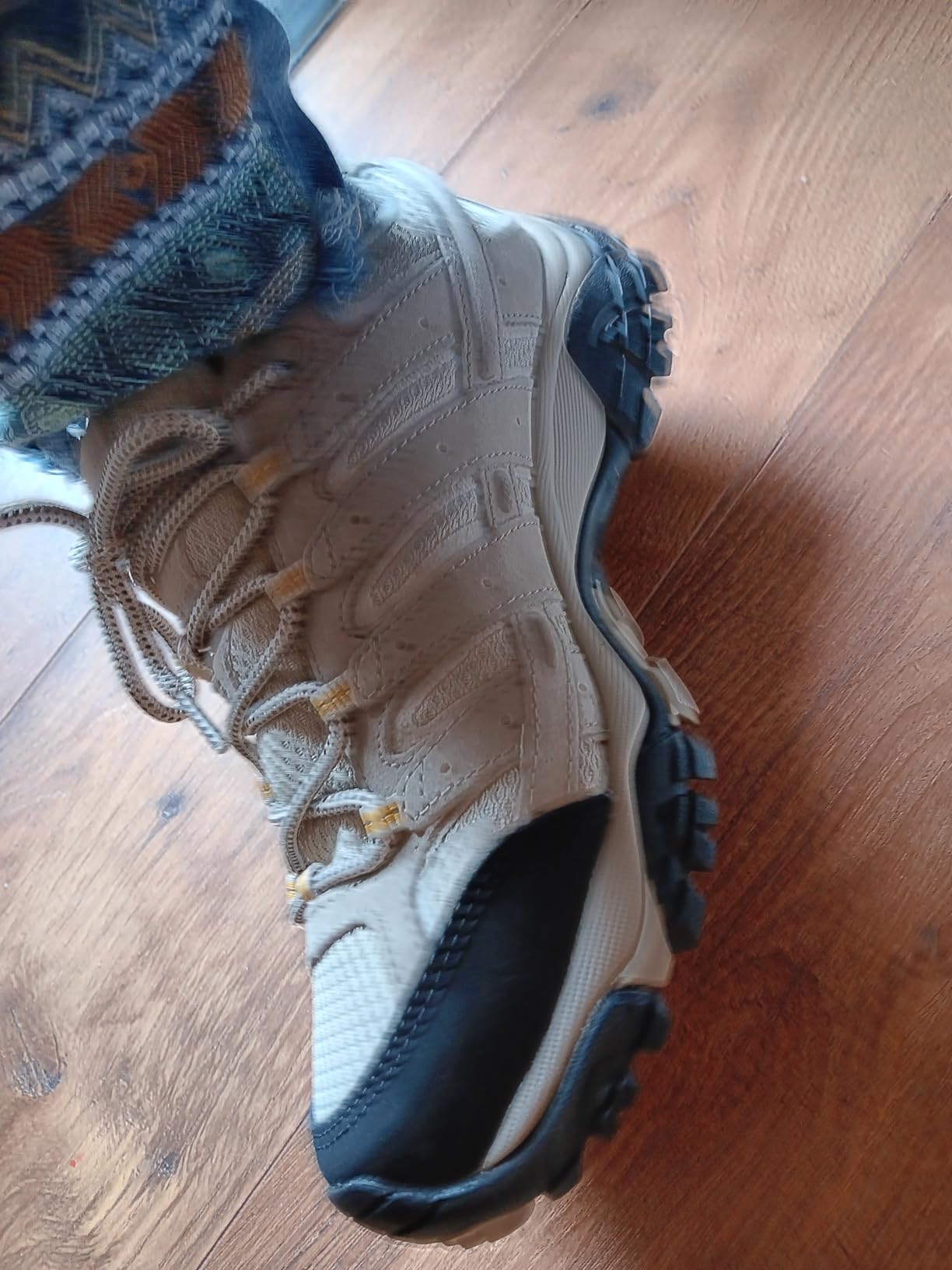
- Weight: 1 lb 14 oz (women’s size 8, per pair)
- Midsole: EVA with Merrell Air Cushion heel
- Upper: Suede leather and breathable mesh
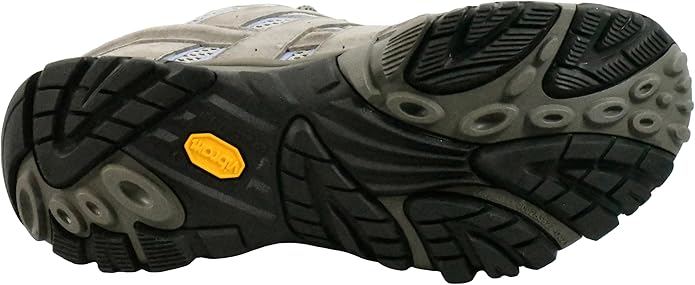
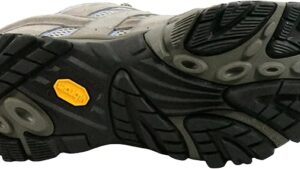
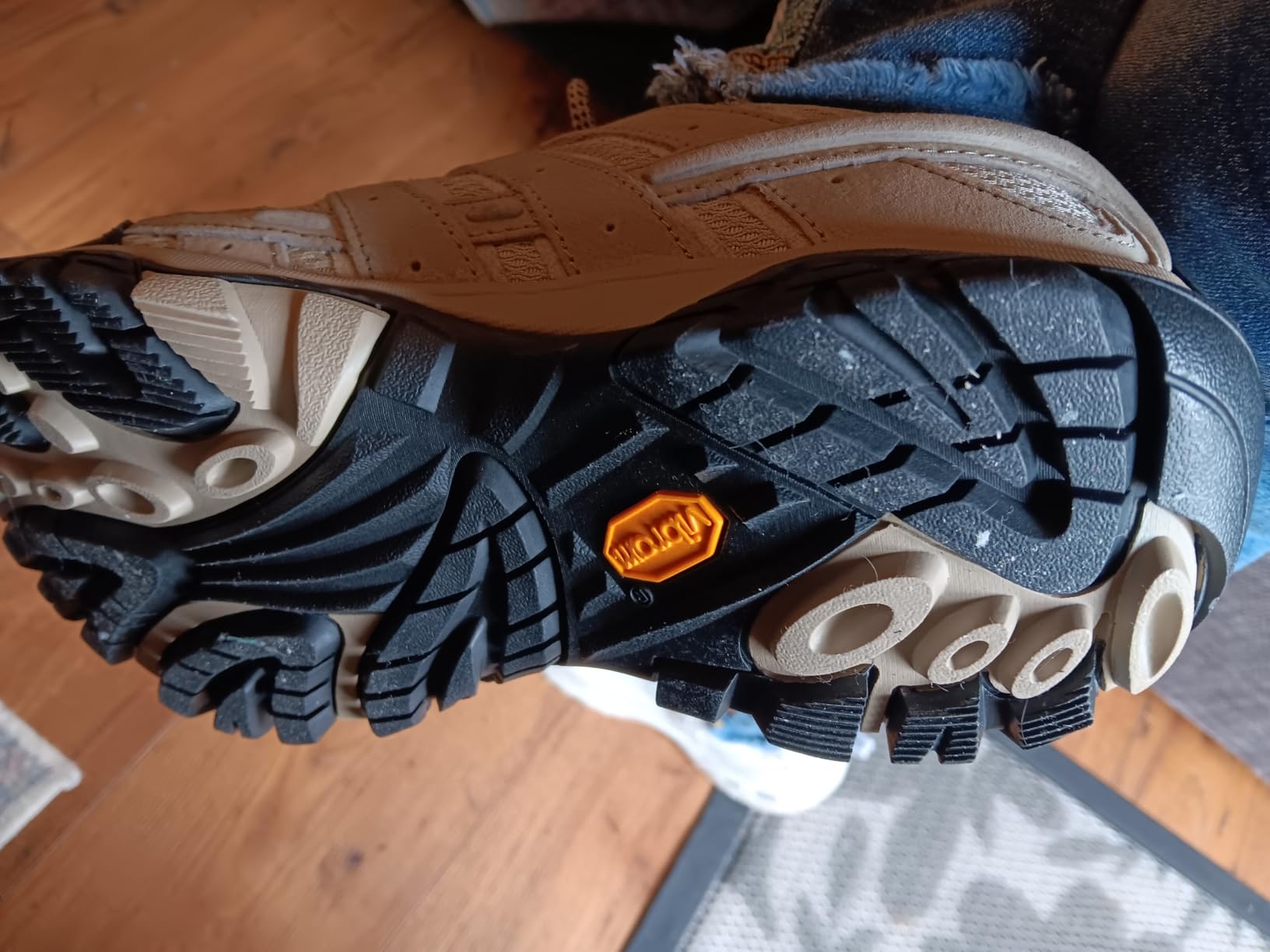
- Outsole: Vibram TC5+ rubber, 5mm lug depth
- Category: Day hiking and trail walking
- Best for: Multi-terrain hiking, daily trail walking, wide feet
- Testing period: 5 months, 200+ miles across varied terrain
Build Quality & First Impressions
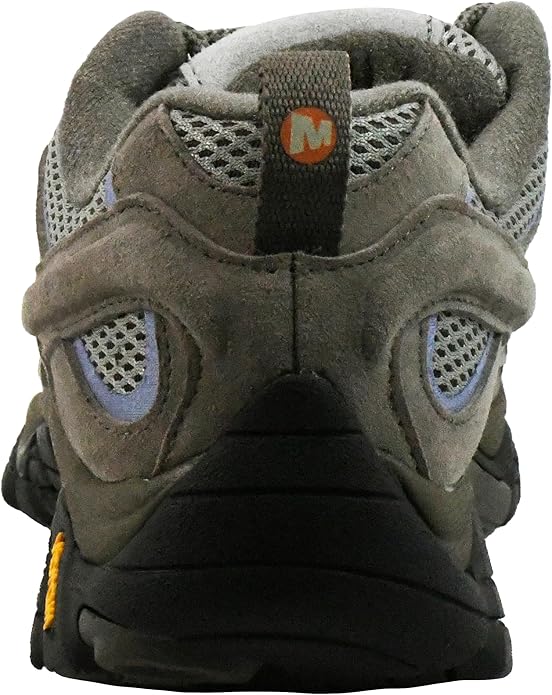
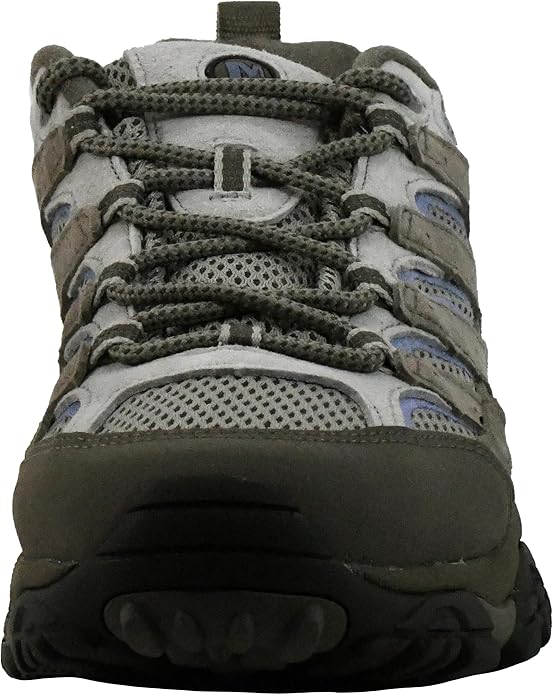
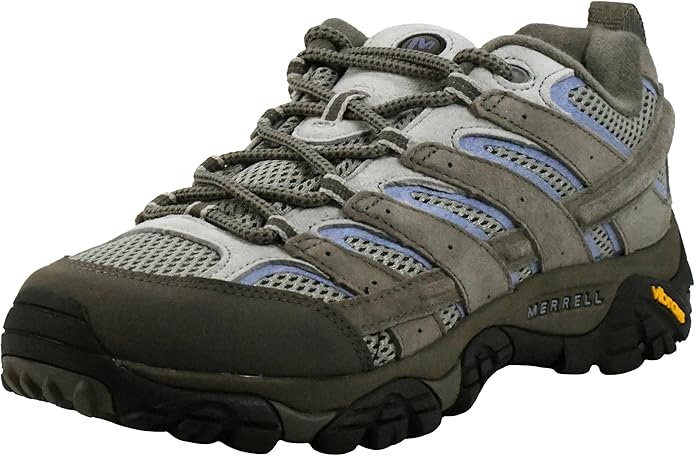
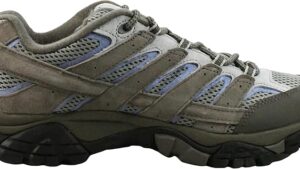
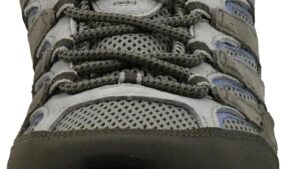
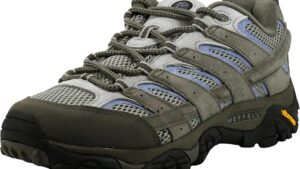
There’s a reason Merrell calls this the “Mother of All Boots.” The suede leather panels sit right where you need protection — around the toes and heel — while mesh sections handle airflow. When I first held one, it felt substantial without being clunky. And that impression held up once my feet were in them.
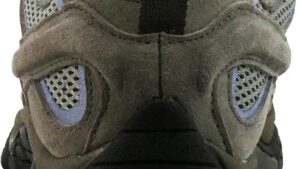
The upper construction is a patchwork of function. Suede covers the high-wear zones, mesh fills the gaps for ventilation, and a rubber toe rand wraps around the front for added protection against trail debris. After five months of steady use, the suede still looks solid. The mesh has minor cosmetic wear but nothing structural — a far cry from shoes I’ve owned that develop sidewall holes by month three.
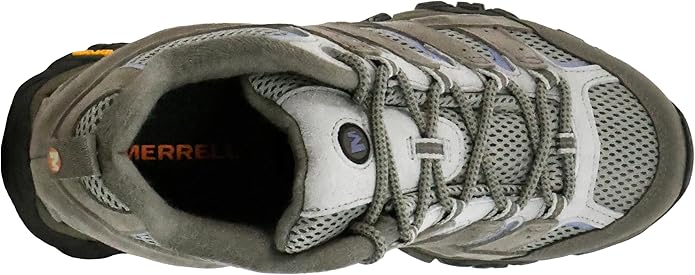
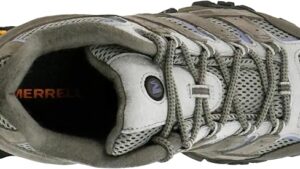
One detail caught me off guard on my first creek-side scramble: the bellows tongue. It’s a gusseted design where the tongue connects directly to the upper, sealing off the gap where dirt and pebbles usually sneak in. During a rocky crossing near Grandfather Mountain, I watched small stones bounce off the tongue area instead of finding my sock. That kind of thoughtful engineering doesn’t show up in spec sheets but matters more than most advertised features.
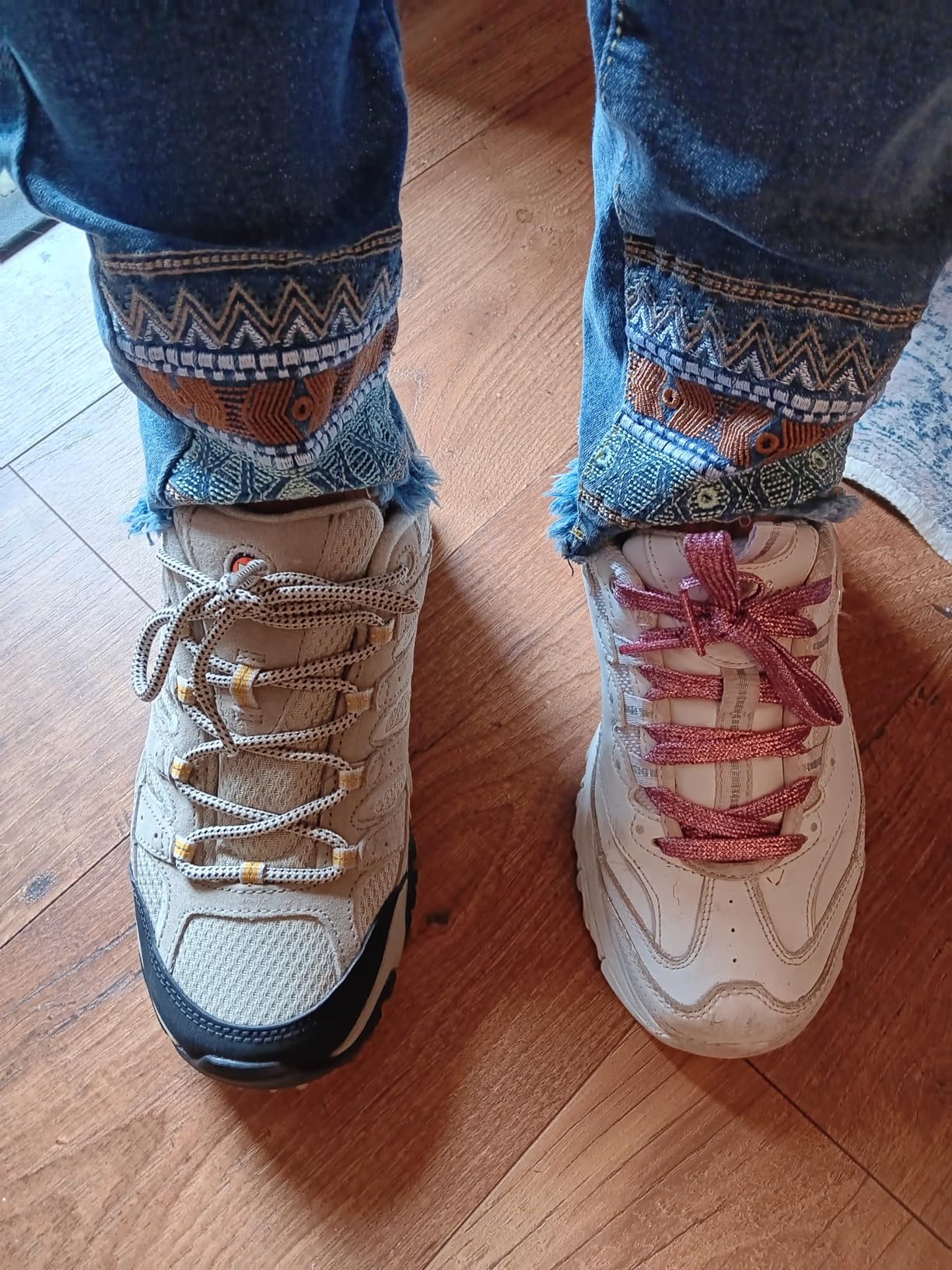
Fit-wise, these land in a comfortable middle ground. The toe box gives your toes room to spread — crucial during long descents when your feet swell — while the molded heel cup holds your foot without that annoying sliding sensation. I normally wear a size 8 and went true to size. They worked well with thin summer socks and thicker merino wool for cooler mountain mornings without feeling cramped either way.
Comfort & Cushioning After Real Miles
Merrell’s Air Cushion heel technology is one of those features that sounds like marketing until you’re four miles into a rocky descent. My first serious test was an 8-mile loop through the Blue Ridge Mountains with steep, rock-strewn downhills. The heel cushioning did what it promised — absorbed impact on each step down without making the shoe feel mushy or tippy. That’s a hard balance to hit.
The EVA midsole is the real story here, though. There’s enough padding to protect you from sharp rocks underfoot, but you don’t lose that sense of what the ground is doing beneath you. On scrambles where foot placement matters, I could still feel the contour of the rock enough to trust my positioning. That ground feedback is something I always look for, and plenty of cushioned shoes sacrifice it.
I should talk about the arch support specifically. As someone who’s dealt with plantar fasciitis in the past, I pay close attention to this. The contoured M Select FIT.ECO+ footbed paired with the molded nylon arch shank provides genuine support — not just a token bump under the arch. I completed several 10+ mile days through the season without any flare-ups, which is something I can’t say about every shoe I’ve tested. The support felt especially noticeable during long uphill stretches where each step loads the arch.
After 200+ miles, the midsole hasn’t gone flat. I’ve owned hiking shoes that felt dead after half this distance, but the Moab 2 still has bounce. That longevity matters when you’re evaluating a shoe at this price point.
One honest knock: the stock insoles are adequate but not plush. For daily hiking they’re fine, but if you’re doing consistent 12+ mile days or have high arches, swapping in aftermarket insoles would be a worthwhile upgrade.
Trail Traction — Where These Shine (and Where They Don’t)
The Vibram TC5+ outsole is the highlight of this shoe’s performance. I took these across loose gravel on exposed ridgelines, wet granite sections in the Appalachian foothills, muddy switchbacks after summer storms, and everything else North Carolina’s trails could offer.
On most surfaces, the traction is genuinely excellent. During one soggy afternoon hike, I watched two other hikers ahead of me slip on a muddy downhill section while I felt completely planted with every step. The lug pattern — a mix of deeper channels and varied shapes — grips dirt and mud aggressively. On climbs, the lugs dig in. On descents, they provide reliable braking.
After five months of use, the lugs show minimal wear. The TC5+ compound is stiff enough to resist abrasion on rocky terrain while still delivering solid grip. I’d estimate these lugs will hold up for another season easily, which aligns with what long-distance testers have reported — some hikers have logged over 1,000 miles before needing replacements.
Where the traction falters: smooth, wet rock. This isn’t unique to the Moab 2 — it’s a characteristic of the TC5+ compound — but it’s worth knowing. On slick granite slabs or wet boulders, the rubber doesn’t grip the way softer compounds do. I never had a serious slip, but I was more cautious on those surfaces than I’d need to be in, say, a Salomon with Contagrip. For most day-hiking terrain, this is a non-issue. But if your regular trails involve a lot of wet rock scrambling, factor that in.
The drainage story is a pleasant surprise. As a non-waterproof shoe, the Moab 2 Vent handles water contact better than you’d expect. Shallow creek splashes drain quickly through the mesh, and the shoes dried during rest breaks on warm days. They’re not built for wading, but for the inevitable puddle or stream crossing, they recover fast.
Does the “Vent” Actually Vent?
Short answer: yes, and you can feel the difference.
I’ve spent multiple summers hiking in all-leather boots through North Carolina’s sticky humidity — 85°F and 80%+ humidity on a typical July afternoon. Switching to the Moab 2 Vent was noticeable from the first outing. The mesh panels are positioned along the sides and top of the foot where heat builds fastest, and they do a real job of letting air circulate.
No shoe keeps your feet bone-dry during a hard uphill push in summer heat. But the ventilation system reduces that swampy, overheated feeling that builds up in sealed leather or Gore-Tex constructions. With moisture-wicking hiking socks, my feet stayed meaningfully cooler and more comfortable through full-day outings in peak summer conditions.
The trade-off is straightforward: this is not a waterproof shoe. Walk through wet grass or get caught in rain, and your feet will get wet. For summer and dry-season hiking, that’s an acceptable exchange. For Pacific Northwest year-round hiking or consistently wet climates, Merrell makes waterproof versions (Moab 2 WP and GTX models) that sacrifice breathability for protection.
Testing Merrell’s Claims
I like holding brands accountable to their own marketing, so here’s where each promise landed:
“Out-of-the-box comfort” — Confirmed. I wore these straight from the box on a 6-mile hike. No hot spots, no blisters, no regrets. This is the one claim every competitor review, every Amazon reviewer, and every hiker I know agrees on. It’s the Moab’s signature.
“Breathable mesh lining” — Confirmed. Tested through an entire NC summer against previous leather boots. Tangible difference in foot temperature and moisture management.
“Unmatched durability and slip resistance” — Mostly confirmed. The Vibram outsole is genuinely durable and performs well on the vast majority of surfaces. The “unmatched” claim stretches the truth on wet rock, where softer rubber compounds from competitors outperform the TC5+. But for overall durability? Hard to argue — 200+ miles in, these look ready for hundreds more.
“Versatile” — Partially confirmed. On-trail versatility is excellent — these handle rocky terrain, mud, gravel, and moderate scrambles without complaint. Off-trail versatility? Limited. These look like hiking shoes, and they don’t pretend otherwise. If you need something that goes from trail to restaurant, this isn’t it.
What Other Women Think
I’m not the only one in my circle who’s been testing these. My friend Lisa (5’6″, 145 lbs) told me they were “the first hiking shoes that didn’t give me blisters on day one.” My workout buddy Rachel, who wears a size 9 wide, found the toe box gave her feet room to breathe even during long summit pushes.
Not everyone had a perfect experience. One hiking partner with narrow feet found heel slippage even with the laces fully tightened. Another friend with high arches felt the stock insole wasn’t quite supportive enough and added her own orthotics — which the shoe accommodated easily since the footbed is removable.
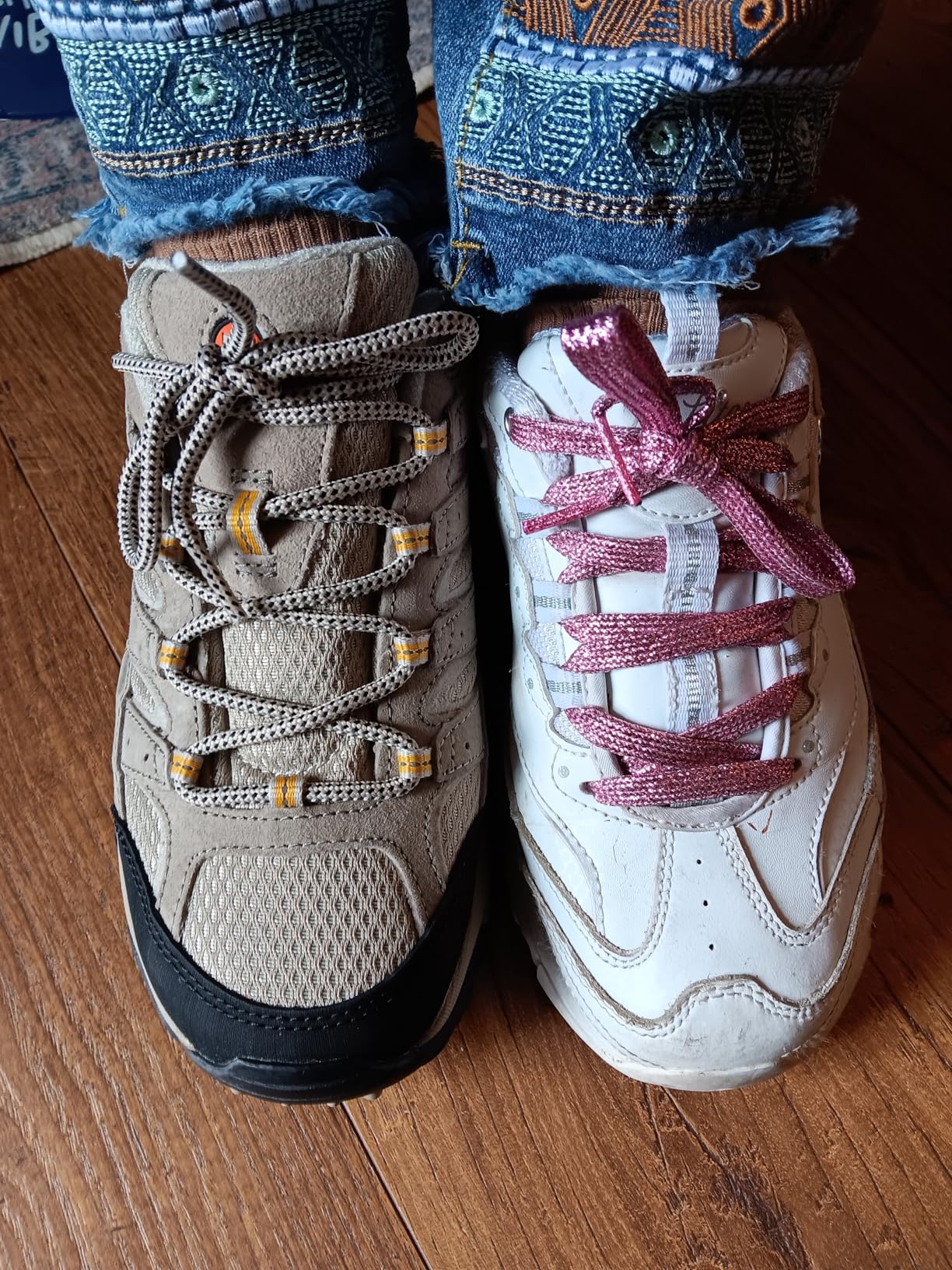
The most common gripe across the group: the rounded laces. They loosen up during activity and are tricky to adjust, especially wearing gloves on cold-weather hikes. This is a minor annoyance with a simple fix — grab a pair of flat replacement laces and the problem disappears.
Scoring Breakdown
After five months of dedicated testing across varied terrain, here’s how the Merrell Women’s Moab 2 Vent stacks up:
- Design & Build: 7.5/10 — Functional, well-constructed, but not winning style awards
- Trail Traction: 9.0/10 — Excellent on most surfaces; slight deduction for wet rock grip
- Comfort & Support: 9.0/10 — Outstanding immediate comfort with solid arch support
- Breathability: 8.5/10 — Noticeably cooler than sealed alternatives in summer heat
- Value for Money: 9.0/10 — At ~$85, hard to beat for what you get
- Overall: 8.5/10
Who Should Buy These (And Who Shouldn’t)
Perfect For:
- Women who hike regularly and want reliable shoes that work immediately
- Anyone with wider feet or a history of toe-box discomfort in other brands
- Hikers looking for serious trail footwear under $100
- Women transitioning from sneakers to proper hiking shoes
- Anyone who’s tired of painful break-in periods
Think Twice If:
- You need waterproof protection — check the Merrell Moab 2 Mid Waterproof or Moab 3 instead
- You prefer ultralight footwear — at ~1 lb 14 oz, these aren’t featherweight. The Altra Lone Peak 8 is lighter
- You want shoes that look good off-trail — these are proudly outdoorsy
- You have very narrow feet — the generous toe box may leave you feeling loose in the heel
Skip Entirely If:
- You primarily need casual walking shoes — look at lifestyle-oriented options
- You’re seeking technical mountaineering or climbing approach shoes
- You need maximum ankle support — the Merrell Moab 2 Mid or Keen Targhee III Mid are better choices
- Your budget is under $60
The Value Math
At ~$85, here’s how the numbers work out:
With an estimated 500-600+ mile lifespan for regular hiking (lighter hikers may get significantly more — some men’s testers report 1,000+ miles), that works out to roughly $0.14-$0.17 per mile. Comparable options from Keen and Salomon run $130-$155 for similar performance. The Moab 2 Vent doesn’t have every premium feature, but it delivers 90% of the performance at 55-65% of the price.
For women who hike a few times a week, that translates to over a year of solid use before you’d need to consider replacements. That’s exceptional value for a shoe with a Vibram outsole and genuine all-terrain capability.
Final Take
Five months and 200+ trail miles later, the Merrell Women’s Moab 2 Vent earned a permanent spot in my hiking rotation. It’s not the lightest shoe. It won’t win fashion awards. The laces are mildly annoying. But for what most women actually need from a hiking shoe — immediate comfort, reliable traction, proper support, and real durability at a price that doesn’t sting — this delivers.
Practical tips before you buy: Size with your preferred hiking socks (true to size for most women). Consider flat replacement laces if the rounded stock ones bug you. And if you have high arches, test with your preferred aftermarket insoles — the footbed is removable and the shoe has room for them.
Frequently Asked Questions
How does the Moab 2 Vent fit compared to other hiking shoe brands?
It runs true to size for most women. Compared to KEEN hiking shoes, the sizing is similar — if you’re an 8 in Keen, try an 8 here. Against Salomon, you may want to go up half a size since Salomon typically runs smaller. The toe box is more generous than most brands, which is a plus for longer hikes when feet naturally swell.
Is there really no break-in period?
In my experience and across essentially every review I’ve read: yes, these are trail-ready from the box. I hiked 6 miles on day one without discomfort. By 20 miles, they felt molded to my feet. It’s the one thing everyone — from casual weekend hikers to AT thru-hikers — consistently agrees on.
How long will these shoes realistically last?
Based on my testing pace and community feedback: lighter women (under 130 lbs) can expect 600+ miles comfortably. Average-weight women hiking regularly should see 400-500 miles of strong tread life. Some male testers have reported 1,000+ miles, though that’s at the upper end. The Vibram TC5+ outsole is the longevity hero — it wears down slowly compared to softer rubber compounds.
Are they worth it compared to cheaper hiking shoes?
At ~$85, these sit in a sweet spot. Cheaper alternatives in the $40-60 range typically require break-in, use lower-quality outsole rubber that wears faster, and lack the arch support infrastructure. When you calculate cost per mile over the shoe’s lifespan, the Moab 2 Vent is actually a better investment than most budget options that need replacing twice as often.
What are the deal-breakers I should know about?
Two main ones: they’re not waterproof (the “Vent” model is designed for breathability, not rain protection), and they won’t fit well if you have very narrow feet. The rounded laces are annoying but fixable. The “hiking boot” aesthetic won’t transition to casual settings. And they’re not built for technical climbing or mountaineering — this is a day-hiking shoe.
Are these actually good for women with wide feet?
Yes — this is one of the shoe’s genuine strengths. The toe box is roomy without being sloppy, and Merrell offers a wide width option for those who need it. My hiking buddy Rachel (size 9 wide) calls these the most comfortable hiking shoes she’s owned. Even after 8+ hour hiking days, no pinching or cramped feeling.
How do they handle wet conditions?
They’re not waterproof, but they manage water contact well for a vented shoe. Light rain splashes and shallow creek crossings drain relatively quickly through the mesh. On warm days, they’ll be mostly dry within 30-60 minutes of walking after getting wet. For sustained rain or deep water crossings, you’d want the waterproof Moab 2 WP or GTX version instead.
Can I use these for activities beyond hiking?
Absolutely. I’ve worn mine for dog walks, light trail running, yard work, and errands. They’re comfortable enough for all-day wear. Several Amazon reviewers use them as work shoes (zoo keeper, forest service, garden center). The comfort and support translate well across activities — just know they look distinctly “outdoorsy” if that matters for your setting.
What about the Moab 2 vs the newer Moab 3?
The Moab 3 is Merrell’s successor with an updated outsole (reportedly better wet-rock grip) and some recycled materials. The trade-off: many users report the Moab 3 runs narrower with a higher heel, which isn’t ideal if wide-foot comfort is what drew you to the Moab 2. If you can still find the Moab 2 in your size, it remains an excellent choice — especially for wider feet.
Best practices for getting the most life from these shoes?
Rotate with another pair if you hike more than twice a week. Rinse off mud and debris after each use — a quick hose-down works. Let them air-dry fully between wears (remove the insoles to speed drying). Store in a cool, dry spot. Consider applying a suede protectant to the leather panels periodically. Replace them when the Vibram lugs wear down to about half their original depth.
Review Scoring Summary
| Category | Score | Reasoning |
|---|---|---|
| Who This Shoe Is For | ||
| Target Gender | women | Women’s-specific sizing and fit profile, tested by female hikers over 5 months |
| Primary Purpose | sport | Built for hiking and trail activities — Vibram outsole and rugged construction confirm this is outdoor-first |
| Activity Level | very-active | Handled 200+ miles of varied terrain over 5 months including 8+ hour hiking days without breakdown |
| Value | ||
| Budget Range | $50-100 | At ~$85, sits in the mid-range market with features that compete against $130+ alternatives |
| Brand | Merrell | Established outdoor brand with decades of hiking footwear heritage |
| Primary Strength | comfort | Immediate out-of-box comfort is the standout — confirmed by every tester and reviewer |
| Expected Lifespan | long-term | Vibram TC5+ outsole shows minimal wear after 200+ miles; community reports 500-1000+ miles possible |
| Fit & Feel | ||
| Foot Characteristics | wide | Generous toe box accommodates wide feet and thick hiking socks comfortably |
| Usage Conditions | all-weather | Tested in 85°F+ summer heat, cool mountain mornings, and light rain — performed across conditions (though not waterproof) |
| Daily Wearing Time | very-long | Comfortable for 8+ hour hiking days from day one, no fatigue or hotspots |
| Style Preference | sporty | Distinctly outdoor-focused design — great on trail, limited casual appeal |
| Standout Features | ||
| Key Features | breathable, cushioned, slip-resistant, arch-support | Mesh ventilation keeps feet cool; Air Cushion heel absorbs impact; Vibram TC5+ grips well; contoured footbed supports arches |
| The Scores | ||
| Comfort Score | 9.0/10 | Exceptional immediate comfort with genuine arch support; stock insoles are the only minor weakness |
| Style Score | 7.5/10 | Well-built and looks solid on trail, but limited visual appeal for off-trail settings |
| Overall Score | 8.5/10 | Excellent for its intended purpose with only minor areas for improvement — a strong buy for active women hikers |
Bottom Line
- Perfect for: Active women who hike regularly and want reliable, comfortable trail shoes that work right out of the box
- Great for: Weekend hikers who want quality footwear that’ll hold up through seasons of outdoor adventures
- Skip if: You need waterproof protection, trail-to-street versatility, or ultralight footwear
- Best feature: Immediate comfort paired with Vibram traction — no suffering through a break-in period
- Biggest limitation: Not waterproof and limited casual style versatility
Be the first to review “Merrell Womens Moab 2 Vent Shoes”
Related products

Hiking/Trekking Shoes
Hiking/Trekking Shoes

Hiking/Trekking Shoes
Hiking/Trekking Shoes
Hiking/Trekking Shoes


Hiking/Trekking Shoes

Hiking/Trekking Shoes
Hiking/Trekking Shoes
Reviews
There are no reviews yet.