
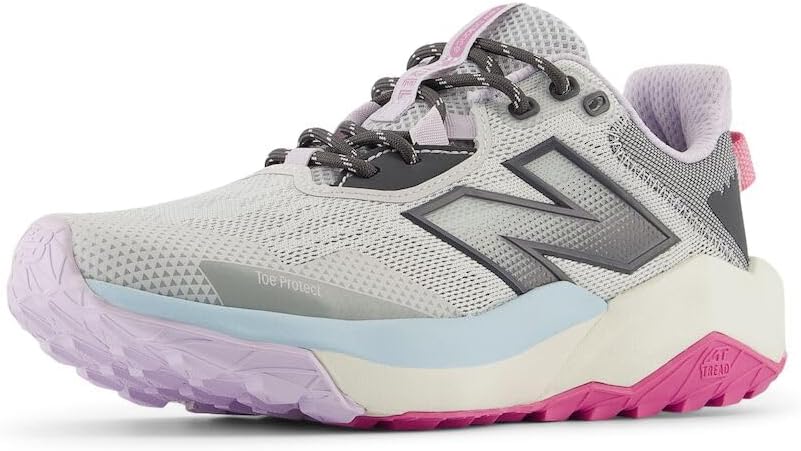
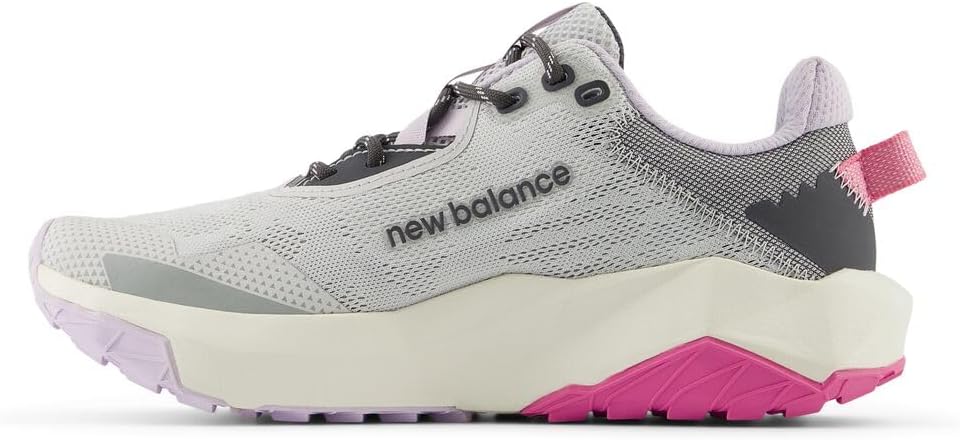
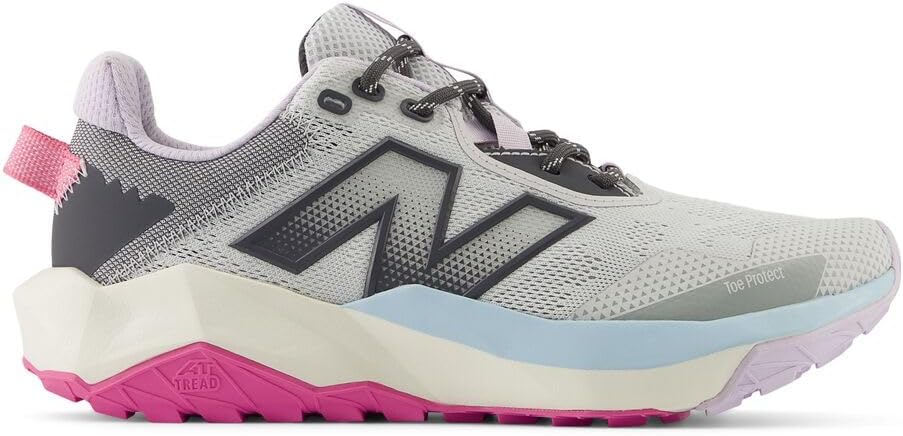
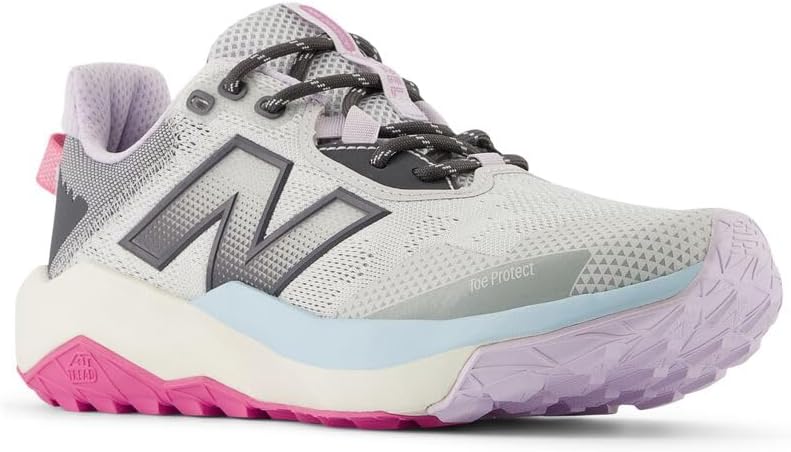
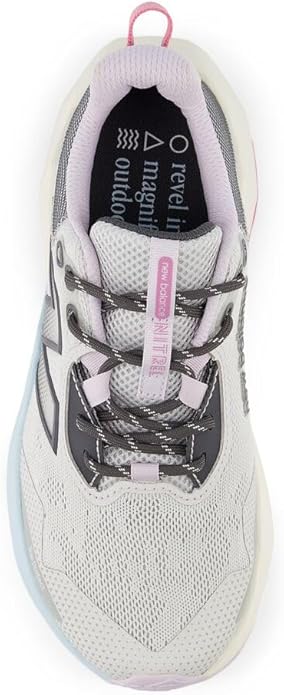
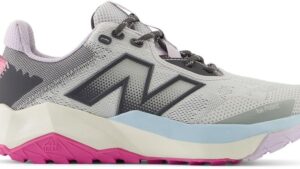
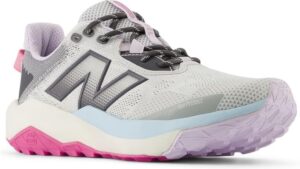
New Balance DynaSoft Nitrel V6
$58.71
- Weight: 8.2 oz / 230g (women’s size 8)
- Drop: Approximately 6mm (brand claimed), though lab measurements suggest closer to 2.5mm actual
- Midsole: DynaSoft EVA foam with additional EVA comfort insert
- Upper: Synthetic mesh with seamless no-sew overlays
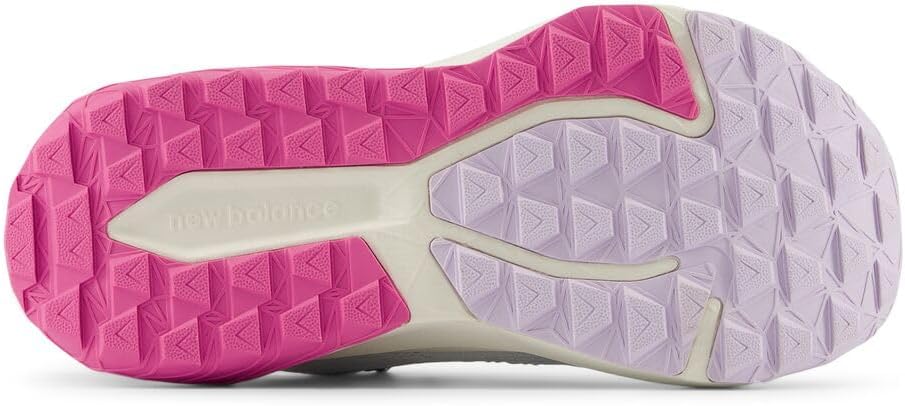
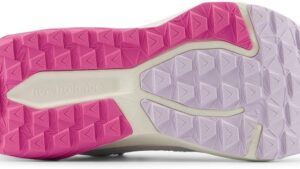
- Outsole: AT Tread rubber with 2.7mm shallow lugs
- Category: Trail running / versatile athletic
- Best for: Light-to-moderate trail running, walking, multi-activity days
Sarah here. After spending over a decade testing footwear for active women, I’ve learned to approach versatility claims with healthy skepticism. When New Balance positioned the DynaSoft Nitrel V6 as a shoe that handles “trail running AND daily activities,” I raised an eyebrow. Most shoes that try to do everything end up doing nothing particularly well. But after eight weeks, 45+ sessions, and over 180 miles across trails, streets, and everything in between, this budget-friendly option surprised me in ways I didn’t expect—though it’s definitely not without its limitations.
First Impressions & Build Quality
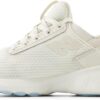
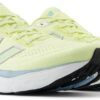
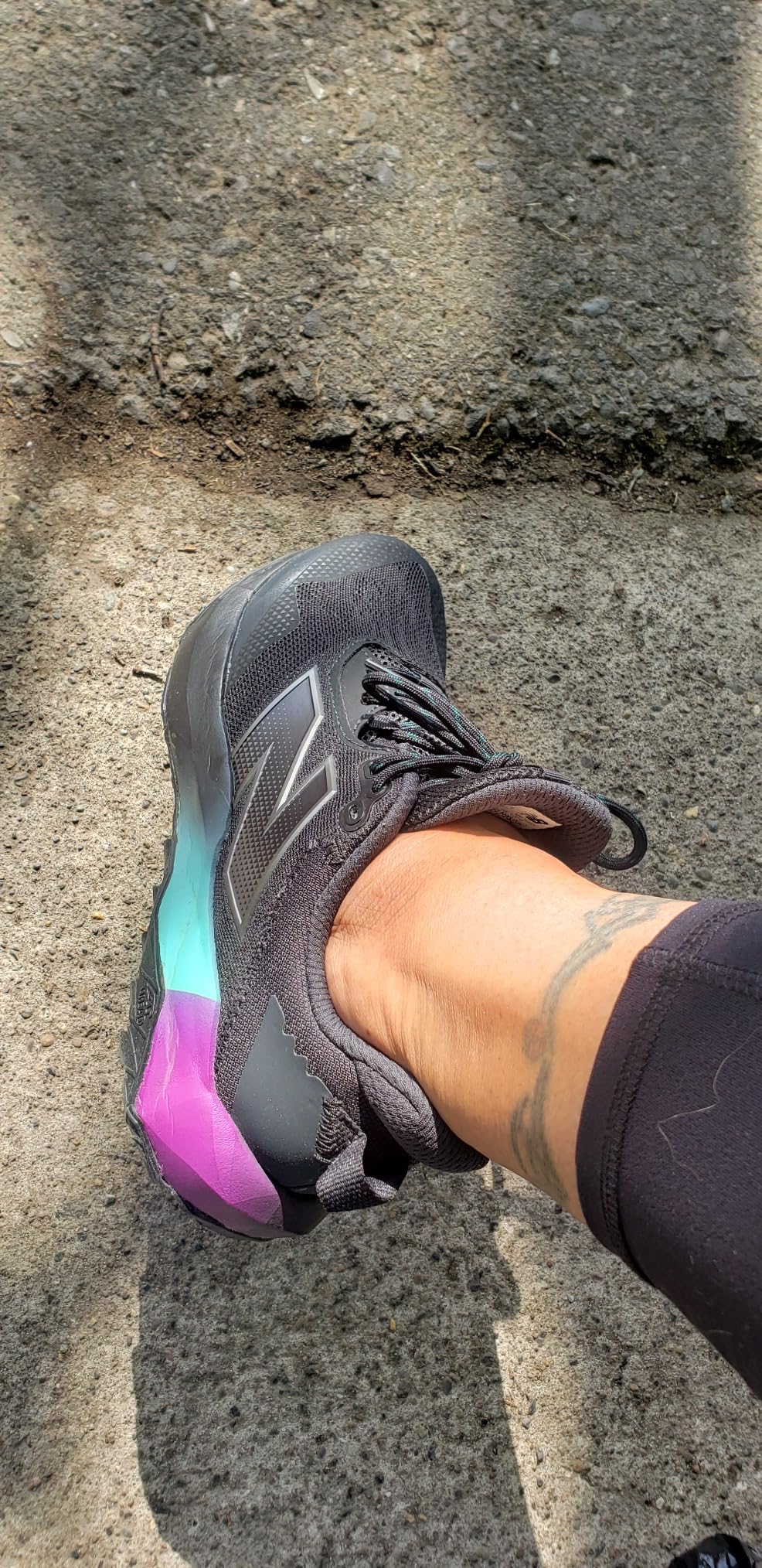
Right out of the box, the purple colorway caught my attention—not flashy, but modern enough to wear beyond the trails without looking like I’m about to summit a mountain. The construction feels substantial in hand without any bulk. At 8.2 ounces, these sit in that sweet spot where you get enough shoe to feel protected, but nothing that weighs down your stride.
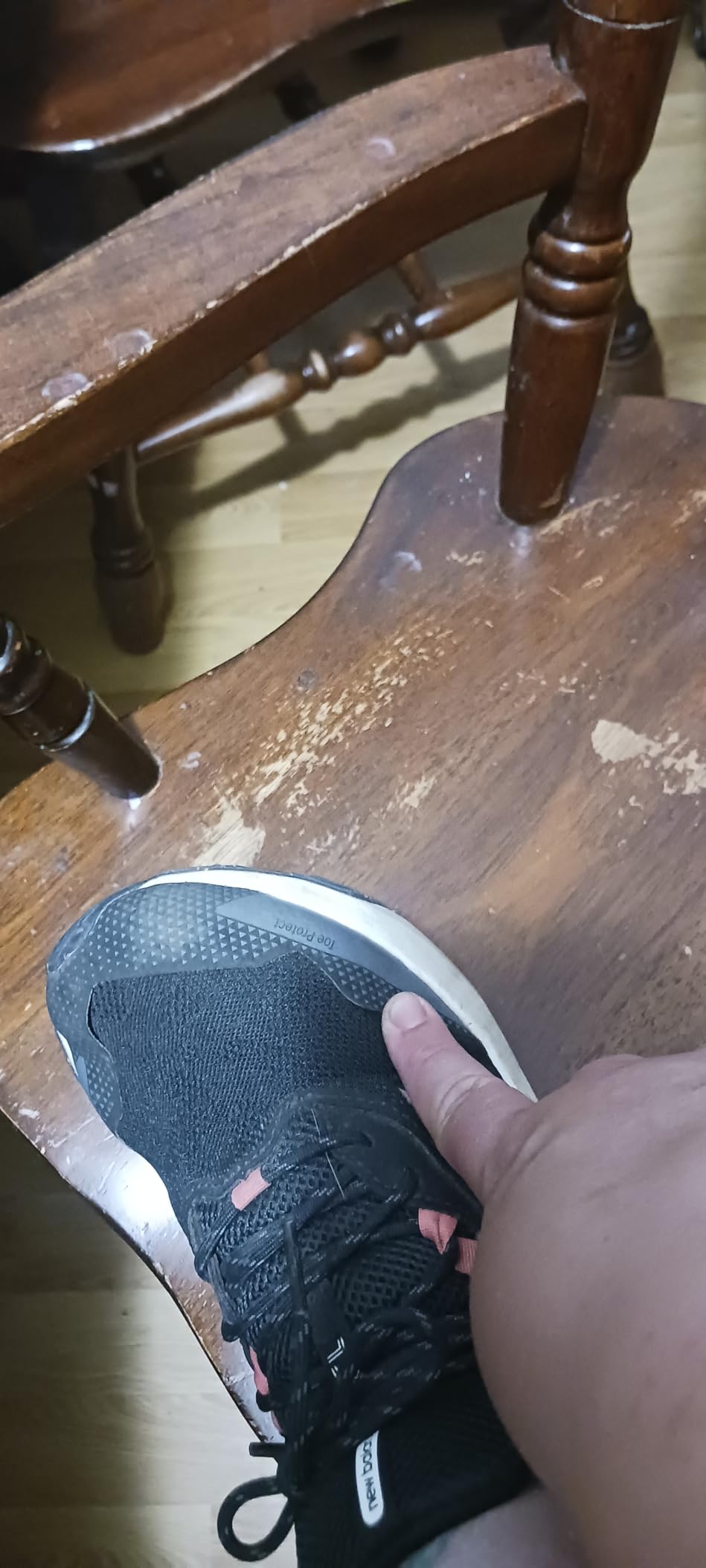
The no-sew overlays give the upper a clean, finished appearance. I appreciated the sleek look immediately, though as I’d discover later through customer feedback, this construction choice comes with potential trade-offs for long-term durability. The synthetic mesh felt durable to the touch, and the AT Tread outsole showed thoughtful lug placement—shallow at 2.7mm, but clearly designed for mixed surfaces rather than aggressive technical terrain.
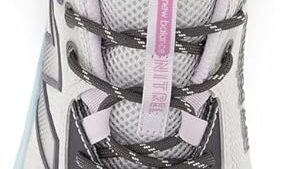
One minor annoyance: the lace tips are chunky and feel a bit awkward during tying. Not a deal-breaker, but noticeable every time I laced up. The overall quality impression, though? Solid for a shoe in the $80 range. This doesn’t feel like a budget afterthought.
Cushioning Performance & Ride Feel
DynaSoft Midsole Character
My first trail run through Marin County immediately revealed the midsole’s personality. New Balance markets this as offering “ultra-responsive performance with plush comfort,” and I need to reality-check that claim. The DynaSoft foam is soft and forgiving, yes, but calling it “ultra-responsive” or “plush” overstates what’s actually happening underfoot.
The feel is more nuanced, and honestly, still quite good. During 8:00-mile tempo sections on moderate trails, the cushioning felt connected and firm without being harsh. There’s no racing-shoe bounce or energy return—this isn’t that kind of responsive. What you get instead is a forgiving platform that absorbs trail irregularities without bottoming out into mush. The additional EVA comfort insert adds a noticeable layer of softness that makes all-day wear comfortable without sacrificing ground feel.
As for the drop, New Balance claims approximately 6mm, though lab testing from RunRepeat measured the actual drop closer to 2.5mm. Either way, the low-drop platform felt natural from step one. I didn’t need any adjustment period, and the shoe encouraged a mid-foot strike pattern that felt efficient on both trails and pavement. If you’re a heel striker accustomed to traditional 10-12mm drops, this might feel lower than expected.
Long-Distance Comfort
Where the DynaSoft cushioning really proved its worth was consistency. I took these on runs ranging from quick 30-minute trail sessions to two-hour weekend adventures around Mount Tamalpais. The foam maintained its character throughout—never going mushy like budget trail shoes I’ve tested that compress into nothing after an hour.
That said, this isn’t max-cushion territory. If you’re coming from heavily cushioned ASICS Gel-Nimbus 27 or similar plush trainers, the Nitrel V6 will feel noticeably firmer. The trade-off is nimbleness and trail feel. For light-to-moderate trail running and all-day versatility, the cushioning balance works. For ultra-distance or runners who need maximum underfoot protection, look elsewhere.
Trail Performance & Traction
AT Tread Outsole Versatility
This is where New Balance’s versatility claim actually holds up. The AT Tread outsole delivered confident grip on dry single-track trails through Muir Woods and handled fire roads with ease. More importantly—and this is where the shoe genuinely differentiates itself—trail-to-pavement transitions felt seamless.
My typical training route includes two miles of neighborhood streets to reach trail access, then six to eight miles of mixed terrain, followed by two miles back on pavement. Most dedicated trail shoes feel clunky and loud on concrete. The Nitrel V6’s shallow 2.7mm lugs transition smoothly between surfaces without that jarring “clack-clack-clack” some aggressive trail shoes produce on hard surfaces.
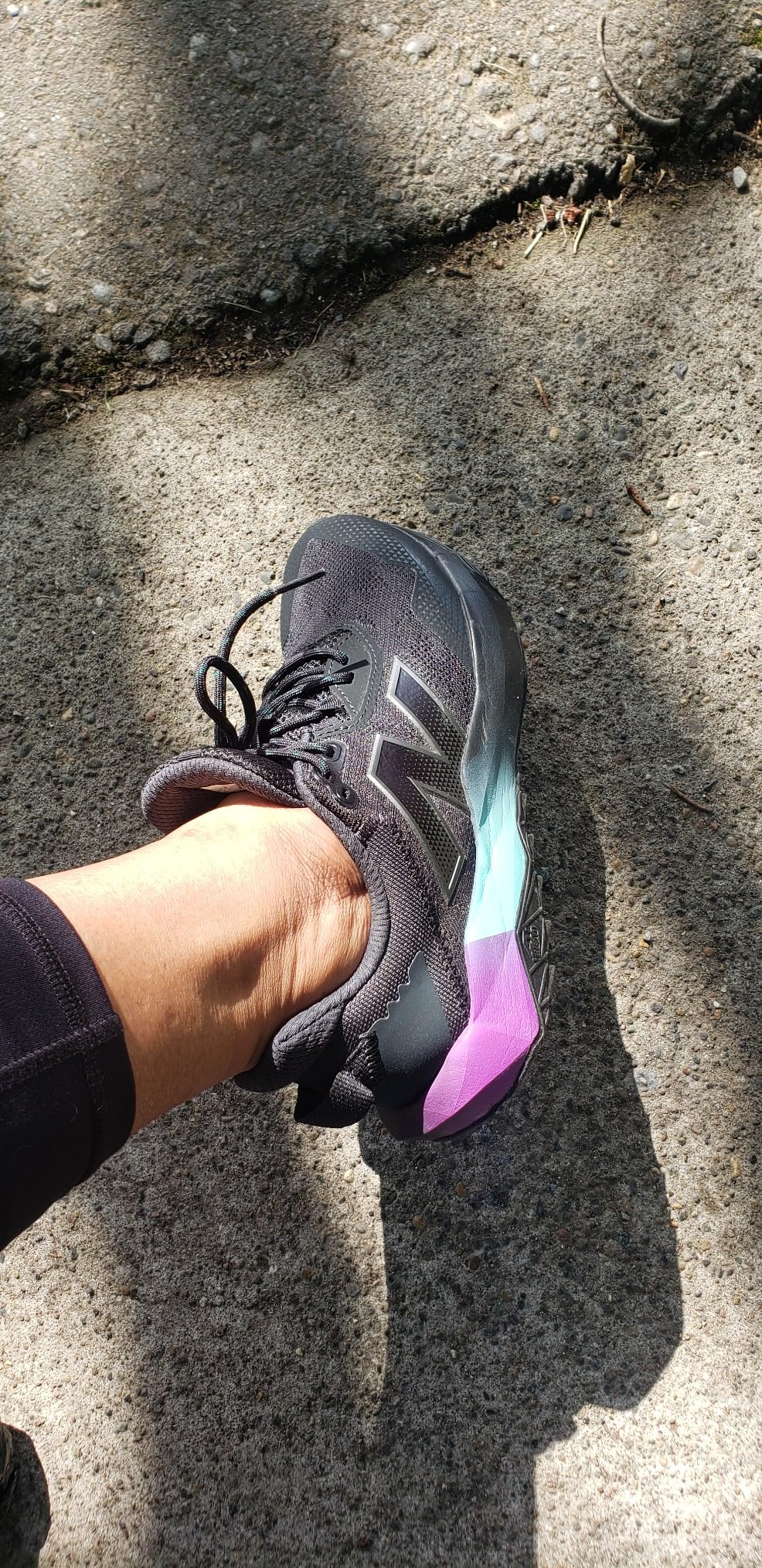
However—and this is critical context—those same shallow lugs mean limited performance on technical terrain. Creek crossings required extra caution on wet rocks. Steep, loose descents exposed the traction limits. Muddy trails? Forget about it. These aren’t designed for aggressive conditions, and trying to push them there will leave you disappointed and possibly sliding.
Terrain Suitability Breakdown
After testing across varied conditions, here’s where the Nitrel V6 excels and where it falls short:
Confident on: Dry single-track, maintained trails, fire roads, packed dirt, mixed trail-to-street routes, light gravel paths
Adequate with caution: Wet rocks (manageable but grippy), light rain conditions, hardpack with loose surface debris
Not suitable: Technical rocky descents, muddy conditions, aggressive trail terrain, steep loose scree
The traction works beautifully for about 80% of trail scenarios most recreational runners encounter. If your typical weekend includes maintained trails and mixed surfaces—not extreme technical terrain—the AT Tread outsole handles it well. Just understand its limitations before committing.
Breathability & Weather Performance
California’s summer heat provided the perfect test for the synthetic mesh upper’s breathability claims. Morning runs and cooler evening sessions showed adequate airflow—nothing remarkable, but sufficient. Feet stayed reasonably comfortable through hour-plus sessions without excessive heat buildup.
Then came the 85-degree afternoon runs. That’s where the limitations revealed themselves. During longer summer sessions in hot conditions, I noticed my feet getting noticeably warmer than they would in more breathable uppers like those on premium Brooks Launch 10 trainers. Not unbearable, but definitely warmer.
This matches feedback I’ve seen from other runners testing in hot climates. The synthetic mesh prioritizes durability over maximum ventilation. For spring, fall, and moderate summer conditions, it’s fine. For hot-climate runners planning midday summer training, the heat retention becomes a consideration worth noting.
Light moisture handling was adequate—light drizzle and dewy morning trails didn’t soak through immediately. But these aren’t waterproof (a Gore-Tex version is available at $99 if you need weather protection). Puddles and sustained wet conditions will penetrate the mesh fairly quickly.
Fit, Sizing & Comfort
True-to-Size Analysis
This section might be the most important buying decision information in the entire review. The Nitrel V6 fits true to size in length—my usual size 8 provided perfect toe-to-heel fit with appropriate space in the toe box. However, these run noticeably narrow, particularly through the mid-foot and toe box.
For my normal-width feet, the snugger fit provided secure lockdown without discomfort. But I’m acutely aware this narrow fit could be a deal-breaker for many. Customer feedback across multiple retailers consistently reports “tight across the toe box” and what Spanish-speaking customers describe as “corre pequeño” (runs small) for wider foot shapes.
If you typically wear standard-width running shoes comfortably, the Nitrel V6 should work true to size, though you’ll notice the more contoured fit. If you have wide feet or typically size up for toe splay room, either look for the Wide width option (available in select markets) or consider sizing up a half size—though that may compromise heel security.
This narrow fit isn’t subtle. It’s consistent, it’s significant, and it matters. If you need generous toe box room, this shoe will frustrate you no matter how well everything else performs.
All-Day Wearability
One weekend I put these through a true versatility test: morning trail run, farmers market errands, afternoon hike with friends, evening neighborhood walk. Twelve-plus hours on my feet across completely different activities. The Nitrel V6 handled it without my feet feeling fatigued or compressed.
The break-in period was minimal to nonexistent. First run felt comfortable, and by 20 miles in, the shoes felt fully molded to my feet. No hot spots, no blisters, no pressure points developing over time. The cushioning maintained comfort across hours of varied activity without going flat.
For active women who genuinely need one shoe for multiple purposes—not just marketing talk, but real mixed-use days—this all-day comfort matters enormously. Combined with the trail-to-street traction versatility, it’s the shoe’s strongest differentiator.
Durability Concerns & Longevity
Here’s where I need to be completely honest, even though it complicates my recommendation. During my eight-week testing period covering over 180 miles, the construction held up perfectly. No issues whatsoever. The no-sew overlays stayed intact, the mesh showed no wear, the outsole maintained its pattern.
However, I can’t ignore consistent customer reports of seam separation issues appearing after two to three months of regular use. Multiple reviewers across retailers mention the seamless overlays beginning to separate at stress points near the toe and along the sides. The pattern is too consistent to dismiss.
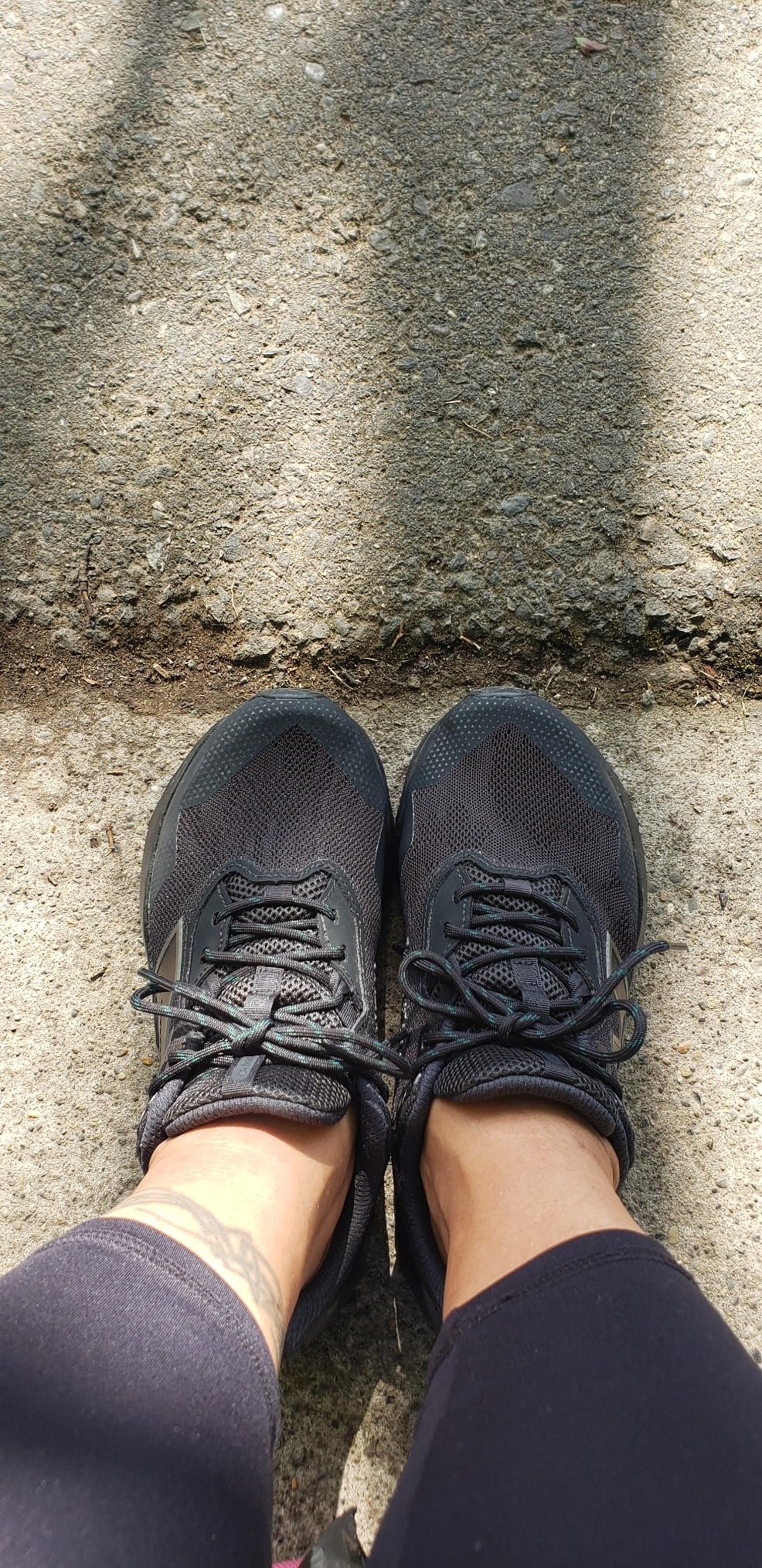
The no-sew construction that gives these their sleek appearance appears to be a potential long-term vulnerability. It’s a trade-off: beautiful and comfortable now, but questions about six-month durability. Based on construction, weight category, and customer feedback, I’d estimate a realistic lifespan of 250-300 miles before retirement—potentially less for heavier runners or those primarily on abrasive surfaces.
For recreational runners logging 25-35 miles per week, that translates to roughly six to nine months of use. Not terrible for an $80 shoe, but notably shorter than the 400-500 mile lifespan you might get from premium trail shoes. The durability prioritizes initial comfort over extreme longevity.
Versatility Testing – The Trail-to-Street Story
I mentioned my skepticism about versatility claims earlier. This is where the Nitrel V6 genuinely delivers on its promise in ways that surprised me. Most trail shoes make concessions when you hit pavement—either they’re loud, clunky, or the aggressive lugs create an unstable platform. Budget trail shoes especially struggle with mixed-surface transitions.
Not these. The shallow AT Tread lugs and relatively low-profile design meant I could seamlessly move from technical trail running to walking through town without feeling like I was wearing the wrong shoe. That two-mile road section to reach trailheads? Comfortable and quiet. Post-run errands? No problem. The aesthetic doesn’t scream “trail shoe,” so wearing them for non-athletic activities doesn’t look out of place.
I specifically structured full-day tests to validate this: trail run to farmers market to afternoon hiking to evening walking. The DynaSoft cushioning worked across all those activities without my feet feeling beat up from pavement pounding or under-protected on trails. That’s legitimately impressive for a shoe at this price point.
Why does this matter? For women with active lifestyles who don’t want a closet full of specialized shoes, this versatility has real value. You can genuinely use these for training runs, weekend hikes, daily errands, and casual wear without feeling like you’re compromising too much in any category. That’s rare, especially under $100.
Value Analysis & Cost-Per-Mile
At $79.99 MSRP (frequently on sale for $55-65), the Nitrel V6 positions itself firmly in budget-friendly territory compared to $120-150 premium trail shoes. The question isn’t whether it’s cheap—it’s whether you get adequate value for what you pay.
Running the math: $79.99 divided by an estimated 300-mile lifespan equals roughly $0.27 per mile. That’s cost-effective compared to premium options that might deliver 400-500 miles but cost twice as much. You’re getting roughly 80% of the performance at 50% of the price.
What you receive for $79.99: genuine DynaSoft comfort, legitimate trail-to-street versatility, adequate traction for recreational use, attractive aesthetics, all-day wearability. What you don’t get: extreme durability, aggressive technical performance, premium materials, maximum breathability.
The value equation works if you match the shoe to appropriate use. For recreational trail runners logging moderate weekly mileage, budget-conscious buyers, or active women wanting one versatile shoe, this delivers solid return. For high-mileage trainers or serious technical trail runners, the compromises become more pronounced and the value proposition weakens.
Brand Claims vs. Reality
Time for an accountability check against New Balance’s marketing:
“Ultra-responsive performance with plush comfort” – Reality: About 60% accurate. The cushioning is comfortable and forgiving, but “ultra-responsive” overstates the energy return, and “plush” suggests more softness than actually exists. It’s firm-comfortable, not plush.
“Versatile traction for on and off-road activities” – Reality: 90% accurate. This claim genuinely holds up. The AT Tread outsole handles trail-to-street transitions better than most, though technical off-road has limitations.
“No-sew overlays for sleek appearance and reduced irritation” – Reality: 85% accurate in the short term. The sleek appearance is real, and I experienced zero chafing. Long-term durability concerns dock some points here.
“Approximately 6mm drop” – Reality: Complicated. Lab measurements suggest closer to 2.5mm actual drop. The low-drop platform definitely feels present, but the discrepancy between claimed and measured is notable.
“EVA foam insert for additional comfort” – Reality: 100% accurate. You can definitely feel the extra comfort layer, particularly during longer sessions.
Overall, New Balance’s marketing leans optimistic but isn’t wildly dishonest. The versatility and comfort claims hold up well. The “ultra-responsive” and “plush” descriptors are where marketing enthusiasm outpaces reality.
Overall Assessment & Category Scoring
After eight weeks of varied testing, here’s how the DynaSoft Nitrel V6 scores across key categories:
| Category | Score | Reasoning |
|---|---|---|
| Design & Aesthetics | 8.5/10 | Modern, clean appearance works both on trails and streets. No-sew construction looks premium. Purple colorway versatile without being boring. |
| Cushioning Quality | 8.0/10 | Comfortable, consistent feel across long sessions. Firm without harsh. Not max-cushion, but appropriate for intended use. EVA insert adds noticeable comfort. |
| Trail Traction | 7.5/10 | Excellent for moderate trails and mixed surfaces. Handles 80% of typical trail scenarios well. Limited on technical terrain, wet rocks, mud. |
| Versatility | 8.5/10 | Genuinely excels at trail-to-street transitions. All-day wearability validated. One of few shoes that actually delivers on multi-activity promise. |
| Value for Money | 7.0/10 | $0.25/mile is cost-effective. Good features for price. Durability concerns and limited lifespan prevent higher score. Right value for recreational use. |
| Overall Score | 7.8/10 | Solid versatile option with clear strengths and honest limitations. Delivers on core promise for target audience. |
What Other Trail Runners Report
Synthesizing feedback from fellow runners, retailer reviews, and local running community observations, several themes emerged that validate my personal testing:
Comfort consensus: Overwhelmingly positive. Multiple runners describe these as “wicked comfy” for long wear periods. A nurse I spoke with wears them for 12-16 hour hospital shifts specifically for the all-day comfort.
Narrow fit confirmed: This is the most consistent feedback across sources. Wide-footed runners report sizing challenges, tight toe boxes, and needing to return for different options. My normal-width experience is the exception, not the rule.
Durability split: Short-term users (under three months) report satisfaction. Longer-term users report seam separation issues with concerning consistency. My eight-week experience sits in the “still good” window.
Versatility validation: Runners using these for trail running plus daily activities confirm the mixed-use performance. The shoe works as advertised for this purpose.
Heat concerns: Hot-climate runners echo my breathability observations. Spring/fall/moderate temps = fine. Summer heat = noticeably warm.
Final Verdict – Who Should Buy
| PROS & CONS | |
|---|---|
✅ What I Loved:
|
❌ What Could Be Better:
|
✅ PERFECT FOR:
- Recreational trail runners seeking one shoe for multiple activities
- Active women who need genuine trail-to-street versatility, not just marketing claims
- Beginners transitioning from road running to light trail running
- All-day comfort prioritizers who value wearability across varied activities
- Budget-conscious buyers looking for quality under $100
- Runners logging 25-35 miles per week of mixed terrain
- Normal to narrow-width feet seeking secure fit
⚠️ CONSIDER CAREFULLY IF:
- You have wide feet (try on first or look for Wide width option, or be prepared to size up)
- You’re a hot climate runner planning extensive summer midday training
- You plan high weekly mileage (40+ miles/week might exceed durability threshold)
- You prioritize maximum shoe longevity and cost-per-mile optimization
❌ LOOK ELSEWHERE IF:
- You need aggressive trail performance for highly technical terrain
- You’re training for ultra-distance trail races requiring maximum protection
- Maximum durability is your top priority over initial comfort
- You require wide-width fitting and can’t size up comfortably
- You need waterproof protection (unless you opt for $99 Gore-Tex version)
- You want max-cushion, plush ride feel
Better Alternatives for Specific Needs
For more aggressive technical trails: Salomon Speedcross Peak Clima or Altra Lone Peak 8 (more aggressive lugs, better technical performance)
For better durability: ASICS Gel-Venture 10 or Merrell Moab 2 Vent Mid (more robust construction, longer lifespan)
For wider feet: Altra Lone Peak 8 (known for generous toe box) or look for New Balance Fresh Foam Hierro in Wide width
For hot weather breathability: Consider mesh-focused trail runners with enhanced ventilation systems
Frequently Asked Questions
Q1: How many miles per week can I comfortably run in these?
Based on my testing and the estimated 250-300 mile lifespan, I’d recommend keeping weekly mileage in the 25-35 mile range. That gives you six to nine months of use before retirement. If you’re running 40+ miles per week, you’ll burn through the lifespan quickly (potentially three to four months), making the durability concerns more pronounced. For that volume, investing in more robust trail shoes makes sense.
Q2: Can I use them for both trail runs and daily errands?
Absolutely—this is where the Nitrel V6 genuinely excels. I specifically tested full-day scenarios (morning trail run, afternoon errands, evening activities) and they handled it comfortably. The AT Tread outsole transitions smoothly from trails to pavement without feeling clunky. The aesthetic works for casual wear. This is one of the few shoes that actually delivers on the “versatile for multiple activities” promise instead of just claiming it.
Q3: How do they perform on technical terrain and steep trails?
This is where limitations become clear. The shallow 2.7mm lugs work great on moderate trails, fire roads, and maintained single-track. But technical rocky descents, steep loose terrain, and aggressive trail conditions expose the grip limitations. Wet rocks require extra caution. Muddy trails? The Nitrel V6 isn’t designed for that. If 80%+ of your running is highly technical, you need more aggressive options like the Salomon Speedcross Peak Clima.
Q4: Are they waterproof for wet trail conditions?
No, the standard version is not waterproof. The synthetic mesh handles light moisture (dewy grass, light drizzle) adequately, but sustained wet conditions or puddles will penetrate fairly quickly. New Balance does offer a Gore-Tex version at $99 if you need waterproof protection. For dry to moderately damp conditions, the standard version is fine.
Q5: How does the fit compare to Nike, Brooks, or ASICS running shoes?
Length-wise, the Nitrel V6 fits similarly to most standard running shoes—true to size. The big difference is width. These run noticeably narrower than Brooks Launch 10 or ASICS Gel-Venture 10, which tend toward more accommodating fits. They’re closer to Nike’s narrow-to-standard width. If you wear Brooks or ASICS comfortably in standard width, expect the New Balance to feel more snug through the mid-foot and toe box. My size 8 fit perfectly in all three brands, but the Nitrel V6 felt more contoured.
Q6: What’s the break-in period like?
Minimal to nonexistent, which was a pleasant surprise. My first run felt comfortable right out of the box—no hot spots, no pressure points. By 15-20 miles, the shoes felt fully molded to my feet, but honestly, they were wearable from day one. If you experience discomfort in the first few runs, it’s likely a fit issue (probably the narrow width) rather than something that will break in. Don’t expect significant stretching.
Q7: How long will they realistically last?
Based on construction, customer feedback patterns, and typical wear rates, I estimate 250-300 miles before you’ll want to retire them. For lighter runners on less abrasive surfaces, you might push toward 300 miles. Heavier runners or those primarily on pavement might see closer to 250 miles. In time, that’s roughly six to nine months for someone running 25-35 miles per week. Watch for the no-sew overlays showing separation near the toe—that’s the common failure point.
Q8: Are they worth the price compared to premium trail shoes?
It depends entirely on your use case. For recreational trail runners logging moderate weekly mileage who value versatility, the Nitrel V6 delivers about 80% of premium performance at 50% of the cost. The $0.25 per mile cost is reasonable. However, if you’re running 40+ miles weekly or need maximum durability, premium shoes offer better long-term value despite higher upfront cost. The Nitrel V6 is “worth it” for the right runner—just be honest about whether that’s you.
Q9: What are the deal-breakers I should know about before buying?
Be honest with yourself about these potential issues:
- Narrow fit: If you have wide feet, this will be uncomfortable. Size up or find the Wide option, or skip entirely.
- Durability concerns: Customer reports of seam separation after 2-3 months are consistent enough to take seriously.
- Heat retention: Hot climate runners will notice warmer feet during summer training.
- Technical terrain limitations: These aren’t aggressive trail shoes. Don’t expect them to perform like one.
- Lifespan: 250-300 miles is shorter than many premium options. Plan accordingly.
Q10: Best practices for maximizing shoe life?
To get the most out of your Nitrel V6:
- Rotate with another pair: Alternating between two shoes lets foam fully decompress between runs, extending both pairs’ lifespans.
- Dry properly: Remove insoles after wet runs, stuff with newspaper, air dry away from direct heat.
- Match to appropriate surfaces: Save them for trails and mixed surfaces. Don’t use exclusively on pavement—that accelerates outsole wear.
- Watch for warning signs: Retire when you notice seam separation starting, significant outsole wear, or loss of cushioning feel.
- Clean regularly: Brush off mud and dirt after runs to prevent material degradation.
Review Scoring Summary & Shoe Finder Integration
| Attribute | Rating/Category | Notes |
|---|---|---|
| Target Gender | Women | Tested in women’s size 8; men’s version available |
| Primary Purpose | Trail Running / Multi-Activity | Versatile trail-to-street crossover |
| Activity Level | Recreational to Active | 25-35 miles/week sweet spot |
| Budget Range | $50-$100 | $79.99 MSRP, frequent sales $55-65 |
| Brand | New Balance | DynaSoft Nitrel V6 model |
| Primary Strength | Versatility & Comfort | Genuine multi-activity performance |
| Expected Lifespan | Medium-Term | 250-300 miles / 6-9 months typical |
| Foot Characteristics | Normal to Narrow Width | ⚠️ Not ideal for wide feet |
| Usage Conditions | Moderate Weather | Spring/fall ideal; summer heat concerns |
| Daily Wearing Time | Long (12+ hours capable) | Validated through all-day testing |
| Style Preference | Sporty-Casual Crossover | Modern aesthetic, trail-to-street appropriate |
| Important Features | Cushioned, Lightweight, Flexible, Versatile Traction | DynaSoft foam, 8.2 oz, AT Tread outsole |
| Comfort Score | 8.5/10 | All-day wearability, consistent cushioning, minimal break-in |
| Style Score | 8.0/10 | Clean modern design, versatile colorways, sleek no-sew construction |
| Performance Score | 7.5/10 | Excellent for intended use; limitations on technical terrain |
| Durability Score | 6.5/10 | Short-term excellent; long-term concerns from customer reports |
| Overall Score | 7.8/10 | Solid versatile option with honest trade-offs |
Bottom Line Assessment
The New Balance DynaSoft Nitrel V6 delivers on its core promise: a versatile, comfortable shoe that genuinely handles trail running and daily activities without feeling like a compromise in either category. For recreational trail runners seeking one shoe for multiple purposes, active women with varied daily schedules, or budget-conscious buyers wanting quality under $100, this represents solid value.
However, honest limitations exist. The narrow fit excludes wide-footed runners unless sizing adjustments work. Durability concerns from consistent customer feedback suggest planning for 250-300 miles rather than extreme longevity. Technical terrain performance has clear limits. Hot weather breathability isn’t ideal.
After eight weeks and 180+ miles, my take: This shoe works beautifully for the right runner in the right situations. Match your needs to its strengths—recreational mileage, mixed surfaces, multi-activity days, normal-width feet, moderate conditions—and you’ll be satisfied. Push it beyond its intended use, and the limitations become frustrations.
Best feature: Genuine trail-to-street versatility with all-day DynaSoft comfort
Biggest limitation: Durability concerns and narrow fit that excludes some runners
Who should buy: Active women seeking one versatile shoe for recreational trail running plus daily life
Who should skip: Wide feet, high mileage runners, aggressive technical trail needs
Questions about whether the Nitrel V6 fits your specific needs? Drop a comment below—I’m happy to help clarify based on my testing experience.
—Sarah
Be the first to review “New Balance DynaSoft Nitrel V6”
Related products
Running Shoes

Running Shoes
Running Shoes

Running Shoes
Running Shoes
Running Shoes
Running Shoes
Running Shoes
Reviews
There are no reviews yet.