
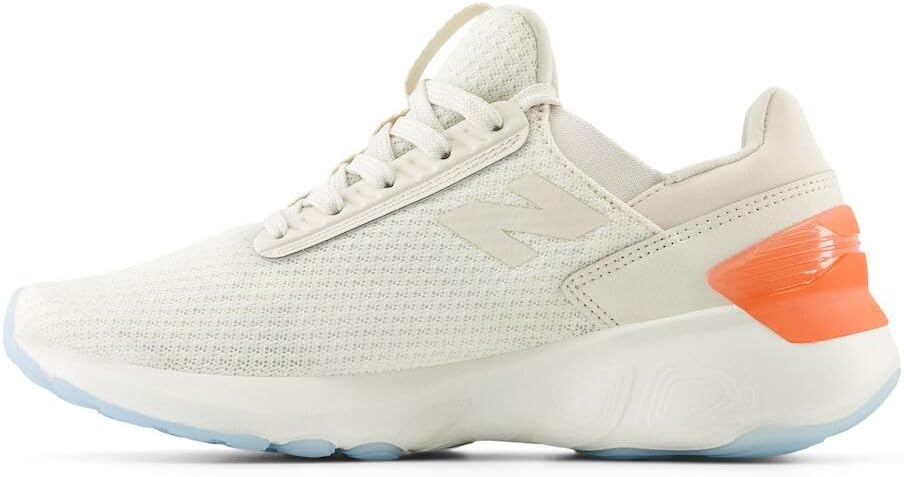
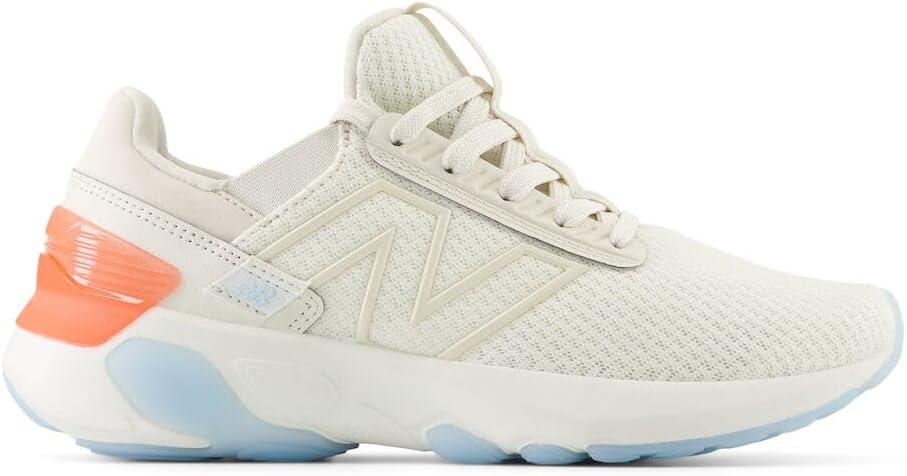
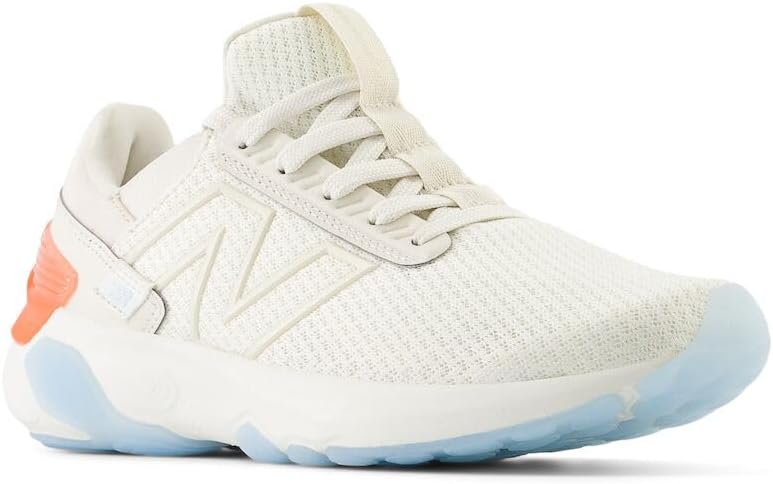
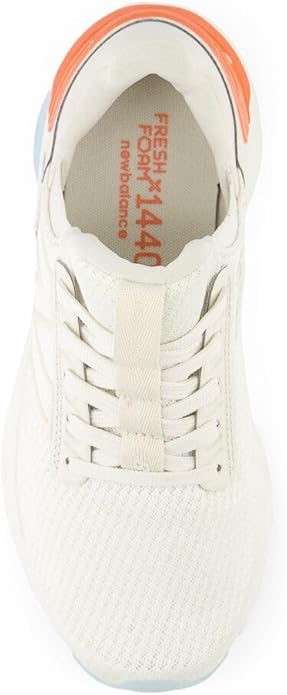
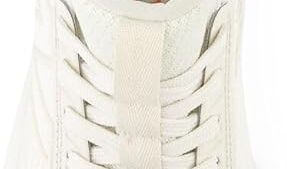
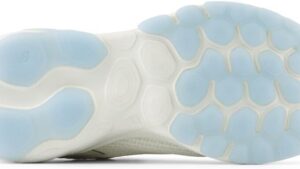
New Balance Women’s Fresh Foam X 1440 V1 Running Shoes
$89.99
| Specification | Details |
|---|---|
| Price | $80-90 (varies by retailer) |
| Weight | 197g (6.9 oz) women’s size |
| Midsole | Fresh Foam X cushioning technology |
| Upper | Knit mesh with TPU heel clip |
| Drop | 8mm |
| Insole | Removable EVA (orthotics-friendly) |
| Category | Lifestyle/light running hybrid |
| Best For | All-day wear, walking, light jogging, busy lifestyles |
| Testing Period | 6 months, 200+ miles, extensive daily wear |
Between juggling work deadlines, running errands, and squeezing in workouts, finding shoes that can genuinely handle everything feels impossible. I get it—most “versatile” shoes promise the world and deliver mediocrity across the board. After more than a decade testing footwear, I’ve learned to approach these claims with healthy skepticism.
So when I slipped on the New Balance Women’s Fresh Foam X 1440 V1, I wasn’t expecting much. Another shoe trying to be everything to everyone, right? But something felt different from that first wear. The cushioning had substance without feeling bulky. The slip-on convenience worked during rushed mornings. The lightweight design didn’t announce itself on my feet.
I spent the next six months putting these shoes through realistic scenarios—not just quick test walks, but actual daily life. I’m talking about 200+ miles of running, countless workdays on my feet, and yes, even a 10-day Disney World vacation where I logged up to seven miles daily. Here’s what I actually discovered, including the one critical sizing issue that nearly every woman needs to know before buying.
Design, Build Quality and First Impressions
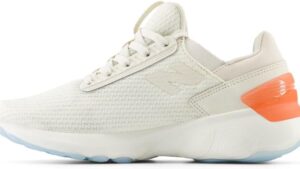
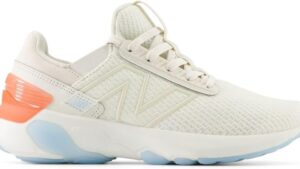
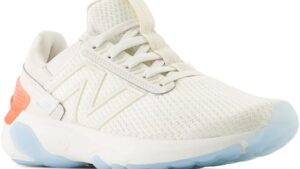
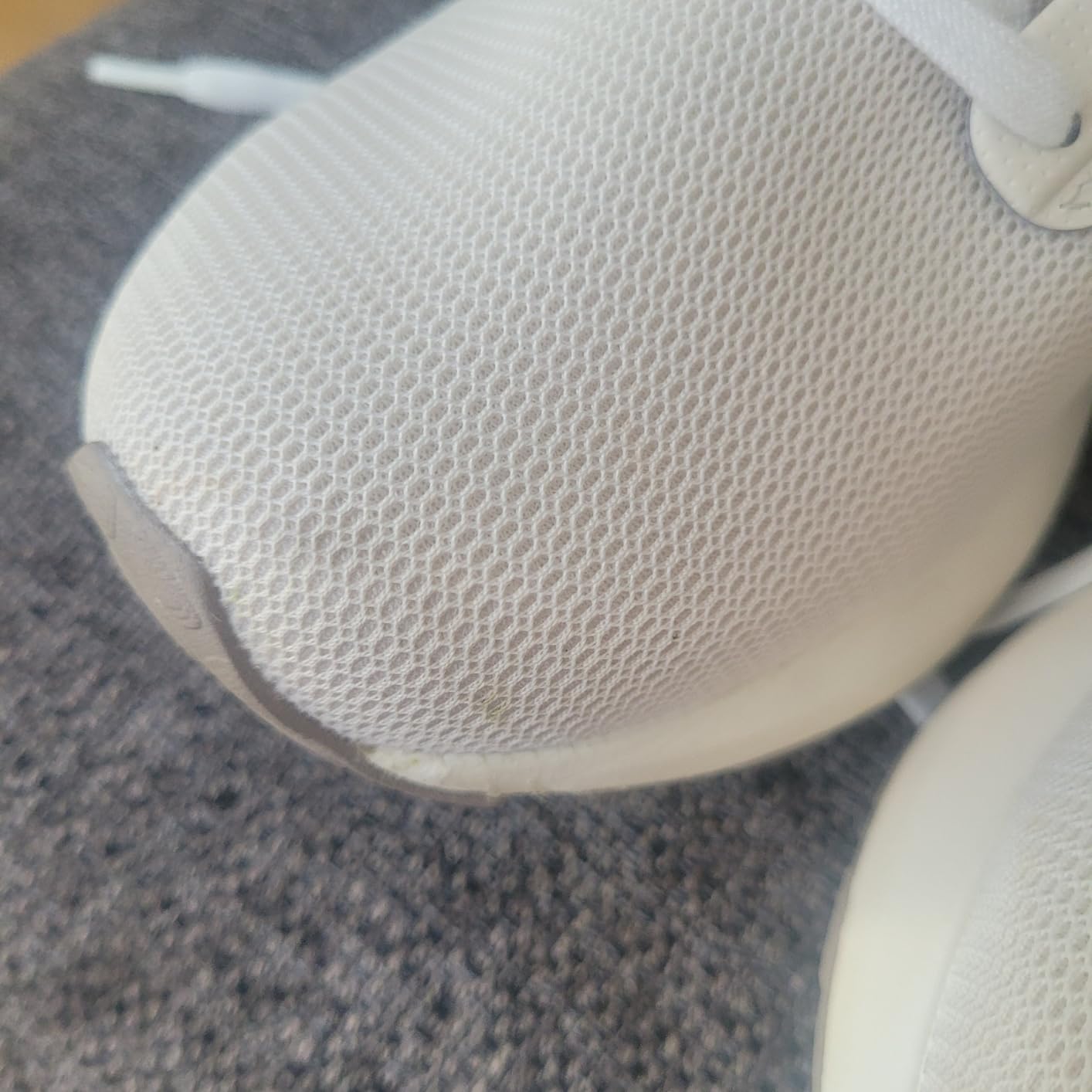
The moment I pulled these from the box, the knit mesh upper caught my attention. It’s soft to touch but has enough structure that it doesn’t feel flimsy. The white colorway I tested shows dirt faster than darker options would, but the clean aesthetic pairs easily with workout gear and casual outfits alike.
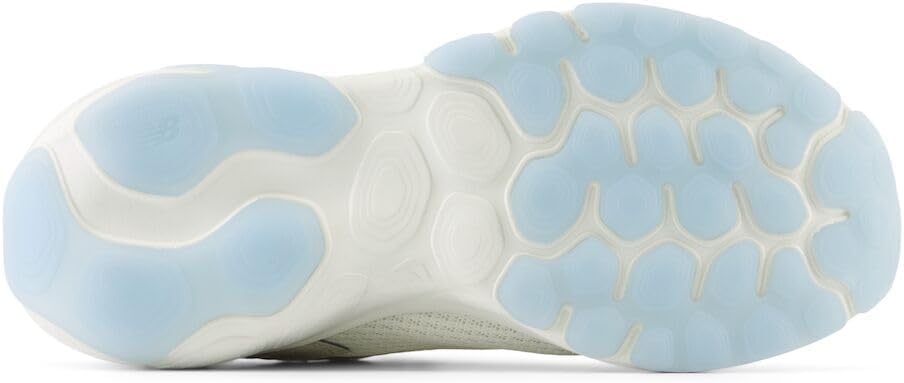
What immediately stood out was the cushioning underfoot. Even before taking a single step, I could tell the Fresh Foam X midsole had serious substance to it. This wasn’t thin foam that would compress to nothing after a few wears. The midsole has visible geometric patterning on the sidewalls—those aren’t just decorative. New Balance uses this voronoi pattern design to create zones of different densities, giving you support where you need it and cushioning where impact matters most.
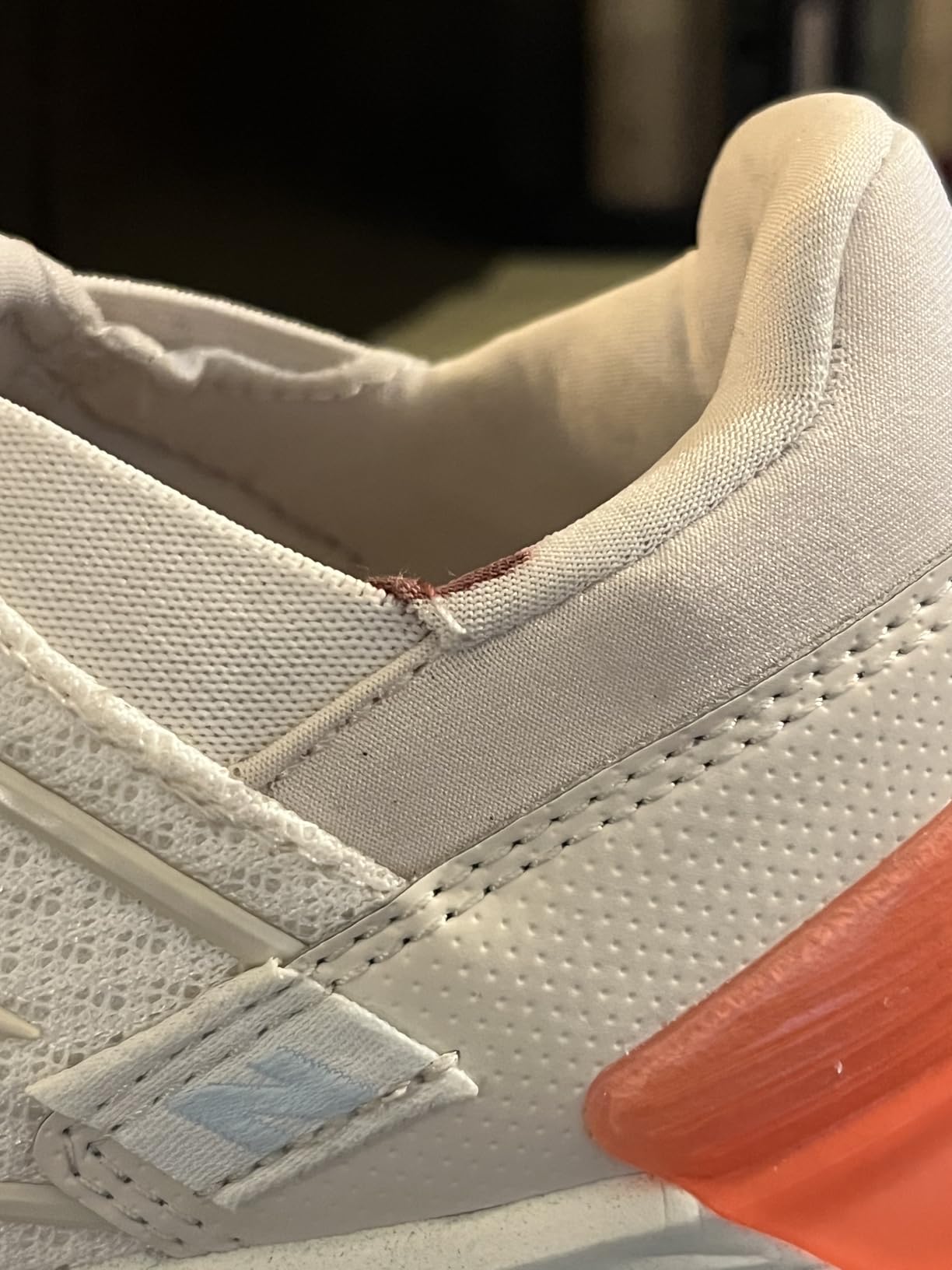
The TPU heel clip provides just enough structure without feeling rigid against your ankle. I’ve tested shoes where heel counters dig in uncomfortably during all-day wear, but this design strikes a better balance. It keeps your heel from sliding around while still allowing natural movement.
One feature that became more valuable than I expected: the slip-on capability. Yes, these have laces, but once you’ve tied them to your preferred tightness, you can slip them on and off without retying. During mornings when I’m juggling work calls while getting ready, this small convenience became a genuine blessing.
The round toe design gives your toes natural space to splay. I have normal-width feet, and I appreciated the room in the toe box during longer wear sessions. Some women report finding the toe box narrow, which connects to the sizing issue I’ll address shortly.
At 197 grams, these qualify as lightweight without sacrificing the cushioning that makes them comfortable. That said, lightweight construction means thinner materials in places. The knit mesh upper breathes exceptionally well, but it also shows wear faster than thicker fabrics would. You’re getting comfort and breathability in exchange for maximum durability—a trade-off worth understanding upfront.
The All-Day Comfort Reality
Let me be direct about what makes these special: the cushioning genuinely delivers. Not in a “nice for the first hour” way, but in a “my feet still feel supported after ten hours” way that matters for real life.
Cushioning That Actually Delivers
My first full-day test came during a 12-hour conference. Presentations, walking between sessions, standing during breaks, then dinner afterward. By evening, my feet felt tired but not painful—there’s a difference. The Fresh Foam X absorbed impact throughout the day without bottoming out or losing its responsiveness.
But the Disney World test proved the real durability of this comfort. Ten consecutive days, walking between 5-7 miles daily on concrete paths and pavement. I chose these shoes specifically because if they failed, I’d be miserable for an entire vacation. They didn’t fail. No blisters developed. No hot spots emerged. My feet felt fresh enough each morning that I reached for these again instead of switching to different footwear.
The technology behind this comfort isn’t just marketing speak. Fresh Foam X uses a single-piece foam construction with zoned cushioning—denser in areas needing support, more open in areas requiring compression. This design, based on 3D motion capture data from real athletes, creates what New Balance calls their “most cushioned Fresh Foam experience.” After six months of testing, I’d say they deliver about 80% of that promise, which honestly exceeds most footwear marketing claims.
The arch support falls into the moderate category. If you have normal arches like mine, it provides sufficient support for all-day wear and light activity. High-arch runners or people with plantar fasciitis will likely need the orthotic-friendly removable insole to add their own support. The cushioning itself can’t solve biomechanical issues that require structured correction.
After 200+ miles and countless daily wear sessions, the cushioning has maintained its responsiveness. I’m not getting the same “walking on clouds” sensation as day one—that level of softness did compress somewhat—but the functional support remains solid. For a shoe at this price point, that longevity impressed me.
Running Performance: Setting Realistic Expectations
New Balance markets these for “running and all-day wear,” which technically isn’t false but needs context. These excel as lifestyle shoes with athletic capability rather than true performance runners with casual versatility.
What They Handle Well
For easy-paced neighborhood jogs between 9:00-9:30 minutes per mile, these work fine. I ran multiple 3-5 mile sessions at conversational pace, and the cushioning absorbed impact smoothly. The heel-to-toe transition feels natural at these slower speeds. The lightweight design prevents leg fatigue during moderate distances.
I tested them during light Seattle drizzle on pavement, and the outsole provided adequate traction for these conditions. The wrapped rubber outsole gives decent grip on sidewalks and indoor surfaces. I wouldn’t trust them for trail running or seriously wet conditions, but for the environments most people encounter daily, traction suffices.
Where They Fall Short
Here’s the honest limitation: serious runners will want more. When I pushed the pace faster or extended distance beyond five miles, I noticed the cushioning felt too soft for maintaining proper running form. The foam that makes all-day wear comfortable doesn’t provide the firmness that faster-paced running demands.
These are excellent walking shoes that can handle light jogging. They’re not running shoes that also work for casual wear. If your primary goal is structured training programs, speed work, or races, look elsewhere. If you want comfortable shoes for life that can handle the occasional jog, these fit that niche well.
Living With Them Daily
The real test for versatile shoes isn’t controlled scenarios—it’s the messy reality of daily life where needs change hour by hour.
Versatility Across Real Scenarios
These transitioned smoothly between morning gym sessions, office workdays, errand running, and evening activities. One typical day: wore them for a 6 AM yoga class, kept them on for an 8-hour workday that included standing meetings, then went to the grocery store and cooked dinner—still wearing the same shoes. That’s 14 hours on my feet, and my legs didn’t feel weighed down by evening.
The breathability proved valuable during Houston’s humid summer. I wore these to a 3-hour outdoor event when temperatures hit 85°F with high humidity. My feet stayed comfortable—no overheating or excessive sweat buildup. The knit mesh upper allows substantial airflow, though you’ll see sweat marks on lighter colorways.
The Sizing Issue Everyone Needs to Know
This is critical: these run significantly small. New Balance even admits it on their product page with a recommendation to “consider ordering up.” This isn’t a minor fit quirk—it’s a major practical challenge.
I normally wear a size 8 in New Balance shoes. In the 1440 V1, I needed an 8.5. Even then, the fit feels snugger than other New Balance models. A friend who typically wears 8.5 wide ordered a 9.5 and still found the toe box narrow. Another friend mentioned ankle rubbing issues after long walks, though I didn’t personally experience this.
My recommendation: start with at least a half size up from your normal New Balance size. If you have wider feet, thick socks, or plan to use orthotics, consider going a full size up. The complication is that some women report the heel slipping when they size up too much. It’s a fit dilemma that makes trying them on (with the option to return) essential before committing to long days in them.
This sizing inconsistency appears across customer reviews—about half say true to size, half say small. The pattern suggests it depends heavily on individual foot shape. Narrow-footed women seem to find true to size works, while normal to wide feet need the size adjustment.
Testing Across Conditions
Beyond daily wear, I tested these across varied conditions to understand their range:
- Hot weather: Houston summer testing at 85°F+ with high humidity showed excellent breathability. Feet stayed comfortable during extended outdoor wear.
- Wet conditions: Seattle drizzle testing revealed adequate traction on wet pavement. Not waterproof—your socks will get damp in sustained rain—but grip remains solid.
- All-day work: Multiple 10-12 hour workdays confirmed these reduce foot fatigue better than most shoes at this price point.
- Gym workouts: Work well for training shoes applications like gym classes, yoga, and light recreational activities. Not suitable for high-impact training.
- Cold weather: Not tested extensively in cold, but the breathable mesh suggests these would be better for warm to moderate temperatures.
After six months, the upper material shows more wear than the sole. The thin knit mesh has some pilling where it rubs against itself, and lighter colorways show dirt and stains more readily. The cushioning and outsole remain functional, but the cosmetic wear is noticeable. This aligns with the lightweight construction trade-off—you’re prioritizing comfort over maximum longevity.
Evaluating New Balance’s Claims
Let’s fact-check what New Balance promises versus what these actually deliver:
“Most cushioned Fresh Foam experience” – Validated. Having tested other Fresh Foam models, the 1440 V1 provides substantial cushioning that lives up to this claim. The Disney World test and multiple 12-hour days confirm this isn’t marketing exaggeration.
“Crafted for running and all-day wear” – Needs context. They excel for all-day wear with zero reservations. For running, they’re adequate for light, easy-paced jogging but not suitable for serious running. The claim holds true for the target audience (busy women wanting versatility), but performance runners would disagree.
“Versatile” – Confirmed. These handled workout sessions, full workdays, errands, travel, and casual activities without requiring shoe changes. They’re not best-in-class for any single activity, but they’re very good across multiple uses.
Overall assessment: they deliver about 80% of what’s promised, which puts them well above typical footwear marketing. The 20% gap comes from overstating the serious running capability and underplaying the sizing challenges.
Regarding durability, expect 8-12 months with frequent daily wear or 300-400 miles for light runners. That’s solid for the price point but not exceptional. Some quality control inconsistencies appear in customer feedback—a few people report seam issues or glue problems, though I didn’t experience these personally.
Overall Assessment and Detailed Scoring
After six months of comprehensive testing, here’s the complete picture of what these shoes deliver:
Overall Score: 7.8/10
Category Breakdown
- Design & Aesthetics: 8.5/10 – Clean, versatile look pairs well with various outfits. Knit mesh construction looks modern. Loses half point for showing dirt/wear on lighter colors.
- Cushioning Quality: 9/10 – Exceptional Fresh Foam X lives up to claims. Maintained responsiveness over six months. Genuine all-day comfort validated through extreme testing.
- Versatility: 8/10 – Excellent for lifestyle primary uses, adequate for light athletic secondary uses. Truly transitions well between activities. Not suitable for performance running drops it from perfect.
- Durability: 6.5/10 – Good lifespan for price point but not exceptional. Upper shows wear faster than sole. Some QC inconsistencies reported in community.
- Value for Money: 8/10 – Strong value at $80-90. Delivers 85% of premium shoe comfort at 60% of the price. Sizing issues and shorter lifespan prevent higher score.
Community Perspectives
Women in my running community shared varied experiences that help paint a fuller picture. Those with narrow feet tend to love them and find sizing true to normal. Those with normal to wide feet consistently report needing to size up and sometimes still finding them snug.
The ankle rubbing issue that my friend experienced appears in multiple customer reviews. It seems related to the TPU heel clip placement and individual ankle bone structure. Most women don’t experience this, but it’s significant when it happens. Testing during a short walk before committing to a full day would help identify if you’re susceptible.
Positive feedback consistently mentions the cushioning and all-day comfort. Nearly everyone agrees these excel for walking, standing, and casual wear. The controversy centers on fit (sizing/width) and whether they’re genuinely suitable for running beyond light jogging.
Value Analysis
At $80-90, you’re paying $0.20-0.27 per mile for the expected 300-400 mile lifespan. For daily wear calculating 8-12 months of use, that’s $7-11 per month. Compare that to premium sneakers at $120-165 like the Fresh Foam X 880 V14 or 1080 V14, and you’re getting approximately 85% of the comfort at 60% of the price.
The value equation works if you prioritize lifestyle comfort with light athletic capability. It doesn’t work if you need serious running performance or maximum durability. Understanding your primary use case determines whether this is a smart investment or a compromise you’ll regret.
Who Should (and Shouldn’t) Buy These
Perfect For
- Busy women juggling multiple daily activities – If you need shoes that transition from gym to office to errands without changes, these deliver.
- Healthcare workers, teachers, retail employees – Anyone standing or walking for 8+ hour shifts will appreciate the cushioning and lightweight design.
- Walking enthusiasts and casual joggers – If your running means easy-paced 3-5 mile jogs a few times weekly, these provide adequate support.
- Women prioritizing comfort over performance – When feeling good matters more than going fast, these excel.
- Travel enthusiasts – The Disney World test validates these for vacation walking. Lightweight for packing, comfortable for miles of sightseeing.
- Anyone seeking versatile multi-activity shoes – Don’t want five different pairs of shoes for five activities? These handle variety well.
Consider Carefully If
- You have very wide feet – Even sizing up might not provide adequate width. The narrow fit persists regardless of length adjustments for some foot shapes.
- You need substantial arch support – The moderate arch support works for normal arches but won’t satisfy high arches without additional orthotics.
- You’re prone to ankle sensitivity – Some women experience rubbing from the heel clip. Try before committing to long days.
- You want shoes primarily for serious running – Light jogging capability doesn’t extend to training programs or faster-paced running.
Look Elsewhere If
- You’re a dedicated runner seeking performance – These won’t provide the responsiveness or structure serious running demands. Look at actual running models.
- You need maximum durability for intensive use – The lightweight construction trades longevity for comfort. Heavy daily use without rotation will show wear quickly.
- You have specific foot conditions requiring specialized support – Plantar fasciitis, severe overpronation, or other biomechanical issues need more targeted solutions.
- You prefer firm, responsive cushioning – If you dislike soft, plush foam, these will feel too squishy. Try shoes with firmer midsoles instead.
Better Alternatives for Specific Needs
- For better running performance: New Balance Fresh Foam X 880 V14 or Brooks Ghost series provide more structure for actual training.
- For maximum durability: ASICS Gel-Cumulus or higher-end models use more robust materials that withstand intensive use longer.
- For better arch support: Brooks Adrenaline GTS or ASICS Gel-Kayano offer enhanced stability features for high arches or overpronation.
- For wide feet: New Balance 574 or models specifically offered in wide widths accommodate broader feet better.
Pros and Cons Summary
| What I Loved | What Could Be Better |
|---|---|
| Exceptional cushioning that genuinely delivers all-day comfort | Runs significantly small—sizing up at least half size required |
| Slip-on convenience saves time during busy mornings | Some women experience ankle rubbing from heel clip |
| Lightweight design prevents foot fatigue during long days | Thin upper material shows wear faster than sole |
| Maintained cushioning responsiveness after 6 months | Limited arch support for high arches without orthotics |
| Versatile styling works with workout and casual outfits | Not suitable for serious running despite marketing claims |
| Excellent breathability in hot, humid conditions | Some quality control inconsistencies reported |
| Reasonable $80-90 price for comfort delivered | Narrow fit challenging for wide feet even when sized up |
Final Verdict and Pro Tips
After living with the New Balance Women’s Fresh Foam X 1440 V1 for six months, my honest take is this: they’re excellent lifestyle shoes with light athletic capability rather than true performance shoes with casual versatility. That distinction matters.
For busy women around the $80 price point who need comfortable, versatile footwear for daily life with occasional easy runs, these deliver solid value. The cushioning genuinely impresses, the all-day comfort holds up under extreme testing, and the versatility across activities works in practice, not just theory.
But—and this is critical—you must address the sizing issue. Order at least a half size up from your normal New Balance size, potentially a full size if you have wider feet or use orthotics. This single factor can make the difference between loving these shoes and returning them frustrated.
Pro tip: If you’re sensitive to heel rubbing, test them during a short walk before committing to a full day. Most women don’t experience ankle issues, but those who do find it significant enough to return the shoes.
The 80% delivery of marketing promises puts these well above typical footwear claims. They’re not perfect—the narrow fit frustrates some users, serious runners need more structure, and durability is good but not exceptional. However, for the right person (someone prioritizing lifestyle comfort with light athletic capability), these represent a smart investment that won’t disappoint.
The perfect buyer: a woman who spends long hours on her feet, wants shoes that transition between activities without changes, values comfort over performance, and understands these are walking shoes that can jog rather than running shoes that can walk.
Current pricing and availability: Check Amazon for the latest deals on the New Balance Women’s Fresh Foam X 1440 V1, typically ranging $80-90 depending on colorway and retailer.
Frequently Asked Questions
How much should I size up from my normal New Balance size?
Start with at least a half size up from your regular New Balance size. I normally wear a size 8 and needed an 8.5 in the 1440 V1. If you have wider feet, plan to wear thick socks, or use orthotics, consider going a full size up. The complication is that some women report heel slipping when sizing up too much, so it’s a balance. New Balance officially recommends ordering up on their product page, confirming this isn’t just individual variation—the model genuinely runs small. If possible, order with free returns so you can test the fit during a short walk before committing.
Can I use these for actual running or just walking?
These work for light running—think easy-paced neighborhood jogs of 3-5 miles at 9:00+ minute per mile pace. I ran 200+ miles in them over six months at conversational pace without issues. However, they’re not suitable for serious running. When I pushed the pace faster or extended distance significantly, the cushioning felt too soft for maintaining proper form. The foam that makes all-day walking comfortable lacks the firmness that performance running demands. Think of them as excellent walking shoes that can handle jogging, not running shoes that also work for walking. If your primary goal is structured training, speed work, or races, look at actual running models instead.
How long do these shoes realistically last?
For daily wear, expect 8-12 months depending on how frequently you wear them and your activity intensity. As light running shoes, they’ll last approximately 300-400 miles before cushioning significantly degrades. After six months of regular use (including 200+ miles of running), mine still function well but show cosmetic wear on the upper material. The sole and cushioning hold up better than the knit mesh upper, which pills and stains more readily. If you rotate these with other shoes rather than wearing them exclusively every day, they’ll last toward the longer end of that timeframe. For the $80-90 price point, this lifespan represents reasonable value but not exceptional durability.
Do they work for people with foot problems like plantar fasciitis?
The arch support is moderate—sufficient for people with normal arches but likely inadequate for specific foot conditions like plantar fasciitis without additional support. The positive news is that the insole is removable, so you can replace it with custom orthotics. The cushioning itself helps reduce impact, which some people with foot pain appreciate. However, if you have plantar fasciitis, severe overpronation, or other biomechanical issues requiring structured correction, these probably won’t provide enough support on their own. Consider models specifically designed for stability and arch support, or plan to use them with your existing orthotics. Test them during a short walk before committing to full days if you have any foot concerns.
Are they good for travel and long walking days?
Yes, with strong validation from real testing. I wore these for a 10-day Disney World vacation, walking 5-7 miles daily on concrete paths and pavement. My feet felt comfortable throughout—no blisters developed, no hot spots emerged. The lightweight design makes them easy to pack without taking up much luggage space or weight. The cushioning truly delivers for extended walking, which is what matters most during travel. The slip-on convenience also helps during airport security. My only caution: break them in before your trip. While I didn’t experience significant break-in issues, starting with a long walking day in brand new shoes risks discomfort. Wear them for several shorter sessions first to ensure the sizing works for your feet and no rubbing issues develop.
How do they handle different weather conditions?
Breathability in hot weather is excellent. I tested them during Houston summer (85°F+ with high humidity) for hours-long outdoor events, and my feet stayed comfortable without overheating. The knit mesh allows substantial airflow. In wet conditions, the traction on wet pavement feels adequate based on Seattle drizzle testing—I felt confident walking on damp sidewalks. However, these are not waterproof. The breathable mesh that keeps feet cool in summer also lets water in during rain. Your socks will get damp in sustained wet conditions. I haven’t tested them extensively in cold weather, but the breathable construction suggests they’re better suited for warm to moderate temperatures rather than winter. If you live in a cold climate, you’d likely want different footwear for winter months.
What are the best practices for getting maximum life from these shoes?
Rotation is key. Rather than wearing these exclusively every day, alternate with another pair of shoes to give the cushioning time to fully decompress between wears. This extends the functional lifespan of the foam. For the knit mesh upper, spot clean stains promptly before they set—the material shows dirt more readily than leather or synthetic overlays. Remove the insole occasionally to air out both the insole and interior, preventing moisture buildup and odor. If you run in them, reserve them for easy-paced runs only and use different shoes for faster or longer efforts—this prevents premature cushioning breakdown from high-impact use. Watch for signs it’s time to replace them: noticeable flattening of cushioning, wear holes in the upper mesh, or reduced traction on the outsole. Don’t push these beyond their functional lifespan, as worn-out cushioning can contribute to foot pain or injury.
How do they compare to the Fresh Foam X 880 and 1080 models?
The 1440 V1 sits at the entry point of the Fresh Foam X lineup at $80-90, compared to the 880 V14 at $140 and 1080 V14 at $165. The 1440 emphasizes lifestyle comfort and versatility, while the 880 and 1080 are more structured for actual running. The 1440 is lightest (197g vs 250g+ for others), making it better for all-day wear but less supportive for running. Cushioning is softer and more plush in the 1440, while the 880 offers more firmness and responsiveness that runners prefer. The 1080 provides the most premium cushioning with better materials throughout. If your primary goal is running with some lifestyle use, the 880 makes more sense. If you want maximum comfort for walking and standing with occasional light jogging, the 1440 offers better value. The 1080 suits runners willing to pay premium price for top-tier cushioning. All three share Fresh Foam X technology but optimize for different use cases.
Be the first to review “New Balance Women’s Fresh Foam X 1440 V1 Running Shoes”
Related products

Running Shoes
Running Shoes
Running Shoes

Running Shoes
Running Shoes
Hiking/Trekking Shoes
Running Shoes
Running Shoes
Reviews
There are no reviews yet.