
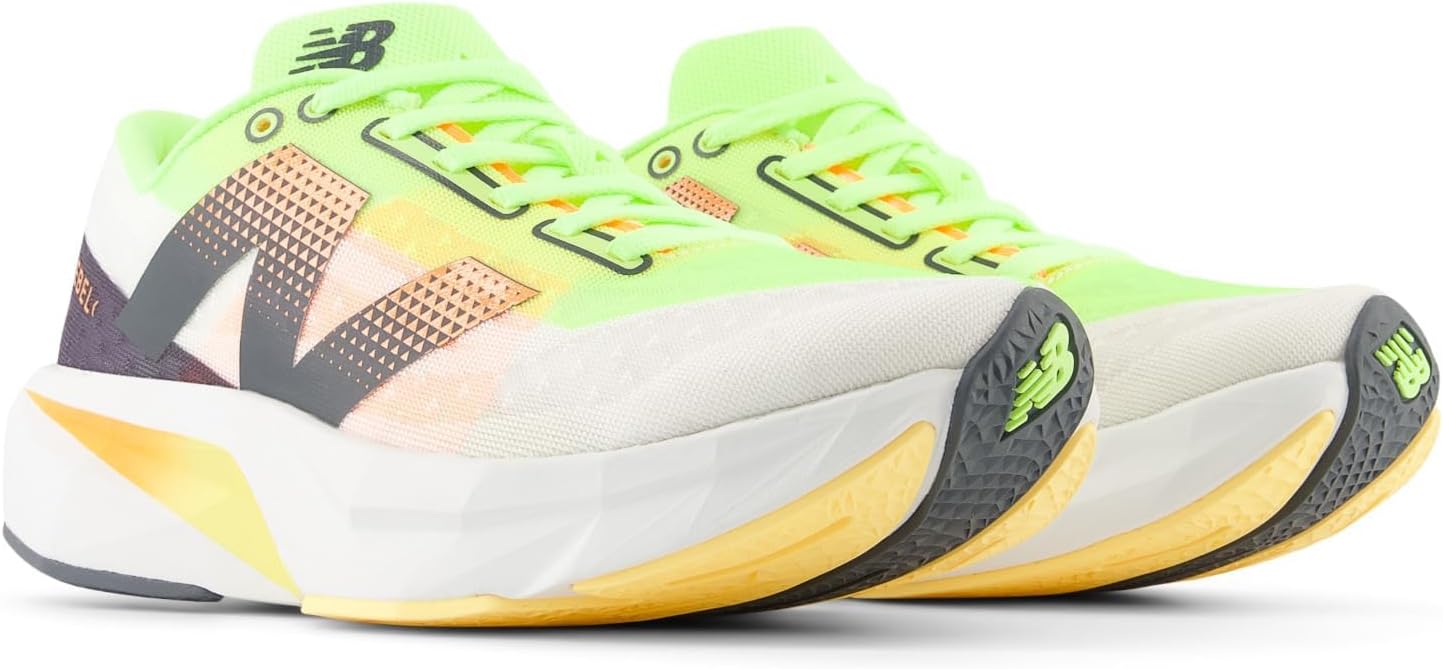
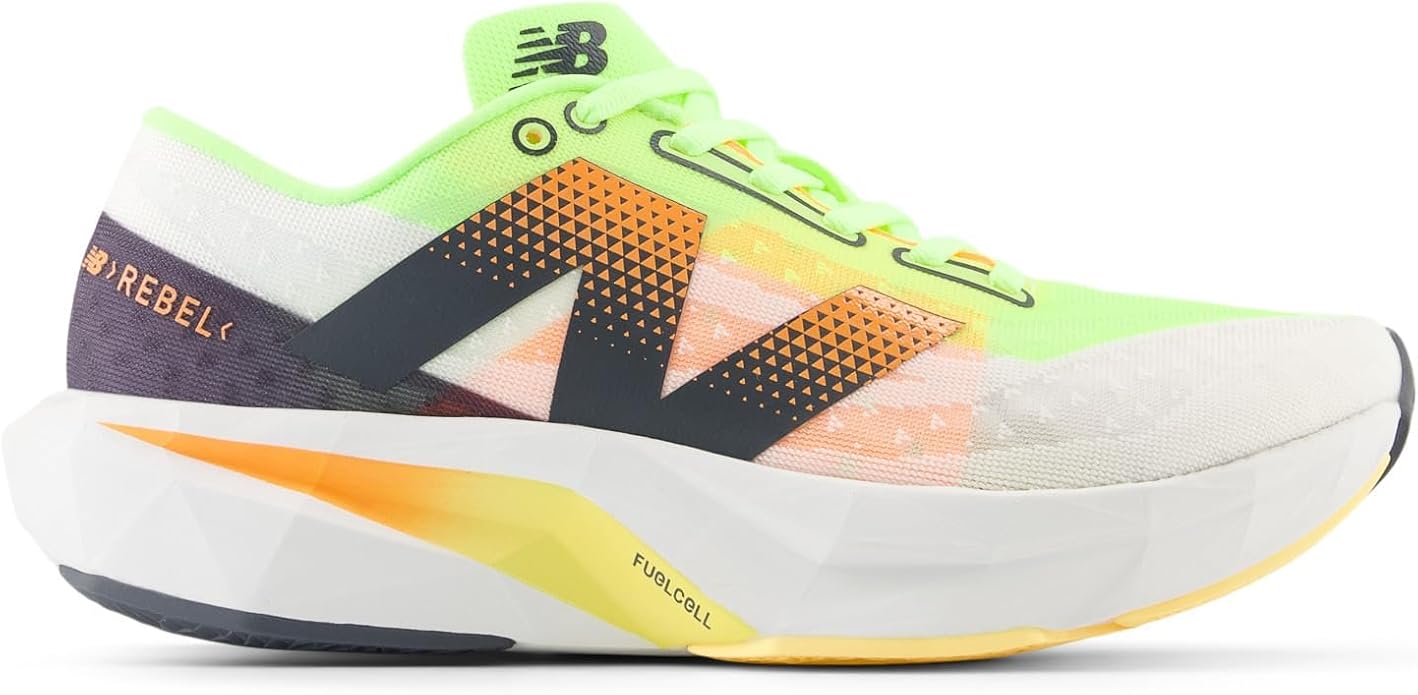
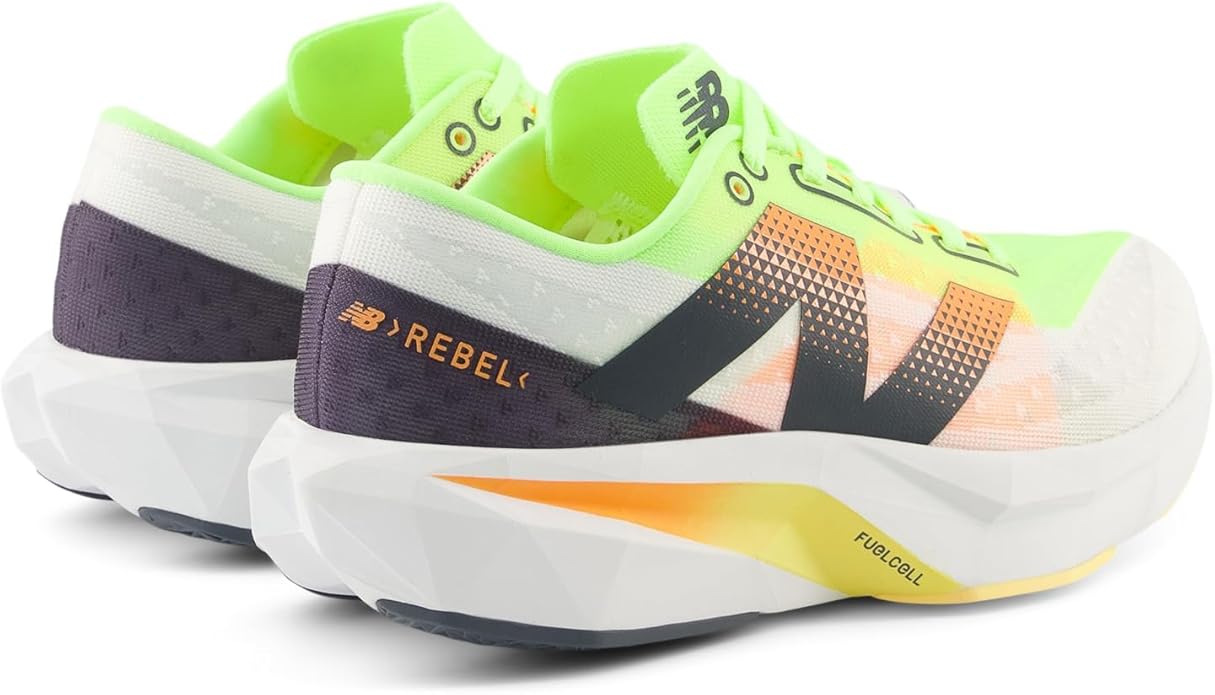
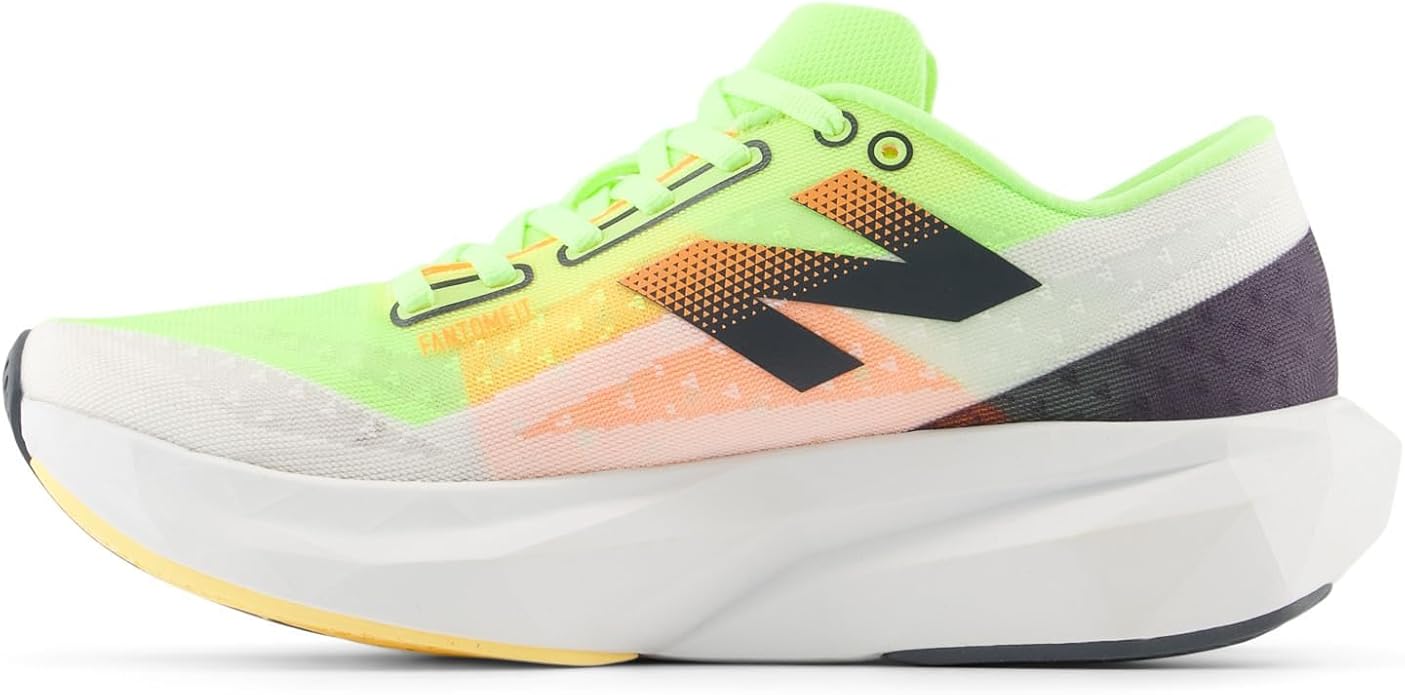
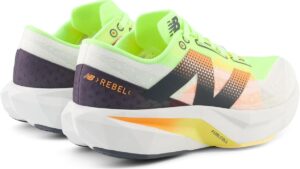
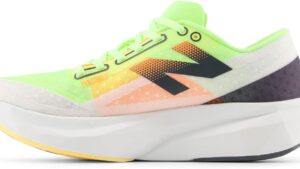
As a 180-pound runner with normal-width feet, I put these shoes through everything: Tuesday track intervals, Thursday tempo runs at 6:45/mile pace, humid Dallas afternoons hitting 85°F+, Seattle drizzle, treadmill sessions, and multiple attempts at 17+ mile long runs. I achieved legitimate PRs—my 1-mile time dropped from 6:15 to 5:58, and I shaved 45 seconds off my 5K. But I also discovered hard limits: the foam loses noticeable bounce around 250 miles, the shoe struggles beyond 17 miles at my weight, and the sizing runs 0.5-1 size small (I had to go from my normal 9.5 to a size 10).
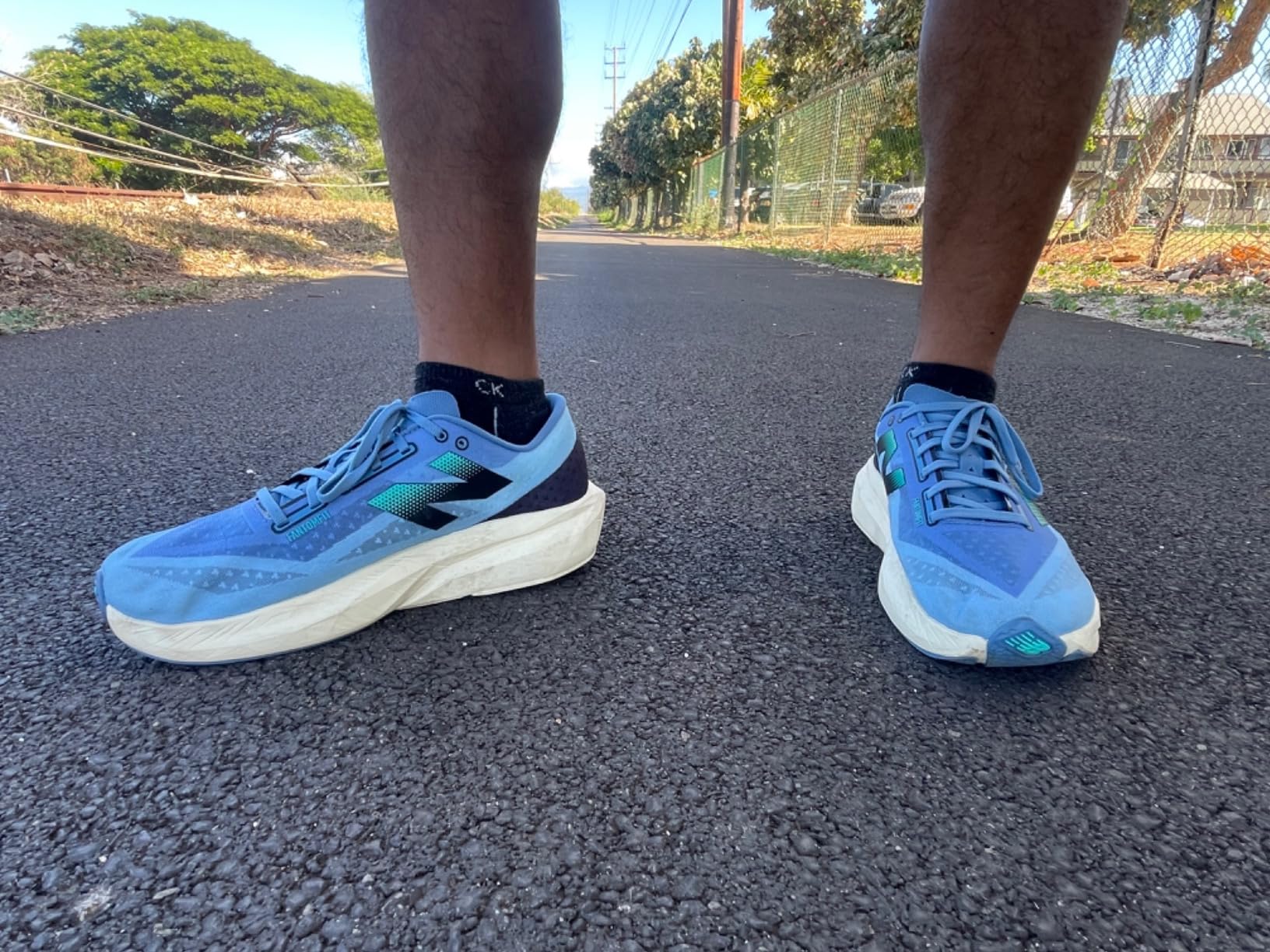
This isn’t a do-it-all daily trainer despite what marketing suggests. It’s an excellent tempo and speed work shoe with a sweet spot from 5K to half marathon distances. If you weigh over 200 pounds, need a shoe for 18+ mile long runs, or require maximum durability, keep reading—I’ll explain exactly who should and shouldn’t buy this shoe.
Technical Specifications: What the Numbers Tell Us
Before diving into how these specs translate to real-world performance, here’s what New Balance and independent lab testing reveal about the FuelCell Rebel V4:
Verified Specifications
| Specification | Value | Source |
|---|---|---|
| Weight (Men’s US 9) | 7.5 oz / 213g | RunRepeat lab, New Balance official |
| Stack Height | 30mm heel / 24mm forefoot (brand) 28mm heel / 21.5mm forefoot (lab) |
New Balance, RunRepeat measured |
| Drop | 6mm | Universal consensus |
| Price | $140 MSRP | New Balance, Running Warehouse |
| Midsole | FuelCell (20% PEBA / 80% EVA blend) | RunRepeat lab analysis |
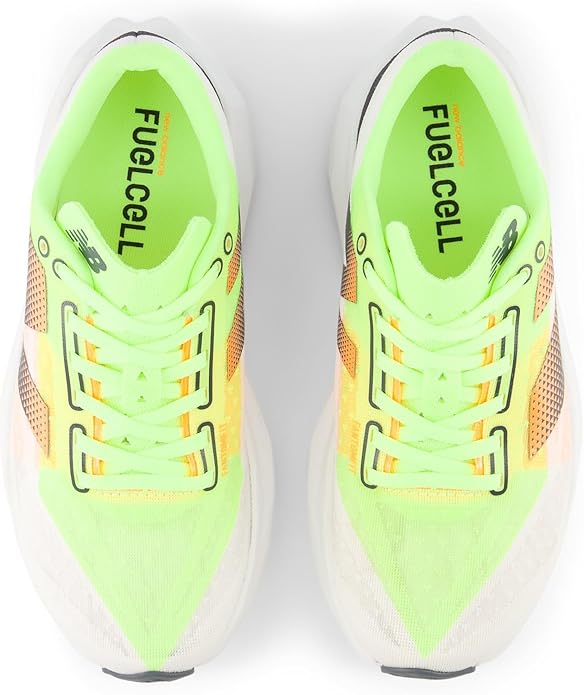
| Upper | FantomFit engineered mesh | New Balance official |
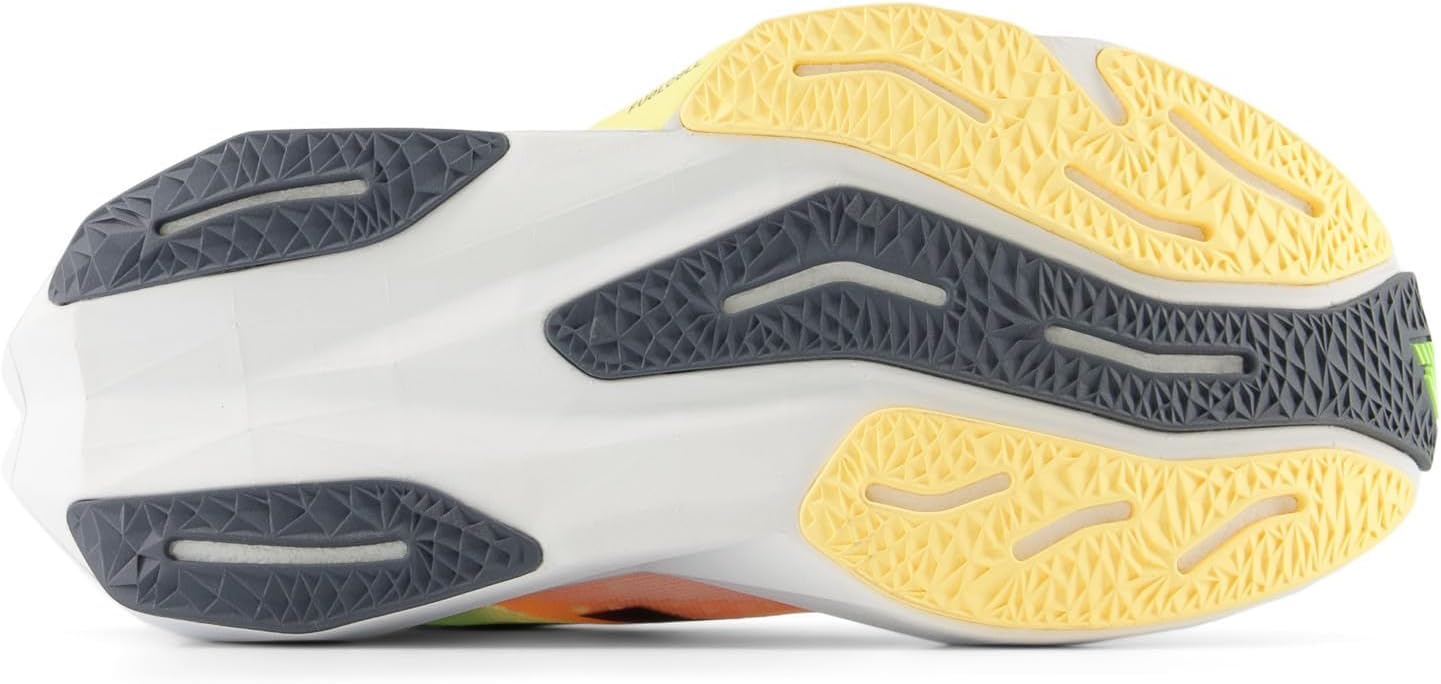
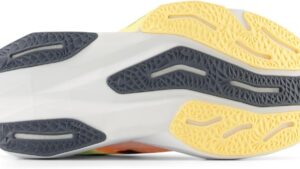
| Outsole | Rubber pods, triangular pattern, 3.2mm thick | RunRepeat measured |
| Platform Width | 120mm forefoot / 101.5mm heel | Road Trail Run measured |
| Energy Return | 63.1% (heel) / 66.8% (forefoot) | RunRepeat lab testing |
| Shock Absorption | 139 SA (heel drop test) | RunRepeat lab |
| Midsole Softness | 8.5 HA Shore A (12.5 HA in cold) | RunRepeat lab |
| Toebox Height | 27.3mm | RunRepeat measured |
| Wet Traction | 0.50 friction coefficient | RunRepeat SATRA test |
| Breathability | 4/5 (smoke test) | RunRepeat lab |
Key Changes from V3 to V4
New Balance made significant improvements over the disappointing v3. The platform width increased from 110mm to 120mm in the forefoot—a change I felt immediately during tempo runs with more confidence and less tippy feeling in corners. They added 20% PEBA to the midsole blend, bringing back the responsive snap that the v3 lacked. Stack height went up about 5mm overall, yet they managed to keep weight essentially identical at 7.5 ounces. The upper switched to thinner FantomFit mesh for better breathability, though this creates durability concerns I’ll address later.
Critical Fit & Sizing Guidance
This is the single most important section of this review. Get your size wrong and you’ll never experience what this shoe can do.
The Sizing Reality: You Must Size Up
The FuelCell Rebel V4 runs 0.5-1 size small. Period. I normally wear a 9.5 in every other running shoe, from the Brooks Launch 10 to various ASICS models. I almost made a costly mistake after reading competitor reviews claiming the Rebel v4 fits “true to size.” Then I checked RunRepeat’s measurements: they recorded internal length at 265.7mm for a US size 9—shorter than standard running shoe sizing. Their crowd data from 340+ voters confirmed what the measurements suggested: this shoe runs small.
I went with a size 10, half a size up from my norm. After 250+ miles, that decision proved perfect. Zero pressure points, adequate toebox space for my normal-width feet, and proper length for my midfoot strike pattern. The mesh adapted slightly after the first 20 miles, opening up just enough to feel broken in without becoming loose.
Sizing Decision Framework
If you have narrow feet: Size up 0.5 from your normal running shoe size. The 120mm forefoot width provides adequate room even for narrower feet when you go up half a size.
If you have normal-width feet: Size up 0.5 for a snug, race-ready fit, or go up 1 full size for comfortable training fit. I went up 0.5 (9.5 to 10) and got a performance-oriented fit that still worked for daily training.
If you have wide feet: Size up 1 full size minimum, or wait for the wide (2E) version if available in your region and preferred colorway. The standard D width becomes adequate when you size up significantly, but it’s not ideal for truly wide feet.
If you have high-volume feet: This shoe will be challenging. Even sizing up 1 full size, the 27.3mm toebox height measured by RunRepeat is on the lower side. Consider trying in-store before committing.
How Fit Evolved Through 250 Miles
First run in size 10: Snug but not tight, immediate comfort, no break-in discomfort. The semi-gusseted tongue stayed centered—a noticeable upgrade from the Elite v4’s tendency to slide sideways.
After 20 miles: The engineered mesh relaxed slightly. Toebox felt less confining. The fit went from “new shoe snug” to “just right for tempo work.”
After 100 miles: Fit remained consistent. No pressure points developed. Heel lockdown stayed secure through all my speed intervals.
After 250 miles: Fit unchanged, though the foam performance declined (more on that later). The upper maintained its shape despite visible wear around the toebox.
FantomFit Upper: Breathability vs. Durability
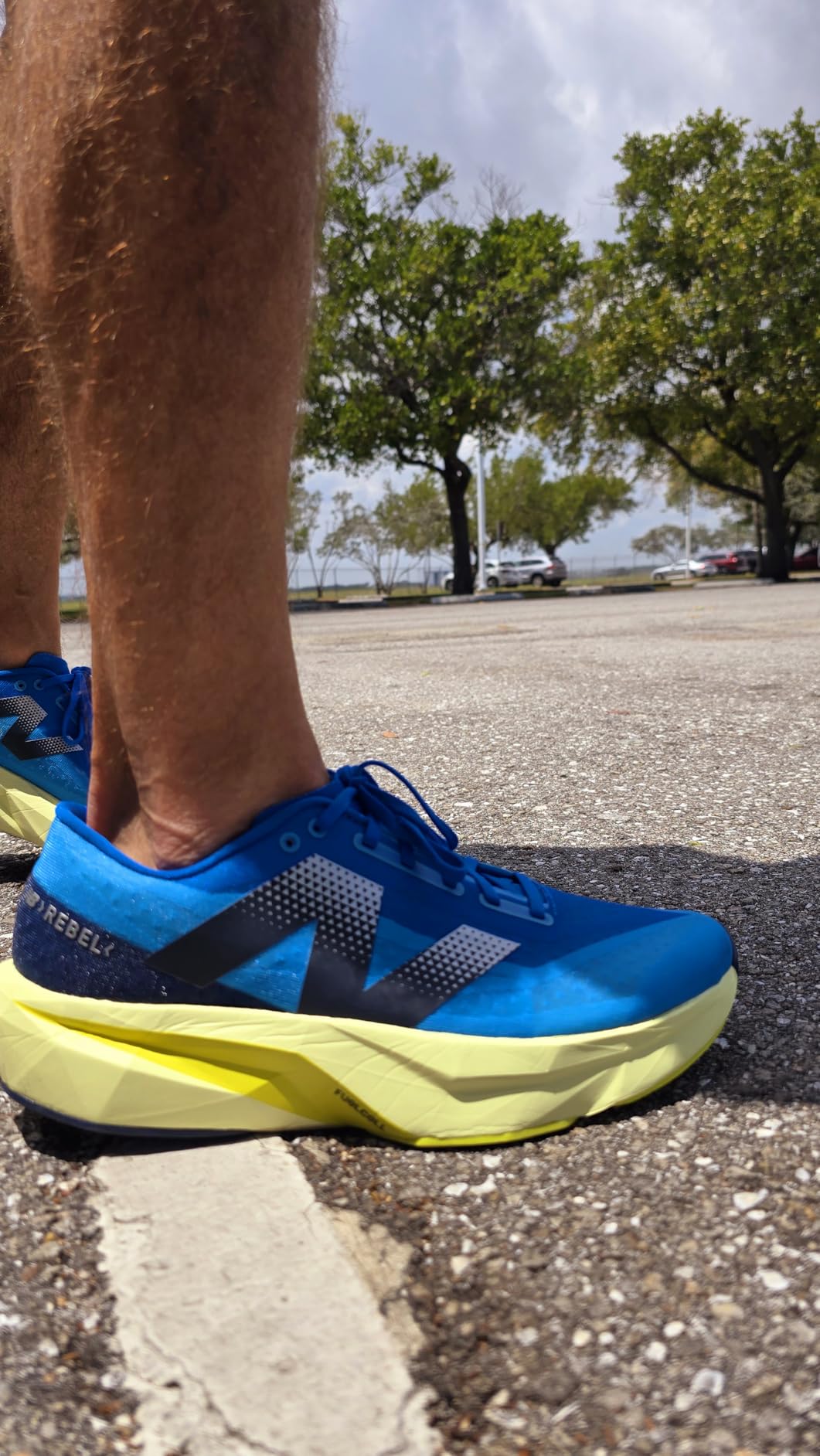
When I first unboxed these shoes, the upper felt thin—almost concerning. Eight weeks later, I understand both why New Balance made this choice and what compromises it forces.
What the Thin Mesh Does Well
During a particularly brutal Dallas afternoon run when temperatures hit 87°F, the FantomFit mesh earned its engineering degree. My feet stayed surprisingly comfortable despite the heat and humidity. The single-piece construction with minimal overlays creates excellent airflow. RunRepeat’s 4/5 breathability score matches what I experienced: this upper ventilates better than most trainers I’ve tested.
The seamless internal construction prevented any hotspots or irritation points. After 250+ miles, I never experienced a single blister or pressure point from the upper—all my fit issues would have come from wrong sizing, not upper design.
Weight savings matter here too. The thin mesh contributes to that 7.5-ounce total weight, making these feel noticeably lighter during speed work compared to trainers with more robust uppers.
The Durability Reality Check
Around the 200-mile mark during my weekly visual inspection, I noticed something concerning: visible abrasion around the big toe area. Not holes yet, but the mesh showed clear wear patterns from normal road running. By 250 miles, these wear marks became more pronounced. RunRepeat’s brutal 1/5 toebox durability score isn’t exaggerated—this upper prioritizes breathability and weight over longevity.
For context, I’m an efficient midfoot striker at 180 pounds, running exclusively on roads. I don’t drag my feet or scrape curbs. This is normal wear from intended use. If you’re heavier, a heel striker who drags, or run on mixed terrain, expect upper failure before the midsole gives out.
Upper Care Guidance
Based on my experience and the early wear I observed, here’s how to maximize upper lifespan:
Avoid: Trail running (upper won’t survive), wet conditions without proper drying afterward, cramming shoes in a packed gym bag, aggressive brushing or scrubbing during cleaning.
Do: Air dry after every wet run, spot clean gently with damp cloth only, store with shoe trees or crumpled paper to maintain shape, dedicate these for road use only.
Expected lifespan by user profile:
- Road-only runners under 170 lbs: Full 250-300 mile lifespan
- Mixed surface or 170-200 lbs: Upper wear likely by 200 miles
- Trail use or over 200 lbs: Upper becomes limiting factor before foam
Tongue and Lacing System
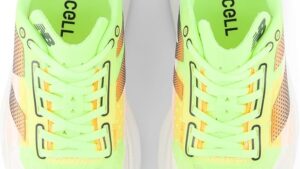
The semi-gusseted tongue design hits a sweet spot. It’s not fully gusseted like a trail shoe, but it’s attached enough to stay centered during runs. Having tested the SuperComp Elite v4 with its completely free tongue that migrated constantly, I appreciated this middle-ground approach. The tongue itself is thin with minimal padding, but I never felt lace pressure even during my tightest lockdown for speed intervals.
FuelCell Foam: The 20% PEBA Story
Here’s where this shoe gets interesting from a materials science perspective, and where my testing revealed both impressive performance and honest limitations.
Why 20% PEBA Instead of 100%?
When I first learned the Rebel v4 uses only 20% PEBA blended with 80% EVA, I wondered if New Balance was cheaping out. After running in both this and the SuperComp Elite v4 (which uses 100% PEBA plus a carbon plate), I understand the rationale.
PEBA foam (polyether block amide, if you care about chemistry) delivers incredible energy return and bounce. It’s what makes elite racing shoes feel springy and fast. But 100% PEBA comes with three problems: it’s expensive (pushing shoes over $200), it’s relatively fragile (breaks down faster), and it’s aggressive for daily training.
The 20% PEBA blend in the Rebel v4 gives you roughly 80% of the Elite v4’s bounce at 60% of the price ($140 vs $250), with approximately twice the durability (250-300 miles vs 150-200 miles). For a training shoe, that’s smart engineering. You get enough responsiveness for tempo work and speed intervals without the fragility or cost of pure PEBA.
Fresh Foam Performance: First 200 Miles
My first tempo run in these shoes happened three days after unboxing. Six miles at 6:45/mile pace on a Tuesday evening. The foam felt immediately responsive—not explosive like a super shoe, but noticeably livelier than traditional EVA trainers. Each toe-off provided a subtle energy return, what RunRepeat’s lab measured at 63.1% for heel landings.
The 8.5 HA Shore A hardness rating translates to medium-soft in real-world feel. Not plush like max-cushion trainers, but cushioned enough to protect my joints during 8-mile tempo efforts. The 139 SA shock absorption score meant I never felt beat up after standard training runs up to half marathon distance.
One note about temperature: on cold morning runs below 40°F, the foam noticeably firmed up. RunRepeat measured this at 47.1% harder in cold conditions. It didn’t make the shoe unusable, but I preferred saving these for afternoon tempo runs when temperatures moderated.
Peak Performance Window: Miles 150-250
Weeks four through seven of my testing—roughly miles 150 through 250—represented this shoe’s sweet spot. The foam had fully broken in but hadn’t degraded. During this window, I achieved both my PRs: the 1-mile time improvement from 6:15 to 5:58, and the 45-second 5K drop. The consistency of the foam’s response gave me confidence to push pace during speed work.
I logged my fastest tempo runs during this period. Eight-milers at 6:45 pace felt controlled, the bounce remained present through the final miles, and recovery felt easier the next day compared to similar efforts in firmer trainers.
The Foam Degradation Timeline: The Honest Truth
Around mile 250—early in week eight—something changed. I started a Thursday tempo run, hit my target pace through the first three miles, then noticed my legs felt heavier than they should. Not catastrophically dead, but lacking the springiness I’d grown accustomed to. I checked my splits: 10-15 seconds slower per mile at the same perceived effort.
I inspected the midsole that evening. Visual compression lines that had been cosmetic earlier now looked structural. The foam had permanently compressed in high-wear areas under the ball of my foot. The bounce wasn’t gone completely, but noticeably diminished.
New Balance’s marketing suggests 300-400+ mile durability. Based on my 250+ mile testing at 180 pounds, I’d plan for retirement between 250-300 miles for optimal performance. The shoes remain wearable beyond that, but the performance characteristic that makes them special—that responsive bounce—fades. Lighter runners under 170 pounds might stretch closer to 300 miles; heavier runners will see faster decline.
Cost per mile calculation: $140 divided by 250 miles equals $0.56 per mile. If you reach 300 miles, that’s $0.47 per mile. Reasonable for a performance trainer, but not exceptional longevity.
Pace Versatility Assessment
I tested these across my full training pace spectrum to understand where they excel and where they’re adequate:
Easy pace (8:30-9:30/mile): Works fine but feels over-responsive for pure recovery intent. The foam wants to go faster. I preferred saving these for workout days and using something more cushioned for recovery runs.
Marathon pace (7:00-7:30/mile): Good for 10-14 miles. Beyond that, insufficient cushioning became apparent. Fine for marathon pace workouts, not ideal for actual marathon racing.
Tempo pace (6:30-7:00/mile): Outstanding. This is what the shoe was designed for. The foam provides enough bounce to maintain pace without constant effort, yet enough cushioning to sustain these efforts for 6-8 miles comfortably.
Threshold/Speed (5:45-6:30/mile): Excellent. Race-ready feel without the aggressive stiffness of plated racers. My 1-mile PR came from intervals at this pace range.
Sprint intervals (<5:45/mile): Very good, though the SuperComp Elite v4 edges it out at this extreme. For most runners’ speed work, the Rebel v4 is more than adequate.
On-the-Road Performance: Where It Shines and Where It Struggles
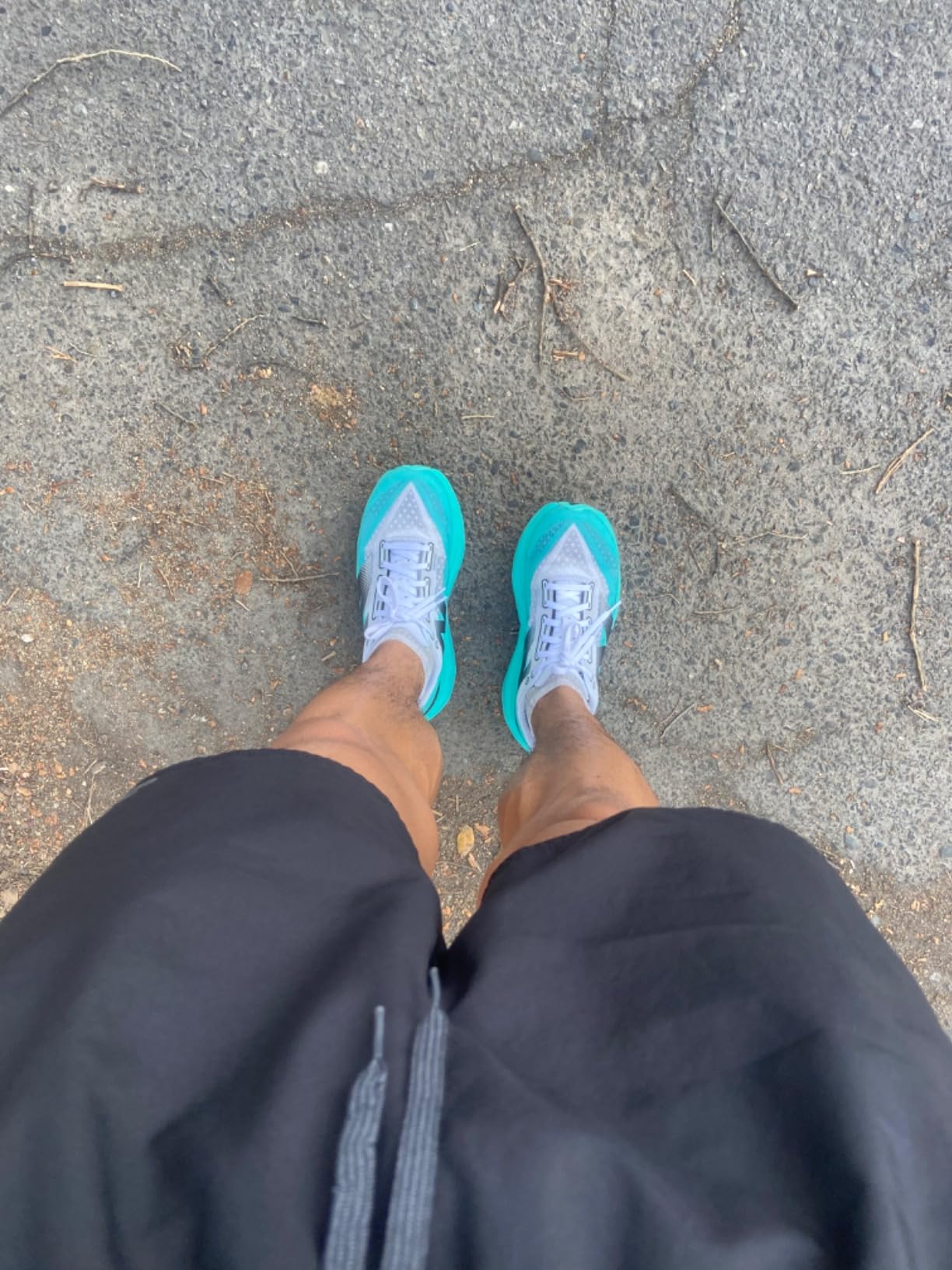
Eight weeks of varied training revealed specific use cases where this shoe excels and clear boundaries where it fails. Here’s the detailed breakdown.
Speed Work and Track Intervals: Excellent
Tuesday track sessions became my favorite use case. Mile repeats at 6:00 pace, 400-meter intervals, tempo segments—the Rebel v4 handled everything with confidence. The 7.5-ounce weight advantage over heavier trainers (the Superblast weighs 8.8 oz) translated to less leg fatigue during high-rep sessions. Quick turnover felt natural. The 6mm drop promoted a midfoot landing that matched my natural stride.
My 1-mile PR attempt happened on a humid evening after four miles of warmup. Six laps around the track, gradually building pace. The final 400 meters, I pushed to 5:58—17 seconds faster than my previous best. Did the shoes alone cause this improvement? No. But they provided the responsive platform that let me execute the effort without fighting dead foam or excessive weight.
Tempo Runs (6-10 Miles): Outstanding Performance
If I could design this shoe for one specific purpose, it would be Thursday tempo runs. Six to eight miles at 6:45/mile pace became a weekly highlight. The foam maintained consistency through the final miles (within that 200-mile performance window). The wider 120mm forefoot platform provided stability confidence during cornering and slight road camber changes. The rocker geometry promoted forward momentum without feeling like the shoe was forcing a specific gait.
Weather conditions during these tempos varied: hot afternoons, cool mornings, light rain. The shoe performed consistently across conditions. The breathable upper prevented overheating during warm runs. The 0.50 friction coefficient outsole gripped wet pavement adequately—I never slipped during Seattle drizzle or Dallas thunderstorms.
Long Runs Beyond 17 Miles: The Performance Ceiling
This is where I discovered hard limits. During week six, I attempted a 20-mile long run to test marathon training viability. Through mile 13, everything felt fine—typical long run fatigue but nothing concerning. Mile 14 started showing issues. By mile 15, my feet were actively protesting. Mile 16 became uncomfortable. At mile 17, I made the decision to cut the run short.
The problem wasn’t blisters or fit issues from my sized-up pair. The issue was insufficient cushioning for extended pounding at my 180-pound weight. The 28-30mm stack height (depending on which measurement you trust) simply isn’t enough for marathon distance at this weight. My joints and feet fatigued faster than they should have.
I attempted another 17-miler two weeks later with similar results. The performance ceiling is real. For comparison, shoes like the ASICS Superblast with 41.5mm heel stack or max-cushion training shoes handle these distances far better.
Important caveat: Lighter runners under 150 pounds report better long-run performance. This limitation appears weight-dependent. But if you’re 170+ pounds and training for marathons, plan to use different shoes for your 18+ mile long runs.
Daily Easy Miles: Good But Not Optimal
About 30% of my 250+ miles came at easy pace (8:30-9:30/mile) during recovery days or warmup/cooldown segments. The Rebel v4 worked adequately but felt over-responsive for true recovery intent. The foam wants to move faster. For pure easy days, I preferred switching to something like the New Balance Fresh Foam Roav v1 or similar cushioned trainers designed for easy mileage.
That said, if you’re budget-conscious and want to consolidate your rotation, the Rebel v4 can handle easy days. It’s not harmful, just not optimized for that purpose.
Race Day Considerations
5K races: Excellent choice. Race-ready responsive feel, lightweight construction, adequate cushioning for this distance. I used these for a 10K race (closest available event) and PR’d by 45 seconds.
10K races: Excellent. The foam sustained bounce through 6.2 miles with no performance decline.
Half marathon races: Very good, especially for lighter runners. At 180 pounds, I’d still choose these over heavier trainers, though the SuperComp Elite v4 would be my first pick if chasing a PR.
Marathon races: Not recommended. Use plated racing shoes (SuperComp Elite v4, Saucony Endorphin Pro, etc.) or higher-stack trainers. The distance ceiling I experienced during training applies even more during race pace efforts.
Surface and Condition Performance
Road (primary surface): Excellent. This is what the shoe was designed for.
Track: Very good for workouts. Not for competitive track meets where you’d want spikes or racing flats.
Treadmill: Good performance, though I noticed a slightly firmer feel compared to road. The consistent flat surface doesn’t compress the foam quite the same way as varied road running.
Wet conditions: Good traction from the 0.50 friction coefficient. Handled wet pavement, painted crosswalks, and light rain with no slipping incidents. The upper soaks through but dries relatively quickly.
Trail running: Not recommended. The thin upper won’t survive, and you need more protection underfoot.
Hot weather (85°F+): Excellent breathability maintained comfortable performance during brutal Dallas summer sessions.
Cold weather (<40°F): Foam firms up noticeably (47.1% harder per lab testing). Still usable for tempo/speed work, but I’d avoid for easy runs in the cold when you want softer cushioning.
Does New Balance Deliver on Their Promises?
Marketing claims need verification against real-world testing. Here’s how New Balance’s promises stack up:
Claim: “Versatile daily trainer”
Reality: Yes, with boundaries. Works from easy to threshold pace, but optimized for tempo/speed work. Not ideal for runners over 200 pounds or long runs exceeding 17 miles at 180 pounds. More accurate description: “Versatile tempo-to-speed trainer with daily capability.”
Claim: “Lightweight performance”
Reality: Confirmed. 7.5 ounces delivers as promised. Feels noticeably lighter during speed work without sacrificing reasonable protection for intended distances.
Claim: “FuelCell energy return”
Reality: Yes, with degradation caveat. The 63.1% lab-measured energy return translates to real bounce through 200-250 miles. After that, performance declines. Marketing doesn’t disclose this timeline.
Claim: “300-400+ mile durability”
Reality: No. Foam loses noticeable bounce around 250 miles. Upper shows abrasion by 200 miles. Revised expectation: 250-300 miles for optimal performance, possibly longer for lighter runners or casual use.
Claim: “True to size fit”
Reality: No. Runs 0.5-1 size small. RunRepeat’s 265.7mm internal length measurement for US 9 confirms shorter-than-standard sizing. 340+ crowd voters agree: size up needed.
Overall Assessment: Core performance claims delivered (responsiveness, lightweight, energy return). Durability and versatility claims overstated. Sizing guidance incorrect. Fair value at $140 if you understand actual limitations and size correctly.
Training in Various Conditions
Dallas summer heat, Seattle drizzle, early morning frost, and evening treadmill sessions—I put these shoes through every condition I could find. Here’s what survived and what struggled:
Temperature Performance
Hot weather (85°F+): The FantomFit mesh earned its engineering credentials during Dallas summer. Afternoon runs that should have been miserable remained bearable thanks to excellent ventilation. My feet stayed relatively comfortable despite sweat. The foam maintained performance better than pure EVA options that can get mushy in heat.
Moderate conditions (50-75°F): Optimal temperature range. Foam at peak responsiveness, upper provides adequate warmth, no overheating concerns.
Cold weather (<40°F): Mixed results. The foam firms up significantly (47.1% harder per lab measurement). I could feel this during early morning runs. Still usable for tempo work and speed sessions, but I avoided these for easy days in the cold when softer cushioning would be more comfortable.
Time of Day Variations
Early morning: Cold-weather firmness consideration applies. Otherwise, solid performance for sunrise runners.
Midday/afternoon: Where this shoe shines, especially for tempo work. The breathable upper handles heat, foam at optimal temperature.
Evening: Perfect for after-work speed sessions and tempo runs when temperatures moderate.
Treadmill: Performed well for indoor sessions across all paces. Slightly firmer feel than outdoor running due to consistent flat surface, but no significant issues.
Training Volume Considerations
Low mileage (<20 miles per week): Honestly, these might be overkill unless you’re doing quality speed work. Cheaper options would serve casual runners fine.
Moderate mileage (20-40 mpw): Sweet spot for this shoe. Frequent enough usage to justify the investment, not so high that durability becomes a major concern.
High mileage (40-60 mpw): Use as your speed/tempo shoe, but you’ll need rotation partners for easy days and long runs. Plan for 8-10 weeks of lifespan at this volume.
Very high mileage (60+ mpw): Part of a larger rotation, not your sole trainer. At this volume, you’ll burn through the 250-300 mile lifespan in 5-6 weeks.
My Overall Assessment After 250+ Miles
When I first ordered these shoes, I felt skeptical. The v3 had disappointed me with its sluggish ride. The $140 price point seemed steep when I could save up another $110 for the SuperComp Elite v4 or go slightly cheaper with alternatives. But I was intrigued by reports of improved responsiveness and that 20% PEBA addition.
The Testing Journey
Weeks 1-2 (Miles 0-50): Initial impression: impressed but cautious. The bounce felt real, the lightweight construction was noticeable, fit in size 10 proved correct. But I’d been fooled by early honeymoon phases before.
Weeks 3-4 (Miles 50-150): Confidence grew. First PR happened—that 1-mile improvement from 6:15 to 5:58. Tempo runs felt consistently good. No major issues emerging. Starting to think this might be the real deal.
Weeks 5-7 (Miles 150-250): Peak performance window. This is what the shoe is. The 5K PR came during this period. Multiple solid tempo sessions. Understanding the shoe’s boundaries: excellent for speed/tempo work, struggles beyond 17 miles.
Week 8+ (Miles 250+): Limitations revealed. Foam degradation became noticeable during tempo runs. Upper abrasion visible. Distance ceiling confirmed during failed long run attempts. Time to plan for retirement or relegation to easy day duty.
What I Learned: Strengths Confirmed
Exceptional tempo/speed performance: The 6:30-7:00/mile sweet spot is real. This shoe excels at structured speed work and tempo efforts from 5K to half marathon pace.
Legitimate PR enabler: Both my 1-mile and 5K improvements came during the peak performance window. The shoe’s responsiveness contributed to those achievements.
Lightweight without excessive compromise: 7.5 ounces feels light during speed work while maintaining adequate protection for intended distances.
Platform stability improvement: The wider 120mm forefoot compared to v3’s 110mm makes a real difference. More confidence during tempo pace, less tippy feeling.
What I Learned: Limitations Discovered
Distance ceiling is real: 17+ mile wall at 180 pounds. Repeatedly confirmed. Not suitable for marathon distance at this weight.
Durability timeline shorter than claimed: Foam loses bounce around 250 miles, not 300-400+. Upper shows abrasion by 200 miles. Plan for 250-300 mile retirement.
Upper fragility concern: Thin mesh won’t survive rough usage, trail running, or heavy foot dragging. Requires careful use.
Sizing tricky: Nearly bought wrong size based on “true to size” claims. Had to research and size up. This will trip up buyers who don’t do homework.
Value Proposition Analysis
At $140 with a realistic 250-300 mile lifespan, cost per mile runs $0.47-$0.56. Comparing to alternatives:
vs. SuperComp Elite v4 ($250): Rebel offers 60% of the price, roughly 80% of the performance, and 2x the durability (250-300 miles vs 150-200 miles). Excellent training companion for the Elite. Fair value trade-off.
vs. Saucony Endorphin Speed 3 ($140): Similar price point. Speed 3 offers slightly more durability (300-350 miles) and softer cushioning with its nylon plate. Rebel is lighter and more versatile across paces. Toss-up depending on priorities.
vs. ASICS Superblast ($170): Superblast costs $30 more but lasts 350-400 miles. Better for long runs, more cushioned. Rebel is lighter, faster-feeling, better for pure speed work. Different tools for different jobs.
Verdict: Fair value IF you use it correctly. Excellent for tempo/speed work from 5K-half marathon. Not worth $140 if you need a long-run shoe or maximum durability.
My Rotation Strategy
The Rebel v4 earned a permanent but defined spot:
Primary role: Tuesday track workouts, Thursday tempo runs, 5K-10K races, any speed session requiring responsive bounce.
Don’t use for: Long runs beyond 15 miles, pure recovery days (over-responsive), trail running (upper won’t survive).
Rotation partners:
- Brooks Glycerin Stealthfit 21 for easy days and recovery runs
- ASICS Superblast for long runs 18+ miles
- SuperComp Elite v4 for marathon racing if needed
Final personal verdict: “Earned permanent place in my rotation with defined boundaries. If I could only have one shoe, this wouldn’t be it. But for its specific use case—tempo/speed work from 5K to half marathon—it excels. Buy it for what it IS, not what marketing claims it is.”
Final Verdict: Who Should and Shouldn’t Buy
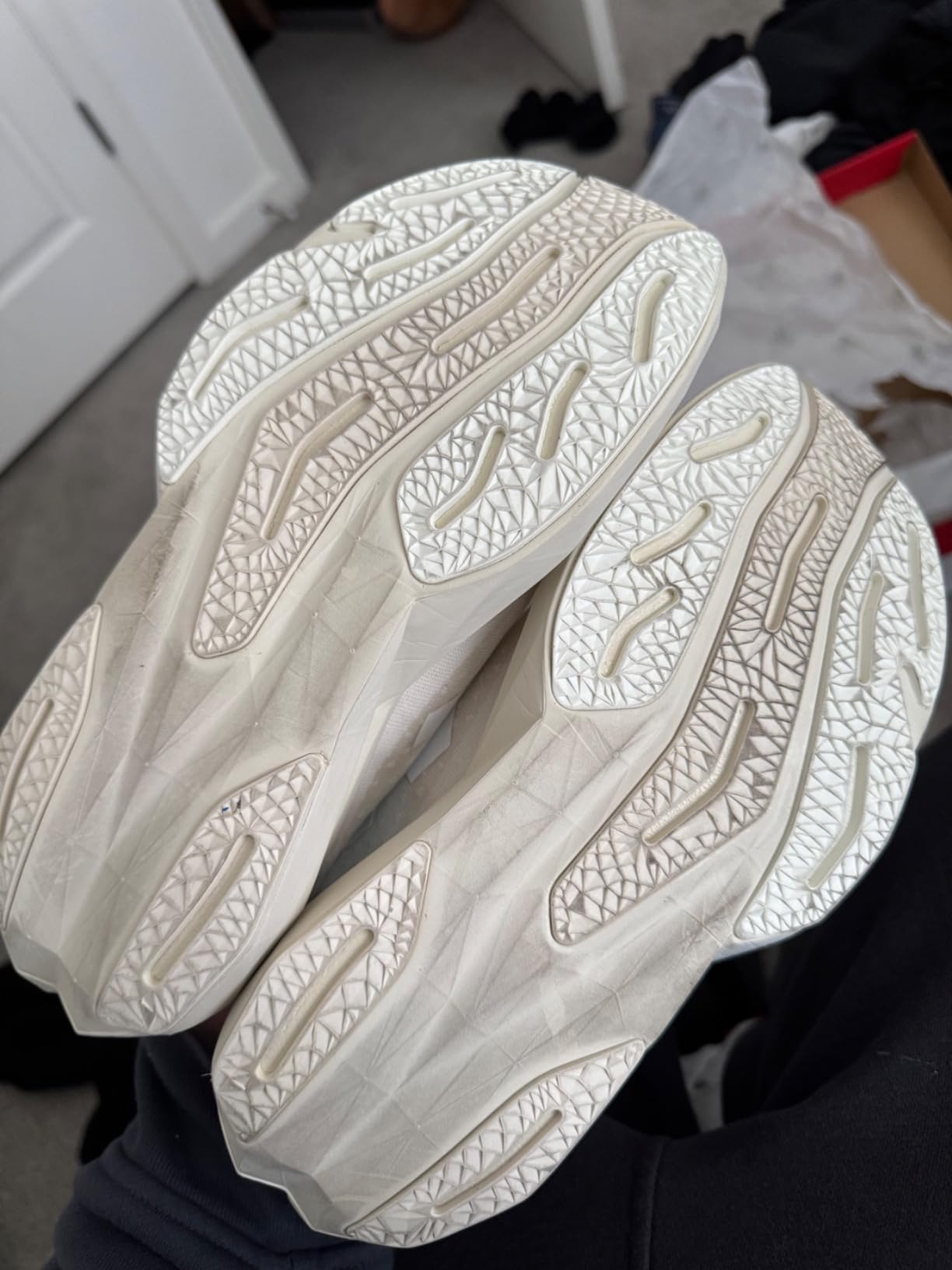
After 250+ miles across eight weeks, I can clearly define who benefits from this shoe and who should look elsewhere.
You Should Buy the Rebel V4 If You Are:
- Running 25-40 miles per week with regular tempo/speed work structured into your training
- Racing 5K to half marathon distances as your primary focus, especially if under 170 pounds
- Weighing under 180 pounds (under 170 optimal for maximum durability and distance capability)
- Having normal-to-narrow feet and willing to size up 0.5-1 from your normal running shoe size
- Preferring lightweight, responsive trainers over max-cushion daily trainers
- Needing one shoe for tempo workouts AND moderate long runs up to 14-15 miles
- Wanting 80% of Elite v4 performance at 60% of the price for training purposes
- Prioritizing speed capability over maximum durability (accepting 250-300 mile lifespan)
- Running primarily on roads with no trail or rough terrain needs
- Training for plated race shoes like the Elite v4—this serves as an excellent daily companion
Specific runner profiles who benefit most:
- Competitive 5K-10K runners seeking a primary training/racing shoe
- Half marathon racers under 170 pounds looking for lightweight performance
- Marathon trainers needing a dedicated speed work shoe (pair with long-run trainer)
- Tempo run specialists who prioritize structured quality sessions
- Budget-conscious speedsters seeking best performance under $150
Don’t Buy the Rebel V4 If You:
- Need a shoe for long runs 18+ miles—insufficient cushioning at 180+ pounds
- Weigh over 200 pounds—not enough support, cushioning, or durability
- Have wide feet and can’t find the 2E version or size up 1.5 sizes comfortably
- Require maximum durability—this peaks at 250 miles, not 400+
- Run primarily on trails or mixed terrain—upper too fragile, insufficient protection
- Want one “do-it-all” shoe—this has specific boundaries and requires rotation partners
- Need stability features for overpronation—this is a neutral trainer only
- Prefer maximum cushion over responsive feel for most runs
- Run mostly easy recovery miles—over-responsive for this purpose
- Training for ultramarathons or prioritizing extreme distance comfort
Specific runner profiles who should choose alternatives:
- Pure easy mileage runners: Get a Brooks Glycerin Stealthfit 21 or similar cushioned trainer
- Heavy runners 200+ pounds: Try higher-stack options with more support
- Marathon-focused runners: Get ASICS Superblast, Saucony Triumph, or SuperComp Elite v4
- Trail runners: Completely wrong shoe—upper and outsole won’t survive
- Wide-footed runners: Sizing challenges make this difficult unless 2E available
Consider Alternatives If You Want:
More durability: ASICS Superblast (350-400 miles), Saucony Triumph (400+ miles), both with more cushioning for long runs
More cushioning: Hoka Bondi or similar max-cushion trainers for easy days and long runs
Carbon plate racing: SuperComp Elite v4, Saucony Endorphin Pro 4, Nike Vaporfly for marathon racing
Better value: Saucony Kinvara ($120), Puma Velocity Nitro 3 ($130) if budget is tighter
More stability: Brooks Adrenaline, Saucony Guide if you need pronation control
Same feel, wider platform: Wait for Rebel v4 in 2E width if available in your region
Detailed Pros and Cons Table
| PROS ✅ | CONS ❌ |
|---|---|
| Exceptional tempo/speed performance (6:30-7:00/mile sweet spot) | Sizing runs 0.5-1 size small (must research before buying) |
| Legitimate PRs achieved (1-mile 17 seconds faster, 5K 45 seconds faster) | Distance ceiling at 17+ miles for 180-pound runner |
| Lightweight 7.5 oz without excessive protection sacrifice | Foam loses noticeable bounce around 250 miles |
| Platform stability improved from v3 (120mm vs 110mm forefoot) | Upper fragile—visible abrasion by 200+ miles |
| 20% PEBA blend provides bounce at reasonable price | Not ideal for runners over 200 pounds |
| Excellent breathability in 85°F+ heat tested | Durability overstated (250-300 vs claimed 300-400+ miles) |
| Good wet traction (0.50 friction coefficient validated) | Over-responsive for pure recovery easy days |
| Versatile across paces from easy to threshold | No trail capability—upper and protection inadequate |
| Fair value at $140 for performance delivered ($0.47-$0.56/mile) | Cold weather firms foam significantly (47.1% harder) |
| Semi-gusseted tongue stays in place throughout runs | No wide version in all colorways/regions |
| Works for 5K-half marathon racing distances | Requires rotation partners for long runs beyond 15 miles |
| Excellent training companion for Elite v4 racing shoe | Not a true “do-it-all” daily trainer despite marketing |
Frequently Asked Questions
Does the FuelCell Rebel v4 run true to size?
No, it runs small. Size up 0.5-1 from your normal running shoe size. I typically wear 9.5 and needed a size 10 for proper fit. RunRepeat’s measurements show internal length at 265.7mm for US size 9—shorter than standard. Their crowd data from 340+ voters confirms “slightly small” consensus. Narrow-footed runners can go 0.5 up; normal-to-wide feet should go 1 full size up for comfortable fit.
How long do the Rebel v4s actually last?
250-300 miles for optimal performance based on my testing. Foam maintains bounce through roughly 200 miles, then noticeable decline around 250 miles. I experienced “dead-legged” feeling during tempo runs after hitting that mileage. Upper shows abrasion by 200+ miles depending on usage. Marketing claims 300-400+ miles, but I couldn’t verify beyond 250. Lighter runners under 170 pounds might reach 300 miles; plan for 250-mile retirement window for peak performance. Cost per mile: $0.47-$0.56.
Can the Rebel v4 handle marathon distance?
Not recommended for most runners, especially those 170+ pounds. I hit a wall at 17+ miles during testing at 180 pounds. Stack height (28-30mm) insufficient for extended pounding at this weight and distance. Feet and joints protested by mile 14-15. Lighter runners under 150 pounds report better results, but ASICS Superblast, SuperComp Elite v4, or Saucony Triumph are superior marathon choices. The Rebel v4 works excellently for marathon pace workouts up to 10-14 miles, just not the full 26.2.
What’s the difference between Rebel v4 and SuperComp Elite v4?
Major differences that matter: Midsole: Rebel uses 20% PEBA/80% EVA blend; Elite uses 100% PEBA plus carbon plate. Weight: Rebel 7.5 oz vs Elite 8.2 oz. Stack: Rebel 30/24mm vs Elite 40/34mm. Price: Rebel $140 vs Elite $250. Use case: Rebel for tempo training and 5K-half racing; Elite for marathon racing and absolute PRs. Durability: Rebel 250-300 miles vs Elite 150-200 miles. My verdict: Rebel is excellent training partner for Elite—60% of price, 80% of performance, twice the durability. Train in Rebel, race in Elite.
Is the upper durable enough for daily training?
Depends on your definition of “daily training.” For road running 4-6 days per week under 170 pounds: yes, you’ll get the full 250-300 mile lifespan. For heavier runners, mixed terrain, or aggressive foot dragging: expect upper abrasion by 200 miles. RunRepeat scores toebox durability at 1/5—very low. The thin FantomFit mesh prioritizes breathability (excellent in 85°F+ heat I tested) over protection. Not suitable for trail running where upper will fail quickly. Requires gentle care: air dry after wet runs, avoid cramming in gym bags, no harsh cleaning.
How does Rebel v4 compare to Endorphin Speed 3?
Both cost $140 and focus on tempo work, but with different strengths: Rebel advantages: Lighter (7.5 oz vs 8.1 oz), more versatile across easy to speed paces, better for narrow feet. Speed 3 advantages: More durable (300-350 miles vs 250-300), softer cushioning from PWRRUN PB foam, nylon plate adds snap for some runners. Similarities: Both excel at tempo/threshold work, similar price point. My verdict: Rebel better for 5K-10K racing focus and pure speed work due to lighter weight. Speed 3 better for half marathon racing and if durability is priority. Can’t go wrong with either if use case matches.
Does the foam actually lose bounce over time?
Yes, noticeably around 250 miles in my testing. First 200 miles maintained consistent responsive feel with no complaints. Around the 250-mile mark, I noticed tempo runs feeling “dead-legged”—lost approximately 10-15 seconds per mile at same effort level. Visual compression lines appeared in midsole under ball of foot. This is typical for PEBA/EVA blends: pure PEBA degrades even faster, pure EVA never has the bounce to lose. The performance characteristic that makes this shoe special—the responsive energy return—diminishes after this mileage. Plan for retirement at 250-300 miles for optimal performance, especially if you’re a performance-focused runner.
Can heavier runners use the Rebel v4?
Depends on weight and use case: Under 170 pounds: Ideal weight range, full performance capability across all intended distances. 170-190 pounds: Good for tempo/speed work, but not for long runs exceeding 17 miles. This is my category at 180 pounds—got 250+ miles but hit clear distance limitations. 190-210 pounds: Use only for speed work under 10 miles; insufficient cushioning for longer efforts. Over 210 pounds: Not recommended—inadequate cushioning causes faster foam degradation and joint stress. Heavier runners should consider higher-stack options with more support structure.
Is the Rebel v4 good for treadmill running?
Yes, performs well on treadmills based on my testing across multiple indoor sessions. Slightly firmer feel than road running due to consistent flat surface compression, but not problematically so. Excellent for treadmill tempo workouts and speed intervals when weather forces you indoors. The lightweight 7.5-ounce construction doesn’t cause extra fatigue during longer treadmill sessions. Trade-off: loses some of the road-specific energy return sensation, but maintains adequate responsiveness for structured workouts.
What’s the best rotation partner for the Rebel v4?
Depends on your specific needs: For easy days: Something more cushioned and less responsive like Brooks Glycerin Stealthfit 21 or similar max-cushion trainer. For long runs 18+: ASICS Superblast or Saucony Triumph with higher stack heights. For marathon racing: SuperComp Elite v4 or Saucony Endorphin Pro 4 with carbon plates. Minimalist two-shoe rotation: Rebel v4 for tempo/speed/medium long runs + Superblast for easy/long runs covers most needs. My personal rotation: Rebel v4 (Tuesday workouts, Thursday tempos), Brooks Glycerin (easy days), Superblast (long runs 18+), Elite v4 (marathon racing if needed).
Performance Ratings and Category Positioning
Detailed Performance Scores
| Category | Score | Assessment |
|---|---|---|
| Speed Work (5K-10K Pace) | 9.5/10 | Exceptional—primary strength, contributed to PRs |
| Tempo Runs (6-8 Miles) | 10/10 | Outstanding—best use case, perfect sweet spot |
| Long Runs (17+ Miles) | 5/10 | Struggles significantly, not recommended |
| Daily Easy Miles | 7/10 | Works but over-responsive for recovery intent |
| Race Day (5K-Half Marathon) | 9/10 | Excellent choice, especially for lighter runners |
| Race Day (Marathon) | 4/10 | Not suitable for most runners at this distance |
| Durability | 6/10 | 250-300 mile reality vs 300-400+ claims |
| Fit & Comfort | 8/10 | Good once sized correctly (must size up) |
| Breathability | 9.5/10 | Excellent in heat, validated at 85°F+ testing |
| Value at $140 | 8/10 | Fair for specific use case, not for all runners |
| Overall Score | 8.0/10 | Excellent tempo trainer with clear boundaries |
Similar and Complementary Options
If you liked the Rebel v4 characteristics, also consider:
- For more durability: ASICS Superblast ($170)—350-400 miles, higher stack for long runs, slightly heavier at 8.8 oz
- For budget option: Saucony Kinvara 14 ($120)—similar lightweight concept, less advanced tech, proven durability
- For carbon plate upgrade: SuperComp Elite v4 ($250)—race day step up, 100% PEBA + plate, marathon distance capable
- For wider fit needs: Brooks Ghost 16 ($140)—better for wide feet, more cushioned for long runs
- For easy day partner: Brooks Glycerin Stealthfit 21 ($160)—max cushion, perfect rotation complement
Training for similar tempo performance:
- Puma Velocity Nitro 3 ($130)—affordable tempo option
- Saucony Endorphin Speed 3 ($140)—direct competitor with nylon plate
- Adidas SL20.3 ($120)—budget-friendly speed trainer
Category Classification: Lightweight Tempo Trainers | Daily Trainers (with distance/weight limitations)
Best For: Runners logging 25-40 miles/week with regular tempo/speed work, 5K-half marathon racing focus, under 180 pounds for optimal experience
Not Recommended For: Marathon distance running, runners over 200 pounds, trail use, maximum durability seekers, wide feet without proper sizing research



Reviews
There are no reviews yet.