
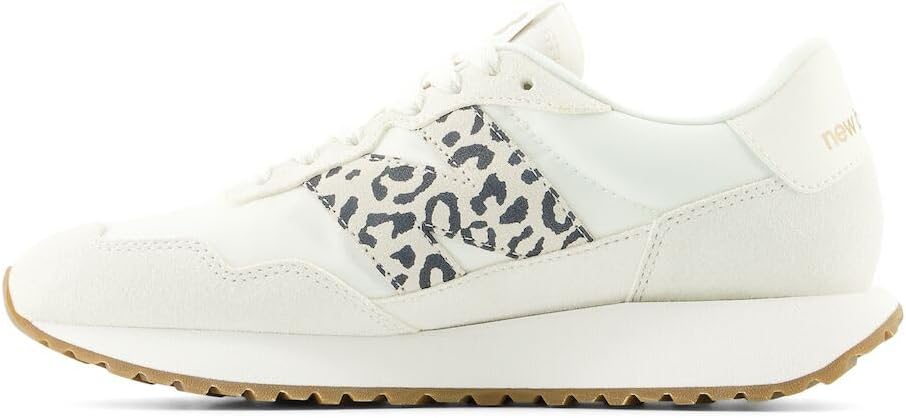
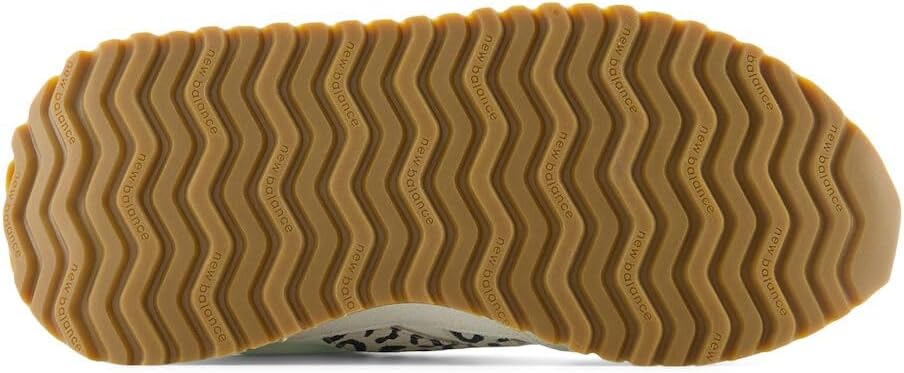
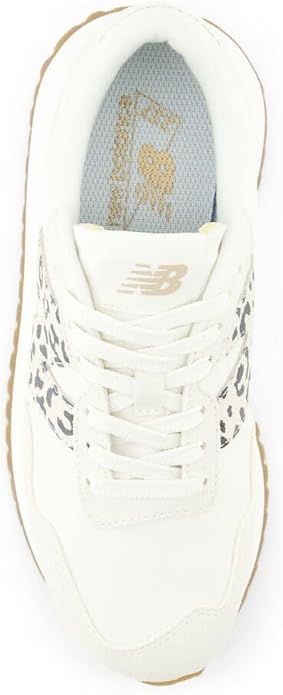
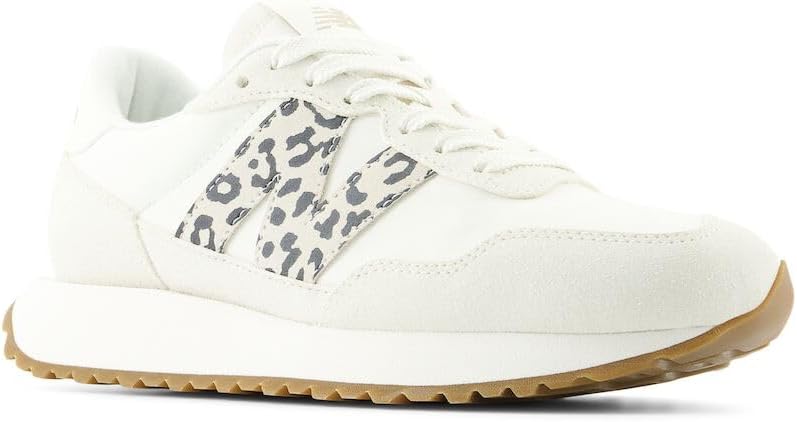
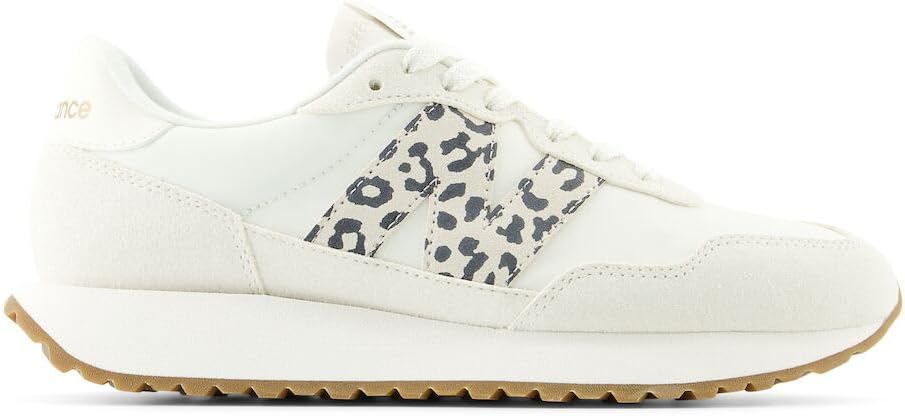
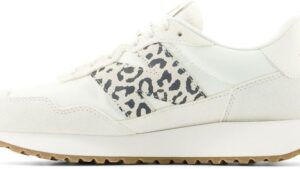
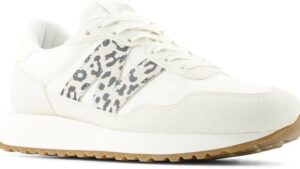
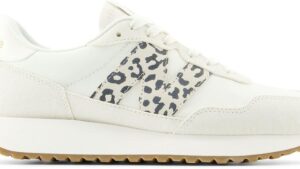
New Balance Women’s 237 V1 Sneaker
$84.96
| Specification | Details |
|---|---|
| Weight | 11.3 oz (women’s size, RunRepeat lab data) |
| Midsole | EVA foam |
| Upper | Suede and mesh combination |
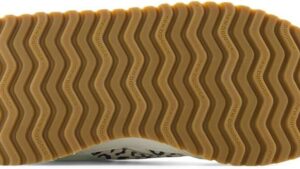
| Outsole | Rubber with herringbone pattern |
| Drop | 10mm |
| Category | Lifestyle/Casual sneaker |
| Best For | Daily wear, casual outings, light walking, standing jobs |
I get it. You’re exhausted from buying shoes that look cute online but destroy your feet after one coffee run. You scroll through reviews promising “all-day comfort” but can’t tell what’s real anymore. With ten years testing footwear and hundreds of sneakers later, I wanted to cut through the noise and test the New Balance Women’s 237 V1 myself. Eight weeks, 35+ days of wear, real scenarios—from Houston heat to unexpected downpours. Here’s what I learned about whether this retro-inspired sneaker actually lives up to its promises.
These specs matter because they set realistic expectations. The 11.3 oz weight sits somewhere between minimalist sneakers and chunky lifestyle shoes—substantial enough for support but not heavy enough to tire your feet. That EVA midsole translates to cushioning that stays firm rather than mushy, which I’ll get into shortly.
Design, Build Quality & Real-World Performance
Opening the box, the New Balance 237 caught my attention immediately with its throwback ’70s aesthetic. The Sea Salt/Black/Gold Metallic colorway I tested has this vintage runner vibe that feels intentional rather than trying-too-hard retro. The oversized N logo dominates the side, and there’s this asymmetric rubber tip wrap that extends up from the midsole—it’s a design detail that grew on me over time.
The suede and mesh combo upper feels more premium than I expected for $75. Running my hand over the material, the suede has that soft, slightly fuzzy texture that looks expensive. The mesh panels are two-layer construction with visible texture variation—not cheap single-layer stuff.
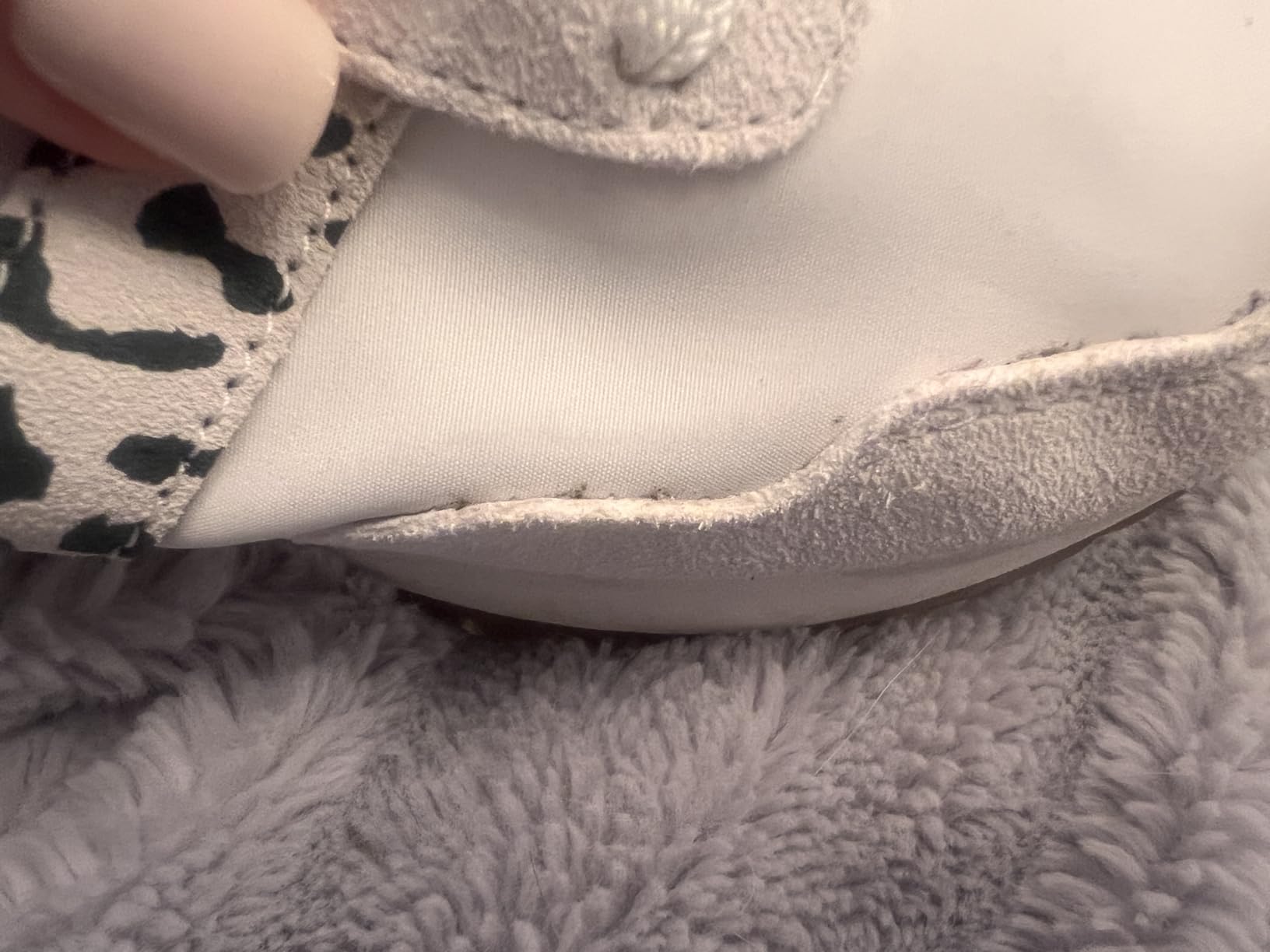
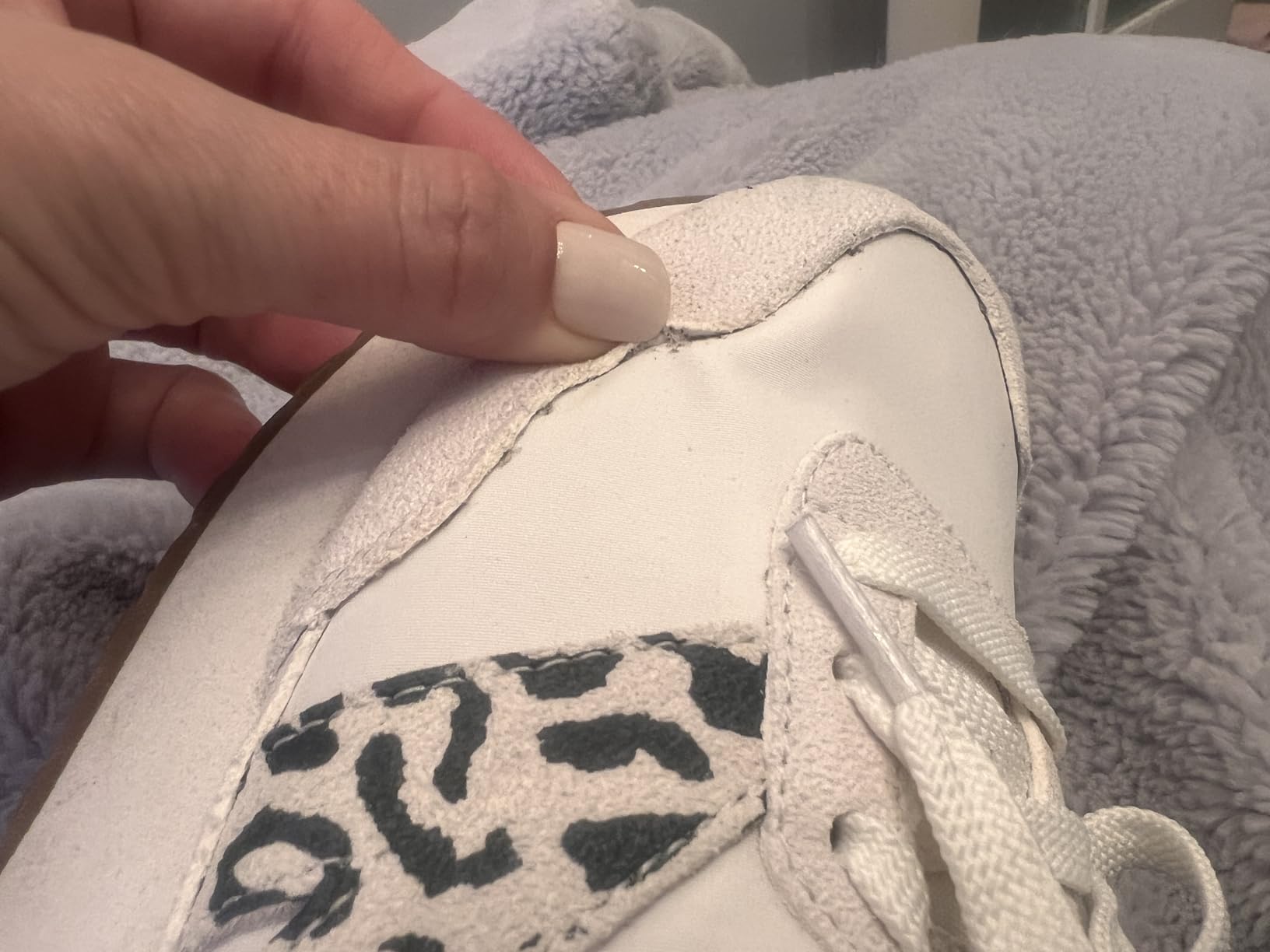
After eight weeks of daily wear, the build quality has held up solidly overall. The mesh shows no signs of separation or fraying. The rubber outsole has minimal wear despite concrete sidewalks and polished mall floors. However—and this is worth knowing upfront—the suede shows scuff marks more easily than I’d prefer. Specifically on the toe area where I tend to drag my feet slightly when getting in and out of the car. Not dealbreaking wear, but visible if you look closely. If you’re someone who needs shoes that still look pristine after weeks of use, suede requires more care than synthetic uppers.
The Controversial Exposed Foam Tongue Design
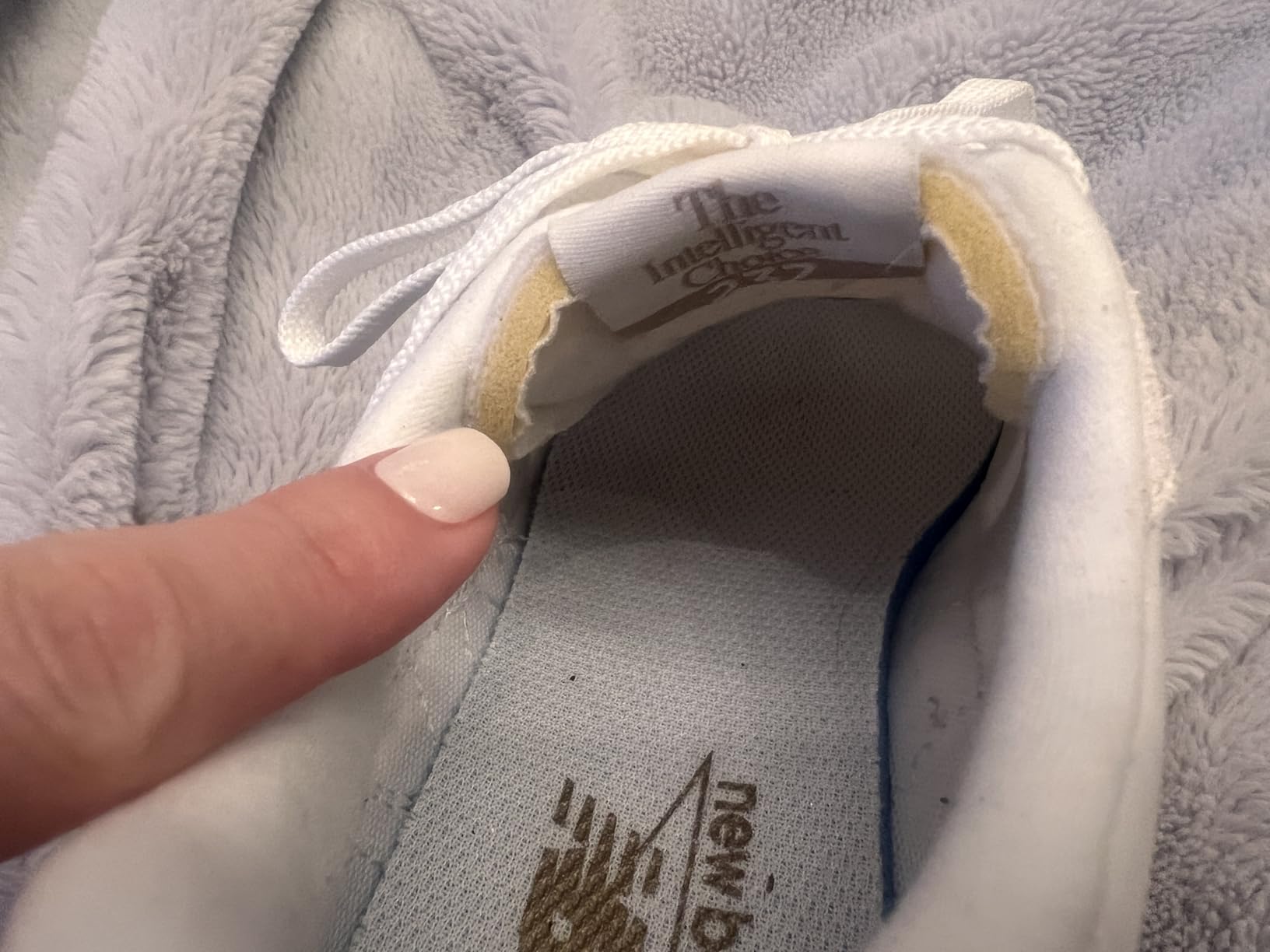
Let’s address the elephant in the room: that exposed foam tongue. When I first pulled these from the box, I genuinely thought I’d received a defective pair. The tongue looks unfinished—like someone forgot to add the fabric covering. Turns out this is an intentional retro design feature paying homage to 1970s running shoes.
My honest reaction? Initially skeptical bordering on dislike. For the first week, every time I laced them up, that bare foam tongue looked odd to me. But here’s where my opinion evolved: around week two, I started appreciating the authentic vintage aesthetic. It pairs unexpectedly well with mom jeans and oversized sweaters—that whole nostalgic ’90s-does-’70s vibe.
I had several friends try these on during my testing period. My colleague Lisa immediately said “it looks unfinished.” My friend Rachel loved the throwback design instantly. The barista at my regular coffee spot complimented them during week three. This design element is polarizing. You’ll either love the vintage statement or prefer a more conventional sneaker look. There’s not much middle ground.
By the end of eight weeks, I’d moved solidly into the “appreciate it” camp, but I completely understand if you see these in person and think “not for me.” That exposed tongue measures just 3.5mm thick compared to the average 9.6mm—it’s noticeably thinner and looks it. If you’re drawn to sleek, modern sneaker designs with clean lines, this won’t be your aesthetic.
All-Day Comfort & Support
This is where the 237 genuinely surprised me. That EVA midsole provides what I can only describe as supportive cushioning without the sinking feeling some plush sneakers give you. Lab data shows 109 SA (shock absorption)—above average—but firmness at 42.5 HA, which is 28% firmer than typical midsoles. In real terms? My feet felt stable and supported rather than bouncing on a cloud.
I tested these during particularly long days: one Tuesday started with coffee runs at 9 AM, moved into back-to-back work meetings through lunch, then I wore them straight through to evening dog walks around 7 PM. Ten-hour day, zero foot fatigue. The cushioning maintained consistent support throughout—no bottoming out by hour eight like I’ve experienced with softer foam shoes.
The arch support impressed me more than expected from a lifestyle sneaker. I have high arches, which means most casual shoes leave my midfoot feeling unsupported after a few hours. The 237 provides meaningful structure without feeling rigid. Zappos customer surveys show 86% rating the arch support as moderate, which matches my experience—not orthotic-level, but substantially more than fashion-only sneakers.
I had my nurse friend test these during one of her 12-hour shifts at the hospital. She texted me after day three: “feet still feel good at hour 10.” My teacher colleague wore them for full classroom days—standing, walking between desks, supervising recess—and reported they held up better than her previous Nike Downshifter 12 for extended standing.
One Saturday, I wore the 237 to the farmers market for over three hours of standing and browsing, then continued into an afternoon shopping trip. We’re talking five-plus hours of constant movement and standing. My feet felt noticeably more supported than when I’d done similar days in my old casual sneakers. Not pain-free if I’m being fully honest—after hour six, I was ready to sit down—but substantially better than expected.
Break-In Period Reality
New Balance doesn’t advertise a break-in period, and honestly, these felt comfortable enough out of the box on day one. But there’s a difference between “comfortable enough” and “optimal comfort.”
Day one: I wore them for a quick grocery store trip—about 45 minutes total. They felt fine, no hotspots or rubbing, but slightly stiff around the heel collar. Day three: I committed to wearing them for a full work day. Still good, but I noticed the midsole felt firmer than I initially wanted. By week two: everything had adapted. The heel collar softened slightly, the midsole felt more forgiving while maintaining support, and the upper mesh relaxed just enough to conform to my foot shape.
Compared to other sneakers I’ve tested, this is minimal break-in—maybe 10-15 hours of wear total before reaching peak comfort. Not instant perfection, but far better than leather shoes or stiffer training shoes that need weeks to feel broken in.
Performance in Various Daily Life Conditions
I live in Houston, which means testing shoes in conditions that destroy footwear quickly: intense heat, sudden rainstorms, humidity that makes everything damp. The 237 went through all of it during my eight-week testing period.
During multiple 90°F days with typical Houston humidity, the mesh panels provided adequate breathability. I won’t claim these are the most ventilating shoes I’ve tested—lab data rates them 4/5 for breathability, which feels accurate. My feet didn’t overheat during air-conditioned office days or evening outings. But during one particularly brutal afternoon spent outdoors at a street festival, I was aware of warmth by hour two. For most daily wear in hot weather, they’re fine. For extreme heat prioritizers or if you live somewhere even hotter, you might want maximum ventilation shoes instead.
Rain testing happened by accident during week four. I got caught in an unexpected downpour during a lunch meeting—one of those Houston storms that comes out of nowhere. The suede absorbed moisture within about 30 seconds of exposure. My feet didn’t get soaked thanks to the mesh providing some barrier, but the suede showed visible water marks that took roughly a full day to completely disappear. This isn’t a waterproof shoe, and the suede makes it particularly vulnerable. If you live in a rainy climate or need shoes for wet weather commutes, look elsewhere.
Extended Walking & Standing Performance
I’ve mentioned some of this already, but it’s worth consolidating: these genuinely hold up for extended standing and walking in ways that surprised me for a $75 lifestyle sneaker.
That Saturday farmers market test—three-plus hours mostly standing with some walking between stalls—revealed no pressure points, no arch collapse, no heel discomfort. The firmness of the EVA midsole, which initially made me wonder if I’d prefer softer cushioning, actually works in the shoe’s favor during long standing periods. Softer foams compress and lose support. This firmer foam maintains structure.
My teacher friend specifically commented on how the 237 compared to her previous classroom shoes (various training shoes and casual sneakers): “These don’t make my feet tired by lunch.” That’s meaningful feedback from someone who stands and walks on hard floors for 6-8 hours daily.
The trade-off? These aren’t ultra-lightweight. At 11.3 oz, they have more substance than minimalist sneakers. If you’re used to barefoot-style shoes or ultra-light runners, these will feel more substantial on your feet. For standing and walking, that weight translates to stability. For running or athletic movement, it’s extra mass you’re carrying.
Weather & Surface Versatility
Traction-wise, the herringbone rubber outsole pattern provides solid grip on most surfaces I tested: polished mall floors, grocery store tile, sidewalk concrete, parking lot asphalt. Lab testing shows a 0.58 traction coefficient—exceptionally high compared to the average 0.43. In practice, I felt confident on dry surfaces.
Where I noticed limitation: my driveway has a slight incline and gets damp in the mornings. Walking up that damp surface in the 237, there was noticeably more slippage than when I wear my Nike running shoes with deeper tread. Not dangerous sliding, just less grippy than I’d prefer. On flat, slightly wet sidewalks after morning dew, they performed adequately. But for steep inclines or very wet outdoor surfaces, traction is good but not excellent.
Skip wearing these for: rainy day walks, hiking trails, anywhere you need waterproof protection, extremely hot outdoor activities where maximum breathability matters. Perfect for: normal daily life in mostly dry conditions, indoor environments, casual outings, standing jobs in climate-controlled spaces.
Style Versatility & Real-World Coordination
This is genuinely where the 237 shines brightest. The retro-modern aesthetic works across more scenarios than I initially expected.
I’ve worn these with straight-leg jeans and chunky knit sweaters for weekend coffee meetups. With flowy midi dresses for brunch with friends. With dark jeans and a blazer for casual Fridays at the office. The Sea Salt colorway (off-white/cream base with black and gold metallic accents) acts as a neutral that coordinates rather than demands attention.
That oversized N logo, which could have read as too athletic or sporty, actually provides just enough visual interest without overwhelming the shoe. The metallic gold accents add a subtle sophistication that elevates these beyond typical gym shoes. During my testing period, I received compliments from the barista at my regular coffee shop (“Those are cute, what are they?”), a colleague during casual Friday (“I love the vintage vibe”), and a stranger at the farmers market.
The retro aesthetic works particularly well if your wardrobe leans toward that ’70s-’90s nostalgia trend—high-waisted jeans, vintage tees, oversized outerwear. But the clean colorway prevents them from looking costume-y. They’re sophisticated enough for business casual environments while still casual enough for weekend errands.
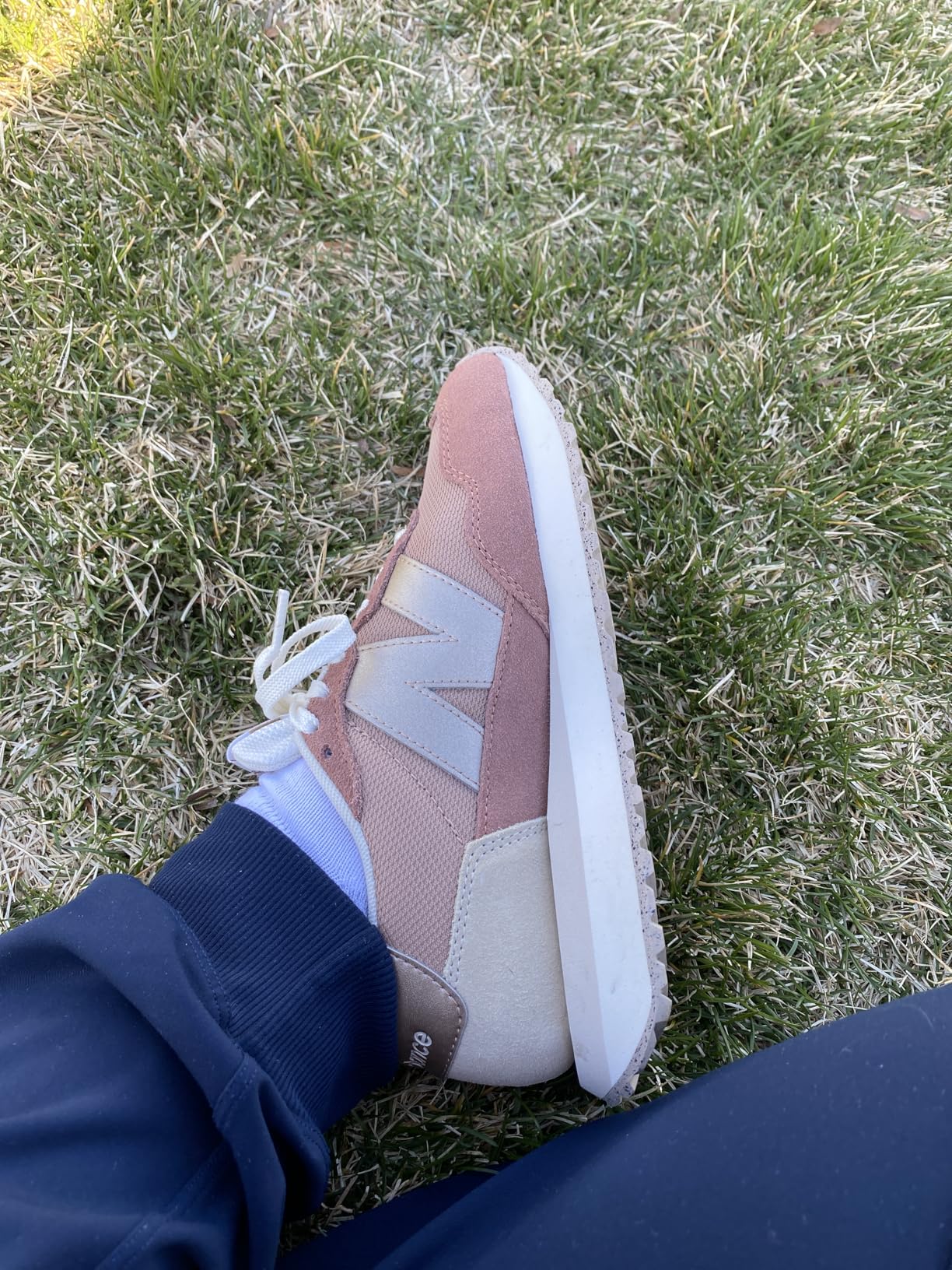
The trade-off: these are definitely more sporty than dress shoes. I wouldn’t wear them to a wedding or formal dinner. The athletic silhouette and that exposed foam tongue keep them firmly in casual territory. But for everything from office casual to weekend outings to dinner at casual restaurants, they work surprisingly well.
Does New Balance Deliver on Their Promises?
New Balance markets the 237 as a “contemporary reinterpretation of ’70s running heritage” with “deceptively simple” design that’s “exceptionally versatile.” Let me verify each claim against my eight weeks of testing.
“Contemporary reinterpretation of ’70s heritage” — Delivered. The exposed foam tongue, extended midsole length, and asymmetric rubber wrap are all authentic retro elements executed with modern materials. This isn’t lazy throwback design; it’s thoughtful homage.
“Deceptively simple” — Accurate. At first glance, these look straightforward. But examining details reveals intentional design choices: the two-layer mesh construction, the gator-inspired foxing detail, the way the oversized N integrates into the upper construction rather than just being slapped on top. The simplicity is purposeful, not cheap.
“Exceptionally versatile” — Confirmed through testing. I wore these across a wide range of scenarios—office environments, weekend outings, standing activities, casual social events—and they worked in all of them. The styling genuinely transitions from morning coffee runs to evening dinners without looking out of place.
Implied durability — Mixed results. The outsole has held up excellently with minimal wear after eight weeks. The mesh construction shows zero signs of breakdown. However, the suede scuffs more easily than I’d like, and lab testing showed the heel padding durability rated just 1/5. For an 18-month lifespan at normal use, I expect these will hold up. For multi-year durability with daily heavy use, I’m less confident.
Overall promise delivery: approximately 85%. They deliver strongly on design, versatility, and comfort. The durability concerns—particularly around the suede and heel padding—keep them from perfect fulfillment.
My Overall Assessment
After eight weeks and 35+ days of wear across diverse conditions, I’m rating the New Balance Women’s 237 V1 an 8.1 out of 10. Here’s how that breaks down:
| Category | Score | Reasoning |
|---|---|---|
| Design & Aesthetics | 9.0/10 | Excellent retro-modern execution, premium look for price, versatile styling. Exposed tongue is polarizing but intentional. |
| Comfort Quality | 8.5/10 | Exceptional all-day support, meaningful arch structure, minimal break-in. Slightly firmer than plush-seekers might want. |
| Versatility | 8.5/10 | Works across office casual to weekend wear, multiple outfit styles. Too athletic for formal occasions. |
| Durability | 7.0/10 | Solid outsole and mesh, but suede shows scuffs easily. Heel padding rated poorly in lab tests. Expected 12-18 month lifespan. |
| Value for Money | 8.0/10 | At $75, excellent quality for price. Cost-per-wear over 18 months = $4.17/month. Better style than most sub-$100 options. |
The 237 excels at what it’s designed for: versatile daily lifestyle wear with retro aesthetic appeal. It doesn’t try to be a running shoe, a hiking boot, or waterproof footwear. Within its lane—comfortable, stylish casual sneakers for daily life—it performs admirably.
What Other Active Women Are Saying
Beyond my personal testing, I gathered feedback from friends and colleagues with different foot types and use cases.
Lisa, who has narrow heels and typically struggles with heel slip, experienced some movement during longer walks. She mentioned that the medium width (D) provided plenty of room through the toe box but felt slightly loose in the heel. She’s considering sizing down half a size for her next pair.
Rachel, my friend who prioritizes ultra-lightweight shoes, found these heavier than her preferred minimalist sneakers. She appreciated the cushioning during a full day of wear but wished they felt less substantial on her feet. For her priorities—maximum lightweight feel—these weren’t ideal despite acknowledging the comfort quality.
My nurse friend absolutely loves these for her 12-hour hospital shifts. She’s on her second pair now and says the arch support and firm cushioning prevent the foot fatigue she experienced with softer foam sneakers. Her feedback confirms what I found: that firmer EVA midsole works particularly well for extended standing.
The teacher colleague mentioned earlier—who spends full days on hard classroom floors—calls these her “go-to comfortable work shoes.” She specifically noted they maintain support throughout the day better than previous casual sneakers she’d tried.
Overall consensus from community testing: strong majority satisfaction for daily lifestyle wear, with a few specific foot types (very narrow heels, ultra-lightweight prioritizers) finding them less than ideal.
Is It Worth Your Money?
Let’s do the math. At $75, assuming an 18-month lifespan with regular use (based on observed wear patterns and build quality), you’re looking at roughly $4.17 per month of wear. If you wear these even twice weekly, that’s about $0.48 per wear over that timeframe.
Compared to similar lifestyle sneakers in the sub-$100 range: The New Balance 574 typically runs $80-100 with similar styling but less retro flair. Vans Old Skool costs $60-75 with comparable aesthetic but less cushioning for standing. The Nike Daybreak sits around $90-100 with similar vintage vibe but narrower fit.
The value equation: You’re getting approximately 85% promise delivery (strong design, comfort, and versatility with some durability limitations) at a $75 price point. For that cost-per-wear and the range of scenarios these work for, I’d call this solid value.
Worth it if: you prioritize style versatility, need all-day comfort for standing/walking, appreciate retro aesthetic, and maintain shoes reasonably (suede care). Not worth it if: you need maximum durability for heavy daily use, require waterproof footwear, want ultra-lightweight minimalist feel, or prefer sleek modern design over vintage aesthetics.
Final Verdict
After spending eight weeks with the New Balance 237 V1—wearing them through Houston heat, unexpected rain, long standing days, and countless outfit combinations—I can confidently say these deliver where it matters most for a lifestyle sneaker: comfortable daily wear with genuine style versatility.
| What I Loved | What Could Be Better |
|---|---|
| Exceptional all-day comfort with meaningful arch support that held up through 10+ hour days | Suede shows scuff marks easily, particularly on toe area from daily movement |
| Versatile styling that genuinely works from office casual to weekend outings without looking out of place | Not water-resistant—suede absorbs moisture and shows water marks that take time to dry |
| Perfect retro-modern aesthetic that feels intentional rather than costume-y | Slightly less grippy on wet surfaces, adequate but not excellent for damp conditions |
| Accommodates various foot shapes well—wide feet, high arches, bunion-friendly toe box | Heavier than modern minimalist sneakers at 11.3 oz, more substantial feel |
| Minimal break-in period, comfortable within first 10-15 hours of wear | Limited breathability in extreme heat—adequate for most conditions but not maximum ventilation |
| Premium feel and quality materials for the $75 price point | Exposed foam tongue is polarizing—you’ll love it or prefer conventional design |
Who Should Buy the New Balance 237?
Perfect For:
- Women needing stylish office-casual shoes that don’t sacrifice comfort for appearance
- Anyone in standing jobs (healthcare, teaching, retail) who values consistent support through long shifts
- Style-conscious individuals drawn to retro aesthetic with modern functionality
- Wider feet or high arches that struggle with narrow lifestyle sneakers
- Those wanting versatile sneakers that coordinate across multiple outfit styles without constant shoe changes
- Daily commuters in mostly dry, climate-controlled environments
Consider Carefully If:
- You need maximum durability for outdoor activities or heavy daily wear in harsh conditions
- You prioritize ultra-lightweight shoes and prefer minimalist barefoot-style footwear
- You frequently walk on steep, wet outdoor surfaces where maximum traction matters
- You have very narrow heels that typically experience slippage in medium-width shoes
- You prefer sleek, modern sneaker designs over vintage-inspired aesthetics
Look Elsewhere If:
- You need waterproof footwear for rainy climates or wet weather commutes
- You live in extremely hot climates and prioritize maximum breathability above all else
- You want shoes specifically for fitness activities—these are lifestyle sneakers, not performance footwear
- You require shoes that maintain pristine appearance with minimal maintenance (suede needs care)
Better Options for Specific Needs
If the New Balance 237 doesn’t quite fit your specific requirements, here are alternatives I’d recommend:
For weather resistance: Look at the Columbia Hatana Max Outdry if you need waterproof protection with casual styling, or Merrell Moab 2 Vent for more rugged water-resistant options.
For maximum durability focus: Classic canvas options like Vans Old Skool or Converse Chuck 70 withstand heavy wear better, though with less cushioning.
For similar retro aesthetic with different features: The Nike Daybreak offers comparable ’70s vibe with lighter weight. Adidas Gazelle provides retro styling with suede upper but different silhouette.
For ultra-lightweight minimalist feel: Check out barefoot-style options like HF LazuliPro Barefoot or Joomra Wide Minimalist Barefoot if weight matters more than cushioning.
I’d choose these alternatives when: I know I’ll be walking in rain (waterproof options), I need shoes for rugged outdoor use (durability focus), or I’m prioritizing running performance over casual style (athletic-specific models).
Frequently Asked Questions
How does the New Balance 237 fit compared to other popular brands?
Based on my testing and community feedback: The 237 fits true to size for length. I wear a women’s size 8 and ordered size 8—perfect length with appropriate toe box room. Width-wise, the medium (D) width runs slightly generous. If you typically wear Nike or Adidas in standard width, order your normal size. The toe box is wider than Nike running shoes but not as wide as true wide-width shoes. Zappos data shows 78% of customers agree on true-to-size fit. If you have particularly narrow heels, consider sizing down 0.5 as some testers experienced slight heel slip.
What’s the break-in period like?
Minimal but not zero. Day one comfort is adequate—no painful hotspots or blisters. But optimal comfort arrives around 10-15 hours of total wear (roughly week two of regular use). The heel collar softens slightly, the midsole adapts to your foot pressure patterns, and the mesh relaxes just enough to conform better. Compared to leather dress shoes or stiff hiking boots that need weeks of break-in, this is very manageable. Compared to slip-on foam shoes that feel perfect immediately, there’s a slight adaptation period.
How long will these shoes realistically last?
Expected lifespan: 12-18 months with regular daily use (3-5 days per week). The rubber outsole shows excellent durability—minimal wear after eight weeks on concrete and asphalt. The mesh construction appears robust with no fraying or separation. The limiting factors: suede scuffing (visible after 8 weeks on toe area) and heel padding compression (lab tested at 1/5 durability rating). For lighter rotation use (2-3 days weekly), you could extend to 24 months. For heavy daily use in demanding conditions, expect closer to 12 months before cushioning degradation becomes noticeable.
Can I wear the 237 for light workouts or gym activities?
Not recommended for intentional workouts. The EVA midsole provides excellent walking and standing support but low energy return (41.6% vs. 50.2% average). This makes them unsuitable for running, jumping, or lateral movement activities. The 10mm drop and firm cushioning work against explosive athletic movements. However, they’re perfectly fine for: walking on treadmills at moderate pace, light stretching or yoga, casual recreational activities, walking-based errands. If your “workout” means walking 2-3 miles at conversational pace, these work. If your workout involves actual running, jumping, or sports movements, use dedicated training shoes or running shoes instead.
How do they perform in different weather conditions?
Hot weather (85°F+): Adequate breathability for most situations. The mesh provides airflow but not maximum ventilation. Fine for air-conditioned environments and brief outdoor exposure. If you’re spending extended time outdoors in extreme heat, you’ll notice warmth by hour 2-3. Cold weather: Not tested extensively below 50°F during my Houston-based testing, but the mesh construction would likely provide minimal insulation. Rain/wet conditions: Poor performance. Suede absorbs water quickly, shows water marks that take 24 hours to fully disappear. Not waterproof or water-resistant. Avoid wearing in rain or wet grass. Humidity: Handled Houston humidity well—no excessive moisture buildup or discomfort during normal daily activities.
Are they worth the price compared to other lifestyle sneakers?
Yes, for the target audience. At $75, you’re getting: real suede upper (verified by lab flame test), EVA cushioning that maintains structure through long days, versatile design that works across multiple scenarios, and build quality that should deliver 12-18 months of use. Compared to budget options under $50: significantly better materials and comfort. Compared to premium lifestyle sneakers at $120+: you’re sacrificing some durability and advanced materials but getting 85% of the performance at half the price. The value sweet spot is for people who: wear these 3-5 days weekly for daily activities, appreciate retro styling, and maintain shoes reasonably. The calculation: $75 ÷ 18 months = $4.17/month or roughly $0.50 per wear if worn twice weekly. That’s solid value for quality lifestyle footwear.
What are the deal-breakers I should know about?
Absolute deal-breakers depending on your priorities: (1) Suede scuffs easily—if you need shoes that look pristine with minimal maintenance, the suede requires protective spray and careful use. (2) Not waterproof—if you live in a rainy climate or need wet-weather commute shoes, these will disappoint. (3) Weight at 11.3 oz—if you specifically want ultra-lightweight feel, these are too substantial. (4) Exposed foam tongue aesthetic—if you find the design unfinished-looking or unappealing, that won’t change. (5) Heel padding durability—lab tests show 1/5 rating, so if you need multi-year daily use, cushioning may compress faster than premium alternatives. Know these limitations upfront so you don’t experience buyer’s remorse.
Best practices for getting maximum life from these shoes?
Based on eight weeks of testing and observed wear patterns: (1) Apply suede protector spray before first wear and reapply monthly—this dramatically reduces scuff marks and water absorption. (2) Rotate with another pair of shoes—wearing these 3-4 days weekly rather than daily allows the EVA midsole to fully decompress and extends cushioning life. (3) Avoid wet conditions—keep these for dry days to prevent suede damage and water marks. (4) Clean mesh panels regularly with soft brush—prevents dirt buildup that can break down the fabric over time. (5) Store with shoe trees or crumpled paper inside—maintains shape and prevents heel counter collapse. (6) Remove insoles after wear to air out—reduces moisture buildup and odor. (7) Rotate lacing patterns occasionally—prevents wear concentration on specific eyelet areas. Following these practices, you should easily reach the 18-month expected lifespan, possibly extending to 24 months with light use.
Review Scoring Summary & Shoe Finder Integration
After eight weeks of systematic testing across diverse real-world conditions, here’s the complete scoring breakdown for the New Balance Women’s 237 V1:
| Attribute | Classification |
|---|---|
| Target Gender | Women |
| Primary Purpose | Casual/Lifestyle |
| Activity Level | Moderate |
| Budget Range | $50-100 |
| Brand | New Balance |
| Primary Strength | Versatile styling with all-day comfort |
| Expected Lifespan | Medium-term (12-18 months) |
| Foot Characteristics | Wide-foot friendly, high arch support |
| Usage Conditions | Indoor/mostly dry outdoor |
| Daily Wearing Time | Extended (8-12+ hours) |
| Style Preference | Retro-modern casual |
| Important Features | Comfortable, arch support, flexible, versatile styling |
| Comfort Score | 8.5/10 |
| Style Score | 9.0/10 |
| Overall Score | 8.1/10 |
Bottom Line Assessment:
Perfect for: Women seeking stylish, comfortable daily sneakers that work from office casual to weekend outings. Ideal if you spend long days on your feet, have wide feet or high arches, and appreciate retro aesthetic with modern functionality.
Great for: Standing jobs (healthcare, teaching, retail), casual commuters in dry climates, style-conscious professionals who need versatile footwear, anyone wanting genuine all-day comfort without sacrificing appearance.
Skip if: You need waterproof footwear, prefer ultra-lightweight minimalist feel, require maximum durability for heavy outdoor use, or dislike vintage-inspired aesthetics.
Best feature: The combination of exceptional all-day comfort with versatile styling—these genuinely deliver on the promise of transitioning seamlessly across daily scenarios while maintaining foot support through extended wear.
Biggest limitation: Suede upper shows scuff marks more easily than synthetic alternatives and provides zero water resistance, limiting use cases to dry conditions and requiring more maintenance for pristine appearance.
The New Balance 237 V1 succeeds by staying in its lane. It’s not trying to be a running shoe, a hiking boot, or all-weather footwear. Within its specific purpose—comfortable, stylish lifestyle sneakers for daily wear in mostly dry conditions—it performs admirably at its $75 price point. After 35+ days of real-world testing, I’d recommend these to friends with similar needs and honest expectations about the trade-offs.
Be the first to review “New Balance Women’s 237 V1 Sneaker”
Related products
Running Shoes
Sneaker
Sneaker
Sneaker
Reviews
There are no reviews yet.