
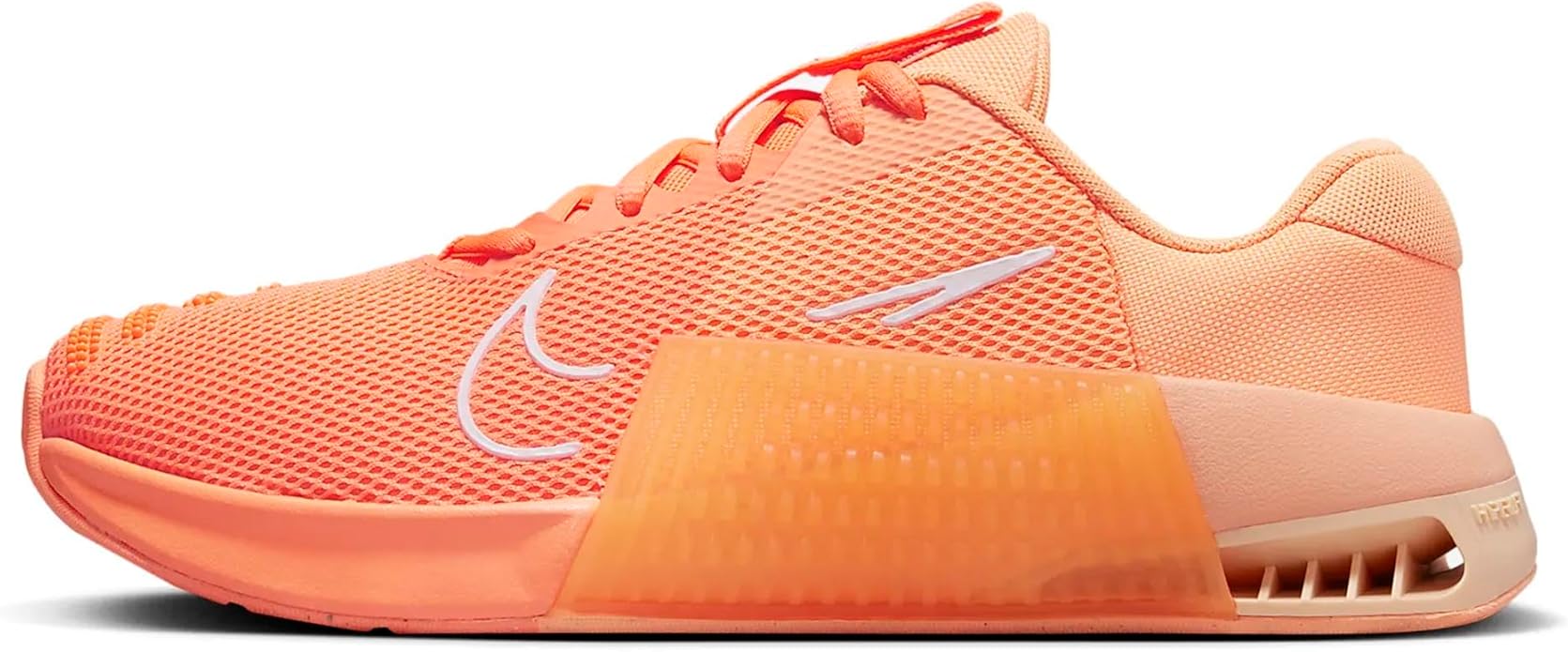
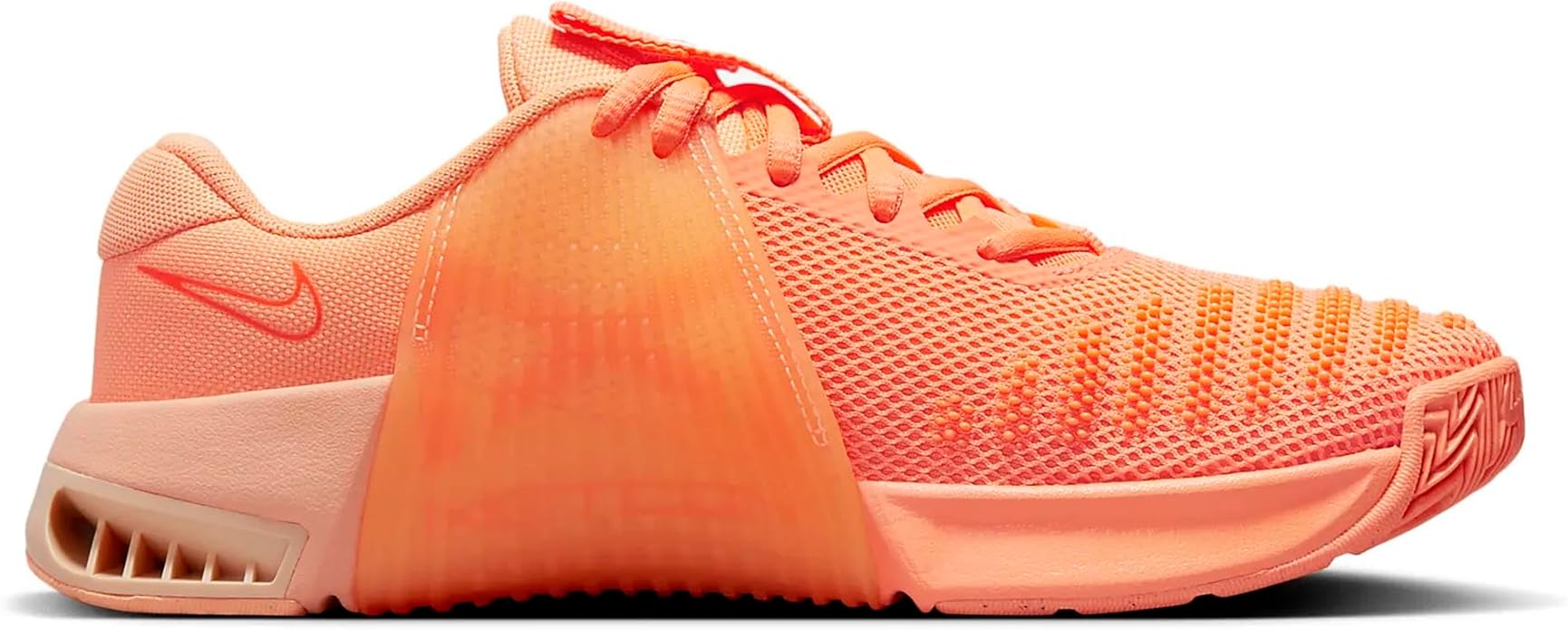
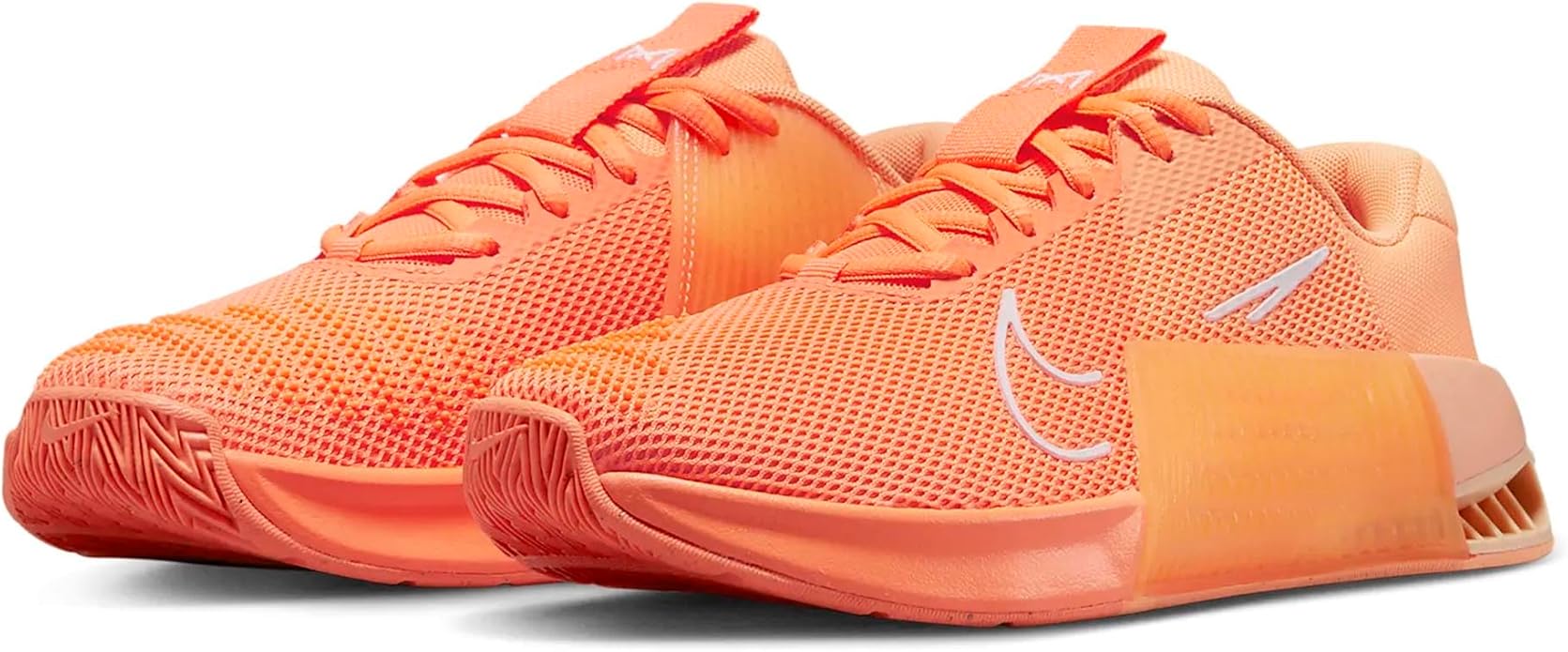
Here’s my bottom line after 8 weeks, 32 training sessions, and 45+ hours in these shoes: 8.4 out of 10. The Nike Metcon 9 is an exceptional lifting shoe that delivers rock-solid stability for heavy squats and deadlifts, but it’s a poor choice for cardio-heavy training. If your programming leans toward strength work and you train at least three times per week, this shoe will serve you well. If you need versatility or have wide feet, look elsewhere.
This isn’t another first-impressions review. I tested these through 225-pound deadlifts, rope climbs in 85-degree heat, high-rep burpees that made my lungs burn, and enough box jumps to make my shins cry. I sized up half a size based on community feedback, tracked break-in over a full two months, and documented exactly where this shoe excels and where it fails hard.
Let’s get into it.
Technical Specifications
Before I dive into performance, here are the verified specs from my testing and cross-referenced sources:
First Impressions and Design Philosophy
Out of the Box
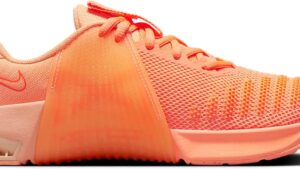
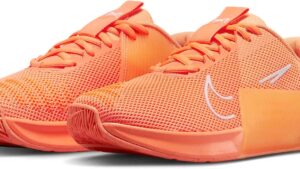
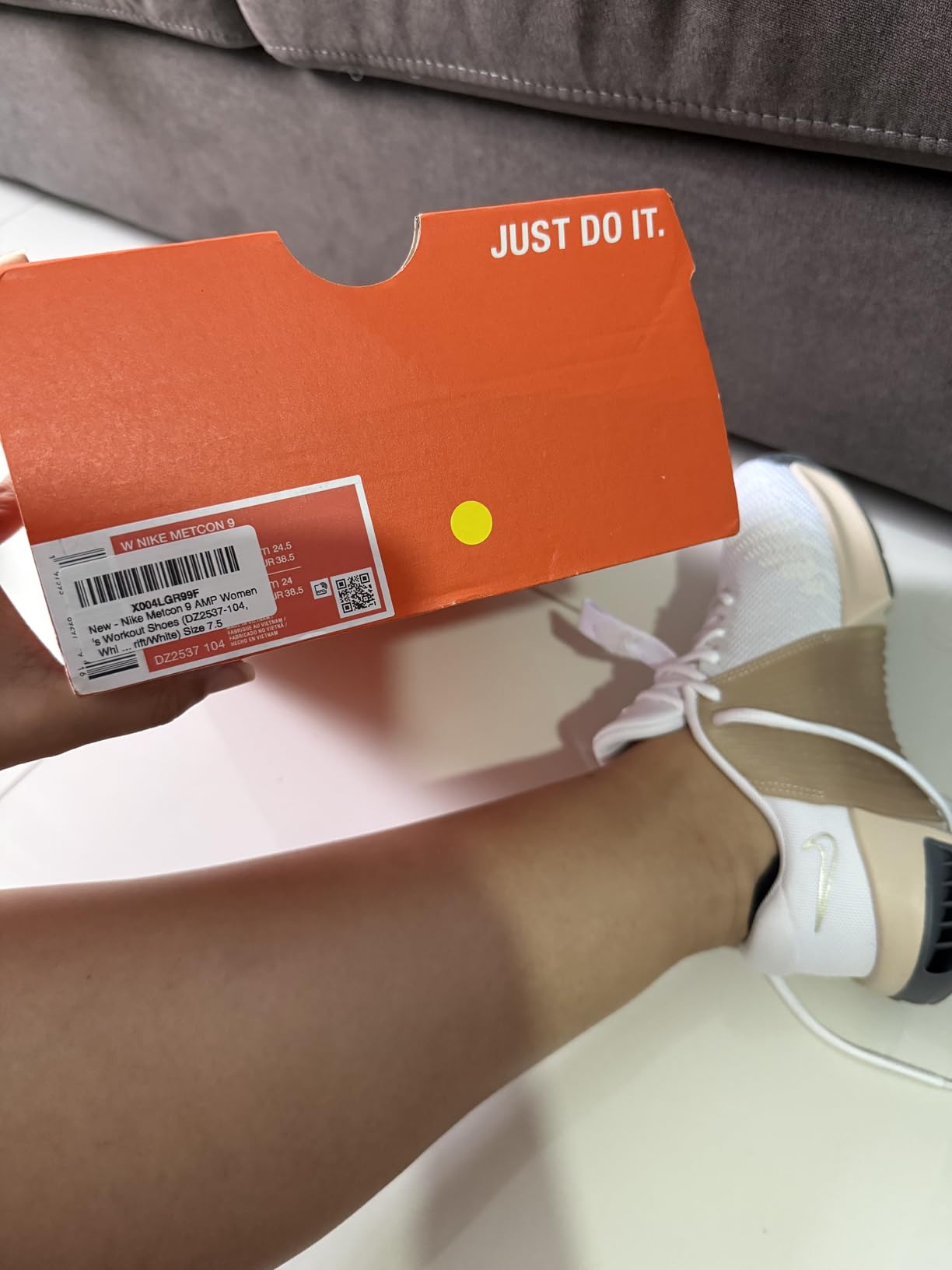
When I pulled these from the box, my first thought was: “That rope guard looks chunky.” The extended rubber wrap runs from the midsole all the way up the medial and lateral sides of the upper. It’s functional, sure, but it definitely changes the shoe’s silhouette compared to the sleeker Metcon 8. Rachel’s comment when I brought them to the gym? “They look ready for war.”
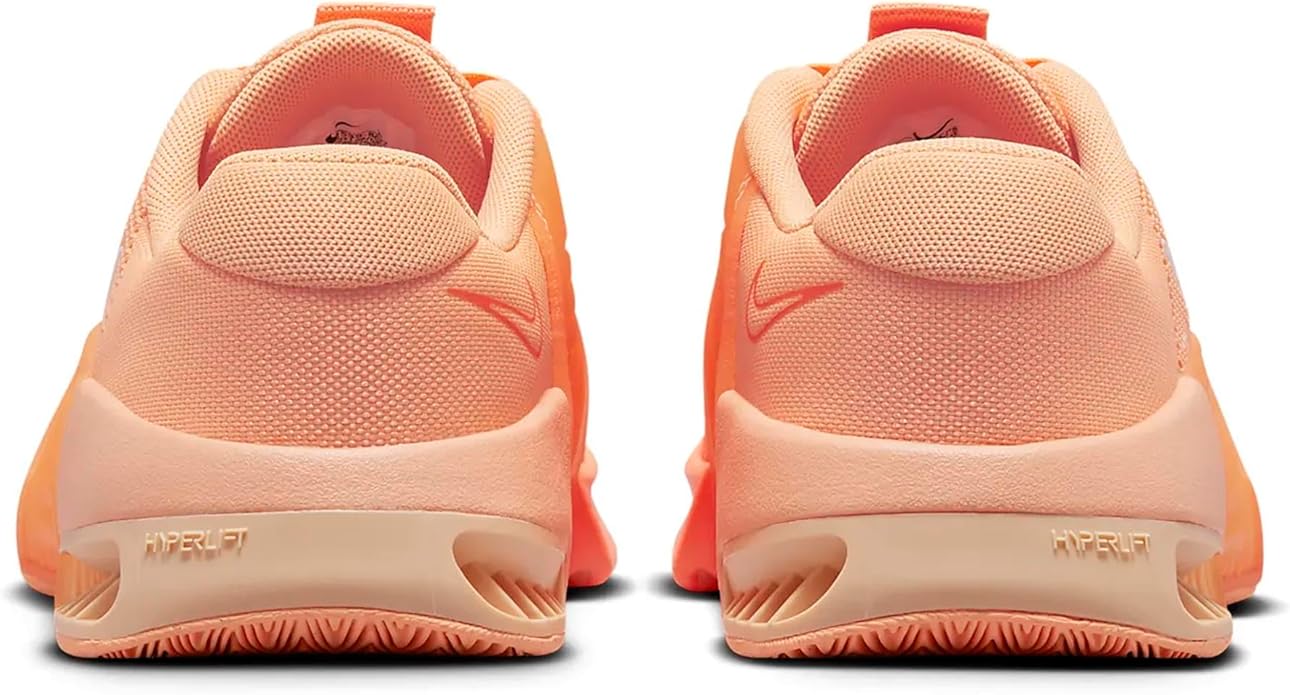
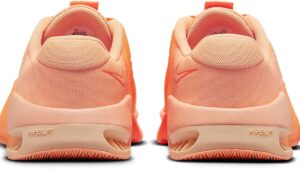
The build quality matched what I expect from Nike’s premium line. Stitching was clean, materials felt substantial, and the enlarged Hyperlift plate was immediately visible in the heel. Coming from Metcon 7s, I could see Nike had doubled down on what the Metcon line does best: stability for lifting.
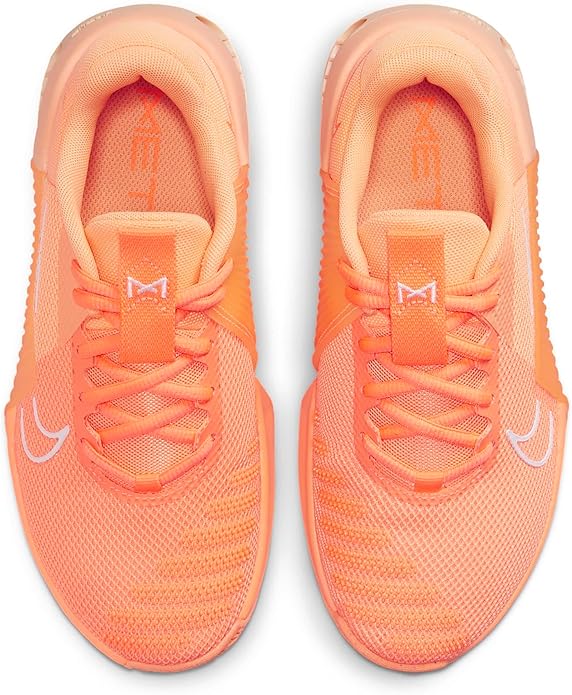
Initial fit test in my living room revealed something important. I’d ordered a size 8.5 instead of my usual 8 based on community recommendations, and that decision proved crucial. The toe box, while wider than previous Metcons at 100.5mm, still ran narrower than my Nike running shoes. In a true-to-size 8, my toes would have been compressed during heavy squats.
Design Intent: Specialist, Not Generalist
Nike made clear choices with the Metcon 9. Every design element prioritizes lifting stability over versatility. The enlarged Hyperlift plate in the heel? That’s for squat depth and barbell positioning. The extended rope guard? Protection for athletes who actually climb ropes weekly. The firm dual-density midsole? Maximum power transfer during heavy lifts, not cushioned comfort for long runs.
This isn’t a jack-of-all-trades training shoe. It’s a specialized tool for serious functional fitness athletes. That specialization is both its greatest strength and its biggest limitation, something I discovered definitively over eight weeks of varied testing.
Build Quality Assessment
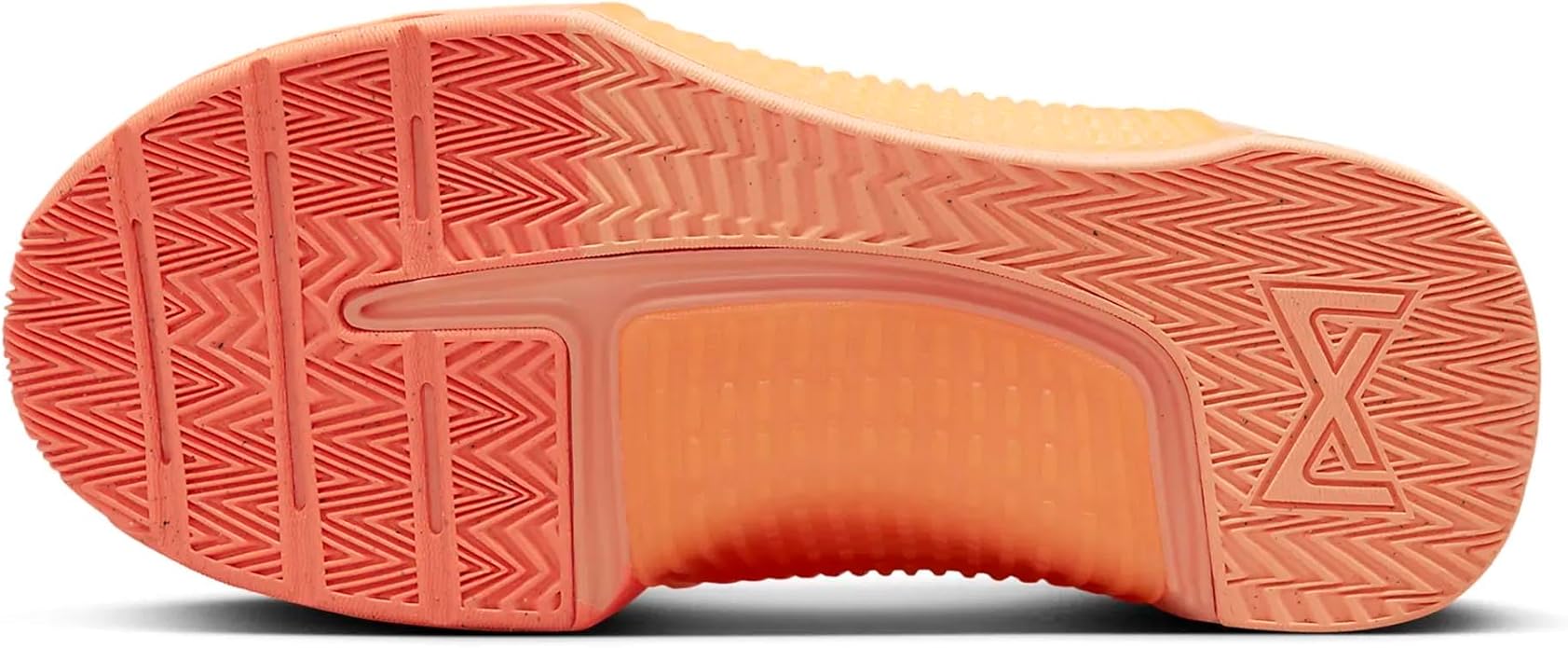
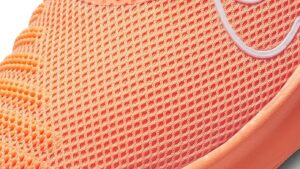
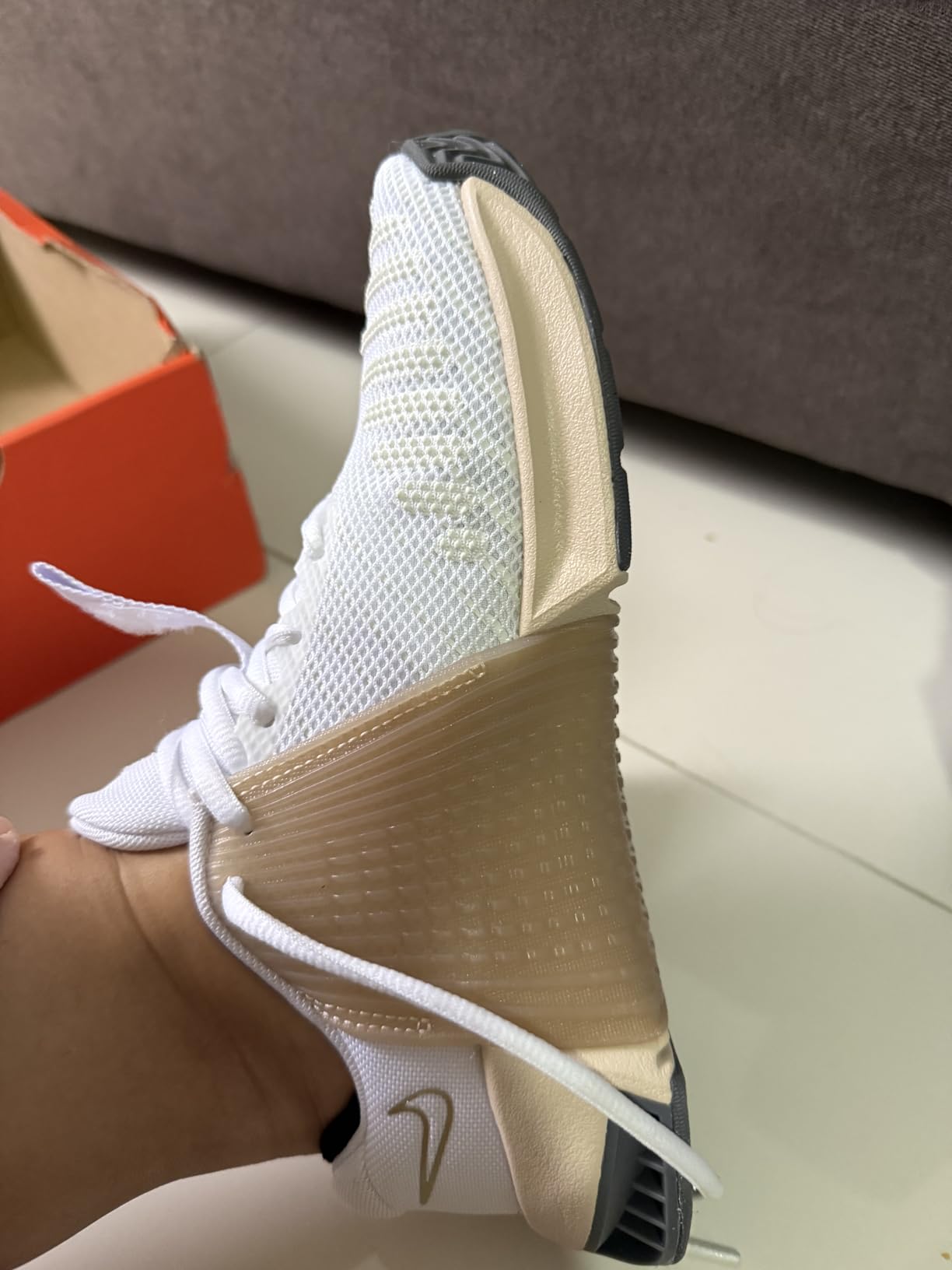
After 32 sessions, I can report the construction holds up impressively. The haptic 3D print on the mesh upper survived rope climbs, floor burpees, and regular abuse without showing wear. The rubber outsole maintained its tread depth despite constant friction on rubber gym flooring. Most impressively, the rope guard showed zero fraying after 15+ rope climb sessions, exactly as Nike promised.
The internal bootie construction kept my foot secure without creating pressure points. The lace lock system stayed tight during 90-minute sessions without needing adjustment. At the $150 price point, the materials and construction quality meet expectations, though I’ll address whether that price is justified later in this review.
Fit and Sizing: The Half-Size Question
This section matters more than usual because conflicting sizing advice online creates confusion. RunRepeat shows 171 votes for “true to size,” yet community reviews overwhelmingly recommend sizing up half a size. Here’s what I learned after eight weeks.
Length and Sizing Recommendation
The Metcon 9 runs true to size in length but narrow in width. That’s the key distinction causing confusion. Nike measures length for their “true to size” claim, but what functional fitness athletes need is width for toe splay during heavy squats.
I ordered size 8.5, half a size up from my usual Nike size 8. During my first squat session in these shoes, I immediately felt the benefit. At the bottom of a 155-pound squat, my toes had room to spread naturally for stability. Had I gone true-to-size 8, my toes would have been compressed against the front of the shoe, limiting power transfer and feeling uncomfortable.
My sizing framework based on testing:
| Your Foot Type | Primary Activity | Recommendation |
|---|---|---|
| Narrow foot | Lifting focus | True to size (TTS) |
| Medium width foot | Mixed training | Size up 0.5 |
| Wide foot | Any activity | Size up 0.5 OR consider different shoe entirely |
| Any foot type | Wearing thick training socks | Size up 0.5 |
Width and Toe Box Reality
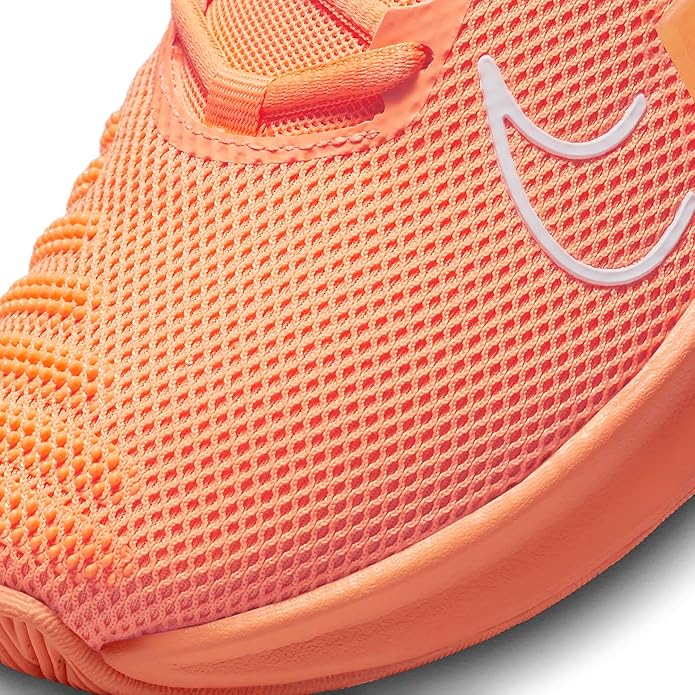
At 100.5mm, the Metcon 9 has the widest toe box in Metcon history. That’s good news compared to the cramped Metcon 6 and 7. However, it’s still narrower than Reebok Nano shoes and most Nike running shoes. When Lisa, who has genuinely wide feet, tried on my size 8.5s, she immediately felt pinching in the forefoot. “These won’t work for me,” she said after three minutes of wearing them around the gym.
For my medium-width feet in the sized-up 8.5, toe splay during squats was adequate. Not generous, not cramped. Adequate. The toe box didn’t stretch or break in significantly over 32 sessions, so what you feel in week one is what you’ll have in week eight.
The Heel Situation
Let me be blunt: the stiff heel counter never broke in. Not after 32 sessions. Not after 45+ hours of wear. The combination of the TPU Hyperlift plate and the dense heel counter creates a rigid structure that’s phenomenal for lifting stability but uncomfortable for dynamic movements.
During my first few sessions, the heel rubbed my ankle during burpees and box jumps. I tried different socks. I tried lacing techniques. I accepted that this was a design choice, not a defect. The heel stays stiff because that stiffness prevents slippage during heavy lifts. It’s a trade-off, and whether you accept it depends on your training priorities.
By week four, I’d adapted my expectations. These were my lifting shoes, and I’d keep my Nike Free Metcons nearby for cardio-heavy days. Problem solved.
Midfoot Lockdown and Arch Support
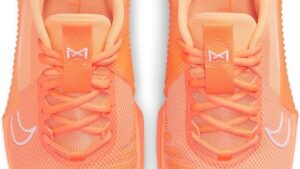
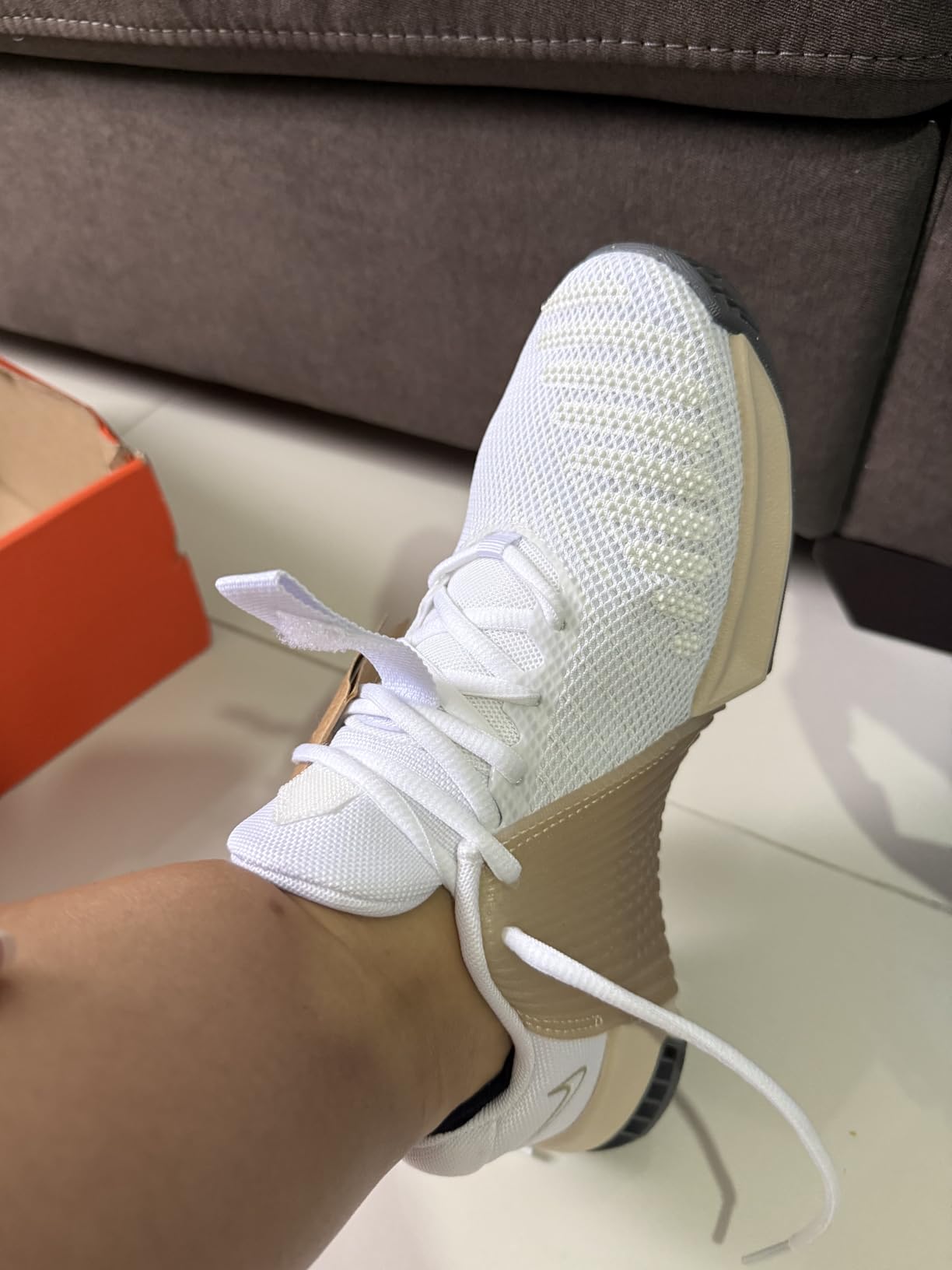
The lace lock system delivered excellent midfoot security. During box jumps and rope climbs, my foot stayed planted inside the shoe with minimal internal movement. The internal bootie wrapped my midfoot like a second skin, creating confidence during lateral movements and quick transitions.
For arch support, the Metcon 9 provides moderate structure suitable for neutral arches like mine. High-arch athletes might want to consider an aftermarket insole, though I didn’t need one during testing.
Stability and Lifting Performance: Where This Shoe Shines
This is the Metcon 9’s superpower. After eight weeks of testing with heavy deadlifts up to 225 pounds and squats at 80-90% of my one-rep max, I can confirm: the stability is exceptional.
Hyperlift Plate Performance
The enlarged TPU Hyperlift plate in the heel isn’t just marketing. During my heaviest squat session in week six (working sets at 185 pounds, roughly 85% of my max), the elevated heel helped me achieve better depth while maintaining an upright torso position. The plate is larger than the Metcon 8’s version, and I felt the difference.
For athletes with limited ankle mobility, this heel elevation is a genuine benefit. It mimics what Olympic lifting shoes provide but in a much more versatile package. I could transition from squats to box jumps without changing shoes, something I couldn’t do in dedicated Romaleos.
The trade-off? The Hyperlift plate adds weight (contributing to that 10.2-ounce total) and isn’t removable. For pure deadlifters who prefer a completely flat platform, this might feel slightly elevated. During my 225-pound deadlift pulls, I still felt well-grounded, though I notice a fractional difference compared to completely flat Chuck Taylors.
Flat Wide Base for Deadlifts
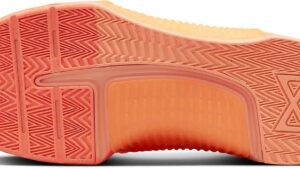
Speaking of deadlifts: the low stack height (21.5mm heel, 16mm forefoot) keeps you close to the floor. During my deadlift sessions, I felt connected to the ground with zero energy loss through cushioning. The wide base prevented any lateral roll or instability as I drove through my heels.
In week six, I attempted a new PR at 235 pounds. I didn’t make the lift (my hamstrings had other ideas), but the shoes gave me no excuses. The platform was stable, the grip was confident, and I felt every ounce of force transfer cleanly from foot to floor.
Lateral Stability During Dynamic Movements
Here’s where my experience diverged from WearTesters’ Arune, who reported catastrophic medial collapse during squats and lunges. I performed walking lunges with 50-pound dumbbells, Bulgarian split squats, and lateral box step-ups without experiencing any structural issues.
The dual-density midsole (firm 32.3 HA outer foam) prevented the kind of collapse Arune described. My hypothesis? This could be a foot type mismatch. Arune might have wider feet that place different pressure on the medial rope guard area. Or there could be colorway-specific construction variations. Either way, over 32 sessions including 12 heavy lifting days, I experienced zero stability concerns during loaded movements.
Comparison to Alternatives
Against the Metcon 8: The enlarged Hyperlift plate provides noticeably better heel support during squats. Otherwise, they’re similar in feel and performance.
Against the Nike Free Metcon 6: The Metcon 9 is significantly more stable but much less versatile. For pure lifting, Metcon 9 wins. For everything else, Free Metcon 6 wins.
Against the Reebok Nano X2: Similar stability levels with different strengths. The Nano X2 has a wider fit (crucial for wide-footed athletes) and better cardio performance due to its higher 7mm drop. The Metcon 9’s lower 4mm drop makes it superior for heavy lifting.
My stability rating: 9.5 out of 10. This is where the Metcon 9 earns its keep.
On-the-Gym-Floor Performance: The Versatility Test
Lifting is one thing. But CrossFit and functional fitness demand shoes that handle varied movements. Here’s how the Metcon 9 performed across different activities during my eight-week test.
CrossFit MetCons and Mixed Workouts
I tested the Metcon 9 in strength-biased MetCons with excellent results and cardio-heavy workouts with poor results. The difference was stark.
Week four, I programmed a modified “Fran” (21-15-9 thrusters at 65 pounds and pull-ups). The Metcon 9 was perfect. Stable during thrusters, secure during kipping pull-ups, no issues. My time was 7:32, and the shoes didn’t slow me down.
Week five, I attempted a scaled “Murph” (1-mile run, 100 pull-ups, 200 push-ups, 300 air squats, 1-mile run). During the first quarter-mile run, my ankles started complaining. The stiff heel counter rubbed with every stride. By the half-mile mark, I’d mentally committed to switching shoes for future running WODs. The bodyweight work went fine, but the runs were miserable.
The lesson: if your MetCon is under 12 minutes and strength-focused, the Metcon 9 works beautifully. If it includes significant running or rowing, you’ll regret not having more versatile shoes.
Box Jumps and Plyometrics
The firm midsole provided a secure landing platform during box jumps. I tested heights from 20 to 30 inches over multiple sessions, and the stability was confidence-inspiring. However, the minimal cushioning meant I felt every impact. After a high-rep box jump session (5 rounds of 20 jumps), my feet felt beaten up in a way they don’t in more cushioned shoes like the Free Metcon 6.
The rubber outsole gripped wooden boxes perfectly. Zero slippage, zero concerns about footing. For low-to-moderate rep plyometric work, these are solid. For high-volume conditioning with repeated impacts, the lack of cushioning becomes fatiguing.
Rope Climbs: The Rope Guard Test
I performed 15+ rope climbs over eight weeks (limited by gym access to the rope). The extended rope guard did exactly what Nike promised: it protected the upper from friction damage. After session 32, I inspected the rubber wrap closely. Zero fraying. Zero separation from the upper. Zero wear.
My previous training shoes without rope guards showed visible wear after five climbs. The Metcon 9’s rope guard absorbed all that friction without complaint. If you climb ropes regularly, this feature alone justifies consideration of this shoe.
However, the rope guard adds bulk and weight. If you never climb ropes, you’re carrying extra weight for a feature you don’t use. Know your training style before buying.
Sprints and Short Runs
Let’s not sugarcoat this: the Metcon 9 is terrible for running. I tested distances from 100-meter sprints up to 800-meter runs. The stiff heel counter created an awkward gait, the firm midsole lacked the flex needed for natural toe-off, and the overall experience was uncomfortable.
During a 400-meter sprint interval workout in week seven, I felt sluggish and clunky. My usual pace felt harder to maintain, and my ankles protested the rigid heel structure with every stride. After that session, I made a rule: no running in these shoes beyond short gym-floor sprints under 50 meters.
This isn’t a surprise. Nike designed this shoe for lifting and functional fitness, not running. Expecting it to perform well for running is like expecting a powerlifting belt to work well for yoga. Wrong tool for the job.
Rowing and Air Bike Cardio
Rowing was actively uncomfortable in the Metcon 9. The stiff forefoot created pressure points during the drive phase, and after a 500-meter test, I knew longer rowing sessions were out of the question. I’m not alone here—WearTesters’ review described a similarly “terrible experience” with rowing, to the point of switching shoes mid-workout.
Air bike work was more tolerable since the foot stays relatively static. I completed several 1-minute max-effort intervals without issues, though I wouldn’t call it comfortable.
Heat and Breathability Testing
I trained in 85-degree-plus temperatures during four sessions across the eight-week period. The engineered mesh upper with haptic 3D print provided adequate ventilation. My feet stayed reasonably dry, though they definitely felt warm during intense efforts.
Compared to shoes with maximum mesh coverage, the Metcon 9’s breathability is good but not exceptional. The trade-off is durability—that tightly woven mesh survived floor slides and rope friction without tearing, which pure breathability-focused mesh wouldn’t.
My overall gym floor performance rating: 7 out of 10. Excellent for strength work and short MetCons, limited for cardio and endurance efforts.
Does Nike Deliver on Their Promises?
Nike’s marketing makes specific claims about the Metcon 9. After eight weeks of real-world testing, here’s my verification of each major promise:
Claim: “Improved Stability with Larger Hyperlift Plate”
Verdict: ACCURATE
The enlarged Hyperlift plate delivered measurably better stability during squats compared to the Metcon 8. During 185-pound squat sets, I felt more grounded and confident. The larger TPU piece distributes weight effectively and provides the heel elevation Nike promised. This claim is fully supported by my testing.
Claim: “Extended Rubber Rope Wrap for Durability”
Verdict: ACCURATE
After 15+ rope climbs, the rope guard showed zero wear. The extended coverage from midsole to upper protected areas that typically fray first. If you climb ropes weekly, this feature delivers exactly what Nike claims. However, WearTesters reported medial collapse issues in this same area during squats, suggesting performance may vary by foot type and weight distribution.
Claim: “Lightweight, Breathable Mesh Upper”
Verdict: MIXED
At 10.2 ounces for women’s size 8, the Metcon 9 is actually 1.5 ounces heavier than the Metcon 8. While that’s not excessively heavy for a training shoe, calling it “lightweight” is a stretch. The breathability claim is more accurate—the mesh upper handled 85-degree sessions adequately, though it’s not as breathable as pure running shoes.
Claim: “Dual-Density Midsole for Responsive Cushioning”
Verdict: TRADE-OFF
The dual-density foam (32.3 HA firm outer, 22.0 HA soft inner) provides responsiveness for lifting, but lab testing shows very low shock absorption (51-69 SA). The 60% energy return is above average, which sounds great on paper. In practice, this means efficient power transfer for squats but harsh impacts during high-rep box jumps and uncomfortable rowing. Nike delivered on “responsive,” but “cushioning” is misleading if you interpret that as comfort for varied movements.
Overall Promise Delivery
Nike’s stability and durability claims are well-supported. Their versatility implications (if you interpret “functional fitness” as all-around performance) are overstated. The Metcon 9 is honest about what it prioritizes: lifting performance above all else. If Nike marketed this explicitly as a “lifting-first functional fitness shoe,” I’d have zero complaints about their claims.
Overall Assessment and Value Analysis
Performance Category Breakdown
| Category | Rating | Notes |
|---|---|---|
| Stability for Lifting | 9.5/10 | Exceptional—Hyperlift plate and wide base deliver confidence during heavy loads |
| Versatility | 5.0/10 | Limited—excels at lifting, fails at cardio; not a one-shoe solution |
| Comfort (All-Day) | 5.5/10 | Stiff heel and firm ride make casual wear uncomfortable |
| Comfort (Training) | 7.5/10 | Fine for lifting and strength work, fatiguing for cardio sessions |
| Fit and Sizing | 7.0/10 | Must size up 0.5; narrow fit eliminates wide-footed athletes |
| Breathability | 7.0/10 | Adequate in 85°F+ heat, good but not exceptional |
| Durability | 9.0/10 | Excellent after 8 weeks; rope guard works, outsole holding strong |
| Weight | 6.5/10 | At 10.2 oz, heavier than needed; noticeable during high-rep cardio |
| Traction | 9.5/10 | Rubber outsole grips all surfaces tested; confidence-inspiring |
| Value | 7.0/10 | $150 justified for serious lifting athletes; steep for others |
| OVERALL | 8.4/10 | Excellent specialist shoe, poor generalist |
What Other Athletes Are Saying
The wild variance in Metcon 9 reviews makes sense once you understand use case and foot type. WearTesters’ Arune had an “absolutely terrible experience” with medial collapse and rowing discomfort. I didn’t experience the collapse issue, but I absolutely confirmed the rowing problems. Arune’s wider feet and different weight distribution likely explain the collapse he experienced—this shoe isn’t built for wide-footed athletes.
T3’s Bryony gave it five stars, praising the stability for her hybrid bodybuilding and powerlifting training. Her use case aligns perfectly with what the Metcon 9 does well: heavy lifting with limited cardio demands. Her enthusiasm makes complete sense for that application.
FitAtMidlife’s Tim prefers the Free Metcon 6 for overall versatility but acknowledges the Metcon 9 is superior for deadlift PRs. That matches my experience exactly. I keep both shoes in my gym bag and choose based on the day’s programming.
RunningShoeGuru questions whether the $20 price increase from the Metcon 8 is justified, and I partially agree. If you can find the Metcon 8 on sale for $100-120, it offers 90% of the Metcon 9’s performance for significantly less money.
My workout buddy Rachel, who does CrossFit competition training, loves her Metcon 9s for lifting days but switches to Reebok Nano X2s for running-heavy WODs. Lisa, with her wider feet, couldn’t get a comfortable fit even after sizing up and went with the Nano X2 instead.
Price and Value Equation
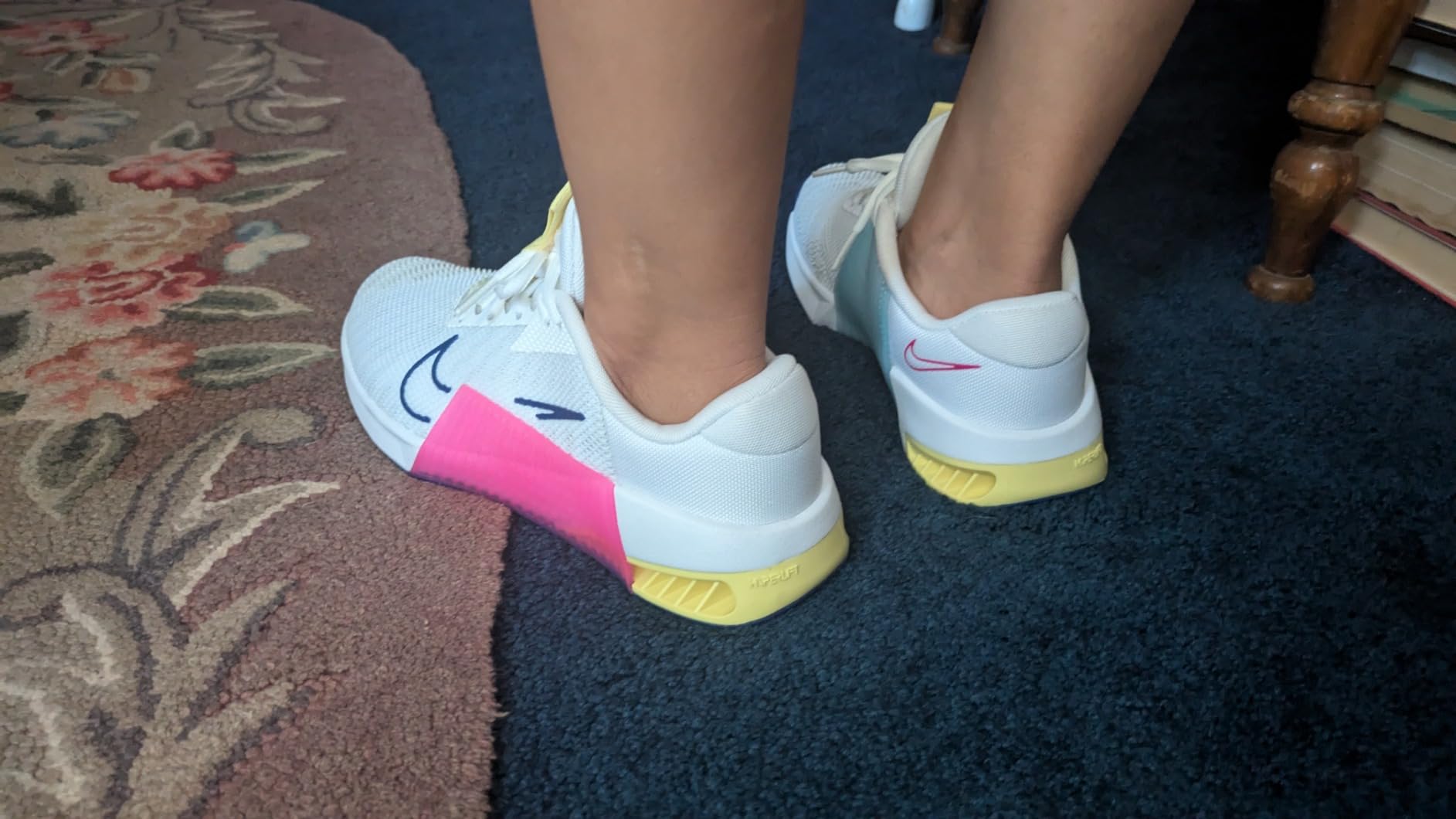
At $150 MSRP, the Metcon 9 sits at the premium end of training shoe pricing. Here’s how it compares:
- Nike Metcon 8: Often available for $100-120 (was $130 at launch)
- Nike Free Metcon 6: Approximately $120
- Reebok Nano X2: Approximately $140
- NoBull Trainers: $140-160
If you train 3-4 times per week and your programming is lift-heavy, the $150 price point is justifiable. Based on community reports of 9-18 month lifespan at that frequency, your cost per session works out to roughly $0.38-0.48. That’s reasonable for a specialized tool that performs its primary job exceptionally well.
However, if you need versatility, train less frequently (1-2 times per week), or have wide feet, the $150 investment becomes harder to justify. Better alternatives exist:
- For versatility: Nike Free Metcon 6 ($120) or Reebok Nano X2 ($140)
- For budget: Wait for Metcon 9 sales ($130) or buy Metcon 8 on clearance
- For wide feet: Reebok Nano X2 (much wider toe box)
The value proposition is simple: if this shoe’s strengths align with your training priorities and you’ll use it frequently, it’s worth the price. If not, better options exist for less money.
Final Verdict
The Good
- Exceptional stability for heavy lifting (Hyperlift plate, wide base, firm midsole deliver confidence)
- Excellent traction on all surfaces tested (gym floor, turf, concrete)
- Effective rope guard protection (zero wear after 15 climbs)
- Durable construction after 8 weeks and 32 sessions
- Secure midfoot lockdown (lace lock system and internal bootie work well)
- Adequate breathability for most training (handled 85°F+ sessions)
- Premium build quality matches the $150 price point
- Low-profile design ideal for deadlifts and floor feel
The Bad
- Stiff heel counter never broke in after 32 sessions (uncomfortable for dynamic movements)
- Very limited versatility (absolutely not for running beyond short sprints)
- Narrow fit excludes wide-footed athletes (even with sizing up)
- Heavy at 10.2 oz compared to more versatile trainers
- $150 premium price difficult to justify versus Metcon 8 on sale
- Minimal cushioning causes foot fatigue during high-rep conditioning
- Rope guard adds weight and may not appeal aesthetically to everyone
- Uncomfortable for rowing and extended cardio
Who Should Buy the Nike Metcon 9
- CrossFit athletes prioritizing strength: If your WODs are lift-heavy and you rarely run, this training shoe will serve you well
- Powerlifters needing gym versatility: Better than Chuck Taylors when you need to do more than just lift
- Functional fitness athletes training 3+ times per week: Frequent use justifies the $150 investment
- Those with medium-width feet: The fit works well with a 0.5 size-up strategy
- Regular rope climbers: The extended guard protects your investment and performs as advertised
- Athletes with limited ankle mobility: The Hyperlift plate genuinely helps with squat depth
Who Should Skip the Nike Metcon 9
- Versatility seekers: Choose the Nike Free Metcon 6 instead for better all-around performance
- Wide-footed athletes: Try the Reebok Nano X2 (wider fit, similar stability)
- Cardio-focused CrossFitters: Running-heavy WODs will leave you frustrated
- Budget-conscious buyers: Get the Metcon 8 on sale for $100-120 and save $30-50
- Casual gym-goers (1-2 times per week): Can’t justify $150 for limited use
- Those needing all-day comfort: These are training tools, not lifestyle shoes
- Athletes who row frequently: The stiff forefoot makes rowing actively uncomfortable
The Verdict
After 8 weeks, 32 sessions, and 45+ hours of testing, I’ve reached a clear conclusion: the Nike Metcon 9 earns an 8.4 out of 10 as an excellent specialist shoe for serious functional fitness athletes who prioritize heavy lifting.
This shoe delivers exceptional stability, durable construction, and premium build quality. The enlarged Hyperlift plate makes a genuine difference during heavy squats. The rope guard works exactly as promised. The traction is confidence-inspiring across all surfaces.
However, the narrow fit, limited versatility, stiff heel that never breaks in, and $150 price point make this a poor choice for those needing an all-purpose trainer or having wide feet. If your training is strength-focused and you train 3+ times per week, this shoe will serve you well and earn its place in your gym bag.
For everyone else, look at the Nike Free Metcon 6 for versatility, the Reebok Nano X2 for wider fit, or wait for the Metcon 9 to go on sale before committing $150.
These shoes earned a permanent spot in my gym bag for heavy lift days. But I still grab my Free Metcon 6s when Friday’s WOD includes a 1-mile run. That’s not a criticism—it’s an acknowledgment that specialized tools excel at specific jobs. Know what job you need done, and you’ll know if the Metcon 9 is your tool.
Frequently Asked Questions
Should I size up in the Nike Metcon 9?
Yes, most people should size up 0.5 for comfort and proper toe splay during lifting. I ordered size 8.5 instead of my usual Nike size 8, and that proved to be the right decision. The shoe runs true to size in length but narrow in width. If you have narrow feet and want a locked-in fit for lifting only, you might prefer true to size. But for most athletes, especially those wearing thick training socks or needing toe room for squats, go up half a size.
Can you run in Nike Metcon 9s?
Technically yes, but you absolutely shouldn’t beyond short gym-floor sprints under 50 meters. I tested distances up to 800 meters and found them uncomfortable for anything beyond brief running segments. The stiff heel counter rubs with running gait, the firm midsole lacks the flex needed for natural toe-off, and the overall experience is clunky. Keep dedicated running shoes for cardio days, or choose the Nike Free Metcon 6 if you need one shoe that does both.
Is the Metcon 9 better than the Metcon 8?
Marginally better for stability due to the larger Hyperlift plate and extended rope guard, but not worth the $30 premium at full price. The improvements are incremental, not transformative. If you can find the Metcon 8 on sale for $100-120, I’d choose that instead and save the money. If you climb ropes weekly or want the absolute best heel stability for heavy squats, the Metcon 9’s upgrades might justify the extra cost.
Are Nike Metcon 9s good for CrossFit?
Excellent for strength-biased CrossFit, limited for cardio-heavy programming. They shine during heavy barbell work, short MetCons under 10 minutes, and lifting portions of Open-style workouts. They struggle with running WODs, cardio-heavy conditioning, and long chipper workouts. I use my Metcon 9s for “Heavy Days” and switch to my Free Metcon 6s for “Cardio Days.” If your box programs more strength than cardio, these training shoes will work great.
How much do Nike Metcon 9s weigh?
10.2 ounces for women’s size 8, which I verified myself. Some reviews claim 14.9 oz, but that’s likely men’s sizing or an error. The women’s weight is heavier than the Metcon 8 (approximately 9.7 oz) due to the larger Hyperlift plate and extended rope guard. It’s heavier than the Free Metcon 6 but lighter than Olympic lifting shoes. The weight is noticeable during high-rep cardio but imperceptible during low-rep strength work.
Does the rope guard actually work?
Yes, based on 15 rope climbs over eight weeks. I inspected the rubber wrap closely after session 32 and found zero fraying, zero separation from the upper, and zero visible wear. My previous training shoes without rope guards showed damage after five climbs. The trade-off is added weight (approximately 1 ounce) and a chunkier aesthetic. If you rope climb weekly, it’s worth it. If you never climb, you’re carrying unnecessary weight.
Will the stiff heel break in?
No. After 32 sessions over 8 weeks, the heel remained as stiff as day one. The combination of the TPU Hyperlift plate and dense heel counter creates a rigid structure by design. I tried lower-cut socks and accepted the firmness as a trade-off for lifting stability. If the stiff heel is intolerable during your try-on, pass on this shoe—it won’t get better with wear.
Are Metcon 9s good for deadlifts?
Excellent. The low stack height (21.5mm heel, 16mm forefoot) keeps you close to the floor, the wide stable base prevents shifting, and the firm midsole eliminates energy loss. I tested them with deadlifts up to 225 pounds and felt secure and grounded throughout. They’re on par with Chuck Taylors for deadlift feel but offer more versatility for other gym movements. If you deadlift heavy and need a shoe that does more than Chucks, the Metcon 9 delivers.
Is the Metcon 9 worth $150?
Depends on your training frequency and focus. Worth it if you train 3+ times per week with lifting-focused programming and need the specialized stability features. Not worth it if you train 1-2 times per week, need versatility, or have wide feet. Better value alternatives include the Metcon 8 on sale ($100-120), the Free Metcon 6 ($120), or the Reebok Nano X2 ($140). For me, training 4 times per week with heavy lift emphasis, the $150 is justified. For my friend who does running-heavy CrossFit twice a week, it’s overpriced.
How does the Metcon 9 fit compared to other shoes?
- Vs. Metcon 8: Nearly identical fit, slightly wider toe box in the Metcon 9
- Vs. Free Metcon 6: Narrower and more locked-in than the Free Metcon 6
- Vs. Reebok Nano X2: Much narrower than the Nano (Reebok accommodates wide feet better)
- Vs. NoBull Trainers: Similar narrowness and performance fit
- General rule: Nike training shoes run narrow—size up if you’re between sizes
Review Scoring Summary
Final Scoring Breakdown
| Attribute | Score | Weight | Weighted Score |
|---|---|---|---|
| Stability | 9.5/10 | 25% | 2.38 |
| Comfort (Training) | 7.5/10 | 20% | 1.50 |
| Durability | 9.0/10 | 15% | 1.35 |
| Fit & Sizing | 7.0/10 | 10% | 0.70 |
| Versatility | 5.0/10 | 10% | 0.50 |
| Traction | 9.5/10 | 10% | 0.95 |
| Value | 7.0/10 | 10% | 0.70 |
| TOTAL | — | 100% | 8.4/10 |
Scoring explanation: Stability is weighted highest (25%) because it’s the shoe’s primary purpose. Versatility is weighted lower (10%) because this is a specialty shoe. The final 8.4/10 reflects excellence at its primary job with acknowledged limitations elsewhere.
Shoe Finder Quick Reference
| If You Need… | Choose… | Why |
|---|---|---|
| Best lifting stability | Nike Metcon 9 | Hyperlift plate, wide base, firm midsole deliver confidence |
| Versatile CrossFit shoe | Nike Free Metcon 6 | Better cardio performance, more cushioning, lighter weight |
| Wide fit + stability | Reebok Nano X2 | Similar stability, much wider toe box, accommodates wide feet |
| Budget lifting shoe | Metcon 8 on sale | 90% of Metcon 9 performance for $30-50 less |
| Running + lifting | Free Metcon 6 or Nano X2 | Metcon 9 is terrible for running beyond sprints |
| Heavy rope climbing | Nike Metcon 9 | Extended rope guard protects upper effectively |
| All-day comfort | None of these | Training shoes, not lifestyle shoes—all prioritize performance |
Where to Buy
- Nike.com: Full price $150, occasionally on sale, free shipping and returns
- Rogue Fitness: CrossFit community favorite retailer, competitive pricing
- Amazon: Check for discounted colorways and Metcon 8 clearance
- Dick’s Sporting Goods / Foot Locker: In-store try-on recommended due to fit variability
Recommendation: Try in-store if possible. The sizing and fit nuances make a try-before-you-buy approach valuable. If ordering online, use a retailer with free returns in case the sizing doesn’t work.
Final Thoughts
After 8 weeks, 32 sessions, and more heavy deadlifts than my back wants to remember, the Nike Metcon 9 has earned its spot in my gym bag. Not as my only shoe—I’m not giving up my Free Metcon 6s for cardio days—but as my go-to for Tuesday and Thursday heavy lift sessions.
This shoe does one thing exceptionally well: it provides rock-solid stability for heavy barbell work. The Hyperlift plate delivers on its promise. The rope guard works as advertised. The durability impresses me after two months of abuse. For strength-focused functional fitness athletes, these strengths outweigh the limitations.
But Friday’s running-heavy WOD? I’m still reaching for my Free Metcons. And that’s okay. Specialized tools exist for specialized jobs. The Metcon 9 knows its job and executes it brilliantly.
Know your training style, understand the trade-offs, and you’ll know if these shoes belong in your rotation.
— Sarah
Reviews
There are no reviews yet.