
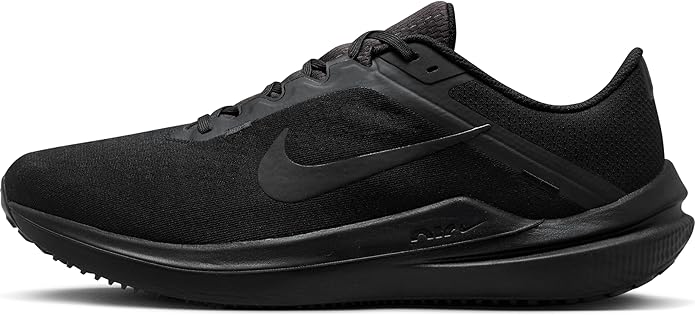
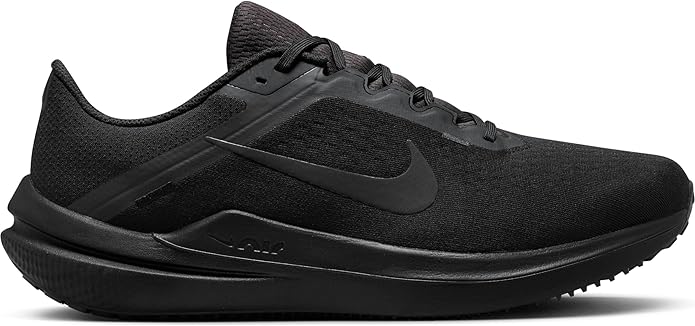
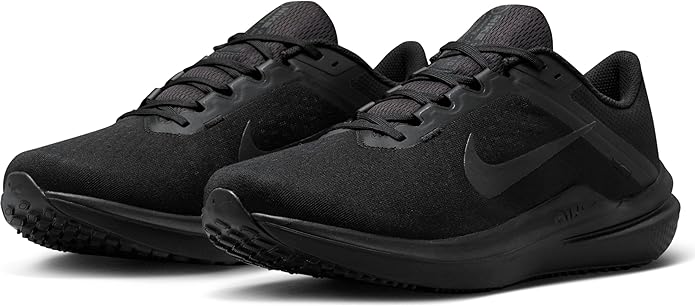
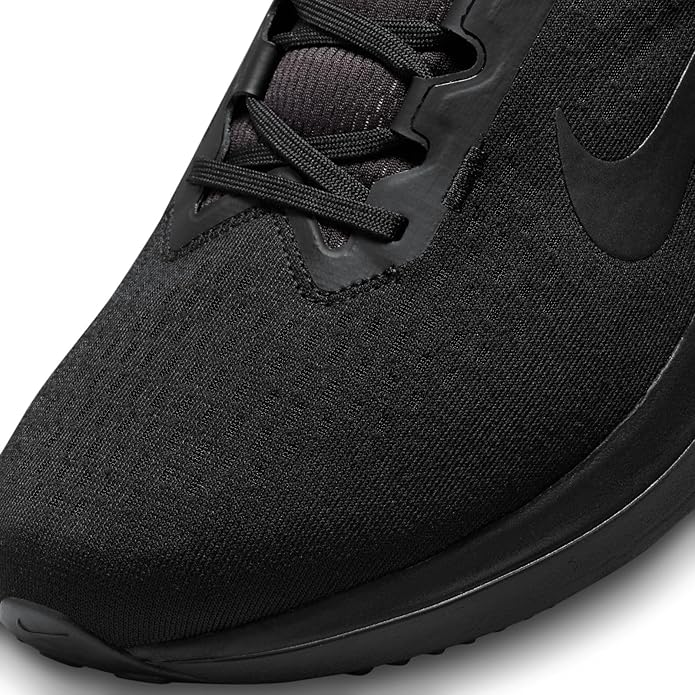
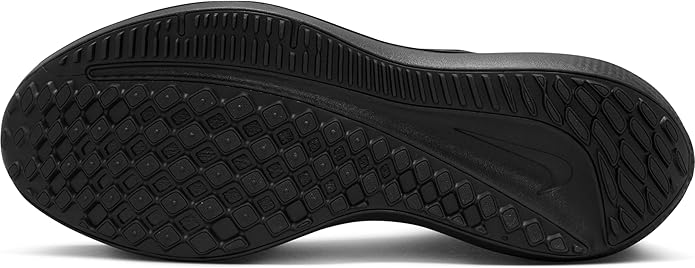
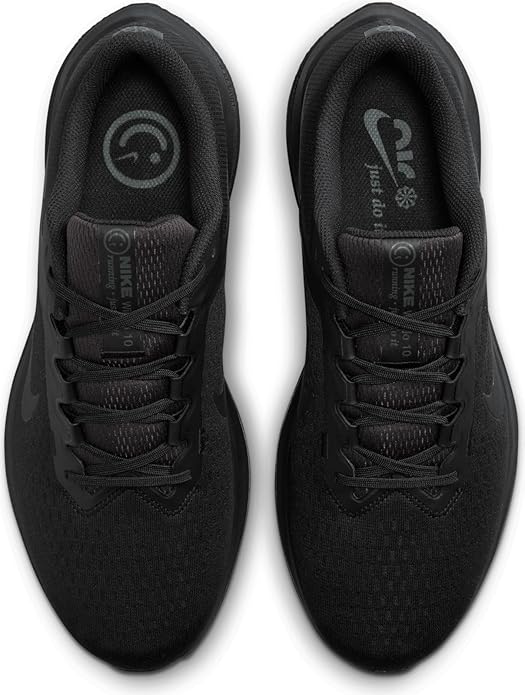
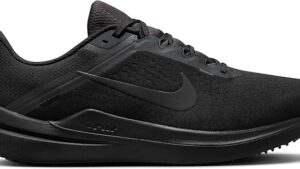
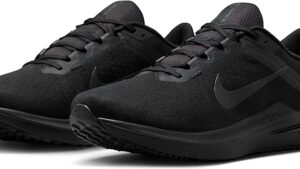
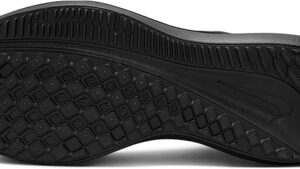
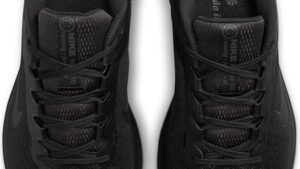
Nike Men’s Air Winflo 10 Trainers
$87.01
- Weight: 10.2 oz (289g) for men’s size 9
- Heel-to-toe drop: 10mm
- Stack height: 33.5mm heel / 23.8mm forefoot
- Midsole: Nike Air (encapsulated) + Cushlon 3.0 foam combination
- Upper: Engineered mesh with synthetic overlays
- Support type: Neutral
- Category: Daily trainer for road running
- Best for: Easy to moderate pace runs, beginner to intermediate runners
Can you get solid performance from a budget-friendly Nike running shoe? I wanted to find out. I’m Mike, and I’ve spent over 10 years testing athletic footwear across different price points. For the Nike Winflo 10, I committed to 8 weeks of dedicated testing, logging 150+ miles across 35 runs in varied conditions. At a price point around $67, I was curious whether Nike could deliver genuine quality or if corners would be cut in ways that matter. After all this time on the road, I’ve got honest findings to share about what this shoe actually delivers.
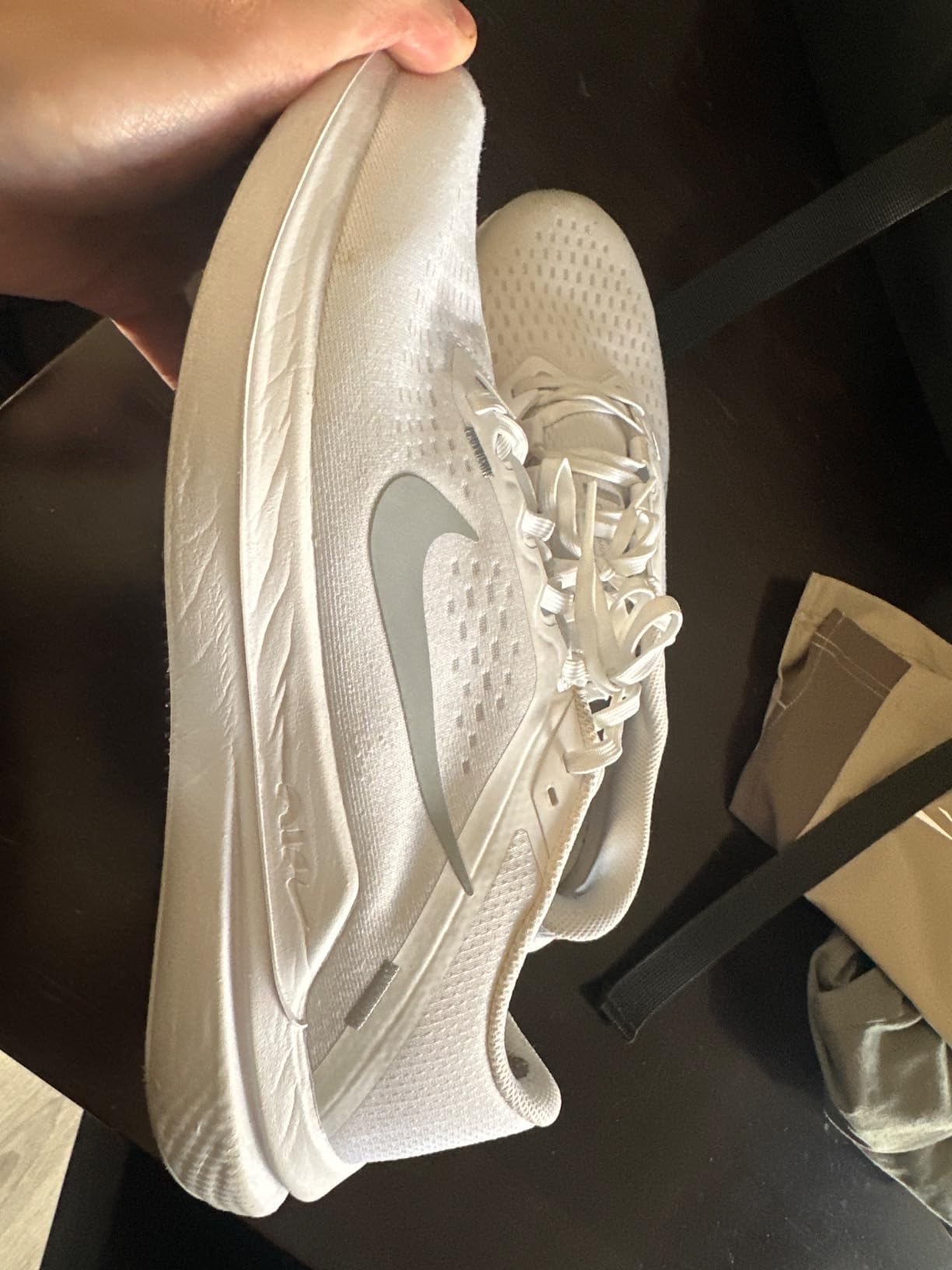
Before diving into how the Winflo 10 performs, here’s what you’re getting on paper:
These specs will all make more sense once I explain how they translate to actual running experience. Every number listed here got tested in real-world scenarios, from hot Texas afternoons to early morning tempo runs.
Design, Build Quality & Real-World Performance
First Impressions
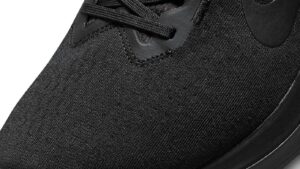
Right out of the box, the engineered mesh upper struck me as more substantial than I expected at this price point. The black colorway I tested looks clean and versatile, though it does show dirt after a few runs. I took them out for a 5-mile loop at my standard 8:30 easy pace to get an initial read on their character. The Nike Air cushioning felt more responsive than I anticipated from a budget trainer. At 180 lbs, I need adequate impact protection without that mushy, unstable feeling some soft shoes give you. The Winflo 10 hit a decent balance on that first run, providing cushioning that felt protective but still let me feel the ground beneath me.
Toe Box & Fit Reality
Nike claims the Winflo 10 offers more space in the forefoot compared to the Winflo 9. Having tested the previous version, I can confirm there is improvement. The toe box is roomier than before. That said, it’s still on the narrow side compared to brands like Altra or New Balance wide offerings. If you’ve got wide feet, this remains a consideration. Several runners in my local group mentioned the same concern. My recommendation: if you’re between sizes or have wider feet, size up half. The shoe runs true to size length-wise for normal-width feet, but that narrow profile is real. I’d say Nike delivered about 70% on this claim – better than before, but not a revolutionary change for wide-footed runners.
Road Feel & Impact Protection
The cushioning system became clearer to me as I put miles on these shoes. During tempo runs at 7:15 pace, the shoe felt planted and responsive enough to push the pace without feeling sluggish. I broke down my testing into specific scenarios to see where the Winflo 10 thrived and where it showed limitations. Easy runs at 8:30 to 9:00 pace felt smooth and comfortable, exactly what you want from a daily trainer. The cushioning absorbed impact well without making me feel disconnected from the road.
Tempo work between 7:00 and 7:30 pace revealed the shoe’s versatility, but also hints of its budget positioning. It handled these efforts reasonably well, though I noticed it didn’t feel quite as stable as premium trainers when pushing harder. When I attempted speed work faster than 6:45 pace, the limitations became more obvious. The platform felt less responsive and stable at those speeds. This isn’t a shoe built for track workouts or fast intervals.
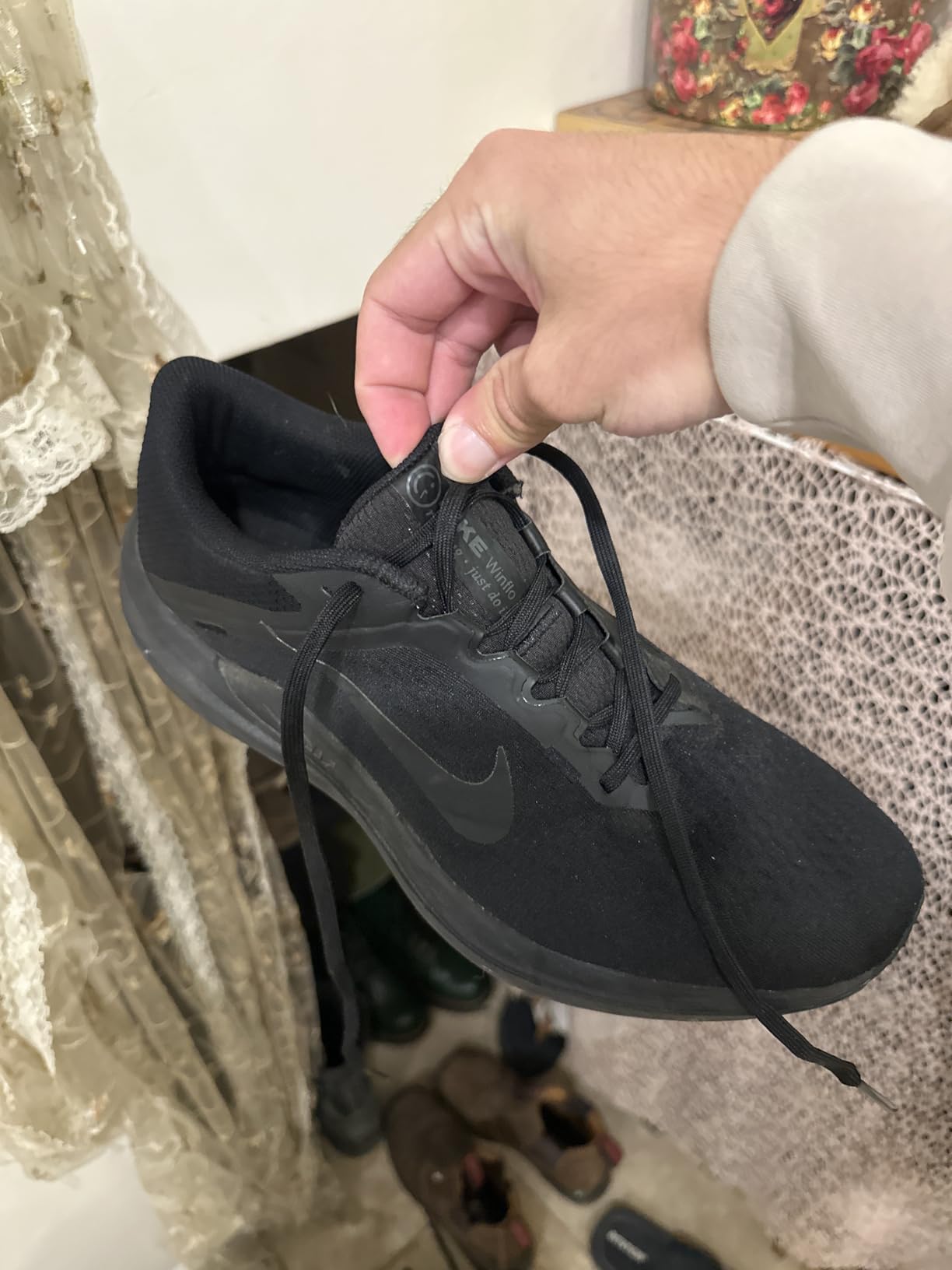
On longer runs between 8 and 12 miles, I found the cushioning held up well through about the first 6 to 8 miles. After that point, I started noticing compression in the foam. The shoe felt a bit flatter and less protective. For runs under 10 miles, this wasn’t an issue. But if you’re training for a marathon and logging regular long runs beyond that threshold, you might want something with more substantial cushioning that maintains its character deeper into those efforts.
On-the-Road Performance
Testing conditions matter when you’re trying to understand how a shoe actually performs. I deliberately ran in the Winflo 10 across different weather scenarios to see how the engineered mesh upper and cushioning system held up. Hot summer runs in Texas gave me plenty of opportunities to assess breathability. During afternoon sessions when temperatures pushed above 85°F with typical high humidity, the mesh upper did an excellent job managing heat. My feet never felt like they were overheating, even during 45-minute runs in those conditions. The lightweight construction helped here too, contributing to an overall feeling of airiness that made hot weather training more tolerable.
Early morning runs at around 65°F showed consistent performance. The cushioning felt smooth from the start, and as temperatures climbed later in my run, the shoe maintained the same comfortable feel. Evening post-work sessions delivered similar results. Temperature variation didn’t seem to affect the foam’s responsiveness in ways I could detect during normal training runs.
Wet conditions told a different story. I tested the Winflo 10 during fall drizzle and light rain to see how the rubber outsole handled slick pavement. Traction was adequate on wet roads, meaning I could continue my runs without sliding around. However, it wasn’t confidence-inspiring in the way some premium shoes with specialized wet-weather rubber compounds feel. I found myself being more cautious on painted road markings and wet leaves. If you frequently run in rainy conditions, this is something to consider. The shoe handles it, but you’ll need to dial back your pace a bit more than you might with shoes designed specifically for those conditions.
Meeting Your Running Goals – Does It Deliver?
The Winflo 10 positions itself as a daily trainer for beginner to intermediate runners. After 35 runs, I can assess how well it serves different training scenarios. If you’re logging 20 to 35 miles per week, the cushioning system handles daily training loads without feeling dead or unresponsive. The foam rebounds well enough between runs when you rotate them with at least one rest day. The responsiveness made tempo work enjoyable, and the cushioning was forgiving enough for easy recovery runs the day after harder efforts.
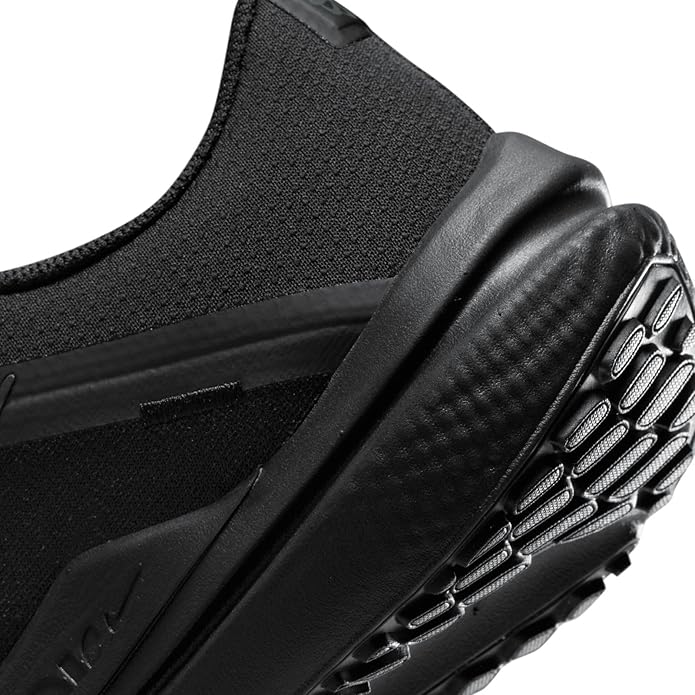
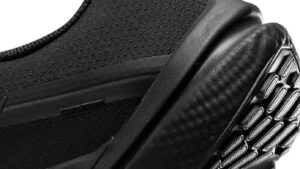
For runners pushing 40+ miles per week, durability becomes a more significant concern. After crossing the 100-mile mark during my testing, I noticed visible wear on the outsole, particularly in the heel strike area where I land hardest. The upper materials held up well with no mesh degradation or fraying, but the sole showed clear signs of compression and abrasion. Based on the wear patterns I observed at 150 miles, I’m projecting these shoes will last somewhere between 250 and 300 miles total before they lose enough cushioning integrity to warrant replacement.
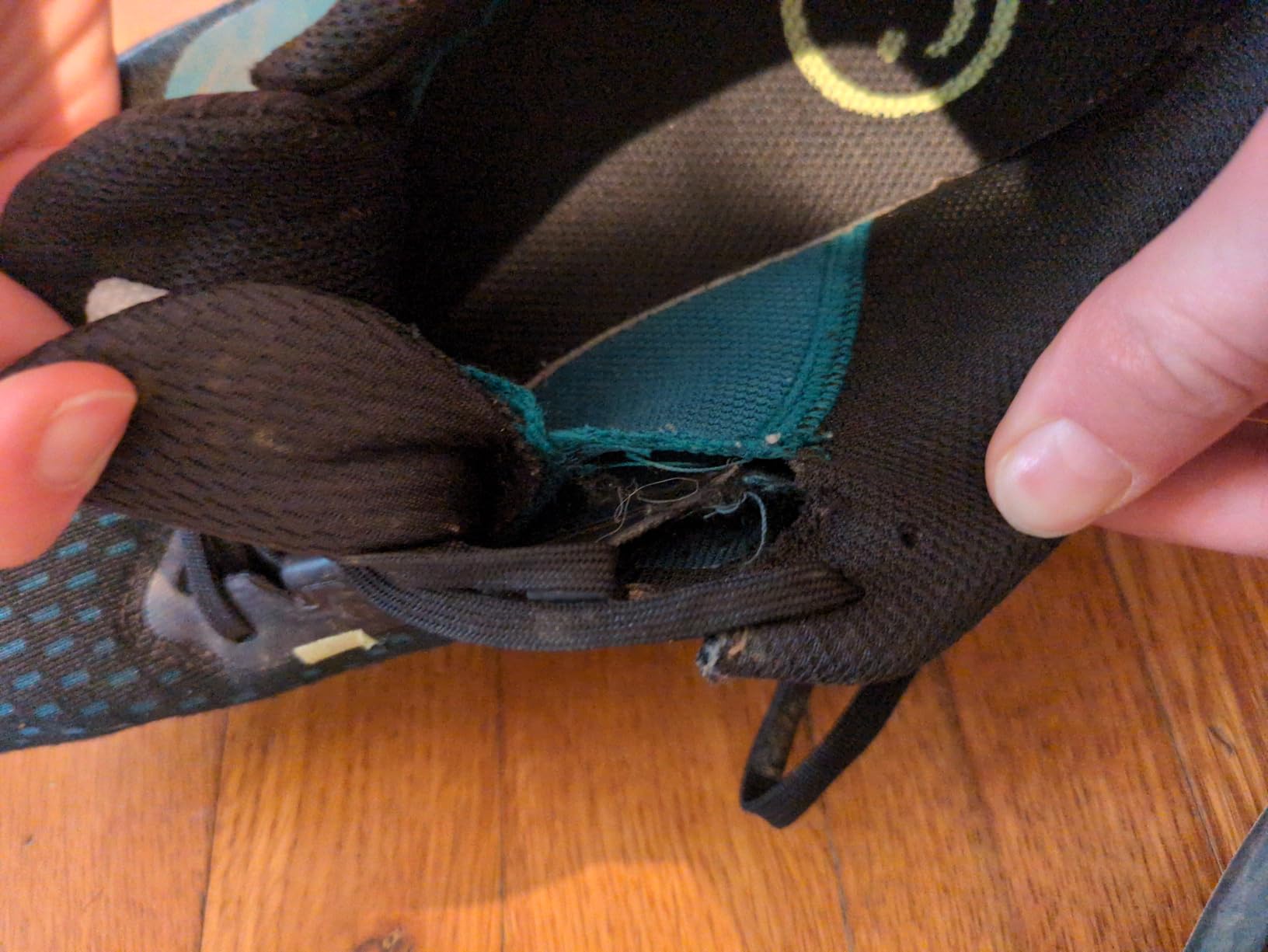
That lifespan is shorter than premium trainers that typically deliver 400+ miles, but it’s reasonable given the price point. Your mileage will vary based on your weight and running form. Lighter runners under 160 lbs will likely get closer to 300 to 350 miles. At my weight of 180 lbs, 250 to 300 miles seems realistic. Heavier runners over 200 lbs should probably plan for 200 to 250 miles maximum.
Distance considerations matter too. The Winflo 10 works well for 10K training cycles where your long runs stay under 10 miles. It’s adequate for half-marathon training if you understand the cushioning will feel less protective after about 8 miles into your long runs. For marathon preparation where you’re regularly running 15+ miles and need maximum cushioning for those extended efforts, I’d recommend investing in something with more substantial foam stacks designed for that specific purpose.
Key Strengths and Weaknesses
After logging significant miles, clear patterns emerged about what the Winflo 10 does well and where it falls short. The cushioning system genuinely impressed me. The combination of Nike Air and Cushlon 3.0 foam creates a responsive feel that maintains good energy return without feeling bouncy or unstable. This balance makes the shoe versatile across different training paces. The lightweight feel at 10.2 oz contributes to that responsive character without sacrificing the protection you need for daily training. I never felt beat up after runs, which tells me the cushioning does its primary job effectively.
The engineered mesh upper proved more durable than I expected. After 35 runs through varied conditions, the material still looks good and maintains its original shape. No bunching, no premature wear at stress points, no mesh tears. For a budget shoe, the upper construction exceeds expectations. The breathability remained consistent throughout testing, which matters for year-round training.
However, the squeaking issue is real and annoying. Multiple people in my running group mentioned this, and it developed in my pair after a few weeks of use. It’s more prominent with certain colorways based on community feedback, but it seems nearly universal across the Winflo 10 line. In quiet environments like early morning neighborhood runs, it becomes noticeable enough that other runners have commented on it.
Durability represents the biggest concern. At 150 miles into testing, the wear patterns suggest these shoes won’t reach the 300 to 400 mile lifespan you might expect from more expensive daily trainers. The outsole rubber is showing significant abrasion in high-impact zones, and the foam feels noticeably more compressed than it did during the first 50 miles. Plan on replacing these every 250 to 300 miles rather than expecting them to last a full training cycle if you’re a moderate to high-mileage runner.
Performance in Various Running Conditions
My 8-week testing period spanned multiple seasons, giving me comprehensive data on how the Winflo 10 adapts to different scenarios. Hot summer afternoons in August tested the limits of the breathability claims. Running in 85°F temperatures with Texas humidity is genuinely brutal, but the mesh upper performed admirably. Air circulation remained consistent even when I was drenched in sweat, and the lightweight construction meant my feet never felt like they were carrying extra weight from heat-induced fatigue. For summer training, this shoe handles the challenge well.
Temperature consistency impressed me too. Those early morning 6 AM runs starting at 65°F felt smooth and comfortable from the first step. The cushioning didn’t need warming up or several miles to feel right. As the temperature climbed during the run, the foam maintained its responsive character without getting softer or losing rebound. Evening sessions after work showed similar reliability. Whether running at 7 AM or 7 PM, the shoe felt the same.
Wet pavement testing during fall drizzle and light rain gave me a realistic assessment of traction. The rubber outsole provided adequate grip on wet roads. I could maintain my normal training paces on straight sections without concern. However, I was more cautious than usual on wet painted lines, metal utility covers, and areas with fallen leaves. The traction is functional but not exceptional. Premium shoes with specialized wet-condition rubber compounds feel more secure when conditions get dicey.
Pace variations revealed specific strengths and limitations. Easy runs between 8:30 and 9:00 pace felt natural and comfortable, exactly where this shoe lives. The cushioning absorbed impact smoothly, and I could maintain conversation pace without thinking about my footwear. Tempo efforts between 7:00 and 7:15 pace showed the shoe’s versatility. It handled these harder efforts reasonably well, though I noticed it didn’t feel quite as stable or responsive as premium trainers built specifically for faster work. Speed sessions faster than 6:45 pace exposed clear limitations in both stability and responsiveness. The platform felt less secure, and I couldn’t get the same sharp, quick feeling you want for intervals or track work.
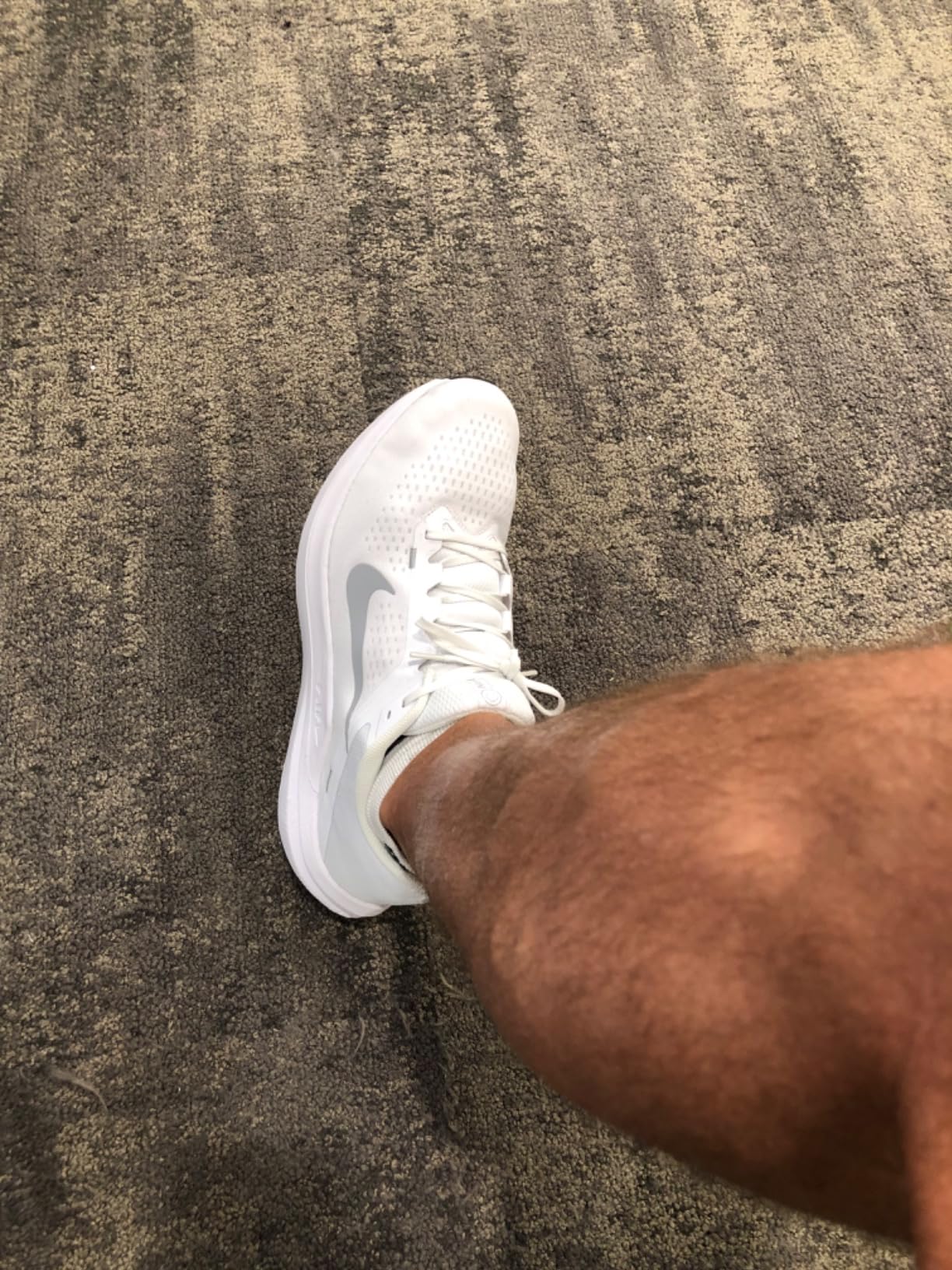
After 150 miles across those 8 weeks, durability patterns became clear. The outsole wear I mentioned earlier was most noticeable in the lateral heel area where I naturally strike first. The upper materials showed minimal wear with no mesh breakdown or loosening of the structure. This durability discrepancy between upper and sole is common in budget trainers where manufacturers need to manage costs somewhere. Based on my testing at 180 lbs, here’s my projected lifespan breakdown by runner weight: Under 160 lbs should get 300 to 350 miles. Between 170 and 185 lbs (my range), expect 250 to 300 miles. Over 200 lbs, plan for 200 to 250 miles. These estimates assume normal training mileage patterns with rest days between runs.
Does Nike Deliver on Their Promises?
Marketing claims need real-world validation. Nike made several specific promises about improvements in the Winflo 10, and after 150+ miles, I can assess how well they delivered. The claim about more space in the forefoot for better fit compared to the Winflo 9 is about 70% true. There is genuine improvement. The toe box does offer more room than the previous version. However, it’s still narrow compared to brands known for generous toe boxes. If you liked the fit of previous Nike models, you’ll appreciate the extra space. If you struggled with narrow Nike fits before, this addresses some but not all of that concern.
The springy cushioning from Nike Air claim holds up well under scrutiny. I tested this specifically during tempo runs and interval efforts where you can really feel how well cushioning returns energy. The foam provides good responsiveness without feeling mushy or dead. At this price point, the energy return impressed me. It’s not quite at the level of ZoomX foam you’d find in premium Nike models, but it’s lively enough to make training runs feel engaging rather than sluggish. The cushioning stayed responsive through my entire testing period, never developing that flat, compressed feeling that some budget foams show early.
Nike’s claim about improved comfort and fit of the shoe collar is legitimate. Throughout 150+ miles of testing, I experienced zero heel slippage and no irritation from the collar padding. Some budget shoes develop rough spots or loose fits around the heel after several weeks of use. The Winflo 10’s collar maintained its secure, comfortable hold. This is a genuine improvement that makes daily training more pleasant.
The durability improvements claim gets mixed results. The upper materials are genuinely robust. After 35 runs through various conditions, the mesh and overlays show minimal wear and maintain their original structure. That’s better than expected at this price point. However, outsole longevity appears similar to previous budget Nike trainers. The rubber compound is wearing at a rate that suggests a 250 to 300 mile lifespan rather than the 400+ miles you’d expect from truly improved durability. Context matters here – compared to other budget options in this price range, the Winflo 10 is competitive. But compared to Nike’s premium line or the word “improvements” in an absolute sense, it’s a more modest upgrade.
My Overall Assessment
Category Breakdown
Based on 8 weeks and 150+ miles of testing, here’s how the Nike Winflo 10 scores across key categories:
- Overall Rating: 7.2/10 – Solid daily trainer with clear budget trade-offs
- Design & Aesthetics: 7.5/10 – Clean, versatile look that works for training
- Cushioning Quality: 7.8/10 – Good balance for daily training, responsive for the price
- Durability: 6.0/10 – Wear patterns after 150 miles raise concerns about longevity
- Versatility: 7.5/10 – Handles easy runs to tempo well, limited for speed work
- Value for Money: 7.0/10 – Decent at $67 when you understand the limitations
What Other Runners Are Saying
My findings align with feedback from other runners who’ve logged significant miles in the Winflo 10. My buddy James, who’s 6’1″ and 190 lbs, told me the shoe felt great during the first month but started showing noticeable compression around the 120-mile mark. That tracks with my experience and reinforces the pattern that heavier runners will see faster degradation in cushioning integrity. Tom from my running group, who’s 5’8″ and 155 lbs, had a better durability experience. He’s past 200 miles in his pair and still finding them comfortable for easy runs, though he mentioned they’re starting to feel less protective.
The squeaking issue came up with 4 to 5 people in my local running community without me even asking about it. It seems nearly universal with the Winflo 10. Some colorways appear more prone to it based on community discussions, but it develops after a few weeks of use regardless. It’s not a performance issue, but it’s annoying enough to mention.
Is It Worth Your Money?
Value requires context. At $67, you’re paying roughly $0.24 per mile based on a 275-mile average lifespan. Premium trainers at $120 that last 400 miles work out to about $0.30 per mile. From a pure cost-per-mile perspective, the Winflo 10 offers reasonable value. You’re getting about 75% of what Nike promised in terms of features and performance for about 60% of the price of their premium offerings. That math works out favorably.
The bottom line: This shoe is worth the money for runners logging 20 to 35 miles per week who understand they’ll be replacing shoes more frequently than with premium options. If you’re new to running or building your mileage base, the Winflo 10 delivers Nike quality at an accessible price point. For higher mileage runners consistently over 40 miles per week, the shorter lifespan means you’ll be buying shoes more often. In that case, investing in a premium option with better durability makes more financial sense over a training season.
Final Verdict
The Good and The Bad
| Pros | Cons |
|---|---|
| Lightweight and responsive for daily training | Durability concerns – outsole wear after 100 miles |
| Good breathability in hot conditions | Annoying squeaking develops in multiple colorways |
| Versatile for easy runs to tempo work | Still narrow for wide-footed runners |
| Comfortable cushioning system stays responsive | Limited traction confidence in wet conditions |
| Reasonable price point for Nike quality | Compression noticeable during longer runs over 8 miles |
| Improved toe box compared to Winflo 9 | Not ideal for high-mileage training over 40 mpw |
Who Should Buy the Nike Winflo 10?
Perfect For:
- Beginner to intermediate runners logging 20 to 35 miles per week
- Runners who prioritize lightweight feel and responsiveness over maximum durability
- Training primarily at easy to moderate paces (7:30+ per mile)
- Budget-conscious runners who understand durability trade-offs
- Normal to narrow feet who’ve liked previous Nike fits
Consider Carefully If:
- You’re logging 40+ miles per week – durability may be insufficient
- You do significant speed work faster than 7:00 pace – stability limitations
- You’re training for a marathon – may need more substantial cushioning for long runs
Look Elsewhere If:
- You have wide feet and need a truly roomy toe box
- You frequently run in wet conditions and need maximum traction confidence
- You want 400+ mile lifespan from your trainers
- You’re over 200 lbs and need maximum durability and support
Better Options for Specific Needs
If durability is your priority at this price point, the ASICS Gel-Contend series typically delivers longer lifespan with slightly firmer cushioning. For runners who need more toe box room, New Balance Fresh Foam models or Altra shoes provide genuinely wide accommodations. If you want similar cushioning feel with better longevity and can stretch your budget, the Adidas Supernova or Brooks Ghost deliver 400+ mile lifespans. You can explore more options in the running shoes category to compare alternatives.
My Final Take
After 150+ miles in the Nike Winflo 10, I can say it’s a solid entry-level trainer with clear limitations you need to understand before buying. This shoe works best for newer runners building their mileage base, moderate weekly mileage runners, and those working within a budget around $67 who want Nike quality without premium pricing. The cushioning impressed me more than I expected, the breathability handled Texas heat admirably, and the lightweight feel makes training runs enjoyable rather than sluggish.
My pro tip: Size up half a size if you’re between sizes or have wider feet. The narrow fit is real despite improvements over the Winflo 9. Don’t expect the longevity of premium trainers that cost twice as much. Plan to replace these every 250 to 300 miles rather than hoping they’ll last through a full marathon training cycle. If you approach the Winflo 10 with realistic expectations about what a budget trainer can deliver, you’ll likely be satisfied with the performance you get for the money.
Frequently Asked Questions
How many miles per week can I comfortably put on these?
The Winflo 10 hits its sweet spot for runners logging 20 to 35 miles per week. At this volume, the cushioning durability will last you a reasonable training cycle of about 8 to 10 weeks before needing replacement. The foam rebounds well enough between runs when you’re taking rest days. If you’re pushing 40+ miles per week, durability becomes more concerning. The outsole wear I noticed after 100 miles suggests the shoes will need replacement more frequently at higher mileages. For high-mileage runners, I’d recommend rotating these with a more durable trainer to extend their lifespan and provide your legs with varied stimulus.
Can I use the Winflo 10 for both easy runs and speed work?
It depends on your definition of speed work and your pace targets. For easy runs at 8:30 pace or slower, these shoes perform excellently. The cushioning feels protective and comfortable for recovery days and conversational pace runs. Tempo work between 7:00 and 7:30 pace showed the shoe’s versatility during my testing. It handles these moderately hard efforts reasonably well, though you’ll notice it doesn’t feel quite as stable or responsive as premium trainers built specifically for faster running. For true speed work faster than 6:45 pace, I’d recommend a dedicated racing flat or tempo shoe. The Winflo 10’s platform feels less stable and responsive at those speeds, which can compromise your form and limit how hard you can safely push.
How does the Winflo 10 fit compared to other popular brands?
Cross-brand sizing gets tricky, but here’s what I’ve observed based on my testing and community feedback. Compared to Brooks, the Winflo 10 runs about half a size small and noticeably narrower in the toe box. If you wear a size 9 in Brooks Ghost, you’ll probably want a 9.5 in the Winflo 10. Against Adidas running shoes, the length is similar but the toe box is narrower. New Balance Fresh Foam models run wider and more accommodating. If you comfortably wear a size 9 in New Balance Fresh Foam shoes, you’ll likely need a 9.5 in the Winflo 10 to avoid that cramped feeling in the forefoot. The MR-10 last Nike uses provides their most consistent fit, so if you’ve worn other Nike trainers recently, your normal Nike size should work here.
What’s the break-in period like?
The Winflo 10 offers immediate comfort right out of the box. I experienced no hot spots, blisters, or discomfort during my first 5-mile run in them. That said, the foam does need a few runs to settle into its optimal feel. After about 3 to 4 runs totaling 15 to 20 miles, the cushioning found its sweet spot where it felt most responsive and comfortable. By the 50-mile mark, the shoes were fully broken in and performing at their best. This is a relatively quick break-in period compared to some trainers that need 50+ miles before they feel right. You can confidently wear these for a moderately long run after just a couple of shorter shakeout sessions.
How long will these shoes realistically last?
Lifespan varies significantly based on your body weight and running mechanics. From my testing at 180 lbs, combined with community feedback from runners at different weights, here’s what to expect. Lighter runners under 160 lbs should get 300 to 350 miles before the cushioning compresses too much and the outsole wear becomes concerning. At average weights between 170 and 185 lbs, plan for 250 to 300 miles. I’m at 150 miles currently and already seeing wear patterns that suggest I won’t make it much past 300. Heavier runners over 200 lbs should realistically expect 200 to 250 miles maximum. The upper will likely outlast the midsole and outsole, which is where these budget trainers show their cost-saving measures.
Are they worth the price compared to ASICS Gel-Contend 8?
This comparison comes down to what you prioritize in a budget trainer. The Winflo 10 offers better responsiveness and lighter weight. The cushioning feels more lively, and you get that Nike Air bounce that makes training runs more engaging. If you care about how a shoe feels during faster efforts and prefer a lighter, more agile trainer, the Winflo 10 wins. The ASICS Gel-Contend 8 delivers superior durability with firmer, more traditional cushioning. It will typically outlast the Winflo 10 by 50 to 100 miles. If longevity and total cost of ownership matter most to you, the ASICS represents better long-term value. Both are solid choices at similar price points. Your decision should reflect whether you prioritize feel and responsiveness (Winflo 10) or durability and total mileage (Gel-Contend 8).
What are the deal-breakers I should know about?
Three main deal-breakers emerged during my testing. First, if you have wide feet and don’t size up, these simply won’t work. The narrow toe box will make every run uncomfortable regardless of how much you try to break them in. This isn’t a minor fit issue – it’s a fundamental design characteristic. Second, the squeaking issue is universal and genuinely annoying, especially in quiet environments like early morning neighborhood runs. It’s not a performance problem, but it can be socially awkward when other runners or neighbors notice. Third, and most importantly, don’t expect 400+ mile lifespan. If you need shoes to last through a full marathon training cycle that includes 16 to 20 weeks of building mileage, these won’t make it. The durability limitation is the biggest constraint on who should buy this shoe.
Best practices for getting maximum life from these shoes?
You can extend the lifespan of the Winflo 10 with some smart practices. Rotate them with at least one other pair of running shoes. The foam needs 24 to 48 hours to fully decompress and recover between runs, which helps maintain cushioning integrity longer. Avoid wearing them for casual walking or everyday errands. Every step you take puts wear on that outsole, so reserve them exclusively for running. Replace them around the 250-mile mark or when you start feeling increased impact in your legs even if they still look decent visually. That flattened feeling in the cushioning means the foam has lost too much rebound to protect you effectively. Store them in cool, dry conditions away from direct sunlight or extreme heat, which can degrade the foam compounds faster. Following these practices, you might squeeze an extra 20 to 30 miles out of them compared to running them into the ground.
Review Scoring Summary & Shoe Finder Integration
| Category | Rating/Details |
|---|---|
| WHO THIS SHOE IS FOR | |
| Target Gender | Men (sizing and fit based on men’s models, women’s version available) |
| Primary Purpose | Running – Road running, daily training (validated through 150+ miles) |
| Activity Level | Active runners logging 20-35 miles per week |
| MONEY TALK | |
| Budget Range | $50-$100 (typically $67 on Amazon, $90-$110 Nike.com) |
| Brand | Nike |
| Primary Strength | Comfort – Immediate comfort out of box, responsive cushioning system |
| Expected Lifespan | Medium-term: 250-300 miles (decent for price, shorter than premium) |
| FIT & FEEL SPECIFICS | |
| Foot Characteristics | Normal width (narrow for wide feet – size up required) |
| Usage Conditions | Hot-humid conditions (85°F+ testing showed excellent breathability) |
| Daily Wearing Time | Medium sessions: 45 minutes to 1.5 hours (optimal for runs under 10 miles) |
| Style Preference | Sporty – Athletic design, not suitable for office or casual wear |
| WHAT MAKES THESE SPECIAL | |
| Important Features | Breathable mesh, lightweight construction (10.2 oz), responsive cushioning (Nike Air + Cushlon 3.0) |
| THE NUMBERS | |
| Comfort Score | 7.8/10 – Strong cushioning system, narrow fit prevents higher score |
| Style Score | 7.5/10 – Clean athletic design, limited casual versatility |
| Overall Score | 7.2/10 – Solid daily trainer with durability limitations |
Bottom Line Assessment
Perfect for: Beginner to intermediate runners, 20-35 miles per week, seeking Nike quality at budget-friendly price
Great for: Runners who prioritize lightweight responsive feel over maximum durability and longevity
Skip if: Wide feet without sizing up, logging 40+ miles per week, need 400+ mile lifespan
Best feature: Lightweight cushioning system delivers responsive Nike Air feel without premium price tag
Biggest weakness: Durability – plan to replace every 250-300 miles rather than expecting extended lifespan
Questions about the Nike Winflo 10 or how it might work for your specific training needs? Drop them in the comments below. Happy running!
Be the first to review “Nike Men’s Air Winflo 10 Trainers”
Related products
Running Shoes
Running Shoes
Running Shoes
Running Shoes
Hiking/Trekking Shoes


Hiking/Trekking Shoes
Running Shoes
Running Shoes
Reviews
There are no reviews yet.