
Design, Build Quality & Real-World Performance
First Impressions
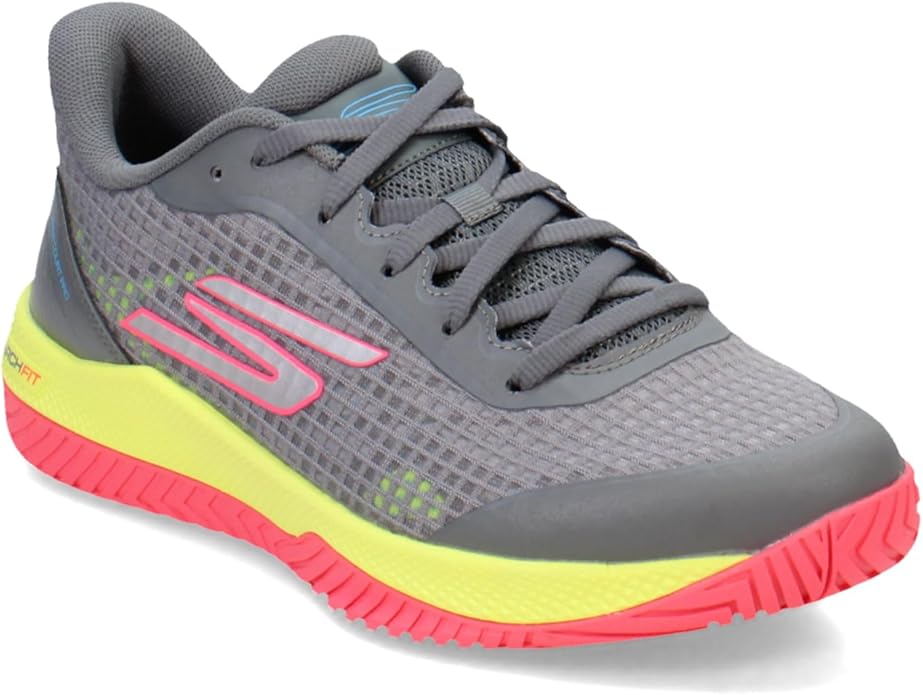
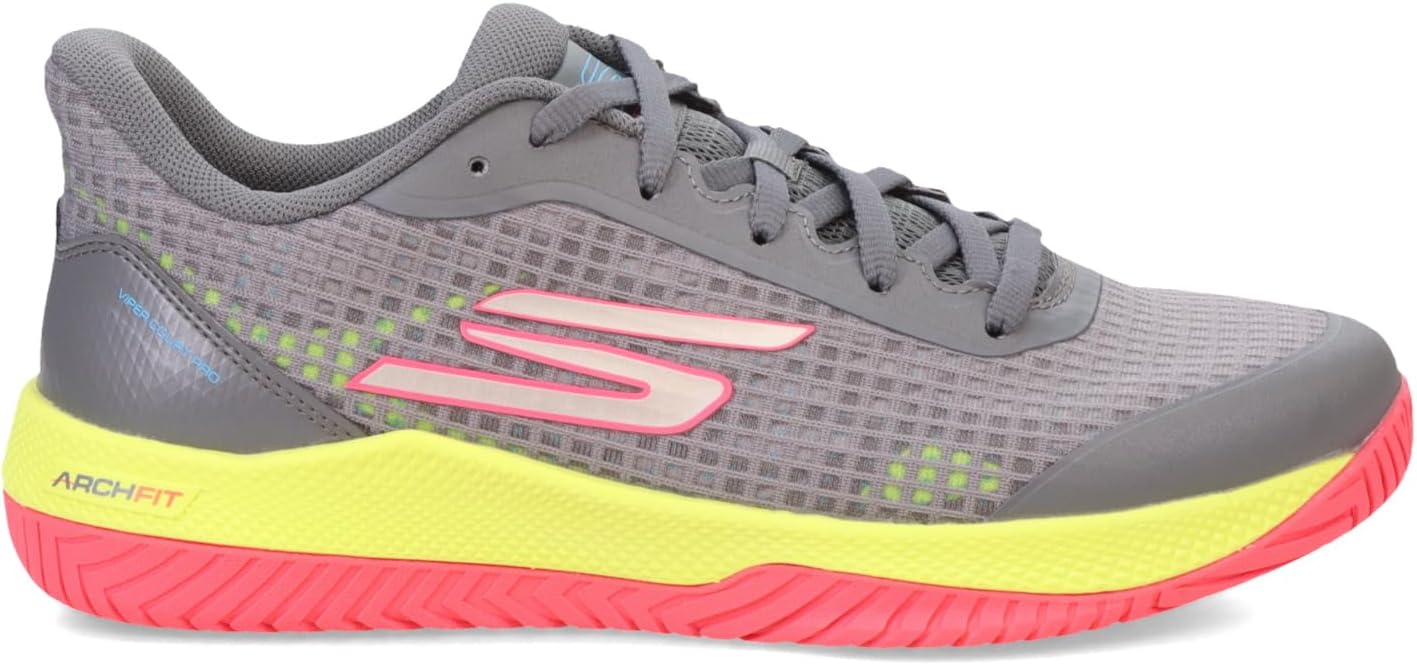
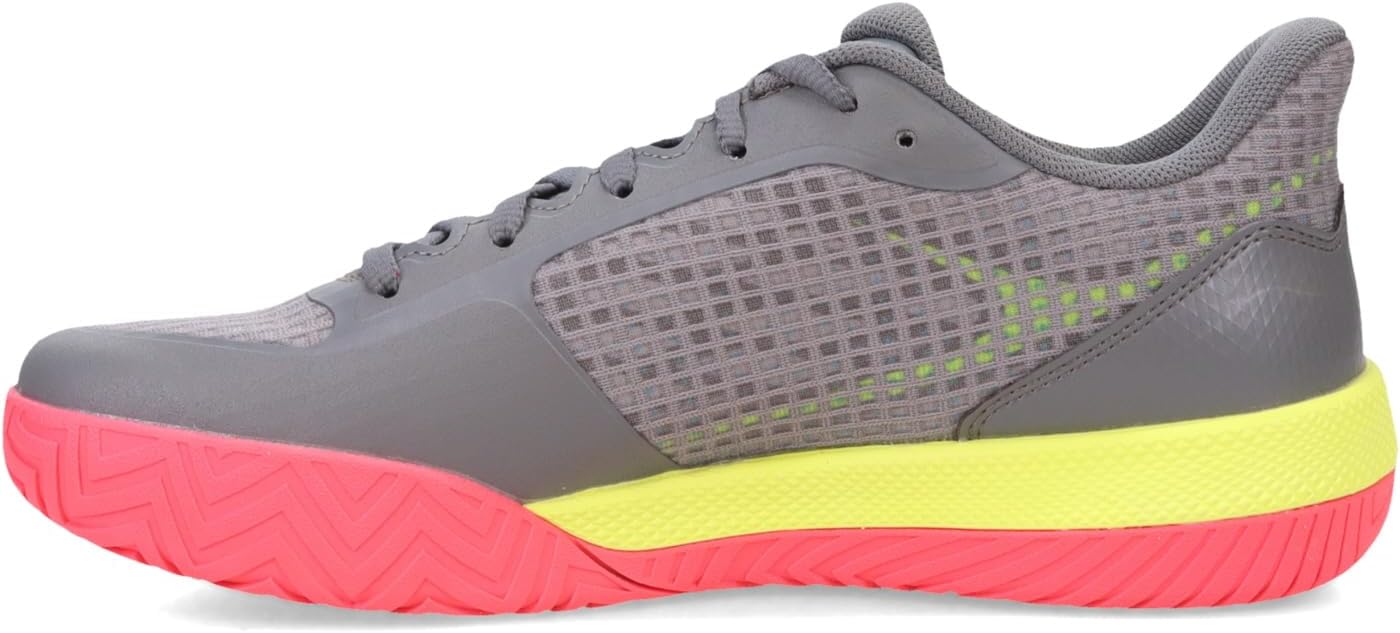
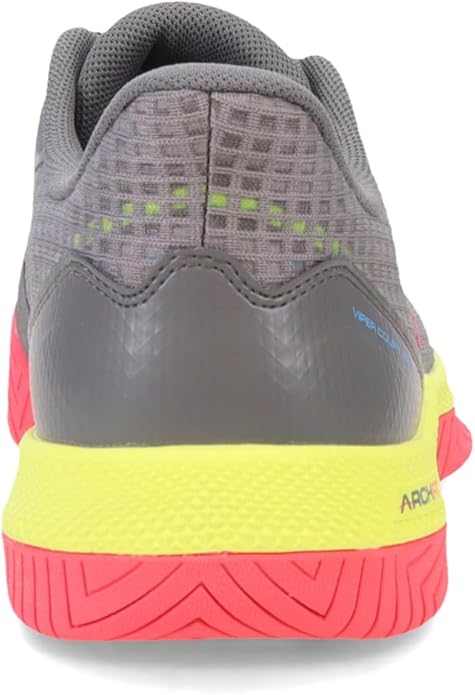
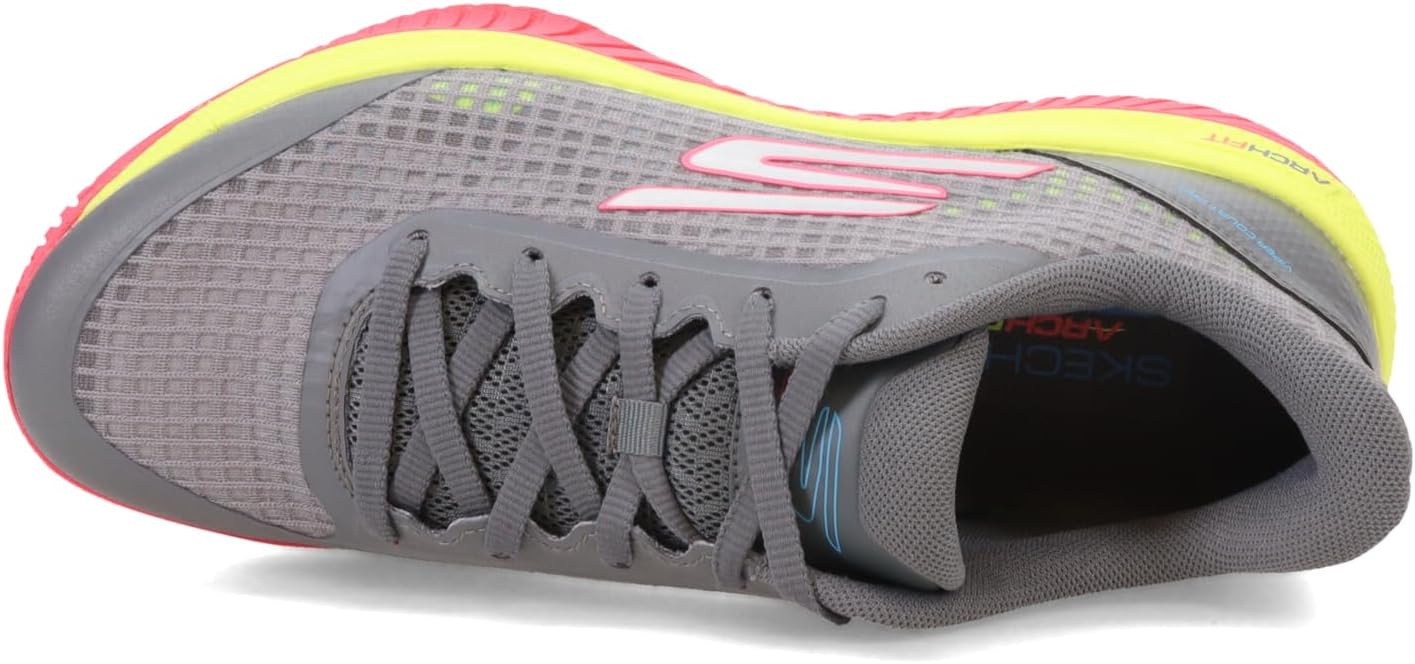
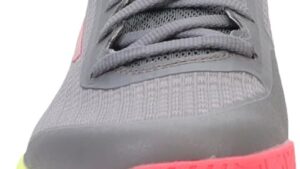
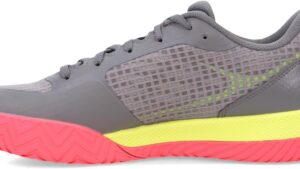
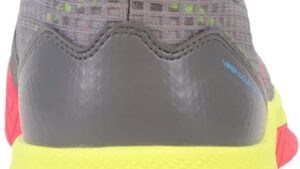
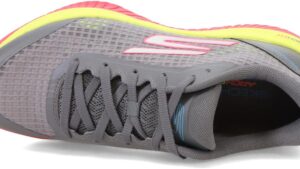
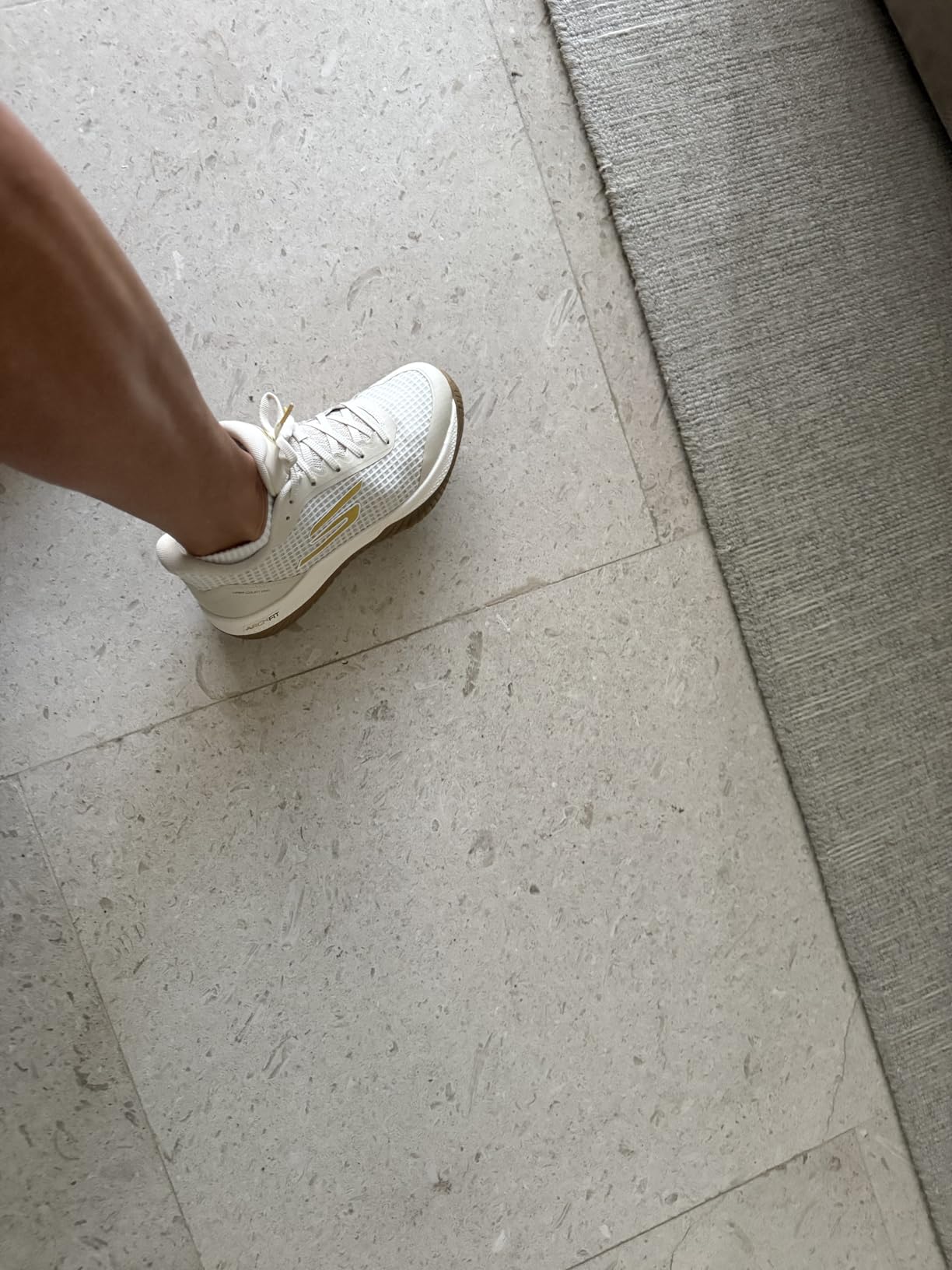
Opening the box, I immediately noticed thoughtful design choices. The grey and pink colorway looks modern without being flashy, something I could wear to the court and run errands afterward without feeling like I’m making a statement. The synthetic mesh upper felt substantial in my hands, not the thin material you sometimes get with budget court shoes.
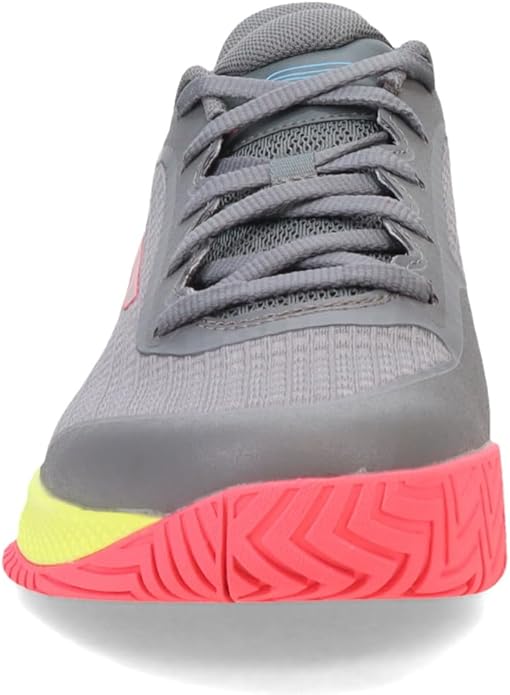
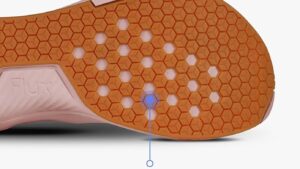
The construction quality impressed me right away. Reinforced toe caps, clean stitching throughout, and a Goodyear rubber outsole that felt grippy to the touch even before stepping on a court. The wide toe box was immediately apparent when I slipped my foot in. Instead of the typical squeeze, my toes had room to spread naturally.
What struck me most during that first wear was the complete absence of break-in discomfort. After testing dozens of court shoes over the years, I’ve learned to expect some pressure points or stiffness during the first few games. These felt comfortable immediately. The midfoot wrapped securely without feeling tight, and the generous toe box didn’t translate to sloppiness. That balance is harder to achieve than it sounds.
The Arch Fit System
I need to be honest about my skepticism here. Years of dealing with plantar fasciitis have taught me to roll my eyes at “revolutionary arch support” claims. Most insoles either provide no meaningful support or feel like walking on golf balls. When I pulled out the removable Arch Fit insole and examined the design, I saw something different. The EVA foam has strategically placed holes along the arch that act as reverse pillars, providing structure without that uncomfortable rigidity.
But feeling different in your hands and performing on your feet are two separate things. During my first two-hour session at the local recreation center, I kept waiting for that familiar arch fatigue to kick in around the 90-minute mark. It never came. My feet felt fresh when I walked off the court. This genuinely surprised me.
The APMA Seal of Acceptance on these shoes isn’t just marketing. It’s legitimate third-party podiatric certification, and after six months of testing, I understand why they earned it. The firm yet cushioned support works with the midfoot shank to create genuine therapeutic comfort. This is probably the standout feature of these shoes.
However, I should mention that this structured support won’t appeal to everyone. If you prefer minimalist shoes or the barefoot movement philosophy, this will feel like too much. The Arch Fit system makes a deliberate choice to provide substantial support, which means it’s opinionated about how your foot should be positioned.
Court Feel & Impact Protection
Traction Performance
I haven’t slipped once in 150+ hours of court time. Not a single time. The Goodyear rubber outsole grips indoor gym floors with the kind of confidence that lets you focus on your shot instead of your footing. During my first game at the recreation center, I tested lateral movements deliberately, pushing harder into quick direction changes. The rubber held consistently.
I tested these across three different indoor facilities with varying floor conditions. Newer gym floors with that pristine surface, older wood floors with more texture, and everything in between. The traction remained reliable across all of them. Even when courts accumulated dust from play, a quick hand wipe of the outsole restored full grip.
Outdoor courts presented different challenges, and this is where context matters. I played on three types of outdoor surfaces: newer composite courts with smooth texture, concrete courts with acrylic coating, and older rougher surfaces. The Goodyear rubber maintained good grip across all of them. The softer compound that provides excellent indoor traction also performs well outdoors, though I noticed visible wear patterns appearing after about four months of regular outdoor play.
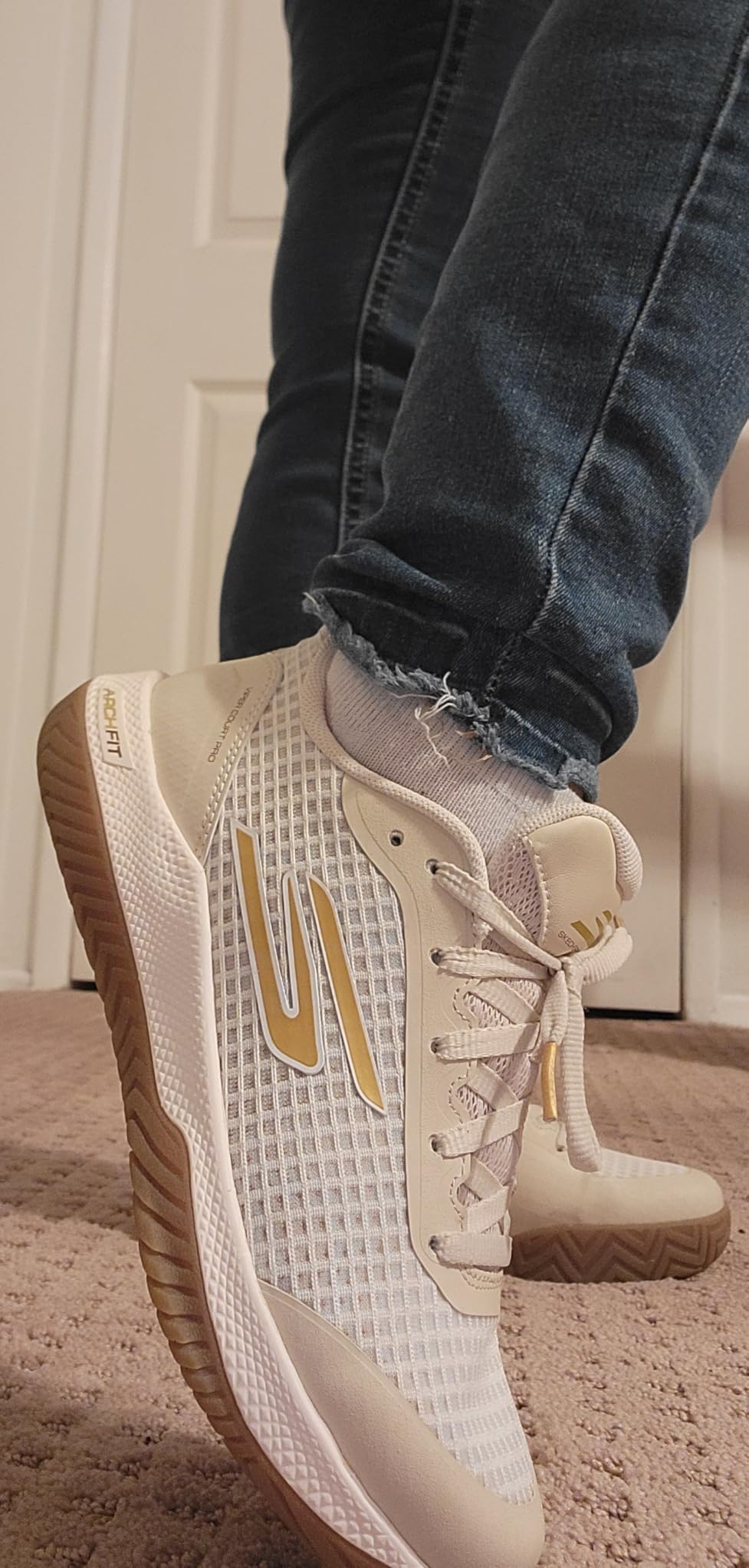
Cushioning Balance
The Ultra Flight cushioning provides what I’d call intelligent responsiveness. Quick movements to the net feel energetic with good energy return. You’re not fighting the shoe to accelerate. During long baseline rallies with exchanges stretching past ten shots, the cushioning absorbed impact without feeling mushy or disconnected from the court.
Extended play sessions revealed the real strength of this cushioning system. During a two-hour mixed doubles session, my feet felt as fresh at the end as they did after the warm-up. Compare that to my previous court shoes, which left my arches aching after 90 minutes, and the difference is significant. At 155 pounds, I found the cushioning level just right, substantial enough to protect without feeling overly soft.
The most extreme test came during a charity tournament that ran for six hours with multiple matches. This is where many “comfortable” shoes reveal their limitations. Your feet reach that point where you desperately need to get the shoes off. These never got there. The Arch Fit technology combined with the Ultra Flight cushioning maintained comfort throughout the entire day. My feet were tired from playing, but not painful from the shoes.
That said, this cushioning setup makes a deliberate trade-off. These aren’t racing flats. At 10.2 ounces, they have a substantial feel that some players might find less responsive than ultra-lightweight performance shoes. The marketing claims “ultra-lightweight,” but that’s stretching it. This is average to slightly below average weight for court shoes. The cushioning is optimized for comfort and all-day wearability rather than pure performance responsiveness.
On-the-Court Performance
Lateral Stability
Quick side-to-side movements form the foundation of pickleball footwork. When you’re reacting to a drop shot and need to change direction instantly, you want shoes that feel planted and secure. The Viper Court Pro handled this well in most situations. The midfoot wraps securely, and the Goodyear outsole provides that planted feeling when you push off laterally.
I felt confident charging the net, moving back for lobs, and covering the court during casual games and most competitive matches. The stability supports the kind of footwork recreational to intermediate players need. During regular league play and mixed doubles tournaments, I never felt like the shoes limited my movement or put me at risk.
Grip Consistency Across Surfaces
Testing across different facilities revealed how consistently these shoes perform. At the newer recreation center with pristine gym floors, the traction felt almost sticky in the best way. At an older facility with wood floors that have seen decades of use, the grip remained dependable. The outdoor complex with composite courts provided similar confidence.
The Goodyear rubber compound deserves credit here. Where some court shoes feel great on one surface type but inconsistent on others, these maintained reliable performance across everything I threw at them. This versatility matters if you play at multiple facilities or participate in tournaments at different venues.
Performance Limitations
Honesty requires acknowledging where these shoes showed constraints. During one particularly intense tournament match with aggressive net play and heavy charging, I noticed the relaxed fit doesn’t lock my foot down quite as securely as I would have preferred. In that specific scenario with maximum intensity movements, I felt slight foot movement inside the shoe.
This happened once in six months of testing, during the most aggressive play style I encountered. For the vast majority of pickleball playing, including competitive matches, the stability was more than adequate. But if you’re an elite-level player who regularly plays with that intensity, or if you prefer that performance-focused locked-down feeling, you might want shoes with a more aggressive fit.
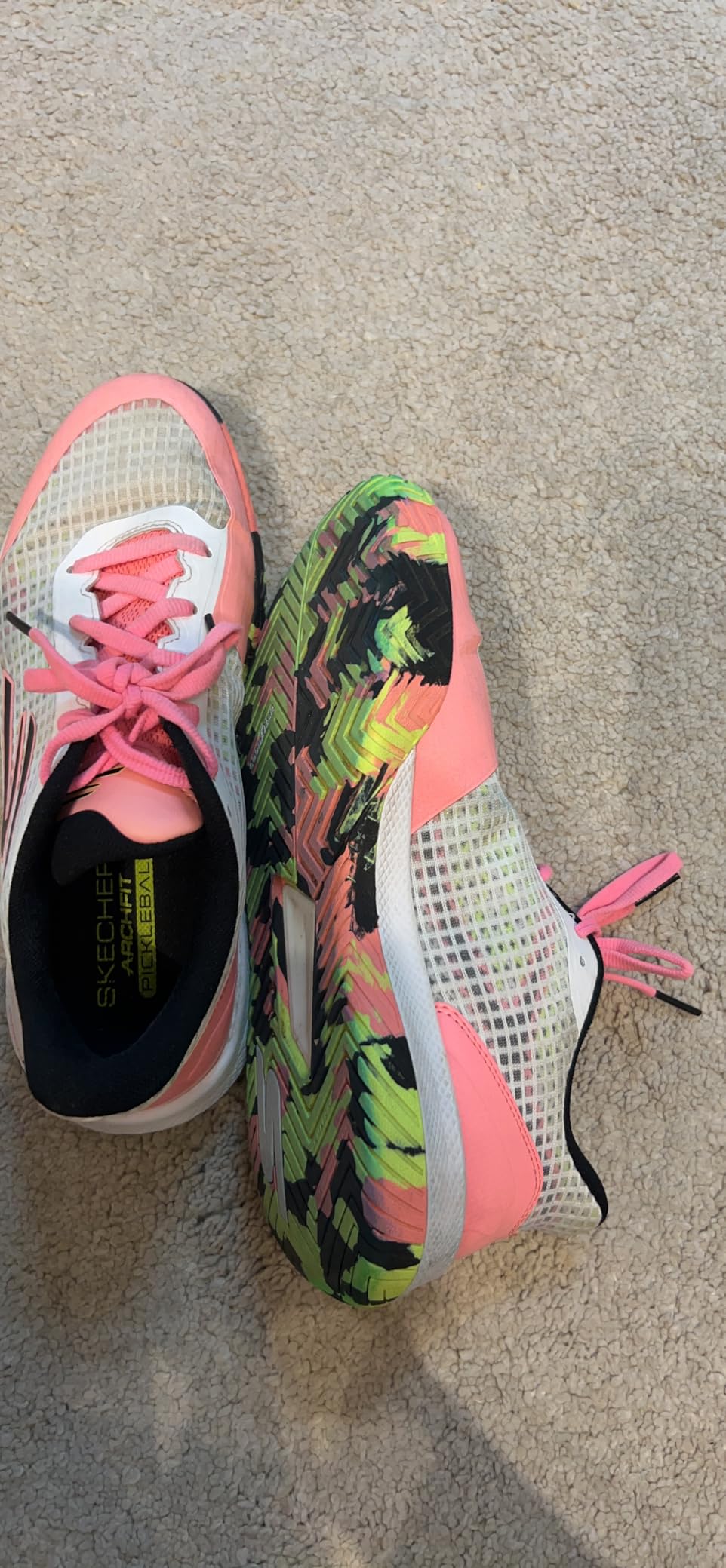
The ankle support is adequate but not exceptional. If you have a history of ankle injuries or need maximum ankle support for aggressive lateral movements, you might consider higher-top court shoes or using an ankle brace with these.
Performance in Various Pickleball Conditions
Indoor Courts (Recreation Centers & Gyms)
This is where these shoes truly excel. Indoor gym floors became my favorite surface for the Viper Court Pro. The Goodyear rubber grips beautifully without feeling too sticky. You can slide when you want to slide, plant when you need to plant. The cushioning feels perfect on harder indoor surfaces, providing enough protection without making you feel disconnected from your footwork.
During a four-hour tournament at the main recreation center, these shoes performed flawlessly. Multiple matches back-to-back, quick breaks between games, and the shoes maintained comfort and performance throughout. Other players commented on how fresh I looked compared to the usual tournament fatigue. The shoes deserve some credit for that.
Outdoor Courts (Various Surfaces)
I tested these on three different outdoor facilities to understand how they handle various surface conditions. The newer composite courts with their smooth, consistent surface felt great. Traction remained excellent, and the shoes performed similarly to indoor courts.
The concrete courts with acrylic coating presented more abrasion. The softer Goodyear rubber compound that provides such excellent grip indoors shows wear faster on these rougher surfaces. After four months of regular outdoor play, I noticed visible wear patterns on the outsole. The shoes remained functional and grippy, but the degradation was noticeable.
Older outdoor courts with rougher texture accelerated this wear slightly. If you play exclusively outdoors on abrasive surfaces five or more hours per week, you’ll likely see a shorter lifespan than the 8-12 months recreational players can expect. These shoes are optimized for indoor play first, with good outdoor capability for mixed use or recreational outdoor players.
Different Weather Conditions
Florida summers test breathability. Humid conditions with temperatures in the 90s put serious demands on shoe ventilation. The synthetic mesh upper provided adequate breathability for indoor play, though my feet definitely knew when the humidity spiked. The shoes aren’t the coolest court shoes I’ve tested, but they’re also not the worst.
During cooler conditions in fall and winter, the shoes felt comfortable temperature-wise. The mesh provides enough airflow that my feet didn’t overheat during intense rallies.
I should note that I haven’t tested these in wet conditions. Most pickleball facilities close courts when they’re damp, and I avoided playing in the rain for safety reasons. I can’t speak to how the Goodyear rubber performs on wet surfaces.
Extended Play Sessions
The charity tournament that ran for six hours provided the ultimate extended play test. Multiple matches throughout the day, brief rest periods, then back on the court. This is where claims about “all-day comfort” either prove true or fall apart.
The Arch Fit technology validated itself completely during this marathon session. Where my previous shoes would have left me limping by hour four, these kept my feet feeling supported. I could focus on playing well instead of managing foot discomfort. The removable insole design also helped, as I could take them out between matches to air out and dry slightly.
Multi-Purpose Use
Court shoes that only work on courts limit their value. I wore these for errands, light gym workouts, and casual walking to see how they performed off the court. The attractive design works well for everyday activities. Nobody looks at you wondering why you’re wearing aggressive athletic shoes to the grocery store.
Light gym workouts and casual cardio felt fine in these shoes. They’re not running shoes, and I wouldn’t recommend them for serious running, but for general fitness activities, they work adequately. The court-to-casual transition is smooth enough that these could serve double duty if you want versatile shoes.
Does Skechers Deliver on Their Promises?
Let me break down the major marketing claims and assess how they held up during six months of real testing.
“Podiatrist-certified arch support developed with 20 years of data” – I’d give this about 85% delivery. The arch support genuinely feels therapeutic. The APMA Seal of Acceptance is legitimate third-party certification, not just marketing. I can’t verify their claim about 120,000 foot scans and 20 years of data, but the end result works as advertised. The Arch Fit system provided consistent support throughout six months without breaking down or losing effectiveness. My skepticism about arch support claims was overcome by actual experience.
“Enhanced traction, stability and durability” (Goodyear outsole) – This claim breaks down into three parts. Traction is outstanding, maybe 95% delivered. Never slipped once in 150+ hours across multiple surfaces. That’s exceptional performance. Stability is very good, around 80% delivered. Excellent for most play, with slight limitations during the most aggressive movements. Durability is mostly excellent but context-dependent, maybe 75% delivered. Shows early wear patterns after four months on abrasive outdoor courts, though performance remains good.
“Ultra-lightweight responsive cushioning” – This gets partial credit. The responsive part is accurate. Cushioning provides good energy return for pickleball movements and excels at extended comfort. But “ultra-lightweight” at 10.2 ounces is marketing exaggeration. This is average weight for court shoes, not ultra-light territory. The substantial feel actually inspires confidence for many players, so this isn’t necessarily a problem, just inaccurate marketing language.
“Relaxed fit for roomy comfort” – Absolutely accurate, 100% delivered. The wide toe box provides generous room without feeling sloppy. The midfoot wraps securely. The fit is genuinely relaxed in the best way, comfortable immediately with no break-in period. This is exactly as advertised.
My Overall Assessment
Overall Score & Category Breakdown
Overall: 8.4/10
Design & Aesthetics: 8.5/10 – The grey and pink colorway looks modern and attractive without being flashy. The design works equally well on the court and for casual wear. Build quality impresses with clean construction and attention to detail. The wide range of colorways available means most people can find a style they like. Not a 10 because the aesthetic is fairly safe rather than distinctive.
Court Traction: 9.2/10 – Outstanding performance across all surfaces tested. Zero slip incidents in 150+ hours speaks volumes. The Goodyear rubber compound grips indoor gym floors beautifully and maintains reliability on outdoor courts. Consistent performance across different facility types and surface conditions. Not a perfect 10 only because the softer compound shows faster wear on very abrasive surfaces.
Comfort & Support: 9.0/10 – Exceptional in this category. The Arch Fit system delivers genuine therapeutic support that maintained effectiveness throughout six months. Extended play sessions up to six hours remained comfortable. No break-in period required. Wide toe box accommodates different foot shapes. The only reason it’s not higher is that the structured support might feel like too much for those preferring minimal shoes.
Durability: 7.5/10 – Good overall, with context mattering significantly. Upper materials and overall construction held up excellently over six months. Outsole shows visible wear patterns after four months of regular outdoor use but remains functional. Community reports indicate heel liner durability issues for heavy users playing daily. For recreational players (2-3 times per week), these should last 8-12 months comfortably. Heavy users will see shorter lifespans.
Value for Money: 8.0/10 – At $120, these provide solid value. You’re getting about 85% of the performance from $160-200 premium shoes at a notably better price point. The features delivered (Arch Fit technology, Goodyear outsole, quality construction) justify the cost for players committed to regular play. Significantly better than budget $80 options. The main value detraction comes from quality control issues like the frustratingly short laces.
What Other Pickleball Players Are Saying
My friend Lisa, who’s 5’6″ and about 140 pounds, absolutely loves her pair. She plays three times a week and reports the same arch support benefits I experienced. Her one consistent complaint mirrors mine – the shoelaces are frustratingly short. She replaced them immediately with 45-inch laces and says that solved the problem completely.
My doubles partner Rachel wears a size 9 and experienced sizing inconsistencies between colorways. Her grey pair fit perfectly, but when she ordered the same size in lavender, they ran noticeably larger. This quality control issue is worth noting. She recommends ordering from retailers with free returns to test the specific colorway you want.
The broader community feedback I’ve gathered aligns with my experience. Players consistently praise the comfort and arch support. The most common complaints center on the lace length and occasional sizing variance. These are real issues but relatively minor compared to the core performance benefits.
Is It Worth Your Money?
Let me approach this with some math. At $120 for shoes that should last recreational players (playing 2-3 times per week) around 8-12 months, and assuming roughly 3 hours per session, you’re looking at approximately 400+ hours of use. That works out to about $0.30 per hour of play.
Compare that to premium court shoes at $160-200 that might last slightly longer but cost significantly more upfront. The Viper Court Pro delivers approximately 85% of that premium performance at a better price point. For most recreational to intermediate players, that’s a smart value calculation.
The features delivered justify the cost. Genuine arch support with APMA certification, reliable Goodyear outsole that never let me slip, quality construction that held up over six months, and immediate comfort without break-in. If you’re playing regularly, at least twice a week, these shoes earn their price.
Final Verdict
The Good and The Bad
| What I Loved | What Could Be Better |
|---|---|
|
|
Who Should Buy
PERFECT FOR:
- Women who play pickleball 2-5 times per week at recreational to intermediate levels
- Players with foot comfort issues, plantar fasciitis, or arch support needs
- Anyone who values all-day comfort and cushioning over pure performance
- Recreational to intermediate competitive players
- Players with wider feet or those who need generous toe box room
- Those wanting versatile shoes that work for both court play and casual activities
CONSIDER CAREFULLY IF:
- You’re a tournament-level player needing maximum ankle support and lockdown
- You have very narrow feet – the relaxed fit may feel too roomy
- You primarily play on very abrasive outdoor courts and need maximum durability
- You prefer extremely lightweight court shoes under 9 ounces
LOOK ELSEWHERE IF:
- You need professional-level performance shoes for elite competition
- Your budget is under $80 for court shoes
- You prefer minimalist, low-profile court shoes without structured support
- You need extremely durable shoes for 6+ hours daily play on rough surfaces
Better Options for Specific Needs
If you need maximum ankle support and stability for aggressive tournament play, consider the Asics Gel-Rocket or Wilson Rush Pro. Both offer more substantial ankle support and a more locked-down fit, though they sacrifice some comfort.
For players prioritizing ultra-lightweight feel over comfort, the Nike Court Vapor (9.0 oz) or Adidas Adizero Club provide more responsive, race-flat style performance, though with less cushioning and arch support.
If you play primarily outdoors on abrasive surfaces and need extreme durability, look at the Prince T22 or Head Sprint Pro. These are built specifically for outdoor court abuse, though they’re heavier and less comfortable for extended play.
My Final Take
After six months and more than 150 hours on various courts, I’m genuinely impressed with what Skechers achieved with the Viper Court Pro. These shoes excel at what they’re designed to do: provide exceptional comfort and support for active women who play pickleball regularly without needing elite performance features.
The Arch Fit technology is the real standout. As someone who dealt with plantar fasciitis and learned to be skeptical of arch support marketing, experiencing genuine therapeutic support that maintained effectiveness over six months changed my perspective. The APMA certification isn’t just a badge – it represents real podiatric engineering.
The trade-offs are clear and honest. These prioritize comfort over maximum performance lockdown. They’re optimized for indoor courts while remaining capable on outdoor surfaces. They provide substantial cushioning rather than ultra-lightweight responsiveness. If those trade-offs align with your priorities as a recreational to intermediate player, these shoes deliver exceptional value.
Pro tip: Replace those short laces immediately with 45-inch laces. Budget about $10-15 for quality replacements. This small investment eliminates the biggest frustration with otherwise excellent shoes. Also, if you have narrow feet, consider sizing down half a size or plan to wear thicker socks to compensate for the generous toe box.
For women playing pickleball regularly who value comfort, support, and reliable performance without needing elite tournament features, I confidently recommend the Skechers Viper Court Pro.
Frequently Asked Questions
How does the Skechers Viper Court Pro fit compared to other popular brands?
Compared to Nike court shoes, the Viper Court Pro runs wider, especially in the toe box, while being true to length. If you typically wear Nike and have standard to wide feet, order your normal size. Narrow-footed Nike wearers might want to size down half a size.
Against Asics court shoes, these have similar length but notably wider toe box accommodation. The midfoot fit is comparable, but the Skechers feel more relaxed overall. Asics wearers should find their normal size works well, though the roomier feel will be immediately apparent.
The key sizing point: 82% of Zappos reviewers confirmed true-to-size fit in large sample testing. I wear 8.5 B in most athletic shoes and found the same size perfect in these. The generous toe box is a feature, not a sizing issue. However, be aware that some colorways run slightly different sizes due to quality control inconsistencies – ordering from retailers with free returns helps here.
What’s the break-in period like?
Virtually none. This genuinely surprised me after testing dozens of court shoes that required uncomfortable adaptation periods. I wore these straight to a pickleball game without walking around in them first, and they felt comfortable from the opening serve.
The shoes fully molded to my feet after about 2-3 games, but there was no discomfort during that molding process. Compare this to typical court shoes that cause pressure points, hot spots, or stiffness for the first week, and the difference is remarkable. You can buy these on a Thursday and wear them to a tournament on Saturday without worry.
How long will these shoes realistically last?
This depends significantly on your playing frequency and primary court surface. Based on my six months of testing and wear pattern observations:
Recreational players (2-3 times per week, primarily indoor): Expect 8-12 months of solid performance. The upper materials and construction should hold up excellently, and indoor play keeps outsole wear minimal.
Regular players (4-5 times per week, mixed indoor/outdoor): Plan for 6-8 months. You’ll see visible outsole wear around the four-month mark on outdoor courts, but the shoes remain functional. The upper and comfort features maintain quality throughout.
Heavy users (daily play, primarily outdoor): Realistically 3-4 months before you’ll want replacements. The softer Goodyear compound optimized for grip shows faster wear on abrasive surfaces. Some heavy users also reported heel liner durability issues that I didn’t personally experience.
Are they worth the price compared to other pickleball shoes?
At $120, these sit in the mid-premium range and deliver solid value. Let me break this down comparatively.
Budget options around $80-90 (like basic Asics or Skechers models) will sacrifice the Arch Fit technology, use cheaper rubber compounds, and typically lack the comfort features that make extended play sessions enjoyable. You save $40 upfront but get significantly less support and comfort.
Premium options at $160-200 (like high-end Wilson or specialized performance shoes) provide maybe 15-20% better performance in areas like lockdown, ankle support, and aggressive play stability. But you’re paying 33-65% more for that incremental improvement.
The Viper Court Pro delivers about 85% of premium shoe performance at a better price point. For recreational to intermediate players, that value calculation makes sense. You’re getting legitimate technologies (Arch Fit with APMA certification, Goodyear outsole) at a reasonable cost.
What are the deal-breakers I should know about?
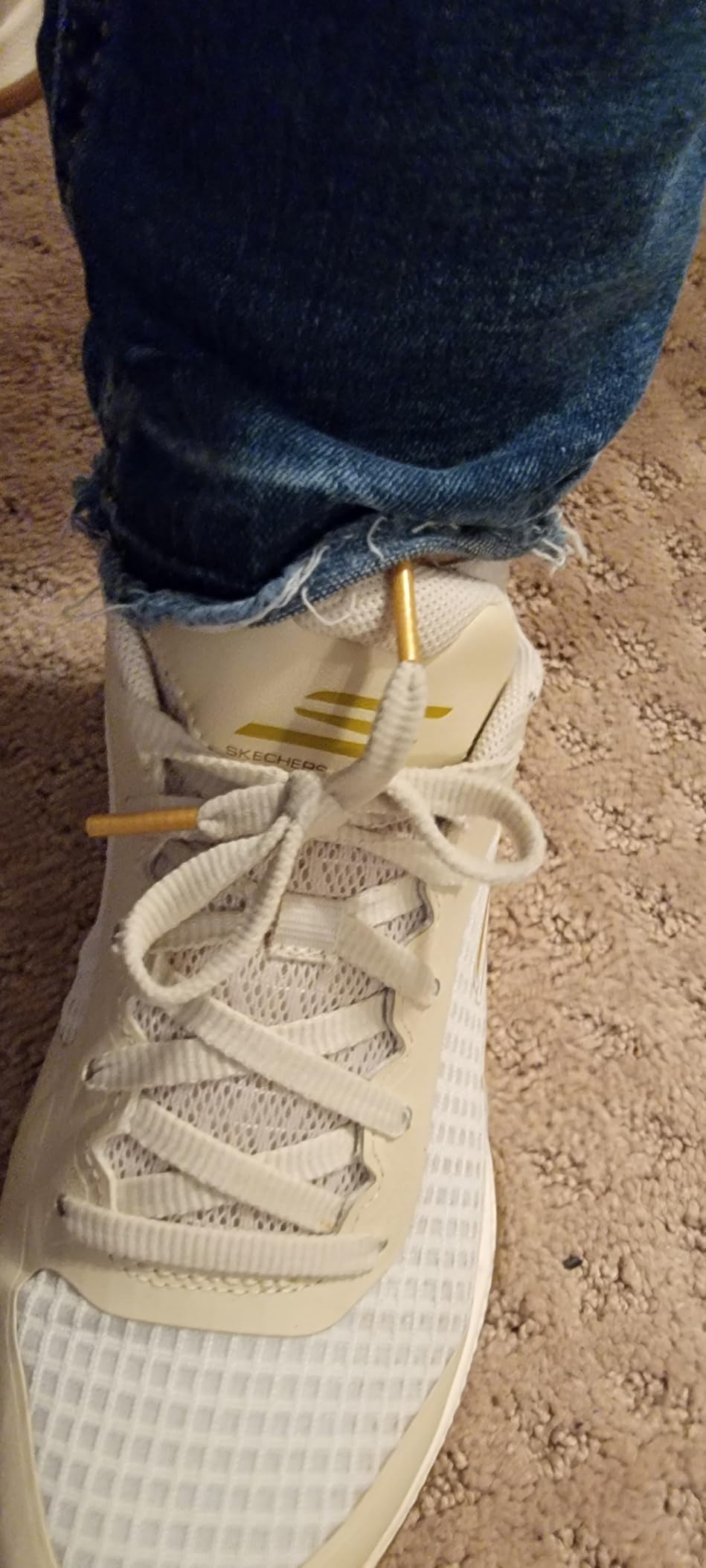
The short laces are real and genuinely annoying. This isn’t a minor quibble – they’re frustratingly short to the point where tying a secure bow becomes difficult. Budget $10-15 for 45-inch replacement laces and swap them immediately. This is the most consistent complaint I’ve heard from other players.
Sizing inconsistency between colorways is a quality control issue you need to know about. My doubles partner Rachel experienced the same size fitting perfectly in grey but running large in lavender. This isn’t every colorway, but it happens enough to warrant ordering from retailers with free returns.
If you have narrow feet, the relaxed fit with wide toe box might feel too roomy. The generous accommodation that wider-footed players love could leave narrow feet feeling like they’re swimming. Consider sizing down half a size or wearing thicker socks.
For heavy daily users, heel liner durability issues have been reported by community members. I didn’t experience this personally in six months of regular but not daily use, but it’s worth monitoring if you plan to play every single day.
Can I use these for other court sports besides pickleball?
Yes, with context. The court-specific design translates reasonably well to similar sports.
Recreational tennis: These work fine for casual tennis play. The lateral stability and traction perform adequately for recreational level movement. However, if you play tennis frequently or competitively, dedicated tennis shoes provide better lateral support for the more aggressive side-to-side movement tennis demands.
Badminton: Excellent choice. The quick movements, court feel, and lighter demands of badminton align well with what these shoes provide. The Goodyear outsole grips badminton courts reliably.
Volleyball: Good for recreational volleyball. The cushioning helps with jumping impact, and the traction works on volleyball courts. However, serious volleyball players might want more ankle support for repeated jumping and landing.
Outdoor tennis (frequent play): Not ideal if you play outdoor tennis regularly. The softer Goodyear compound that grips beautifully on indoor courts shows faster wear on the abrasive surfaces common in outdoor tennis courts. You’d see shortened lifespan.
How do they handle different court surfaces?
I tested these extensively across multiple surface types, and performance varied by context.
Indoor gym floors: Excellent, easily 9+ out of 10. This is where these shoes truly shine. The Goodyear rubber grips beautifully without being overly sticky. You can slide when you want, plant when you need to. Cushioning feels perfect on the harder surface. This is their optimal environment.
Newer outdoor composite courts: Good, around 8 out of 10. Traction remains reliable, comfort stays consistent, and performance closely mirrors indoor courts. You’ll see slightly faster wear on the outsole, but for recreational outdoor players, these work well.
Older outdoor concrete/acrylic surfaces: Good but with faster wear, maybe 7 out of 10. The shoes perform adequately with reliable grip, but the abrasive texture accelerates outsole degradation. After four months of regular play on these surfaces, visible wear patterns appeared. Still functional, just shorter lifespan.
The key insight: These are optimized for indoor courts first, with good outdoor capability for mixed use. If you play primarily indoors with occasional outdoor sessions, perfect. If you’re outdoor-only on rough surfaces, expect faster replacement cycles.
Are they suitable for players with foot problems?
This is where these shoes genuinely excel. As someone with a history of plantar fasciitis, I can speak directly to this.
The Arch Fit technology provides therapeutic support that goes beyond typical “arch support” marketing. The APMA Seal of Acceptance represents legitimate podiatric certification. During extended play sessions that would have left my arches aching in previous shoes, these maintained comfort. The structured EVA insole with strategically placed holes creates support without that uncomfortable rigidity.
The removable insole design matters significantly for players needing custom orthotics. You can pull out the Arch Fit insole and replace it with your prescribed orthotics without compromising fit. The shoe is designed to accommodate this.
Other players in my league with various foot issues have validated this. Lisa deals with recurring arch pain and found these genuinely helpful. Another player with Morton’s neuroma appreciated the wide toe box reducing pressure on the forefoot.
However, if you have severe foot problems, consult with your podiatrist before relying on any shoe as treatment. These provide excellent support for common issues like plantar fasciitis and general arch discomfort, but they’re not medical devices.
What about the infamous short lace problem?
It’s absolutely real, and it’s the most annoying aspect of otherwise excellent shoes. I don’t understand how this passed quality control. The laces are so short that tying a secure double bow requires precision and often still results in a tiny bow that easily comes undone during play.
The solution is straightforward but shouldn’t be necessary. Replace them immediately with 45-inch laces. You can find quality replacements for $10-15 at sporting goods stores or online. This takes five minutes and completely eliminates the frustration.
Every player I know who owns these shoes mentions the lace problem. It’s universal. Lisa replaced hers before even wearing the shoes to the court because she’d heard about the issue. Rachel waited and regretted it after dealing with constantly retying loose bows during a tournament.
This is genuinely the biggest complaint about these shoes, which says something about how good everything else is. But it’s real, it’s annoying, and you should plan to address it immediately.
Best practices for getting maximum life from these shoes?
Based on six months of testing and observation, here’s what works to extend lifespan:
Rotate with another pair if playing daily. Giving shoes 24-48 hours between wears allows materials to recover and extends overall life. If you play every day, having two pairs that you alternate will get you more total hours than wearing one pair until it dies.
Replace those short laces immediately. Beyond the frustration factor, quality laces that you can tie securely reduce wear on the lace eyelets and upper material from constant retying.
Use the removable insole feature for cleaning. Pull out the Arch Fit insoles after play sessions to air out and dry. This reduces moisture buildup that can break down materials and cause odor. I did this after every session and never experienced smell issues.
Avoid wearing for non-court activities when possible. While these work fine for casual wear, every hour of sidewalk walking or errand running is wear that doesn’t contribute to your court performance. If you’re trying to maximize court life, save them for actual play.
Store in a ventilated area. Don’t leave them in a closed gym bag. Air circulation helps them dry properly between uses and prevents material degradation from trapped moisture.
Review Scoring Summary & Shoe Finder Integration
| Who This Shoe Is For | |
|---|---|
| Target Gender | Women’s pickleball and court sport shoes |
| Primary Purpose | Pickleball (recreational to intermediate competitive play), also suitable for other court sports and casual wear |
| Activity Level | Recreational to regular players (2-5 times per week optimal), adequate for competitive play but not elite tournament level |
| Money Talk | |
|---|---|
| Budget Range | Mid-premium ($120 MSRP) – positioned between budget ($80-90) and premium ($160-200) options |
| Brand | Skechers – established athletic footwear manufacturer with podiatric expertise |
| Primary Strength | Exceptional arch support and all-day comfort through Arch Fit APMA-certified technology |
| Expected Lifespan | 8-12 months for recreational players (2-3x/week), 6-8 months for regular players (4-5x/week), 3-4 months for heavy daily users |
| Fit & Feel Specifics | |
|---|---|
| Foot Characteristics | Best for standard to wide feet, high arches or arch support needs, plantar fasciitis history. May feel too roomy for narrow feet (consider sizing down 0.5) |
| Usage Conditions | Optimized for indoor courts (9+/10 performance), good for outdoor recreational use (7-8/10), handles various weather but not tested wet |
| Daily Wearing Time | Excellent for extended sessions (tested up to 6 hours continuous play), comfortable for all-day wear including casual activities |
| Style Preference | Modern athletic design with multiple colorways, works for court-to-casual transition, not minimalist or performance-aggressive aesthetic |
| What Makes These Special | |
|---|---|
| Important Features |
|
| The Numbers | |
|---|---|
| Comfort Score | 9.0/10 – Exceptional arch support maintained through 6-hour play sessions, wide toe box accommodates various foot shapes, no break-in period, therapeutic quality for plantar fasciitis |
| Style Score | 8.5/10 – Modern attractive design, multiple colorways available, works for court and casual wear, clean construction quality |
| Performance Score | 8.5/10 – Outstanding traction (9.2/10), very good stability for recreational to intermediate play, adequate for competitive but not elite tournament level |
| Durability Score | 7.5/10 – Good construction holds up well, faster outsole wear on abrasive outdoor surfaces (4 months visible patterns), some heel liner issues for heavy users |
| Value Score | 8.0/10 – Solid mid-premium value ($120), delivers 85% of premium performance, $0.30/hour cost for recreational players, features justify price |
| Overall Score | 8.4/10 – Excellent shoes for recreational to intermediate pickleball players prioritizing comfort and arch support over elite performance |
Bottom Line Assessment
Perfect for: Active women playing pickleball 2-5 times per week who prioritize exceptional arch support, all-day comfort, and reliable court performance. Ideal for those with foot issues like plantar fasciitis, wider feet, or anyone valuing comfort over maximum performance lockdown.
Great for: Recreational to intermediate competitive players wanting reliable, comfortable court shoes that also work for casual everyday activities. Multi-purpose users who appreciate versatile shoes that transition from court to errands seamlessly.
Skip if: You’re an elite tournament player needing maximum ankle support and performance lockdown, have very narrow feet, play exclusively on abrasive outdoor courts requiring extreme durability, or have a tight budget under $80.
Best feature: The Arch Fit podiatrist-certified insole system delivers genuinely therapeutic support that maintained effectiveness throughout six months of testing. This isn’t marketing hype – it’s APMA-certified technology that actually works for players with foot issues.
Biggest limitation: Quality control issues including frustratingly short laces (plan to replace immediately) and sizing inconsistencies between different colorways (order from retailers with free returns). These are fixable annoyances rather than fundamental design flaws, but they shouldn’t exist at this price point.
Final recommendation: For recreational to intermediate pickleball players who value comfort, support, and reliable performance, the Skechers Viper Court Pro delivers exceptional value at $120. The Arch Fit technology alone justifies the investment for players with foot issues.

Reviews
There are no reviews yet.