
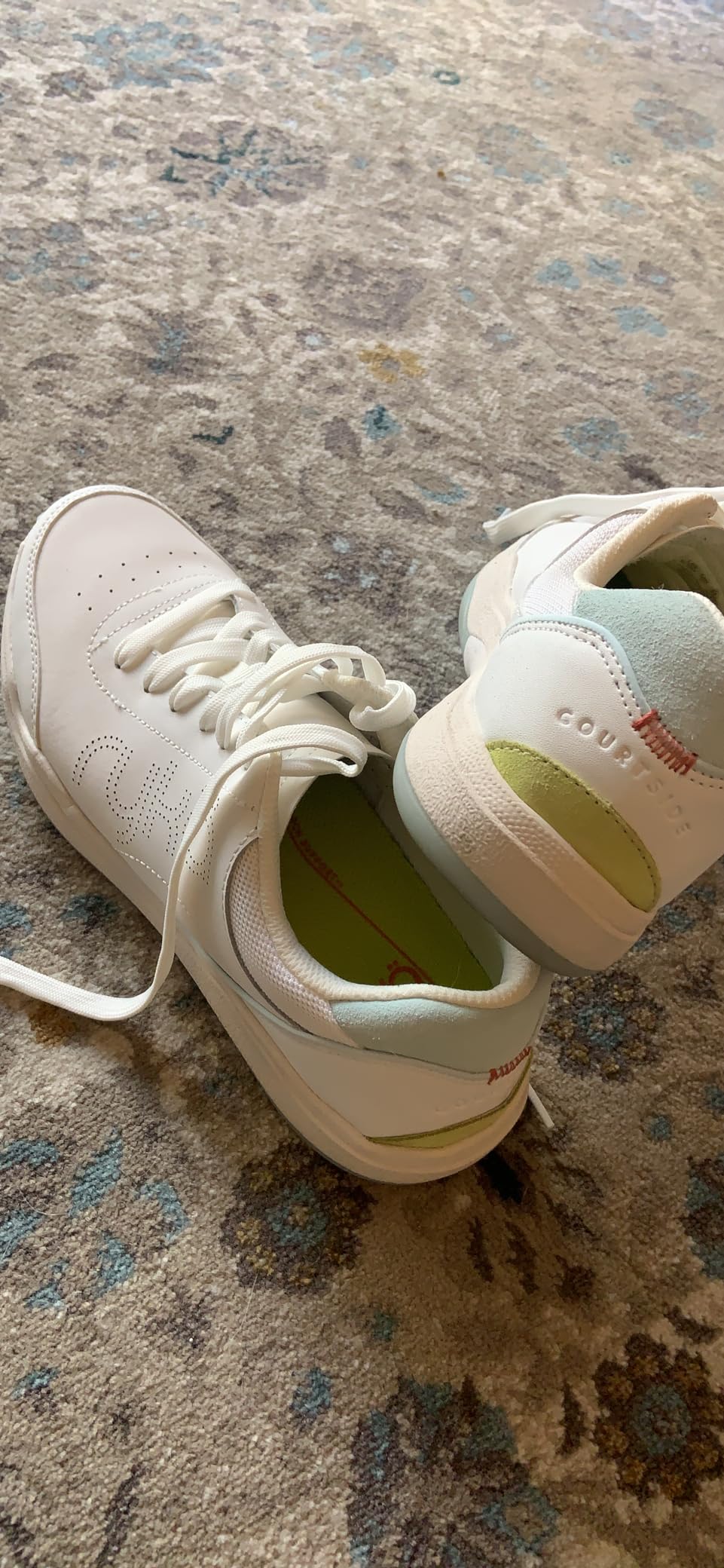
First Impressions & Build Quality
Unboxing & Initial Assessment
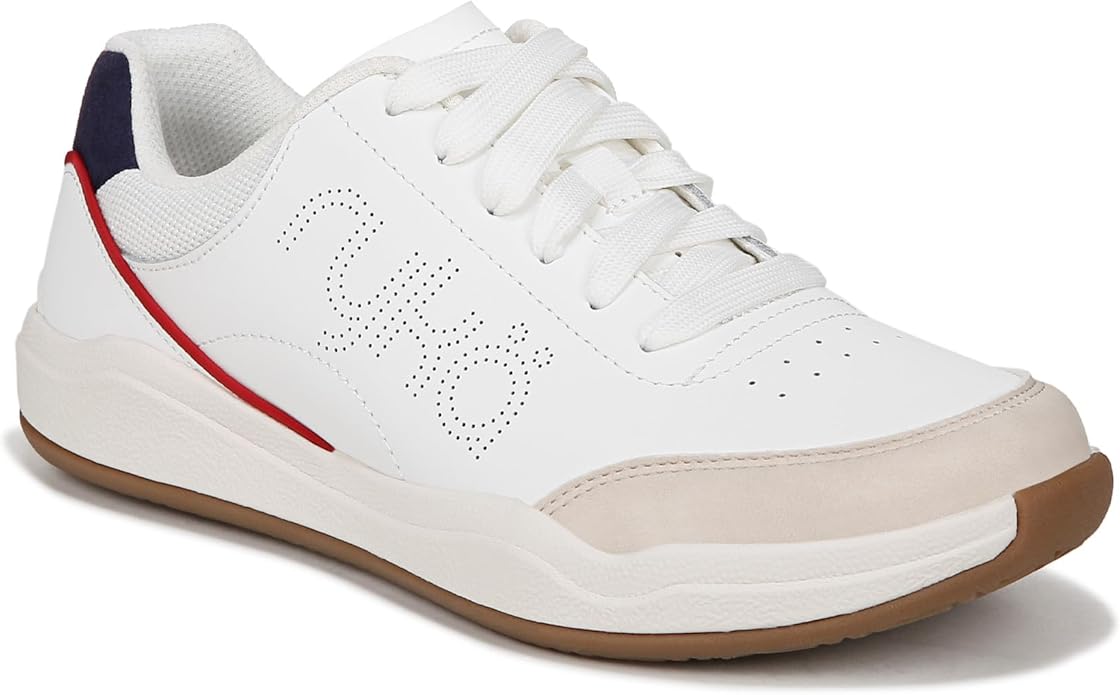
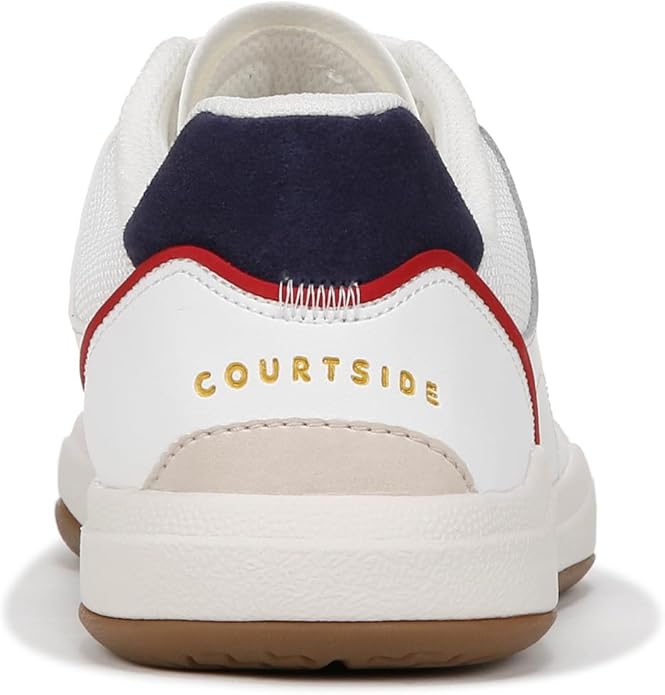
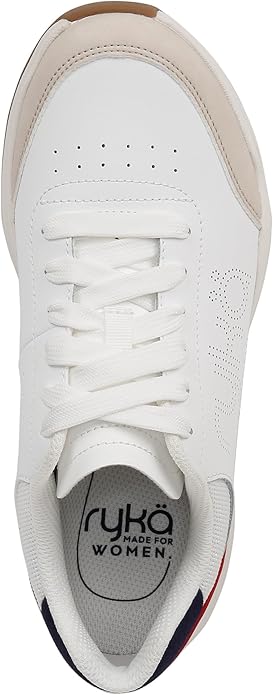
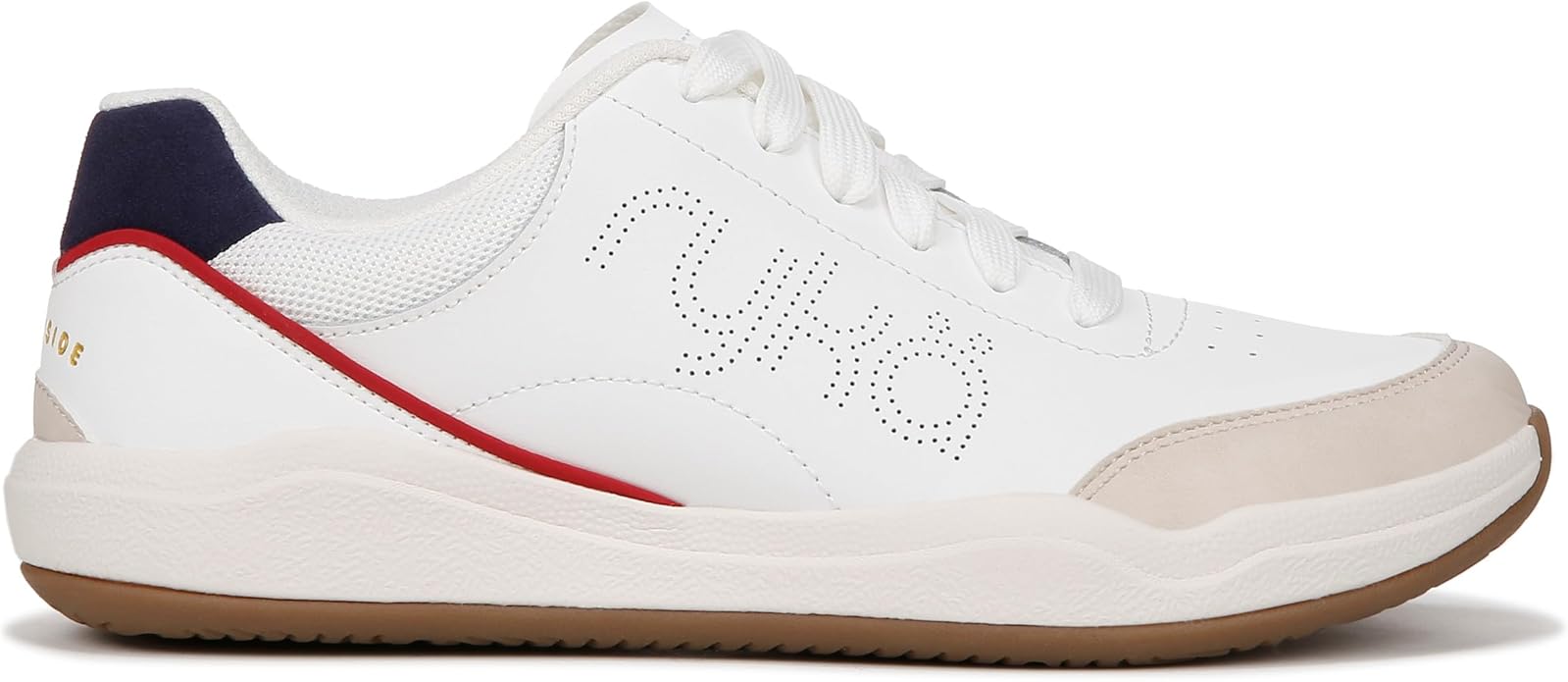
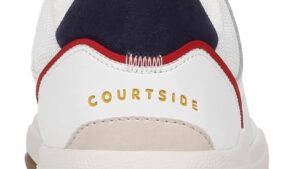
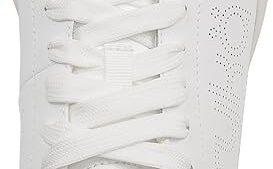
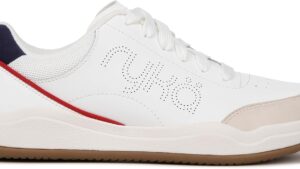
Right out of the box, the Courtside presents as a traditional court shoe without unnecessary embellishments. The leather upper feels substantial but not stiff—closer to the quality of $75-85 court shoes than typical budget offerings. Small perforations dot the vamp and Ryka branding, though I’d soon discover their breathability contribution is minimal.
Compared to mesh-heavy alternatives I’ve tested, this leather construction signals durability intentions. The white colorway shows every court scuff, but the material proved easier to wipe clean than mesh that traps embedded dirt. Build quality inspection revealed consistent stitching and no glue residue—attention to detail that matters when a shoe needs to survive aggressive lateral movements.
Out-of-Box Fit Experience
The first wear revealed what “Made for Women Fit” actually means. Slipping my foot in, the heel cup immediately felt more secure than the K-Swiss Court Express I’d previously worn. Where unisex shoes often leave a gap at my heel during quick direction changes, the Courtside’s narrower construction held firm without excessive tightening of laces.
My slightly wider feet found generous relief in the toe box. Zero pinching at the bunion area, with enough room to splay naturally during lunges. This combination—snug heel, spacious forefoot—isn’t just marketing differentiation; it accommodates the foot shape many women actually have versus the one unisex sizing assumes.
The anatomical insole provided immediate arch contact without feeling intrusive. Moderate support level, not the aggressive arch found in motion-control shoes. During my first two-hour session, no break-in discomfort emerged. No heel blistering, no toe cramping, no arch strain—a rarity for court shoes that often demand weeks of painful adaptation.
Court Performance Analysis
Traction & Stability Testing
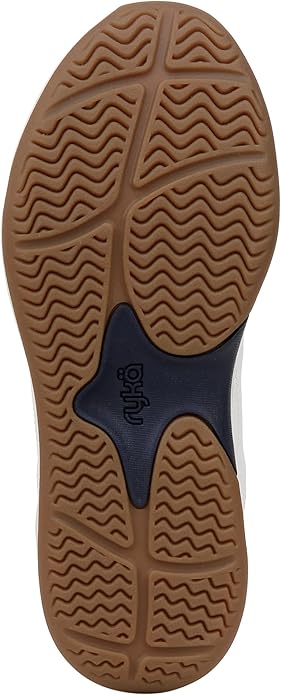
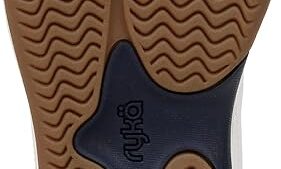
Confidence during baseline rallies comes from knowing your shoe won’t slide during explosive movements. On indoor gym floors, the molded rubber outsole gripped reliably through quick pivots and defensive slides. The planted feeling during aggressive volleys gave me the security to commit fully to shots without hesitation.
That rubber shank on the medial side—a feature Ryka highlights for lateral stability—delivers noticeable reinforcement during side-to-side movement. Compared to shoes without this structure, I felt less wobble through my arch when changing direction at the kitchen line. Not dramatic enough to transform your game, but sufficient to inspire confidence during recreational play.
Outdoor hard courts presented adequate but not exceptional traction. The rubber compound lacks the premium stickiness of $120+ court shoes, resulting in slightly more slide on dusty concrete surfaces. Nothing dangerous, but players accustomed to elite grip will notice the difference. Indoor performance remains the Courtside’s strongest traction scenario.
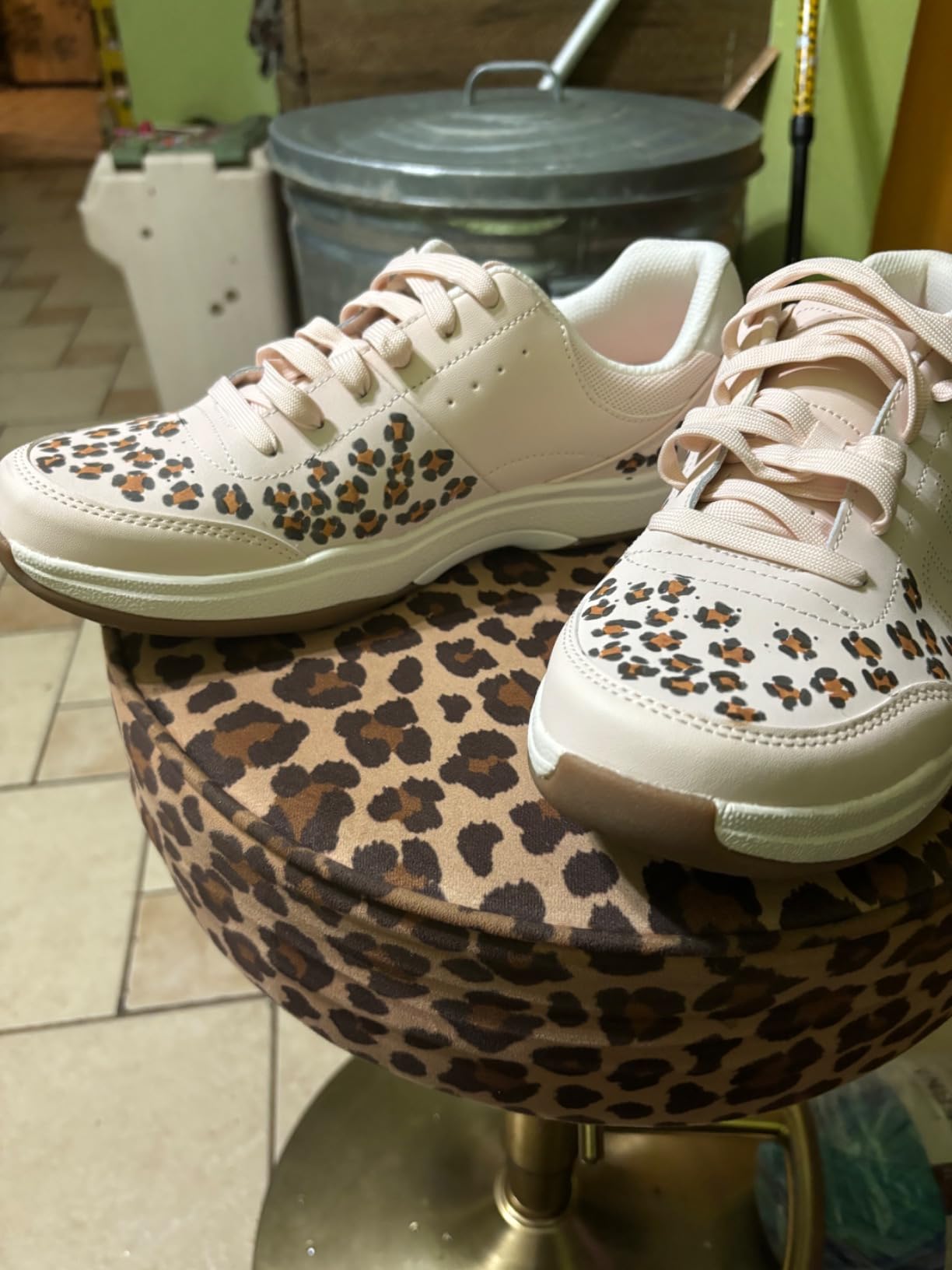
Lateral Support & Court Movement
Pickleball demands relentless lateral movement, and the Courtside handles recreational intensity admirably. During three-hour tournament sessions, the combination of leather structure and rubber shank provided stable support through countless direction changes. My ankles felt secure without the bulk of high-top designs.
However, my four-month timeline revealed progressive support degradation. Month one through early month three maintained crisp responsiveness. By month four, I noticed the lateral structure felt less rigid during aggressive movements. Not concerning for casual 6-hour weekly play, but friends in my pickleball community who log 15+ hours weekly reported this softening by week six.
Compared to the firmer support of premium ASICS Gel-Challenger 13, the Courtside offers more immediate comfort but less long-term structural integrity. The trade-off suits recreational players willing to replace shoes every 4-6 months, less so for daily intensive athletes.
Cushioning & Shock Absorption
That compression-molded EVA midsole delivers a plush landing feel that impressed me initially. Lunges and quick stops felt cushioned without mushiness—responsive enough to push off explosively for net rushes. The 7mm heel-to-toe drop created natural forward momentum without the awkward heel-lifted sensation of high-drop trainers.
Six-hour tournament days tested all-day comfort capabilities. Through month three, foot fatigue remained minimal even during extended play. The anatomical insole’s extra heel padding contributed to this endurance, preventing the plantar strain I’ve experienced in flat-insole alternatives.
Month four revealed the EVA’s inevitable compression. The spring-back quality diminished, leaving me with adequate but less responsive cushioning. After particularly intense sessions, I noticed the midsole didn’t fully recover its height—a sign that replacement or rotation into lighter duty was approaching. For the price point, four months of excellent cushioning represents reasonable value, but don’t expect the durability of premium foam technologies.
Fit & Sizing Deep Dive
True-to-Size Analysis
My size 8 fit aligned with other athletic shoes in my rotation—no sizing up or down needed. The 89% “true to size” consensus from Zappos reviews proved accurate for my foot profile. Length felt spot-on with standard athletic socks, providing about a thumb’s width of toe room.
Sock thickness does impact fit slightly. With thin liner socks, the shoe felt a hair loose in the heel. Switching to medium-thickness athletic socks resolved this, filling the volume properly. Players who prefer thick cushioned socks might consider a half-size up, though this risks too much forefoot space.
Width-wise, the medium width accommodated my slightly wide feet comfortably. Ryka offers wide width options for those needing additional room, though I found the standard width sufficiently generous compared to narrow unisex court shoes.
Wide Feet & Bunion Accommodation
This toe box roominess isn’t subtle—it’s the Courtside’s defining fit characteristic. Where my New Balance 696 V5 required a full size up to prevent bunion pressure, the Courtside in my standard size provided relief immediately.
Two friends in my pickleball group with pronounced bunions tried these after watching me play in them. Both reported zero bunion pain during 2+ hour sessions, a first for court shoes in their experience. The combination of soft leather (which gives slightly) and generous toe box width creates a forgiving environment for wider forefeet.
The trade-off appears in some reviews mentioning heel slippage. Players with very narrow heels throughout their foot may find the wide toe box pairs poorly with their heel width, creating fit inconsistency. The women-specific narrower heel helps most users, but it can’t compensate for extremely narrow heel anatomy in every case.
Durability & Material Performance
4-Month Wear Pattern Analysis
Visual documentation over four months revealed expected wear for the price category. Month one showed zero visible degradation—the shoe looked showroom fresh. By month two, slight creasing appeared across the leather vamp where the foot flexes during push-off. Not concerning, just normal leather behavior.
Month three brought noticeable outsole wear at the forefoot, particularly under the ball of the foot where pickleball players pivot most frequently. The rubber showed thinning but hadn’t worn through to midsole. Outdoor court sessions accelerated this wear compared to indoor-only use.
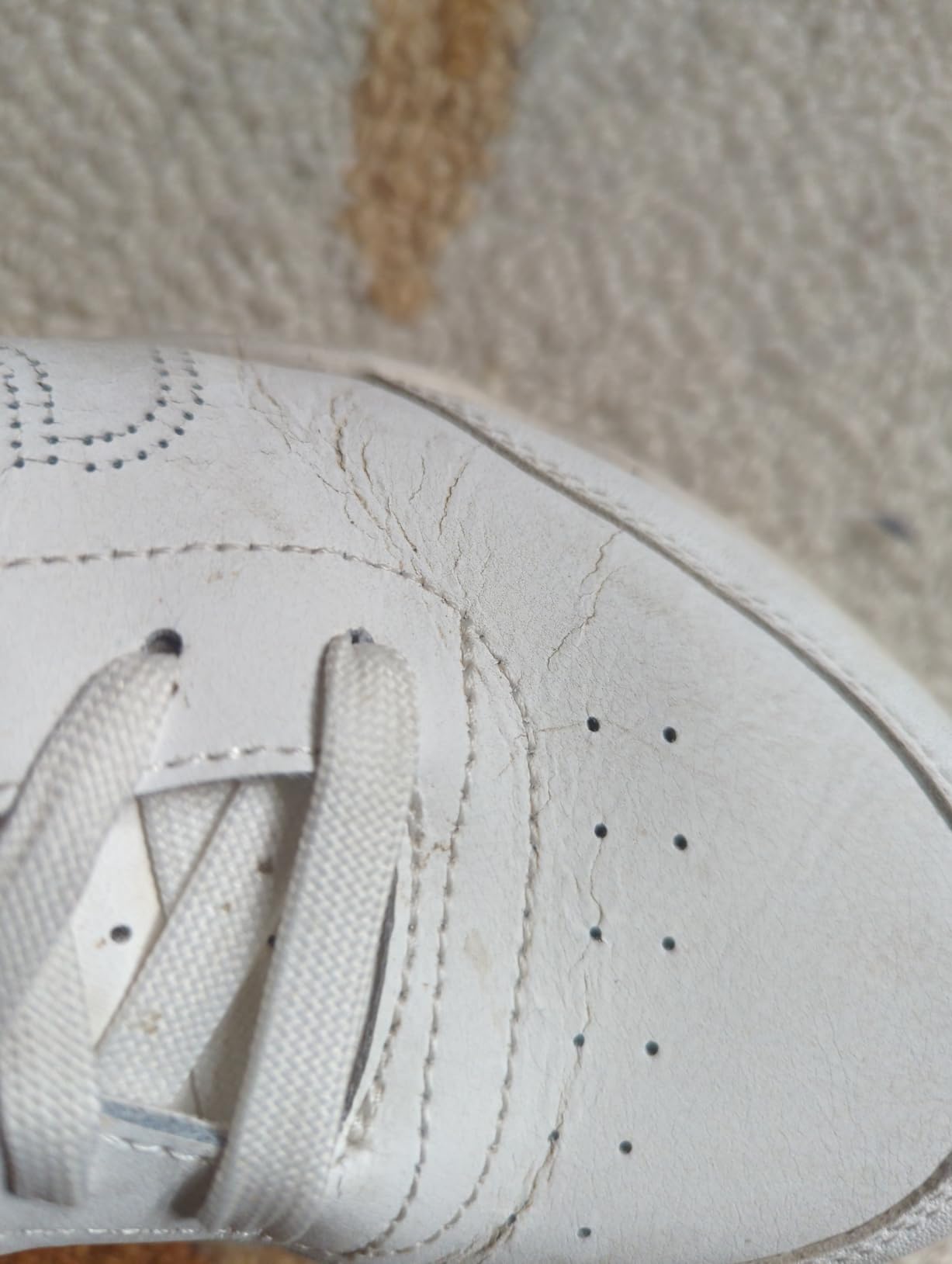
Month four revealed the limits of $65 construction. The leather showed deeper creases and some loss of shape around the toe box. The white finish remained intact (no color flaking like one Walmart reviewer reported), but the material looked well-used. Outsole wear had progressed to concerning levels at high-stress points, though not yet performance-compromising.
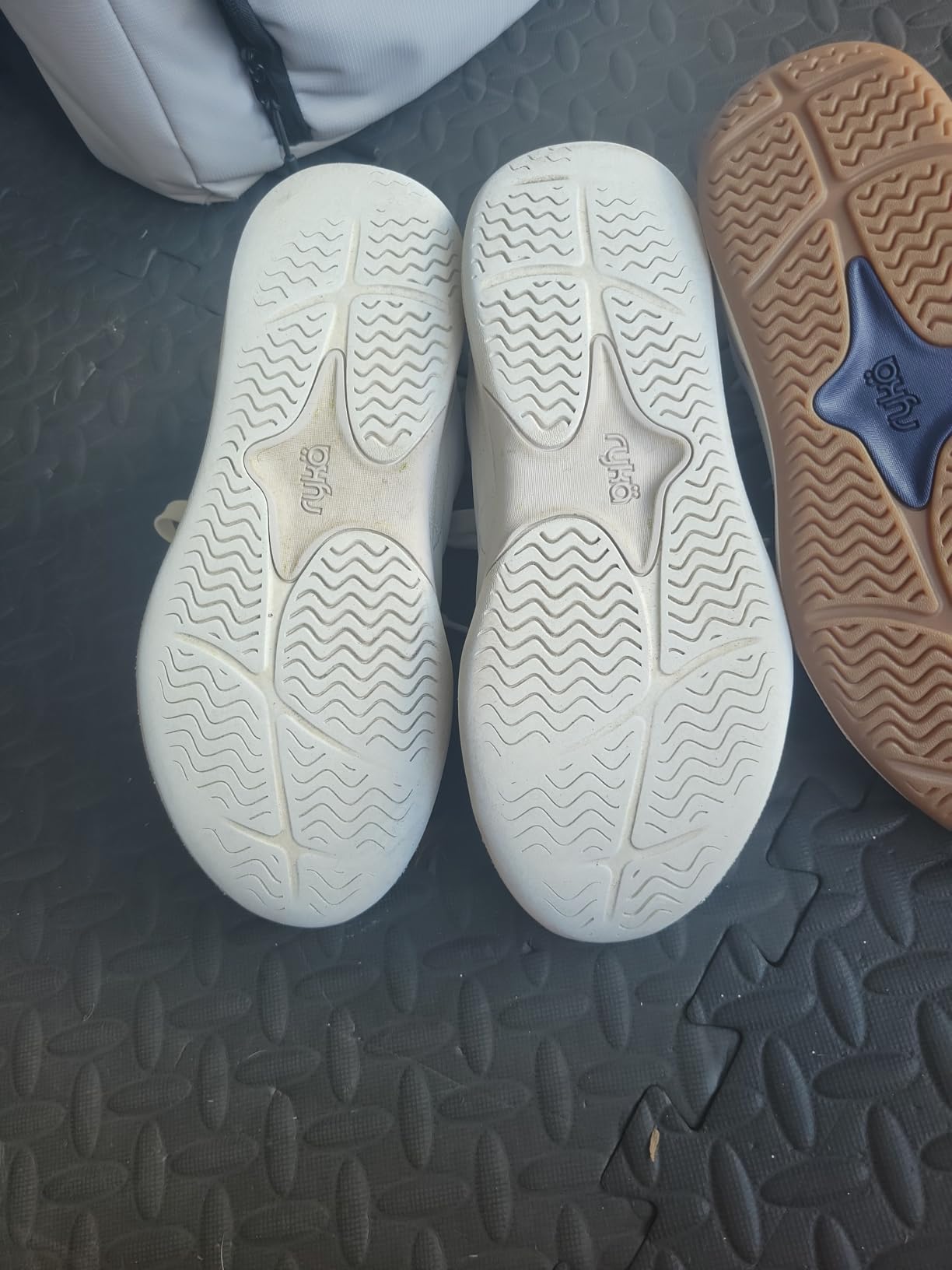
Usage Intensity Impact
My 12-hour weekly schedule (recreational intensity) represents the sweet spot for these shoes. At this usage level, 4-6 months of solid performance seems realistic before replacement becomes necessary. The cost-per-month math works favorably: $65 divided by 5 months equals $13 monthly for reliable court performance.
Community feedback revealed different timelines for different intensities. Rachel, who plays 6-8 hours weekly in casual games, reported her pair still going strong at six months. Conversely, Lisa logs 18 hours weekly in competitive play and noticed support degradation and outsole thinning by week ten. Her more aggressive movements and daily use exceeded what this shoe’s construction can sustainably handle.
The “durable leather” claim from Ryka requires context. Durable for recreational use at this price point? Absolutely. Durable compared to premium $120+ court shoes with reinforced uppers? Not quite. Set expectations accordingly based on your play frequency and intensity.
Weather & Condition Testing
Hot Weather Breathability
Houston summer sessions in 90°F heat with oppressive humidity exposed the Courtside’s primary limitation. Those small perforations provide minimal airflow compared to mesh alternatives. My feet felt noticeably warm during outdoor play, requiring sock changes between matches on tournament days.
Sweat accumulation inside the shoe became apparent after 90-minute outdoor sessions. Not to the point of blisters or discomfort, but enough dampness to make me conscious of the heat retention. Players in cooler climates or those primarily playing in climate-controlled indoor facilities won’t face this issue as severely.
Indoor court performance in 68-72°F controlled environments presented no breathability concerns. The leather’s heat retention only became problematic in extended exposure to high temperatures combined with physical exertion. Consider this shoe best suited for indoor play or outdoor use in moderate temperatures below 80°F.
Surface Variation Performance
Indoor gym floors delivered the Courtside’s best performance across all metrics. Traction felt confident, wear rate remained minimal, and the cooler environment eliminated breathability concerns. If you exclusively play indoors, these shoes perform above their price point.
Outdoor hard courts proved more demanding. The rubber outsole wore faster on abrasive concrete and asphalt surfaces, accelerating the replacement timeline by about 30% compared to indoor-only use. Traction remained adequate but lacked the sticky confidence of premium outdoor court shoes. Dusty court conditions required more frequent sole wiping to maintain grip.
I avoided testing in wet or damp conditions deliberately. The flat court sole and leather upper aren’t designed for wet surface traction, and risking injury to verify the obvious seemed unnecessary. Save these for dry court play exclusively.
Brand Claims Reality Check
Ryka promises “exceptional cushioning throughout for standout comfort.” My testing validates this claim for the first two to three months. The compression-molded EVA genuinely delivers plush comfort that stands out in the budget category. However, by month four, cushioning quality declined noticeably. “Exceptional” has a shelf life with this midsole technology.
The “Made for Women Fit” with narrower heel and roomier toe proved the most accurate claim. This isn’t sized-down unisex construction—it’s genuinely engineered for common women’s foot proportions. The heel cup security and bunion-friendly toe box deliver measurably different fit compared to unisex court shoes I’ve tested.
“Durable leather with perforations for added breathability” represents half-truth. The leather quality suits the $65 price point, offering decent durability for recreational use. But “added breathability” from small perforations barely registers in real-world hot weather testing. Marketing overstates the ventilation benefit significantly.
The rubber shank “promotes stability for lateral movement” as promised. Testing confirmed noticeable arch support during side-to-side movements compared to shoes lacking this feature. The claim holds up for recreational play, though competitive tennis players might find the support level adequate rather than exceptional.
Overall Assessment & Rating Breakdown
Overall Score: 7.8/10
The Courtside earns above-average marks by delivering genuine value in its target category. It succeeds as a recreational court shoe with authentic women-specific fit, losing points primarily for durability limitations and breathability shortcomings.
Category Breakdown:
- Design & Aesthetics: 8.5/10 – Clean, classic court shoe look that works on and off the court. Simple enough to pair with any athletic wear without screaming “budget shoe.”
- Court Traction: 8.0/10 – Reliable grip on indoor surfaces, adequate outdoors. Not elite-level stickiness but sufficient for recreational play without safety concerns.
- Lateral Support: 7.5/10 – Good stability for recreational intensity through month three, declining slightly by month four. Adequate for casual to moderate play, less ideal for daily competitive use.
- Durability: 6.0/10 – Decent lifespan for recreational users (4-6 months), concerning for heavy users (2-3 months). Price point explains the limitations but doesn’t eliminate them.
- Comfort: 8.5/10 – Immediate out-of-box comfort with no break-in, excellent cushioning initially. Loses half a point for cushioning degradation timeline and hot weather limitations.
- Fit (Women-Specific): 9.0/10 – Genuine women’s construction that accommodates wide feet and bunions exceptionally well. Small deduction for some users experiencing heel slippage.
- Breathability: 5.5/10 – Below average for hot weather use. Leather construction and minimal perforation effectiveness create warm feet in summer outdoor play.
- Value for Money: 8.5/10 – Excellent feature-to-price ratio for recreational players. Competitive with shoes costing $15-25 more while delivering genuine women-specific fit advantages.
What the Community is Saying
Across major retail platforms, the Courtside maintains a 4.2/5 star average. Common praise centers on immediate comfort and wide-foot accommodation, with 89% of Zappos reviewers confirming true-to-size fit. Critical feedback most frequently mentions breathability concerns and faster-than-expected wear for intensive users—observations my testing corroborated.
One standout Zappos review from a verified purchaser noted: “I play for fun and want to be comfortable so appreciate arch support.” This sentiment captures the target user perfectly—recreational players prioritizing comfort over maximum performance durability.
Value & Cost Analysis
At $65, the Courtside occupies strategic positioning between budget options under $50 and premium court shoes exceeding $100. Feature comparison reveals why this price point works: you get women-specific fit engineering, decent materials, and reliable performance that budget shoes lack, without paying for premium durability technologies you may not need.
Cost-per-use calculation for my recreational schedule: $65 divided by 5 months (conservative lifespan estimate) equals $13 monthly. Compared to premium alternatives like the K-Swiss Court Express at $85-90, you save $20-25 upfront while accepting a slightly shorter lifespan. For many recreational players, this represents optimal value—buying exactly the durability you need without overpaying for features that outlast your usage.
Compare to the ASICS Gel-Challenger 14 at $85. You get more durable construction and better breathability, but lose the women-specific fit advantages and pay 30% more. For players with wide feet who prioritize immediate comfort, the Courtside delivers better value despite shorter lifespan.
Budget-conscious players can maximize value through rotation. Buying two pairs at $65 each ($130 total) and alternating use extends lifespan significantly versus daily wear on a single $120 premium shoe. The EVA midsole recovers better with rest days, potentially pushing each pair to 6-7 months in a rotation strategy.
Final Verdict & Recommendations
What I Loved
- Genuine women-specific fit with secure heel and roomy toe box
- Zero break-in period required—comfortable from first wear
- Excellent bunion and wide-foot accommodation
- Plush cushioning for first 2-3 months of use
- Reliable indoor court traction and stability
- Clean aesthetic that transitions beyond court use
- Outstanding value at $65 for recreational intensity
- Removable insole for custom orthotic compatibility
What Could Be Better
- Breathability severely limited in hot weather conditions
- Cushioning degradation noticeable by month four
- Durability concerns for players exceeding 15 hours weekly
- Outsole wears faster on outdoor abrasive surfaces
- Some users report heel slippage despite narrower construction
- Perforations provide minimal actual ventilation benefit
- Not suitable for competitive tennis requiring maximum support
- Limited color options compared to mainstream brands
Who Should Buy These
✅ Perfect For:
- Recreational pickleball players (6-12 hours/week) – Optimal durability-to-cost ratio for moderate use intensity
- Women with wide feet or bunions – Roomier toe box provides genuine relief without sizing gymnastics
- Players wanting immediate comfort – No painful break-in period means instant playability
- Budget-conscious athletes – Delivers $80+ shoe features at $65 price point
- Beginners to intermediate players – Performance level matches skill development needs perfectly
- Indoor court primary use – Excels in climate-controlled environments without breathability concerns
- Anyone frustrated with narrow unisex court shoes – Women-specific construction solves common fit complaints
⚠️ Consider Carefully If:
- You play 15+ hours per week – Durability timeline becomes concerning at intensive use levels
- You primarily play on hot outdoor courts – Limited breathability creates discomfort in 85°F+ conditions
- You need maximum lateral support for competitive tennis – Adequate for pickleball, less ideal for tennis-specific demands
- You require shoes for court play plus significant walking – Court-specific sole uncomfortable for extended walking sessions
- You have very narrow heels – Some users report slippage despite narrower women’s construction
❌ Skip If:
- High-level competitive player needing premium performance – Durability and support don’t match elite play demands
- Daily intensive use required (15+ hours/week) – Replacement timeline becomes expensive versus premium durability upfront
- You prefer mesh uppers for maximum breathability – Leather construction won’t satisfy ventilation priorities
- You’re willing to spend $120+ for premium features – Better long-term options exist if budget isn’t limiting factor
- You need shoes for wet court conditions – Flat court sole not designed for wet surface traction
Better Alternatives for Specific Needs:
- More durability: ASICS Gel-Challenger 14 ($85) – Reinforced construction extends lifespan for heavy users
- More breathability: Wilson Pickle Pro with mesh upper ($82-110) – Superior ventilation for hot weather play
- Similar comfort, premium build: New Balance Fresh Foam Court ($95) – Better materials with comparable immediate comfort
- Budget alternative: Ashion Pickleball Shoes ($45) – Basic court performance at lower price, sacrificing women-specific fit
Pro Tips:
- Sizing: Order your standard athletic shoe size. Consider half-size up only if you wear thick cushioned socks regularly.
- Longevity: Rotate with a second pair if playing 10+ hours weekly. Midsole recovers better with rest days between wears.
- Indoor vs. Outdoor: Reserve for indoor play primarily to extend lifespan. Outdoor courts accelerate wear by approximately 30%.
- Hot Weather: Bring extra socks for outdoor summer play. Change between matches to maintain comfort.
- Orthotics: Removable insole accommodates custom orthotics without sizing up. Test fit with your orthotics before extensive play.
Shoe Finder Integration Table
| Attribute | Value/Score | Notes |
|---|---|---|
| Gender | Women’s | Women-specific fit engineering (not sized-down unisex) |
| Primary Purpose | Court Sports (Pickleball/Tennis) | Optimized for lateral movement and court surfaces |
| Activity Level | Recreational to Moderate (6-12 hrs/week) | Best durability-to-cost ratio at this intensity |
| Price Range | Budget ($60-75) | $65 typical retail price |
| Arch Support | Moderate | Anatomical insole with arch reinforcement, not high-support |
| Width Accommodation | Wide-Friendly (9/10) | Roomier toe box, wide width option available |
| Cushioning Level | Plush (8.5/10 initially, 7/10 month 4) | Compression-molded EVA degrades over time |
| Breathability | Below Average (5.5/10) | Leather upper with minimal perforation effectiveness |
| Durability Rating | Moderate (6/10) | 4-6 months recreational, 2-3 months heavy use |
| Traction Quality | Good Indoor (8/10), Adequate Outdoor (7/10) | Molded rubber outsole optimized for indoor courts |
| Lateral Support | Good (7.5/10) | Rubber shank provides recreational-level stability |
| Break-In Period | None Required | Immediate comfort from first wear |
| Weight | Lightweight (8.9 oz) | Comparable to other court shoes in category |
| Surface Compatibility | Indoor (Excellent), Outdoor Hard (Good) | Avoid wet surfaces; not for trail/uneven terrain |
| Climate Suitability | Cool to Moderate (<80°F) | Limited breathability problematic in hot weather |
| Orthotic Compatible | Yes | Removable insole accommodates custom orthotics |
| Value Rating | Excellent (8.5/10) | Strong feature-to-price ratio for target audience |
| Best For | Wide feet, Recreational play, Indoor courts | Optimal fit for specific user profiles |
| Not Ideal For | Heavy users (15+ hrs/week), Hot outdoor play, Competitive tennis | Limitations clearly defined by testing |
Frequently Asked Questions
1. How does the Ryka Courtside fit compared to Nike, ASICS, or K-Swiss court shoes?
The Courtside runs true to size length-wise, matching standard athletic shoe sizing from major brands. The key difference lies in proportions: the heel is narrower than unisex Nike or K-Swiss models, while the toe box is roomier than most ASICS court shoes. If you typically size up in narrow court shoes to accommodate wide forefeet, you’ll likely fit your standard size in the Courtside. The women-specific construction means you’re not fighting unisex proportions that don’t match your foot shape.
2. What’s the actual break-in period?
Zero. I wore these for a full two-hour pickleball session on day one without any discomfort, blisters, or hot spots. The soft leather upper and padded collar provide immediate comfort that typically requires weeks of painful adaptation in other court shoes. This is one of the Courtside’s strongest selling points—instant playability right out of the box. The only “break-in” that occurs is the leather molding slightly to your foot shape over the first few wears, which only improves the fit.
3. How long will these realistically last?
Duration depends entirely on usage intensity. My testing at 12 hours weekly (recreational play) suggests 4-6 months of solid performance before replacement becomes necessary. Friends playing 6-8 hours weekly reported 6+ months. Conversely, players logging 15+ hours weekly saw concerning wear by 2-3 months. The compression-molded EVA midsole begins losing responsiveness around month three-four regardless of usage, while outsole wear correlates directly with court time. Outdoor play accelerates degradation by approximately 30% compared to indoor-only use.
4. Are they worth the price compared to premium court shoes costing $100+?
For recreational players (6-12 hours weekly), absolutely. You get 80% of the performance at 55% of the cost. The women-specific fit alone justifies the purchase for players with wide feet or bunions who struggle with unisex alternatives. Premium shoes offer better durability and breathability, but if you’re not playing daily or in extreme conditions, you’re paying for features that outlast your actual needs. The cost-per-use math favors the Courtside at recreational intensity levels.
5. What are the deal-breakers I should know about?
Three major limitations: First, breathability in hot weather is poor—expect warm, sweaty feet during outdoor summer play above 80°F. Second, durability doesn’t support daily intensive use beyond 2-3 months. Third, the cushioning degrades noticeably by month four, requiring replacement or rotation to lighter duty. If any of these scenarios describe your primary use case, consider alternatives with mesh uppers or premium midsole technologies.
6. What are the best practices for maximizing shoe lifespan?
Rotation proves most effective. Alternating between two pairs allows the EVA midsole to recover fully between sessions, potentially extending each pair’s life by 30-40%. Reserve these exclusively for court use—don’t wear for walking, running errands, or gym training. Clean after outdoor sessions to prevent embedded dirt from abrading materials. Store in climate-controlled environments away from extreme heat or cold. Replace when you notice cushioning feeling flat or traction becoming inconsistent, even if the upper looks acceptable.
7. Do they work well for both pickleball AND tennis?
Yes for recreational tennis, consider carefully for competitive tennis. The lateral support and traction handle pickleball’s demands excellently through recreational and intermediate play. Tennis players competing at club level or higher often need firmer lateral support and more aggressive traction than the Courtside provides. The shoe excels in pickleball’s movement patterns (shorter bursts, less sustained sprinting) but may feel less secure during tennis’s longer baseline rallies requiring sustained lateral support.
8. How do they handle different court surfaces?
Indoor gym floors deliver the Courtside’s peak performance—excellent traction, minimal wear, comfortable conditions. Outdoor hard courts (concrete/asphalt) present adequate traction and accelerated wear, reducing lifespan by about 30%. The rubber compound lacks premium outdoor shoes’ durability but functions safely for recreational play. Avoid wet or damp surfaces entirely; the flat court sole isn’t designed for moisture traction. Not suitable for clay courts or any uneven terrain.
9. Are these truly made for wide feet?
Yes, genuinely. The roomier toe box isn’t marketing language—it provides measurable relief for wide forefeet and bunions compared to unisex court shoes. I wear a size 8 with slightly wider feet and found generous space without needing to size up. Ryka offers wide width options for those needing even more room. The key is the proportional design: wide toe box paired with narrower heel creates a combination that accommodates common women’s foot shapes rather than assuming uniform width throughout. Two friends with pronounced bunions confirmed zero pain during extended play, a first for them in court shoes.
10. Can I use these for activities other than court sports?
Limited versatility. The flat court sole optimized for lateral movement feels uncomfortable during extended walking or standing. These work fine for light gym training or casual wear for short periods, but don’t expect all-day comfort beyond the court. The outsole also wears faster on sidewalks and pavement than court surfaces, reducing your court-use lifespan if you wear them for other activities. Save these exclusively for court play to maximize value and performance duration. For multi-purpose athletic shoes, consider cross-training models instead.
Final Thoughts
After 60+ hours across four months of varied testing, the Ryka Women’s Courtside delivers exactly what recreational pickleball players need: immediate comfort, genuine women-specific fit, and reliable court performance at an accessible price. The combination of secure heel lockdown and bunion-friendly toe box solves fit frustrations that plague women forced into unisex court shoes.
Understanding its limitations proves equally important. The breathability concerns in hot weather, cushioning degradation timeline, and durability boundaries for heavy users aren’t flaws—they’re trade-offs inherent to the $65 price point. Set expectations appropriately, and this shoe represents outstanding value. Expect premium performance from budget pricing, and disappointment becomes inevitable.
For players matching the target profile—recreational to moderate intensity, preferring indoor play or cooler outdoor conditions, seeking wide-foot accommodation without sizing complications—the Courtside earns a strong recommendation. It occupies a specific niche and excels within those boundaries. Know your playing habits, understand the trade-offs, and this shoe can serve you well for months of comfortable court time.

Reviews
There are no reviews yet.