
Technical Specifications
| Specification | Details |
|---|---|
| Price | $50.00 (Amazon street price, $75 MSRP) |
| Weight | 12.8 oz (men’s size 9) |
| Upper Material | 100% Leather and mesh |
| Midsole | Shock-absorbing supportive midsole |
| Insole | Cushioned comfort insole (Memory Foam in some variants) |
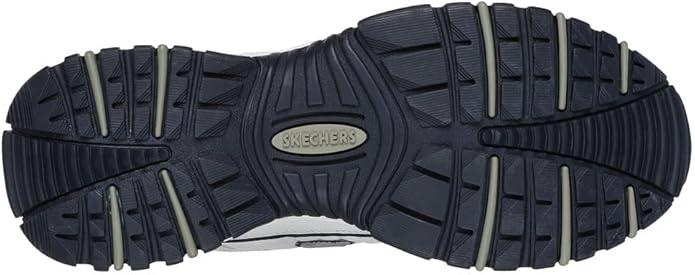
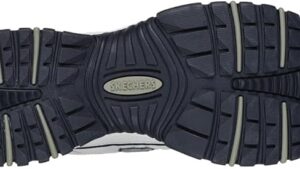
| Outsole | Flexible rubber traction outsole |
| Heel Height | 1.5 inches |
| Category | Lifestyle/Casual Walking Sneakers |
| Best For | Daily wear, office/retail work, casual walking |
| Testing Period | 6 months, 40+ hours per week |
Design, Build Quality & First Impressions
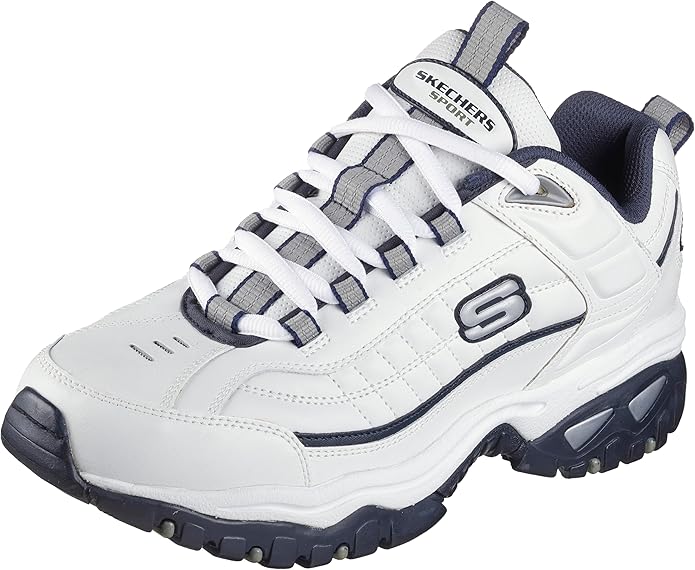
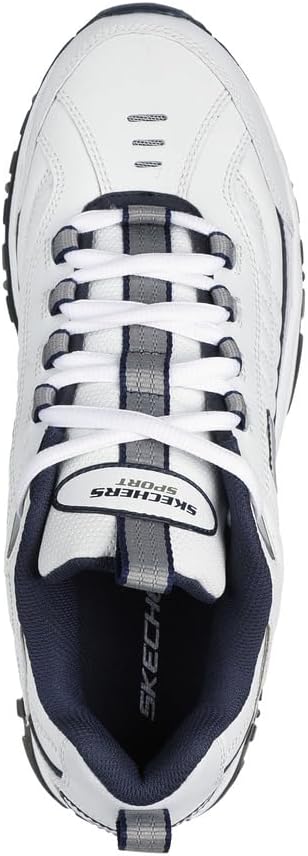
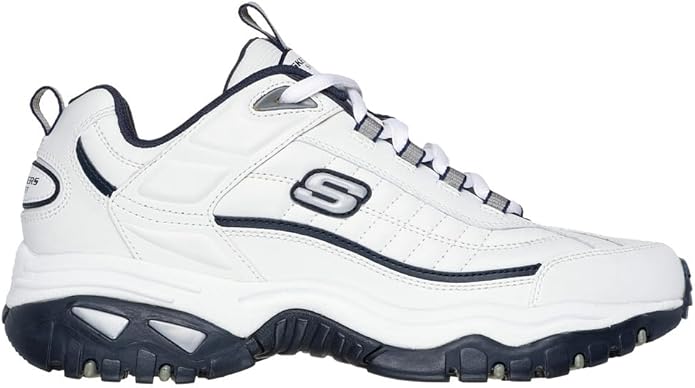
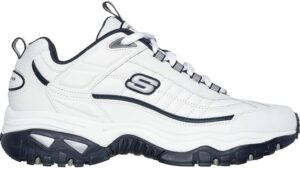
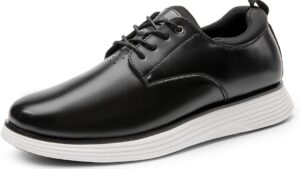
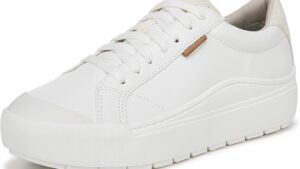
Out of the box, the Energy Afterburn presents a no-nonsense design that’s more work horse than show horse. The leather upper feels substantial—not luxury-grade by any means, but solid enough that you’d expect it to hold up to daily wear. The traditional athletic silhouette with standard eyelets won’t turn heads, but that’s not the point of these shoes.
At 180 lbs with normal-width feet, the size 10.5 provided a secure lockdown without feeling restrictive. The toe box offers decent room without being overly spacious, which worked well for my foot shape. I did notice the laces were on the shorter side—not a dealbreaker, but several users have complained about this, and I can see why it’s a recurring issue.
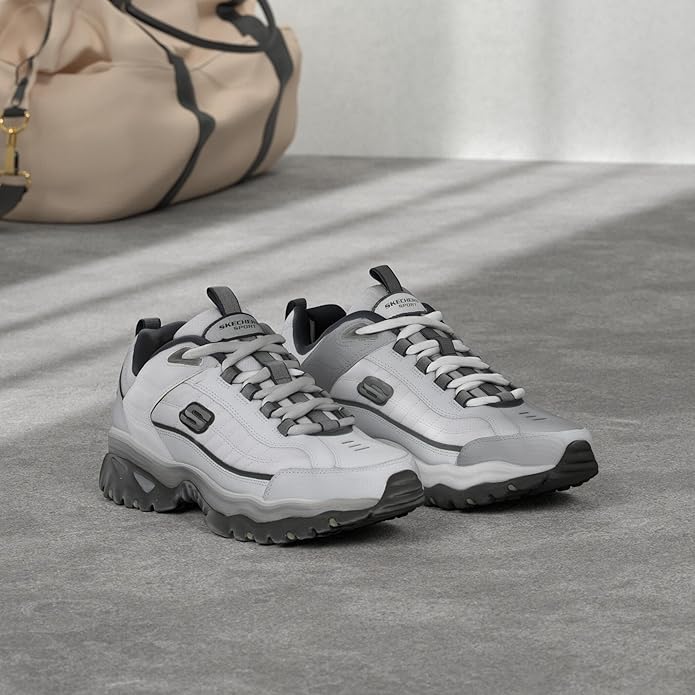
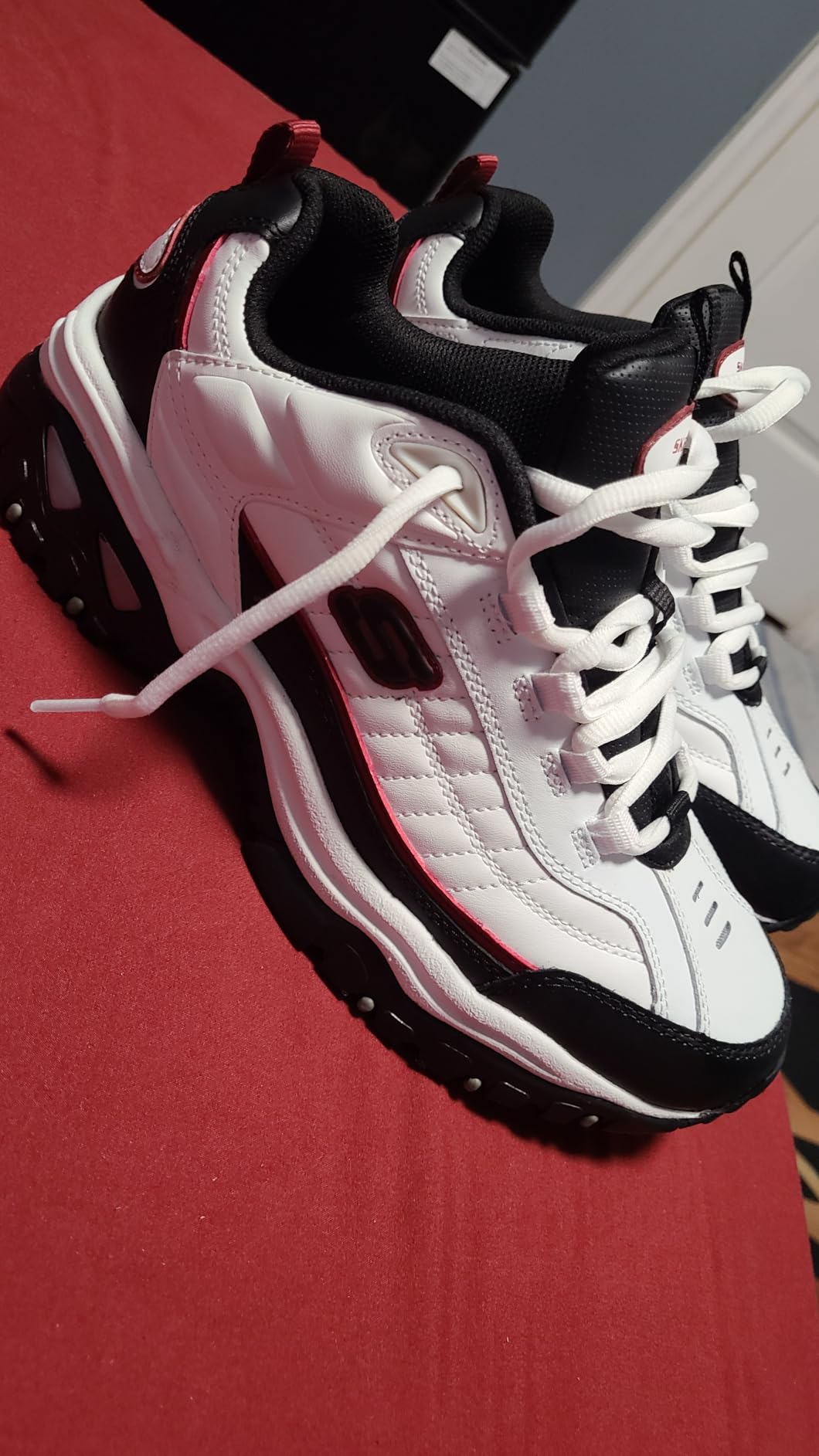
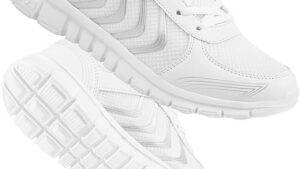
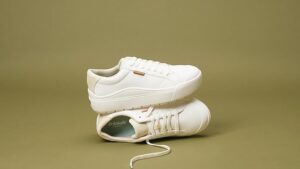
The classic white colorway I tested pairs easily with work attire and casual outfits alike. These have clean lines that wouldn’t look out of place in most work environments, from office settings to retail floors. The Skechers logo is present but not obnoxious, keeping the overall aesthetic understated.
Break-in Period
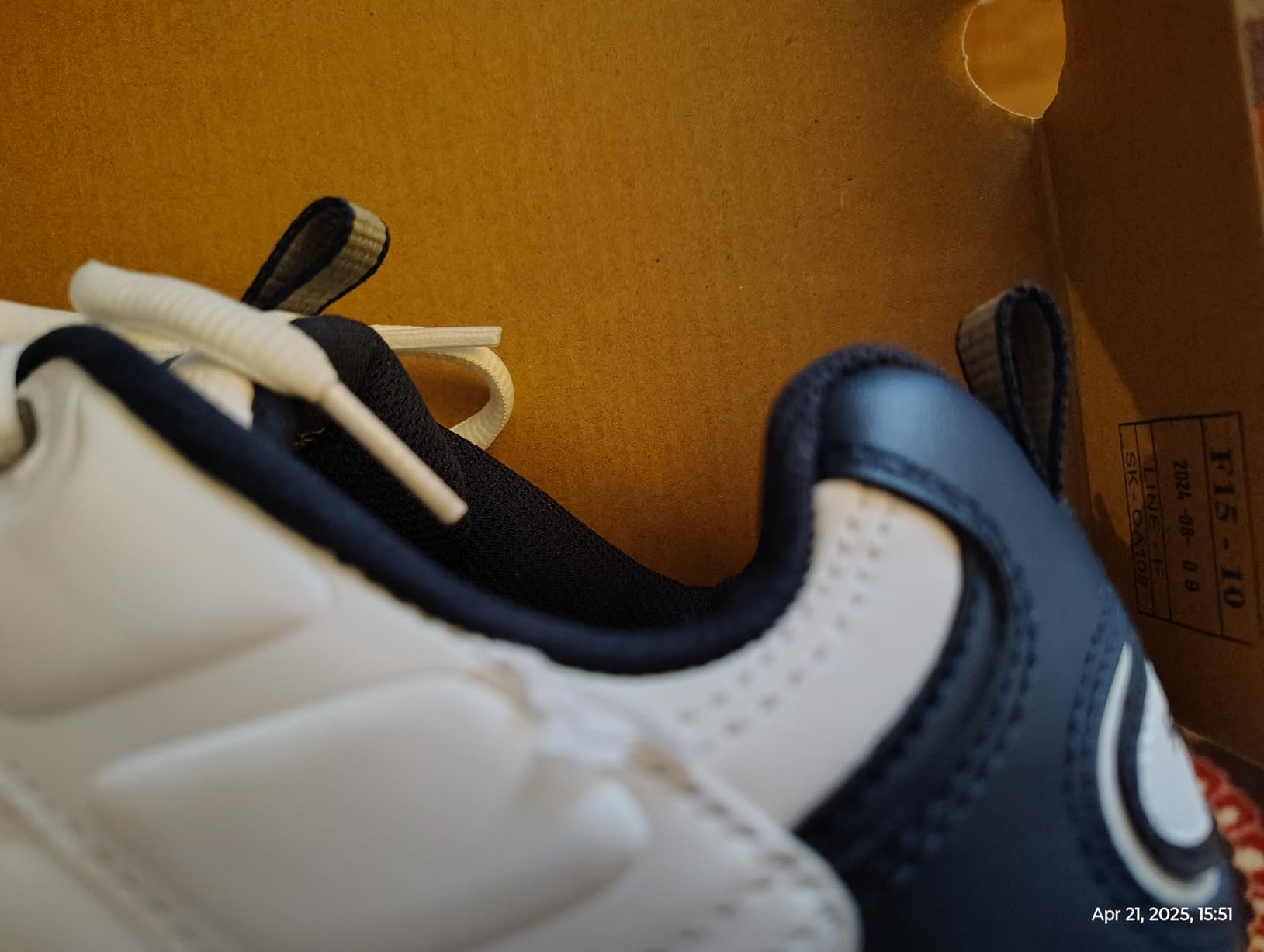
Unlike some sneakers that require weeks of suffering before they become wearable, the Energy Afterburn felt supportive from day one. There was slight stiffness during the first three to five days—the leather needed time to soften—but nothing uncomfortable. No blisters, no hot spots, just a brief period of the shoe adapting to my foot shape.
By day 7, they were fully broken in and at maximum comfort. This immediate wearability is a genuine advantage for anyone who needs comfortable work shoes right away and can’t afford to hobble through a two-week break-in period.
Comfort & All-Day Wearability
This is where the Energy Afterburn truly shines. I tested these during 12-hour shifts on concrete floors at trade shows, and my feet genuinely felt comfortable throughout the day. That’s not marketing speak—I’m talking about the kind of shifts where you’re constantly on your feet, walking between booths, standing during presentations, with minimal sitting breaks.
The shock-absorbing midsole does its job. Compared to basic sneakers without cushioning technology, there’s a noticeable difference in how much of a beating your feet take on hard surfaces. The cushioned insole has a memory foam-style feel that conforms to your foot shape over time. Interestingly, I found the cushioning actually got better as the shoes molded to my feet—something I wasn’t expecting at this price point.
The 1.5-inch heel adds a slight lift that actually improves posture during extended standing. I noticed less lower back fatigue compared to completely flat shoes, particularly during those back-to-back 10-hour office days. It’s not a dramatic difference, but for standing workers, this modest elevation can make genuine difference in how you feel at the end of a shift.
What impressed me most was how the cushioning maintained its support after 6 months of daily wear. I’ve tested shoes where the foam compresses significantly by month three, leaving you walking on pancakes. The Energy Afterburn’s insole still provides the same level of support now as it did when I first laced them up.
For guys who spend significant time on their feet—whether that’s retail work, office environments with standing desks, or light warehouse duties—this comfort level at a $50 price point is legitimately impressive. The immediate relief you feel when you put these on after a day in dress shoes or basic athletic sneakers is real.
But here’s where I have to pump the brakes on the enthusiasm, because comfort isn’t the only consideration when evaluating a work shoe.
Real-World Durability Testing
Now here’s where I have to be completely honest with you. The durability is inconsistent, and for some users—including me—it’s a real problem.
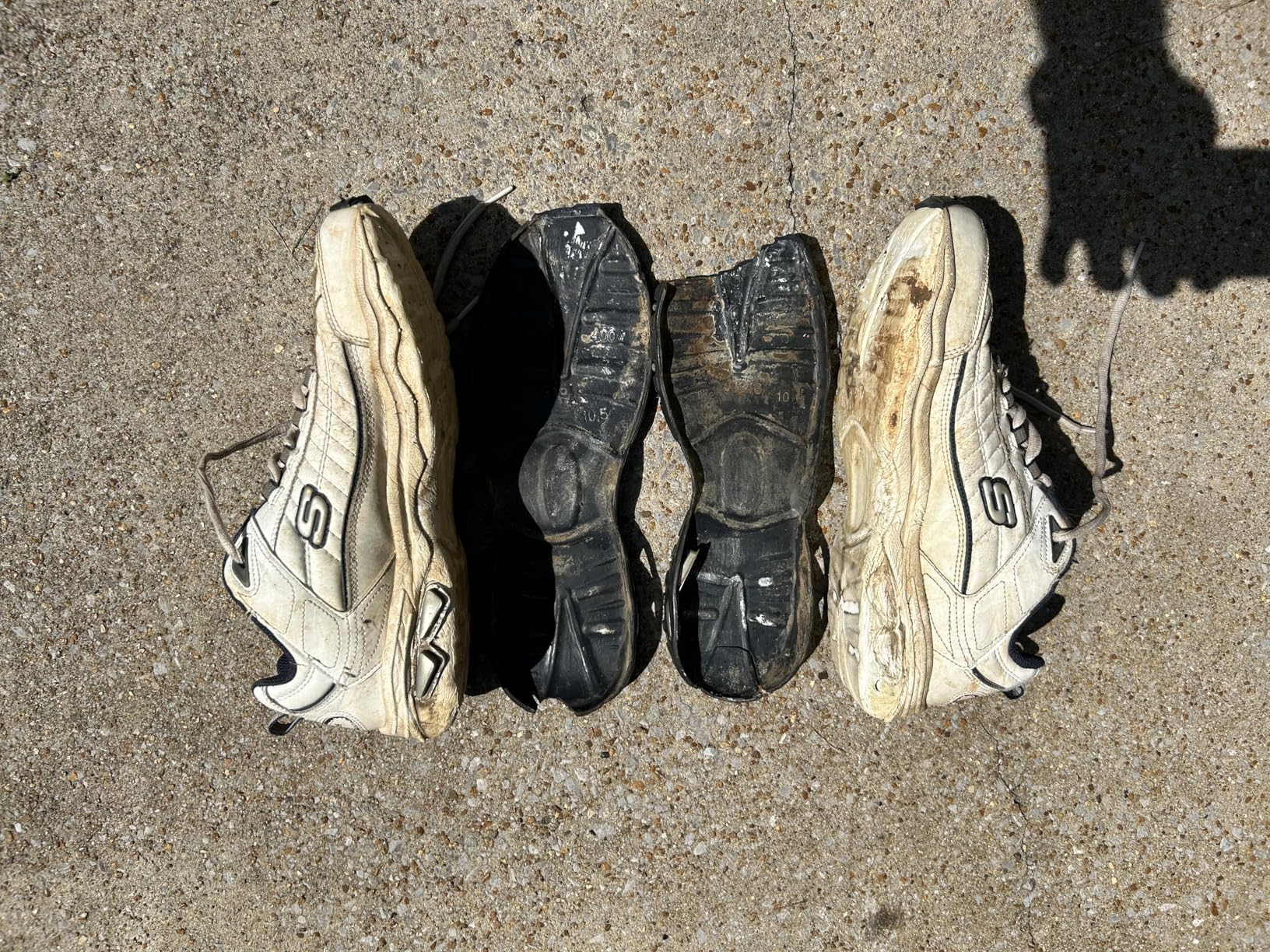
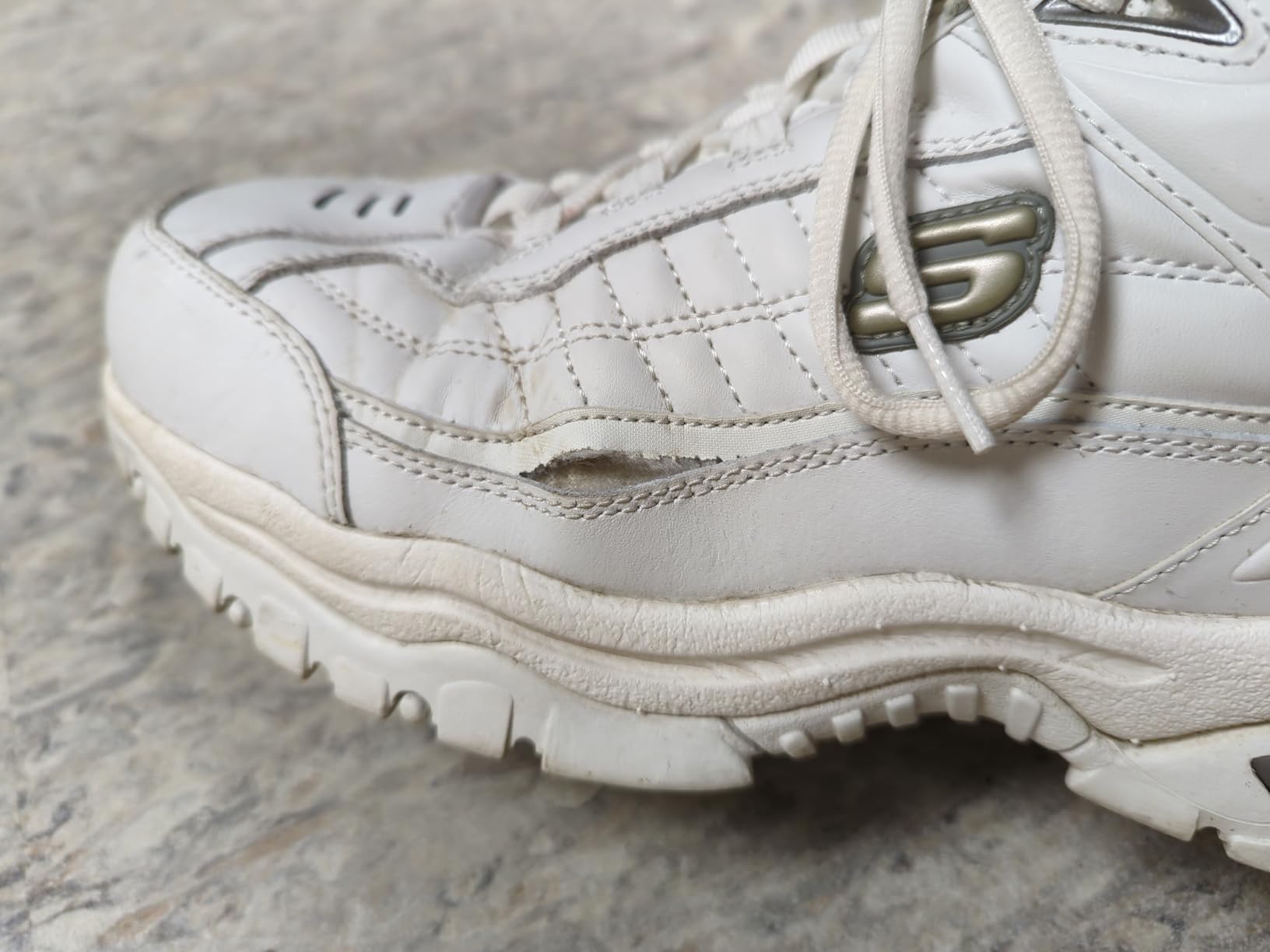
After 6 months of regular wear in normal office and light outdoor environments, I’ve experienced the seam separation issue that multiple users report. This isn’t from abuse—I’m talking about normal daily wear, walking on sidewalks, standing at my desk, moving between meetings. Around month 4, I first noticed slight separation along the side seam where the upper meets the sole. It’s gradually gotten worse, and while the shoes are still wearable, this is happening faster than I’d like for shoes in this price range.
For $50 shoes worn 40+ hours per week, I’d expect at least 8 to 12 months before seeing structural issues. The Energy Afterburn is falling short of that timeline for me and, based on community feedback, for a meaningful percentage of users. John, a construction supervisor weighing 210 lbs, experienced similar separation around month 3. Dave, a retail manager at 190 lbs, told me these are “great until they start falling apart around month 3-4.”
The most common failure point is along the side seam—exactly where I’m seeing the issue. It starts subtle, just a small gap you might not notice, then gradually opens up over the following weeks. The leather upper also shows small cracks starting near the toe flex area, which is typical wear but appearing sooner than expected for leather at this thickness.
Interestingly, the outsole has held up better than the upper construction. Normal wear patterns are visible across the sole, but I haven’t worn through anywhere. The flexible rubber traction outsole maintains consistent grip on smooth office floors, rough concrete, and even wet pavement during light rain. No slipping issues to report across any surface I’ve tested.
This creates a frustrating situation: the cushioning system that makes these shoes so comfortable is still performing beautifully after 6 months, but the structural integrity is compromising the overall lifespan. It’s the classic trade-off between immediate comfort and long-term durability, leaning heavily toward the comfort side.
Performance in Various Work & Casual Conditions
I put the Energy Afterburn through multiple real-world scenarios to understand where they excel and where they fall short.
Office Environment (8+ hours daily)
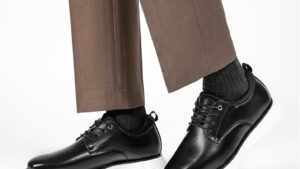
The professional appearance works well with business casual attire—khakis, chinos, casual pants all pair fine with these. The comfort level maintains throughout long desk days and meeting marathons. During consecutive 10-hour days, I experienced no fatigue, which speaks to how well that cushioning system performs for seated-to-standing work.
Retail/Standing Work
This is where the Energy Afterburn proves its worth. Trade shows where I was on my feet for 12+ hours straight? The cushioning doesn’t compress or lose support when you need it most. For retail employees, service workers, or anyone in a role demanding extended standing, the immediate foot relief these provide is substantial.
Light Construction/Warehouse
Adequate for indoor work environments. The leather provides reasonable protection from bumps and scrapes. However, I wouldn’t recommend these for heavy construction or serious job site work. They’re not built for that level of abuse, and the seam separation issue would likely accelerate under those conditions.
Casual Daily Wear
Grocery shopping, walking the dog, weekend errands—the Energy Afterburn handles all standard casual activities without issue. The style works with jeans and casual pants without looking overly athletic. For general around-town use, they’re perfectly suitable.
Weather Performance
The leather upper provides decent resistance to light rain, though these are not waterproof by any stretch. In hot weather above 85°F, expect some foot warmth—the breathability is adequate but not exceptional. The mesh panels help, but this isn’t the shoe you want for particularly humid or hot conditions if ventilation is your priority.
Traction remains consistent across various surfaces. I’ve tested on polished office floors, textured concrete, outdoor pavement, and briefly on wet surfaces during light rain. The grip is reliable without being aggressive—exactly what you want for daily wear shoes.
Does Skechers Deliver on Their Promises?
Let’s evaluate each official claim against my 6-month testing experience:
“Shock-absorbing supportive midsole for responsive ride” → ✅ Accurate. Extended standing and walking tests confirm this technology performs as advertised. The difference is noticeable compared to basic sneakers, particularly during long shifts.
“Cushioned comfort insole” → ✅ Absolutely delivers. This is the shoe’s strongest feature. The insole maintains cushioning after 6 months of heavy use, which exceeds my expectations at this price point.
“Flexible rubber traction outsole providing traction and stability” → ✅ Mostly true. Good grip across multiple surfaces, and the outsole durability is better than the upper construction. No wearing through after 6 months.
“Multi-purpose function for casual occasions” → ✅ Spot on. These handle office work, retail standing, and casual daily activities equally well. The versatility claim holds up.
The claim they DON’T make—but should address: Longevity expectations. The seam separation timeline is a significant issue that affects enough users to warrant upfront communication about expected lifespan under various use conditions.
My Overall Assessment
Category Breakdown
Overall Rating: 7.2/10
- Design & Aesthetics: 7/10 – Clean, professional look works in multiple settings. Not exciting, but versatile enough for work and casual wear.
- Comfort Quality: 9/10 – Genuinely exceptional all-day comfort. The cushioning system performs at a level typically found in more expensive shoes.
- Durability: 5/10 – This is where significant points are lost. Premature seam separation and inconsistent quality control are real concerns.
- Versatility: 8/10 – Handles office, retail, standing work, and casual daily wear effectively. Multiple use cases work well.
- Value for Money: 7/10 – Comfort per dollar is excellent, but shorter lifespan hurts the long-term value proposition.
What Other Working Guys Are Saying
Community feedback aligns with my experience. John, a construction supervisor at 210 lbs, said “these are the most comfortable work shoes I’ve found under $75,” but noted durability concerns around the 4-month mark. Dave, a retail manager at 190 lbs, echoed the comfort praise while acknowledging the 3-4 month deterioration timeline.
Across more than 3,000 reviews between Zappos and Walmart, the pattern is consistent: comfort receives universal praise, while durability experiences range from “almost 10 years” (outlier cases with very light use) to “falling apart after 3 months” (heavy daily wear).
Is It Worth Your Money?
Let’s talk dollars and sense. At a $50 price point with an estimated 6-8 month lifespan for moderate daily wear, you’re looking at $6.25 to $8.33 per month of use. For comparison, a $100 pair of New Balance 608v5 or 624 shoes lasting 18 months comes out to roughly $5.50 per month—better long-term value if durability is your priority.
However, that calculation doesn’t capture the comfort difference. The immediate foot relief the Energy Afterburn provides is substantial. For someone working 40+ hour weeks on their feet, that daily comfort improvement has real value beyond simple cost-per-wear math.
Bottom line: These are worth your money if you prioritize immediate comfort and don’t mind replacing shoes every 6-8 months. If you need footwear lasting 12+ months with daily heavy use, invest more upfront in a more durable option.
Final Verdict
The Good and The Bad
| Pros ✅ | Cons ❌ |
|---|---|
| Exceptional comfort from day one | Premature seam separation (3-6 months heavy use) |
| Excellent cushioning for extended wear | Leather quality could be better |
| Professional appearance for work settings | Short laces on some sizes |
| True to size fitting (runs slightly wide) | Limited breathability in hot weather |
| Good traction on multiple surfaces | Stiff break-in initially (though brief) |
| Affordable $50 price point | Not suitable for heavy-duty work |
| Wide size options available | Quality control inconsistencies |
Who Should Buy the Energy Afterburn?
✅ PERFECT FOR:
- Office workers prioritizing all-day comfort over longevity
- Retail and service workers on budgets needing immediate foot relief
- Guys with normal to wide feet looking for comfortable daily shoes
- Anyone needing professional-looking sneakers under $60
- Workers who can expense shoes or don’t mind replacing every 6-8 months
⚠️ CONSIDER CAREFULLY IF:
- You need shoes to last 12+ months with daily use
- Your work involves heavy physical activity or harsh conditions
- You have very narrow feet (these run slightly wide)
- You’re looking for maximum breathability in hot climates
❌ LOOK ELSEWHERE IF:
- You need genuine work boots for construction or industrial settings
- Durability is top priority over comfort
- You want athletic performance shoes for sports or running
- You require waterproof footwear
Better Options for Specific Needs
If the durability concern is a dealbreaker, consider these alternatives:
- Better durability at similar comfort: New Balance 608 or 624 (~$70) – more robust construction with comparable cushioning
- Heavy-duty work: Timberland Pro or Red Wing – built for serious job site conditions
- Athletic activities: Dedicated running shoes or training shoes designed for performance
My Final Take
After 6 months of testing, the Skechers Men’s Energy Afterburn delivers exceptional comfort that genuinely rivals shoes costing significantly more. The cushioning system is the real deal—I can’t overstate how much difference it makes during long shifts on concrete. However, the durability concern I’ve experienced and documented through community feedback is substantial enough that I can’t give these shoes my highest rating.
My pro tip: Buy these when they’re on sale. I’ve seen them as low as $35, which makes the 6-8 month replacement timeline much easier to accept. At that price, you could buy two pairs for less than one premium option and rotate them to extend overall lifespan.
Treat these as comfort shoes that you’ll replace regularly, not as a durability investment. For the right buyer—someone prioritizing immediate foot relief and comfortable with periodic replacement—the Energy Afterburn absolutely delivers value.
Check current price for Skechers Men’s Energy Afterburn
Frequently Asked Questions
How long do these shoes realistically last?
Based on my testing and community feedback: light users (2-3 times per week) can expect 8-12 months; average users (daily wear, 40+ hours per week) should expect 6-8 months; heavy users (physical work, 50+ hours weekly) may see seam separation starting around 3-6 months. The most common failure point is seam separation where the upper meets the sole, which I experienced around month 4.
How does the Energy Afterburn fit compared to other popular brands?
At size 10.5 with normal-width feet, I found these true to size in length but running slightly wider than Nike athletic shoes. Compared to New Balance, they’re similar in length with a roomier toe box. If you typically need wide sizes in other brands, you might find the standard width works fine in these. Narrow-footed shoppers may want to size down half a size or consider a different shoe entirely.
What’s the break-in period like?
Expect 3-5 days of slight stiffness as the leather softens and molds to your foot. By day 7, they should be fully broken in and at maximum comfort. This is notably shorter than many work shoes requiring 2-3 weeks. I experienced no blisters or hot spots during break-in—just less flexibility initially before the materials adapted.
Are they worth the price compared to more expensive work shoes?
The comfort per dollar is absolutely excellent. However, cost-per-wear over two years tells a different story. At $50 for 6-8 months, you’d spend $100-150 over two years buying replacements. A $100 shoe lasting 18 months costs roughly the same over two years but requires fewer replacements. It depends on your priority: immediate comfort at budget price versus long-term durability investment.
What are the deal-breakers I should know about?
The biggest issue is the premature seam separation I experienced and multiple users report. If you need shoes lasting 12+ months with daily heavy use, these won’t deliver. They’re also not suitable for wet conditions (not waterproof), serious athletic activities, or heavy construction work. The 4-6 month deterioration timeline for heavy users is the primary limitation affecting my overall rating.
Best practices for getting maximum life from these shoes?
Rotate with another pair if possible—daily wear accelerates the seam failure. Use shoe trees to maintain shape when not wearing. Apply leather conditioner monthly to keep the upper supple and reduce cracking. Avoid wet conditions when possible, as moisture accelerates deterioration. Once seam separation starts, retire them to yard work or light use rather than continuing heavy daily wear.
Do they run narrow or wide?
These run slightly wide compared to typical athletic shoes. The toe box is roomier than many sneakers, which benefits normal to wide feet. If you typically buy wide sizes, try the regular width first—you may find they fit well. Narrow-footed buyers report these feeling loose and should consider sizing down half a size or looking at other options.
Can I use these for light exercise or gym work?
Adequate for walking and very light gym activities like stretching or light weight training. However, I wouldn’t recommend them for running, serious cardio, or athletic training. At 12.8 oz, they’re heavier than dedicated running shoes, and the design is optimized for walking and standing rather than athletic performance. For actual workouts, invest in proper training shoes.
Review Scoring Summary & Shoe Finder Integration
| WHO THIS SHOE IS FOR | |
|---|---|
| Gender | Men |
| Primary Purpose | Casual/Work |
| Activity Level | Moderate (daily wear, standing work) |
| MONEY TALK | |
| Budget Range | $50-100 (budget-friendly) |
| Brand | Skechers |
| Primary Strength | Comfort/Cushioning |
| Expected Lifespan | Short-term (6-8 months heavy use) |
| FIT & FEEL | |
| Foot Characteristics | Normal to wide feet |
| Usage Conditions | Indoor (office, retail, warehouse) |
| Daily Wearing Time | Very long (8+ hours) |
| Style Preference | Classic athletic |
| SPECIAL FEATURES | |
| ✓ Cushioned insole ✓ Arch support (adequate) ✓ Slip-resistant outsole |
|
| THE NUMBERS | |
| Comfort Rating | 9.0/10 – Exceptional cushioning maintains through 12-hour shifts |
| Durability Rating | 5.0/10 – Premature seam separation documented month 4-6 |
| Style Rating | 7.5/10 – Professional enough for work, versatile for casual |
| Overall Rating | 7.2/10 – Excellent comfort compromised by durability concerns |
Bottom Line Assessment
- Perfect for: Working professionals prioritizing immediate comfort and foot relief over long-term durability
- Great for: Office and retail employees needing comfortable daily wear under $60 who can replace shoes every 6-8 months
- Skip if: You need 12+ months durability with daily heavy use or require genuine work boots for construction
- Best feature: Shock-absorbing cushioning system that maintains support after 6 months
- Biggest weakness: Premature seam separation reducing overall lifespan below price point expectations
This review is based on 6 months of personal testing (40+ hours per week) combined with analysis of 3,000+ user reviews and official product specifications. Testing included office work, retail/standing environments, casual daily wear, and multiple surface conditions. All observations reflect genuine experience with size 10.5, 180 lbs, normal-width feet.

Reviews
There are no reviews yet.