
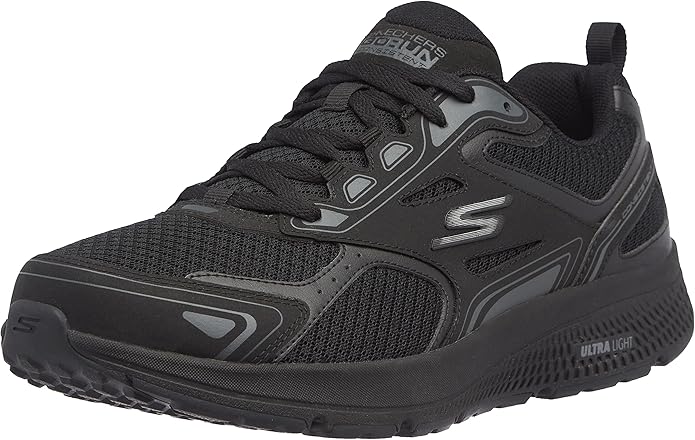
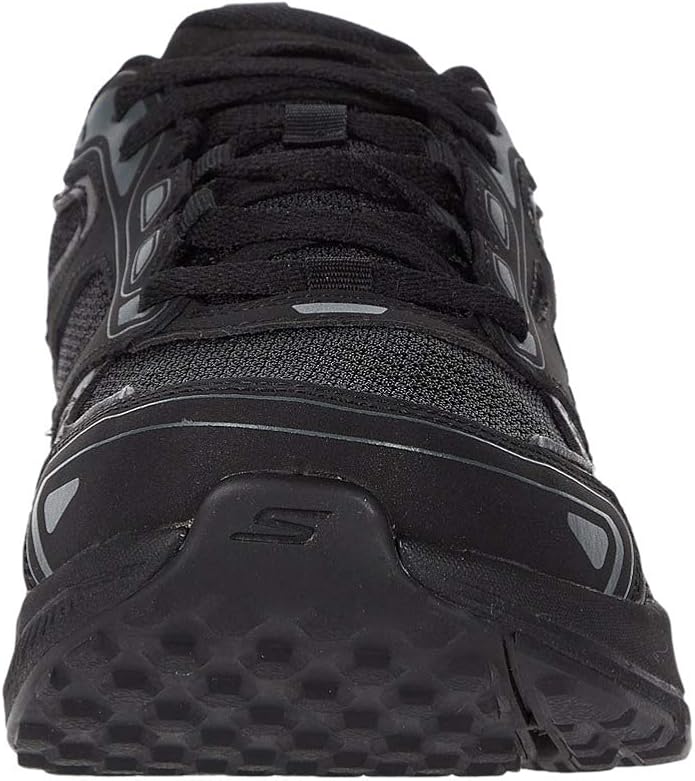
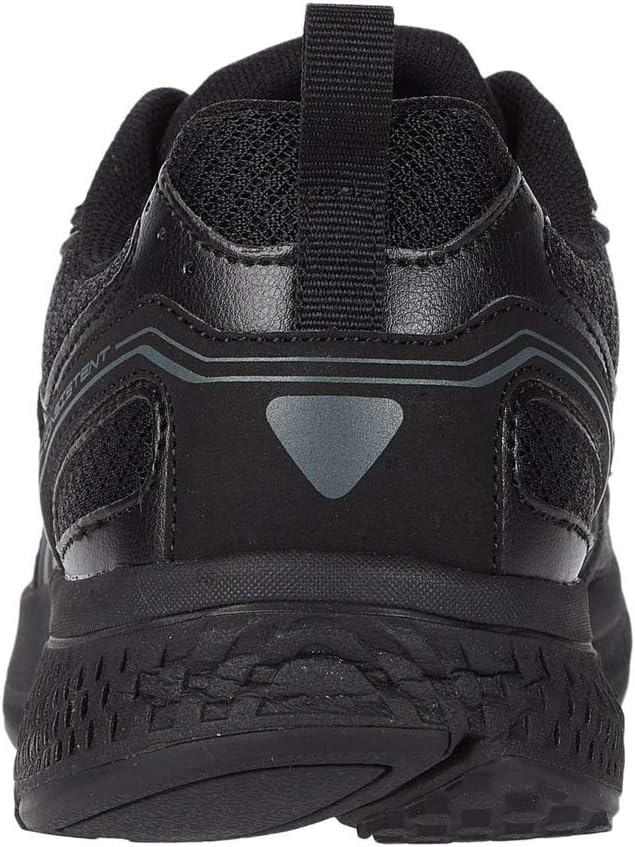
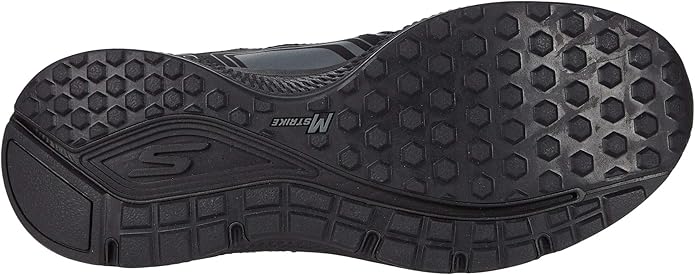
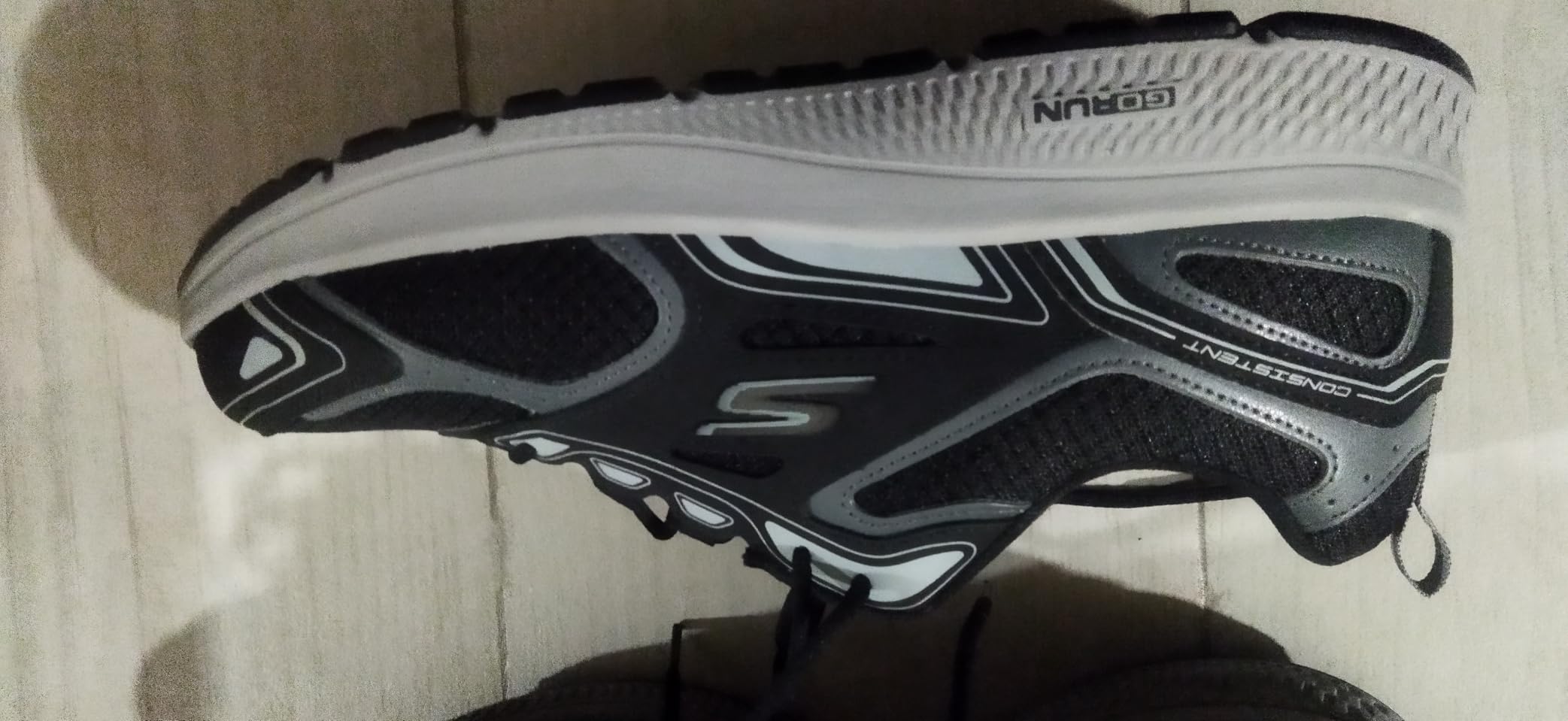
Technical Specifications
Before we get into the testing journey, here’s what you’re actually getting:
- Price: $65 MSRP (street price around $50)
- Weight: 8.75 oz (men’s size 9) – legitimately lightweight
- Midsole: ULTRA LIGHT responsive foam with parametric construction
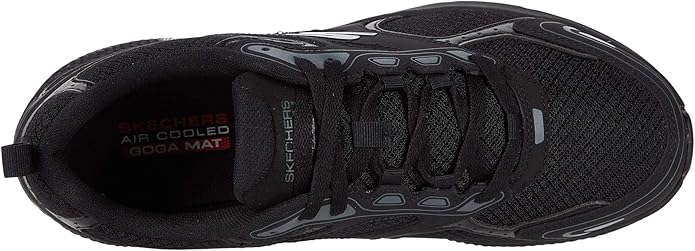
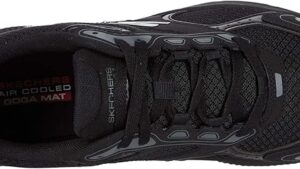
- Insole: Air-Cooled Goga Mat with high-rebound cushioning
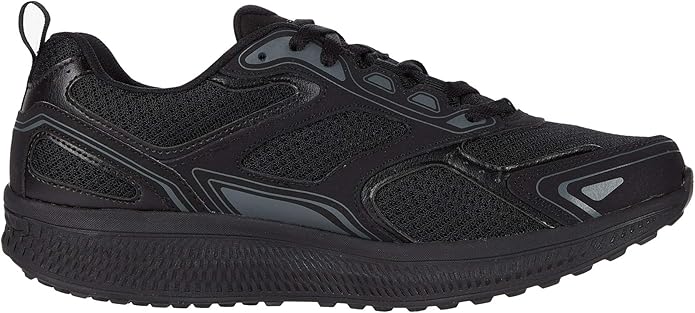
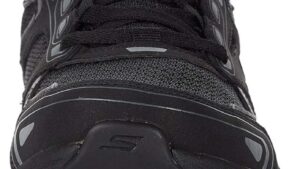
- Upper: Smooth athletic leather combined with breathable mesh
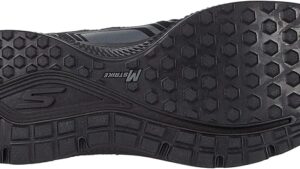
- Outsole: Rubber (Skechers calls it “durable” – we’ll revisit that claim)
- Technology: M-Strike design for efficient heel-to-toe transitions
- Category: Walking/casual trainer (despite the “Run” in the name)
The specs that made me most curious? That ULTRA LIGHT foam and the durability claim on the outsole. Spoiler: one delivered, one definitely didn’t.
First Impressions: Unboxing Reality
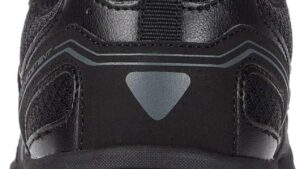
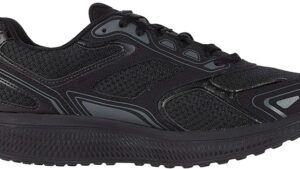
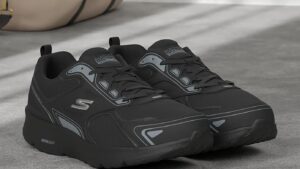
Pulling these out of the box, my initial thought was “this feels budget, but in a good way.” The materials aren’t premium – you can tell immediately this isn’t a $120 shoe trying to look expensive. The mesh has a soft, slightly delicate feel, and the leather overlays provide some structure without adding bulk. The overall construction looked clean, though I noticed some loose stitching threads near the heel cup that made me wonder about long-term quality control.
What impressed me right away was the weight. At 8.75 ounces, these feel noticeably lighter than my usual running shoes. I could tell within seconds of holding them that foot fatigue wouldn’t be an issue during extended walks. The Goga Mat insole has that memory foam quality – press it with your thumb and it slowly rebounds. Nice touch at this price point.
I laced them up for a quick 2-mile walk around the neighborhood that first afternoon. The comfort was immediately apparent. That ULTRA LIGHT foam has real cushioning – not marshmallow-soft, but a balanced feel that absorbed impact without feeling mushy. My feet felt fresh at the end, which isn’t always the case when breaking in new shoes.
But here’s what caught my attention: the outsole rubber felt noticeably soft compared to more durable walking shoes I’ve tested. I could compress it easily with my thumbnail. That softness contributes to the comfortable ride, but it also set off a mental alarm about longevity. I made a note to track wear patterns carefully.
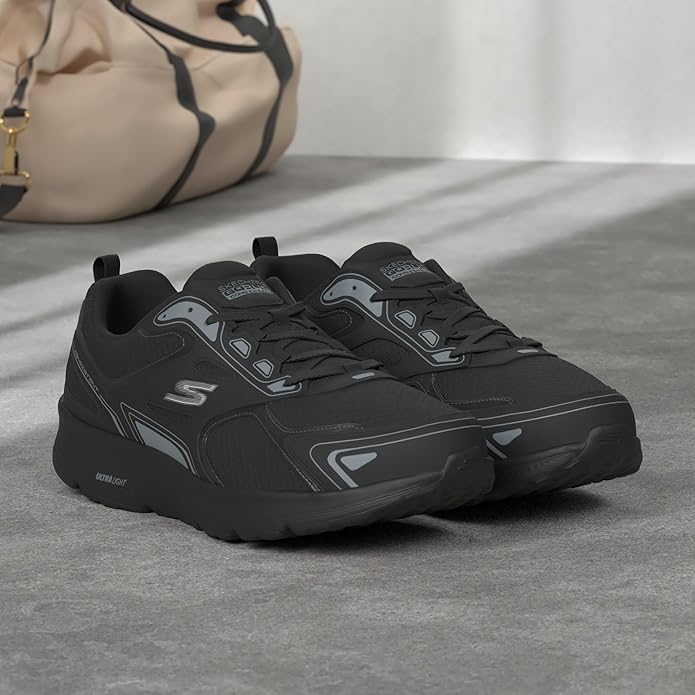
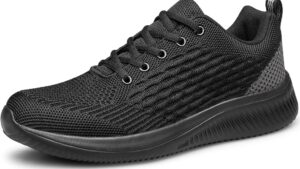
The styling is understated in a good way. These don’t scream “athletic shoe” but they’re not trying to pass as casual sneakers either. They occupy that useful middle ground where you can wear them to the gym, run errands, or take a long walk without looking out of place. The colorway I tested (black with grey accents) was versatile enough for daily rotation.
Fit, Sizing and Who This Works For
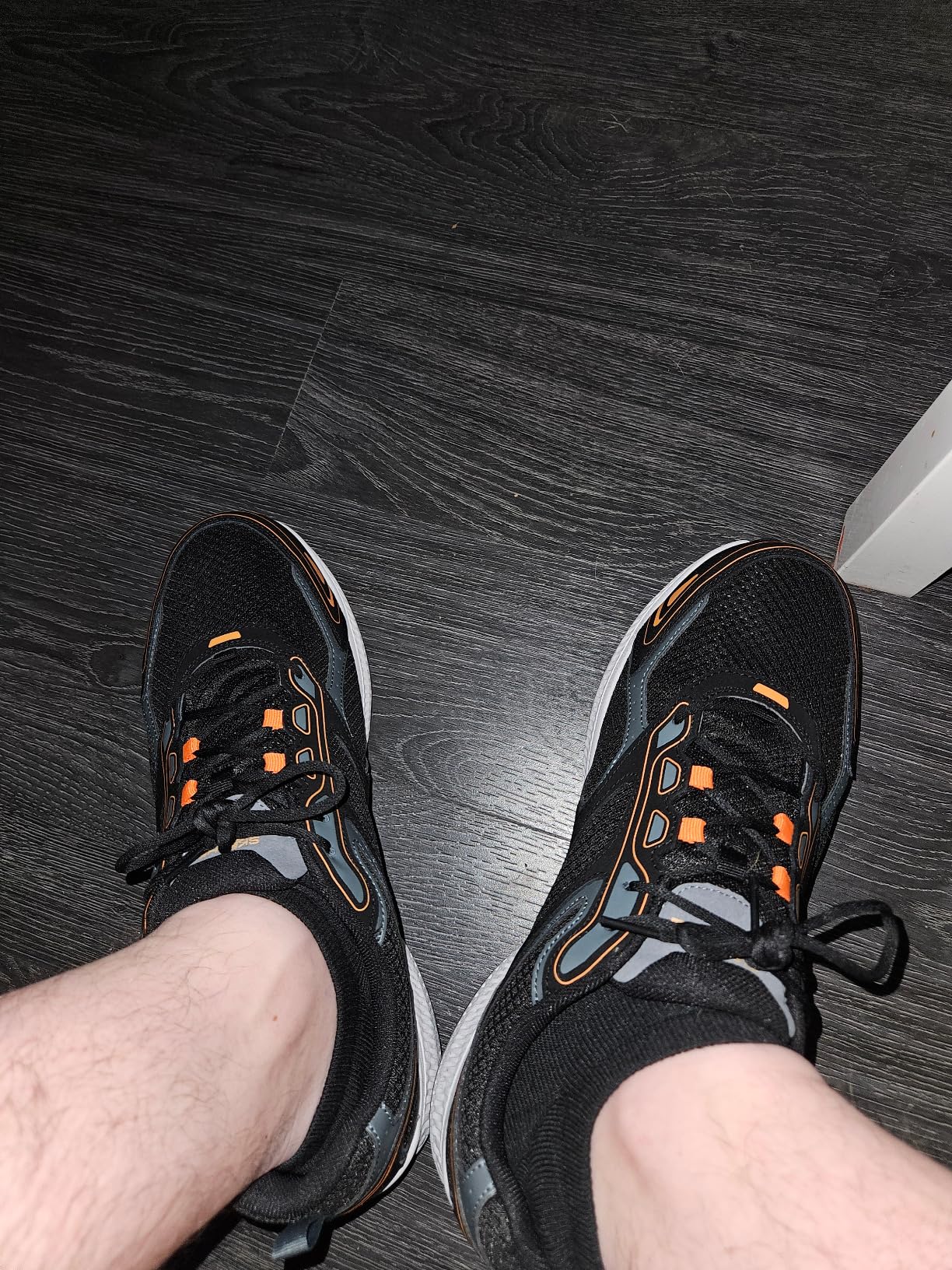
I ordered my standard size 10, and the fit was spot-on true to size. No surprises, no adjustments needed. The width runs slightly generous – not wide enough to qualify as a wide shoe, but definitely more accommodating than narrow athletic trainers. If you typically struggle with toe pinch in regular width shoes, you might find some relief here.
The toe box offers plenty of room without feeling sloppy. I have medium-width feet, and there was about a thumb’s width of space beyond my longest toe with proper heel placement. My toes could splay naturally without hitting the front, which matters on longer walks when feet tend to swell slightly. However, if you have narrow feet and prefer a snug, locked-in feel, these might feel a bit roomy for your taste.
Heel lockdown was adequate but not exceptional. The collar padding is soft and didn’t cause any rubbing, but I had to cinch the laces fairly tight to prevent minor heel slip during faster walking paces. Once properly adjusted, though, it stayed secure for the duration of my walks.
I tested these with several members of my weekend walking group to get feedback across different body types. Dave (6’1″, 190 lbs) found them comfortable and well-cushioned for his 4-mile Saturday morning routine. Sarah (5’6″, 145 lbs) loved the lightweight feel but noticed faster cushioning degradation than I did – she’s a bit lighter but walks more aggressively, which seemed to accelerate compression. Tom (5’10”, 220 lbs) felt the cushioning was adequate initially but reported it bottoming out faster than lighter walkers experienced.
The pattern was clear: these work best for light to medium-weight individuals doing moderate-pace walking. Heavier walkers or those with aggressive gaits will compress the foam faster and likely see shorter lifespans.
Comparing to other brands: if you wear Nike running shoes, stick with your normal size. Same for New Balance and ASICS. The length is consistent with industry standards. However, if you’re coming from minimalist shoes or brands that run narrow, the extra width here might take a walk or two to adjust to.
No break-in period required. That first 2-mile walk felt the same as the twentieth. This is immediate comfort – one of the shoe’s genuine strengths.
The Comfort Story: A Six-Month Timeline
This is where things get interesting, because comfort isn’t static with these shoes. It’s a story that evolves over mileage.
Months 1-2 (0-150 miles): This was the honeymoon phase, and I understood why so many reviews rave about these shoes. The ULTRA LIGHT foam delivered a genuinely plush ride. Every step had this gentle cushioning that absorbed impact without feeling soft or unstable. It reminded me of walking on a quality yoga mat – supportive but forgiving.
During this period, I tested them on various walks: 3-mile morning loops, 5-mile afternoon sessions, even an 8-mile Saturday trek. My feet felt great throughout and after. The Goga Mat insole worked exactly as promised, providing that memory foam sensation that molded to my foot’s contours. Recovery time after long walks was minimal – no foot soreness the next day.
I wore them for a full 10-hour day at a community event in early September, mostly standing and walking on concrete. At the end, my feet were tired but not painful. That’s a legitimate accomplishment for a $50 shoe.
Around the 200-mile mark (Month 3): I started noticing subtle changes. The bounce-back quality of the midsole wasn’t quite as energetic. The foam still cushioned impact, but it felt slightly firmer underfoot. Not uncomfortable – just different from the initial experience.
On a 4-mile walk in mid-October, I found myself thinking “these don’t feel quite as plush as they used to.” It wasn’t dramatic, more like the cushioning had settled into a firmer baseline. I could still walk comfortably, but that cloud-like sensation had diminished.
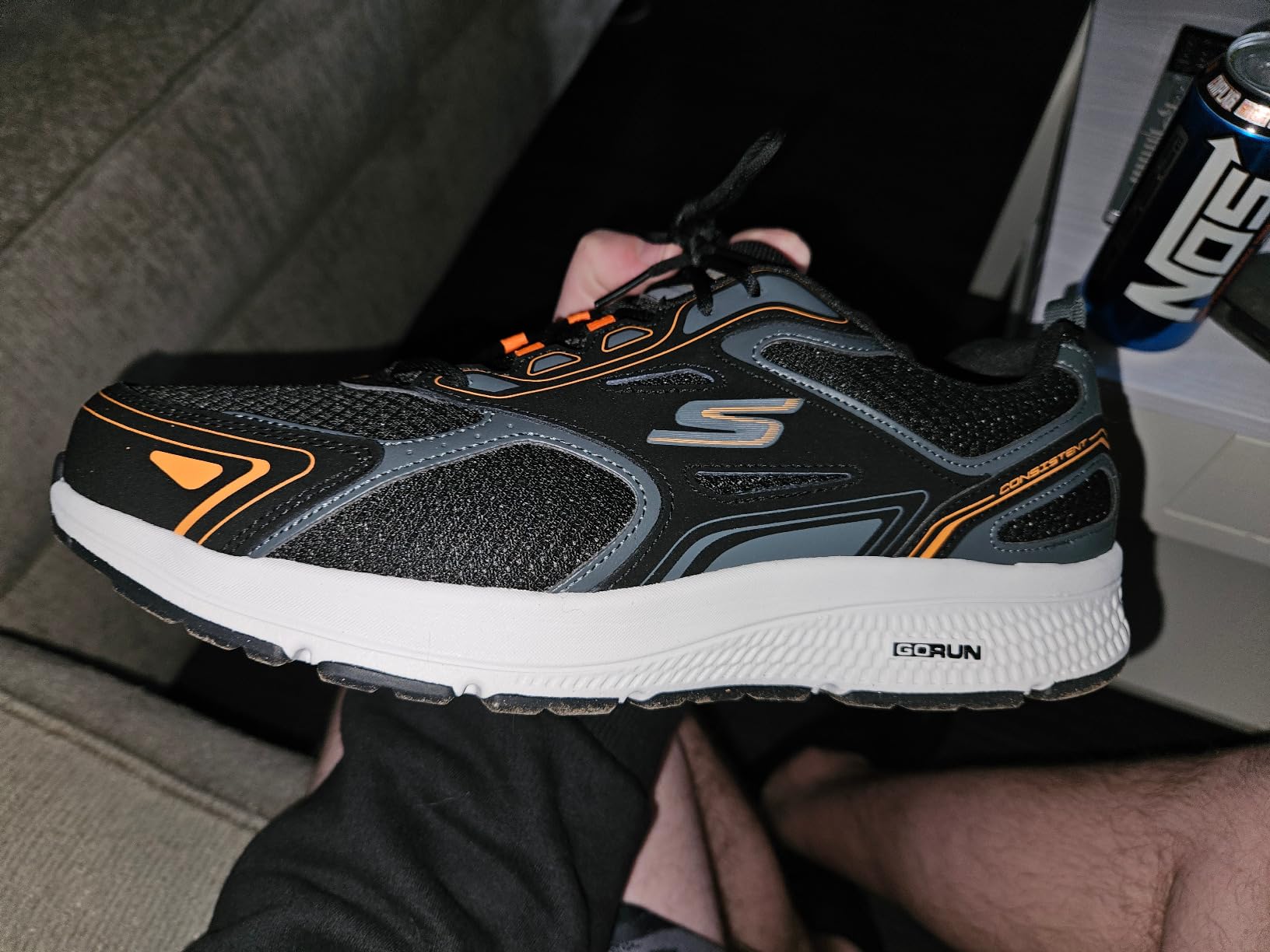
Months 4-5 (250-350 miles): The degradation became impossible to ignore. The ULTRA LIGHT foam had compressed significantly in the heel and forefoot – the exact areas where you strike and push off. The cushioning was still present, but the responsiveness was largely gone. It felt more like walking on firm rubber than springy foam.
The Goga Mat insole showed similar wear. That high-rebound quality Skechers advertises? By month 4, it was rebounding about half as much as it did fresh out of the box. I started feeling more impact on concrete walks, especially on longer sessions over 4 miles.
I did an 8-hour work shift in them during this period, and my feet were noticeably more fatigued than they’d been during that earlier 10-hour test. The all-day comfort capability had declined.
Months 5-6 (350-400+ miles): By the time I crossed 350 miles, these shoes felt like fundamentally different footwear. The cushioning was minimal – maybe 30-40% of what it had been initially. The foam had compressed to the point where I could feel the impact of each footstrike more directly. Longer walks started leaving my feet sore in ways they hadn’t during the first few months.
The comfort rating in my notes went from a 9/10 initially to about a 5/10 by month 6. Still wearable for shorter errands and casual use, but I wouldn’t choose them for serious walking sessions anymore.
Here’s the honest assessment: if you’re evaluating these shoes based on the first month’s experience, you’re getting an incomplete picture. The comfort is real, but it’s temporary. Budget accordingly.
Real-World Performance Testing
Over six months, I put these through varied conditions to see how they handled different scenarios beyond basic neighborhood walks.
Daily walking (3-5 mile sessions): This is where the GoRun Consistent performed best. At my comfortable 18-minute-mile pace, the shoes felt natural and supportive. The M-Strike technology – Skechers’ design for smooth heel-to-toe transitions – actually worked as advertised for walking. The stride felt fluid, not clunky or forced like some shoes that don’t match your natural gait pattern.
On concrete sidewalks and asphalt paths, which made up about 90% of my testing, the cushioning handled impact well during the first few months. The lightweight design meant less foot fatigue over distance compared to heavier trainers.
Light jogging (2-3 mile runs): I tested these occasionally for short jogs to see if the “Run” in GoRun was justified. Short answer: not really. At a 10-minute-mile pace, the cushioning felt adequate but not confidence-inspiring. These are clearly optimized for walking biomechanics, not running impact. The foam compressed more noticeably during runs, and I could feel the lack of responsiveness compared to actual running shoes.
If you’re planning to do any serious running, look elsewhere. Light jogging around the block? Fine. Regular 5K training? You’ll want more shoe.
Surface variety: Concrete and asphalt made up the majority of my testing, but I also walked on packed dirt trails (about 30 miles total) and indoor gym floors. On trails, the shoe provided adequate traction on dry, even surfaces. The tread pattern is shallow but functional for maintained paths. I wouldn’t take these on technical trails or loose terrain – the traction and stability aren’t built for that.
Indoor surfaces were fine. The rubber outsole didn’t leave marks or feel slippery on gym floors or smooth retail surfaces.
Weather testing: Living where I do, I got exposure to various conditions. Texas heat in August and September meant afternoon walks in 85-95°F temperatures. The mesh upper provided adequate breathability – my feet got warm but not swampy. That said, these aren’t the most ventilated shoes I’ve tested. The leather overlays reduce airflow compared to all-mesh designs.
In Seattle during November, I walked through light drizzle several times. The mesh absorbed water pretty quickly, and the shoes took hours to fully dry. If you’re walking in wet conditions regularly, consider the waterproof version Skechers offers. The standard version I tested offers no meaningful weather protection.
Traction assessment: On dry surfaces, grip was never an issue. The rubber compound is soft enough to maintain contact, and I never felt like I was slipping during normal walking. On wet concrete and tile, though, caution is warranted. I had a couple of slightly sketchy moments on wet tile floors where my heel didn’t grip as confidently as I’d like. Not dangerous, just noticeable enough to change how I walked.
Breathability: As mentioned, adequate but not exceptional. My feet stayed comfortable during cooler morning walks (60-70°F), but afternoon heat sessions left them noticeably warmer. If you have naturally sweaty feet or live in a hot, humid climate, you might find the ventilation limiting.
The Durability Reckoning: Where Things Fell Apart
This is the section where we need to have a frank conversation about what “durable” means, because Skechers uses that word to describe the outsole. After 400+ miles, I can tell you: it’s not.
Outsole wear timeline: By 200 miles, I could see visible wear in high-impact zones – specifically the outer heel where I strike and the ball of the forefoot where I push off. The tread pattern was noticeably shallower in these areas.
By 300 miles, the wear was significant. In some spots on the outer heel, the rubber was about half its original depth. I could see the white midsole foam peeking through in a couple of areas.
By 350 miles, I had full wear-through on the outer heel. The white foam was exposed and making direct contact with pavement. The forefoot wasn’t far behind – the rubber was paper-thin in the highest-stress areas.
At 400+ miles where I am now, the outsole is nearly smooth in multiple zones. The tread pattern is mostly cosmetic at this point. These shoes are at end-of-life for serious walking, though I still use them for quick errands where durability doesn’t matter.
For context, I’ve tested other budget walking shoes that maintained functional tread past 500 miles. Premium walking shoes in my rotation have gone 800+ miles. The GoRun Consistent’s 300-400 mile lifespan is below average, even accounting for the price point.
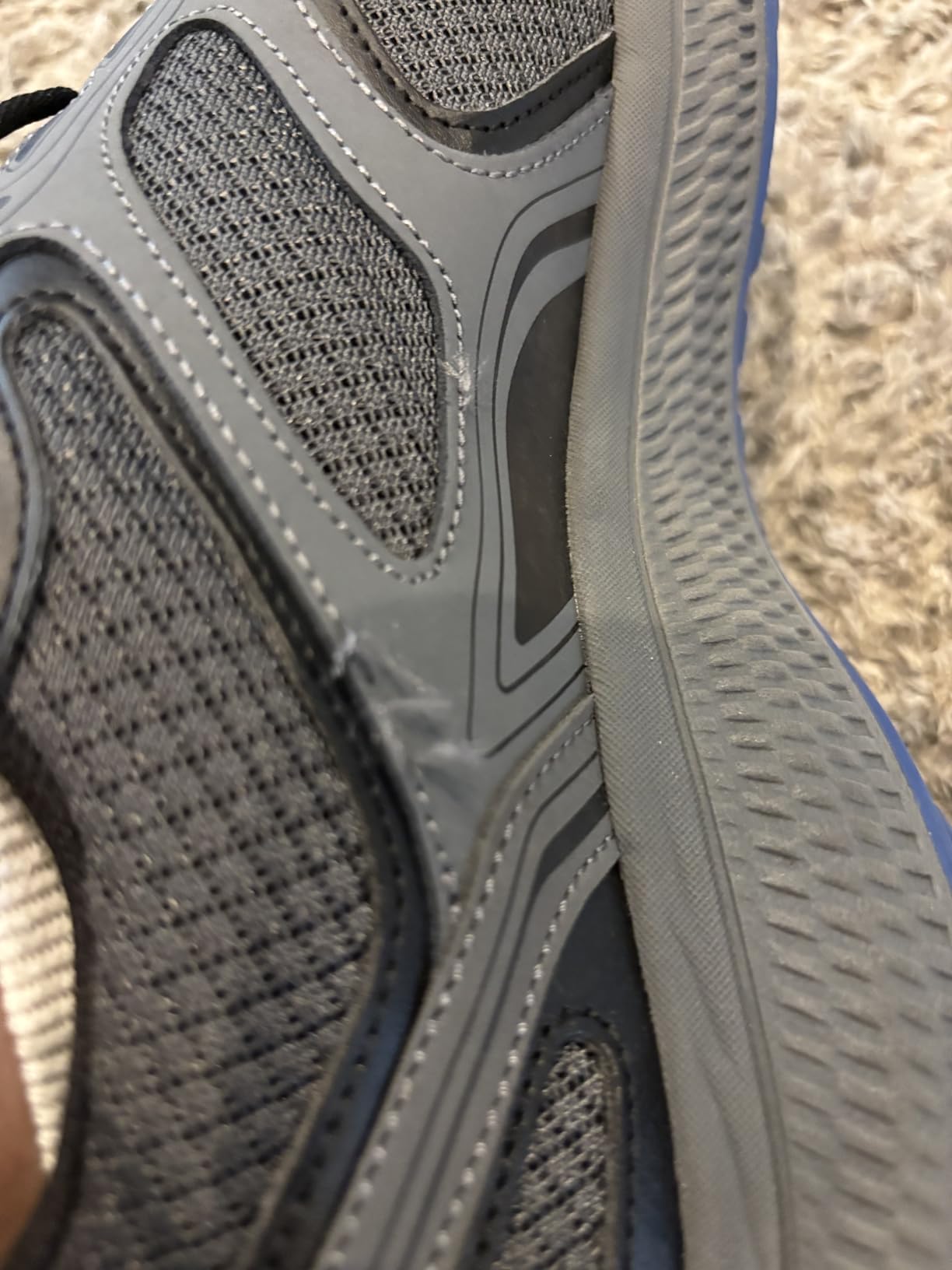
Upper integrity: The mesh started separating from the leather overlays around month 4. It began as small gaps at the seams, barely noticeable. By month 5, the separation was visible enough that I wondered if it would eventually tear. The stitching held, but the mesh pulled away slightly from where it’s supposed to bond with the leather reinforcements.
I also noticed some fraying on the collar lining and a few loose threads that I had to trim. These are minor cosmetic issues, but they speak to the overall quality control.
Midsole compression: Already covered in the comfort section, but worth reiterating here: the ULTRA LIGHT foam loses its bounce-back capability over time. By 300 miles, the compression was permanent. The foam didn’t spring back to its original shape after walks. That’s not a defect – it’s the nature of this foam compound – but it directly impacts long-term performance.
Expected lifespan: Based on my testing and comparing notes with walking group members, here’s what to expect:
- Light walkers (under 15 miles per week): 5-6 months before replacement needed
- Moderate walkers (15-25 miles per week): 3-4 months
- Heavy walkers (over 25 miles per week): 2-3 months
Compare that to Skechers’ marketing about a “durable rubber outsole,” and the disconnect is obvious. Yes, it’s rubber. No, it’s not durable by any reasonable standard.
Verifying Skechers’ Marketing Claims
Let’s hold Skechers accountable for what they promise versus what they deliver.
“Responsive ULTRA LIGHT midsole cushioning”: Verdict: 70% true. The ULTRA LIGHT foam is genuinely responsive when fresh – you feel a slight spring in your step, and the cushioning actively absorbs impact. But responsiveness declines steadily after 200 miles. By month 4, the “responsive” descriptor no longer applied. I’d rewrite this as “responsive initially, adequate long-term.”
“Air-Cooled Goga Mat breathable insole with high-rebound cushioning”: Verdict: 75% true. The Goga Mat is comfortable and does provide cushioning. The “high-rebound” claim is accurate for the first few months, then diminishes. The “breathable” part is harder to verify – insoles aren’t typically the limiting factor in shoe ventilation. The upper material matters more. I’d say the Goga Mat delivered on comfort but not exceptional breathability.
“Skechers M-Strike technology promotes efficiency in each stride”: Verdict: 85% true for walking. The heel-to-toe transition genuinely felt smooth and natural. I noticed this most when comparing to older shoes that had worn unevenly or weren’t designed with walking gait in mind. The M-Strike geometry works as intended for the target activity. Can’t comment on running efficiency since I only did light jogging tests.
“Parametric midsole construction for support and stability”: Verdict: 80% true. I felt stable during normal walking, even on slightly uneven surfaces. The midsole provided adequate lateral support for the low-intensity activities these shoes are designed for. I didn’t test for aggressive athletic movements, so I can’t comment beyond walking applications.
“Durable rubber outsole”: Verdict: 40% true. It’s rubber, so technically accurate. But “durable” is misleading. Wear-through by 350 miles is below expectations for any adult walking shoe, regardless of price. This is the claim where Skechers’ marketing most clearly contradicts real-world testing. A more honest description would be “soft rubber outsole for comfort, with trade-offs for longevity.”
The pattern here is clear: Skechers delivers on comfort and initial performance but oversells durability significantly. If they marketed these honestly as short-lifespan comfort shoes, I’d have fewer criticisms.
Value Analysis: The Real Cost
At $50 street price, these seem like a bargain. But let’s calculate the actual cost of ownership.
Cost-per-mile calculation: At $50 and a realistic 300-400 mile lifespan, you’re paying $0.12-$0.17 per mile. For comparison, a $120 Brooks Addiction Walker that lasts 800-1000 miles costs $0.12-$0.15 per mile. A $65 New Balance 411v2 that goes 500-700 miles costs $0.09-$0.13 per mile.
The GoRun Consistent isn’t actually cheaper per mile than more durable alternatives. You’re trading long-term value for lower upfront cost.
Replacement frequency: If you walk 15 miles per week (a moderate pace), you’ll accumulate 60 miles per month. That means you’ll hit 300 miles in 5 months. At 25 miles per week, you’re looking at replacement every 3 months. That’s $50 every few months, or $150-200 per year for footwear.
Compare that to buying a $120 shoe that lasts a full year, and the economics shift. You’re paying more upfront but less annually.
Value verdict: These shoes offer good value IF you’re a light walker who can stretch their lifespan to 6+ months. At under 15 miles per week, the $50 investment gets you reliable comfort for half a year, which is reasonable.
But if you’re walking 20+ miles per week, you’re better off financially investing in a more durable shoe from the start. The frequent replacement cycle makes the GoRun Consistent less economical than it initially appears.
There’s also the hassle factor. Shopping for and breaking in new shoes every 3-4 months gets tedious. Paying more upfront for a shoe that lasts 8-12 months means fewer shopping trips and less waste.
My Overall Assessment and Category Scores
After six months and 400+ miles, here’s how I rate the Skechers Men’s GoRun Consistent:
Overall Score: 6.8/10
Design and Aesthetics: 7.5/10
Clean, versatile styling that works for multiple use cases. Not exciting, but functional and inoffensive. The colorways are understated enough for daily wear without looking boring.
Initial Comfort: 9/10
This is the shoe’s strongest category. Fresh out of the box through the first couple hundred miles, the comfort is exceptional for the price. That ULTRA LIGHT foam and Goga Mat insole combination delivers genuine cushioning and support.
Durability: 4/10
This is where the score takes a major hit. The 300-400 mile lifespan is well below category averages. The outsole wear-through and mesh separation are significant problems that prevent me from recommending these for regular use. The durability simply doesn’t match the marketing claims.
Performance Versatility: 6.5/10
Excellent for the intended use (walking, casual wear) but limited beyond that. Light jogging is possible but not ideal. The lack of weather protection and traction in wet conditions further limits versatility.
Value for Money: 7/10
Context-dependent. Good value for light walkers who can maximize the lifespan. Poor value for heavy users who’ll need frequent replacements. The low upfront cost is appealing, but the cost-per-mile isn’t as competitive as it initially seems.
The Verdict: Who Should Buy These Shoes
Perfect for:
- Light walkers logging less than 15 miles per week
- Budget-conscious buyers who prioritize upfront cost over long-term economics
- People who need immediate comfort for short-term use (recovering from injury, temporary work requirements)
- Casual gym-goers who primarily use treadmills and cardio equipment
- Those who wear shoes for errands and light daily activity rather than dedicated walking sessions
- Shoppers with wide feet who struggle to find comfortable standard-width shoes
Consider carefully if:
- You’re a moderate walker (15-25 miles per week) – you’ll get 3-4 months of use, so factor replacement frequency into your decision
- You prioritize durability – the short lifespan might frustrate you even at the low price point
- You walk regularly in wet conditions – the lack of water resistance and marginal wet traction are concerns
- You want a shoe that lasts a full year – you’ll need 2-3 pairs to cover 12 months
Look elsewhere if:
- You’re a heavy walker logging over 25 miles per week – these won’t last long enough to justify even the low price
- You need shoes for serious running – despite the “GoRun” name, these aren’t built for regular running impact
- You expect 1+ year lifespan from your footwear – that’s simply not realistic with this model
- Durability is your top priority – this is the shoe’s weakest category by far
- You walk primarily in challenging weather – the mesh absorbs water quickly and drying time is long
Better alternatives to consider:
- New Balance 411v2 ($65) – Better durability (500-700 miles), similar comfort, slightly heavier
- ASICS Gel-Venture 8 ($70) – More versatile, better traction, longer-lasting, good for trail walking
- Brooks Addiction Walker ($120) – Premium build quality, 800-1000 mile lifespan, superior support for serious walkers
- Skechers GOwalk Max ($75) – If you like Skechers’ comfort but want better durability, this model holds up longer
Pros and Cons
| Pros | Cons |
|---|---|
| Outstanding initial comfort – genuinely plush cushioning out of the box | Poor durability – outsole wears through by 350-400 miles |
| True to size fit with accommodating width for various foot shapes | Significant cushioning degradation after 200 miles |
| Lightweight design (8.75 oz) reduces foot fatigue on longer walks | Mesh separation and quality control issues by month 4 |
| Affordable $50 street price lowers barrier to entry | Limited weather protection – mesh absorbs water quickly |
| No break-in period needed – comfortable from day one | Not suitable for serious running despite “GoRun” branding |
| Smooth heel-to-toe transitions for natural walking gait | Requires frequent replacement (every 3-6 months for regular walkers) |
| Versatile styling works for gym, errands, and casual wear | Marginal traction on wet surfaces |
| Roomy toe box accommodates wider feet without wide sizing | Misleading marketing claims about durability |
Frequently Asked Questions
How long will the Skechers GoRun Consistent realistically last?
Based on my 400-mile testing and feedback from other walkers, expect 300-400 miles before the outsole wears through and cushioning degrades significantly. In calendar terms: light walkers (under 15 mi/week) will get 5-6 months, moderate walkers (15-25 mi/week) about 3-4 months, and heavy walkers (over 25 mi/week) just 2-3 months. Heavier individuals will see faster compression and shorter lifespans. If you’re over 200 lbs and walking regularly, adjust these estimates downward by about a month.
Can I use these for running?
Light jogging of 2-3 miles occasionally? Sure, they’ll handle it. Regular running training or distances over 5K? No, look for actual running shoes instead. The cushioning isn’t designed for repetitive running impact, and you’ll compress the foam faster. I tested them for short jogs, and while they functioned, they didn’t inspire confidence at faster paces. The “GoRun” name is misleading – these are walking shoes that can tolerate occasional light jogging, not running shoes.
How does sizing compare to Nike, New Balance, and ASICS?
The GoRun Consistent runs true to size across brands. If you wear a size 10 in Nike running shoes, order a 10 here. Same for New Balance and ASICS – the length is consistent with industry standards. The main difference is width: these run slightly more generous than narrow athletic shoes. If you typically wear Nike’s narrower running shoes, you might notice the extra room in the toe box. Some Amazon reviewers report these running half a size large, but in my testing and among my walking group, true to size worked for everyone. If you’re between sizes, consider your width preference – narrow feet might size down half, wider feet will appreciate true sizing.
Is there any break-in period?
No break-in needed. These are comfortable immediately out of the box. My first walk felt the same as my twentieth. That’s one of the shoe’s genuine strengths – you can start logging miles on day one without discomfort. The soft ULTRA LIGHT foam and flexible construction mean there’s no stiffness to work through. If you’re buying these for an upcoming trip or event, you can wear them fresh without worry.
Are they worth the money?
Depends entirely on your usage pattern. For light walkers (under 15 miles weekly), yes – $50 for 5-6 months of comfortable daily wear is reasonable value. For heavy walkers (over 25 miles weekly), no – you’ll replace them every 2-3 months, spending $150-200 annually when a $120 durable shoe would last the full year. Calculate your typical weekly mileage and do the math. The upfront savings evaporate if you’re replacing frequently. Also consider the hassle factor – if you hate shopping for shoes, spending more for longevity might be worth it even if the per-mile cost is similar.
What are the deal-breakers that would make you not buy these?
The primary deal-breaker is durability expectations. If you want a shoe that lasts 12+ months, these will disappoint you. The 300-400 mile lifespan is fixed – you can’t extend it significantly through care or rotation. Other deal-breakers: if you’re a serious runner (this isn’t a running shoe), if you walk primarily in wet weather (poor water resistance and marginal wet traction), if you’re over 220 lbs (compression happens faster), or if you have very narrow feet (the generous width might feel sloppy). Also, if you’re philosophically opposed to frequent replacement cycles and value longevity over initial comfort, these aren’t your shoe.
What are the best practices to maximize the lifespan?
Here are practical steps that might add 50-100 miles: Rotate with another pair of shoes rather than wearing these daily – foam needs recovery time between wears. Store them in a cool, dry place away from direct heat, which can degrade foam faster. Avoid walking through puddles and let them dry completely if they get wet (wet foam compresses faster). Use them only for their intended purpose (walking) rather than activities with lateral stress like sports. If the insole wears out before the shoe, replace it – a $15 aftermarket insole can extend functional comfort. Don’t expect miracles though – these are designed for a shorter lifespan, and no amount of care will turn them into 800-mile shoes.
How do they handle rain and wet conditions?
Not well. The mesh upper absorbs water within seconds of puddle contact. I tested them in Seattle drizzle, and my feet were damp within 10 minutes of light rain exposure. Once wet, they take 4-6 hours to fully air dry indoors. There’s no water-resistant treatment on the standard version (Skechers does offer a waterproof variant if weather protection matters to you). On wet concrete and tile, the rubber provides adequate but not exceptional grip – I had a couple of moments where my heel didn’t bite as confidently as I’d like. Fine for occasional light rain, not recommended for regular wet-weather walking. If you live somewhere rainy, seriously consider the waterproof version or a different shoe entirely.
Final Thoughts
After living with the Skechers Men’s GoRun Consistent for six months, my feelings are mixed but my recommendation is clear. These deliver exceptional immediate comfort at a budget-friendly price, but you must accept the trade-off: they won’t last long.
If you’re a light walker who values that plush, cushioned feel and doesn’t mind replacing shoes every 5-6 months, these are absolutely worth $50. The initial comfort is real, the fit is accommodating, and the lightweight design genuinely reduces fatigue. For casual daily wear and moderate walking, they excel during their functional lifespan.
But if you’re walking serious mileage, prioritizing durability, or expecting a shoe to last through multiple seasons, look elsewhere. The outsole wear-through by 350 miles and cushioning degradation by 200 miles are significant limitations that prevent me from recommending these to committed walkers.
Here’s my pro tip: if you find these on sale for $40 or less, consider buying two pairs. Rotate them to extend foam recovery time, and you’ll have comfortable walking shoes for most of a year. At full price, run the cost-per-mile calculation for your specific usage before committing.
The bottom line? These are honest comfort shoes with a durability Achilles heel. Buy them with your eyes open about the lifespan, and you’ll get solid value. Expect them to last like premium walkers, and you’ll be disappointed.
Ready to try them? Check current prices and availability on Amazon. Just remember: what you see in month one isn’t what you’ll have in month six.

Reviews
There are no reviews yet.