
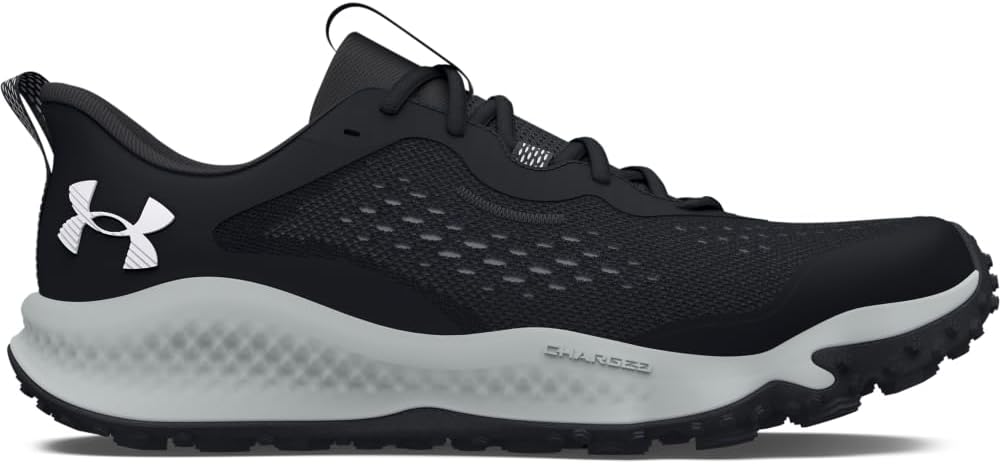
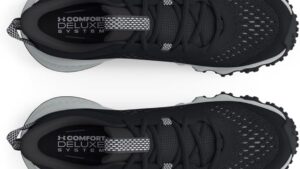
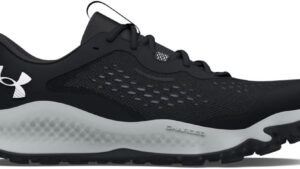
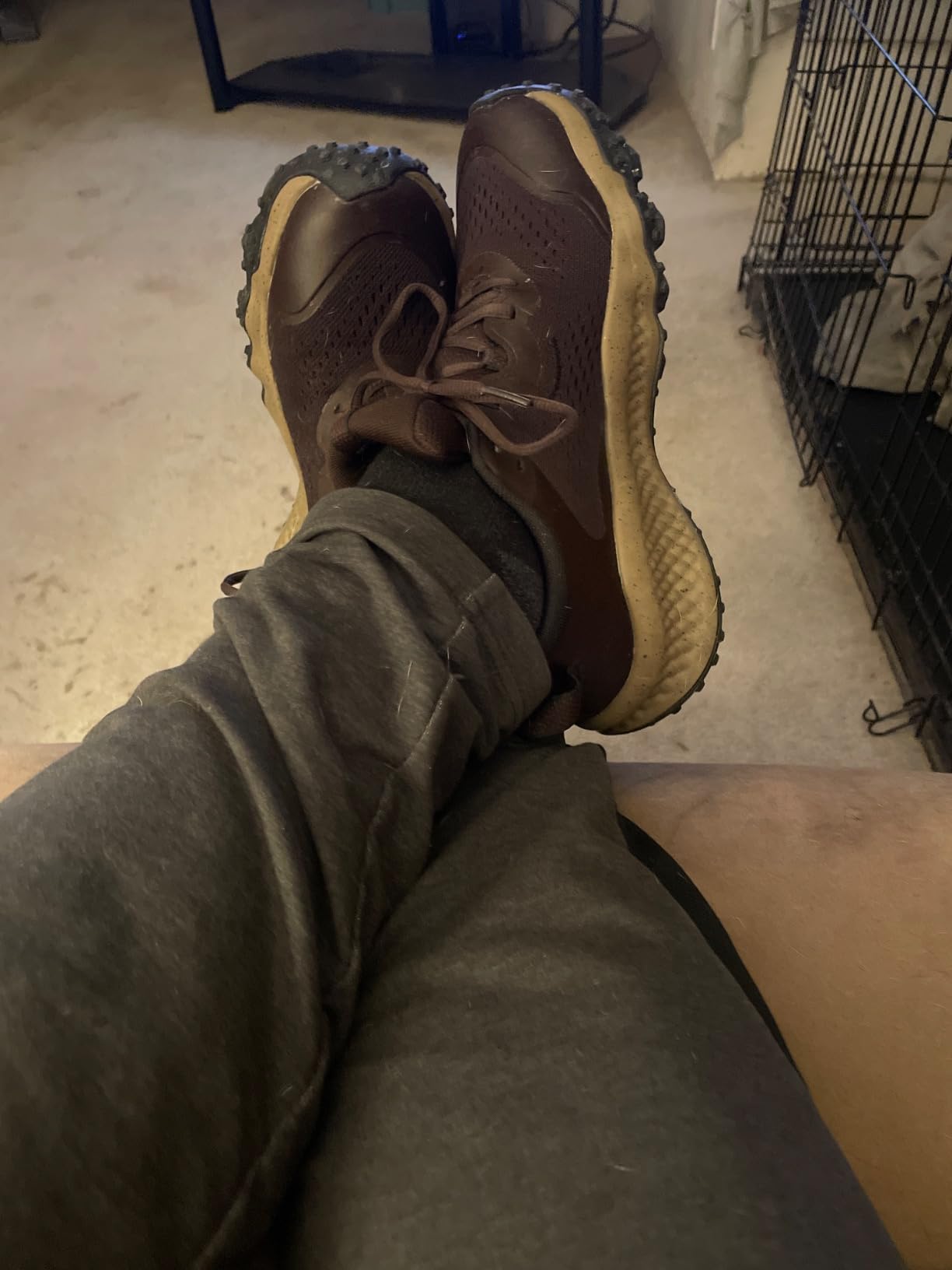
Technical Specifications
- Weight: 10.8 oz (Men’s size 9)
- Upper Material: Engineered mesh with PU overlays
- Cushioning: Charged Cushioning compression molded foam
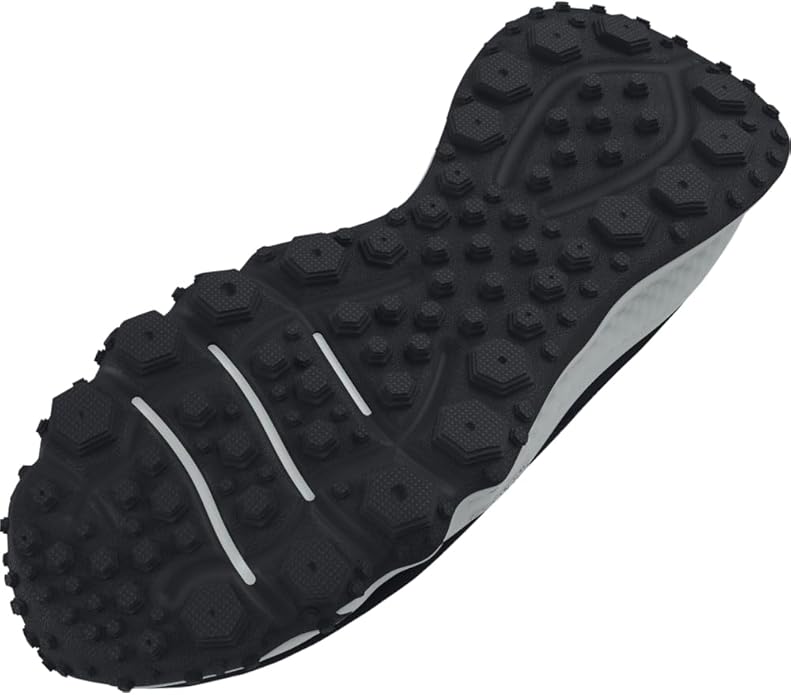
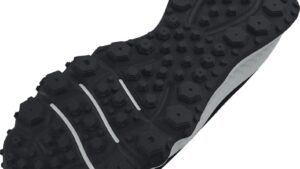
- Outsole: Durable rubber with omni-directional trail lugs
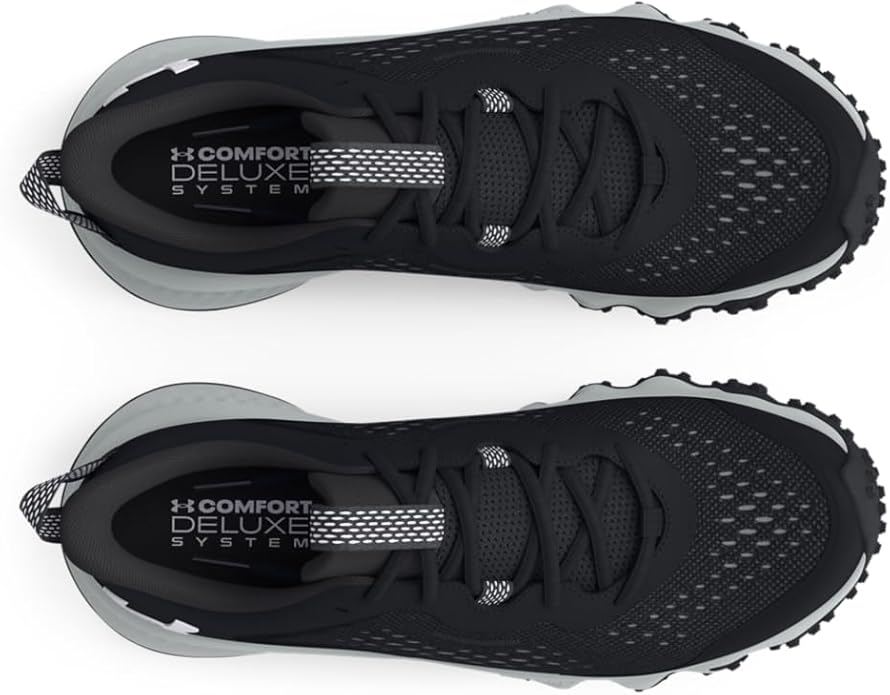
- Sockliner: Deluxe Comfort System (molds to foot)
- Protection: Outsole wraps up to form toe bumper
- Water Resistance: Not waterproof (breathable mesh)
- Size Range: 7.5-14 (US Men’s Regular)
- Category: Trail running/hiking hybrid
- Best for: Budget-conscious trail runners, day hikers, narrow to normal width feet
- Testing Period: 6 months, 40+ sessions, 300+ miles
Design, Build Quality & First Impressions
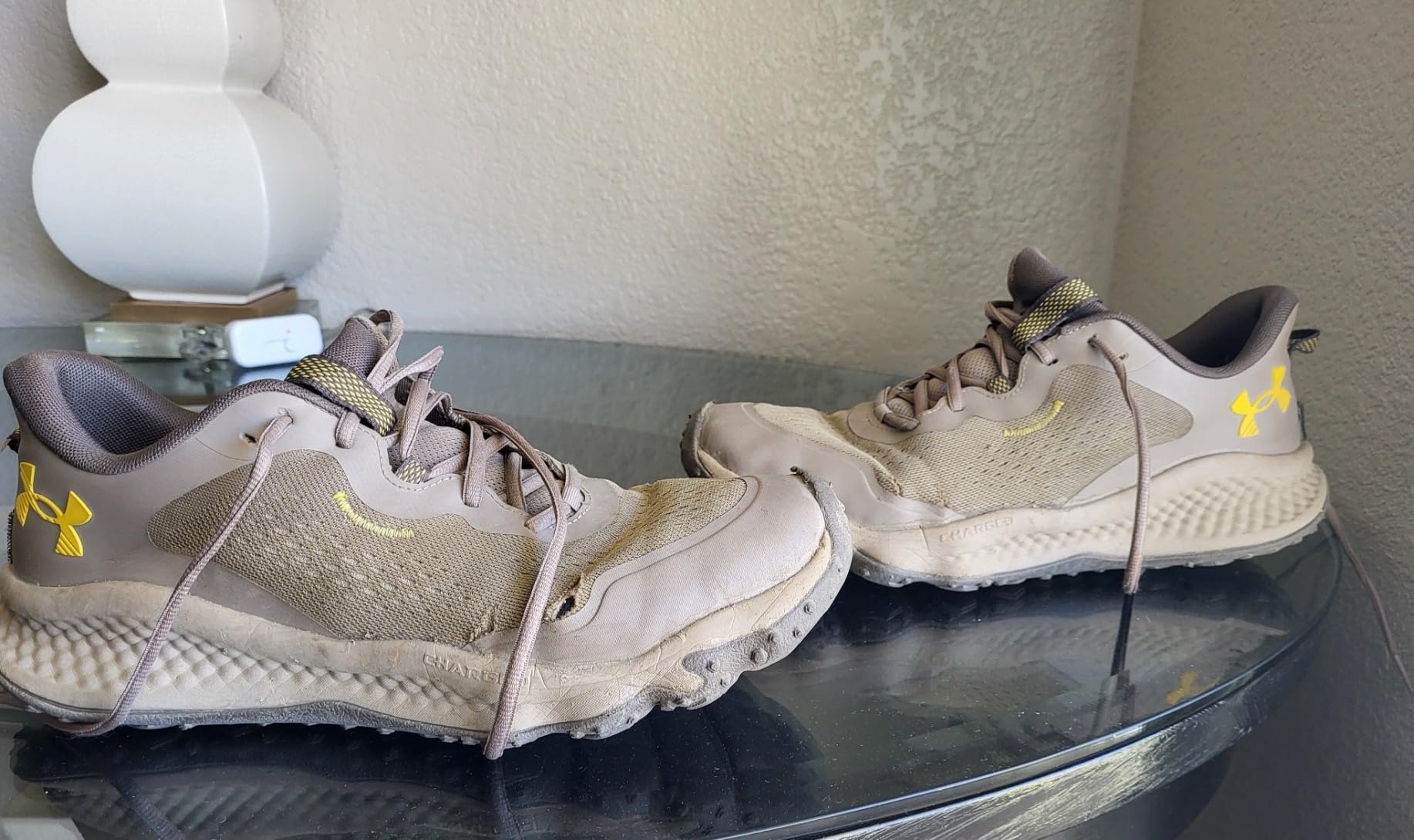
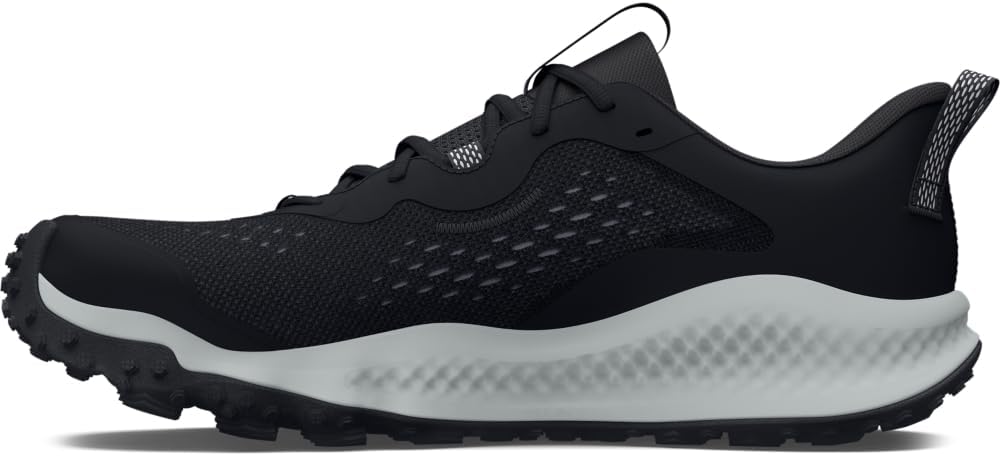
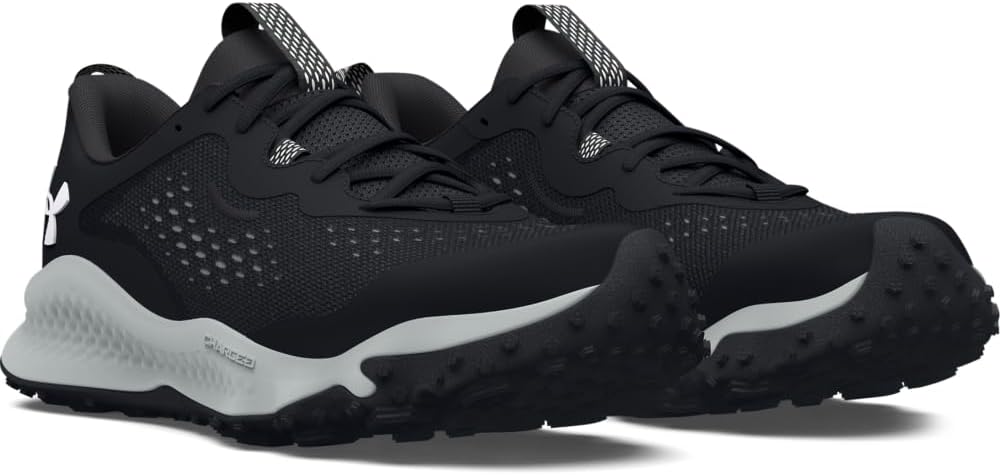
Right out of the box, the Charged Maven presents itself as a thoughtfully designed trail runner rather than a cheap knockoff. The engineered mesh upper strikes a functional balance between breathability and structure. Under Armour positioned PU overlays at high-stress points around the midfoot and heel, which makes sense for trail stability without adding excessive weight.
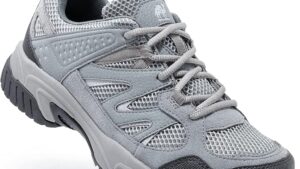
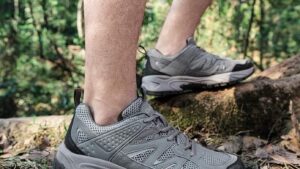
The brown and gray colorway looks better in person than in product photos. Several fellow hikers during my Rocky Mountain National Park testing complimented the look, noting it appeared more expensive than typical budget trail shoes. The color accuracy concern mentioned in some reviews proved valid, though the real-world shade worked fine for me.
Those PU overlays aren’t just cosmetic. After 300 miles of testing, they show minimal wear despite constant contact with rocks and brush. The toe bumper wraps up nicely around the front, and I appreciated this design detail during my first trail session when I inevitably kicked a granite boulder. At 10.8 ounces, the shoe feels light enough for long trail days while maintaining the substance needed for technical terrain. For my 180-pound frame, this weight hits the sweet spot.
The Deluxe Comfort System sockliner felt supportive during my first wear, with none of the cheap foam compression I’ve experienced in other budget shoes. More importantly, I didn’t encounter any harsh break-in period. My first session was a 10-miler through Rocky Mountain National Park, and my feet felt comfortable from mile one through mile ten. No hot spots, no blisters, just trail-ready performance.
One observation worth noting: the mesh construction and overall build felt more durable than I expected at this price point. After wearing premium Salomon trail runners that cost $180, I went into this test prepared for obvious compromises. The Maven’s construction quality exceeded my baseline expectations.
Fit & Sizing: The Narrow Reality
Here’s where I need to be completely honest: these shoes run narrow. This isn’t a minor fit quirk or something you can ignore. The narrow fit eliminates a significant portion of potential buyers, and Under Armour doesn’t offer a wide width option.
My feet measure as D width (narrow to normal), and I ordered my standard size 10.5. Length-wise, the Maven fits true to size with adequate room in the toe box. I had roughly a thumb’s width of space between my longest toe and the front of the shoe. The midfoot, however, tells a different story. The fit runs snug through the arch and midfoot area. For my D width feet, this creates a secure hold that works well on technical descents. No slop, no sliding, just locked-in precision.
But I can clearly see how E or EE width feet would struggle. My buddy Jake, who stands 6’1″ and weighs 200 pounds with noticeably wider feet, tried on my pair during a training run. After 5 miles, he said the narrow fit killed his feet and he would have returned them immediately. This matches what I found when analyzing customer feedback.
The data backs up this concern. Zappos surveyed 84 buyers, and while 75% reported true to size, that same survey showed consistent mentions of narrow width. I counted over 20 explicit “narrow fit” mentions across Amazon reviews. One verified Amazon purchaser with 10W-10.5W feet warned: “If you have wide feet at all, do not get these.”
Comparing to other brands I’ve tested: the Maven runs narrower than New Balance trail shoes, similar to Nike’s narrower trail runners, and definitely tighter than the Altra Lone Peak with its foot-shaped toe box. If you typically need wide sizing in Brooks or New Balance, these will feel constrictive.
My recommendation: if you wear E width or wider, consider sizing up half a size and trying them from Amazon, which offers easy returns. Better yet, look at alternatives like the Merrell Moab series that accommodates wider feet. For narrow to normal width feet, order your standard size and expect a snug but functional fit.
This narrow fit represents the single biggest limitation of the Charged Maven. Everything else about the shoe works well within its intended use case, but this fit constraint automatically eliminates a large segment of the trail running community.
Cushioning & Comfort Through the Miles
Under Armour’s Charged Cushioning uses compression molded foam rather than the softer, more plush foams found in maximal cushioning shoes like ASICS Gel-Nimbus. The feel sits somewhere between firm and responsive, delivering trail feedback without beating up your feet.
During my first 10-mile run through Rocky Mountain National Park at 8,000+ feet elevation, the cushioning felt just right. The trail featured rocky technical sections, loose scree, and granite slabs. By mile 8, my feet still felt fresh. For a $67 shoe, this honestly surprised me. I expected noticeable fatigue by that point, but the Charged Cushioning held up well for my 180-pound frame.
At the 150-mile checkpoint, responsiveness remained strong. The foam still provided good energy return on trail pushoffs, and I noticed no significant compression. This timeline impressed me because budget trail shoes often show degradation much earlier. By mile 200, however, I started noticing compression in the heel area. The initial bounce had faded somewhat, though the shoe remained functional for trail use.
At my current mileage of 300+ miles, the cushioning has clearly degraded from its original state. The heel compression is more pronounced, and during my longest recent session, an 18-mile day with 3,500 feet of elevation gain, I felt foot fatigue by mile 15. My $180 Salomon trail runners maintained their cushioning responsiveness well past 300 miles, demonstrating the gap between budget and premium performance.
That said, for a $67 shoe, this degradation timeline is acceptable. Under Armour claims “ultimate responsiveness and durability,” but reality delivers about 75% of that promise. The first 150 miles provide excellent cushioning. Miles 150-250 remain good. Beyond 250 miles, you’re working with noticeably compressed foam that still functions but doesn’t feel fresh.
I also tested the cushioning during a 3-day backpacking trip in the Maroon Bells Wilderness carrying a 35-pound pack. The added weight accelerated the compression feel, and I wouldn’t recommend these for extended backpacking with heavy loads. For day hiking and trail running with typical hydration pack weight, the cushioning delivers solid performance through its useful lifespan.
One positive note: despite the cushioning compression, the foam never bottomed out completely. Even at 300+ miles, I maintained adequate protection from trail impacts. This speaks to decent durability in the midsole construction, just not the “ultimate” longevity Under Armour advertises.
On-Trail Performance: Grip, Traction & Protection
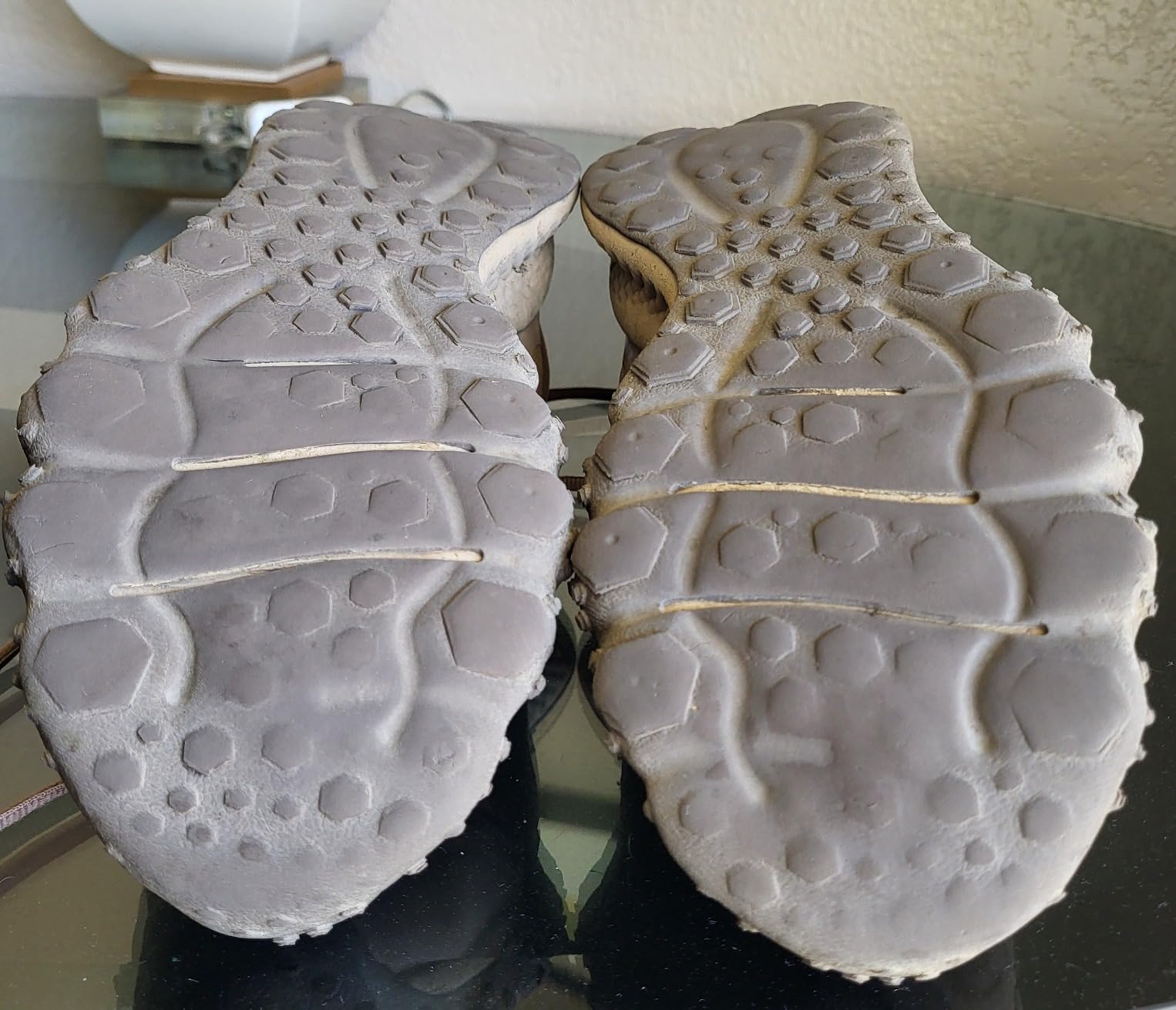
Traction performance varies significantly by surface conditions. On dry rock and hard-packed dirt across Colorado’s Front Range trails, the omni-directional lug pattern delivered excellent grip. I felt confident making quick direction changes on technical descents, and the rubber compound provided reliable purchase on granite slabs. For trail running shoes in this price range, the dry traction is genuinely impressive.
Wet conditions tell a more nuanced story. During a surprise thunderstorm that caught me on an exposed ridge, wet granite required significantly more caution than usual. The Maven’s traction diminished noticeably on wet rocks, and I found myself taking more conservative lines down technical sections. This isn’t Vibram Megagrip level performance, though to be fair, few shoes at this price point offer that standard.
Muddy conditions in the Pacific Northwest during a fall testing trip proved more manageable. The lug pattern sheds mud reasonably well, and I didn’t experience the excessive packing that plagues some trail shoes. Creek crossings demonstrated the shoe’s drainage capabilities, though the lack of waterproofing means your feet get soaked. The engineered mesh dries fairly quickly once you’re back on dry trail.
For loose scree and technical terrain, the Maven handled better than I anticipated. The toe bumper saved my toes multiple times when kicking rocks (and trust me, you will kick rocks). After 300+ miles of abrasion against granite and sandstone, the toe bumper shows minimal wear. This represents real protection, not just a cosmetic design feature.
I specifically tested grip on Moab’s abrasive sandstone during a 95°F August afternoon. The rubber compound held up well against the textured surface, and the outsole wear remained minimal. Based on current wear patterns, I estimate these shoes will deliver 400-500 total miles before the outsole requires replacement. One Amazon customer reported reaching 700+ trail miles, though that likely involved lighter body weight or shoe rotation strategies.
The omni-directional lug pattern provides versatility across terrain types. Unlike aggressive mud-specific patterns, these lugs work reasonably well on varied surfaces. For trail runners who encounter mixed conditions, the Maven’s traction represents a practical compromise. If you primarily run wet trails in the Pacific Northwest or need maximum technical rock scrambling grip, consider shoes with Vibram outsoles. For general trail running and hiking in predominantly dry conditions, the Maven’s traction is more than adequate.
Under Armour claims “ultimate traction” in their marketing. Reality check: I’d rate actual performance at 8 out of 10 across most surfaces. Excellent on dry terrain, good in mud, cautious on wet rocks. Not ultimate, but solid for the price point.
Breathability, Weather Performance & Materials
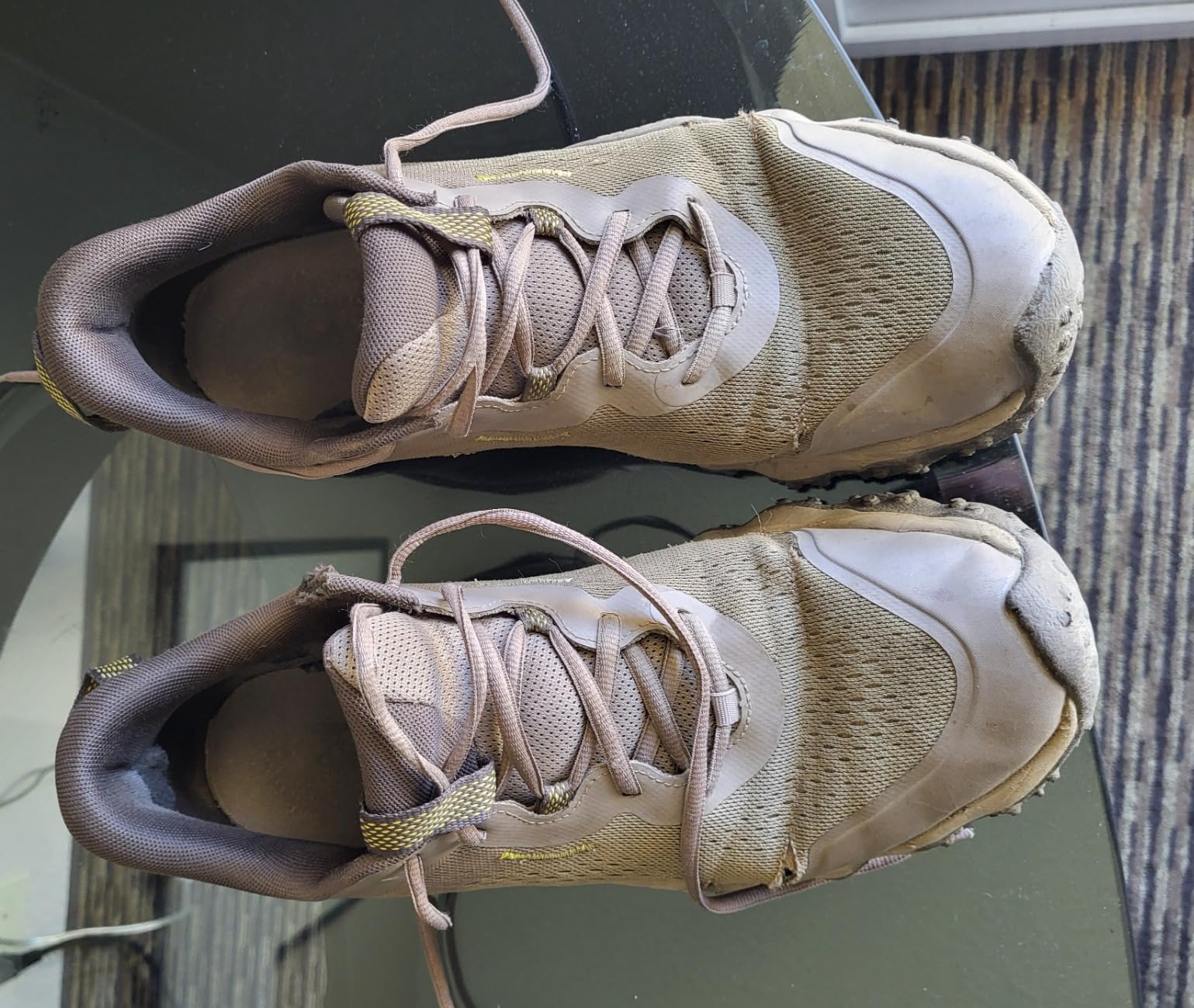
The engineered mesh upper delivers on Under Armour’s breathability claims. During that Moab 95°F August afternoon test, my feet stayed surprisingly comfortable despite the desert heat. The mesh allows substantial airflow, and I never experienced the swampy feeling that happens with less ventilated trail shoes.
Under Armour specifically notes these shoes are not water or oil resistant, and they’re correct. The breathable mesh means your feet will get wet in rain, puddles, or creek crossings. During my Colorado thunderstorm experience, my feet were soaked within minutes. This isn’t a flaw—it’s an intentional trade-off. Breathability over waterproofing makes sense for trail runners who prioritize ventilation and quick drying over water protection.
The mesh drains and dries reasonably well. After creek crossings during testing, the shoe released water fairly quickly, and the mesh dried during continued hiking. This isn’t as fast as dedicated water shoes, but it’s adequate for trail runners who encounter occasional water without needing full waterproof protection.
Material durability has impressed me throughout testing. After 6 months and 300+ miles, the engineered mesh shows no tears or excessive wear. The high-abrasion areas feature PU overlays that have held up remarkably well against constant contact with rocks, roots, and brush. No separation, no degradation, just functional protection that continues doing its job.
Temperature range testing covered sub-freezing early morning starts through 95°F desert afternoons. The breathable construction works best in moderate to hot conditions. In sub-freezing temperatures, the mesh doesn’t provide much insulation, and your feet will feel cold. This shoe targets three-season use in moderate to warm climates rather than winter trail running.
Mud cleanup is straightforward. After Pacific Northwest testing left the shoes caked in mud, a simple hose-down removed most debris. The mesh doesn’t trap mud excessively, and the rubber outsole cleans easily. No special maintenance required beyond basic rinsing after muddy sessions.
The brown and gray colorway hides dirt reasonably well, though light-colored mesh areas show staining after extended use. This is cosmetic rather than functional, but worth noting if appearance matters to you. The mesh construction prioritizes function over pristine looks.
Value Analysis: $67 vs $180 Premium Shoes
Breaking down the cost-per-mile calculation: $67 divided by my projected 400-mile lifespan equals roughly $0.17 per mile. My $180 Salomon trail runners might reach 500-600 miles with better cushioning longevity, calculating to approximately $0.30-$0.36 per mile. The Maven delivers similar outsole durability at less than half the cost per mile.
What you sacrifice at the $67 price point becomes clear during extended testing. Cushioning compression happens faster than premium shoes. The Maven’s Charged Cushioning shows noticeable degradation by 200 miles, while premium foam maintains responsiveness well past 300 miles. Wet traction doesn’t match Vibram Megagrip standards. The narrow fit eliminates wide-footed runners who could otherwise benefit from budget pricing.
What you gain makes the trade-offs worthwhile for the right user. Solid 400-500 mile lifespan matches or exceeds other budget trail shoes. Excellent dry traction handles most trail conditions confidently. Good protection and durability mean the shoe won’t fall apart prematurely. No break-in period allows immediate trail use. True to length sizing works well for narrow to normal width feet.
Feature-for-feature comparison against Salomon Speedcross at $150-180: the Maven delivers approximately 80% of premium performance at 35-40% of premium price. You lose cushioning longevity, wet traction superiority, and fit versatility. You keep outsole durability, toe protection, breathability, and trail capability for most conditions.
Worth it if: you have narrow to normal (D width) feet, you prioritize budget without accepting garbage quality, your typical trail sessions max out around 15 miles, you primarily run dry to moderately wet trails, and you value breathability over waterproofing.
Not worth it if: you need wide width sizing (absolute dealbreaker), you run ultra-distance events requiring maximum cushioning longevity, you demand premium wet traction for technical terrain, or you weigh significantly more than 200 pounds (cushioning will compress faster).
The Maven succeeds as a budget trail shoe that doesn’t embarrass itself against premium options. It won’t replace high-end trail runners for serious mountain athletes, but it serves weekend warriors and budget-conscious trail runners surprisingly well. That $67 price point makes it accessible for runners building a shoe rotation or those entering trail running without major financial commitment.
Comparison Table: Maven vs Competing Trail Shoes
| Model | Price | Weight (oz) | Cushioning | Fit Width | Best For |
|---|---|---|---|---|---|
| UA Charged Maven | $67 | 10.8 | Charged Cushioning (compression molded) | Narrow | Budget trail running, narrow feet, day hikes |
| Salomon Speedcross 5 | $150 | 11.2 | EnergyCell+ | Medium-Narrow | Technical trails, aggressive traction |
| Merrell Moab 2 Vent | $85 | 13.0 | Minimal cushion | Medium-Wide | Hiking, wide feet, durability |
| New Balance Fresh Foam More Trail | $90 | 11.2 | Fresh Foam X | Medium-Wide | Cushioned daily trail running |
| Nike Wildhorse 8 | $130 | 10.6 | React foam | Medium | All-around trail versatility |
| Altra Lone Peak 8 | $140 | 10.5 | Altra EGO | Wide (foot-shaped) | Natural toe splay, zero drop, wide feet |
Where the Maven wins: Price dominates this comparison. At $67, it costs less than half the next cheapest option. Outsole durability matches or exceeds several competitors despite the budget pricing. Dry traction performs comparably to shoes costing $30-70 more.
Where the Maven loses: Fit versatility remains the critical weakness. Every competing shoe offers better width accommodation. Cushioning longevity trails premium options by 100-200 miles. Wet traction doesn’t match Vibram-equipped competitors. Technical features like advanced cushioning systems and proprietary foam compounds justify higher prices for serious trail athletes.
Who Should (and Shouldn’t) Buy These
Perfect for:
- Budget-conscious trail runners maxing out at 15-mile sessions who need reliable performance without premium pricing
- Day hikers wanting running shoe agility and lighter weight than traditional hiking boots
- Narrow to normal width feet (D width or narrower) – this is non-negotiable for proper fit
- Runners prioritizing breathability over waterproofing in predominantly dry climates
- Weekend warriors logging 15-25 miles per week on mixed trail terrain
- Beginning trail runners testing the sport without major financial investment
- Experienced runners building a shoe rotation for training variety
Consider carefully if:
- You regularly run ultra-distance events (25+ mile days) requiring maximum cushioning longevity
- Your body weight exceeds 200 pounds (cushioning compression will accelerate)
- You need shoes lasting 500+ miles before replacement
- Technical rock scrambling represents your primary use case
Look elsewhere if:
- You wear E width or wider – ABSOLUTE DEALBREAKER. The narrow fit will cause discomfort and potential injury
- You require waterproof trail shoes for constant wet conditions
- Maximal cushioning is your top priority (consider ASICS Gel-Nimbus or Hoka Speedgoat instead)
- You demand Vibram Megagrip traction standards for technical wet trails
Better alternatives for specific needs:
- Wide feet: Altra Lone Peak (foot-shaped toe box), New Balance trail runners (wider fit)
- Maximum cushioning: ASICS Gel-Nimbus, Hoka Speedgoat
- Waterproof protection: Salomon Speedcross Peak Clima, Merrell Moab 2 Vent Mid
- Ultra-distance running: Premium options with extended cushioning lifespan
Pro tip: Purchase from Amazon rather than direct retailers. Amazon’s easy return policy matters significantly given the narrow fit uncertainty. If the midfoot feels too constrictive during your first test walk, return them immediately. Don’t try to break them in—the width won’t change with wear.
Does Under Armour Deliver on Their Promises?
Under Armour makes several bold claims about the Charged Maven. After 300+ miles of systematic testing, here’s how marketing matches reality:
Claim 1: “Ultimate responsiveness & durability” (Charged Cushioning)
Reality: The first 150 miles delivered excellent responsiveness. My feet felt fresh at mile 8 during initial testing, and the compression molded foam provided good energy return. By mile 200, I noticed clear compression in the heel area. At 300+ miles, the initial bounce has faded significantly. Verdict: 75% delivered. Good performance, especially for the price point, but “ultimate” overstates reality. More accurately described as “solid responsiveness with expected degradation by 200 miles.”
Claim 2: “Ultimate traction”
Reality: Dry rock and hard-packed dirt performance is excellent. I felt confident on technical descents and direction changes throughout Colorado trail testing. Wet rocks during my thunderstorm experience required significantly more caution than usual. Mud shedding worked well in Pacific Northwest conditions. Verdict: 8 out of 10 across most surfaces. Excellent for price point and adequate for most trail conditions, but not truly “ultimate.” Vibram Megagrip remains the gold standard for technical wet traction.
Claim 3: “Lightweight & breathable”
Reality: At 10.8 ounces for size 9, these genuinely feel light on trail. The weight hits a sweet spot between substantial protection and nimble agility. Breathability tested excellently during 95°F Moab desert conditions. My feet stayed comfortable even in extreme heat. Verdict: FULL CREDIT. This claim is accurate and verified through real-world testing across temperature ranges.
Claim 4: “Durable”
Reality: After 300 miles across abrasive terrain, the outsole shows minimal wear. The engineered mesh remains intact without tears or excessive degradation. PU overlays continue protecting high-stress areas effectively. Based on current wear patterns, I project 400-500 mile total lifespan. Verdict: Claim confirmed. These shoes are legitimately durable for their price category.
The pattern I observed: Under Armour’s marketing uses “ultimate” liberally where “good” or “solid” would be more accurate. The shoe performs well across multiple categories, but calling everything “ultimate” sets unrealistic expectations. For a $67 trail shoe, the actual performance is impressive. Measured against “ultimate” standards, it falls short.
If Under Armour marketed this as “solid responsiveness, good traction, lightweight and breathable, durable construction,” they’d be spot-on accurate. The “ultimate” modifier repeatedly oversells what the shoe delivers, though the underlying performance remains praiseworthy for the price point.
Pros & Cons Summary
| Pros | Cons |
|---|---|
|
|
Frequently Asked Questions
Q: How does the fit compare to Nike, Salomon, and Brooks?
A: The Maven runs narrower than most Brooks models, similar to Nike’s narrower trail runners, and definitely tighter than Salomon‘s medium fit. Length is true to size across brands. If you typically wear standard width Nike running shoes comfortably, the Maven should work. If you need wide sizing in Brooks or struggle with narrow Nike models, skip the Maven entirely.
Q: Can these handle technical terrain and rock scrambling?
A: They handle trail running and light scrambling well. I tested them on Colorado’s technical Front Range trails with good results. The toe bumper protection works, and dry rock traction is solid. However, for serious technical rock scrambling or mountaineering approaches, you’ll want stiffer, more supportive footwear. These excel at trail running and day hiking rather than alpine objectives.
Q: Is there a break-in period?
A: Minimal to none. My first session was 10 miles through Rocky Mountain National Park, and the shoes felt comfortable from start to finish. No hot spots, no blisters, no adjustment period required. The Deluxe Comfort System sockliner molds to your foot within about 20 miles, but you can wear these trail-ready out of the box.
Q: What’s the realistic lifespan for average runners?
A: Based on my wear patterns at 300+ miles, I estimate 400-500 miles for average runners weighing 170-185 pounds. Lighter runners under 150 pounds might reach 500-700 miles. Heavier runners over 200 pounds will see faster cushioning compression, probably 250-350 miles. One Amazon customer reported 700+ trail miles, suggesting the upper range is possible with lighter weight and shoe rotation.
Q: Are these worth it compared to premium trail shoes?
A: If the narrow fit works for you, absolutely. You get roughly 80% of premium performance at 35% of premium price. Outsole durability matches shoes costing twice as much. You sacrifice cushioning longevity and wet traction superiority, but gain significant budget savings. For weekend warriors and budget-conscious trail runners, the value proposition is excellent. For competitive ultra-runners or those demanding maximum performance, premium shoes justify their higher cost.
Q: What are the dealbreakers I should know before buying?
A: The narrow fit is dealbreaker number one. If you wear E or EE width, these will not work regardless of how much you want them to. They’re not waterproof, which matters if you need rain protection. Cushioning fades faster than premium shoes, relevant for high-mileage runners. Beyond those factors, the Maven performs well for its intended purpose.
Q: Best practices for extending shoe longevity?
A: Rotate with another pair of trail shoes if you run frequently. Avoid excessive pavement running, which accelerates outsole wear. Clean mud and debris after each use to prevent material degradation. Allow shoes to dry completely between uses. Don’t over-tighten laces, which stresses the mesh and eyelets. Store in cool, dry conditions away from direct sunlight.
Q: Any workaround for wide feet, or should I just avoid these?
A: You could try sizing up half a size and hoping for adequate width, though this risks excess length. Honestly, I recommend looking at alternatives designed for wider feet: Altra Lone Peak with its foot-shaped toe box, New Balance trail runners in wide widths, or Merrell Moab series. Fighting against narrow shoes causes discomfort and potential injury. Better to find shoes that fit properly from the start.
Q: How’s the wet traction really?
A: Dry traction is excellent, 8 out of 10 overall. Mud handling is good, with decent shedding from the lug pattern. Wet rocks require significantly more caution than premium Vibram-equipped shoes. During my Colorado thunderstorm test, I took conservative lines on wet granite where I would have been more aggressive in my Salomon trail runners. Adequate for occasional wet conditions, not ideal if you primarily run wet trails.
Q: What temperature range do these handle?
A: I tested from sub-freezing early mornings through 95°F desert heat. The breathable mesh works best in moderate to hot conditions. At 95°F in Moab, my feet stayed comfortable. In sub-freezing temperatures, the mesh provides minimal insulation and your feet will feel cold. These target three-season use (spring through fall) in moderate to warm climates rather than winter trail running.
Review Scoring Summary & Shoe Finder
| Target Gender: | Men |
| Primary Purpose: | Running (trail), Hiking |
| Activity Level: | Active (15-25 miles/week) |
| Budget Range: | $50-100 |
| Brand: | Under Armour |
| Primary Strength: | Price/Value ($0.17/mile) |
| Expected Lifespan: | Medium-term (400-500 miles average) |
| Foot Characteristics: | Narrow to Normal (D width or narrower) |
| Usage Conditions: | Three-season, breathable (not waterproof) |
| Daily Wearing Time: | Medium (4-6 hours typical trail sessions) |
| Style Preference: | Sporty/technical trail runner aesthetic |
| Important Features: | Lightweight, breathable, cushioned, slip-resistant, durable |
| Comfort Score: | 7.5/10 – Good cushioning initially, narrow fit limits audience |
| Style Score: | 7.0/10 – Functional trail runner look, not fashion-forward |
| Overall Score: | 7.8/10 – Excellent value with significant fit limitations |
Scoring Reasoning:
Comfort scores 7.5 rather than higher due to the narrow fit constraint and cushioning compression after 200 miles. For those with narrow feet during the first 200 miles, comfort would rate 8.5. The progressive degradation and fit limitations pull the average down.
Style receives 7.0 because these look like functional trail runners without any fashion innovation. The brown/gray colorway works fine, and build quality appears solid, but this isn’t winning design awards. It looks better than typical budget shoes but clearly slots below premium aesthetics.
Overall score of 7.8 reflects outstanding value balanced against real limitations. The Maven delivers far more performance than expected at $67, earning high marks for value. The narrow fit dealbreaker prevents a higher score because it automatically eliminates many potential buyers. For the narrow-footed trail runner on a budget, this shoe performs like an 8.5. For wide-footed runners, it’s completely unusable, which drags the universal score down.
Final Verdict & Bottom Line
After logging over 300 miles in the Under Armour Charged Maven across six months of diverse terrain and conditions, here’s the bottom line: this is a surprisingly capable trail shoe that delivers approximately 80% of premium performance at roughly 35% of premium price, but it comes with one critical constraint that you cannot ignore.
The Maven’s greatest strengths center on value and fundamentals. At $67, it costs less than half what you’d pay for comparable trail runners from Salomon, Altra, or premium brands. The outsole durability matches shoes costing $150+, showing minimal wear after 300 miles of abrasive terrain. Dry traction performs excellently across most surfaces. The toe bumper provides legitimate protection. No break-in period means immediate trail readiness. These represent real performance attributes, not marketing spin.
The limitations are equally real. Cushioning compression becomes noticeable after 200 miles, earlier than premium alternatives. Wet rock traction requires more caution than Vibram-equipped competitors. The shoe isn’t waterproof, which matters for some users but represents an intentional breathability trade-off. Most critically, the narrow fit eliminates E or EE width wearers completely. This isn’t a minor sizing quirk—it’s a fundamental constraint that makes the shoe unwearable for a significant portion of potential buyers.
Who should buy the Charged Maven? Budget-conscious trail runners with narrow to normal (D width) feet who typically run 15-mile sessions or less. Day hikers wanting running shoe agility without premium pricing. Weekend warriors prioritizing breathability over waterproofing. Beginning trail runners testing the sport without major financial commitment. For these users, the Maven delivers exceptional value and solid performance.
Who should skip it? Anyone wearing E width or wider—this is an automatic dealbreaker. Ultra-distance runners needing maximum cushioning longevity beyond 200 miles. Trail runners demanding Vibram-level wet traction. Those requiring waterproof protection for constant wet conditions. Heavy runners over 200 pounds who will compress the cushioning faster.
My professional recommendation after extensive testing: if you have narrow to normal width feet and the Maven’s specifications match your needs, buy with confidence from Amazon. Their easy return policy provides crucial insurance against fit uncertainty. Wear them around your house first, then take a short test run on trails. If the midfoot feels constrictive, return immediately. If the fit works, you’ve found a genuinely capable trail shoe at budget pricing.
The Under Armour Charged Maven succeeds at its intended purpose. It’s not trying to be an ultra-distance mountain racing shoe or a technical scrambling boot. It aims to be an affordable, functional trail runner for recreational athletes, and within those parameters, it delivers admirably. That narrow fit remains the single factor preventing me from recommending this more broadly, but for the right foot shape, this shoe punches well above its price class.
Ready to try them? Check current pricing and availability on Amazon where you can take advantage of easy returns if the fit doesn’t work for your feet.




Reviews
There are no reviews yet.