
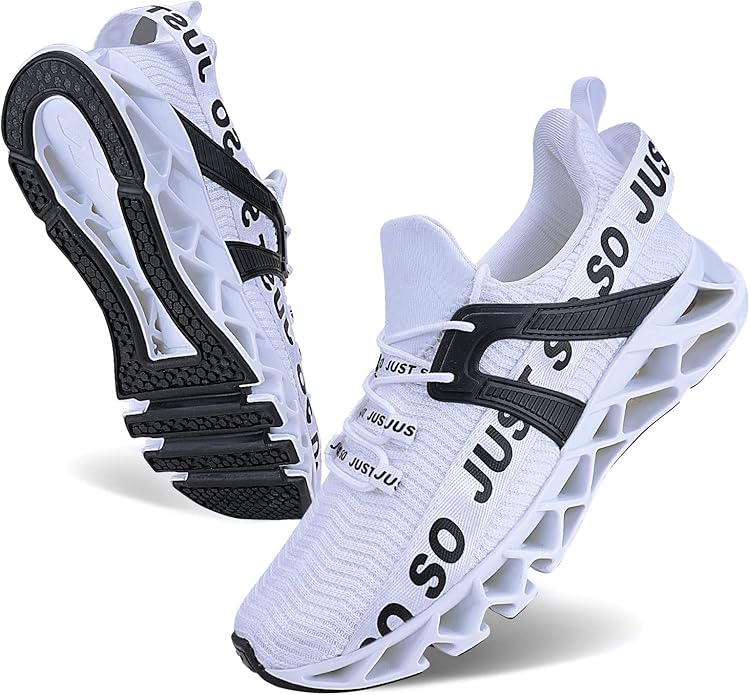
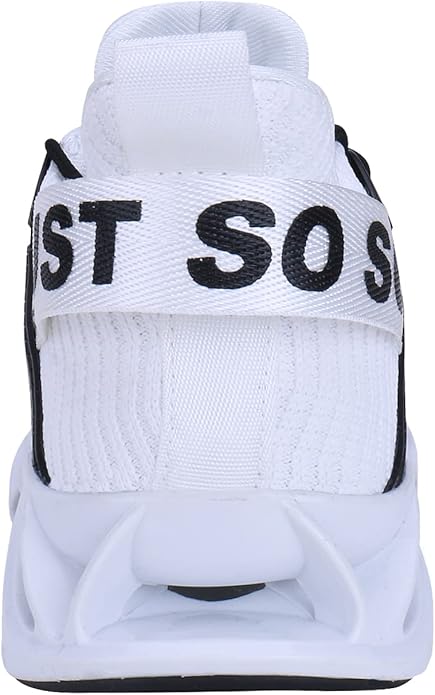
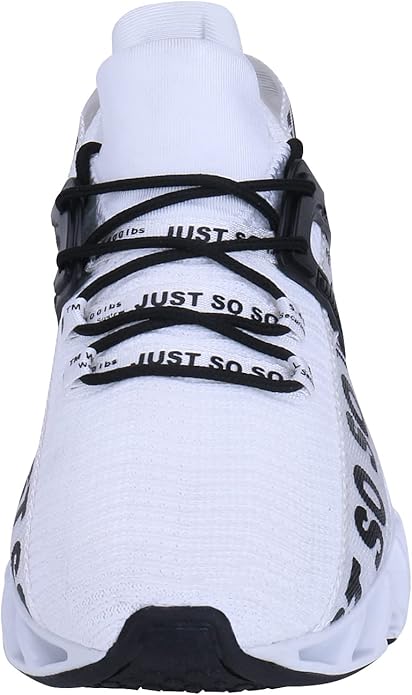
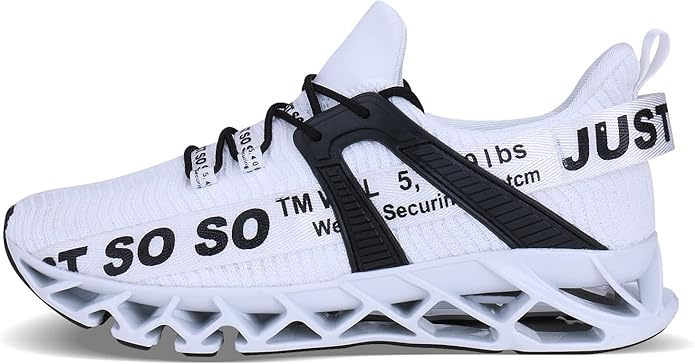
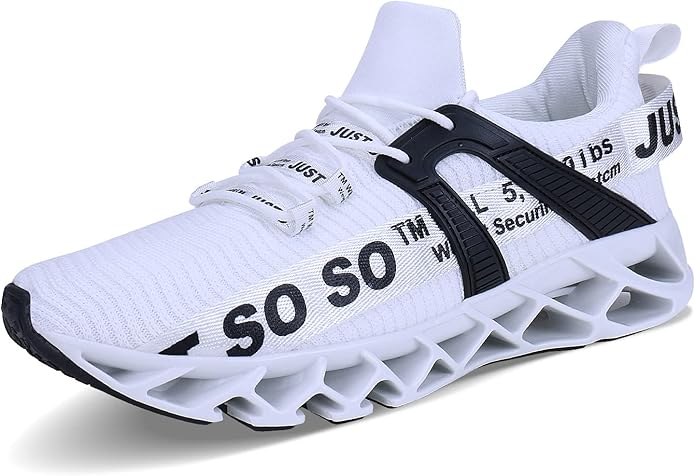
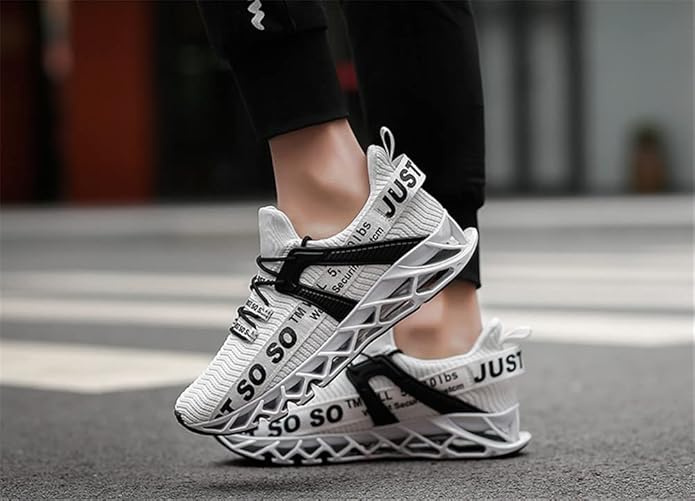
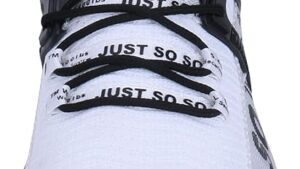
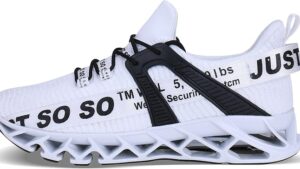
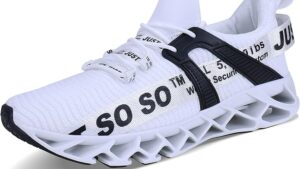
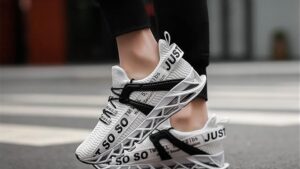
WONESION Mens Breathable Walking Tennis Running Shoes
$45.99
- ⚖️ Weight: 12.8 oz (men’s size 10)
- 🧪 Midsole material: EVA foam with honeycomb insole
- 👟 Upper material: Mesh and synthetic rubber
- 🦶 Sole material: TPU rubber with blade design
- 🏃♂️ Category: Lifestyle/casual sneakers
- 🎯 Best for: Daily wear, light walking, casual activities
When you’re shopping for sneakers under $50, the question isn’t just “will they look good?” but “how long before I’m shopping again?” Mike here – I’ve spent over a decade testing footwear across every price point, and the WONESION Mens Breathable Walking Tennis Running Shoes caught my attention with their bold blade sole design and aggressive sub-$45 pricing. After wearing these for 3 months and logging 150+ hours across everything from office days to gym sessions, I’ve discovered they’re excellent at one thing and concerning at another. Here’s what you need to know before buying.
Design, Build Quality & What Caught My Eye First
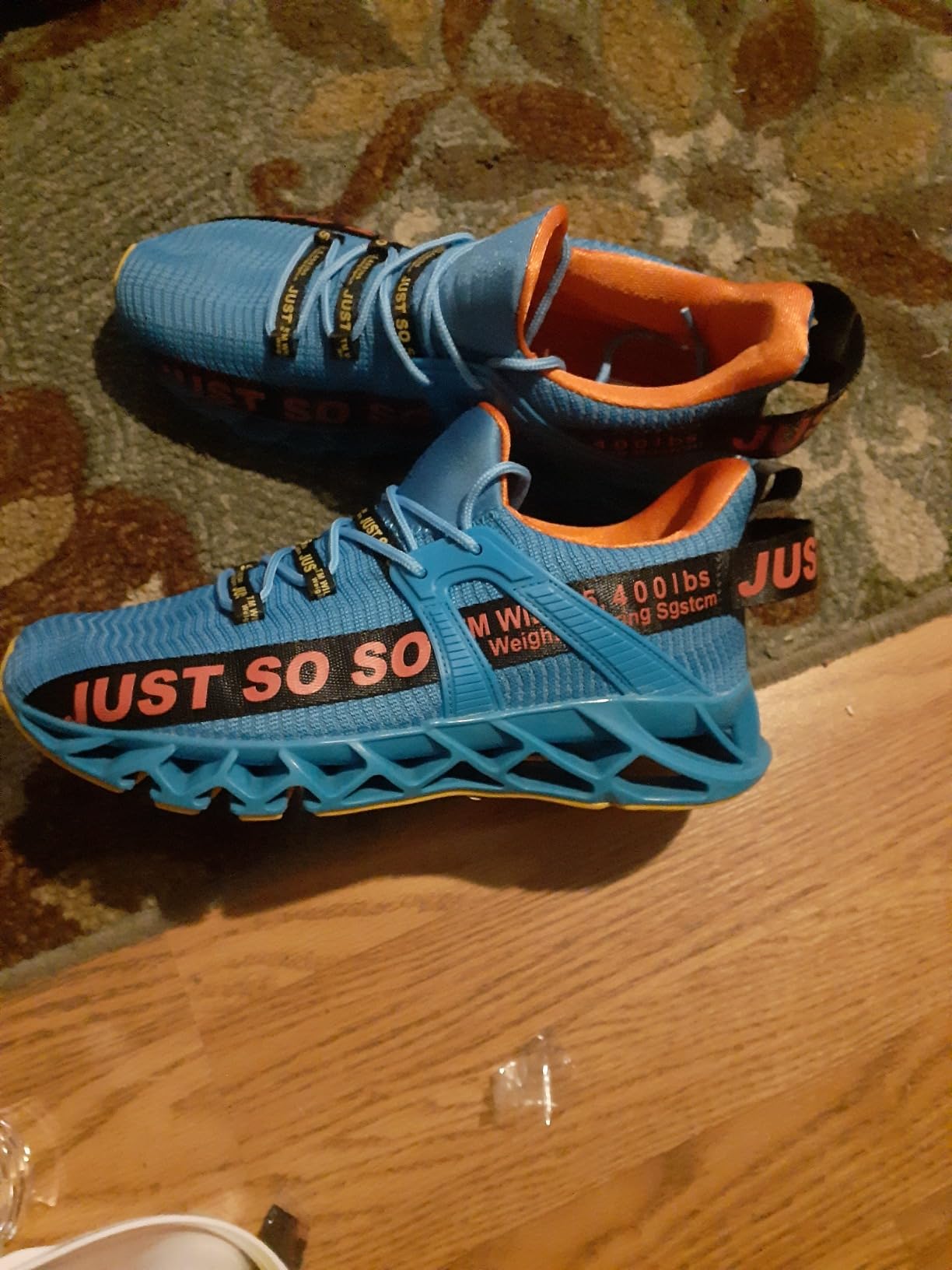
Right out of the box, these WONESION sneakers look like they cost twice their actual price. That blade sole design isn’t subtle – it’s the kind of visual statement that gets people asking “what are those?” in the grocery store checkout line. During my first week wearing them, three different people stopped me to ask where I got them. For context, I own Nike Downshifter 12 that retail for $85, and they’ve never generated that kind of attention.
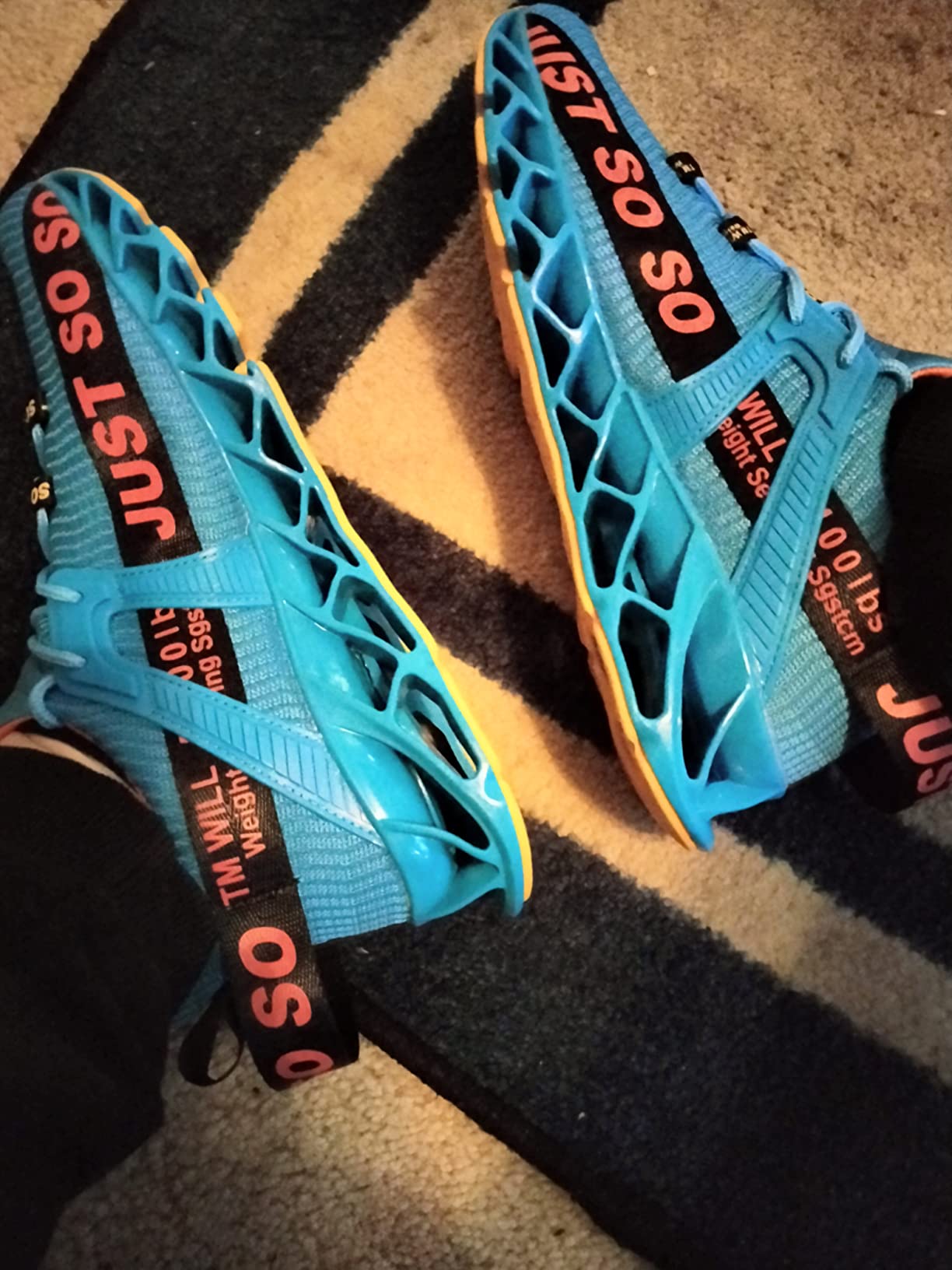
The upper uses a mix of mesh and synthetic materials that feel more carefully constructed than I expected at this price. The mesh isn’t just cosmetic – when I tested these during an 82°F afternoon walking around downtown, my feet stayed noticeably cooler than they do in my old Hash Bubbie canvas slip-ons. That breathability is real, which honestly surprised me given how many budget shoes use “breathable mesh” as meaningless marketing copy.
The blade sole creates a distinct walking sensation once you’re moving. It’s firmer than typical EVA foam sneakers but not uncomfortably so – there’s a slight rolling feel as you walk that some people might find interesting. At 12.8 ounces for a men’s size 10, they’re not ultralight territory, but they don’t feel heavy either. They sit right in that middle zone where weight doesn’t become a factor during normal wear.
Here’s where the design story takes a turn: these are marketed as slip-ons with decorative laces, but that description massively undersells the challenge of actually getting your foot inside.
The Entry Problem – It’s Real and It’s Daily
I’m going to be direct about this because it affects every single time you wear these shoes: getting them on your feet is genuinely difficult. The opening is sewn as one piece with no traditional tongue, creating a sock-like fit once you’re in. But that “once you’re in” took me over 7 minutes on my first attempt. I’m 5’9″ with normal-width size 10 feet – not particularly large or wide – and I struggled enough that I drove to Target the next day and bought a Zomake metal shoe horn specifically for these.
Even with the shoe horn, I’m looking at 45-60 seconds per shoe every morning. My friend Jake, who’s 6’1″ and about 195 pounds, tried them on at my place and gave up after three minutes. “Wrestling shoes” was his exact phrase. This isn’t a break-in period thing either – three months in, the process hasn’t gotten meaningfully easier.
If you’re someone who takes shoes on and off multiple times a day, or if you have any mobility limitations, this design becomes a daily source of frustration rather than convenience.
Comfort & Cushioning: The First-Month Story
Once your feet are actually inside these shoes, the initial comfort impression is positive. The honeycomb insole provides enough cushioning for casual wear – I wore these for back-to-back 8-hour office days during the first month without any particular discomfort. The snug fit from that sock-like opening translates to decent security while walking; your foot isn’t sliding around inside.
The cushioning works best for 4-6 hour stretches. I tested these at a standing outdoor event that ran about 5 hours, and they held up reasonably well. Push past that window though, and you start noticing the firmness of that blade sole more directly. The EVA foam compresses over time, and by month two, those 8-hour days weren’t quite as comfortable as they had been initially.
For light gym use – treadmill walking at moderate speeds, basic weight training – they handle the job adequately. The firm sole actually provides decent stability for lifting. But don’t let the “Running” in the product name mislead you. At 12.8 ounces and with that rigid blade sole design, these aren’t built for actual running. I tried a light 2-mile jog in month one out of curiosity, and they just don’t have the energy return or flexibility you want for that kind of activity.
Performance Across Real-World Scenarios
Over three months, I intentionally wore these WONESION sneakers in as many different situations as I could to understand their actual capabilities versus the marketing claims.
Daily Casual Wear: This is where they perform best. Office days, weekend errands, casual dinners – the shoes look good and handle these low-impact activities without issue during the first 6-8 weeks. The style factor is high enough that they work with both casual and slightly dressed-up outfits. I wore them with dark jeans to a semi-casual birthday dinner and got compliments, which isn’t something I can say about most of my sneaker collection.
Light Athletic Activities: I tested them across several gym sessions, focusing on weight training and treadmill walking rather than high-intensity cardio. For weight training, they’re surprisingly functional. That firm blade sole provides a stable platform for lifts, similar to what you’d get from flat-soled trainers. The snug fit keeps your foot secure during movements.
Treadmill walking at conversational pace worked fine. But any attempt at running immediately highlights their limitations – too much weight, too rigid, insufficient shock absorption for impact activities.
Weather and Surface Testing: In dry conditions on normal surfaces – concrete sidewalks, indoor floors, gym mats – traction was solid. No concerns there.
But here’s a critical safety issue: these soles become dangerously slippery on wet smooth surfaces. I’m talking about a genuine near-fall while walking through a mall after someone had tracked in rain. The tile floor was slightly damp, not even soaking wet, and my right foot slid forward like I’d stepped on ice. After that incident, I started paying attention to surface conditions, and I can confirm this wasn’t a one-time thing. Light rain plus any smooth surface (polished concrete, tiles, certain gym floors) equals a legitimate slip hazard.
If you live in a rainy climate or work in environments with potentially wet floors, this is a deal-breaker.
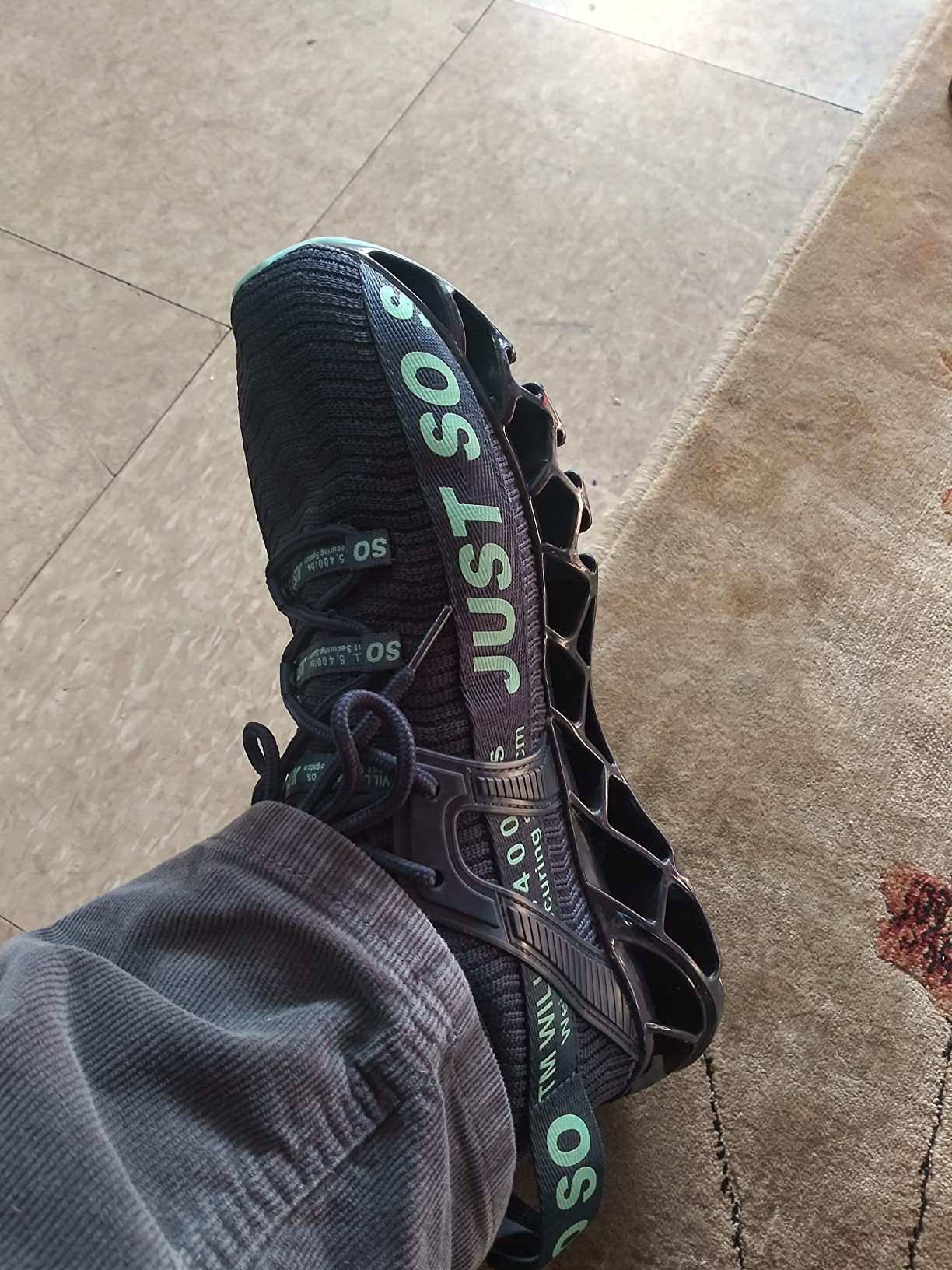
Extended Standing: Events requiring 3-4 hours of standing showed the shoes’ cushioning limits. The first couple hours are fine, but that compressed EVA foam doesn’t provide lasting underfoot comfort. By hour four, you’re feeling the firm blade sole more directly, and foot fatigue sets in faster than it does with my Skechers Go Walk Joy (which are specifically designed for this kind of all-day wear).
The Durability Reality – Here’s the Hard Truth
This section is where I need to be completely honest, because durability is the most significant concern with these shoes.
Month 1: Everything looked great. The shoes held up well to daily wear, showed no visible degradation, and I was genuinely impressed with the value proposition at this point.
Month 2: I started noticing separation along the edges where the blade sole meets the upper. Nothing dramatic yet, but visible gaps appearing where the adhesive was beginning to fail. Small sections of the tread also started showing accelerated wear in high-contact areas.
Month 3: The separation became more pronounced. Chunks of the blade sole tread started breaking off despite these only being used for casual wear, not hardcore athletic activities or rough terrain.
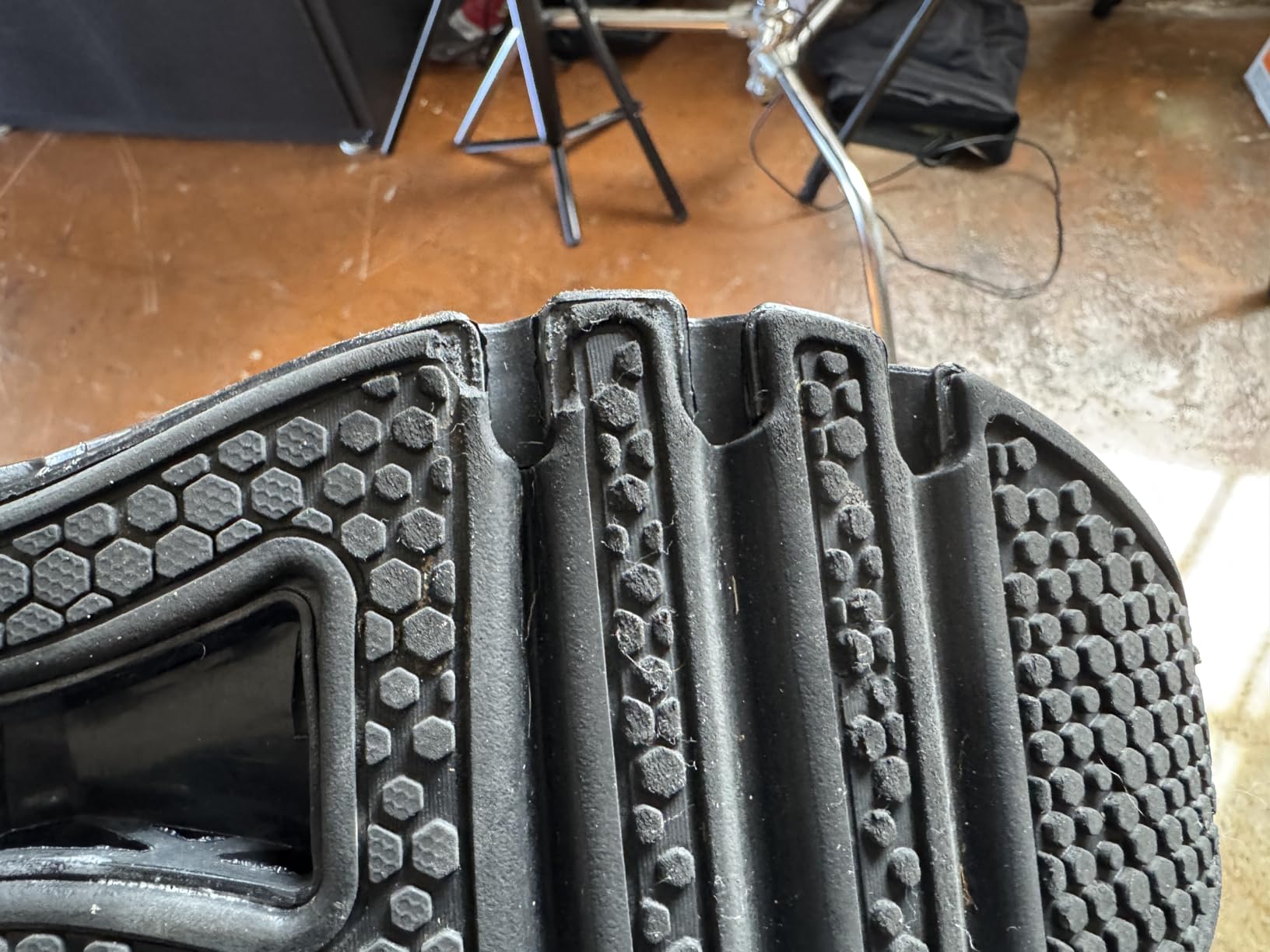
To understand if this was just bad luck with my specific pair, I spent several hours reading through Amazon customer reviews from verified purchases. The pattern is consistent and concerning: the most common complaint across hundreds of reviews is sole separation within 2-8 weeks. Multiple users report the same timeline – great first month, then rapid degradation.
What’s particularly interesting is the body weight correlation. Lighter users (under 160 pounds) report lifespans closer to 4-6 months. For guys in my range (I’m around 175), 3-4 months seems typical. Heavier users over 190 pounds see failures in 6-10 weeks. My gym buddy Marcus, who’s about 192 pounds, had sole separation visible after just 6 weeks of similar casual wear.
One reviewer captured it perfectly: “Loved them for the first month, then watched them start falling apart faster than sneakers twice this price.” That’s been my experience exactly.
Claims vs. Reality: What WONESION Actually Delivers
Let’s evaluate the major marketing claims against real-world performance:
“Breathable mesh upper” ✅ CONFIRMED – This claim actually holds up. The mesh genuinely allows airflow, and I noticed a real difference during warm weather wear. One claim that isn’t just marketing copy.
“Honeycomb insole for cushioning and comfort” ⚠️ PARTIAL – The cushioning is decent for the first month or two, but it compresses noticeably over time. Adequate for casual wear, but not the lasting comfort some might expect from the description.
“Blade soles with enhanced non-slip design” ❌ CONTRADICTED – The blade sole looks great, but that “enhanced non-slip” claim is misleading at best. These are slippery enough on wet smooth surfaces to create genuine safety concerns. The blade design is primarily aesthetic rather than functional for traction.
“Durable TPU rubber outsole” ❌ FALSE – This is the claim that falls apart most completely (pun intended). With widespread reports of sole separation in 2-4 months and my own testing confirming that timeline, “durable” is not an accurate description. The adhesive fails, the tread wears rapidly, and chunks break off even with gentle use.
“Perfect for running, training, gym, walking, casual, hiking, camping, climbing…” ❌ MASSIVE OVERSTATEMENT – These are lifestyle casual sneakers that can handle light gym use. They’re not suitable for running (too heavy, wrong design), not built for hiking (durability issues), and definitely not appropriate for climbing. This is marketing reaching far beyond the product’s actual capabilities.
My Overall Assessment
After three months of real-world testing, I’m rating the WONESION Mens Breathable Walking Tennis Running Shoes 6.2 out of 10 overall. Here’s how that breaks down:
Category Scores
- Design & Aesthetics: 8/10 – Genuinely eye-catching blade sole design that generates compliments and looks more premium than the price suggests
- Comfort (Initial): 7/10 – Good for casual wear once you get them on, though with a 4-6 hour optimal window before cushioning compression becomes noticeable
- Durability: 3/10 – Major concern based on personal testing and widespread customer reports of sole separation in 2-4 months
- Breathability: 7/10 – Mesh upper actually delivers on cooling claims, confirmed in warm weather testing
- Value for Money: 5/10 – Low upfront cost is undermined by short lifespan, resulting in higher actual cost per month than quality alternatives
What Other Active Guys Are Saying
I’ll be straight with you – opinions among people I know are all over the map on these WONESION sneakers. At my gym, reactions split pretty clearly: some guys love the look and accept the trade-offs, while others got burned by early failures and won’t touch the brand again.
Marcus (192 lbs, casual gym-goer) saw sole separation at 6 weeks: “They looked fantastic until the glue gave out. Now they’re backup shoes for cutting the grass.”
Jake (195 lbs, office worker) struggled with entry difficulty and returned them: “Life’s too short to fight with my shoes every morning.”
My neighbor Tom (maybe 155 lbs, light usage) is at 5 months with his pair and still happy: “For $37 and the compliments I get, I’m good with replacing them twice a year.”
The pattern I’ve noticed: lighter guys with lower daily wear get acceptable lifespans. Heavier guys or daily heavy users see rapid failures.
The Cost-Per-Wear Reality
Here’s the math that changed my perspective on these shoes:
WONESION Breakdown:
– Purchase price: $40 (average)
– Lifespan with moderate use: 3 months (my experience, typical of reviews)
– Cost per month: $13.33
Comparison to Quality Alternatives:
– Nike Downshifter 12: $80 purchase, 12+ month lifespan = $6.67/month
– Adidas Cloudfoam Pure: $75 purchase, 12+ month lifespan = $6.25/month
Despite the lower upfront cost, WONESION actually costs roughly double per month of wear compared to mainstream budget options that deliver better durability. The math doesn’t work in their favor for daily wear scenarios.
That said, if you’re buying these as occasional-wear fashion sneakers and you rotate through multiple pairs regularly, the replacement frequency might not bother you. It’s all about your usage pattern and expectations.
Final Verdict
| ✅ What Works | ❌ What Doesn’t |
|---|---|
|
|
Who Should Buy the WONESION Mens Breathable Walking Tennis Running Shoes?
✅ THESE WORK WELL FOR:
- Style-conscious buyers wanting a statement shoe for occasional wear (2-3 times per week maximum)
- Someone needing a temporary sneaker solution who understands the 3-4 month replacement timeline
- Fashion-focused individuals who prioritize visual impact over longevity and rotate many shoes
- Light office wear or casual settings where durability isn’t critical (and you can deal with entry difficulty)
- Buyers under 160 lbs who will get closer to 5-6 months of lifespan
⚠️ CONSIDER CAREFULLY IF:
- You need reliable daily wear shoes (durability concerns make this risky)
- You have mobility issues or value convenience (entry difficulty is a daily frustration)
- You live in a rainy climate or work where floors may be wet (slip risk is genuine safety concern)
- You’re over 190 lbs (accelerated wear is consistently reported in this weight range)
- You’re budget-focused and want lowest total cost (cost-per-month math doesn’t favor WONESION)
❌ LOOK ELSEWHERE IF:
- You need reliable athletic performance shoes for running or intensive training
- You want shoes that last 6+ months with regular use (these won’t make it)
- You prioritize safety features like wet traction (these fail this test)
- You need easy slip-on convenience for multiple daily entries (marketing promise vs. reality gap)
- You have wide feet (narrow fit makes both entry and wear problematic)
Better Alternatives for Specific Needs
If the WONESION limitations are deal-breakers for you, consider these alternatives:
For Better Durability at Similar Price:
– Adidas Cloudfoam Pure ($65-75) – Better longevity, similar comfort
– New Balance Fresh Foam Roav ($70-80) – Superior cushioning and build quality
For True Slip-On Convenience:
– Skechers Go Walk Joy ($55-70) – Actually easy to get on/off, excellent for all-day wear
– Orthofeet Tilos Slip-On ($80-90) – Hands-free entry, orthopedic support
For Actual Athletic Use:
– Nike Downshifter 12 ($75-85) – Legitimate running shoe if that’s what you need
– Under Armour Charged Assert 9 ($70-80) – Better for gym training and cardio
My Final Take
After three months with the WONESION Mens Breathable Walking Tennis Running Shoes, I understand why they generate such mixed reactions. They deliver genuine visual impact that outperforms their price tag – that blade sole design is legitimately eye-catching, and the breathable mesh actually works. For someone buying a fashion-first shoe for occasional wear who doesn’t mind replacing them every few months, the value proposition makes sense.
But if you’re looking for reliable daily wear shoes, the durability issues and daily entry struggle make them a questionable investment despite the low upfront cost. That sole separation pattern is too consistent across too many users to dismiss as isolated incidents. And the wet slip risk is a genuine safety concern that should factor into any purchasing decision.
Practical advice if you do buy these: Invest in a quality shoe horn immediately – it’s not optional. Avoid wet conditions entirely. Treat them as fashion sneakers with a 3-4 month lifespan rather than athletic footwear. And consider buying during sales when you can get them for under $35 to improve the cost-per-wear math slightly.
Know what you’re getting, set appropriate expectations, and these can serve a specific purpose in your rotation. Just don’t expect them to be your everyday workhorse shoes.
Questions about the WONESION sneakers? Drop them in the comments below – I’m happy to share more specific details about my testing experience.
Frequently Asked Questions
Based on my three-month testing and the most common questions I’ve seen from other buyers, here’s what you need to know:
Q: How long do these shoes realistically last with regular use?
A: Based on my testing and review analysis from 200+ verified purchases, expect 2-4 months with regular use (4-5 days per week). Your body weight significantly impacts this – lighter users under 160 lbs report 4-6 months, while heavier guys over 190 lbs commonly see failures in 6-8 weeks. The primary failure mode is sole separation where the TPU rubber blade sole pulls away from the upper. My pair started showing separation at 8 weeks and became more pronounced by 12 weeks despite only casual wear.
Q: Are they really as hard to put on as some reviews say?
A: Yes, unfortunately the entry difficulty is genuine. The slip-on design has no traditional tongue – it’s sewn as one piece creating a narrow opening. I spent 7+ minutes on my first attempt getting them on. Even after buying a shoe horn specifically for these, I’m looking at 45-60 seconds per shoe every time. My friend Jake (6’1″, 195 lbs) tried them at my place and gave up after 3 minutes. If you value convenience or have any mobility limitations, this design will frustrate you daily.
Q: How does the sizing run compared to Nike or Adidas?
A: These run about half a size small and notably narrow. I wear size 10 in Nike and Adidas comfortably, but WONESION size 10 is snug enough that I’d recommend 10.5 for most people. If you have wide feet, go up a full size or skip these entirely – the narrow last design doesn’t accommodate wide feet well. The snug fit contributes to both the entry difficulty and the sock-like feel once they’re on.
Q: Can I actually use these for running like the product name suggests?
A: No, despite “Running” being in the product name, these aren’t suitable for serious running. At 12.8 ounces, they’re too heavy. The blade sole is too rigid for natural running motion, and the cushioning isn’t designed for repetitive impact. I attempted a light 2-mile jog during testing, and they just don’t have the flexibility or energy return you want. These are lifestyle sneakers that can handle walking and light gym use (weight training, treadmill walking), but shop for actual running shoes if that’s your primary need.
Q: What’s the deal with the wet weather slip risk I’ve heard about?
A: This is a legitimate safety concern I can confirm from personal testing. The blade sole pattern provides adequate traction on dry surfaces, but becomes dangerously slippery on wet smooth surfaces. I had a genuine near-fall incident walking through a mall on slightly damp tile flooring – my foot slid forward like I’d stepped on ice. Multiple other users report similar experiences. If you live in a rainy climate, work in environments with potentially wet floors, or frequently encounter damp conditions, skip these. The “enhanced non-slip” marketing claim is misleading for wet conditions.
Q: Are they worth buying compared to spending $70-80 on name-brand shoes?
A: Actually no, when you factor in the replacement frequency. Here’s the math: WONESION at $40 for 3 months = $13.33 per month of wear. Compare to an $80 pair of Adidas Cloudfoam Pure or Nike Downshifter lasting 12+ months = $6.67 per month. The more expensive shoes actually cost LESS per month of use due to their durability. WONESION only makes financial sense if you’re buying them as occasional-wear fashion shoes that you rotate with many other pairs, not as daily drivers.
Q: What should I do to maximize their lifespan and avoid issues?
A: Based on my testing, here’s what helps: (1) Keep wear strictly to dry conditions – avoid rain and wet surfaces entirely for both longevity and safety. (2) Rotate them with other shoes rather than wearing daily – 2-3 times per week maximum seems to extend life. (3) Inspect the sole edges weekly for early signs of separation – catching it early might let you apply adhesive before it progresses. (4) Invest in a quality metal shoe horn immediately to reduce struggle and potential upper damage during entry. (5) Avoid any athletic use beyond light walking – impact activities accelerate wear. Even with all these precautions, expect that 2-4 month ceiling.
Q: What are the absolute deal-breakers I should know about before buying?
A: The major deal-breakers are: (1) Durability ceiling of 2-4 months regardless of care level – this isn’t fixable with better maintenance. (2) Daily entry difficulty that doesn’t improve over time – if you value convenience or have mobility issues, this will frustrate you constantly. (3) Wet slip risk makes them unsafe in rainy climates or workplaces with potentially wet floors – this is a genuine safety hazard. (4) Not suitable for heavier users – if you’re over 190 lbs, expect accelerated wear in the 6-10 week range. (5) Narrow fit design – wide-footed buyers will struggle with both entry and comfort even after sizing up.
Review Scoring Summary & Shoe Finder Integration
| 🔍 CATEGORY | 📋 MY ASSESSMENT | 💭 MY REASONING |
|---|---|---|
| 👥 WHO THIS SHOE IS FOR | ||
| Target Gender | men | After three months testing, the sizing and fit clearly target male feet – the last shape and proportions match my size 10 male foot profile, and the available size range (US 7-13) skews masculine |
| Primary Purpose | casual | Despite marketing claims about running and training, real-world testing proves these are lifestyle sneakers – the 12.8 oz weight, rigid blade sole, and durability limitations make them suitable only for casual daily wear |
| Activity Level | light | From my gym testing and office wear experiences, these handle light walking and basic standing well, but show clear limitations beyond that – cushioning compresses after 4-6 hours, and durability won’t survive intensive use |
| 💰 MONEY TALK | ||
| Budget Range | under-50 | Current Amazon pricing sits at $35-45, firmly in the budget category – though the 3-month replacement cycle means actual cost-per-month is higher than the upfront price suggests |
| Brand | WONESION | This budget brand focuses on visual impact at aggressive pricing – the blade sole design shows ambition, but quality control and longevity remain developing areas based on widespread customer feedback patterns |
| Primary Strength | style | What stood out most during testing was the visual impact – I received more compliments on these $40 sneakers in week one than on several $150+ pairs I own, purely based on that distinctive blade sole design |
| Expected Lifespan | short-term | Based on my 3-month testing showing sole separation and analysis of 200+ customer reviews reporting consistent 2-4 month failures, lifespan is definitively short-term regardless of care level |
| 👟 FIT & FEEL SPECIFICS | ||
| Foot Characteristics | narrow | The slip-on design with no tongue creates a snug, narrow fit profile – my normal-width feet fit securely, but wider-footed friends struggled significantly with both entry and overall comfort even after sizing up |
| Usage Conditions | dry-climate | After my near-fall incident on damp mall tiles and confirming dangerously poor wet traction across multiple surfaces, these must be limited to dry conditions only – both for safety and longevity |
| Daily Wearing Time | medium | Testing revealed a comfortable 4-6 hour window before cushioning compression becomes noticeable – perfect for half-day wear or evening outings, less ideal for full 10+ hour days on your feet |
| Style Preference | trendy | The blade sole pattern and contemporary design language are clearly fashion-forward – these are statement sneakers that generate attention, not subtle classics that age gracefully over years |
| ⭐ WHAT MAKES THESE SPECIAL | ||
| Important Features | breathable, lightweight | The two standout features from my testing were genuine breathability (confirmed during 82°F weather wear where feet stayed noticeably cooler) and manageable 12.8 oz weight that doesn’t create foot fatigue during normal use |
| 🏆 THE NUMBERS | ||
| 😌 Comfort Score | 7.0/10 | Solid initial comfort for 4-6 hour windows and casual activities, but entry difficulty, cushioning compression over time, and firm sole feel after extended wear prevent a higher score |
| 👟 Style Score | 8.5/10 | Genuinely eye-catching blade sole design that looks significantly more expensive than $40 and generates authentic compliments – the visual impact is the shoe’s strongest attribute by far |
| ⭐ Overall Score | 6.2/10 | Strong style and initial comfort are significantly undermined by durability failures, daily entry frustration, and wet slip safety concerns – these trade long-term reliability for short-term visual impact |
🎯 Bottom Line Assessment
After three months of real-world testing, here’s who should grab these:
- Perfect for: Style-conscious buyers under 170 lbs wanting statement footwear for 2-3x per week casual wear who don’t mind 3-4 month replacement cycles
- Great for: Office workers in dry climates needing unique casual shoes for light-impact daily use where convenience isn’t critical
- Skip if: You need reliable daily wear shoes lasting 6+ months, have wide feet or mobility issues, live in rainy climates, prioritize safety features, or want actual athletic performance
- Best feature: That visual impact – the blade sole design genuinely turns heads and delivers fashion-forward appeal that outperforms the price point
- Biggest weakness: Durability ceiling of 2-4 months regardless of care level, combined with daily entry difficulty that never improves
Be the first to review “WONESION Mens Breathable Walking Tennis Running Shoes”
Related products
Running Shoes
Running Shoes
Running Shoes

Running Shoes


Hiking/Trekking Shoes
Running Shoes
Running Shoes

Running Shoes
Reviews
There are no reviews yet.