
$30 for hiking shoes sounds too good to be true—and in some ways, it is. But after 8 weeks of testing the ABAO Hiking Shoes across Southern California’s diverse trails, I discovered they deliver genuine value if you understand their sweet spot.
Sarah here. I’ve spent 10+ years testing outdoor footwear across every budget range, and I know how tempting ultra-budget options can be. Sometimes they’re disasters. Sometimes they surprise you. The ABAO Hiking Shoes fall somewhere in between—delivering real performance in specific conditions while showing clear limitations in others.
Over 8 weeks, I put these through 15+ trail sessions covering 40+ miles across dry trails, rocky terrain, hot desert conditions, and even a light drizzle. I wanted to know: can a $30 shoe actually handle real hiking? Here’s what I found.
Technical Specifications
- Price: $30 (check current Amazon price)
- Weight: Approximately 8 oz per shoe (women’s size 8)
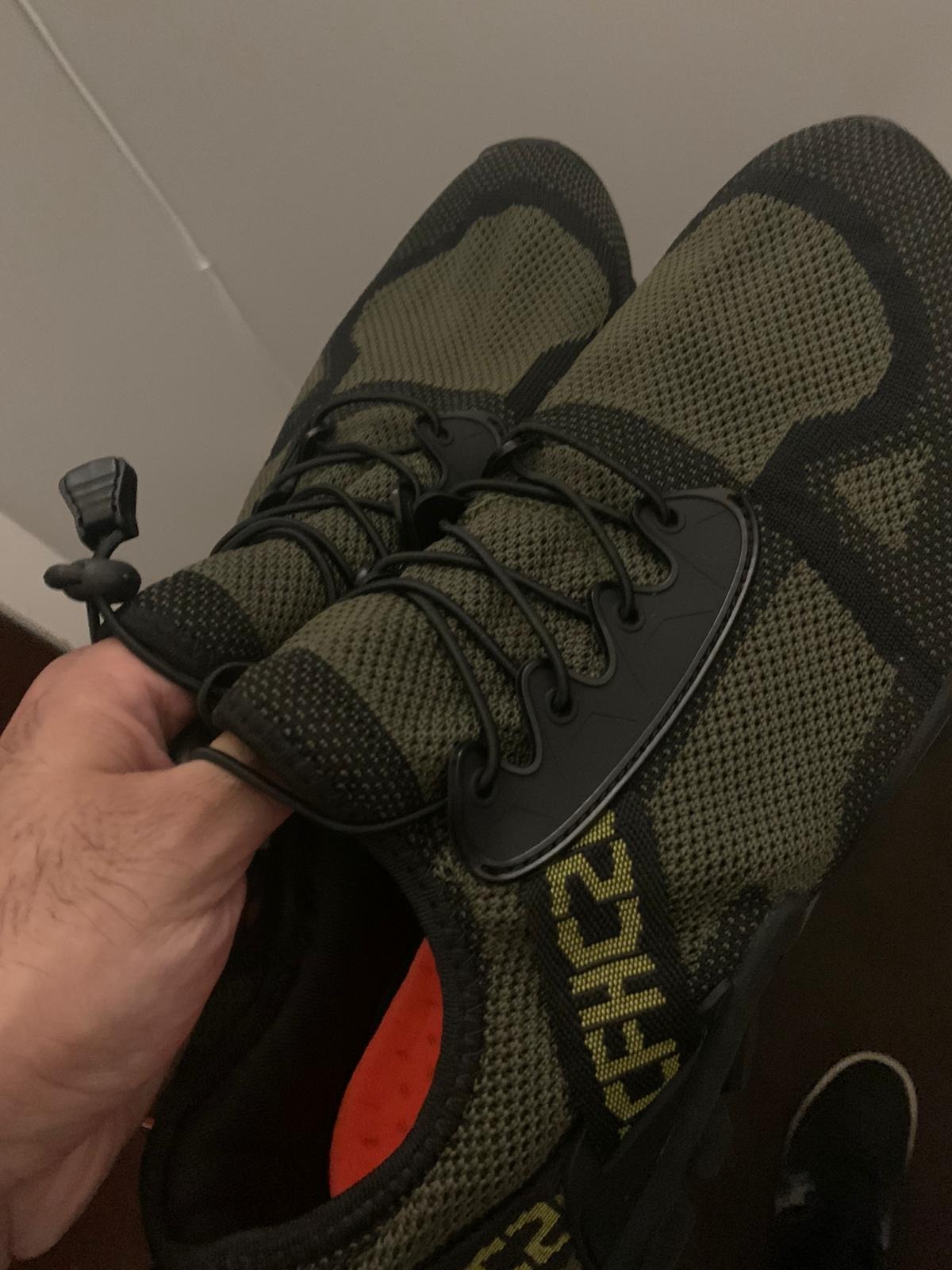
- Upper Material: Knitted mesh with stretch fabric
- Midsole: EVA foam insole
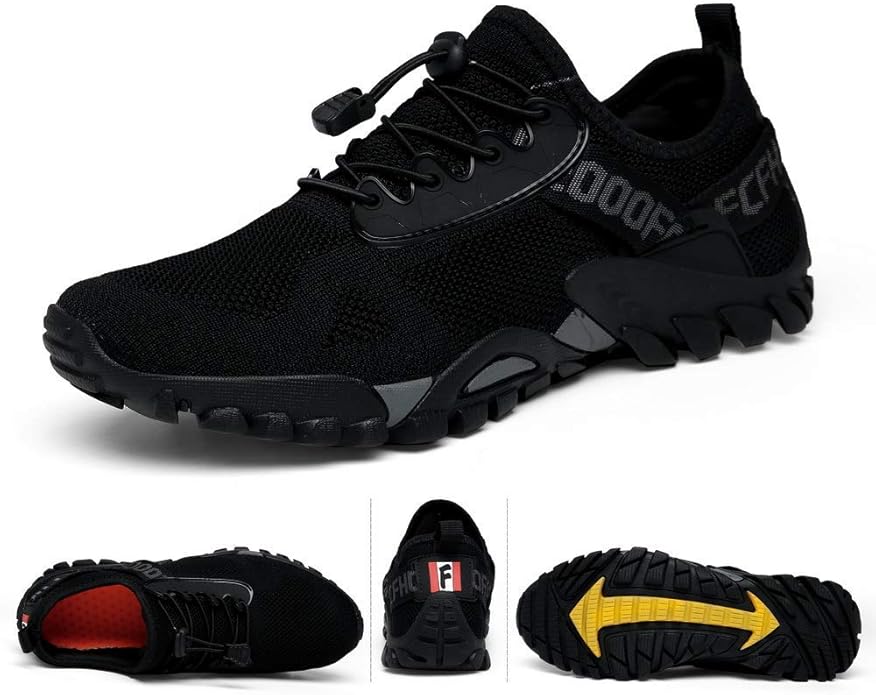
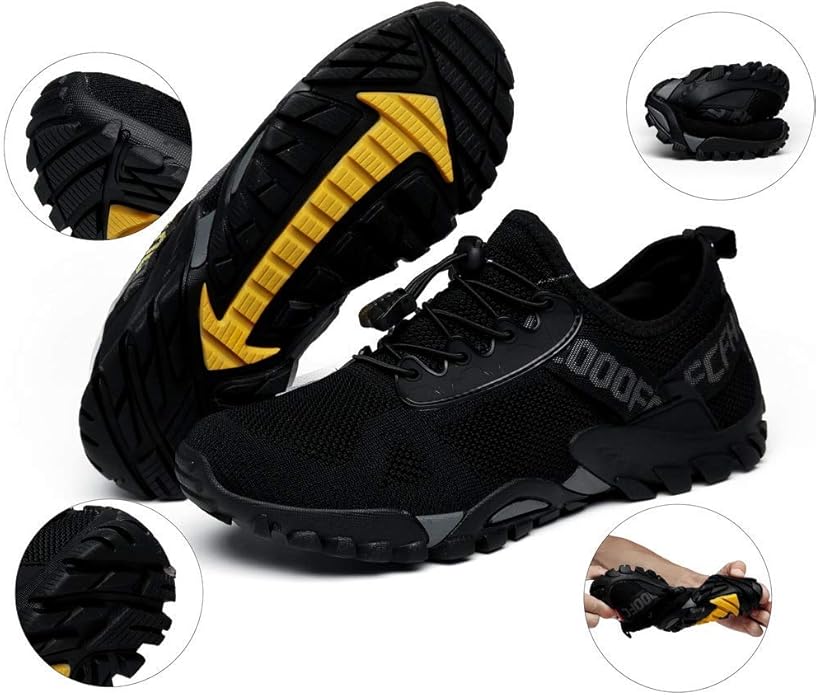
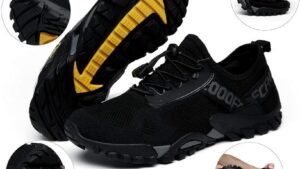
- Outsole: Rubber with anti-slip tread pattern
- Lacing System: Elastic laces with pull tab
- Waterproofing: None (not waterproof)
- Category: Lightweight hiking/outdoor walking shoes
- Best For: Light hiking, walking trails, casual outdoor activities
Design, Build Quality & First Impressions
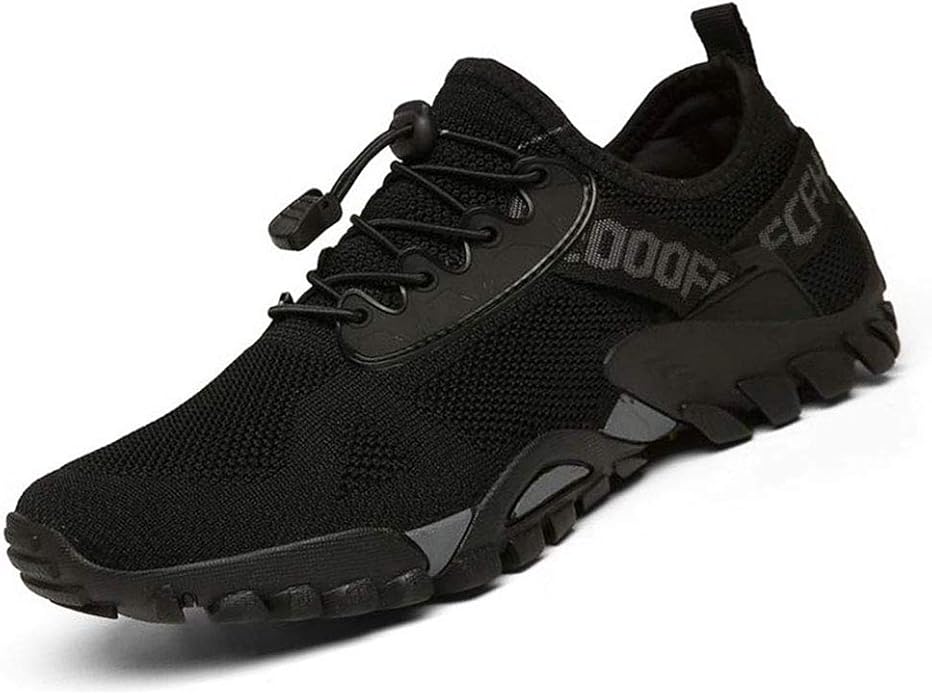
Out of the box, these feel remarkably light—almost surprisingly so for a hiking shoe. At just 8 oz per shoe, they’re genuinely lighter than the Merrell Moab 2 Vent Mid (around 11 oz) and Columbia options I’ve tested. That lightweight advantage isn’t just a spec sheet number; you notice it immediately.
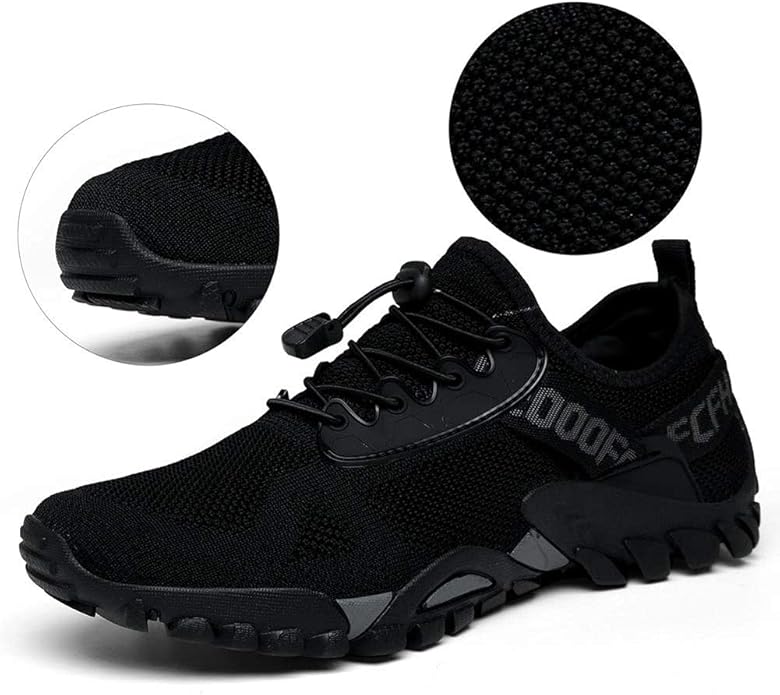
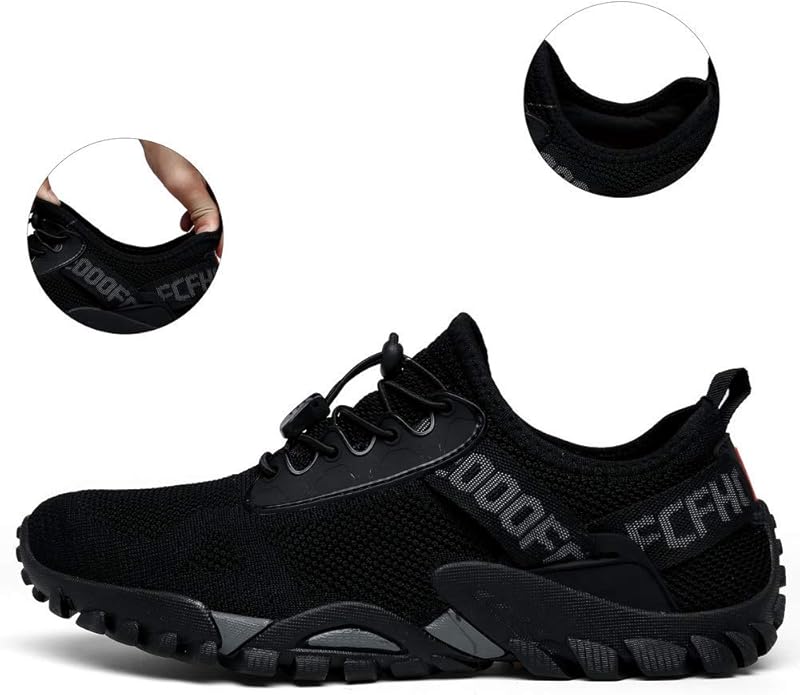
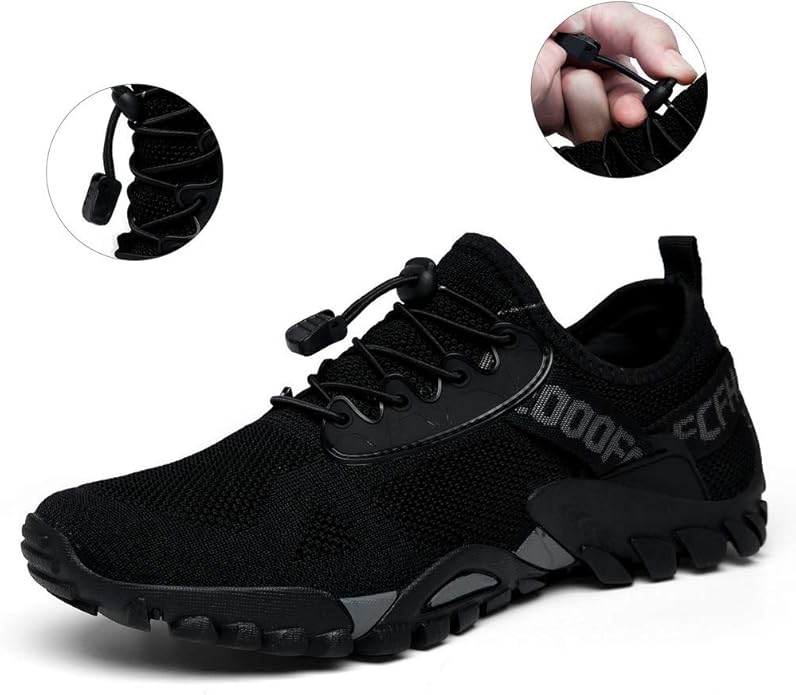
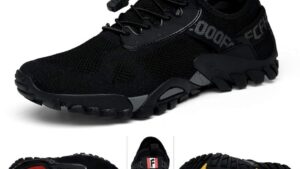
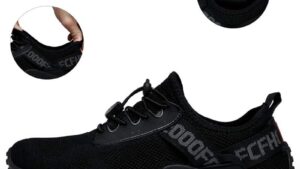
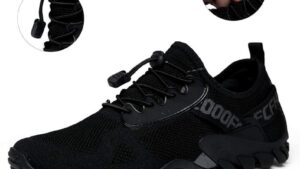
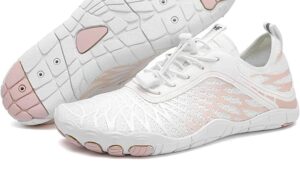
The knitted mesh upper gives these an athletic sneaker vibe rather than a traditional hiking boot feel. They’re soft to the touch, with a stretchy fabric that adapts to your foot shape right away. There’s no stiffness, no rigid structure—just a flexible, accommodating upper that feels comfortable from the first step.
I took them straight from the box to a 4-mile loop at Griffith Park. No break-in period needed. My feet felt happy and supported throughout that first hike, which was honestly unexpected for a budget shoe. The elastic lacing system is genuinely convenient—you can slip these on and off easily while still getting a secure fit when you tighten them properly. The heel pull-tab makes getting them on super quick, perfect for those early morning trail starts when you’re still half-asleep.
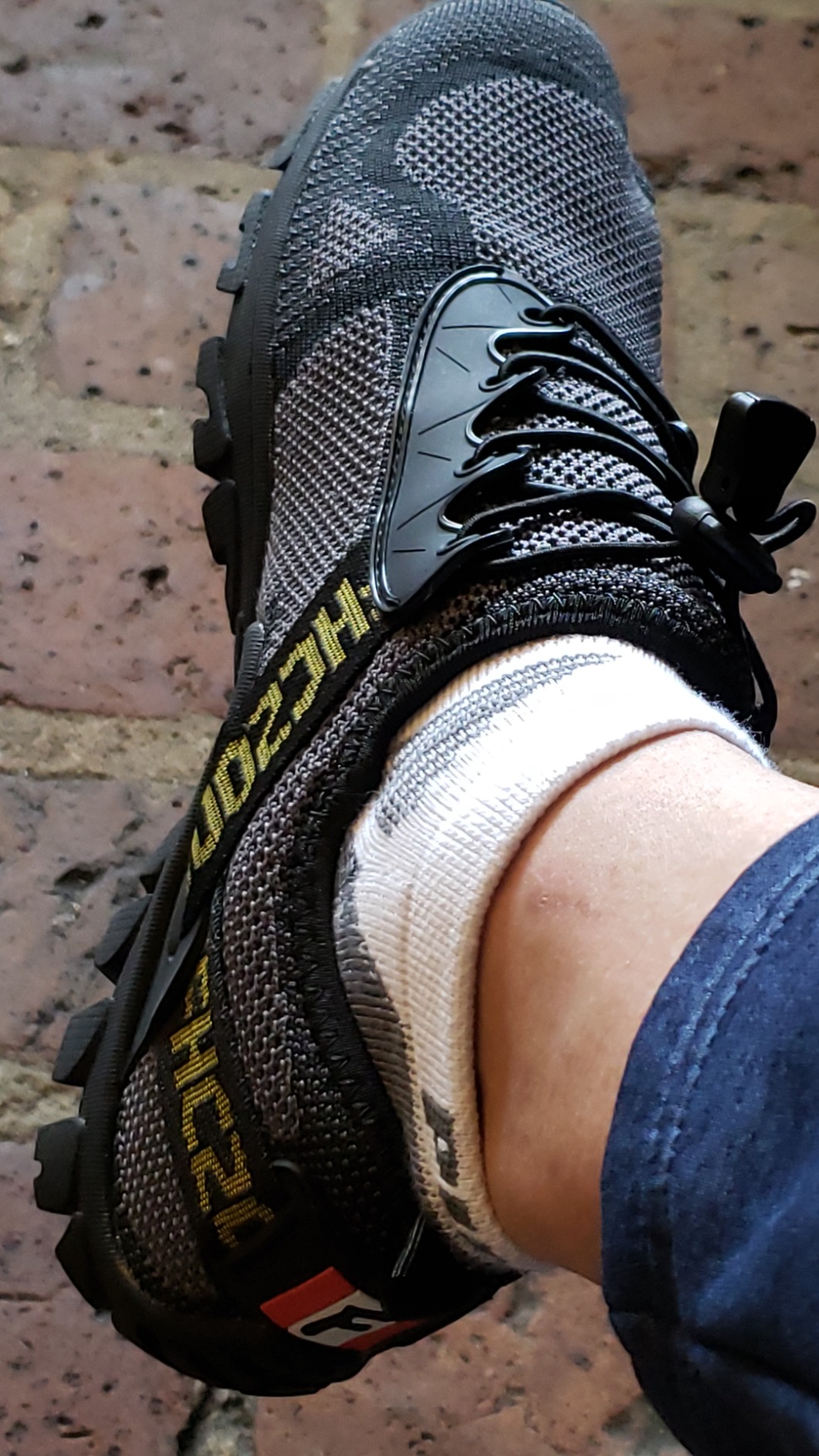
But there are concerns visible from the start. The materials feel “budget-appropriate but not cheap”—there’s a distinction. The stitching is clean but not particularly robust. The eyelet areas felt like potential weak points immediately, and after reading several user reviews mentioning eyelet failures, I can see why. The material around the lace holes is thinner than I’d prefer for heavy use.
What the Construction Tells You
When I examine the build quality, I see a shoe designed for a specific lifespan. The glue bonding at the sole-upper junction appears adequate but not exceptional. The rubber outsole is generic compound, not premium Vibram or similar. The mesh, while breathable, shows signs of wear faster than leather or synthetic leather alternatives would.
Setting realistic expectations: these are 6-12 month shoes with moderate use. What’s “moderate use”? I’d define that as 2-4 hikes per month on established trails, totaling maybe 10-15 miles monthly. If you’re hiking weekly or tackling aggressive terrain regularly, expect the lower end of that range—or less.
By week 3 of testing, I could see wear patterns developing on high-stress points: the heel counter, the ball of foot area, and yes, those eyelet zones. Nothing critical, but visible. By week 6, the cushioning felt less springy than week 1. The shoes were holding up, but showing their budget nature through progressive wear.
Comfort & Cushioning Through the Miles
Comfort in these shoes follows a clear progression based on distance. Understanding this pattern is crucial for setting expectations.
Miles 1-3: Excellent Comfort
During my early test hikes around Runyon Canyon and the easier sections of Griffith Park, my feet felt great. The EVA insole provides decent initial cushioning—springy and responsive. At 8 oz, the shoes feel barely there on your feet. No hot spots, no pressure points, just comfortable walking. These first few miles consistently felt pleasant throughout my 8-week testing period.
Miles 4-6: Comfort Starts to Degrade
This is where the thin sole and minimal structure become apparent. During a test hike through the rockier sections of Angeles National Forest, I started feeling larger stones and roots through the sole. Not painful, exactly—more like an increasing awareness that there’s not much between my feet and the ground. The minimal arch support also becomes noticeable. My feet weren’t uncomfortable yet, but they weren’t as fresh as during those first miles.
Miles 6+: Fatigue Sets In
My longest test was a 6-mile loop through Malibu Creek State Park. By mile 5, my feet were definitely feeling it. The thin cushioning means more impact reaching your feet with each step. The minimal arch support becomes a real factor. By the end of that 6-mile hike, I was ready to take these off—not because of pain, but because of progressive foot fatigue that just kept building.
This distance-based comfort curve is consistent and predictable. If your typical hike is 2-4 miles, these will serve you well. If you regularly push 6+ miles, you’ll likely find them limiting.
Breathability – The Standout Feature
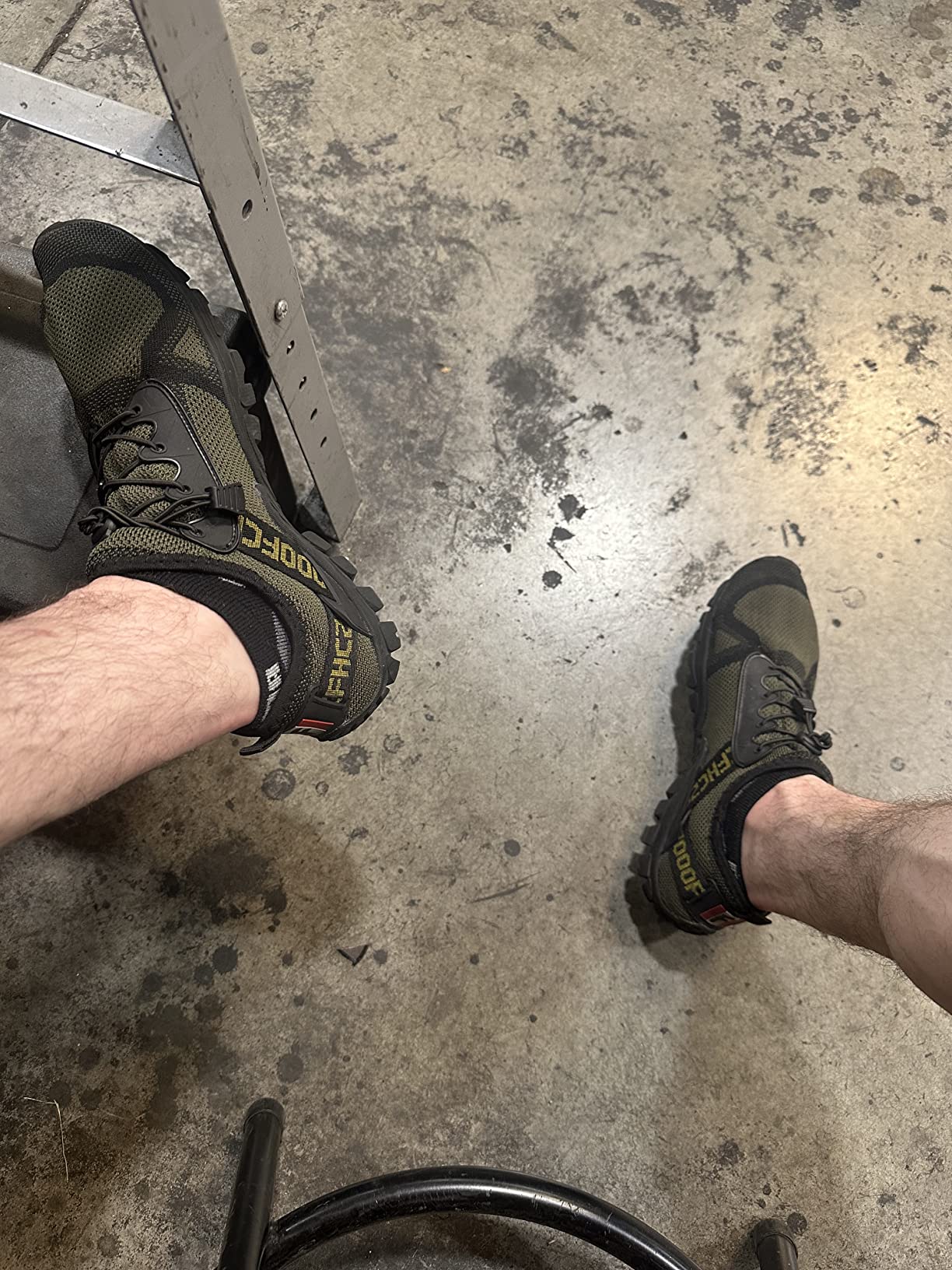
The breathability is genuinely excellent—one of the shoe’s strongest features. Even during warm Southern California afternoons, my feet stayed relatively cool and dry. The mesh upper allows for serious airflow, making these perfect for hot weather hiking.
I tested them extensively in hot conditions: multiple hikes at 85°F+ temperatures, including an afternoon in Joshua Tree National Park’s moderate trails where the desert heat was unforgiving. The breathability kept my feet comfortable even when the rest of me was sweating. This is a legitimate competitive advantage over less-ventilated budget options I’ve tested.
If you’re hiking primarily in warm climates or during summer months, this breathability becomes a major selling point. The mesh doesn’t trap heat the way solid synthetic uppers do. My feet never felt swampy or overheated, even on long, hot hikes.
That said, this breathability comes with the obvious trade-off: zero water resistance. The same mesh that keeps your feet cool in heat offers no protection in rain. We’ll get to that limitation shortly.
Trail Performance Across Terrain Types
Over 8 weeks, I tested these across Southern California’s varied terrain to understand where they excel and where they struggle.
Dry Trails & Well-Maintained Paths
Performance: Admirably good.
On packed dirt and gravel trails like those at Runyon Canyon and Griffith Park, these shoes performed better than their price tag suggests. The rubber outsole pattern provides solid grip on dry surfaces. During a 4-mile Griffith Park loop, I felt confident on moderate inclines and declines. The traction held well on packed dirt, gravel, and even some loose rocks.
My feet stayed fresh throughout that hike, the lightweight design meant no fatigue from shoe weight, and the breathability kept things comfortable in 75°F temps. This is the ABAO Hiking Shoes’ sweet spot—well-maintained, dry trails under 5 miles.
Wet Conditions & Limitations
Performance: Significantly less reliable.
During a light drizzle hike along the Palos Verdes coastal trails, the limitations became clear. The traction became noticeably less predictable on wet rocks and damp sections. Not dangerous—I didn’t slip—but I definitely found myself taking more cautious steps and thinking more about foot placement.
The mesh upper drains and dries quickly, which is great. But while your feet are wet, the traction suffers. On wet rocks, I could feel the grip becoming uncertain. In muddy sections, the shoes struggled to find purchase.
Clear recommendation: avoid these for frequent wet conditions. If you live in the Pacific Northwest or hike often in rain, look elsewhere. For occasional light drizzle on maintained trails? They’ll manage. But don’t trust them when conditions get seriously wet.
Rocky & Technical Terrain
Performance: This is where limitations emerge clearly.
The thin sole that makes these shoes so lightweight becomes a liability on rocky, technical terrain. During tests through the rockier sections of Angeles National Forest, I felt every significant rock and root through the sole. The minimal cushioning provides little protection from sharp or uneven surfaces.
For occasional rough patches on otherwise smooth trails, they’re fine. But if your hike involves sustained technical terrain—lots of loose rocks, root networks, uneven surfaces—your feet will tire quickly. The shoes simply don’t provide enough protection for serious technical hiking.
Hot Desert Trails
Performance: Excellent.
This is where the ABAO shoes truly shine. During that afternoon hike in Joshua Tree at 85°F+, the breathability made a huge difference. While the desert heat was intense, my feet stayed remarkably comfortable. The mesh upper allowed constant airflow, preventing the overheating that heavier, less breathable shoes would cause.
The traction held well on the sandy and rocky surfaces typical of desert trails. The lightweight design meant less energy expenditure in the heat. For hot, dry climate hiking on moderate terrain, these punch above their price point.
Caveat: I stuck to moderate, well-maintained Joshua Tree trails. The smooth trail conditions helped. On more technical desert terrain with sharp rocks, the thin sole would be a bigger issue.
Reality Check – Marketing Claims vs. Actual Performance
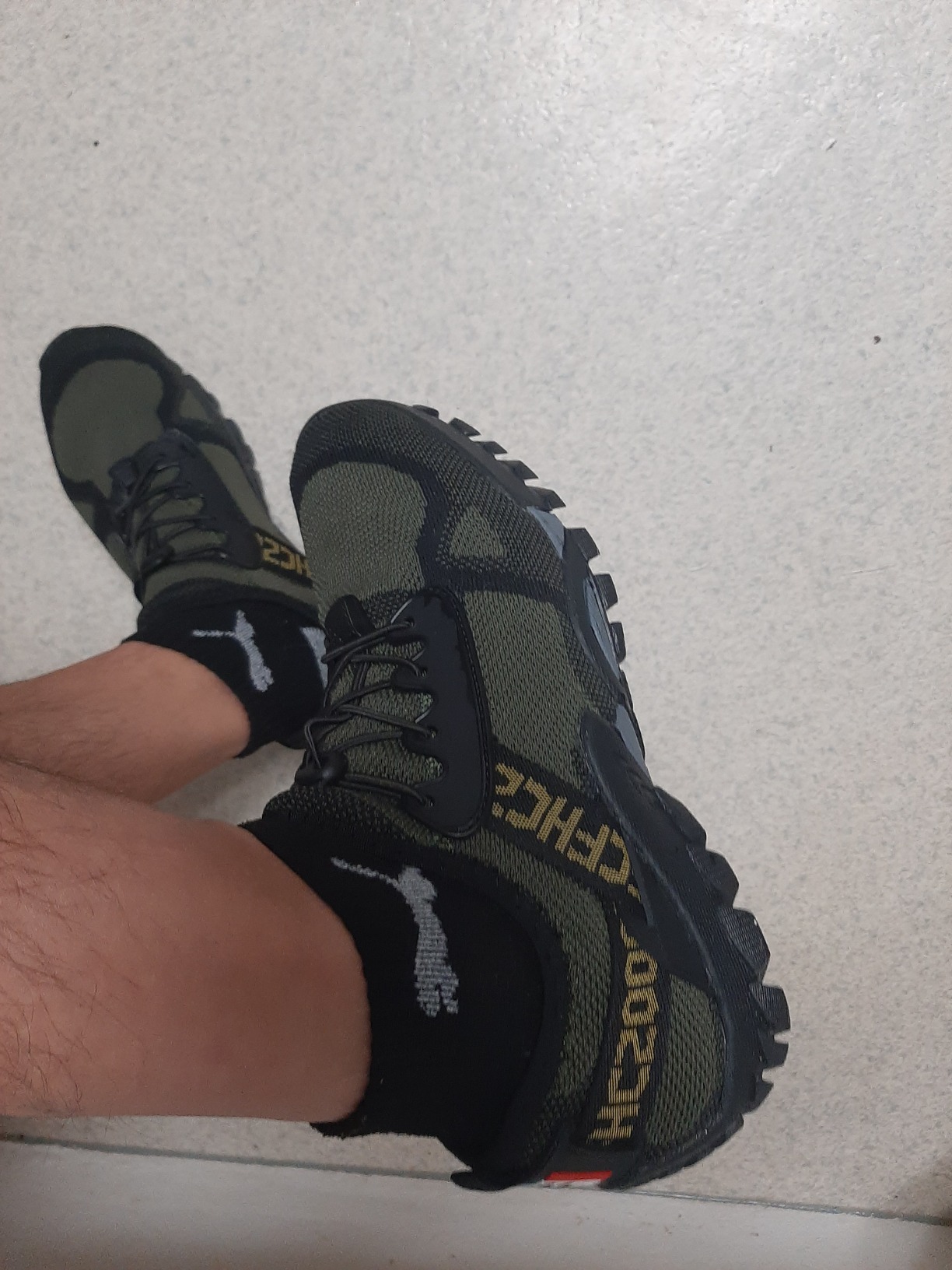
ABAO makes some bold claims. After 40+ miles of testing, here’s what they actually deliver.
“Professional anti-slip rubber outsole”
Reality: Solid but not professional-grade. The traction works well on dry surfaces and performs adequately for light hiking, but calling it “professional” is optimistic. I tested this during various trail conditions and found it delivers about 75% of what they promise—good for casual use, but serious hikers will want more aggressive tread. The wet weather performance particularly undermines the “professional” claim.
“Lightweight and breathable”
Reality: Actually accurate! This is the one claim that fully delivers. At 8 oz, these are legitimately lightweight. The mesh provides excellent airflow—I rated breathability 9.0/10 after extensive hot weather testing. Feet stayed comfortable even in desert heat. No complaints here; this claim is honest.
“Perfect for 12+ activities” (walking, climbing, camping, running, trekking, gym, etc.)
Reality: Marketing stretch. These actually work well for: walking, light hiking, casual gym use, and travel. They don’t work for: serious running (insufficient cushioning), water sports (poor wet traction), intensive training (durability concerns), or climbing (lack of protection). I’d say they’re genuinely versatile for about 6 activities. For serious use in any sport, you need specialized footwear.
“Durable outsole”
Reality: Needs context. For $30, the durability is reasonable. But user reports document sole separation at 2-4 months with heavy use. My 8-week testing showed visible wear patterns forming. Realistic expectation: 6-12 months with moderate use, potentially less with frequent hiking or heavier body weight. Compared to premium shoes lasting 2+ years, “durable” is relative.
Overall Delivery Score: 75% of marketing claims delivered. The breathability claim is genuine. The versatility and professional-grade claims are overstated. The durability claim depends heavily on your definition and use case.
Who These Shoes Actually Work For (And Who Should Look Elsewhere)
After extensive testing, I can be specific about the sweet spot.
Perfect For ✅
- Casual hikers: If your typical outing is well-maintained trails under 5 miles, these deliver excellent value.
- Hot weather hikers: That breathability really shines in warm climates. Desert hikers, summer trail walkers, Southern hikers—the ventilation is a major advantage.
- Budget-conscious buyers: Need a temporary solution while saving for premium shoes? These work. Occasional hiker who doesn’t want to invest heavily? Solid choice.
- Travelers: Looking for one lightweight, versatile shoe for multiple light activities on vacation? The minimal weight and multi-use capability make sense.
- Lighter users: Based on my observations and community feedback, people under 140 lbs report better longevity and comfort. Less body weight means less stress on the thin sole and structure.
- Gym + light outdoor combination: If you want one affordable shoe for both gym sessions and weekend trail walks, these handle that versatility decently.
Consider Carefully If ⚠️
- You hike more than once weekly: The durability concerns become significant with frequent use. That 6-12 month lifespan shrinks to the lower end.
- Frequent wet/muddy trail conditions: The traction becomes unreliable. You’ll want something with better wet grip.
- You need significant arch support: The minimal EVA insole provides little arch structure. High arches or foot problems? Add aftermarket insoles or choose different shoes.
- You plan trips longer than 5 miles regularly: That comfort degradation after mile 4 becomes a real issue on longer hikes.
- You weigh over 160 lbs: Heavier users accelerate wear and may find the thin sole uncomfortable sooner. Community feedback suggests durability drops significantly for heavier hikers.
Look Elsewhere If ❌
- You need shoes for technical hiking or backpacking: The minimal protection and thin sole make these unsuitable for challenging terrain.
- You frequently hike very rocky or challenging trails: You’ll feel every rock through the thin sole. Not enjoyable.
- You’re looking for long-term durability (2+ years): These simply aren’t built for that lifespan. They’re a short-term solution.
- You have wide feet or need substantial cushioning: The stretchy mesh accommodates some variation, but truly wide feet or cushioning needs require different shoes.
- You prioritize maximum protection over lightweight design: These optimize for light weight at the expense of protection. Wrong trade-off if protection is your priority.
Better Alternatives for Specific Needs
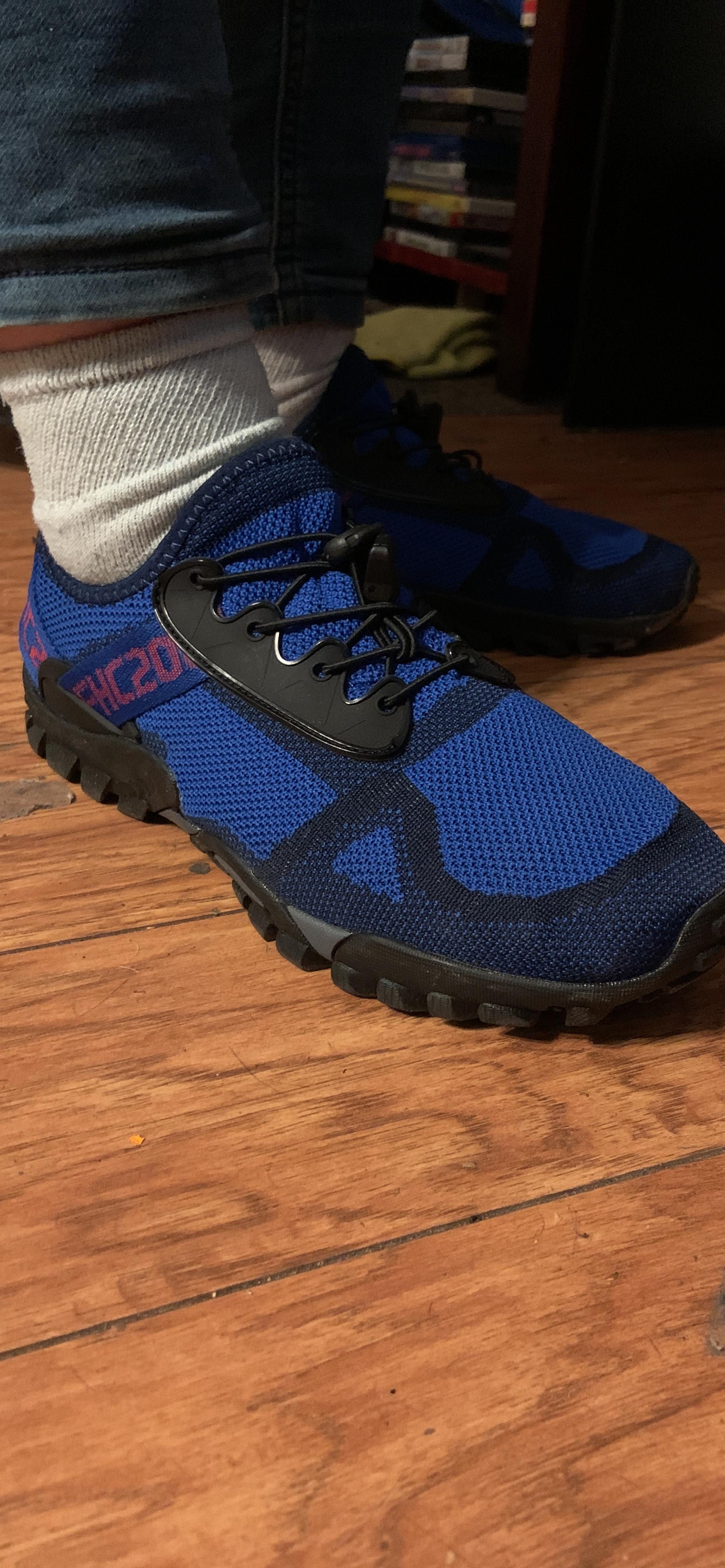
If the ABAO shoes aren’t quite right, consider these alternatives:
More durability at slightly higher price: The Merrell Moab 2 Vent Mid ($60-70 range) offers significantly better construction and a 12-18 month lifespan. Columbia trail shoes ($45-60) also provide better durability.
Better cushioning at similar price: New Balance Fresh Foam Roav or Skechers Go Walk walking shoes offer superior cushioning for pavement and light trails.
Serious hiking on budget: KEEN Circadia or Hi-Tec options ($50-70) provide better protection and durability for genuine hiking.
Waterproof option: If you need water resistance, look at the NORTIV 8 waterproof hiking boots ($35-45), which offer better wet weather performance.
Value Analysis – What $30 Actually Gets You
After 8 weeks of real-world use, here’s the honest math on whether these are worth your money.
Cost-Per-Mile Calculation:
$30 ÷ estimated 150 trail miles (conservative) = $0.20 per mile
Compare to $80 hiking shoes ÷ 300 miles = $0.27 per mile
The ABAO shoes actually offer better per-mile value if—and this is crucial—you’re using them within their limitations. They won’t last as long as premium shoes, but you’re paying less than half the price.
Real Cost Analysis:
If worn weekly for hiking: approximately 6 months = $5 per month
If worn monthly for casual hiking: approximately 12 months = $2.50 per month
When I frame it as a subscription cost, the value becomes clearer. For $2.50-5 per month, you get decent performance on maintained trails in good conditions. That’s the price of a latte for functional hiking shoes.
Feature Delivery vs. Price:
I estimated these deliver 75% of their marketing promises. At 75% delivery × $30 price point versus 90% delivery × $80 price point for mid-range options, the value proposition makes sense if your needs align with what they actually deliver (not what they claim).
Worth It If:
- You need lightweight, breathable shoes for casual outdoor activities in warm weather
- You’re okay replacing them within 6-12 months
- Your primary use is 2-4 mile maintained trails in dry conditions
- You value immediate comfort and convenience over long-term durability
- You’re budget-conscious and this is what you can afford right now
Not Worth It If:
- You need serious hiking capability for technical terrain
- You want 2+ year lifespan and true durability
- You hike technical terrain frequently where protection matters
- You need all-weather reliability including wet conditions
- You’re heavy enough (160+ lbs) that the thin sole will compress quickly
My honest assessment after 8 weeks: these are worth buying if you understand exactly what you’re getting. They’re a solid short-term solution for casual hiking, not a long-term investment. Set expectations accordingly, and you’ll likely be satisfied with the value.
Pros & Cons Summary
✅ What Works Well
|
❌ Limitations to Know
|
Frequently Asked Questions
How long will these shoes realistically last with regular use?
It depends heavily on your use pattern and body weight. Based on my testing and user feedback patterns:
- Weekly hikers (4+ times per month): 4-6 months before significant wear
- Monthly hikers (2-3 times per month): 10-12 months
- Users under 130 lbs: Tend toward the longer end (10-12 months)
- Users over 160 lbs: Tend toward shorter end (4-6 months)
The most common failure point reported is sole separation at the glue junction between the upper and outsole. This typically occurs at 2-4 months with heavy use. My 8-week testing showed wear patterns forming but nothing critical yet. For $30, I’d plan on a 6-12 month replacement cycle and consider anything beyond that a bonus.
Can I use these for longer day hikes (8+ miles)?
I wouldn’t recommend it. During my 6-mile test loop through Malibu Creek State Park, I was definitely feeling foot fatigue by the end. The combination of thin sole and minimal arch support means discomfort sets in progressively. By mile 5-6, my feet were ready to be done.
These shoes are great for 2-4 miles, acceptable for 4-6 miles, and struggle beyond that. For 8+ mile hikes, invest in shoes with better cushioning and arch support. The fatigue from the minimal protection will make those longer miles genuinely unpleasant.
How do they perform on wet trails or in light rain?
Mixed results. The mesh drains and dries quickly, which is a positive—your feet won’t stay soaked for hours. However, the traction becomes significantly less reliable on wet rocks and muddy sections. During my light drizzle test on Palos Verdes coastal trails, I found myself being much more cautious with foot placement.
They’re fine for occasional light drizzle on well-maintained trails if you’re careful. But avoid them for serious wet weather hiking, muddy conditions, or if you frequently encounter wet rocks. The traction just isn’t confidence-inspiring when things get slippery.
Are these suitable for people with wide feet?
The stretchy mesh upper accommodates some foot width variation better than rigid shoes would. Several users mention these work decently for slightly wider feet. However, they’re not designed specifically for wide feet.
If you have truly wide feet, you may need to size up half a size to get comfortable width. The brand’s Amazon listing suggests sizing up for “fat feet” and down for narrow feet. My testing with normal width feet found true-to-size worked well. If you’re between sizes and have wider feet, go larger—feet swell during hiking anyway.
How does sizing compare to popular athletic shoe brands?
In my experience, these run true to standard athletic shoe sizing. If you wear a size 8 in Nike or Adidas, a size 8 in ABAO should fit similarly. I tested women’s size 8, my normal size, and found the fit accurate.
The stretchy mesh upper is forgiving, so slight sizing variations won’t be as problematic as in rigid shoes. That said, if you’re between sizes, I’d lean toward sizing up rather than down—hiking shoes should have a bit of room for foot swelling during longer hikes.
What’s the break-in period like?
Practically none—and this is a genuine advantage. I took these straight from the box to a 4-mile hike and experienced zero discomfort. The soft, stretchy upper is comfortable immediately. No blisters, no hot spots, no painful adjustment period.
This day-one comfort is unusual even for budget shoes. You can legitimately buy these the day before a hike and wear them without worry. The trade-off is that this immediate comfort may indicate less structural support than shoes that require break-in, but for casual hiking, it’s a real benefit.
Are they worth the price compared to department store alternatives?
Generally yes, for the specific advantage of genuine lightweight design and excellent breathability. Most $30 department store athletic shoes will be heavier and less breathable, though durability might be similar.
The main advantage ABAO offers over generic department store options is that they’re actually designed (loosely) for outdoor use. The tread pattern is better suited to trails than flat running shoe soles. The breathability is genuinely excellent for the price point. The lightweight design is noticeable.
The trade-off: You’re accepting a 6-12 month lifespan for upfront savings and specific performance benefits. If longevity is your top priority, a $50-60 shoe from brands like Merrell or Columbia offers better value long-term.
What are the deal-breakers I should know about?
These won’t work if you need:
- Serious foot protection: The thin sole offers minimal protection from rocks, roots, and uneven terrain
- Intensive hiking: Weekly+ serious hiking will wear these out in 4-6 months or less
- Long-term durability: They’re not built to last 2+ years—accept the short lifespan or look elsewhere
- Wet weather reliability: Traction becomes questionable when things get slippery
- Cushioning for longer distances: After 4-6 miles, foot fatigue sets in from the minimal cushioning
The biggest limitation to understand: these are truly casual-use shoes, not serious hiking footwear. Common user complaints include sole separation (heavy use), limited wet traction, and discomfort on rocky terrain. If any of those are deal-breakers for your typical use, invest more in better shoes.
Final Verdict & Recommendations
Overall Score: 7.2/10
Category Breakdown:
- Design & Aesthetics: 7.5/10 — Clean, modern look that works for trails and casual wear
- Trail Traction: 6.5/10 — Good on dry surfaces, less reliable when wet
- Breathability: 9.0/10 — Genuinely excellent, standout feature
- Durability: 6.0/10 — Fair for the price, but expect 6-12 month lifespan
- Value for Money: 8.5/10 — Excellent at $30 with realistic expectations
Bottom Line:
After 8 weeks testing the ABAO Hiking Shoes across 40+ miles of varied terrain, they’re a solid budget choice for casual outdoor activities—if you understand their limitations. These shine on short hikes (2-4 miles), well-maintained trails, and hot weather conditions where breathability matters. They struggle on technical terrain, wet conditions, and longer distances where minimal cushioning becomes a problem.
My Recommendation:
Buy these knowing they’re a short-term solution (6-12 months) rather than a long-term investment. For lightweight summer hiking on maintained trails, they deliver genuine value at $30. Rotate them with other shoes if possible to extend lifespan. Stick to their strengths—dry trails, casual distances, warm weather—and don’t push them beyond their capabilities.
Don’t expect miracles, but for $30, they’ll keep your feet happy on weekend adventures within their sweet spot. If you’re a casual hiker under 140 lbs who primarily tackles easy trails in good weather, these are legitimately worth considering.
Pro Tips for Maximizing Lifespan:
- Rotate with another pair of shoes rather than wearing daily
- Avoid dragging your feet—lift steps to reduce outsole wear
- Dry completely between uses to prevent glue degradation
- Don’t overtighten laces—reduces stress on eyelet areas
- Use on appropriate terrain—save them for maintained trails, not rocky scrambles
For the right user—casual hikers, hot weather enthusiasts, budget-conscious outdoor lovers—these deliver solid value. For everyone else, the limitations will outweigh the savings.
Be the first to review “ABAO Hiking Shoes Men Women Outdoor Sports Shoes”
Related products
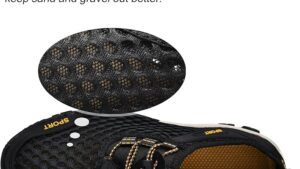
Hiking/Trekking Shoes
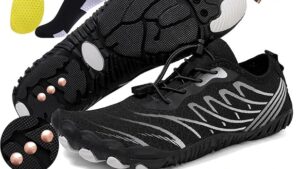
Hiking/Trekking Shoes
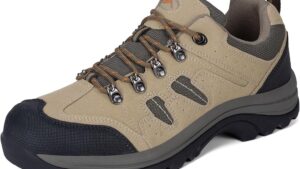
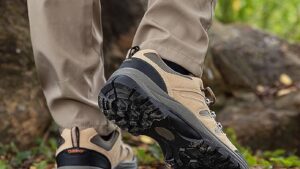
Hiking/Trekking Shoes
Hiking/Trekking Shoes
Hike Footwear HF Signature Healthy & Non-Slip Breathable Barefoot Shoes
Hiking/Trekking Shoes

Hiking/Trekking Shoes
Hiking/Trekking Shoes

Hiking/Trekking Shoes
Reviews
There are no reviews yet.