
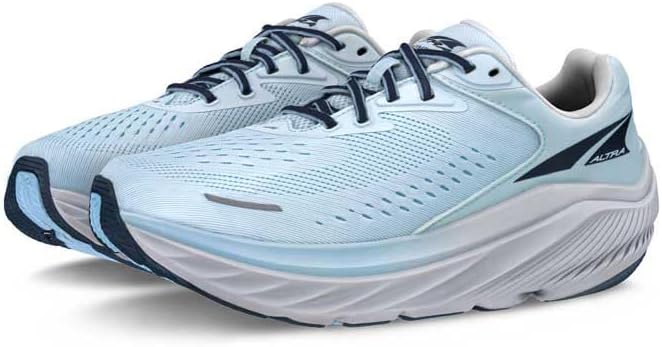
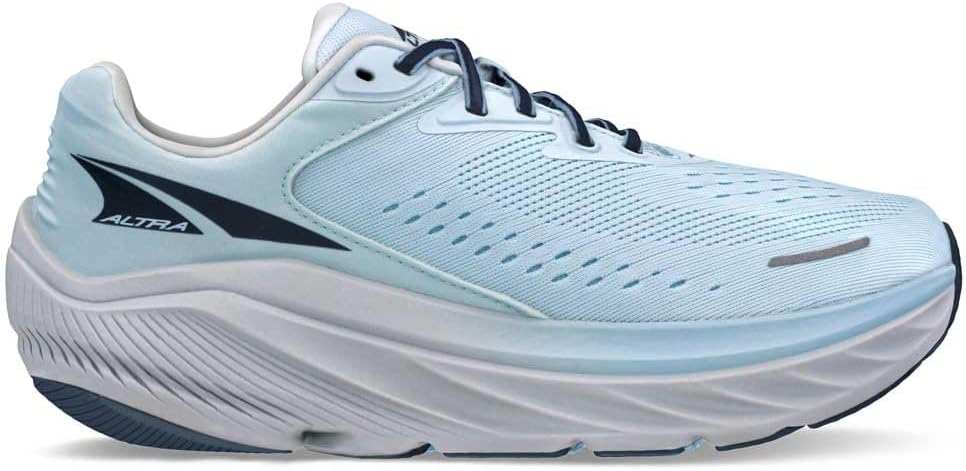
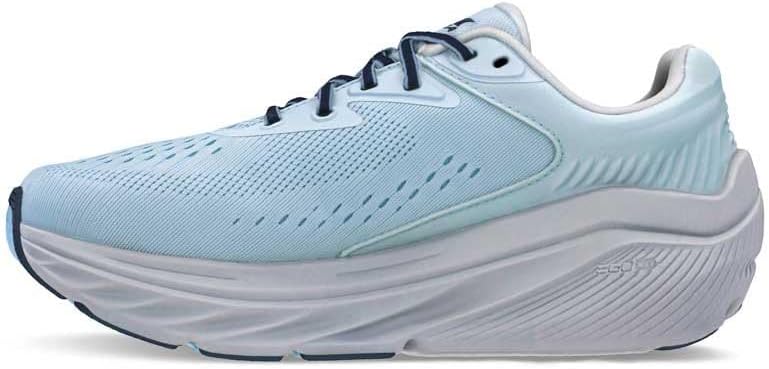
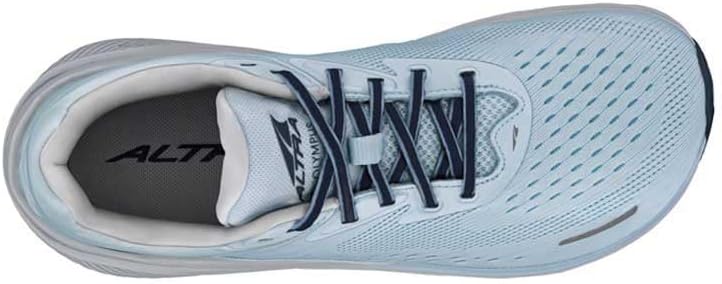
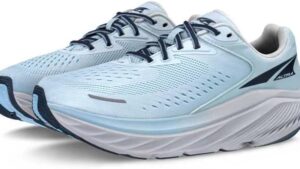
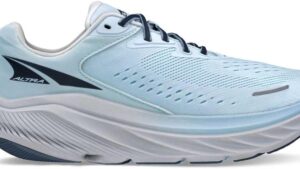
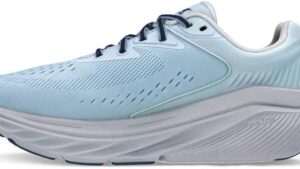
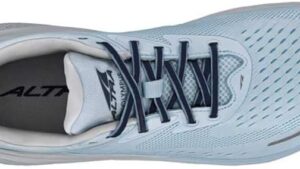
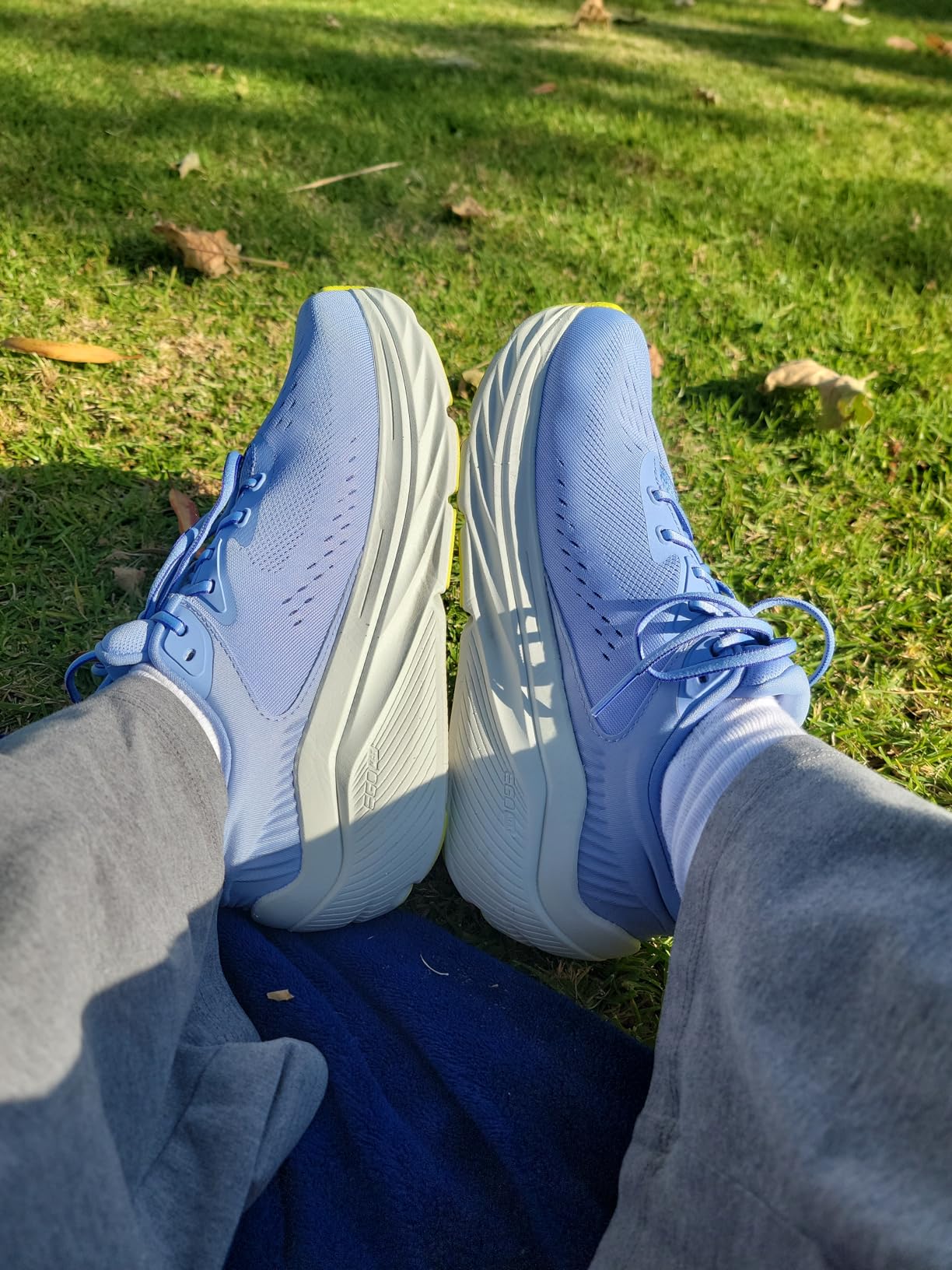
When I pulled the Altra Via Olympus 2 out of the box six months ago, my first reaction was surprise at the sheer bulk. These looked more like moon boots than running shoes. But after logging over 200 miles including countless 12-hour nursing shifts, I’ve learned that looks don’t tell the whole story.
Here’s the bottom line: The Via Olympus 2 delivers the most cushioned zero-drop experience you can buy, period. If you need all-day standing comfort and have wide feet, this shoe earns its $165 price tag. But exposed midsole foam raises serious durability questions that affect value for high-mileage runners.
After six months of daily wear, I can tell you exactly who needs this shoe and who should skip it.
Quick Specs: What You’re Getting
| Spec | Value | My Take |
|---|---|---|
| Weight | 11.4oz (M9) / 9.6oz (W8) | Noticeable at faster paces, irrelevant for standing |
| Stack Height | 34.8mm heel / 35mm forefoot (measured) | Claimed 33mm, actually higher. Max cushion feel confirmed. |
| Drop | -0.2mm (true zero-drop) | Genuine zero-drop. Expect calf adaptation period. |
| Toe Box Width | 100.3mm | Legitimately wide. Bunions and hammertoes rejoice. |
| Price | $164.95 | Premium pricing with durability concerns |
| Best For | All-day standing, easy runs, recovery walks | Not a speed shoe. Comfort specialist. |
The stated 33mm stack is actually closer to 35mm when you measure it. That extra 2mm matters when you’re comparing protection levels. Altra’s zero-drop claim checks out though – RunRepeat lab measured -0.2mm, which is essentially flat.
First Impressions: Design & Build
Massive. That’s the word that comes to mind when you see these shoes. The 35mm stack creates a platform that makes them look like orthopedic moon boots. Next to my running shoes rotation, the Olympus 2 looks ready for lunar exploration.
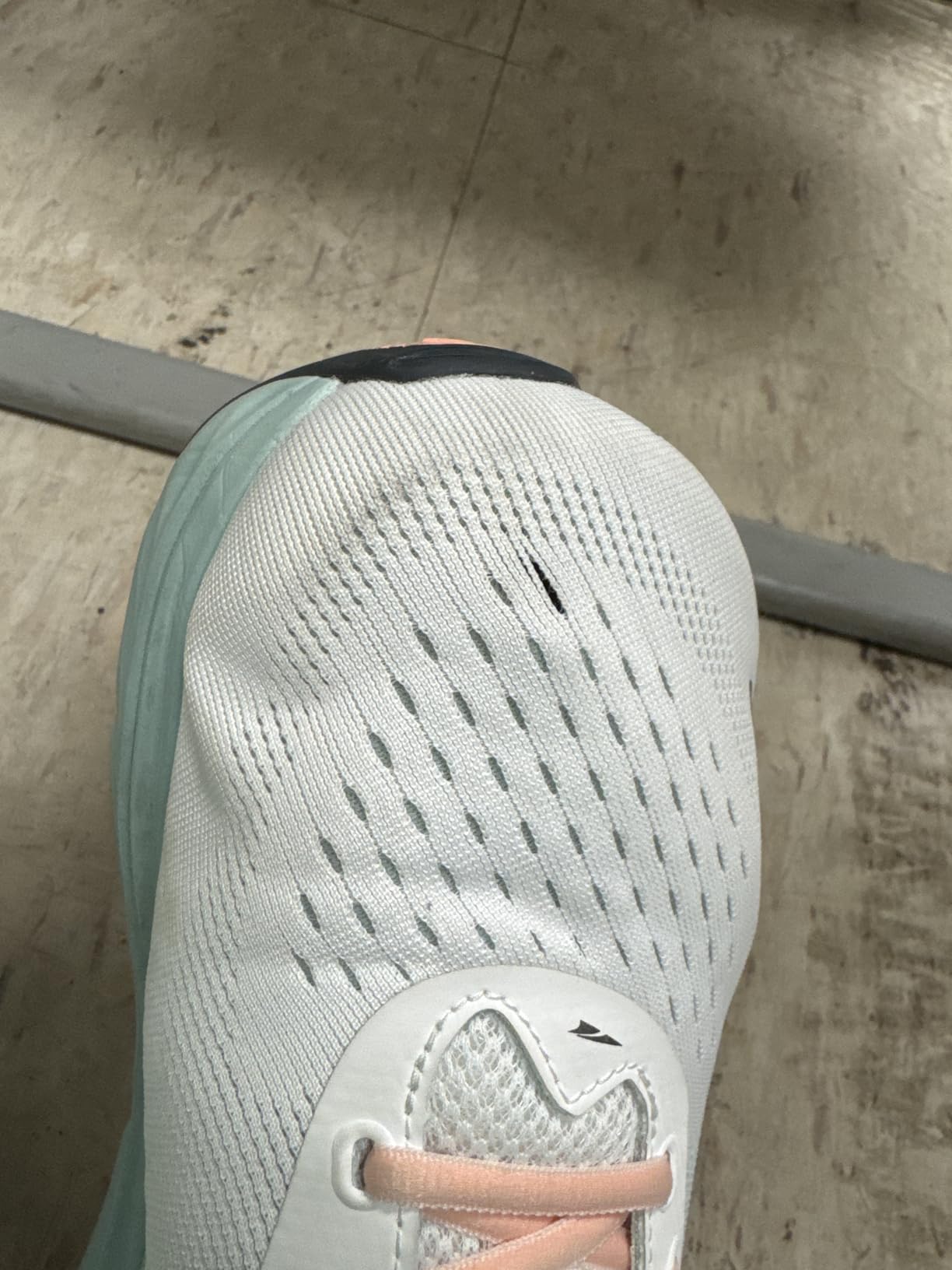
The upper uses engineered mesh that doesn’t feel premium at this price point. It’s functional, breathable enough for moderate temps, but comparing it to competitors at $165, you expect more refinement. The material is thin and slightly plasticky to the touch.
What immediately stands out is the FootShape toe box. This isn’t marketing fluff – the front of the shoe is genuinely shaped like a human foot rather than the traditional tapered design. After wearing pointed-toe trainers for years, the visual difference is striking.
The heel collar has improved padding compared to version 1 reviews I read. It’s comfortable for all-day wear but doesn’t lock your heel down like a performance fit. During my first run, I noticed slight heel movement that never became problematic but would bother speed-focused runners.
One disappointment: the tongue isn’t gusseted. For a shoe marketed toward all-day wear, this seems like an oversight. Thick hiking socks sometimes push the tongue off-center during long shifts, requiring adjustment.
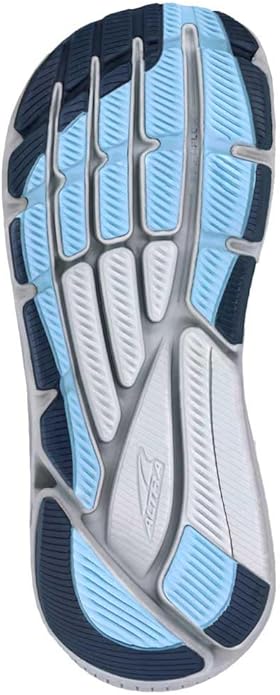
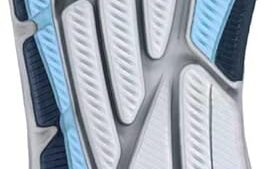
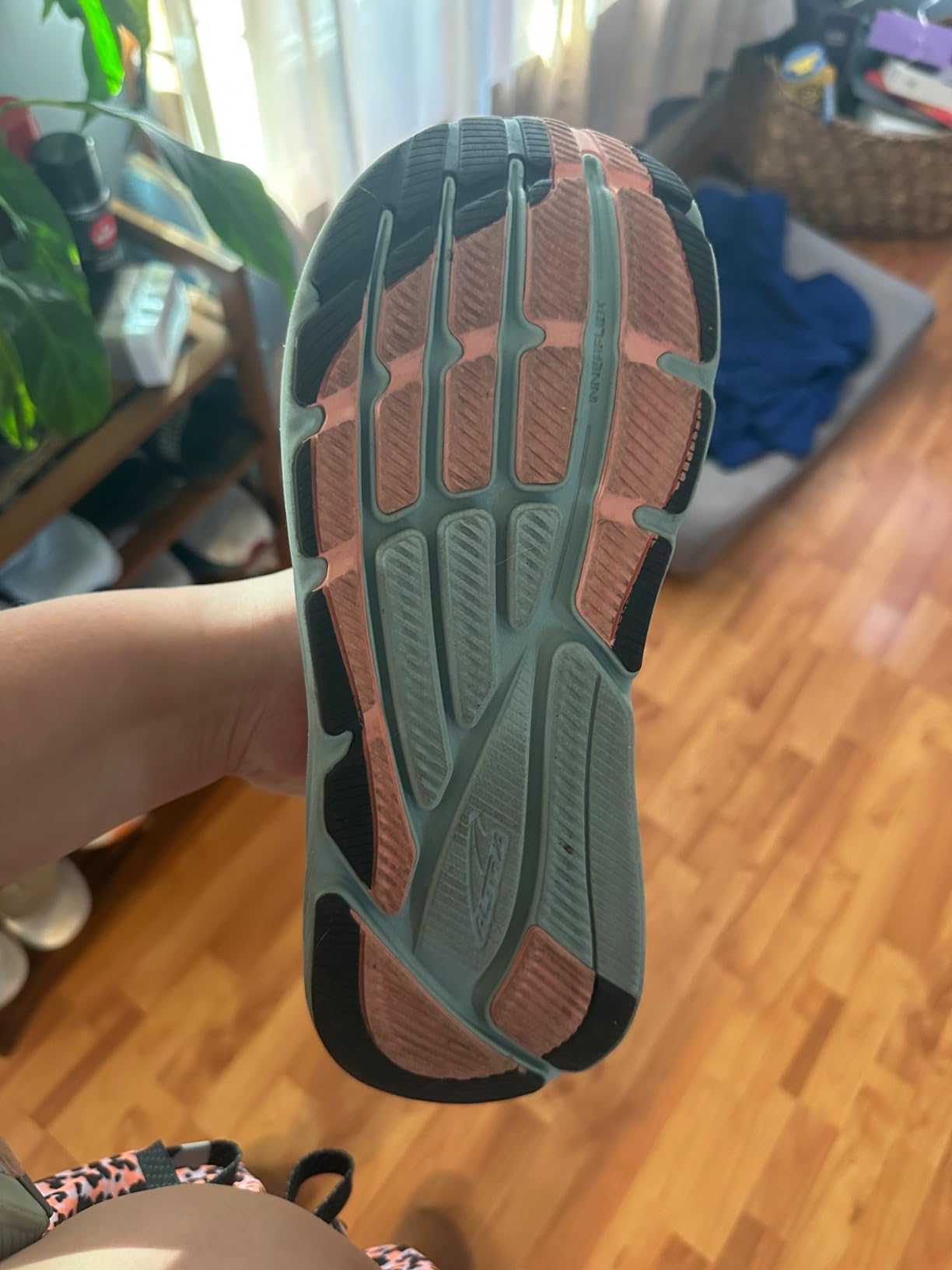
The exposed midsole foam worried me from day one. Large sections of the white EGO MAX foam sit uncovered by rubber in high-wear zones. I’ve watched this foam slowly compress over 200 miles, and it’s the biggest concern I have about long-term durability.
Fit & Sizing: Who This Works For
Order your normal size. I’m a consistent 9 in most brands and the Olympus 2 fits true to length. Thirty-seven RunRepeat users agree on true-to-size, which is rare consensus.
But width is where this shoe makes its statement. That 100.3mm toe box measurement translates to serious room. I can spread my toes fully inside the shoe – something impossible in standard trainers. During 12-hour shifts when feet naturally swell, this extra width prevents the tightness that usually develops by hour 8.
My feet measure standard width, so I have about 6-7mm of clearance on each side at the widest point. For someone with genuine wide feet or conditions like bunions or Morton’s neuroma, this could be the difference between pain and comfort.
The flip side is equally important: narrow feet will swim in these shoes. A colleague tried them on and even sizing down a half size left too much volume. She described them as “walking in slippers that were two sizes too big.” If you have narrow feet, skip this model entirely.
Volume is medium-high throughout. I tested with both thin running socks and thick hiking socks, and both worked without sizing adjustments. The thick socks actually helped secure my heel better during runs.
There’s no break-in period. First mile felt the same as mile 100 in terms of upper comfort. The zero-drop adaptation is a separate issue related to biomechanics, not the shoe needing to “break in.”
Comfort & Cushioning: The Main Event
This is what you’re paying for. The EGO MAX foam delivers immediate, substantial cushioning that I felt from the first step. Lab testing shows it’s 43% softer than the original Via Olympus, and that softer character is apparent.
At 180 pounds, my body weight compresses the foam noticeably but it never bottoms out. Standing still, you sink about 3-4mm into the midsole. Walking or running, the compression increases but maintains support. It’s soft without feeling mushy or unstable.
Comparing to the Hoka Bondi 8 I’ve run 300+ miles in, the Olympus feels firmer and more substantial. The Bondi has a bouncy, trampoline-like quality. The Olympus absorbs impact differently – more grounded, less reactive. Neither is better; they serve different purposes.
During a typical 12-hour nursing shift, I’m on hospital concrete and tile floors for 8-10 of those hours. Previous shifts in standard trainers left my feet aching by hour 6. With the Olympus 2, foot fatigue arrives around hour 9-10 instead. That 3-4 hour delay in pain onset is significant when you work multiple consecutive shifts.
One memorable test was a particularly brutal shift: 12 hours, 22,000 steps according to my fitness tracker, and at least four codes that required sustained standing. My feet were tired at the end, but not painful. The next day, I wore my old work shoes for comparison. By hour 8, my arches were screaming. The difference was undeniable.
For easy-pace running, the cushioning excels between 9:30-10:30 minutes per mile. The foam provides enough energy return to not feel dead but isn’t bouncy enough to propel you forward. It’s a comfortable cruise setting.
Temperature affects the foam. During Houston’s 90-degree summer afternoons, the midsole felt noticeably softer and less responsive. In 50-degree morning runs, it firmed up and felt more stable. This is normal for most foam compounds but worth noting if you run in extreme temperatures.
After six months and 200+ miles, the foam has compressed slightly but maintains most of its original character. There’s less spring-back than mile 1, but it’s still comfortable for all-day wear. This gradual compression is expected. What concerns me is the exposed foam wear, which I’ll address in the durability section.
Zero-Drop Reality: What Adaptation Actually Feels Like
Before the Olympus 2, I’d never worn zero-drop shoes consistently. I came from 8-10mm drop trainers, so my calves and Achilles tendons were adapted to heel lift. The transition was real and required patience.
Week 1 was awareness without pain. My calves felt constantly engaged, like I was standing on my tiptoes even though I wasn’t. Walking felt slightly off-balance. Nothing hurt, but something felt different with every step.
Week 2 brought DOMS-type soreness. Mornings were stiff. Walking downstairs required conscious effort. This was adaptation pain, not injury pain, but it was uncomfortable enough to make me question the experiment.
I followed a gradual protocol: wore the Olympus for 3-4 hours the first week, then 6-8 hours week two, alternating with my traditional drop shoes. By week 3, I could wear them for full 8-hour shifts without next-day soreness.
The turning point came at week 5. I put on my old 10mm drop trainers and they felt bizarre. My heel felt artificially elevated, like wearing dress shoes after weeks in sneakers. That’s when I knew my body had adapted.
At six months, zero-drop feels completely natural. Whether this builds foot strength long-term remains to be seen – I’d need 12-18 months to comment definitively on that claim. What I can confirm is that after adaptation, there’s no discomfort.
My honest recommendation: If you’re coming from traditional drop shoes, plan for 6-8 weeks of gradual transition. Don’t jump into 12-hour shifts or long runs immediately. Start with 2-3 hour sessions and increase slowly. If you develop sharp Achilles pain (not muscle soreness), back off and slow the progression.
Who should attempt this transition? People with healthy Achilles tendons, patience for adaptation, and genuine interest in zero-drop biomechanics. Who should skip it? Anyone with recent Achilles injuries, calf strain history, or training schedules that don’t allow for 6-8 weeks of reduced intensity.
Performance & Ride: Setting Expectations
This is not a fast shoe. At 11.4 ounces and with 35mm of soft foam, physics works against speed. I tested this definitively during week 3: attempted an 8:30 pace for mile 5 of what was supposed to be an easy run. The Olympus felt labored and clunky. My legs worked harder than they should have at that effort level.
The sweet spot is 9:45-10:15 per mile for easy running. At these paces, the cushioning benefits outweigh the weight penalty. You’re protected from impact without feeling like you’re lifting bricks.
The rocker geometry is subtle. Unlike aggressive Hoka rockers that force a forward roll, the Olympus rocker gently encourages it. I didn’t notice it during the first two runs. By run 3, I could feel a slight forward momentum through toe-off, but it’s not pronounced enough to define the ride character.
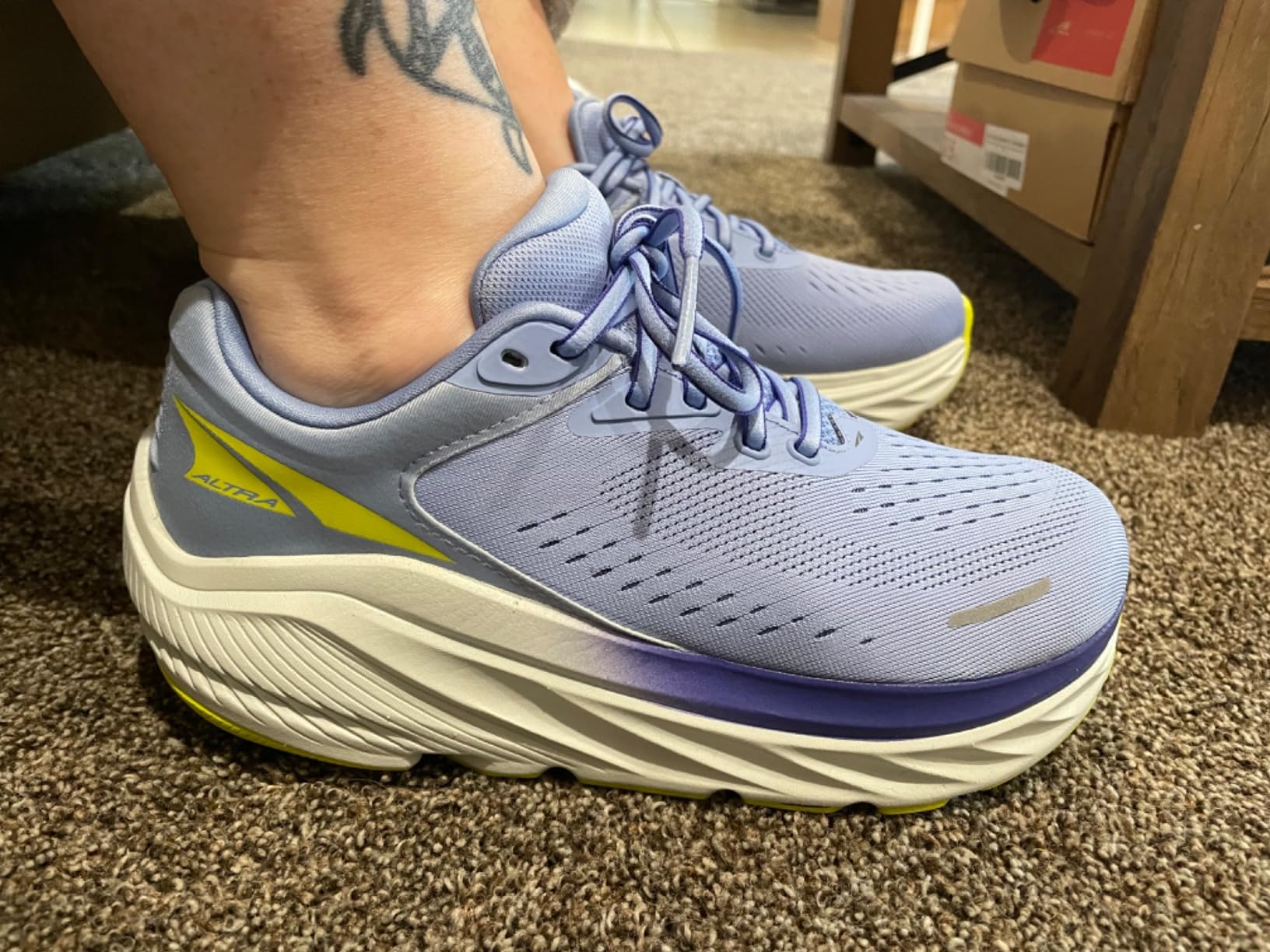
Stability surprised me. Despite sitting high off the ground, the wide base and sidewall design prevent tippy feeling. On uneven hospital floors and sidewalk cracks, I never felt unstable. The zero-drop platform actually helps here – your foot sits flat rather than tilted forward, which improves balance.
Ground feel is minimal. You’re not connecting with the surface through 35mm of foam. This is exactly what you want for impact protection, but it’s worth noting if you prefer feeling the road.
Surfaces tested: primarily hospital concrete and tile (70% of mileage), asphalt roads (25%), and light gravel paths (5%). The shoe excels on hard surfaces. I wouldn’t recommend it for trails – not enough traction, and exposed foam would wear quickly on rocks.
Breathability: Resolving the Controversy
RunRepeat gives this shoe 2 out of 5 stars for breathability. TreelineReview tested it in 90-degree Arizona heat with wool socks and called it “breathable.” I needed to find out which assessment matched reality.
In 60-75 degree weather, the upper breathes adequately. My feet never overheated during easy runs or all-day shifts. No sweat buildup, no discomfort.
In 85-95 degree Houston humidity, it’s a different story. During summer afternoon runs, my feet ran warmer than in my mesh trainers. Not sauna-like, but noticeably warmer. For standing shifts in air-conditioned hospitals, temperature wasn’t an issue even in summer.
My conclusion splits the difference: adequate breathability for moderate climates and indoor use, but not ideal for hot, humid outdoor running. If you live in Phoenix dry heat like TreelineReview, you might be fine. In Houston swamp conditions, you’ll notice the warmth.
Durability Reality: The Exposed Foam Problem
This is the elephant in the room. Large sections of the EGO MAX midsole have zero rubber coverage. The foam sits directly on the ground in high-wear zones, particularly lateral heel and forefoot push-off areas.
At 50 miles, wear was barely visible. At 100 miles, I noticed compression patterns starting in the lateral heel. At 150 miles, the foam showed clear degradation – the texture changed from smooth to slightly crumbly in high-impact zones. At 200 miles currently, I can see about 2mm of compression in the lateral heel and the foam has lost its uniform appearance.
Based on current wear rate, I project 250-300 miles maximum lifespan. FueledByLOLZ estimated the same based on their testing, and I’m seeing nothing that contradicts it.
Comparing to my Hoka Bondi 8 at the same mileage stages: at 200 miles, the Bondi showed minimal visible wear. At 400+ miles, it’s still going strong. The Olympus at 200 miles shows more degradation than the Bondi at 350.
This becomes a value calculation. At $165, if the shoe lasts 250 miles, that’s $0.66 per mile. The Bondi 8 at $165 for 400+ miles equals $0.41 per mile. You’re paying a 60% premium per mile for the zero-drop, wide toe box combination.
Hospital concrete accelerates wear more than asphalt running. My 200 miles include about 140 miles of standing/walking on concrete, which appears harder on the exposed foam than running miles.
Other durability observations: the upper is holding up well with no mesh tears or stitching failures. The heel collar maintains its shape. The insole has compressed slightly but remains comfortable. The rubber-covered sections of the outsole show minimal wear. It’s purely the exposed foam that’s the problem.
Professional Use Cases: Where This Shines
Healthcare workers will appreciate this shoe. During 12-hour shifts, the cushioning prevents the foot fatigue that leads to pain during the last 3-4 hours. The wide toe box accommodates swelling that develops over long shifts. The appearance is professional enough for hospital settings where scrubs are standard.
However, if you work 5-6 consecutive shifts per week, the durability concern becomes more acute. At 40+ hours weekly on concrete, you might wear through these shoes in 3-4 months. Budget accordingly or rotate with another pair.
Retail workers on concrete all day will find similar benefits. The cushioning matters more than weight when you’re standing in place frequently. Just be aware that constant concrete exposure wears the exposed foam faster than mixed surfaces.
Teachers will love these for 6-8 hour days of classroom standing and walking. The cushioning prevents end-of-day foot pain, and the zero-drop may improve posture during long standing periods. Check dress codes – the bulk may look too casual for some formal school settings.
For daily errands, dog walking, or theme park days, these excel. Any activity involving sustained standing or walking benefits from the cushioning without requiring the performance features that the shoe lacks.
Who Should Buy This (And Who Shouldn’t)
Strong Candidates:
- Wide feet or foot conditions: If you have bunions, hammertoes, Morton’s neuroma, or just genuinely wide feet, this toe box is a revelation. The 100.3mm width isn’t marketing exaggeration.
- Healthcare and retail workers: All-day cushioning for concrete floors, with the caveat that durability may limit lifespan for very frequent use.
- Zero-drop curious: Want to try zero-drop without sacrificing cushioning. Be prepared for 6-8 week adaptation period.
- Recovery runners: Easy pace runners who prioritize comfort over speed. Not for tempo work or racing.
- Shoe rotators: Using this as a specialized tool in a rotation extends calendar life even with limited mileage potential.
Should Look Elsewhere:
- Narrow feet: Will feel unstable and sloppy even sizing down. This fit doesn’t work for low-volume feet.
- Speed-focused runners: Too heavy and soft for pace work. Better options exist for tempo and interval training.
- High-mileage runners: If you run 40+ miles weekly, the 250-300 mile lifespan creates poor cost-per-mile value.
- Budget-conscious: $165 for 250 miles is expensive. The Altra Torin 8 offers better value with more durability at $140.
- Recent Achilles injuries: Zero-drop requires healthy tendons. Don’t use this during injury recovery.
Better Alternatives Depending on Needs:
- Want zero-drop with better durability: Altra Torin 8 has 30mm stack, firmer ride, better outsole coverage, $140 price.
- Want max cushion with traditional drop: Hoka Bondi 8 is lighter, bouncier, more durable, 4mm drop, same $165 price.
- Want wide toe box with traditional drop: New Balance Fresh Foam Roav available in wide, proven durability, 4mm drop.
- Want zero-drop less bulk: Altra Escalante lighter, lower stack, more responsive, better durability.
Comparison with Key Alternatives
| Shoe | Drop | Stack | Weight | Durability | Price | Best For |
|---|---|---|---|---|---|---|
| Olympus 2 | 0mm | 35mm | 11.4oz | 250-300mi | $165 | Max cushion zero-drop, wide feet |
| Hoka Bondi 8 | 4mm | 33mm | 9.5oz | 400+mi | $165 | Versatile cushion, durability |
| Altra Torin 8 | 0mm | 30mm | 9.7oz | 350-400mi | $140 | Zero-drop all-arounder, value |
| Topo Ultrafly 5 | 5mm | 30mm | 10.3oz | 350+mi | $140 | Responsive cushion, stability |
| New Balance More v5 | 4mm | 35mm | 10.8oz | 400+mi | $165 | Traditional max cushion |
The Bondi 8 comparison is most common. Similar stack height and price, but the Bondi is lighter, bouncier, more durable, and has 4mm drop. Choose the Bondi if you want speed versatility and long lifespan. Choose the Olympus if zero-drop and wide toe box are non-negotiable.
The Torin 8 is the closest Altra sibling. It’s 3mm less stack, 2 ounces lighter, $25 cheaper, and more durable. The trade-off is less cushioning for all-day standing. If you’re primarily running rather than standing, the Torin is the smarter buy.
Final Verdict
After six months and 200+ miles, I understand both the appeal and limitations of the Altra Via Olympus 2. This shoe occupies a specific niche: maximum cushioning in a zero-drop platform with a genuinely wide toe box. If you need all three of those features, no other shoe delivers them together.
The cushioning performs as advertised. My feet hurt less during long shifts. The zero-drop adaptation was real but manageable. The wide toe box accommodates foot conditions that make standard shoes painful.
But the durability concern is unavoidable. At 200 miles, I’m seeing wear patterns that suggest these won’t reach 300 miles. For $165, that’s expensive per mile compared to alternatives.
My personal assessment: For my use case as a healthcare worker prioritizing comfort over longevity, the Olympus 2 is worth it despite the durability trade-off. My feet feel better during and after shifts. That daily comfort justifies the cost.
However, if I were running 40+ miles per week, I’d choose the Torin 8 or Bondi 8 instead. The Olympus works as a specialized tool, not a high-mileage workhorse.
Rating: 7.5/10 for target audience (healthcare workers, wide feet, comfort priority)
Rating: 6/10 overall (durability concerns, limited speed capability)
Would I buy again? Yes, for work shifts. No, as my primary running shoe.
The Via Olympus 2 isn’t perfect, but for its intended purpose – all-day standing comfort in a zero-drop wide platform – it delivers better than alternatives. Just understand the durability trade-off you’re accepting at purchase.
Frequently Asked Questions
Is this truly zero-drop?
Yes. RunRepeat lab measured -0.2mm, which is essentially zero. My calves confirmed it during the adaptation period. This is authentic zero-drop geometry that affects biomechanics.
How does cushioning compare to Hoka Bondi?
Similar stack height (33-35mm) but different feel. Bondi is softer and bouncier, more trampoline-like. Olympus is firmer and more substantial, more grounded. The Bondi also lasts longer (400+ miles vs 250-300 miles) and weighs less (9.5oz vs 11.4oz). Choose Bondi for versatility and durability, Olympus for zero-drop and wide toe box.
Will this work if I’m new to zero-drop?
Yes, but plan for 6-8 weeks of adaptation. Start with 2-3 hour sessions alternating with your regular shoes. Gradually increase duration. Expect calf and Achilles awareness for the first 2-3 weeks. Don’t jump straight into 12-hour shifts or long runs. If you develop sharp pain (not soreness), back off and slow the progression.
Is it good for wide feet?
Extremely good. The 100.3mm toe box is genuinely accommodating, not just marketing talk. If you have bunions, hammertoes, or Morton’s neuroma, this width prevents the compression that causes pain in standard shoes. However, if you have narrow feet, avoid this entirely – even sizing down won’t help the excessive volume.
How’s the durability?
Concerning. The exposed midsole foam in high-wear zones shows visible degradation by 150-200 miles. I project 250-300 mile maximum lifespan based on current wear rate. At $165, that’s $0.66 per mile versus competitors lasting 400+ miles at $0.41 per mile. Hospital concrete accelerates wear faster than asphalt running.
Does it breathe well?
Depends on climate. In 60-75 degree weather, breathability is adequate. In 85-95 degree humid conditions, feet run warmer than in more breathable trainers. For indoor work in air conditioning, no issues. For hot weather outdoor running in humid climates, you’ll notice warmth. Dry heat climates fare better.
Can I use this for speed work?
No. At 11.4 ounces with soft 35mm foam, this shoe feels labored under 9:00 per mile pace. Sweet spot is 9:30-10:30 per mile easy running. For tempo work, intervals, or racing, you need something lighter and more responsive. This is a comfort specialist, not a speed tool.
How stable is it for a neutral shoe?
Surprisingly stable despite the high stack. The wide base and sidewall design prevent tippy feeling. “Stable neutral” designation makes sense – it provides stability through platform geometry rather than posted medial support. Even on uneven surfaces, I never felt unstable.
Is it worth $165?
Depends entirely on your priorities. Comfort per wear is excellent. Cost per mile is poor due to durability limitations. Worth it if you prioritize daily foot comfort over longevity, can rotate multiple pairs to extend calendar life, or have foot conditions that make this width necessary. Not worth it if you run high weekly mileage, need durability ROI, or prioritize speed capability.
Can I wear it all day at work?
Yes, this is where the shoe shines. 8-12 hour standing shifts on concrete are exactly what the cushioning targets. Foot fatigue is delayed by 3-4 hours compared to standard trainers in my testing. Healthcare workers, retail employees, and teachers benefit most. Just be aware that constant concrete exposure wears the exposed foam faster than mixed surfaces.
How long to break in?
The shoe itself needs zero break-in. Comfortable from mile 1. However, zero-drop adaptation is separate – that’s your body adjusting, not the shoe. Plan 6-8 weeks for full biomechanical adaptation if you’re coming from traditional drop shoes.
Should I size up for thick socks?
No. True to size works with both thin and thick socks. The medium-high volume accommodates sock variations without sizing adjustments. I tested with thin running socks and thick hiking socks – both fit the same size without tightness.
Be the first to review “ALTRA Women’s VIA Olympus 2 Road Running Shoe”
Related products
Running Shoes
Running Shoes

Running Shoes
Hiking/Trekking Shoes
Running Shoes
Running Shoes
Running Shoes
Running Shoes
Reviews
There are no reviews yet.