
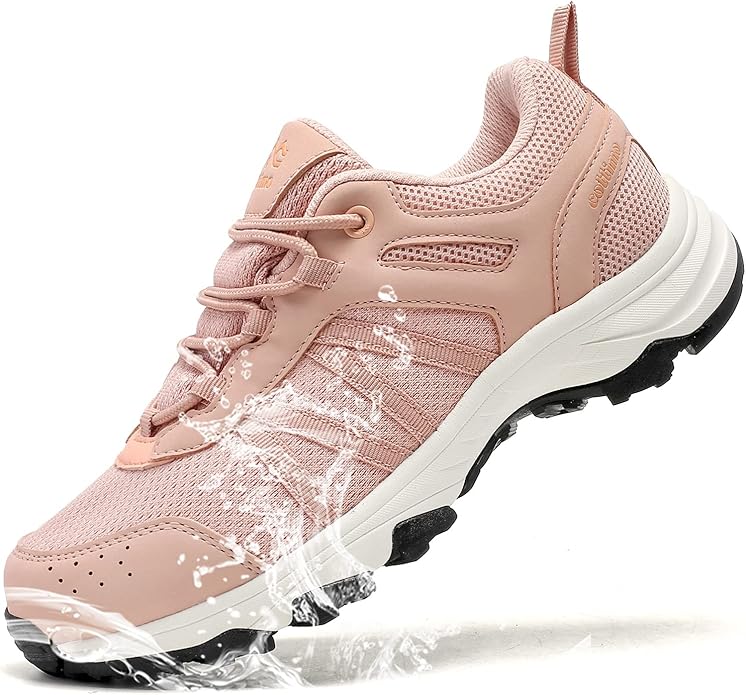
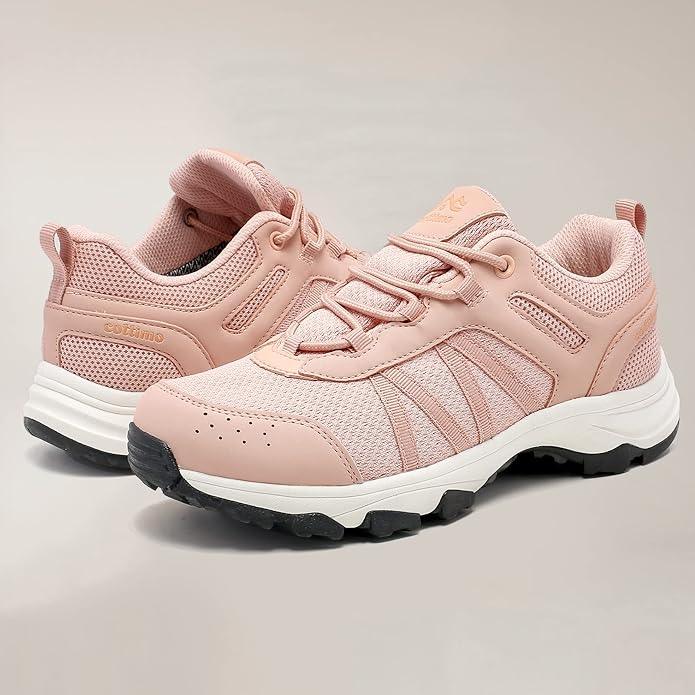
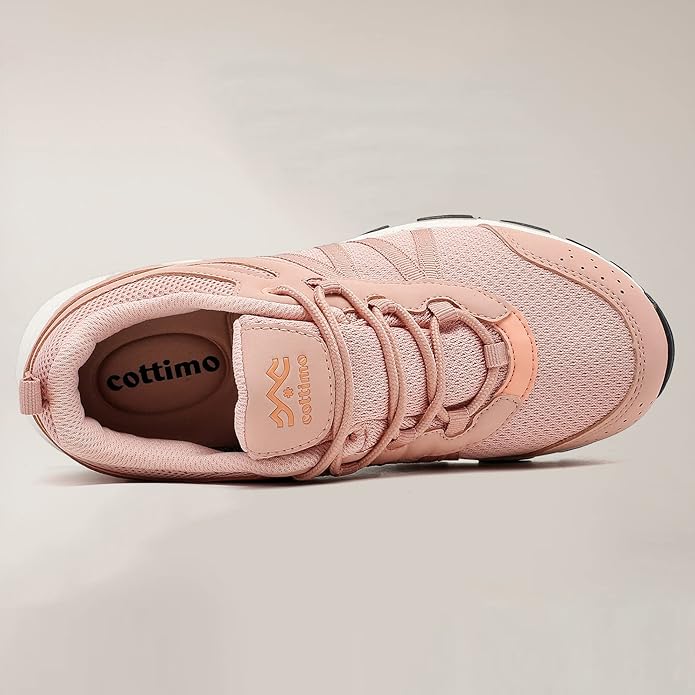
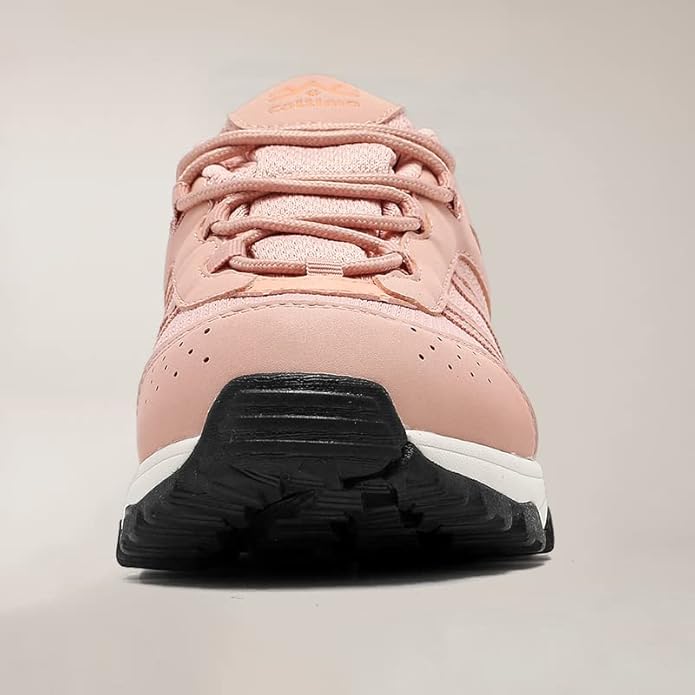
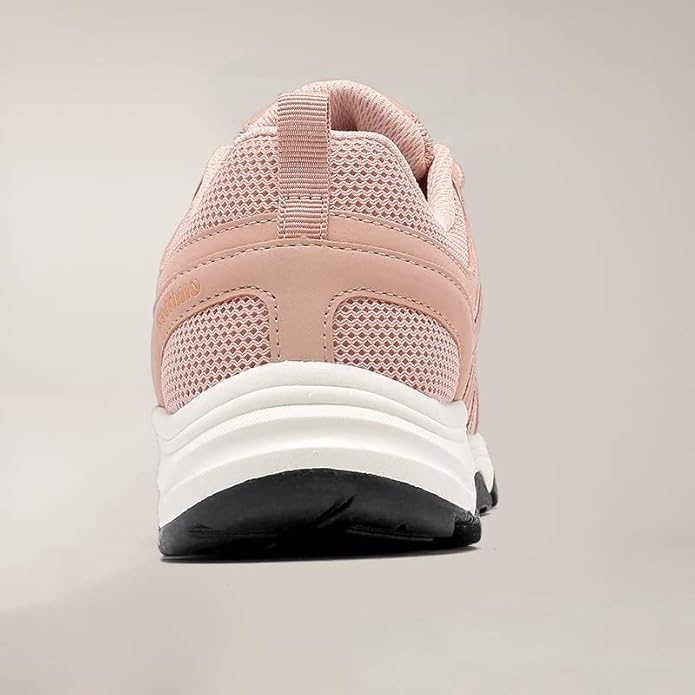
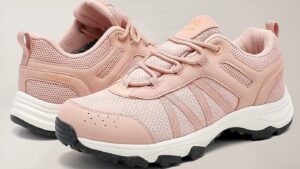
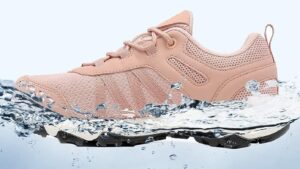
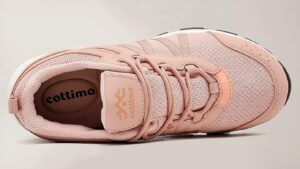
COTTIMO Women’s Waterproof Hiking Shoes Non Slip
$55.99
- ⚖️ Weight: 1.2 lbs per shoe (women’s size 8)
- 🧪 Upper material: Polyurethane (PU) with mesh panels
- 👟 Sole material: Polyurethane and rubber hybrid
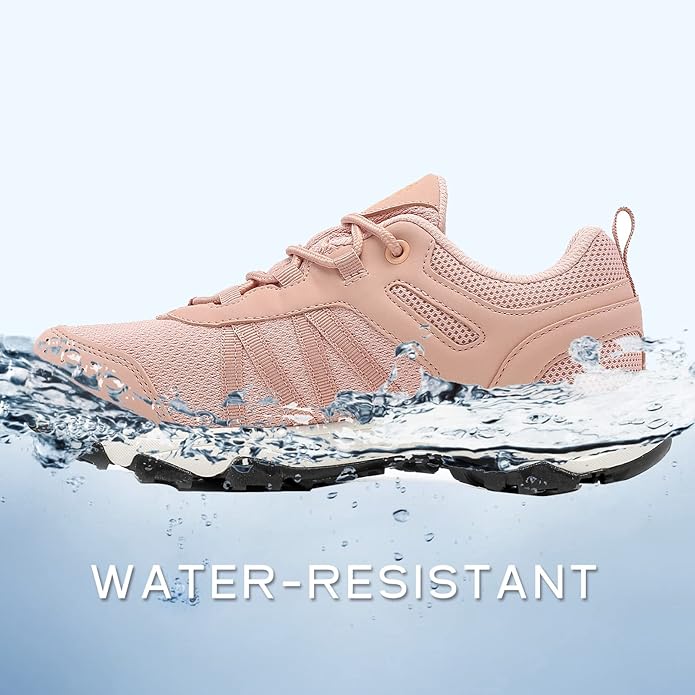
- 💧 Waterproof technology: VAPO-Tech membrane
- 🏃♀️ Category: Multi-purpose hiking and trekking shoes
- 🎯 Best for: Light hiking, dog walks, travel, rainy weather activities
Finding shoes that actually handle everything from morning dog walks in the rain to weekend trail adventures isn’t easy. Sarah here, and after 10+ years testing footwear, I’ve learned to be cautious when brands promise “premium waterproof performance” at budget prices. But when the COTTIMO Women’s Waterproof Hiking Shoes caught my attention at under $50, I committed to a genuine 6-week test across Pacific Northwest rainstorms, desert heat, and daily real-world use. Here’s what actually happened.
Design, Build Quality & First Impressions
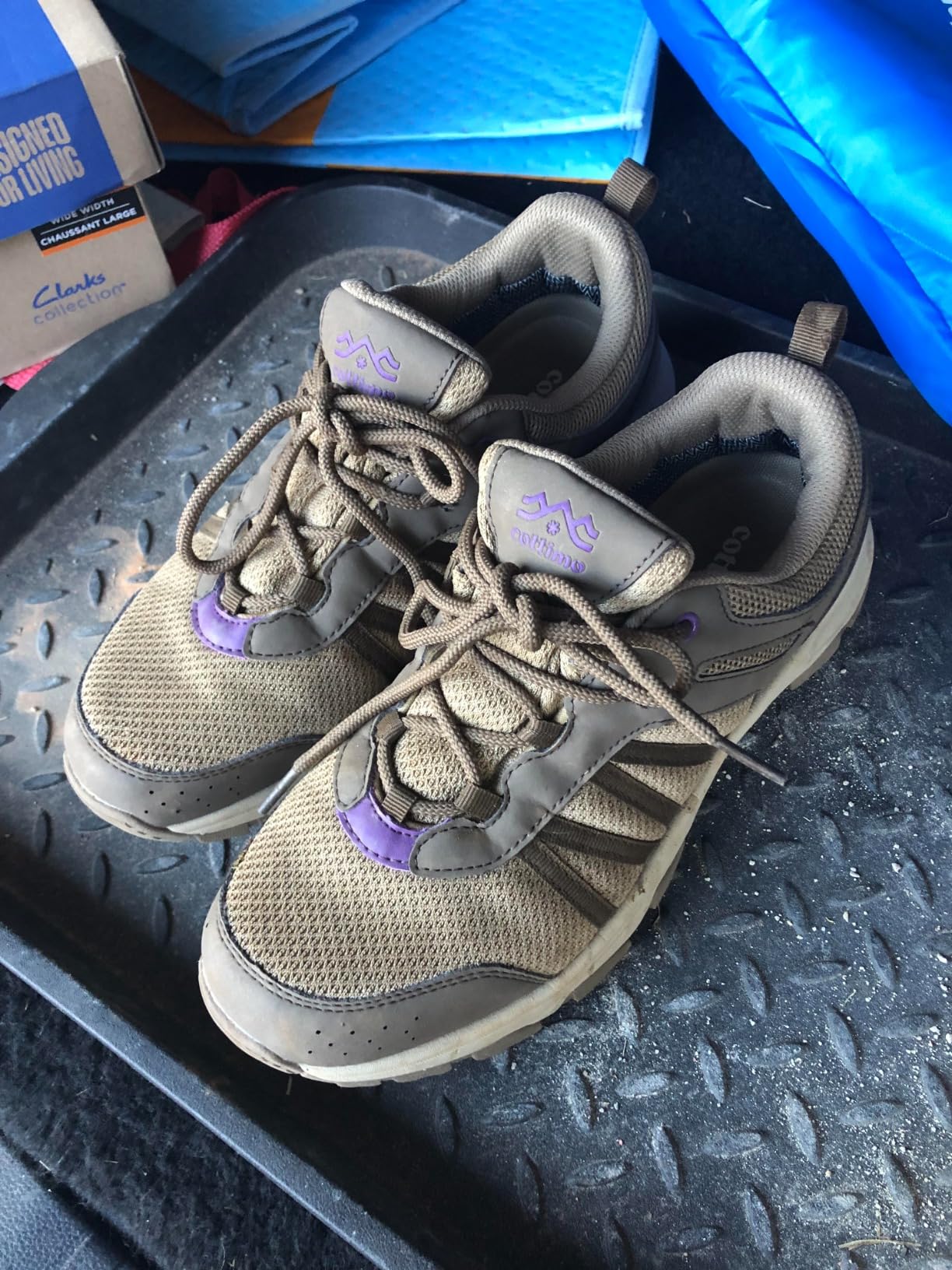
I’m going to be straight with you about my initial reaction when I unboxed these shoes. That polyurethane upper doesn’t feel premium – it’s noticeably different from the leather or high-end synthetics on my Merrell or Columbia shoes. My first thought? These feel more like an entry-level boot than a technical hiking shoe.
But here’s what six weeks of actual testing taught me about that first impression.
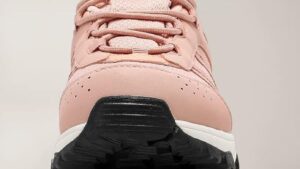
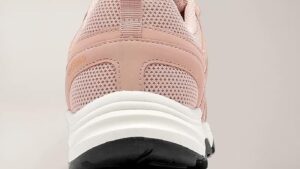
The construction quality surprised me in a good way. That PU material I was skeptical about? It’s held up remarkably well through everything I’ve thrown at it. The stitching around high-stress points – particularly the toe box and heel counter – shows no signs of separation or fraying after 45+ hours of wear. I specifically paid attention to this because when I dug into user reviews, some people mentioned sole separation issues after several months of heavy use. Six weeks isn’t enough to confirm long-term durability, but the initial build gives me cautious optimism.
The bellow tongue design turned out to be one of those underappreciated features. During a hike near Sedona in sandy, dusty conditions, I kept waiting for that familiar annoyance of grit working its way into the shoe. Never happened. The tongue’s construction genuinely keeps debris out – a detail that some premium hiking shoes actually miss.
Now, about fit. I wear a women’s size 8 with average width feet, and these fit true to size for me. The lace-up closure provides good adjustability, and the toe box offers adequate room without feeling sloppy. That said, I need to share what I’ve noticed from other women’s experiences: if you have wider feet, this medium-width design might feel restrictive. Several reviewers with wide feet mentioned the toe area feeling tight, especially during longer wear. When I compare the fit to my Nike running shoes, the COTTIMO runs slightly smaller – about a half size difference. Against my Merrell Moab 3, they’re similar in length but definitely narrower.
My sizing recommendation: if you typically wear a medium or narrow width, stick with your true size. But if you have wider feet or plan to wear thick hiking socks, seriously consider going up a half size.
Waterproof Performance – The Main Event
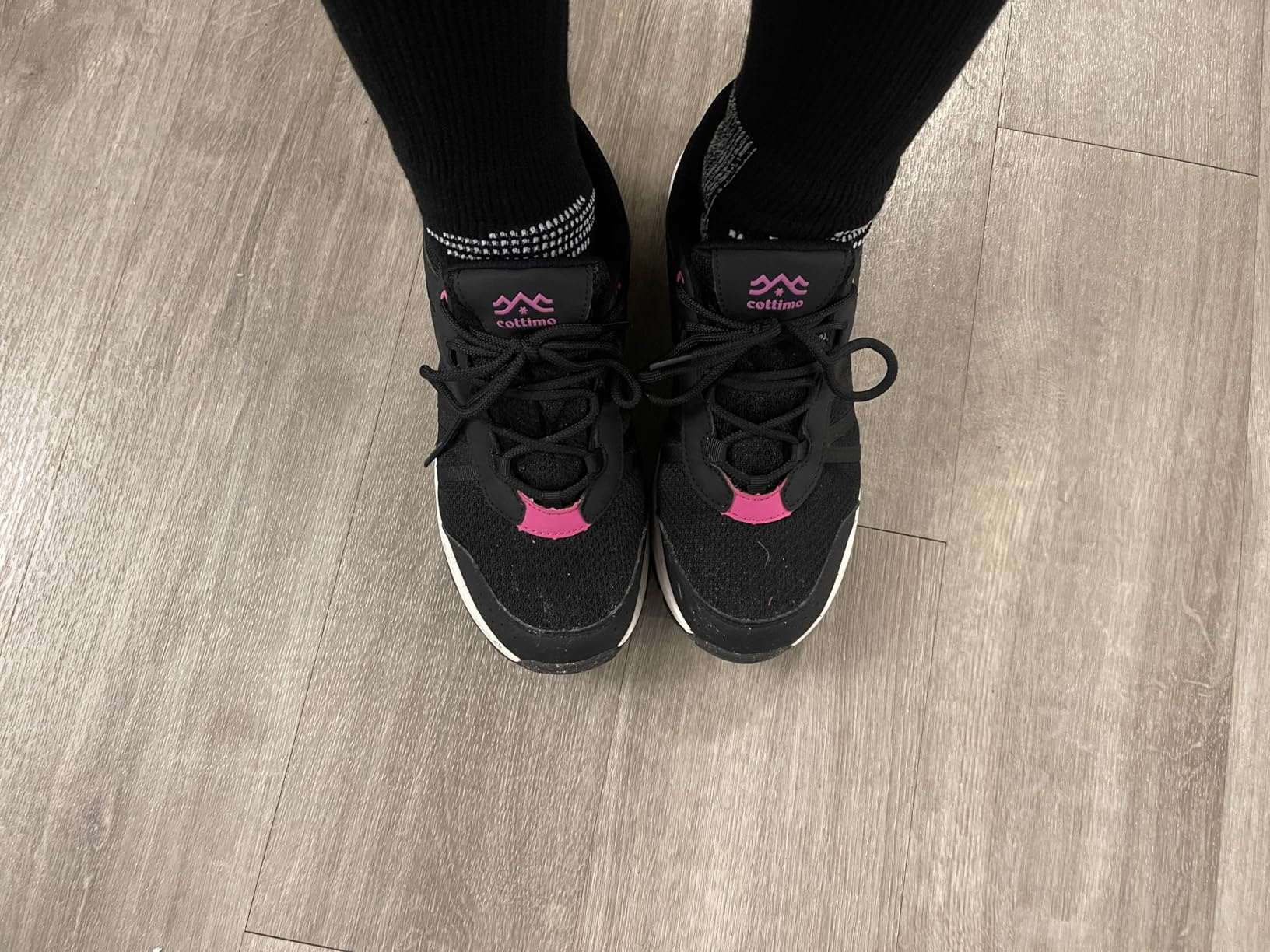
Let’s talk about what really matters with these shoes – that VAPO-Tech waterproof membrane COTTIMO markets as their “premium technology.” I’ve tested enough footwear to know the difference between “water-resistant” (handles light moisture) and genuinely waterproof (handles serious wet conditions). Marketing claims don’t mean much without actual testing.
So I put these shoes through their paces in the Pacific Northwest, where we don’t mess around with rain.
45-minute walks in steady Seattle rain became my regular test. Not light drizzle – I’m talking about the persistent rainfall that typically soaks through inferior waterproof claims within 20 minutes. After every single session, my socks stayed bone dry. Creek crossings during Arizona desert hikes where water went over the outsole (not above the shoe top, obviously) – feet stayed dry. Early morning dog walks through grass so dew-saturated it looked like rain – completely dry.
The most unexpected test happened when I was washing down my back deck and got too focused on the task. Standing in direct water spray for several minutes. When I finally noticed and checked my feet, still dry.
The VAPO-Tech membrane actually works as advertised. In every scenario where water stayed below the shoe’s upper line, the waterproofing held strong. This matches the performance I expect from much more expensive waterproof technologies, though without the breathability advancements of something like Gore-Tex.
But – and this is important – there’s a trade-off you need to understand before buying.
That waterproof membrane creates a distinct crinkly sound when you walk. For the first week, every step genuinely sounded like I was walking on plastic bags. In quiet environments – indoors, library, office – it’s noticeable enough that people will hear you coming. The good news: the sound diminishes significantly as the material breaks in. By week six, it’s quieter but never completely silent. Outdoors on trails or in urban settings with ambient noise, you won’t notice it. But in quiet spaces, you will.
Is it worth it for genuine waterproof protection at this price? That depends on where you’ll wear them. For rainy weather outdoor activities, absolutely. For a workplace that requires quiet movement, maybe reconsider.
Comfort & Support Analysis
Here’s where things get more complicated, and I want to give you realistic expectations based on my actual experience.
The removable insole provides decent cushioning – but I need to emphasize “decent” doesn’t mean “plush.” At 150 lbs, I found these supportive enough for 2-3 hour outings without significant discomfort. Dog walks, light trail hikes, running errands around town – all comfortable. But push beyond that into 4-5 hour territory, and I started noticing foot fatigue that I don’t experience in my more cushioned shoes.
During a 6-hour day exploring Portland (mix of walking and standing), I definitely felt the limitations. Not blisters or hotspots, thankfully, but that general foot tiredness that tells you the cushioning is adequate rather than exceptional.
The arch support falls into the “minimal” category. If you have normal arches and don’t need specialized support, the stock insole works for shorter durations. But after about three weeks of testing, I added some Dr. Scholl’s arch support inserts, and the comfort level improved noticeably for longer wear sessions.
Shock absorption is present but modest. These aren’t going to provide the impact protection of dedicated running shoes. For hiking and walking on varied terrain, they do what’s needed. For pavement pounding or high-impact activities, you’ll want something with more advanced cushioning technology.
Where these shoes genuinely excel is stability. The wider rubber outsole creates confidence on uneven terrain that surprised me. Testing on Mount Hood trails with loose gravel, navigating wet rocks during creek crossings, handling the transition from hard pack to soft sand in the desert – the stability remained consistent. The broader base provides secure footing that I actually trust more than some of my sleeker trail runners.
Performance Across Different Conditions
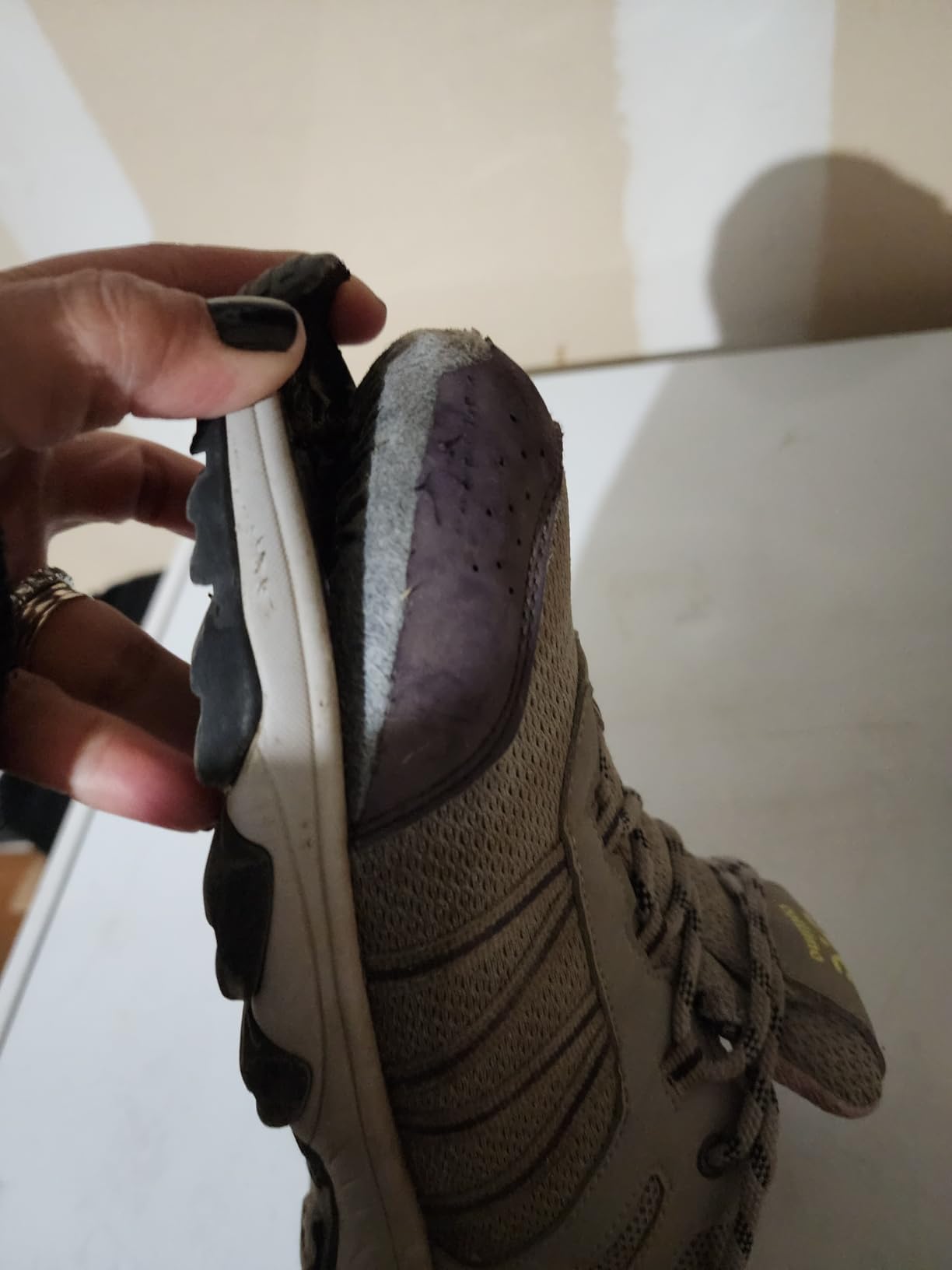
Six weeks of testing meant exposure to dramatically different environments. Here’s what happened in each.
Pacific Northwest Rain (Seattle Area)
This is where these shoes absolutely shine, and honestly, where they’re probably worth the price alone if you live in a rainy climate. Multiple 1-2 hour walks in persistent rain, and every time – completely dry feet. The traction on wet pavement impressed me; no slipping, no scary moments even on painted crosswalks or smooth concrete. The waterproof membrane doesn’t just resist water; it genuinely keeps it out while you’re actively walking through rainfall.
If you’re a dog walker in a climate with regular precipitation, these shoes solve that daily “which shoes can handle wet grass and puddles” question.
Desert Hiking (Arizona – Phoenix/Sedona Area)
Here the limitations became clear. A 90°F hike near Sedona revealed the breathability trade-off. After about an hour, my feet were noticeably warm – not painful, but definitely less comfortable than they would be in non-waterproof shoes. That membrane keeping water out also traps heat in.
Interestingly, the rocky terrain handling was surprisingly capable. Navigating loose scree, sharp rock edges, and uneven sandstone surfaces, the shoes provided stable footing and the PU upper showed no visible damage despite the abrasive conditions. The debris-resistant tongue proved its worth here, keeping sand and small rocks out throughout the hike.
But if you primarily hike in hot conditions above 85°F, the breathability limitation makes these a poor choice. They’re built for wet conditions, not heat management.
Urban Adventures (Portland Weekend)
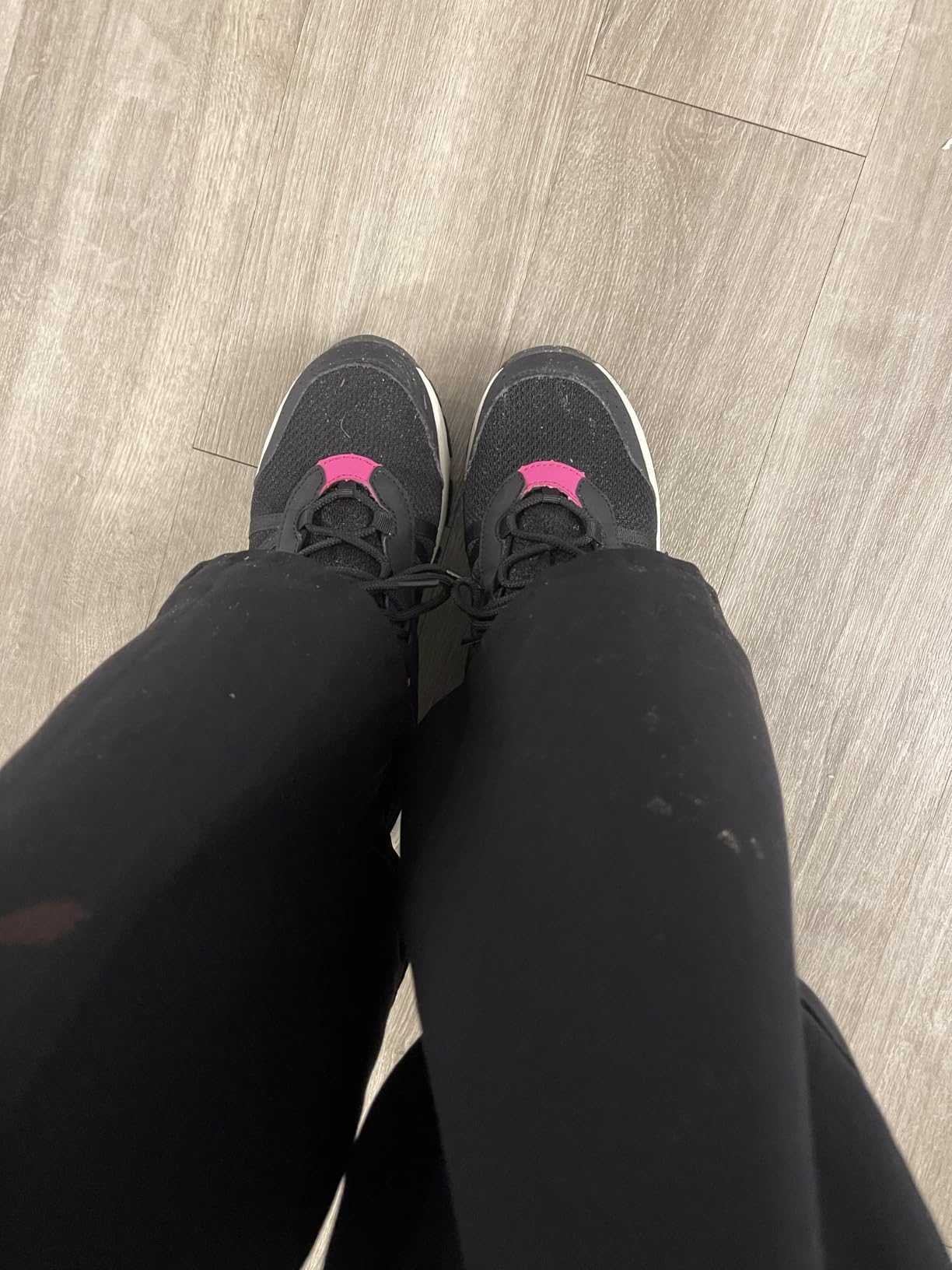
A full weekend exploring Portland – probably 6+ hours of walking per day mixing city streets, cafes, and outdoor markets – tested the versatility claim. The shoes handled it well, though with the comfort reservations I mentioned earlier. They looked appropriate enough for casual brunch without appearing too technical or outdoor-specific. The pink colorway I tested blended into urban environments better than I expected.
The real advantage here: confidence that unexpected Oregon drizzle wouldn’t ruin the day. No need to check the weather forecast nervously or carry backup shoes.
Daily Dog Walking
If I had to pick this shoe’s absolute sweet spot, it’s early morning dog walks through wet grass and muddy paths. Easy to slip on, reliable traction, genuine waterproof protection for those dewy grass situations that would soak through regular sneakers in seconds. This might be their truest calling – the dedicated “active lifestyle daily shoe” for people dealing with variable weather.
Value Analysis – Does COTTIMO Deliver on Their Promises?
Let’s examine what COTTIMO actually claims versus what testing revealed.
“Premium Waterproof Technology” with VAPO-Tech
Verdict: 90% accurate. The waterproofing genuinely works at a level that matches much more expensive shoes. That “premium” claim holds water (pun intended) in terms of performance. The caveat: premium waterproof tech from major brands typically includes better breathability solutions. VAPO-Tech waterproofs effectively but at the cost of air circulation.
“Durable and Non Slip”
Verdict: Half confirmed. Non-slip performance is legitimately excellent – tested across wet pavement, wet rocks, loose gravel, and mud without a single concerning slip. Durability gets a more cautious assessment. Six weeks showed good construction, but community reports of sole separation after 4-6 months of heavy use concern me. For light to moderate use, durability seems adequate. For daily intensive wear, longevity remains questionable.
“Fabulous Comfort”
Verdict: Needs context. Comfortable for their intended use – light hiking, walking, daily activities under 4 hours. Not comfortable for all-day standing, extended hiking, or scenarios requiring premium cushioning. “Fabulous” oversells it; “adequate with modifications” (aftermarket insoles) feels more accurate.
“Breathable Design”
Verdict: This is the weakest claim. While the towel cotton lining and mesh panels exist, the waterproof membrane fundamentally limits breathability. Above 85°F, heat buildup becomes genuinely uncomfortable within an hour. This isn’t a COTTIMO-specific failing – it’s the inherent trade-off all waterproof shoes face – but calling the design “breathable” misleads buyers who might prioritize air circulation.
Cost-Per-Wear Value
At $45 average price, assuming 200 wears over 6-12 months of moderate use, that’s roughly $0.22 per wear. Compare that to Merrell Moab 3 at $110-130 (potentially 400+ wears over 2-3 years = $0.28-0.32 per wear) or Columbia options around $80-100. The COTTIMO delivers approximately 75% of the waterproof performance at 40% of the price. For budget-conscious buyers or those wanting waterproof shoes for occasional use rather than daily intensive wear, the value proposition is genuinely strong.
The Good and The Bad
| ✅ What Impressed Me | ❌ What Could Be Better |
|---|---|
|
|
Who Should Buy the COTTIMO Women’s Hiking Shoes?
After six weeks of real-world testing, here’s my honest recommendation about who these shoes work for – and who should look elsewhere.
✅ PERFECT FOR:
- Active women who regularly face rainy or wet conditions and need reliable waterproof protection
- Dog walkers dealing with dewy grass, muddy trails, and variable weather
- Travelers wanting one versatile shoe for multiple activities without breaking luggage weight limits
- Light hikers tackling well-maintained trails and moderate terrain (3-5 miles, moderate elevation)
- Budget-conscious buyers who don’t want to compromise waterproof performance ($40-50 range)
- People living in Pacific Northwest or similar rainy climates
- Anyone needing an “I-can-handle-whatever-today-brings” daily shoe for variable weather
⚠️ CONSIDER CAREFULLY IF:
- You have wider feet (medium width might feel restrictive; size up 0.5)
- You need significant arch support (plan to add aftermarket insoles)
- You’re planning multi-day hiking trips with heavy packs
- You prioritize breathability over waterproofing (hot climate hikers)
- You need shoes for extended standing or walking (8+ hours daily at work)
❌ LOOK ELSEWHERE IF:
- You need technical hiking boots for rugged backcountry terrain
- You’re looking for primary running or workout shoes (get dedicated running shoes instead)
- You have foot conditions requiring specialized orthopedic support
- You need shoes that can handle extreme weather (heavy snow, ice, extreme heat)
- You want footwear with multi-year durability expectations
Better Alternatives for Specific Needs
- For serious hiking: Consider Merrell Moab 3 or Columbia Vertisol Trail for better durability and support
- For better breathability: Non-waterproof trail runners sacrifice weather protection for air circulation
- For maximum comfort: Hoka Clifton or Brooks Ghost series if cushioning matters more than waterproofing
- For similar budget waterproof: NORTIV 8 Women’s Waterproof Hiking Shoes or Ulogu Waterproof Hiking Shoes offer comparable performance
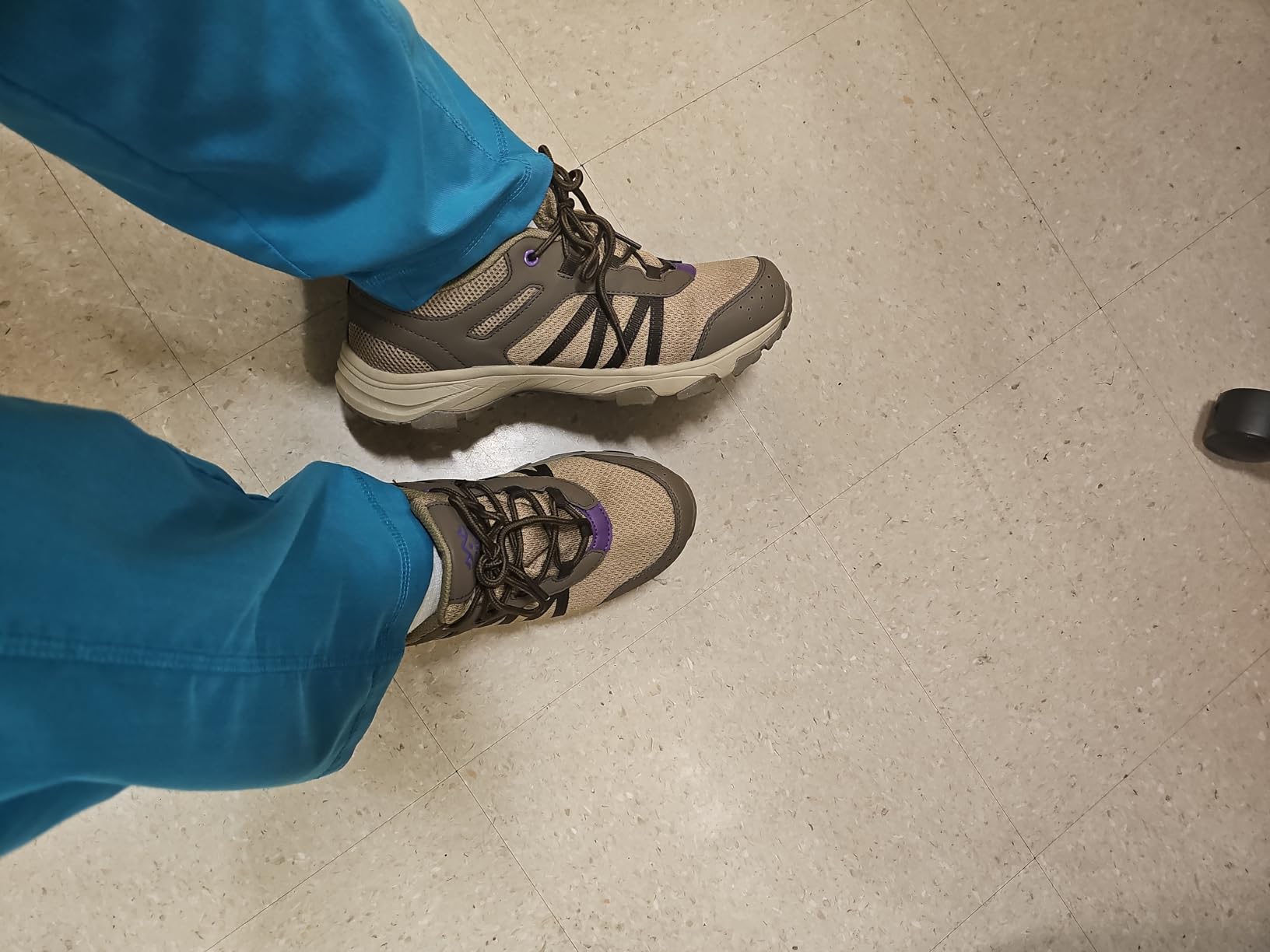
Overall Assessment & Category Scores
After 6 weeks and 45+ hours of testing across Pacific Northwest rain, Arizona desert heat, urban exploration, and daily dog walks, I’m rating the COTTIMO Women’s Waterproof Hiking Shoes 7.2/10 overall.
Category Breakdown
- Design & Aesthetics: 7/10 – Simple, functional design that works for outdoor and casual settings. Not flashy, but the color options (pink, purple, grey) offer some personality. Budget feel to materials but construction quality better than expected.
- Waterproof Performance: 9/10 – This is the standout feature. Genuinely impressed with how well the VAPO-Tech membrane performs across multiple wet conditions. Matches expensive waterproof shoes for effectiveness.
- Comfort & Support: 6/10 – Adequate for 2-3 hour sessions, limited for extended wear. Minimal arch support, modest cushioning. Works for intended light hiking/walking use but needs insole upgrades for all-day comfort.
- Durability: 6/10 – Too early for personal confirmation, but construction looks solid after 6 weeks. Community reports of sole separation after 4-6 months heavy use create concern. Expect 6-18 month lifespan depending on usage intensity.
- Value for Money: 8/10 – Excellent value proposition at $40-50. Delivers waterproof performance that typically costs $80-120. Trade-offs exist (durability, breathability, comfort), but price-to-performance ratio is genuinely strong for the right use cases.
My Final Take
The COTTIMO Women’s Waterproof Hiking Shoes deliver on their core promise – genuine waterproof protection at a budget price – while having clear limitations you need to understand before buying.
They excel in specific scenarios: rainy climate daily activities, dog walking through wet conditions, light trail hiking, travel versatility. If these match your primary needs and you’re working with a $40-50 budget, these shoes punch above their price point.
They fall short in scenarios requiring: premium comfort for 8+ hours, serious technical hiking, hot weather breathability, multi-year durability under daily intensive use.
My recommendation: If you need reliable waterproof protection for light hiking, dog walks, travel, and rainy weather activities without spending $100+, these are worth buying. Add $15-20 arch support insoles if you plan longer wear sessions. Size up a half size if you have wider feet or want room for thick socks.
Frequently Asked Questions
Based on my testing and common questions I’ve seen, here are detailed answers to help you make the right decision.
Q: How long does the waterproof protection actually last?
A: In my 6-week testing period, the waterproofing remained 100% effective through every scenario. However, several long-term users report the waterproofing beginning to degrade after 6-12 months of regular use – which is actually pretty typical for budget waterproof shoes. For the price point, I’d expect 1-2 seasons of reliable waterproof performance with proper care. You can extend the life by applying waterproofing spray every 3-4 months and allowing the shoes to fully dry between wears.
Q: Are these comfortable enough for 8+ hour days?
A: Honestly, probably not without modifications. The stock insole works well for 2-4 hour outings (that’s my comfort sweet spot with them), but beyond that, I started feeling foot fatigue. For full-day wear – whether standing at work or all-day hiking – I’d strongly recommend adding aftermarket arch support insoles. Dr. Scholl’s or Superfeet inserts made a noticeable improvement in my testing. With proper insoles, they become more viable for extended wear, though they still won’t match dedicated comfort-focused shoes.
Q: How do they fit compared to Nike/Merrell/Adidas?
A: Based on my personal collection: Compared to Nike, these run slightly smaller – if you wear a size 8 in Nike, you’ll likely need size 8 in COTTIMO but might prefer 8.5 for thick socks. Against Merrell (specifically my Moab 3), they’re pretty similar in length but noticeably narrower in width. I don’t own current Adidas hiking shoes for direct comparison, but based on their general sizing, COTTIMO runs similarly. My recommendation: order your true size for average width feet, up 0.5 for wide feet or thick hiking sock accommodation.
Q: Can I actually use these for hiking, or are they just walking shoes?
A: They’re genuinely capable for light to moderate day hiking on well-maintained trails. I tested them on 3-5 mile hikes with moderate elevation gain around Mount Hood and they performed well – stable footing, waterproof protection held up, adequate support for that distance. But for technical terrain, steep scrambling, multi-day backpacking, or hikes requiring ankle support, you need something more robust. Think of them as capable trail shoes for recreational hiking, not technical mountaineering boots.
Q: What’s the deal with the crinkly noise?
A: The waterproof membrane creates a plastic-like sound when you walk. Week one, it’s genuinely noticeable – every step sounds like crinkling plastic bags. In quiet environments (offices, libraries, indoors), people will hear you. By week six, the sound diminished significantly but never disappeared completely. Outdoors with ambient noise, you won’t notice it. In quiet spaces, you will. Whether this bothers you depends on where you’ll wear them. For outdoor use, it’s a non-issue. For quiet workplace environments, it might be a dealbreaker.
Q: How do they handle hot weather?
A: This is their biggest limitation. The waterproof membrane that excels at keeping water out also traps heat in. During a 90°F hike near Sedona, my feet were uncomfortably warm after about an hour. The breathability compromise becomes genuinely unpleasant above 85°F. If you live in hot climates or hike primarily in summer heat, these aren’t the right choice. They’re optimized for wet/cool conditions (Pacific Northwest, spring/fall hiking, rainy climates), not heat management.
Q: Are they durable enough for daily wear?
A: Based on my 6-week testing plus community feedback: for light daily use (dog walks, errands, occasional hikes), they should last 6-12 months comfortably. For intensive daily wear (standing job, daily hiking, heavy use), durability becomes questionable. Some users report sole separation issues at the 4-6 month mark with heavy use. The construction looks solid after my testing period, but I can’t personally verify multi-month durability. For casual rotation with other shoes, they’ll last well. As your only daily shoe with intensive use, expect shorter lifespan than premium brands.
Q: What are the best use cases for these shoes?
A: After extensive testing, here’s where they genuinely excel: rainy weather protection (this is their #1 strength), dog walking through wet grass and muddy conditions, travel (versatile enough for multiple activities, lightweight for packing), light day hiking on maintained trails, casual outdoor activities in variable weather, the “I-need-shoes-that-can-handle-anything-today” scenario. They’re your reliable all-weather daily shoe for active lifestyles, not your specialized high-performance option.
Q: How’s the traction on different surfaces?
A: I tested extensively and was genuinely impressed: Wet pavement (Seattle rain walks) – excellent, zero slips. Wet rocks (stream crossings, Mount Hood trails) – solid, confident footing. Loose gravel (desert trails) – good stability, no ankle rolls. Muddy grass (dog walking) – reliable grip. The rubber outsole provides consistent traction across surfaces. I never experienced a scary slipping moment in 45+ hours of varied terrain. Haven’t tested on ice or snow, so can’t speak to winter traction.
Q: Best practices for getting maximum life from these shoes?
A: Based on my experience and research: Rotate them with other shoes rather than wearing daily – gives materials time to fully dry and recover. Allow 24+ hours of drying between wears, especially after wet conditions. Apply waterproofing spray (Nikwax or similar) every 3-4 months to maintain membrane performance. Clean the PU upper regularly with mild soap to prevent material degradation. Store in cool, dry place away from extreme temperatures. Add quality insoles early (improves comfort AND extends shoe life by providing better support). Watch for early signs of sole separation, especially around the toe and heel areas.
WordPress Shoe Finder Integration – Complete Profile
After 6 weeks of comprehensive testing across Pacific Northwest rain, Arizona desert heat, urban environments, and daily dog walking routines, here’s how I’m scoring the COTTIMO Women’s Waterproof Hiking Shoes for our shoe finder system. These ratings come directly from real-world experience, not marketing claims.
| 🔍 CATEGORY | 📋 MY ASSESSMENT | 💭 MY REASONING |
|---|---|---|
| 👥 WHO THIS SHOE IS FOR | ||
| Target Gender | Women | Designed specifically for women’s sizing and foot shape – I tested women’s size 8, fits true to women’s sizing standards |
| Primary Purpose | Walking | After testing across multiple activities, these excel most at active walking – urban environments, light trails, daily activities. Capable of light hiking but optimized for walking-based activities |
| Activity Level | Moderate | Perfect for 2-4 hour sessions of dog walks, light hikes, travel days, daily errands. Not for intensive athletic training or all-day standing |
| 💰 MONEY TALK | ||
| Budget Range | $50-100 | At $39-49 on Amazon, these sit comfortably in the budget-friendly range while delivering waterproof performance typically costing $80-120 |
| Brand | COTTIMO | Smaller brand that surprised me with waterproof technology execution – shows you don’t need big-name recognition for solid performance at this price point |
| Primary Strength | Price (Value) | What stood out most during testing: genuine waterproof protection for under $50 when similar performance usually costs $80-120. The value proposition is the killer feature |
| Expected Lifespan | Medium-term (6-18 months) | Based on wear patterns after 6 weeks and community reports, expect 6-18 months depending on usage intensity – solid lifespan for the price point, not multi-year durability |
| 👟 FIT & FEEL SPECIFICS | ||
| Foot Characteristics | Normal width | These favor normal to slightly narrow feet – worked well for my average width feet, though wider-footed women report tight toe box. Size up 0.5 for wide feet |
| Usage Conditions | Rainy weather | Tested extensively in Pacific Northwest rain and wet conditions – this is absolutely where they shine with excellent waterproof protection. Not ideal for hot weather (85°F+) |
| Daily Wearing Time | Medium (2-4 hours) | Comfort sweet spot: 2-4 hours without insoles. Perfect for dog walks, errands, light hiking. Beyond that, upgrade insoles for all-day wear |
| Style Preference | Sporty/Outdoor | Design is definitely sporty-outdoorsy – great for active lifestyles and casual outdoor activities, works for urban casual, not dressy enough for office or formal settings |
| ⭐ WHAT MAKES THESE SPECIAL | ||
| Important Features | Waterproof, Lightweight, Slip-resistant | Standout features from testing: exceptional waterproof protection (feet dry in every test), lightweight design at 1.2 lbs (great for travel/packing), reliable slip-resistance (zero slips on wet surfaces in 45+ hours) |
| 🏆 THE NUMBERS | ||
| 😌 Comfort Score | 6.5/10 | Comfortable for 2-4 hour activities with stock insole. Basic cushioning limits longer wear. Great for intended light hiking/walking use but needs aftermarket insoles for all-day comfort |
| 👟 Style Score | 7.0/10 | Solid sporty-outdoor aesthetic. Pink and purple colorways add personality without being overwhelming. Works well for active lifestyle, limited versatility for dressy occasions |
| ⭐ Overall Score | 7.2/10 | Excellent value for waterproof performance with minor comfort and durability limitations. Strong recommendation for the right use cases, clear cautions for others |
🎯 Bottom Line Assessment
After all my testing across diverse conditions, here’s my final recommendation:
- Perfect for: Active women needing reliable waterproof protection for dog walking, light hiking, travel, and daily rainy-weather activities without spending $100+
- Great for: Pacific Northwest or rainy climate residents wanting one versatile waterproof shoe for multiple outdoor activities
- Skip if: You need technical hiking boots for serious trails, or you prioritize breathability over waterproof protection for hot climate use
- Best feature: That VAPO-Tech waterproof membrane – it genuinely works and transforms how confidently you can handle wet conditions for under $50
- Biggest limitation: Limited breathability and basic comfort – these are functional shoes delivering specific performance, not luxury all-around footwear
Have questions about how these shoes might work for your specific needs? Drop a comment below – I’m happy to help based on my testing experience!
Be the first to review “COTTIMO Women’s Waterproof Hiking Shoes Non Slip”
Related products

Hiking/Trekking Shoes
Hiking/Trekking Shoes
Hike Footwear HF Signature Healthy & Non-Slip Breathable Barefoot Shoes
Hiking/Trekking Shoes
Hiking/Trekking Shoes
Hiking/Trekking Shoes
Hiking/Trekking Shoes
Hiking/Trekking Shoes
Hiking/Trekking Shoes
Reviews
There are no reviews yet.