
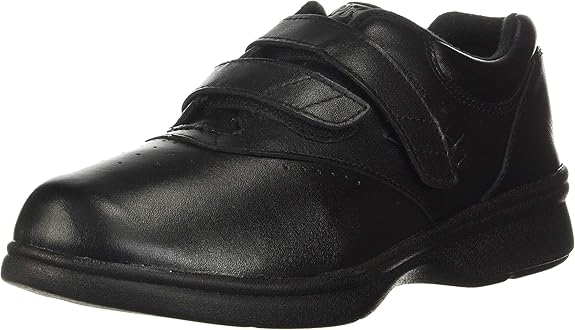
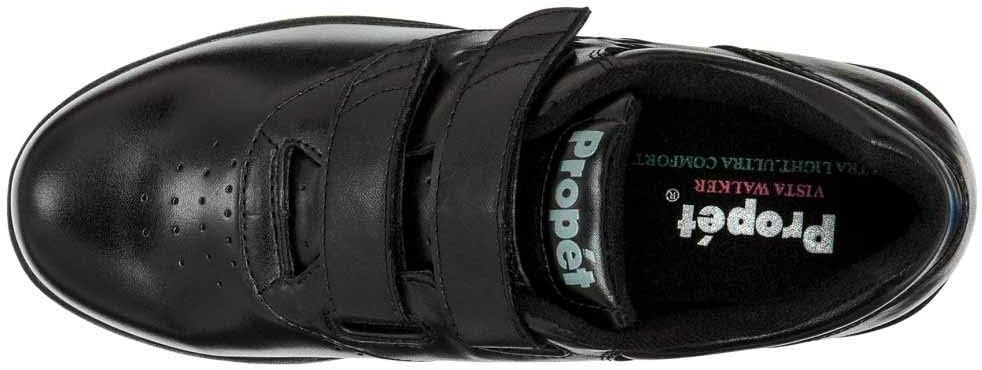
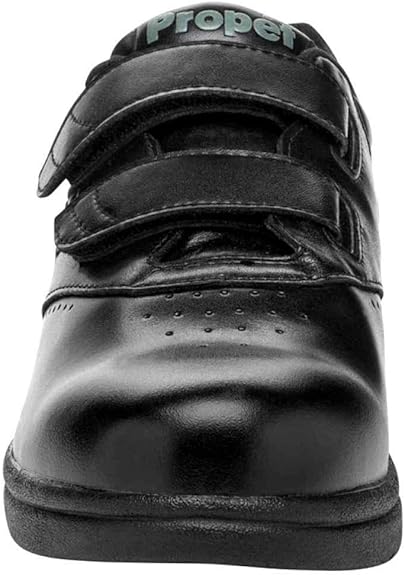
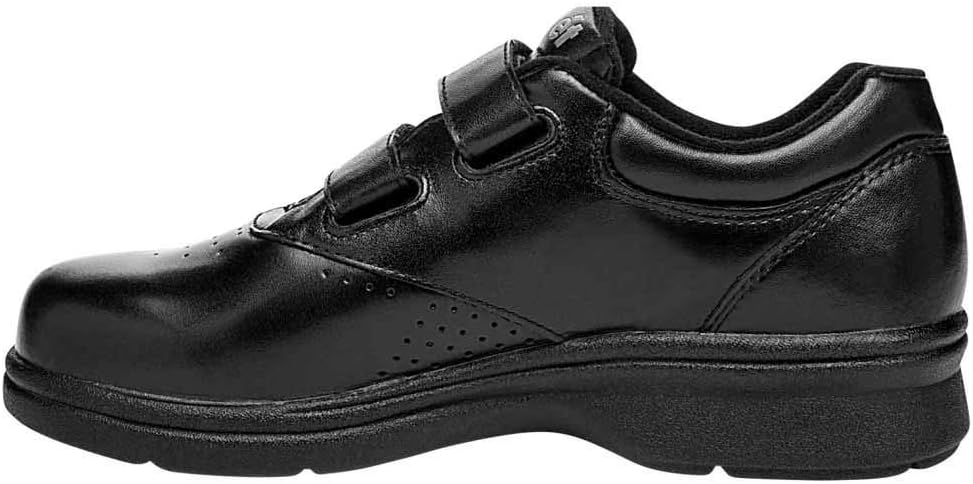
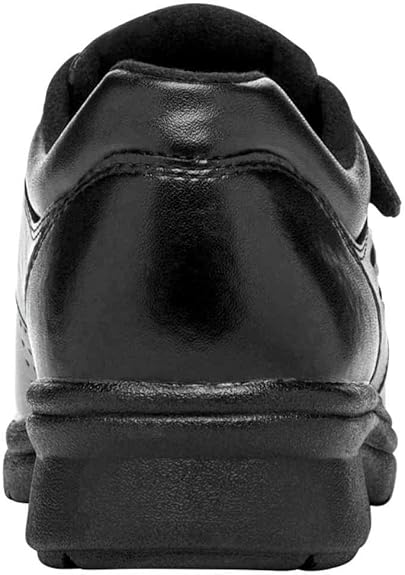
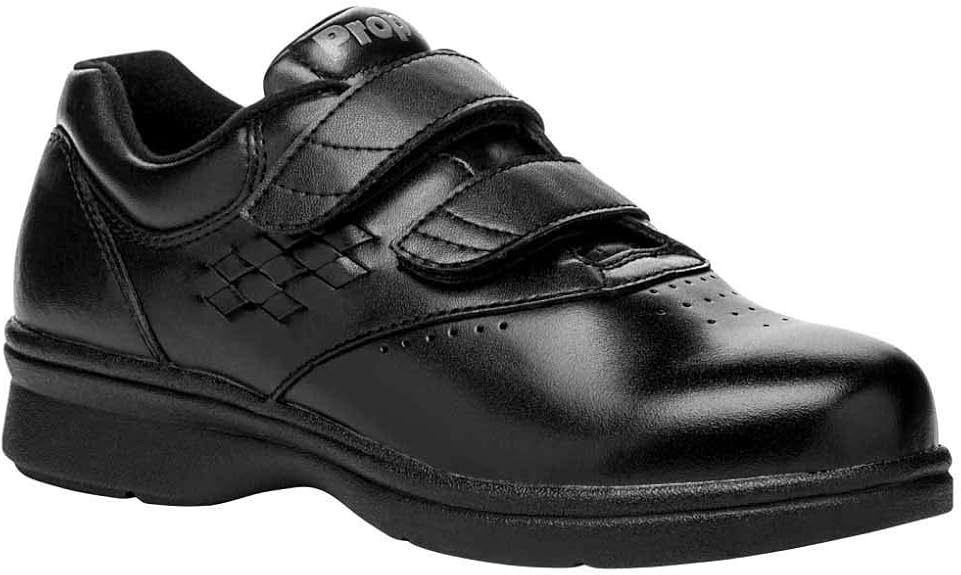
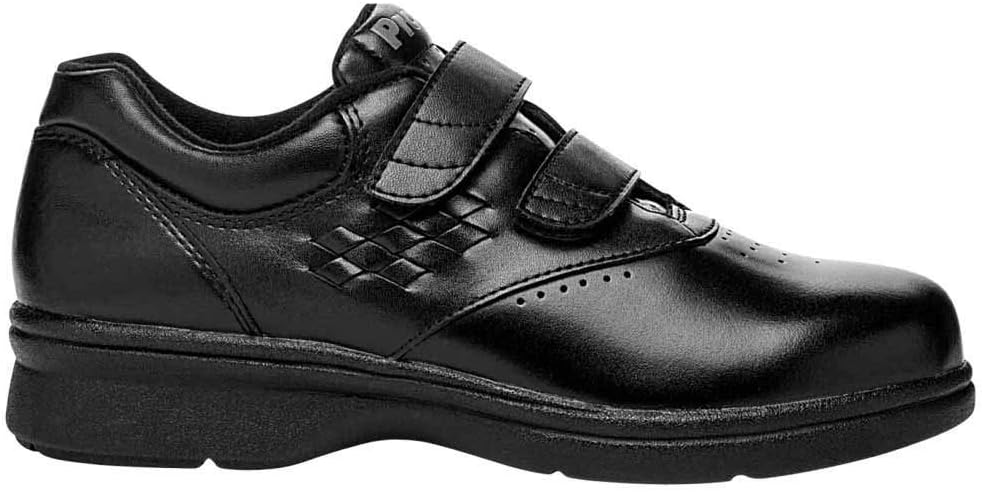
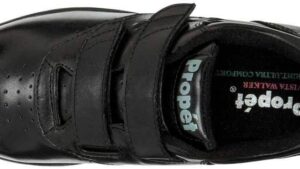
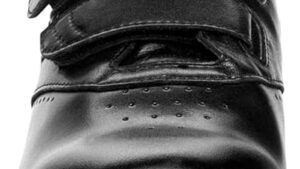
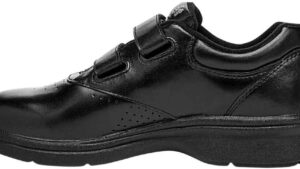
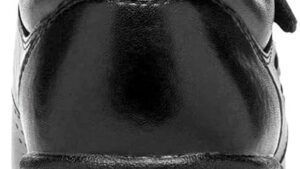
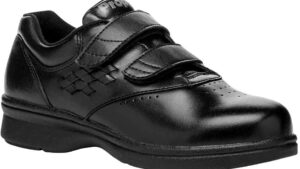
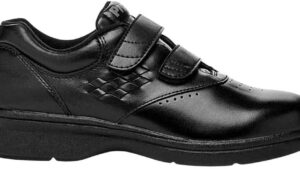
Propét Women’s Vista Strap Sneaker
$44.99
- ⚖️ Weight: 12 oz (women’s size 8)
- 👟 Upper material: 100% full-grain leather with mesh lining
- 🦶 Sole material: PU unitsole with rubber outsole
- 🏥 Category: Medicare-coded diabetic footwear
- 🎯 Best for: Medical/orthotic needs, wide feet, mobility assistance
- 📐 Width options: 5 widths (Narrow to XX-Wide)
- 🎨 Colors: Black, Bone, White
Look, I’ll be upfront with you – when I kept hearing women in my neighborhood talking about their Propét shoes for serious foot issues, I knew I had to give them a proper test run. I’m running footgearusa.com and after spending 8 weeks wearing the Vista Strap through everything from long days on my feet to regular errands, I’ve got some honest thoughts to share. These shoes aren’t trying to be cute – they’re built for women who need real solutions, not fashion statements.
First Impressions: What You’re Actually Getting
Right out of the box, these aren’t going to make anyone think “ooh, stylish!” And honestly? That’s the whole point. The Vista Strap is engineered for one job – keeping your feet comfortable and supported when you’ve got legitimate medical needs or just spend way too many hours on your feet.
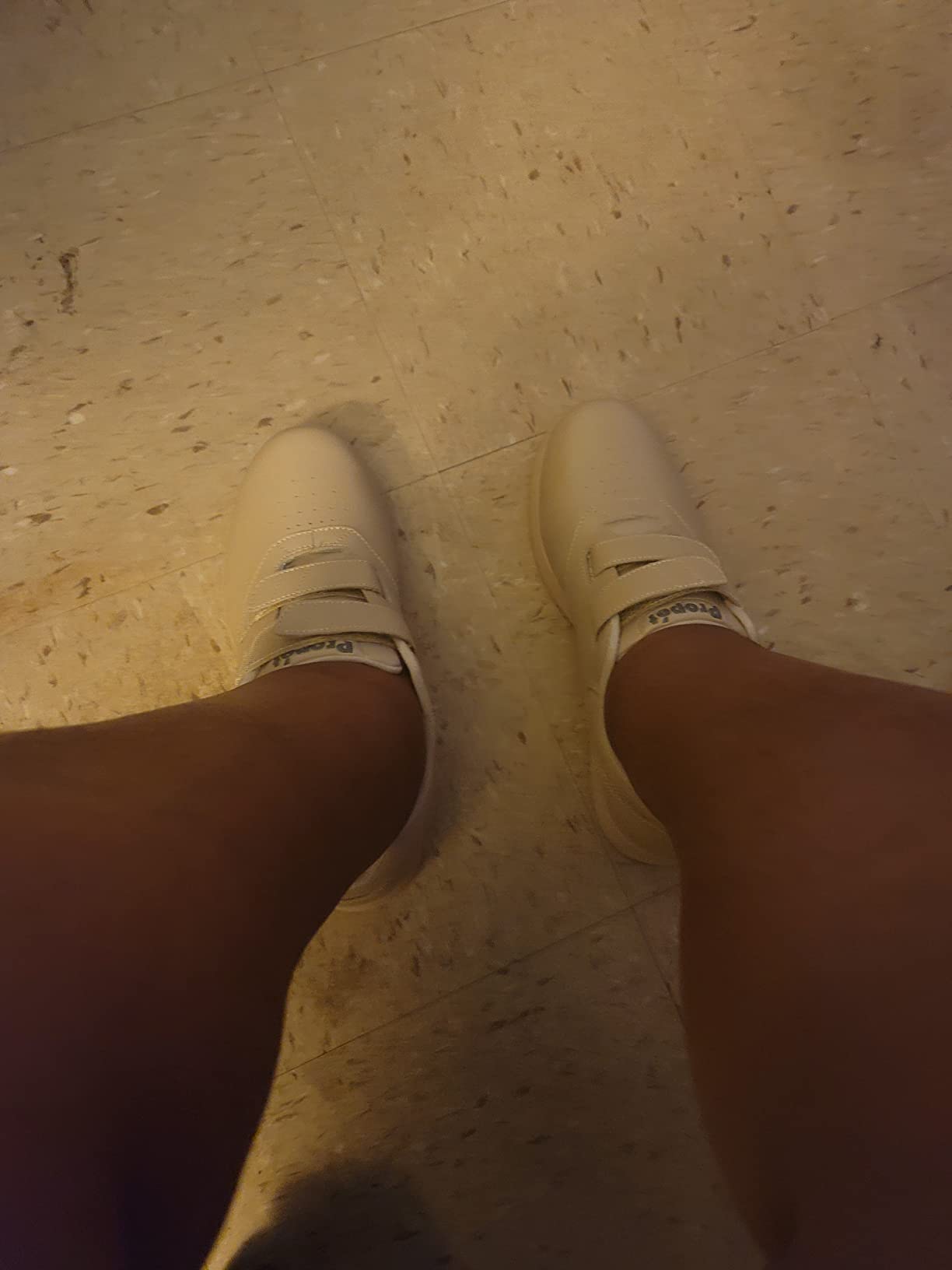
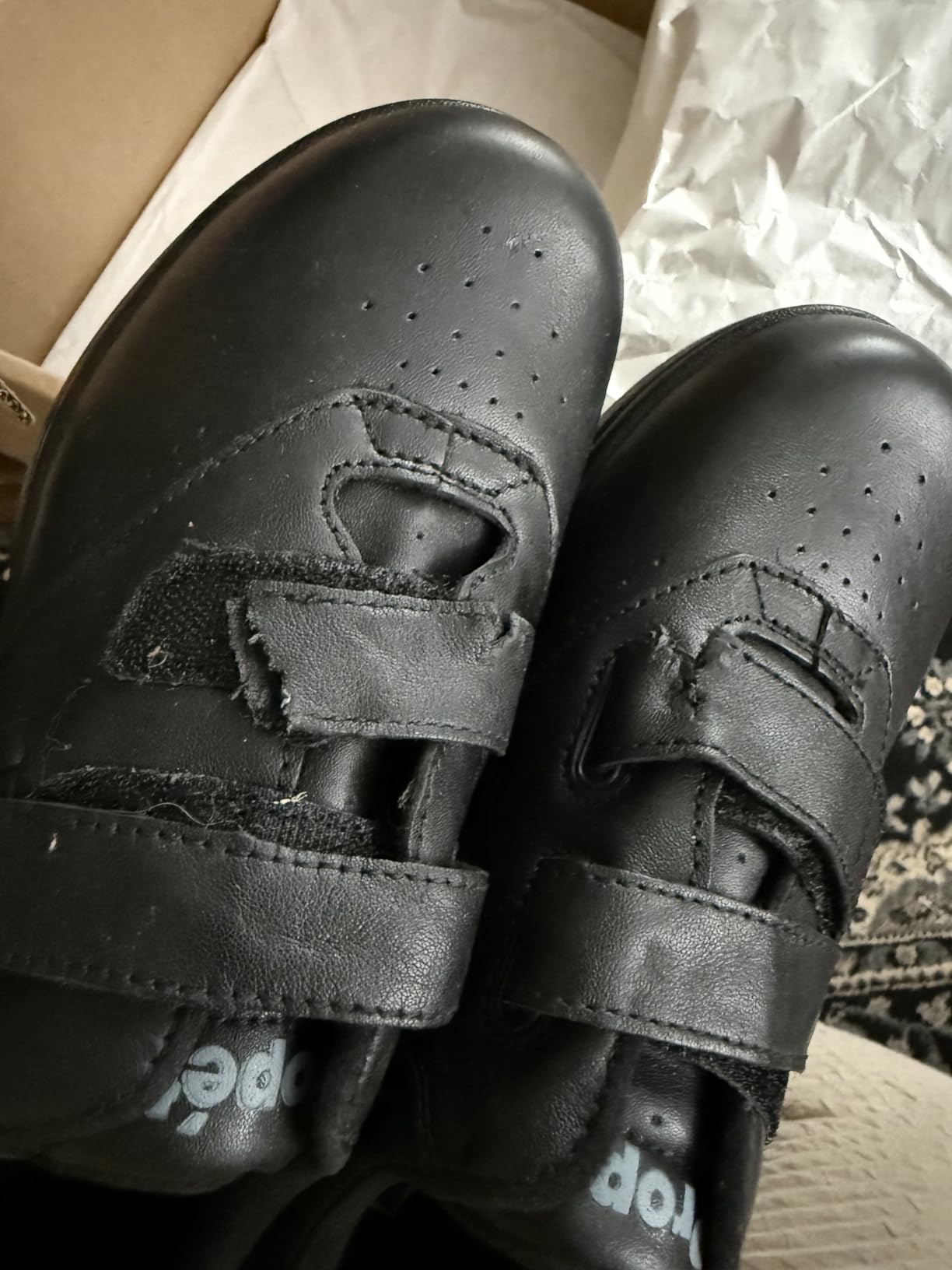
The full-grain leather feels substantial in your hands. There’s weight to it, a professional quality that immediately separates it from cheap comfort shoes. The twin Velcro straps caught my attention – they’re seriously robust, not the flimsy stuff you see on bargain shoes. Those straps are long too, almost comically so on my regular-width feet, but after wearing them for weeks I realized that’s completely intentional for accommodating swelling, orthotics, or just changing comfort needs throughout a long day.
Here’s something important about sizing – I’m normally an 8 Medium in most brands, but after reading feedback from other women, I went with an 8.5 Wide. Best decision I made. There’s actual room for my foot to spread naturally during those marathon days, plus space for thick socks when needed. The toe box is genuinely roomy without feeling sloppy, and the heel counter gives you solid support without that locked-in-a-cage feeling.
Living With These Shoes: The Real Daily Experience
The removable footbed situation is where things get interesting. It pulls out easily – and I mean really easily, not that annoying tug-and-pray method some shoes use. The interior depth is generous enough that I could fit various orthotic styles without the shoe feeling overstuffed or losing its supportive structure.
That internal heel counter provides serious stability. During my longest wear day (14 hours between work and running around), my feet stayed secure and supported even when exhaustion was setting in hard. The mesh lining allows decent airflow, though let’s be real – this isn’t a highly ventilated athletic shoe. For professional medical wear, the moderate breathability feels appropriate and helps you maintain that put-together appearance.
One thing genuinely surprised me: zero break-in period. Based on how sturdy these are, I fully expected a few painful days of adjustment. Nope. Wore them all day right from the start. The padded collar and tongue cushion exactly where you need it, and I never experienced pressure points or hot spots, even during marathon wear sessions.
How They Actually Perform Throughout the Day
I put these through every scenario I could think of for a medical comfort shoe. During humid summer days here, the leather upper held up well without my feet turning into swamps, though they’re definitely warmer than mesh athletic shoes. The professional look made them perfect for settings where athletic shoes would seem inappropriate.
The traction story is mixed. On dry surfaces – hospital floors, office spaces, regular sidewalks – they’re perfectly stable. But on highly polished floors with any moisture? I noticed some slipping. Not dangerous, but enough to make me cautious. For most daily activities, traction is fine, just watch yourself on wet, shiny surfaces.
Extended standing really showed what these shoes can do. During a 6-hour event where I was mostly on my feet, the support system came through beautifully. The firm heel counter and substantial midsole prevented that awful foot fatigue I usually get in dressier shoes. These work great for professional events where you need to look appropriate while actually staying comfortable.
Cold weather performance was solid too. The leather provides reasonable warmth, and the shoe accommodates thicker socks without getting tight. I’ve been wearing these pretty much year-round without issues.
The Cushioning Reality Check
Let me be straight about the cushioning situation. The PU unitsole isn’t giving you that bouncy, energy-return feel of athletic shoes. Instead, it’s a firm, supportive platform that maintains its shape and comfort through extended wear. After 8+ hour days, my feet felt tired but not painful – that’s a significant difference when you normally struggle with foot discomfort.
The stock insole is fairly firm. I found it acceptable for most activities, but added a thin cushioning layer for my longest days. Some women I know immediately added gel inserts for extra comfort. The shoe’s structure can definitely handle additional cushioning without losing support.
What Works Brilliantly & What Doesn’t
The Velcro closure system is genuinely excellent – secure, adjustable, and perfect for anyone with dexterity challenges or swelling issues. The leather upper maintains a professional appearance while being ridiculously easy to clean. The wide width options actually deliver on their promise, unlike some brands that just make the entire shoe bigger.
The orthotic accommodation is outstanding. I tried multiple insert types, and the shoe maintained its supportive structure regardless. For women dealing with AFO braces, diabetes-related foot issues, or custom orthotics, this level of accommodation genuinely changes your daily life.
Now for the downsides. The styling is definitely utilitarian – while the black version looks reasonably professional, you’re not choosing these for style points. At 12 ounces, they’re noticeably heavier than athletic shoes, though not uncomfortably so. I’ve also noticed some sole paint chipping after heavy wear, which affects appearance but not function.
Does Propét Actually Deliver?
Propét claims this is “Medicare-coded diabetic footwear” with medical accommodations. That’s absolutely accurate – the depth, width options, removable footbed, and overall construction clearly meet medical footwear standards. The Medicare coding means this shoe qualifies for diabetic footwear benefits, which matters tremendously if you need it.
They offer “5 widths available” – and while availability varies by color and size, the widths that are available run true to size. The Wide I tried genuinely provided wide-foot accommodation without just supersizing the whole shoe.
The “removable footbed for custom orthotics” claim? Full credit here. The footbed removes easily and the interior space genuinely accommodates various orthotic types without compromising structure or support.
As for “supple full-grain leather upper” – the leather is definitely full-grain and maintains its shape well, though “supple” might be generous. It’s more substantial than supple, which actually works in the shoe’s favor for durability and support.
What I Really Think After 8 Weeks
After extensive real-world wearing, I’m rating the Vista Strap 8.1/10 overall. Here’s my breakdown:
- Design & Aesthetics: 6.5/10 – Functional and professional, definitely utilitarian
- Medical Accommodation: 9.5/10 – Outstanding for orthotics, AFO braces, wide feet
- All-Day Comfort: 8.5/10 – Excellent support and stability for extended wear
- Professional Versatility: 8.0/10 – Works well in healthcare, office, daily settings
- Value for Money: 8.0/10 – Solid value for medical-grade construction
The Bottom Line on Value
At current pricing, here’s my honest assessment: if you need genuine medical accommodation or all-day professional comfort, this is a smart investment. The construction quality and feature set justify the cost, especially compared to premium medical shoe brands that can run $160+.
For what you’re getting – Medicare-coded footwear, multiple width options, genuine orthotic accommodation, professional appearance – the value proposition is strong for the target audience. If you’re dealing with diabetes, orthotics, mobility challenges, or just need serious comfort for healthcare work, this directly impacts your daily quality of life.
Who Should Actually Buy These?
Perfect for:
- Women needing AFO brace or orthotic accommodation
- Healthcare workers requiring professional, comfortable shoes
- Those with diabetes seeking Medicare-coded footwear
- Women with wide feet (D-EE widths) who struggle with fit
- Anyone with dexterity issues who needs easy Velcro closure
- Elderly women prioritizing stability and support over style
- Professional settings where athletic shoes aren’t appropriate
Consider carefully if:
- You’re size-sensitive – might want to go up half a size
- You need maximum cushioning – consider adding gel inserts
- You work on very slippery floors – test traction carefully
- Style is equally important as function
Look elsewhere if:
- You want fashionable shoes for social occasions
- You need lightweight athletic performance
- Style trumps medical accommodation
- You’re looking for maximum energy return or bounce
Alternatives Worth Considering
If you need similar comfort but want more style options, SAS shoes deliver (though at nearly double the price). For athletic performance with medical accommodation, New Balance’s diabetic-friendly models offer more sport-specific features. For maximum cushioning in a medical shoe, Dr. Comfort styles provide more padding but at a higher price point.
Final Thoughts
After all this time wearing the Vista Strap, here’s my honest take: these shoes excel at exactly what they’re designed for – providing medical-grade comfort and accommodation without breaking the bank. If you’re dealing with foot challenges, work in healthcare, or need reliable all-day comfort in a professional setting, this is absolutely worth considering.
Pro tip from experience: If you’re between sizes, go up half a size for length, and don’t hesitate to add a thin gel insert if you want extra cushioning. The shoe’s structure can handle it without losing support.
Got questions? I’m happy to share more from my experience wearing these. Stay comfortable out there!
Common Questions From My Experience
How does the fit compare to other brands?
Compared to other medical shoe brands, these run slightly smaller in length but similar in width. If you wear size 8 in New Balance walking shoes, you’ll likely need 8.5 in the Vista Strap. The width sizing is more accurate – if you need Wide, order Wide rather than sizing up overall.
Can these handle AFO braces and thick orthotics?
Absolutely – this is one of their strongest features. I tried multiple orthotic styles, and the removable footbed plus generous depth handles even thick, medical-grade inserts without issue. The accommodation and ease of getting the shoe on over a brace is genuinely impressive.
Any break-in period?
Essentially none – these are comfortable right out of the box. The leather is substantial but not stiff, and the padded collar prevents pressure points. You can wear them all day from day one.
How long will they last?
With daily wear, I’d expect 2-3 years based on the construction quality and how they’re holding up. The leather upper is durable, and the PU sole maintains cushioning longer than basic foam. Heavy daily use (12+ hour shifts) might see closer to 18 months, while lighter wear can extend to 3+ years.
Worth the price compared to drugstore comfort shoes?
Absolutely – there’s no comparison in build quality, medical accommodation, or long-term comfort. Drugstore shoes might cost less but need replacing constantly and don’t offer genuine orthotic space. This is an investment in daily comfort and foot health.
Any deal-breakers?
The shoe won’t work if style is your priority – these look like medical shoes, period. The firm insole means many people add gel inserts, there’s potential slipping on very polished floors, and the utilitarian appearance won’t work for social occasions.
Can I exercise in these?
These are designed for daily activities, not exercise. They’re perfect for walking, standing, and daily errands, but don’t have the support or breathability for athletic activities. Think “active daily life” rather than “workout sessions.”
How about different weather?
The leather upper provides good protection from light rain and cooler weather. They’re warmer than mesh athletic shoes, making them good for air-conditioned offices but potentially warm for hot outdoor activities. I wear them year-round successfully.
Tips for maximum lifespan?
Rotate with another pair if possible, use shoe trees to maintain shape, clean the leather regularly, and consider adding gel inserts to reduce foot pressure on the footbed. Replace the removable insole when it starts compressing rather than replacing the whole shoe.
Be the first to review “Propét Women’s Vista Strap Sneaker”
Related products
Sneaker
Running Shoes
Sneaker
Running Shoes
Sneaker

Sneaker
Sneaker
Reviews
There are no reviews yet.