
When I first spotted these $35 sneakers with their Adidas Samba-inspired look, I’ll admit I was skeptical. That retro aesthetic usually comes with a $100+ price tag, and budget alternatives often disappoint. But after six weeks and more than 40 wear sessions across office days, grocery runs, and weekend errands, these LUCKY STEP sneakers surprised me in ways I didn’t expect.
The short version? They’re solid daily drivers for the right use cases, with specific limitations you need to understand before buying. I’m Sarah, and I’ve spent over a decade testing footwear. These aren’t perfect shoes, but they deliver surprising value if you match them to appropriate situations. They excel at office wear and quick outings. They struggle with extended walking and wide feet. At $35, that’s a tradeoff worth considering.
Here’s what six weeks of real-world testing revealed about fit, comfort, durability, and whether these budget retro sneakers actually work for daily wear.
First Impressions & Unboxing
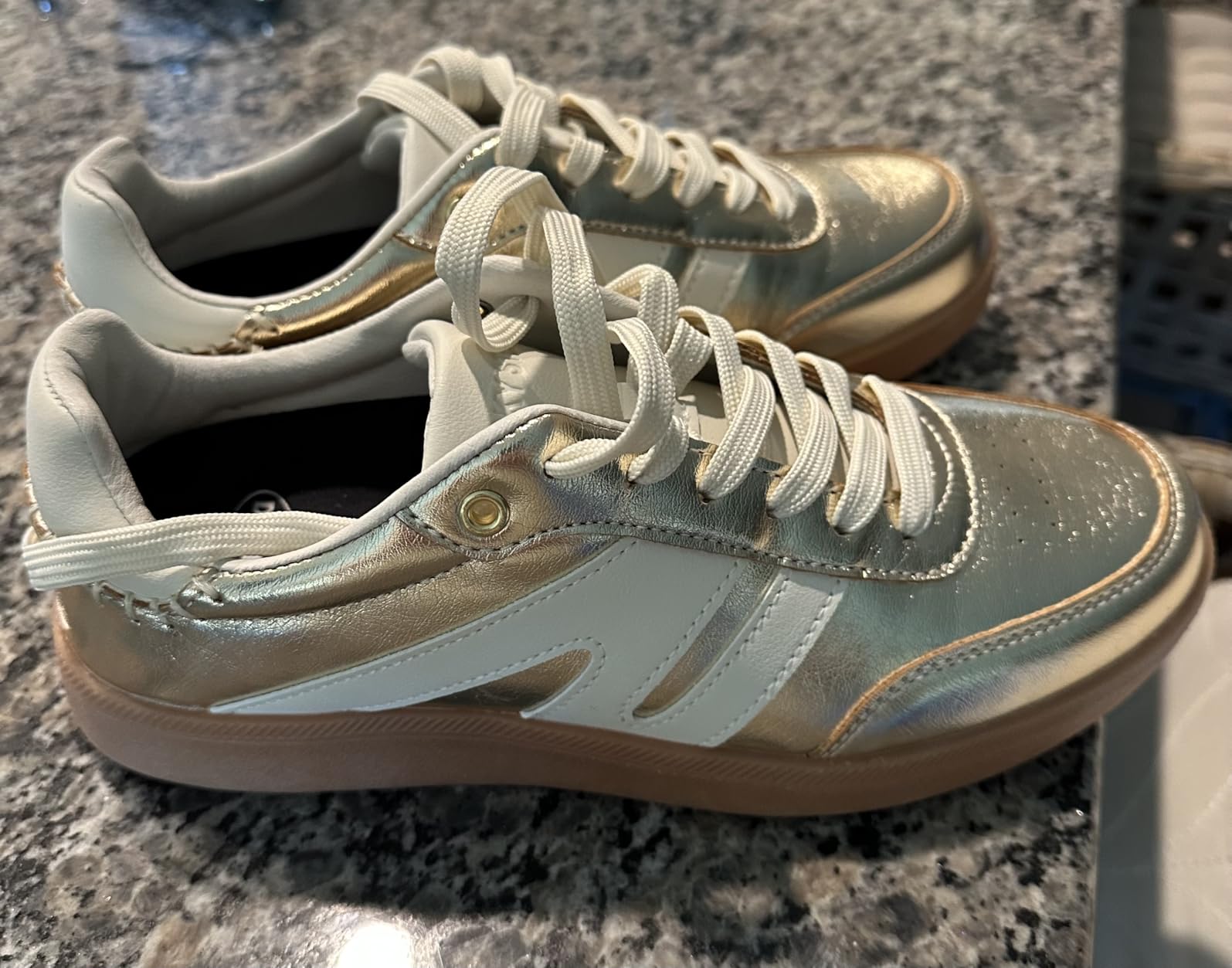
The shoes arrived in a proper box – not shrink-wrapped in a bag like some budget options I’ve tested. That’s a small detail, but it set a better-than-expected tone right away. Opening them up, the construction looked clean. No glue visible on my pair, stitching appeared even and tidy, and the sole was attached securely all around.
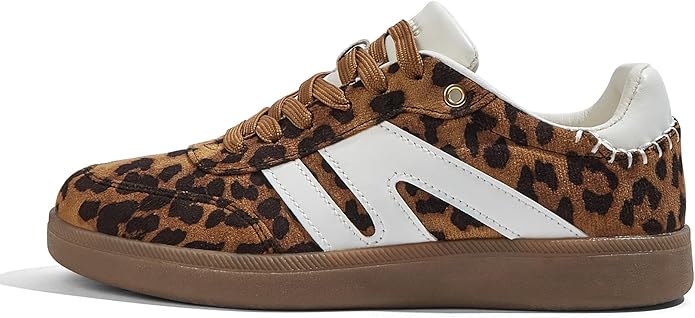
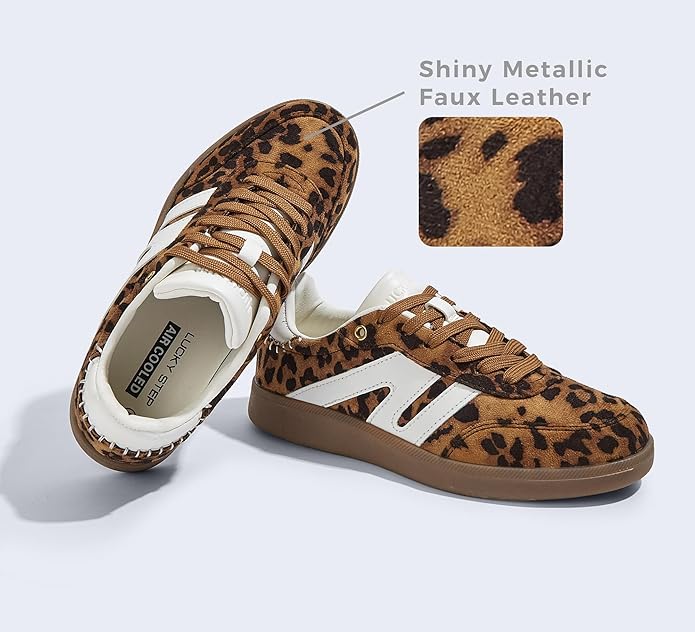
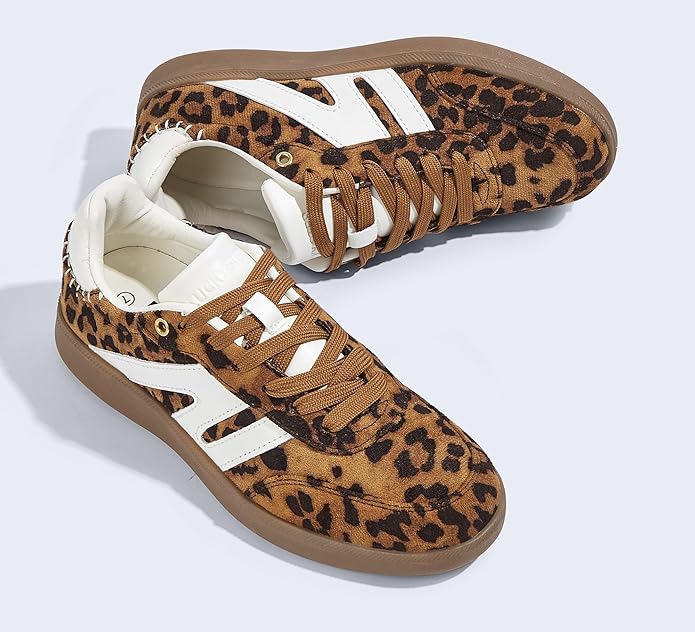
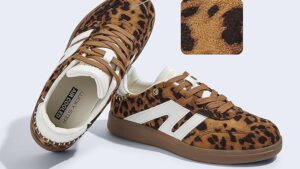
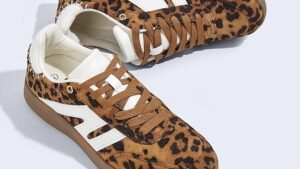
The materials felt better than I anticipated for $35. The faux PU leather had a soft texture rather than that plasticky stiffness you sometimes get with cheap synthetics. My beige colorway included suede accents that looked decent up close. The tongue had padding, though it felt stiff initially. The gum sole had that classic retro look I was going for.
Weight-wise, they felt noticeably light when I picked them up. That thin sole profile keeps bulk down. Out of the box, there was a faint new-shoe smell but nothing chemical or off-putting. They matched the Amazon photos accurately – no surprises in color or design.
My main concern at this stage was whether that budget construction would hold up. The materials looked okay, but I’ve tested $30-40 shoes before that fell apart within weeks. Time would tell.
Sizing & Fit – The Truth About “True to Size”
This is where things get confusing if you just read Amazon reviews. About 40% of reviewers say these run true to size. Another 35% say they run small. A few claim they run large. What’s going on?
After testing them on my own feet and comparing notes, here’s the reality: These run small, especially if you have anything other than narrow feet or if you’re between sizes.
My feet measure 9.8 inches, which corresponds to a women’s size 8 US. That’s my usual size in most brands. I ordered size 8 in these. They fit, but snugly. The length was acceptable – my toes didn’t hit the end. The problem was width. The toebox felt narrow from day one, particularly across the ball of my foot. Not painful, but noticeably snug compared to my size 8 Adidas or even my Nike sneakers where I usually size up to 8.5.
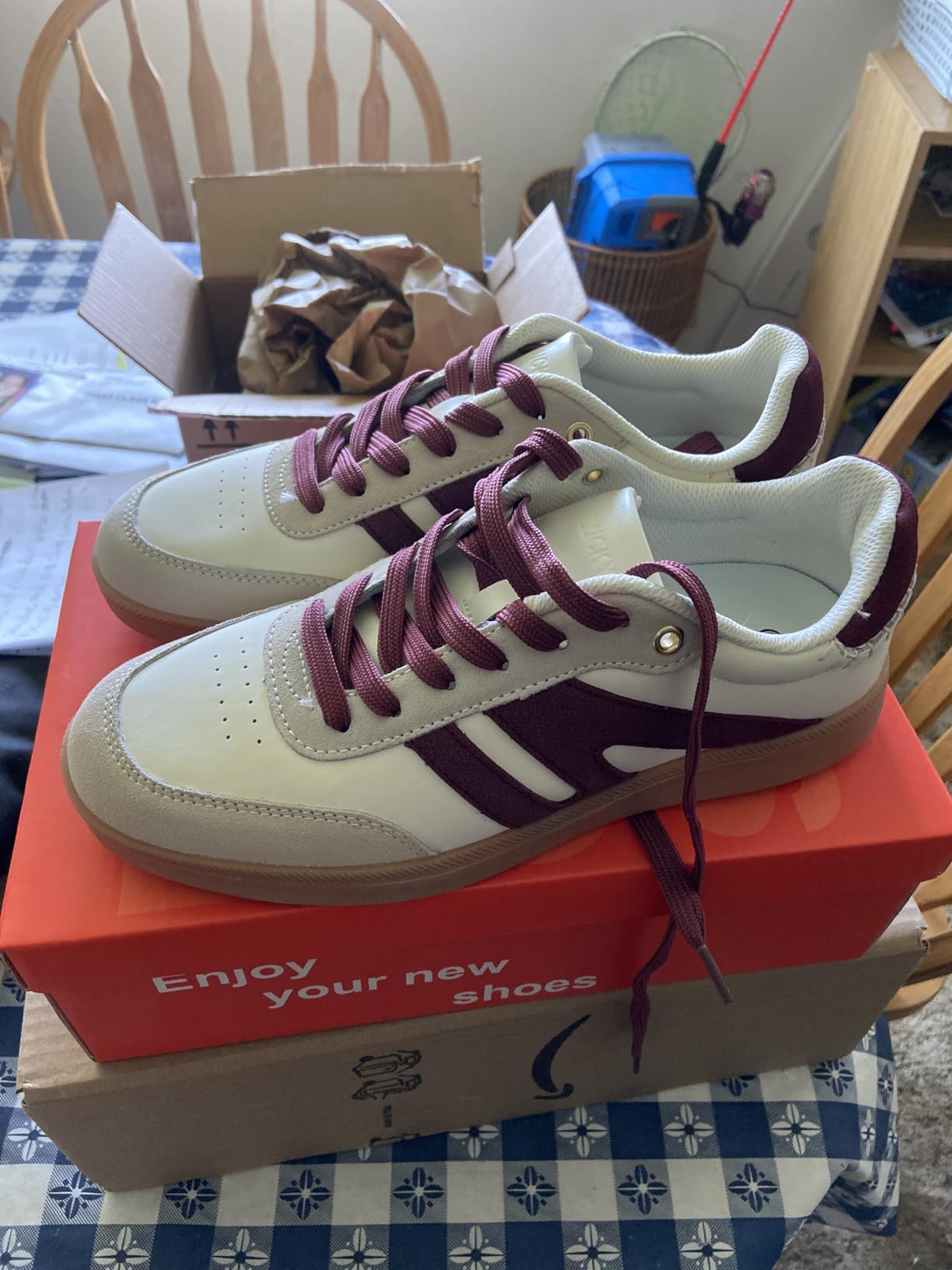
The break-in period helped. After 3-5 wears, the materials softened and the fit became more comfortable. By week two, they felt natural rather than constraining. But that initial snugness is real, and if you have wider feet, it won’t fully resolve.
Here’s my sizing guidance based on testing and review analysis:
- Normal or narrow feet, true size: Your usual size will work, but expect 3-5 wears of break-in.
- Wide feet: These probably won’t work for you. Multiple wide-footed reviewers reported discomfort even after sizing up.
- Between sizes: Size up. There are no half sizes above 9, which creates problems for anyone who normally wears 9.5, 10.5, or 11.5.
- Thick socks: If you plan to wear these with thicker socks, size up.
Compared to other retro sneakers, these fit narrower than Adidas Sambas (which run true to size with a more accommodating toebox). They’re similar in narrow fit to some Puma styles. The heel counter holds your foot securely without slipping, which I appreciated.
The “runs small” claim comes down to that narrow toebox design. LUCKY STEP went for a sleek silhouette to nail the retro aesthetic, and that meant using a narrower last. It looks great, but it creates fit challenges for a significant portion of potential buyers.
Width & Toebox Reality
I measured the toebox width at its widest point and compared it to my Adidas sneakers. These LUCKY STEP shoes run about 3-4mm narrower across the ball of the foot. That doesn’t sound like much, but it’s noticeable when you’re wearing them for hours.
For perspective, my foot width is considered normal (not wide, not narrow). If you’ve ever had to size up in dress shoes or struggle with sneaker fit across the front of your foot, skip these. If narrow-fitting shoes usually work well for you, you’ll be fine with your standard size after break-in.
Comfort & All-Day Wearability
The comfort story here is all about context. Ask me if these are comfortable after an 8-hour office day? Yes, very much so. Ask me after a 3-hour walking tour? Not so much. The difference matters.
The insole has cushioning – I measured it at roughly 3-4mm of foam. That’s minimal by running shoe standards but typical for fashion sneakers. It’s firm rather than plush, with some give but not a lot of compression. There’s essentially no arch support. If you have high arches or need structured support, these won’t provide it.
I tracked comfort hour by hour during multiple wear sessions:
Hours 0-2: Very comfortable. Fresh and supportive feel, no hot spots, easy to move around.
Hours 2-4: Still comfortable. No issues during normal office movement or errands.
Hours 4-6: Comfort remains good for mixed sitting/standing. Continuous walking starts to feel less cushioned.
Hours 6-8: Fine for office work where I sit part of the time. Noticeable fatigue if standing or walking continuously.
Hours 8+: Ready for a shoe change if I’ve been active. Feet feel the minimal cushioning.
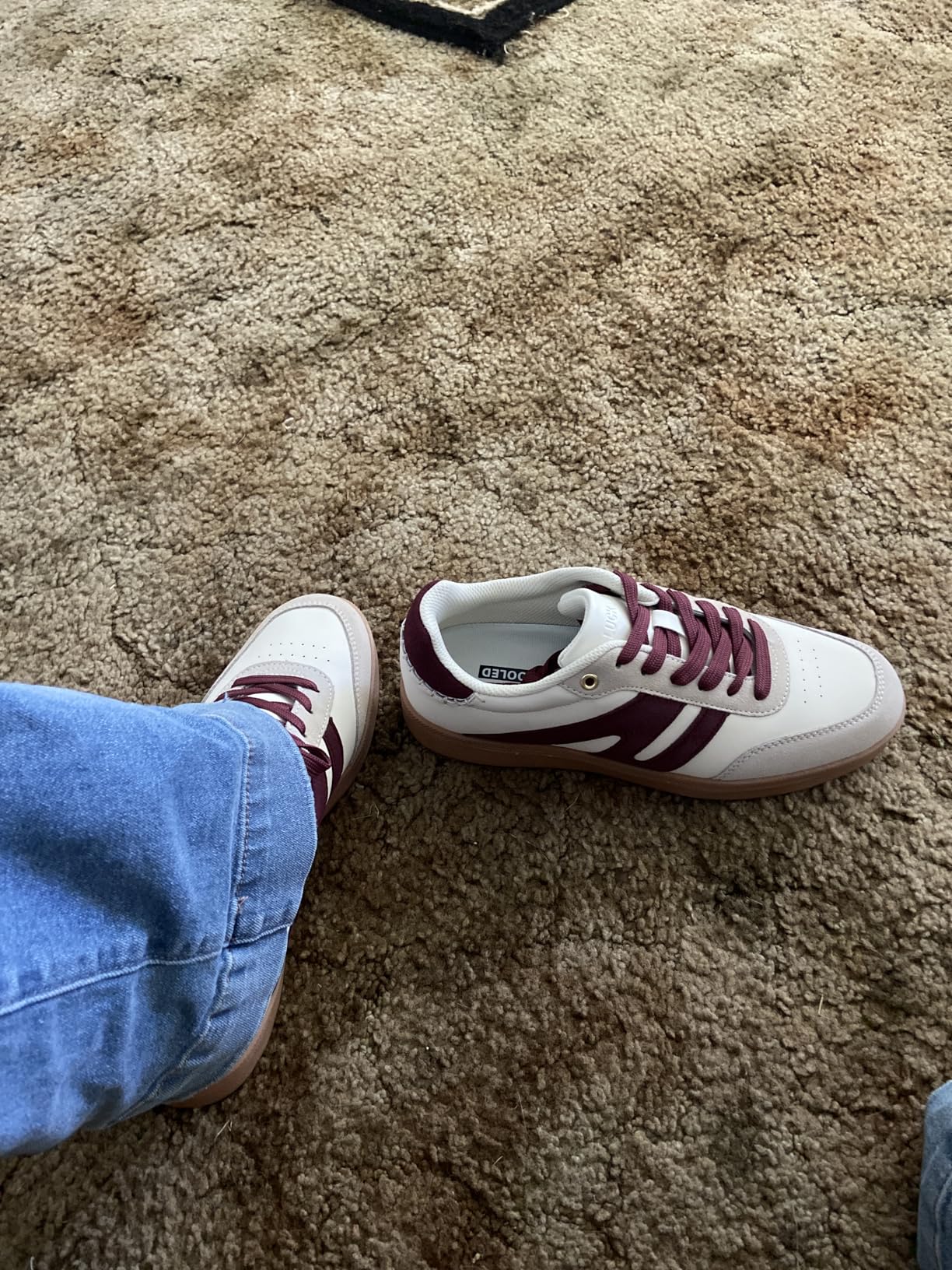
The padding around the collar and tongue is adequate. After break-in, I had no rubbing or blister issues. The tongue shifts slightly during wear, which is a minor annoyance but not a deal-breaker. The heel counter provides enough structure without feeling stiff.
Break-in took about 3-5 wears. Initially, the tongue felt stiff and the overall fit was snug. By day five, the materials had softened noticeably and the shoes became genuinely comfortable for their intended use cases.
What “Comfortable” Actually Means for These
When brands claim “all-day comfort,” that phrase means different things. For these LUCKY STEP sneakers, comfort depends heavily on your activity level.
They excel at: Office work with mixed sitting and standing. Errands involving short walks and car rides. Casual activities where you’re not continuously on your feet.
They’re acceptable but not ideal for: Extended shopping trips (2-3 hours of walking). Sightseeing with moderate walking. Long days mostly standing.
They’re not suitable for: Tourist walking tours of 3+ hours. All-day events where you stand continuously. Any athletic activity.
The thin sole profile gives you great ground feel and keeps weight down, but it means less cushioning for impact absorption. That’s the core tradeoff. I have several pairs of chunky-soled sneakers that handle long walks better. These aren’t trying to compete in that category.
Materials & Construction Quality
For $35, I expected budget materials with visible shortcuts. What I got was better than that baseline, though certainly not premium.
The upper on my beige pair combines faux PU leather with suede accents. The PU has a softer texture than cheap synthetics – it’s not trying to be real leather, but it doesn’t feel plasticky either. The suede sections held their color and texture through six weeks of wear. I did notice some color transfer when I wore dark jeans – a bit of blue dye transferred to the beige areas. It wiped off mostly clean, but it’s something to watch with light-colored shoes.
Stitching quality on my pair was clean and consistent. I inspected the seams carefully and found no loose threads or skipped stitches. The sole attachment looked solid all the way around with no visible glue or gaps. However, about 10% of Amazon reviewers mentioned quality issues like visible glue or loose stitching, so QC appears variable. I got a good pair, but there’s some lottery element here.
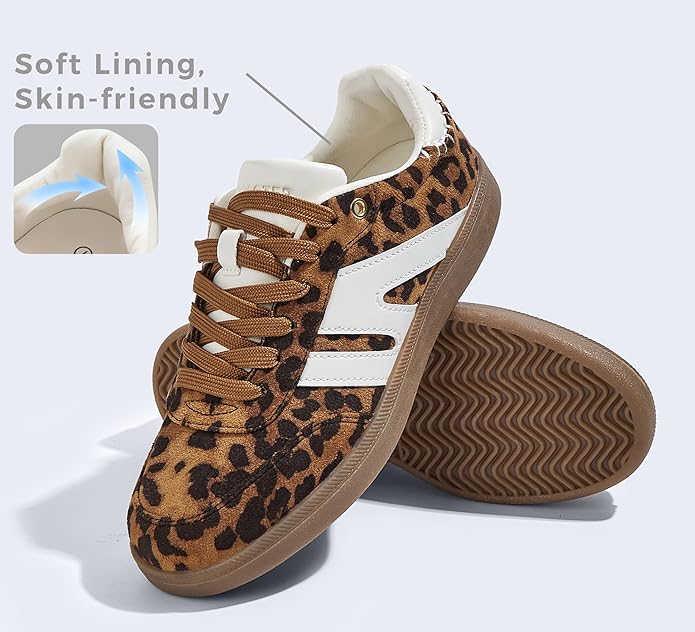
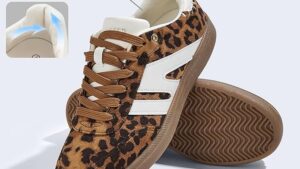
The gum rubber sole has a classic retro look. It’s attached cleanly and showed no signs of separating after six weeks. The laces are decent quality – thicker than some budget shoes, with no fraying after numerous wears. The eyelets are metal and sturdy.
After 40+ wear sessions, the condition remained good. Normal creasing appeared where you’d expect (across the toebox when walking), but no cracking or peeling. The toe area showed minor scuffing from regular wear, but nothing excessive. The heel counter maintained its shape without collapsing.
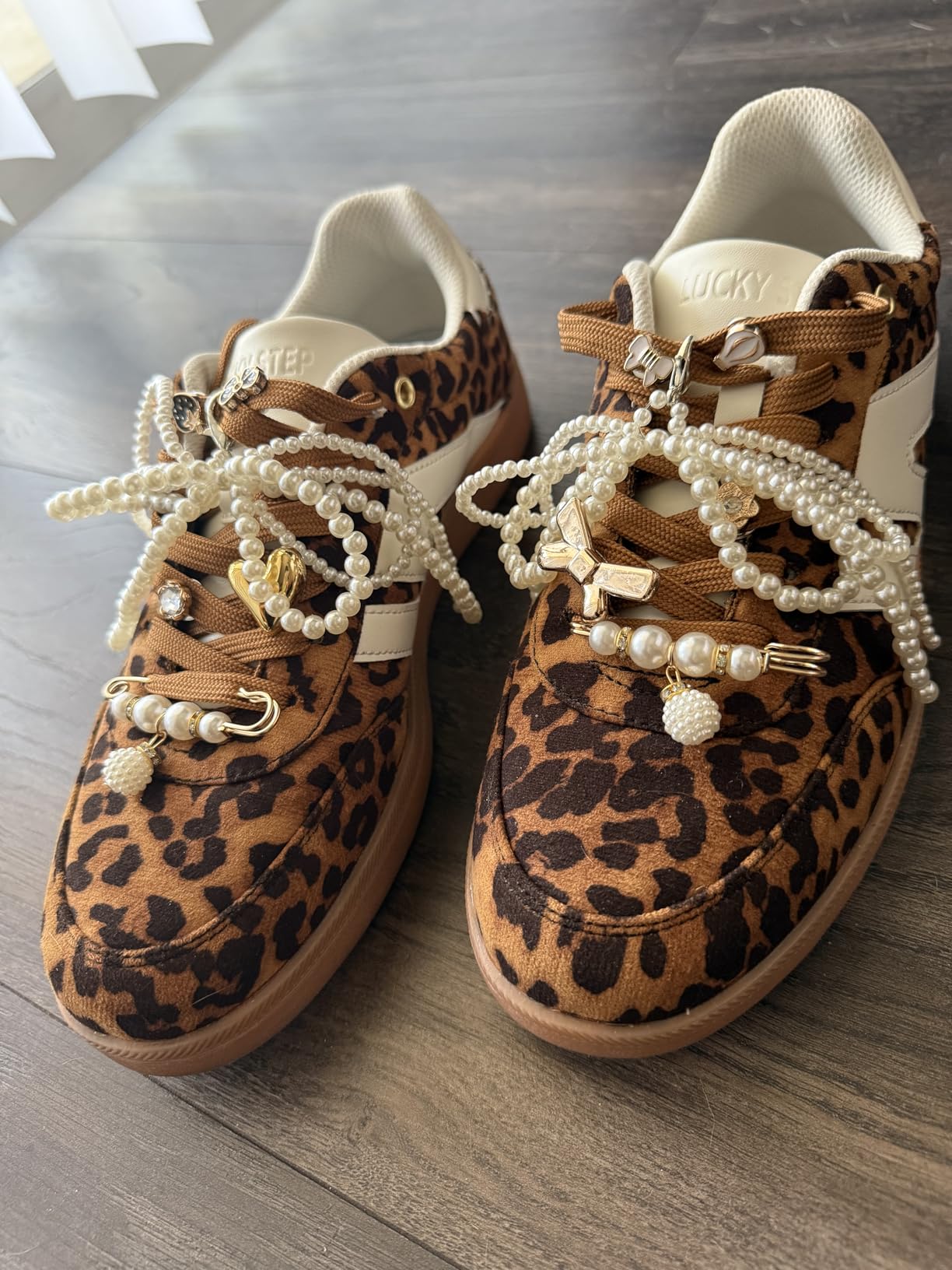
I tested cleaning them with a damp cloth and mild soap. The materials cleaned easily without damage or discoloration. The suede required a bit more care – I used a suede eraser for scuffs – but responded well.
Compared to $100 sneakers like Adidas Sambas, the material quality difference is obvious. The Sambas use genuine leather that develops character with wear. These use synthetics that are… fine. They look good from a normal viewing distance. Up close, the difference is clear. But at one-third the price, that’s expected.
The real question is whether they’ll last. After six weeks, they’re holding up well. Based on the wear rate I’m seeing, I’d estimate 6-12 months of moderate use (3-4 times per week) before they show significant deterioration. That’s reasonable for a $35 shoe in rotation rather than daily wear.
Traction & Sole Performance
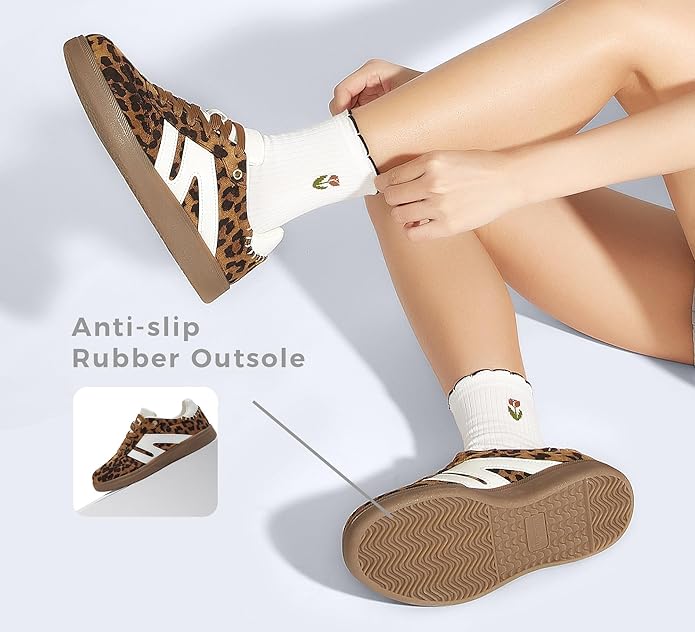
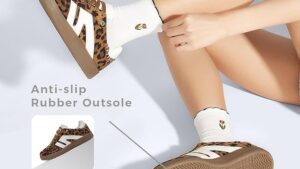
The gum rubber outsole has a shallow tread pattern – geometric shapes with minimal depth. It’s designed for looks as much as function, which matches the retro aesthetic but has performance implications.
I tested traction on multiple surfaces over six weeks: office tile floors (both dry and occasionally damp), parking lot asphalt, grocery store smooth floors, carpet at home, and concrete sidewalks in various conditions.
On dry surfaces, grip was confident. Walking across smooth office tile, I felt stable with no slipping. Quick stops and turns felt secure. Dry pavement and concrete provided good traction. The gum rubber compound does help here – it has more grip than hard black rubber would.
Wet surfaces told a different story. I tested them walking across a wet parking lot after rain. Traction was okay but not exceptional. I felt moderate grip, enough for normal walking, but I was more cautious than I’d be in running shoes or dedicated wet-weather footwear. The shallow tread doesn’t channel water effectively.
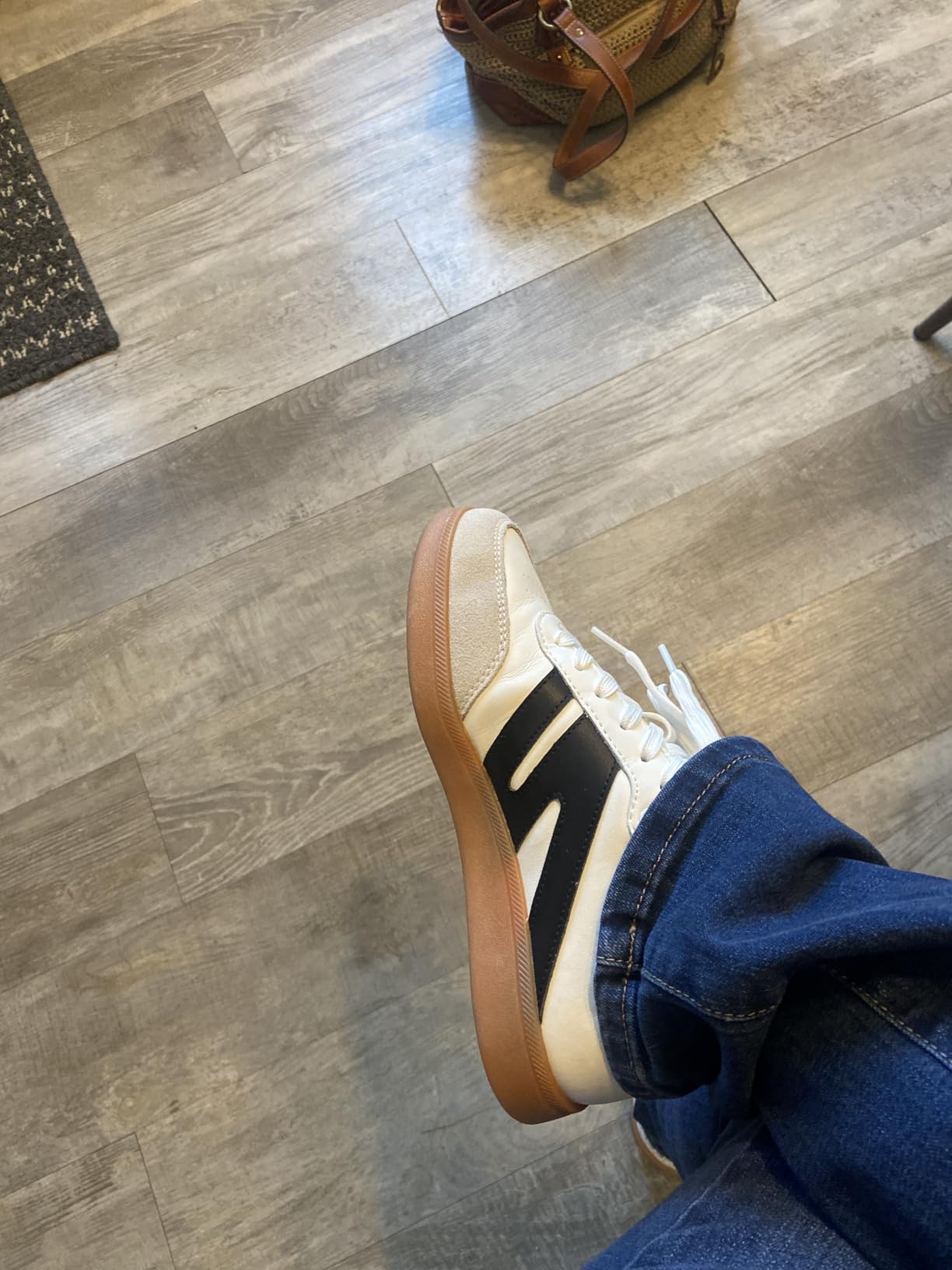
The sole flexes naturally at the ball of the foot. It’s not stiff, which makes walking feel natural, but it’s not as flexible as a true minimalist shoe. Ground feel is present but not excessive – you know what surface you’re on without feeling every pebble.
After six weeks, the sole showed wear appropriate for the mileage. The highest-wear areas (heel strike zone, ball of the foot) had smooth spots where the tread flattened slightly, but no concerning degradation. The wear pattern was even, suggesting decent durability for normal use.
Would I call these “slip-resistant” in the technical sense? No. They’re not safety footwear for oily or wet environments. But for everyday use on typical urban surfaces, traction is adequate. I felt confident walking on office floors, parking lots, and sidewalks in normal conditions.
Breathability & Temperature Performance
The mesh lining helps with ventilation, but these aren’t as breathable as modern running shoes with engineered mesh uppers. The PU leather and suede materials limit airflow compared to full mesh construction.
I tested them in varying temperatures over six weeks of January-February wear. Office environments (68-72°F with AC) were comfortable. My feet stayed at a normal temperature with no overheating during 8-hour days. The mesh lining did its job in climate-controlled settings.
Warmer conditions revealed limitations. In my car on sunny days (reaching 75-80°F), I noticed my feet warming up after 15-20 minutes. Not uncomfortable, but noticeable. During outdoor errands in 55-60°F weather, they felt fine. I imagine summer heat above 80°F would push them toward the warmer side.
Moisture management was adequate for my normal activity level. I don’t have particularly sweaty feet, but during an active day of errands, the mesh wicked enough moisture to keep things comfortable. They’re not performance athletic shoes in this regard, but they’re fine for casual wear.
Sock pairing makes a difference. With thin no-show socks or regular crew socks, breathability felt good. With thicker winter socks, my feet got noticeably warmer. The narrow fit compounds this – less air space means less ventilation buffer.
Seasonal suitability: These work great for spring and fall (40-70°F range). They’re acceptable for winter if it’s not too cold – the materials don’t provide much insulation. For summer above 80°F, I’d probably reach for something with more ventilation unless I was mostly indoors in AC.
Style & Versatility
The retro aesthetic is the main selling point here. These clearly take inspiration from Adidas Sambas and similar classic court shoes. The low profile, gum sole, and clean lines nail that look at a fraction of the price.
Color options are extensive – I counted over 15 colorways on Amazon. Beige/black, white/black, grey tones, navy, and several bolder options. The variety means you can find something that fits your wardrobe. The beige pair I tested has been remarkably versatile.
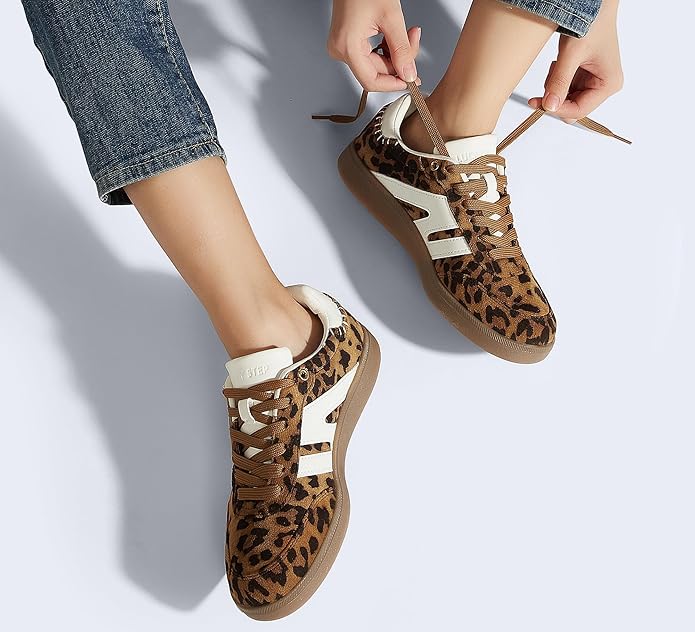
I wore these with: straight-leg jeans (worked great), black pants for casual office days (looked appropriate), leggings for errands (fine), and even a casual dress for weekend brunch (pulled it off). They’re too casual for business professional settings, but they handle business casual and everything more relaxed.
They photograph well – friends asked about them when I posted outfit photos. From a normal viewing distance, they read as stylish retro sneakers. The Samba comparison is inevitable, and while these don’t quite match the polish of the originals, they’re close enough for most casual situations.
Age-wise, the style works broadly. I’m in my 30s and they fit my aesthetic, but I’ve seen Amazon reviews from buyers in their 20s through 60s, all positive about the look. The retro trend has wide appeal.
Compared to actual Sambas or Gazelles, these miss some refinement. The materials aren’t as premium, the overall construction is less refined, and sneakerheads will spot the difference. But for casual wearers who want the aesthetic without the investment, they deliver.
Performance by Activity Type
Office Work & Desk Jobs (Best Use Case)
This is where these sneakers shine. I wore them for multiple 8-hour office days with a mix of desk work and standing, and they performed excellently.
The comfort level stayed consistent throughout the day. The cushioning proved adequate for the amount of standing I do (probably 2-3 hours total across an 8-hour day). They’re quiet on hard floors – no squeaking or loud footfalls. The professional-casual appearance works in most office environments that aren’t strictly formal.
For anyone working from home or in a casual office, these are ideal. At $35, you can rotate them with other shoes without a major investment.
Errands & Quick Outings (Excellent)
Running to the grocery store, picking up coffee, quick shopping trips – this is another sweet spot. The combination of style and comfort works perfectly for 30-minute to 2-hour outings.
Getting in and out of the car is easy. The laces stay tied well. They look put-together without trying too hard. For the type of “I need to look decent but I’m just running errands” situations, they hit exactly the right note.
Walking & Light Exercise (Acceptable with Limits)
I tested these on several longer walks to see where the comfort limits actually were. Up to about 2 miles (roughly 30-40 minutes of continuous walking), they were acceptable. My feet felt the thin sole but weren’t uncomfortable.
Beyond 2 miles, fatigue became noticeable. After a 3-hour walking afternoon around town, my feet were tired and ready for something more cushioned. The minimal arch support and thin insole caught up with me.
For anyone planning serious walking – tourism, hiking, long urban explorations – choose running shoes or dedicated walking shoes instead. These work for incidental walking as part of daily life, not focused exercise.
Not Recommended For
Some use cases are clearly outside these shoes’ capabilities:
Running: Zero support for impact, not designed for it, don’t try.
All-day tourist walking: You’ll regret it after hour three. Get proper walking shoes.
Athletic activities: These are fashion sneakers. Gym, sports, athletic activities need real performance footwear.
Serious hiking: The traction, support, and cushioning are all insufficient. Stick to dedicated hiking shoes.
Durability & Long-Term Value
Six weeks and 40+ wears gave me a good sense of how these hold up. The short answer: better than I expected for $35, but with reasonable limits.
Current condition assessment: The sole shows normal wear with some flattening in high-contact areas, but no concerning degradation. The upper materials have normal creasing but no cracks, peeling, or structural issues. Stitching remains intact with no loose threads. The heel counter holds its shape. Colors have held (aside from the jean dye transfer incident that cleaned off).
Based on the current wear rate, I estimate these would last 6-12 months with moderate use (wearing them 3-4 times per week). That timeframe assumes rotation with other shoes rather than daily wear. If you wore them every single day, I’d guess 4-6 months before noticeable deterioration.
Value calculation: At $35 for an estimated 100-200 wears, that’s $0.18 to $0.35 per wear. Compared to $100 Sambas that might last 2+ years but cost nearly three times as much, the cost-per-wear is competitive if you treat these as rotation shoes.
Replacement vs repair: At this price point, these are replace-not-repair shoes. When they wear out, you buy another pair rather than investing in resoling or repairs.
Compared to other $30-40 sneakers I’ve tested, these are on the higher end of durability. Some budget shoes show significant wear within a month. These look like they’ll make it to at least six months, possibly a year, which is solid for the price tier.
The $35 Reality Check – Worth It?
Value is always relative to expectations and alternatives. Here’s what you actually get at this price point, and what you don’t.
What You GET at $35:
- Stylish retro look: The Samba-inspired aesthetic is well-executed. From normal viewing distance, they look significantly more expensive.
- Decent comfort for appropriate use: Office work, errands, and short sessions work well. The comfort is real within those boundaries.
- Surprising durability: Six weeks in, they’re holding up better than typical budget shoes. Materials and construction exceed bottom-tier quality.
- Versatile casual styling: They pair with many outfits and work for various casual situations.
- Low financial risk: At $35, trying them isn’t a major investment. If they don’t work out, it’s not a huge loss.
What You DON’T GET:
- Premium materials: These use faux leather and suede, not genuine. The difference is visible up close and in long-term wear.
- All-day walking comfort: The thin sole and minimal cushioning limit extended walking performance.
- Consistent QC: About 10% of reviews mention defects. Most pairs are fine, but quality control isn’t perfect.
- Half sizes above 9: This creates real fit problems for people who need 9.5, 10.5, or 11.5.
- True athletic performance: These aren’t designed for sports, running, or serious physical activity.
- Wide foot accommodation: The narrow toebox is non-negotiable. Wide feet won’t be comfortable.
Comparison to Alternatives:
Adidas Samba ($100): Better materials, more cushioning, true sizing, longer lifespan (2+ years). Worth the extra $65 if you want one high-quality pair. Not worth it if you prefer rotating multiple styles.
Veja ($150): Ethical production, premium materials, status factor. Three times the price for marginal comfort improvement. Only worth it if those values matter to you specifically.
Other budget retro options ($30-45): Similar quality and tradeoffs. LUCKY STEP is competitive in this tier – slightly better than some, comparable to others.
The value proposition comes down to your priorities. If you want one pair of retro sneakers to last years, invest in Sambas. If you like rotating styles, appreciate variety, and understand the limitations, these offer excellent value. They’re best as part of a rotation, not your only sneaker.
Who Should Buy These Sneakers
After six weeks of testing, here’s who these work for and who should look elsewhere.
Perfect for:
- Budget-conscious style seekers: Want the retro look without the high-end price tag.
- Office workers: Need comfortable shoes for desk jobs with mixed sitting and standing.
- Samba style fans: Appreciate the aesthetic but can’t justify or don’t want to spend $100.
- Shoe rotators: Like having multiple styles and don’t wear the same pair daily.
- Normal to narrow feet: The fit works if you don’t have width challenges.
- Short to medium sessions: Most activities last under 6 hours of continuous wear.
- Casual lifestyle: Need versatile sneakers for daily life, not athletic performance.
Skip if you:
- Have wide feet or high arches: The narrow fit and minimal arch support won’t work.
- Need all-day walking shoes: Look at proper walking shoes with better cushioning.
- Want premium materials: These are budget shoes with budget materials.
- Require consistent quality control: There’s some variability in manufacturing quality.
- Need half sizes above 9: You’ll be stuck between sizes with no good option.
- Prefer thick cushioning: The thin sole won’t satisfy cushion lovers.
- Do athletic activities: Get real performance footwear for sports and exercise.
Consider alternatives if:
- Heavy walking is your primary use: Invest in dedicated running or walking shoes instead.
- You’re willing to spend $80-100: Better quality options exist with longer lifespans.
- You need athletic performance: These are fashion sneakers, not training shoes.
- You have foot issues requiring support: See a specialist and get properly supportive footwear.
Comparison Table
| Feature | LUCKY STEP Retro | Adidas Samba | Budget Alternative |
|---|---|---|---|
| Price | $35 | $100 | $30-45 |
| Materials | Faux leather/suede | Genuine leather | Synthetic |
| Cushioning | Minimal (3-4mm foam) | Moderate | Minimal |
| Sizing | Runs small/narrow | True to size | Varies by brand |
| Durability (est.) | 6-12 months | 2+ years | 6-12 months |
| Style | Samba-inspired | Original classic | Generic retro |
| Best For | Office & short sessions | All-purpose casual | Budget rotation |
| Breathability | Adequate (mesh lining) | Good | Varies |
| Weight | Lightweight | Medium | Lightweight |
| Verdict | Good value for use case | Premium investment | Comparable tradeoffs |
Frequently Asked Questions
Do these run true to size?
No, they run small – particularly narrow in the toebox. I’d recommend ordering your usual size if you have narrow feet and don’t mind a snug fit initially. If you’re between sizes, size up. If you have wider feet, these likely won’t work comfortably even if you size up. The narrow last is designed for that sleek Samba-inspired look, but it creates sizing challenges. After 3-5 wears, they do break in and feel more comfortable, but the width doesn’t change significantly.
Are they comfortable for all-day wear?
It depends entirely on your activity. For office work with mixed sitting and standing, yes – I wore them comfortably for 8-hour days. For all-day standing or continuous walking beyond 2-3 hours, no – the minimal cushioning becomes very noticeable. They’re great for short to medium sessions (under 6 hours of varied activity) but struggle with extended walking. The thin sole profile makes them lightweight and flexible, but it means less impact absorption for long periods on your feet.
How’s the quality for $35?
Better than I expected, honestly. After six weeks and 40+ wears, mine show minimal wear – stitching held up, sole is intact, materials haven’t deteriorated. The construction looked clean out of the box with no glue issues on my pair. That said, about 10% of Amazon reviewers mention quality control problems like visible glue or loose threads, so there’s some variability. You’re getting budget-tier materials (faux leather, not genuine), but the construction quality exceeds bottom-tier shoes. For $35, I’m impressed – just don’t expect premium.
Do they need break-in time?
Yes, expect 3-5 wears before they feel fully comfortable. Initially, the tongue felt stiff and the overall fit was snug (especially in that narrow toebox). By the end of week one, the materials had softened noticeably and the shoes became genuinely comfortable. The PU leather and suede materials do soften without losing structure. If they feel tight on day one, give them a few wears before deciding whether to return them. The improvement is real and significant.
How do they compare to Adidas Sambas?
They’re clearly inspired by Sambas and cost one-third the price ($35 vs $100). The look is similar from a distance – same retro low profile, gum sole, classic lines. Up close, the material quality difference becomes obvious. Sambas use genuine leather that develops character with wear; these use faux leather that’s nice but clearly synthetic. Sambas have better cushioning, run true to size with a more accommodating toebox, and will last significantly longer (2+ years vs 6-12 months). That said, these are a solid budget alternative if you understand and accept those tradeoffs. I own both, and I reach for these for casual office days and errands where I don’t need the premium feel.
Are they good for wide feet?
No. This is the most consistent negative in reviews from wide-footed buyers. The toebox is narrow by design to achieve that sleek retro silhouette. Even sizing up doesn’t fully solve the problem – it helps with length but doesn’t change the width. If you normally wear wide or extra-wide sizes, or if you struggle with narrow-fitting shoes in general, skip these. My feet are normal width and I felt the snugness; anyone wider would find them uncomfortable even after break-in.
Can you remove the insoles?
Yes, the insoles are removable. They’re thin (about 3-4mm of foam), so you could replace them with more cushioned aftermarket insoles if you wanted more support or cushioning. That would add to the total cost (quality insoles run $15-30), but it’s an option if you love the look and want better comfort for longer sessions. Keep in mind that adding thicker insoles in an already snug shoe might make the fit even tighter, so factor that in if you’re borderline on sizing.
Are they actually slip-resistant?
The gum rubber sole provides decent traction on most everyday surfaces, but I wouldn’t call them truly “slip-resistant” in the technical safety footwear sense. I tested them on office tile, smooth grocery store floors, dry and wet pavement, and carpet. On dry surfaces, grip was confident – no slipping during normal walking or quick stops. On wet surfaces, traction was okay but not exceptional. The shallow tread pattern doesn’t channel water effectively, so they’re acceptable in light rain but not ideal. They’re fine for typical urban environments in normal conditions, but I wouldn’t choose them for wet weather or oily/slippery work environments.
Final Verdict
After six weeks and more than 40 real-world wear sessions, I’m giving the LUCKY STEP Women’s Classic Retro Fashion Sneakers a 3.5 out of 5 stars overall. Here’s the breakdown:
- Value: 4.5/5 – Exceptional for the $35 price point, genuinely surprised by quality
- Comfort: 3/5 – Very good for office and short sessions, limited for extended walking
- Quality: 3.5/5 – Better than expected with some QC variability
- Style: 4/5 – Successfully nails the retro Samba-inspired aesthetic
- Fit: 2.5/5 – Runs small and narrow, limited half-size availability
- Durability: 3.5/5 – Holding up well after six weeks, projects to 6-12 months
The bottom line: These are solid budget sneakers that deliver surprising value if you match them to the right use cases and your feet fit the narrow last. They excel at office wear and errands. They work well for casual style rotation. They struggle with extended walking and won’t accommodate wide feet.
I’d buy them again for what they are – an affordable addition to my sneaker rotation for short-session casual wear. I wouldn’t rely on them as my only pair or for serious walking. At $35, they’re a low-risk way to get the retro look if you understand and accept their limitations.
Shop smart: Order from a retailer with easy returns, size up if you’re between sizes, and be honest about your intended use. If your use case matches what these do well, you’ll get great value. If you need something they don’t provide, spend more on a better-suited alternative.
Where to buy: Available on Amazon and the Lucky Step official website. Current price ranges from $32-40 depending on color and size. Check both sources for sales – the brand site frequently runs promotions.
Be the first to review “LUCKY STEP Women Classic Retro Gum Sole Fashion Sneakers”
Related products
Sneaker
Sneaker
Sneaker
Sneaker
Reviews
There are no reviews yet.