
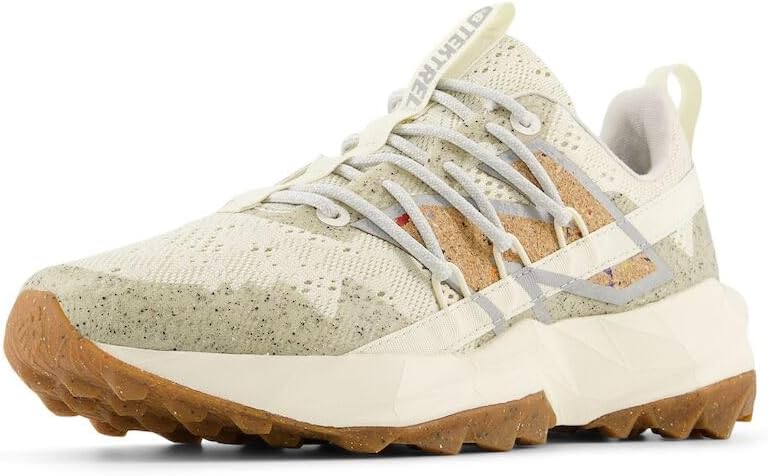
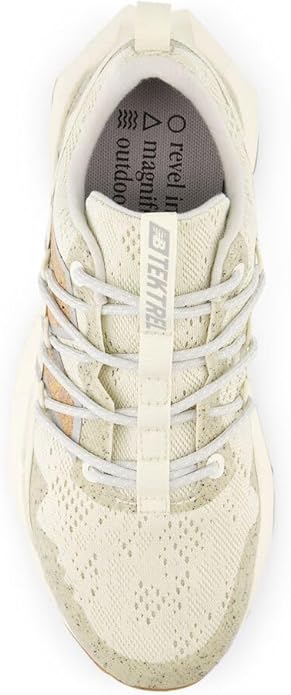
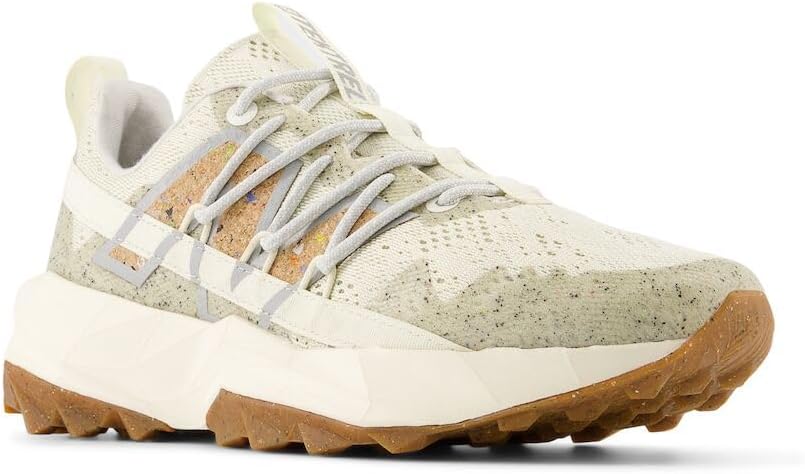
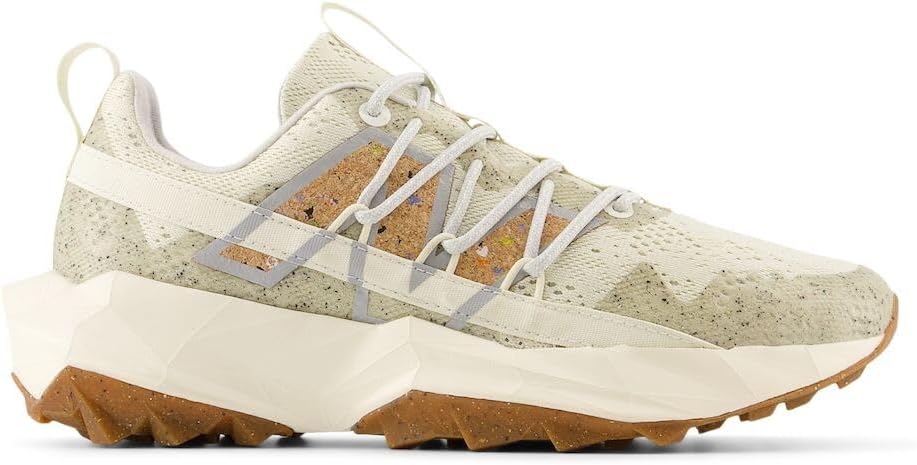
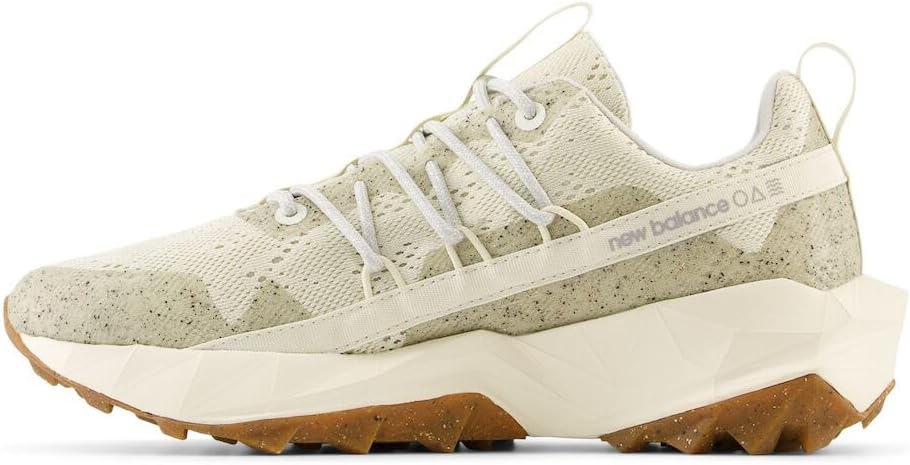
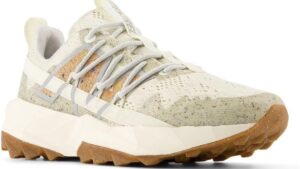
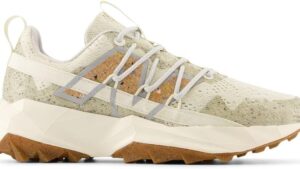
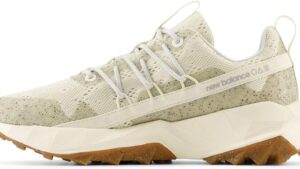
New Balance Women’s Dynasoft Tektrel V1 Suede Shoes
$80.00
- Weight: 10.3 oz (women’s size 8)
- Drop: 8mm
- Stack: 32.2mm heel / 24.2mm forefoot
- Midsole: DynaSoft EVA foam
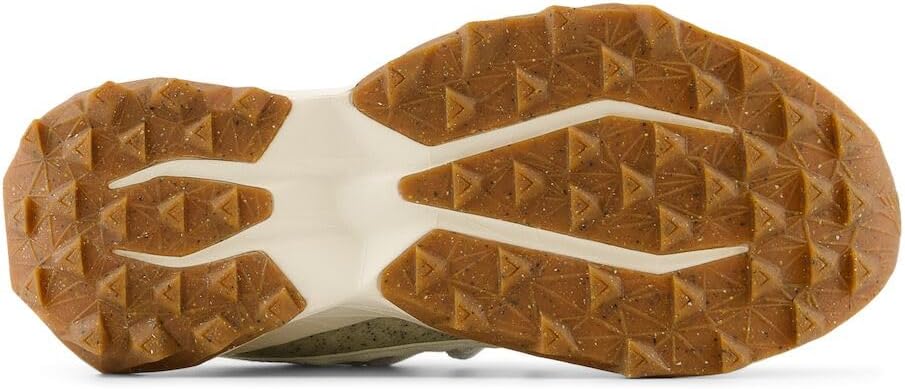
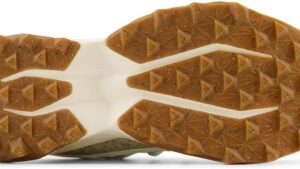
- Outsole: AT Tread pattern (3.5mm lug depth)
- Upper: Mesh with synthetic overlays
- Category: Trail running / lifestyle hybrid
- Best for: Light trail running, hiking, casual wear
As an active woman juggling trail runs, daily errands, and everything in between, I’m always skeptical when brands promise “one shoe for everything.” After more than 10 years testing footwear, I’ve heard the versatility pitch countless times—and watched most shoes fail to deliver. So when New Balance launched the Women’s Dynasoft Tektrel V1 with its door-to-trail concept and lifestyle-inspired design, I was intrigued but cautious.
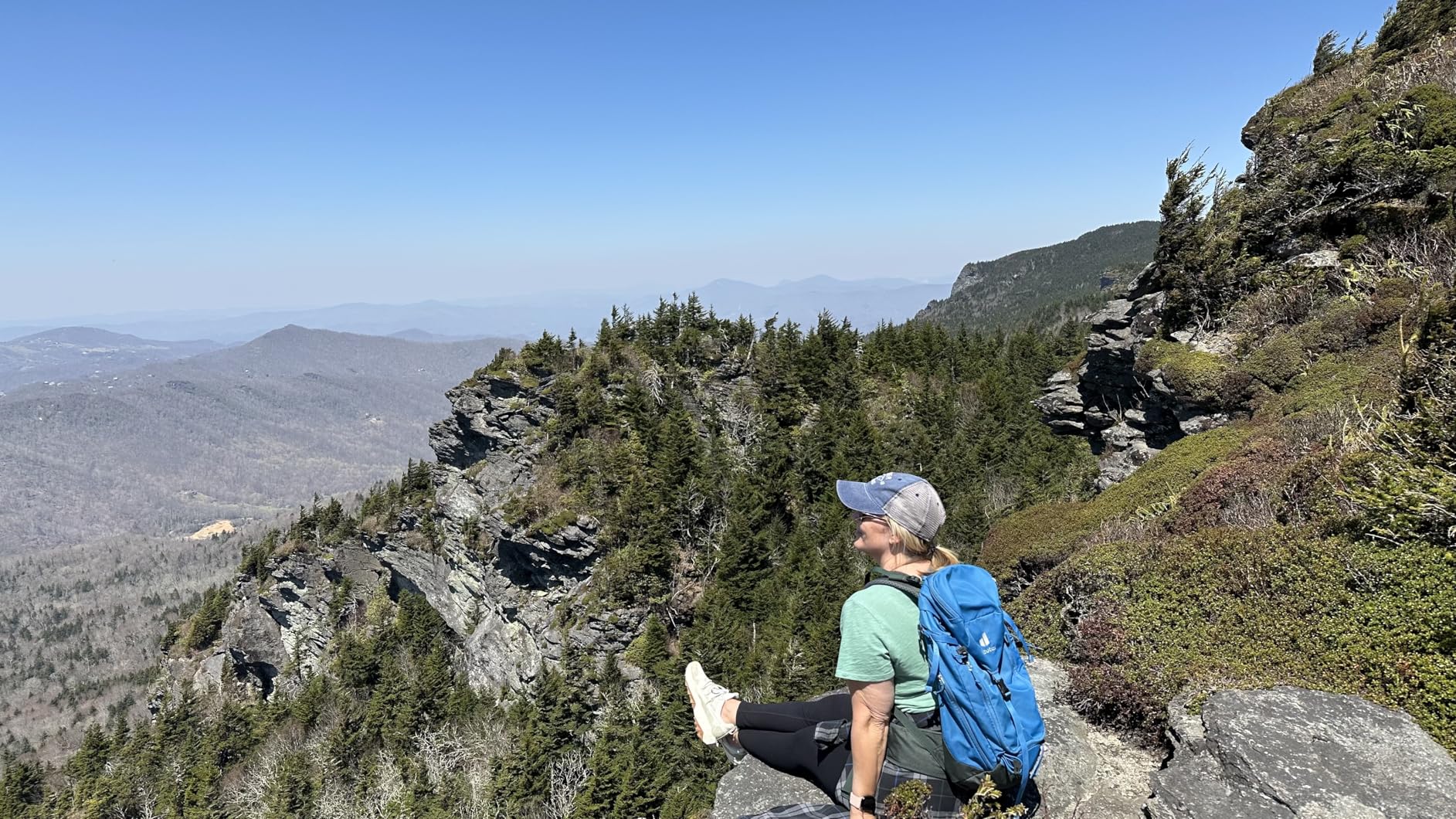
I spent 8 weeks putting these shoes through their paces across 45+ hours of mixed use. Trail runs in the Great Smoky Mountains. Full-day tourist walking in Seattle. Grocery runs. Even casual dinner dates. At 140 lbs and wearing my normal size 8, I wanted to know: Can one $80 shoe truly handle all these different activities without major compromises?
Here’s what I found: The Tektrel V1 actually delivers on its versatility promise—but with some important caveats. If you’re looking for one shoe to handle light trail running, everyday wear, and casual outings without looking like you just stepped off a mountain, this might be it. But if you need aggressive traction for technical terrain or prefer ultra-lightweight trail racers, you’ll want to keep reading.
Design, Build Quality & First Impressions
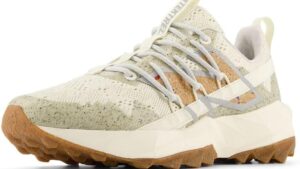
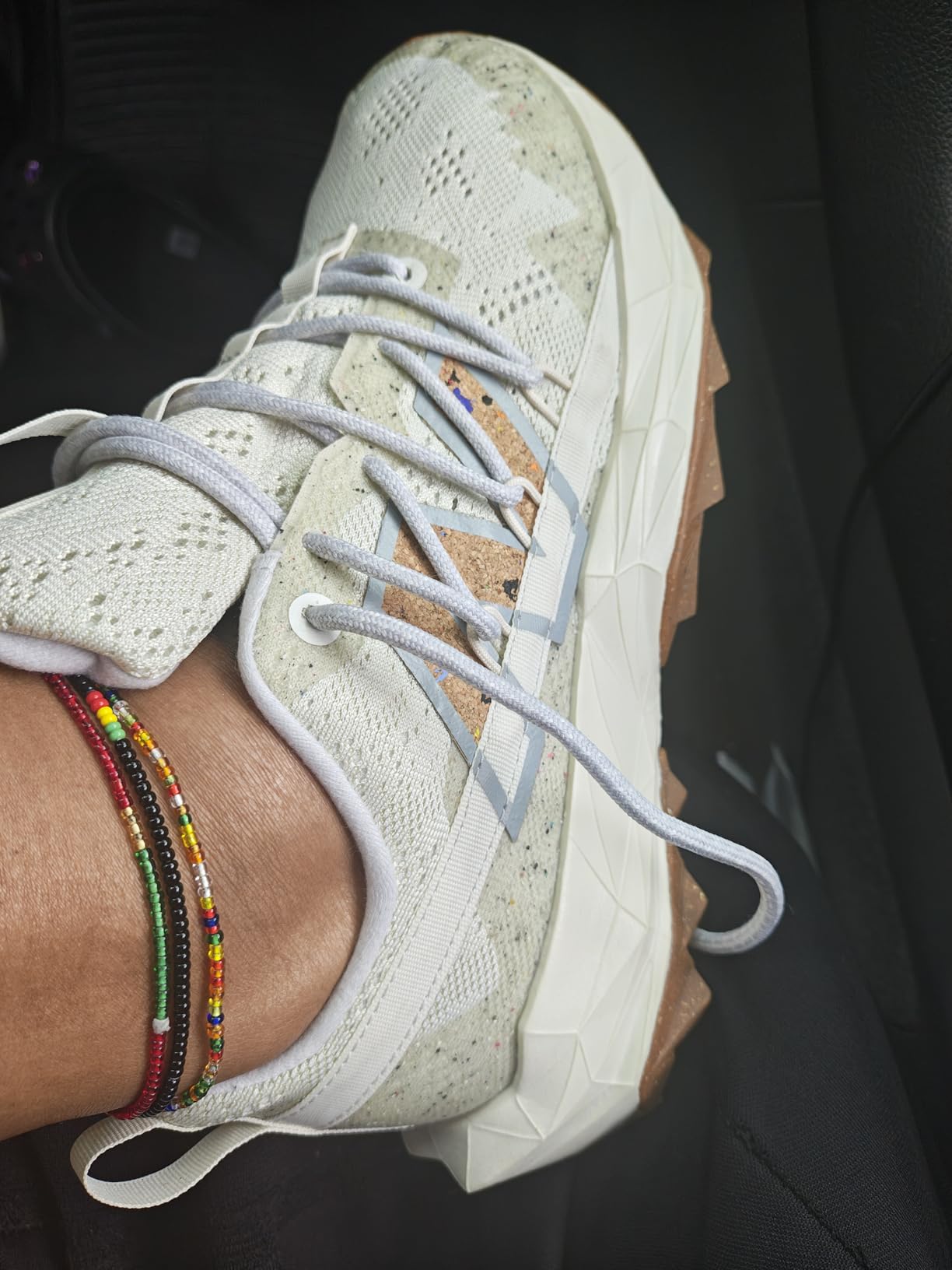
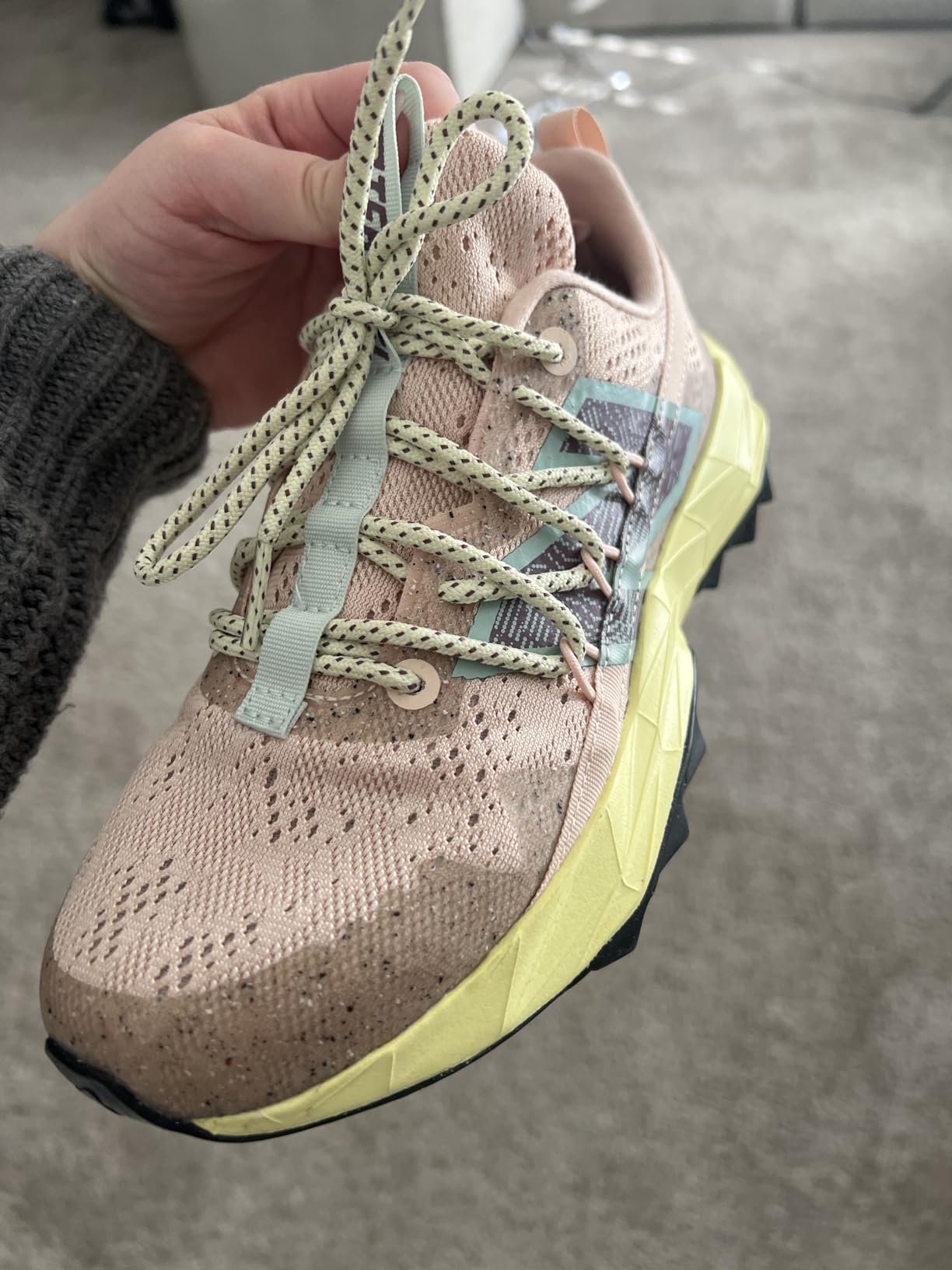
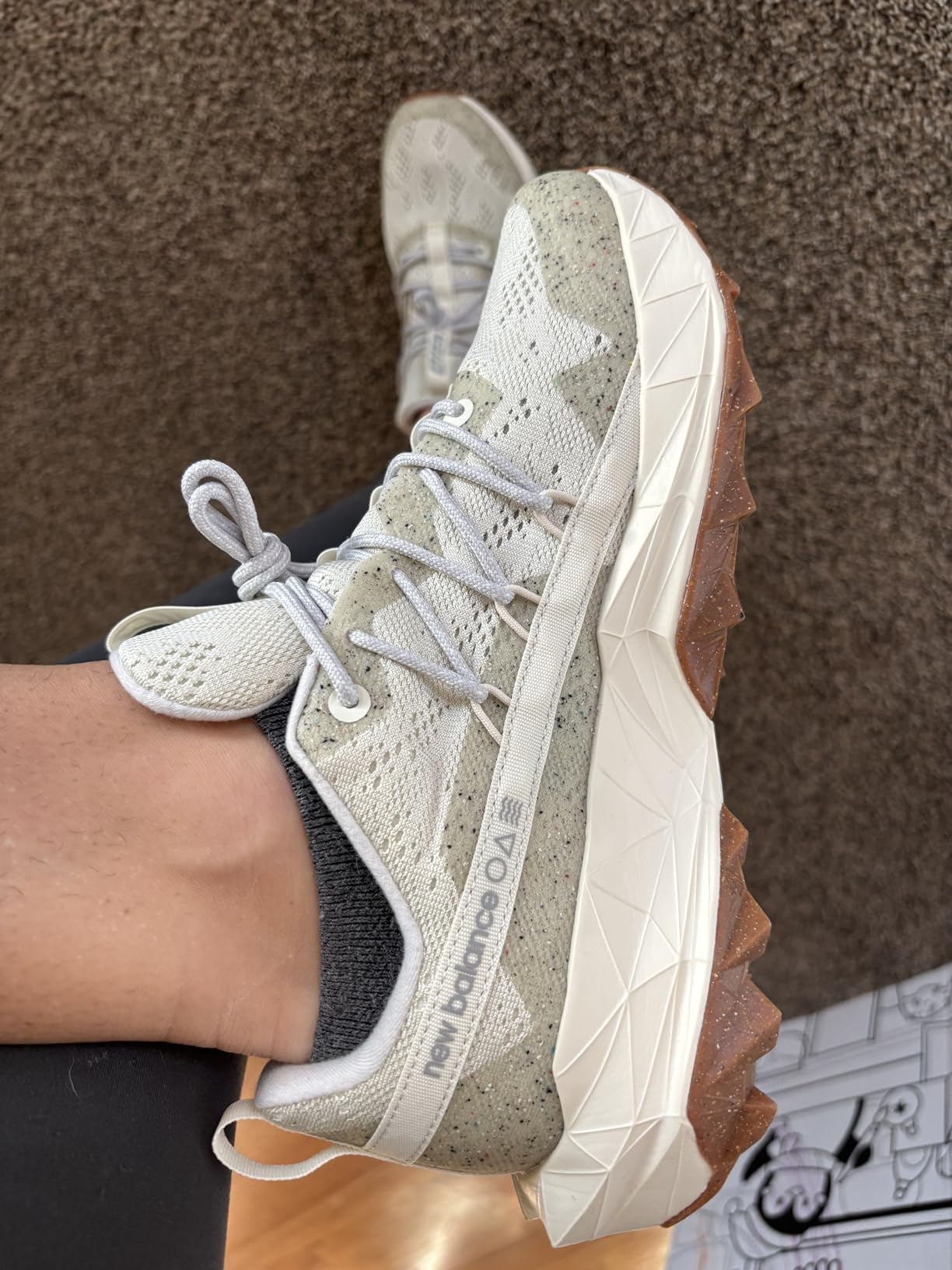
Right out of the box, the Tektrel V1 caught my attention with its bold geometric design. The colorway I tested features soft pink and sage green accents that honestly make these some of the cutest trail shoes I’ve ever owned. New Balance clearly prioritized aesthetic appeal here, and it shows—these don’t scream “hardcore trail runner” like many shoes in this category.
The build feels substantial without being heavy. At 10.3 oz for my size 8, these sit in the moderate weight range for trail/lifestyle hybrids. The construction appears solid with no loose threads or quality issues after 8 weeks of testing.
Upper Materials & Construction
The mesh upper strikes a nice balance between breathability and structure. It’s not the most ventilated trail shoe I’ve tested, but the airflow is adequate for most conditions. Synthetic overlays are strategically placed across the toe box and midfoot, adding durability without excessive bulk. After my first muddy trail run, I noticed these overlays actually helped protect the mesh from abrasion.
Here’s the trade-off with those light colorways, though: they show dirt very easily. After that first trail session, they definitely looked like they’d been through an adventure. The good news? They clean up surprisingly well with just soap and water. If you’re particular about keeping shoes pristine, you might want to consider darker color options—or be prepared for regular maintenance.
Lacing System Details
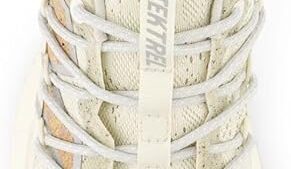
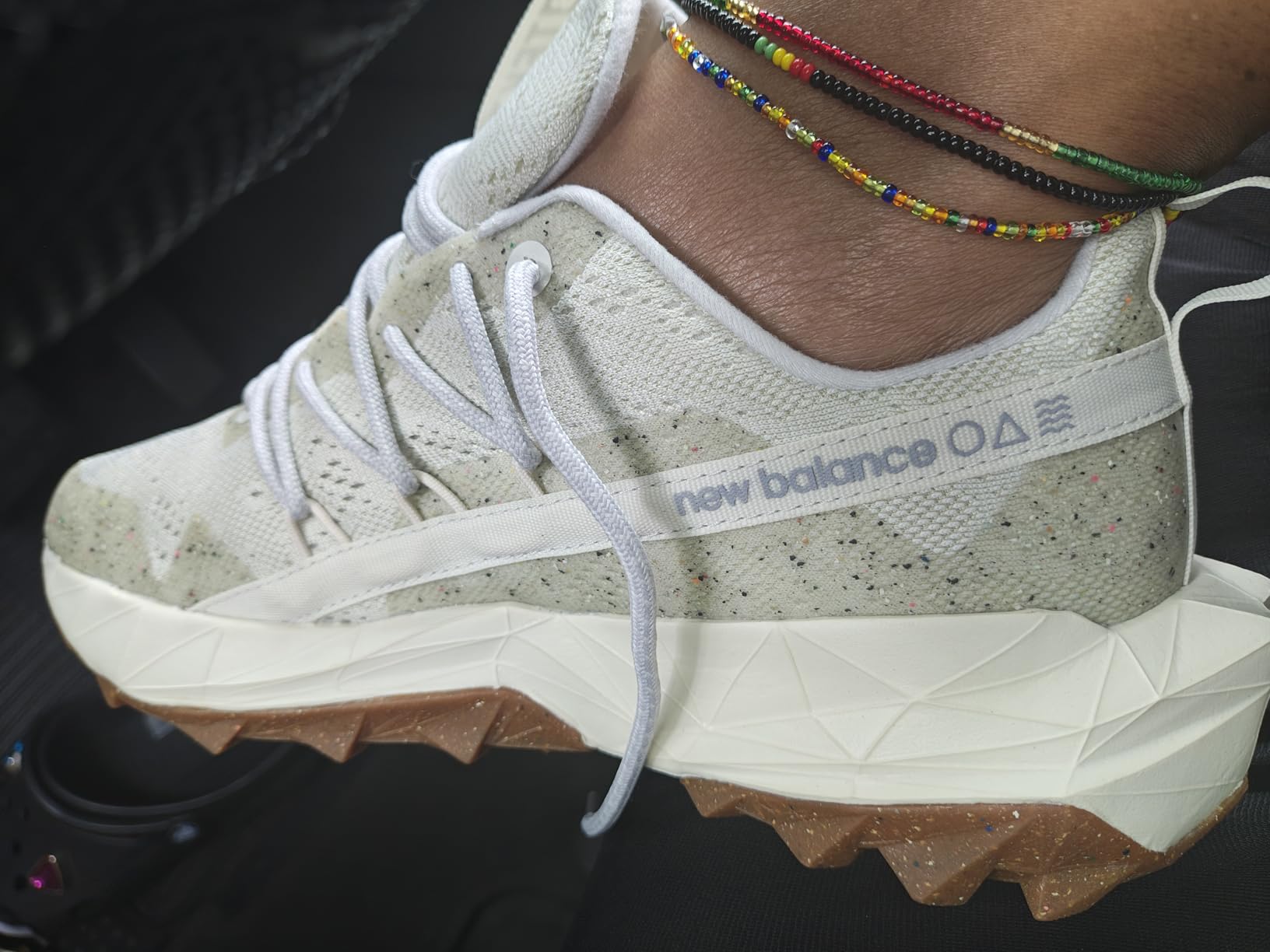
The unique lacing system deserves special mention. It’s not your typical straight-across pattern. Instead, the laces create interesting angles that not only look cool but actually provide better lockdown across the midfoot. During my first few wears, I had to experiment with the lacing to get the perfect fit. But once dialed in, these shoes felt secure without being restrictive.
The “corded eye row” New Balance mentions in their specs translates to a functional improvement in how the shoe wraps your foot. On descents during trail runs, I didn’t experience the forward slide that happens with poorly designed lacing systems.
Fit & Sizing Guidance
Based on my testing and feedback I’ve seen from other users, the Tektrel V1 runs small. I normally wear a size 8 in most running shoes, and while my true size technically fits, I’d recommend sizing up at least half a size—maybe a full size if you plan to wear thicker hiking socks.
In my normal size 8, the fit was snug but not uncomfortably tight after the break-in period. With standard athletic socks, I had adequate toe box room, though not the generous space you’d find in shoes designed for wide feet. During my first week of testing, the fit felt quite snug across the midfoot. By week four, the upper had relaxed slightly, and the fit became more comfortable.
For width considerations: If you have regular to slightly narrow feet, the standard width should work well. Wide-footed runners should definitely try these on first, as even sizing up might not provide enough width. I noticed the toe box is roomier than some New Balance models, but it’s not approaching the generous fit of brands known for wide toe boxes.
The heel lockdown is solid once you get the lacing dialed in. I tested these with both thin running socks and thicker hiking socks—with the thicker socks, the fit became noticeably snugger. If you plan to use these primarily for hiking with thick socks, definitely size up a full size.
Cushioning & Comfort Analysis
The DynaSoft midsole provides what I’d call “just right” cushioning—not maximalist, but certainly comfortable enough for long sessions. At 140 lbs, I found the 32.2mm heel stack provided adequate protection on rocky sections without feeling disconnected from the trail. This is the sweet spot for me: soft enough for all-day comfort but firm enough to prevent that “marshmallow” sensation on technical trails.
New Balance claims the DynaSoft couples “ultra-responsive performance with plush comfort.” The comfort part? Definitely there. I can wear these all day without issues. The “ultra-responsive” claim is a bit of a stretch, though. The foam offers decent energy return during trail runs, but it’s not going to blow you away with springy rebound. I did notice it’s not quite as bouncy as some of New Balance’s premium trail shoes with Fresh Foam cushioning.
The 8mm drop felt natural for my running gait and comfortable for everyday wear. I don’t get any weird forward lean during all-day standing, and it provides adequate heel elevation for both trail running and casual activities. If you’re a forefoot striker or prefer zero-drop shoes, this traditional drop might feel too built-up.
Trail Cushioning Performance
During a 6-mile hike through variable terrain in the Great Smoky Mountains National Park, the cushioning protected my feet well on packed dirt and moderate rocky sections. However, the 24.2mm forefoot stack isn’t thick enough to completely block out sharp stones. I did feel some pointier rocks through the sole, particularly when stepping directly on edges. This isn’t unusual for shoes in this category—true rock plate protection requires more aggressive trail shoes.
Compared to ultra-technical trail shoes I’ve tested, the Tektrel offers less underfoot protection. But compared to lifestyle sneakers, it’s significantly better cushioned for trail use. That’s the trade-off with versatility: you get a balance that works across activities rather than excelling at one specific use.
All-Day Comfort Reality
I tested these during a 12-hour day that included morning errands, an afternoon hike, and evening social activities. My feet felt great throughout with no hot spots or fatigue issues. The comfort really is a standout feature. Whether I was standing in line at the grocery store or walking miles of city sidewalks, these remained comfortable.
The cushioning doesn’t bottom out during extended wear, which speaks to the quality of the DynaSoft foam. After 8 weeks of mixed use, the midsole still feels responsive and supportive—no significant compression or loss of cushioning that I could detect.
Traction & Trail Performance
What really impressed me was the transition between different surfaces. The AT Tread outsole works beautifully on pavement without the harsh slapping sound many trail shoes make. Yet it still provides competent grip on trails. This is where the versatility promise actually delivers.
Multi-Surface Traction Testing
During my testing, I encountered everything from loose gravel to muddy creek crossings to rocky scrambles. These shoes handled it all competently, though I did notice some slippage on wet rocks—not unusual for a shoe in this category, but worth noting if you frequently run in very wet conditions.
On loose gravel, the 3.5mm lugs bite well enough for confident footing during moderate climbs. On packed dirt trails, traction is excellent. Rocky terrain performance is adequate for well-maintained trails, though I required more careful foot placement on technical scrambles compared to aggressive trail shoes with deeper lugs.
The wet rock caution is real. During a light rain run, I noticed reduced confidence on slick surfaces. The rubber compound seems optimized for dry-to-damp conditions rather than truly wet terrain. If you’re planning creek crossings or consistently wet trail conditions, consider more specialized waterproof hiking shoes.
Where these truly shine is the seamless transition from trail to sidewalk to indoor surfaces. I’ve worn these straight from a morning trail run into a coffee shop, then to the gym—the outsole performs well across all these different surfaces without any awkward clomping or reduced grip.
Outsole Durability Check
After 8 weeks of mixed use, I’m seeing minimal wear even on the high-contact areas. The outsole rubber seems durable and resistant to the typical abrasion you’d expect from trail running and pavement walking. Based on current wear patterns, I’d estimate these will last 300-400 miles, or about 12-18 months of regular use for mixed activities. For primarily trail use on abrasive terrain, expect the shorter end of that range.
The toe cap has held up well despite some rock encounters, and I haven’t noticed any delamination or separation between the outsole and midsole.
Breathability & Weather Performance
The mesh upper breathes well during moderate activity, though it’s not the most ventilated trail shoe I’ve tested. During hot summer runs in 85°F+ temperatures, my feet stayed comfortable but not completely cool. The mesh construction allows adequate airflow for most conditions, though extremely humid days might leave you wanting more ventilation.
These are not waterproof, so your feet will get wet in rain or creek crossings. However, the mesh does dry relatively quickly. After an unexpected rain shower during a trail run, my shoes were noticeably drier within about 30 minutes of getting back to dry conditions. This quick-dry capability makes them more practical for mixed conditions than fully waterproof options that trap moisture once it gets inside.
For hot weather running, I’d rate the breathability as adequate but not exceptional. If maximum ventilation is your priority, there are more aggressively vented trail shoes available. But for the versatility these offer, the breathability is acceptable.
The Versatility Test—Does “Door-to-Trail” Actually Work?
This is where I was most skeptical. Marketing teams love to claim versatility, but usually shoes excel at one thing and merely tolerate others. After 8 weeks of genuinely mixed use, I can say the Tektrel V1 is one of the few shoes that actually delivers on the multi-use promise.
Actual Use Case Testing
Here’s what I actually did in these shoes over 8 weeks:
Early morning trail runs: Handled light to moderate trails with confidence. The cushioning protected my feet on rocky sections, and the traction was reliable on dry packed dirt and loose gravel. Not aggressive enough for ultra-technical terrain, but perfect for well-maintained trail systems.
Full-day tourist walking in Seattle: This was the real test. Could I wear trail shoes all day in an urban environment without looking out of place or experiencing discomfort? Yes on both counts. I walked miles of city sidewalks, visited Pike Place Market, and grabbed dinner—all while wearing these. My feet felt great, and the shoes looked appropriate with casual jeans.
Grocery shopping and errands: Here’s where lifestyle sneakers usually dominate. But the Tektrel held its own. Comfortable for extended standing, easy to slip on and off, and stylish enough that I didn’t feel like I was wearing athletic gear to the grocery store.
Casual dinner dates: I’ll admit, I was surprised these worked here too. The lifestyle-inspired design means they don’t scream “I just came from the gym.” With the right outfit, they actually look intentional rather than athletic-by-default.
Style vs. Function Reality
The colorways are genuinely stylish enough that I’ve received compliments wearing them with casual outfits. That pink and sage green combination hits that sweet spot where performance meets everyday wearability. They don’t have the clunky aesthetic of dedicated trail shoes, yet they perform significantly better than pure lifestyle sneakers on actual trails.
This design choice is both a strength and a limitation. The more refined, lifestyle-friendly appearance comes at the cost of not being the most aggressive trail shoe. You’re trading hardcore technical capability for the ability to wear one shoe across multiple parts of your day. For me, that’s a worthwhile trade-off. For someone focused purely on trail performance, it might not be.
Trail Conditions Breakdown
I’ve put the Tektrel V1 through every condition I could find during my 8-week testing period. Here’s how they performed across different terrains:
Dry trail conditions: Excellent performance. During a 10-mile day hike on dry, well-maintained trails, these were confidence-inspiring. The traction felt secure, the cushioning protected my feet throughout the distance, and I experienced no blisters or hot spots. This is the Tektrel’s sweet spot—moderate trails in dry conditions.
Rocky/technical terrain: Moderate capability with limitations. The 24.2mm forefoot stack provides some rock protection, but I did feel sharper stones through the sole. On technical scrambles requiring precise foot placement, I found myself being more careful than I would be in shoes with dedicated rock plates. These work fine for rocky trails with occasional stone encounters, but for consistently technical terrain, you’d want something more protective.
Muddy conditions: Adequate but not exceptional. The AT Tread pattern sheds mud reasonably well—I didn’t experience the mud-caking that happens with some tread designs. However, the 3.5mm lug depth isn’t aggressive enough for truly deep mud. In moderate muddy conditions, they performed fine. In seriously sloppy terrain, more aggressive lugs would provide better confidence.
Wet weather: The non-waterproof mesh means your feet will get wet. But as I mentioned earlier, the quick-dry capability helps. During wet runs, I noticed reduced traction on slick rocks and roots, so extra caution is required. These aren’t the shoes for consistently wet trail conditions or creek running.
Pavement: This is where they truly excel beyond typical trail shoes. The outsole transitions to pavement beautifully with no awkward slapping sound or reduced traction. I’ve run several miles on sidewalks with these, and they feel more like road-friendly trainers than trail shoes on pavement. This capability is key to their versatility—you can genuinely move from trail to urban environments without compromising comfort or performance.
Brand Claims Verification
Let’s examine what New Balance promises versus what I actually experienced during testing:
“DynaSoft midsole couples ultra-responsive performance with plush comfort” → I’d give this about 75% accuracy. The comfort is definitely there—I can wear these all day without issues. The “ultra-responsive” part is overselling it. It’s responsive enough for casual trail running and daily activities, but it’s not going to blow you away with energy return. More accurate would be “moderate responsiveness with genuine comfort.”
“AT Tread outsole provides versatile traction during both on and off-road activities” → This is accurate. The versatility claim truly delivers. During my testing, the Tektrel moved seamlessly from trail to sidewalk to gym floor. Traction is competent across surfaces, with the caveat that wet rocks require caution. I’d rate this claim 90% accurate—the only deduction is for wet condition performance.
“Lifestyle-inspired upper design for effortless style” → 100% accurate. The design genuinely works beyond trails. The colorways are attractive enough that I’ve received compliments wearing them casually. They hit that sweet spot where performance meets everyday wearability. This might be the most truthful marketing claim of the bunch.
Overall, New Balance delivers on most of their promises. The versatility is real, the comfort is genuine, and the style factor is legitimate. The only area where they oversell is the “ultra-responsive” language around the cushioning—it’s good but not exceptional in that specific metric.
Overall Assessment & Scoring
After 8 weeks of comprehensive testing across trail runs, urban walking, errands, and casual wear, I’m rating the New Balance Women’s Dynasoft Tektrel V1 at 8.1/10. This score reflects a shoe that genuinely delivers on its versatility promise while acknowledging some limitations in specialized performance.
Category Breakdown:
- Design & Aesthetics: 9.0/10 — Genuinely attractive for a trail shoe, lifestyle-appropriate, compliment-worthy colorways
- Trail Performance: 7.5/10 — Competent for light to moderate trails, but not aggressive enough for technical terrain
- Versatility: 9.0/10 — Actually delivers on multi-use promise, seamless transitions between activities
- Comfort: 8.5/10 — All-day wearability, no hot spots, adequate cushioning for mixed use
- Value for Money: 8.0/10 — At $80, fair pricing for a hybrid that replaces multiple shoes
What stood out positively: The genuine versatility, the attractive design that works beyond trails, the comfort during extended wear, and the seamless surface transitions. If you want one shoe that can handle trail runs, city walking, and casual wear, this is one of the few that actually delivers.
What disappointed: The “ultra-responsive” claim doesn’t quite match reality, wet rock traction requires caution, and the cushioning isn’t protective enough for truly technical trails. Also, those light colorways show dirt easily, requiring more maintenance if you care about appearance.
For value analysis: At $80, you’re getting a shoe that can reasonably replace a trail runner, a casual sneaker, and a walking shoe. If you actually use it across multiple activities, the cost-per-wear becomes very reasonable. Based on my wear patterns, I’d estimate about $1.75 per wear over a year of regular use—solid value for a versatile hybrid.
Pros & Cons
✅ What I Loved
- Genuinely versatile—works across trail, urban, and casual settings
- Stylish design with compliment-worthy colorways
- Comfortable for all-day wear with no hot spots
- Seamless transitions between different surfaces
- Solid build quality with minimal wear after 8 weeks
- Effective lacing system for midfoot lockdown
- Fair $80 price point for multi-use capability
- Cleans up well despite light colors
❌ What Could Be Better
- Runs small—size up recommended
- Light colorways show dirt very easily
- “Ultra-responsive” claim is overselling the cushioning
- Wet rock traction requires extra caution
- Not aggressive enough for technical trails
- Breathability adequate but not exceptional
- May feel narrow for wide-footed runners
- Break-in period needed for optimal fit
Who Should Buy (And Who Shouldn’t)
✅ Perfect For:
Active women wanting one versatile shoe: If you’re tired of swapping between trail shoes, walking shoes, and casual sneakers throughout your day, the Tektrel delivers. It’s ideal for someone who runs light trails in the morning, runs errands in the afternoon, and wants to keep the same shoes on for casual evening activities.
Light to moderate trail runners prioritizing style and comfort: You run well-maintained trail systems rather than technical mountain terrain. You value a shoe that looks good enough to wear beyond the trailhead. You prioritize all-day comfort over racing speed.
Door-to-trail lifestyle seekers: Your typical day includes a mix of outdoor activities and urban environments. You want performance when needed but style when visible. You value the convenience of one shoe for multiple activities.
Multi-activity users on a budget: At $80, these replace potentially three different shoes. If budget is a consideration and you need versatility, this is solid value.
⚠️ Consider Carefully If:
You have wide feet: Even in wide width options, some users report these feel narrow. Try before buying if possible, and definitely size up at least half a size.
You prefer ultra-lightweight shoes: At 10.3 oz, these aren’t heavy, but they’re not ultralight either. If you prioritize minimal weight for speed, there are lighter trail running options.
You need maximum breathability: The ventilation is adequate but not exceptional. If you run in very hot, humid conditions and prioritize airflow, there are more aggressively vented shoes available.
You’re particular about clean shoes: Those light colorways look great but show every speck of dirt. If shoe maintenance annoys you, choose darker colors or consider other options.
❌ Look Elsewhere If:
Technical/aggressive trail terrain is your focus: The 3.5mm lugs and moderate cushioning aren’t aggressive enough for ultra-technical trails. For consistently rocky, steep, or technical terrain, you need dedicated trail shoes with deeper lugs and rock plates. Consider more specialized New Balance trail shoes with deeper lugs and rock plates for aggressive terrain.
You’re a heavy pronator needing stability features: These are neutral shoes without specific stability technologies. If you need motion control or structured support, look for shoes with dedicated stability features.
You prefer minimalist or zero-drop shoes: The 8mm drop is traditional, which won’t suit runners who’ve adapted to minimalist footwear. If you’re committed to zero-drop running, this isn’t the shoe for you.
You need maximum durability for intensive daily trail use: While build quality is solid, intensive daily trail running will wear these faster than dedicated trail shoes with more robust construction. For high-mileage trail runners, consider more specialized options.
Better Alternatives for Specific Needs:
- More aggressive trails: New Balance Fresh Foam X Hierro v7 offers deeper lugs, Vibram outsole, and better rock protection
- Lighter/faster: Hoka Challenger 7 provides similar versatility at 8.9 oz with softer cushioning
- Budget-friendly similar option: Brooks Divide 4 offers comparable hybrid capability at the same $80 price point
Frequently Asked Questions
How does the Tektrel fit? Is it true to size?
Based on my testing and user feedback I’ve reviewed, the Tektrel V1 runs small. I’d recommend ordering at least half a size up from your normal size—possibly a full size if you plan to wear thicker hiking socks. In my true size 8, the fit was snug but workable after break-in. For optimal comfort, especially if you have wider feet, sizing up is the safer choice. The toe box offers adequate room for average feet but may feel cramped for wide-footed runners even when sized up.
What’s the break-in period like?
During my first week of testing, the fit felt quite snug across the midfoot and the upper felt stiff. I experienced no blistering, but the shoes definitely weren’t at their most comfortable yet. By the end of week two, the mesh upper had relaxed considerably, and the fit became more forgiving. By week four, they felt fully broken in with optimal comfort. For easier break-in, I’d recommend wearing them for shorter casual sessions first before committing to long trail runs or all-day wear.
Can I use these for road running or are they trails only?
One of the standout features is how well these transition to pavement. Unlike many trail shoes that feel clunky or slappy on roads, the Tektrel runs smoothly on sidewalks and roads. I’ve done several miles of road running in these without issues. The outsole doesn’t have that harsh sound many trail shoes make on pavement, and the cushioning works well for mixed surface running. That said, if you’re doing primarily road running, a dedicated road shoe will offer better performance. But for mixed-surface days, these excel.
How’s the breathability in hot weather?
The mesh upper provides adequate but not exceptional ventilation. During 85°F+ summer runs, my feet stayed comfortable but not completely cool. I’d rate the breathability as middle-of-the-pack for trail shoes—better than waterproof options, but not as ventilated as shoes with more aggressive mesh or drainage holes. For extremely hot, humid conditions, you might want more airflow. But for most temperature ranges and moderate activity levels, the breathability is sufficient.
Are they waterproof? How do they handle wet conditions?
These are not waterproof. The mesh upper will let water in during rain, creek crossings, or wet grass. However, they do dry relatively quickly—within about 30 minutes of returning to dry conditions in my experience. For wet traction, I noticed some slippage on wet rocks and roots, so extra caution is needed. These work fine for occasional wet encounters but aren’t ideal for consistently wet trail conditions. If you need waterproof capability, consider models with Gore-Tex or similar waterproof membranes, though you’ll sacrifice some of the versatility and breathability.
How long will these realistically last?
Based on wear patterns after 8 weeks of mixed use, I estimate 300-400 miles or about 12-18 months of regular use. For primarily trail use on abrasive terrain, expect the shorter end of that range. For mixed use with more pavement and casual wear, you’ll likely hit the upper end. At 140 lbs, I’m seeing minimal outsole wear on high-contact areas, which suggests decent durability. Heavier runners might see faster wear, while lighter users could exceed these estimates. The midsole hasn’t shown signs of compression yet, which is a good indicator for longevity.
Do light colors show dirt easily? How do you clean them?
Yes, the light pink and sage green colorways show dirt very easily. After my first muddy trail run, they looked thoroughly used. However, they clean up surprisingly well. I’ve had success with simple soap and water using a soft brush. For tougher stains, a Magic Eraser worked on the synthetic overlays. The mesh does hold some staining if you let mud dry completely, so cleaning them while the dirt is still fresh works best. If low maintenance is important to you, consider the darker colorway options, or be prepared to clean these regularly if you want to maintain their fresh appearance.
Are they good for hiking as well as trail running?
Yes, with caveats. These work well for day hiking on well-maintained trails. I’ve done multiple 6-10 mile day hikes in these with good results—comfortable throughout, adequate traction, no hot spots. However, for serious backpacking with heavy loads, technical scrambles, or multi-day treks, you’d want something with more ankle support and aggressive traction. The moderate cushioning and 8mm drop work fine for hiking, and the all-day comfort is genuine. Think day hikes on established trails rather than backcountry adventures.
How do they compare to the New Balance Hierro series?
The Hierro v7 is a more aggressive trail shoe with Vibram Megagrip outsole, deeper lugs, and Fresh Foam X cushioning. It’s better for technical trails, offers more responsive cushioning, and provides superior traction. However, it’s also $140 (nearly double the Tektrel’s $80), heavier, and less versatile for casual wear. Choose the Tektrel if you want one shoe for mixed use including casual wear at a lower price. Choose the Hierro if you’re focused primarily on trail performance and can justify the higher cost. The Tektrel is the lifestyle hybrid; the Hierro is the serious trail tool.
What’s the best sock pairing?
I tested these with both thin running socks and thicker hiking socks. With standard athletic socks, the fit is snug but comfortable in my true size (though sizing up would still be better). With thicker hiking socks, the fit becomes noticeably tighter—if you plan to use thick socks regularly, definitely size up a full size. For blister prevention, I’d recommend medium-cushion running socks for trail running and light hiking, switching to thicker hiking socks only for longer hikes in cooler weather. Avoid very thin socks as the interior has some seams that might cause irritation without adequate sock cushioning.
Can I wear them all day without foot fatigue?
Yes. This was one of the most impressive findings from my testing. I wore these for a 12-hour day that included standing, walking, hiking, and social activities—my feet felt great throughout with no fatigue. The DynaSoft cushioning doesn’t bottom out during extended wear, and I experienced no pressure points or hot spots. At 140 lbs, the cushioning felt adequately supportive all day. Heavier users might experience more fatigue, but for average-weight runners and walkers, the all-day comfort is genuinely one of the Tektrel’s strengths.
Who should NOT buy these shoes?
Skip these if you need maximum stability for pronation control, prefer zero-drop or minimalist shoes, focus exclusively on technical trail terrain, or have very wide feet even in wide widths. Also reconsider if you want the lightest possible trail shoes for racing, need waterproof protection for consistently wet conditions, or run extremely high mileage where specialized durability matters more than versatility. The Tektrel is a “very good at many things” shoe, not an “excellent at one thing” shoe—if you need specialized performance, more focused options will serve you better.
Final Verdict & Buying Advice
After 8 weeks of testing the New Balance Women’s Dynasoft Tektrel V1 across trail runs, urban walking, errands, and casual outings, I can confidently say this is one of the few shoes that actually delivers on the versatility promise. If you’re an active woman who wants one shoe to handle light trail running, everyday activities, and casual wear without looking like you’re always in athletic mode, the Tektrel is worth serious consideration.
The $80 price point is fair for what you’re getting—a genuinely multi-functional shoe that can replace several pairs in your rotation. The comfort is real, the style factor is legitimate, and the build quality appears solid for long-term use. The DynaSoft cushioning provides adequate protection without feeling disconnected, and the AT Tread outsole transitions seamlessly between surfaces.
However, this versatility comes with trade-offs. You’re not getting the most aggressive trail shoe, the lightest racer, or the most ventilated option. You’re getting a balanced tool that’s very good at many things rather than excellent at one thing. The key question is whether that balance matches your needs.
The Tektrel is worth the $80 if: You genuinely need multi-use capability and value the convenience of one shoe for varied activities. You run light to moderate trails rather than ultra-technical terrain. You appreciate style alongside performance. You want solid all-day comfort across different use cases.
Look elsewhere if: You focus primarily on technical trail running and need aggressive traction. You want the absolute lightest option. You prefer specialized shoes optimized for single purposes. You have very wide feet or need stability features.
Pro tip: Order at least half a size up from your normal size. If you plan to wear thicker hiking socks or have slightly wider feet, go up a full size. The break-in period is real but manageable—wear them casually for the first week before committing to long trail runs.
For the active woman juggling multiple activities who values both performance and appearance, the Dynasoft Tektrel V1 hits a sweet spot that few shoes manage. It’s not perfect, but it’s genuinely good at enough different things that it might be the only pair you need to grab on your way out the door—whether you’re heading to the trails, the store, or anywhere in between.
Be the first to review “New Balance Women’s Dynasoft Tektrel V1 Suede Shoes”
Related products
Running Shoes
Running Shoes
Running Shoes
Running Shoes
Running Shoes
Running Shoes
Running Shoes
Running Shoes
Reviews
There are no reviews yet.