
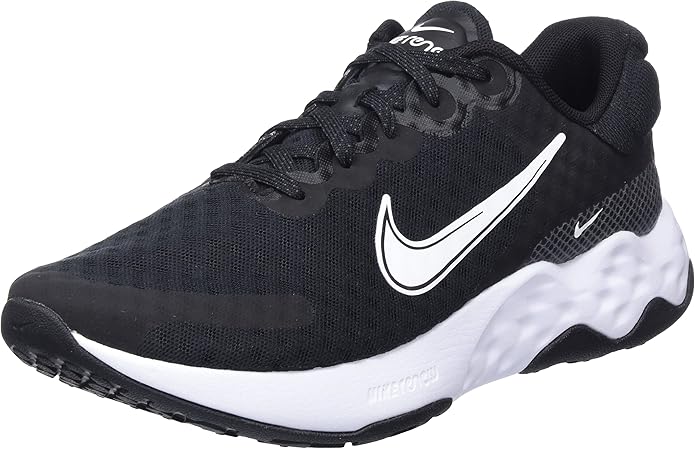
Nike Women’s Renew Ride 3 Running Shoes
- 💰 Price: $75–$80
- ⚖️ Weight: 10.2 oz / 290g (lab-measured, women’s size 8)
- 🧪 Midsole: Nike Renew foam (EVA-based)
- 📐 Heel Drop: 10mm
- 👟 Upper: Lightweight mesh with synthetic overlays
- 🏃♀️ Category: Road running / Cross-training
- 👟 Closure: Traditional lace-up
- 💧 Water Resistance: None
Ten-plus years testing footwear will do something to your perspective: you develop a healthy skepticism for shoes that claim to handle everything. Daily running, gym workouts, casual errands — when a single shoe promises all three, I’ve learned to test first and believe later. So when the Nike Women’s Renew Ride 3 arrived, I didn’t take the marketing at face value. I wore them. Eight weeks, 45 sessions, approximately 180 miles. Here’s what the testing actually showed.
How I Tested the Renew Ride 3
I’m Sarah — I’ve been testing footwear for over a decade, and my size 8, normal-to-narrow feet have logged miles in somewhere around 200 pairs across that time. For this review, I wore the Renew Ride 3 through a full cross-section of daily use: easy 3–5 mile morning runs, tempo efforts pushing to 7:45 per mile, weekend longer runs, strength training, yoga, HIIT circuits, and full 8–10 hour days of casual wear. Testing spanned genuinely varied climates — a humid 85°F August morning run in Miami, cool 6 AM efforts in Seattle, wet pavement in Portland during a week of thunderstorms, and dry evening heat in Phoenix. The goal was to find out whether “versatile daily trainer” is a real product category or a marketing convenience.
First Look: Design Built for Function Over Fashion
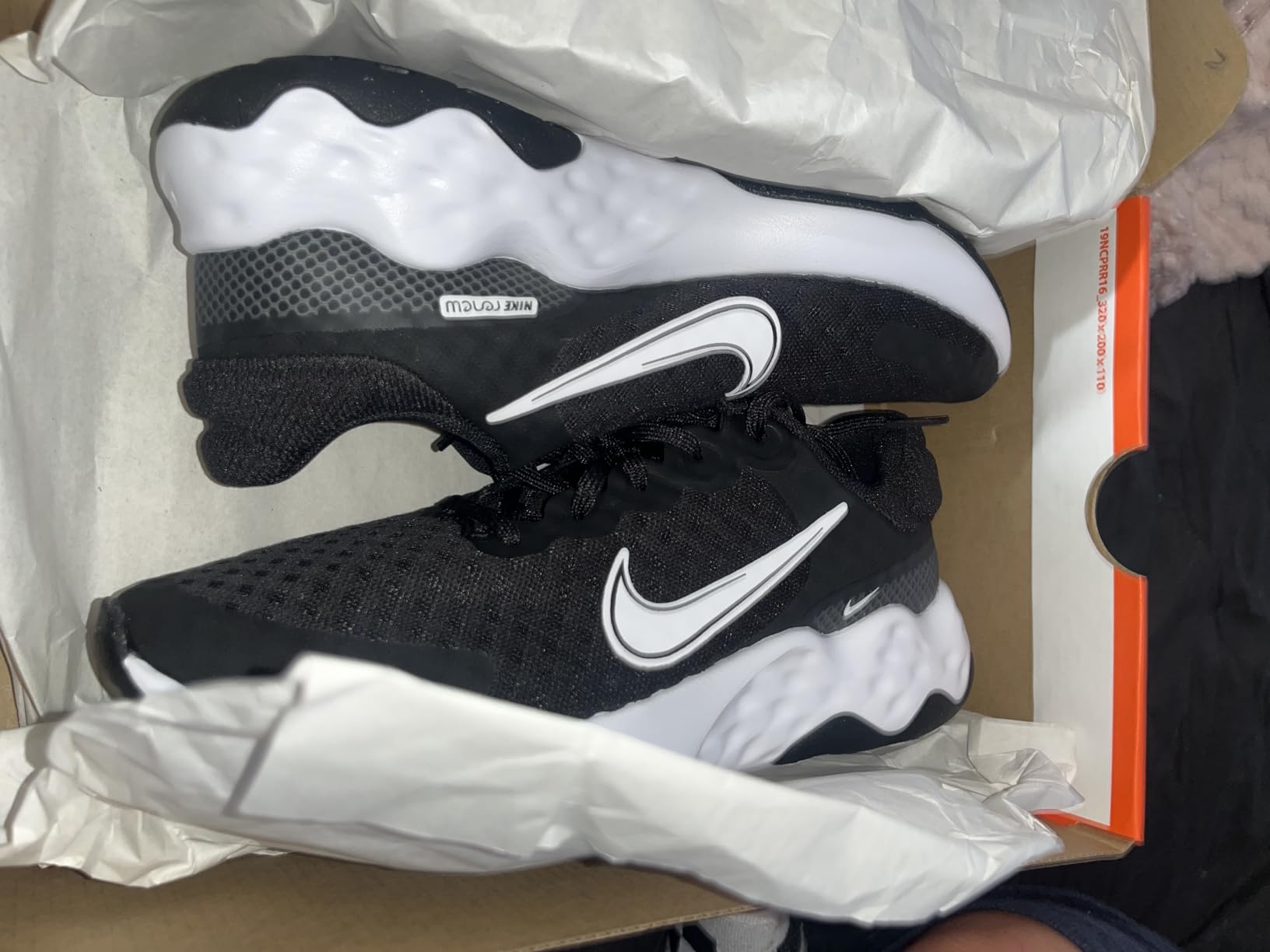
The black, white, and grey colorway doesn’t announce itself. That’s the right call for a shoe positioned across multiple activities — understated versatility beats bold styling that feels out of place the moment you step off the running path. What the design communicates clearly is function: the mesh upper has real structure to it rather than the papery thin feel you sometimes encounter at this price point, and the reinforced toe overlay adds meaningful protection for runners who tend to be hard on shoes.
The lacing system is straightforward — traditional lockdown without gimmicks — and it works. What I noticed immediately was the padded collar and tongue. There’s enough cushioning against the ankle to prevent irritation through varied activity types without adding bulk that would restrict natural movement. The overall construction feels honest: built to perform across multiple contexts, not styled for one.
The one design caveat to understand upfront: the Renew Ride 3 has a tapered, fitted profile. Women with wider feet will see that in the silhouette before they even try the shoe on.
Fit and Sizing: True to Size, With One Major Caveat
The single most important fit detail is the toe box width. Independent lab measurements put it at 93.5mm, placing the Renew Ride 3 among the narrowest 7% of running shoes ever independently measured. I have normal-to-slightly-narrow feet, and the fit in my size 8 was exactly right — secure midfoot hold, adequate toe room without sloppiness, and heel lockdown that held consistently from the first run through the last. But those lab numbers don’t lie: if you have wide feet, or if standard-width shoes regularly feel snug in the forefoot, this shoe will be problematic regardless of the size you order.
What genuinely surprised me was the absence of any break-in period. I wore them straight from the box on a 3-mile easy run on day one and experienced zero discomfort — no hot spots, no rubbing, no adjustment phase. The security I felt that day was the same security I felt 45 sessions later. That kind of immediate comfort is uncommon enough to be worth calling out.
Breathability reinforces the fit comfort. The mesh breathes well across conditions — feet stayed relatively dry through morning runs in warm weather, and in that muggy Miami heat the upper managed airflow better than most comparable shoes I’ve tested at this price. The material dries quickly after wet conditions too, which matters if you run in variable weather.
The Renew Foam Midsole: Smooth, Not Plush — and That’s Worth Understanding
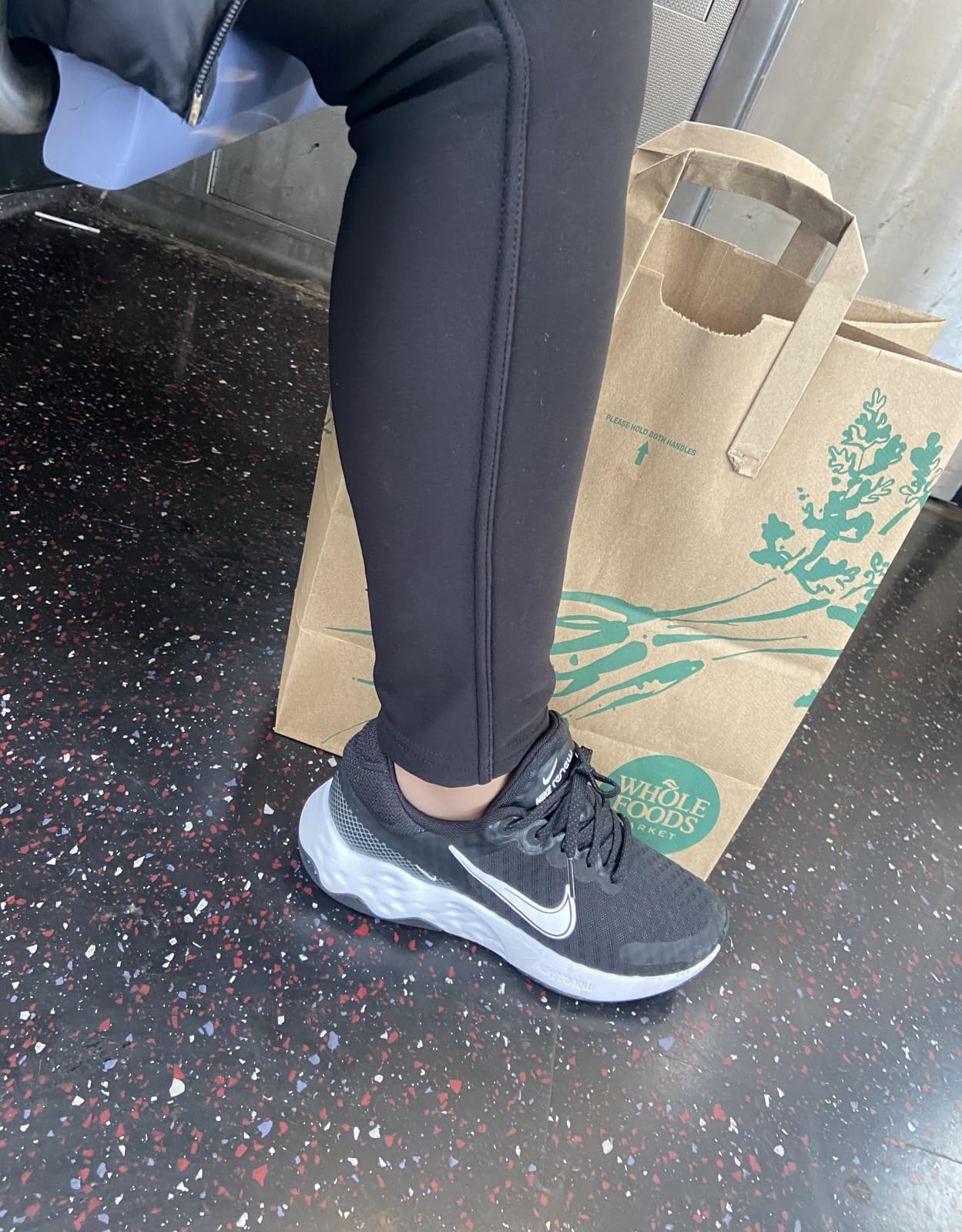
Nike’s marketing for the Renew foam uses the word “soft.” Independent lab durometer testing measures the foam at 23.5 HA — average softness for a running shoe midsole, not premium. Those two things can coexist if you understand the distinction: this is not a plush, sink-in midsole. It’s a smooth, consistent one.
In practice across 180 miles, the cushioning performed well for its category. The heel-to-toe transition is natural and unforced at easy to moderate paces. My knees and ankles felt properly supported through 5-mile weekend runs and 30+ mile training weeks, with none of the “dead leg” fatigue that sometimes comes from over-cushioned shoes. What the foam doesn’t offer is energy return — this is EVA construction, not the reactive foam you’d find in shoes like the Nike Air Winflo 9 or the Altra Via Olympus 2. You provide the push-off effort rather than bouncing off a springy midsole.
The durability story is more encouraging. After 8 weeks of regular testing — including high-mileage training weeks and multiple gym sessions per week — the foam maintained its responsiveness without noticeable compression or bottoming out. One underappreciated data point from lab testing: the Renew foam handles cold weather better than average, hardening only minimally in freezing conditions compared to typical EVA foam. For year-round runners, that matters.
Arch support is moderate and well-positioned. It serves normal arches adequately across running and gym use. Custom orthotic wearers will want to test compatibility before committing.
Running and Gym Performance
Running: Where the Shoe Was Designed to Live
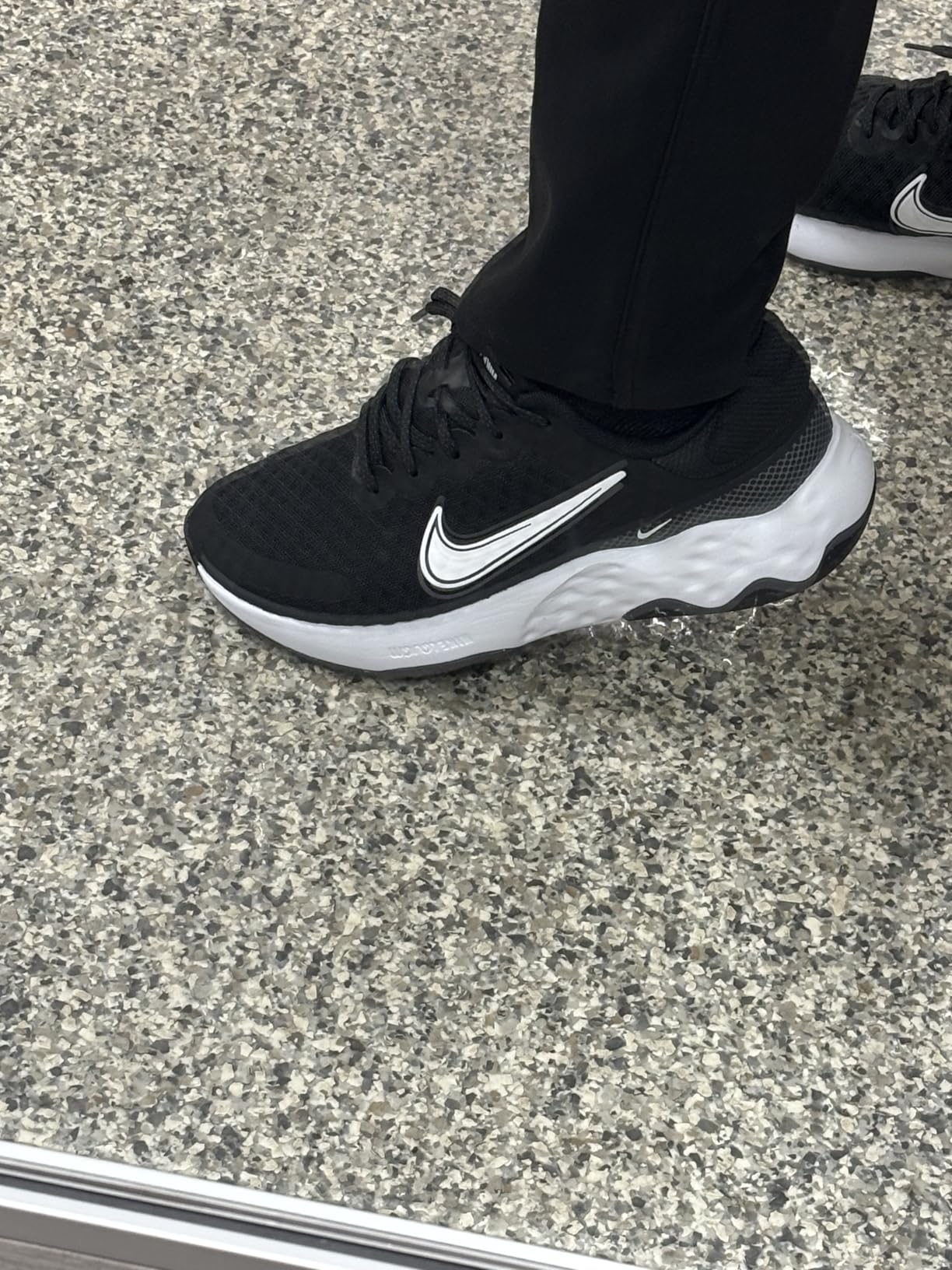
For daily running shoes workloads — easy recovery efforts, moderate-paced long runs, mixed training days — the Renew Ride 3 does exactly what a competent daily trainer should. The weight (around 10 oz by independent measurement) feels agile over distance without ever becoming a liability. At easy paces between 8:00 and 9:30 per mile, the cushioning provides solid comfort without excess. When I pushed to tempo efforts at 7:45, the shoe felt responsive and stable — the transition doesn’t fight faster movement.
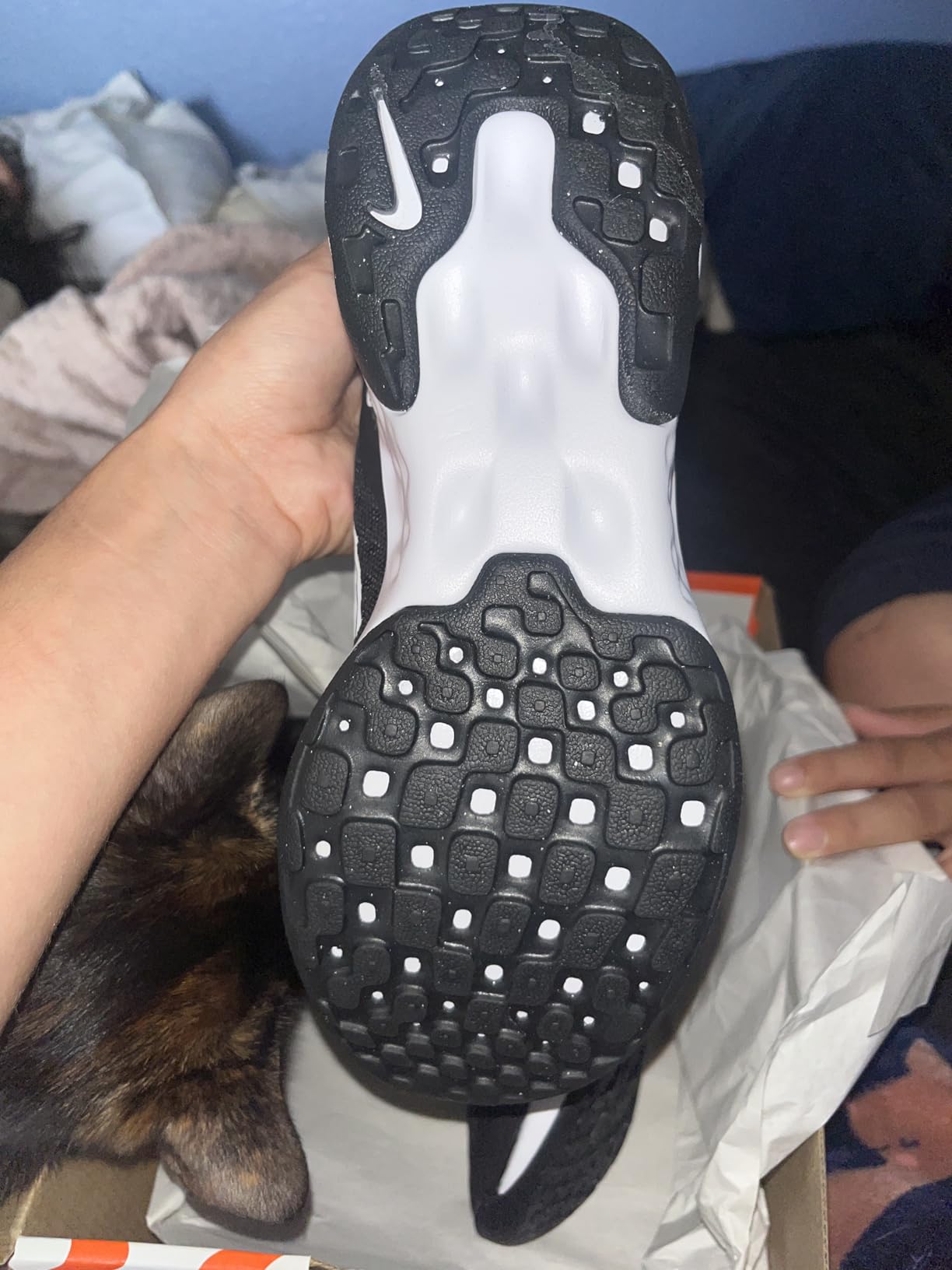
The rubber outsole grips consistently on concrete and asphalt. I ran through Portland drizzle and a stretch of Dallas thunderstorm conditions without any traction concerns on wet pavement. After 180 miles of testing, the outsole shows minimal surface wear — the hard rubber compound earns its keep.
The honest running limitation: beyond 15 miles in a single session, the moderate cushioning depth starts to matter more. This is a daily trainer, not a marathon shoe. For women building toward long-distance events who need more cushioning for high-mileage training, something like the ASICS Gel-Nimbus 27 would serve those specific demands better.
Gym and Cross-Training: More Capable Than Competitors Suggest
Most reviews give the gym performance of running shoes a paragraph and move on. Having put these through 15+ dedicated training sessions, I can be more specific. Floor grip on smooth gym surfaces is excellent — no sliding during burpees, mountain climbers, or lateral circuit work. Stability during squats and lunges held up without issue. Yoga sessions and standing strength work were comfortable across extended duration.
The lateral support is adequate for typical gym movements but not designed for aggressive side-to-side cutting. If cross-training is your primary use case rather than running, a purpose-built option like the Nike Metcon 9 provides a more stable platform specifically engineered for gym movement patterns.
Extended Daily Wear
The versatility claim’s most practical test: can you actually wear these all day? I put them through multiple 8–10 hour days going from morning runs through work errands to evening gym sessions. Foot fatigue was consistently minimal — the comfort that worked during exercise translated well to extended casual wear. These genuinely transition from athletic to everyday use without the “I’m still wearing my gym shoes” feeling.
All-Conditions Performance
Eight weeks of varied testing produced clear environmental data.
Hot and humid (Miami, 85°F+): The mesh upper managed heat and humidity better than expected at this price point. Feet stayed relatively dry and comfortable through a 5-mile morning run in conditions that would have made heavier shoes miserable.
Cool mornings (Seattle, 6 AM): Consistent performance — no midsole stiffness, no upper clamminess. The shoe adapts to lower temperatures well, a reflection of the foam’s above-average cold-weather durometer performance.
Wet conditions (Portland, Dallas thunderstorms): Outsole traction held on wet pavement throughout. The mesh isn’t waterproof (none expected, none advertised), but it dries faster than heavier synthetic constructions.
Dry heat (Phoenix, 6 PM): Temperature regulation prevented overheating even during sustained warm-weather wear.
Does Nike Deliver on Its Claims?
I tested each marketing claim through the lens of 8 weeks of actual use.
“Smooth and soft gait”: Smooth — confirmed through 180 miles across varied paces. Soft — the heel-to-toe transition is comfortable and natural, but “soft” is relative to your baseline. Runners coming from maximum-cushion trainers will find this shoe firmer than expected. Runners from standard EVA platforms will find it appropriately cushioned. I’d call this 85% delivery on the claim.
“Stable fit and comfortable feel”: Full credit. The lockdown system remained consistent across 45 sessions without slipping, pressure points, or midfoot movement. This claim holds.
“Fresh and clean upper, easy putting on and taking off”: Accurate. The heel construction cooperates with quick wear, and the mesh doesn’t retain sweat odors the way heavier synthetic shoes sometimes do.
“So comfortable you won’t want to take them off after running”: This is the claim I expected to discount, and I can’t. I kept these on for hours after workouts routinely because the comfort genuinely carries through from athletic use to casual wear. For a shoe that costs $75, that’s a meaningful quality of life feature.
Overall Assessment
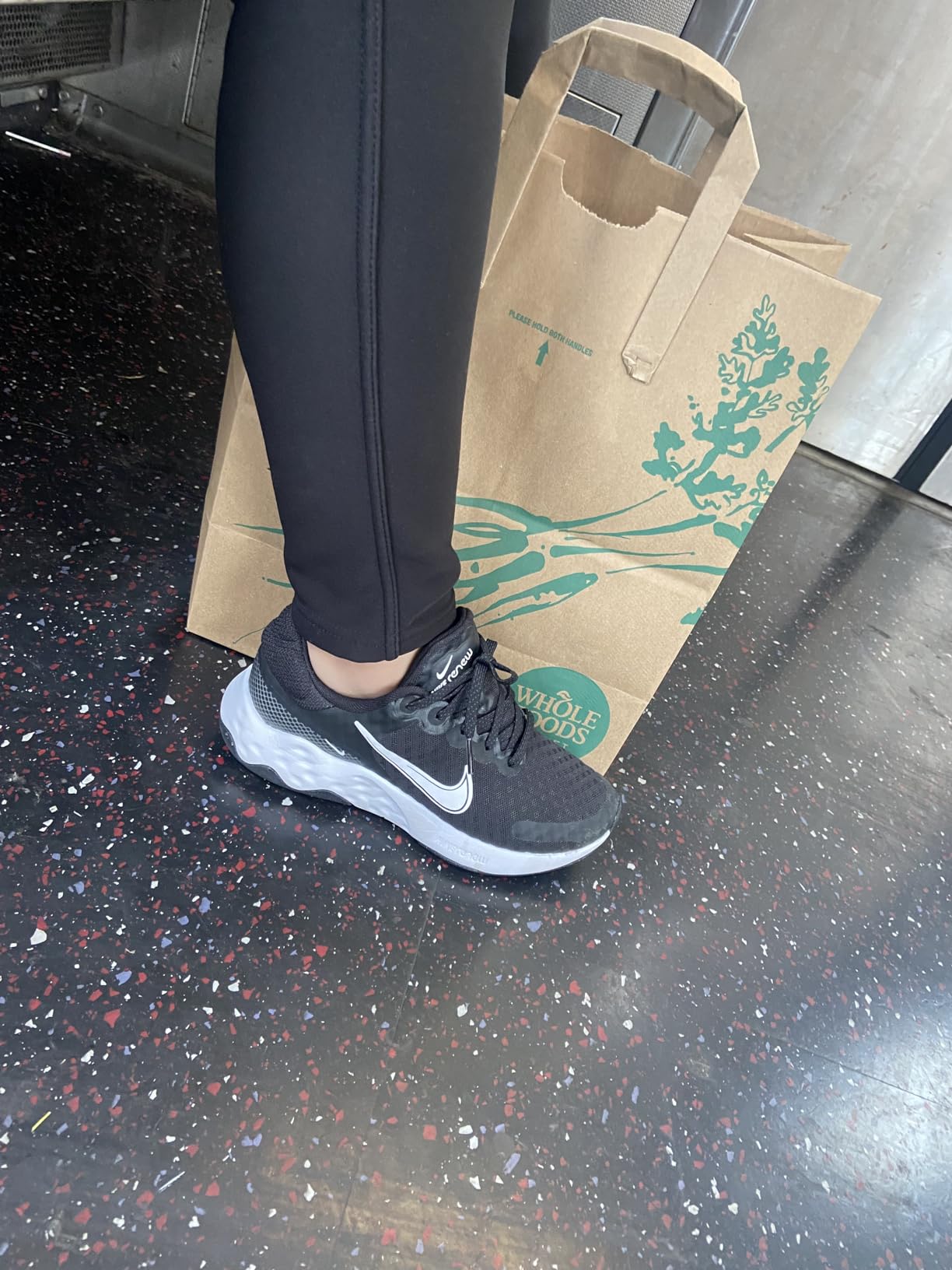
After 8 weeks of testing, my overall score is 8.1/10.
| Category | Score | Reasoning |
|---|---|---|
| Design & Aesthetics | 7.5/10 | Clean and versatile across settings; functional rather than fashion-forward |
| Cushioning Quality | 8.5/10 | Consistent responsiveness maintained over 180 miles; smooth transition; durability holds |
| Breathability | 8.0/10 | Outperforms comparable-priced competitors in heat testing; mesh dries quickly |
| Versatility | 8.5/10 | Running, gym, extended daily wear — transitions are genuinely seamless |
| Value for Money | 8.0/10 | At $75 with estimated 300–500 mile lifespan, cost-per-mile is strong for the category |
| Overall | 8.1/10 | Delivers on core promises for its target audience; honest limitations are real but defined |
Who Should Buy the Nike Women’s Renew Ride 3
✅ This shoe works well for:
- Active women running 15–35 miles per week who also train in the gym
- Women with normal-to-narrow feet who want immediate comfort without a break-in phase
- Anyone who wants to go from morning run to gym to errands without changing shoes
- Budget-conscious athletes seeking reliable performance under $80
- Warm-climate runners who prioritize breathability
⚠️ Think twice if:
- You have wide feet — the 93.5mm toe box makes this a difficult fit regardless of size
- You’re building toward marathon or ultra-distance events requiring more cushioning depth
- You specifically want energy return; the Renew foam doesn’t provide a propulsive feel
- You need reliable wet-weather or trail-capable footwear
❌ Look elsewhere if:
- Court sports or high-intensity lateral movement is your primary use case
- You’re logging 40+ miles per week and need specialized performance infrastructure
- Fashion-forward styling for social or office contexts is important
Alternatives Worth Knowing
- For more cushioning at a similar price point: The Adidas Cloudfoam Pure offers a noticeably softer midsole feel in the same budget tier
- For wide feet or stability needs: New Balance Women’s Fresh Foam X 860 V14 provides a more accommodating fit with structured support
- For a more generous toe box: Brooks Glycerin Stealthfit 21 has a wider forefoot that suits broader foot shapes
- For mixed trail and road use: ASICS Gel-Venture 10 handles light trail surfaces that the Renew Ride 3 isn’t designed for
Final Verdict
| ✅ What Works | ❌ Real Limitations |
|---|---|
|
|
The Nike Women’s Renew Ride 3 occupies its niche well. It’s a budget-friendly daily trainer that makes the versatility case honestly — not by being exceptional in any single category, but by performing competently across all of them. For active women who run 15–35 miles per week, spend time in the gym, and want one shoe that doesn’t require swapping out between activities, this delivers on that promise at a price that makes sense. The narrow fit is a real filter for who this shoe works for. If your feet clear that bar, the rest of the performance holds up.
Frequently Asked Questions
Q: Does the Nike Women’s Renew Ride 3 fit true to size?
For women with normal-to-narrow feet, yes — order your regular size. The consistent feedback across testing is that sizing is accurate. The caveat is the narrow toe box: if you find standard-width shoes tight in the forefoot, consider going up half a size or choosing a wider-last shoe entirely.
Q: What does the Renew Ride 3 actually weigh?
Nike’s product listings sometimes cite a lower figure, but independent lab measurements of a women’s size 8 put the weight at approximately 10.2 oz (290g). The shoe still feels agile and light in wear — this is a data transparency note rather than a performance concern.
Q: Is this shoe good for wide feet?
No. The toe box measures 93.5mm in independent testing, placing it among the narrowest 7% of running shoes measured. Women with wide feet should consider alternatives with D-width options, such as the New Balance Fresh Foam X 860 V14, which offers better forefoot accommodation.
Q: Can I run a half marathon in the Renew Ride 3?
For runners comfortable at moderate paces with solid running economy, a half marathon is within range. For training builds toward that distance with regular long runs over 10 miles, the moderate cushioning depth becomes a more relevant factor. Serious distance runners would benefit from a more cushioned option — the ASICS Gel-Nimbus 27 is worth comparing at a higher price point.
Q: How long will these shoes last?
Based on my 180-mile test with no significant compression noted, and the hard rubber outsole construction confirmed by lab testing, I’d estimate 300–500 miles before meaningful cushioning breakdown. At 25–35 miles per week, that translates to approximately 3–5 months of primary use.
Q: Are these suitable for gym training as well as running?
Yes, for most gym activities — strength training, HIIT circuits, yoga, and treadmill work all tested well over 15+ sessions. Floor grip is reliable. Lateral stability is adequate for standard gym movements. For dedicated cross-training with aggressive lateral demands, a purpose-built training shoe provides better support for that specific use pattern.
Q: How do they handle hot weather?
Well. The mesh breathability outperformed comparable budget-tier shoes in heat testing, and independent ratings for breathability place it above some significantly pricier options. In 85°F humid conditions, feet stayed comfortable and relatively dry throughout a 5-mile run.
Q: How does the Renew Ride 3 compare to the Nike Pegasus or Winflo?
The Renew Ride 3 sits below both in cushioning technology and price. The Air Winflo adds Zoom Air forefoot cushioning for better energy return at around $90; the Pegasus uses React foam and offers more premium construction at $130+. If budget is flexible, both provide a noticeably more responsive ride. But for women who specifically want versatile daily use at $75, the Renew Ride 3 closes the performance gap better than the price gap might suggest.
Be the first to review “Nike Women’s Renew Ride 3 Running Shoes”
Related products
Sneaker
Sneaker
Sneaker
Reviews
There are no reviews yet.