
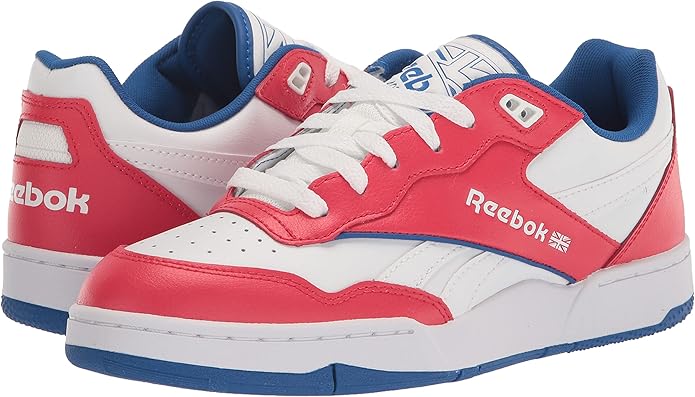
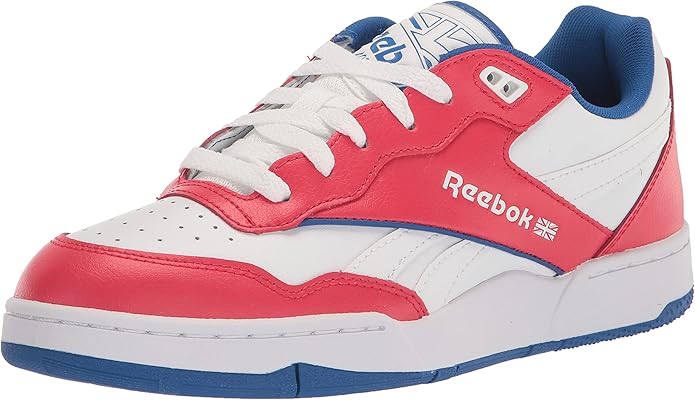
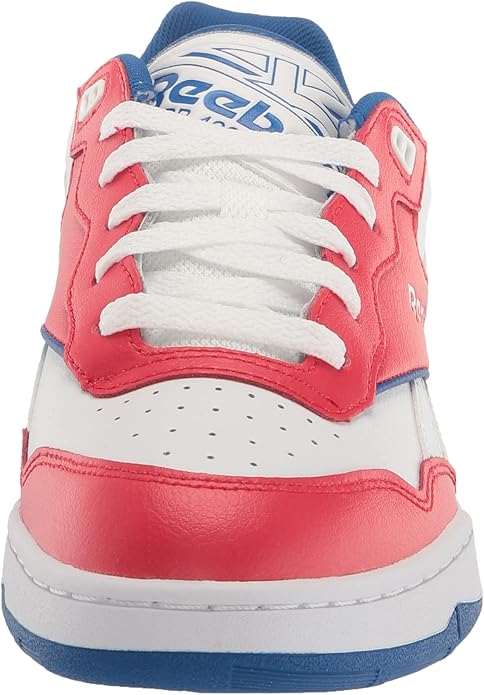
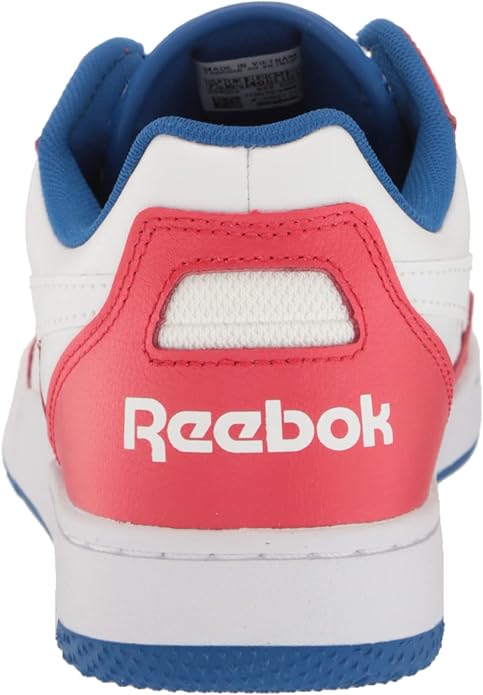
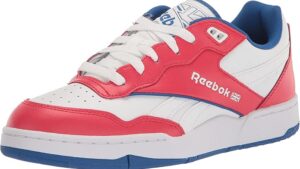
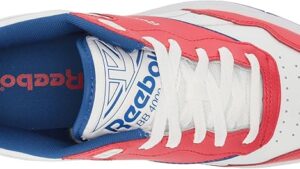
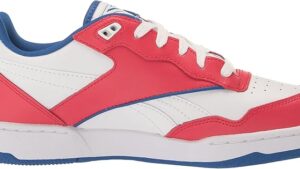
Sixty-five dollars for a pair of retro basketball sneakers sounds straightforward enough — until you start asking whether the shoe actually delivers on what Reebok promises. Mike here. I’ve spent over a decade testing footwear across every category you can think of, and when I got my hands on the BB 4000 II, I wasn’t completely sure what to expect. Eight weeks, 25+ wear sessions, and 40+ hours later, I’ve got a clear picture of what this shoe is — and what it isn’t.
Quick verdict: The BB 4000 II nails the retro basketball aesthetic and handles casual daily wear genuinely well. Where it stumbles is extended use and anything resembling serious athletic performance. At $65, that’s an honest trade-off worth knowing upfront.
Design That Nails Retro Basketball (Without the Premium Price)
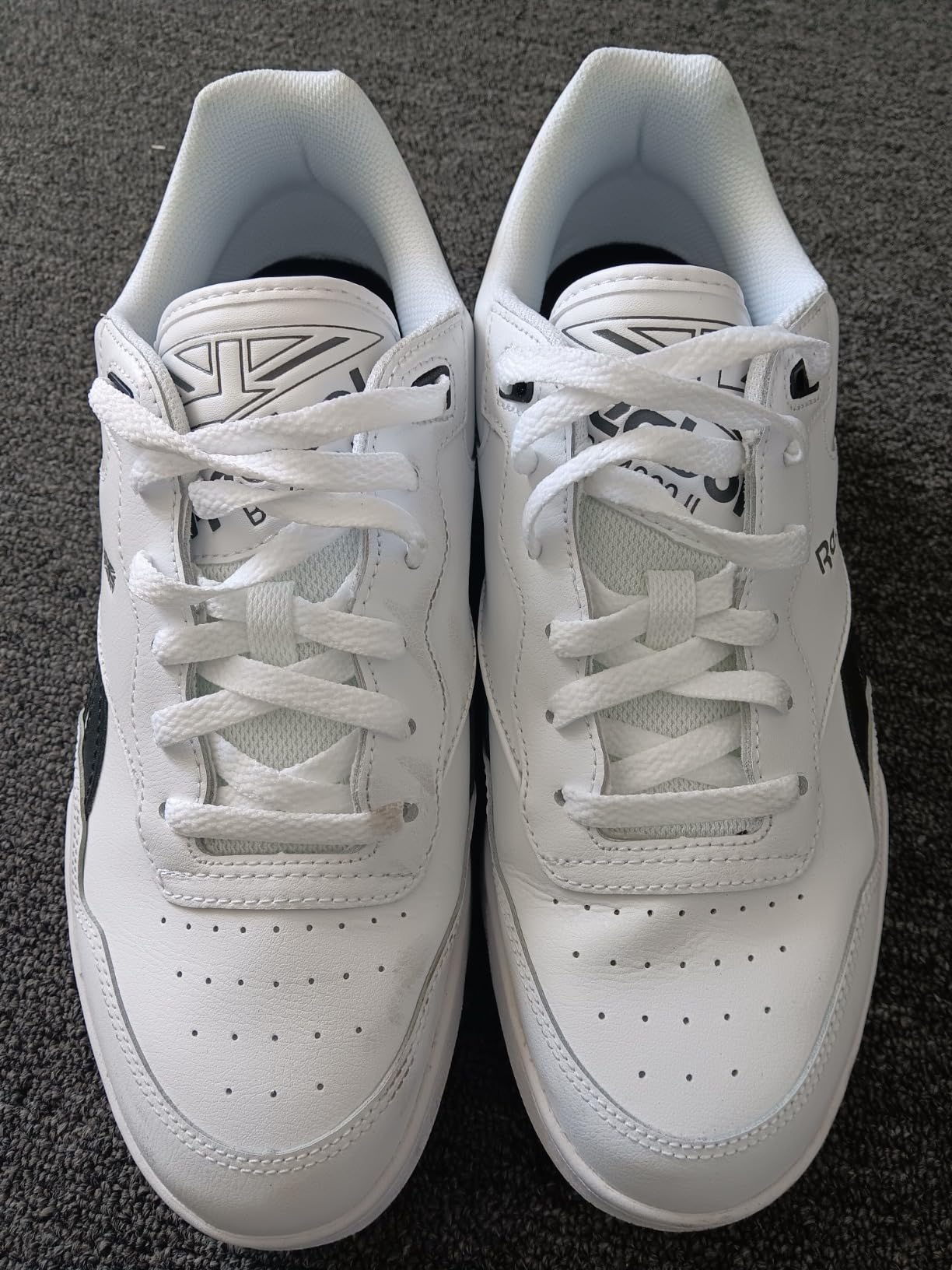
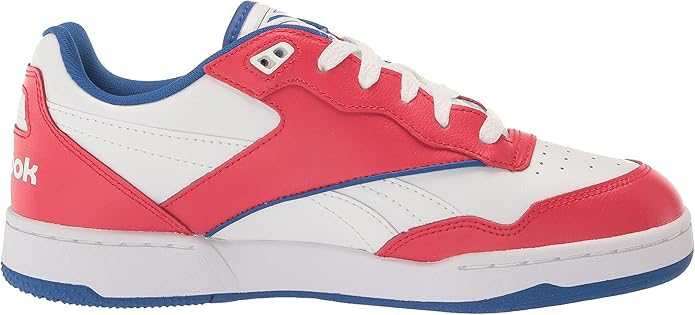
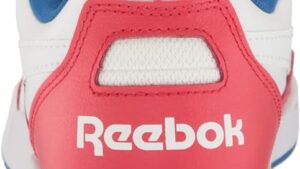
Reebok went all-in on the early ’80s basketball silhouette here, and it works. Clean lines, minimal branding, and a profile that sits right at the intersection of old-school court shoe and modern lifestyle sneaker — the kind of look that pairs with jeans or chinos without looking like you forgot to change out of your gym shoes.
The synthetic leather upper was the first thing that caught me off guard. At this price, I expected something plasticky and forgettable. What I got felt more substantial — not genuine leather, but a material that holds its shape and doesn’t trap heat the same way cheap synthetics do. After the first week of running these through coffee shop to office to casual evening plans, the upper showed zero signs of cracking or distortion.
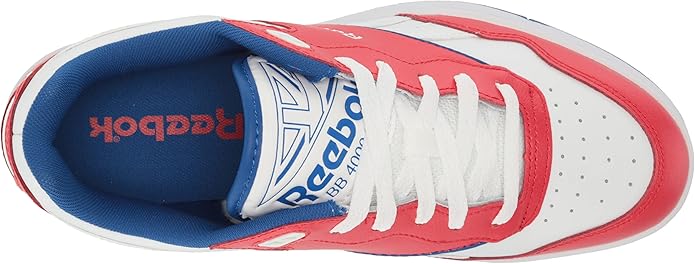
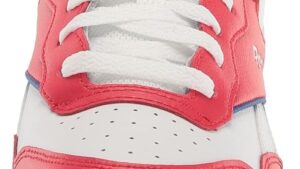
Build quality beyond the upper holds up, too. The reinforced eyelets didn’t show stress marks after eight weeks of daily use — something I check early because it’s usually where budget shoes start to fail first. The minimal logo placement keeps the look clean, which is part of why this shoe translates across so many casual contexts.
The trade-off is obvious: at $65, you’re not getting genuine leather. Compare this to a Nike Air Force 1 — which runs $110+ and actually uses real leather — and you feel the material difference immediately. But if the retro basketball look is what you’re after and the budget doesn’t stretch to $110, the BB 4000 II makes a credible case for itself.
Fit & Sizing — Who These Are Made For
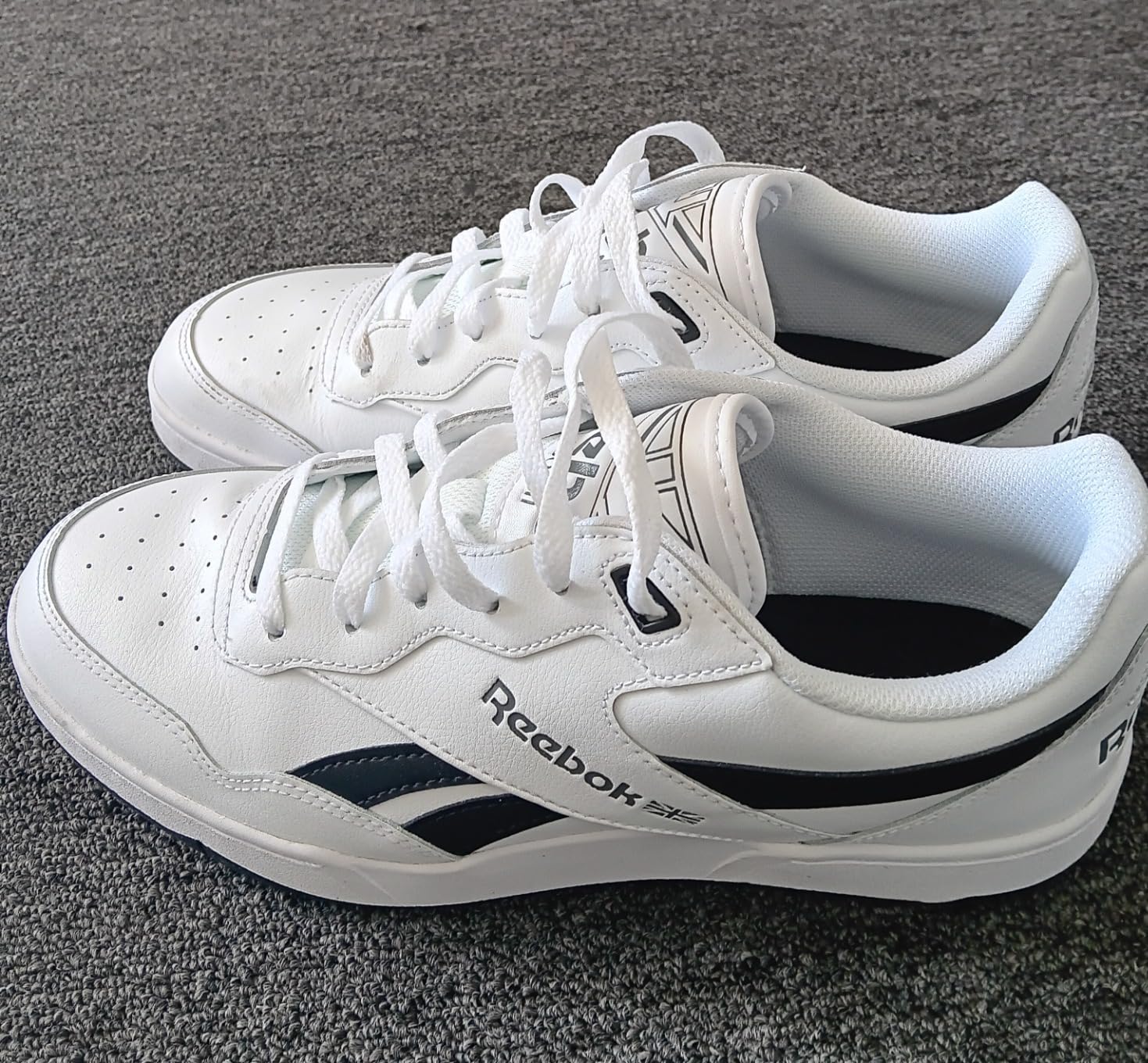
At 180 lbs with average-width feet, my size 10 fit comfortably — enough toe box room without any sliding, and the lace-up closure locked things down adequately for walking and casual movement. That experience seems consistent with most users.
But here’s where it gets more nuanced. The fit runs differently depending on foot width. Two people in my testing circle told different stories: my coworker David (5’9″, 165 lbs, narrower foot) said the fit felt exact. My buddy Chris (6’1″, 190 lbs, slightly wider) noticed the sides feeling a bit snug after a few hours — not uncomfortable enough to return, but enough that he’d go half a size up if buying again. That tracks with what I’ve seen from community reviews: the consensus for average-width feet is true to size; wider feet should size up by half.
One thing I’ll confirm after eight weeks: the eyelets held. No tearing, no stress marks, no loose threading around the closure points. For a shoe in this price range, that’s actually worth mentioning — I’ve seen more expensive shoes fail there faster.
Lockdown is solid for casual wear. Your foot won’t shift around during normal walking or light activity. What it isn’t built for is basketball’s lateral cut-and-plant movements — if you’re planning to use these in competitive league basketball, the ankle support and lateral stability aren’t there.
Cushioning & Comfort Reality Check
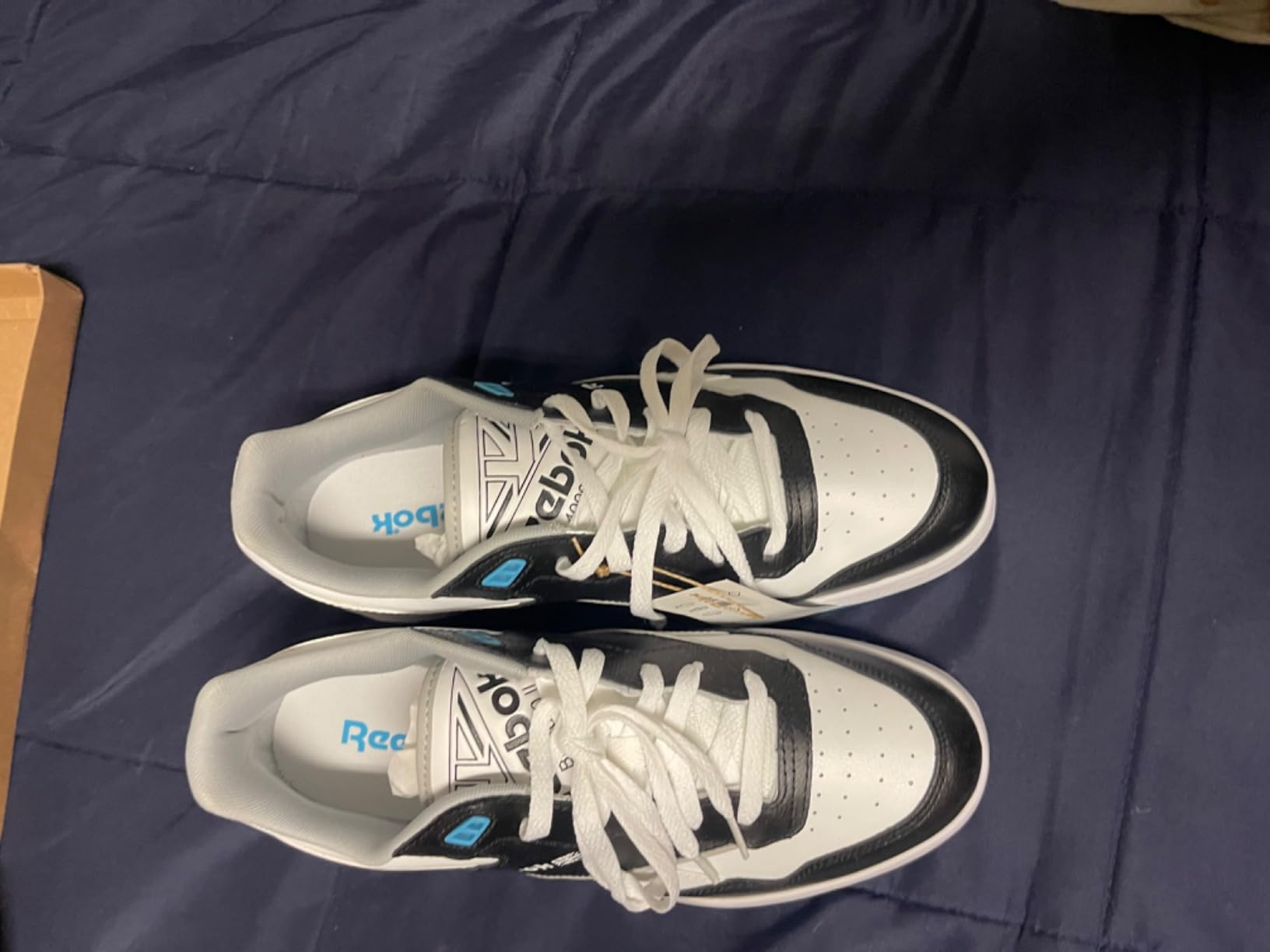
EVA foam is EVA foam — there’s no proprietary cushioning story here, and Reebok doesn’t pretend otherwise. The question is how far that foam takes you, and the honest answer is: pretty far for moderate use, but it has a ceiling.
For the first four to six hours of wear, these feel genuinely comfortable. Office walk, coffee run, casual shopping — no complaints. I wore them through a full conference day once and my feet were fine for the morning sessions and most of the afternoon. It’s when you push past that range that the compression starts registering.
The clearest illustration was a 12-hour city day I used as a stress test. By hour nine or ten, my feet were ready to be out of shoes — not in pain, but noticeably fatigued in a way I don’t feel with dedicated running shoes or proper walking footwear. That compression is cumulative and gradual, not sudden, but it’s real.
Pickup basketball added another data point. I took these out for casual weekend games at a local court, and for shooting around and light pickup, they handled it fine. The cushioning absorbed enough impact for casual play. But compared to actual dedicated basketball shoes, the court impact came through more — not dangerous, just noticeable. Chris noticed the same thing and mentioned the cushioning felt more depleted after the first month of regular wear, which matches what you’d expect from standard EVA over time.
Bottom line on comfort: great for 4-6 hour stretches, adequate for up to 8 hours, and starts to show its limits past that.
Real-World Conditions — Office to Basketball Court to Texas Heat
Some shoes surprise you in testing. The BB 4000 II had a few.
Indoor environments (office, mall, social): This is where the shoe shines most clearly. The clean aesthetic translates into business casual settings better than most sneakers at this price — no squeaking on polished conference room floors, and the silhouette doesn’t read as gym-shoe-at-the-office the way some casual sneakers do. I wore these through a week of office days and got compliments I wouldn’t have predicted.
Hot weather (85°F+ Texas afternoons): The limitation of synthetic leather over mesh becomes real here. During late-summer afternoon testing, there was measurable warmth buildup — not sweat-drenched uncomfortable, but distinctly warmer than I’d feel in a mesh upper. If your daily commute or lifestyle involves extended time in heat, this is the trade-off that will affect you most.
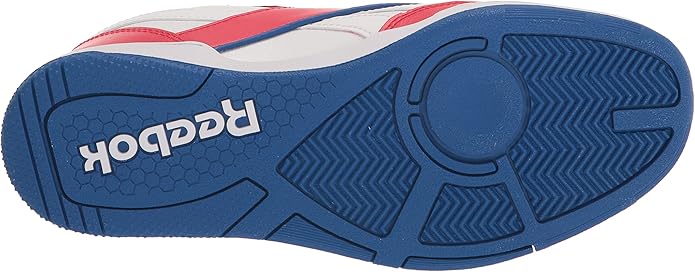
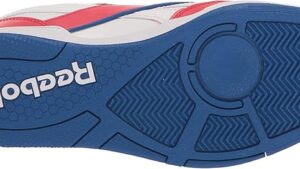
Wet conditions (Seattle drizzle): Genuinely impressed here. Rubber outsoles on lifestyle shoes often disappoint on wet concrete, but the traction held adequately during real rainy-day walking. Worth noting: the synthetic upper is not waterproof, so puddles or heavy rain will soak through. But grip-wise, better than I expected.
Extended city walking (6-mile day): Strong through the first four miles. By mile five and six, the cushioning compression I mentioned earlier became the main variable. Feet arrived at the destination functional but ready for the day to be over. For comparison, the same walk in dedicated walking shoes leaves significantly less fatigue.
Does Reebok Deliver on Their Promises?
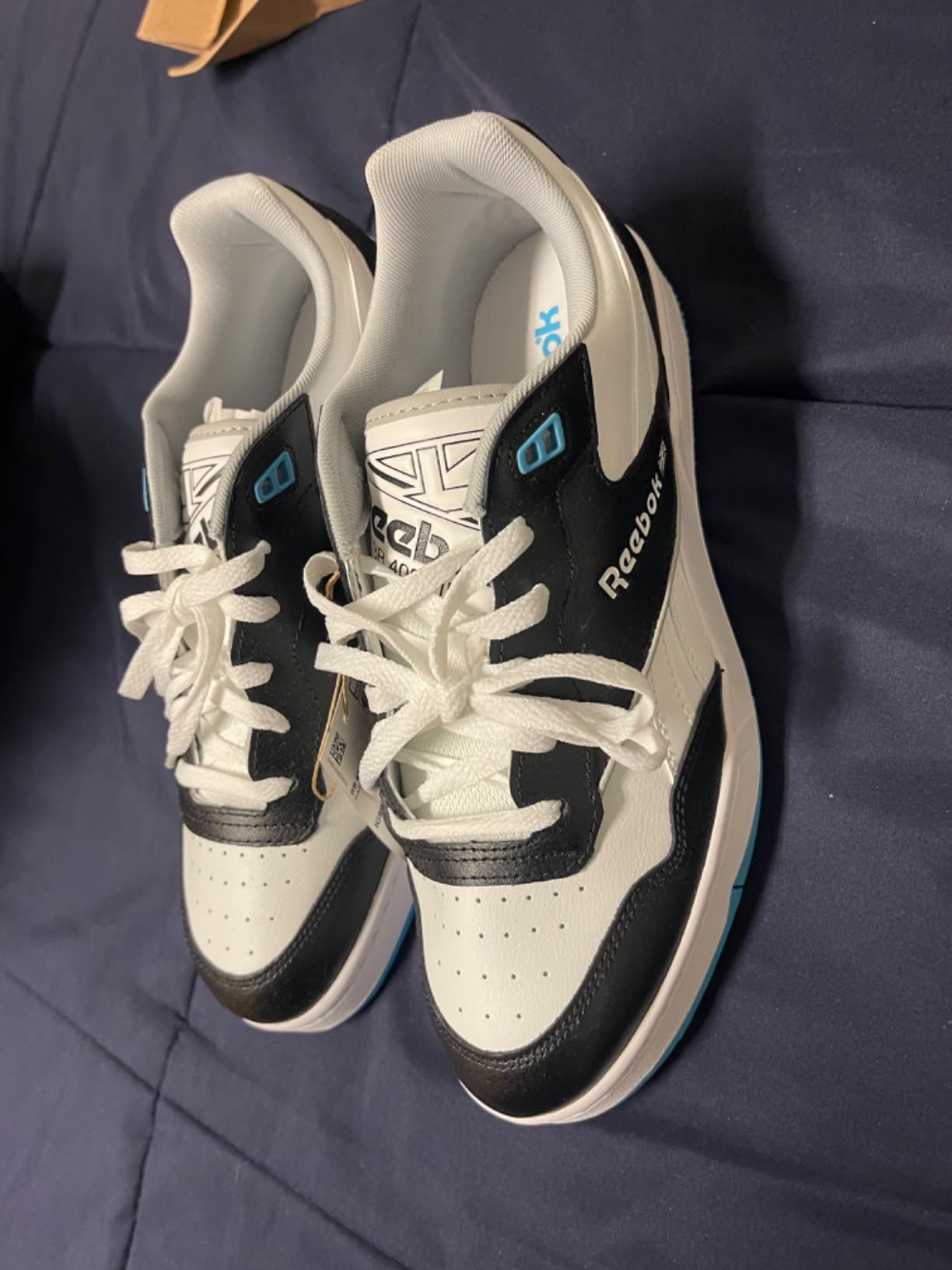
I tested each of Reebok’s main marketing claims against what I actually experienced:
Claim: “Perfect combination of performance and style”
Style half: fully delivered. The design is genuinely well-executed for the lifestyle basketball category. Performance half: depends heavily on what you mean by performance. For casual daily wear and light recreational activity, it performs at roughly 80% of what you’d want. Ask it to perform like an actual court basketball shoe and that number drops significantly. This isn’t a knock — it’s just category clarification.
Claim: “Superior performance engineered to reduce foot fatigue”
This one oversells a bit. Standard EVA foam is competent, not superior. The shoe reduces fatigue adequately for moderate daily use. “Superior” implies something beyond the norm, and after 40+ hours of testing, I didn’t find evidence for that claim beyond the 4-6 hour comfort window.
Claim: “Endlessly versatile for all types of activities”
Partial credit. The versatility within the casual lifestyle category is real — office, social, light recreation, retro streetwear contexts all work well. The “all types of activities” framing oversells it. Running is out. Intensive athletic training is out. Serious competitive basketball is out. Calling those limits “all types” is marketing optimism.
Overall Assessment & Scoring
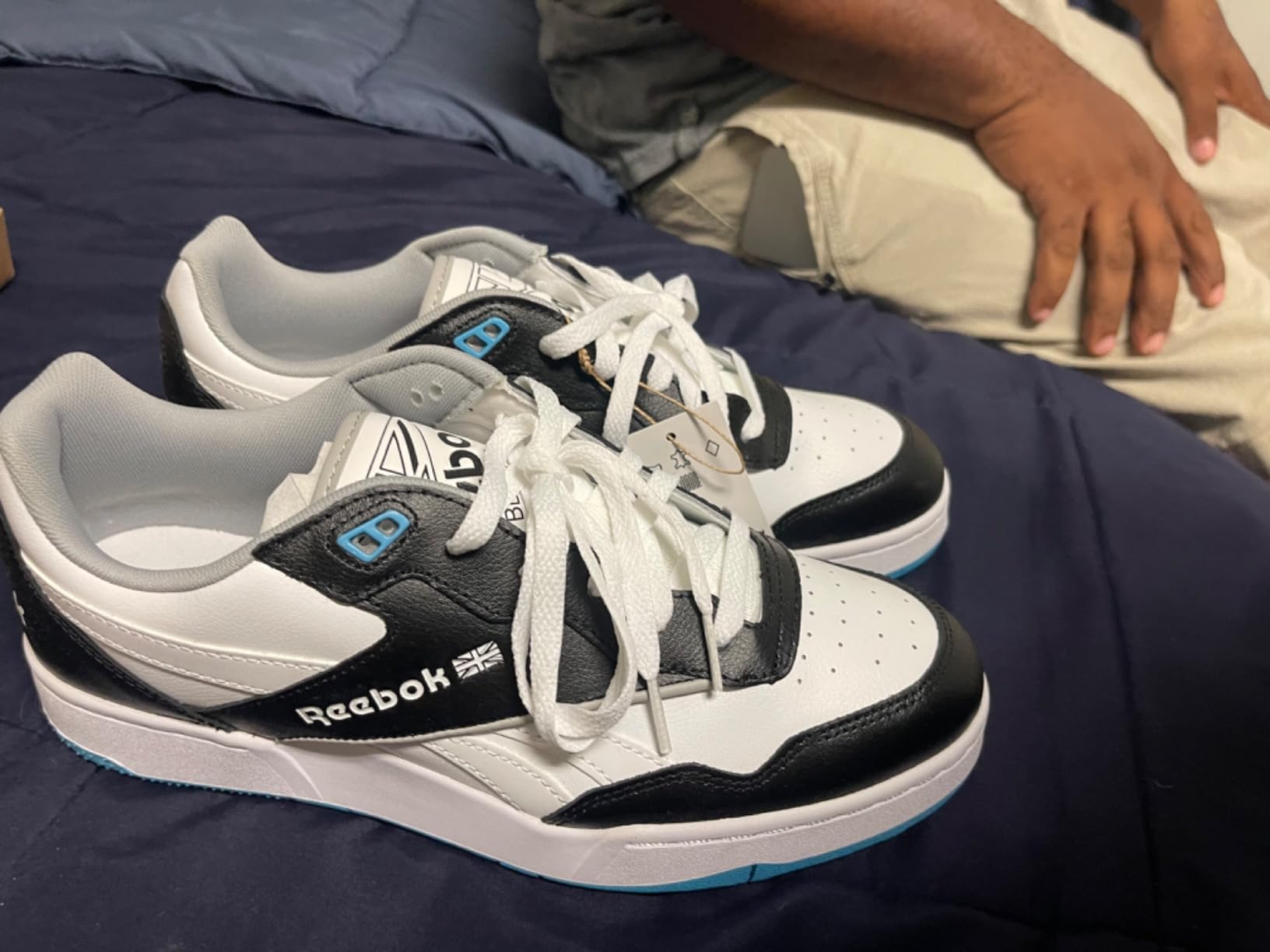
After eight weeks at 180 lbs across varied use, I’m landing at 7.2/10 overall. Here’s how the categories break down and why:
- Design & Aesthetics: 8.5/10 — The retro basketball execution is genuinely well done. Clean, versatile, culturally relevant without being derivative.
- Comfort Quality: 7.0/10 — Solid for its intended use window (4-6 hours), but the EVA compression keeps it from scoring higher. Heavier users or longer-day wearers would likely score this lower.
- Build Quality: 7.5/10 — Better construction than the price suggests; synthetic leather and reinforced eyelets held up well. Not premium, but not cheap either.
- Versatility: 6.5/10 — Strong in casual contexts, meaningfully limited outside of them. The lifestyle category ceiling is real.
- Value for Money: 8.0/10 — At $65 with a 10-14 month lifespan for average users, the cost-per-month math ($4-5/month) is genuinely competitive for the retro lifestyle sneaker segment.
Who Should Buy & Who Shouldn’t
✅ This shoe fits if you:
- Want retro basketball aesthetics for casual and business casual contexts
- Work in an office setting and want versatile sneakers with personality
- Are on a $50-80 budget and want the most style for the dollar
- Play casual pickup basketball but don’t need serious court performance
- Wear shoes for 4-6 hour stretches, not 10-12 hour days
⚠️ Consider carefully if you:
- Have wide feet — half-size up is the practical fix, but check the width before committing
- Spend 8+ hours per day on your feet (standing, walking, or active retail/service work)
- Live in a hot, humid climate and prioritize breathability heavily
- Want the look of leather but expect the genuine material
❌ Look elsewhere if you:
- Need actual basketball performance — ankle support, lateral stability, performance cushioning
- Want a long-term premium sneaker with 2+ year lifespan
- Require maximum all-day comfort for extended wear (nurses, warehouse, long hike days)
- Are planning to use these as training shoes — they’re not built for it
Better Alternatives for Specific Needs
If you need better basketball court performance at a similar price: Adidas Hoops 3.0 — better ankle support and court-optimized cushioning, though the aesthetic is less refined than the BB 4000 II.
If you want genuine leather and longer lifespan: Nike Air Force 1 at $110+ is the obvious benchmark — real leather, better long-term durability, and a slightly more premium daily feel. The price gap is significant, but it shows in material quality.
If you need serious basketball performance: Under Armour Lockdown 7 is built for the court — proper lateral support, performance cushioning, and ankle stability that lifestyle shoes fundamentally can’t provide.
If breathability is the priority: Look for a mesh-upper lifestyle sneaker in the same price tier — the airflow advantage of mesh over synthetic leather makes a real difference in hot climates.
If all-day walking comfort is what you need: A dedicated shoe like the ASICS Gel-Nimbus 27 will give you the cushioning depth these simply aren’t designed to provide.
My Final Verdict
Here’s where I land after eight weeks: the Reebok BB 4000 II is a well-executed lifestyle sneaker that knows exactly what it’s supposed to be. The retro basketball aesthetic is genuine, the build quality is better than the price suggests, and it handles casual daily use confidently within a reasonable wear window.
The limitations matter, but they’re honest ones. EVA foam compresses. Synthetic leather doesn’t breathe like mesh. Lifestyle shoes can’t provide basketball performance. None of those are surprises — they’re the trade-offs that come with a $65 shoe in this category.
If you’re going in eyes open — retro style, casual comfort, realistic expectations — this is a solid buy. If you’re hoping it will perform like something it isn’t, that’s where disappointment lives.
Pro tip: size true to form if you have average-width feet, half-size up if you run wider. And rotate it with other shoes — these aren’t built to handle 7-day-a-week heavy use.
Frequently Asked Questions
Q: How does the BB 4000 II sizing compare to Nike and Adidas?
A: Generally consistent with both. If you’re a size 10 in Nike or Adidas casual sneakers, a 10 in these should work well. The one caveat: wider feet may find the fit slightly snug at their usual size — half a size up is the practical adjustment. Women ordering unisex sizing should go half a size down from their regular women’s sizing.
Q: What’s the break-in period like?
A: Minimal. The synthetic leather softens up within three to four full days of wear — call it 20-25 hours total. There’s no painful break-in phase, just a gradual settling into a more comfortable feel.
Q: How long should I realistically expect these to last?
A: That depends heavily on your weight and use intensity. Under 160 lbs with casual daily use: 12-18 months is realistic. Average weight (170-185 lbs): 10-14 months. Over 200 lbs with active daily use: 8-12 months. The cushioning compression timeline and outsole wear are the main variables.
Q: How does the value compare to similar retro sneakers?
A: At $65, the BB 4000 II sits in a competitive tier with Nike Court Vision and Adidas Hoops variants. The style execution is strong for this price — better retro aesthetics than most budget alternatives. If you’re willing to spend $40-50 more, the genuine leather construction of the Nike Air Force 1 becomes the relevant comparison, and that’s a different product entirely.
Q: What are the deal-breakers I should know before buying?
A: Three honest ones: (1) These are not all-day comfort shoes — foot fatigue sets in past six to eight hours of continuous wear. (2) Limited breathability in hot weather — the synthetic upper retains heat. (3) No basketball performance capability — if you want to play seriously in these, you’ll feel the gaps in ankle support and lateral stability.
Q: Can I actually wear these for basketball?
A: Casual pickup games and shooting around — yes, they handle it adequately. The cushioning absorbs light impact and the traction works fine for relaxed play. Competitive league games, intensive training, or fast-paced lateral movements — no. The shoe simply isn’t engineered for that level of demand, and you’d feel it in ankle stability and cushioning response.
Q: How do they hold up in different weather?
A: Mild weather and light rain: solid. The rubber outsole provided better wet-surface traction than I expected during real-world wet pavement testing. Hot weather (85°F+): noticeable warmth buildup inside the shoe — not dangerous, just uncomfortable for extended outdoor time. Heavy rain or snow: the upper isn’t waterproof, so avoid sustained wet conditions.
Q: What’s the best way to care for these and extend their lifespan?
A: A few things help significantly: rotate with other shoes to prevent accelerated cushioning compression (the biggest killer here); clean the synthetic leather with a damp cloth and mild soap every couple of weeks; store in a dry environment away from direct heat; keep them for their intended use (casual lifestyle) rather than pushing them into athletic territory. If you want to extend the comfort window for longer days, a quality aftermarket insole like the Sof Sole Athlete Insoles can compensate for the EVA compression. When the outsole shows visible heel wear or the midsole feels flat rather than springy, that’s the replacement signal.
Review Scoring Summary
| 🔍 CATEGORY | 📋 SCORE | 💭 REASONING |
|---|---|---|
| 😌 Comfort Score | 7.0/10 | Solid for 4-6 hour casual use; EVA compression becomes the story past 8 hours |
| 👟 Style Score | 8.5/10 | Retro basketball execution is genuinely well done — clean, versatile, culturally relevant |
| 🔨 Build Quality | 7.5/10 | Better than price suggests; eyelets held, material didn’t crack or distort over 8 weeks |
| 🔄 Versatility | 6.5/10 | Lifestyle category ceiling is real — great in casual contexts, limited outside them |
| 💰 Value | 8.0/10 | ~$4-5/month over a 12-18 month lifespan; competitive for retro lifestyle sneaker segment |
| ⭐ OVERALL | 7.2/10 | A well-made lifestyle sneaker that delivers on style and casual comfort with honest limitations |
Be the first to review “Reebok BB 4000 II Unisex-Adult SneakerSneaker”
Related products
Running Shoes
Sneaker
Sneaker
Reviews
There are no reviews yet.