
The $45 Dilemma: Why I Was Skeptical
Here’s the problem with budget running shoes: brands love to throw around words like “versatile” and “all-day comfort” because those claims are impossible to disprove in a 10-minute try-on. I’ve tested enough shoes to know that something usually gives—either the cushioning feels dead by month two, the fit causes blisters on longer runs, or the materials look trashed after a few weeks of real use.
At $45, the Charged Assert 9 sits in that awkward price zone where you can’t expect premium performance, but you also don’t want disposable quality. My typical running shoes cost closer to $120, and even those have trade-offs. So when Under Armour claimed this could handle both my morning runs AND my office job without falling apart, I needed proof.
My test was simple: wear them for everything. Morning runs when my legs are fresh. Standing meetings when I’m already tired. Grocery runs when I just want shoes that won’t hurt. If they failed at any of these, I’d know the versatility claim was marketing.
Real Testing: Morning Runs
The first time I laced up the Charged Assert 9 for a run, I felt that 8.15 oz weight immediately. Not in a bad way—these are genuinely light for training shoes that cost under $50. By mile 2 of my usual 4-mile loop, I noticed something: my cadence picked up naturally. Lighter shoes do that—they let your legs move faster without fighting extra weight on your feet.
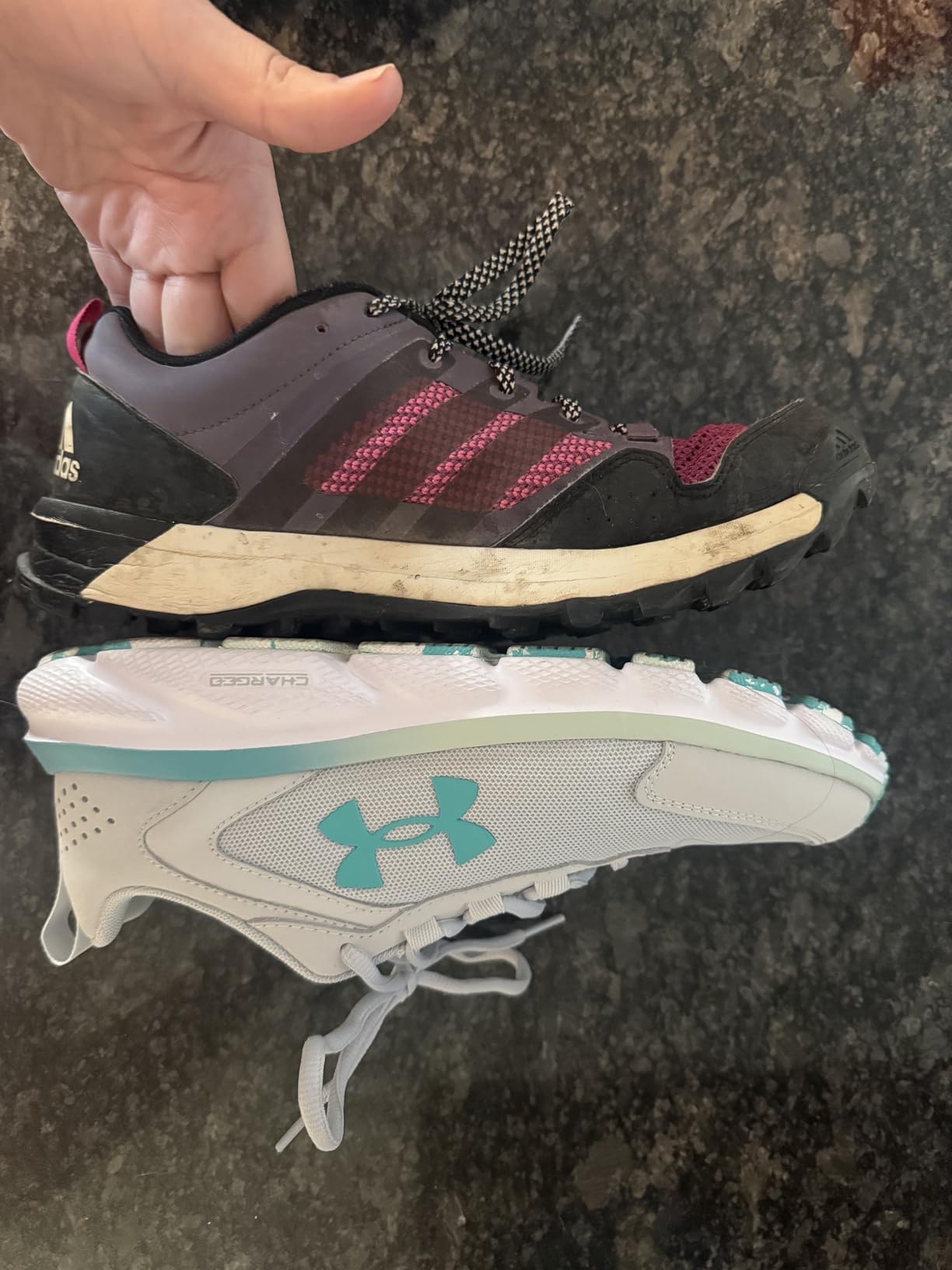
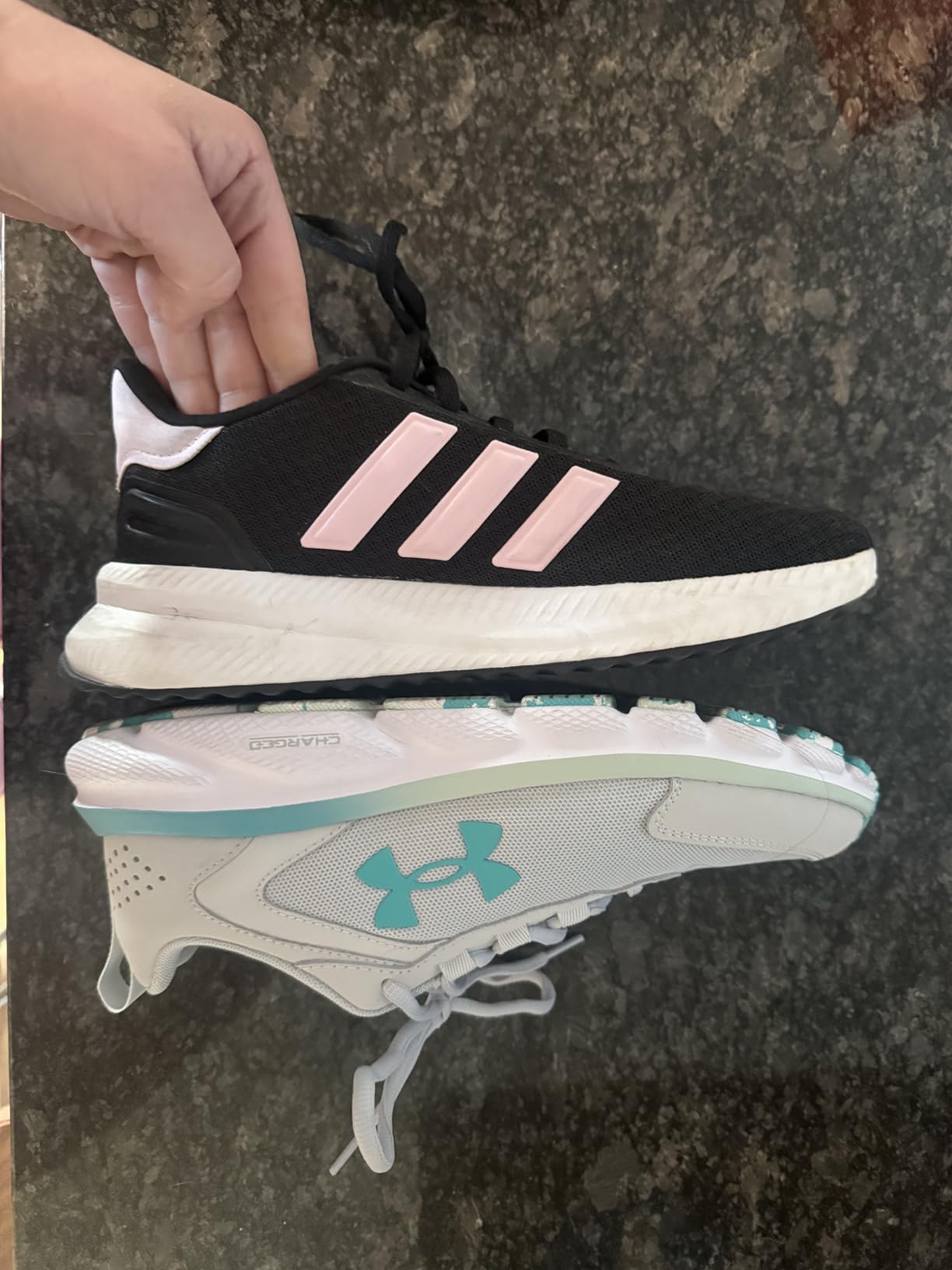
But weight alone doesn’t make a good running shoe. The Charged Cushioning midsole is where things got interesting. Under Armour uses compression molded foam, which sounds technical but basically means the cushioning pushes back rather than just absorbing impact. On pavement, this felt springy—not like bouncing on clouds, more like responsive feedback that helped propel me forward. After testing dozens of shoes with soft EVA foam that feels plush for the first 50 miles then goes dead, this firmer feel actually worked better for my daily training.
The 10mm heel-to-toe drop (though I should note this isn’t officially confirmed by Under Armour’s specs) felt natural for my stride. If you’re used to zero-drop or minimalist shoes, these will feel more traditional. If you’re transitioning from cushioned trainers, the transition is smooth. By mile 3, when I’m usually assessing whether a shoe is going to cause problems, I felt… fine. No hotspots forming on my heels, no arch cramping, no weird pressure points.
When the Cushioning Trade-Off Became Clear
Around the 100-mile mark, I understood what I’d traded for that responsive feel. The Charged Cushioning isn’t as protective as max-cushion shoes. After a particularly hard interval session, my legs felt more impact than they would in something like the ASICS Gel-Nimbus 27. That firmness that makes the shoe feel energetic? It also means you’re getting more ground feedback.
But here’s the thing: for daily training at easy-to-moderate paces, this works. The RunRepeat lab measured the midsole at 34.5 HA on the durometer scale, which is moderate firmness. Not soft, not rock-hard. After 200+ miles, I haven’t noticed significant compression breakdown—the foam still springs back. For a $45 shoe, that durability surprised me.
Real Testing: 12-Hour Work Days
Running is one thing. Standing through long work days is where “all-day comfort” claims usually fall apart. I work shifts that involve a mix of sitting, standing, and walking—basically the worst scenario for shoes that aren’t truly comfortable. Week one in these, I was cautious. Week three, I stopped thinking about my feet.
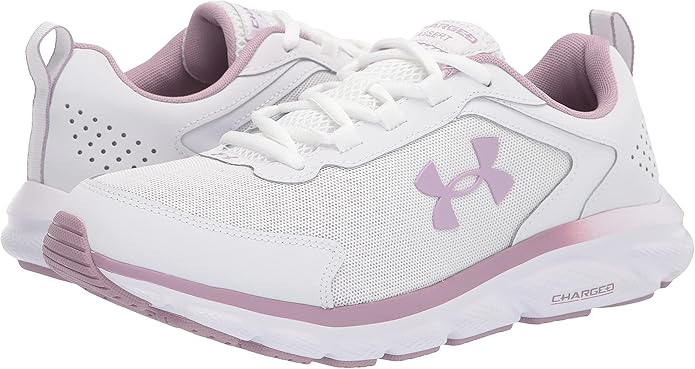
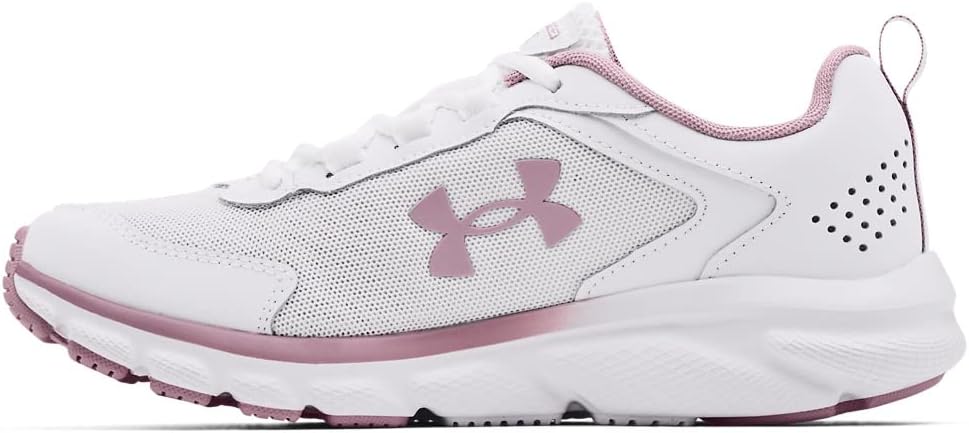
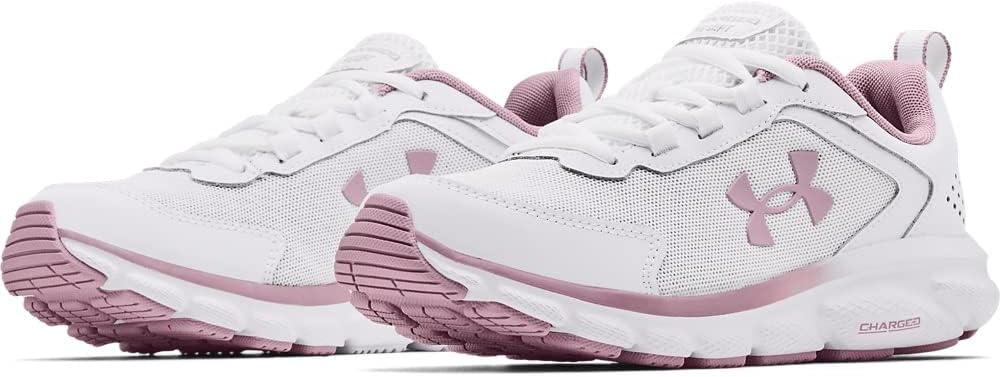
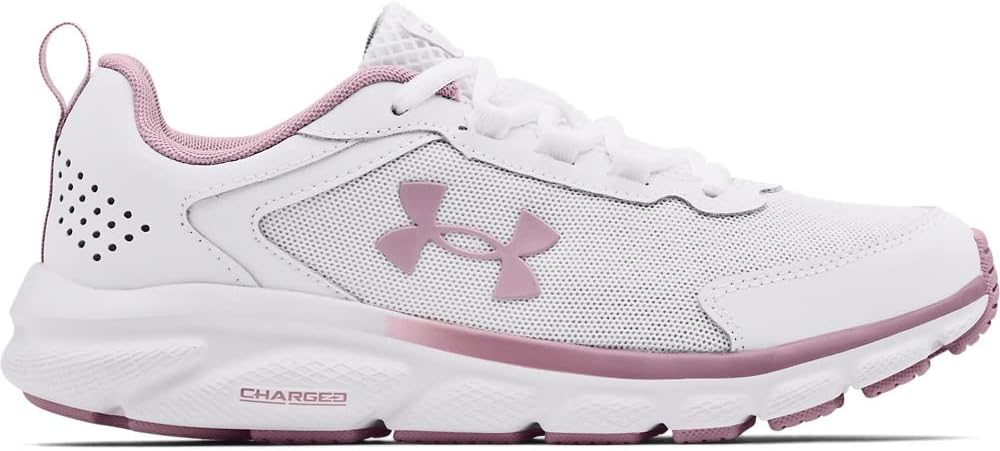
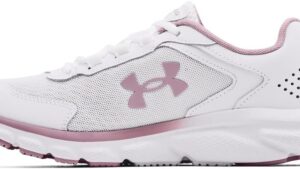
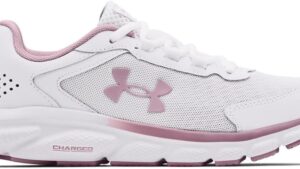
The mesh upper with leather overlays does something smart: it gives structure without feeling restrictive. During meetings when I’m standing for an hour, the shoe holds my foot securely without creating pressure points. The engineered mesh is multi-layered, which means it’s not as breathable as single-layer designs (lab tests confirmed this with a 3/5 breathability score), but the trade-off is better support.
In practice, this means my feet stayed comfortable but not super cool. On warmer days in the office, I’d notice some heat buildup by hour 8. Not painful, just warm. If you work in air-conditioned spaces most of the day, this won’t matter. If you’re on your feet outside in summer heat, you might want something with better ventilation.
The Arch Support Reality Check
Here’s where I need to be honest: the arch support is minimal. Under Armour categorizes these as neutral shoes with “normal/medium” support, which is technically true. But what many women actually need is structured arch support—that contoured feeling under your midfoot that prevents fatigue during long standing periods.
The Charged Assert 9 doesn’t have that. There’s cushioning, yes. The midsole supports your foot, sure. But if you place your hand inside the shoe, you won’t feel a prominent arch shape. My own arches are on the lower side, so this worked for me. After 12-hour days, I’d feel general foot tiredness but not specific arch pain.
If you have high arches, you’ll likely want to add thin insoles. The shoe has enough room—I tested with over-the-counter arch supports and they fit comfortably. But out of the box, don’t expect the kind of arch support you’d get from shoes specifically designed for support or stability.
Real Testing: Weekend Everything
Weekends became the real versatility test. Saturday morning run? Checked. Grocery shopping afterward? Still wearing them. Hiking trail with friends on Sunday? These came along. This is where most “versatile” shoes fail—they handle one activity well but feel wrong for everything else.
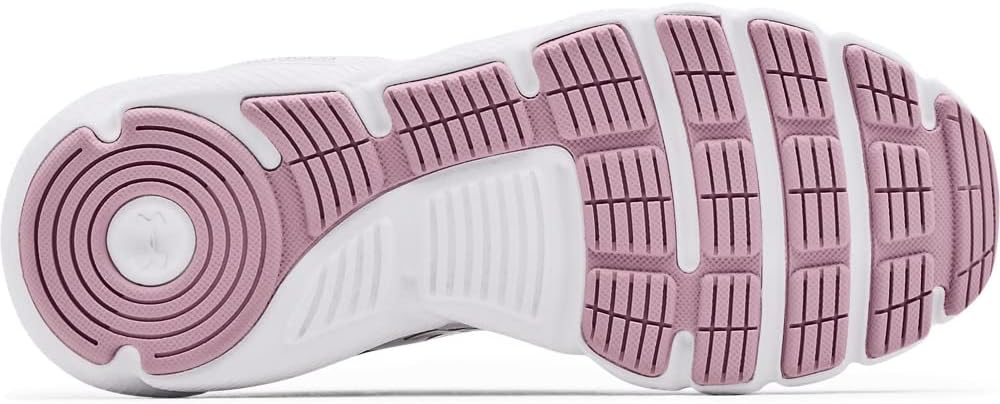
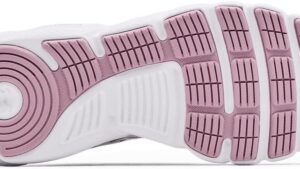
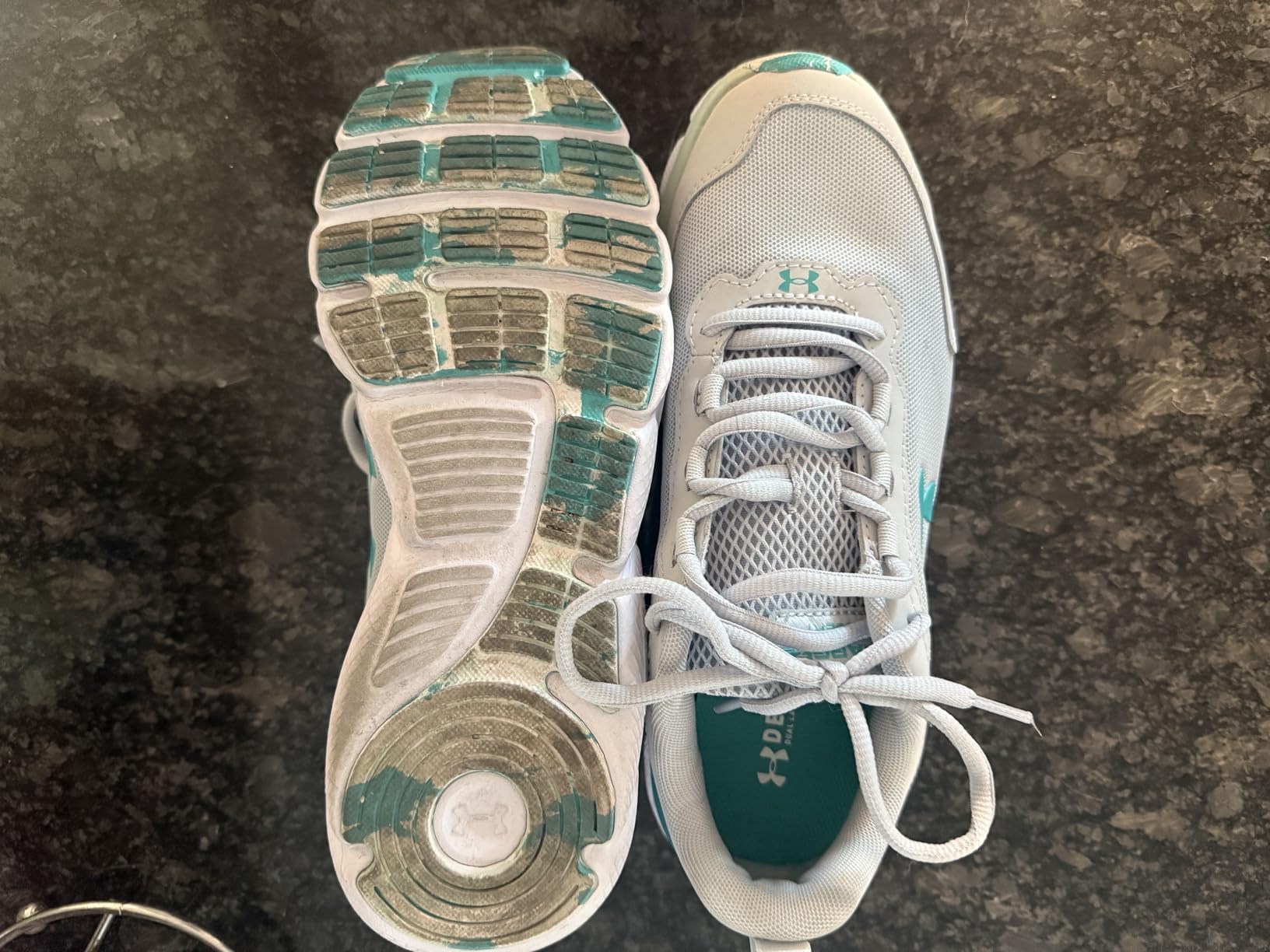
The tire-inspired outsole pattern proved its worth on varied terrain. On pavement and concrete, the solid rubber grips confidently. The lab measured rubber hardness at 86.0 HC, which is exceptionally high—this means the outsole should outlast the rest of the shoe. After 4 months, the tread still looks barely worn. On light hiking trails with gravel and dirt, traction was adequate. Not aggressive enough for technical trails, but perfectly fine for casual outdoor walks.
That lightweight design (remember the 8.15 oz?) means these pack easily and don’t weigh down your feet during all-day activities. When I wore them to an amusement park—basically a 10-hour walking marathon—my feet held up better than in heavier casual shoes. The responsive cushioning that felt springy during runs translated to less fatigue during extended walking.
Durability After 4 Months
This is where lab data and real-world testing align in an interesting way. RunRepeat’s Dremel durability test gave the upper material a concerning 1/5 score, suggesting the mesh would wear quickly. After 4 months of daily use, I see what they mean: the mesh shows some subtle wear in high-flex areas, particularly around the toe box. Nothing structural—no holes or tears—but the material looks less crisp than it did new.
The leather overlays, though, have held up perfectly. So has that durable outsole. It’s a classic budget shoe trade-off: the parts that are expensive to make (rubber, structured overlays) last well. The parts where costs get cut (thinner mesh) show wear faster. For $45-56, this seems like a fair compromise. These won’t last 500+ miles like $120 trainers, but 300-400 miles looks realistic based on current wear patterns.
The Sizing Situation You Need to Know
Let’s address the confusion you’ve probably seen in reviews: “These run true to size!” versus “Order a size up!” Both are kind of right, which makes sizing frustrating.
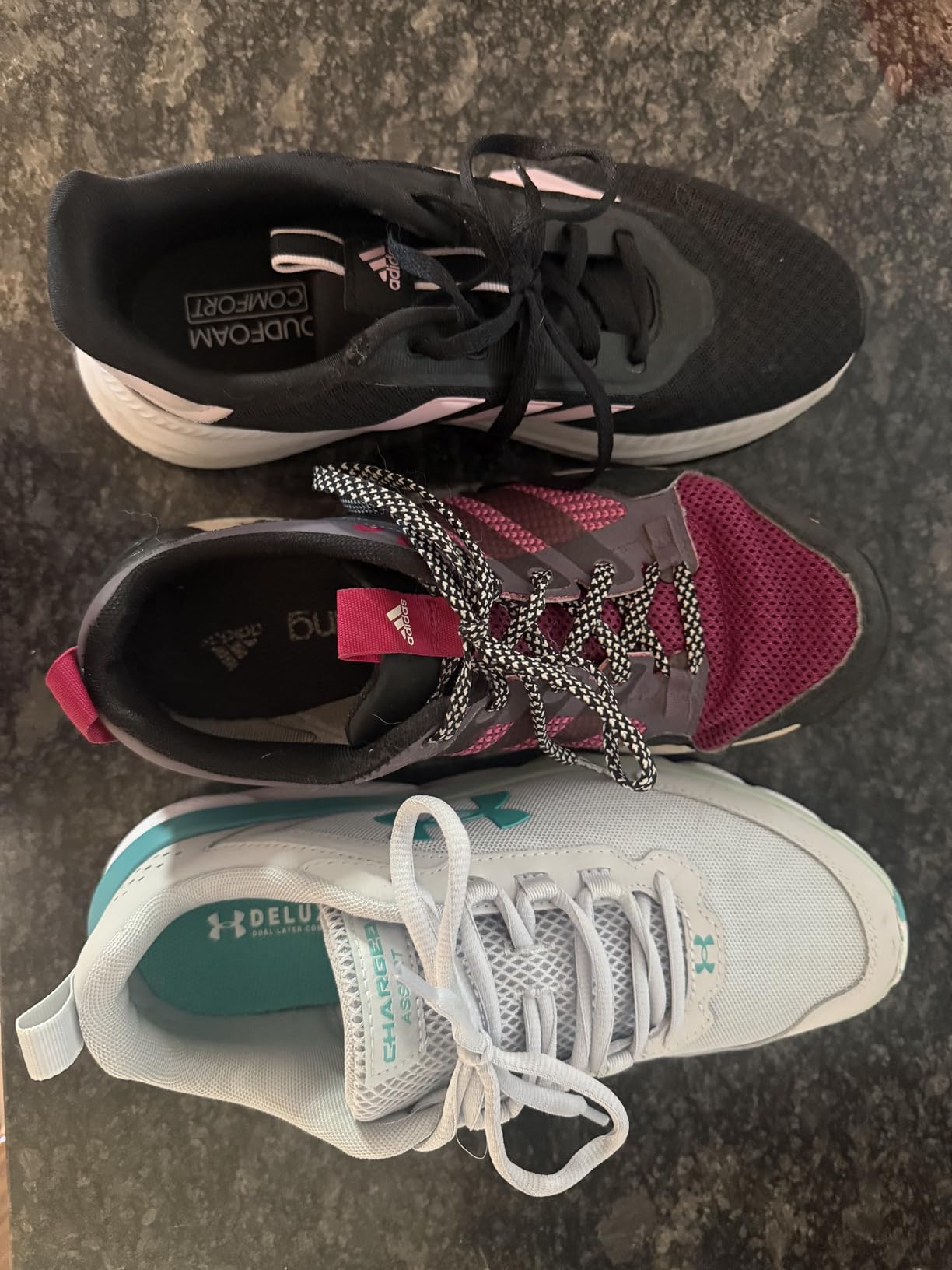
The length is generally accurate to size. If you’re a true 8, an 8 will likely match your heel-to-toe measurement. But the width—particularly in the toe box—runs narrow. Multiple sources confirmed this, and RunRepeat’s 191-voter consensus split between “true to size” and “runs small” makes sense once you understand this distinction.
Here’s my sizing recommendation based on testing and research: if you’re between sizes or have normal-to-wide feet, order a half size up. If you have genuinely narrow feet, your true size might work. The mesh does stretch slightly during break-in, but don’t count on significant expansion. Under Armour offers a Wide D width option for those who need extra room—if you typically buy wide shoes, that’s your better bet than sizing up in standard width.
The Value Equation
At this point, you’re probably wondering: is this actually worth buying, or just “good for the price”? Because there’s a difference between “decent considering it’s cheap” and “genuinely delivers value.”
After 4 months, I’d argue these deliver genuine value. Not because they’re perfect—they’re not. The arch support is minimal. The breathability is average. The upper material shows wear faster than I’d like. But for $45-56 (depending on where you shop), this shoe does something remarkable: it handles multiple real-world activities well enough that you don’t need to own separate running shoes, work shoes, and casual shoes.
Compare this to the typical approach: $80 for running-specific shoes, $60 for work-comfortable shoes, $50 for casual sneakers. That’s $190 for three pairs. The Charged Assert 9 at $45 does 80% of what those specialized shoes do, which means you’re getting significant value if versatility matters to you.
Where does it make less sense? If you’re training for a half marathon and need a shoe that can handle long runs comfortably, invest in something with more cushioning. If you work on your feet in hot environments, prioritize better breathability. If you have high arches, you’ll need to budget for insoles or choose a different shoe. Specialization has value—just know what you’re trading.
Who Should (and Shouldn’t) Buy These
These are ideal for:
- Active women juggling multiple daily activities who don’t want to swap shoes constantly
- Casual to moderate runners (15-30 miles per week) who run mostly on roads
- Anyone needing comfortable shoes for extended standing or walking
- Budget-conscious buyers who want legitimate performance, not just cheap shoes
- Neutral to flat-arched feet that don’t need specialized arch support
Consider alternatives if:
- You have high arches and can’t accommodate adding insoles
- You’re training for marathons or half marathons with high weekly mileage
- You primarily run trails and need aggressive traction
- You work in very hot environments and need maximum breathability
- You prefer plush, cloud-like cushioning over responsive firmness
Definitely look elsewhere if:
- You need motion control for severe overpronation
- You require ultra-wide widths beyond Wide D
- You want racing-level performance with carbon plates or advanced tech
Common Questions from Real Testing
Are they actually true to size, or do they run small?
Both, depending on what you measure. Length runs true to size for most people—if you measure your heel-to-toe length and compare to size charts, that usually works. But the toe box runs narrow, which makes them feel small if you have wider feet. My recommendation: if you’re between sizes or have normal-to-wide feet, go up a half size. If you have narrow feet, your true size probably works. The Wide D option exists for those who consistently need wide shoes.
How’s the arch support really—is it actually “limited” or just fine?
It’s genuinely limited if you’re comparing to support-focused shoes. The midsole cushions your foot, but there’s minimal arch contour. For my lower arches, this was fine for both running and standing. Friends with higher arches reported needing to add thin insoles after a few hours of standing. The shoe has room for orthotics, which is good. But if you need significant arch support and can’t add insoles, these probably aren’t your shoe. Neutral to flat feet should be fine.
Will they last a full year of regular use?
Depends on your definition of “regular use.” After 4 months with 200+ miles of running plus daily wear, I see wear on the mesh upper but the outsole and structure remain solid. Based on wear patterns, I’d estimate 300-400 miles total lifespan or 8-12 months of moderate use (running 3-4 times per week plus casual wear). Heavier runners or those with higher mileage might see shorter lifespans. For the price, that’s reasonable—not exceptional, but fair value.
Can you actually run in these, or are they more for casual wear?
You can definitely run in these. I ran 200+ miles over 4 months without issues. They work well for daily training at easy to moderate paces (anything from recovery jogs to tempo efforts). The cushioning isn’t maximal, so if you’re doing long runs over 10 miles regularly, you might want more protection. And they’re road-focused—trail runners should look elsewhere. But for 3-6 mile runs at conversational to comfortably hard paces? They performed well.
How do they compare to other shoes in this price range?
Most $40-60 running shoes from major brands make compromises. The Charged Assert 9’s advantage is genuine versatility—it transitions from running to casual wear better than most budget options. Cushioning feels more responsive than typical entry-level shoes. The downside is breathability (3/5 lab score) and upper durability concerns (1/5 Dremel score). If you only need running shoes, you might find better specialists. If you want one pair for everything, these deliver unusual versatility at this price.
What about different weather conditions—rain, heat, cold?
Heat: The mesh handles moderate temperatures fine, but in 85°F+ weather during runs, I noticed warmth buildup. Adequate, not exceptional. Cold: Fine for mild temperatures (50-60°F) but not insulated—expect cold toes below 40°F. Rain: Not waterproof, but the mesh dries relatively quickly. I got caught in light rain and they were uncomfortable wet but recovered within an hour of indoor wear. Don’t count on these for serious weather protection.
Easy to clean and maintain?
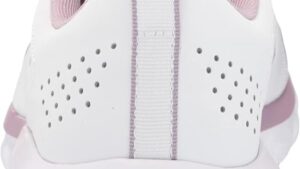
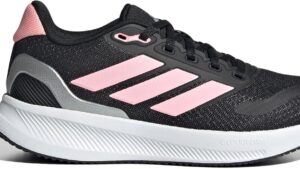
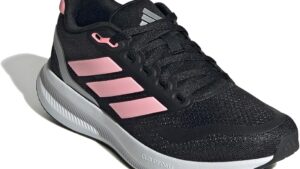
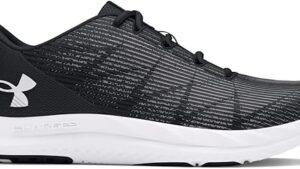
Easier than expected. The multi-color design helps hide minor dirt. For the black and pink colorway I tested, the darker areas stayed clean-looking even after months of use. The white midsole shows scuffs but cleans up with mild soap and a soft brush. I haven’t machine-washed them (not officially recommended), but spot cleaning works well. The materials aren’t super delicate—you can clean them without worrying about damage.
Should I buy these for both running and work, or get separate shoes?
This depends on your specific situation. If your work involves standing or walking in business-casual environments, and you run 15-30 miles per week, one pair of these could genuinely replace two pairs of specialized shoes. That’s the sweet spot for versatility. If you’re running 40+ miles per week or work requires dress shoes, you’ll still need separate footwear. But for many active women with busy schedules, the ability to go from morning run to workday without changing shoes has practical value beyond just cost savings.
Any differences between color options?
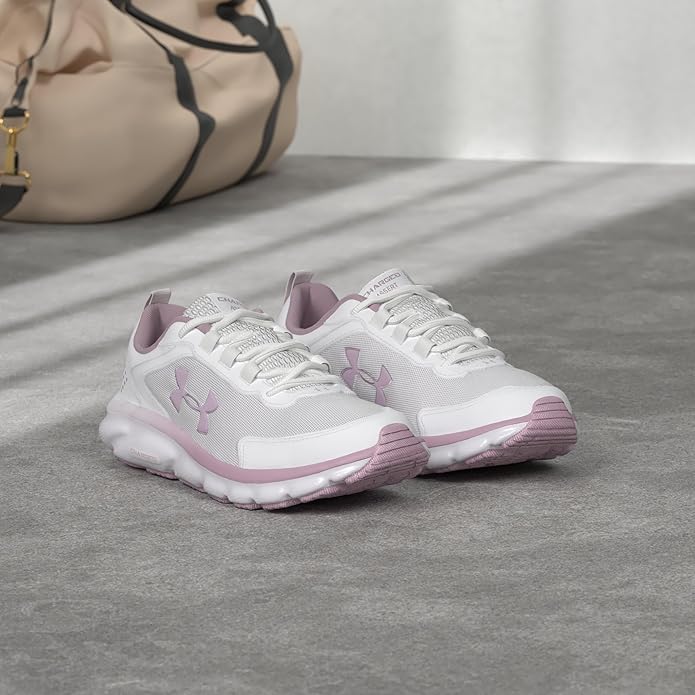
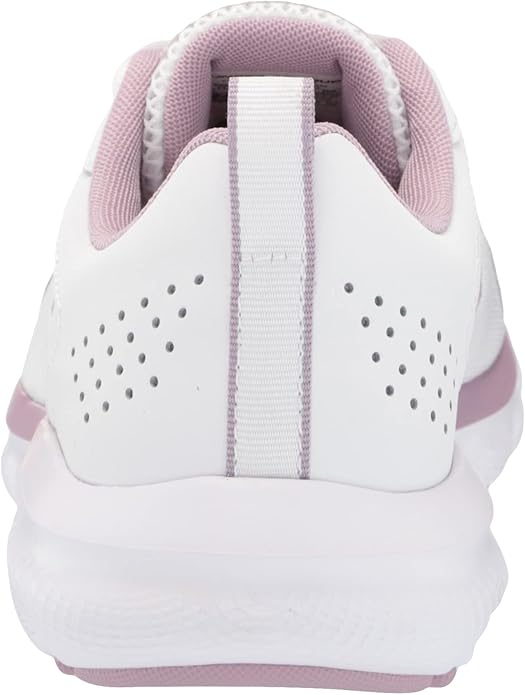
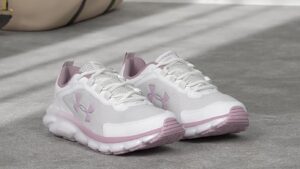
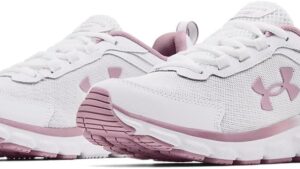
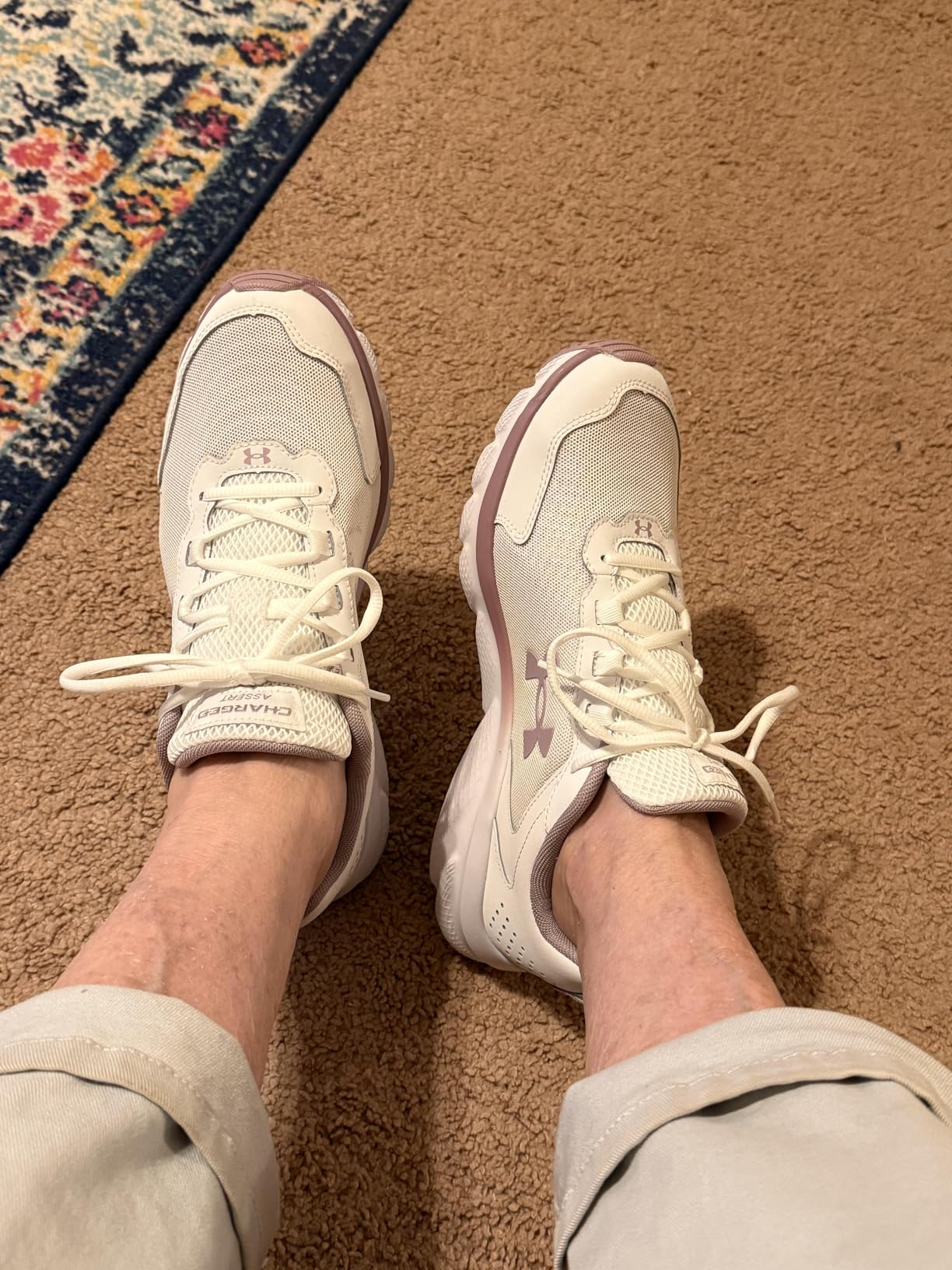
Under Armour offers several colorways (black/pink, white/mauve, various other combinations). Material construction appears identical across colors. Based on wear patterns in my black/pink pair, darker colors likely hide dirt and wear better than lighter options. The white midsole shows scuffs regardless of upper color. If you’re choosing between similar colors, go with what you like—the performance should be identical.
How consistent is sizing across Under Armour shoes?
Based on research, Under Armour’s running shoe sizing can vary between models. The Charged Assert line seems fairly consistent within itself (Assert 9, Assert 10, etc.), but don’t assume your size in a different UA model will match. Always check model-specific sizing reviews. The “runs narrow in toe box” issue appears consistent across the Charged Assert series, so if you’ve sized up before in UA shoes, that’s likely your move here too.
Final Verdict After 4 Months
I started this test skeptical that a $45 shoe could genuinely handle running, work, and everything in between. After 4 months and 200+ miles, I’m not claiming these are perfect—but they’re remarkably capable for the price.
The cushioning delivers on its responsive promise, even if it’s not as protective as premium options. The lightweight design reduces fatigue across all activities. The durability is a mixed story: exceptional outsole, concerning upper wear. And yes, you need to size carefully because that narrow toe box catches people off guard.
But here’s what matters: I’d buy these again. Not because they’re the best running shoe I’ve ever worn—they’re not. Not because they’re the most comfortable work shoe—also not. I’d buy them again because they’re good enough at everything that matters for a busy, active lifestyle, and at $45-56, that “good enough at everything” delivers more value than “excellent at one thing” for how I actually live.
If your life looks like mine—morning workouts, long work days, errands and activities on weekends—and you’re tired of juggling multiple pairs of shoes, the Charged Assert 9 might surprise you the same way it surprised me. Just remember to order a half size up.

Reviews
There are no reviews yet.