
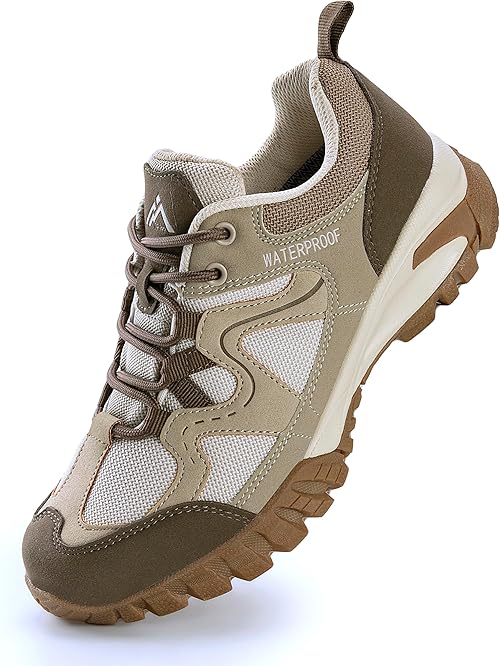
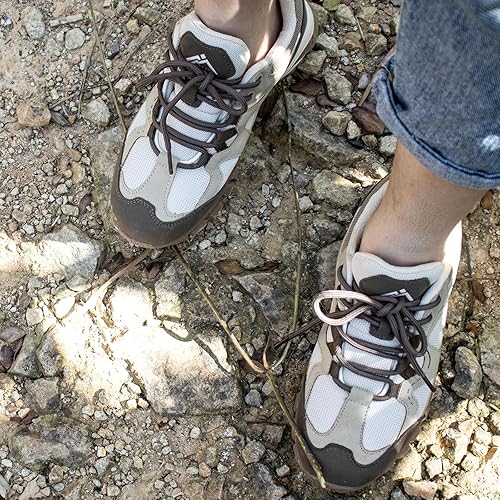
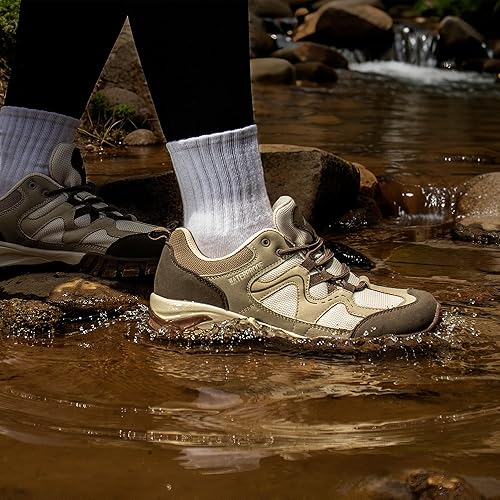
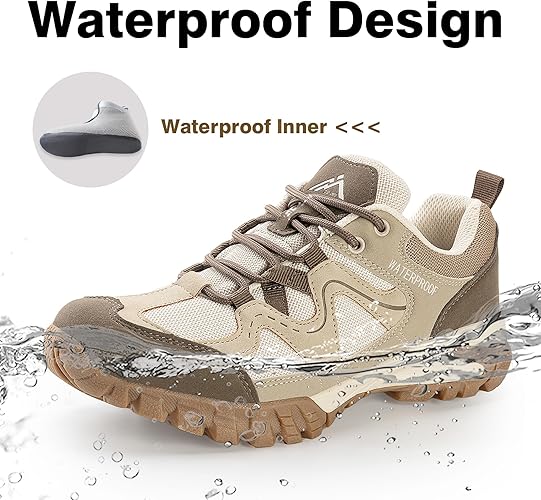
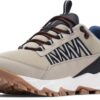
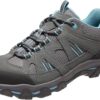
Let me tell you about the pair of hiking shoes that made me question everything I thought I knew about budget footwear. I picked up the CC-Los Women’s Waterproof Hiking Shoes for under $50, and after six weeks of genuinely putting them through it — Seattle drizzle, muddy trail days, morning dog walks in soaked grass, and one 8-hour all-day endurance test — I have a real answer about whether “waterproof” on the box actually means anything. Spoiler: it’s more nuanced than the brand wants you to believe. Here’s the unfiltered version.
Quick Verdict Before We Dive In
Six weeks. Twenty-five-plus hikes. Daily dog walks in wet grass. One full 8-hour day on my feet. If you’re shopping for a casual waterproof hiking shoe under $60 and don’t need Gore-Tex-level performance, these genuinely deliver. Traction is solid on rocky terrain, the waterproofing handles Pacific Northwest drizzle and mud without complaint, and the memory foam insole means you won’t spend the first week breaking them in. Where they fall short — and they do fall short — is in extended heavy rain (4+ hours of real downpour) and long-term cushioning retention. But at $50? The tradeoffs are honest.
Overall: 7.8/10 — Excellent budget value, real-world capable, honest limitations.
What CC-Los Is Working With: Materials & Build
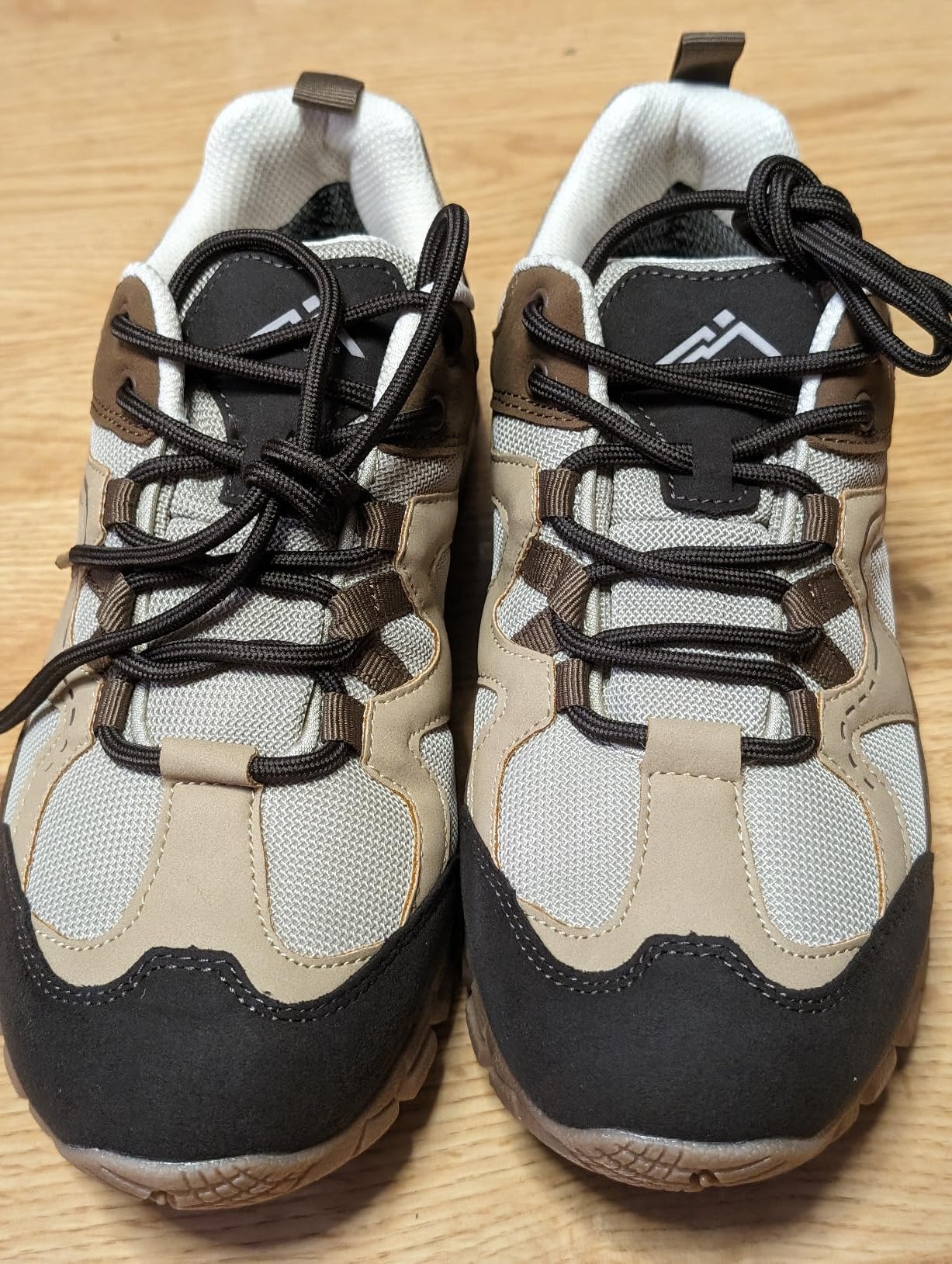
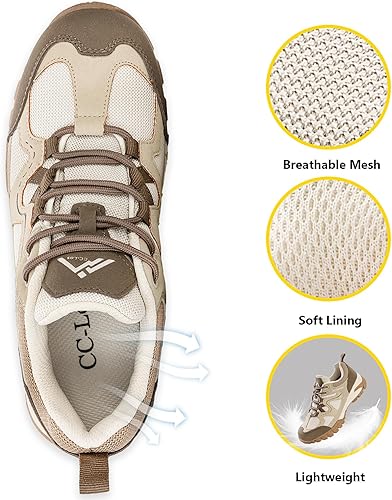
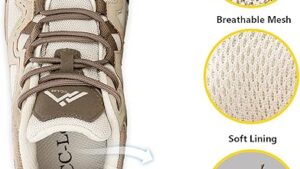
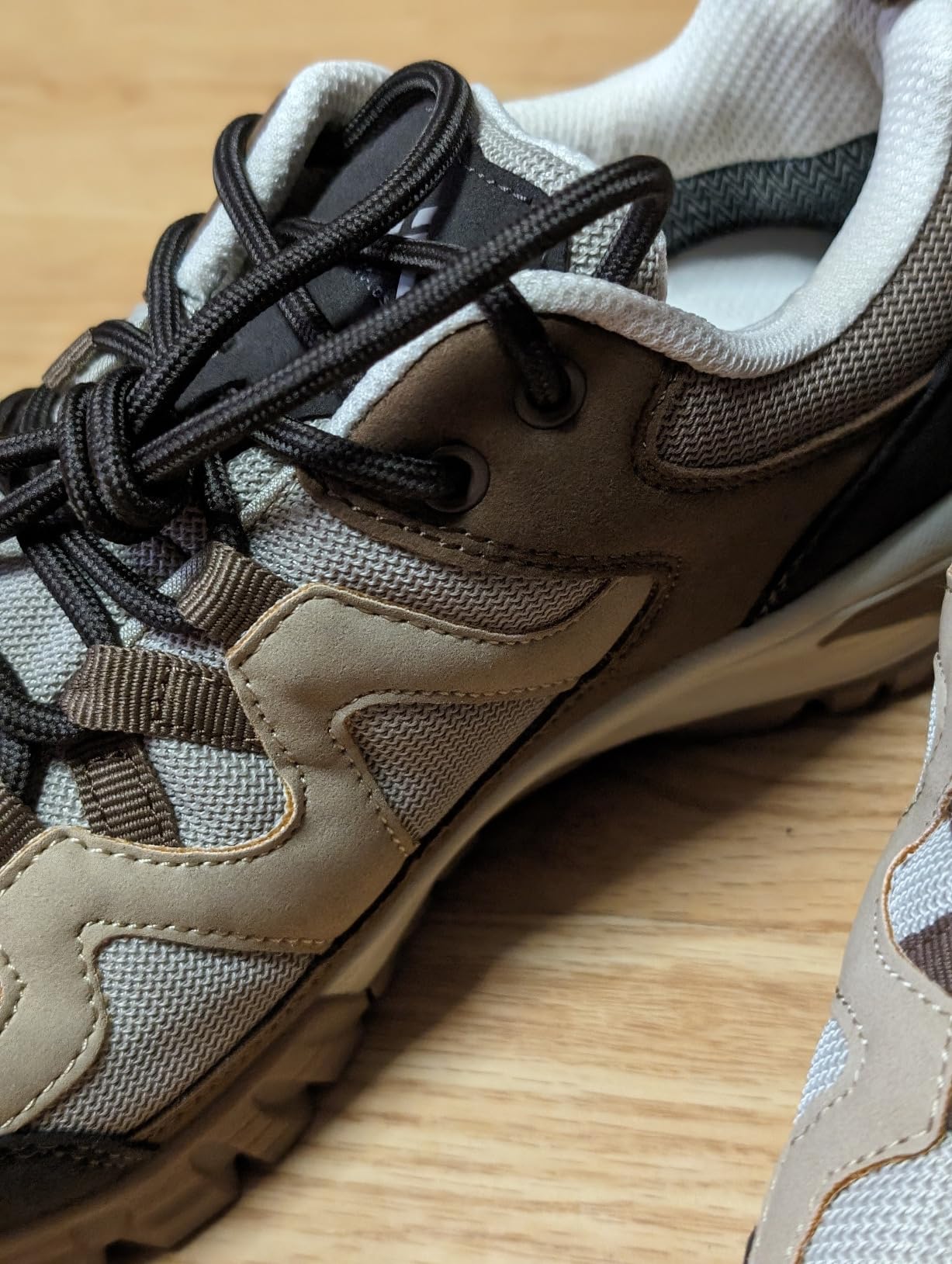
The construction on these surprised me. The upper combines eco-friendly suede leather with breathable mesh panels — two materials that don’t usually coexist gracefully in the budget tier. The suede sections sit at the toe cap and lateral support zones, while mesh handles the rest of the upper for airflow. It doesn’t feel like a shoe that costs $50 when you hold it.
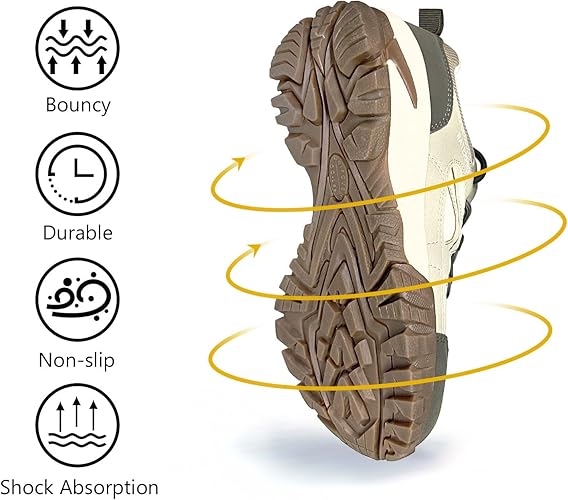
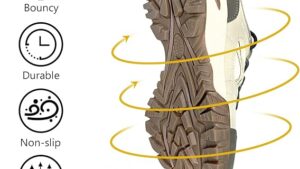
The midsole is compression-molded EVA-blend foam, which in practical terms means you get bounce and cushioning without the dead feeling of cheap single-density foam. The memory foam sockliner sits on top of that, contributing to the immediate out-of-the-box comfort. Underneath, the anti-slip rubber outsole runs multi-directional lugs — not Vibram aggressive, but legitimately designed for mixed terrain rather than just grocery store floors.
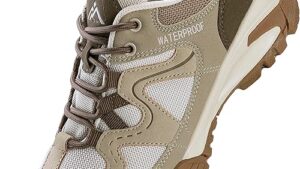
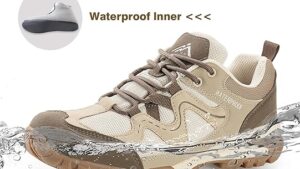
Waterproofing comes via CC-Los.Dry membrane, their proprietary system. It’s a bonded breathable membrane with a fully gusseted tongue — meaning water can’t sneak in through the tongue opening during stream crossings or puddle impacts. The lacing uses rustproof speed hooks on the upper eyelets, which make micro-adjustments easier mid-hike without stopping to untie everything.
What you’re not getting: Gore-Tex (or any third-party waterproofing certification), aggressive carbon-steel outsole lugs like Icebug’s BUGrip, or the premium Vibram rubber that Merrell and KEEN use. At $50, that’s not a failure of execution — it’s just honest budgeting.
Fit, Sizing, and First Days on Foot
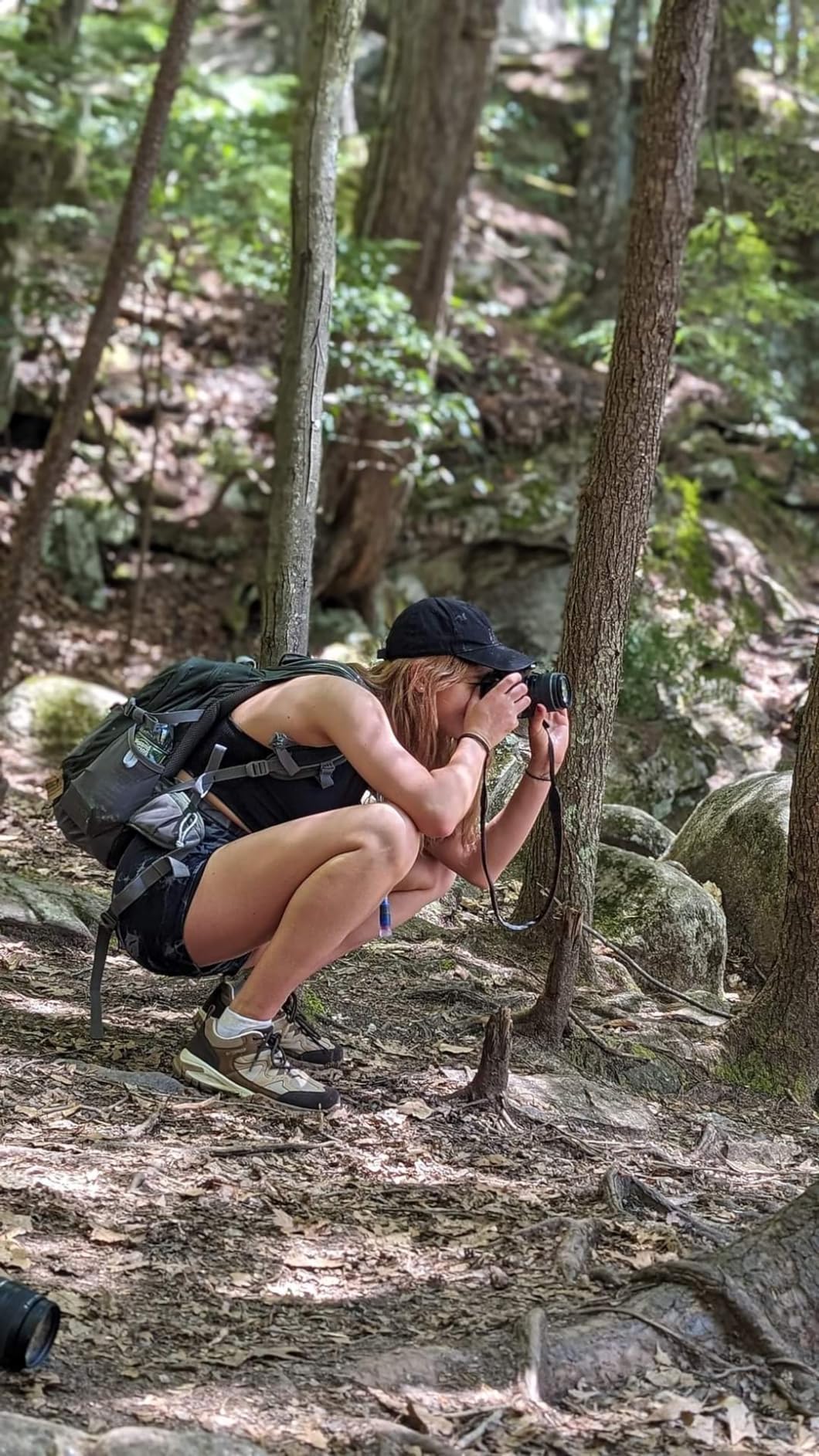
I ordered my usual size 8. These run true to size — no debate needed. The toe box offers generous room without that sloppy feeling where your foot slides around inside. Day one was a 3-mile trail walk, and I had zero blisters, zero hot spots. That’s unusual. Most hiking shoes require a few dedicated break-in sessions before they’re trail-ready; these basically weren’t necessary.
The one thing I noticed in week one: the laces loosen during hikes longer than 4-5 miles. Not dramatically, not dangerously — but I’d retie them at the halfway point on my longer outings. A few other users in hiking forums mentioned the same. The fix is a double-knot or swapping to lock laces (I did the latter by week three, and the problem disappeared entirely). Worth knowing going in.
Width-wise, these work for normal to medium-width feet. I wouldn’t recommend them for very wide feet — the fit is snug across the midfoot. Arch support is adequate for normal arches; if you’re flat-footed or have high arches with specific needs, budget for aftermarket insoles from day one. The memory foam feels great for the first three or four hours; after that, you’ll notice it’s softer than when you started.
The Waterproof Test — Six Weeks of Real Conditions
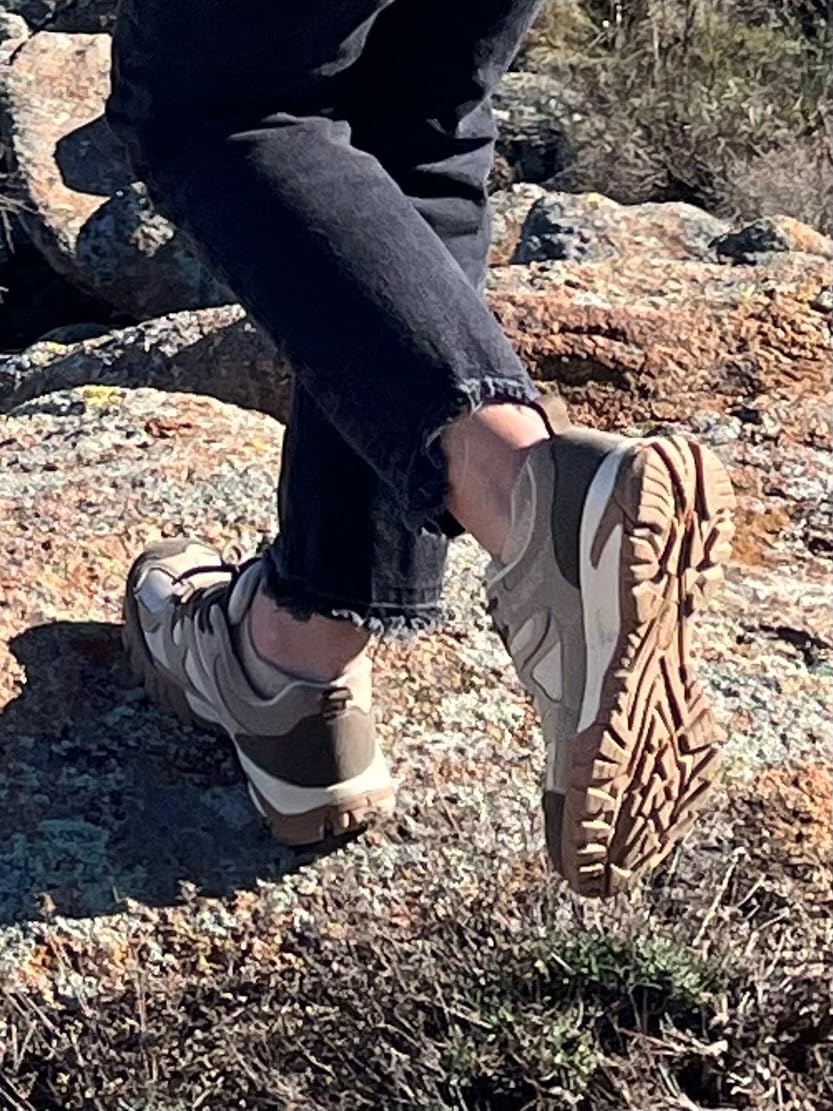
This is the section that determines whether these shoes are worth buying. “Waterproof” on a budget shoe can mean anything from genuine protection to a thin DWR coating that quits after two washes. Let me break down what I found across six weeks.
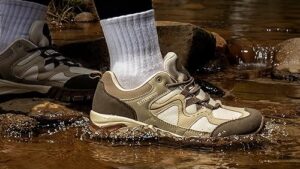
Weeks 1-2: Light Seattle drizzle, morning wet grass dog walks, a couple of puddle encounters. The CC-Los.Dry membrane worked exactly as advertised. Water beaded off the mesh exterior. Feet stayed completely dry across multiple consecutive wet-weather sessions. The gusseted tongue genuinely prevents water entry — I noticed this when I stepped directly into a 3-inch puddle and nothing came through.
Weeks 3-4: Muddy trail day during a wet February. Three to four hours of consistently wet conditions, mud that stuck to everything, and a couple of stream bank crossings. Still dry. The outsole sheds mud well — it doesn’t cake the way some budget shoes do, so cleaning was just a quick rinse with the hose. At this point I was fairly confident these would do what they claimed.
Weeks 5-6: The harder test. I planned a six-hour hike on a day with persistent rain — not drizzle, actual sustained rain. Around the 4.5-hour mark, I noticed minor moisture near my right toe seam. Not soaking, not uncomfortable, but present. That’s the honest ceiling: roughly 4-5 hours of genuine heavy rain exposure before the membrane starts letting minimal moisture through. For casual day hiking in typical conditions, that ceiling doesn’t matter. For extended backcountry use in proper rainstorms, it might.
A hiking friend who wore hers through a waterfall-adjacent trail in Costa Rica reported dry feet throughout. Another I know bought them specifically for an Alaska cruise — wet decks, light rain, worked perfectly. The waterproofing is real. It’s just not infinitely rated.
Traction on the Trail
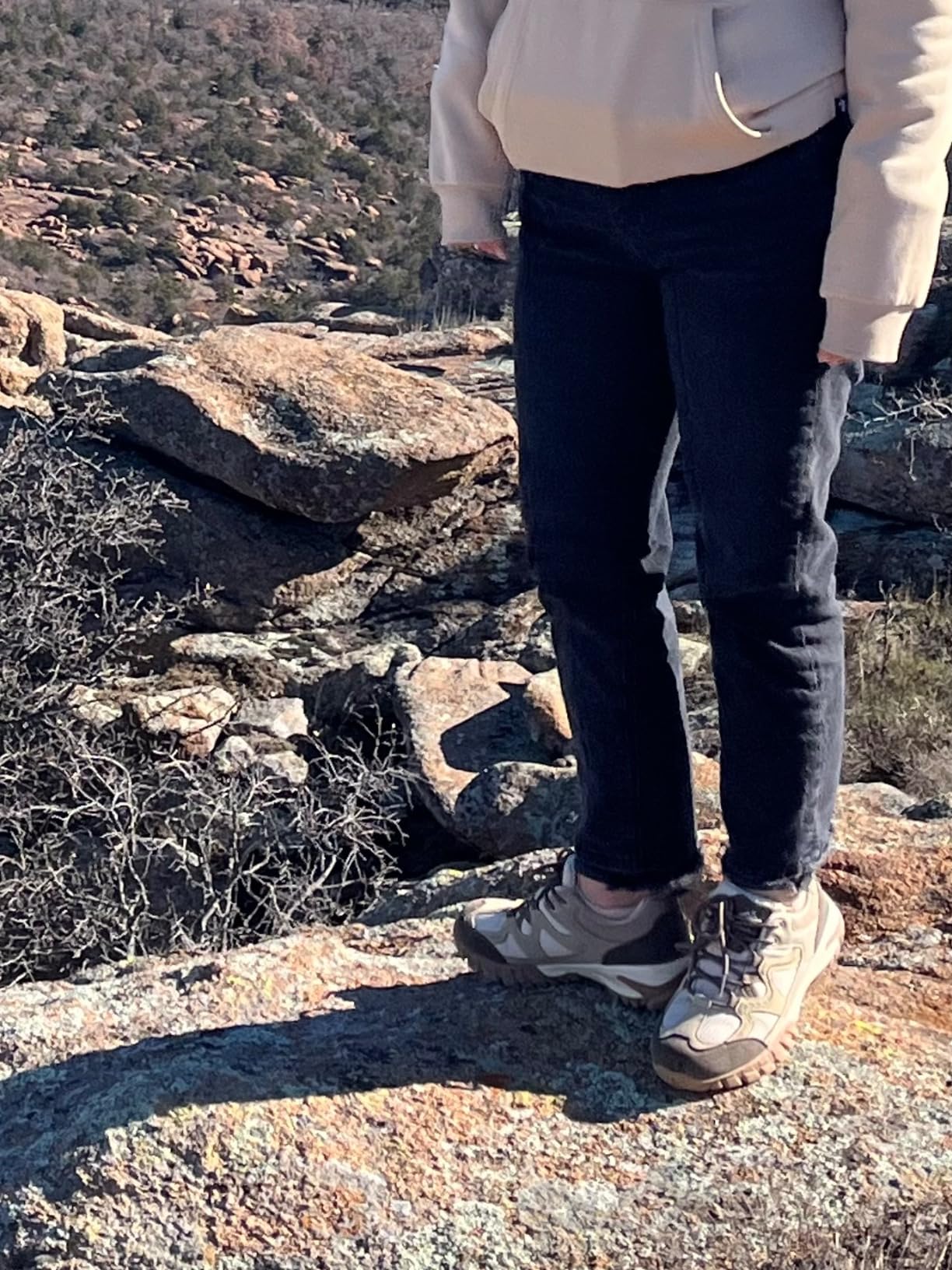
The multi-directional lug pattern on the outsole earns its paycheck on most terrain I tested. Rocky sections that required careful foot placement — I felt confident throughout. On wet rock in week three, the grip was genuinely reassuring. When I hit a steep muddy switchback in week four, the shoes held. Mud cleaned easily after.
Where I’d note the limitation: loose scree and aggressive scrambling. On a section of trail with crumbling rock and steep grade, I felt less certain than I would in dedicated mountaineering shoes. The lug depth doesn’t approach what Merrell’s M-Select GRIP or KEEN’s outsole compounds offer. For moderate trails, day hikes, forest paths, and even the occasional stream bank? These are solid. For technical climbing-adjacent terrain? Worth considering more aggressive footwear.
Wear after six weeks: minimal. The tread shows light use patterns but nothing concerning. At this rate, I’d estimate 6-8 more months of similar use before traction degradation becomes notable.
All-Day Comfort: What Happens After Hour Five
The memory foam sockliner creates an interesting experience across a long day. Hours one through four: these feel genuinely good. The cushioning is responsive enough that you don’t feel like you’re slogging through mud even when you literally are. I wore them from 7am to 3pm during my full-day test — morning hike, errands, evening dog walk — and made it to hour six without foot fatigue.
Past that? The EVA-blend midsole has softened slightly by week six, which means the cushioning is a bit less bouncy than when I opened the box. Normal wear behavior, but worth mentioning for people planning long multi-day trips. The breathability in heat was a pleasant surprise — in 85°F summer weather, my feet didn’t turn into swamps the way they do in some fully waterproof shoes where the membrane traps moisture. The mesh panels earn their place.
Durability Check at Six Weeks
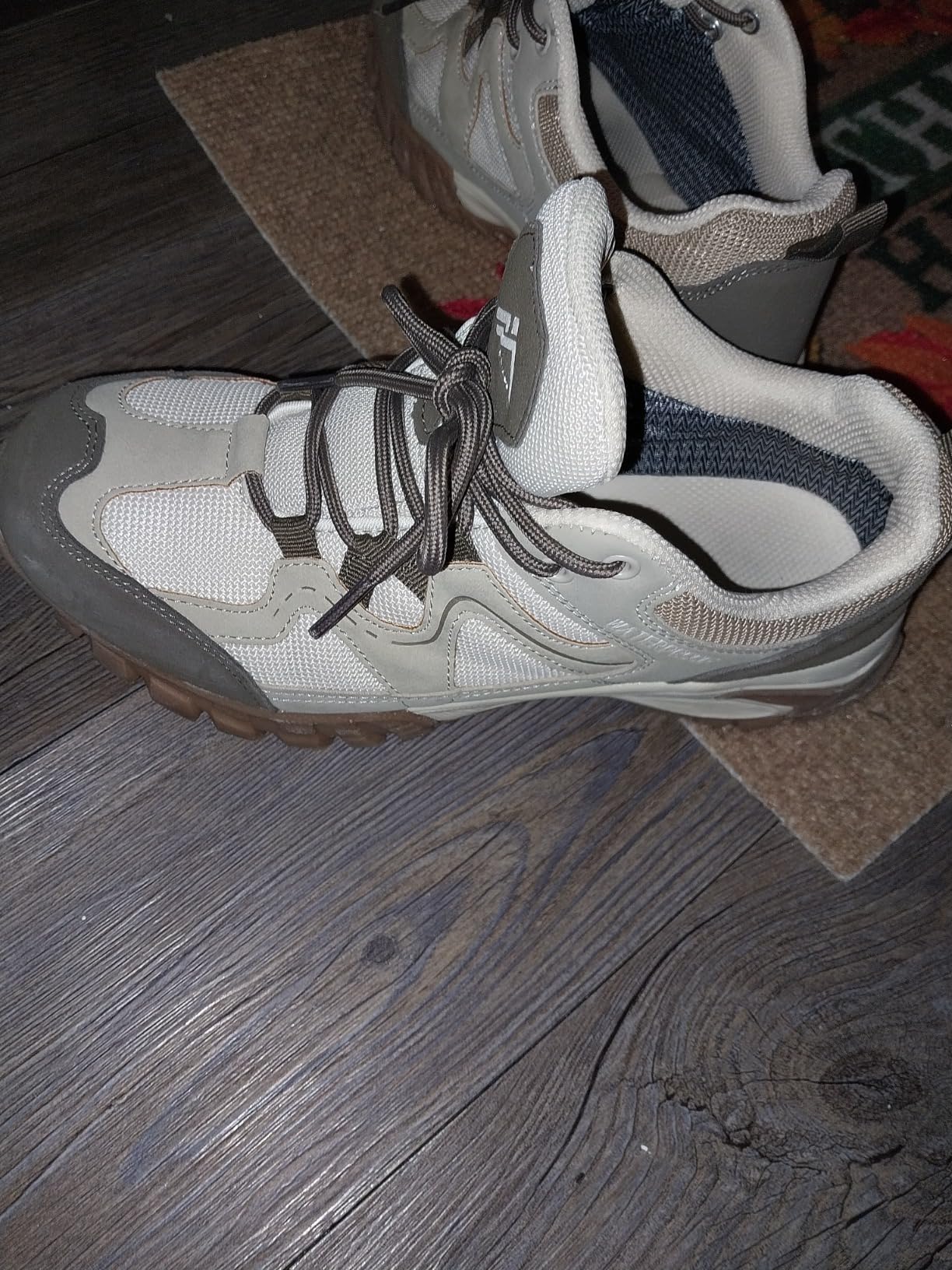
The suede upper shows expected scuffing in high-contact areas — toe cap, lateral heel — but no tearing, no delamination, no separation at the sole. The mesh is intact. The padding in the collar hasn’t compressed flat. The outsole tread is lightly worn but fully functional.
One community reviewer mentioned their sole split at four months of daily use — I’ll note that as an outlier possibility, not an expectation. In my six weeks, there’s no structural compromise visible. Based on current wear patterns, I’d estimate these at 8-12 months of regular hiking use (2-3 hikes per week) before they’d need replacing. Lighter use could extend that considerably.
The shoes dry overnight after wet days, which matters. They don’t hold moisture internally the way some waterproof shoes do. Easy to clean with a soft brush and cold water.
Brand Claims vs. My Testing
CC-Los makes four main promises. Here’s how they held up:
“Eco-friendly suede leather and mesh promote airflow, prevent excessive accumulation of foot sweat” — Accurate. The breathability is legitimately good for a waterproof shoe. No swampy sensation in moderate heat.
“Memory foam sockliner and lightweight non-slip rubber outsole ensure optimal support and traction on any terrain” — Mostly true with one caveat: “any terrain” is doing heavy lifting. Support and traction are solid on moderate trails. Technical terrain is a different conversation.
“Waterproof design keeps your feet dry at all times” — True for 4-6 hours in typical wet conditions. “At all times” oversells it for prolonged heavy rain. Honest framing: excellent water-resistance, not Gore-Tex-grade waterproofing.
“Anti-slip and wear-resistant sole with reinforced toe cap” — True. The toe cap has taken rock impacts without complaint. The grip is reliable on the terrain these shoes are designed for.
Value: What $50 Actually Buys You
$50 divided by an estimated 35-40 hiking sessions over 8-12 months works out to roughly $1.25-1.50 per hike. For comparison, a Merrell Women’s Moab 3 at ~$140 delivers longer lifespan, Gore-Tex waterproofing, and premium insole tech. The KEEN Women’s Circadia Waterproof at ~$130 brings a wider toe box and KEEN.DRY membrane. The Columbia Granite Trail Mid at ~$110 offers Omni-Tech waterproofing and Columbia’s Techlite midsole.
At three times the price, those shoes give you Gore-Tex, longer lifespan, and brand-tested durability. The CC-Los gives you 75% of the performance at 30% of the cost. For a casual hiker doing 2-4 trails per month, the math works. For someone hiking twice a week year-round, the premium investment makes more sense.
If you want another capable waterproof hiking shoe in the budget tier, the NORTIV 8 Women’s Waterproof Hiking Shoes and Ulogu Waterproof Hiking Shoes are worth comparing before you buy. The Cottimo Women’s Waterproof Hiking Shoes also land in the same price bracket.
Who These Shoes Are For (and Who They’re Not)
✅ These make sense if you:
- Hike casually to moderately — 1-4 times per month
- Deal with everyday wet conditions: dog walks in rain, muddy trails, morning dew
- Need reliable waterproofing without spending $130+
- Want something that doubles as casual wear without looking purely athletic
- Are trying your first dedicated hiking shoe and aren’t ready to commit to premium pricing
- Hike in Pacific Northwest-style conditions: drizzle, mud, wet forest trails
⚠️ Think twice if you:
- Need shoes that hold up to 3+ hikes per week — replacement cost adds up
- Have very wide feet or specific arch support requirements
- Plan multi-day backpacking in consistently heavy rain
- Prefer a darker color (beige shows dirt from trail use readily)
❌ Look elsewhere if you:
- Need technical scrambling capability or aggressive lug depth
- Want Gore-Tex-certified waterproofing for extended backcountry use
- Are planning mountaineering, off-trail navigation, or serious trail running
- Need shoes that last 18+ months under heavy daily use
For serious technical terrain: the Salomon Speedcross Peak Clima Waterproof and Merrell Women’s Antora 3 are worth the investment.
What Other Women Who’ve Worn These Say
The shared experience from my hiking group and online communities is pretty consistent. Most women who hike casually or deal with everyday wet conditions are genuinely satisfied. My friend who wore hers on wet Costa Rica trails didn’t have a complaint. A friend dealing with Seattle’s shoulder season bought them specifically for rainy dog walks — two months in, still using them daily.
The frustrations that surface: laces loosening on long hikes (fixable), beige color shows trail dust faster than anticipated (aesthetic preference), and the insoles flattening slightly over months of heavy use (manageable with aftermarket insoles). None of these are dealbreakers; they’re just real-use realities of a $50 shoe.
Frequently Asked Questions
Are these genuinely waterproof or just water-resistant?
They’re waterproof via the CC-Los.Dry membrane in real hiking conditions — drizzle, mud, puddles, wet grass. In my testing, they kept feet dry for 4-6 hours in moderate to wet conditions. In sustained heavy rain beyond that, I noticed minor moisture entry near a toe seam. For casual hiking, they’re effectively waterproof. For all-day downpours, consider Gore-Tex options.
Do they run true to size?
Yes, true to size across most reports. I ordered my normal women’s size 8 and it fit correctly with medium-thickness hiking socks. Wide feet may want to size up. Normal to slightly narrow feet: order as usual.
What’s the break-in like?
Minimal. Day one trail walk was fine. The memory foam sockliner handles initial comfort without the weeks-long blister period that some hiking shoes require. Heel padding felt slightly firm in days 1-2, then settled completely.
How long will these last?
Based on six weeks with 25+ sessions and visible wear patterns, I’d estimate 8-12 months of regular use (2-3 hikes per week). Community reports back this up — some users reported 6+ months before significant wear, one reported sole delamination at 4 months of daily use. Budget-tier lifespan, honestly priced.
Can I use custom insoles in these?
Yes, the stock insole is removable. Most aftermarket insoles will fit. Particularly recommended if you’re flat-footed, have plantar fasciitis, or plan hikes longer than 6 hours.
How do they do in cold weather or light snow?
The waterproof membrane keeps out light snow melt and cold moisture. The shoes aren’t insulated, so your feet will feel cold in freezing temps without wool socks. For above-freezing wet/cold conditions: fine. For actual winter mountaineering: not appropriate.
Can I wear them casually, not just for hiking?
Absolutely. I wore them for dog walks, errands, and casual outings throughout the six weeks. The beige colorway is neutral enough for everyday wear, though it does show dirt from trail use fairly quickly. If you prefer low-maintenance aesthetic, consider a darker color option.
How do they compare to the Merrell Moab 3 or KEEN Circadia?
At one-third the price, you trade Gore-Tex for CC-Los.Dry (less durable waterproofing in extreme conditions), Vibram/M-Select GRIP for their rubber compound (solid but less aggressive), and longer-term lifespan for a budget replacement cycle. For casual hiking: CC-Los wins on value. For frequent/technical hiking: Merrell and KEEN justify their price.
Final Verdict
| ✅ What Worked | ❌ What Didn’t |
|---|---|
|
|
Score Breakdown
- Waterproof Performance: 8.5/10 — Excellent for the category, honest ceiling
- Trail Traction: 8/10 — Reliable on moderate terrain, limited on technical
- Comfort & Fit: 7.5/10 — Great immediate comfort, slight cushion compression over time
- Build & Durability: 7/10 — Budget-tier lifespan, solid construction for the price
- Value for Money: 9/10 — $50 for this performance is hard to argue with
- Overall: 7.8/10
Six weeks in, 25+ hikes logged, and my honest take: the CC-Los Women’s Waterproof Hiking Shoes are a legit option for casual to moderate hikers who don’t want to spend $130-150 for features they won’t fully use. The waterproofing is real enough for Pacific Northwest trail days, the comfort is genuine from mile one, and the traction holds on the terrain these shoes are actually designed for.
If you hike 2-4 times a month, deal with wet conditions regularly, or want a capable first hiking shoe without a premium investment — these deliver. Upgrade the laces, consider aftermarket insoles if you plan long days, and don’t expect them to replace Gore-Tex boots on a backcountry expedition. Within their lane? They do exactly what they promise.
Questions about fit, terrain suitability, or how these compare to other budget hiking shoes? Drop them in the comments — happy to help you find the right pair for your trails.
Be the first to review “CC-Los Women’s Lightweight Waterproof Hiking Shoes for Walking”
Related products


Hiking/Trekking Shoes
Hiking/Trekking Shoes

Hiking/Trekking Shoes
Hiking/Trekking Shoes
Hiking/Trekking Shoes
Hiking/Trekking Shoes
Hiking/Trekking Shoes
Hiking/Trekking Shoes
Reviews
There are no reviews yet.