
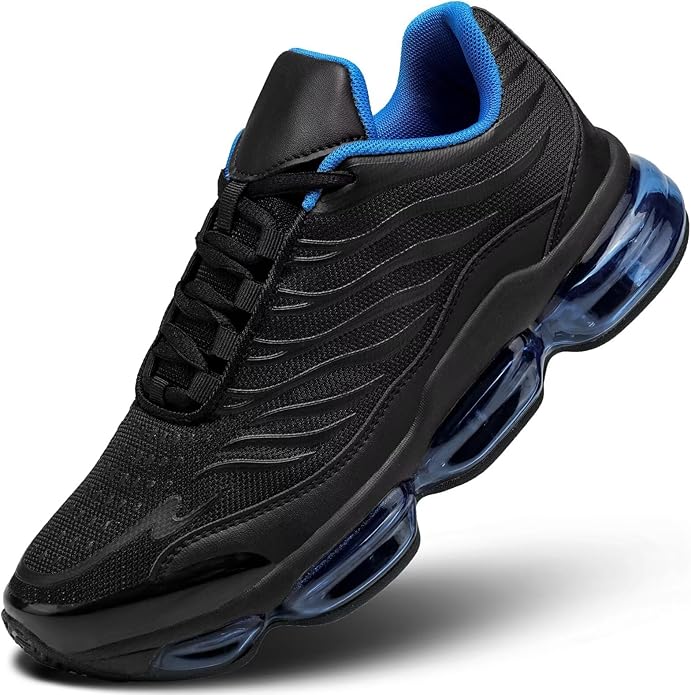
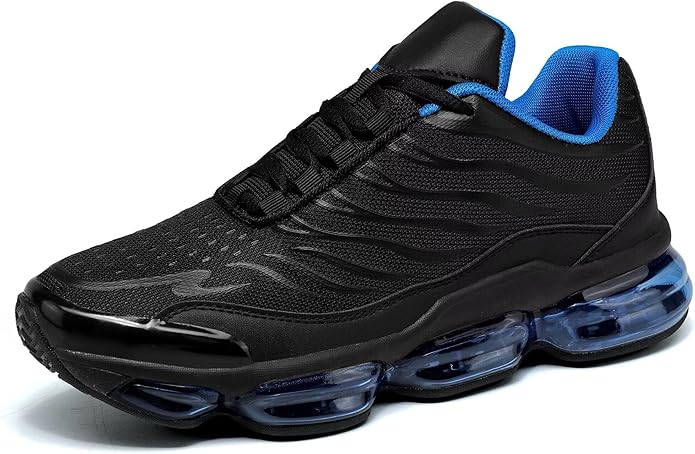
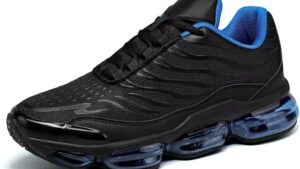
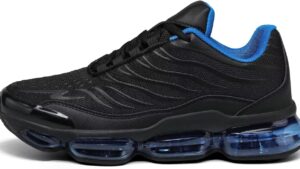
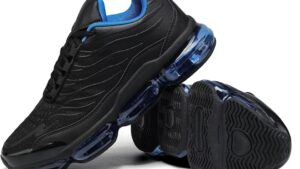
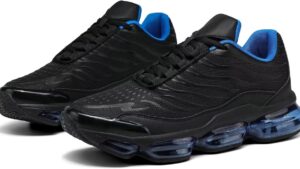
Finding workout shoes under $50 that actually hold up is like searching for a unicorn. I’m Mike, and I’ve spent over a decade testing athletic footwear—everything from high-end trainers to bargain-bin finds. When I saw these Men’s Air Running Shoes from Srenket sitting at $40 with an “air cushion” promise, my skepticism kicked in hard. But instead of dismissing them outright, I committed 8 weeks and 45 gym sessions to figure out exactly what you’re getting for your money. If you’re a casual gym user wondering whether budget shoes can actually work, this might save you from some expensive mistakes.
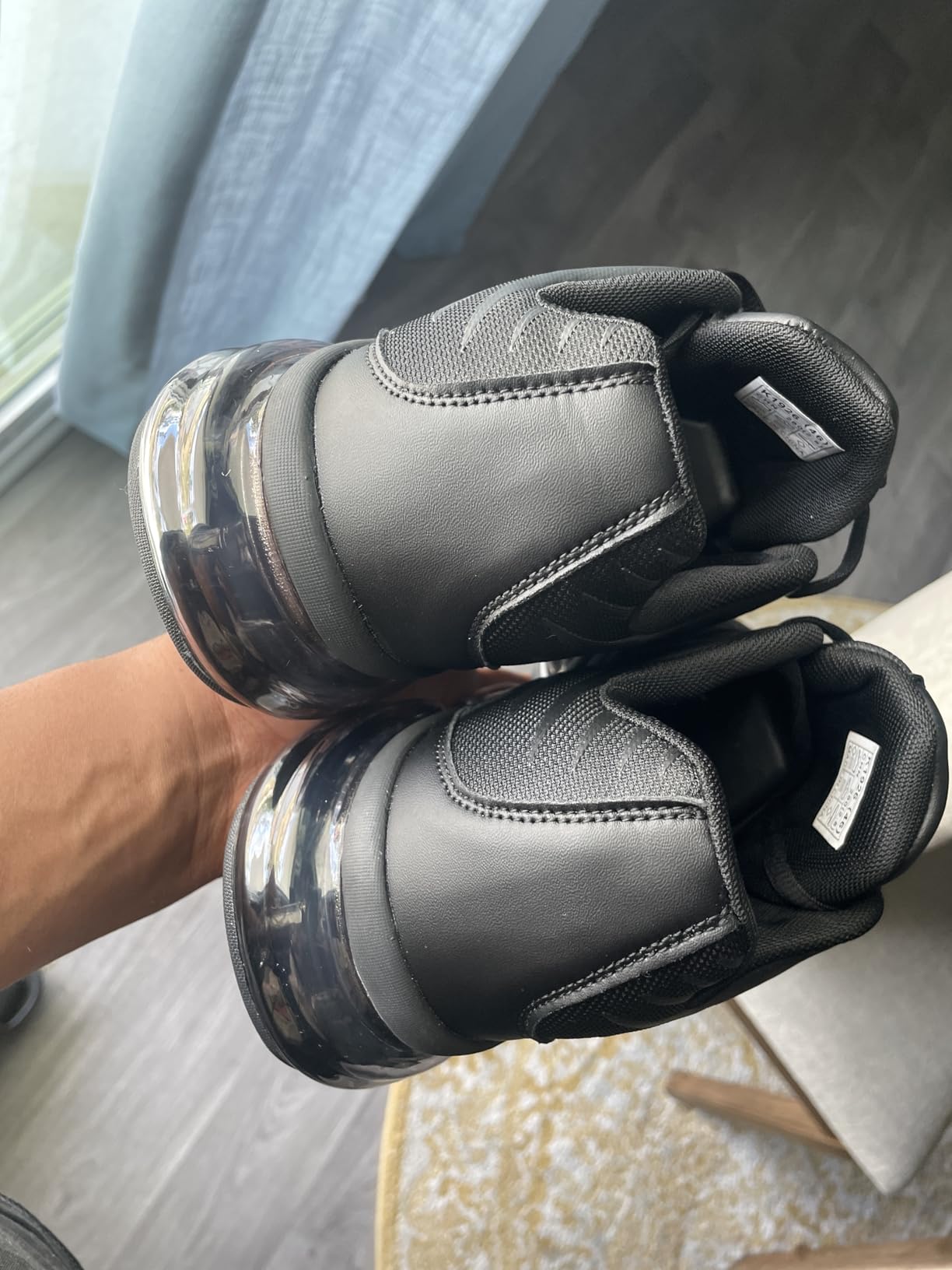
Quick Specs Reference
- Price: $40 (Amazon, as of testing)
- Weight: 11.2 oz (men’s size 9)
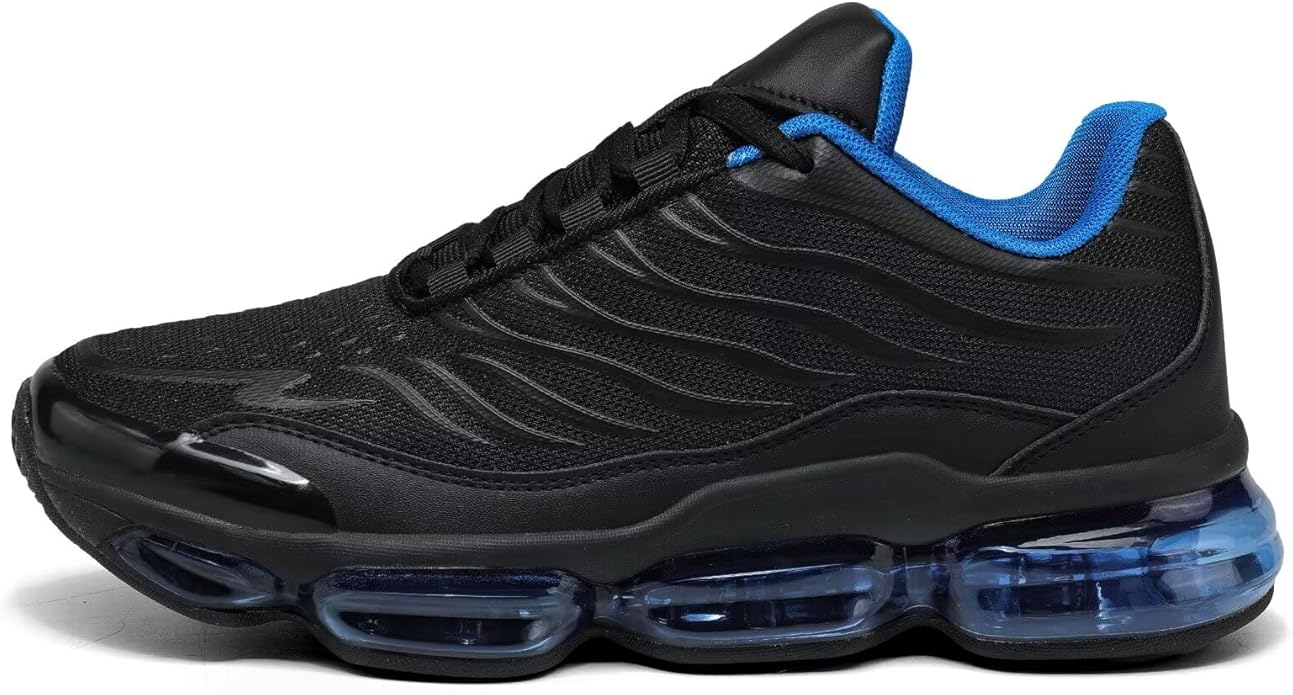
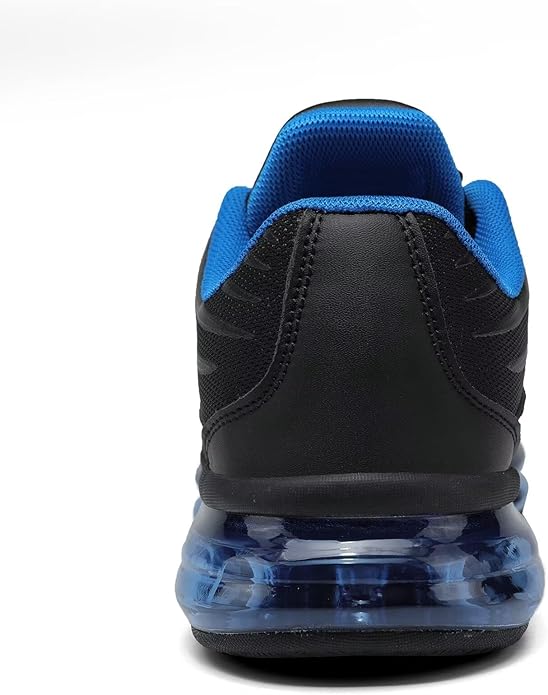
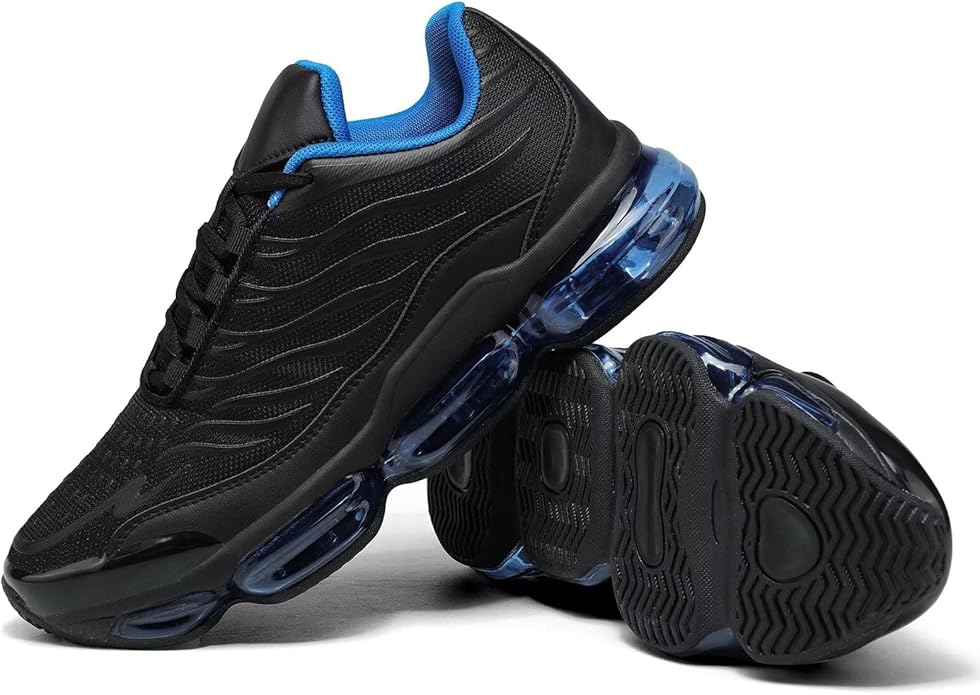
- Midsole: EVA foam with visible air unit
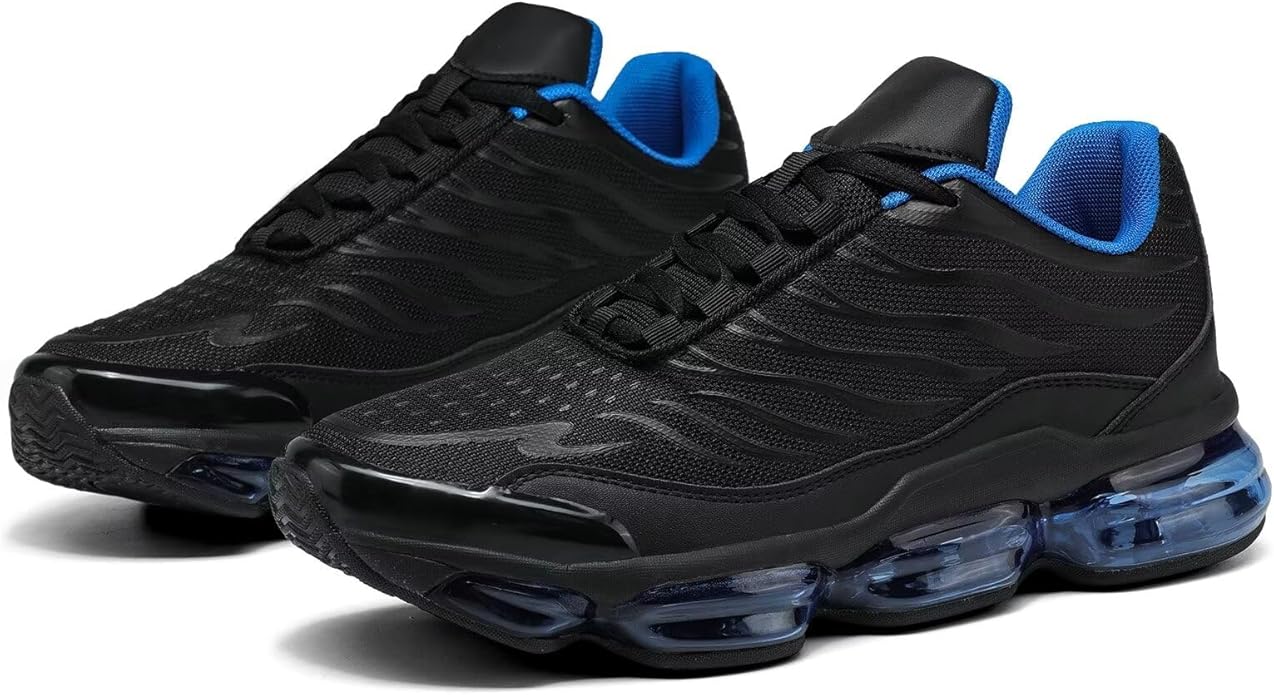
- Upper: Mesh fabric with synthetic overlays
- Category: Multi-sport lifestyle sneaker
- Best Use: Casual gym workouts, walking, light cardio
- Testing Period: 8 weeks, 45 sessions (gym + casual wear)
- Size Tested: US 10 (my normal size, 180 lbs, normal width)
- Colorway: Black/Blue
How These Actually Fit (And Whether You Need to Size Up)
Right out of the box, the size 10 fit my normal-width feet reasonably well—snug around the midfoot without pinching, and enough toe room that my toes weren’t crammed against the front. That initial fit felt promising, the kind of snugness that suggests the shoe will hold your foot securely during movement.
Break-in was minimal. After two gym sessions, maybe three hours of total wear, they felt fully settled. No hotspots, no blisters forming, no weird pressure points that made me want to kick them off mid-workout. For anyone dreading the misery of breaking in stiff athletic shoes, this was refreshingly painless.
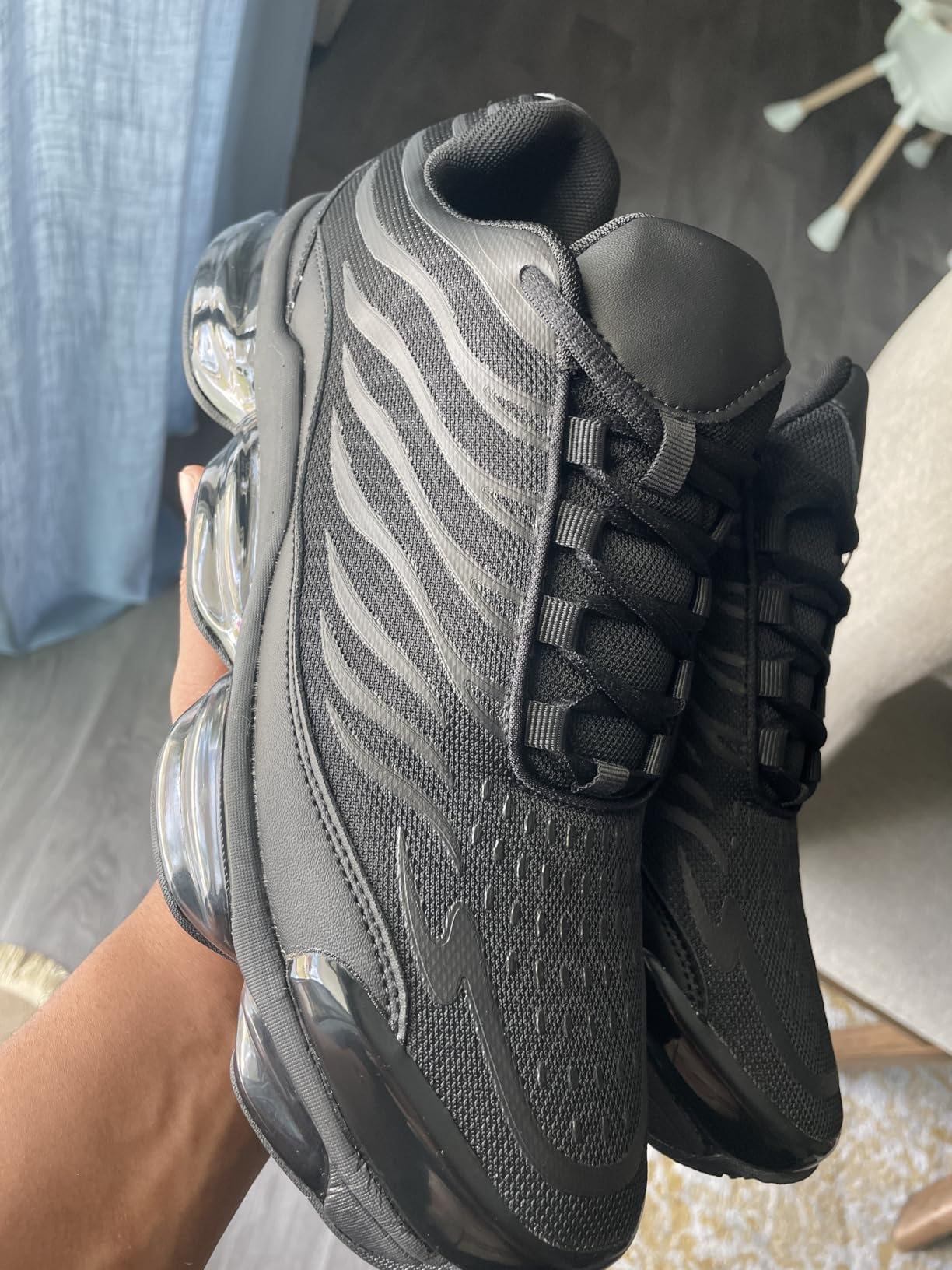
But here’s where budget construction shows up: around week three, I noticed the mesh starting to stretch. Not catastrophically—the shoes didn’t suddenly become clown shoes—but that initial snugness loosened noticeably. By week four, I found myself tightening the laces an extra eyelet to maintain the same secure feel I had initially. The mesh fabric, while breathable, lacks the structural integrity of denser materials you’d find on premium running shoes.
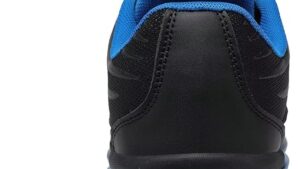
The heel lock stayed functional throughout testing, though I did notice occasional slippage during quick directional changes in the gym if my laces weren’t properly snugged. The arch support sits at “moderate”—enough for my neutral arches during casual workouts, but nothing close to what you’d need if you have high arches or foot issues requiring serious support.
Sizing recommendation: For normal-width feet, go with your true size. The mesh will stretch slightly over time, so don’t size up thinking you’re giving yourself growing room. For wider feet, this gets trickier—Srenket doesn’t offer half sizes, so if you’re between a 9.5 and 10, you’re stuck choosing between slightly tight (size 9) or slightly loose after break-in (size 10). I’d lean toward sizing up in that scenario.
Is the “Air Cushion” Marketing Hype or Actual Comfort?
Let’s talk about that visible air unit and EVA foam midsole—because this is where the $40 price point shows its hand.
During weeks one and two, the cushioning genuinely surprised me. That initial bounce wasn’t just marketing nonsense; there was real responsiveness under my feet during basic gym movements. Walking between machines, light treadmill work, standing sets during weight training—the midsole felt adequate, sometimes even pleasant. Not Adidas Boost-level responsive, but functional enough that I wasn’t thinking about my feet hurting after 45-minute sessions.
Around week three, though, I started detecting the early signs of compression. The bounce became less pronounced. The foam didn’t return quite as quickly after impact. By week six, that initial springy feel had definitely dimmed—the midsole still provided cushioning, but it felt firmer, less dynamic. This is textbook EVA foam behavior: it performs decently at first, then compresses progressively with use.
For casual gym use at 180 lbs—weights, walking, light cardio—the cushioning held up well enough through week eight. I wouldn’t call it comfortable like a plush slipper, but it remained acceptable for the activities I was doing. However, when I tested a 20-minute jog during week four out of curiosity, the limitations became clear fast. That level of repeated impact highlighted how much thinner the cushioning felt compared to actual running shoes. My knees noticed the difference.
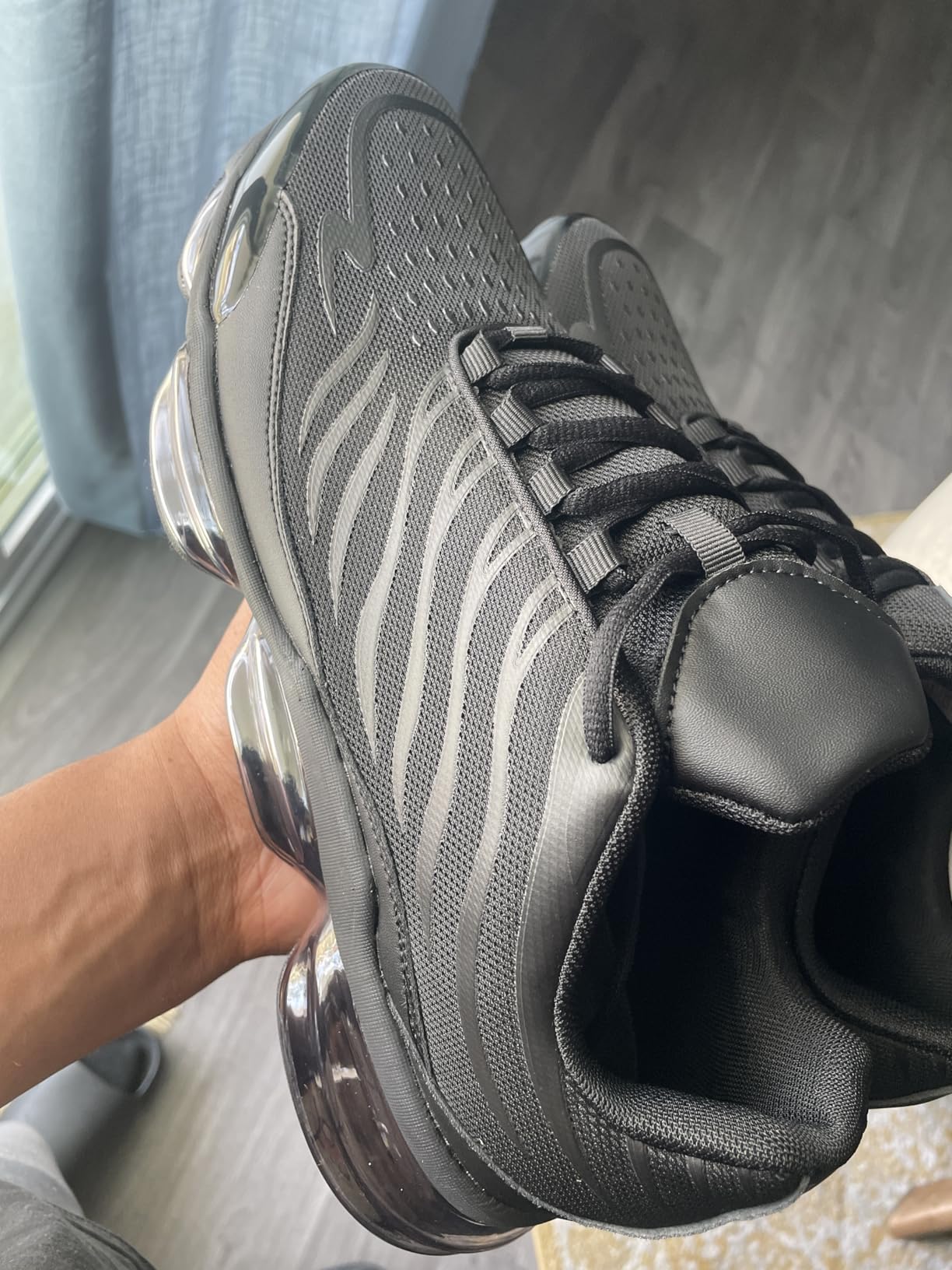
The arch support stays basic throughout. If you’re a casual gym-goer with neutral arches like mine, it’s adequate. If you pronate significantly or have high arches that need structured support, these won’t provide it. The foam is uniform and simple—no fancy dual-density zones or medial posts like you’d see on stability-focused training shoes.
All-day wear revealed more limitations. Wearing these for 8+ hours during a casual day out, my feet felt fatigued by evening—not painfully so, but noticeably more tired than they would in dedicated walking or lifestyle shoes. The cushioning system is tuned for short-to-medium duration activity, not extended all-day comfort.
Does This Budget Construction Actually Hold Up?
I went into this testing prepared for early failure. Budget shoes often fall apart faster than they wear out. But after 45 gym sessions spread over eight weeks, these Srenket shoes held together better than I expected—with caveats.
The mesh upper, while prone to stretching as I mentioned earlier, didn’t develop any tears or seam failures. The synthetic overlays maintained their structure. Stitching at stress points—toe box, heel counter, eyelet rows—showed no signs of coming undone. From a construction standpoint, the upper passed the basic durability test for casual use.
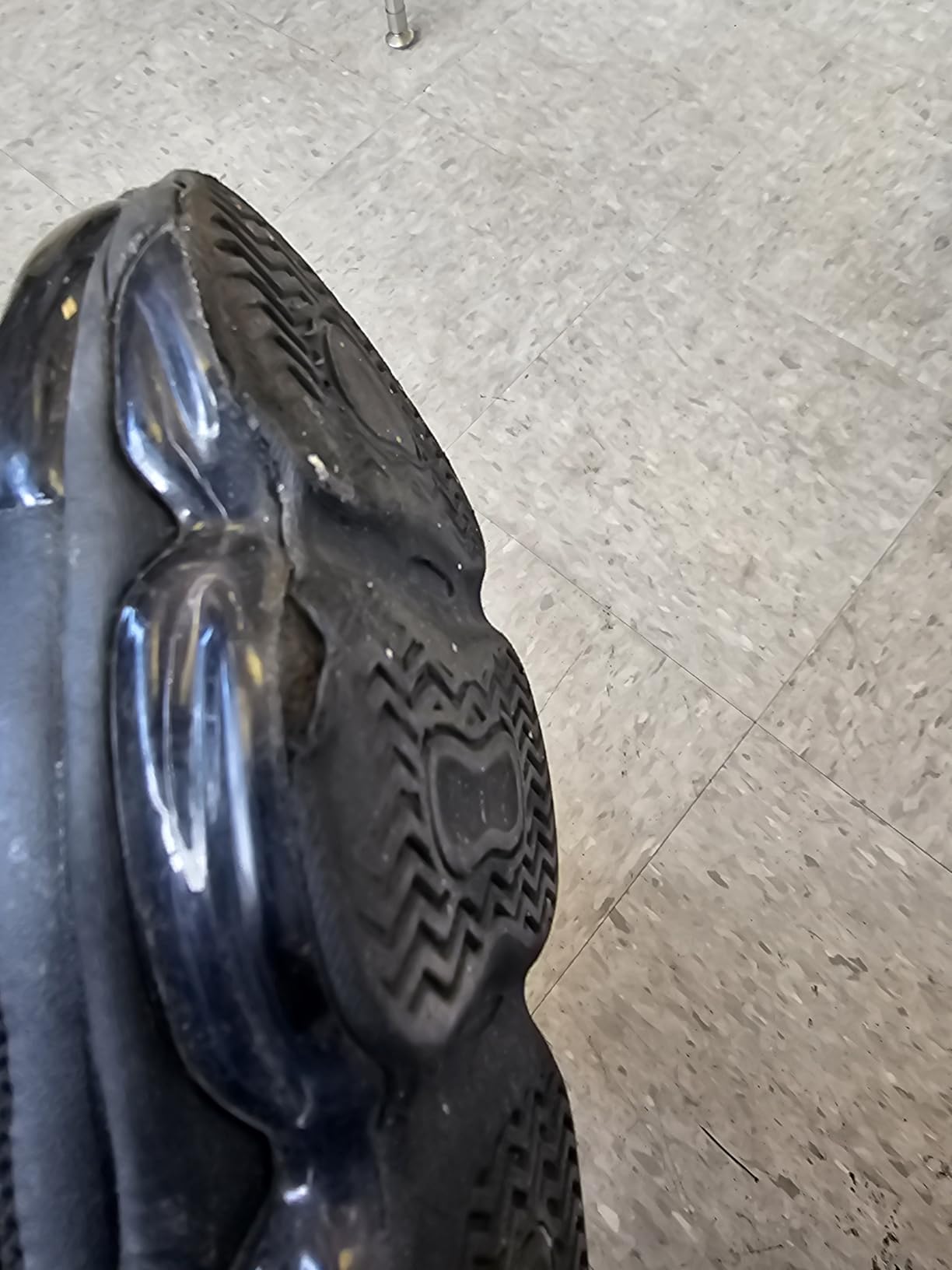
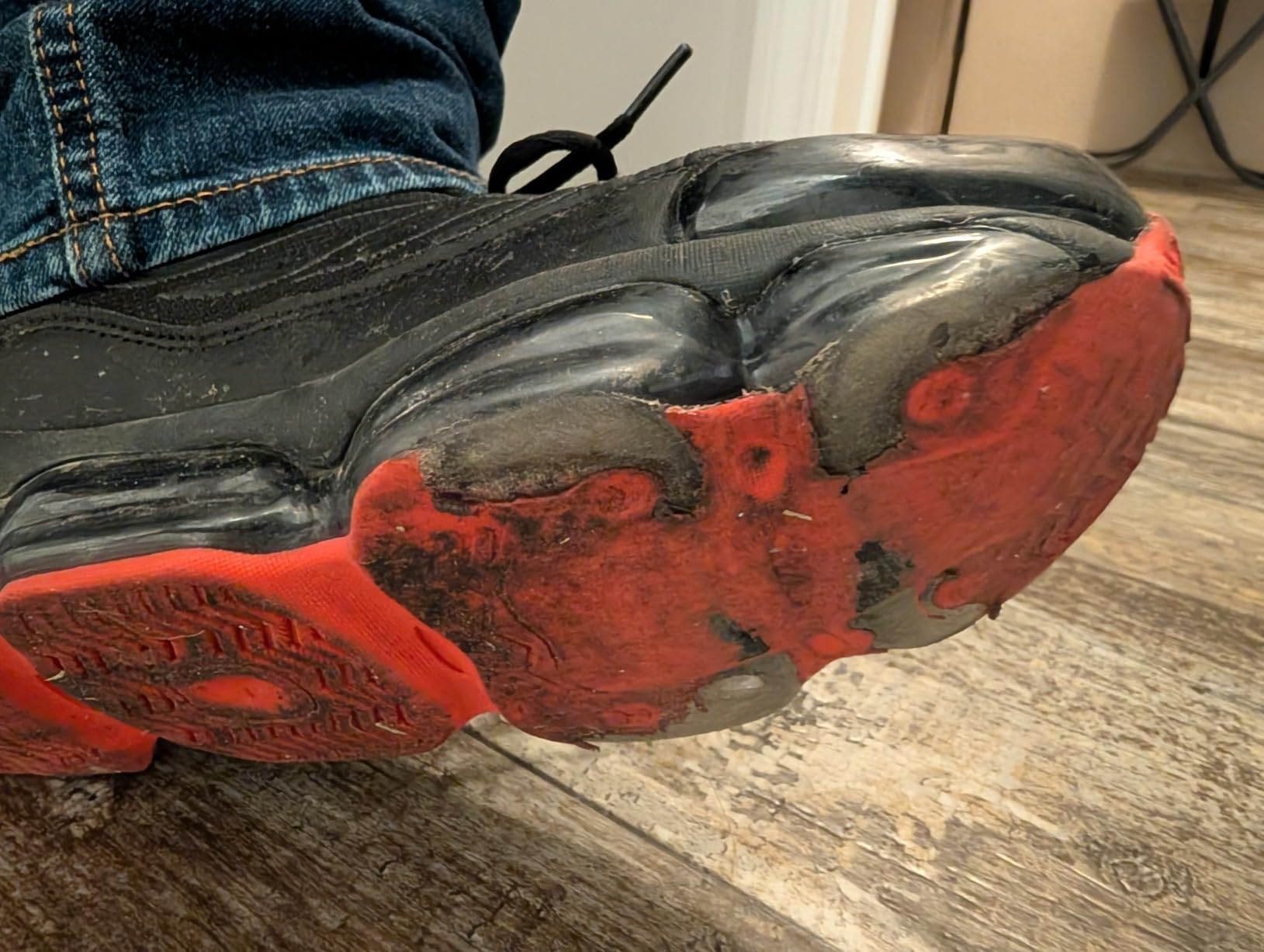
The midsole tells a different story. By week five, I could see visible compression patterns forming in the heel strike area and under the ball of the foot. Run your fingers over those zones and you’d feel the foam had flattened compared to less-used areas. This isn’t a quality control failure; it’s EVA foam doing what EVA foam does. Budget cushioning materials compress faster than premium compounds like polyurethane or thermoplastic urethane.
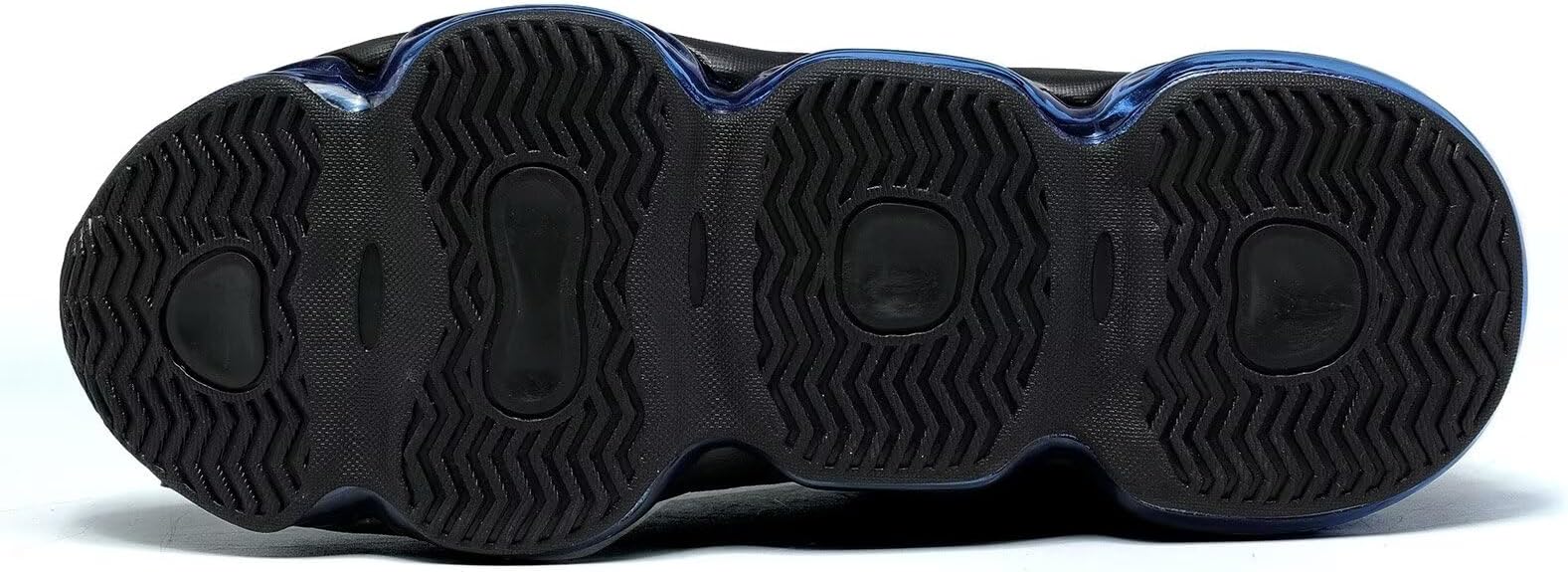
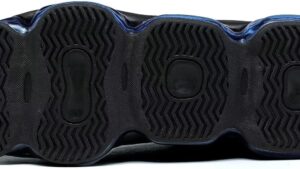
Outsole wear was moderate but noticeable. The high-impact zones—outer heel, forefoot—showed clear wear patterns by week six. The MD (phylon) sole material provides decent grip on clean gym floors, but it wears faster than harder rubber compounds. For indoor gym use, this wear rate is acceptable. If you were planning to use these on rough outdoor surfaces regularly, I’d expect accelerated deterioration.
Based on the wear trajectory I observed over eight weeks, I’d estimate a realistic lifespan of 3-4 months with moderate use (2-3 sessions per week). Push them harder—daily wear, heavier body weight, more aggressive activities—and you’re probably looking at 2-3 months before the cushioning degrades enough that you’ll want replacements.
Real-World Performance: Gym vs. Running vs. Casual Wear
The “multi-sport” claim on these shoes needs serious unpacking, because performance varies wildly depending on what you’re actually doing.
Gym Performance (Primary Context)
This is where the Srenket Air Running Shoes perform best, and it makes sense—most of my 45 test sessions were gym-focused. Walking between exercises, standing during weight sets, light treadmill warm-ups, basic bodyweight movements—the shoes handled all of this competently throughout the testing period.
During circuit training that involved jumping jacks, burpees, and similar dynamic movements, the cushioning provided enough shock absorption that I didn’t feel like I was pounding concrete. The fit stayed secure enough (with properly tightened laces) that my feet weren’t sliding around during lateral movements, though I did feel some instability during side-to-side exercises compared to dedicated cross-training shoes.
The real strength here is versatility for mixed gym activities. You’re lifting weights one day, doing light cardio the next, maybe throwing in some stretching and core work—these shoes manage that variety adequately for casual exercisers. Week one performance was noticeably better than week eight (cushioning degradation), but even at week eight, they remained functional for my gym routine.
Casual Walking & Daily Wear
For casual use—running errands, walking around, basic daily activities—these performed acceptably in the short term. The lightweight construction (11.2 oz isn’t featherlight, but it’s not clunky either) made them easy to wear for moderate-length outings.
Breathability was adequate for casual wear. My feet didn’t feel swampy after a few hours of walking around. The mesh allowed reasonable airflow, though in hot conditions, I could feel some heat buildup—nothing unbearable, just not as ventilated as dedicated lifestyle sneakers built with advanced breathability.
Longer days revealed comfort limitations. After 6-8 hours on my feet, the minimal arch support and progressive cushioning degradation became more apparent. My feet felt fatigued in a way they don’t when I wear purpose-built walking or casual shoes. For quick errands or moderate-length outings, fine. For all-day wear, I’d choose something else.
Running Assessment (Secondary Test)
Here’s where marketing meets reality, and reality wins decisively. Can you run in these? Technically, yes. Should you? Probably not, unless we’re talking very light, very occasional jogging.
I tested a few runs during weeks four and six—nothing serious, just 15-20 minute easy jogs to assess how they’d handle repetitive impact. The cushioning felt thin almost immediately. Where casual gym work allows recovery time between movements, running demands continuous shock absorption, and these shoes don’t have enough foam quality or stack height to handle that comfortably.
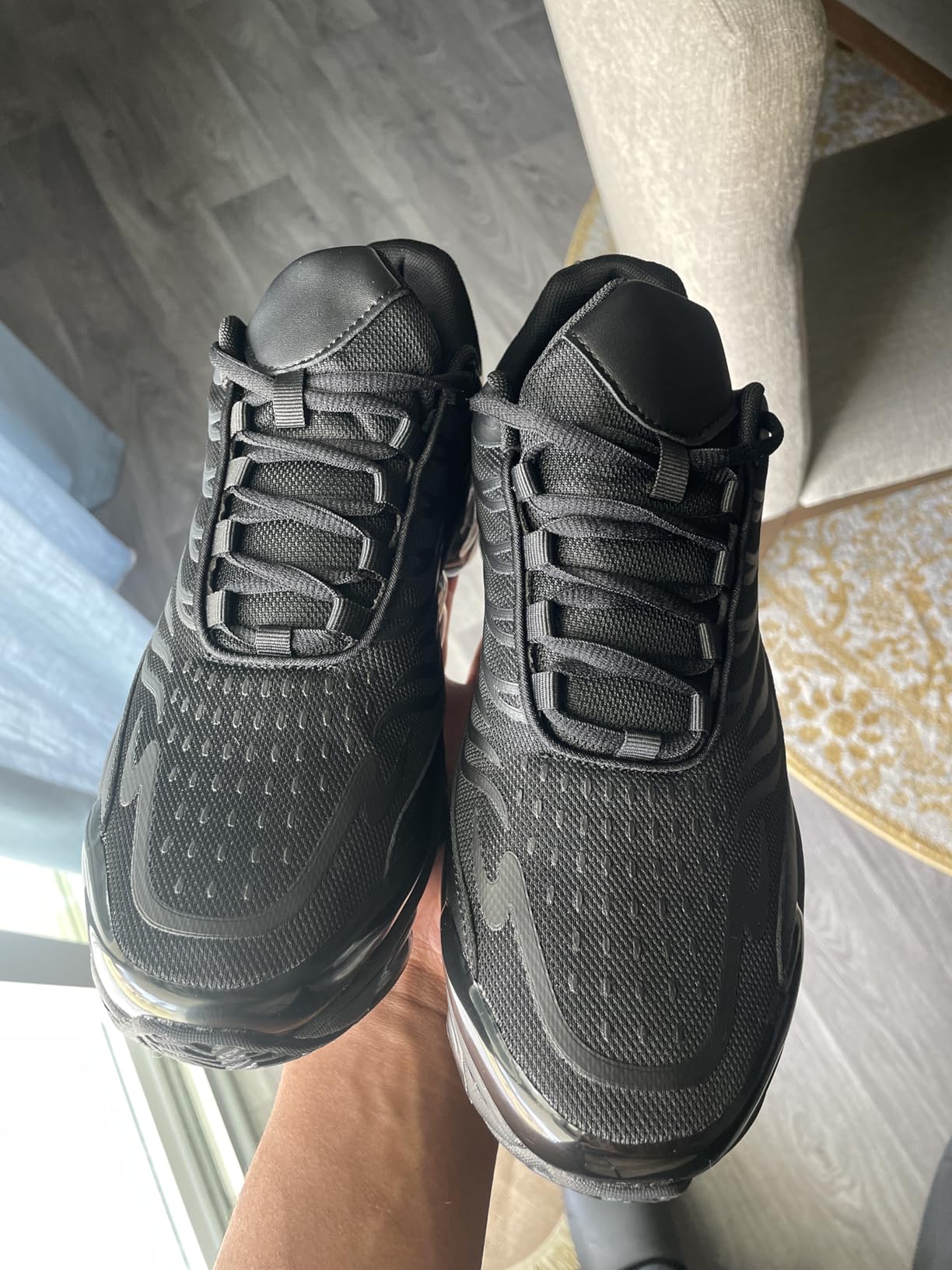
My knees provided the clearest feedback: they felt more impact during those test runs than they do in proper running shoes. The EVA foam compressed quickly under repetitive loading, and that visible air unit isn’t comparable to Nike Air or other premium cushioning systems—it’s more visual than functional at this price point.
For someone who wants to jog a mile as a treadmill warm-up before weights, these will survive. For anyone training for 5Ks, doing regular running workouts, or logging serious mileage, invest in actual running shoes. The performance gap is real and your body will notice.
What You’re Giving Up (And Why It Might Not Matter)
Every $40 shoe is a series of compromises. The question is whether those compromises align with your needs.
The cushioning system uses basic EVA foam because premium materials cost more to manufacture. This means you get decent initial comfort but faster compression over time. For someone rotating multiple pairs of gym shoes or planning to replace them every few months anyway, this trade-off is reasonable. For someone wanting one reliable shoe to last a year of heavy use, it’s a problem.
The mesh upper prioritizes breathability and low cost over structural longevity. You gain lightweight comfort and airflow; you lose that locked-in fit after the first month of regular wear. If you’re doing activities where precision fit matters—running, court sports, anything requiring quick direction changes—this stretching becomes a genuine issue. For casual gym work where slight looseness is tolerable, it’s an acceptable compromise.
The “multi-sport” design means the shoe isn’t optimized for any single activity. It can handle gym work, tolerate light jogging, function for casual wear—but it doesn’t excel at any of them. This jack-of-all-trades approach works if your fitness routine is varied and low-intensity. It fails if you’re serious about any specific sport.
Arch support is minimal because engineering proper support structures costs money and adds weight. My neutral arches handled this fine for casual gym sessions. Someone with high arches, flat feet, or pronation issues would need orthotic insoles or simply different shoes. Budget pricing means assuming a “neutral” foot type and hoping that covers most customers.
The reality check: at $40, expecting elite performance, year-long durability, and specialized features is unrealistic. These shoes deliver functional performance for casual use over a limited timeframe. Compared to $120 high-end trainers, they’re obviously inferior. Compared to other budget options in the same price range, they’re competitive—you’re getting what the price point allows for.
Who Should Actually Buy These Shoes?
Buy these if you:
- Work out 2-3 times per week at a casual intensity (light weights, walking, basic cardio)
- Need affordable gym shoes and understand they’re temporary, not long-term investments
- Want one shoe for mixed low-intensity activities (gym variety, not specialization)
- Have neutral arches and normal-width feet that don’t require special support
- Rotate multiple pairs of shoes rather than relying on a single pair for everything
- View shoes as consumable items you’ll replace every 3-4 months
Skip these if you:
- Train seriously for any sport—running, basketball, tennis, etc.
- Need shoes for work or situations requiring all-day comfort and support
- Have foot issues (high arches, flat feet, plantar fasciitis) requiring proper arch support
- Expect shoes to last 6-12 months of regular use without degradation
- Weigh significantly more than 200 lbs (cushioning may compress faster)
- Want precision fit that holds consistent over time (mesh stretching will frustrate you)
If you’re trying to decide between these and slightly pricier options ($60-80 range), consider your usage frequency. Using these 2x per week for three months = $40 ÷ 24 sessions = about $1.67 per session. If a $70 pair lasts twice as long but you use them just as casually, the cost-per-wear isn’t dramatically different. But if you’re someone who’ll use any shoe heavily enough to wear it out in three months regardless of price, the budget option makes more sense.
Frequently Asked Questions
Q: Do these run true to size?
A: For normal-width feet, yes—order your usual size. Keep in mind the mesh will stretch slightly by week 3-4 with regular wear, so don’t size up expecting growing room. Wide feet should consider sizing up, though initial fit will be snug. No half sizes available, so between-size shoppers face a tough choice.
Q: How long do they actually last?
A: Based on my 8-week testing covering 45 sessions, I’d estimate 3-4 months of lifespan for moderate use (2-3 sessions per week). The cushioning compresses progressively, and the mesh stretches. They don’t catastrophically fail, but performance degrades enough that you’ll want replacements by month four. Heavier use or higher body weight would accelerate this timeline.
Q: Can I actually run in these?
A: Light jogging as a gym warm-up? Sure. Regular running workouts or training for races? No. The cushioning is too thin and compresses too quickly for repetitive impact. When I tested 15-20 minute jogs, my knees noticed the difference compared to proper running shoes. Save these for gym work and casual wear.
Q: How’s the arch support?
A: Moderate at best. My neutral arches handled casual gym sessions fine, but there’s no specialized support structure. If you have high arches, flat feet, or any condition requiring serious arch support, these won’t provide it. The EVA foam is uniform and simple—no dual-density zones or medial posts.
Q: What about water resistance or weather protection?
A: Zero. The mesh upper is breathable, which means water goes straight through. Light moisture, sure, but any significant rain or wet conditions and your feet will be soaked. These are dry-weather, indoor-focused shoes. Don’t expect them to handle puddles or wet gym floors well either—traction isn’t designed for moisture.
Q: How do they compare to Nike or Adidas budget models?
A: Similar price territory ($40 vs. $50-60), different trade-offs. Nike’s budget line (like the Revolution series) typically offers slightly better cushioning longevity but costs $10-20 more. Adidas Lite Racer models prioritize casual styling over gym performance. These Srenket shoes aim for functional multi-use at the absolute low end of pricing, which means more compromises but maximum affordability.
Q: Will the budget quality be obvious when wearing them?
A: Initially, no—the first two weeks feel reasonably comfortable and functional. By week 4-5, the mesh stretching and cushioning compression become noticeable compared to higher-quality shoes, but it’s not painful or catastrophic. You’re aware you’re wearing budget shoes, but they don’t feel like junk. The visual design looks decent enough for casual wear.
Q: Can I use these for basketball or tennis?
A: Casual pickup games or recreational play? Marginally acceptable. Anything competitive or intensive? No. The lateral stability is weak (minimal ankle support, basic arch structure), and the cushioning doesn’t handle the repeated jumping and cutting movements well. Court sports demand more from shoes than these can deliver. Look at actual basketball shoes or tennis-specific footwear if those sports are your primary activities.
Q: Are they comfortable for people with wider feet?
A: The mesh upper does allow some give, so wider feet might find them more accommodating than rigid constructions. However, without half sizes, wide-footed buyers often struggle with the size choice—too small and they’re uncomfortably snug; size up and the mesh stretching makes them too loose by week four. If you have genuinely wide feet, consider looking at shoes explicitly designed with wider toe boxes, like some minimalist barefoot styles.
Q: What’s your honest bottom-line recommendation?
A: These deliver functional performance for casual gym use at an aggressively low price. If you’re a budget-conscious exerciser working out 2-3 times per week and you understand you’re buying disposable 3-4 month shoes, they’re worth considering. If you need reliable athletic footwear for serious training, longer-term durability, or specialized support, spend more. The $40 price point tells you exactly what you’re getting: acceptable compromises for maximum affordability.
Final Verdict & Product Scoring
After 45 gym sessions over eight weeks, these Srenket Men’s Air Running Shoes earned a 6.2/10 in my testing. That score reflects realistic expectations at the $40 price point—they’re not great shoes, but they’re functional shoes that deliver specific value for specific users.
| Category | Score | Notes |
|---|---|---|
| Design & Aesthetics | 7/10 | Black/Blue colorway looks decent for the price; won’t embarrass you at the gym |
| Comfort Quality | 6/10 | Good initially, degrades to acceptable by week 8; adequate for casual gym use |
| Durability | 4.5/10 | 3-4 month lifespan with moderate use; EVA compression and mesh stretching limit longevity |
| Performance (Gym) | 6.5/10 | Solid for casual workouts; handles mixed gym activities acceptably |
| Performance (Running) | 4/10 | Marginal for light jogging; inadequate for serious running or distance training |
| Value for Money | 7/10 | At $40, delivers functional performance for target use case; realistic trade-offs |
The Bottom Line
| ✅ What Works | ❌ What Doesn’t |
|---|---|
|
|
My Honest Take: These aren’t shoes you’ll love or shoes that’ll transform your workouts. They’re functional budget footwear that’ll get the job done for casual gym users over a limited timeframe. If you work out 2-3 times per week, don’t have special foot needs, and view athletic shoes as temporary gear you’ll replace regularly, the $40 investment makes sense. You’re getting exactly what the price allows for—acceptable performance with predictable compromises.
For anyone training seriously, working out daily, or needing specialized support, spending $60-80 more on proper athletic footwear will pay off in comfort, durability, and performance. But for the specific audience these shoes target—budget-conscious casual exercisers—they deliver functional value that’s hard to dismiss entirely.
Questions about these shoes or want to share your own budget athletic shoe experiences? Drop a comment below. And if you’re hunting for gym gear that won’t demolish your budget, check out our other athletic footwear reviews covering everything from entry-level trainers to specialized sport shoes.
Be the first to review “Srenket Men’s Air Running Shoes”
Related products
Running Shoes
Running Shoes

Running Shoes

Running Shoes
Running Shoes
Running Shoes
Running Shoes
Running Shoes
Reviews
There are no reviews yet.