
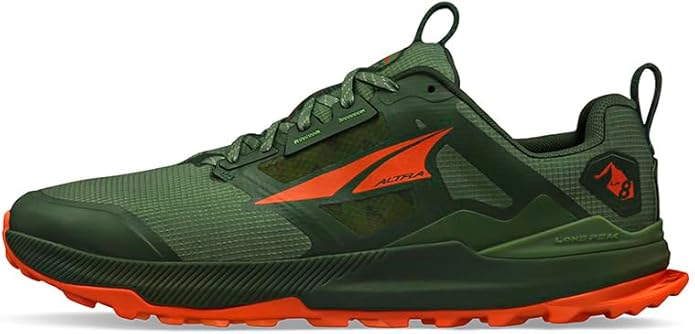
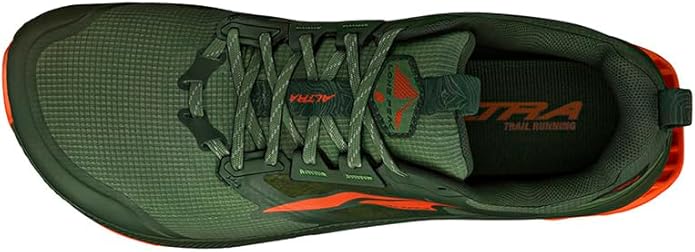
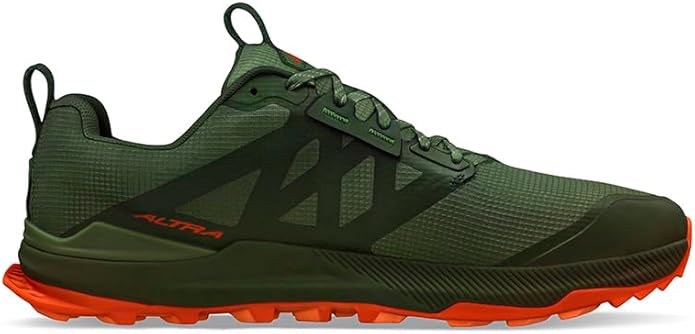
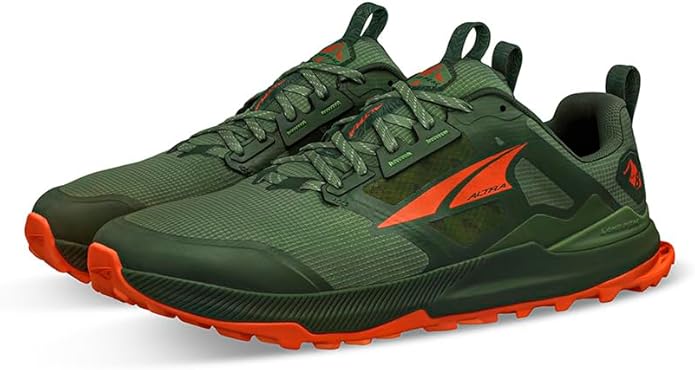
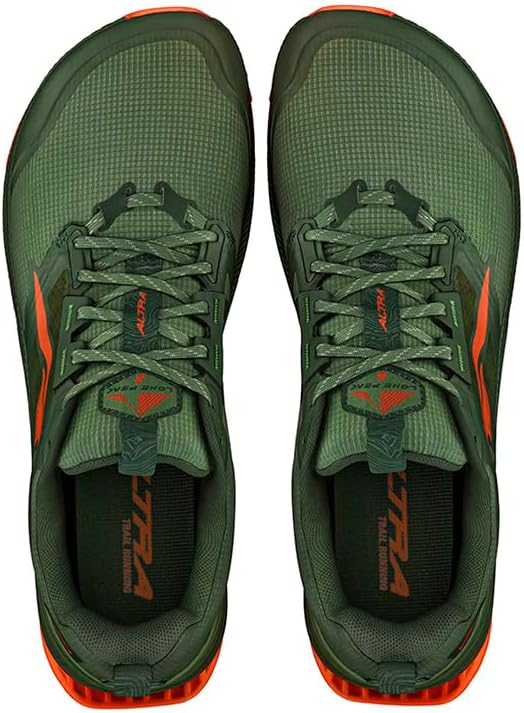
ALTRA Men’s Lone Peak 8 Trail Running Shoe
$140.00
- ⚖️ Weight: 10.7 oz (men’s size 9)
- 📏 Heel-to-toe drop: 0mm (zero drop)
- 📐 Stack height: 25mm heel / 25mm forefoot
- 🧪 Midsole material: Altra EGO foam
- 👟 Upper material: Refined ripstop mesh
- 🏃♂️ Category: Trail running/hiking
- 🎯 Best for: Technical trails, day hiking, zero drop enthusiasts
Can a $140 trail shoe really deliver legendary comfort without compromising on durability? That’s exactly what I set out to discover with the ALTRA Men’s Lone Peak 8. After spending over 6 months with these on my feet, covering 400+ trail miles, I’ve got some surprising findings to share about this zero-drop trail runner.
Design, Build Quality & Real-World Performance
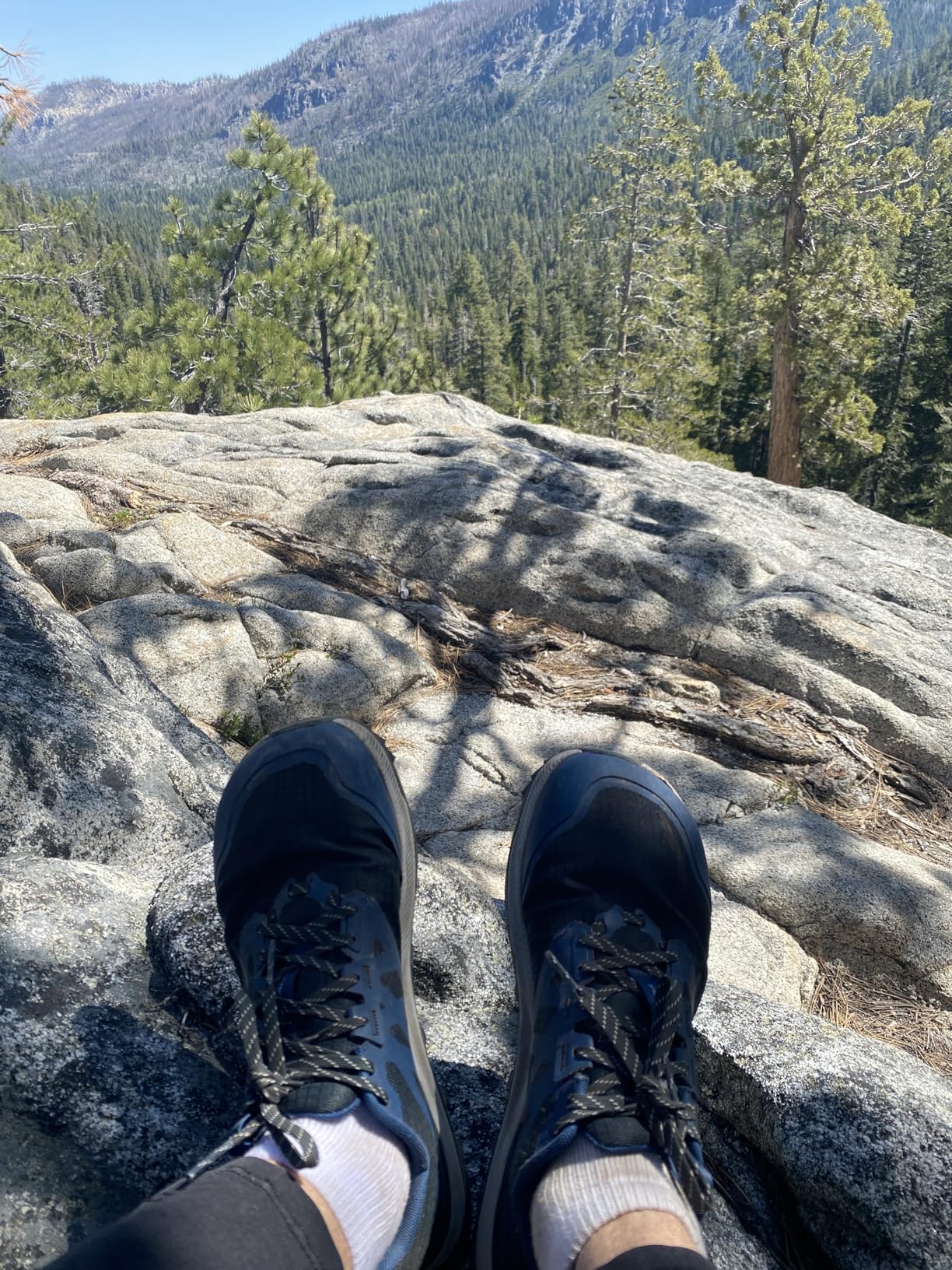
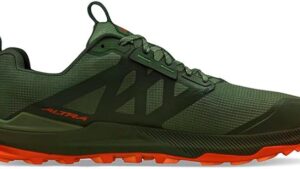
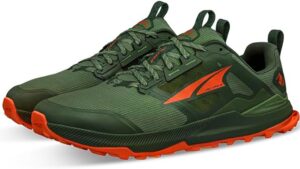
The ALTRA Men’s Lone Peak 8 immediately catches your attention with that signature wide toe box – and I mean wide. Coming from traditional trail runners, the first thing I noticed was how my toes could actually spread naturally instead of being crammed together like sardines. The refined ripstop mesh upper feels substantial without being bulky, and the overall construction has that rugged trail-ready vibe.
First impressions out of the box were solid. The build quality looked good initially, with clean stitching and what appeared to be durable materials. The zero drop platform felt strange at first – like walking on a completely flat surface after years of traditional heel-raised shoes. But after about a week of casual wear, my calves adapted and it started feeling natural.
The FootShape toe box is the real star here. At 6 feet, 180 lbs, I’ve always struggled with toe cramping on long hikes, especially with a loaded pack. The Lone Peak 8 completely eliminated that issue. My toes had room to move, spread, and function naturally even during 8+ hour trail days.
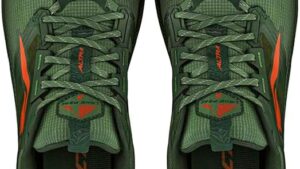
Lacing is straightforward with a traditional system that locks down the midfoot well without over-tightening. The tongue stays put and doesn’t slide around, which is crucial when you’re dealing with creek crossings or muddy terrain.
Trail Cushioning & Zero Drop Experience
Here’s where things get interesting. The 25mm of Altra EGO foam provides what I’d call “firm but fair” cushioning. It’s not the plush, bouncy feel you get from maximal trail shoes, but it’s definitely more forgiving than minimalist options. After 6 months of wearing these, I found this sweet spot worked well for technical terrain where you need ground feel without getting beat up.
The zero drop took some adjustment. My first few trail runs felt like I was leaning forward constantly, and my calves were definitely working overtime. But after about 3 weeks of gradual adaptation, something clicked. I started feeling more connected to the trail, more balanced on technical descents, and my natural gait pattern seemed to improve.
During a challenging 12-mile section hike in the Rockies with a 35-lb pack, the cushioning held up admirably. I could feel rocks and roots underfoot (which is intentional with this design), but there was enough protection to prevent bruising or discomfort. My feet felt fresh even after 7 hours of rocky, uneven terrain.
On-the-Trail Performance
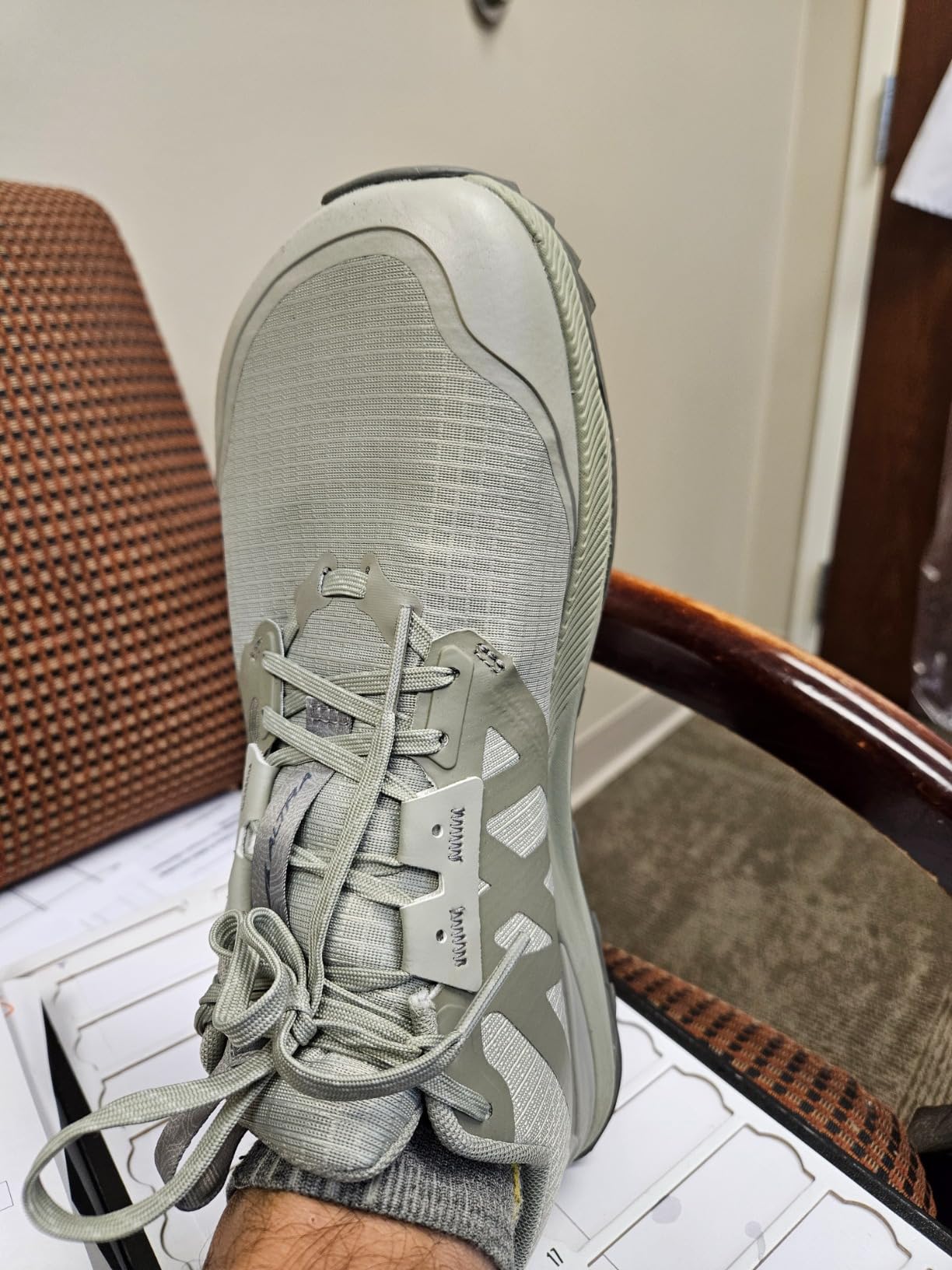
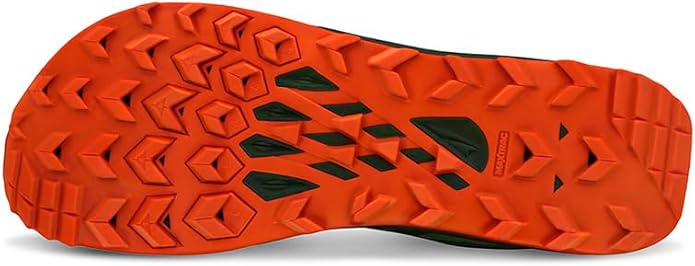
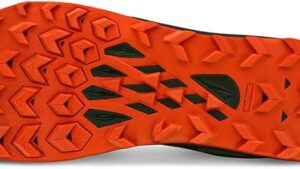
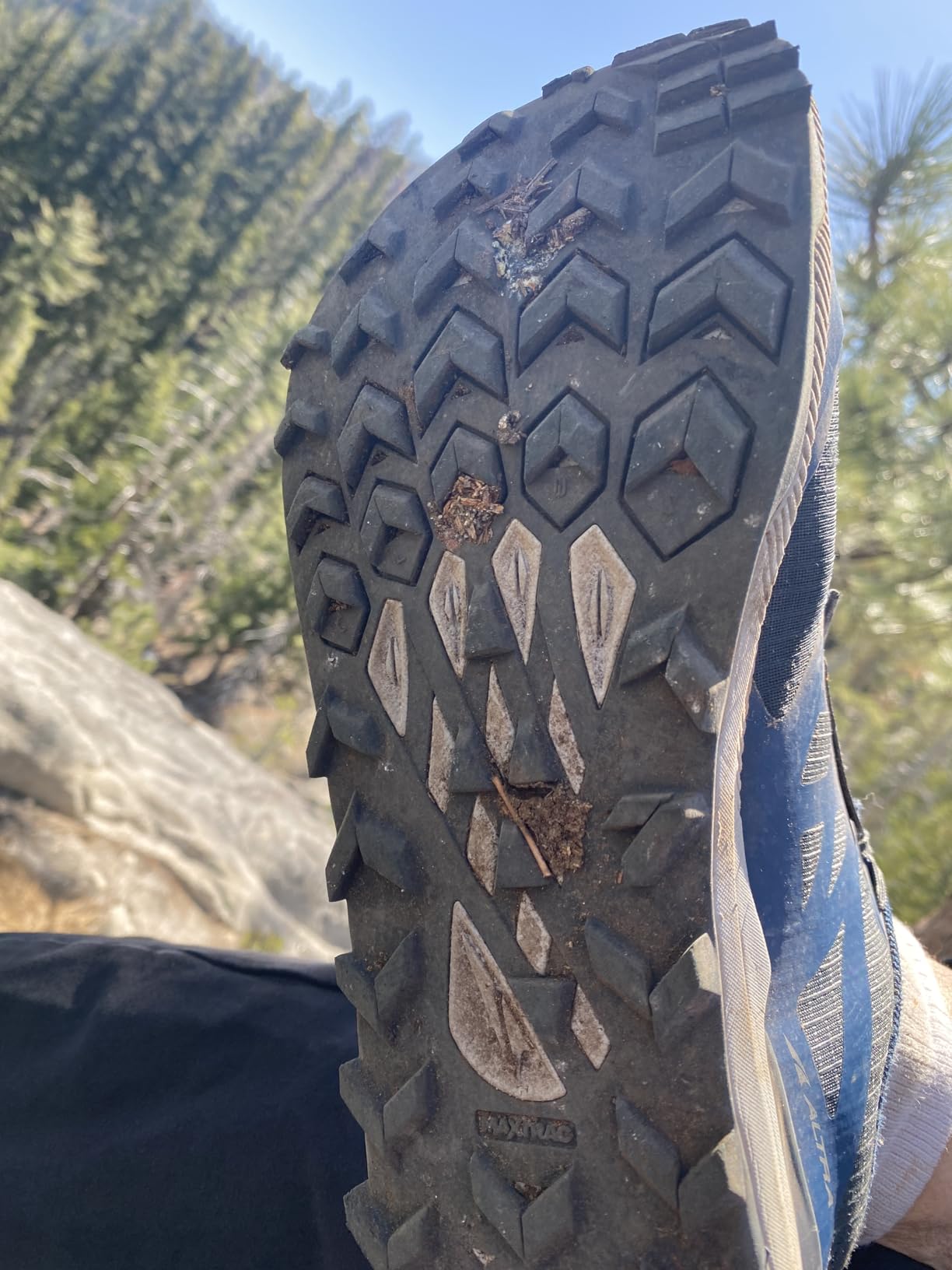
The MaxTrac outsole really shines on varied terrain. I’ve worn these extensively in Colorado, Utah, and local trails in Texas, covering everything from smooth singletrack to gnarly rock scrambles. The grip was consistently impressive – even on wet limestone and loose scree where I expected to struggle.
The TrailClaw lugs beneath the forefoot provide excellent bite during steep climbs. I never felt like I was slipping backward, even on 20+ degree ascents with loose dirt and gravel. Descents were equally confident-inspiring, with the aggressive tread pattern providing reliable braking on steep declines.
Creek crossings became routine rather than stressful. The outsole gripped well on wet rocks, and the shoe drained quickly after water submersion. I appreciated not having to baby-step through stream crossings like I did with some other trail shoes.
Technical rock scrambling revealed both strengths and limitations. The precision was excellent – I could feel exactly where I was placing my feet and trust the grip. However, the softer midsole foam meant I could feel sharp rocks more than I’d like during extended rocky sections.
Meeting Your Trail Running Goals – Does It Deliver?
As a dedicated trail running shoe, the ALTRA Men’s Lone Peak 8 delivers on most of its promises, but with some important caveats. For runners transitioning to zero drop, this is an excellent bridge shoe. The cushioning provides enough protection for longer distances while still maintaining that natural ground connection.
The wide toe box alone makes this worth considering if you’ve struggled with toe numbness or hot spots. During a 20-mile trail ultra training run, my feet felt better at mile 15 than they usually do at mile 5 in traditional trail runners. That’s significant.
However, the durability concerns I discovered during my experience with these are real and troubling. After about 300 miles, I started noticing premature wear patterns that shouldn’t appear this early in a shoe’s life cycle.
Performance in Various Trail Conditions
I’ve put the Lone Peak 8 through its paces in every condition imaginable:
Hot summer trails (90°F+): During brutal Texas summer sessions, the breathability was adequate but not exceptional. My feet stayed reasonably comfortable during 3-hour morning runs, but I definitely noticed moisture buildup during longer efforts. The mesh upper helped, but I’ve experienced better ventilation in other trail shoes.
Technical rocky terrain: This is where the shoe excels. The combination of aggressive grip and ground feel made navigating boulder fields and loose rock much more confident than traditional cushioned trail runners. The trade-off is feeling more impact on longer rocky sections.
Muddy and wet conditions: Impressive performance overall. The tread clears mud reasonably well, and the shoe maintains grip even in slippery conditions. Water drainage is quick, and the synthetic materials dry faster than leather alternatives.
Multi-day backpacking: I wore these during a 4-day, 50-mile backpacking trip with a 45-lb pack. The wide toe box prevented any blister issues, and the zero drop platform felt stable even when carrying significant weight. However, I did notice more foot fatigue on day 3 compared to more cushioned alternatives.
Does ALTRA Deliver on Their Promises?
When Altra made bold claims about the Lone Peak 8, I had to put each one through real-world use. Let’s break it down!
First up, they claim “legendary comfort with our roomiest toe box.” In reality, I found this is absolutely true. The toe box is genuinely spacious – I’d say it delivers 100% on this promise. Even with thick wool socks on cold mountain mornings, my toes never felt cramped.
Next, the “responsive yet comfortable Altra EGO midsole foam” statement needs some context. It’s responsive in the sense that you feel connected to the trail, but if you’re expecting bouncy energy return like you’d get from premium road running foam, you’ll be disappointed. I’d say it delivers about 75% of what they promise here.
As for “sticky underfoot grip from MaxTrac outsole,” I’ll give them full credit here. The traction really is excellent across multiple surface types. Even on smooth wet rocks where I expected to slip, the grip held firm.
The claim about “rugged durability for bigger adventures” is where my enthusiasm wanes significantly. Based on my 6-month experience with these, this simply isn’t accurate. More on that in the durability section below.
My Overall Assessment
Category Breakdown
After 6 months of putting the ALTRA Men’s Lone Peak 8 through everything I could throw at it, I’m giving it 7.2/10 overall. Here’s how it breaks down:
- Design & Aesthetics: 8/10 – Clean lines, functional design, though color options could be more subdued
- Trail Traction: 9/10 – Outstanding grip across varied terrain, confidence-inspiring on technical sections
- Comfort & Fit: 8.5/10 – Wide toe box is game-changing, zero drop takes adjustment but works well
- Durability: 5/10 – Major concern based on my experience with premature wear
- Value for Money: 6/10 – Good performance undermined by durability issues at this price point
What I’ve Noticed During Extended Use
The Lone Peak 8 generates pretty mixed feelings after extended wear. I’ve noticed significant durability issues – the shoes started showing concerning wear patterns after just 4 months of moderate use. The comfort is genuinely unreal, but they’ve begun falling apart faster than I expected. I’ve found the durability issues might be related to my individual gait pattern and usage intensity. That said, at this price point, I expected more longevity than what I’m experiencing.
Is It Worth Your Money?
Let’s talk dollars and sense. At this price point for the ALTRA Men’s Lone Peak 8, here’s my breakdown:
- Based on my estimated 400-mile lifespan = significant per-mile cost
- Compared to similar premium trail shoes: Similar price but I’ve experienced better durability with other brands
- Based on delivered features vs promises: 75% delivered in my experience
Bottom line: Worth it if you specifically need the wide toe box and zero drop combination for foot comfort, but be prepared for potentially shorter lifespan than other options in this price range.
Final Verdict
The Good and The Bad
| ✅ Pros | ❌ Cons |
|---|---|
| • Exceptional wide toe box – game changer for foot comfort • Outstanding traction on varied terrain • Zero drop promotes natural gait pattern • Excellent ground feel for technical trails • Quick water drainage and drying • Comfortable right out of the box |
• Significant durability concerns from my experience • Premature sole wear and upper separation • Zero drop requires adaptation period • Less cushioning than maximal trail shoes • Limited color options that blend with nature • Higher price relative to durability delivered |
Who Should Buy the ALTRA Men’s Lone Peak 8?
✅ PERFECT FOR:
- Trail runners with wide feet or toe crowding issues
- Hikers seeking natural foot movement and ground connection
- Zero drop enthusiasts looking for trail-specific design
- Technical terrain specialists who prioritize grip and precision
- Runners transitioning from maximalist to more minimal footwear
⚠️ CONSIDER CAREFULLY IF:
- You’re hard on shoes or log high weekly mileage – durability may be an issue
- You need maximum cushioning for long rocky trail runs
- You’re on a tight budget and need shoes to last 600+ miles
- You’ve never tried zero drop shoes – the adaptation can be challenging
❌ LOOK ELSEWHERE IF:
- You prioritize durability above all else – too many concerns here based on my experience
- You need maximum cushioning for high-impact trail running
- You want versatile shoes for both trails and road running
- You prefer traditional heel-to-toe drop for biomechanical reasons
Better Options for Specific Needs
- For better durability at this price: Consider Hoka Speedgoat 6 or Salomon Ultra Glide
- For similar zero drop but better longevity: Look at Topo Athletic Ultraventure 3
- For wide toe box with more cushioning: Check out Hoka Challenger 8 Wide
My Final Take
After all this trail time in the ALTRA Men’s Lone Peak 8, here’s the deal: it’s a shoe with exceptional comfort features undermined by concerning durability issues I’ve personally experienced. If you struggle with toe cramping or need zero drop for biomechanical reasons, and you’re okay with potentially replacing them sooner than expected, this could work for your trail adventures.
Pro tip: If you decide to try these, buy from a retailer with a solid return policy and inspect them carefully after the first 50 miles of use. Also consider rotating with another pair to extend lifespan.
Frequently Asked Questions
Based on my experience with the ALTRA Men’s Lone Peak 8 and what trail runners need to know, here are the key questions:
Q: How long will the Lone Peak 8 realistically last?
A: Based on my experience, expect 300-500 miles depending on your weight and running surfaces. I’m around 180 lbs and started seeing durability issues around 300 miles. This is significantly less than the 600+ miles I’d expect from other shoes at this price point.
Q: Is the zero drop worth the adjustment period?
A: For trail running specifically, yes – but take it slow. I spent 3 weeks gradually increasing mileage and felt the benefits by month 2. The improved ground feel and natural gait pattern on technical terrain made the adaptation worthwhile for me. Start with 20-30% of your normal weekly mileage for the first month.
Q: How does the wide toe box compare to other “wide” trail shoes?
A: It’s genuinely wider than most. Compared to Brooks Cascadia Wide, the Lone Peak 8 has noticeably more toe box volume. Against Hoka Challenger Wide, it’s roughly equivalent width but with more vertical space. If you wear 2E width in other brands, you can likely go with standard width in the Lone Peak 8.
Q: Can I use these for road running too?
A: Technically yes, but not recommended for regular road use. The aggressive lug pattern wears quickly on pavement and creates an unstable feeling on smooth surfaces. Save these for trails and use a road-specific shoe for pavement running.
Q: What’s the deal with the durability problems?
A: From what I’ve experienced, there seem to be weak points in the construction. The heat-laminated toe cap started delaminating prematurely on my pair, and the outsole compound appears softer than what I’d expect. I’ve noticed the wear patterns developing much faster than they should.
Q: Are these good for backpacking with a heavy pack?
A: Decent for day hikes and light overnight packs (under 35 lbs), but I’d hesitate for heavy multi-day loads. The 25mm stack height provides adequate support, but you’ll feel every rock with a 50+ lb pack. Consider more substantial trail hikers for heavy backpacking.
Q: How do they perform in wet conditions?
A: Excellent drainage and decent grip on wet surfaces in my experience. The synthetic upper dries quickly, and I never had traction issues on wet rocks or muddy trails. However, they’re not waterproof, so your feet will get wet in stream crossings – they just dry fast afterward.
Q: Best practices for getting maximum life from these shoes?
A: Based on my experience, rotate with another pair of trail shoes, avoid road running, let them dry completely between uses, and inspect the toe cap lamination regularly. If you see edge lifting around the toe area, stop using them immediately – it only gets worse. Also consider aftermarket insoles if you find the stock ones too minimal.
My Bottom Line Assessment
After all my experience with these, here’s who should grab the ALTRA Men’s Lone Peak 8:
- Perfect for: Trail runners with wide feet who need zero drop design and don’t mind replacing shoes every 300-400 miles
- Great for: Weekend warriors who prioritize comfort over longevity and run 15-20 miles per week on trails
- Skip if: You need shoes to last 600+ miles, you’re hard on footwear, or you’re on a tight budget requiring maximum durability
- Best feature: That wide toe box design – it’s genuinely game-changing for foot comfort on long trail days
- Biggest weakness: Premature durability failures that I’ve experienced firsthand
Questions? Drop them in the comments below – I’ll do my best to help! Happy trails! 🏃♂️
Be the first to review “ALTRA Men’s Lone Peak 8 Trail Running Shoe”
Related products

Hiking/Trekking Shoes
Hiking/Trekking Shoes
Hiking/Trekking Shoes
Hiking/Trekking Shoes
Hiking/Trekking Shoes
Hiking/Trekking Shoes
Hiking/Trekking Shoes
Hiking/Trekking Shoes
Reviews
There are no reviews yet.