
Cheap hiking shoes have a graveyard. Mine holds three pairs that didn’t survive six months. The last casualty was a $65 pair I bought specifically for a weekend trip — the sole started peeling on day four, somewhere between a rocky switchback and a creek crossing. So when I spotted the Merrell Women’s Crosslander 2 for $79, my first reaction wasn’t excitement. It was suspicion. Sarah here, and I know exactly what budget hiking shoes usually deliver. I put these through 8 weeks of real testing — desert heat in Nevada, wet mountain trails in the Smokies, Zion canyon trails, and enough daily dog walks with my golden retriever to form an honest opinion. Here’s what I found.
Quick Specs
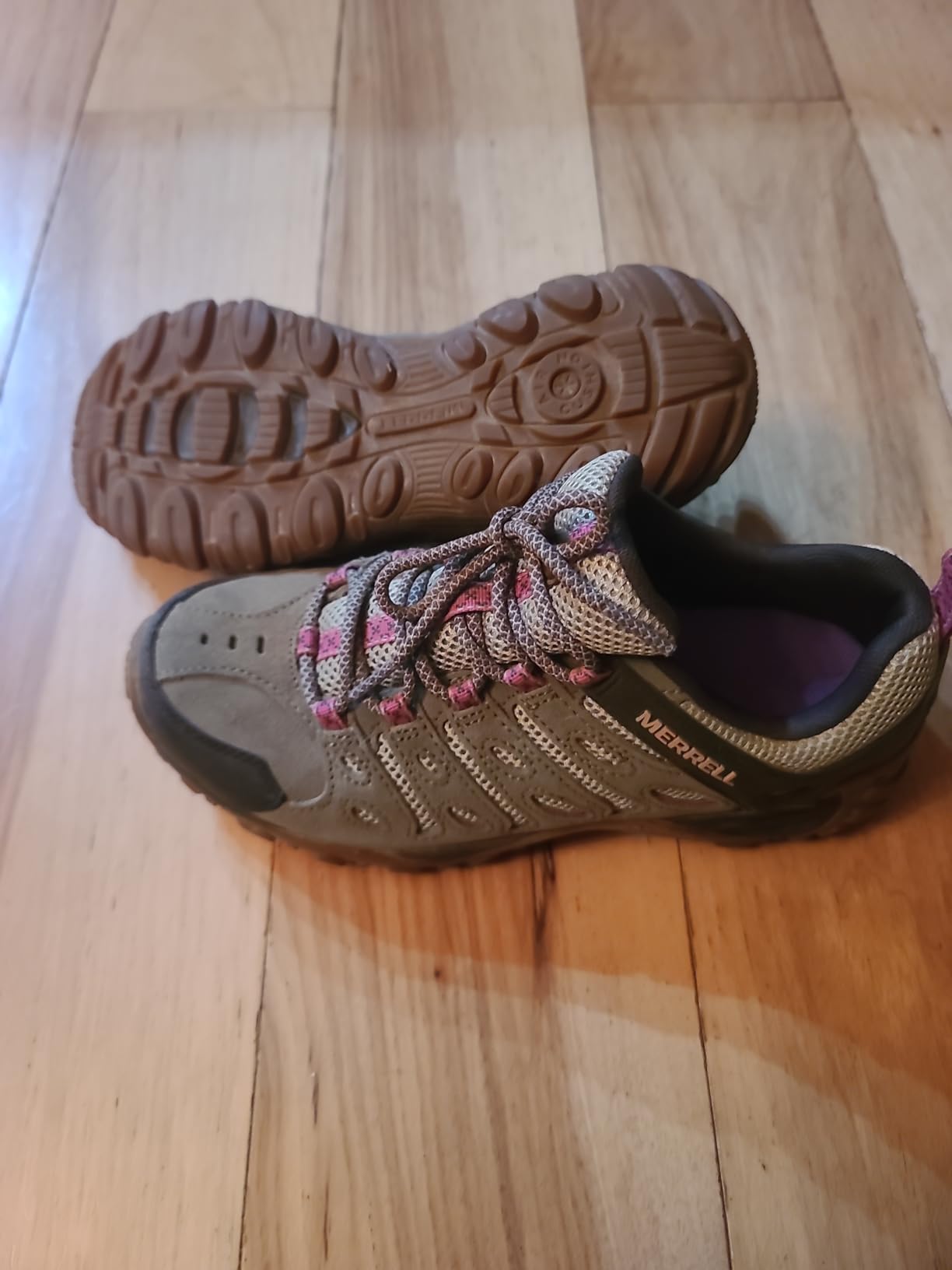
- 💰 Price: $79
- ⚖️ Weight: 14.2 oz (women’s size 8)
- 🧪 Midsole: EVA foam with Merrell Air Cushion heel
- 👟 Upper: Full grain leather + textile mesh
- 🦶 Insole: Kinetic Fit BASE removable contoured insole
- 🏔️ Outsole: M-Select GRIP rubber
- 🔧 Closure: Traditional lace-up with bellows tongue
- 📐 Arch Support: Molded nylon arch shank
- ⏱️ Testing: 8 weeks, 47 hours, multiple terrain types
Unboxing: Does a $79 Shoe Feel Like One?
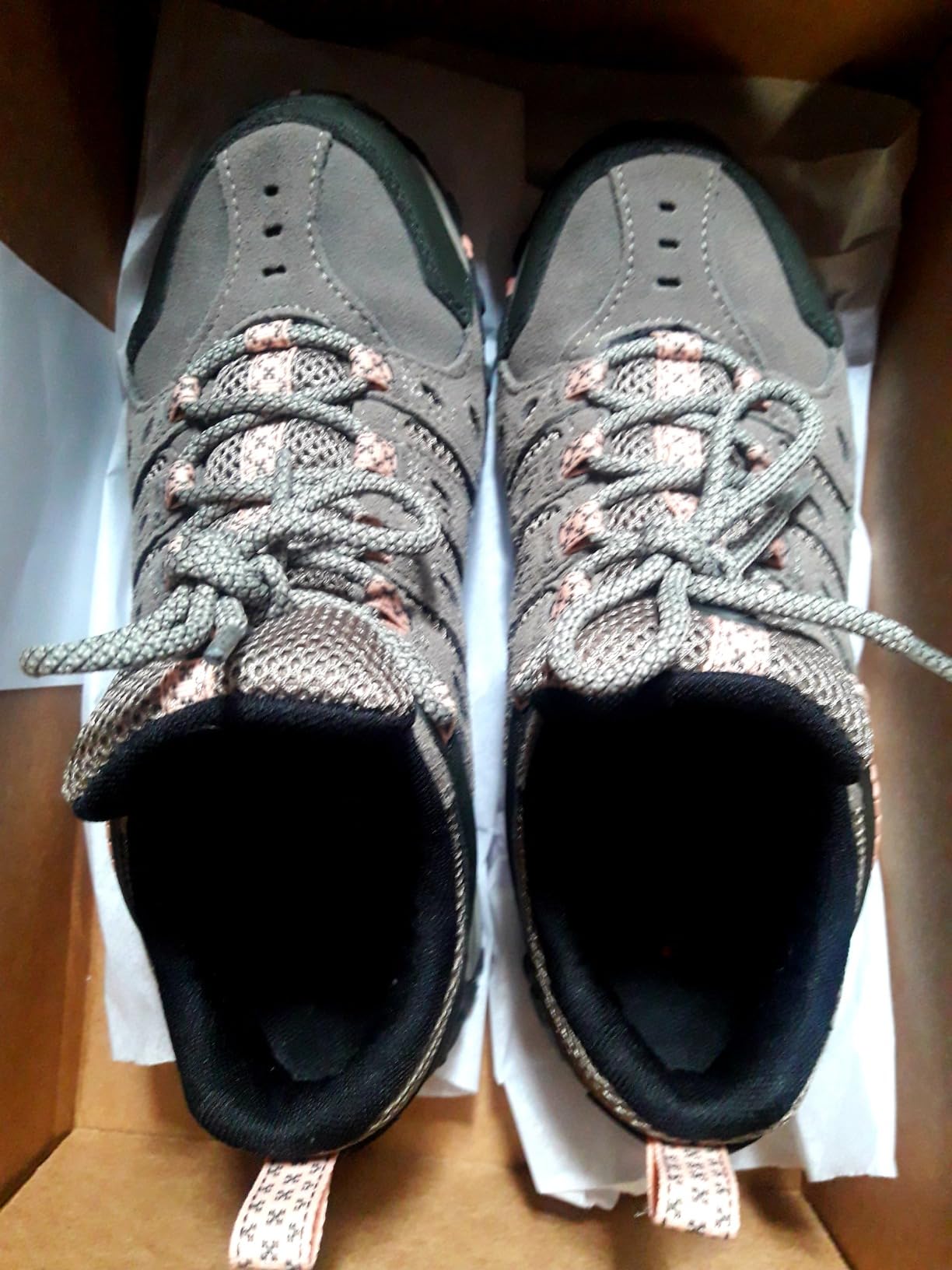
That was my actual question when I first held these. There’s a specific way cheap shoes feel — a certain lightness in the hand that’s actually hollowness, a leather-like surface that looks fine in photos but reveals its true nature the moment you squeeze it. These don’t have that.
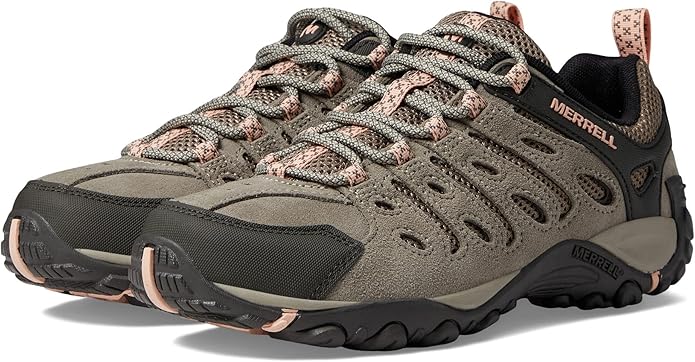
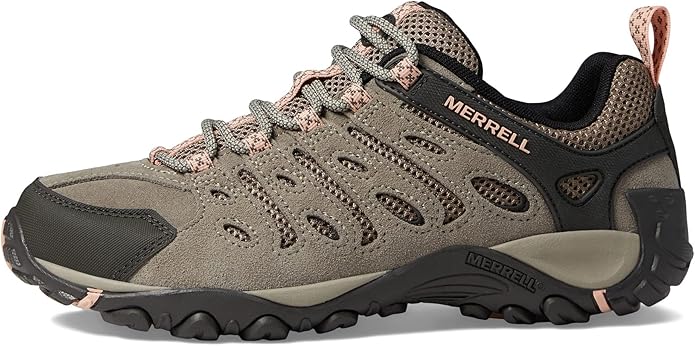
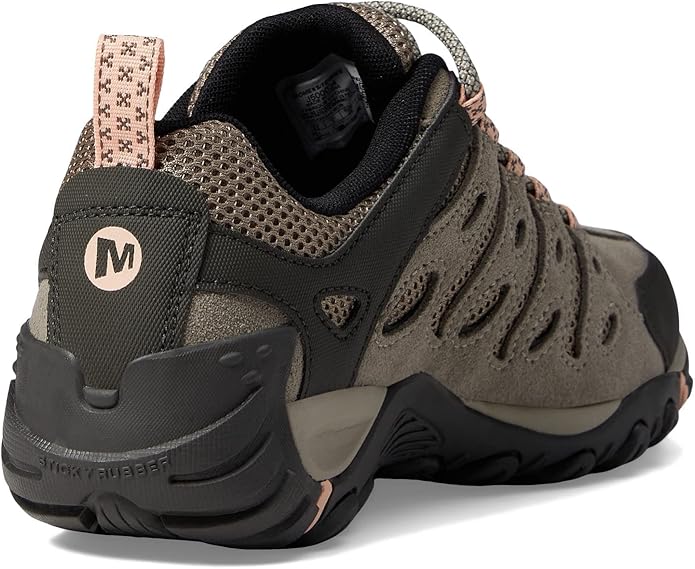
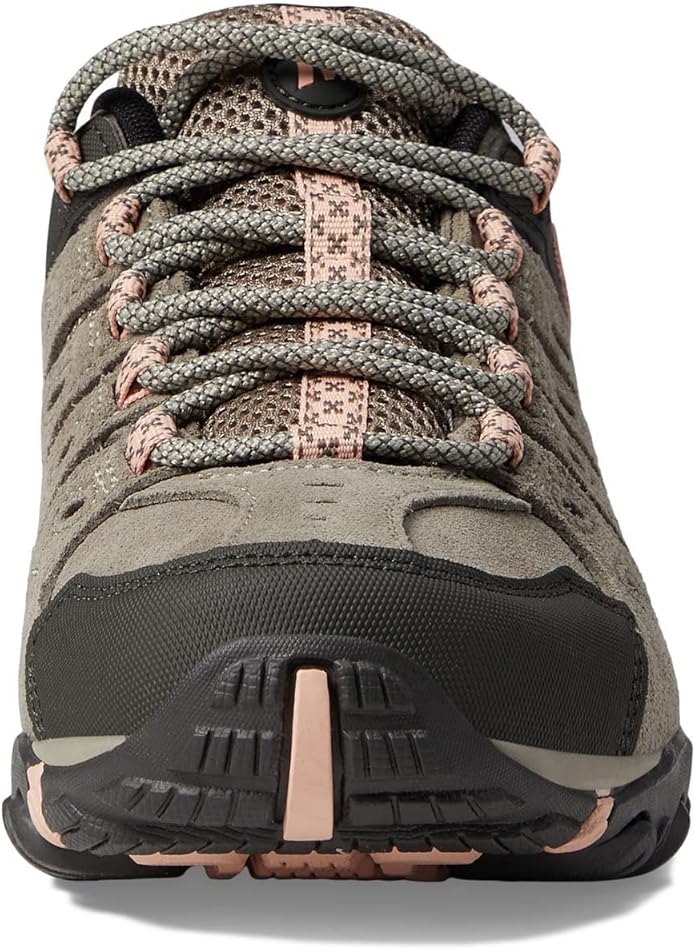
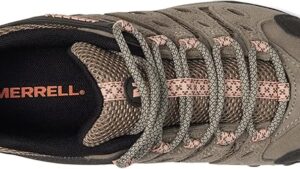
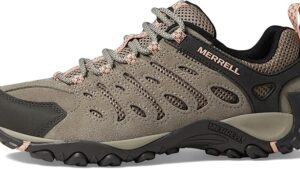
The full grain leather is substantive. Not premium by luxury shoe standards, but noticeably better than what you’d find on $50 versions of a hiking shoe. The stitching runs clean. The Boulder/Peach colorway — that earthy brown with the subtle peach accent — works in a way that photos can’t quite capture. It doesn’t look like a shoe trying to be stylish. It looks like a shoe that happens to be.
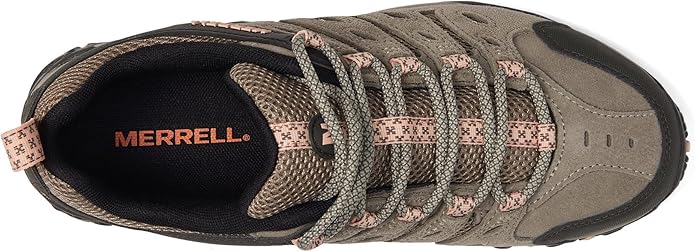
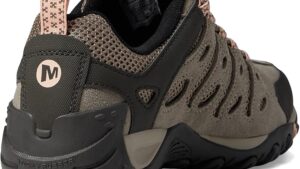
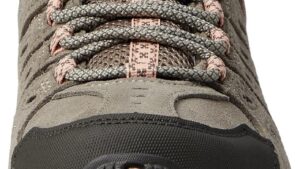
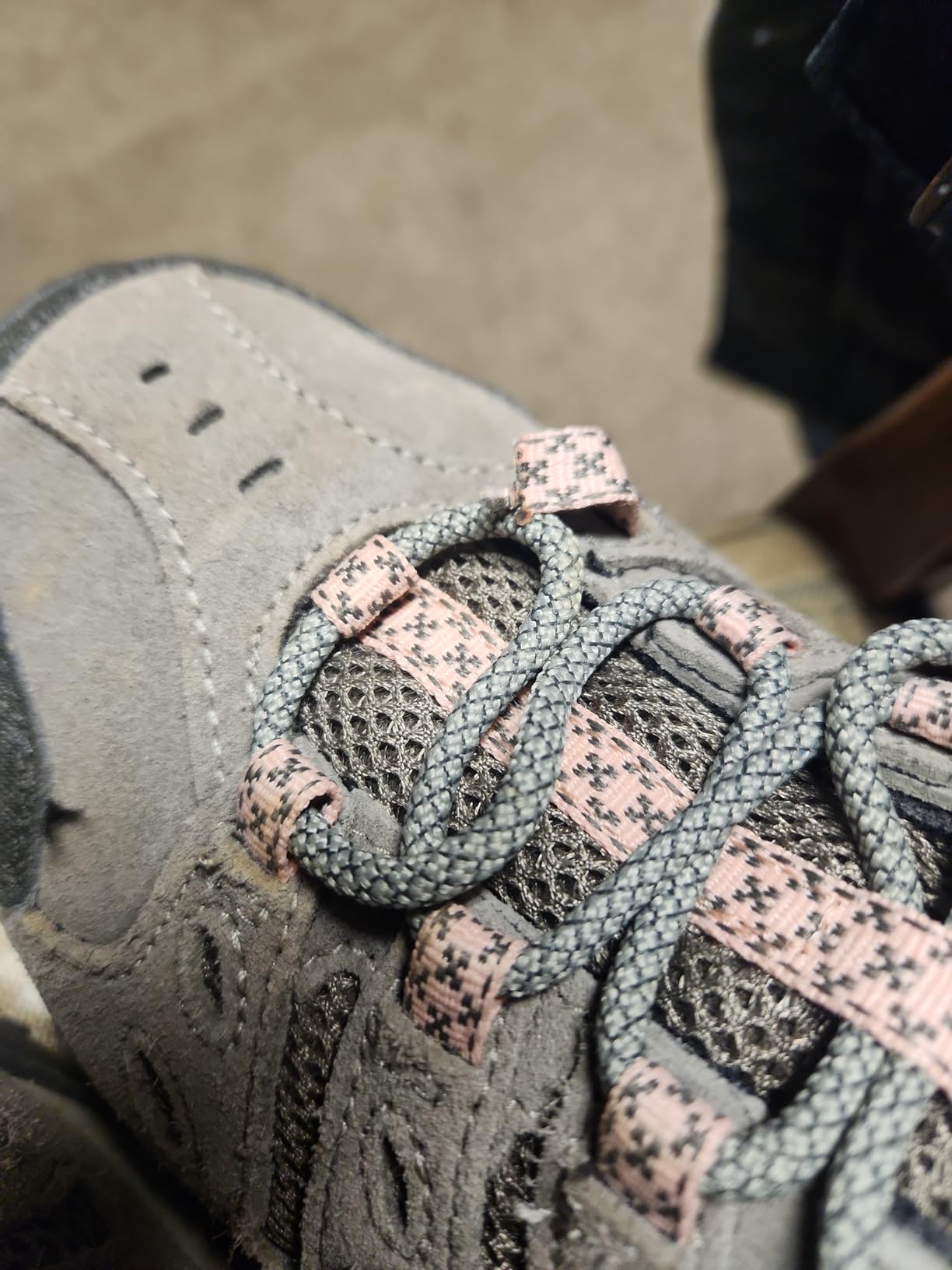
The bellows tongue stood out immediately. It’s a gusseted design that seals the shoe around your ankle, and it felt more deliberate than most. I noticed the molded toe cap reinforcement at the front, the heel pull tab, and the way the laces sat in the eyelets without any visible cheap hardware. At 14.2 oz for a size 8, it’s a middle-weight shoe — heavier than trail runners, lighter than serious boots.
First impressions: for $79, this doesn’t feel like a $79 shoe.
The Fit Question: Wide Feet, Sizing, and What Actually Happens
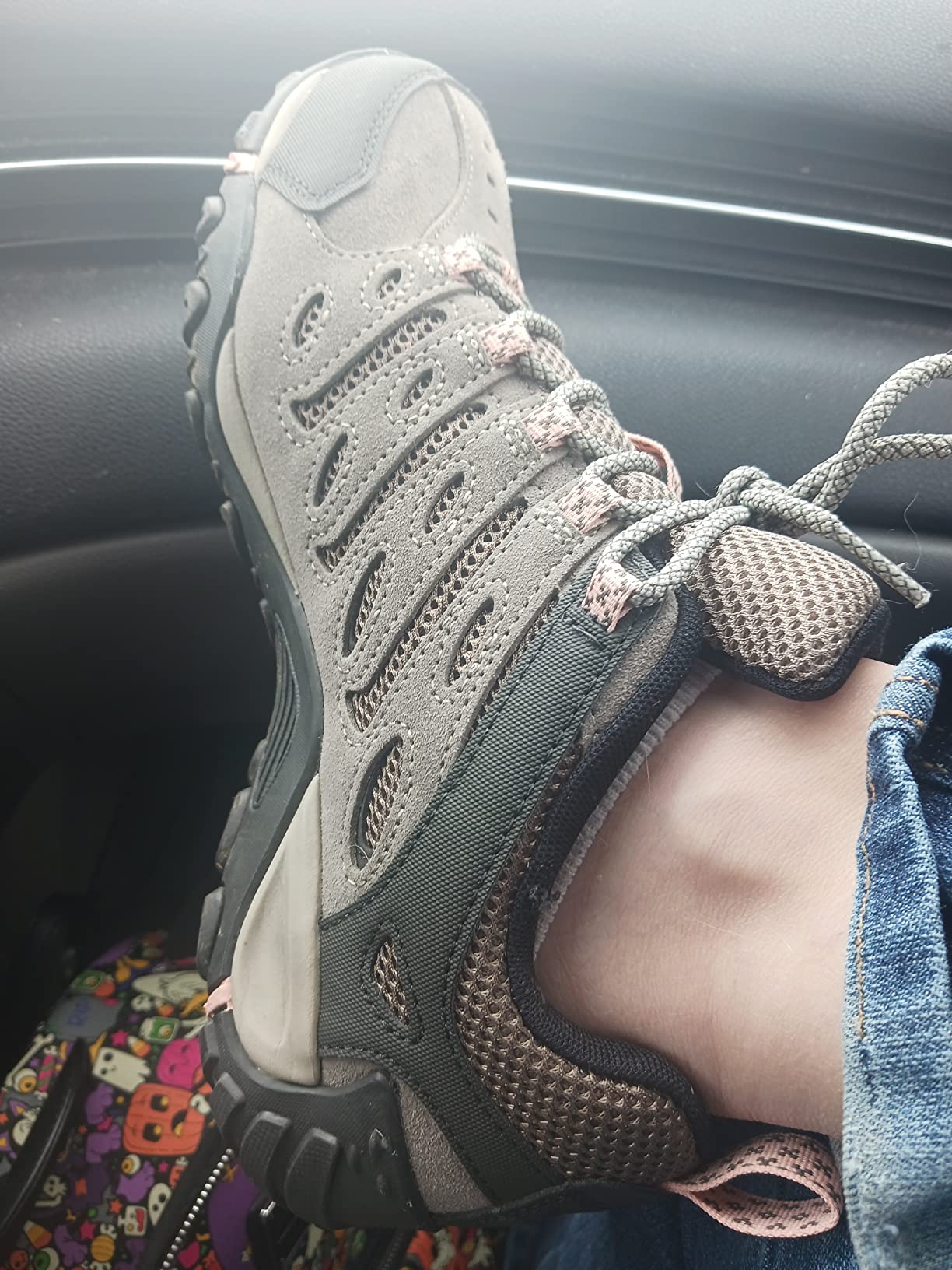
I have slightly wide feet, and this matters more than almost any other spec when it comes to hiking shoes. My feet swell on long hikes. They protest against narrow toe boxes after the two-hour mark. I’ve aborted hikes early because of this, which is exactly as miserable as it sounds.
The Crosslander 2’s toe box is genuinely roomy. During my 6-mile hike through Zion’s easier trails, I was expecting the familiar squeeze that develops around mile 4. It didn’t happen. My toes had space, the kind of space where you can splay naturally rather than compress. I wore regular athletic socks for that test, not performance hiking socks, and there was still room.
Sizing, though, is genuinely inconsistent. I wear these true to size, but community consensus from dozens of reviews suggests that roughly 20-30% of buyers need to go half a size up — especially if you plan to wear thicker wool socks, or if you’re between sizes at all. There’s no clear pattern that predicts who needs to size up. My suggestion: if you’re anywhere between sizes, go up.
The first day I wore these, I did a 2-hour neighborhood walk — not a short test. No hot spots. No heel slipping. The break-in period that haunts most hiking shoes simply didn’t happen here. That’s not a marketing claim; it’s an unusual experience that I can confirm from day one.
One honest caveat: arch support placement varies. For my medium-arch feet, the molded nylon arch shank lands correctly. But multiple reviewers report the arch hitting at the wrong spot for their foot shape, particularly for very flat feet or very high arches. If you have specific arch requirements, the removable Kinetic Fit BASE insole can be swapped for a custom orthotic — that option is worth knowing about.
Thermal Performance: From Arizona Heat to Cold Morning Hikes
Breathability in hiking shoes is often claimed and rarely delivered. The mesh is there, but does it actually work? During a three-hour hike at 85°F with no shade for long stretches, my feet stayed dry in a way I noticed specifically because I expected otherwise. I checked at the two-hour mark, half-expecting the moisture buildup I’d experienced in previous non-breathable shoes. It wasn’t there.
The more demanding test was Arizona desert hiking at 95°F. Sustained heat, reflective rock surfaces, consistent movement. The breathable mesh lining and the M-Select FRESH anti-odor treatment kept conditions inside the shoe notably better than they had any right to be.
Cold weather performs differently but also well. Morning hikes at 45°F with thicker wool socks fit inside the roomy toe box without feeling clamped. The shoe accommodates the extra bulk without losing stability around the heel. Whether this thermal range qualifies as “all-season” depends on your definition — these aren’t insulated, so deep winter hiking in snow is a different conversation — but from mid-spring through fall, the temperature range holds.
Traction on Real Terrain: Where It Works and Where It Doesn’t
Wet Rock and Slippery Surfaces
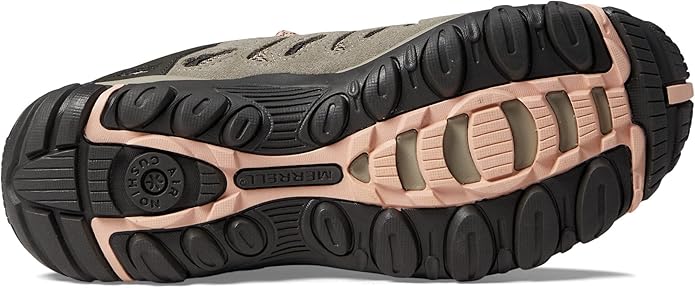
The M-Select GRIP outsole earns its name on wet surfaces. The Smoky Mountains section of my testing involved a rainy weekend with wet creek crossings and slick rocks that I’d normally approach with real caution. On wet granite, the rubber compound grabbed and held. I’m not talking about marginal security — I’m talking about confident, planted steps on surfaces that had slipped me up with other shoes. This is where the Crosslander 2 most clearly justifies its price point. A budget shoe that grips wet rock is genuinely useful.
Rocky Trails and Uneven Ground
Packed rocky trails are where the molded nylon arch shank earns its keep. When you step awkwardly on a rock edge, the shank resists twisting and keeps the shoe from folding under your foot. I noticed this during Zion trail sections with uneven rock surfaces — stability that felt structural, not just cushion-based.
The reinforced toe cap also proved its value multiple times. I’m someone who kicks rocks. I trip over roots. On several occasions, my toe connected with something solid, and each time, the protection held without transferring that impact to my actual toes.
Desert Sand and Loose Terrain
The bellows tongue design in Nevada desert conditions was genuinely impressive. Sand gets into everything — it’s one of those hiking annoyances you can’t fully prevent — but the gusseted tongue seal dramatically reduced intrusion. After a long desert trail, I found significantly less debris inside than I’d expected.
Traction on compacted sand was fine. Where it gets honest is loose scree. On sections with loose, shifting rock fragments at steeper angles, I wanted deeper lugs and more aggressive spacing. The shoe handled moderate rocky terrain confidently; technical scrambling on unstable surfaces revealed its limit.
Cushioning and the Kinetic Fit BASE System
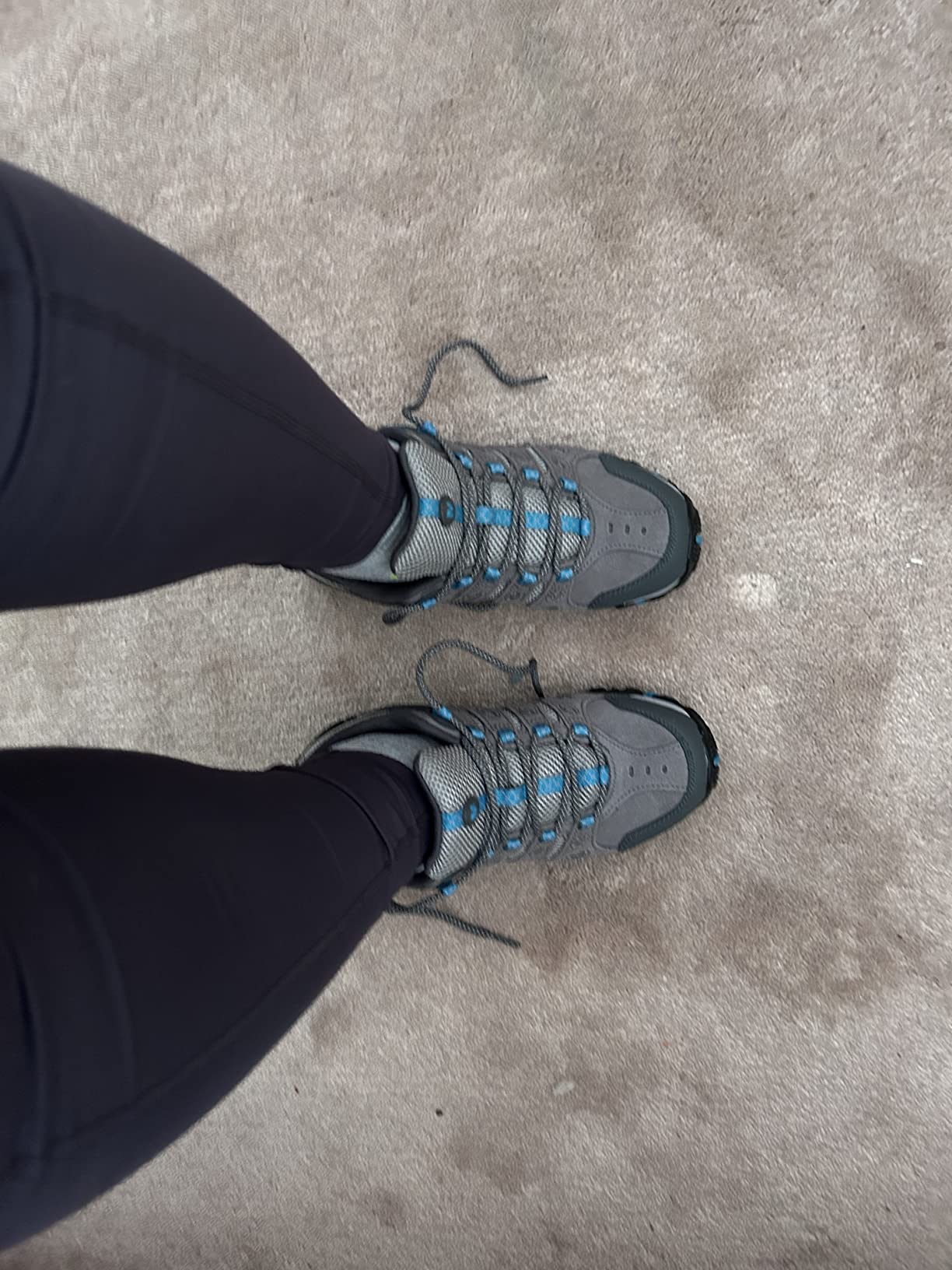
The EVA foam midsole occupies a specific spot on the cushioning spectrum: present and functional, not plush. At 155 lbs, I found this balance exactly right for moderate day hiking. Enough cushion that a 4-hour hike leaves my feet feeling fresh rather than hammered, but firm enough that stepping on rocks doesn’t create the instability you get from maximal cushioning.
The Merrell Air Cushion heel becomes most noticeable during descents. There’s a specific kind of repetitive impact fatigue that builds on downhill sections — that bone-jarring accumulation that makes your heels feel tender by the bottom. The Air Cushion technology provides a tangible absorption effect. During the Angel’s Landing approach descent, I tracked my heel discomfort over the downhill section and noticed less fatigue than I’d expected for the elevation change and impact volume.
The Kinetic Fit BASE insole is removable, which matters. For most feet, the stock insole is adequate. For people with custom orthotics or specific arch needs, the ability to swap it out directly addresses the arch support variation problem that some users encounter.
Versatility: What “Do Everything” Actually Means
I wore these for daily dog walks throughout the testing period. The golden retriever doesn’t care how technical the terrain is — she wants her walk regardless of weather, and the ground ranges from manicured paths to muddy park grass. The Crosslander 2 handled all of it without requiring any mental “is this appropriate for this shoe” calculus.
The Boulder/Peach colorway specifically contributes to versatility. It’s not a trail-only colorway — that earthy brown reads as casual footwear in everyday contexts. I wore these to a Saturday farmers market, then directly to a trail, without the visual disconnect that neon-highlighted trail shoes create.
Several communities of users have reported these working in professional environments where you’re on your feet all day — healthcare workers, postal workers, teachers. The immediate comfort and no-break-in characteristic makes daily sustained wear more viable than most hiking shoes, which typically have a more demanding first month.
For travel, one attribute stands out: these shoes work across the widest variety of activities with the least friction. Packing one pair that handles hiking, city walking, and casual meals beats packing two or three purpose-specific options.
Durability: 8 Weeks In, What’s the Honest Picture
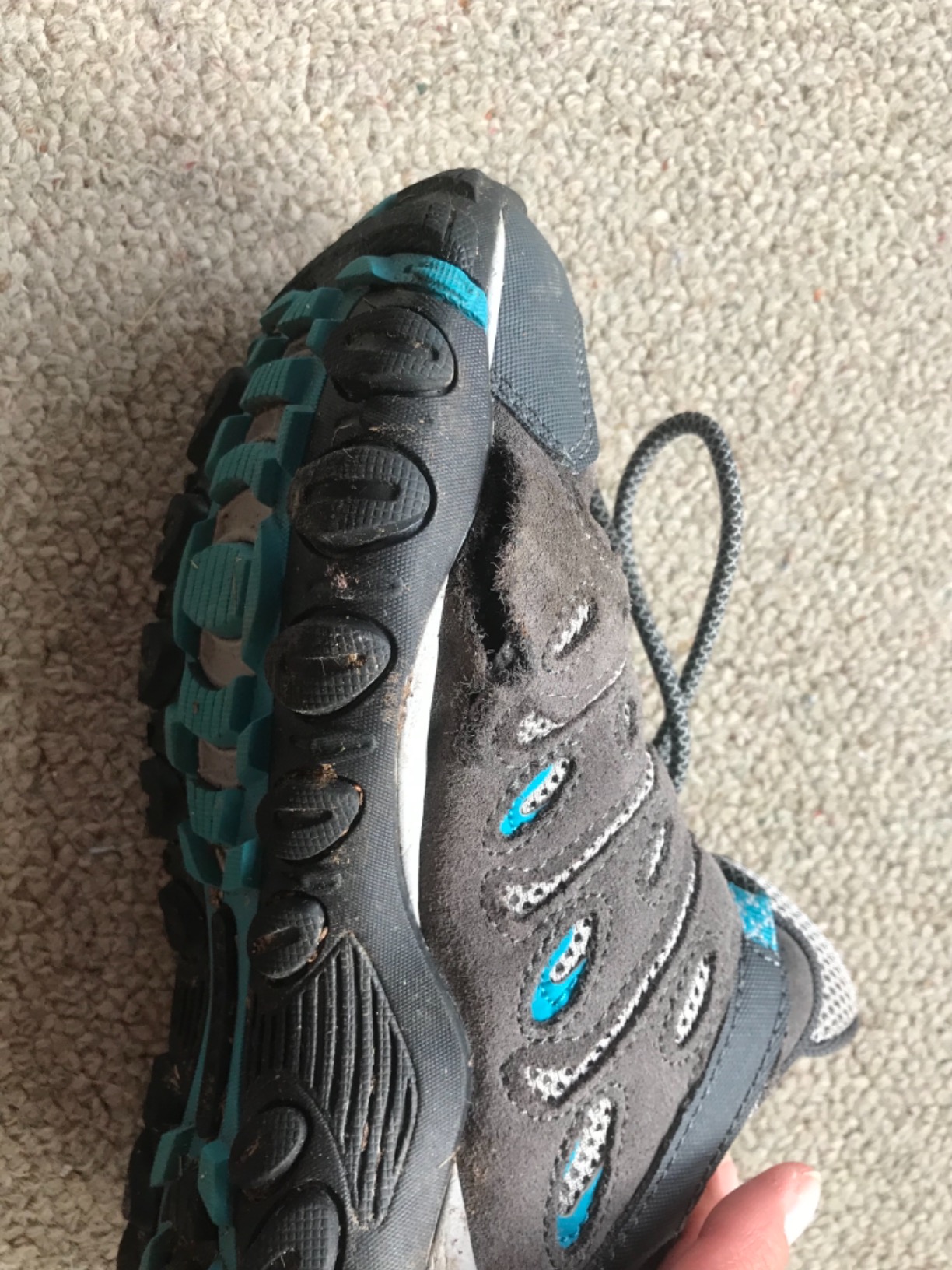
Eight weeks isn’t enough to make claims about two-year durability. What I can report is what 47 hours of varied use looked like at the end of the testing period: minimal visible wear on the outsole lugs, intact stitching throughout, leather upper showing normal conditioning without cracking or separation, and lace hardware functioning without loosening.
What I can’t confirm from personal testing is the premature sole separation and stitching failures that appear in a subset of community reviews. These reports exist, and they shouldn’t be dismissed. The pattern in those reports tends toward heavy daily use scenarios — people wearing these shoes every single day for months, often in demanding conditions. For recreational hiking use — weekends, occasional trail days — the construction quality looks appropriate for a 1-2 year lifespan. For daily heavy use, that estimate may compress.
The full grain leather benefits from periodic conditioning to prevent drying and cracking, which is standard leather care. Cleaning off mud and debris after wet hikes also extends the lifespan meaningfully. These aren’t maintenance-free shoes, but neither are they demanding.
Does Merrell’s Marketing Hold Up?
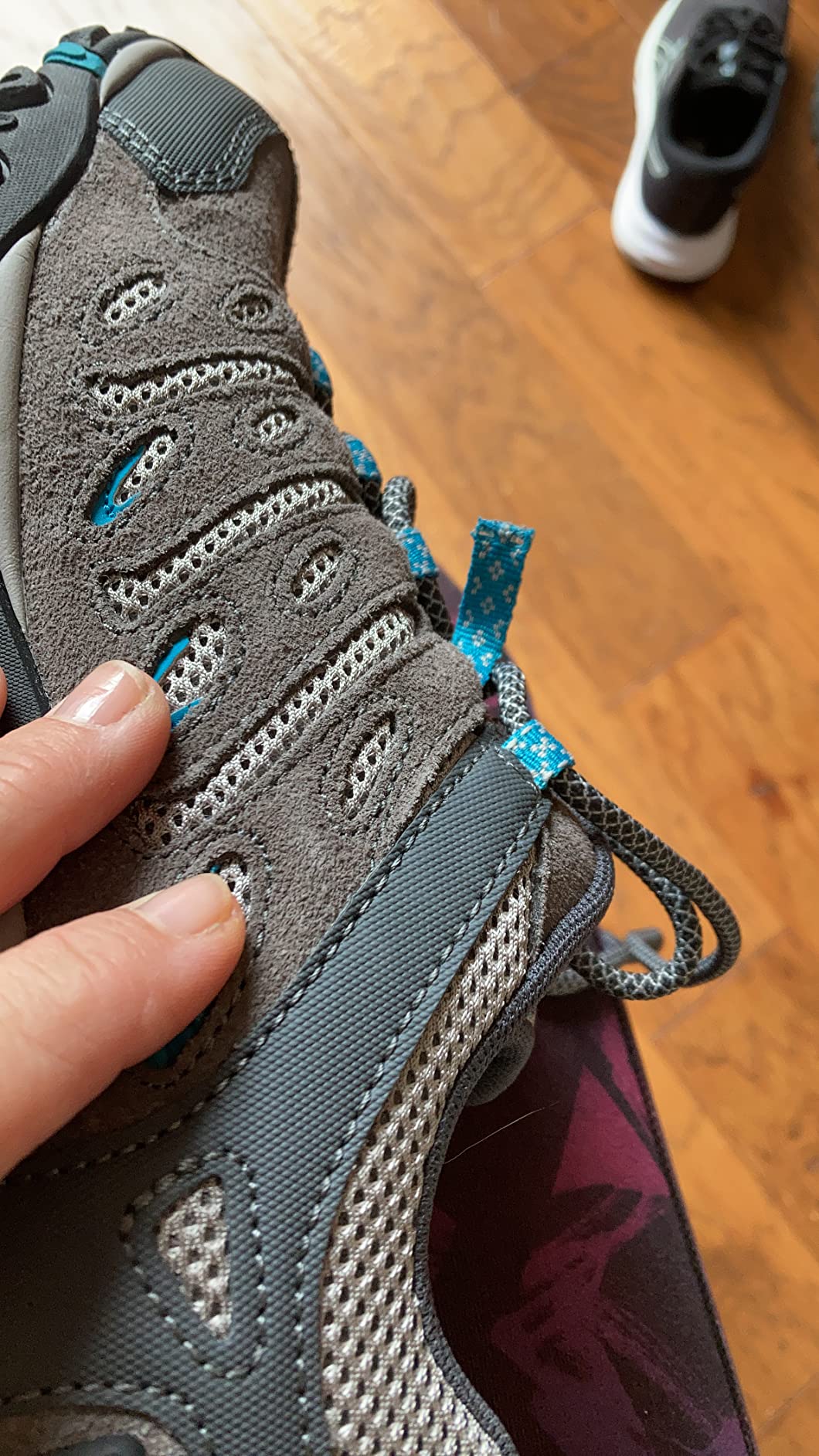
Merrell positions the Crosslander 2 as a “capable day hiker built for tough trails.” That’s mostly accurate — the qualification being the definition of “tough.” Well-maintained trails with rocks, roots, elevation, and mixed surfaces? Absolutely capable. Loose scree scrambling or technical Class 3 terrain? The shoe reveals its moderate-use positioning.
The “durable, highly slip-resistant” M-Select GRIP claim holds up on every surface I tested except very loose scree. The “flexible, comfortable fit” via Kinetic Fit BASE is genuinely accurate for most foot types, with the noted arch-positioning caveat for outlier foot shapes.
Where the marketing actually undersells the shoe is the bellows tongue. The description is “traditional lace closure with bellows tongue” — which sounds unremarkable. In desert and debris-heavy environments, this feature is what separates a comfortable hiking shoe from one that requires constant stopping to empty out your shoe. That functional benefit deserves more credit than it gets.
How It Compares to the Market
At $79, the Crosslander 2 competes in a specific budget-to-recreational tier. The Merrell Women’s Moab 3 at around $120 offers more robust construction and wider outsole coverage, but the price gap is meaningful. The Moab 3 is worth it if you’re hiking multiple times per week; the Crosslander 2 makes more sense for weekend recreational use.
Compared to KEEN Women’s Circadia options, KEEN tends to build wider toe boxes by default, which benefits very wide feet. The Crosslander 2’s toe box is generous but not KEEN-level generous. If you have wide feet that have consistently failed in standard-width shoes, KEEN might be a better starting point.
For Salomon Speedcross and similar performance trail shoes, you’re paying for technical performance the Crosslander 2 doesn’t attempt. That’s not a flaw — it’s a different product category. The Crosslander 2 is a day-hiking-and-daily-wear shoe, not a technical trail running shoe.
The Merrell Bravada 2 Waterproof is worth considering if waterproof protection is your priority — it addresses the Crosslander 2’s primary limitation at a modest premium.
If you need an alternative at a similar price point with waterproofing, the Ulogu Waterproof Hiking Shoes and NORTIV 8 Women’s Waterproof Hiking Shoes are worth comparing, though the Merrell construction quality is a genuine advantage.
Performance Scores
| Category | Score | What the Testing Found |
|---|---|---|
| Comfort | 8.5/10 | No break-in period, generous toe box, immediate all-day wearability |
| Traction | 8.0/10 | Excellent on wet rock, reliable on rocky/sandy terrain, limited on loose scree |
| Breathability | 8.0/10 | Mesh lining effective through 85-95°F testing, feet stayed dry in warm conditions |
| Build Quality | 7.5/10 | Solid construction, full grain leather quality above price point, some durability concerns with heavy use |
| Waterproofing | 6.0/10 | Water-resistant, handles light moisture, not for sustained wet conditions |
| Support | 8.0/10 | Effective molded arch shank, Air Cushion heel proven on descents, varies by arch type |
| Weight | 7.0/10 | 14.2 oz is middle-weight — manageable, not ultralight |
| Value | 9.0/10 | Performance exceeds the price point significantly; competes with shoes at $120-150 |
| Versatility | 8.5/10 | Hiking + daily wear + work + travel — one shoe handles all of it |
| Overall | 8.1/10 | Excellent recreational hiking shoe with one meaningful limitation (waterproofing) |
Who This Shoe Is For (And Who It’s Not)
Perfect For
- Women with wide or medium-width feet who get cramped in standard toe boxes
- Recreational hikers — day hikes, weekend trips, moderate terrain
- Anyone wanting one shoe that handles trails and daily life without looking out of place
- Budget-conscious buyers unwilling to sacrifice on construction quality
- Beginners building a hiking shoe collection without overinvesting
- Workers who need all-day standing comfort (healthcare, service industry)
- Travelers who pack light and need trail-to-city versatility
Consider Alternatives If
- You hike in consistently wet conditions or rain-heavy environments — look at the Merrell Women’s Moab 3 GTX or Columbia Peakfreak II Outdry
- You plan technical scrambling or off-trail Class 3+ terrain
- You have very flat feet or very high arches requiring custom support
- You want ultralight footwear for multi-day backpacking — consider Altra Lone Peak or trail running options
- You need narrow-fit shoes — the roomy toe box may be too wide
- You’re a daily heavy-use hiker (5+ hours daily) — durability expectations may compress
Frequently Asked Questions
Are these good for women with flat feet?
The arch support placement works well for medium-arch and moderate flat feet. For very flat feet, the fixed arch positioning may not hit the right spot — several reviewers with flat feet reported arch misalignment. Since the insole is removable, you can swap in a custom orthotic designed for flat feet, which makes this a workable option even for that foot type.
Can I wear the Crosslander 2 every day at work?
Yes, with some realistic expectations. Healthcare workers, postal workers, and teachers consistently report all-day comfort for standing-heavy shifts. The genuine leather construction holds up to repeated daily wear better than synthetic alternatives. That said, if you’re logging 8+ hours on hard floors every day, the midsole cushioning may wear down faster than recreational use — expect closer to 12-18 months for that use pattern.
How does it compare to Keen hiking shoes for wide feet?
KEEN builds some of the widest toe boxes in the hiking shoe category as a standard design principle. The Crosslander 2’s toe box is generous but not KEEN-generous. If you’ve specifically failed in other “wide” shoes and KEEN was the only brand that worked, KEEN remains the safer choice. If you have slightly wide feet rather than very wide feet, the Crosslander 2’s toe box is likely sufficient — as it was for my slightly wide feet.
What’s the real lifespan for regular hikers?
From the combination of my 8-week testing and aggregated community reviews: casual weekend hiking (1-2 times per month) suggests 2+ years. Regular hiking (weekly use) suggests 1-2 years. Daily or heavy-use hiking suggests 8-14 months. The full grain leather construction ages better than synthetic uppers, but the midsole cushioning will compress before the leather shows significant wear.
Will the shoe stretch to accommodate very thick socks?
The roomy toe box accommodates thick wool hiking socks without pressure — I confirmed this at 45°F morning hike temperatures. The fit doesn’t feel clamped with extra sock volume. If you plan to wear very thick insulated socks (for cold-weather hiking), consider going half a size up to maintain comfort on longer hikes where foot swelling compounds the sock volume.
Do I need waterproofing if I hike in mountains with afternoon rain?
If afternoon thunderstorms are a predictable part of your hiking context, the Crosslander 2 is not the right shoe. It handles light moisture and brief stream crossings, but sustained rain exposure will soak through the mesh lining. For alpine environments where afternoon precipitation is common, the Merrell Moab 2 Vent in a waterproof version, or a Gore-Tex option, provides the protection this shoe doesn’t have.
Can I replace the Kinetic Fit BASE insole with custom orthotics?
Yes — the insole is fully removable. This is one of the more useful features for people who’ve found that the stock insole arch positioning doesn’t match their foot shape. If you already have custom orthotics that work for you, this shoe accommodates them without modification.
What’s the best cleaning method after muddy hikes?
Remove the insole and let it air dry separately. Use a soft brush to remove mud from the upper and outsole grooves before it dries — dried mud is significantly harder to remove and can degrade the outsole over time. For the leather upper, a damp cloth handles most dirt. Occasionally conditioning the leather (a light leather conditioner, not waterproofing spray) prevents the full grain leather from drying out and cracking. Air dry away from direct heat sources; heat degrades the adhesive bonds in the sole construction.
Final Verdict
Eight weeks and 47 hours of testing confirmed what good budget hiking shoes can and can’t be. The Merrell Women’s Crosslander 2 at $79 delivers genuine Merrell construction quality, reliable traction on most terrain, excellent comfort for wide and medium-width feet, and the kind of versatility that makes it a daily-driver hiking shoe rather than a single-use trail shoe.
The limitation is clear: no waterproofing. If your hiking environment includes consistent rain or water crossings, you need a different shoe. For everything else — moderate trails, desert conditions, warm-weather hiking, travel, and daily wear — the Crosslander 2 competes with shoes costing significantly more.
For women who’ve been burned by budget hiking shoes that fell apart in three months, this one is worth the calculated risk. The construction quality suggests it’s genuinely different. After 8 weeks of testing across varied terrain and temperatures, I can say with confidence: it earns its place as a recreational hiking shoe that also happens to be the most versatile option in this price range.
Check current pricing and availability: Browse hiking and trekking shoes at FootGearUSA
Review at a Glance
| Performance Category | Score (1-10) | Key Finding |
|---|---|---|
| Comfort | 8.5 | Immediate, no break-in, wide toe box that accommodates foot swelling |
| Traction | 8.0 | Excellent on wet rock; limited on loose scree |
| Breathability | 8.0 | Effective mesh in sustained heat; confirmed through Arizona 95°F testing |
| Build Quality | 7.5 | Above-price-point construction; some durability concerns with heavy daily use |
| Waterproofing | 6.0 | Handles light moisture; not for wet environments |
| Support | 8.0 | Arch shank effective on uneven surfaces; Air Cushion heel absorbs descent impact |
| Weight | 7.0 | 14.2 oz — middle-weight, not burdensome |
| Value | 9.0 | Competes with $120-150 shoes across most categories |
| Versatility | 8.5 | Trail-to-daily-wear transition without compromise |
| Overall | 8.1/10 | Outstanding value recreational hiking shoe — best suited for moderate trails and multi-purpose daily wear |
Testing conducted over 8 weeks, 47 hours of total wear across Nevada desert, Zion National Park, Smoky Mountains, and Arizona heat conditions.
Be the first to review “Merrell Womens Crosslander 2”
Related products
Hiking/Trekking Shoes

Hiking/Trekking Shoes
Hiking/Trekking Shoes
Hiking/Trekking Shoes
Hiking/Trekking Shoes
Hiking/Trekking Shoes
Hiking/Trekking Shoes

Hiking/Trekking Shoes
Reviews
There are no reviews yet.