
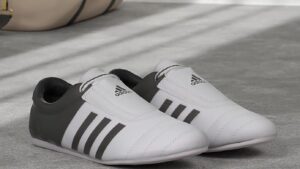
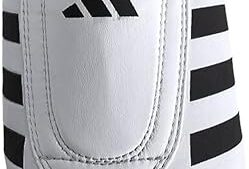
Last Thursday evening, I watched a mixed-discipline martial arts class run through three stations simultaneously — one group drilling spinning kicks on vinyl mats, another working ground defense on wrestling surfaces, a third hammering the heavy bags. Seven different shoe brands on those mats. Three students were wearing the same white Adidas shoes. Mike here, and after 12 years putting footwear through its paces across combat sports, that kind of unprompted consensus earns an investigation. I grabbed a pair of the Adi-Kick II and spent 8 weeks training in them across four disciplines. What I found was a shoe that genuinely earns its reputation in one context — and earns its criticism in others.
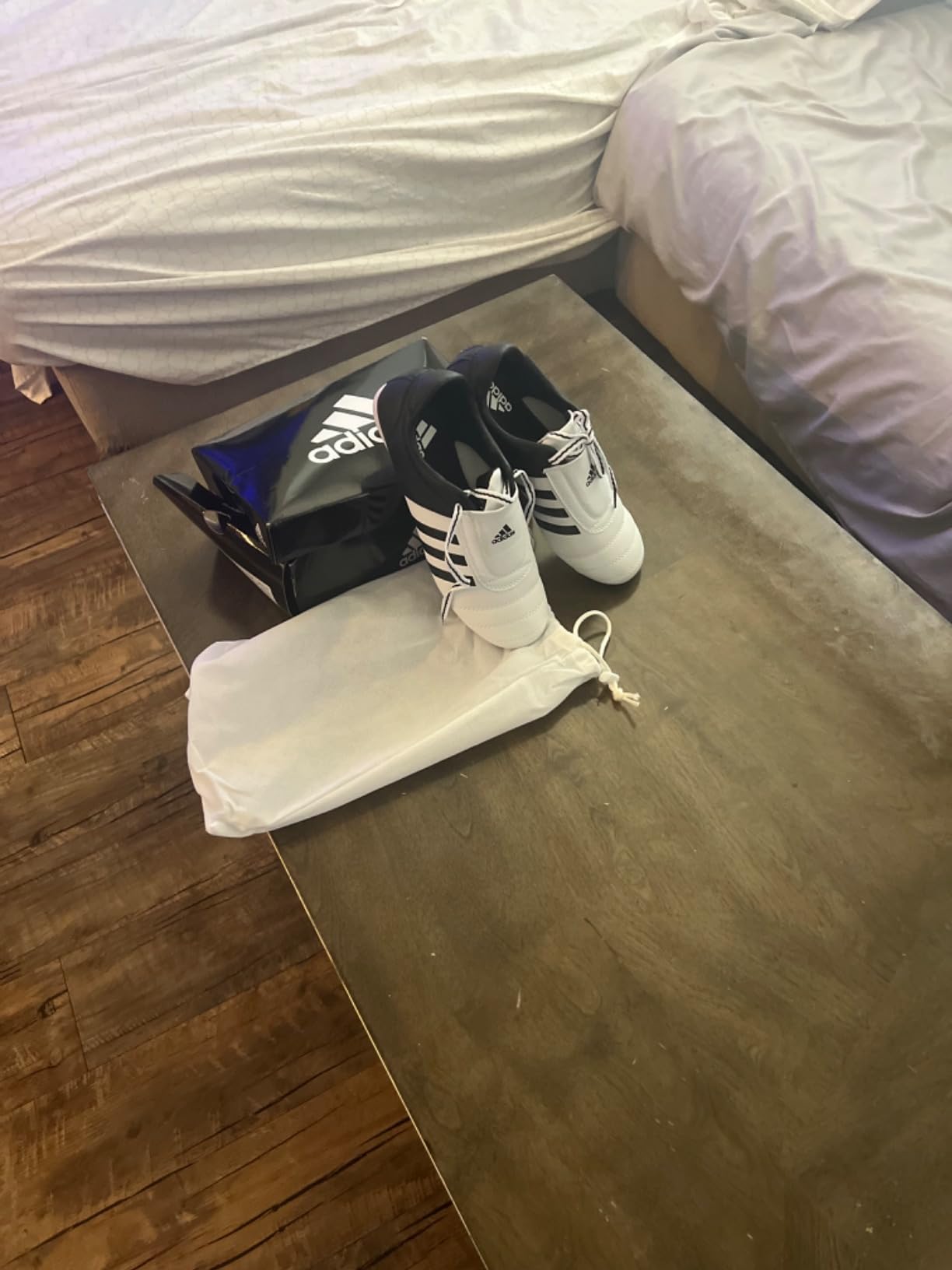
Technical Specifications
- 💰 Price: $60–$75 (varies by retailer)
- ⚖️ Weight: 8.2 oz (men’s size 9.5)
- 🧪 Midsole: Polyurethane foam
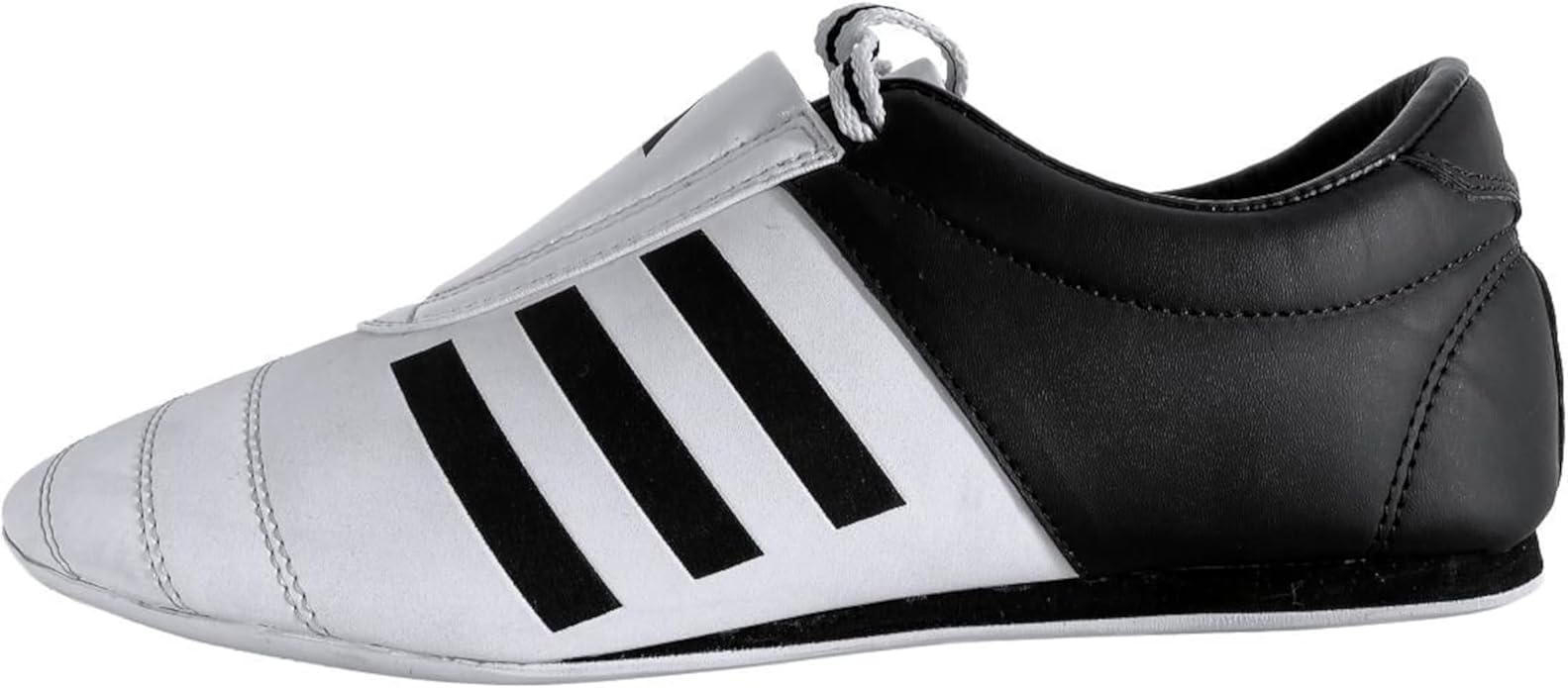
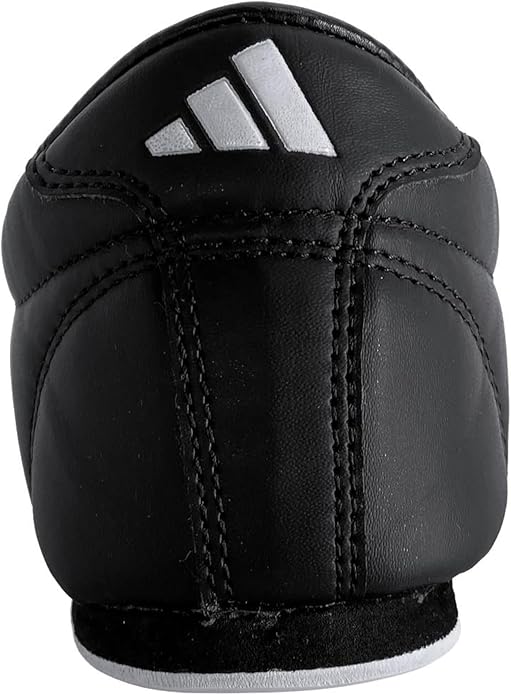
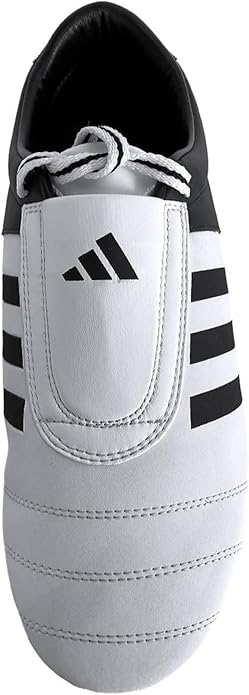
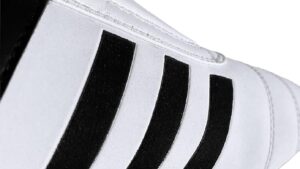
- 👟 Upper: PU synthetic leather
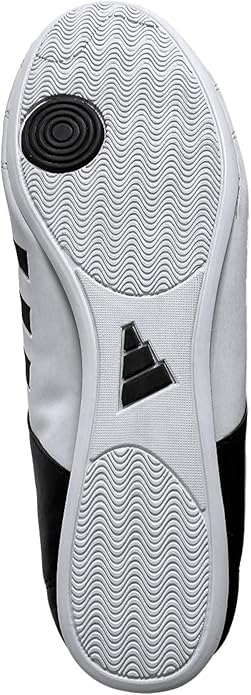
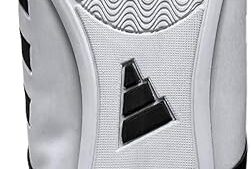
- 🦶 Sole: Rubber with circular pivot zone under forefoot
- 🥋 Category: Indoor martial arts training shoes
- 🎯 Best for: Taekwondo, Karate, mat-based disciplines
- ✅ Machine washable: Yes
- 📦 Includes: Carry bag
- 🔢 SKU: ADITKK01
Design, Build Quality & First Impressions
Upper Construction & The Carry Bag Detail
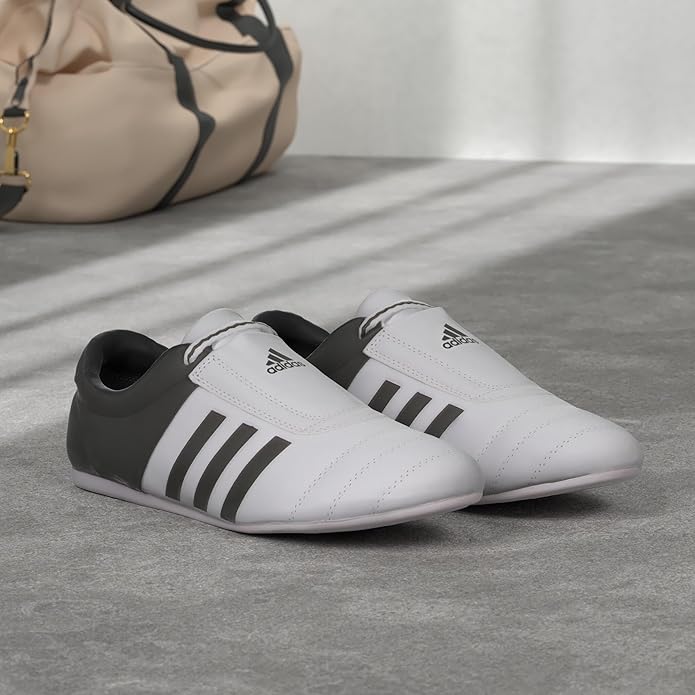
Most martial arts shoes arrive in a standard shoe box. The Adi-Kick II comes in a drawstring carry bag, which sounds minor until you’ve trained at a gym where you change shoes at the door. The bag earns its keep immediately.
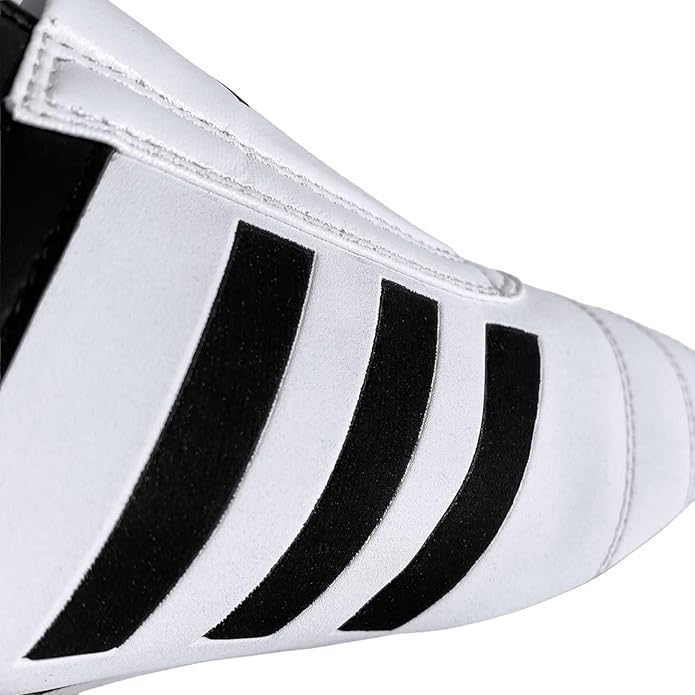
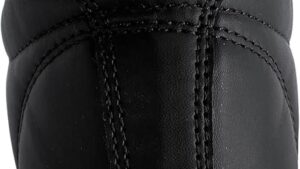
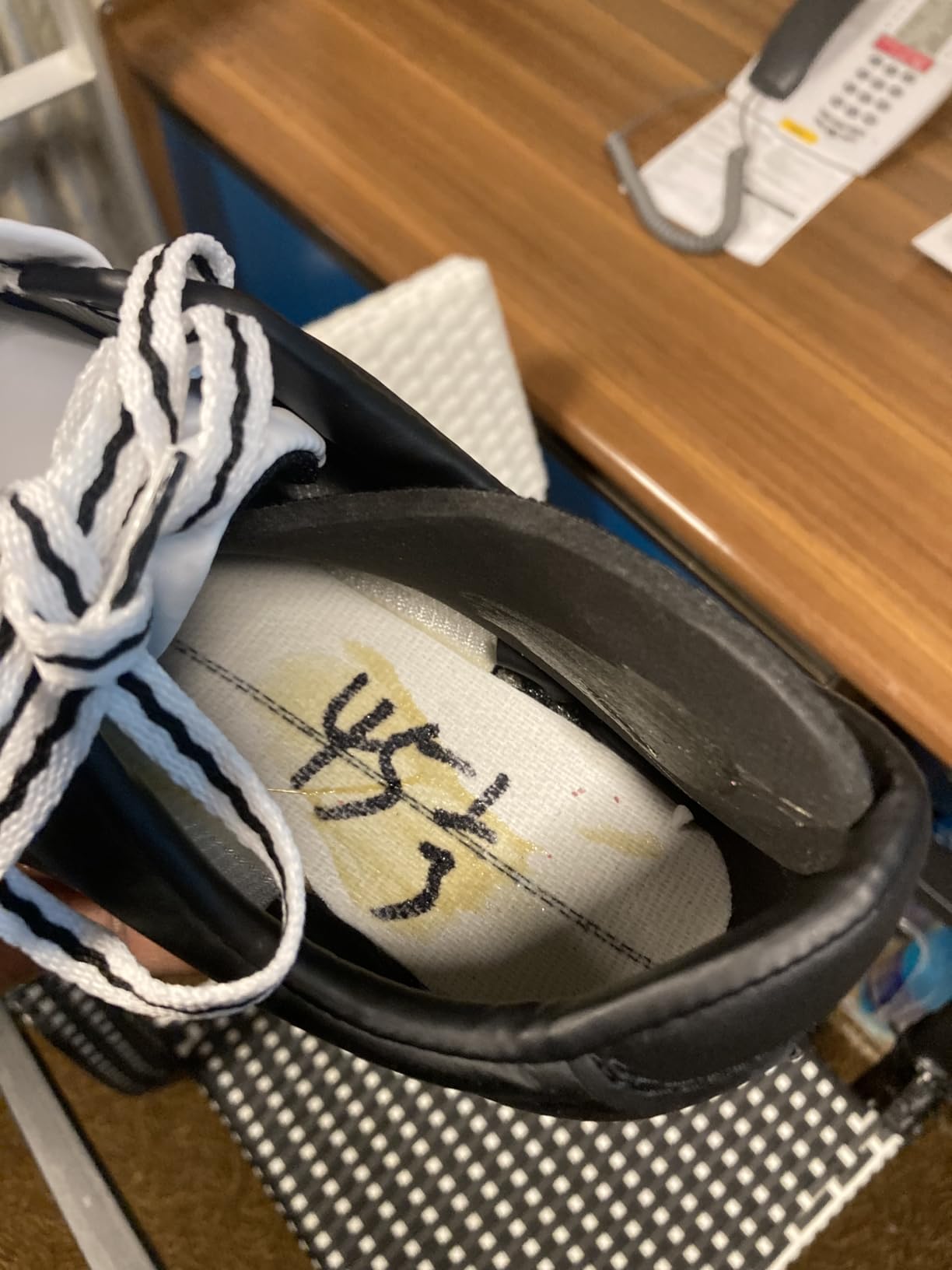
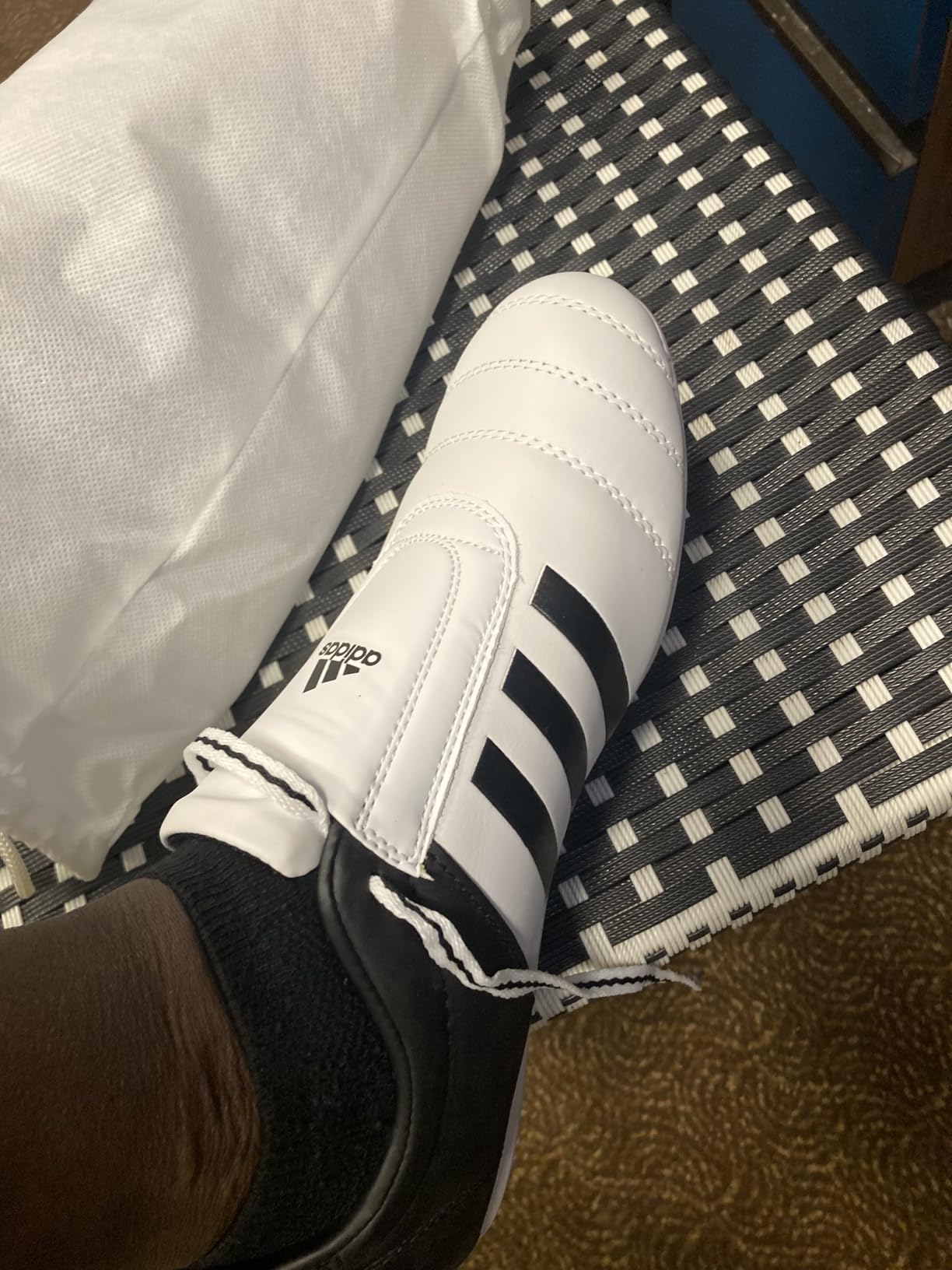
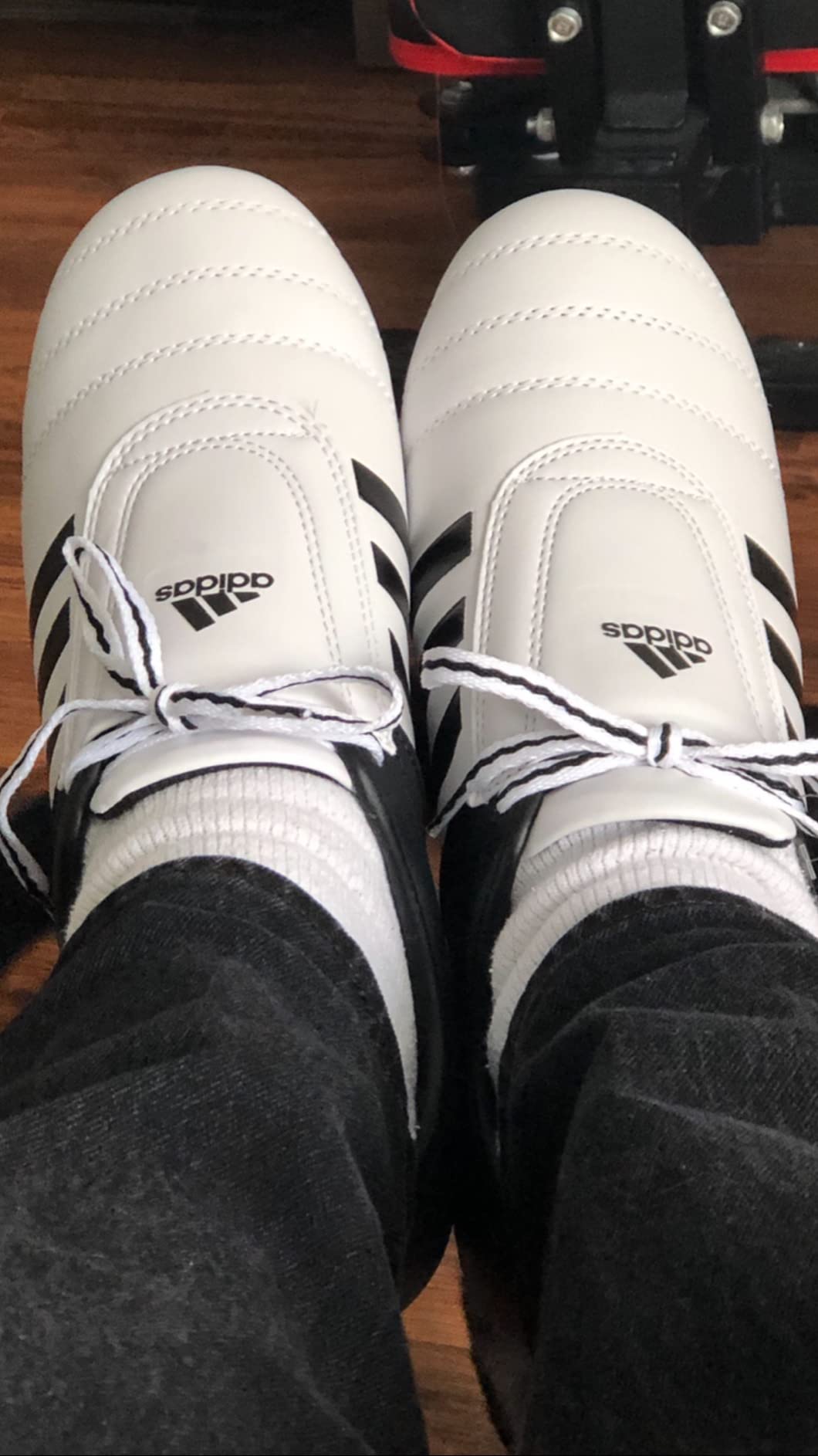
The PU synthetic leather upper feels more substantial than the price suggests — there’s real structure to it, not the flimsy feel of some budget martial arts options. After my first Krav Maga session, I noticed it had started conforming to my foot along the flex points. By week two, the upper had shaped itself to my footprint. That’s a legitimately good break-in experience.
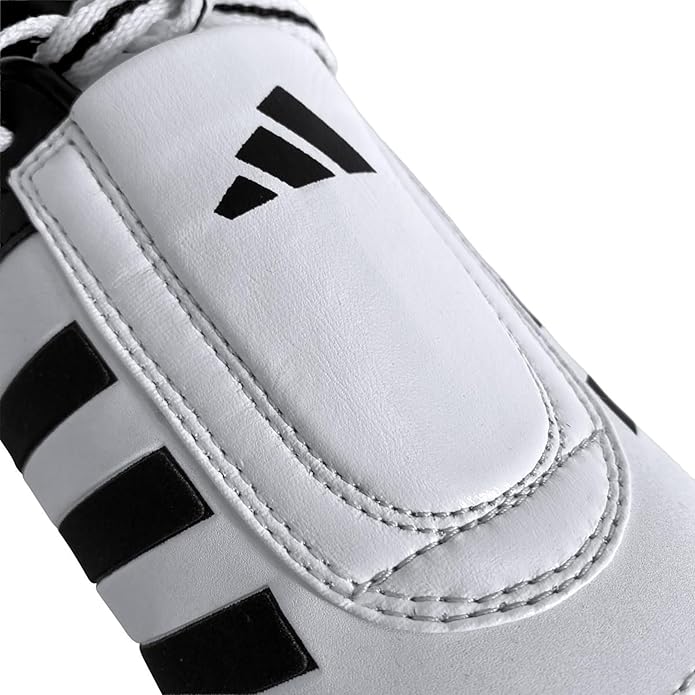
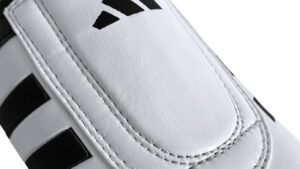
The short-lace closure is where the design makes a deliberate trade-off. Two eyelets, one lace — the result is a clean, uncluttered look that most traditional dojos approve of. It also means limited adjustment range and a security ceiling that shows up fast in high-intensity training. From session three onward, I double-knotted every time. It helped. It didn’t solve the root issue.
For indoor court shoe comparisons, the Adi-Kick II sits clearly in the purpose-built martial arts category rather than multi-sport crossover territory.
Sole Design & The Pivot Zone
The rubber outsole has a circular low-friction zone positioned under the forefoot — this is what Adidas calls the pivot point design. On flat mats and hardwood floors, it does exactly what it’s supposed to: when you plant and spin, the pivot zone reduces the friction spike that could catch your foot mid-rotation.
This isn’t a gimmick. Martial artists who’ve trained without purpose-built shoes know that standard rubber grips too aggressively for spinning techniques. The Adi-Kick II solves that problem on appropriate surfaces. The solution is surface-specific, which matters — I’ll come back to that.
Sizing Reality Check
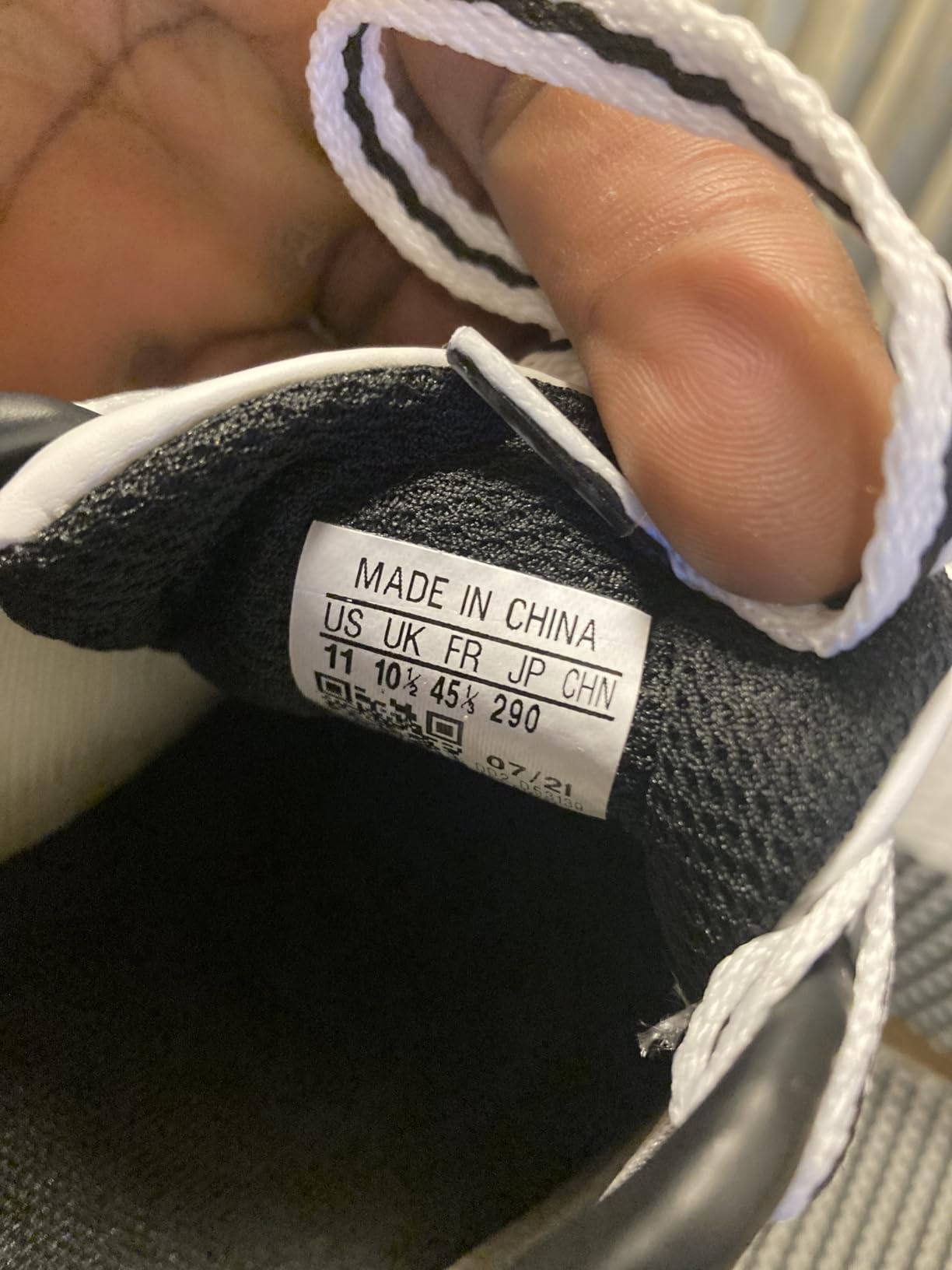
Adidas officially recommends ordering one size up. Community consensus says true to size. A fencing instructor’s review I came across said he ordered up and the shoes fit his son, not him.
In my testing with men’s 9.5 — my standard size — they initially felt snug across the forefoot. Not uncomfortable, but present. By week two, they’d stretched into a natural fit. My working recommendation: order your normal size, expect a 2-week break-in period, and factor foot width into the decision. If you’re between sizes and run wide, the half-size up may be worth it. For wide toe box or barefoot-style options, these aren’t the right category.
Performance Across 4 Martial Arts Disciplines
Taekwondo — The Shoe’s Design Home
This is where the Adi-Kick II makes its clearest argument. The circular pivot zone under the forefoot was built for exactly this: spinning back kicks, roundhouses, angle changes on vinyl and foam mats. It delivers.
Twenty-four sessions on vinyl and foam mats without a single grip failure during spinning techniques. The thin sole keeps mat feel high — useful for balance and proprioception during complex sequences. The clean white design passes most dojang dress requirements without conversation.
For youth programs, the ASICS Upcourt 3 Kids serves a similar indoor court purpose if parents need a cross-discipline option for young athletes.
Karate — Functional, Nothing More
Karate training sits in the Adi-Kick II’s comfortable range. The pivot functionality transfers to kata work and controlled sparring footwork. Clean appearance satisfies traditional dojo standards. Lower impact levels compared to TKD mean the durability concern is less immediate.
That said, for full-contact sparring, the minimal ankle structure and limited lace security are noticeable. Acceptable for fundamentals training; not ideal for contact work.
Kickboxing — Where the Problems Surface
This is the honest section. Footwork drills and movement work felt genuinely good — lightweight and responsive. During heavy bag sessions and pad work involving lateral movement and quick direction changes, I experienced foot slippage inside the shoe.
The issue isn’t grip on the mat. The pivot zone handles mat contact fine. The problem is internal: the two-eyelet lace system can’t anchor the foot securely enough when the intensity climbs. Your foot slides forward and laterally inside the shoe during explosive combinations. For cross-training and multi-sport training shoes, a more secure lacing system is worth the trade-off.
Krav Maga — Not Designed for This
I trained in these for the first three weeks of Krav sessions before switching back to cross-trainers for ground-defense work. The thin sole is a feature on controlled mats — it becomes a liability on varied surfaces and during ground drills where floor irregularities telegraph through the shoe. The low-top construction offers minimal ankle support for explosive lateral movement patterns.
They’re workable for a Krav class. They’re not optimized for it.
Surface Versatility Testing
Vinyl & Foam Mats — Primary Territory
No surprises here. This is what the shoe is designed for, and it performs exactly as advertised. Consistent grip during planting movements, controlled release during rotation. The rubber compound works appropriately on standard martial arts mats. Twenty-four sessions, zero traction failures.
Hardwood & Gym Floors
Translates well. The pivot zone functions on hardwood, and the grip profile holds without being aggressively sticky. Wooden dojo floors present no problems. The Hi-Tec Squash Shoes serve a similar pivot-and-grip function on hard courts if you train across multiple indoor disciplines.
Wrestling Mats
Adequate for grappling-adjacent work. Grip holds on the tackier rubber surface. The thin sole becomes a sensory feature here — you feel the mat texture directly, which has advantages for ground-contact awareness. Not purpose-built for wrestling, but functional.
Concrete & Outdoor Surfaces — Off Limits
One retailer’s listing explicitly warns: “Do NOT wear on concrete or outside.” That warning is accurate. At four sessions per week on mats, I saw visible sole wear at the pivot zone by week three. Concrete would accelerate that degradation significantly. For outdoor or trail training, the Altra Lone Peak 8 or Columbia Trailstorm Peak Mid are a different category entirely — purpose-built for surfaces the Adi-Kick II isn’t designed to touch.
Adidas Marketing Claims vs. Reality
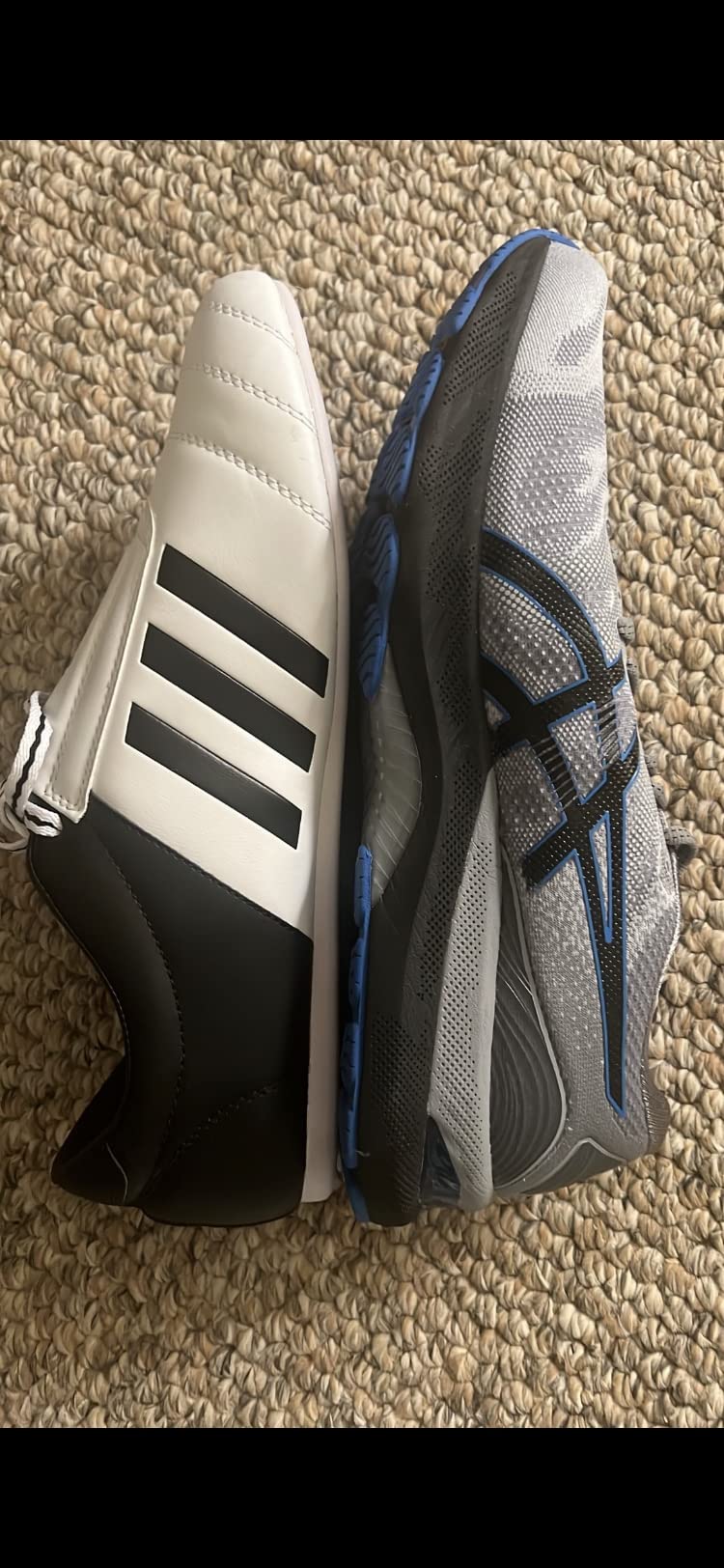
“Special pivot points help you move and turn on a dime” — TRUE. The circular pivot zone under the forefoot works as described on mats and hardwood. Spinning technique improvement is real and verifiable.
“Excellent traction” — MOSTLY TRUE. Mat and wood surface traction is solid. Internal foot slippage during kickboxing intensity doesn’t show up in this claim, but it should factor into buyer expectations.
“Pliable material conforms to your foot” — TRUE. Two-week break-in, then the upper shapes to your foot. This is genuine.
“Ultra lightweight won’t restrict mobility” — TRUE. At 8.2 oz, these are lighter than any cross-trainer or general athletic shoe. On mats, that’s noticeable in the right way.
“Short-lace design keeps shoes snug” — PARTIALLY TRUE. Snug on entry, yes. Maintains security under sustained intense training, no.
“Reliable martial arts shoes” — CONTEXT-DEPENDENT. Reliable for Taekwondo and Karate at recreational training frequency. Not reliable as a primary shoe for intensive multi-discipline practitioners.
Machine washable — CONFIRMED. Washed on cold after eight weeks of mat training. Came out intact.
Durability — The Real Concern
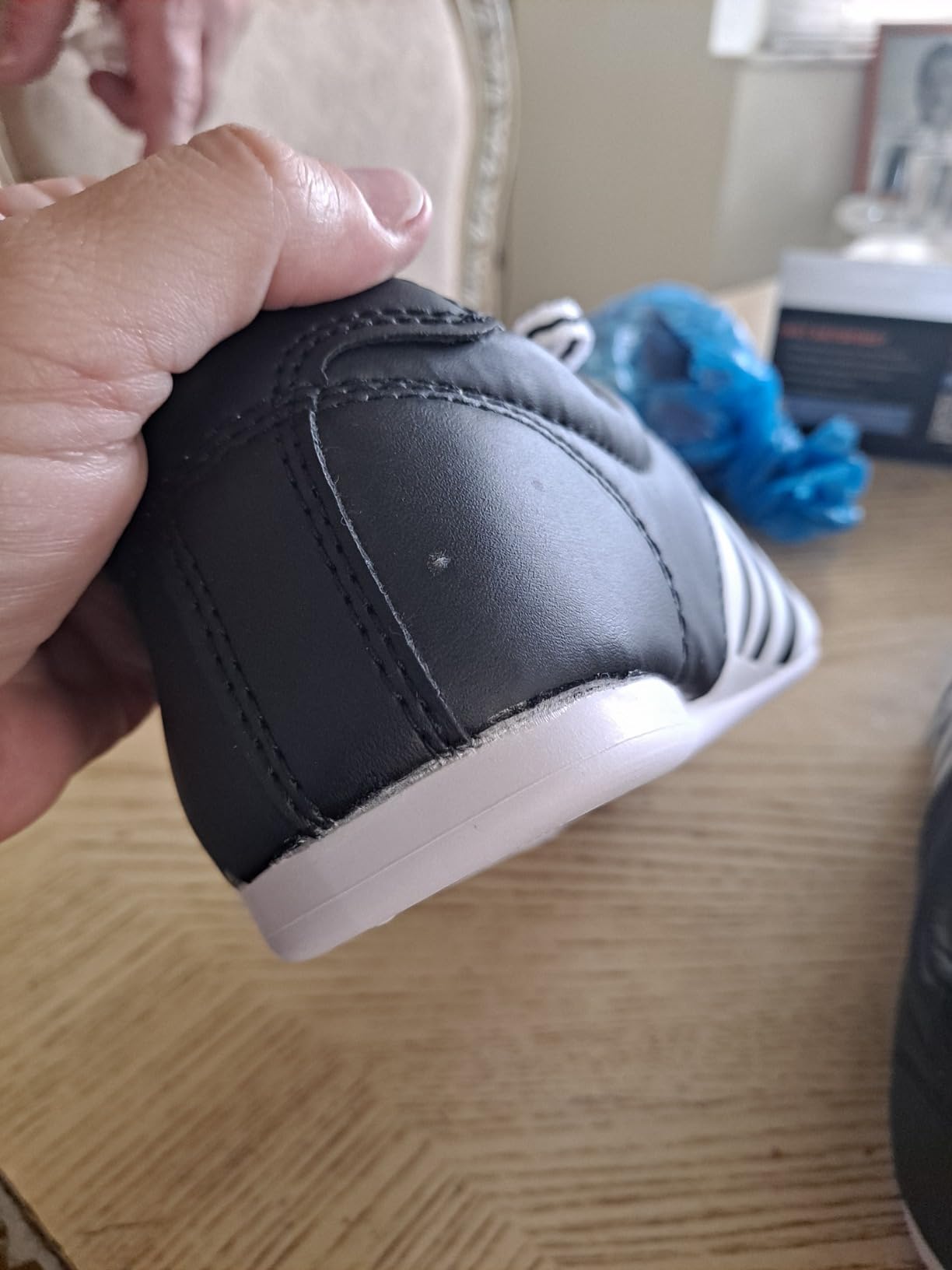
Week one and two: the shoe performs as expected. The sole holds, the upper breaks in, no issues.
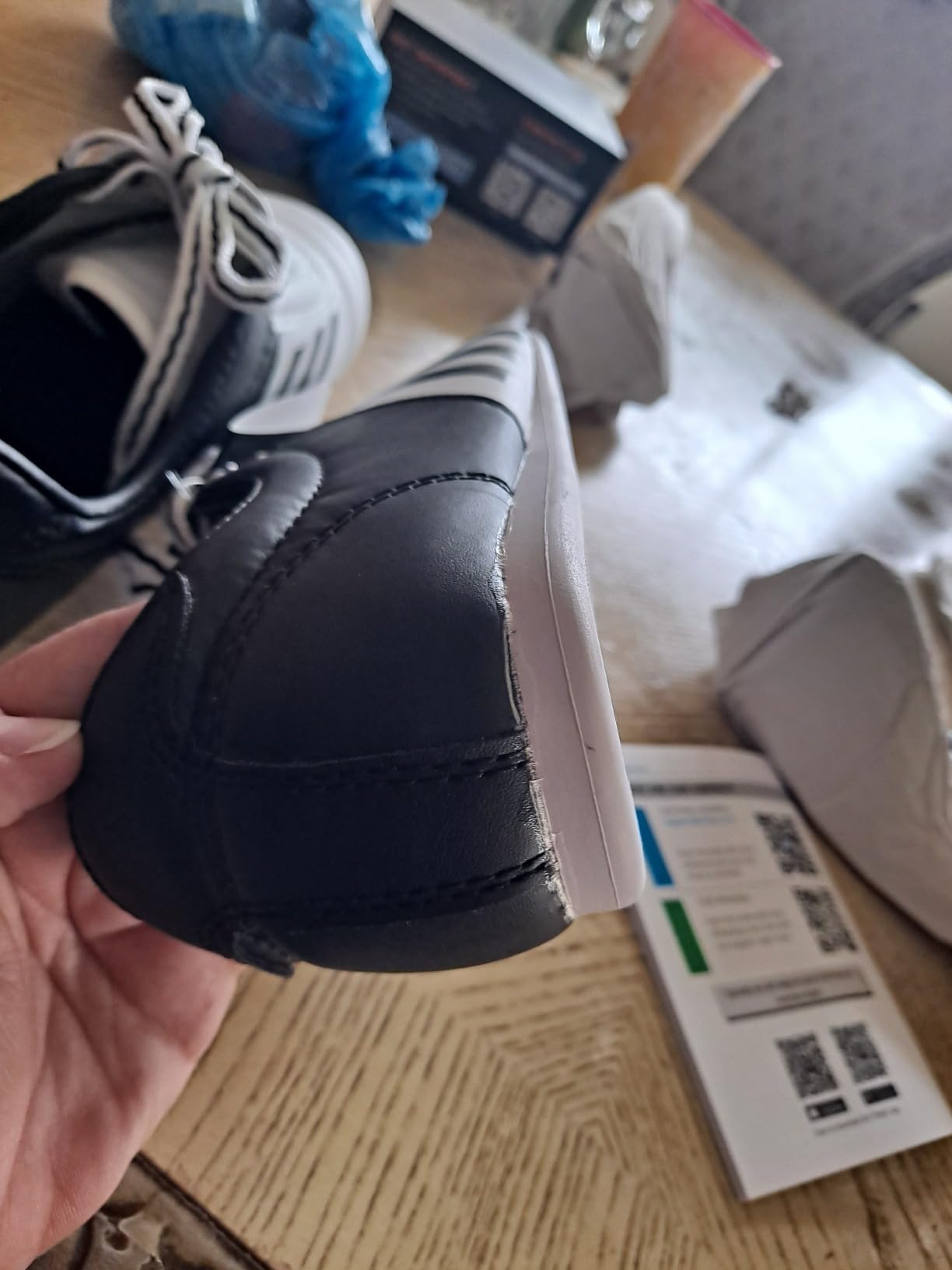
Week three: training at four sessions per week, I noticed the rubber beginning to thin at the pivot zone and toe. Not structural failure — just the beginning of visible wear that tells you the rubber compound isn’t premium.
Weeks four through eight: the wear plateaued. No catastrophic degradation, but the shoe is clearly working through its service life. By the end of the testing period, the pivot zone showed wear consistent with a shoe that has been used, not a shoe that has been abused.
Projected lifespan: 6–8 months for recreational practitioners training 2–3 times per week. 3–4 months for those training 4–5 sessions per week. For intensive daily training, the math gets harder to justify at this price point.
Cost per month calculation: at $65 average and 7 months service life, that’s roughly $9/month for recreational use. Acceptable. At 3.5 months for intensive use, it’s closer to $18/month — borderline for a shoe with known durability limitations.
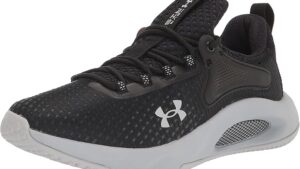
For practitioners who need a longer-lasting training option, the Under Armour HOVR Rise 4 and PUMA Tazon 6 FM bring more durable construction to training contexts, though without the martial arts pivot zone specialization.
My Overall Assessment
Key Strengths
- Circular pivot zone works as advertised for spinning techniques
- Lightweight at 8.2 oz — genuinely noticeable on mats
- Good grip on appropriate surfaces (mats, hardwood)
- Clean design meets traditional dojo dress requirements
- Carry bag included — practical for shoe-change practitioners
- Machine washable
- PU upper breaks in well and conforms to foot shape
- Accessible price range ($60–$75)
Significant Weaknesses
- Short-lace system (2 eyelets) can’t secure foot during high-intensity kickboxing/Krav work
- Visible sole wear by week 3 at 4 sessions/week
- Minimal ankle support — acceptable for TKD, limiting for contact-heavy arts
- Conflicting sizing guidance (manufacturer vs. community vs. individual experience)
- Thin sole = mat feel advantage AND limited cushioning for longer sessions
- Runs warm during extended training (60+ minutes)
- Indoor-only — sole degrades quickly on concrete or abrasive surfaces
Performance Scoring
| Category | Score | Notes |
|---|---|---|
| Mat Performance | 8.0/10 | Pivot zone functional; consistent grip on mats and hardwood |
| Comfort | 7.0/10 | Lightweight advantage; thin sole fatigue in extended sessions |
| Durability | 5.5/10 | Visible sole wear at 3 weeks; projected 6–8 months recreational use |
| Fit & Sizing | 6.0/10 | Contradictory guidance; stretches after 2-week break-in |
| Value for Money | 7.5/10 | Fair for recreational use; borderline for intensive practitioners |
| Build Quality | 6.5/10 | PU upper quality solid; lacing system design is the limitation |
| Overall | 6.7/10 | Solid specialist shoe with real limitations |
Final Verdict
Great for:
- Taekwondo practitioners — this is the shoe’s strongest use case by a clear margin
- Beginning and intermediate martial artists entering structured class training
- Karate students where dojo appearance standards matter
- Youth martial artists in class settings (they’ll outgrow them before the sole gives out)
- Parents buying a first dedicated martial arts shoe that meets dojo requirements
- Practitioners training 2–3x per week who need 6–8 months of service
Skip if you’re:
- Training 4+ days per week (durability will become a budget problem)
- Primarily kickboxing or doing contact-heavy Krav Maga (lace security and ankle support aren’t sufficient)
- Needing a shoe to last 12+ months without replacement
- Training on any surface other than mats or hardwood
- Requiring maximum ankle support for sparring or grappling
Alternatives Worth Considering
For practitioners who need broader cross-training capability alongside mat work, the Adidas Amplimove Training brings a more secure lacing system and better durability at the cost of the specialized pivot zone. For indoor court alternatives that share the clean-design philosophy, Hi-Tec Squash Shoes offer a comparable footprint for multi-discipline indoor use.
The Adi-Kick II’s 6.7 overall reflects a shoe that does its primary job well and earns criticism outside that job fairly. If Taekwondo mat training is your main context, the score for you personally is an 8.0. If you’re training across disciplines and expecting one shoe to cover all of it, adjust your expectations accordingly.
Frequently Asked Questions
Do the Adidas Adi-Kick II run true to size?
Despite official guidance to size up, most users find them true to size after a 2-week break-in. Order your normal size and expect some initial snugness. Wide-footed buyers may consider going half a size up.
How long do the Adi-Kick II last with regular training?
For recreational training at 2–3 sessions per week, expect 6–8 months before significant sole wear. At 4–5 sessions per week, that window narrows to approximately 3–4 months based on observed wear patterns.
Are they suitable for kickboxing and Muay Thai?
With reservations. Footwork and movement drills work well. For heavy bag sessions or pad work at high intensity, the two-eyelet lace system doesn’t provide adequate foot lockdown. Practitioners doing serious bag work will want a shoe with more lacing structure.
Can you use them for multiple martial arts disciplines?
Yes, with performance differences. Taekwondo and Karate are the strongest use cases. Kickboxing and Krav Maga work but expose the shoe’s lacing limitations under intensity. Wrestling and grappling-primary arts would be better served by wrestling shoes with more ankle support.
Are the Adidas Adi-Kick II machine washable?
Yes. Cold cycle, air dry. They hold up to washing after extended mat use — useful for practitioners who train frequently enough that hygiene maintenance matters.
What’s the difference between the Adi-Kick I and Adi-Kick II?
The Adi-Kick II features the updated circular pivot zone design and PU upper construction. The core design brief — lightweight indoor mat shoe with pivot functionality — remains consistent across both versions.
Are they good for youth martial artists?
Yes, particularly for young Taekwondo and Karate students. They’ll likely outgrow the shoes before durability becomes an issue, they meet most dojo requirements, and the carry bag is genuinely useful for students changing shoes at class. The ASICS Upcourt 3 Kids is a comparable indoor option for youth athletes training across multiple sports.
Can these be worn outdoors or on concrete?
Not recommended. The rubber compound wears quickly on abrasive surfaces, and the thin sole offers minimal impact protection outside of mat environments. These are designed exclusively for indoor training surfaces.
Be the first to review “Adidas Adidas Adi Kick II Training Shoes”
Related products
Training Shoes
Running Shoes
Training Shoes
Training Shoes
Reviews
There are no reviews yet.