
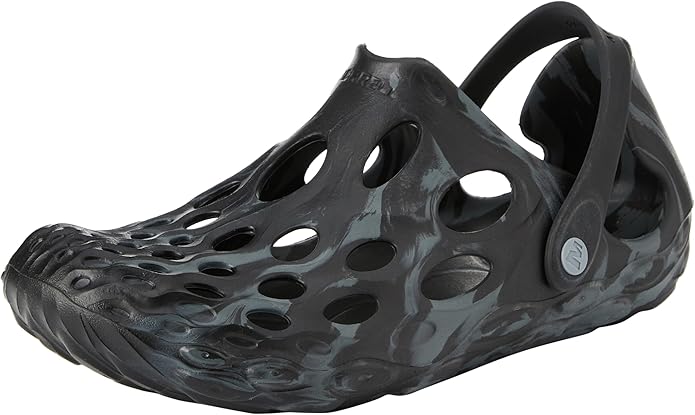
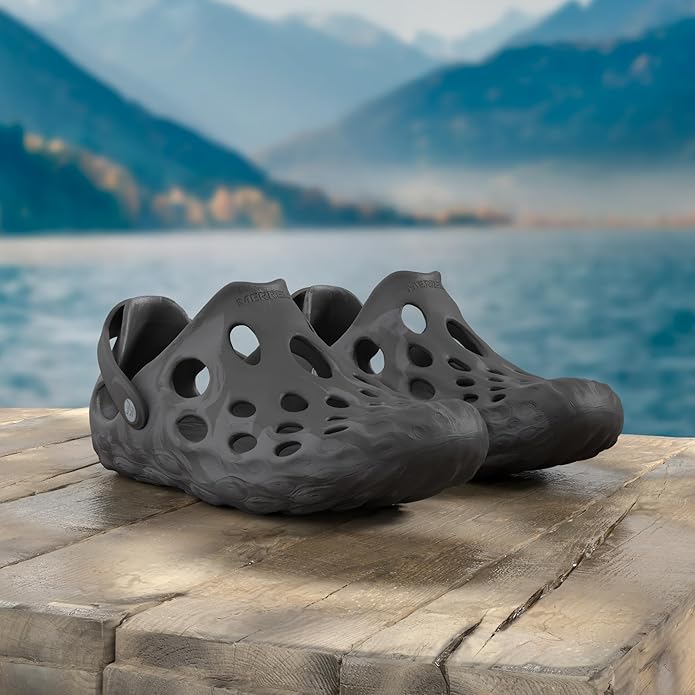
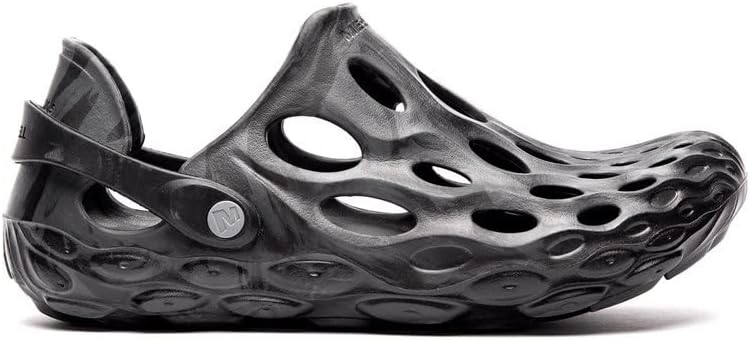
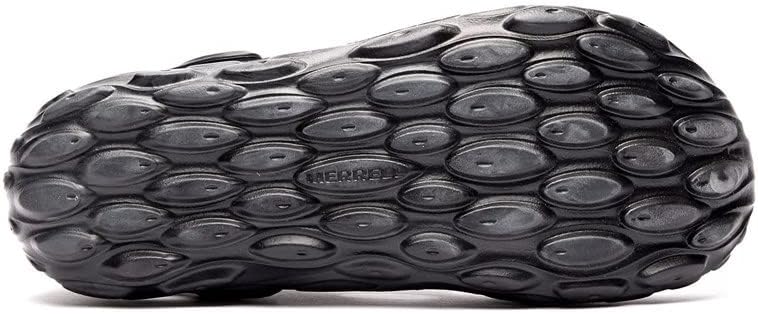
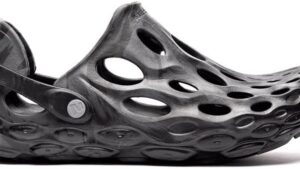
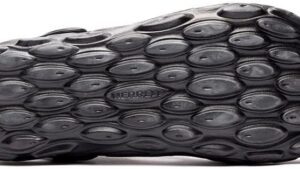
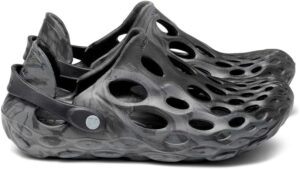
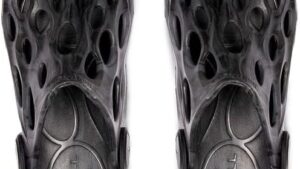
Merrell Mens Hydro Moc
$60.00
- ⚖️ Weight: 11 oz (men’s size 9)
- 🧪 Material: Single-injection EVA construction, 100% EVA (Ethylene Vinyl Acetate)
- 🌊 Category: Water shoes / Amphibious footwear
- 🎯 Best for: Water activities, casual wear, camp shoes
- ⏱️ Testing period: 9 weeks, 30+ water sessions, 45+ casual wear days
- 🔧 Key feature: Articulated heel cup with removable strap
Watching another pair of soggy canvas shoes fall apart at the lake launch last month, I finally gave in and asked my paddling buddy what those oddly-shaped slip-ons were. Tom, by the way – someone who’s burned through enough “waterproof” footwear to know the difference between marketing speak and actual performance. After years of dealing with water shoes that either disintegrated after three outings or turned my feet into blistered messes, I approached the Merrell Hydro Mocs with earned skepticism. Nine weeks and countless creek crossings later, I’m genuinely surprised these sub-$50 mocs outperform gear costing twice as much.
The Engineering Behind the Unconventional Look
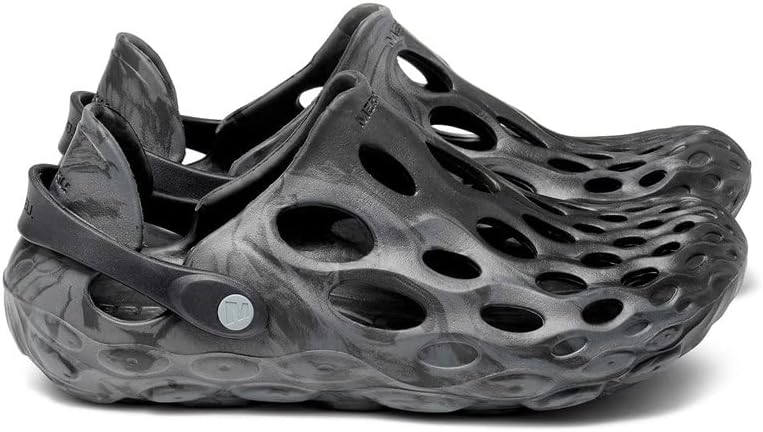
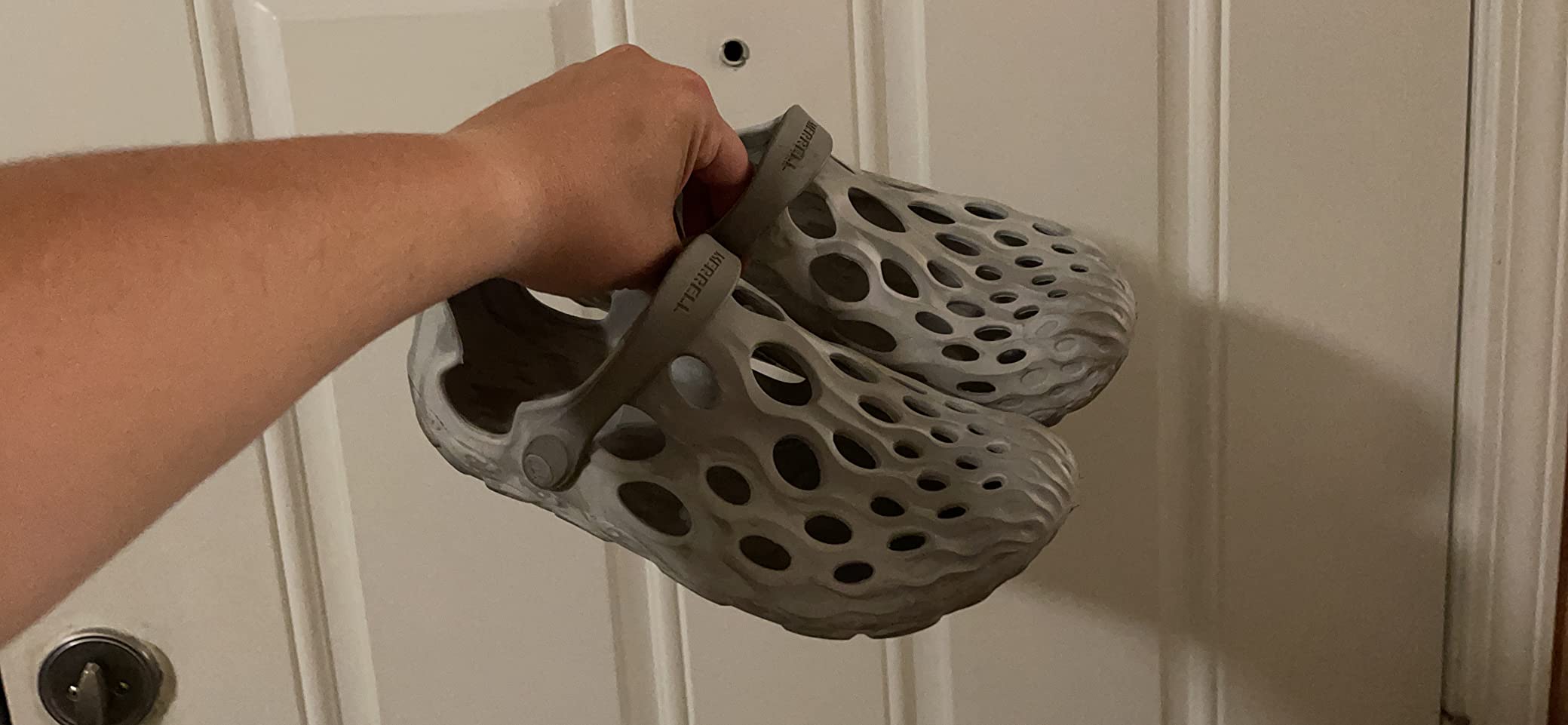
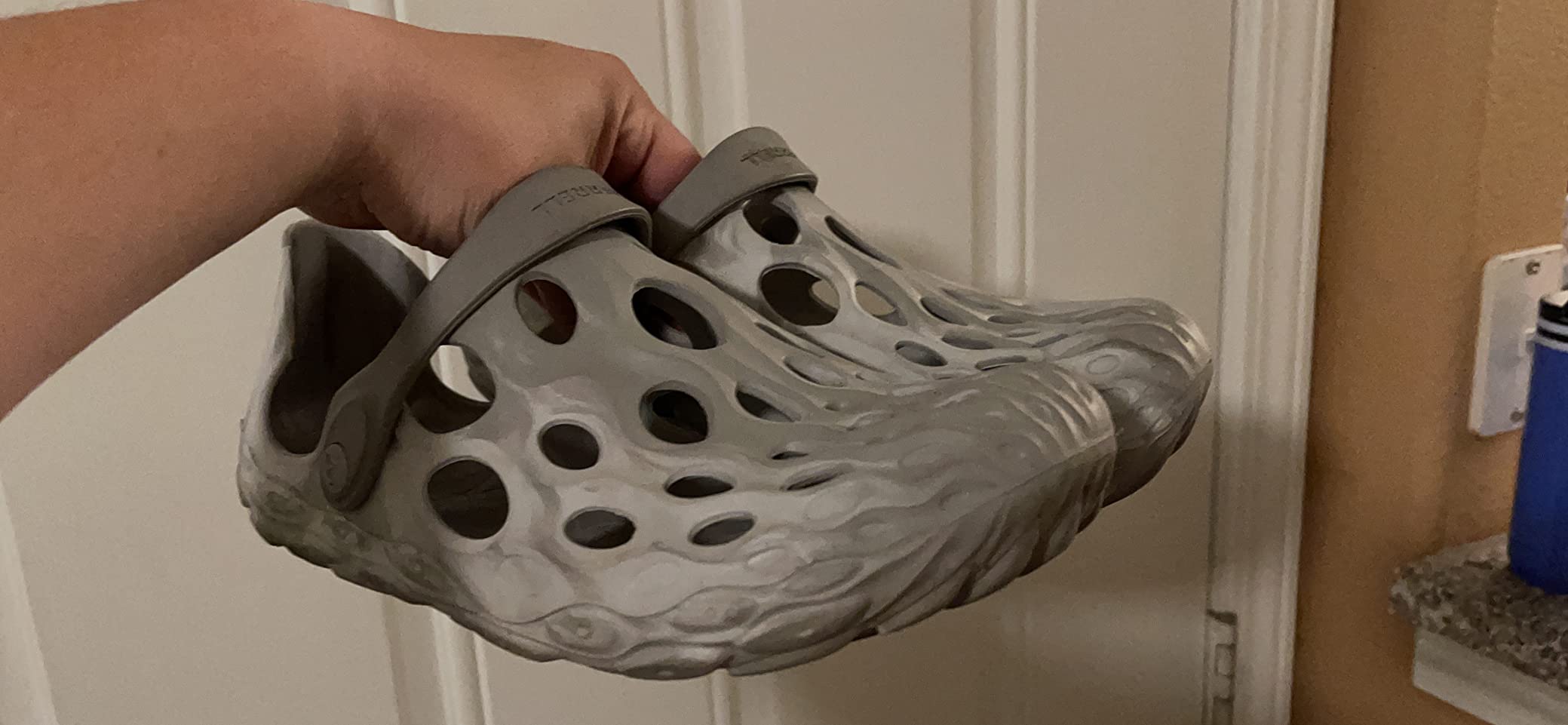
If your first reaction is “those look weird,” you’re not alone. The Hydro Mocs have a distinctive aesthetic that sits somewhere between a Croc and a futuristic sneaker. But after nine weeks of testing across everything from rocky river beds to grocery store aisles, I’ve learned that Merrell’s design choices aren’t cosmetic – they’re functional engineering hiding in plain sight.
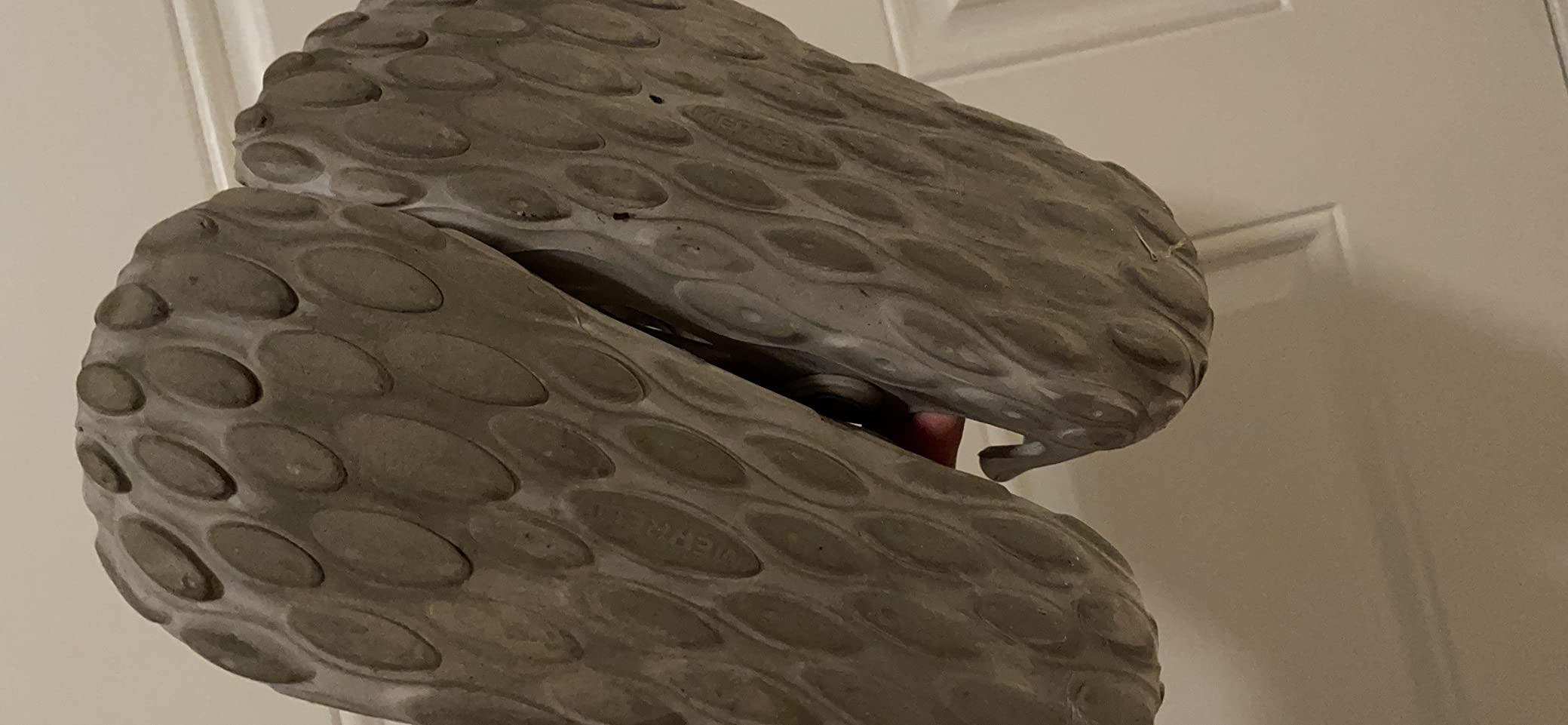
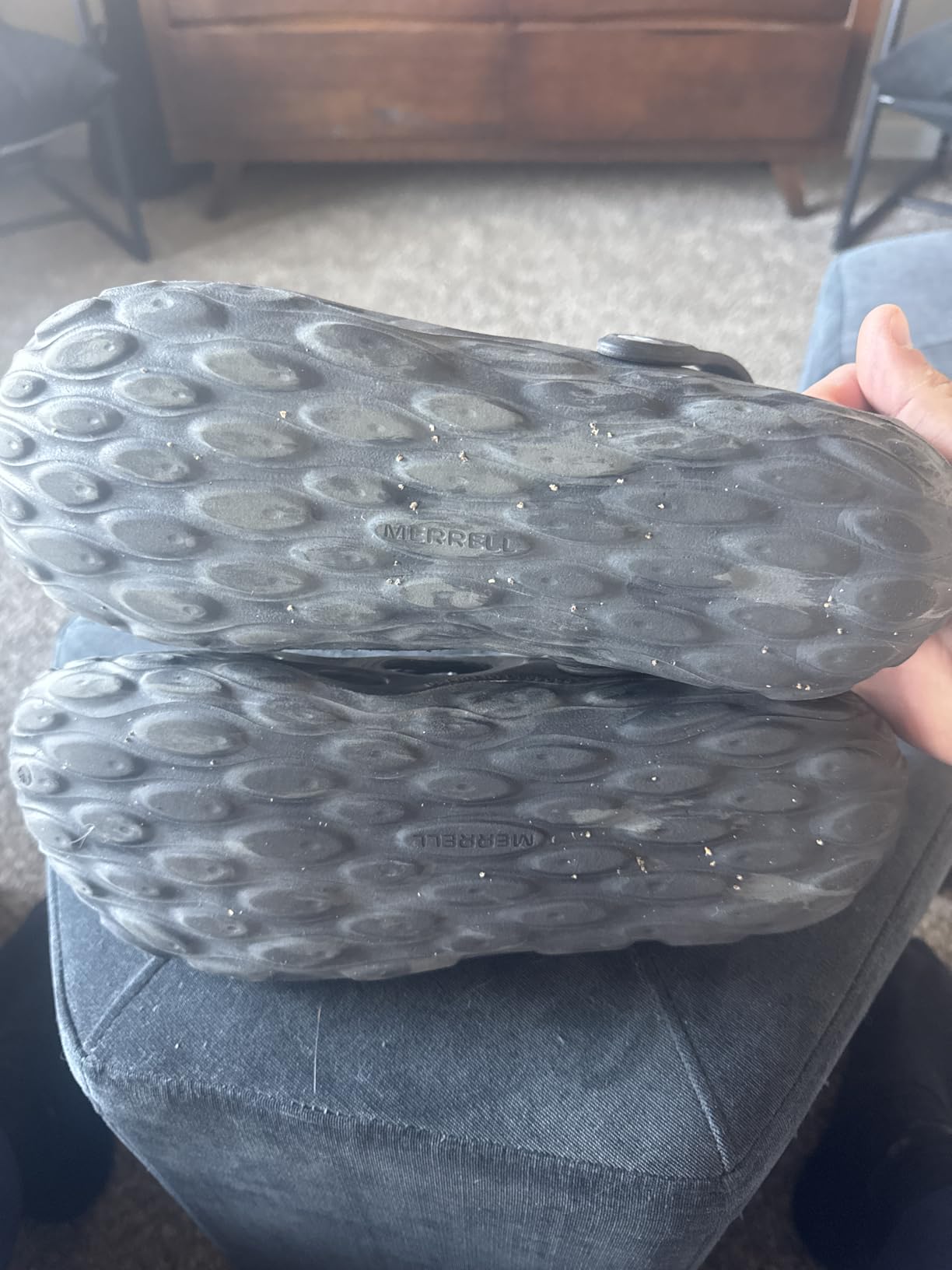
The single-injection EVA construction creates a seamless shoe with zero glue joints or separate soles to delaminate. During my testing through Oregon’s high desert conditions – where I subjected these to everything from alkali lake edges to basalt creek beds – that seamless construction translated to confidence. There are no weak points where water penetration or material separation can start. The EVA itself feels substantively different from standard foam clogs. It’s got a subtle density and surface texture that provides better grip when wet without feeling heavy or rigid.
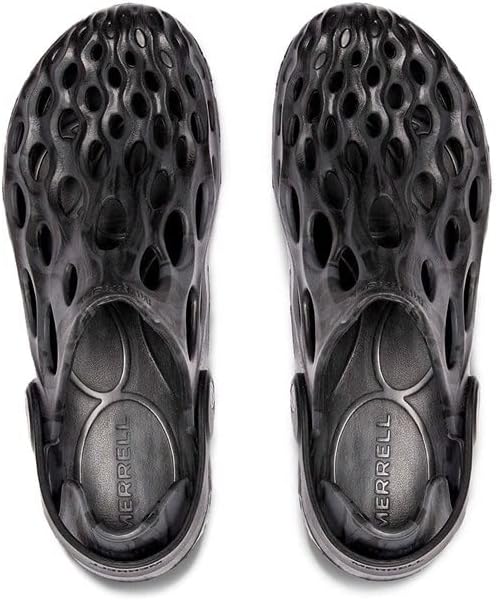
Those perforations covering the upper aren’t decorative ventilation theater. Testing these during 90°F days with high desert humidity, the airflow made a tangible difference. My feet never developed that swampy, suffocated feeling I associate with solid-construction water shoes. Water flows through quickly enough that after a morning wade fishing session, they’d be dry by early afternoon.
The Sizing Reality Nobody Can Ignore
Let’s address the single biggest source of confusion upfront: these run large. Not “maybe size down if you’re between sizes” large, but legitimately 1 to 1.5 sizes oversized. I normally wear size 11 in everything from my Merrell Moab 2 hiking boots to trail runners. For the Hydro Mocs, I needed a size 10, and even then, they’re roomier than expected.
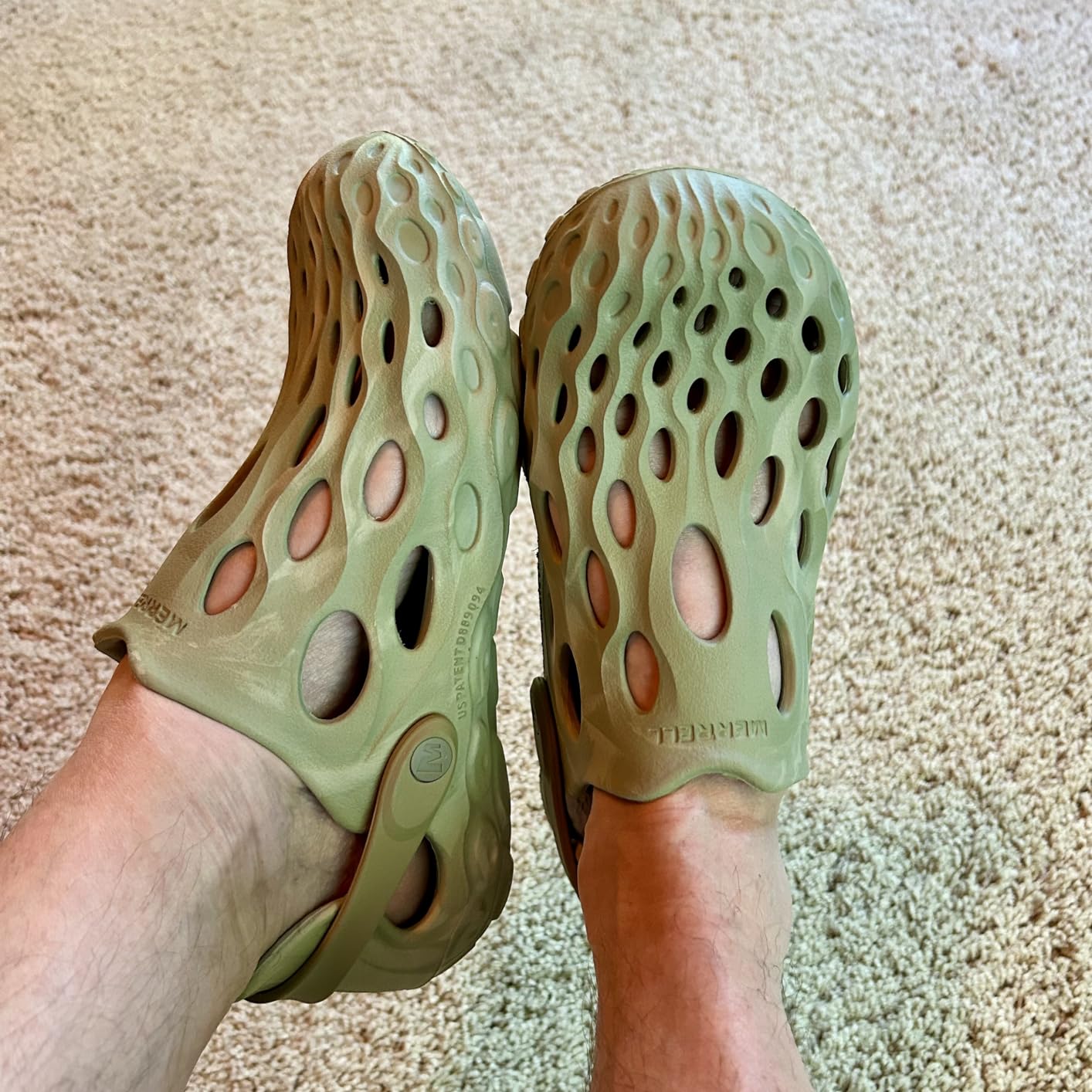
The upturned toe design initially feels like you’re wearing novelty elf shoes. That raised profile seems like pure styling when you first slip them on. But after about a week of regular use in creeks and shallow rivers, I realized it serves a practical function – it provides forward propulsion when walking through water and protects your toes from submerged rocks better than a flat profile would. The generous toe box accommodates wider feet comfortably even when you size down, which speaks to just how forgiving the fit is.
Heel Security That Actually Works
This is where the Hydro Mocs fundamentally differ from traditional foam clogs. The articulated heel cup wraps around your foot with enough structure to provide actual retention. I tested these during multiple creek crossings with muddy, slippery approaches, and never once worried about losing a shoe. That’s not something I can say about open-back water sandals or standard Crocs.
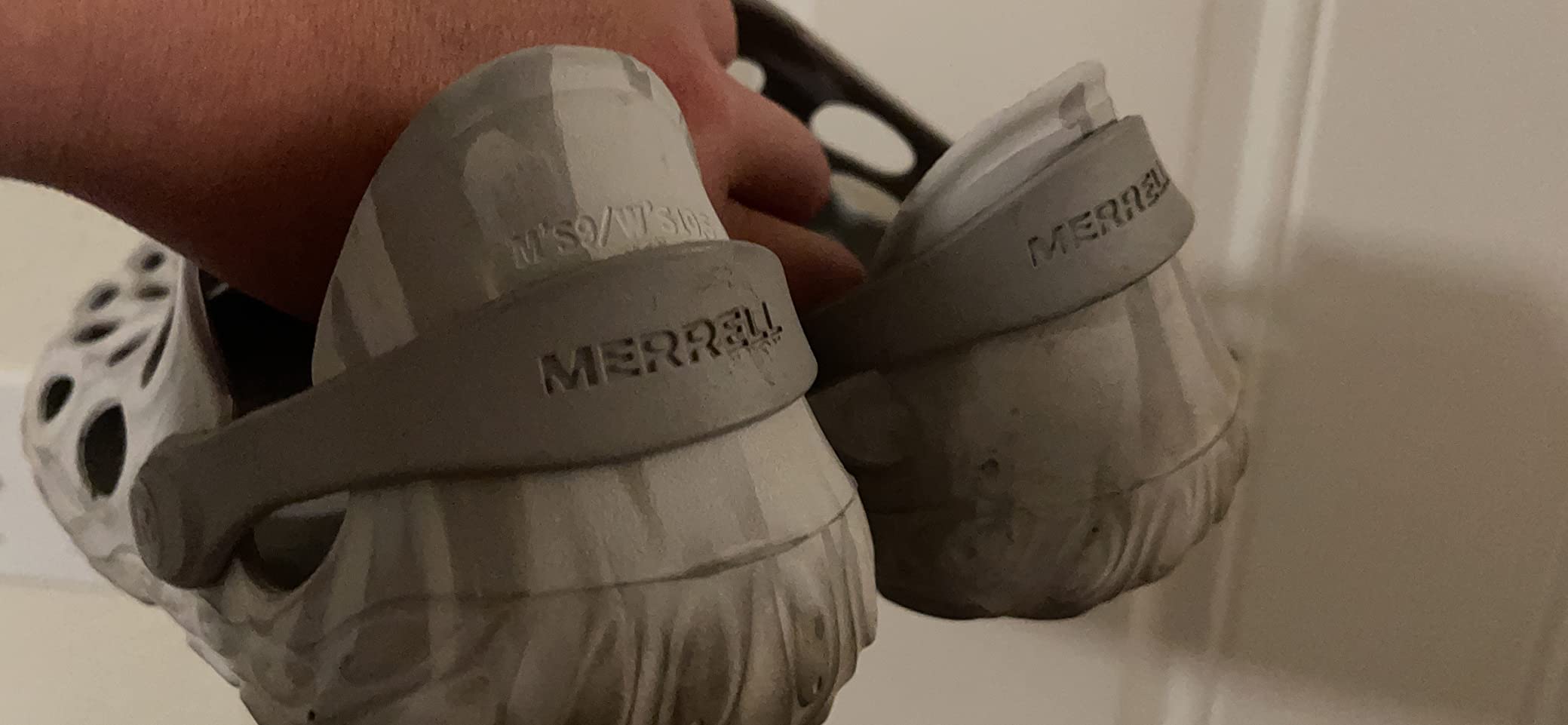
The included heel strap can flip behind your heel for maximum security or forward when you want slip-on convenience. During my first few weeks, I used the strap in the back position. Around week three, I started experiencing some rubbing during longer wear sessions – nothing severe, but noticeable. I removed the straps entirely as an experiment and discovered the heel cup alone provides sufficient security for most activities. The Merrell Wildwood Aerosport water shoes I’d tested previously required their strap system; the Hydro Mocs don’t.
Real-World Water Performance
Over nine weeks, I put these through conditions ranging from high desert creek fishing to Pacific Northwest coastal exploration, plus extensive testing as around-town casual shoes. The performance across different scenarios revealed both the strengths and realistic boundaries of what $45 water shoes can deliver.
Testing in Actual Water Environments
The Deschutes River provided the most demanding testing conditions – algae-slicked basalt, fast current, and water temperatures cold enough to make you careful with every step. The EVA sole provided surprisingly confident traction on wet rock. It’s not as aggressive as dedicated hiking shoes with rubber outsoles, but it grips substantially better than standard foam clogs. I felt secure wading through knee-deep current and navigating moss-covered boulders that would have been sketchy in lesser footwear.
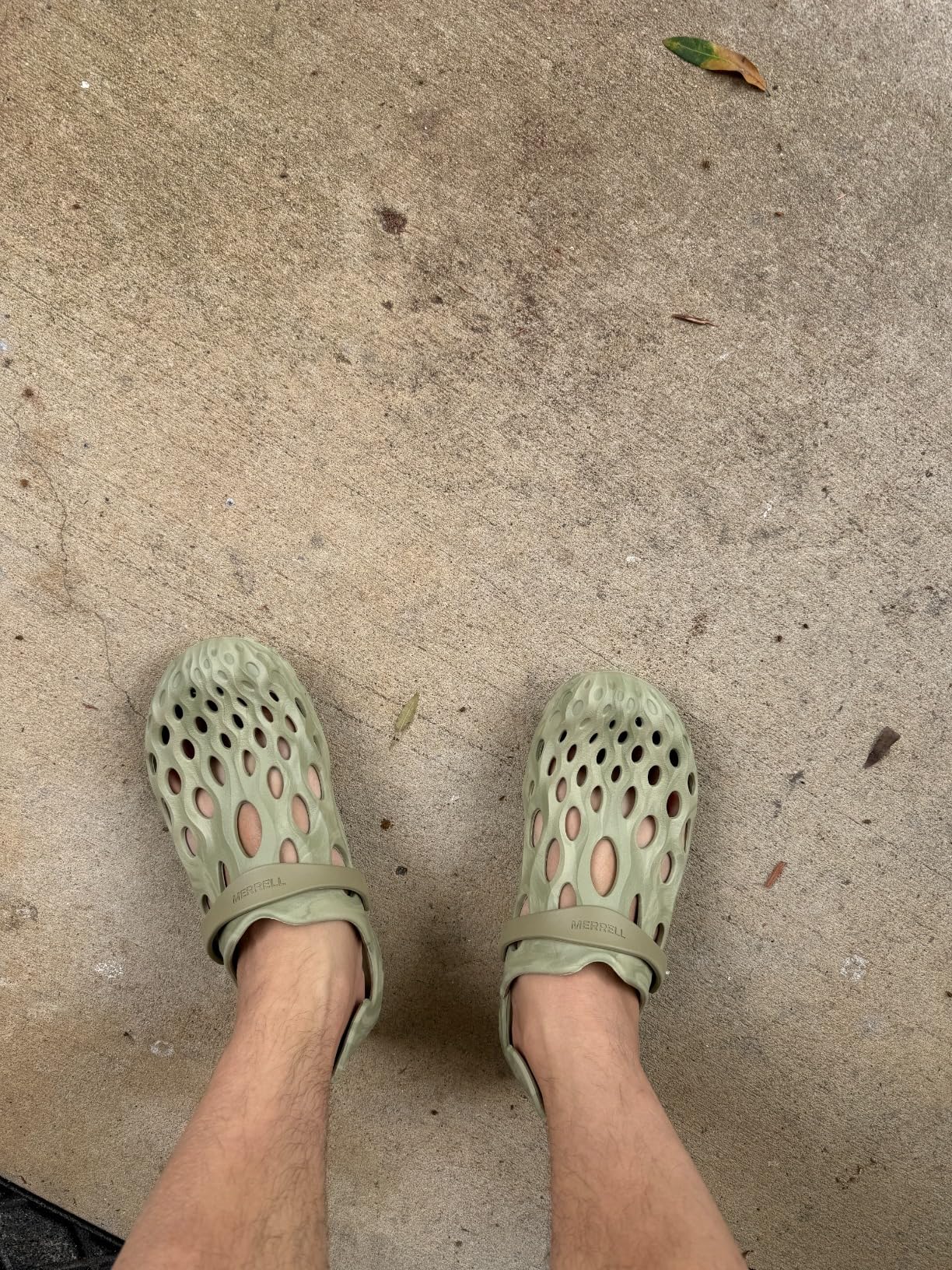
Water drainage is genuinely excellent. The perforated design allows water to flow through immediately rather than pooling inside. After a full morning of wading and fishing, they’d be completely dry by lunch if I left them in the sun. The trade-off is that sand, small gravel, and organic debris also find their way inside those same holes. For creek fishing or kayaking where occasional debris is expected, this is an acceptable compromise. For all-day beach walking where sand accumulation becomes annoying, you’ll want to plan for periodic rinses.
The Surprising Casual Wear Discovery
I didn’t expect these to work as everyday casual shoes, but they’ve become my go-to for errands, dog walks, and casual social events. The comfort level genuinely impressed me. There’s more arch support than standard Crocs, and the EVA material provides decent cushioning for short to moderate walking distances. I wore them for a three-mile urban walk to test boundaries, and while they were acceptable, I wouldn’t choose them for anything beyond that distance.
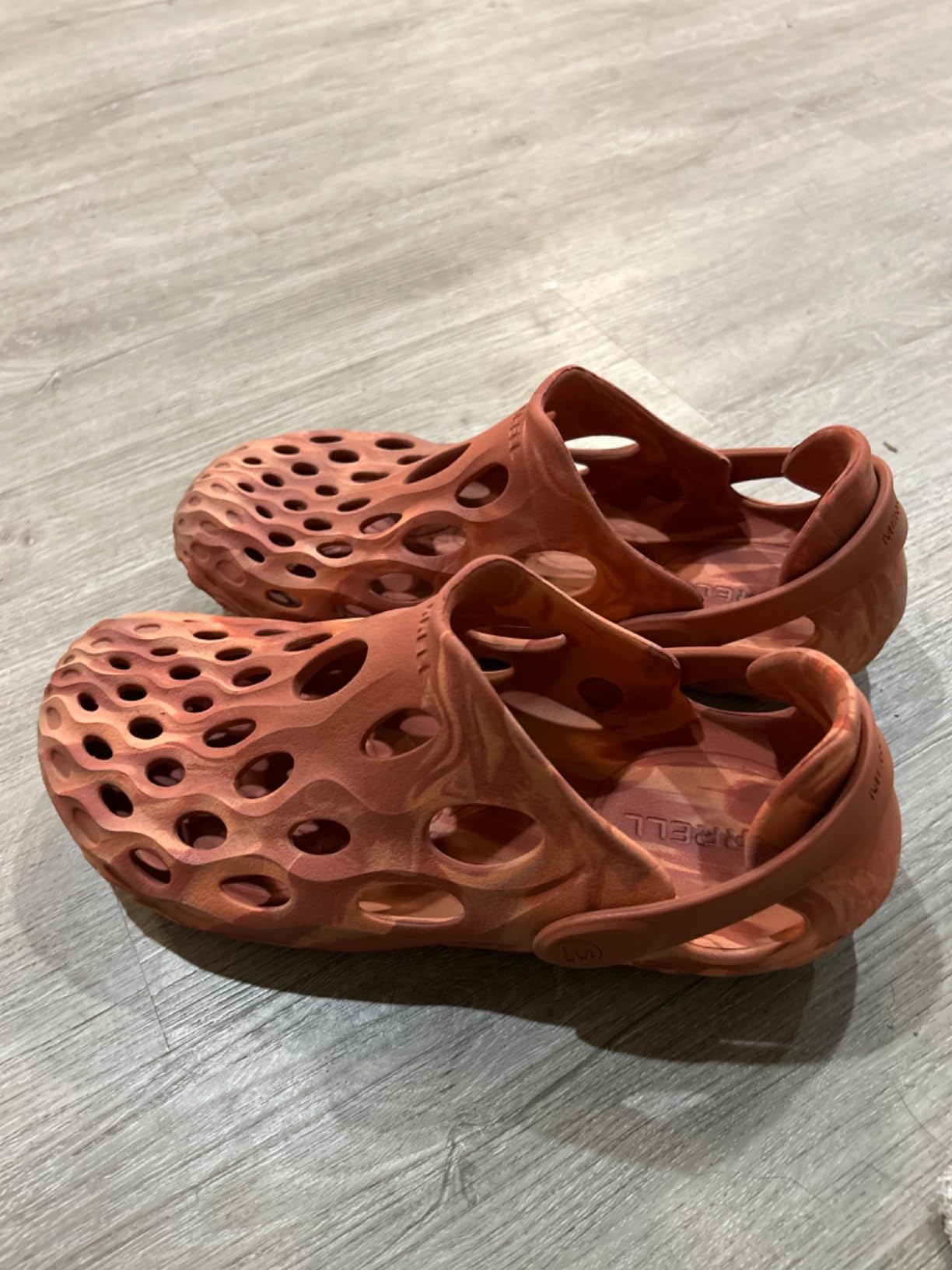
The cleaning ease is a practical benefit. After a muddy trail walk, I rinsed them under a hose and they were clean in under a minute. No absorbent materials mean no lingering odors or long drying times. For activities where gear gets dirty frequently – paddling, creek exploration, muddy trail approaches – this maintenance simplicity matters more than it might initially seem.
Durability After Extended Use
After nine weeks of mixed water and land use across rough terrain, the EVA shows predictable compression but no structural failures. The raised tread patterns on the sole have compressed slightly under my 195 lbs, but there’s no wear-through or delamination. I can see how heavy daily use on concrete or abrasive surfaces would accelerate this wear. At my usage pattern – several water activities per week plus casual wear – I’d estimate these will last a full season of spring through fall use.
Several online reviewers mention durability concerns, and I think the context matters significantly. If you’re wearing these daily for all activities, the EVA foam will compress faster than rubber-soled alternatives. If you’re using them as intended – water activities, camp shoes, casual backup footwear – the durability is appropriate for the price point.
Marketing Claims vs. Field Reality
Merrell markets the Hydro Mocs as durable, easy-on/easy-off footwear “for days spent in and around water.” Let me break down how those claims held up against actual testing.
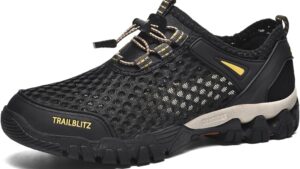
“More durable than others of its kind” – This requires context. Compared to basic foam clogs or cheap water shoes, yes, the construction quality is noticeably better. Compared to dedicated water shoes with vulcanized rubber outsoles like the Trailblitz water shoes, not really. The EVA construction is well-engineered, but it’s still foam. It will compress and wear. I’d say these hit a practical middle ground for recreational water activities but aren’t built for commercial or daily heavy-duty use.
“Easy on/easy off” – Absolutely accurate once you get the sizing correct. With a proper fit, they slip on quickly but stay secure during activities. The heel design prevents that floppy, about-to-fall-off feeling you get with traditional open-back designs.
“Single-injection EVA” – This construction method genuinely delivers value. With no glue joints to fail and no separate sole to delaminate, there are fewer failure points. It’s thoughtful engineering for a budget water shoe.
Performance Assessment After 9 Weeks
After extensive testing across varied conditions, I’m genuinely impressed with what Merrell has created at this price point. These aren’t perfect shoes, and they shouldn’t be – perfection at $45 would be suspicious. But they’re remarkably effective at their intended purpose while offering unexpected versatility.
Scoring Breakdown
| Category | Score | Notes |
|---|---|---|
| Water Performance | 8.5/10 | Excellent drainage, confident traction on varied wet surfaces |
| Comfort | 8.0/10 | Better arch support than clogs, good for short-moderate distances |
| Durability | 7.0/10 | Appropriate for recreational use; EVA will compress with heavy use |
| Versatility | 8.5/10 | Surprisingly capable for both water and casual wear |
| Value | 9.0/10 | Difficult to find comparable performance at $40-50 |
| Overall Score | 8.2/10 | Excellent value for water activities and casual versatility |
Community Consensus Alignment
The overwhelming feedback from hundreds of reviews across multiple platforms aligns closely with my testing experience. Common praise includes superior comfort versus traditional foam clogs, secure heel retention that actually works, and genuine versatility for both aquatic and dry-land use.
The consistent complaints center on sizing confusion – virtually everyone recommends sizing down at least one full size. Durability concerns appear most frequently from users expecting lifetime performance at this price point or those wearing them daily for all activities. Several reviews mention occasional quality control variations with online orders, which suggests checking your pair thoroughly upon arrival makes sense.
✅ What Works
- Exceptional comfort-to-price ratio for intended use
- Heel retention that provides actual security in water
- Drainage and drying speed that matches dedicated water shoes
- Casual wear versatility exceeded initial expectations
- Better arch support than comparable foam clogs
- Maintenance simplicity – rinse and done
- Wide toe box accommodates broader feet comfortably
- Multiple colorways for different style preferences
❌ Realistic Limitations
- Sizing runs 1-1.5 sizes large (universal confusion point)
- EVA foam will compress with extended heavy use
- Perforations allow debris entry (trade-off for drainage)
- Heel strap can cause rubbing for some users (removable)
- Not suitable for extended hiking or technical terrain
- Occasional QC variations with online orders
- Limited arch support for those requiring orthotics
- Distinctive appearance may not appeal to all aesthetics
Who Should Consider These
The Hydro Mocs succeed at being exactly what they claim: practical, comfortable footwear for water activities that also works surprisingly well for casual use. They’re not attempting to be technical outdoor gear or fashion-forward streetwear.
Ideal Users
- Kayakers and paddlers needing secure footwear that drains quickly and dries fast
- Fishing enthusiasts who need confident traction on wet rocks without heavy boot weight
- Casual outdoor recreationists wanting something more supportive than flip-flops for creek walks and easy trails
- Travelers seeking lightweight, packable shoes for beach and water destinations
- Budget-conscious buyers who need functional water footwear without premium pricing
- Wide-footed individuals who struggle with narrow water shoe fits
- Camp shoe seekers wanting something that transitions from creek to campsite comfortably
Better Alternatives for Specific Needs
- Technical hiking or trekking: Stick with dedicated trail shoes like Salomon Speedcross or Altra Lone Peak 8 with actual lugged rubber outsoles
- Heavy daily use or commercial applications: Consider rubber-soled options with more durable construction
- Fashion-conscious casual wear: Modern running shoes or lifestyle sneakers offer better aesthetic versatility
- Orthotic support requirements: Traditional athletic shoes with removable insoles and structured arch support
- Professional aquatic instruction or guiding: Purpose-built water shoes with more aggressive traction and reinforced construction
Hydro Mocs vs. Crocs: The Inevitable Comparison
Since most people mentally benchmark these against Crocs Classic Clogs, here’s how they actually compare after testing both:
The articulated heel cup on the Hydro Mocs provides meaningfully better retention versus the open-heel Crocs design. I felt secure during creek crossings and slippery approaches where Crocs would have felt loose. The arch support is noticeably better – there’s actual foot structure support rather than just a flat foam platform. Drainage is superior due to larger and more numerous perforations; the Hydro Mocs shed water faster and dry more quickly.
Traction favors the Hydro Mocs with their larger, more textured lugs providing better grip on wet surfaces. Weight is comparable with a slight edge to the Hydro Mocs feeling lighter on foot. Appearance is subjective, but Crocs have achieved broader casual acceptance while the Hydro Mocs maintain a more adventure-focused aesthetic.
For pure around-house casual use, Crocs might edge ahead on familiarity and accessories. For any water-involved activities or situations requiring heel security, the Hydro Mocs are functionally superior.
Final Recommendation
At $40-50, the Merrell Hydro Mocs represent genuinely good value for anyone needing versatile water shoes. They’re comfortable, thoughtfully designed, and fill a specific niche effectively. Just remember to size down a full size minimum, set realistic durability expectations for foam construction, and you’ll likely find yourself as pleasantly surprised as I was by how capable these budget-friendly mocs perform.
Bottom line: These aren’t technical gear and don’t pretend to be. They’re practical footwear that does exactly what it claims to do, and the price makes them an easy recommendation for recreational water enthusiasts who value function over brand prestige.
Frequently Asked Questions
How do Merrell Hydro Mocs fit compared to normal shoes?
They run significantly large – plan to size down 1 to 1.5 full sizes from your normal shoe size. I wear size 11 in most footwear including other Merrell models, and I needed a size 10 in the Hydro Mocs. Even at that size, they’re roomier than standard athletic shoes. The generous fit accommodates wide feet well, but normal-width feet need that sizing adjustment for proper heel retention.
Can you wear socks with Hydro Mocs comfortably?
Yes, and for extended wear many users prefer thin socks to prevent any friction points. The roomy fit accommodates socks well, though this makes correct initial sizing even more critical. If you plan to wear socks regularly, you might consider staying closer to your true size rather than sizing down the full 1.5 sizes.
What’s realistic lifespan for regular recreational use?
With recreational use – several water activities per week plus casual wear – expect one full season of spring through fall performance before noticeable compression. Heavy daily use or constant concrete wear will accelerate sole compression. At this price point, one season of solid performance represents excellent cost-per-use value.
Are these good options for people with wide feet?
Absolutely – this is one of their genuine strengths. The wide toe box and generous overall fit accommodate broader feet comfortably even when sizing down for proper length. Several wide-footed users in my paddling group have adopted these specifically because traditional water shoes felt restrictive.
Do they work well as boat deck shoes?
Excellent for boat use. They provide good wet deck traction, drain immediately when splashed, dry quickly in sun, and the heel retention prevents accidental loss overboard. Several kayakers and rafters I know use them as their primary on-water footwear.
Can you remove the heel strap entirely?
Yes, the straps are fully removable if they cause discomfort. Interestingly, the heel cup design provides adequate retention even without the strap for most activities. I removed mine around week three and haven’t noticed any security issues during normal water and casual use.
How do these compare to other water shoes in the same price range?
The Hydro Mocs offer better heel retention and arch support than most foam-based competitors. They’re more comfortable for casual wear than basic rubber water socks. Compared to rubber-soled water shoes, they’re lighter and more versatile for non-water use but sacrifice some traction aggression and long-term durability.
Are they slip-resistant enough for wet conditions?
Good traction on most wet surfaces including algae-slicked rocks, wet boat decks, and muddy creek banks. They’re not as aggressive as dedicated technical outsoles with deep lugs, but they’re substantially better than smooth-soled foam clogs. Adequate for recreational water activities and moderate outdoor conditions.
How easy are they to clean after muddy conditions?
Exceptionally easy. The EVA material is non-porous, so dirt and mud rinse off under a hose in under a minute. No fabric to absorb odors or stains. This is one of the practical advantages over mixed-material water shoes that require more involved cleaning.
Is there a break-in period?
Minimal traditional break-in since EVA foam is inherently flexible. The main adjustment is getting used to the upturned toe design, which takes about a week before it feels natural. The heel cup might feel snug initially but there’s no painful rubbing or hotspot development like you’d experience with stiff leather or synthetic materials.
Check current pricing and availability on your preferred retailer – prices fluctuate between $40-50 depending on colorway and seasonal sales.
Be the first to review “Merrell Mens Hydro Moc”
Related products
Hiking/Trekking Shoes
Hiking/Trekking Shoes

Hiking/Trekking Shoes
Hiking/Trekking Shoes
Hiking/Trekking Shoes
Hiking/Trekking Shoes

Hiking/Trekking Shoes
Hiking/Trekking Shoes
Reviews
There are no reviews yet.