
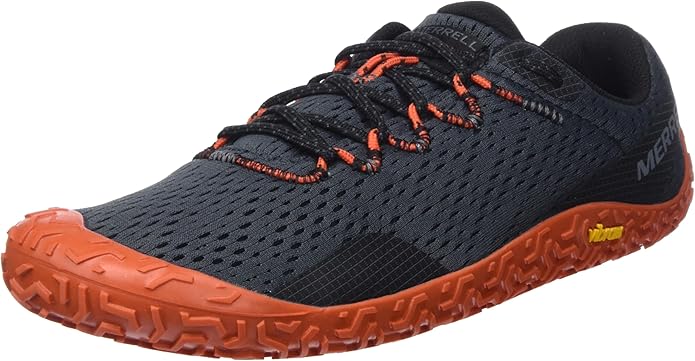
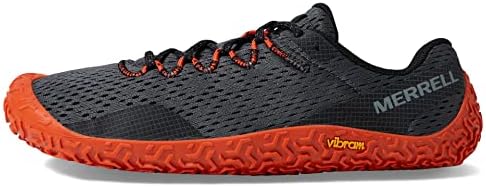
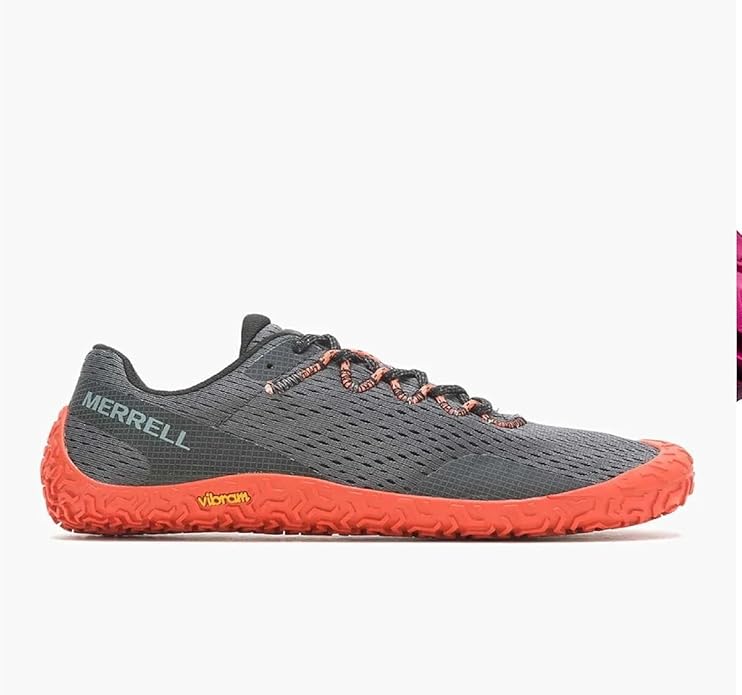
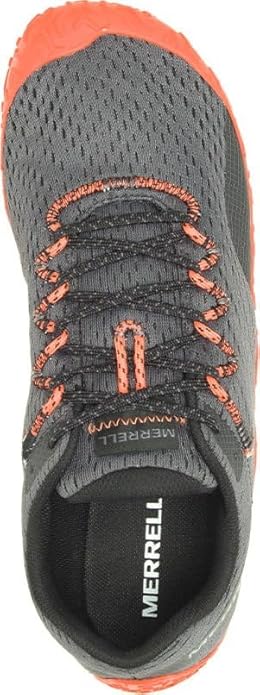
My physical therapist had been on my case about it for almost a year. The calf tightness wasn’t from overtraining — it was from the stack of foam cushioning in every shoe I owned. “Your feet have forgotten how to work,” she said, which is a strange thing to hear about body parts you use every single day. I’m Mike, 175 pounds and generally hard on gear, and I’ll be honest: spending $85 on what looked like glorified socks felt absurd. But after 8 weeks, 45+ training sessions, and 150+ miles in the Merrell Vapor Glove 6, I have a real answer — and a durability concern that the marketing copy won’t mention.
Technical Specifications
- 💰 Price: $85
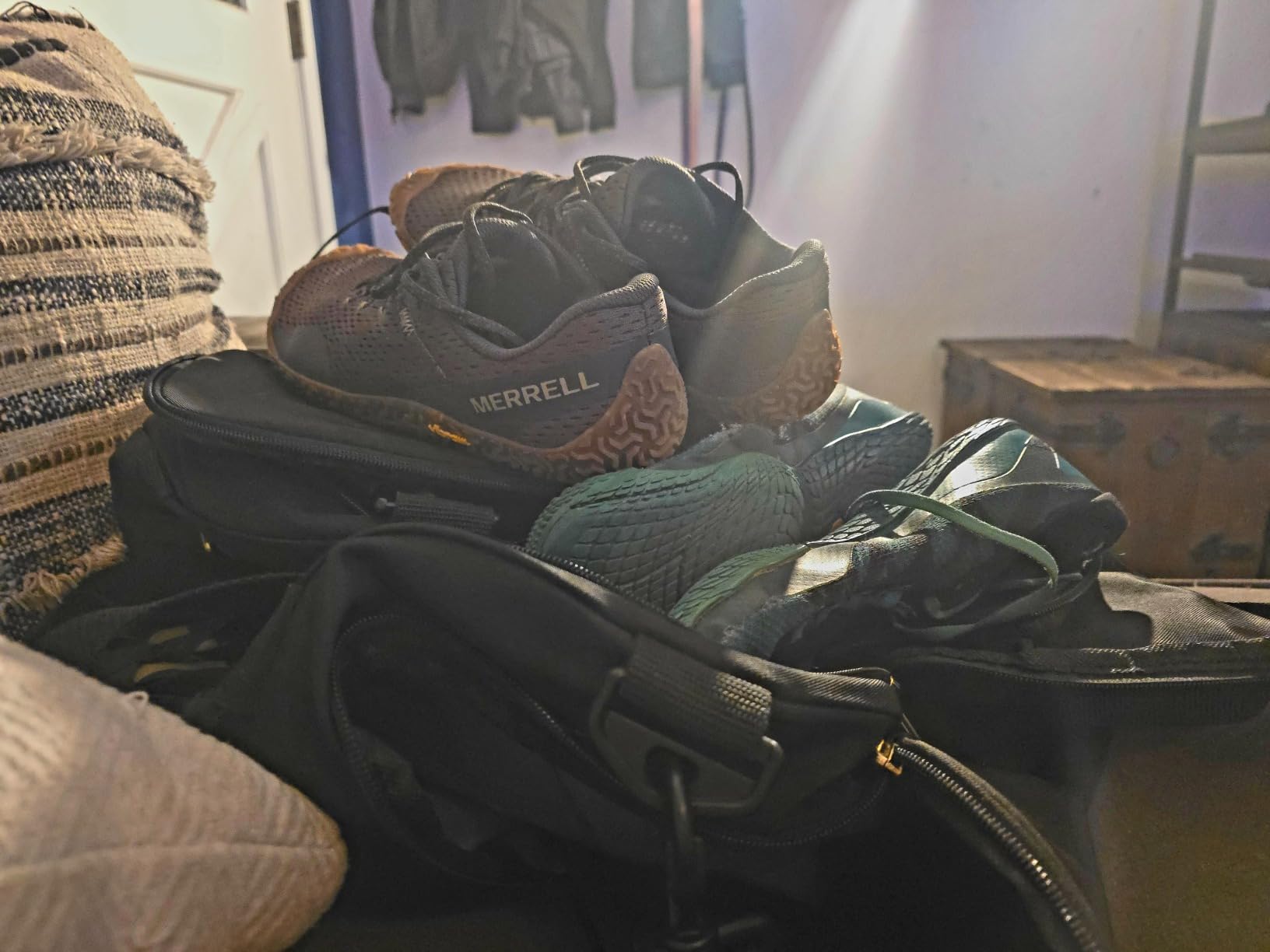
- ⚖️ Weight: 5.2–6.2 oz per shoe (varies by size/source)
- 📏 Stack height: 6mm total — zero midsole
- 📐 Drop: 0mm (zero drop)
- 🧪 Midsole: None — direct Vibram-to-foot contact
- 👟 Upper: 100% recycled breathable mesh
- 🔧 Outsole: Vibram EcoStep — 30% recycled rubber, 2mm multi-directional lugs
- 🏃♂️ Category: Minimalist/Barefoot training and casual
- 🎯 Best for: Gym training, indoor workouts, barefoot transition
- ⏱️ Tested: 8 weeks, 45+ sessions, 150+ miles
Design and Build — What You’re Actually Getting
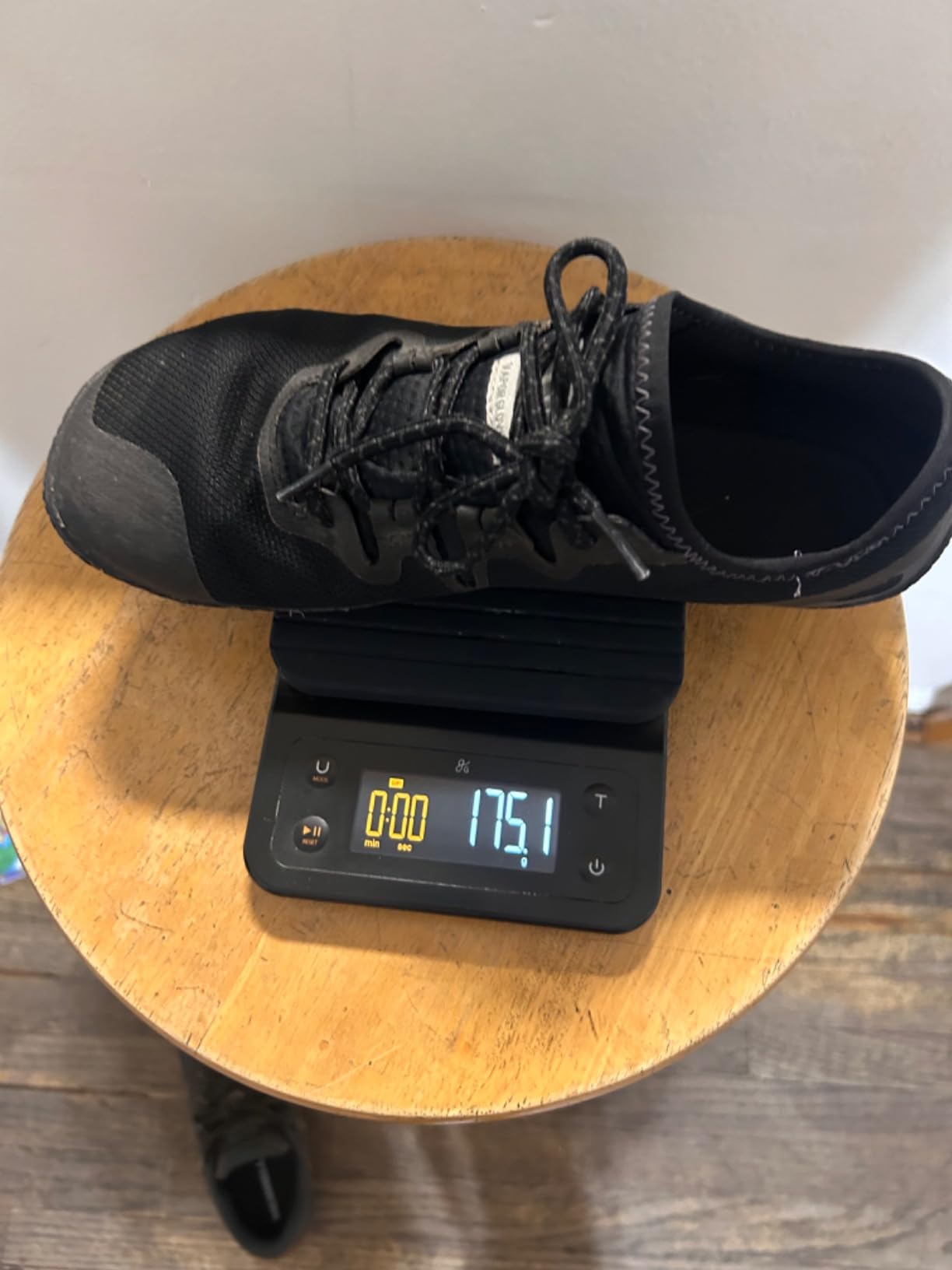
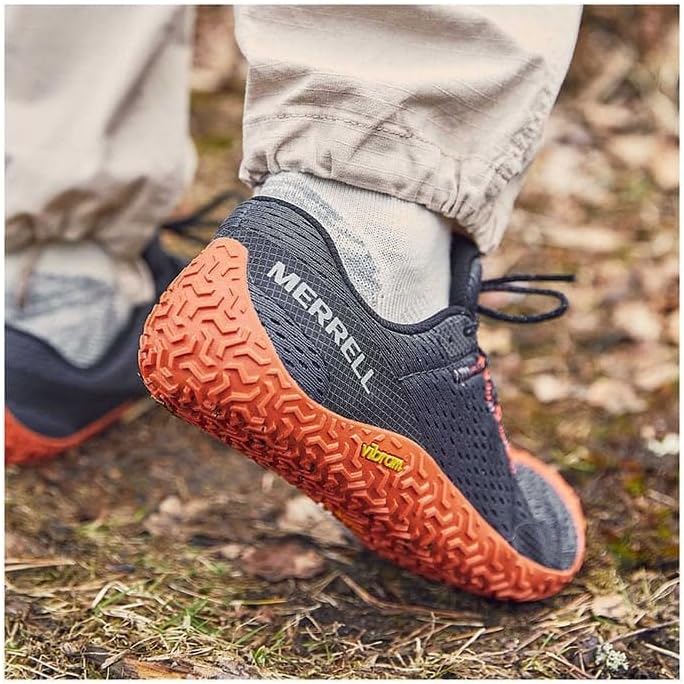
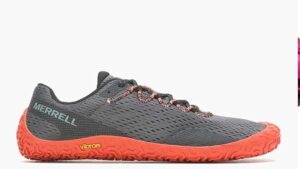
Pick these up out of the box and the first thing you notice is that they weigh almost nothing. The weight difference between the VG6 and my regular training shoes is like holding a full can of soda versus an empty one — the VG6 is the empty one. That lightness comes directly from what Merrell left out: no midsole, minimal upper construction, and a sole thin enough to feel like an upgrade over actual socks.
The Upper: Recycled Mesh That Actually Works
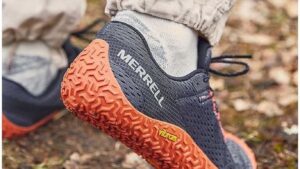
The 100% recycled mesh upper is more substantial than it looks in photos. It’s stretchy enough to accommodate natural toe spread but structured enough to keep your foot secure during lateral movements. The padded collar around the ankle adds a hint of compression without feeling restrictive — useful during quick direction changes in the gym.
One honest note: if you look closely at a new pair, you may spot small glue blobs where the mesh meets the sole. It’s not a dealbreaker, but it doesn’t project confidence in the assembly process. For a shoe in this category, where the upper is doing most of the structural work, that attention to finishing matters.
The mesh offers essentially no puncture or abrasion protection. For gym floors and smooth pavement, that’s irrelevant. For rough trail use, it’s a genuine limitation — more on that in the conditions section.
The Lacing System — Simple, Mostly Effective
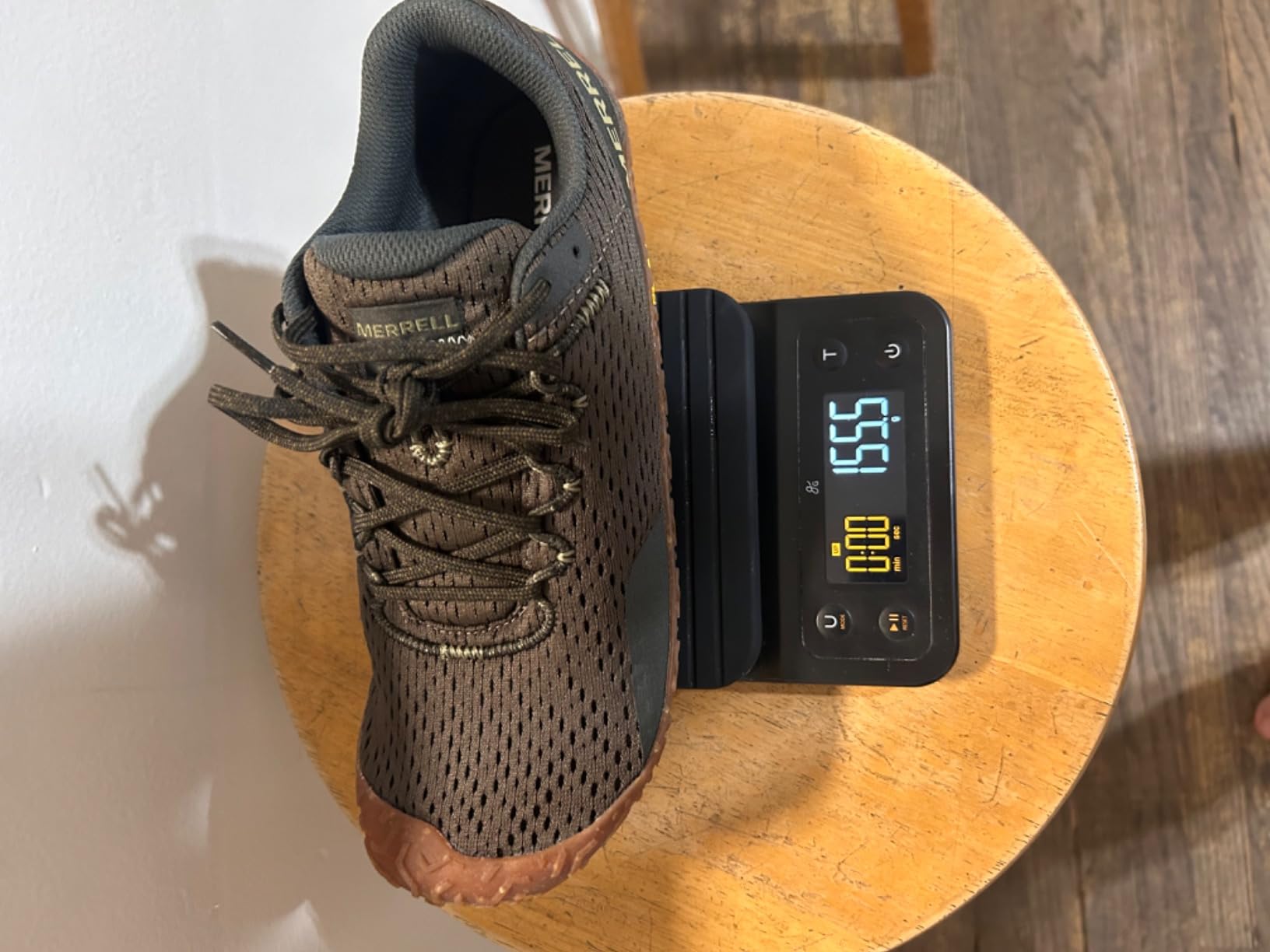
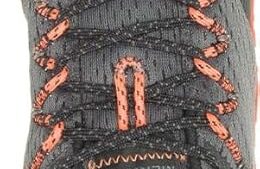
The cordage lace design runs smoothly through the lace loops — what one reviewer called “slippy lacing,” meaning the tension distributes evenly across the foot rather than letting you crank down one specific zone. For average-width feet, this creates a comfortable, sock-like lockdown. If you have an asymmetric foot shape that requires spot-tightening in specific areas, you may find this frustrating.
Worth knowing: there’s also a BOA dial-closure variant (the Vapor Glove 6 Boa) that offers more adjustable precision, though that version runs approximately half a size larger and is a separate purchase.
The Sole — 6mm Between You and the Ground
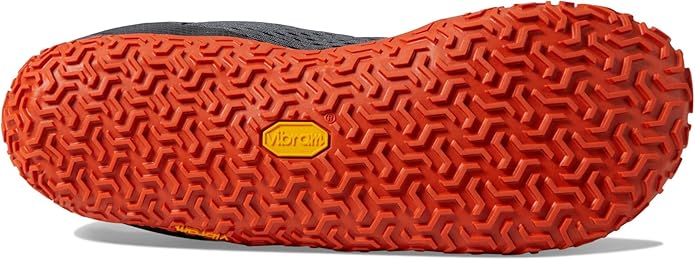
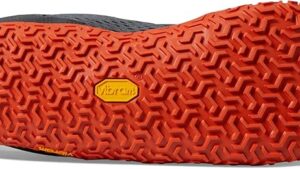
The Vibram EcoStep outsole is 30% recycled rubber with 2mm multi-directional lugs. There’s no midsole — nothing absorbing or redistributing force between your foot and the surface below. The toe box measures approximately 4.25 inches wide when fully splayed, which allows meaningful toe spread without feeling like you’re wearing a boat.
6mm total stack sounds extreme until you realize that most standard running shoes run 22-30mm. This isn’t a stripped-down version of a normal shoe — it’s a fundamentally different category of footwear with a different design philosophy. If you’re considering the VG6 as your first step toward minimalist footwear, understanding that distinction matters. If you want something similar but with more ground protection, the Airhas Barefoot Zero Drop offers a marginally thicker platform while maintaining the zero-drop geometry.
How the Vapor Glove 6 Performs — 8 Weeks of Real Testing
The First Two Weeks — Adaptation Is Real
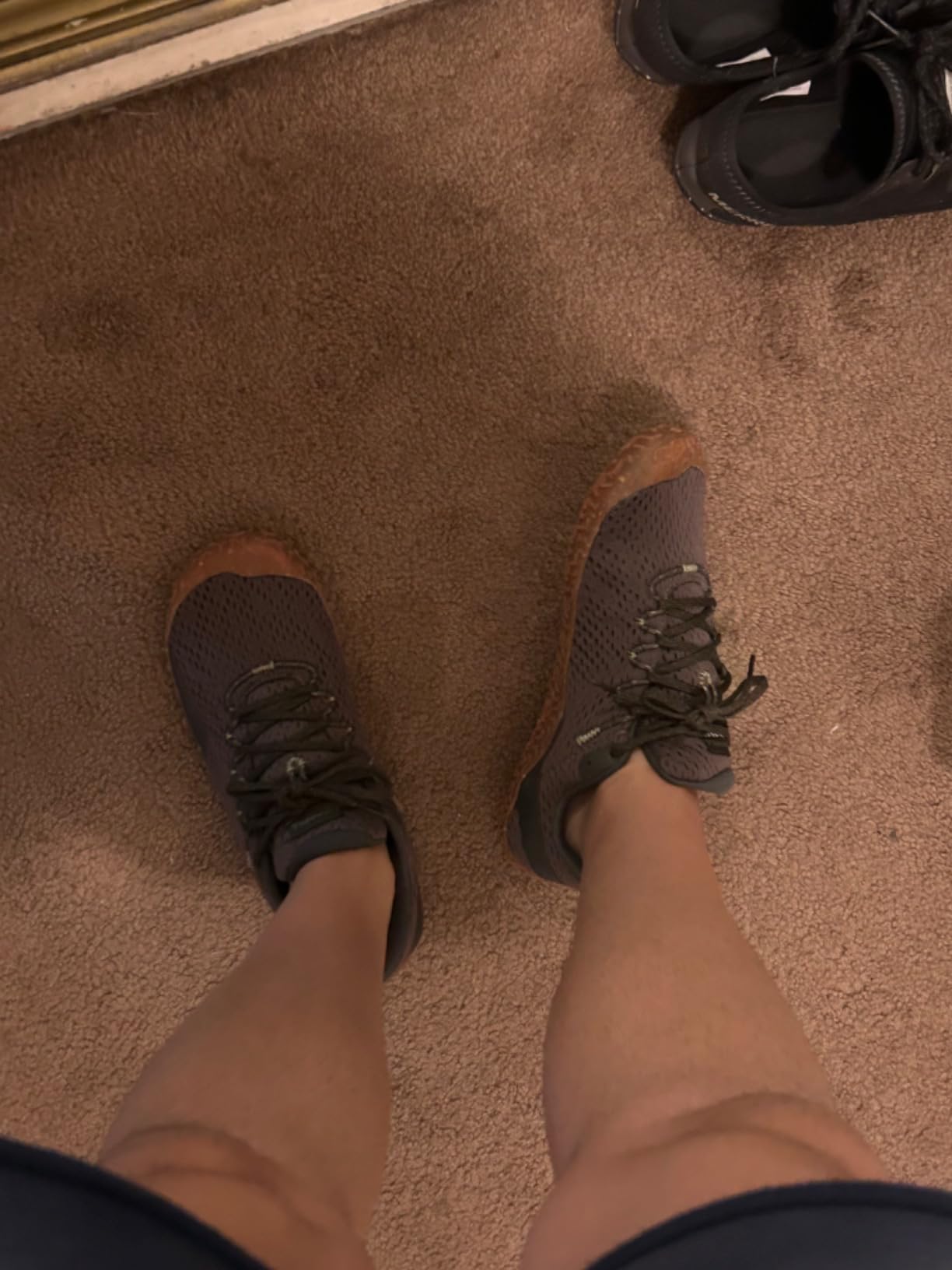
Day one, I wore these for a 20-minute walk. I’d planned 45 minutes. That’s not a failure — that’s what a responsible barefoot transition looks like. You feel everything: the slight grade of the sidewalk, every crack in the asphalt, the texture shift between concrete and brick. Your brain receives more proprioceptive input per step than it’s used to processing, and it takes time to recalibrate.
My calves were sore by day three in a way that was clearly muscle adaptation, not injury. These aren’t muscles that were asleep — they were muscles doing work they’d been outsourced from for years of cushioned footwear. Around day 10, something shifted. The tightness that had been a chronic feature of my legs for most of my adult life started, incrementally, to ease. My PT had predicted this. She was right.
By week two, I was doing 45-minute sessions without issue. By the end of week three, I was wearing them for most of my gym days.
Gym Performance — Where These Actually Belong
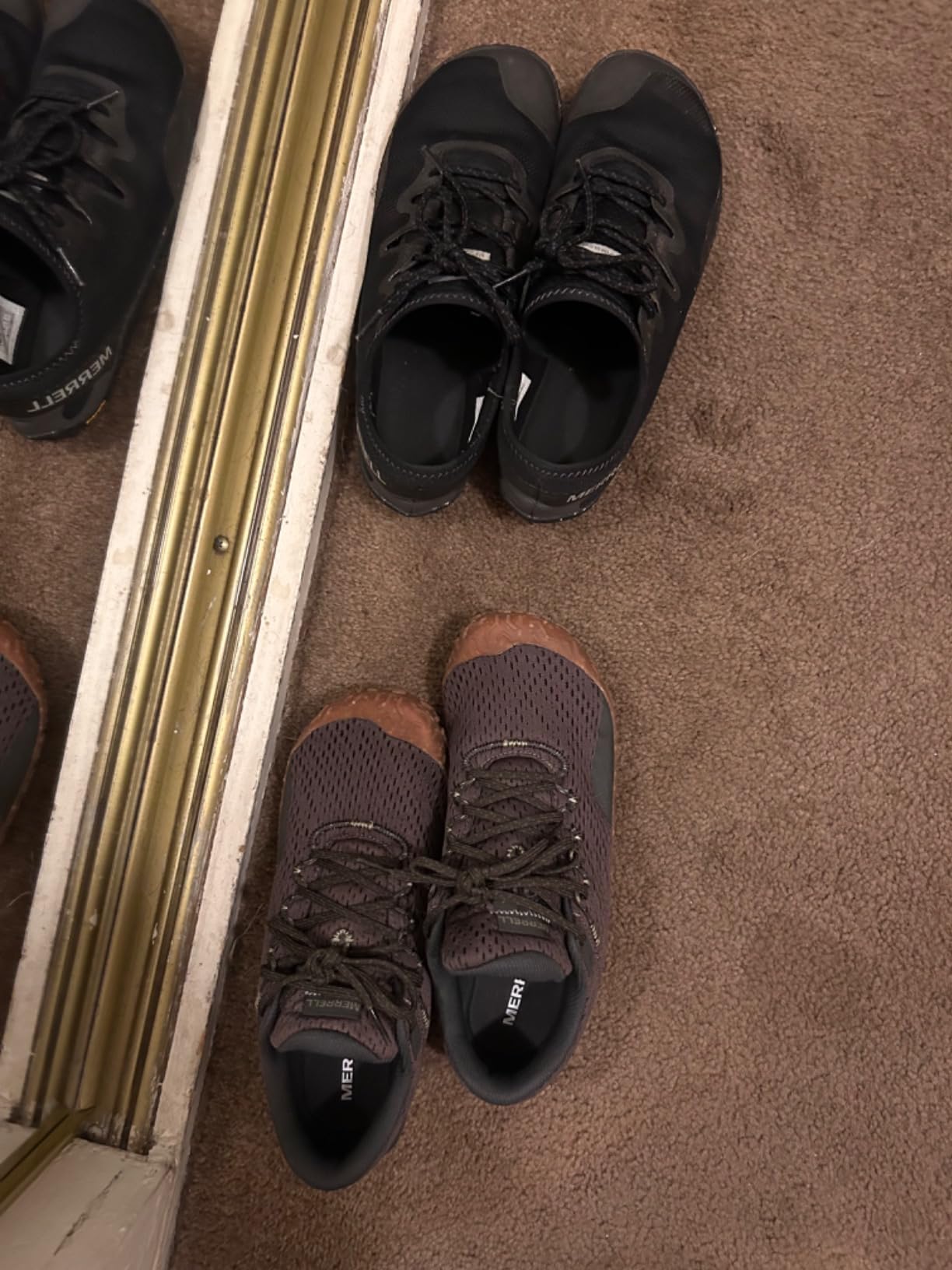
This is where the VG6 genuinely earns its reputation. For weightlifting — deadlifts, squats, Romanian deadlifts — the zero drop and direct ground contact create a stability platform that cushioned training shoes can’t match. In a standard running shoe, you’re loading force into a compressible foam stack before it reaches the floor. In the VG6, the force goes floor-to-foot directly. The difference in feedback during heavy lifts is real and noticeable.
The wide toe box matters here too. During heavy squat sets, your foot naturally wants to spread slightly as it manages load. In traditional shoes, the toe box prevents that and creates compression. In the VG6, that natural spread happens. The stability benefit is genuine, not marketing language.
For HIIT, the shoe’s flexibility is an asset — it moves with foot dynamics rather than fighting them. For yoga and mat work, the thin sole improves balance by reducing the platform distance between your foot and the floor. These are shoes that work well in the environment they’re actually designed for.
The one gym caveat: on treadmill belts, the abrasive surface accelerates sole wear faster than any other surface. If treadmill running is a regular part of your training, factor that into your durability expectations.
Traction — Surface-Dependent
The Vibram EcoStep outsole delivers on its promises in most conditions. On dry asphalt, damp dirt, grass, and gym rubber flooring, the 2mm multi-directional lugs provide confident grip. I walked rain-slicked pavement on my way to the gym and felt secure. Same outsole, locker room wet tile: noticeably marginal. The lug geometry that performs well on textured surfaces struggles to maintain contact on polished, wet surfaces where there’s minimal mechanical traction available.
For the training shoe use case, this is rarely an issue. For all-day urban walking, the occasional wet floor moment will remind you of the sole’s limits.
Ground Feel and Comfort — Two Different Questions
The ground feel is exactly what the barefoot community wants: extreme by conventional standards, but informative rather than painful once you’ve adapted. OutdoorGearLab testers — experienced barefoot wearers — found the VG6 too sensitive on sharp rocky terrain. That’s not a criticism of the shoe; it’s a description of what it’s designed to do.
Comfort, separately, was surprisingly high once the adaptation period passed. By week five, I was wearing these for full gym sessions followed by 2-3 hours of walking and finding my feet less fatigued than they would be in cushioned alternatives. The breathability is genuinely excellent — even in summer heat, the recycled mesh kept temperatures manageable. Comfort score: 9.2/10 is defensible.
The Durability Problem — What Merrell Got Wrong
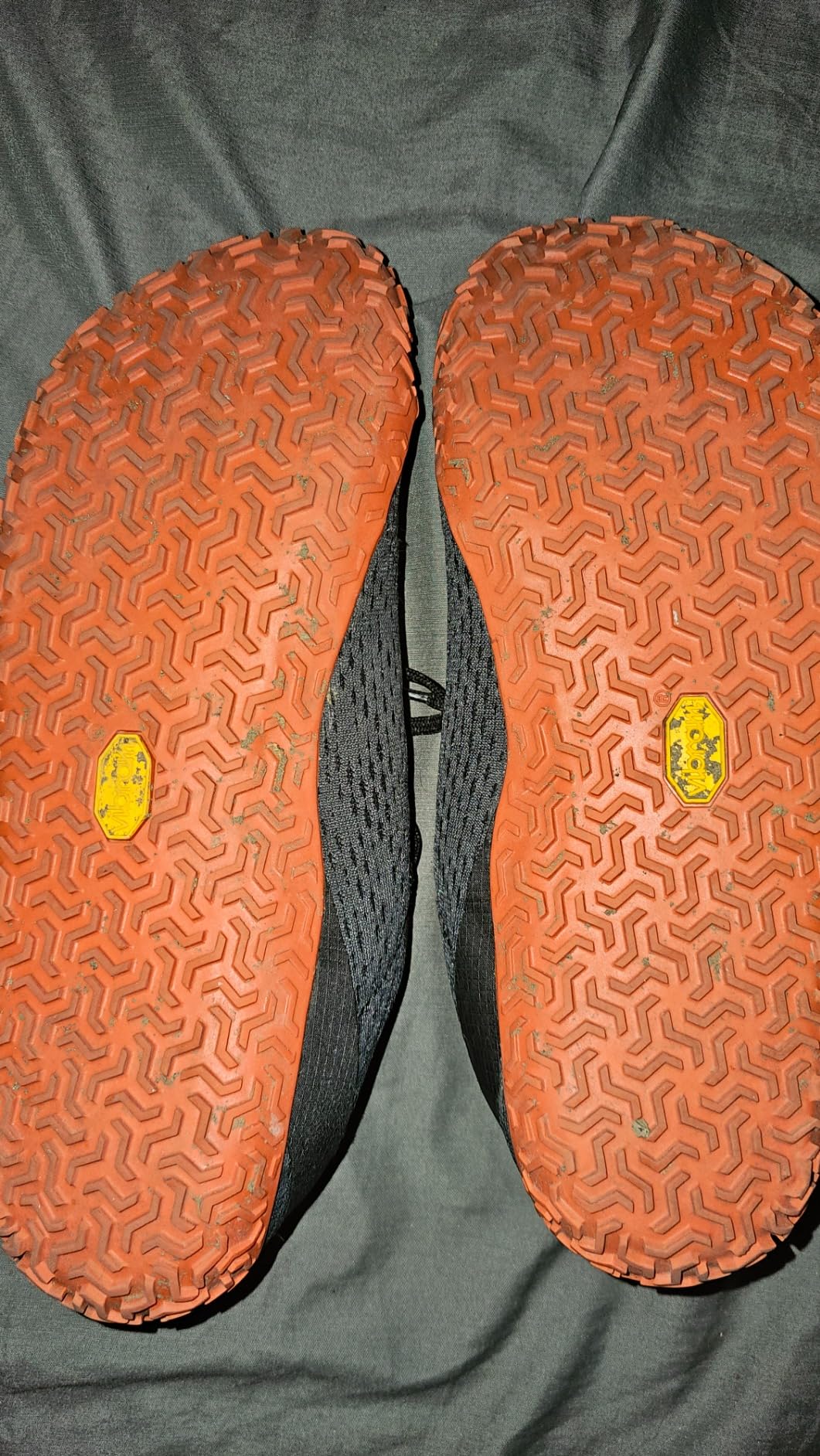
This is the part that matters, so I’m not going to bury it.
What the Sole Does After 6-8 Weeks
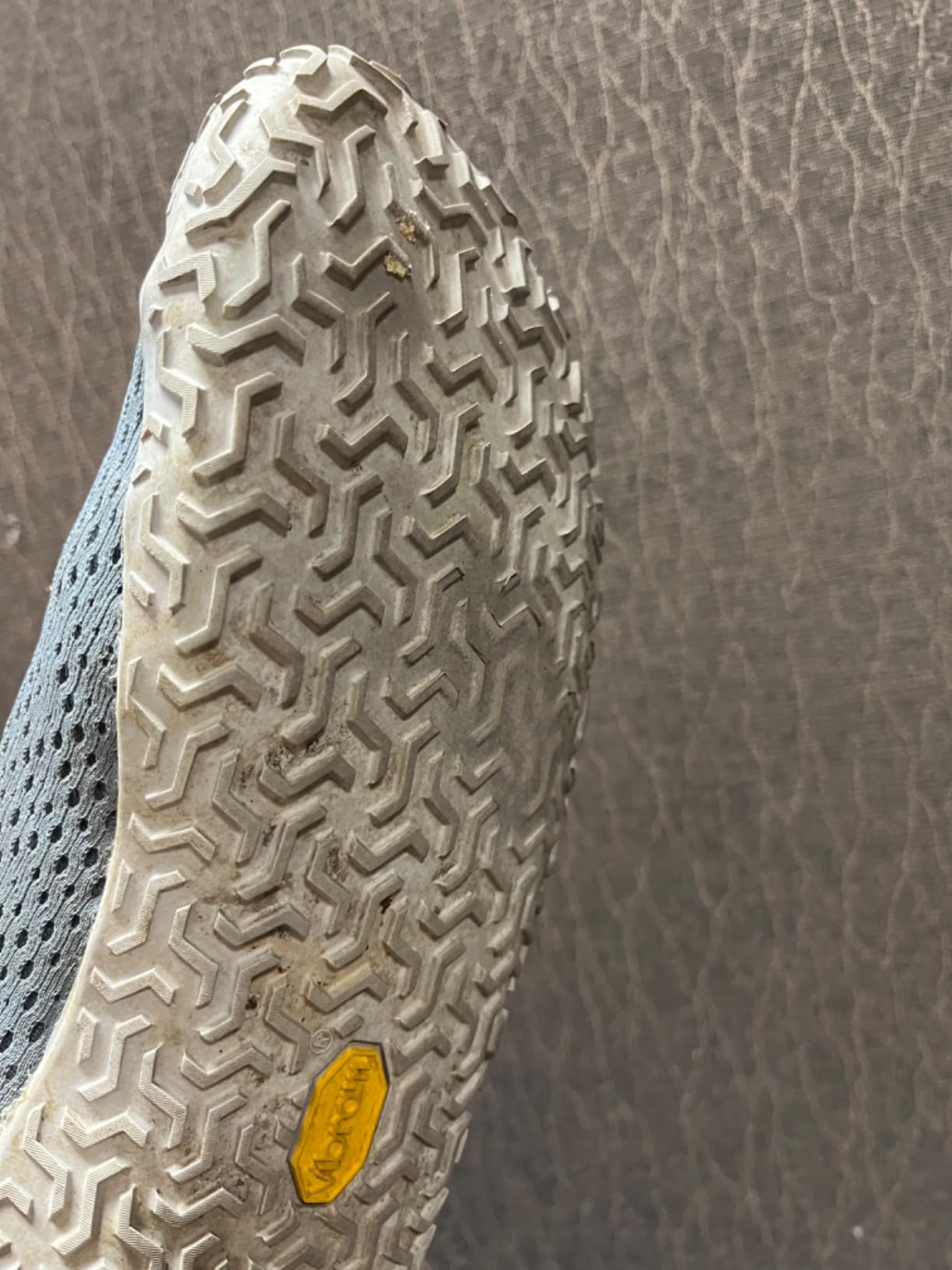
I first noticed it around week six during a squat warm-up — a subtle surface irregularity under my heel where the rubber had thinned. By week eight, wear patterns were visible to the naked eye under the ball of my right foot. At my usage rate (mixed gym and pavement, approximately 150 miles over 8 weeks at 175 lbs), I’m projecting visible sole failure within 2-4 months of purchase.
That’s not minimalist-shoe wear. That’s genuinely premature degradation.
The Generation Regression Problem
The barefoot community has a long institutional memory on this. The Vapor Glove 3, 4, and 5 were known to last 1-2+ years before needing replacement. People wore those until the mesh gave out, not the sole. The VG6 appears to have reversed that equation — barefootrunreview.com noted the Vibram rubber feels softer than expected, prioritizing grip over longevity. That’s a design tradeoff, and it’s one Merrell hasn’t been transparent about.
Context from the Trail Glove line is relevant here: the Merrell Trail Glove 6 (a sister product) had documented issues with sole separation, mesh holes, and glue failure that drew widespread criticism. The Trail Glove 7 addressed most of those issues with a redesigned continuous sole. The Vapor Glove 6 shares some of that design era’s construction approach, and it shows.
If you’re coming from VG3, 4, or 5 and expecting equivalent longevity, adjust your expectations significantly.
What 175 Pounds Means for Your Numbers
Heavier testers accelerate wear data. Lighter users (under 150 lbs) with gym-only use might reasonably expect 4-6 months before sole thinning becomes significant. The surface matters enormously: gym rubber flooring is dramatically gentler on Vibram rubber than concrete or asphalt. If these shoes rarely leave the gym floor, the durability concern shrinks substantially.
The math on mixed use is harder to ignore. At $85 for 3 months of meaningful use, you’re looking at roughly $28/month for barefoot shoe performance. The HF LazuliPro Barefoot and UBFEN Barefoot Minimalist shoes cost comparably but use harder rubber compounds that extend sole life significantly. It’s a legitimate alternative calculation for durability-first buyers.
Testing Across Different Conditions
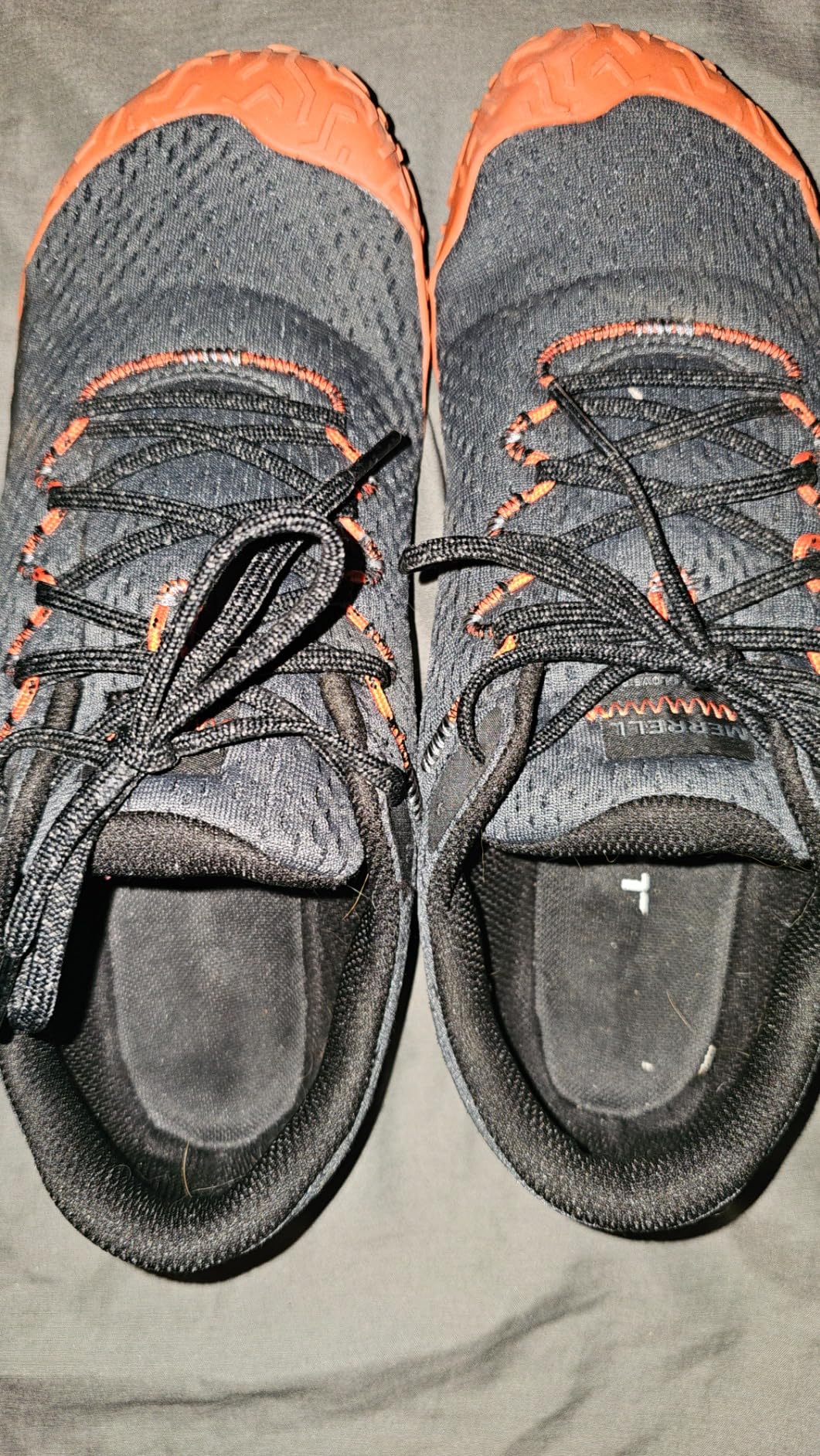
Indoor and Gym Use
The strongest use case, with no asterisks. Gym rubber flooring extends sole life, the zero-drop platform is ideal for weightlifting mechanics, and the ground feedback improves proprioception during balance-dependent exercises. Yoga practitioners and martial arts students who prefer a thin-soled training shoe will find these excellent.
Casual Daily Wear
Viable for light to moderate daily wear, with the durability caveat front-of-mind for pavement walkers. For sessions under 2 hours on city surfaces, the comfort and breathability are genuine assets. For all-day walkers covering 6-8 miles daily on concrete, the sole wear timeline compresses significantly.
Light Trail and Outdoor Use
The Vibram EcoStep handles smooth dirt trails and packed paths without complaint. But this isn’t a trail shoe — the mesh provides no puncture protection, the lug depth is minimal for technical terrain, and the sole thinness makes sharp rocks genuinely uncomfortable. If you want a Merrell option with actual trail capability, the Merrell Moab 2 Vent Mid or Merrell Men’s Accentor 3 are in a different league for hiking and trail use. For dedicated trail minimalism, the Altra Lone Peak 8 offers zero-drop geometry with substantially more outsole protection.
How Merrell’s Claims Hold Up
| Merrell Claim | Verdict | Notes |
|---|---|---|
| Exceptional grip | Partially true | Excellent on soft/dry surfaces; marginal on wet polished tile |
| Lightweight design | True | Under 6 oz per shoe across all measurement methods |
| Barefoot sensation | True | 6mm stack delivers genuine ground connection |
| Recycled materials | True | Mesh, outsole, lining — all include recycled content |
| Durable Vibram outsole | Disputed | Softer compound than previous VG generations — prioritizes grip over longevity |
Overall Assessment
| Merrell Men’s Vapor Glove 6 — Performance Scores | ||
|---|---|---|
| Comfort | 9.2/10 | Outstanding post-adaptation. True second-skin feel. |
| Barefoot Experience | 9.5/10 | Best-in-class ground feedback for the category. |
| Build Quality | 7.0/10 | Upper construction solid; sole attachment and compound quality concerning. |
| Durability | 4.0/10 | Major regression vs. VG3/4/5. Sole thins in 2-4 months on hard surfaces. |
| Versatility | 6.5/10 | Excellent for gym/indoor; limited for outdoor and trail use. |
| Value for Money | 5.0/10 | At $85 with a 3-month lifespan on pavement, the math is difficult. |
| OVERALL | 6.8/10 | Exceptional experience, significant durability problem. |
The VG6 would be an 8.5+ shoe if the sole matched the barefoot experience it delivers. The ground feel, comfort, gym performance, and breathability are genuinely excellent. The durability regression relative to previous Vapor Glove models is the single reason the overall score lands where it does.
Final Verdict — Pros, Cons, and Who Should Buy
✅ What Works
- Best-in-class barefoot feel for gym training and indoor workouts
- Extremely lightweight — under 6 oz regardless of measurement method
- Vibram EcoStep grip excellent on dry and soft surfaces
- Natural toe splay (4.25″ toe box) without feeling oversized
- Breathability outstanding even in summer heat
- Strong sustainability credentials across materials
- PT-confirmed benefit for calf tightness and foot mechanics
- True to size for average-width feet
❌ What Doesn’t
- Sole wears through in 2-4 months on pavement at 175 lbs — major issue
- Significant durability regression vs. VG3/4/5 (which lasted 1-2+ years)
- Wet tile and polished surface traction is marginal
- Medium width only — no wide option for broader feet
- No puncture protection — not suitable for technical trail use
- Steep learning curve without a structured transition protocol
- Value proposition collapses for daily pavement walkers
Who Should Buy the Vapor Glove 6
Strong buy: Gym-focused users who rarely wear these on pavement. If your typical day is drive to gym → train → drive home, the durability concern largely disappears, and you’re left with one of the best barefoot training shoes available at this price point.
Cautious buy: Experienced barefoot shoe users who understand the lifespan tradeoff and want the VG6’s specific balance of weight, feel, and price. Also appropriate for PT-guided barefoot transitions where structured progression is built into the protocol.
Skip it: Daily street walkers who need 6-12 months of solid sole life. Anyone with wide feet (medium only). Trail runners who need lug depth and toe protection. Complete barefoot beginners without guidance on transition pacing.
Better Alternatives Worth Considering
| If you need… | Consider… |
|---|---|
| Wider toe box barefoot option | Joomra Wide Minimalist Barefoot Shoes or Jackshibo Wide Toe Box Shoes |
| More durable minimalist construction | Titype Hike Barefoot Shoes or Hike Barefoot Shoes |
| Hike Footwear HF Signature option | Hike Footwear HF Signature Barefoot — non-slip focus with comparable minimal stack |
| Trail minimalism with protection | Altra Lone Peak 8 — zero drop with meaningful outsole protection |
| Merrell with actual trail durability | Merrell Moab 2 Vent Mid — more cushion, vastly more durable outsole |
Frequently Asked Questions
How long does the Merrell Vapor Glove 6 sole actually last?
At 175 lbs with mixed gym and pavement use, expect noticeable thinning within 2-3 months and potential wear-through by month 3-4. Previous Vapor Glove generations (3, 4, 5) typically lasted 1-2+ years — the VG6 uses a softer rubber compound that prioritizes traction over longevity. Gym-only users on rubber flooring will see significantly better results.
Does the Vapor Glove 6 run true to size?
Yes, for narrow-to-average width feet in the standard lace version. The toe box is roomy but not oversized. Note: the BOA dial-closure variant runs approximately half a size larger and requires sizing down. Wide-footed buyers should note this is medium width only — no wide option exists.
Is the Vapor Glove 6 suitable for barefoot beginners?
Only with a structured transition protocol. The 6mm stack delivers extreme ground feedback that will cause calf strain and foot soreness if you jump into full daily mileage. Start with 20-30 minute sessions and build over 4-6 weeks. If you’re working with a physical therapist on a barefoot transition, these are a reasonable tool — just don’t rush the adaptation period.
Can these be used for weightlifting?
Yes — one of the strongest use cases. Zero drop promotes natural heel-to-toe alignment for deadlifts and squats. Ground feedback through the thin sole improves body awareness during compound lifts. These outperform cushioned training shoes for barbell work in most scenarios.
How does the toe box compare to other barefoot shoes?
OutdoorGearLab measured the toe box at 4.25 inches when splayed, which is substantial but not the widest in the barefoot category. Vivobarefoot and Xero Shoes options tend to offer more room in the little-toe area. If you have a wide toe splay, particularly on the outside of the foot, test before committing.
Can you machine wash the Vapor Glove 6?
Not recommended. Multiple user reports indicate lacing system failure after machine washing. Hand wash with mild soap and air dry — the mesh dries quickly enough that this isn’t a major inconvenience.
How does the VG6 compare to previous Vapor Glove models?
The barefoot experience is equivalent to previous generations — the ground feel, fit, and breathability are consistent. The significant difference is durability: VG3, 4, and 5 commonly lasted 1-2+ years before sole replacement was needed. The VG6 sole wears dramatically faster, which appears to be a construction change in the rubber compound rather than a design philosophy shift.
| Merrell Men’s Vapor Glove 6 — Final Scores | |
|---|---|
| Comfort Score | 9.2/10 |
| Barefoot Experience | 9.5/10 |
| Durability Score | 4.0/10 |
| Value Score | 5.0/10 |
| OVERALL SCORE | 6.8/10 |
Be the first to review “Merrell Men’s Vapor Glove 6 Sneaker”
Related products
Hiking/Trekking Shoes

Hiking/Trekking Shoes
Hiking/Trekking Shoes


Hiking/Trekking Shoes
Hiking/Trekking Shoes
Hiking/Trekking Shoes
Hiking/Trekking Shoes

Hiking/Trekking Shoes
Reviews
There are no reviews yet.