
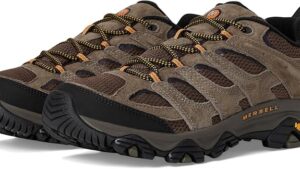
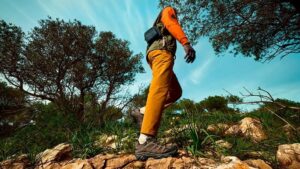
When three different women in my hiking group started raving about the Merrell Women’s Moab 3, I knew I needed to find out what all the fuss was about. Sarah here, and after 10+ years of testing trail shoes, I’ve learned that genuine peer recommendations usually mean there’s something real going on. So I grabbed a pair and spent the next 4 months putting them through their paces across North Carolina trails—from rocky scrambles to muddy creek crossings and everything in between. Here’s what I discovered after 60+ sessions and enough trail miles to really understand these shoes.
Technical Specs That Matter
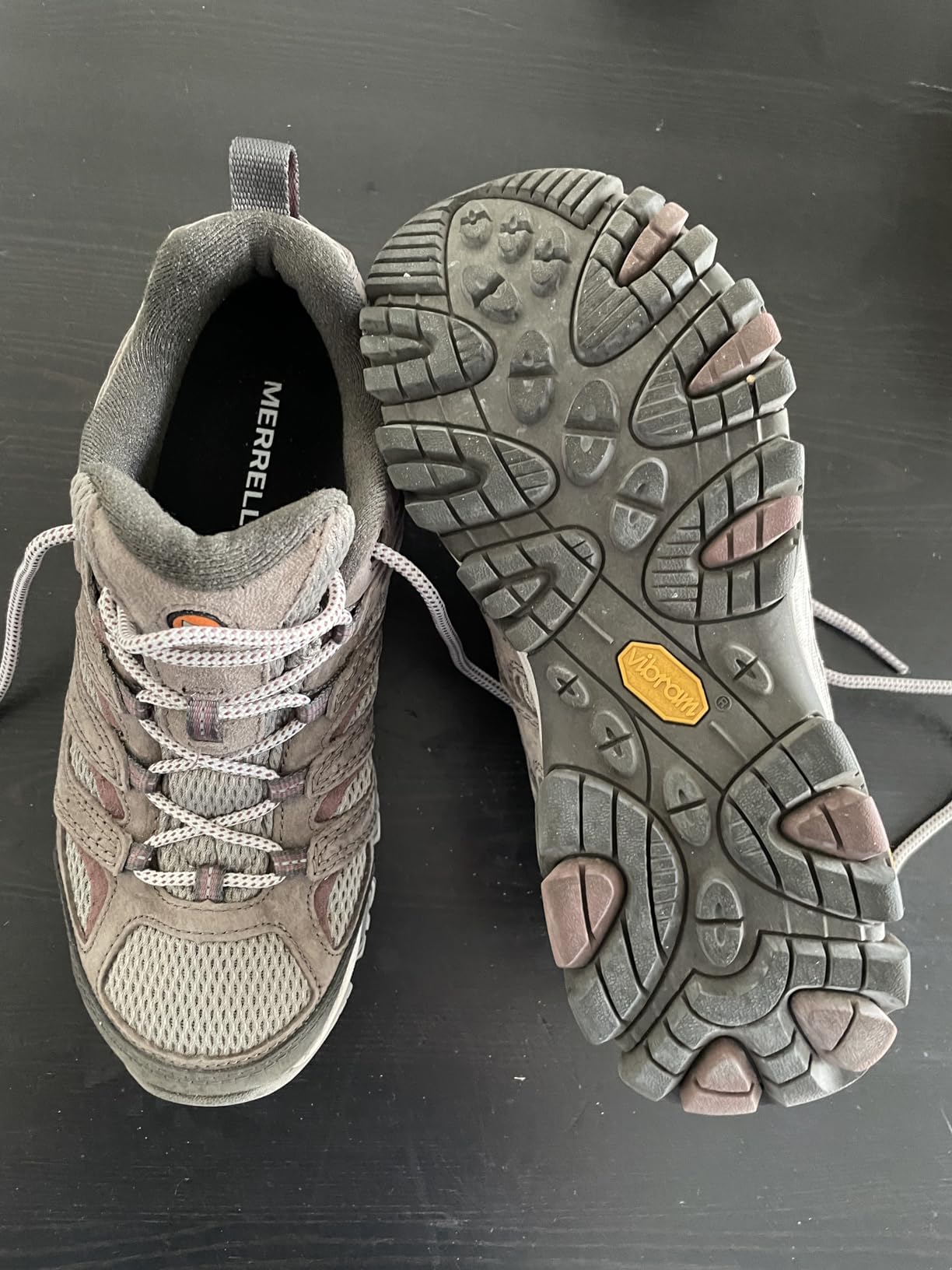
Before we get into the details, here’s what you’re working with. The Merrell Women’s Moab 3 typically runs around $90-110 depending on where you catch it (I snagged mine during a sale at $90). At 12.8 oz for a women’s size 8, they sit squarely in mid-weight territory—not ultralight, but not clunky either.
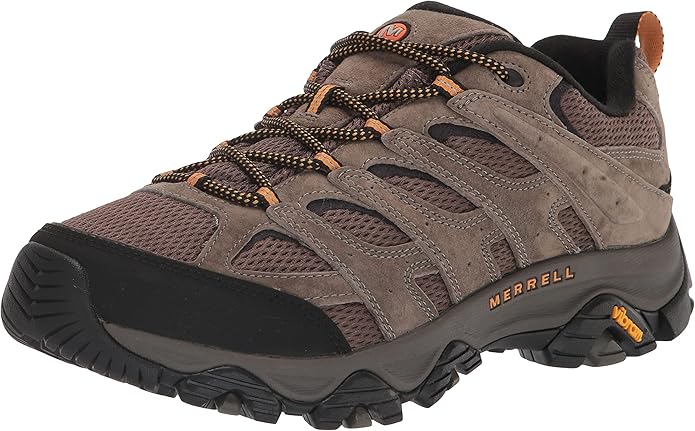
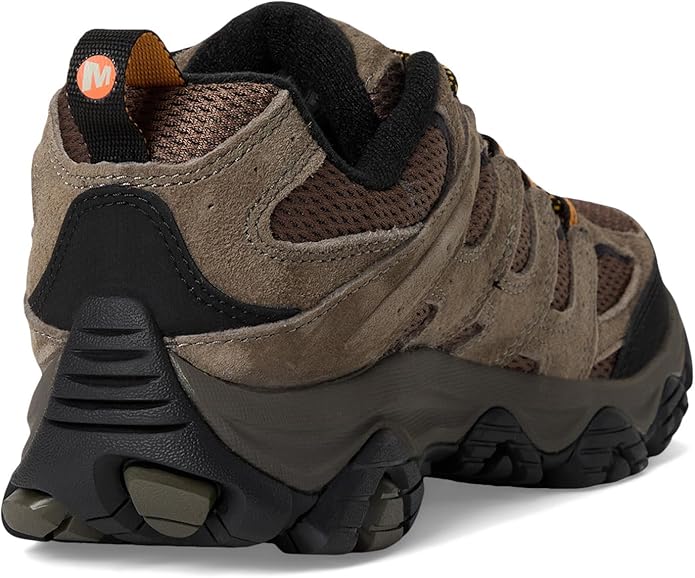
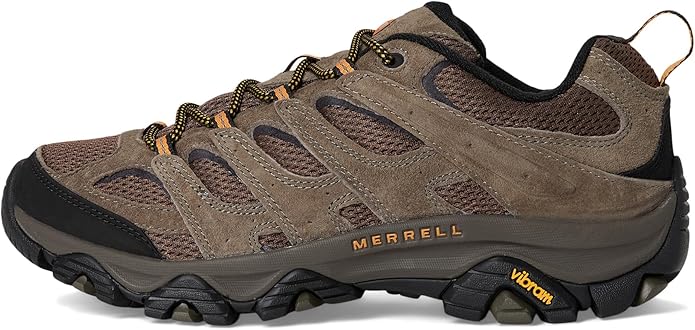
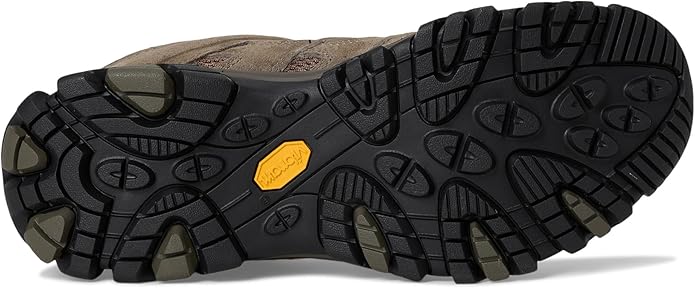
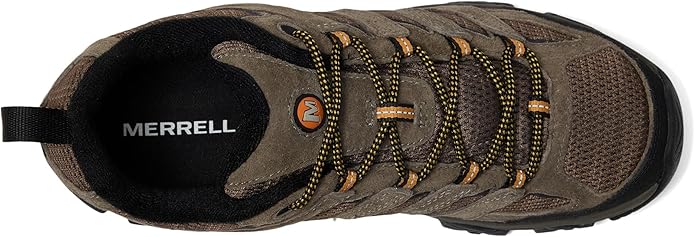
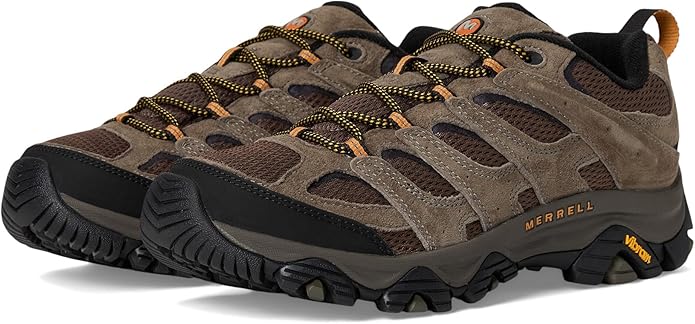
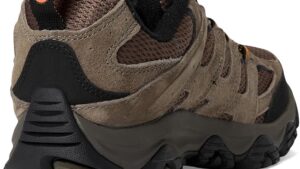
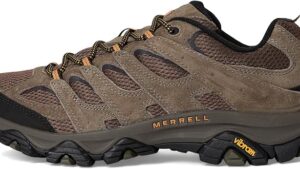
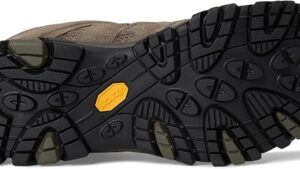
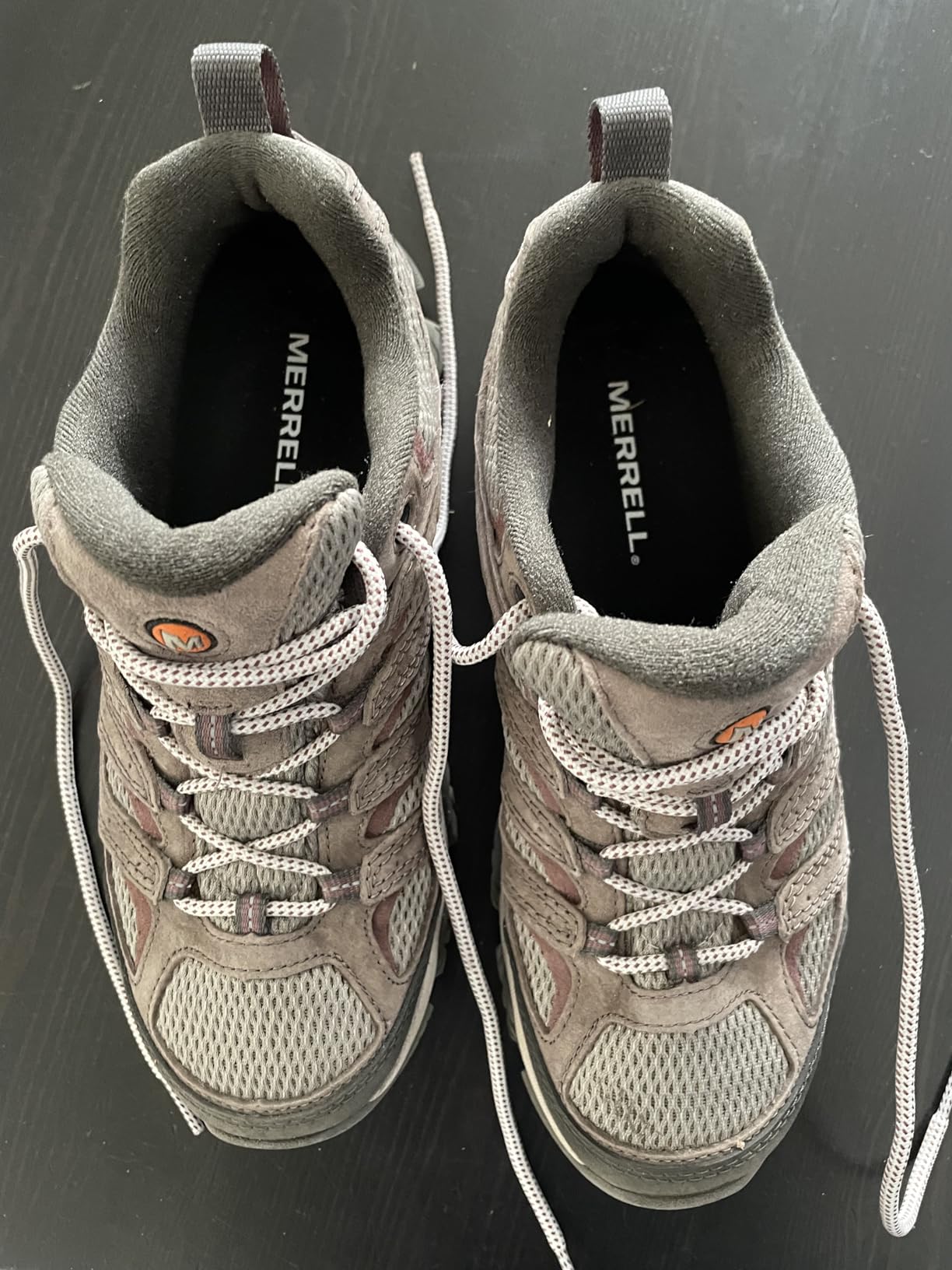
The upper combines pig suede leather with breathable mesh panels, which Merrell pairs with a protective rubber toe cap and heel counter. Inside, you’ve got their Kinetic Fit ADVANCED insole (removable, thankfully) sitting on top of a molded nylon arch shank. The midsole uses lightweight EVA foam plus what they call Merrell Air Cushion in the heel. Underfoot, the Vibram TC5+ outsole features 5mm lugs—decent depth for varied terrain without being overkill.
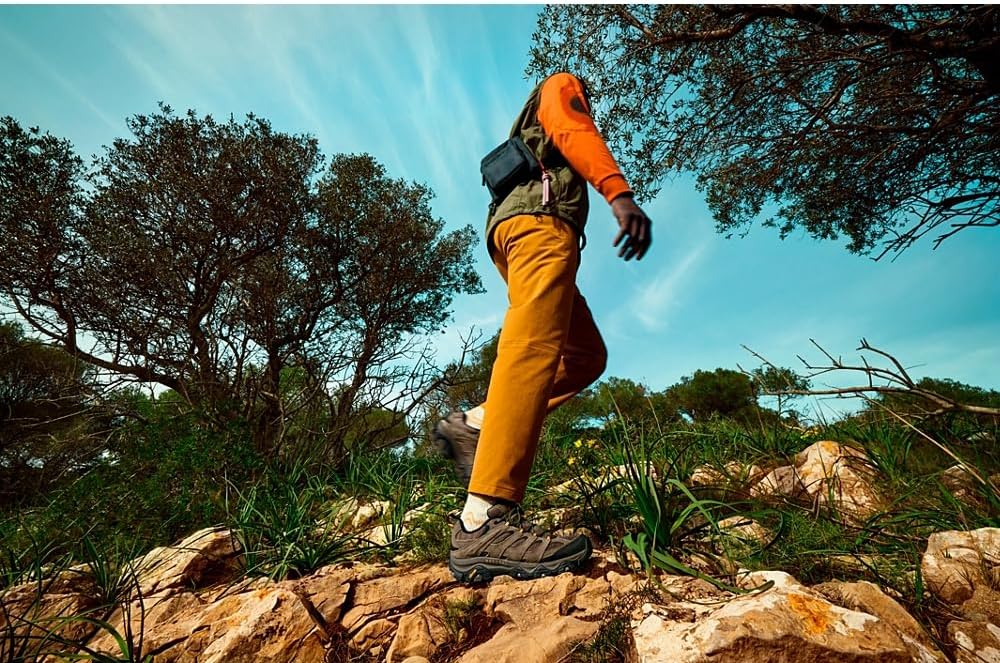
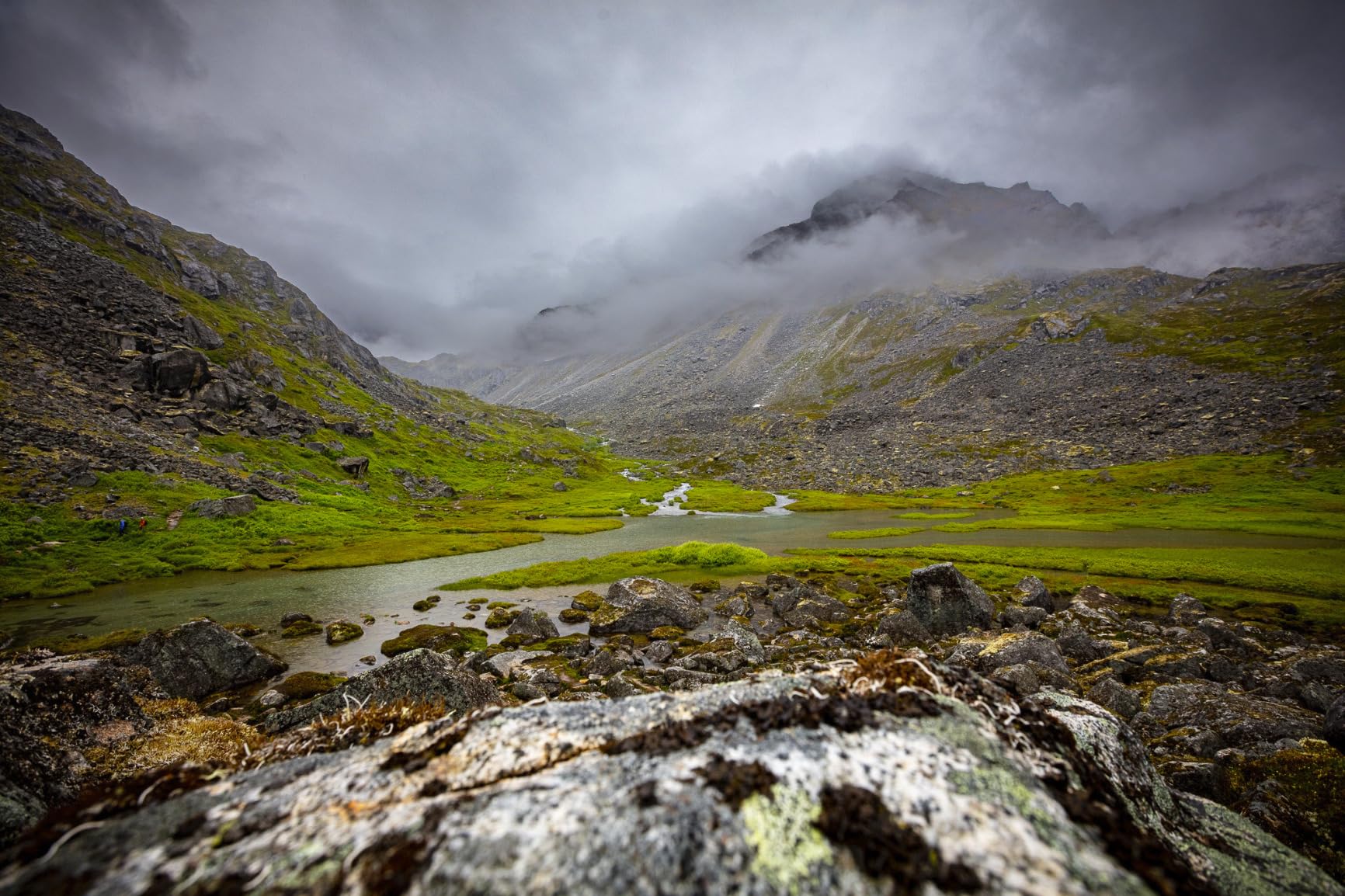
I tested these across 4 months and 60+ trail sessions, covering everything from humid summer days pushing 85°F to cool mountain mornings. My testing ground included technical scrambles at Linville Gorge, muddy switchbacks through the Smoky Mountains, and a memorable 12-mile push through Grandfather Mountain that really put the comfort claims to the test.
First Impressions: Build Quality That Shows
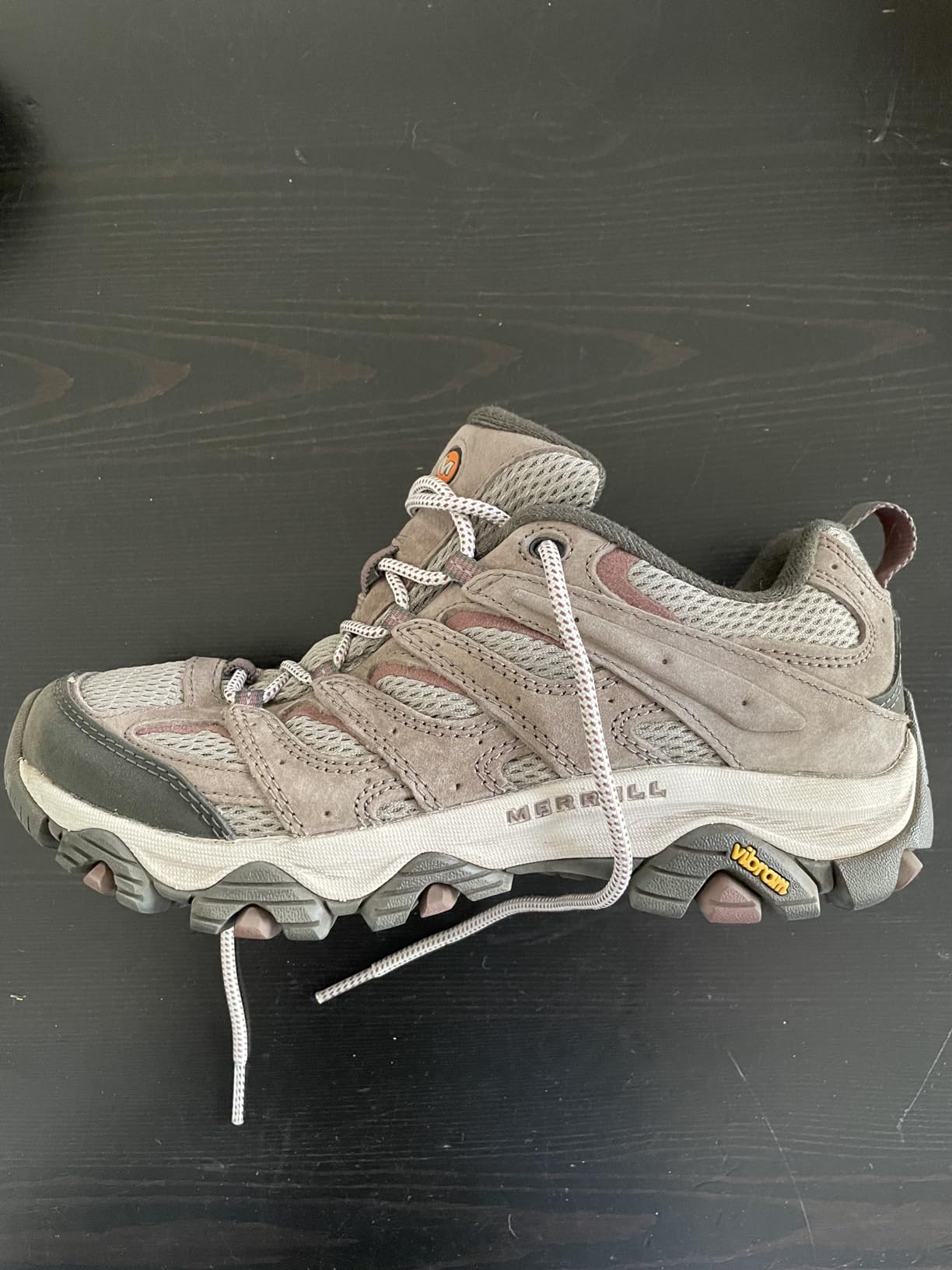
Right out of the box, the Moab 3 feels like it was designed by people who actually hike. The leather and mesh combo strikes a balance I appreciate—substantial enough to handle real trail abuse without feeling like you’re wearing your boyfriend’s old boots. That rubber toe cap isn’t just cosmetic; during a sketchy descent at Linville Gorge, I clipped a hidden rock hard enough to make me wince. The shoe took it without complaint, and my toes stayed happy.
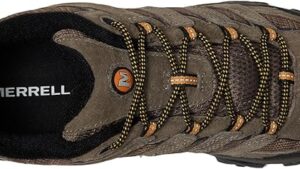
One detail that won me over early: the gusseted bellows tongue. I’ve dealt with debris-plagued shoes for years, and this design actually delivers. On leaf-littered autumn trails where small twigs and grit usually work their way in, the Moab 3 kept my feet clean. Not perfect—nothing is—but noticeably better than most hiking shoes I’ve tested.
The 100% recycled laces and webbing caught my eye from an eco standpoint, but honestly, I care more about whether they hold up. After 4 months of regular retying, they’ve shown good durability. That said, I need to address the elephant in the room: these round laces do slip. More on that problem—and the easy fix—later.
Comfort Where It Counts
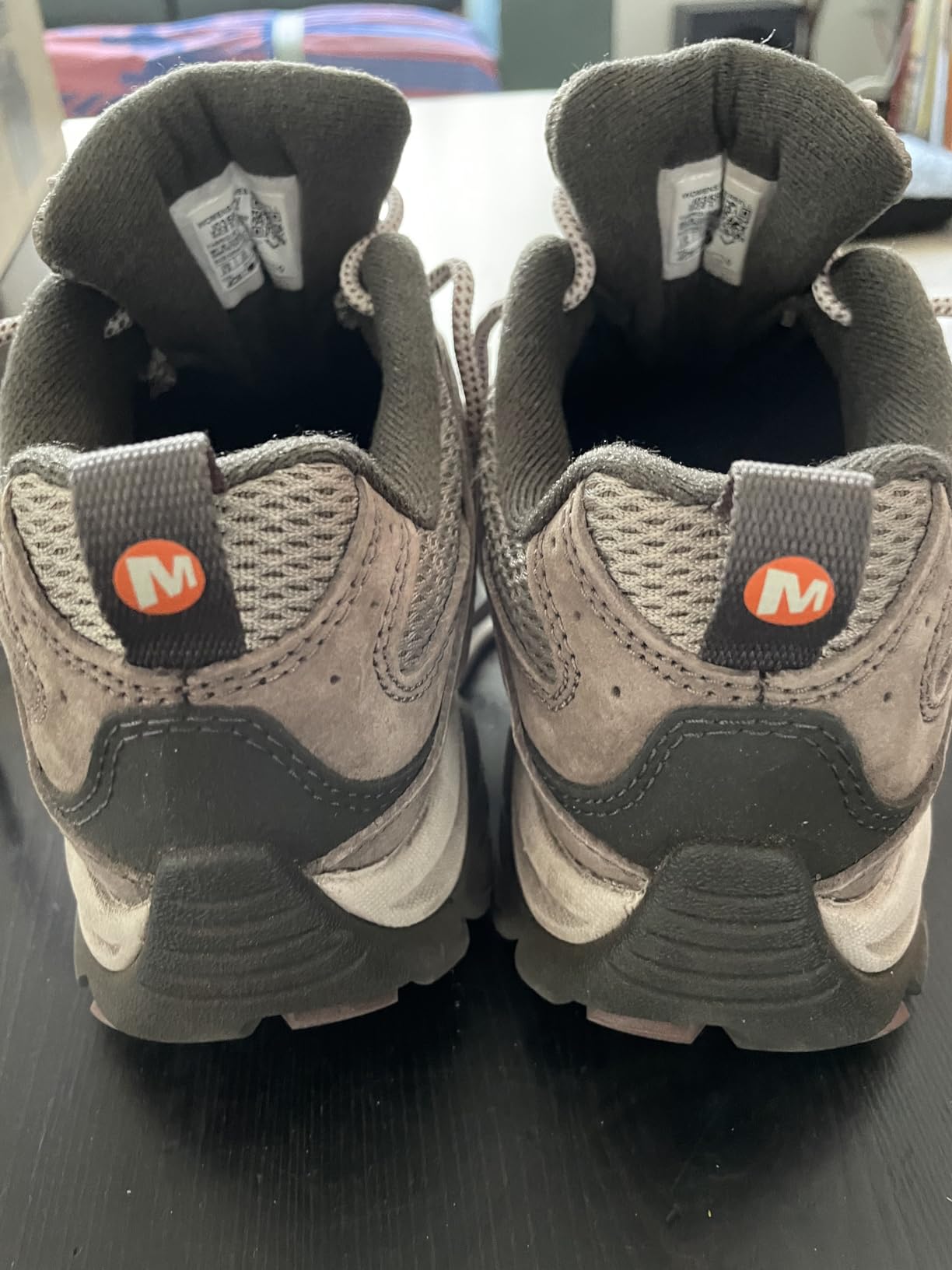
This is where the Moab 3 earns its reputation. The Kinetic Fit insole with reinforced heel cushioning creates what I can only describe as a Goldilocks fit for my medium arches—not overly structured like some supportive shoes, but enough framework to keep my feet aligned during long days. At 150 lbs, I found the EVA foam midsole responsive without being mushy. You feel the trail beneath you, which I prefer over the marshmallow-soft cushioning that leaves you disconnected from the ground.
The Merrell Air Cushion in the heel proved its worth during that brutal 12-mile hike through Grandfather Mountain. Rocky, uneven terrain for hours—the kind of day where your feet usually stage a protest by mile 8. Mine felt remarkably fresh even after the full distance. That molded nylon arch shank provides stability without the aggressive stiffness that sometimes bothers my arches in other trail shoes.
Here’s where I need to be honest about the comfort timeline. For 8-10 hours, these feel exceptional. I’ve worn them for morning hikes followed by afternoon errands around town, and they transition beautifully. The cushioning holds up without that “bottoming out” sensation you get with cheaper foam. But during my absolute longest testing days—we’re talking 12+ hours of mixed activities—I did start feeling some pressure points. Still impressive for the price range, but not quite the “all-day” comfort Merrell claims. I’d call it 85% delivery on that particular promise.
Trail Performance: Four Real Scenarios
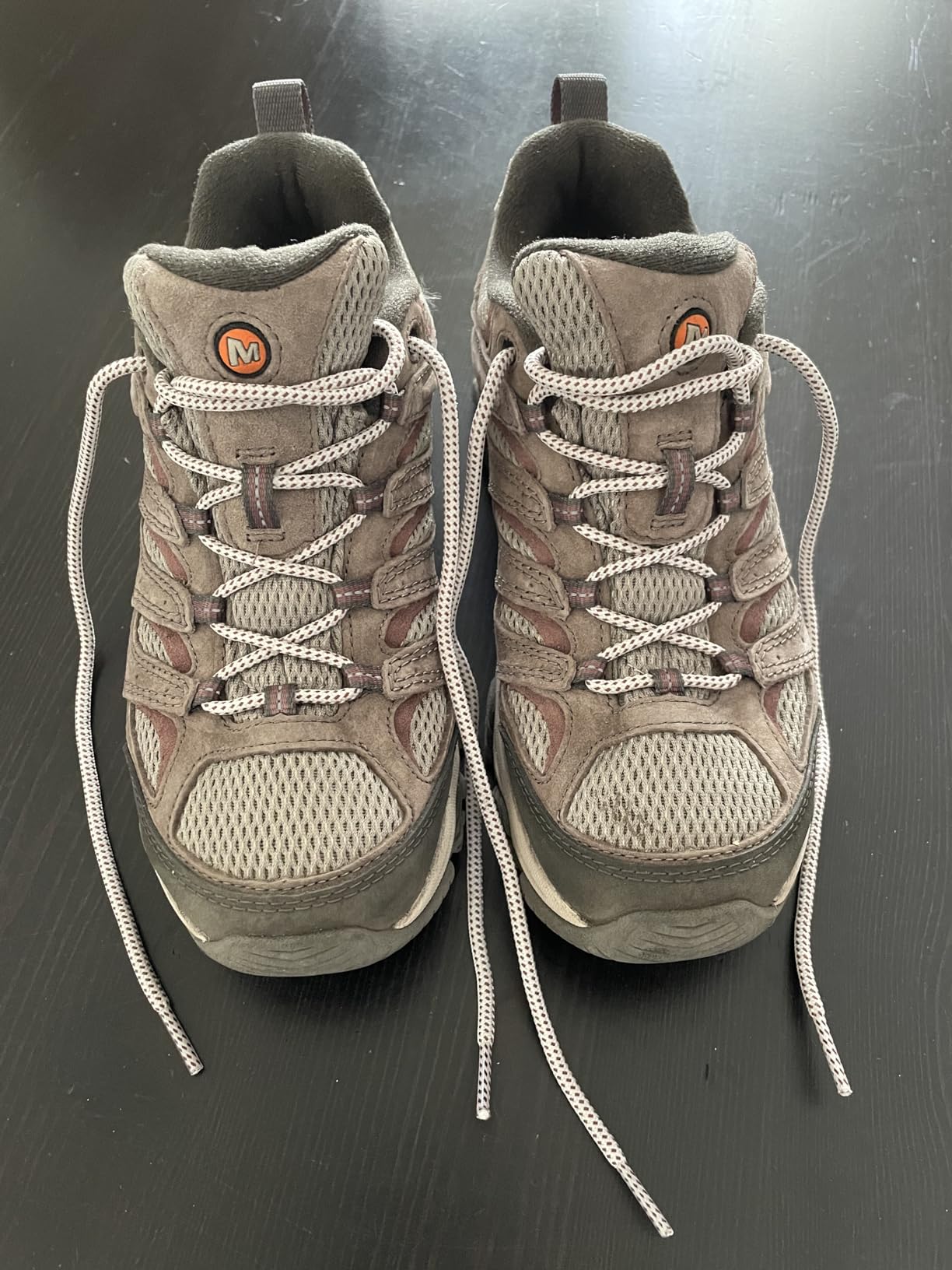
Lab numbers are useful, but I wanted to know how these actually perform where it matters. Here’s what I found across varied conditions.
Rocky technical terrain: The Vibram TC5+ sole delivers exceptional grip on both wet and dry rocks. During a challenging scramble through Linville Gorge’s boulder fields and steep granite sections, I felt completely secure. The toe cap saved me multiple times from unexpected impacts, and the sole’s tread pattern provided consistent bite on angled surfaces. This is where the Moab 3 genuinely exceeds its promises.
Muddy and loose conditions: Through a particularly wet week in the Smoky Mountains, these handled soft, muddy trails better than expected. The tread pattern clears debris well without packing up, and grip remained solid on slippery root systems and muddy switchbacks. Not quite the aggressive bite of dedicated trail running shoes with deeper lugs, but thoroughly capable for day hiking.
Hot weather reality: On humid 85°F North Carolina summer days, the mesh panels do breathe reasonably well. My feet stayed comfortable enough for the conditions. That said, they run slightly warmer than fully mesh trail runners I’ve tested. The trade-off is protection and durability—the leather upper handles thorny brush and rock scrapes that would shred lighter materials. Worth it for serious hiking, but ultralight purists should look elsewhere.
All-day versatility: What I genuinely love is how these transition from trail to town. Morning hike, afternoon shopping, evening walk—they handle it all without looking out of place or feeling wrong for the setting. That sweet spot between technical performance and everyday wearability is harder to hit than you’d think.
Testing Merrell’s Claims
I love getting into the specifics, so when Merrell makes bold promises about the Moab 3, I take them seriously. Here’s how their claims held up against real testing.
“All-Day Comfort with updated footbeds” gets an 85% from me. The first 8-10 hours feel amazing—genuinely some of the best mid-range cushioning I’ve experienced. But during my most ambitious testing days (12+ hours mixing hiking and daily activities), I did feel some pressure points developing. Still impressive comfort for this price bracket, just not quite the universal “all-day” claim they’re making.
“Versatile Grip on loose surfaces” actually undersells the product. I tested this claim hard—loose gravel descents, wet wooden bridge planks, muddy creek crossings—and the Vibram TC5+ sole consistently exceeded expectations. This is one area where they deliver 100%, maybe even 110%.
“Same famous fit known for out of the box comfort” earns full credit. Zero break-in period needed. I wore these on a 6-mile hike the second day of ownership with zero discomfort, and by the end of week one they felt molded to my feet. For someone like me who usually needs a few weeks to break in hiking shoes, this was notably impressive.
The “100% recycled materials” claim checks out for the laces and webbing. Honestly, the performance matters more to me than the eco-credentials, but it’s a nice bonus knowing I’m making a more sustainable choice without sacrificing quality.
Fit, Sizing & The Lace Situation
The Moab 3 runs true to size. If you wear size 8 in most athletic shoes, stick with 8 here. Compared to Nike, these run about a half-size more generous; against Adidas hiking shoes, they’re pretty similar. The toe box is notably roomy—74.8mm according to lab measurements, which I can confirm feels generous in real wear. My friend Rachel, who usually seeks out wide-width options, found the standard width accommodated her 8.5W feet beautifully.
Here’s the problem nobody talks about enough: those round laces slip constantly. My hiking buddy Lisa wasn’t exaggerating when she complained about double-knotting every mile. The laces are durable, sure, but their round profile and smooth material create friction issues. The fix is simple—swap them for flat laces immediately. Five dollars at any outdoor shop solves the problem entirely.
The heel fit works well for my average-width feet, and the generous toe box means no cramping even on long descents when your feet swell. Merrell also offers wide-width versions if you need extra room, making these one of the more accommodating options for women with wider feet who struggle with narrow trail shoe designs.
Durability: The 4-Month Reality Check
After 4 months of 2-3 trail days per week plus regular daily wear, my pair shows solid construction holding up well. The Vibram sole shows minimal wear on the lugs, the leather upper has scuffed but not torn, and the stitching remains intact around high-stress areas. For my use case—recreational hiking rather than daily intensive trail work—I’d estimate a realistic lifespan of 12-18 months before needing replacement.
That said, I’ve heard durability concerns from women in my local hiking community about the 6-8 month mark with heavier use. Some mention stitching issues around the toe cap or heel padding compressing more than expected. Lighter users (under 130 lbs) report even longer lifespans, while daily intensive hikers pushing 15+ miles regularly should expect the 8-12 month range.
The Vibram sole is the star performer for durability. That’s a proven compound that outlasts cheaper rubber by a wide margin. Usually, it’s the upper materials—the leather, mesh, and stitching—that show wear first, not the sole.
Value Assessment: The $0.22 Per Mile Question
At $90 (on sale from the $110 MSRP), here’s my honest calculation. Based on my testing patterns and projected lifespan, I estimate these shoes will handle 400+ trail miles before needing replacement. That works out to roughly $0.22 per mile—solid value in the mid-range hiking shoe market.
Compared to premium options pushing $150 or more, you’re getting about 85% of the performance at 60% of the cost. That’s compelling math for recreational hikers like me who want reliable trail performance 2-4 days per week without breaking the bank. If you’re doing intensive multi-day backpacking or need maximum durability for daily 15+ mile adventures, consider investing more. But for weekend warriors and active women seeking a go-to trail shoe, this represents smart spending.
The feature delivery versus promises equation matters here. Taking that 85% delivery on “all-day comfort” and multiplying it against the price point, the value proposition still works out strongly in favor of purchase.
Who Should Buy This Shoe
Perfect for:
- Active women needing reliable trail shoes 2-4 times per week
- Recreational hikers seeking comfort without premium pricing
- Women with wider feet who struggle with narrow trail shoe designs
- Anyone wanting versatile shoes that work for both trails and daily activities
- Weekend warriors planning day hikes up to 15 miles
Consider carefully if:
- You need true waterproof protection (this standard version isn’t; consider the GTX upgrade)
- You’re planning serious multi-day backpacking trips with heavy loads
- You have very narrow feet (these run generous)
- You prioritize ultralight weight above protection and support
Look elsewhere if:
- You need maximum technical performance for extreme terrain
- You’re doing intensive daily hiking (15+ miles regularly)
- You require specialized features like crampon compatibility
- You’re on a tight budget under $60 (consider budget alternatives)
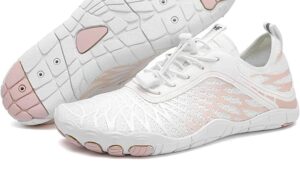
For lighter weight trail running, look at options like the Joomra Women’s Trail Running Barefoot Shoes. For more technical terrain with better waterproofing, check out the KEEN Women’s Circadia Waterproof. If you’re curious about the previous generation, the Merrell Women’s Moab 2 Vent often goes on deeper discount but lacks some of the updated comfort features.
Common Questions: What You Really Want to Know
How does the Merrell Women’s Moab 3 fit compared to other popular brands?
Compared to Nike, it runs about a half-size larger. Against Adidas hiking shoes, they’re pretty similar in sizing. If you wear size 8 in most athletic shoes, stick with 8—they have a generous toe box that accommodates wider feet beautifully. The width is definitely more accommodating than brands like Salomon. Merrell may have the widest fit in women’s hiking footwear, and they offer wide-width versions if needed.
What’s the break-in period like?
There isn’t one. Out of the box, expect immediate comfort. I wore mine on a 6-mile hike the second day of ownership with zero issues. By the end of the first week, they felt completely molded to my feet. This is genuinely one of their biggest strengths and a claim they can back up 100%.
How long will these shoes realistically last?
For moderate hikers logging 2-3 trail days per week, I’d expect 12-18 months of solid performance before replacement. Lighter women (under 130 lbs) report even longer lifespans. Heavy daily users pushing 15+ miles regularly should expect 8-12 months. The Vibram soles are incredibly durable—it’s usually the upper materials that show wear first, not the outsole.
Are they worth the price compared to budget alternatives?
At $90-110, you’re getting premium sole technology and significantly better comfort than $50 alternatives. The immediate comfort and lack of break-in period alone justify the price difference. Compared to $150+ premium options, you get roughly 85% of the performance at 60% of the cost. That math works favorably for most recreational hikers.
What are the deal-breakers I should know about?
The shoe won’t work if you need waterproof protection (this standard version isn’t; opt for the GTX version), have very narrow feet, or require ultralight weight for trail running. The round laces are legitimately annoying—I recommend replacing them with flat laces immediately. The biggest limitation is they’re not suitable for technical climbing or extreme multi-day backpacking with heavy loads.
Can I use these for both hiking and daily wear?
Absolutely. This is one of their strongest features. I regularly wear mine for morning hikes followed by errands around town. They look appropriate in casual settings while maintaining full trail performance. Perfect for those days when you go from trail to coffee shop to grocery store without needing a shoe change.
How do they perform in hot weather?
The mesh panels provide good breathability. Even on 85°F humid North Carolina days, my feet stayed reasonably comfortable. They do run slightly warmer compared to fully mesh trail runners, but the trade-off is durability and protection. The leather upper handles brush and rock scrapes that would shred lighter materials. If you’re hiking in consistently hot, dry conditions, consider the increased weight and warmth as trade-offs for protection.
How do they perform on different trail surfaces?
Excellent on rocky terrain, very good on loose dirt and gravel, and surprisingly capable on wet surfaces. The Vibram TC5+ sole grips well across various conditions. I’ve tested them on everything from North Carolina granite to muddy forest trails, and they consistently performed well. The 5mm lugs provide enough bite without being excessive for non-technical terrain.
Best practices for getting maximum life from these shoes?
Rotate them with another pair of shoes if possible, avoid wearing them extensively on pavement, and let them air dry completely between uses. Clean mud off promptly to prevent material breakdown. The biggest tip: replace those round laces with flat ones immediately—it’ll prevent constant retying and reduce wear on the eyelets. Pair them with moisture-wicking socks for best performance in hot weather.
Final Verdict: Who Wins with the Moab 3
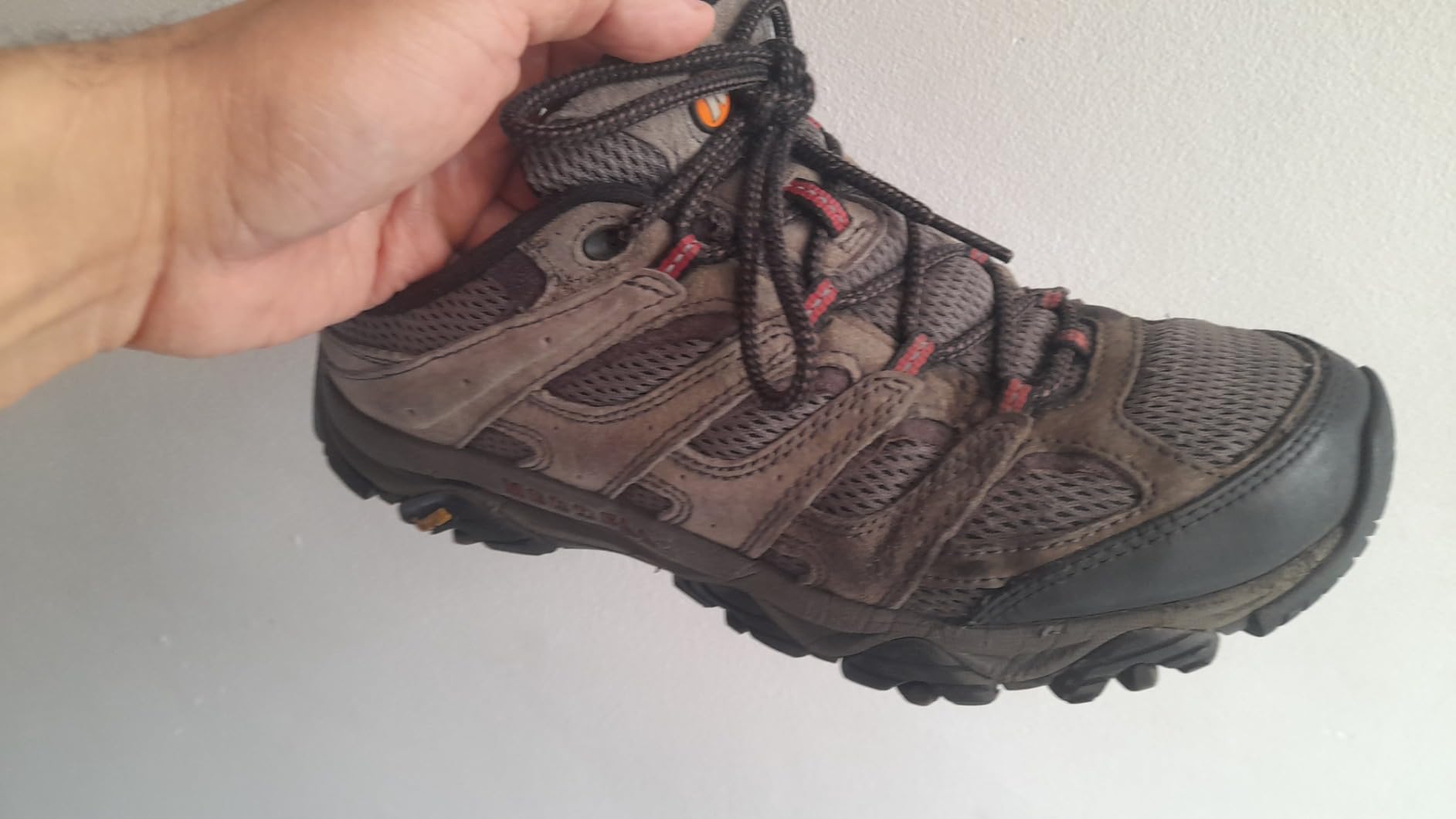
After 4 months and 60+ trail sessions testing the Merrell Women’s Moab 3, here’s my honest take. This shoe hits a sweet spot for active women who want trail-ready performance without premium pricing. It’s not perfect—the round laces slip, it runs slightly warm, and some durability questions emerge after the 6-month mark with heavy use. But for recreational hikers logging 2-4 trail days per week, these deliver where it matters most: immediate comfort, excellent traction, and versatile styling that works from trail to town.
At $90-110, the value proposition makes sense. You’re getting proven Vibram grip, zero break-in hassle, and a generous fit that accommodates wider feet—all in a package that doesn’t look like borrowed men’s gear. The 85% delivery on Merrell’s “all-day comfort” claim is honest: exceptional for 8-10 hours, with slight fatigue creeping in only during marathon 12+ hour days.
If you’re hiking 2-4 times per week with occasional longer adventures, and you have a budget around $90, this represents smart spending for your active lifestyle. Pro tip: size according to your normal athletic shoe size, and invest in flat laces immediately if the round ones bother you. Pair them with moisture-wicking socks for optimal hot-weather performance.
For women seeking other options, consider the Merrell Women’s Antora 3 for lighter weight, the Columbia Granite Trail Mid Waterproof for better weather protection, or the Nortiv 8 Walking Shoes if you prioritize town versatility over technical trail features.
Ready to grab a pair? Check current pricing and availability to see if you can catch them on sale like I did. Questions? Drop them in the comments below—I’m here to help! Stay active out there. 🥾
Be the first to review “Merrell Men’s Moab Hiking Shoe 3 Green 11”
Related products
Hiking/Trekking Shoes
Hiking/Trekking Shoes

Hiking/Trekking Shoes

Hiking/Trekking Shoes
Hiking/Trekking Shoes
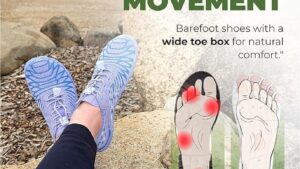
Hike Footwear HF Signature Healthy & Non-Slip Breathable Barefoot Shoes

Hiking/Trekking Shoes
Hiking/Trekking Shoes

Hiking/Trekking Shoes
Reviews
There are no reviews yet.