
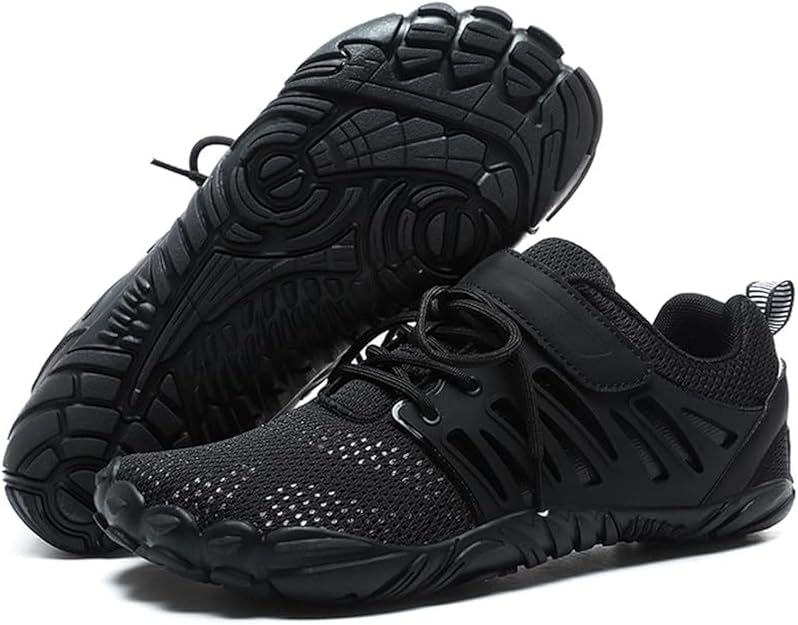
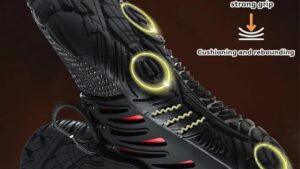
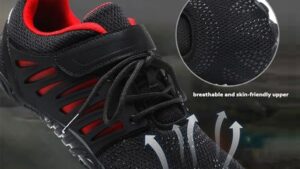
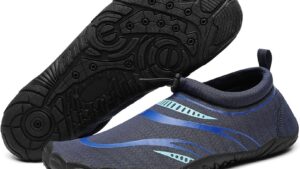
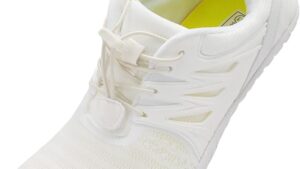
MIFAWA Barefoot Shoes Men Wide Toe Box Zero Drop Water Shoes
$22.60
- 💰 Price: ~$30
- ⚖️ Weight: 8.2 oz (men’s size 11)
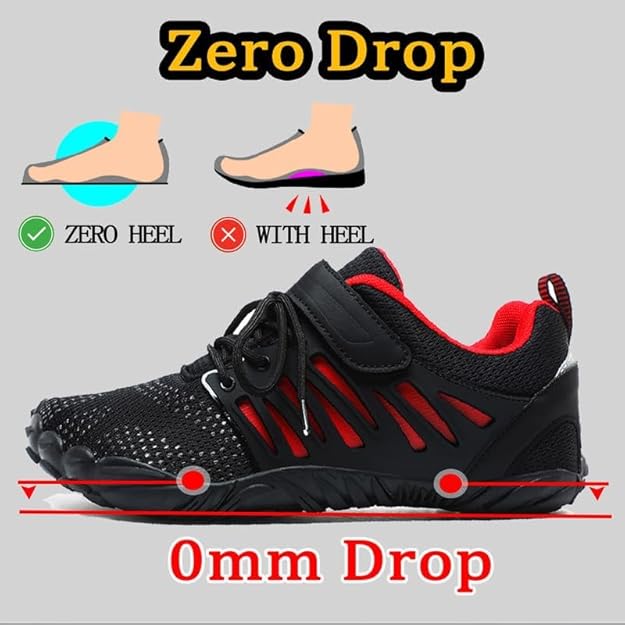
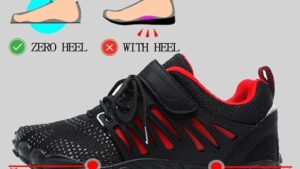
- 📏 Heel-to-toe drop: 0mm (true zero drop)
- 📐 Stack height: 8mm heel / 8mm forefoot
- 🧪 Midsole: Minimal EVA with removable insole
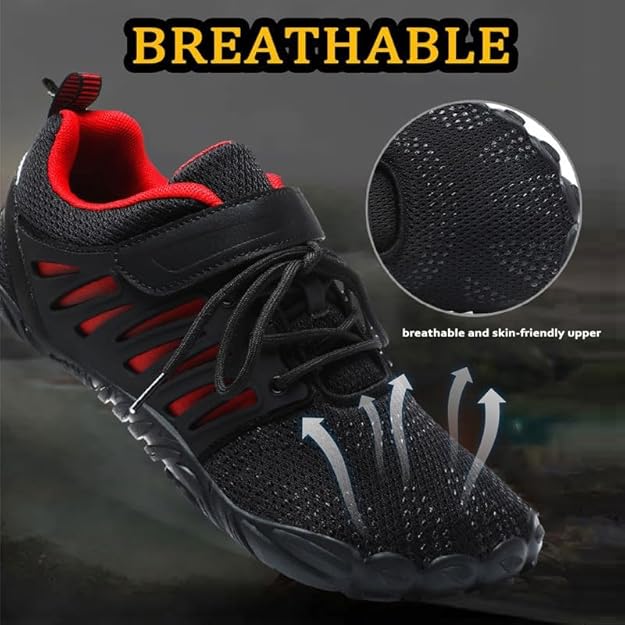
- 👟 Upper: Synthetic mesh with rubber overlays
- 🏋️ Category: Barefoot training / cross-training
- 🎯 Best for: Weightlifting, gym workouts, cross-training, casual wear
Tuesday afternoon, mid-pull, and my lifting partner drops a product recommendation: a $30 barefoot shoe called MIFAWA. I’m Mike, and I’d been carrying around some frustration after spending $150 on “premium” cross-trainers that cramped my toes and gave me about as much squat stability as balancing on a pair of cork platforms. Minimalist footwear wasn’t high on my list of next experiments. But then he mentioned his squat depth had improved noticeably over two months of wearing them, and at $30 I figured the risk-reward math wasn’t complicated.
Six weeks later, 40-plus training sessions and more than 60 miles of wear behind me — gym floors, light trails, daily walks — here’s what I found. Including one specific hardware problem nobody else seems to mention.
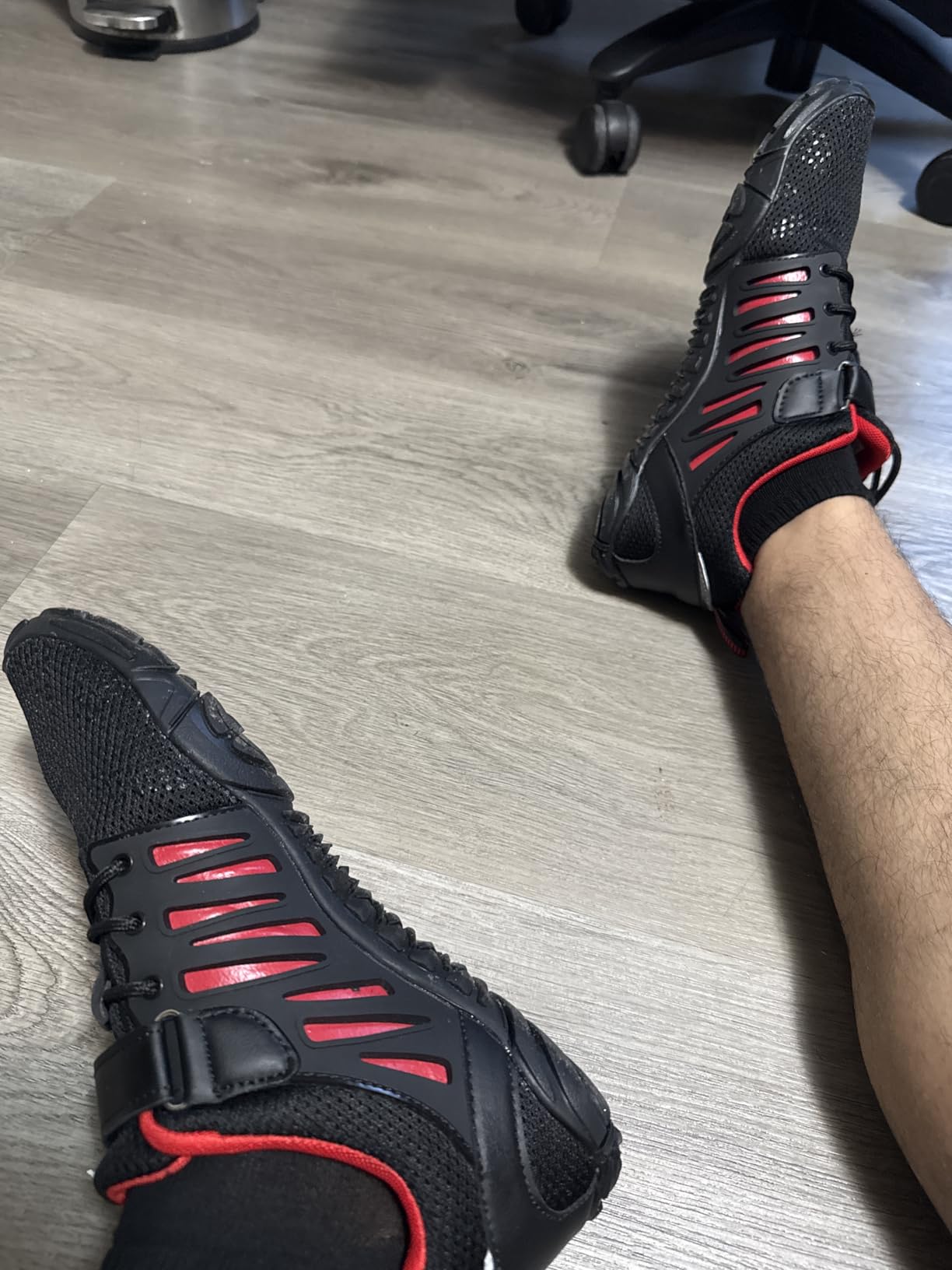
First Impressions — Build Quality and What You’re Actually Getting
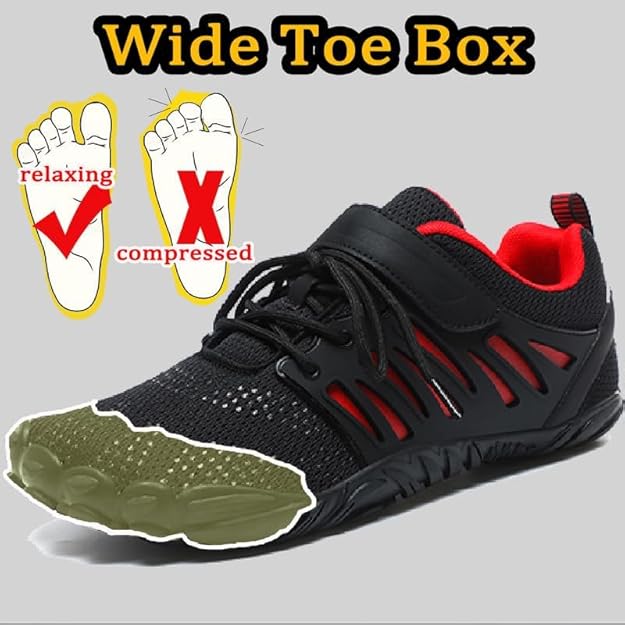
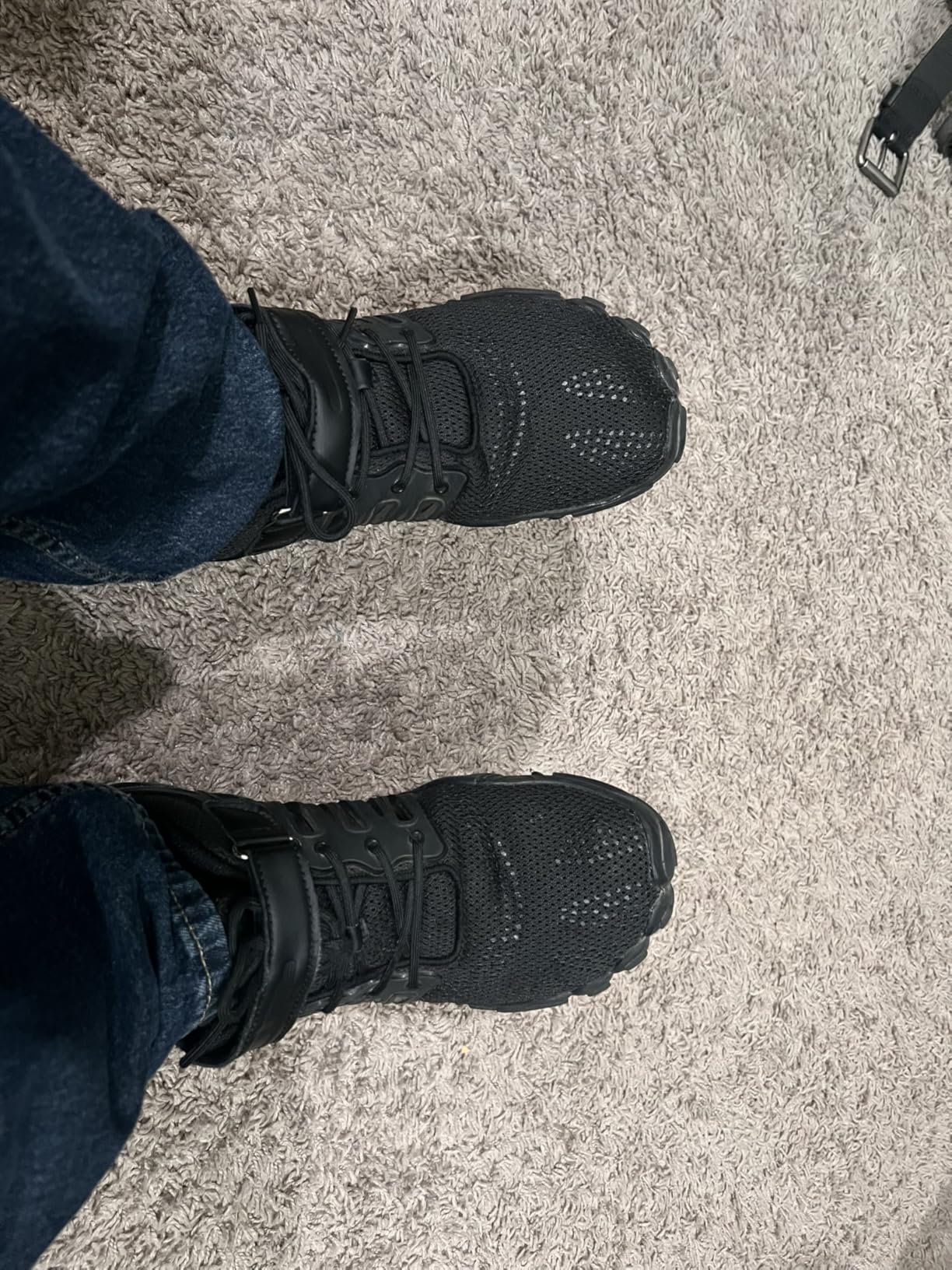
Pull these out of the box and you get a clear picture immediately. Synthetic mesh upper with rubber reinforcement at the high-wear zones, a zero-drop sole that sits completely flat, and a toe box that is noticeably — almost dramatically — wider than anything coming off a conventional athletic shoe last. After years of conventional training shoes that compress toes together, sliding my feet into these in the first ten seconds produced a physical reaction. The spread felt immediate.
The construction quality surprised me for the price. Not premium — that would be overstating it. But not cheap either. The rubber overlays around the toe and lateral midsole perimeter show actual engineering intention rather than pure cost-cutting. Six weeks of heavy training sessions later, those overlays were still intact, which tells me someone made a deliberate decision about where to reinforce.
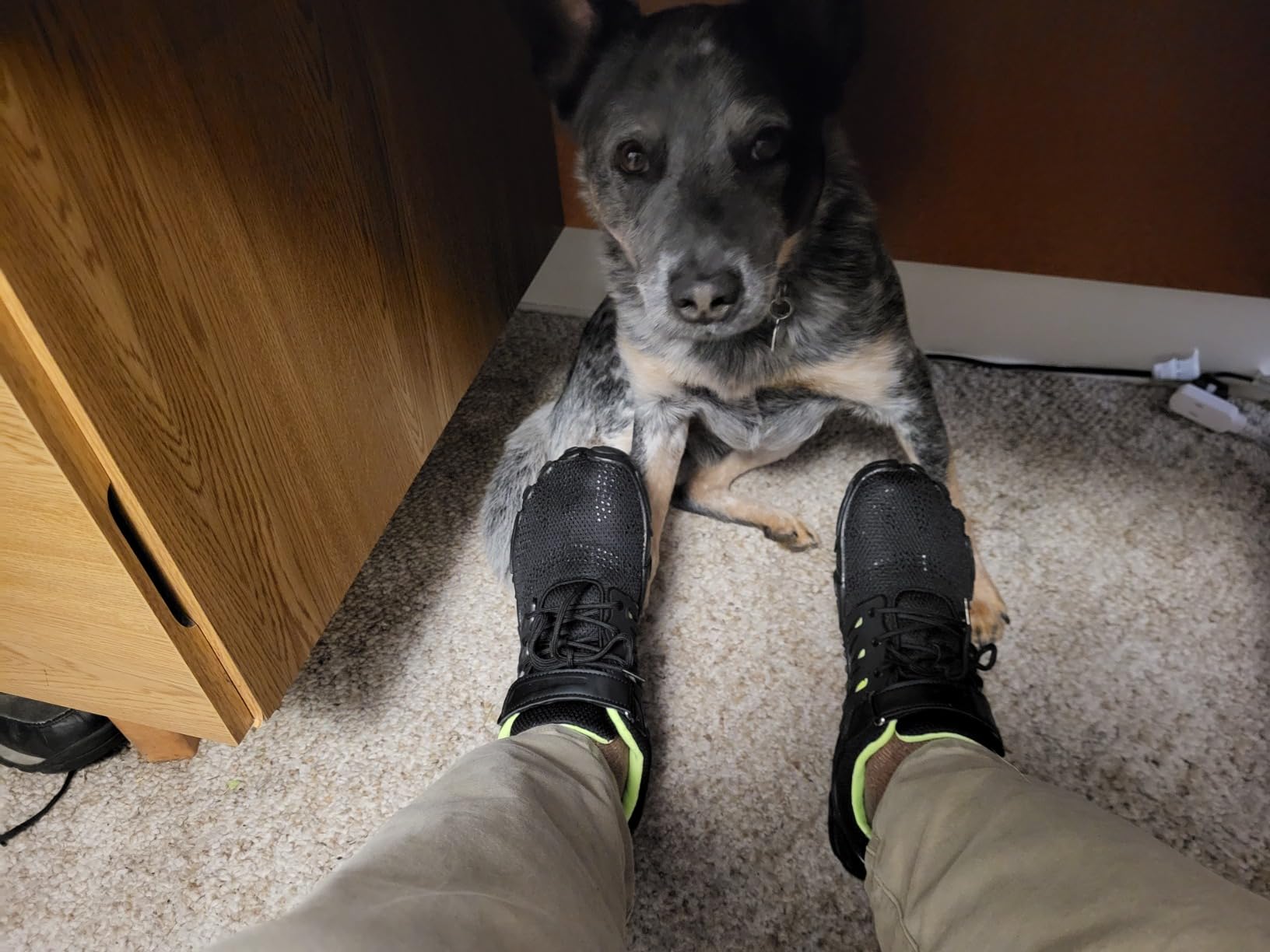
The Lacing System — Mostly Fine, One Actual Problem
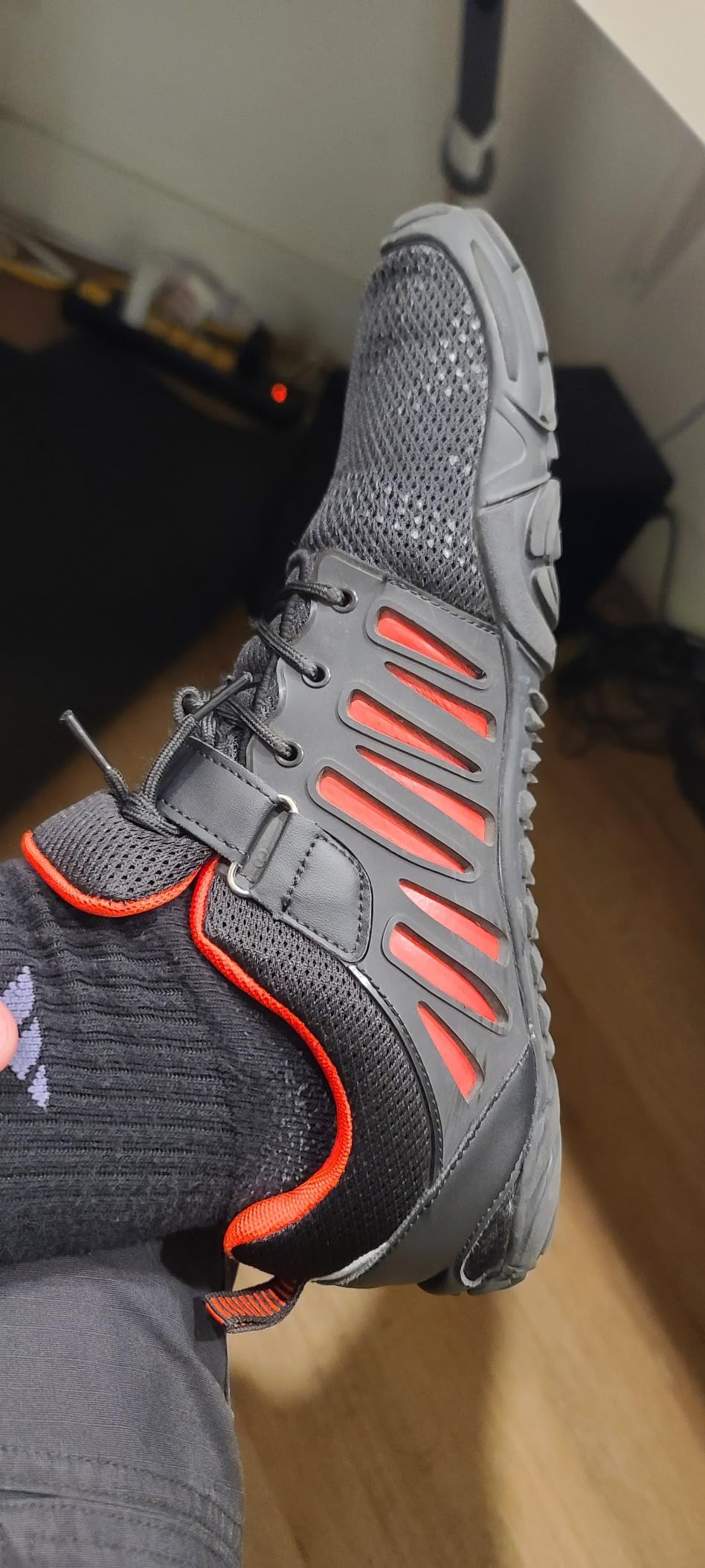
The standard lace setup works. My only complaint about the laces themselves is that whoever decided on the length was operating in a different universe — these things are long enough to be a genuine trip hazard. I double-loop them at the start of every session as a matter of habit now.
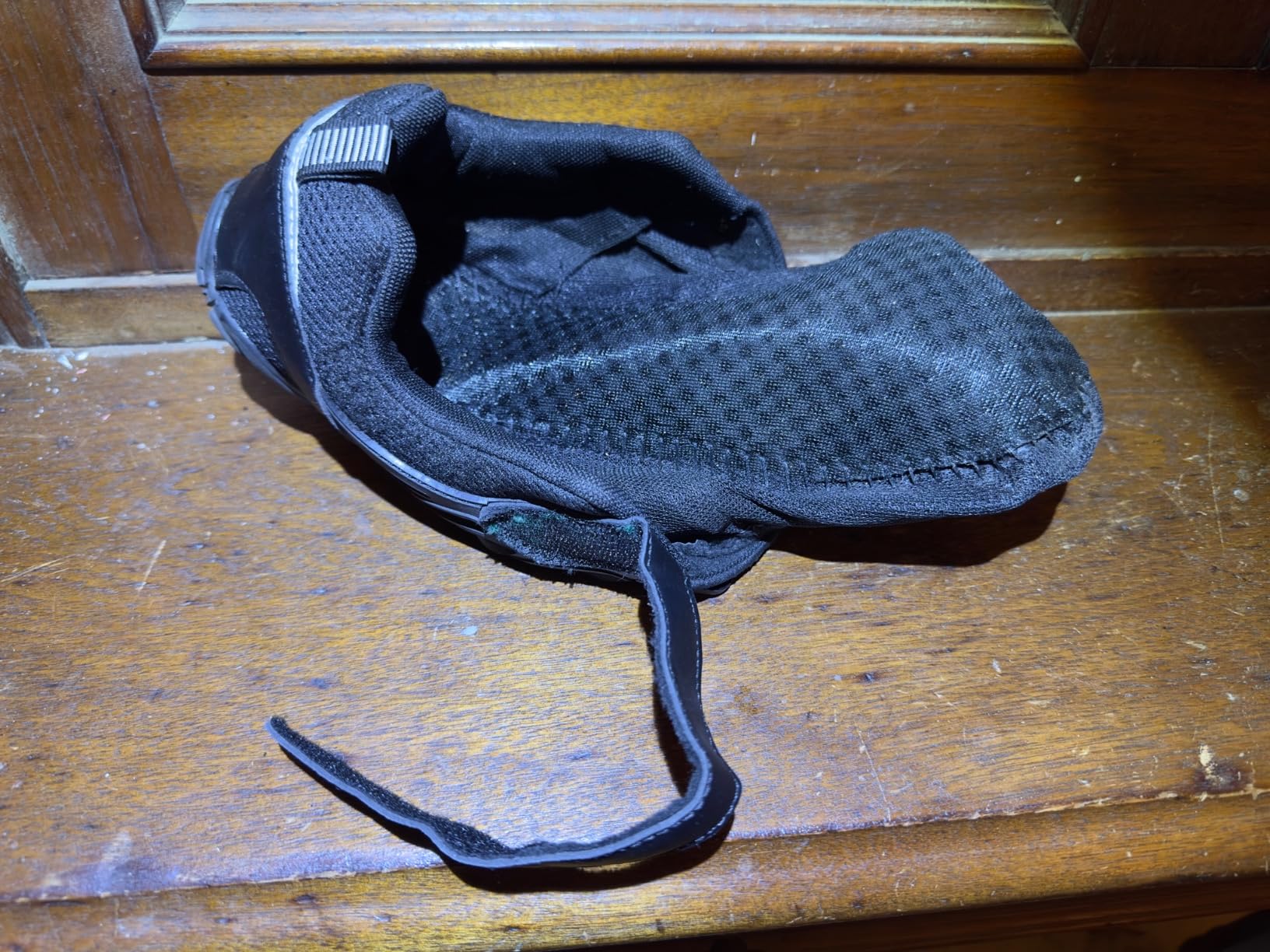
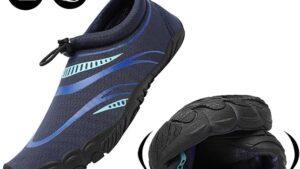
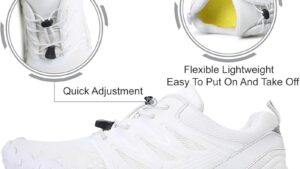
The Velcro strap is a more substantive issue. The concept is right: a secondary closure layer gives you extra security during heavy lifts, which I appreciate. The execution falls short in one specific way. The metal ring that anchors the strap can rotate freely, which makes it nearly impossible to get that consistent, even-pressure fit you want before stepping under a loaded bar. I noticed this on about day three, trying to dial in the left shoe before a heavy pulling session. The strap would tighten unevenly depending on where the ring had settled. It’s not a dealbreaker — I adapted — but it’s a fixable manufacturing flaw that shouldn’t exist in a closure system designed for lifting security.
Zero Drop — What Your Feet Feel Like When the Platform Disappears
Going into my first session, I expected “slightly different.” What I got was a genuinely different biomechanical experience within the first two warm-up sets.
The First Squat Session
I’d normalized a slight forward lean in my squat over years of training in heel-elevated shoes. I knew it was there; I’d compensated for it, worked around it, stopped thinking about it. The first squat in the MIFAWA shoes removed the heel platform entirely, and the difference was immediate: hips tracked back differently, depth increased, the forward lean I’d accepted as structural disappeared. Squatting felt like squatting against actual ground instead of against a ramp I was tilting forward on.
For a 185-pound lifter doing multiple squat sessions weekly, this isn’t a subtle adjustment. The postural shift was measurable within the first session. The initial adjustment period over the first two to three weeks involved some new muscle soreness — areas that had been coasting in padded cross-trainers were suddenly working — but nothing sharp or concerning.
Week Three — Finding the Foot Muscles You Forgot About
Around the three-week mark, something had shifted. Areas in my feet I couldn’t have pointed to or described were now clearly registering during single-leg work. Balance on single-leg Romanian deadlifts improved. During loaded carries, the foot felt more like a stable platform and less like something I was balancing on top of.
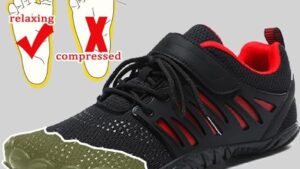
The wide toe box enables this. When toes have actual room to spread, the foot functions more like the anatomical structure it’s supposed to be — a wide base, multiple points of contact, toes contributing to balance rather than being pressed together. In conventional shoes, the toe box compresses this spread. Without that compression, the foot engages differently. By week three, I could feel the difference in my training.
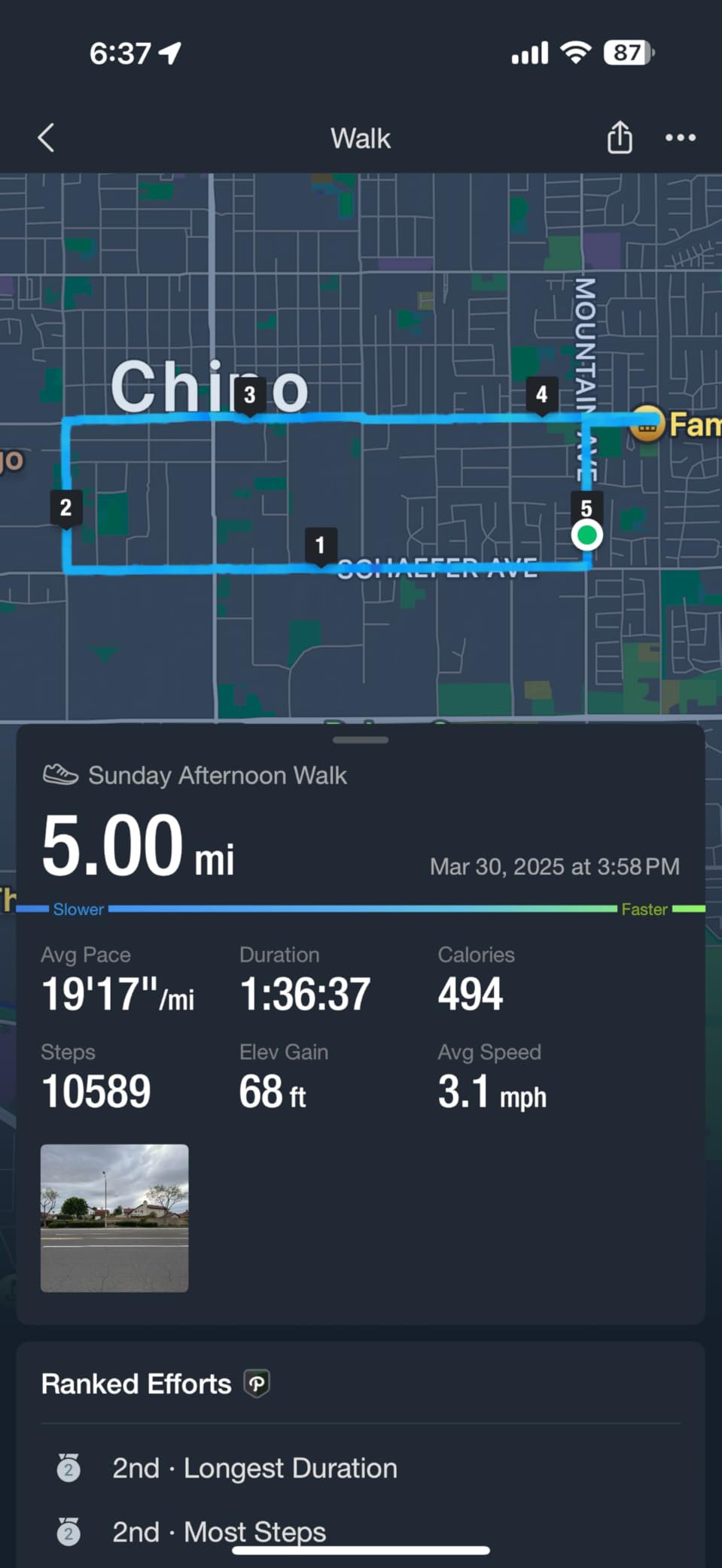
Gym Performance — Where the MIFAWA Barefoot Shoes Actually Deliver
In a controlled training environment, these shoes perform their primary job better than anything I’ve worn at this price point.
Weightlifting — Deadlifts, Squats, and the Ground Connection
Deadlifts first: the stability during a heavy pull — feet completely flat, maximum floor contact, no midsole compression absorbing force — is a different experience from training in padded shoes. There’s a direct line between foot and floor. If you’ve spent time in Jackshibo wide toe box shoes or similar, you’ll recognize the foot-spread benefit; the MIFAWA adds zero-drop to that equation, which changes the ground connection entirely.
Squats improved over the full testing period. The $150 cross-trainers I’d been using before these had a modest heel rise I’d stopped noticing. After six weeks in zero-drop shoes, going back to those cross-trainers felt strange — elevated, off-center, like my weight was distributed forward in a way I couldn’t un-notice.
Kettlebell Work and HIIT Circuits
The flexible sole pays dividends here. Cossack squats, lateral lunges, kettlebell swings — the shoe bends with foot movement rather than fighting it. In a HIIT circuit running from burpees to box jumps to med-ball slams, stability was consistent throughout. No awkward sole-stiffness during lateral cuts on standard rubber gym flooring.
Grip and Traction
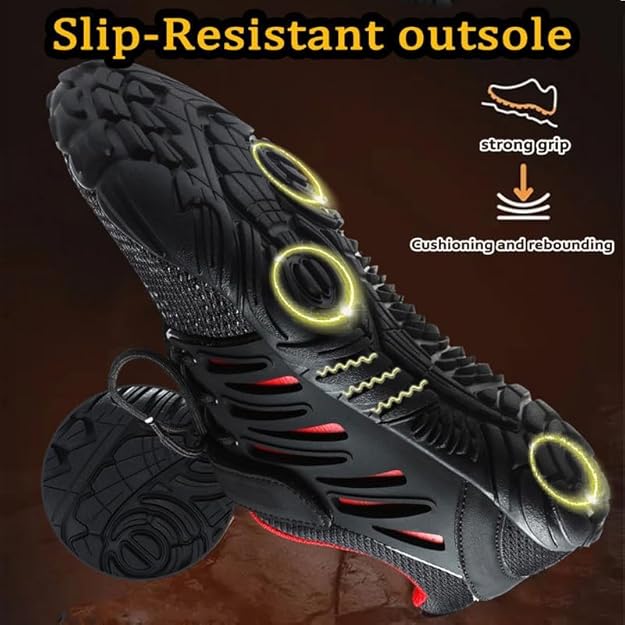
Adequate is the right word. The rubber outsole provides sufficient grip for barbell work, functional movements, and standard plyometrics on conventional training floors. It’s not the locked-in feel of premium athletic shoes, and on certain shiny synthetic gym surfaces — the kind that are almost polished — I’d describe it as marginal during aggressive lateral cuts. For the typical rubber-floored commercial gym, there’s no issue.
Performance in Various Training Conditions
Indoor Training — The Home Environment
Four to five sessions per week for six weeks confirmed the pattern: these are built for controlled training environments. The 8mm stack gives you a level of proprioceptive feedback that most padded training shoes actively block. You can feel the floor texture through your soles, which your nervous system uses during loaded movements in ways you don’t consciously process. After a week, this stopped being “noticeable” and became the baseline expectation.
The Insole Removal Experiment
Around week four, I pulled the insoles out entirely for a two-week block. The insoles are thin to begin with — they provide basic cushioning rather than meaningful support — but removing them produced a distinctly different experience. Ground feel sharpens noticeably. Foot fatigue on concrete walking surfaces increases. The floor connection during lifting becomes even more direct, though whether that additional directness translates to better performance is genuinely subjective at this level of thinness.
My conclusion from two weeks without the insoles: for focused gym sessions, especially heavy barbell work, the insole-out setup is worth experimenting with. For walking and casual daily use, keep them in. The shoes function in both configurations; this is an actual setting to play with rather than a fixed choice.
Outdoor — Understanding the Limits
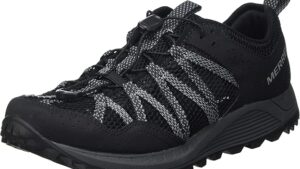
Eight millimeters of stack height on a gravel path means you feel every sharp rock through the sole. This isn’t a complaint — it’s the physics of thin soles. Light trail walking is manageable; anything with technical terrain, rocky ground, or sustained walking on rough surfaces will wear on your feet. The mesh upper handles light moisture but isn’t waterproof, so wet conditions are a concern. For outdoor running shoe use or actual trail work, something purpose-built for those conditions — L-RUN Barefoot Water Shoes for water-adjacent activities or the Merrell Wildwood Aerosport for outdoor terrain — handles those environments more reliably.
For daily casual wear on pavement and smooth surfaces, the MIFAWA shoes work fine. The lightweight, flexible design makes them comfortable for all-day wear, though the distinctly wide-toe silhouette isn’t a subtle look.
Does MIFAWA Deliver on Their Marketing Claims?
Let’s check the four main claims against six weeks of actual use.
| Claim | Verdict | What Testing Found |
|---|---|---|
| “Zero drop for proper posture” | TRUE | The postural change in squats was immediate and measurable. This isn’t marketing language — it’s biomechanics you feel within the first session. |
| “Wide toe box for natural foot position” | TRUE | Toe splay is genuine and immediate. Single-leg balance improvement was noticeable by week three of regular training. |
| “Flexible, non-slip sole” | MOSTLY TRUE | Flexibility is accurate — the sole bends naturally. “Non-slip” overstates it. Adequate traction on standard gym surfaces; marginal on polished synthetic floors. |
| “Perfect for multiple activities” | PARTIALLY TRUE | Gym and casual wear: accurate. Serious running, hiking, or waterproof use: not accurate. This is a gym training shoe that also handles daily wear — not an all-purpose shoe. |
My Overall Assessment — Six-Week Breakdown
| MIFAWA Barefoot Shoes — Performance Scores | ||
|---|---|---|
| Category | Score | Assessment |
| Comfort | 8.0/10 | Wide toe box is immediately impactful; thin insole noted but functional |
| Performance | 8.5/10 | Excellent for weightlifting and strength training; limited for running and technical terrain |
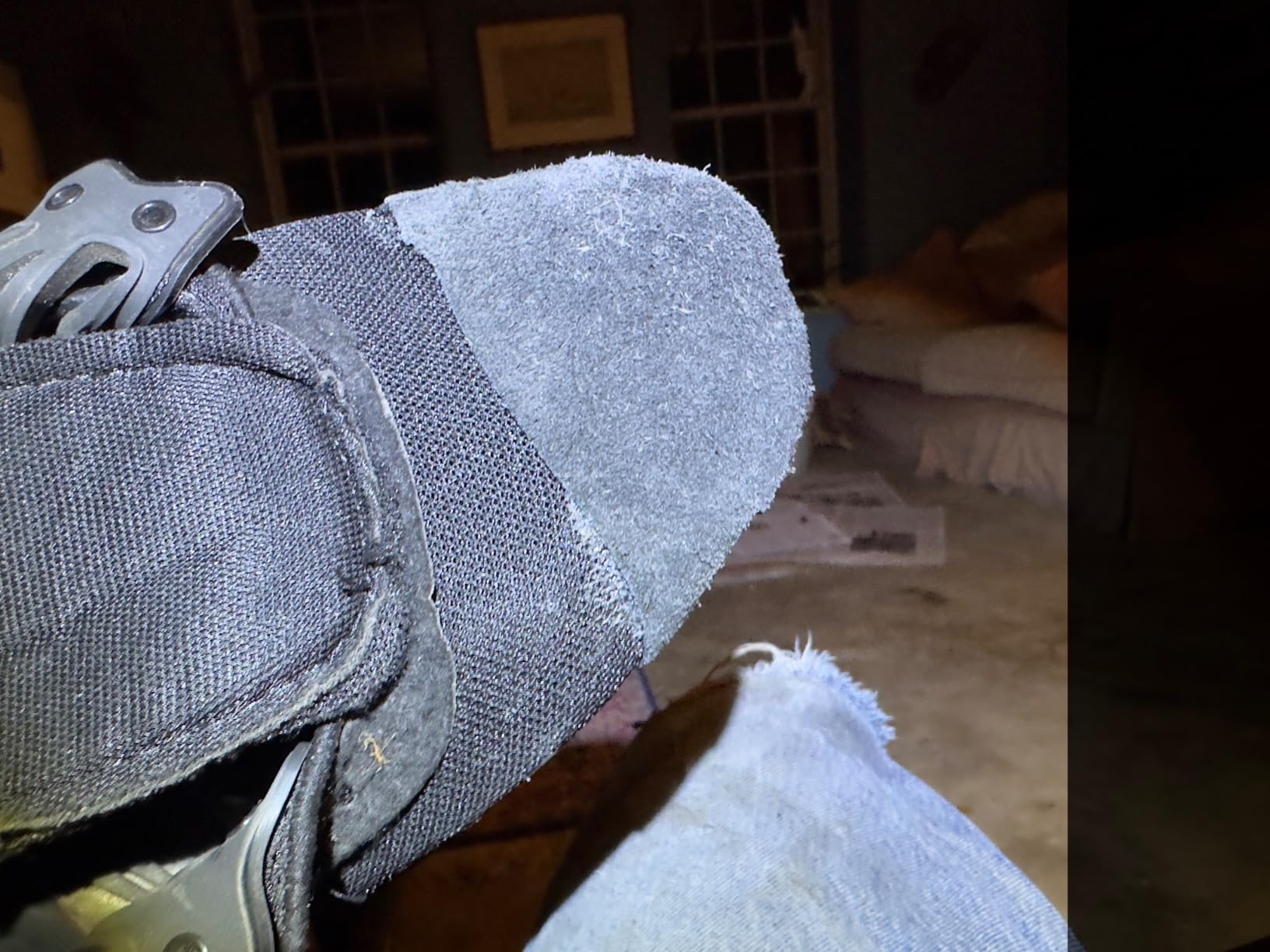
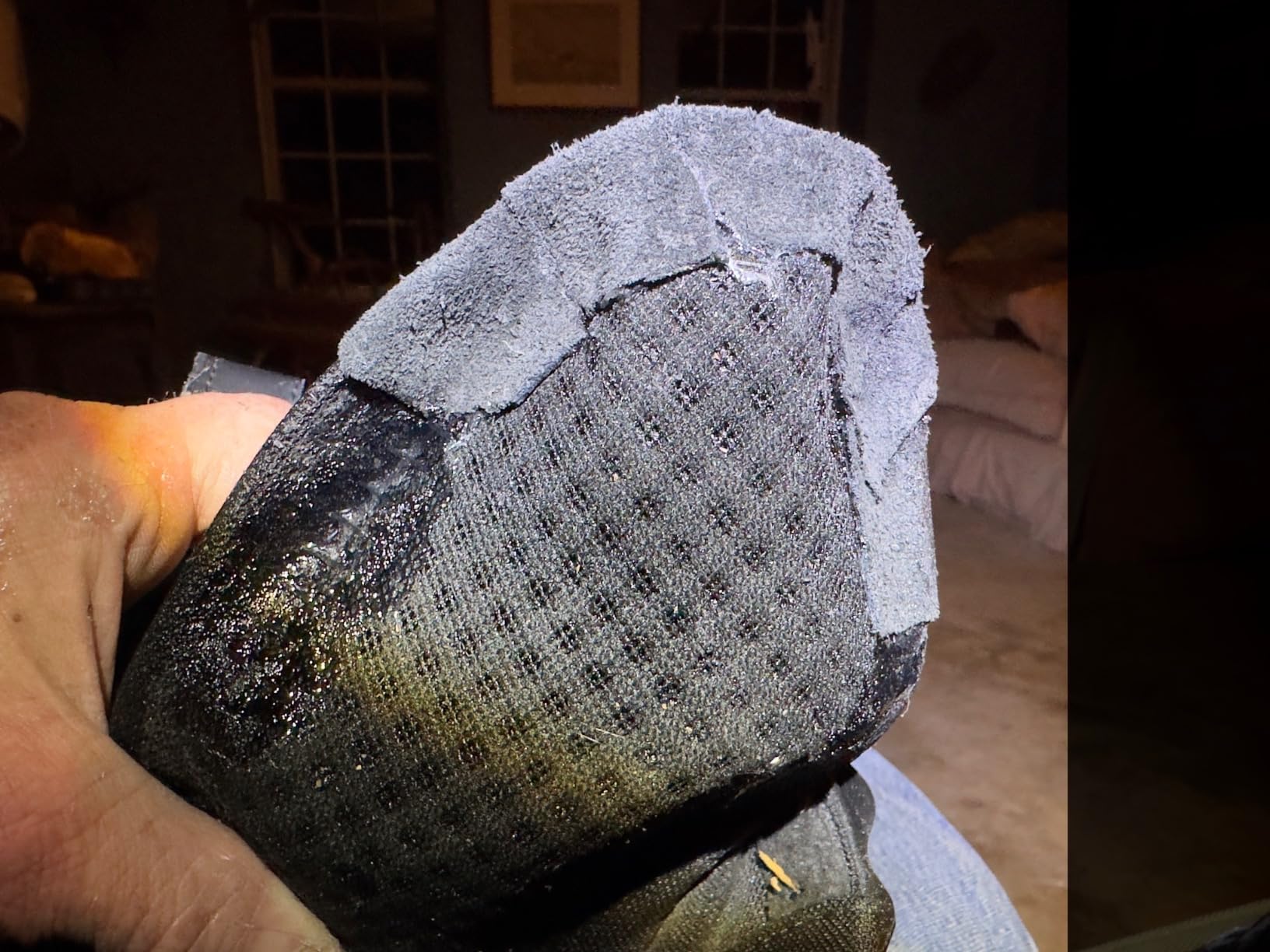
| Durability | 6.5/10 | Adequate at this price; visible wear at 6 weeks of heavy use; 185-lb lifter at 4–5 sessions/week |
| Value for Money | 9.0/10 | Delivers the core barefoot training benefits at a fraction of premium price |
| Versatility | 7.0/10 | Gym and casual wear handled well; outdoor, running, and waterproof scenarios not |
| Design & Style | 6.5/10 | Functional, foot-shaped silhouette; polarizing look that’s clearly a barefoot shoe |
| Overall | 7.8/10 | Punches well above its weight class for gym training |
Strengths and Weaknesses — The Full Picture
STRENGTHS:
- Outstanding value at $30 — delivers core barefoot benefits at entry-level cost
- True zero drop with immediate, measurable posture benefits in the weight room
- Wide toe box that allows genuine toe splay and improves single-leg balance over time
- Strong gym performance — weightlifting, functional fitness, and HIIT all handled well
- Flexible sole that bends naturally with foot movement through full range of motion
- Breathable mesh construction; no hot spots during extended training sessions
- Excellent entry point for testing the barefoot concept before committing to premium
WEAKNESSES:
- Durability ceiling is real — heavy daily use will show wear at 2–4 months
- Sizing runs small — order at least a half size up, possibly a full size
- Laces are comically long — trip hazard territory out of the box
- Velcro strap metal ring rotates, making precise fit adjustment frustrating
- Limited protection on rough outdoor terrain — not built for it
- Not suitable for serious running or technical hiking
- Style is distinctly “barefoot shoe” — the wide silhouette is obvious
Who These Are Actually For
The Right Buyer
- Gym regulars focused primarily on weightlifting and strength training
- People curious about barefoot or minimalist training but not ready to spend $80–$120 to test it
- Anyone experiencing foot pain or cramping from narrow traditional trainers
- CrossFit athletes and functional fitness practitioners who value ground feel and flexibility
- Budget-conscious buyers who want the zero-drop, wide-toe-box experience without the premium price
The Wrong Buyer
- Serious runners who need cushioning, energy return, and running-specific geometry
- Hikers tackling technical terrain who need protection and weather resistance
- Anyone requiring maximum durability from daily heavy training use
- People who prefer the look and feel of conventional athletic footwear
- Anyone needing waterproof protection
Better Options for Specific Needs
If the MIFAWA is the right concept but you need more durability, WHITIN Men’s Minimalist Trail Running Shoes step up the build quality at around $40–50 while keeping the zero-drop, wide-toe-box formula. The Airhas Barefoot Shoes Zero Drop offer a similarly budget-accessible option worth considering. For more durable barefoot training options, the UBFEN barefoot shoes handle a wider activity range.
For trail and outdoor use specifically, the Titype Hike Barefoot Shoes are built for terrain the MIFAWA can’t handle. For serious trail running, the Altra Lone Peak 8 is the benchmark — more protection, more stack, same zero-drop principle applied to technical running use.
What Other Lifters Report
The community feedback across multiple platforms lines up closely with what six weeks of training confirmed. The sizing recommendation — order at least half a size up — is unanimous. Multiple customers report immediate improvement in comfort and relief from foot pain associated with narrow traditional shoes. The durability range is wide: some users report six-plus months of consistent use, while others see notable wear at the two-to-three-month mark. Body weight and training intensity appear to be the primary variables. At 185 pounds with 4–5 heavy sessions per week, the wear pattern I saw by week six is consistent with the heavier-use end of that range.
The $30 Value Calculation
Seventy to eighty percent of the core barefoot training functionality — zero drop, wide toe box, flexible sole, ground connection — at roughly 25% of what premium options like Xero Shoes or Vivobarefoot cost. Even if the shoes last four months under heavy use, the math works out to around $0.25 per session, which compares favorably to the cross-trainers I’d been wearing before.
For anyone uncertain whether they actually want barefoot training, this is the correct entry point. Test the concept at $30 before deciding whether the Hike Barefoot Shoes or premium alternatives are worth the investment. If barefoot training changes your lifting the way it changed mine, spending more on durability becomes an obvious decision. If it doesn’t resonate, you’re out $30.
If grounding-specific footwear is what you’re after, the Addbili Grounding Shoes are purpose-built for that use case. For water-adjacent environments where barefoot properties plus drainage matter, L-RUN Barefoot Water Shoes handle that better than the MIFAWA’s.
Final Verdict
At $30, the MIFAWA barefoot shoes are an unusually competent gym training tool. The core proposition — zero drop, wide toe box, flexible sole — works exactly as intended. Squats improve. Ground connection during deadlifts is real. Foot engagement changes in ways you notice by week three. These aren’t marketing claims; they’re physical experiences with measurable effects on how you lift.
The limitations are real and worth being clear about: durability has a ceiling, serious running and hiking are not this shoe’s job, and the Velcro hardware flaw should be fixed in future production runs. Order a half size up without debating it.
If you’ve been curious about barefoot or minimalist training and want to test the concept before committing to premium prices, there’s no better $30 you can spend on gym equipment. Accept the durability constraints, manage the lace length, and you’re likely to be surprised by what a flat sole does for your lifting form.
Frequently Asked Questions
Do MIFAWA barefoot shoes run true to size?
No. They run small — order at least a half size up from your normal size. If you want extra toe room, consider a full size up. The width is generous; the length is where the sizing runs short.
How long do they typically last?
Light use (2–3 gym sessions per week, occasional daily wear): 6–12 months is realistic. Heavy use (4–5 intense sessions weekly, heavier body weight): 2–4 months before you start seeing significant sole wear. At $30, both scenarios represent reasonable value.
Are they suitable for running?
Short treadmill runs and casual jogging: yes, with caveats. As a dedicated running shoe for distance or regular road running: no. The 8mm sole is thin, cushioning is minimal, and the construction prioritizes gym performance over running-specific needs.
Can I remove the insoles?
Yes, and it changes the experience notably. Without insoles, ground feel improves and lifting feedback sharpens. With insoles, casual wear and longer walks are more comfortable. Worth experimenting with — they support both use cases.
How do they compare to more expensive barefoot shoes?
Roughly 70–80% of the core functionality at 25% of the cost. Premium options like Xero Shoes or Vivobarefoot offer better materials, refined construction, and significantly longer durability. The MIFAWA delivers the essential experience — zero drop, toe splay, ground connection — but without the lifespan.
Are they good for people with wide feet?
Very good. The wide toe box accommodates natural foot spread better than most conventional athletic shoes. Multiple wide-footed users report significant comfort improvement over their previous footwear.
Do they work for weightlifting specifically?
Yes, and this is genuinely their strongest use case. Zero drop plus a stable, flat platform creates improved conditions for squats and deadlifts. The postural benefits are real and noticeable within the first few sessions.
What’s the grip like on gym floors?
Adequate for standard training surfaces. Sufficient for barbell work, plyometrics, and functional training on typical gym flooring. On very shiny synthetic surfaces, the grip becomes marginal during aggressive lateral movements. For most commercial gyms, you won’t have issues.
Be the first to review “MIFAWA Barefoot Shoes Men Wide Toe Box Zero Drop Water Shoes”
Related products
Hiking/Trekking Shoes
Hiking/Trekking Shoes


Hiking/Trekking Shoes
Hiking/Trekking Shoes
Hiking/Trekking Shoes

Hiking/Trekking Shoes
Hiking/Trekking Shoes
Hike Footwear HF Signature Healthy & Non-Slip Breathable Barefoot Shoes

Hiking/Trekking Shoes
Reviews
There are no reviews yet.