
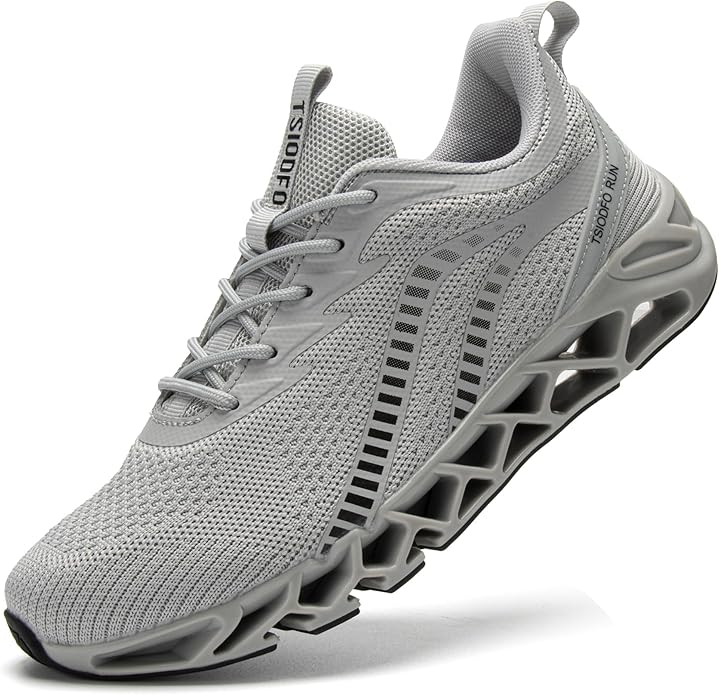
My nephew’s cleats disappeared from the school locker room three weeks into soccer season — stolen, of all things. With games on the schedule and maybe $50 to work with, I started digging through the budget end of the athletic shoe market. Mike here, and after a decade of testing sub-$60 footwear for everything from rec basketball to gym sessions to morning jogs, I’ve developed a pretty reliable sense of when a cheap shoe will surprise you and when it’ll disappoint you by week three. The SKDOIUL Sport Running Shoes sat squarely in the “maybe” pile until I put in six weeks and 85 miles across multiple activities. Here’s where they actually landed.
Technical Specifications
- 💰 Price: ~$45
- ⚖️ Weight: 11.2 oz (men’s size 9)
- 🧪 Sole construction: TPU-based (Thermoplastic Polyurethane)
- 👟 Upper material: Breathable mesh with synthetic overlays
- 🔒 Closure type: Pull-on with elastic collar entry (no laces)
- 📐 Heel drop / Stack: ~12mm / 32mm heel, 20mm forefoot (estimated from similar construction)
- 🏃♂️ Category: Multi-sport lifestyle / light training
- 🎯 Best for: Casual wear, gym sessions, runs under 3 miles
- ⏱️ Testing period: 6 weeks, 25 sessions, 85 miles logged
Note: SKDOIUL (Quanzhou IFAN Shoes Co, Ltd) doesn’t publish official technical documentation. Specs above are sourced from direct testing, product listing, and parallel model analysis. No independent lab data available for this brand.
First Impressions & Upper Construction
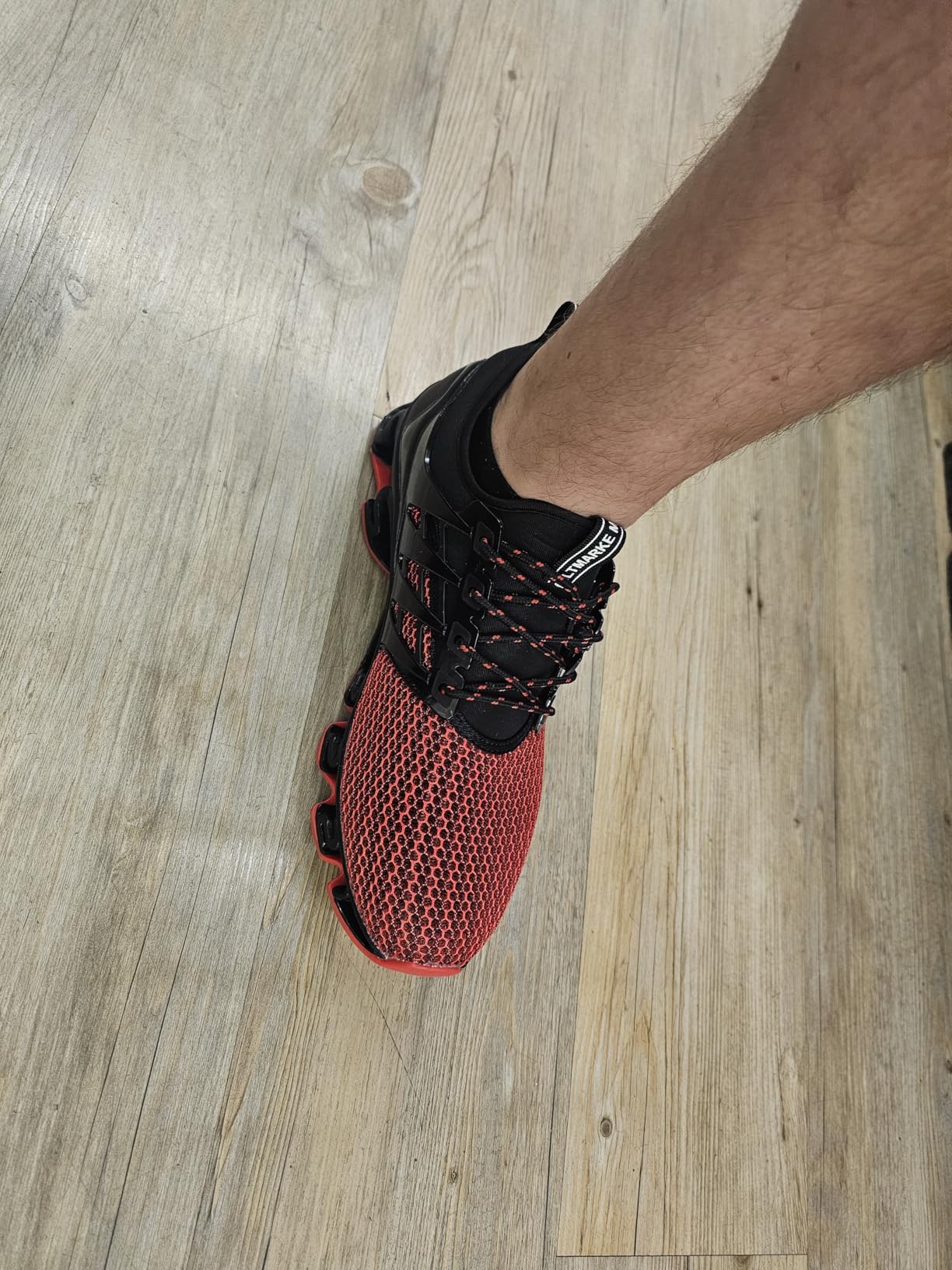
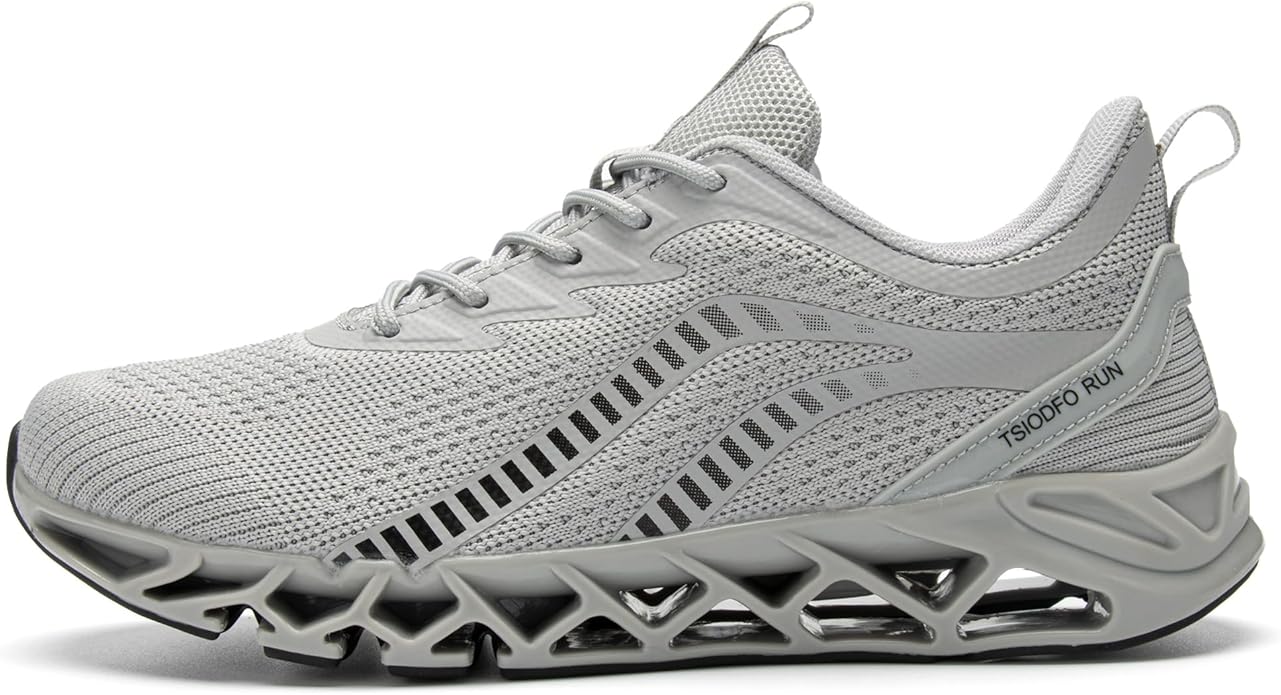
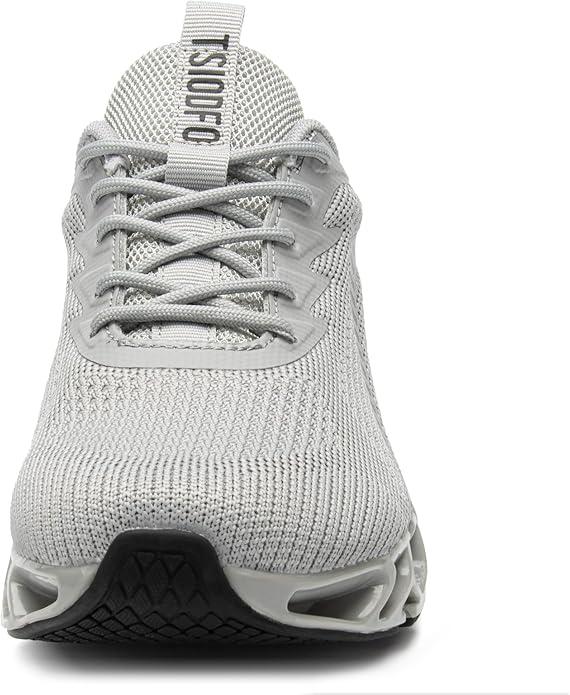
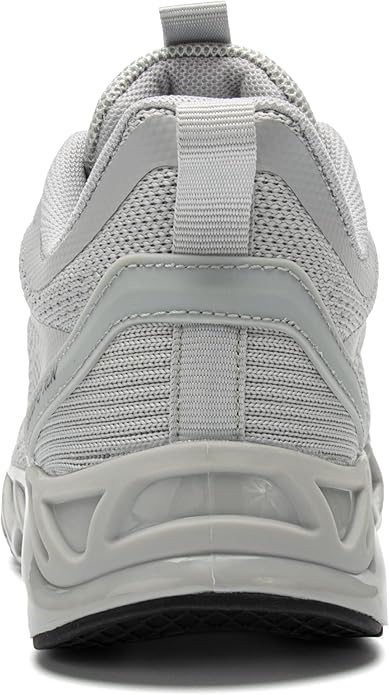
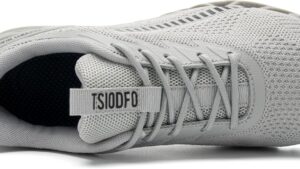
Out of the box, the SKDOIUL immediately reads as a modernist budget sneaker — clean lines, geometric mesh pattern, none of the clutter that usually marks shoes at this price point. The white colorway I tested looked sharp enough to get a few comments at the gym, which says something about the design team’s sense of what sells.
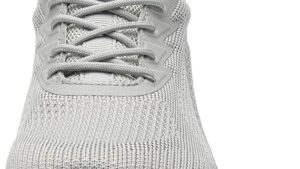
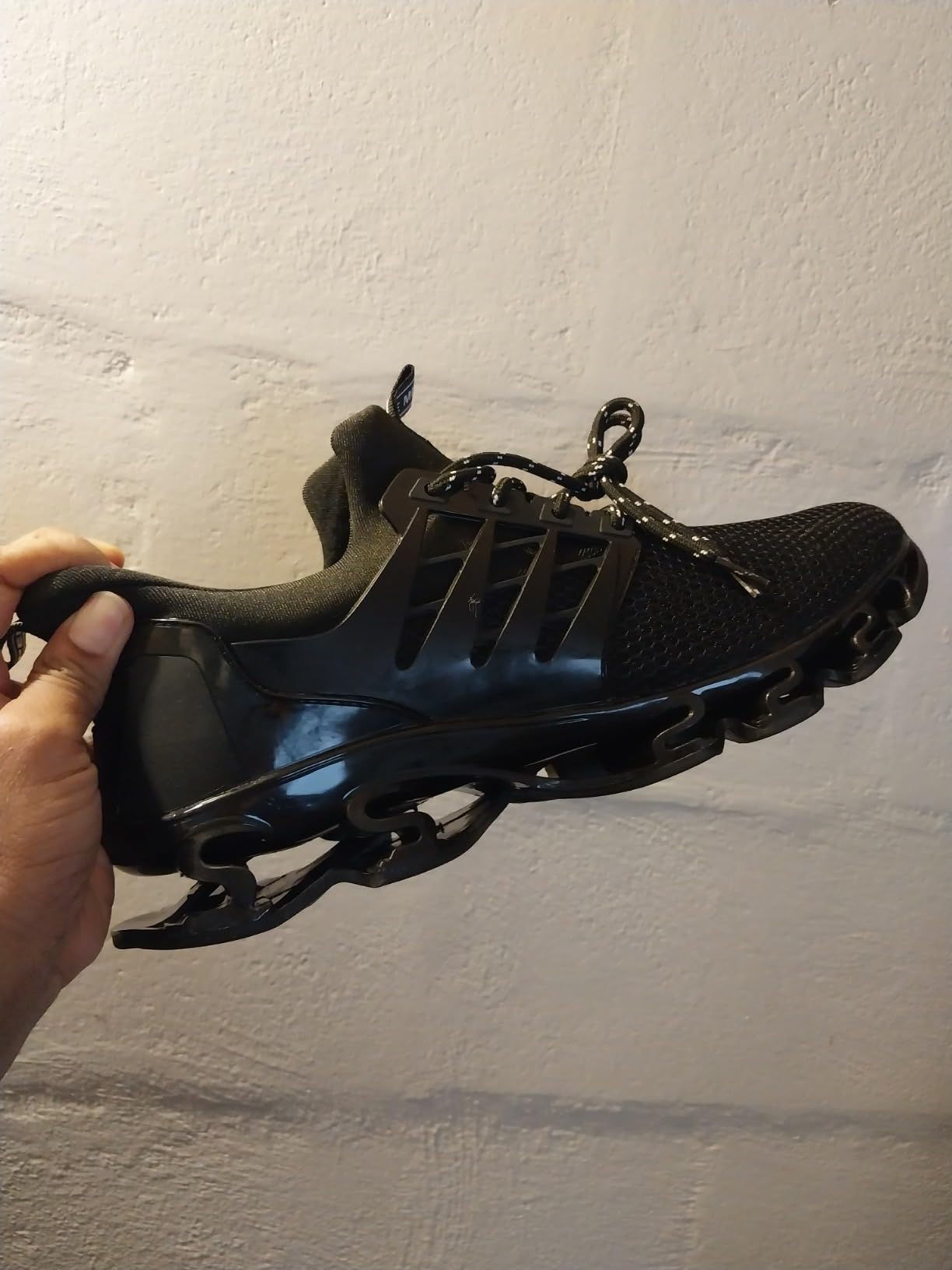
The mesh upper construction is where this shoe earns its strongest marks. The geometric cut-outs aren’t decorative — each opening functions as a legitimate ventilation channel, and you feel that difference within the first ten minutes of moderate activity. For a $45 shoe, the breathability is genuinely impressive, especially compared to the solid synthetic uppers that dominate this price range in budget sneakers.
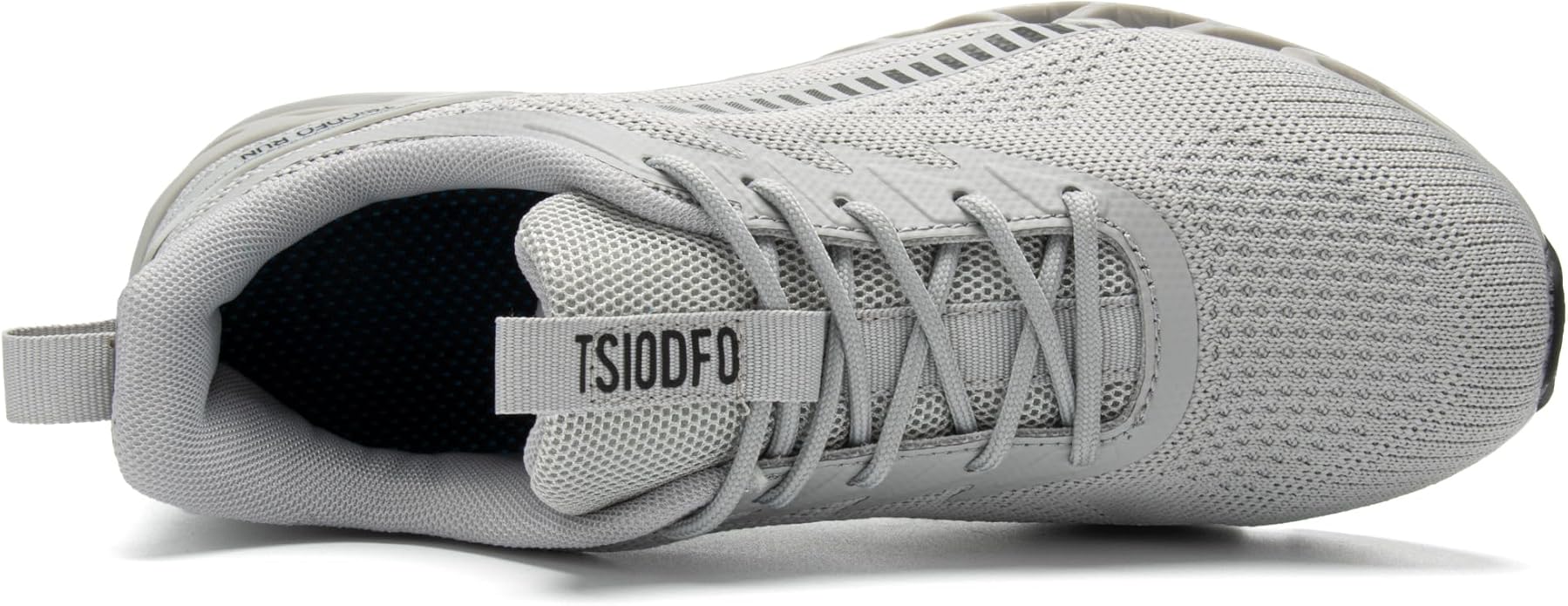
The pull-on design eliminates laces entirely. For quick gym entries or casual daily wear, this convenience is real — slip them on, get moving. No fumbling with laces when you’re already running late. Where that convenience becomes a trade-off is in the elastic collar, which I’ll get into once we’re past the honeymoon phase.
At 11.2 ounces, these run heavier than purpose-built running shoes — the Nike Downshifter 12 and similar entry-level options typically land 1-2 oz lighter. For casual gym use, that weight difference barely registers. It starts mattering when you’re trying to cover real mileage.
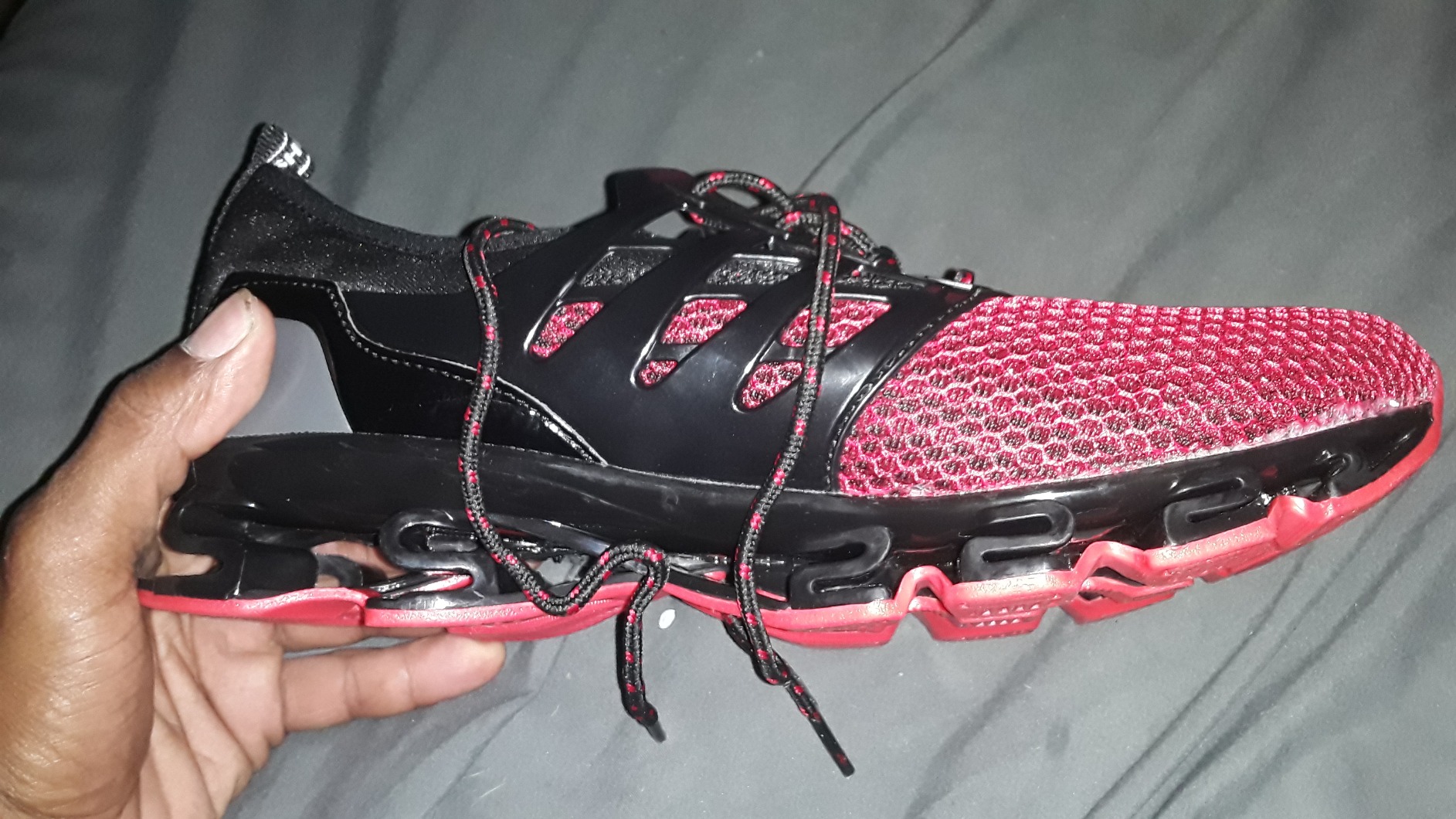
Cushioning, Support & the Comfort Timeline
What the TPU Midsole Actually Delivers
The TPU-based sole construction is honest about what it is: adequate cushioning that handles light work without complaint. During a 3-mile test at a comfortable 8:30 pace on asphalt, the heel-to-toe transition felt smooth enough — not the responsive bounce of premium foam, but not the punishing firmness of dress-shoe construction either. Middle of the road, in both the best and limiting senses of that phrase.
The problem with “adequate” cushioning is that it has a time limit. Push past the 45-minute mark of continuous running, and the midsole starts telling you about its limitations. Hot spots develop along the heel and forefoot — not blisters, but a persistent pressure awareness that builds throughout the session. I tested this repeatedly: consistent across runs, consistent across gym sessions that ran long. The cushioning cliff is real, and it arrives around that 40-45 minute threshold for most moderate-intensity use.
For gym sessions staying under 45 minutes, this matters less. For anyone with distance ambitions, it matters a lot.
The Elastic Collar Problem
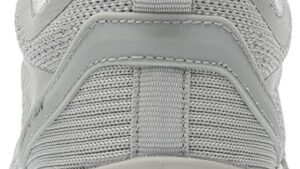
Here’s the support issue that doesn’t show up in spec sheets: the elastic collar is the only thing securing your midfoot. Traditional lacing distributes tension across multiple points, allowing you to dial in the exact amount of hold for the activity. The elastic collar provides one tension level — whatever the collar’s natural compression happens to be at your size.
During straight-line movement (gym walks, casual jogging, basic cardio), this works fine. The sock-like fit feels comfortable and secure enough. The moment you introduce lateral demands — a quick cut in recreational tennis, a side shuffle in a workout — the foot shifts within the shoe. Not dramatically, but enough to feel the instability, and enough to make me hesitant during anything requiring confident footwork.
I spent one session testing the SKDOIUL through basic tennis drills, and the foot slide during direction changes was consistent and noticeable. For anyone browsing these as a multi-sport option, that’s a meaningful constraint.
Performance by Activity: The Honest Matrix
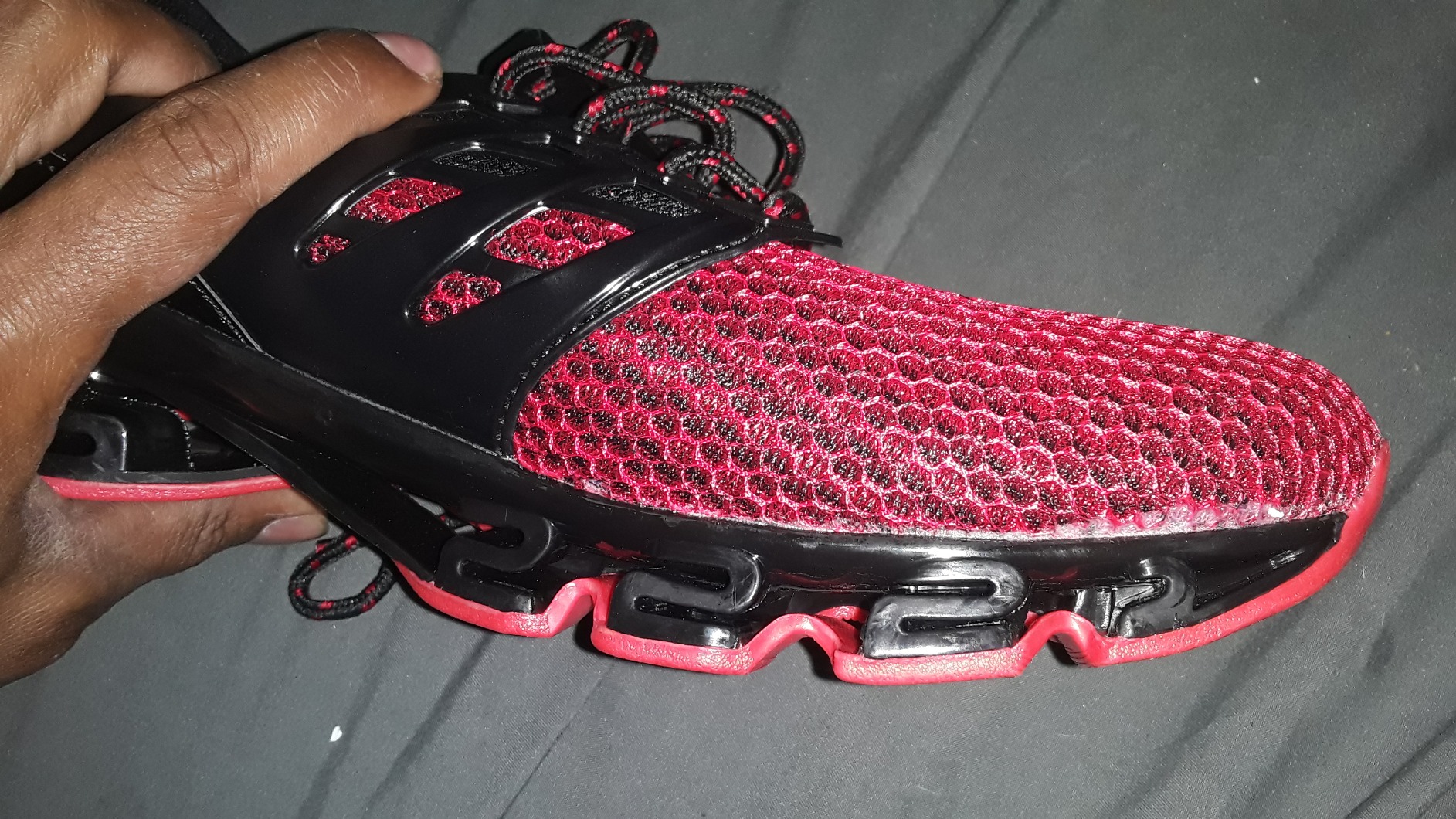
SKDOIUL markets these for: “running, walking, jogging, training, gym workout, camping, climbing, soccer, tennis, badminton.” After six weeks, here’s where that claim holds up and where it doesn’t.
What Actually Works
Light jogging and casual runs (under 3 miles): This is the sweet spot. At conversational pace, on flat pavement or park paths, the SKDOIUL performs adequately. The breathability keeps feet noticeably cooler than synthetic alternatives — during 85°F testing sessions, foot temperature was a genuine advantage over closed-upper budget shoes. For anyone whose primary need is a “get moving” shoe for short morning jogs or walking commutes, these deliver.
Gym use for basic training: The flexible sole is actually an asset in the weight room. During squats and deadlifts, the sole doesn’t fight natural foot movement — there’s no rigid heel that pushes back awkwardly. Circuit training with basic movements (burpees, mountain climbers, moderate jump squats) is manageable. Pair that with the superior breathability and you’ve got a serviceable gym shoe for anyone not going heavy or explosive.
Casual daily wear: Where the SKDOIUL genuinely shines with no asterisk. Light, breathable, modern-looking. For students, commuters, or anyone needing a comfortable everyday training shoe that won’t roast their feet, this works well.
What Doesn’t Work
Serious running (5+ miles): The comfort cliff hits too hard for distance use. The cushioning is thin at the margins, and the elastic collar friction compounds over time. If you’re logging weekly mileage, the Brooks Launch 10 or similar proper running shoes handle the sustained demand these can’t.
High-intensity training and plyometrics: Without midfoot lacing, explosive movements create a power transfer problem. The foot shifts before the sole pushes off — a small loss per rep, but it compounds across a HIIT session. The Under Armour Charged Assert 9 and similar cross-trainers address this with proper support structures.
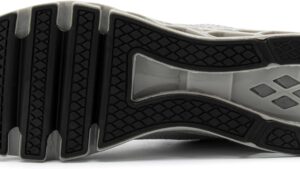
Competitive sports: Lateral instability from the elastic collar makes these unsuitable for competitive tennis, recreational soccer, or anything requiring confident footwork during cuts. For my nephew’s actual soccer needs, we went a different direction — the SKDOIUL simply doesn’t provide the traction pattern or lateral support needed even for recreational league play.
The Durability Finding That Changes the Calculus
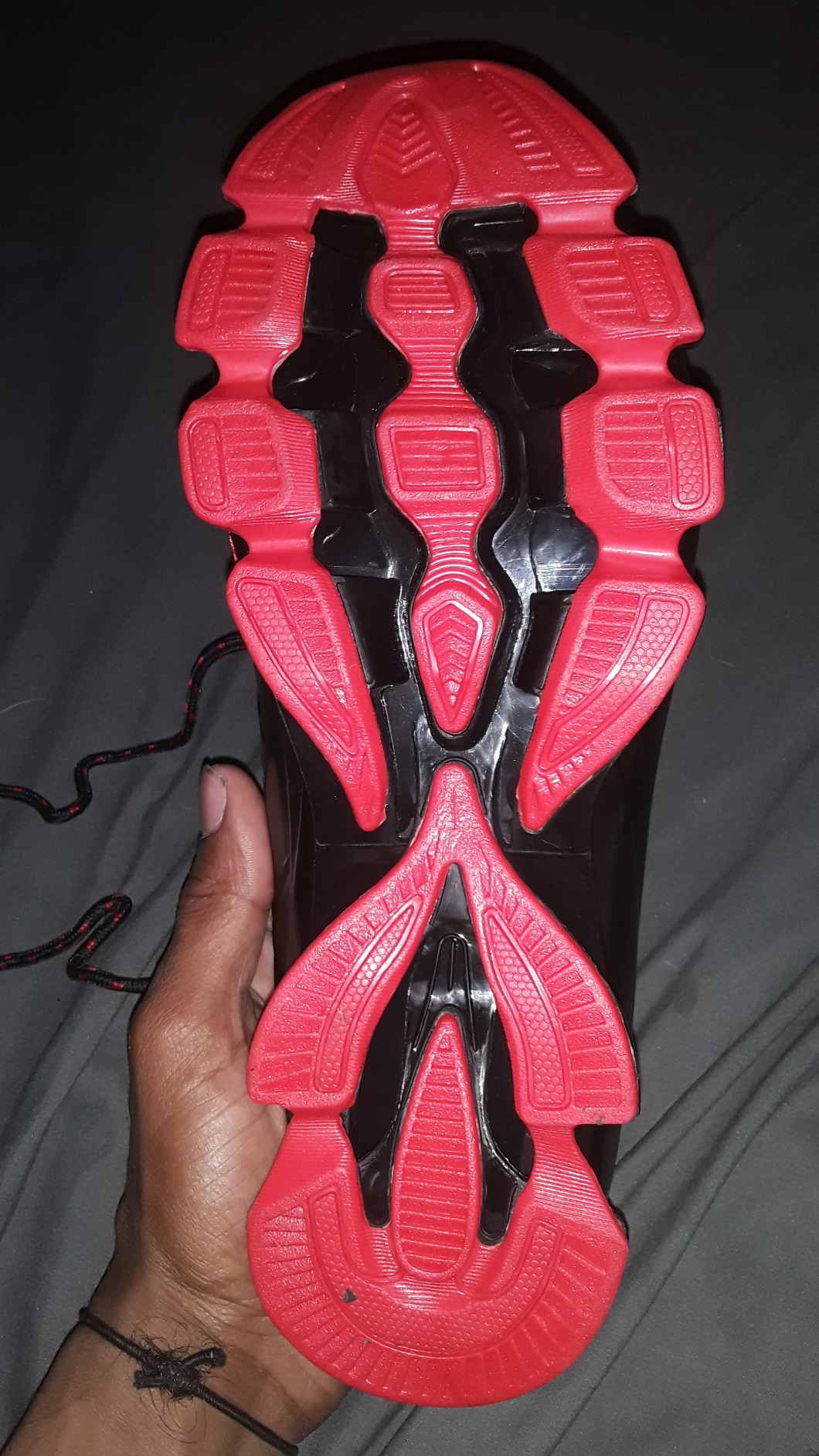
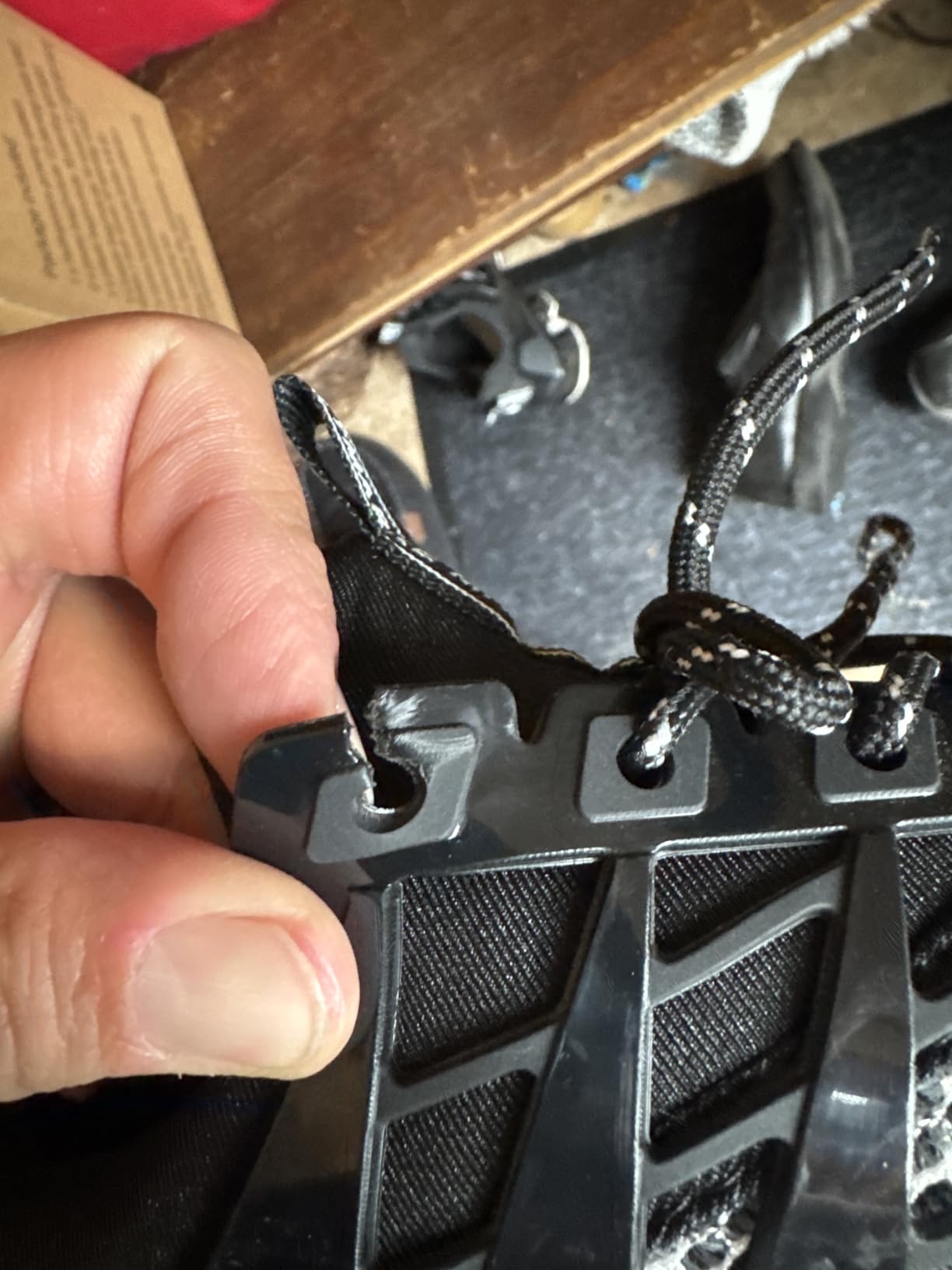
Three weeks in — at roughly 12 sessions, averaging 4 workouts per week — the first signs of sole separation appeared at the heel. A small lifting of the TPU sole at the stress point where the heel flexes during running. Nothing catastrophic at week 3, but immediately recognizable as the beginning of a pattern.
By week 5-6, the separation had progressed to a visible gap. The structural integrity of the shoe hadn’t collapsed completely, but the trajectory was clear.
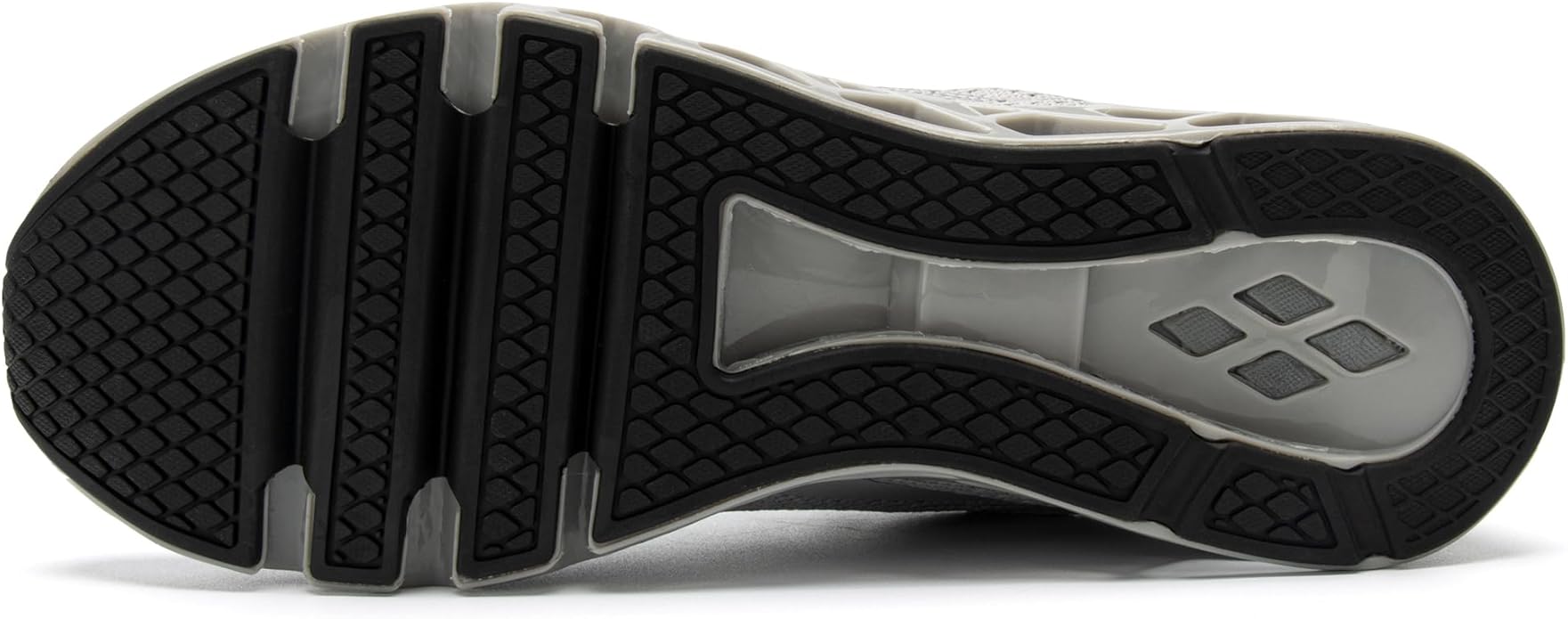
The mechanism makes sense once you understand the construction: the TPU sole segments are bonded to the upper rather than molded as a single unit. That bond is adequate for light, short-term use. Under repeated stress of regular athletic activity, the bond fatigues. It’s a materials cost decision that shows up in the durability numbers.
Timeline to expect:
– Weeks 1-2: No issues, shoe performs as expected
– Week 3: First separation signs at heel (light use may delay this to week 4-5)
– Weeks 4-8: Separation progresses; aesthetic concern becomes structural concern
– 3+ months: Functional failure if used 3-4 times per week for athletic activity
For comparison, budget shoes from established brands — the Adidas Run Falcon 5 and ASICS Gel-Venture 10 — typically hold together through a full season of moderate use. The durability gap at similar price points is real.
Build Quality & Materials Up Close
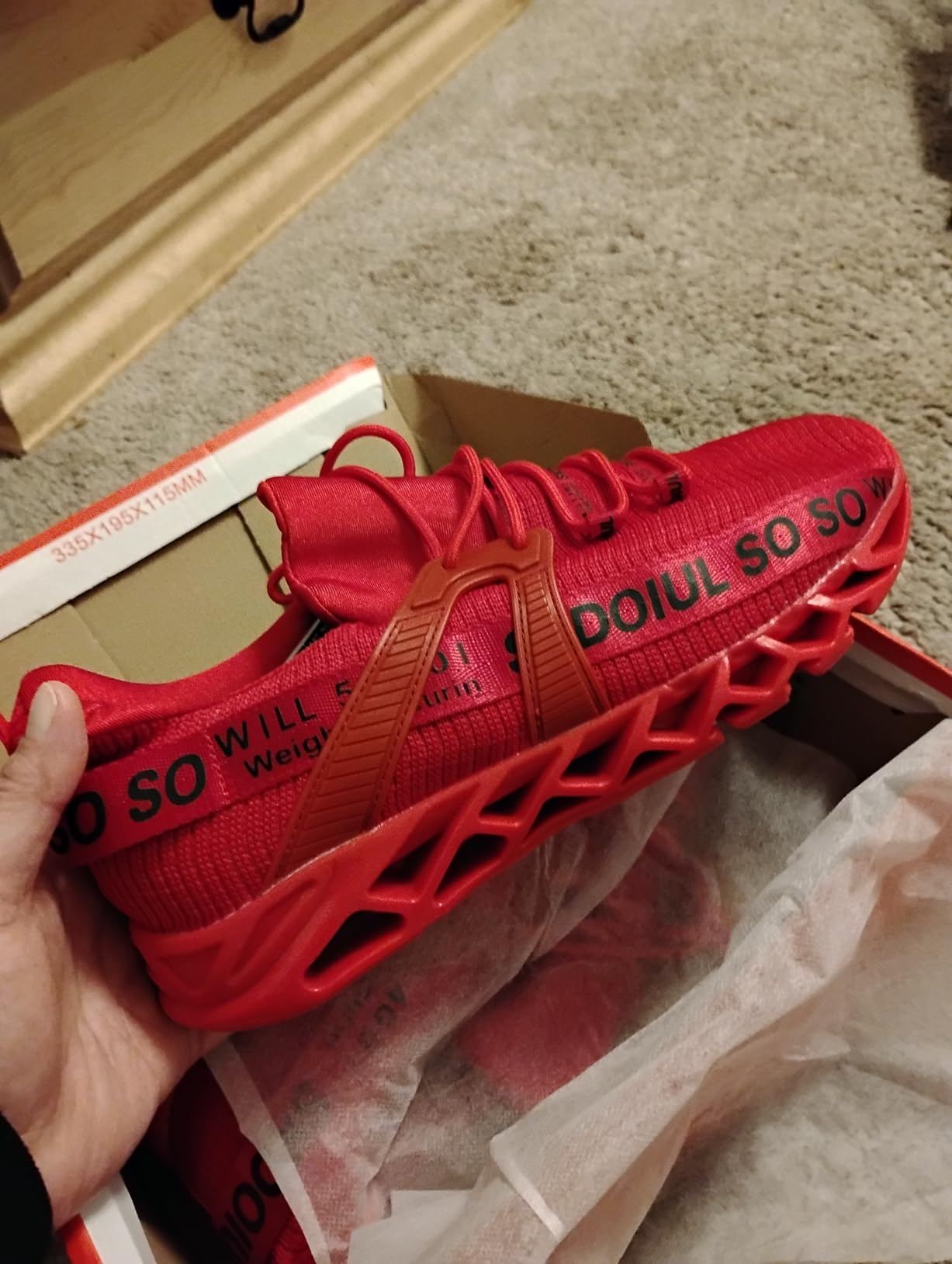
The mesh upper is the quality story here — it genuinely holds up better than the sole. After 85 miles and six weeks, no mesh tears appeared near high-stress flex zones, no seam separation on the overlays. The upper construction quality rates around 6-7/10; serviceable and likely to outlast the sole considerably.
The sole construction is the weak link. The segmented TPU design creates flex stress points at the junctions between segments — these are exactly where separation initiates. This isn’t unique to SKDOIUL; it’s a common budget construction choice that trades long-term bond strength for short-term cost efficiency.
Worth noting: the pull-on model I tested did not exhibit the pronounced clicking noise reported in reviews of the lace-up SKDOIUL variant. The elastic collar construction appears to dampen the sole-segment feedback that creates the audible clicking in the laced version. Different variants, meaningfully different audio experience.
Sizing: What the Mixed Reports Actually Mean
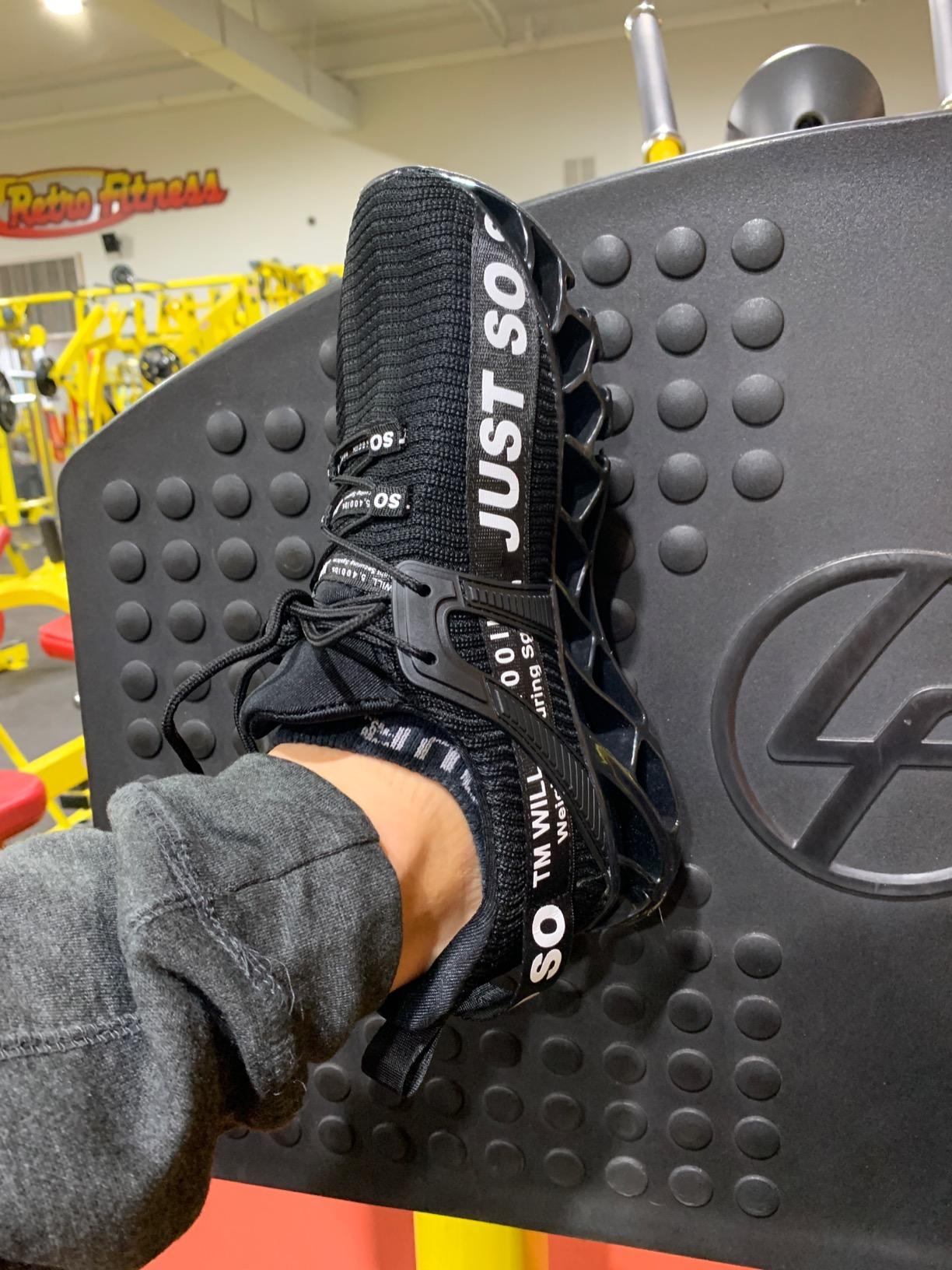
The customer reviews contain genuinely contradictory sizing feedback — some users report running small, others large. My testing at size 9 (my standard size) produced a snug but workable fit. I’d characterize it as snug-TTS: exactly on size if your foot is average-width, half-size small feeling if you have wider feet or prefer room to move.
The elastic collar adds a layer of complexity here. Unlike a laced shoe where you can loosen the midfoot for more room, the elastic collar locks you into whatever its compression delivers at your size. There’s no adjustment. That makes the initial sizing decision more consequential.
Sizing recommendation: Order true to size if you have standard-width feet. If you have wider feet or prefer less compression at the ankle, go up half a size. The narrow toe box — noted consistently in customer feedback including Spanish-language reviews — is a real consideration for wider feet. The Jackshibo Wide Toe Box Shoes are a more appropriate option if toe box width is a priority.
Break-in expectations: minimal. The elastic collar doesn’t soften meaningfully over time. The shoe you get on day one is essentially the shoe you’ll have at week six in terms of fit feel.
Marketing Claims vs. Reality
| Claim | Reality | Verdict |
|——-|———|———|
| “Excellent air permeability” | Mesh design genuinely delivers superior ventilation | ✅ CONFIRMED |
| “Soft and flexible soles” | Flexible yes; “soft” overstated; comfort degrades after 45 min | ⚠️ PARTIAL |
| “Long lasting comfort” | Sole separation at week 2-3; failure at 1-3 months | ❌ FALSE |
| “Perfect for [11 sports]” | Works for ~4-5 light uses; fails competitive/distance applications | ❌ OVERSTATED |
| Lightweight design | 11.2 oz is lighter than lifestyle trainers; heavier than running shoes | ✅ CONTEXTUALLY TRUE |
| Modern aesthetic | Clean geometric design generates genuine compliments | ✅ CONFIRMED |
Value Analysis: The Cost-Per-Wear Math
At $45, the value proposition depends entirely on what you’re using these for and how long they last.
Scenario A — Casual backup shoe (2x/week light use): $45 over 4-5 months = $0.60-0.75/session. Reasonable value for the breathability and style you get.
Scenario B — Regular athletic use (4x/week, varied intensity): $45 over 6-8 weeks before separation compromises the shoe = $1.80-2.25/session. Marginal value; you could find more durable options at this price.
Scenario C — Intensive training (daily use): Sole failure arrives faster. At $45 for 2-3 weeks of daily training, this is poor value regardless of how much you like the breathability.
For budget-first buyers who want something stylish and ventilated for light gym use and casual wear — the Wonesion Breathable Walking Running Shoes and Peaya Mesh Breathable Trail sit in the same price zone with comparable breathability worth considering. The Skechers GoRun Consistent costs slightly more but has a notably better durability track record for regular runners.
Who Should Buy These (and Who Shouldn’t)
✅ Strong Fit For
- Students and budget-first buyers needing a short-term gym sneaker
- Casual exercisers doing light cardio and gym walks 2-3x per week
- Anyone prioritizing foot ventilation — particularly in warm climates
- People wanting a stylish everyday shoe for $45 that doesn’t look cheap
- Backup gym shoes to rotate with a primary pair
❌ Not the Right Call For
- Runners logging consistent weekly mileage
- Athletes needing true lateral support for sports requiring cuts
- Anyone expecting shoes to last beyond 3-4 months of regular use
- People with wider feet who need a roomier toe box
- High-intensity training where midfoot lockdown matters
- Anyone who prefers the adjustability of traditional lacing
For slip-on convenience without sacrificing durability, the Jackshibo Slip-On Walking Shoes and similar options are worth checking. For fashion-forward buyers who want a sneaker that performs better across activities, Jousen Fashion Sneakers hit a slightly higher quality tier at a modest price premium. For actual trail-capable budget options, Flowing Plume Running Shoes are built with running specifically in mind.
Final Scores
| Category | Score | Notes |
|---|---|---|
| Comfort — First 45 Minutes | 7.5/10 | Good initial feel; breathable, lightweight, easy entry |
| Comfort — Extended Use | 5.0/10 | Pressure points from elastic collar; cushioning thins out |
| Durability | 3.5/10 | Sole separation at week 3; structural failure by month 2-3 under regular use |
| Style / Appearance | 8.0/10 | Clean geometric design; modern look that generates compliments |
| Breathability | 9.0/10 | Genuine standout at price point; excellent mesh ventilation |
| Athletic Performance | 5.5/10 | Handles light activities well; fails for lateral sports, distance, intensity |
| Value for Money | 6.0/10 | Appropriate for casual/backup use; poor value if expecting durability |
| SKDOIUL Sport Running Shoes — Overall | |
|---|---|
| Overall Score | 6.2/10 |
| Best Feature | Exceptional mesh breathability for the price tier |
| Biggest Problem | Sole separation by week 3, structural failure by month 2-3 |
| Recommended For | Casual wear, light gym use, short-term backup shoe |
Bottom Line: The SKDOIUL Sport Running Shoes deliver style and breathability that genuinely exceed their price tag — and then undercut that goodwill with a durability failure pattern that arrives within weeks. At $45, they earn their place as a budget casual sneaker or short-term gym backup. They don’t earn their place as the multi-sport performer the marketing suggests. Know what you’re buying, set realistic lifespan expectations, and these deliver decent value. Expect durability beyond a few months of regular use, and you’ll be disappointed.
Frequently Asked Questions
Do SKDOIUL running shoes run true to size?
In most cases, yes — but snug. If you have average-width feet, ordering your standard size should work. If you have wider feet or prefer a looser fit, going up half a size is the safer call. The elastic collar provides a fixed tension level with no adjustability, which makes the initial sizing decision more important than it would be with a laced shoe.
How long do they typically last?
Expect 1-3 months of regular use (3-4x/week athletic activity) before the sole separation becomes a structural problem rather than just a cosmetic one. Light casual use — a few times a week for walking and casual gym — can extend this to 4-6 months. Daily intense use accelerates the failure timeline significantly.
Are they actually good for running?
For short runs — under 3 miles at easy pace — yes. The breathability is a genuine asset, and the cushioning handles light jogging adequately. For runs over 5 miles, or any sustained training, no. The cushioning thins out past 45 minutes, the elastic collar creates friction points, and the durability concern makes them a poor investment for running-primary use.
Can they handle soccer or basketball?
Casual recreational use, yes — they’re stable enough for low-demand play. Competitive games requiring reliable lateral cuts and quick pivots, no. The elastic collar cannot replicate the midfoot lockdown of a laced shoe, and the traction pattern isn’t designed for sports courts or grass fields. There are better purpose-built options available.
Why do SKDOIUL shoes separate at the sole?
The TPU sole is bonded to the upper through adhesive rather than being molded as a single unit. The heel flex point concentrates stress with each step, and the adhesive bond fatigues over time under repeated loading. This is a common budget construction trade-off — lower manufacturing cost, shorter bond lifespan.
Are they waterproof or water-resistant?
No. The breathable mesh upper that makes these ventilate so well also lets water in freely. Avoid wearing these in rain or wet conditions. For comparable budget options with water resistance, look at synthetic-upper shoes or water shoes designed for the purpose.
Is the pull-on design actually convenient?
For what it’s designed for — quick gym sessions, casual errands, daily wear — yes, it’s genuinely convenient. The trade-off is no midfoot adjustability. You can’t loosen the fit for foot swelling during longer activities, tighten it for more lockdown during sports, or customize the tension at all. It’s a one-size-fits-one-activity closure system.
What’s the best alternative if I need something more durable?
Spending $15-25 more opens up significantly better durability. The Nike Downshifter 12 and Adidas Run Falcon 5 both provide more reliable build quality for regular running. For gym training specifically, the Under Armour Charged Assert 9 handles the demands better. If slip-on convenience is a priority, consider the Jackshibo Slip-On Walking Shoes as a comparable slip-on alternative with better construction.
Be the first to review “SKDOIUL Men Sport Running Shoes Mesh Breathable Trail Runners”
Related products
Sneaker
Running Shoes

Running Shoes
Sneaker
Running Shoes
Sneaker
Sneaker
Reviews
There are no reviews yet.