
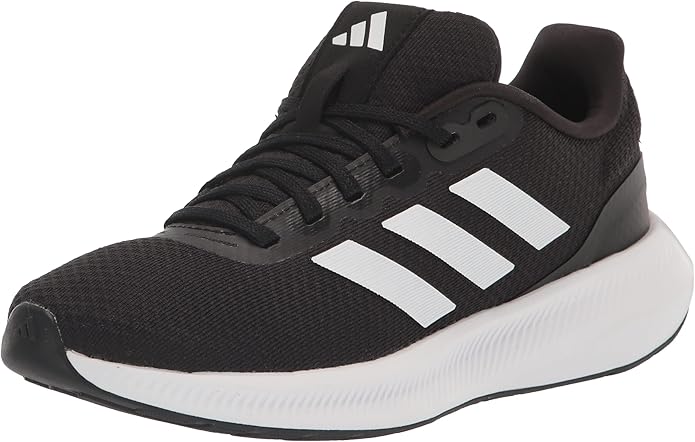
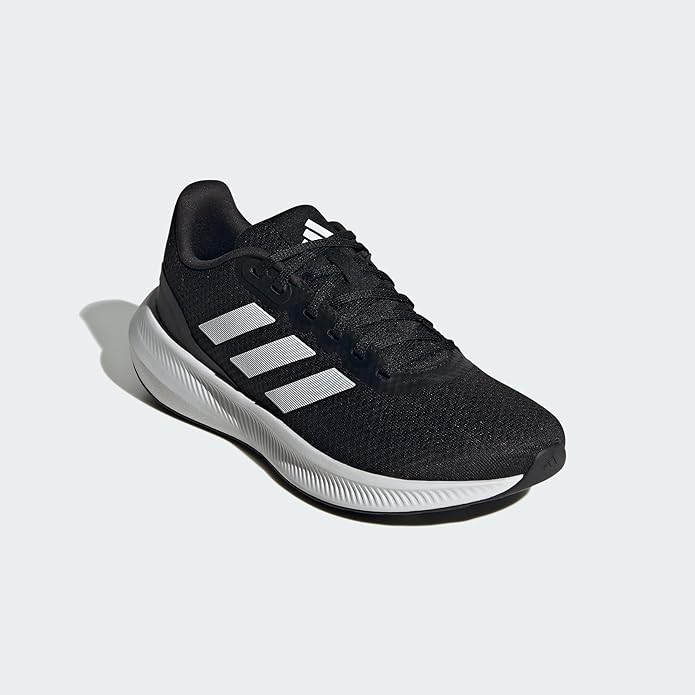
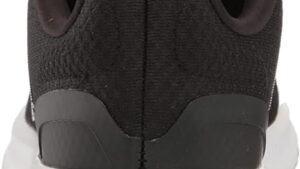
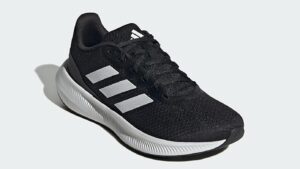
My workout group has pretty strong opinions about budget running shoes, and when three different women showed up to our Tuesday morning walk wearing the exact same $65 pair in the same week, I had to investigate. I’m Sarah — a nurse juggling 8-hour hospital shifts with two kids’ school pickups and Saturday soccer practices. Comfortable shoes aren’t a luxury for me, they’re closer to a medical necessity. So when those three women wouldn’t stop raving about the Adidas Runfalcon 3, my analytical side took over.
Eight weeks, 45+ hours of actual wear, and 25+ miles across hospital concrete, grocery aisles, treadmill tracks, and soccer sidelines later — here’s the complete, unfiltered truth.
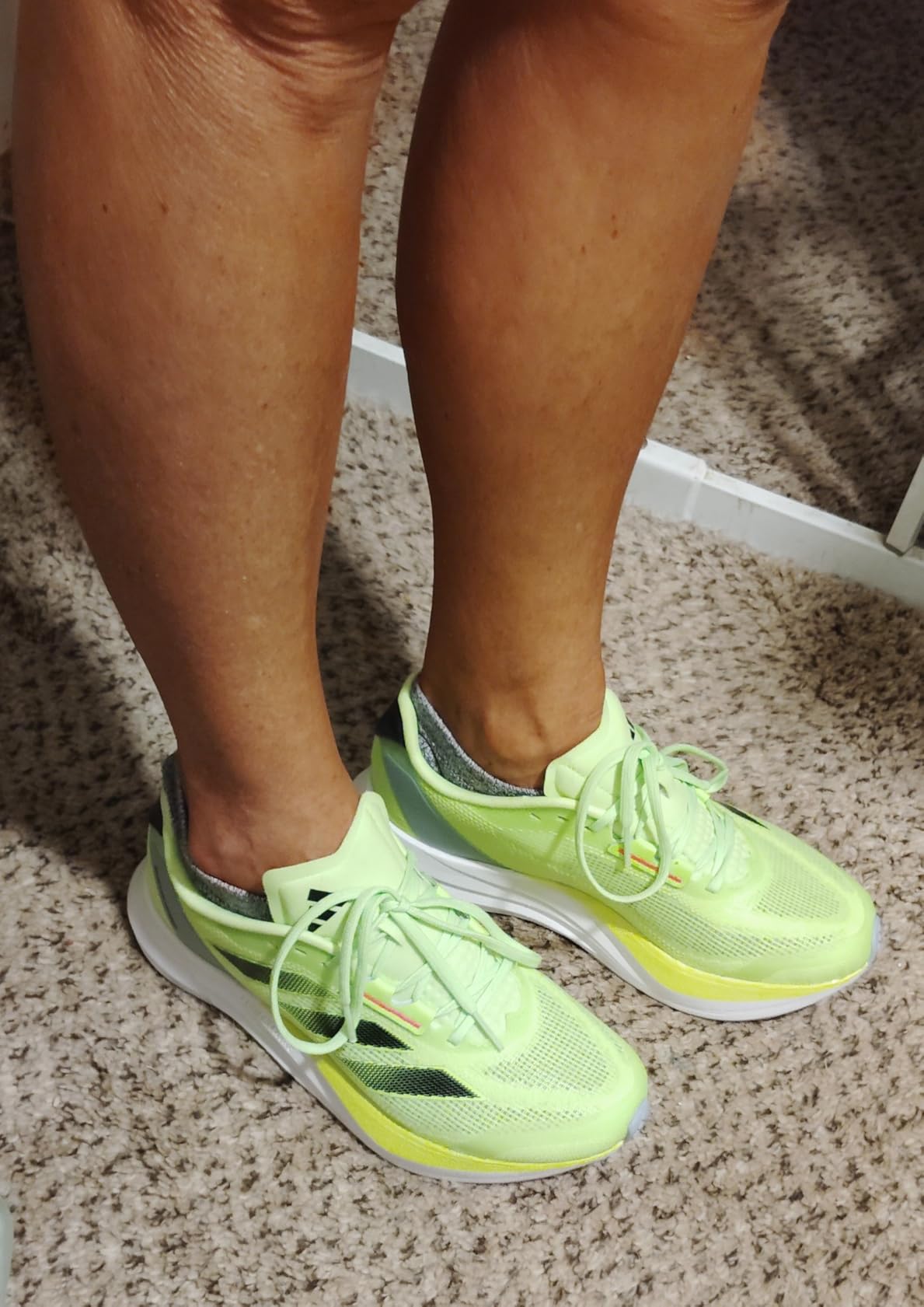
Technical Specifications
One thing I always do before buying any shoe is cross-reference the brand’s claimed specs with independent lab measurements. Good thing I did, because there’s a significant discrepancy worth knowing about upfront.
- 💰 Price: $65 (check current price at running shoes section)
- ⚖️ Weight (lab measured): 10.0 oz / 283g (brand claims 9.7 oz)
- 📏 Heel-to-toe drop (lab measured): 13.6mm — Adidas officially claims 9mm
- 📐 Stack height (lab): 31.6mm heel / 18.0mm forefoot (brand claims 25mm heel / 16mm forefoot)
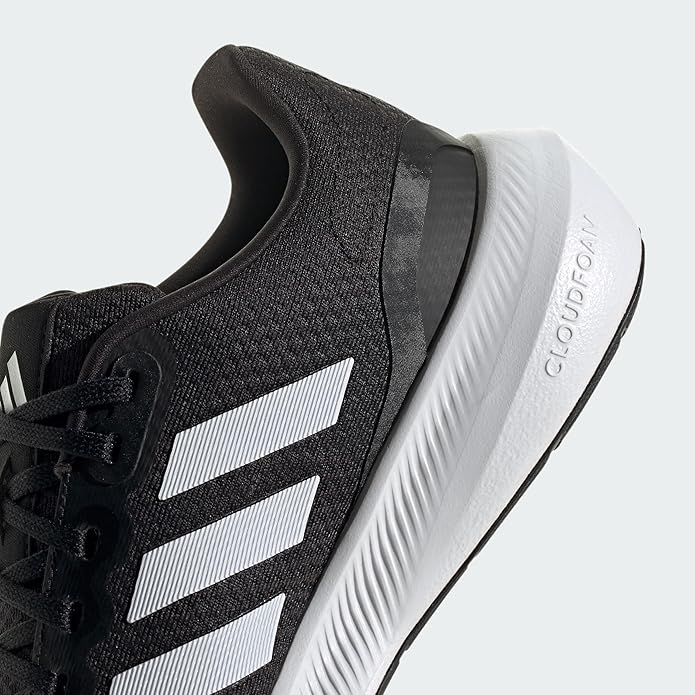
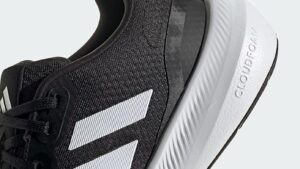
- 🧪 Midsole: Cloudfoam EVA — softness measured at 24.3 HA (balanced feel)
- 👟 Upper: Textile mesh — at least 20% recycled content (brand claims), durable to 1/5 on RunRepeat’s Dremel test
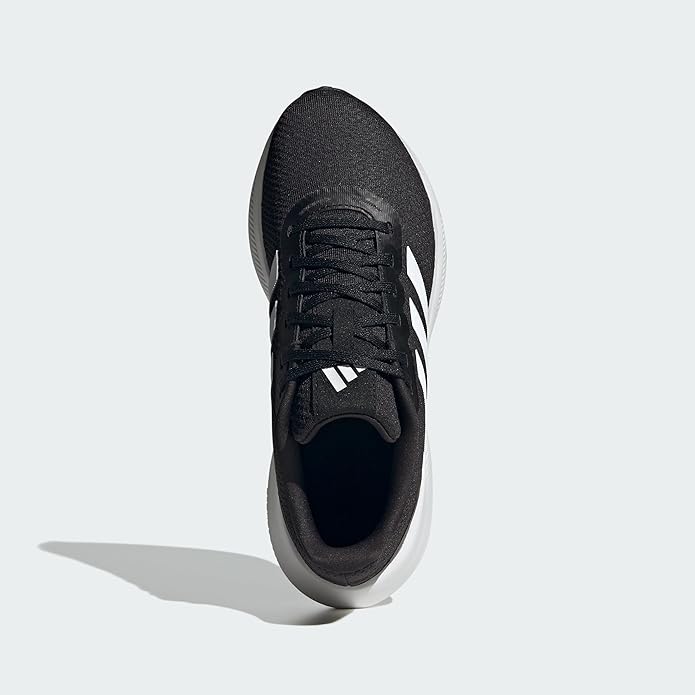
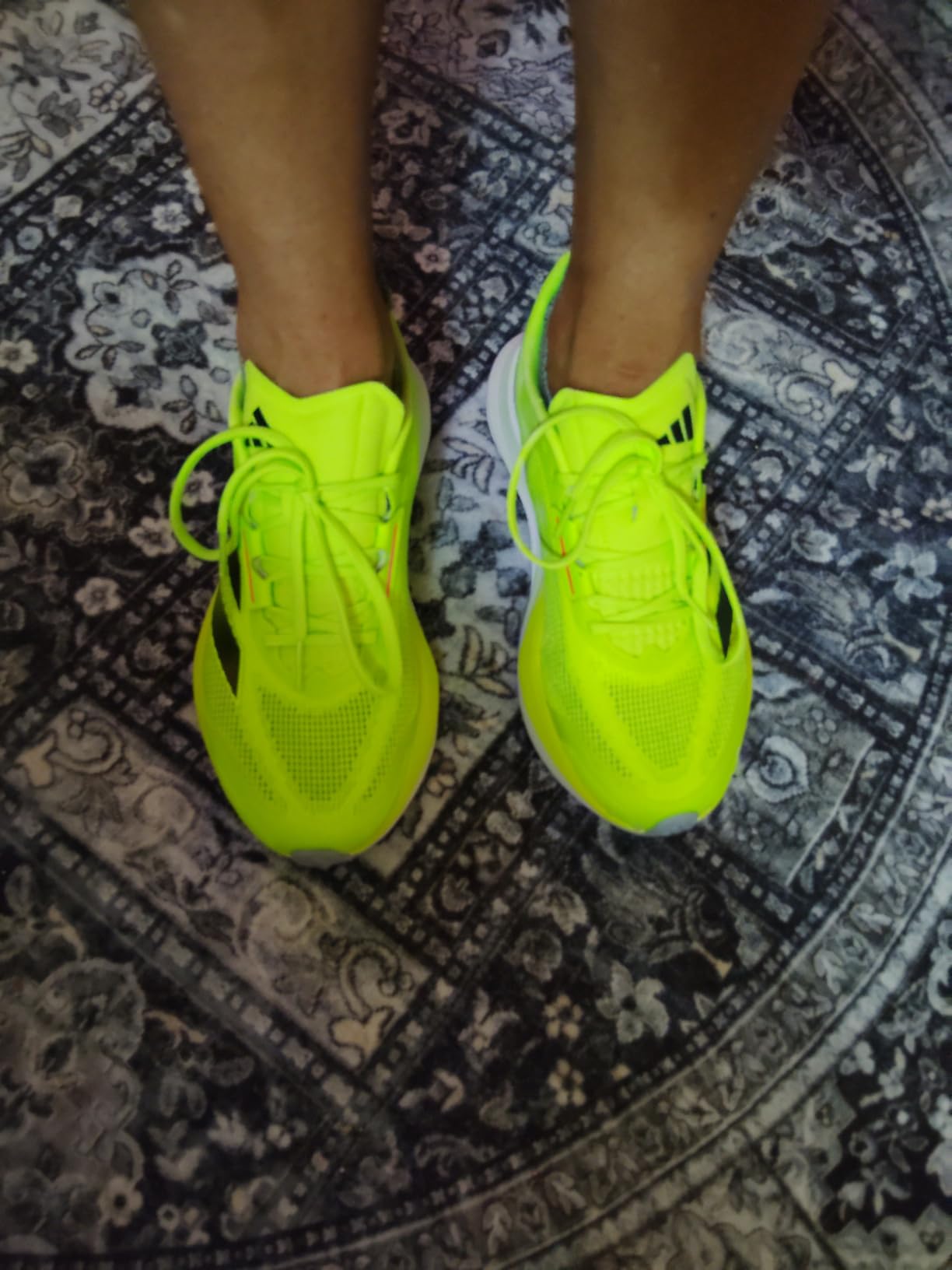
- 👣 Toebox width: 100.4mm at widest point, 80.4mm at big toe — among the widest ever tested at RunRepeat
- 🏃♀️ Best for: All-day standing/walking, light running up to 3 miles, lifestyle wear
How It Actually Fits
Sizing and Width
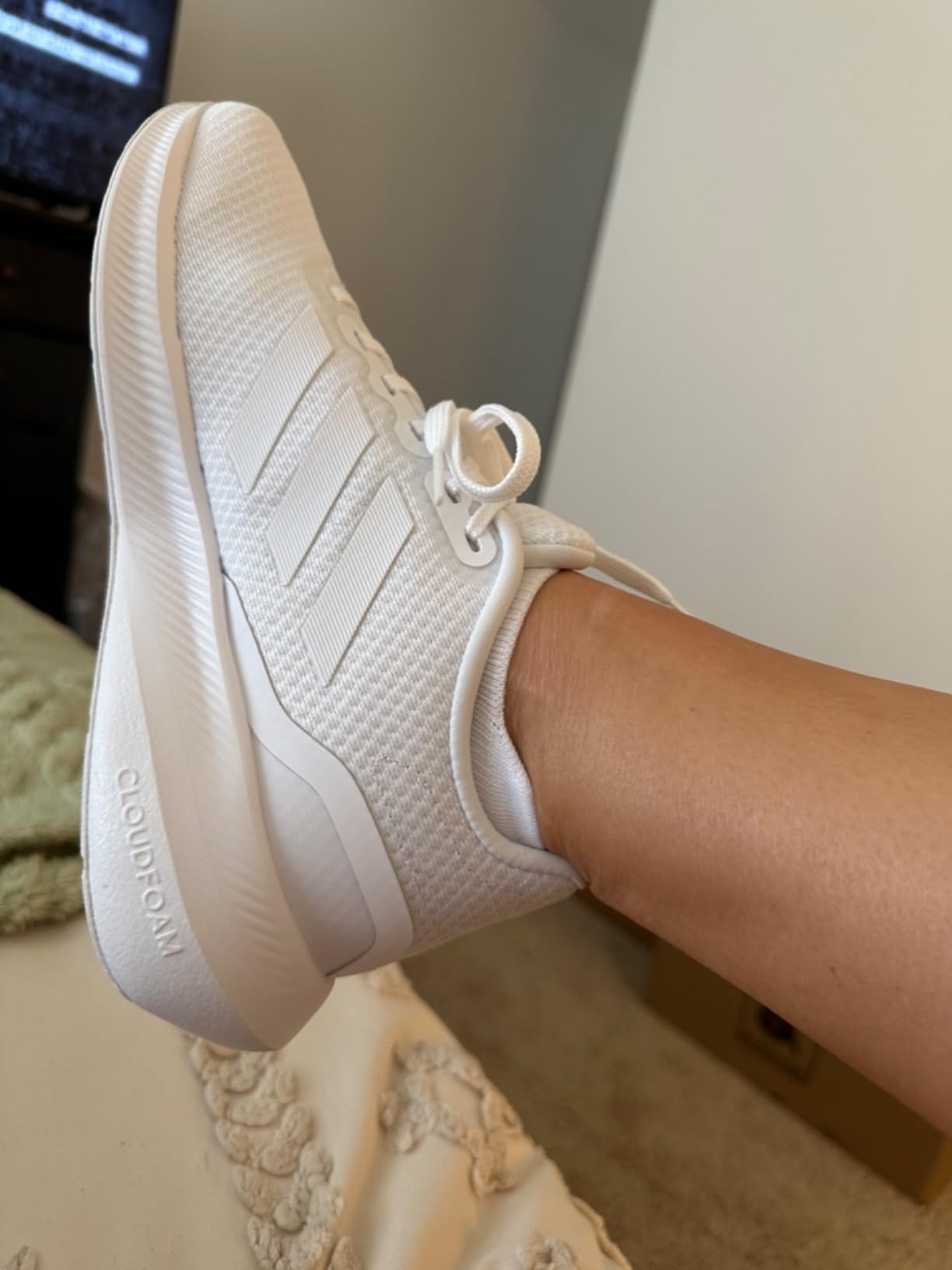
The sizing consensus here is unusually clear: true to size across 318 independent votes tracked by RunRepeat’s lab. I wear a size 8 in most athletic shoes and the 8 fit perfectly — no adjustments needed.
What genuinely surprised me was the width. The Runfalcon 3 measures 100.4mm at its widest point and 80.4mm at the big toe area. RunRepeat flagged those numbers as among the widest they’ve ever measured in a running sneaker. For women with bunions, wider feet, or even just normal feet that hate being squeezed into narrow lasts — this toebox is legitimately roomy.
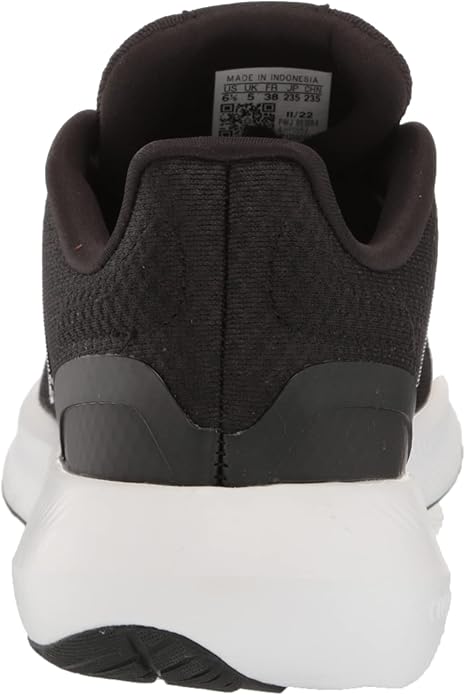
One caveat worth mentioning: if you have narrow feet, you might find the fit a bit sloppy around the heel. A commenter in one review forum specifically noted this, and Runner Expert’s v1 review flagged it as well. Standard and wide-footed women: go true to size. Narrow-footed women: consider a half-size down, or try before you buy.
The Cloudfoam Cushioning — And the Drop Discrepancy You Should Know About
What the Numbers Actually Mean
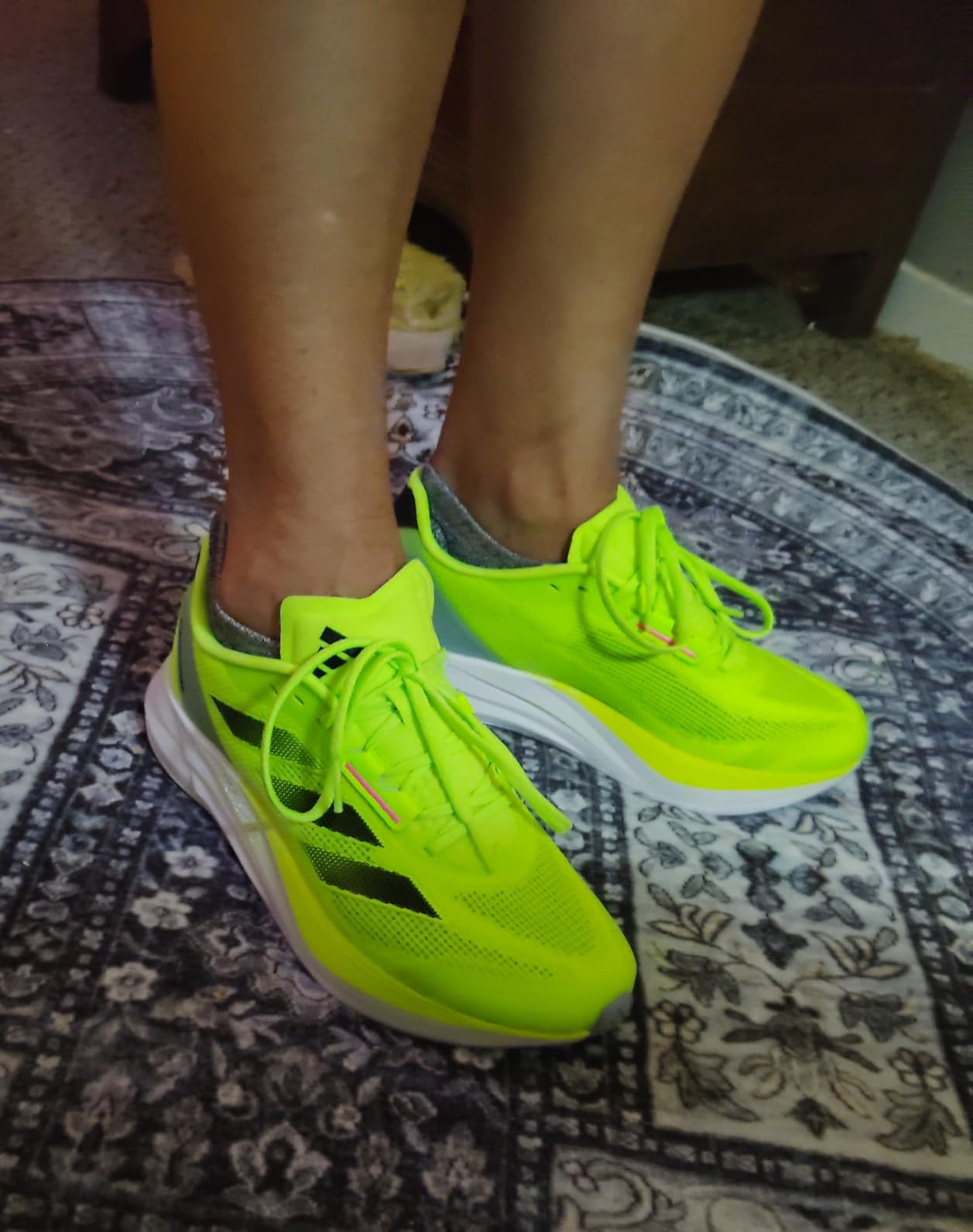
Here’s where I want to flag something that no other review I found bothered to explain. Adidas lists the Runfalcon 3’s heel-to-toe drop as 9mm. RunRepeat’s lab measured it at 13.6mm — a 51% difference from the official spec.
Does that matter? For walkers and nurses spending 8 hours on hospital floors: not really, and the extra heel height actually helps. Your heel is sitting higher, which tends to be comfortable for sustained walking and standing. But if you’re a runner who read “9mm” and expected a more neutral, midfoot-friendly ride — you’re going to feel the difference. The Runfalcon 3 encourages heel striking more than the 9mm claim suggests.
The Cloudfoam Feel in Real Life
The midsole softness comes in at 24.3 HA (RunRepeat lab measurement). That translates to a feel that’s balanced — not the pillowy softness of premium foam, not the brick-like firmness of cheap EVA. Think of it as “reliably supportive” rather than “plush.”
My honest hour-by-hour assessment from hospital shifts:
Hours 1–3: These feel genuinely good. The cushioning is fresh, the wide toebox takes pressure off my toes, and I’m not thinking about my feet at all — which is exactly what you want.
Hours 3–6: Still solid. A slight firmness starts to register, but nothing that slows you down. Comparable to most mid-range athletic shoes at this stage.
Hours 6–8: The firmness becomes noticeable. Not painful, but by hour 7 I was aware of my feet in a way I wasn’t at hour 2. The Cloudfoam doesn’t completely bottom out, but it’s working harder at this point.
For the treadmill: comfortable through 3 miles at a light jog. Beyond that, the cushioning starts to feel flatter and the lack of energy return becomes apparent. This is a lifestyle shoe that can handle light running — it’s not pretending to be a distance trainer.

Build Quality and Upper Durability — The Honest Version
The Good: Outsole and Tongue
Two things genuinely impressed me about this shoe’s construction.
First, the outsole. RunRepeat’s Dremel durability test created only a 0.64mm indentation in the rubber — well below the 1.1mm average. After 25+ miles across concrete, tile, asphalt, and treadmill belt, the bottom of these shoes looks nearly new. Adidas knows how to make a rubber outsole, and even at $65, they didn’t cut corners there.
Second, the tongue padding: 8mm thick, which RunRepeat noted is unusually substantial for a budget shoe (average is 5.7mm). Eight weeks, 45+ hours of wear, zero instances of lace bite. For hospital workers who lace up tight and wear shoes all day — this specific feature matters more than most reviews acknowledge.
The Honest Warning: Upper Durability
The upper is where this shoe’s budget origins show clearly. RunRepeat’s Dremel test gave both the toebox and heel padding a 1/5 durability score — the mesh gave way almost immediately under controlled force. That’s the worst possible result.
In real-world terms: by week 6 of daily wear, I noticed early mesh stress around the outer toe area. Not a hole — more like the fabric showing the kind of surface wear you’d normally see after 3–4 months on a pricier shoe. By week 8, it hadn’t progressed dramatically, but the trajectory is obvious.
Expected lifespan based on testing and lab data:
- Light casual use (under 10 hours/week): 12–18 months
- Moderate daily use (nursing shifts, ~25–30 hours/week): 6–10 months
- Intensive use (daily + running): 4–6 months
One more thing: no reflective elements anywhere on this shoe. For the majority of people, irrelevant. For nurses finishing night shifts in dimly-lit parking lots, or anyone who walks in low-light conditions — worth knowing. A pack of adhesive reflective strips from a running store costs under $5 and solves it.
Real-World Testing: Hospital, Treadmill, and Everything In Between
Hospital Floors — The Real Test
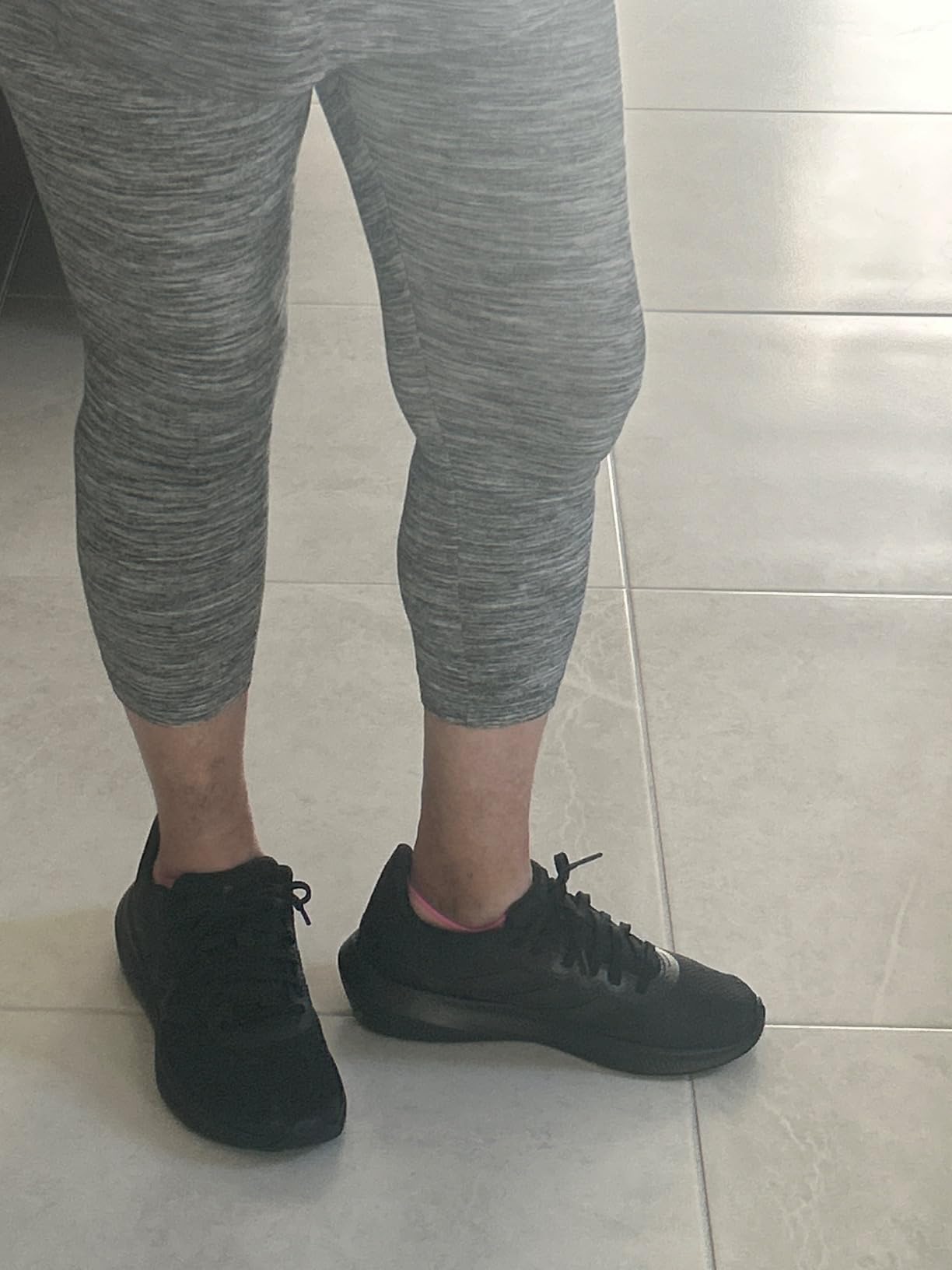
This is what I actually needed to know. Eight-hour nursing shifts on concrete and tile floors, constant movement, occasional sprints to patient rooms. The Runfalcon 3 handled this well through the first 6 hours — significantly better than the last “affordable” pair I’d tried. The wide toebox made a genuine difference: by the end of a shift, my toes weren’t compressed the way they usually are.
The heel stability holds up on quick direction changes. There’s a piece of TPU plastic around the heel that RunRepeat noted, and I felt it — planting foot firmly even when pivoting quickly. No ankle rolling in 8 weeks.
Wet tile is where I had one moment of hesitation — a slightly slick spot outside a patient room. The grip wasn’t bad, but it’s not exceptional on wet surfaces.
Casual Walking and Lifestyle
Grocery runs, coffee meetups, standing at my daughter’s soccer practice for 90 minutes — the Runfalcon 3 excels at all of this. The neutral, low-profile design doesn’t scream “gym shoe,” which means it actually works with jeans and casual outfits in a way some athletic shoes don’t.
The breathability (measured 3/5 by RunRepeat) was fine in climate-controlled spaces and on cool days. On warmer spring walks — mid-70s, some sun — my feet ran warmer than expected. Not uncomfortable, but not the breezy experience the “textile mesh” description might imply. Dense mesh with small ventilation holes is more accurate than open-weave breathability.
Treadmill and Light Running
I logged a handful of 2–4 mile treadmill sessions at a comfortable jogging pace. Miles 1–3: no complaints — the cushioning felt appropriate and the heel comfort was noticeable. Miles 3–5: the flatness of the midsole started registering. No pain, just the absence of the energy return that makes longer runs feel easier.
If you’re using these for 5K training, they’ll do the job. If you’re building toward a half marathon, these will eventually limit you. For the Runfalcon 3’s actual design intent — casual fitness, light jogging, all-day standing — the cushioning is well-calibrated.

What Adidas Promises vs. What I Found
“Cloudfoam midsole for step-in comfort” — TRUE. The immediate step-in feel is legitimately good. No break-in period needed.
“Textile upper is lightweight and supportive” — HALF TRUE. Lightweight, yes. “Supportive” overstates it — the upper is comfortable but not structured. And the 1/5 durability score means “lightweight” comes with a durability trade-off.
“Rubber outsole delivers great grip” — MOSTLY TRUE. Excellent on dry surfaces. Adequate on slightly damp tile. Not ideal on genuinely wet pavement — I’d take more caution there.
“At least 20% recycled content” — UNVERIFIED, ACCEPTED. No reason to doubt the claim, though the primary recycled content specification is vague.
Drop claim: 9mm — INACCURATE. Lab-measured at 13.6mm. The actual heel geometry means significantly more heel cushion than the official number suggests — which is comfortable for walkers but different from what the spec implies.
Overall Assessment
Detailed Performance Scoring
| Performance Categories (1-10 Scale) | ||
|---|---|---|
| All-Day Comfort | 8.5/10 | Hours 1–6 excellent; noticeable firmness by hour 7–8 |
| Build Quality | 6.5/10 | Outstanding outsole; weak upper (1/5 Dremel) — paradox shoe |
| Style & Versatility | 8.5/10 | Clean neutral design works well beyond the gym |
| Value for Money | 9.0/10 | Outstanding comfort per dollar for daily walkers and nurses |
| Running Performance | 6.0/10 | Fine up to 3 miles; not designed for serious running |
| Durability | 6.5/10 | Upper = 6–12 months; outsole could last years — mismatched pair |
| OVERALL SCORE | 7.8/10 | Genuinely good daily comfort shoe with real limitations |
What Other Women Are Saying
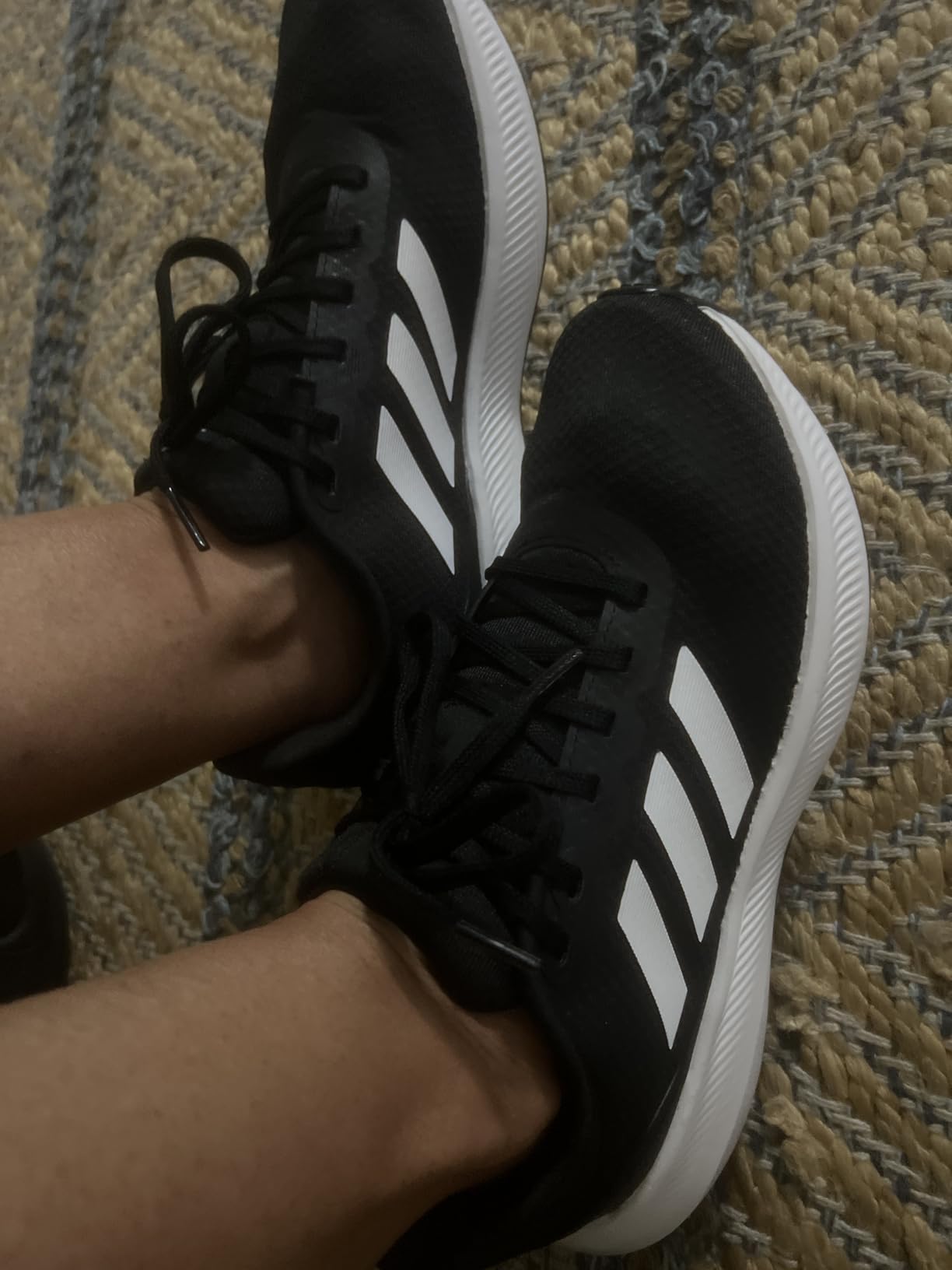
The 318 sizing votes at RunRepeat all align on true-to-size. User reviews from the Amazon listing echo what I found: exceptional all-day comfort for nurses, teachers, and retail workers; wide toebox gets consistent praise; durability concerns surface consistently around the 6-month mark in intensive-use scenarios.
A thread from one review forum summed it up well: “It’s not a shoe that will wow you with tech specs — it’s a shoe that makes your shift go by without your feet being the worst part of your day.” That tracks exactly with my 8 weeks.
Final Verdict
The Good and The Bad
| What Works Well | Real Limitations |
|---|---|
|
|
Who Should Buy the Adidas Runfalcon 3
Right fit for:
- Nurses, teachers, retail workers who spend 6-10 hours on their feet — the wide toebox and all-day cushion combination is the main selling point
- Women with normal-to-wide feet who’ve struggled to find budget running shoes that don’t squeeze
- Budget-conscious casual exercisers who need a shoe for light jogging, gym circuits, and daily wear — not marathon training
- Orthotic users — the removable insole and wide toe box make this genuinely compatible with custom insoles (unlike many budget shoes with glued-in insoles). If you use Sof Sole Athlete Insoles or similar, they’ll fit
- Style versatility seekers — neutral design that actually works with casual outfits
Worth considering alternatives instead:
- Serious runners (5+ miles regularly) — the 13.6mm drop and basic Cloudfoam EVA aren’t designed for this; consider the Brooks Launch 10 or something with actual energy return
- Women needing 2+ year durability — the upper won’t hold up; plan to replace annually with intensive use
- Narrow-footed women — the wide last can feel sloppy without sizing down
- Night shift nurses or early-morning runners — the absent reflective elements are a real safety consideration
- Hot climate / summer-intensive wearers — breathability is moderate, not exceptional
Better Alternatives for Specific Needs
If you need more structured all-day support with a bit more durability in the upper, the New Balance Fresh Foam Arishi V4 sits in a similar price range with a more durable upper construction. For standing-heavy work specifically, the Skechers Go Walk Joy offers a different cushioning approach designed specifically for prolonged standing.
If you want to stay within the Adidas family but need more running-specific performance, the Adidas Run Falcon 5 is the current-generation successor worth considering, and the Adidas Women’s Response Running steps up the performance tier meaningfully.
For serious distance running, something like the ASICS Gel-Nimbus 27 is in a different category — but also a different price point. The Runfalcon 3 is honest about what it is.
My Final Take
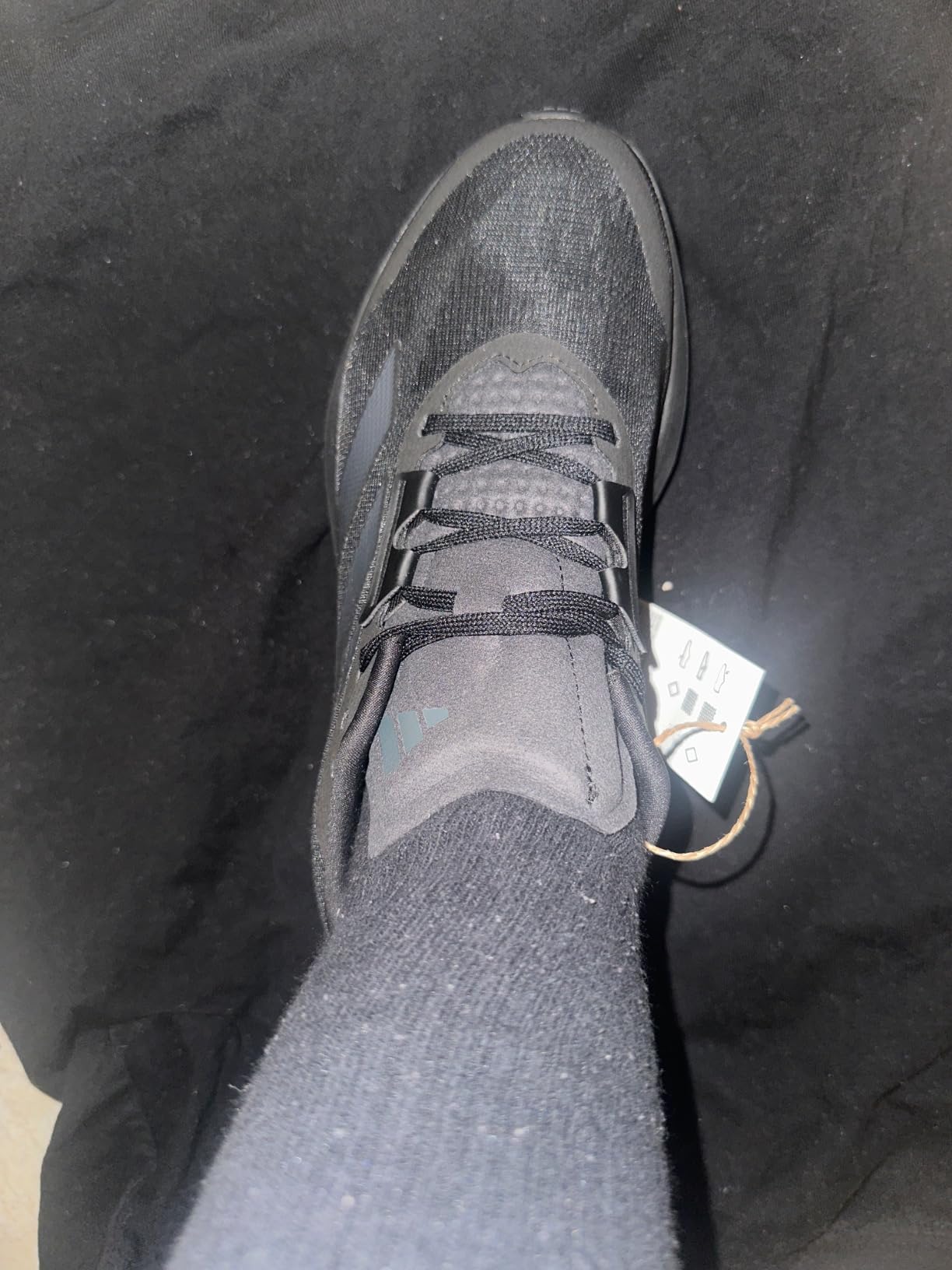
Eight weeks ago I was skeptical. Cheap shoes mean cheap compromises, usually in exactly the places I can’t afford — foot comfort at hour seven of a hospital shift. The Runfalcon 3 surprised me by getting the fundamentals right in ways I didn’t expect: the toebox width genuinely delivers, the day-one comfort is real and sustained through moderate-length days, the outsole is legitimately good.
But I won’t pretend the upper durability data doesn’t concern me. A 1/5 Dremel score is a 1/5 Dremel score. These aren’t a shoe I’d buy expecting two years of intensive daily use. They’re a shoe I’d buy knowing I’ll probably replace them in 8–12 months — and at $65, that math still works out.
For nurses, teachers, and working women who need all-day comfort without spending $130: the Runfalcon 3 earns its recommendation. Just go in with accurate expectations about what you’re getting.
Frequently Asked Questions
Do the Adidas Runfalcon 3 run true to size?
Yes — and this is one of the clearest sizing consensuses I’ve encountered. RunRepeat aggregated 318 sizing votes and the verdict is true to size. I wear size 8 in most shoes and the size 8 fit exactly right with room for normal socks. The exception: if you have narrow feet, the wide last may feel loose — consider a half-size down or stick with shoes built for narrow widths.
The drop says 9mm but I’ve seen measurements showing 13.6mm — which is accurate?
The 13.6mm is the accurate measurement. RunRepeat’s lab physically measures every shoe they test, and the Runfalcon 3 came in at 13.6mm heel-to-toe drop — significantly higher than Adidas’s official 9mm claim. For walkers and nurses: the extra heel height is actually comfortable and not a problem. For runners expecting a 9mm neutral-ish feel: you’ll notice the difference in your heel strike pattern.
Is this shoe actually good for nurses who work 8-hour shifts?
Yes, with one honest qualifier. The wide toebox, immediate Cloudfoam comfort, and good heel stability make the first 6 hours genuinely solid. Hours 6–8 on concrete, the midsole firmness becomes more noticeable — not painful, but present. For shifts up to 8 hours, it’s a good option. For double shifts or 12+ hour days, the cushioning starts to feel its limitations. The insole is removable, which means adding a thicker aftermarket insole (like orthotic insoles) can help if you need more cushioning depth.
How long will these shoes actually last?
The outsole: potentially years. The upper: plan for 6–12 months with regular use. RunRepeat’s Dremel test gave the mesh a 1/5 durability score, and in real-world testing I noticed mesh stress around the toe area by week 6. This isn’t catastrophic failure — it’s progressive wear. If you’re wearing them 5+ days a week for work shifts, 8–10 months is a realistic lifespan before the upper shows significant wear.
Can I use custom orthotics or insoles?
Yes — one of this shoe’s genuine advantages is the removable insole and wide toe box. The insole pulls out easily and the foot bed has room to accommodate standard orthotic inserts. This is not universal in budget shoes — some cheaper options glue the insole in place. The Runfalcon 3’s orthotic compatibility is a real selling point for women with plantar fasciitis or arch support needs.
How is the breathability for summer or hot climates?
Moderate — RunRepeat scores it 3/5. The textile mesh has small ventilation holes visible when you shine a light through the shoe, but the mesh itself is fairly dense. In climate-controlled hospital environments: perfectly fine. On warm outdoor walks above 70°F: feet run warmer than you might expect. For summer-intensive wear in hot climates, this isn’t the most breathable option at the price point.
Is the grip good enough for hospital floors?
Yes for dry and slightly damp tile. There was one slick-floor moment that gave me pause on a wet tile surface outside a patient room, but overall the rubber outsole performed well across 8 weeks of hospital use. It’s not specifically marketed as a non-slip work shoe, so if your workplace requires slip-rated footwear, verify that before purchasing.
Should I size down if I have wider feet?
No — the wide toebox is part of this shoe’s design, not a sizing issue. With wider feet, your normal size should fit well. Only consider sizing down if you have genuinely narrow feet and find the heel or midfoot area feels loose.
Review Scoring Summary
| Assessment Category | Score | Notes |
|---|---|---|
| All-Day Comfort | 8.5/10 | Excellent through hour 6; firmness by hour 7–8 |
| Build Quality | 6.5/10 | Exceptional outsole, poor upper durability (1/5 Dremel) |
| Style & Versatility | 8.5/10 | Neutral design works beyond athletic contexts |
| Value for Money | 9.0/10 | Exceptional comfort-to-cost ratio for daily walkers |
| Running Performance | 6.0/10 | Comfortable to 3 miles; not built for serious running |
| Durability | 6.5/10 | 6–12 months realistic for regular use; outsole outlasts upper |
| OVERALL SCORE | 7.8/10 | Solid all-day comfort shoe; honest about what it can’t do |
Be the first to review “adidas Women’s Run Falcon 3.0 Sneaker”
Related products
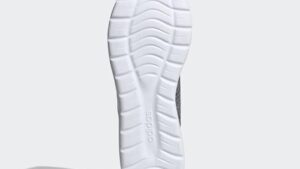
Running Shoes

Running Shoes
Hiking/Trekking Shoes
Running Shoes
Running Shoes
Running Shoes
Hiking/Trekking Shoes
Reviews
There are no reviews yet.