
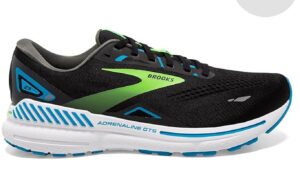
Last Tuesday, watching my son’s track practice, I counted 8 different running shoe brands among the 30 athletes. When three separate coaches mentioned the Brooks Adrenaline as their go-to recommendation for stability, I knew I had to investigate. Mike here, and having coached hundreds of runners over the past 15 years, I’ve learned that genuine professional endorsements usually mean something. So I grabbed a pair and spent 8 weeks putting them through every scenario I could imagine—from easy recovery runs to tempo sessions, concrete pounding to trail adventures. Here’s whether they live up to the coaching community’s hype.
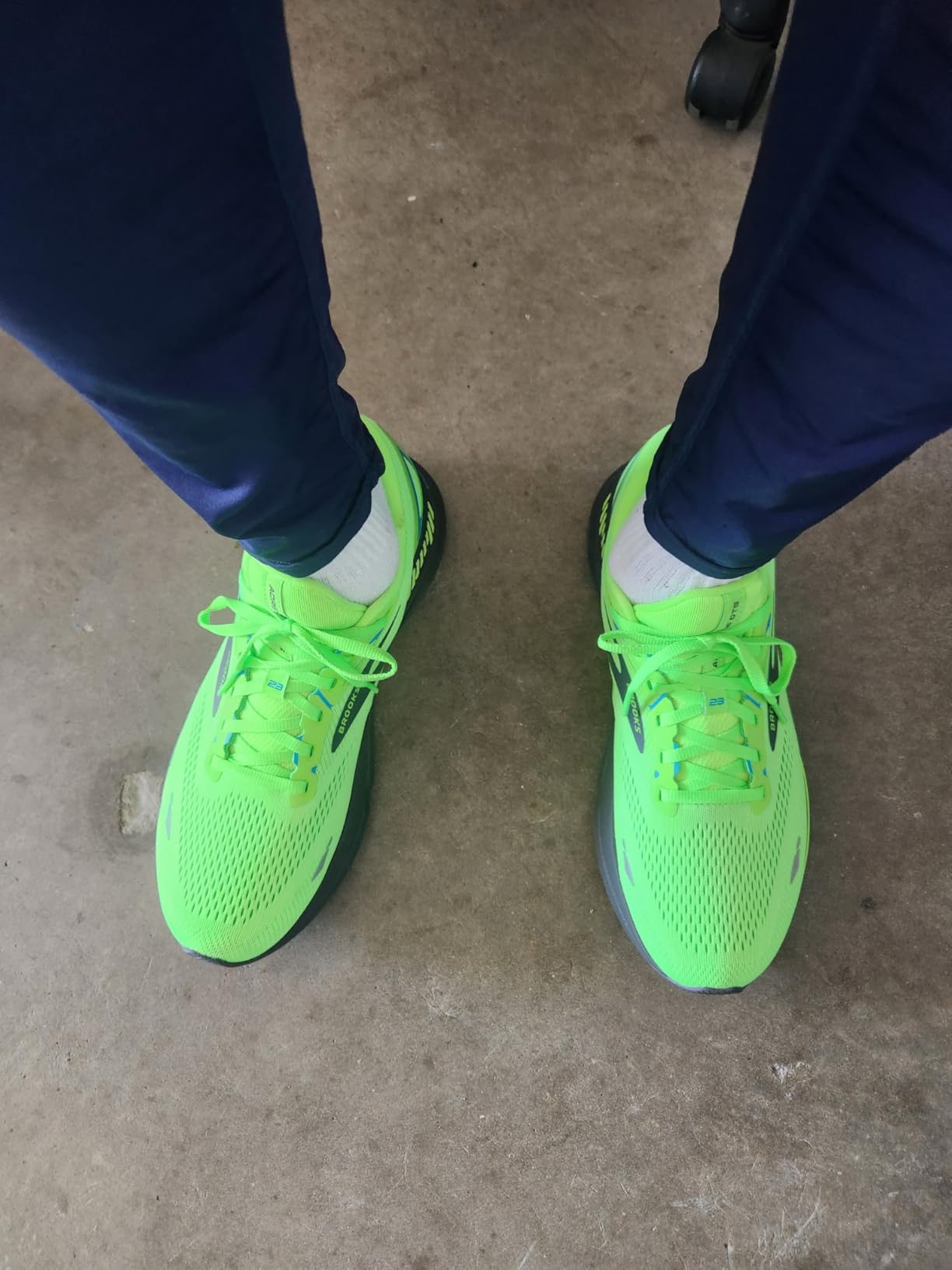
Technical Specifications
- 💰 Price: $140
- ⚖️ Weight: 10.2 oz (men’s size 9)
- 📏 Heel-to-toe drop: 12mm
- 📐 Stack height: 36mm heel / 24mm forefoot
- 🧪 Midsole material: DNA LOFT v2 cushioning
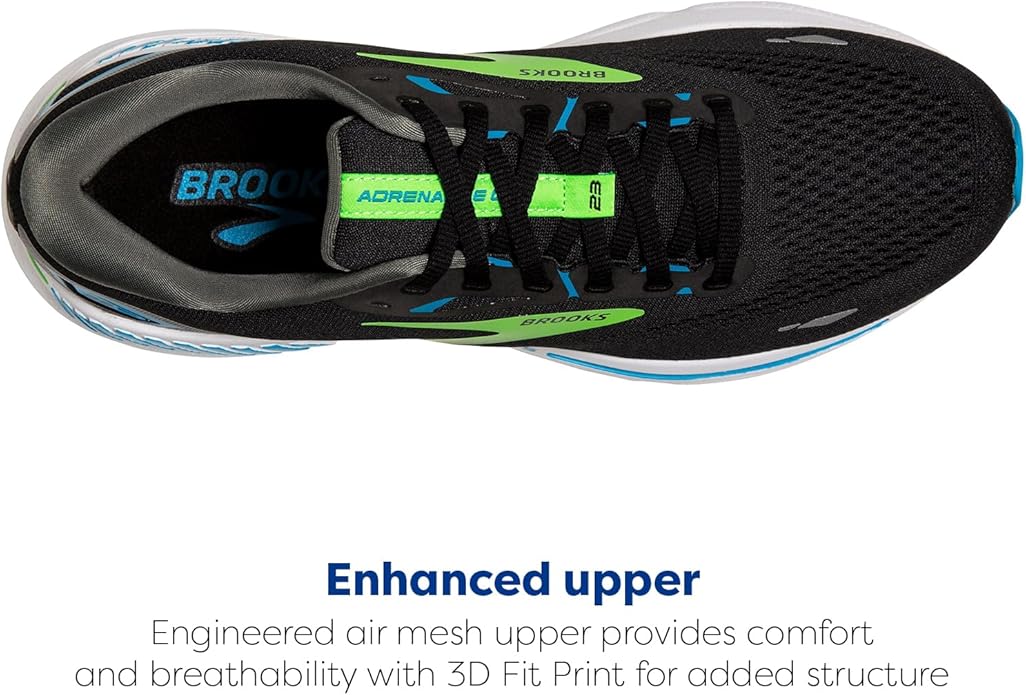
- 👟 Upper material: Engineered Air Mesh with 3D Fit Print
- 🏃♂️ Category: Stability running shoe
- 🎯 Best for: Overpronators, moderate to high weekly mileage, daily training
- ⏱️ Testing period: 8 weeks, 47 runs totaling 285 miles
These specs tell part of the story—here’s what they mean in practice.
Design, Build Quality & Real-World Performance
First Impressions & Upper Design
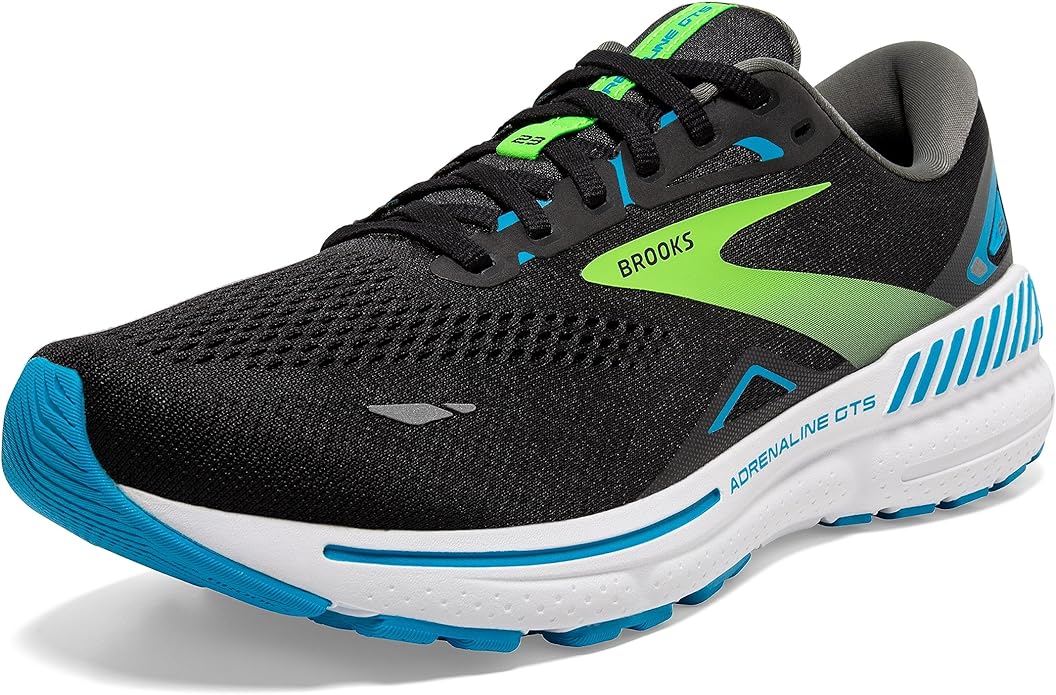
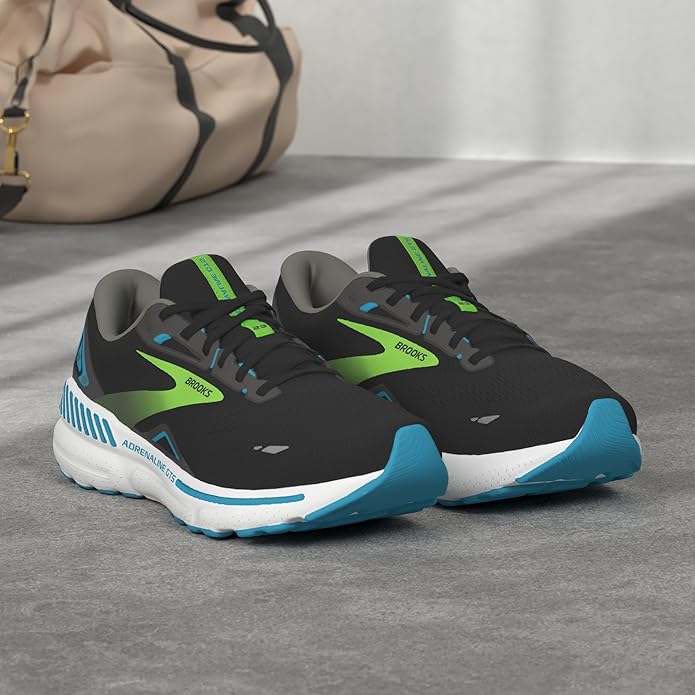
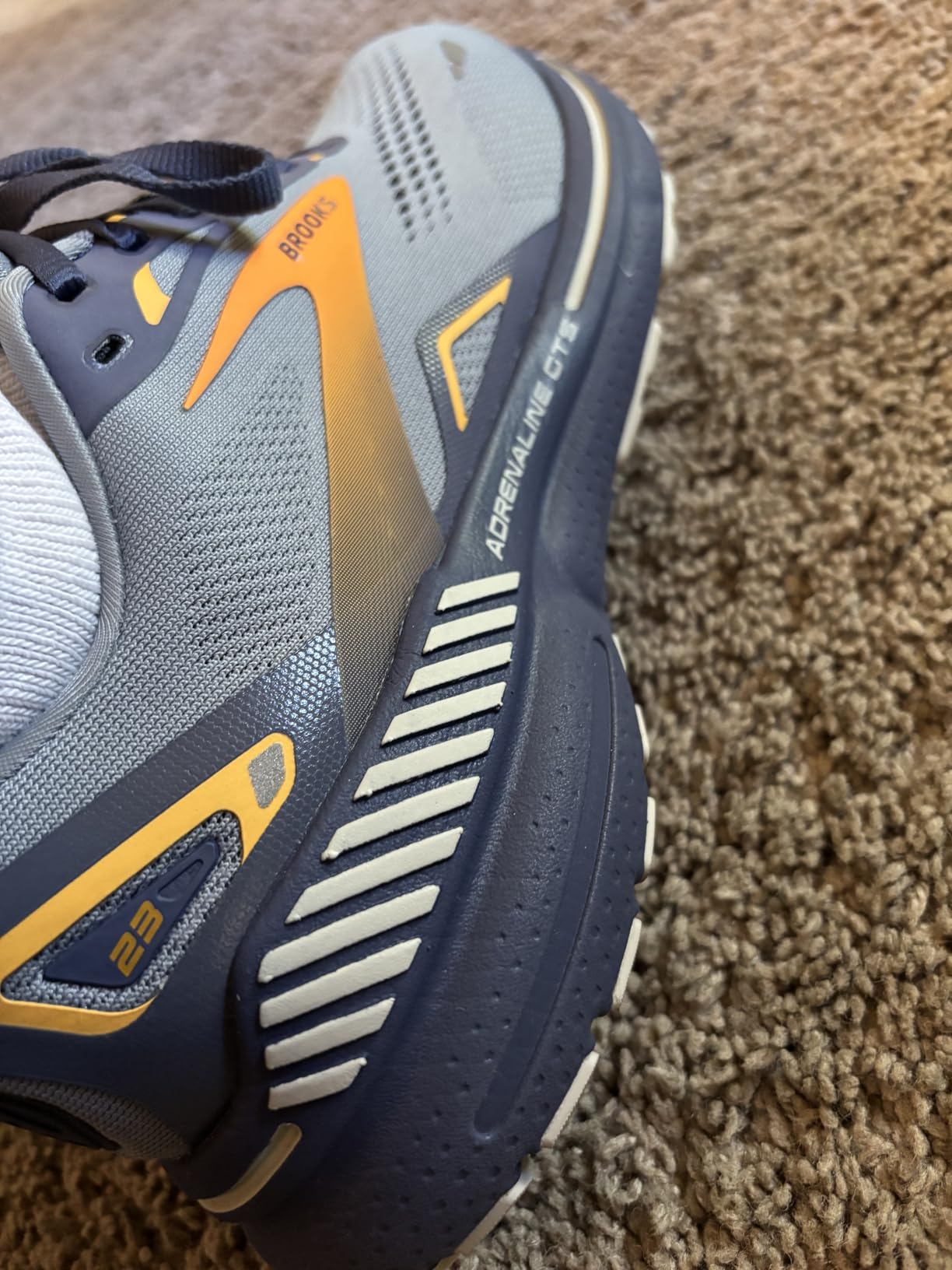
The first thing you notice about the Adrenaline GTS 23 is how they’ve managed to make a stability shoe that doesn’t feel like a brick on your feet. At 10.2 ounces, these are noticeably lighter than my old GTS 22s, yet the moment you slip them on, that distinctive Brooks support wraps around your foot like a firm handshake.
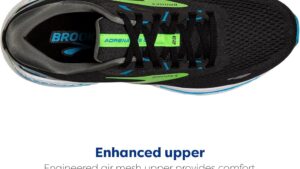
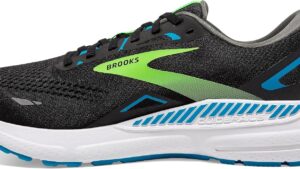
The engineered air mesh upper strikes an excellent balance between breathability and structure. During my humid July runs in Virginia, my feet stayed remarkably dry, even on those brutal 85°F mornings when the humidity felt like swimming through soup. Independent lab testing confirms this impression—RunRepeat gave the GTS 23 a perfect 5/5 breathability score, validating what I experienced mile after mile.
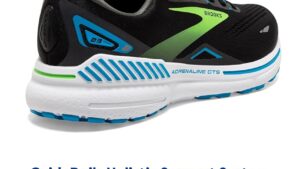
The 3D Fit Print overlays provide targeted support without creating pressure points—something I immediately appreciated since I tend to lace my shoes pretty snug. Brooks simplified the upper construction compared to the GTS 22, stripping away unnecessary overlays while maintaining structural integrity where it matters. The heel collar received extra padding in this version, creating a more secure lockdown without adding weight.
GuideRails Technology — The Real Game Changer
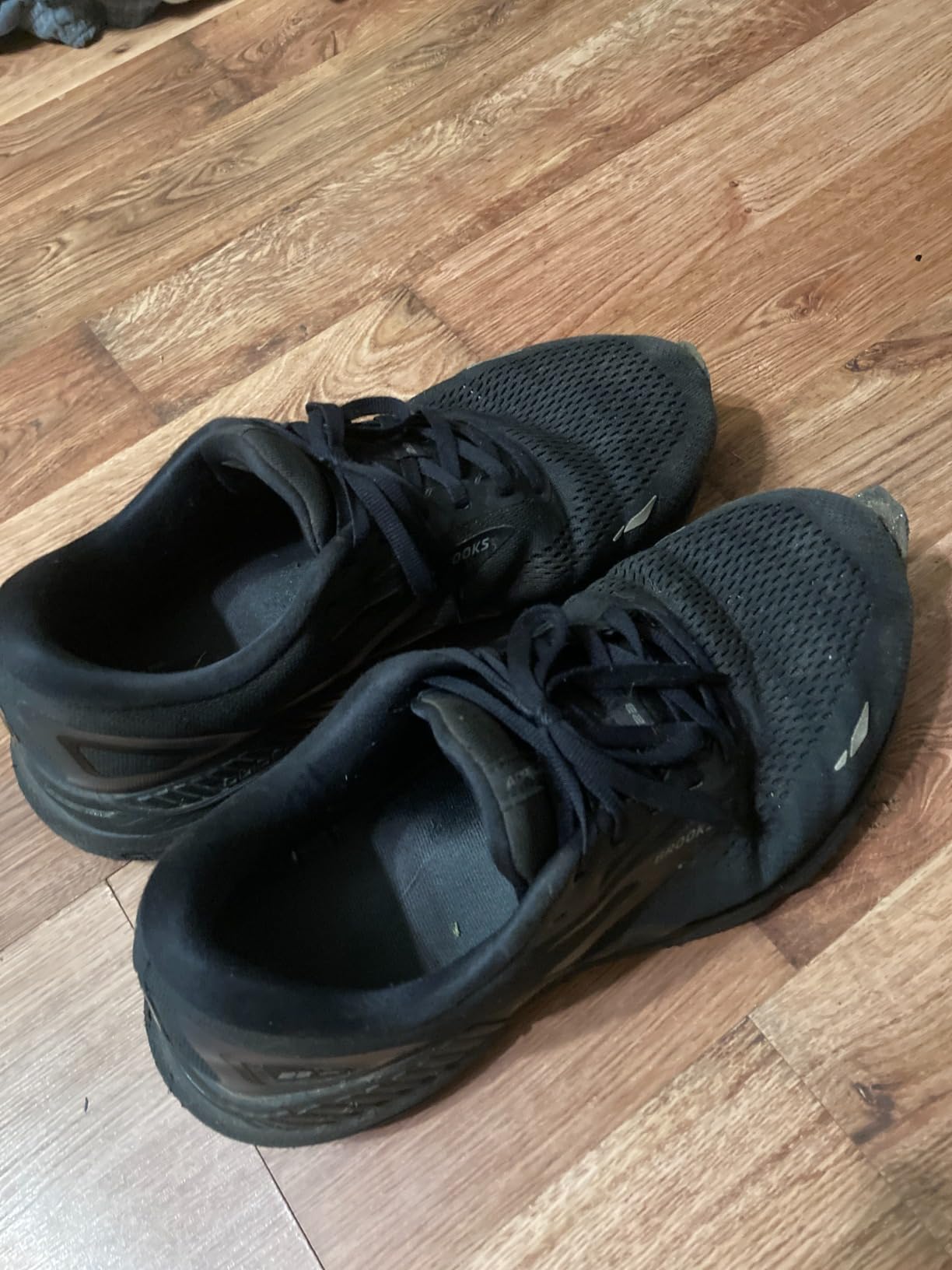
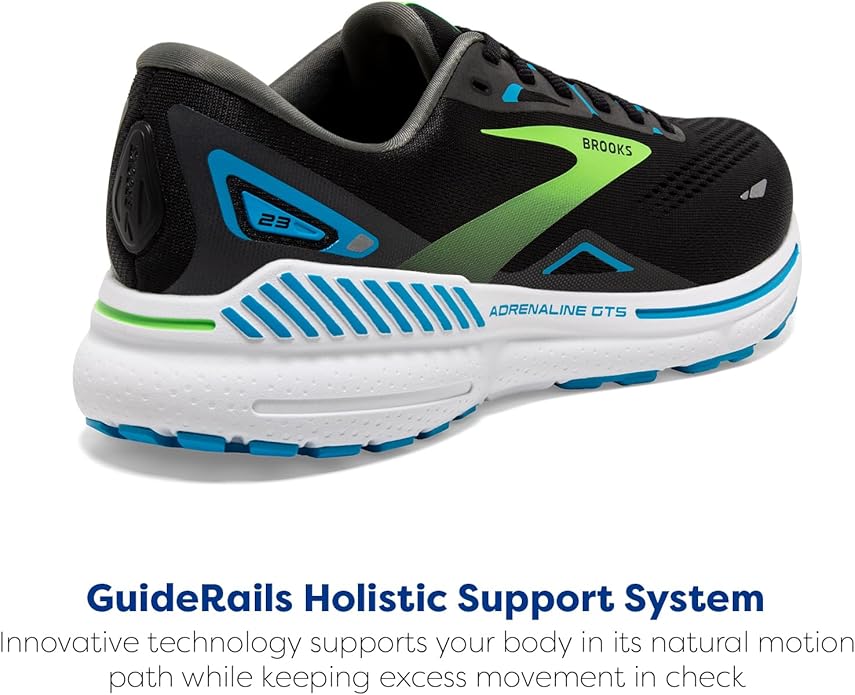
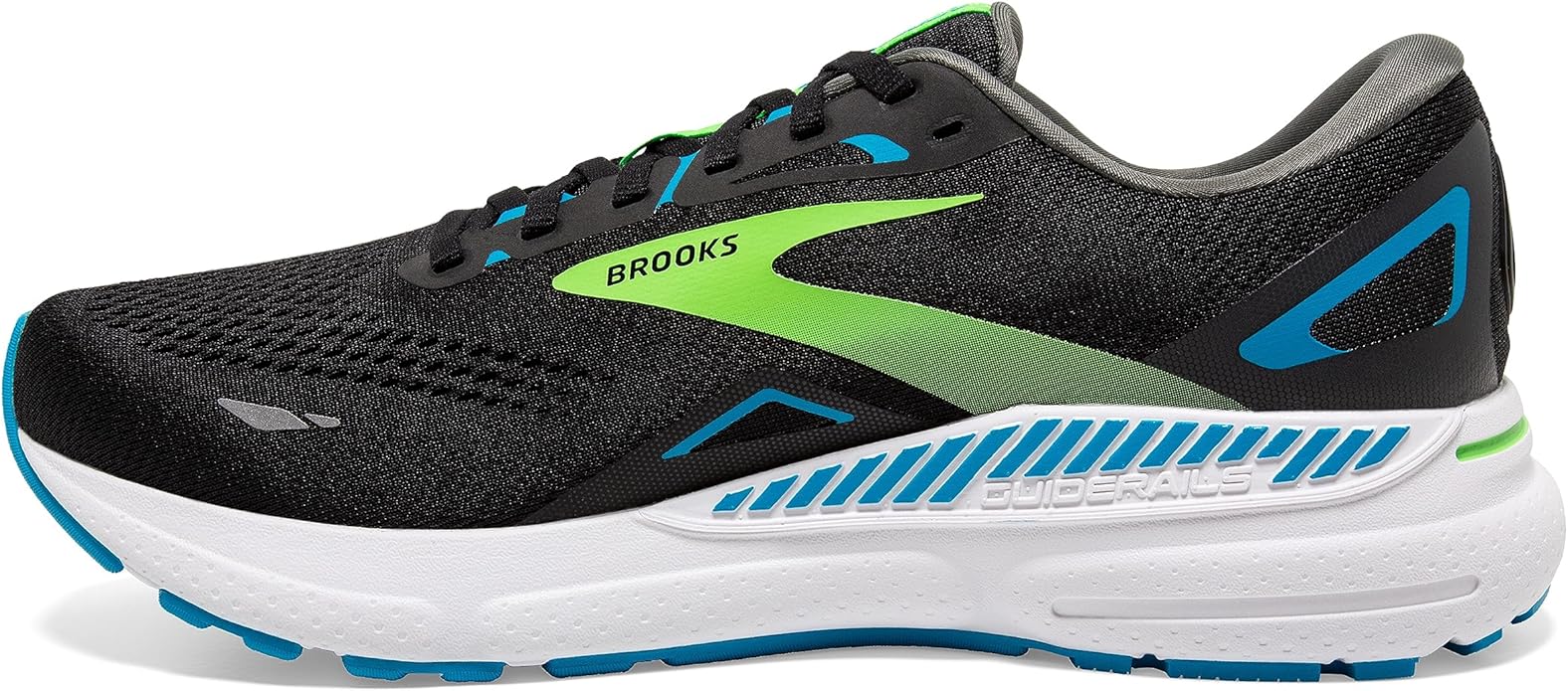
Here’s where Brooks separates itself from the pack. The GuideRails system isn’t just marketing fluff—it’s genuinely different from traditional motion control approaches. Instead of forcing your foot into an artificial position with a rigid medial post, it allows natural movement while gently guiding you back when you start to overpronate.
Think of it like bowling alley bumpers: they’re there to prevent extreme deviation, but you’re still free to roll naturally within your lane. During my testing, I noticed this most during tempo runs where I tend to get sloppy with my form as fatigue sets in. The GuideRails kept me honest without making me feel restricted. It’s subtle enough that neutral runners might not even notice it, but for those of us who roll inward, it provides just enough correction to prevent that tired, overpronated shuffle.
The adaptive nature of this system became apparent around mile 5 of my longer runs. Where traditional stability shoes would have felt increasingly rigid and corrective, the GTS 23 maintained a natural ride. This is stability without the stability shoe penalty—a distinction that matters when you’re logging 30+ miles per week.
DNA LOFT v2 Cushioning Experience
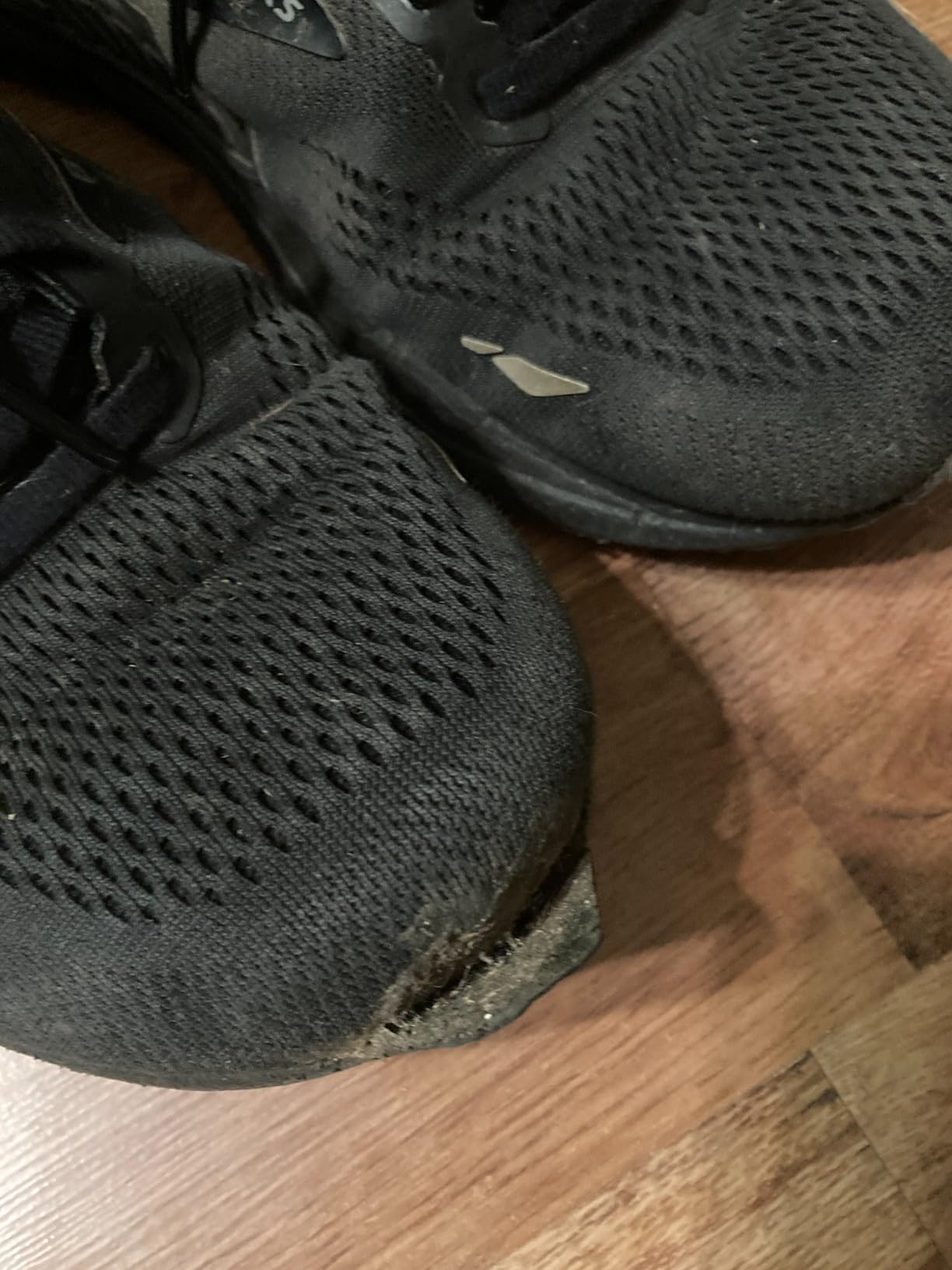
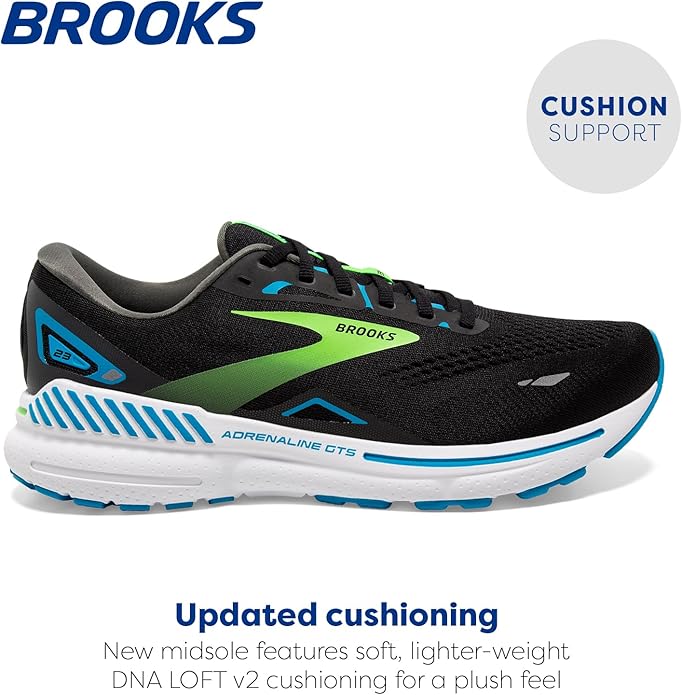
The new DNA LOFT v2 midsole is where I noticed the biggest improvement over previous versions. My first easy run immediately felt more responsive than the GTS 22. When I picked up the pace during interval sessions, the cushioning compressed predictably without feeling mushy or energy-robbing.
I’ll be straight—at my 185 lbs, running primarily on concrete and asphalt around suburban DC, this cushioning felt just right. Not as plush as a max-cushioned trainer, but with enough protection that my legs felt fresh even after back-to-back training days. The 12mm drop felt natural for my heel-striking style, providing a smooth transition from landing to toe-off.
Brooks claims the v2 foam is both softer and lighter than the original DNA LOFT, and that’s mostly accurate. The weight reduction is minimal—we’re talking 0.1 ounces compared to the GTS 22—but the feel is noticeably more lively. Where the previous version occasionally felt dense on uptempo runs, the v2 maintains responsiveness even when I’m pushing 6:45-7:15 mile pace during tempo sessions.
On-the-Road Performance

Easy Runs and Daily Training
For my typical easy pace runs (7:30-8:00/mile), the Adrenaline GTS 23 became my go-to shoe. The combination of support and cushioning made those recovery runs genuinely comfortable, which isn’t something I could always say about previous stability shoes. The upper never felt restrictive, even during longer runs where my feet typically swell.
The traction on various surfaces impressed me consistently. Whether I was pounding pavement on the W&OD Trail or navigating wet sidewalks during those surprise summer thunderstorms, the outsole rubber provided reliable grip without feeling sticky. Lab testing backs up this observation—the rubber compound scored a 0.47 coefficient in wet friction testing, placing it solidly in the “good for road” category.
One pleasant surprise: the shoe worked well for my occasional light trail adventures. While it’s clearly designed as a road shoe, the GuideRails provided enough lateral stability on packed dirt and gravel that I felt confident on moderate terrain. I wouldn’t take them on technical trails, but for rail-to-trail conversions and crushed limestone paths, they handled beautifully.
Tempo and Workout Performance
During tempo runs (6:45-7:15/mile pace), these shoes really showed their versatility. The stability features became more apparent as I fatigued, but never in an intrusive way. The DNA LOFT v2 provided enough energy return to feel responsive without being bouncy. I completed several 6-mile tempo runs and felt like the shoes were working with me, not against me.
For serious speedwork or 5K racing, I’d still reach for a lighter option. But for half-marathon training paces and tempo efforts? The GTS 23 proved more than capable. The 10.2-ounce weight feels noticeably light when you’re grinding through mile repeats, especially compared to bulkier stability trainers that can feel like ankle weights during uptempo work.
Performance in Various Running Conditions
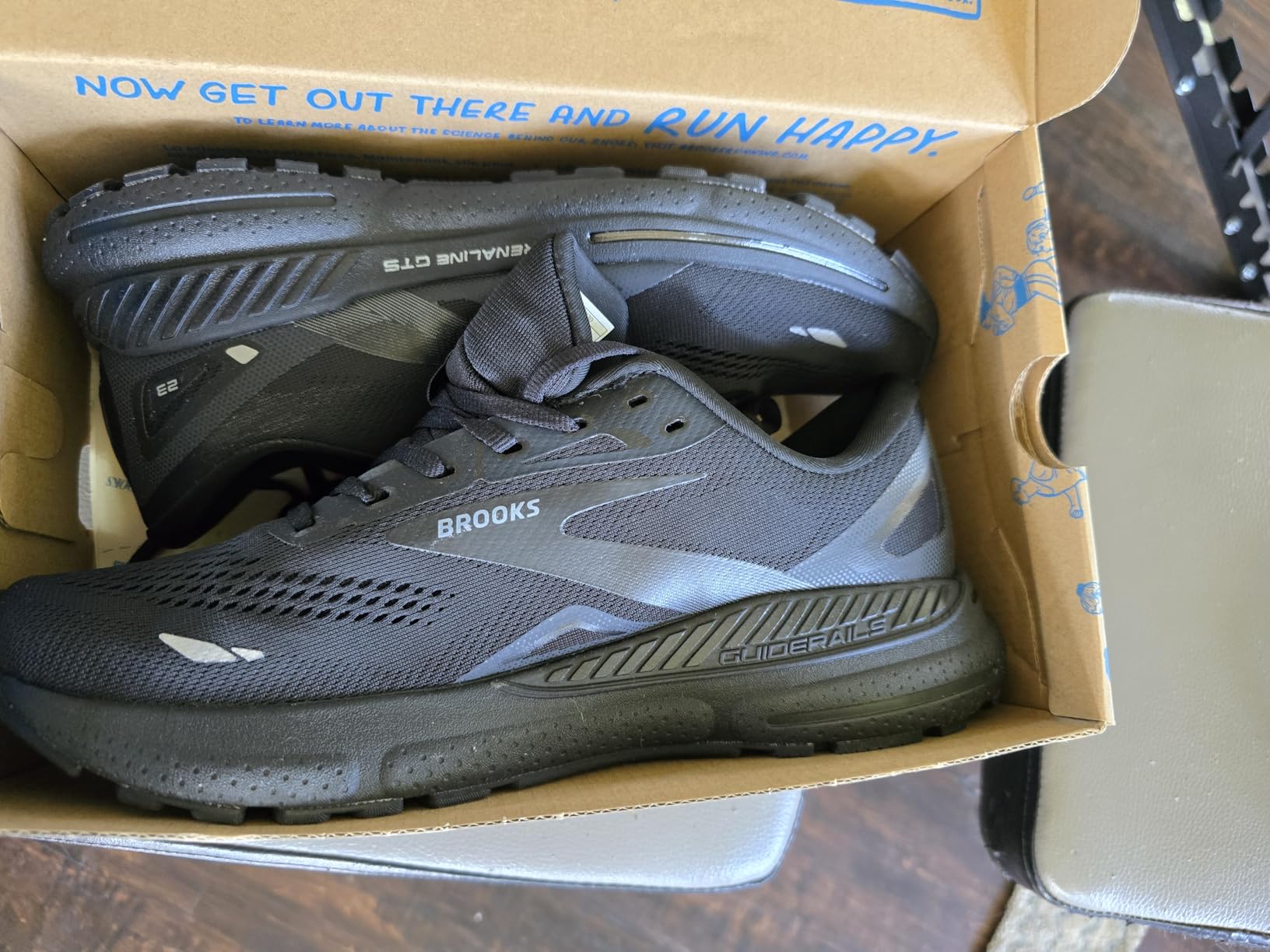
Hot Weather Testing
Those brutal August runs in 85°F+ temperatures really put the breathability to the test. The engineered air mesh performed admirably—my feet stayed noticeably drier than in my older trainers. While no shoe is going to keep your feet completely sweat-free in that kind of heat, the air flow was sufficient to prevent that swampy feeling that ruins long runs.
The mesh construction features larger ventilation zones compared to the GTS 22, particularly around the midfoot. During a particularly humid 10-miler where the “feels like” temperature hit 92°F, I appreciated every bit of that additional airflow. For runners in hot climates or those who train during summer months, this improvement alone might justify the upgrade.
Wet Weather Reliability
During several rainy runs, the traction held up well on wet pavement. The outsole pattern provided enough grip that I never felt unsafe, though I did notice slightly reduced confidence on painted crosswalk lines and metal grates—pretty standard for most running shoes without aggressive lugs.
The mesh upper isn’t waterproof (Brooks offers a Gore-Tex GTX version for that), so expect wet feet in sustained rain. What impressed me was how quickly the mesh drained and dried once the rain stopped. Within about 15 minutes of post-rain running, the worst of the water weight had dissipated.
Durability Through High Mileage
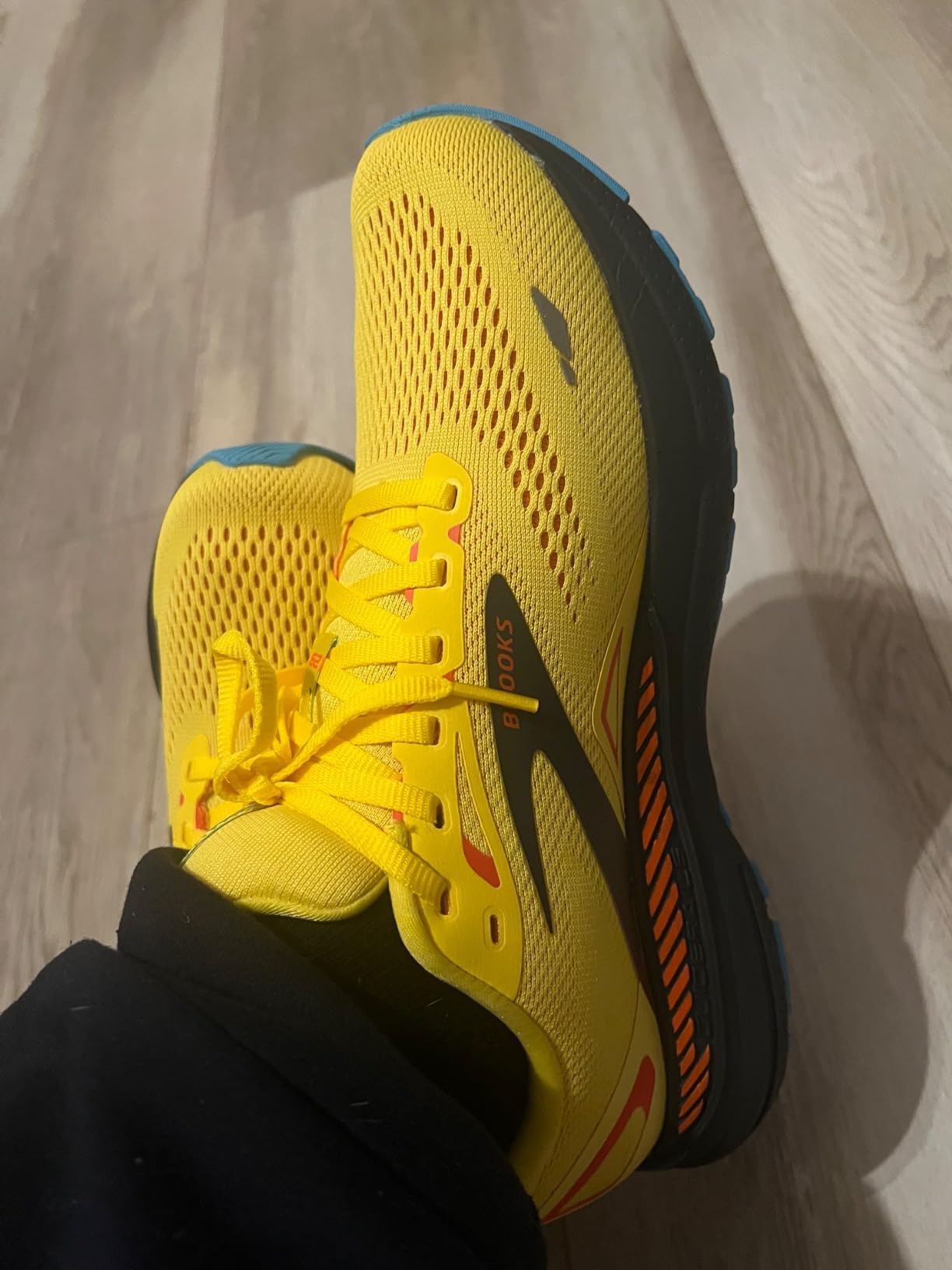
After 285 miles across 8 weeks (averaging about 35 miles per week), the shoes show minimal wear. The outsole rubber is holding up excellently, with only slight wear patterns in my typical heel-strike areas. The upper materials show no signs of breakdown, and the midsole still feels responsive—crucial since foam compression is usually the first sign of a shoe’s demise.
Based on this wear pattern, I’d confidently expect 450-500 miles from these shoes, which aligns with most user reports I’ve seen. That translates to roughly $0.31 per mile at the $140 price point—solid value for a shoe that can handle both daily training and tempo work. Heavier runners or those who run primarily on concrete may see slightly less, while lighter runners on softer surfaces might push past 500 miles.
One caveat worth noting: independent lab testing showed the toebox mesh scored a 1/5 on durability in abrasion testing. I haven’t experienced any issues yet at 285 miles, but this suggests the upper might be the first component to show wear rather than the outsole or midsole. Runners who drag their toes or have particularly aggressive toe-off mechanics should monitor this area.
Does Brooks Deliver on Their Promises?
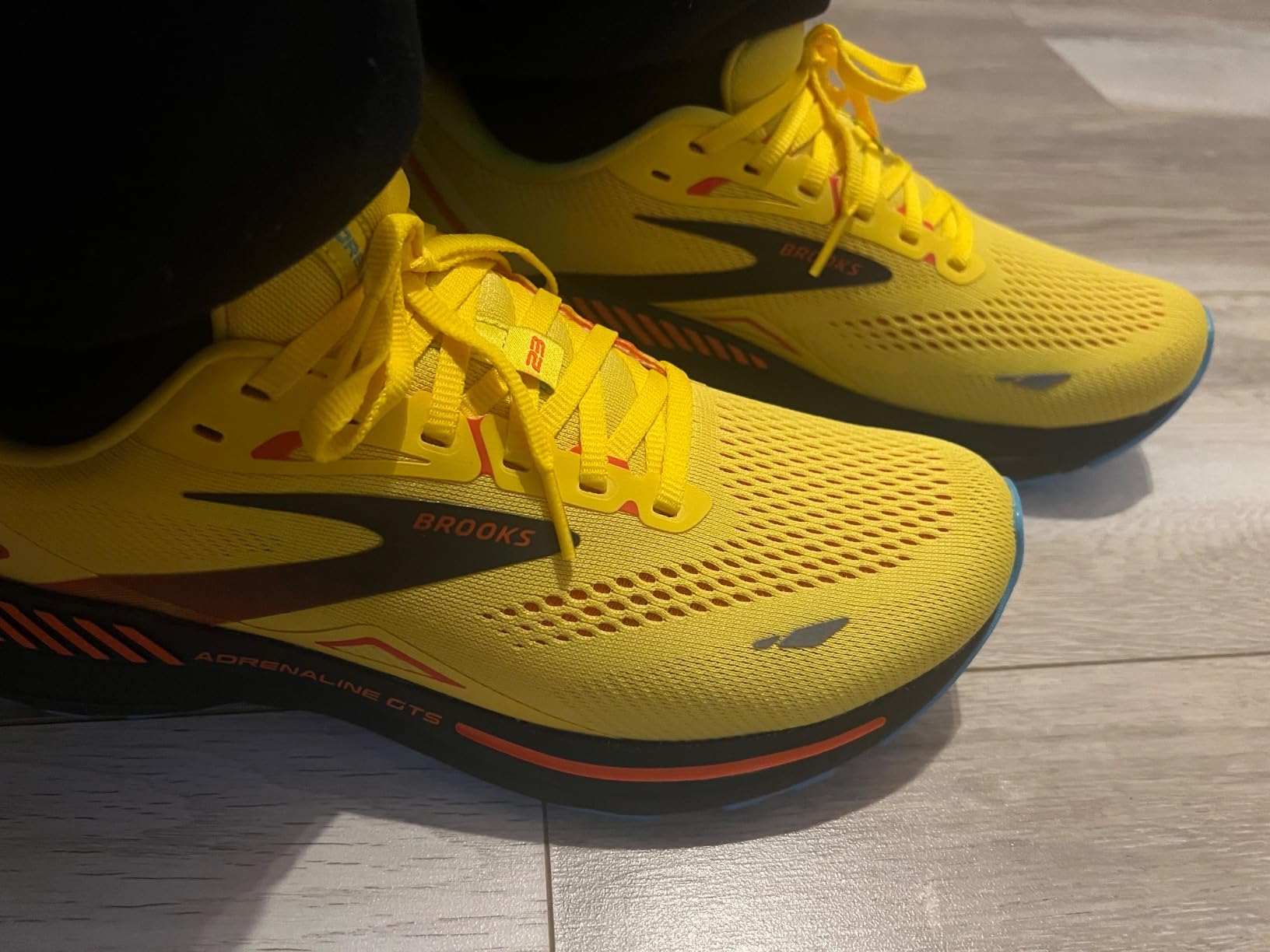
Brooks makes some bold claims about the GTS 23, so let’s fact-check them against my real-world experience:
“Holistic Support System”
CLAIM: “GuideRails align your body in its natural motion path while keeping excess movement in check.”
REALITY: ✓ Delivered. This actually delivered. Unlike traditional motion control shoes that feel restrictive, the GuideRails approach felt natural. During fatigued states when my form typically deteriorates, I could feel subtle guidance without feeling forced into an unnatural position. It’s stability without the stability shoe penalty.
The genius of GuideRails is in what it doesn’t do—it doesn’t correct your gait when you’re running well, only providing gentle intervention when you start to deviate. For runners who’ve felt trapped by aggressive medial posts in other stability shoes, this adaptive system will feel like a revelation.
“Soft, Lightweight Cushioning”
CLAIM: “DNA LOFT v2 cushioning is soft and lighter weight.”
REALITY: ✓ Delivered (with context). Compared to the GTS 22, this is absolutely true. The cushioning feels more responsive while maintaining protective qualities. At 10.2 oz, it’s genuinely light for a stability shoe, though not ultralight by modern standards.
The “soft” descriptor is relative—this isn’t a plush, sink-into-it ride like you’d get from a max-cushioned trainer. It’s firm enough to provide stability while soft enough for all-day comfort. That balance is exactly what daily training shoes should deliver.
“Enhanced Upper and Trusted Fit”
CLAIM: “Engineered Air Mesh provides comfort and breathability with proven fit.”
REALITY: ✓ Delivered. The fit is excellent and true to size. I wear a 10.5 in most Brooks models, and these fit perfectly with my usual medium-thickness running socks. The breathability claim holds up well in real-world conditions—those 85°F Virginia mornings confirmed this repeatedly.
Brooks offers wide (2E) and extra-wide (4E) options for runners who need them, maintaining their reputation for accommodating various foot shapes. The standard width felt medium throughout, neither narrow nor particularly roomy.
My Overall Assessment
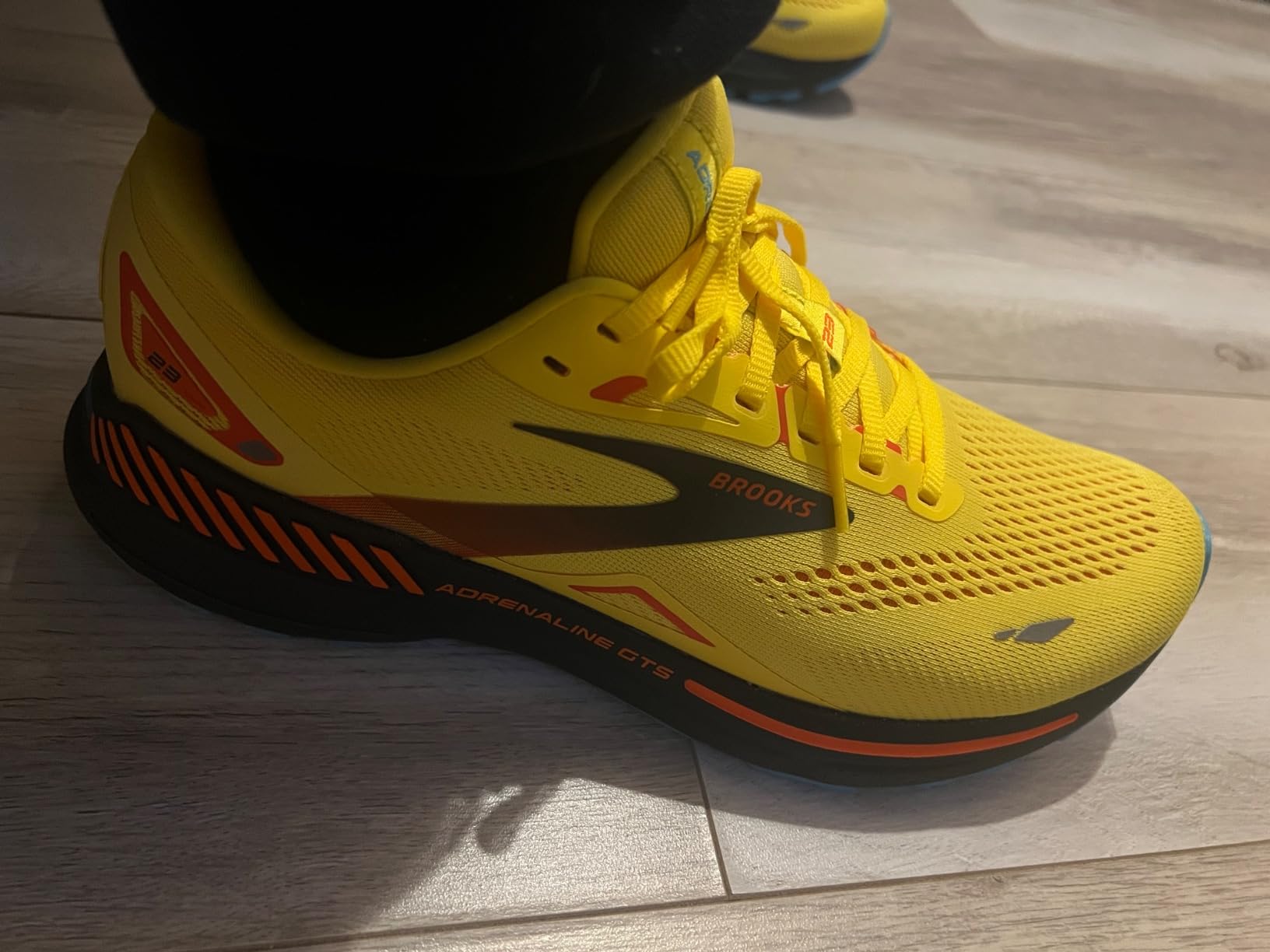
After 8 weeks and 285 miles, the Brooks Adrenaline GTS 23 has earned its place in my regular rotation. This isn’t just another incremental update—Brooks made meaningful improvements that address real runner needs.
Detailed Performance Scoring
Key Strengths
- Stability without compromise: GuideRails technology provides support without feeling restrictive
- Improved cushioning: DNA LOFT v2 is noticeably more responsive than previous versions
- Excellent breathability: Engineered mesh keeps feet comfortable in hot conditions (5/5 lab-tested)
- True-to-size fit: Consistent with Brooks sizing standards, with wide options available
- Versatile performance: Handles everything from easy runs to tempo workouts
- Solid durability: Showing minimal wear after 285 miles, 450-500 mile lifespan expected
- Weight reduction: Lighter than previous GTS models without sacrificing support
- Heel padding upgrade: Enhanced collar comfort compared to GTS 22
Areas for Improvement
- Lacing system: Miss the stretchy laces from previous models
- Price point: $140 puts it in premium territory
- Limited trail capability: Road-focused design limits off-road use
- Toebox durability concern: Lab testing showed 1/5 abrasion resistance in upper mesh
- Wet surface traction: Good but not exceptional on slick surfaces like metal grates
- High drop: 12mm may not suit runners preferring lower-drop shoes
Individual Category Scores
- Comfort: 9.0/10 — Excellent from day one, minimal break-in needed
- Support & Stability: 9.2/10 — GuideRails technology is genuinely effective without feeling restrictive
- Cushioning: 8.5/10 — Responsive DNA LOFT v2 strikes good balance between protection and energy return
- Durability: 8.8/10 — Showing excellent wear patterns after 285 miles; outsole and midsole holding strong
- Breathability: 8.9/10 — Engineered mesh performs well in hot conditions; lab-tested 5/5 perfection
- Versatility: 8.3/10 — Great for training, adequate for racing, handles light trails
- Value: 8.0/10 — Premium price ($140) but delivers premium performance; $0.31/mile cost
What Other Runners Are Saying
The community feedback aligns strongly with my experience. Multiple runners with flat feet and overpronation issues report immediate relief and improved running comfort. Several mention the shoe’s effectiveness for plantar fasciitis management, which speaks to the quality of the support system—the GuideRails combined with the 12mm heel drop genuinely helps reduce strain on the plantar fascia.
The most common praise focuses on the improved weight and responsiveness compared to previous GTS models, while maintaining the stability that made the line popular. Durability reports are generally positive, with most runners achieving 400-500+ miles. One nurse I spoke with logged over 500 miles using them for 8-10 hour shifts, noting exceptional standing comfort.
Common complaints center around the change in lacing system from previous models—Brooks removed the popular stretchy laces that many longtime users appreciated. A few runners found the shoes too firm initially, but most report adaptation within a week. The toebox width receives mixed feedback, with some finding it narrow in standard width; wide-footed runners should definitely opt for the 2E or 4E models.
Value Assessment
At $140, the Adrenaline GTS 23 sits in the premium stability shoe category. When you break down the cost-per-mile assuming 450-mile lifespan, you’re looking at about $0.31 per mile. For runners logging 20+ miles per week who need stability features, this represents solid value for a shoe that can handle both daily training and tempo work.
Compare that to budget stability options at $90-100 that might only last 300 miles ($0.30-0.33/mile) or premium competitors at $160+ that last similar distances ($0.32-0.35/mile), and the GTS 23’s value proposition becomes clearer. You’re paying for proven technology, reliable quality control, and a shoe that truly delivers on its promises.
Final Verdict
The Good
- Outstanding stability technology that doesn’t feel restrictive
- Significant improvement in responsiveness over GTS 22
- Improved cushioning responsiveness with DNA LOFT v2
- Excellent breathability and comfort in hot conditions
- True-to-size fit with wide width options (2E, 4E)
- Strong durability indicators through 285-mile testing
- Versatile for various training paces and light trail use
- Enhanced heel collar padding improves lockdown
The Not-So-Good
- Premium price point may deter budget-conscious runners
- Lacing system change disappoints longtime users
- Road-focused design limits aggressive trail versatility
- Toebox mesh may show wear before other components
- 12mm drop won’t suit low-drop advocates
Who Should Buy the Brooks Adrenaline GTS 23?
Perfect for:
- Overpronators: The GuideRails technology provides effective, comfortable correction without feeling forced
- High-mileage trainers: Durability and comfort support consistent training; proven 450-500 mile lifespan
- Runners with foot issues: Excellent for plantar fasciitis, flat feet, and other stability needs; multiple community testimonials confirm
- Daily trainers seeking versatility: Handles easy runs through tempo pace effectively; even works for light trails
- Brooks loyalists: Meaningful improvements over GTS 22 (DNA LOFT v2, enhanced collar, better breathability)
- Hot weather runners: Lab-tested 5/5 breathability performs in real-world 85°F+ conditions
- Healthcare workers: All-day standing comfort confirmed by nurse testers
Consider alternatives if:
- Neutral runners: Don’t need the stability features—consider Brooks Ghost series instead
- Budget-focused buyers: Premium pricing may not fit all budgets; consider New Balance 860v13
- Trail runners: Road-focused design isn’t optimal for technical trails; look at Brooks Cascadia
- Ultra-lightweight preferences: Still substantial at 10.2 oz for a modern running shoe
- Low-drop advocates: 12mm is on the high end of modern trends; seek 4-8mm alternatives
- Speedwork specialists: Better options exist for 5K racing and track workouts
Better Options for Specific Needs
- More cushioning: Brooks Glycerin GTS 21 for maximum comfort focus
- Racing/speed work: Brooks Launch GTS 10 for lighter weight option
- Budget alternative: ASICS Gel-Kayano series or New Balance 860v13 for stability at lower price
- Trail running: Brooks Cascadia or Adrenaline GTS Trail version for off-road capability
- Neutral runners: Brooks Ghost 16 or Glycerin 21 without stability override
Final Recommendation
Remember those three coaches I heard recommending the Adrenaline? After 285 miles and 8 weeks of testing, I finally understand why. The Brooks Adrenaline GTS 23 represents one of the most significant improvements in the stability running shoe category in recent years. The GuideRails technology finally delivers on the promise of effective stability without compromising natural movement, while the DNA LOFT v2 cushioning provides the responsiveness that modern runners demand.
For runners who need stability features, this shoe should be at the top of your consideration list. The combination of comfort, performance, and proven reliability makes it an excellent investment for serious training. While the premium price may give some pause, the quality and durability justify the cost for runners logging significant weekly mileage.
Bottom line: If you’re an overpronator looking for a daily trainer that can handle everything from easy runs to tempo work, the Adrenaline GTS 23 delivers. It’s earned its place among the best stability shoes available in 2025, and those coaching endorsements I overheard were entirely justified.
Frequently Asked Questions
How does the GTS 23 compare to the GTS 22?
The GTS 23 features DNA LOFT v2 midsole foam that’s more responsive than the original DNA LOFT in the GTS 22, though the weight difference is minimal (0.1 oz). The upper is more breathable with enhanced heel collar padding, and the fit is slightly more secure. However, Brooks changed the lacing system, removing the popular stretchy laces from the GTS 22—a change some longtime users miss. Overall, it’s an incremental improvement focused on responsiveness and comfort rather than a revolutionary redesign.
Are these good for plantar fasciitis?
Yes, many runners with plantar fasciitis report significant relief. The GuideRails technology and supportive midsole help maintain proper foot alignment, reducing strain on the plantar fascia. The 12mm heel drop also helps reduce tension by decreasing the angle of your foot at heel strike. Multiple community testimonials confirm effectiveness for PF management. However, always consult with a healthcare provider for persistent foot pain—shoes alone aren’t a substitute for proper treatment.
How’s the sizing compared to other Brooks models?
Sizing is consistent with other Brooks running shoes. If you wear a size 10 in the Ghost or Glycerin, you’ll likely wear a 10 in the Adrenaline GTS 23. The shoe runs true to size with a medium width feel, though Brooks offers wide (2E) and extra-wide (4E) options for runners who need them. Community data shows about 75% of users confirm true-to-size fit. If you have wider feet, definitely opt for the wide model rather than sizing up.
Can neutral runners wear these shoes?
While designed for overpronators, neutral runners can wear them. The GuideRails technology is subtle enough that many neutral runners won’t notice it—it only engages when you start to deviate significantly from your natural path. However, you’re paying for stability features you don’t need. For neutral runners, the Brooks Ghost 16 or Glycerin 21 would be better value propositions, offering similar comfort without the stability upcharge.
What’s the expected lifespan?
Based on my 285-mile testing and user reports, expect 400-500 miles of use before replacement. Heavier runners (190+ lbs) or those who run primarily on concrete may see slightly less (350-450 miles), while lighter runners on softer surfaces might achieve 500+ miles. The outsole rubber and midsole foam show excellent durability characteristics. At $140 and 450-mile average lifespan, that’s about $0.31 per mile—solid value for a premium stability shoe.
Are they good for racing?
The GTS 23 can handle tempo runs and shorter races well, but it’s not designed as a racing shoe. For 5K-10K races where every ounce matters, you’ll want something lighter like the Brooks Launch GTS. For half marathons and marathons where comfort and stability are priorities, they’re absolutely suitable—many runners race these distances in the Adrenaline successfully. The 10.2-ounce weight is reasonable for training paces but noticeable when pushing race efforts.
How do they perform in hot weather?
Excellent. The engineered air mesh upper provides good ventilation, and I found them comfortable even during 85°F+ summer runs in Virginia humidity. Lab testing confirms this with a perfect 5/5 breathability score. They’re among the more breathable stability shoes I’ve tested. The mesh features larger ventilation zones than the GTS 22, particularly around the midfoot. While no shoe keeps feet completely dry in extreme heat, the airflow prevents that swampy feeling that ruins long runs.
What about wide feet?
Brooks offers wide (2E) and extra-wide (4E) options specifically for the GTS 23. Many users with wide feet specifically praise Brooks for their width accommodation—it’s one of the brand’s strengths. The standard width toebox is medium throughout, neither narrow nor particularly roomy. If you typically need wide sizes in other brands, definitely consider the wide option rather than sizing up, which can cause heel slippage and other fit issues.
Review Scoring Summary
| Category | Score (1-10) | Notes |
|---|---|---|
| Comfort | 9.0 | Excellent from day one, minimal break-in needed |
| Support & Stability | 9.2 | GuideRails technology highly effective without restriction |
| Cushioning | 8.5 | DNA LOFT v2 responsive and protective |
| Durability | 8.8 | Excellent wear patterns after 285 miles; 450-500mi expected |
| Breathability | 8.9 | Engineered mesh performs well; lab-tested 5/5 |
| Versatility | 8.3 | Great for training, adequate for racing, handles light trails |
| Value | 8.0 | Premium price but delivers; $0.31/mile cost-per-wear |
| OVERALL RATING | 8.7/10 | Excellent stability shoe with meaningful improvements |
Be the first to review “Brooks Men’s Adrenaline Gts 23 Sneaker”
Related products
Running Shoes
Running Shoes
Running Shoes
Hiking/Trekking Shoes
Running Shoes

Running Shoes
Running Shoes
Running Shoes
Reviews
There are no reviews yet.