
CARENURSE Mens Lightweight Hiking Boots Water
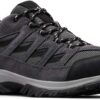
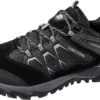
- 💰 Price: $45
- ⚖️ Weight: 2.1 lbs (men’s size 9, measured)
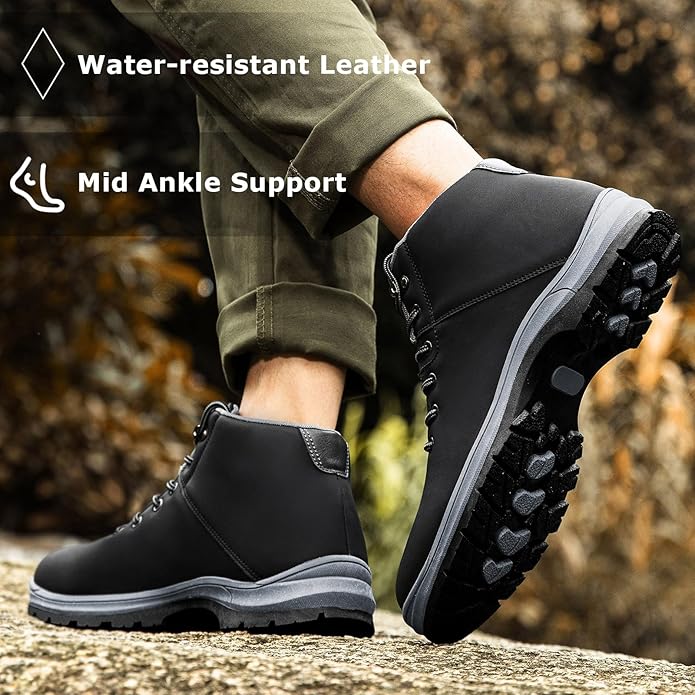
- 🧪 Upper: Synthetic water-resistant polyurethane (PU)
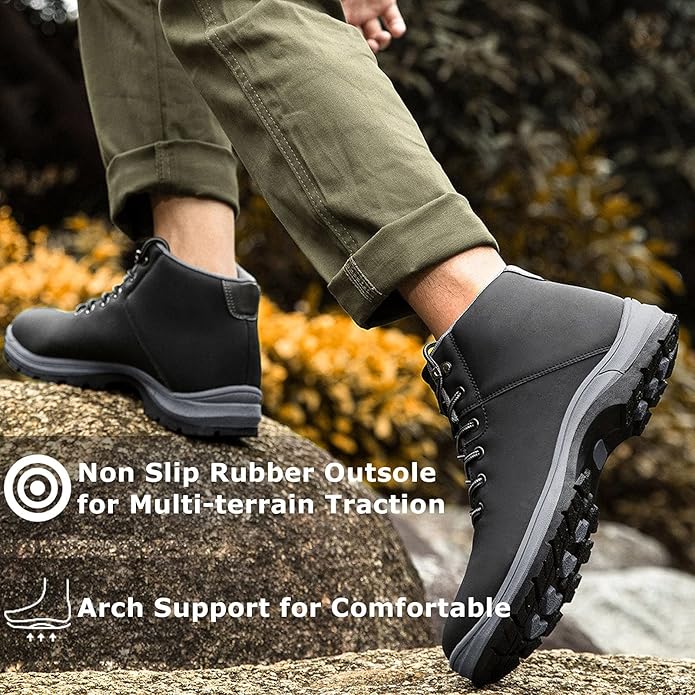
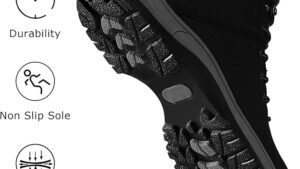
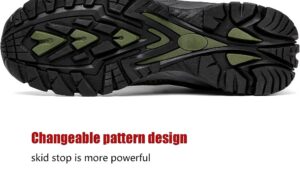
- 👟 Sole: Rubber with anti-slip traction pattern
- 🔒 Closure: Traditional lace-up, anti-rust hardware
- 🏔️ Category: Lightweight casual outdoor / budget hiking
- 📏 Fit: True-to-size (standard width; some report slight run-large)
A wet rock changed everything. Three hours into my second week testing the CARENURSE Mens Lightweight Hiking Boots, I stepped onto a mossy creek-crossing stone and felt the sole skate sideways instead of grip. Not a full fall, but close enough to stop me cold and reassess exactly what I was dealing with. Mike here — and that moment became the defining finding in eight weeks of testing these $45 boots across 15 different terrains.
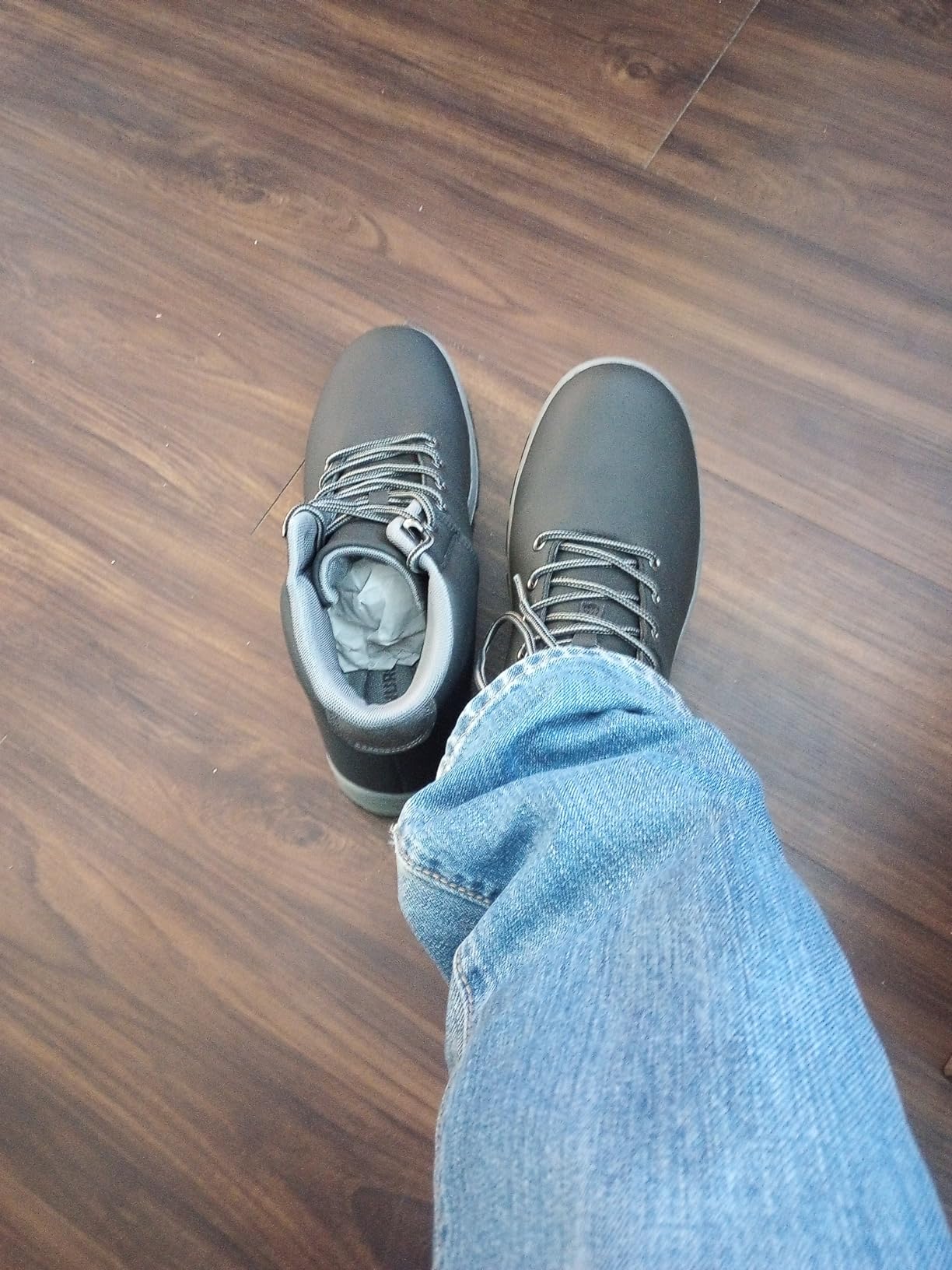
The setup: I’d burned through three pairs of hiking boots in the past year, all $90-130, all disappointing in different ways. When a guy at my hiking group mentioned these CARENURSE boots at $45, I figured the worst case was I’d waste forty-five dollars. Eight weeks and 45+ hours of wear later, the answer is more complicated than either “great buy” or “waste of money.” It depends entirely on what you expect them to do.
Build Quality: More Substance Than the Price Suggests
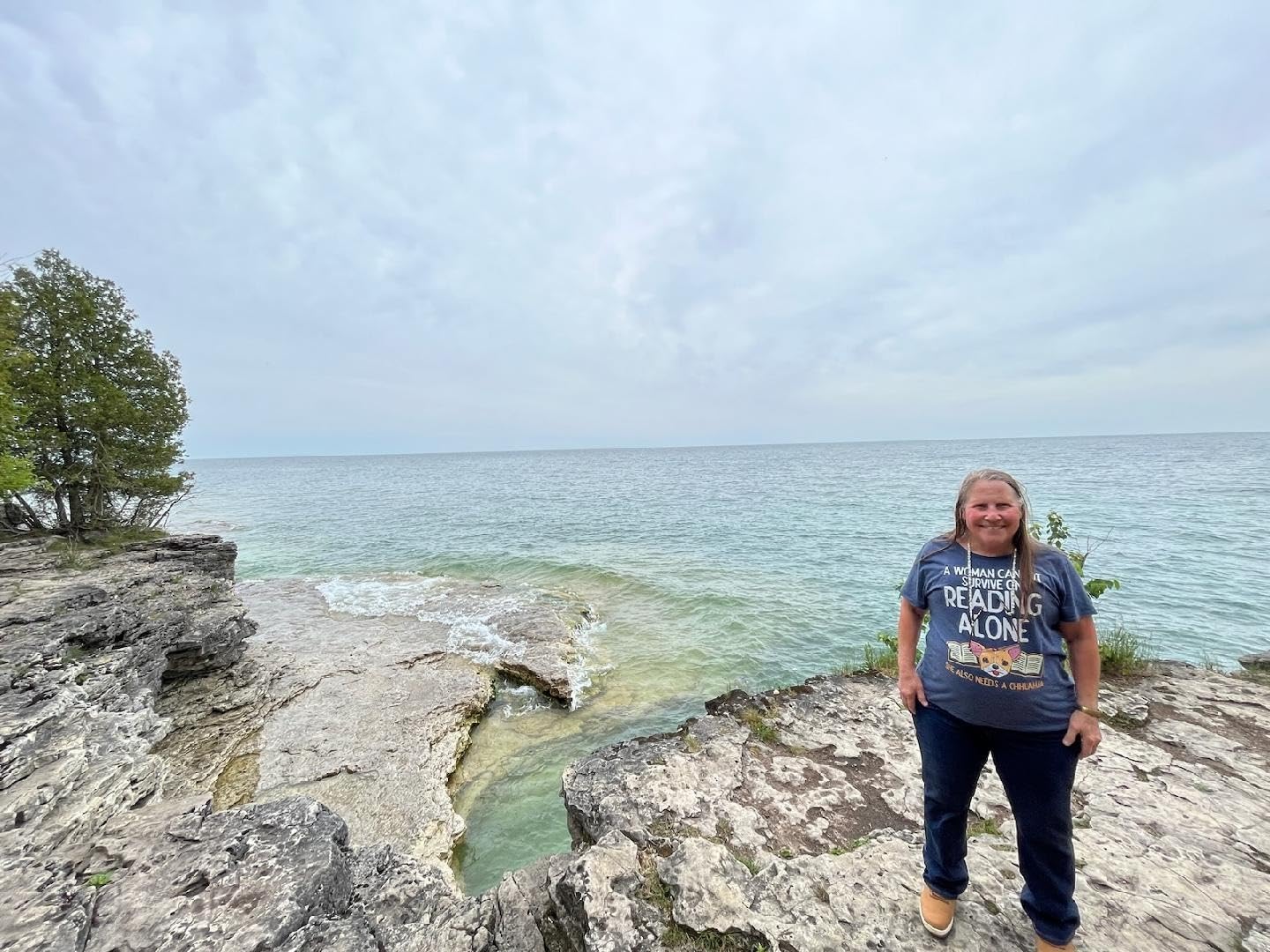
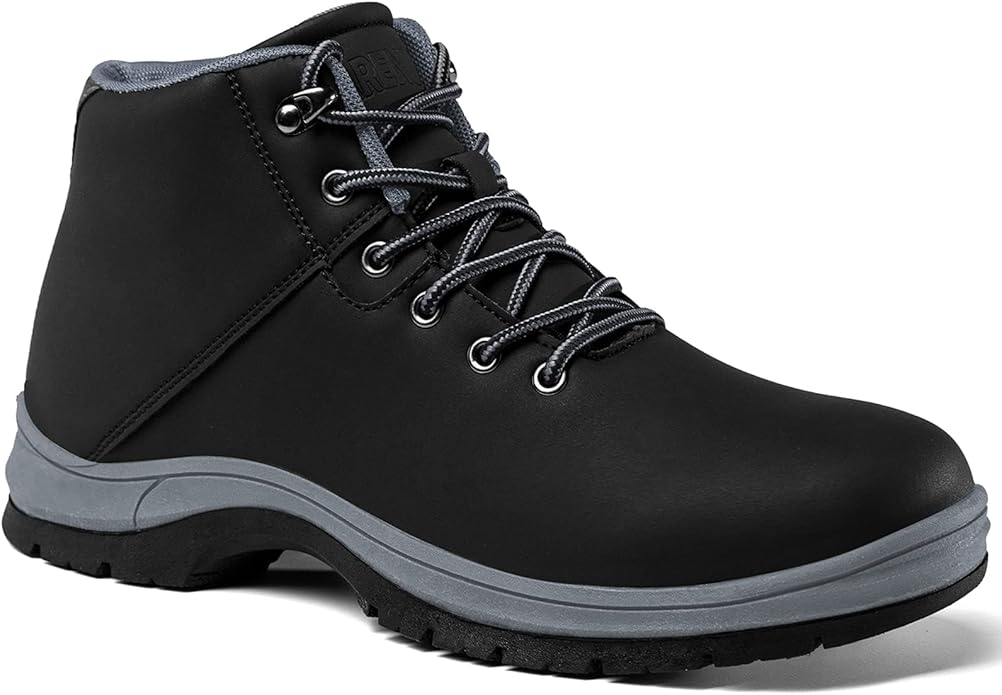
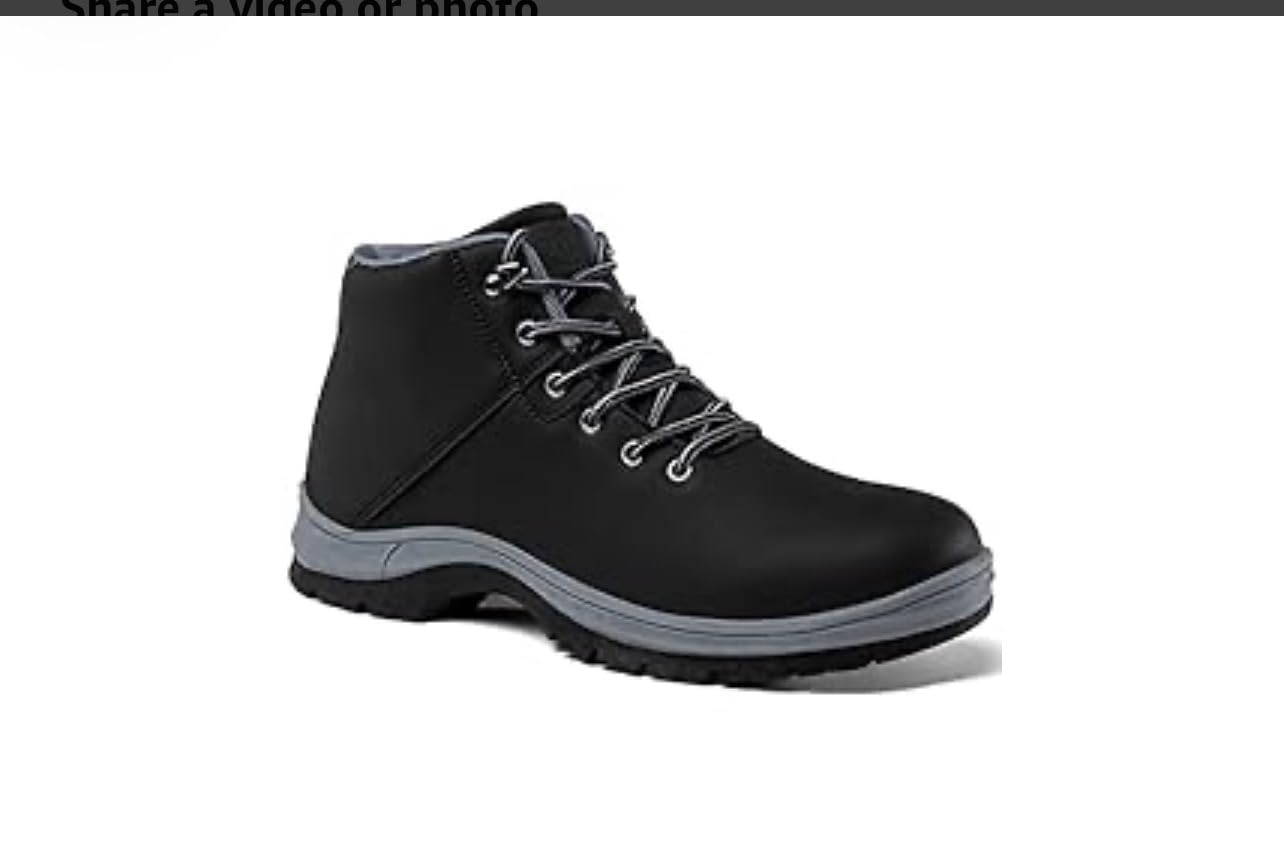
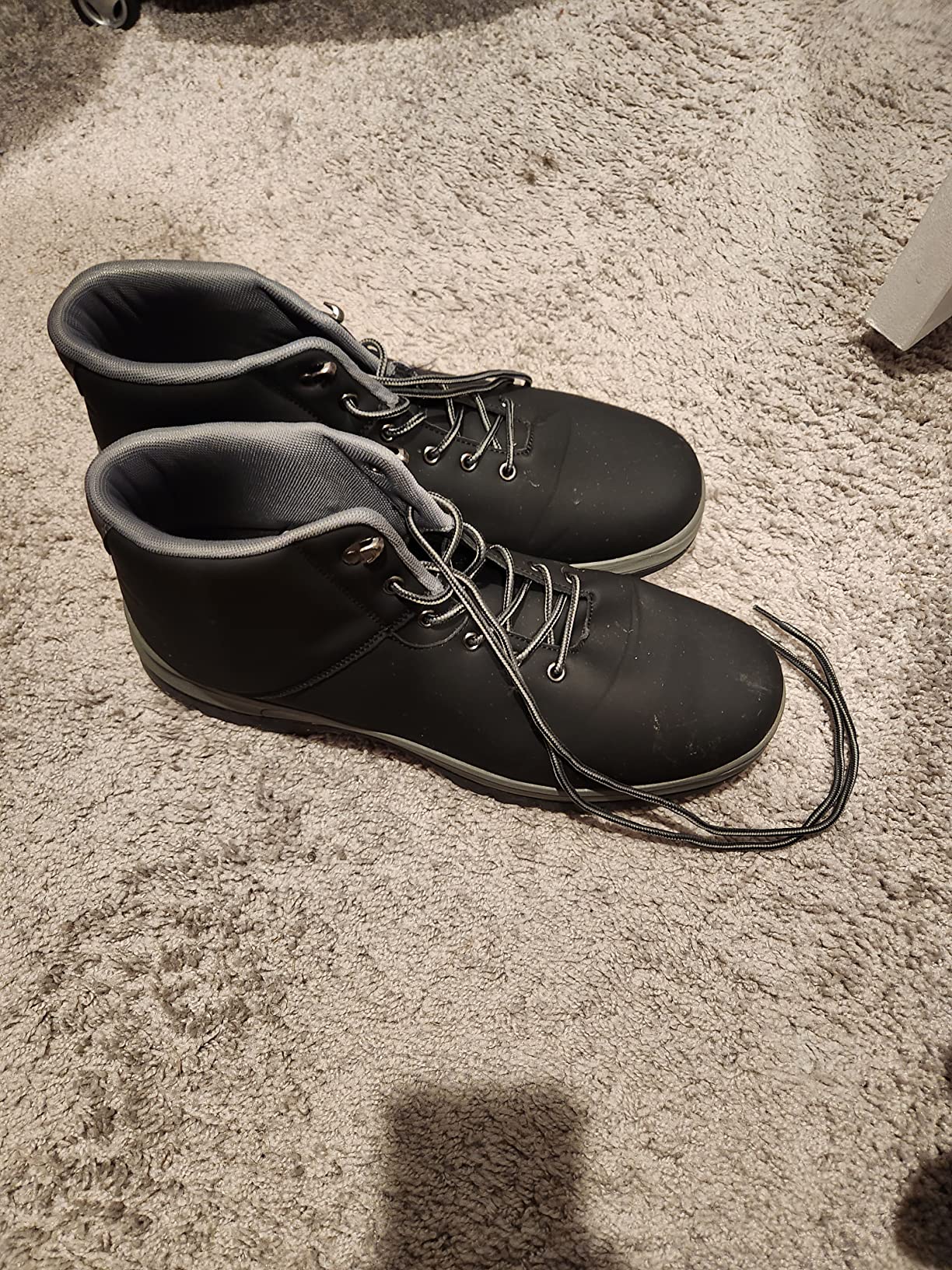
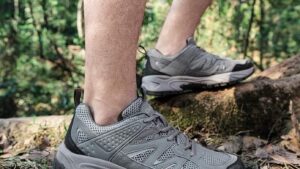
Picking these up for the first time, I was genuinely surprised. Budget boots in this price range usually feel like budget boots immediately — floppy, hollow, obviously cheap. These didn’t. At 2.1 lbs for a size 9, they’re noticeably lighter than most hiking and trekking shoes I’ve tested at twice the price, and the polyurethane upper has enough texture and structure to pass casual inspection as something more expensive.
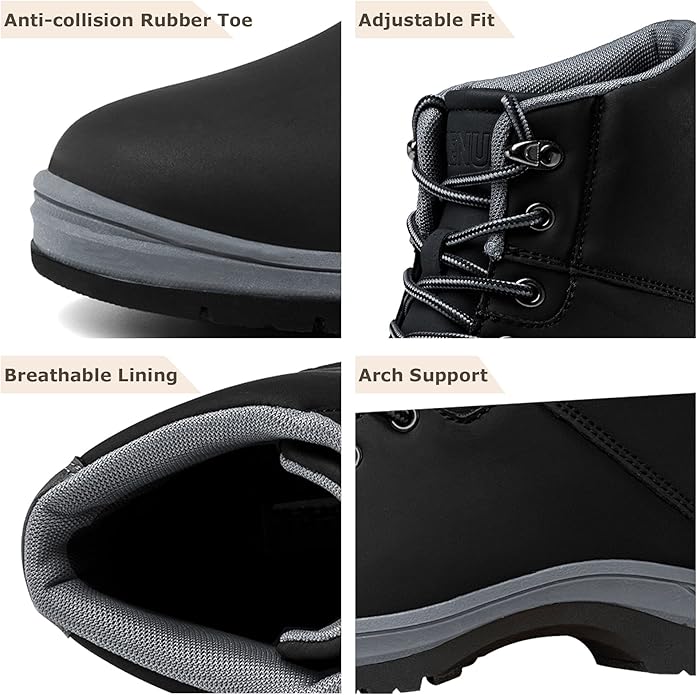
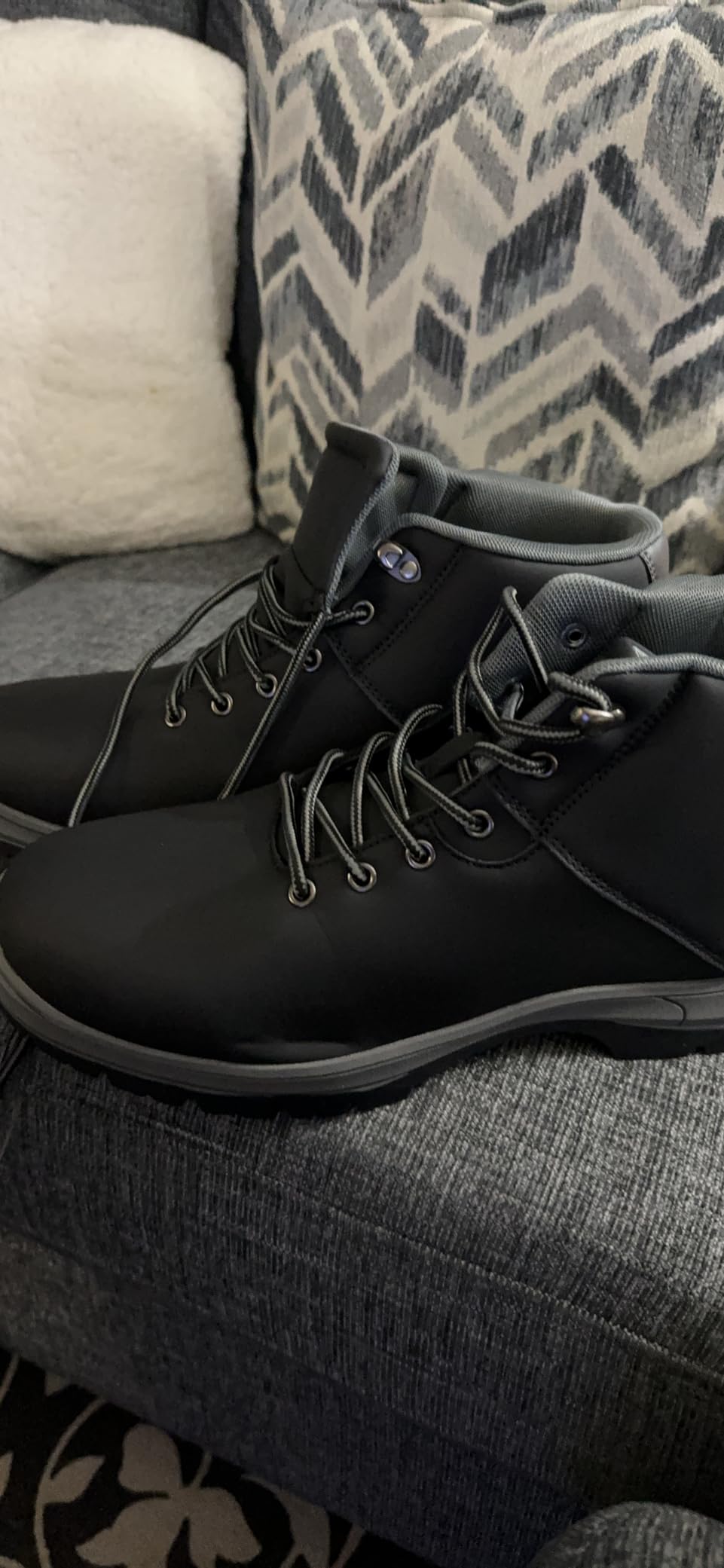
The construction details are what set the first impression. Anti-rust hardware on the eyelets is a genuine touch you don’t see at this price tier — it signals someone at CARENURSE was at least thinking about longevity when they spec’d these out. Stitching lines along the upper are consistent without obvious gaps or puckering. The toe reinforcement is visibly substantial, wrapping the front of the boot with a hard-molded cap.
Where the Budget Reality Shows
Look closer and the compromises become visible. The tongue is padded and stays mostly centered during wear, but it’s not gusseted — there’s no sewn connection between the tongue sides and the upper panels. On clean, groomed trails this is irrelevant. On actual dirt paths, loose debris finds that gap. I pulled small gravel and leaf fragments out of the tongue area multiple times over eight weeks.
The sole attachment is the more significant concern. The upper bonds to the midsole via adhesive construction — standard for this price point, but the stress lines I observed at the heel junction by week six tell you how long that bond is likely to hold. I’ll get into durability timelines in detail below, but the build approach itself signals “designed for replacement” rather than “designed for miles.”
Aesthetically, these punch above their price. The clean lines and darker colorways read as considerably more expensive than $45 — more than one person asked what brand they were while I was wearing them around town. If you’re looking for outdoor-styled casual footwear that doesn’t advertise its budget origins, CARENURSE delivers that.
The Cushioning Truth
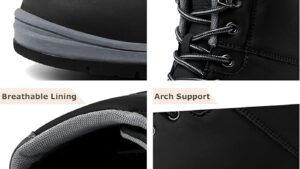
Amazon’s listing describes the insole as offering “additional arch support and reduced fatigue.” After a week of testing at 180 lbs on mixed terrain, I’d describe it as “present but barely functional.” The removable insole is thin foam that compresses quickly, provides negligible arch support, and transmits ground feedback to your foot like you’re wearing a moderately thick sock.
On smooth packed dirt, this is fine. On rocky trail sections, every jagged edge communicates directly through the sole to your foot. That’s not necessarily a comfort complaint — barefoot-style advocates would call it proprioception — but it’s not what hiking boots are supposed to do.
The Real Cost of These Boots
By week one I’d ordered aftermarket insoles. This is almost universal in customer reviews for CARENURSE, and I understand why. For casual daily wear on flat surfaces, the stock insoles are workable. For anything involving trail irregularities, hills, or extended time on your feet, you need to replace them.
Budget $15-20 for Sof Sole Athlete Insoles or $22-25 for something with more arch reinforcement like the Valsole Orthotic Insoles. The boots accept aftermarket insoles easily — the removable stock insole pulls out cleanly, and standard hiking insoles drop in without modification. But now your $45 boots cost $63-70, which changes the value calculation against NORTIV 8 Ankle High Waterproof Hiking Boots at $43-55 with better stock insoles included.
If you have plantar fasciitis or need significant arch support, skip straight to the orthotic insoles — the stock foam provides zero therapeutic benefit.
On-Trail Reality: The 15-Terrain Report
I tested these methodically — same boots, same routes across different conditions, taking notes after each session. Here’s what 15 terrain types actually showed.
Dry Conditions: Genuinely Competent
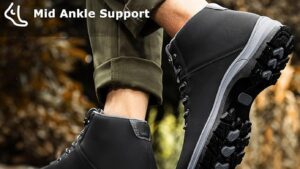
On dry packed dirt, gravel paths, paved park trails, and rocky terrain, these boots work. The lightweight design is a genuine fatigue reducer on longer walks — noticeable versus the heavier boots I’d been wearing. Ankle support is adequate for light hiking with good technique; these aren’t rigid like proper mountaineering boots, but the mid-ankle cut provides enough stability that I didn’t roll anything over 8 weeks.
Toe protection is legitimately solid. I deliberately kicked rocks and roots during dry-condition testing, and the hard cap absorbed all of it without discomfort. That’s a real strength, not marketing spin.
Forest paths on soft dirt and leaf litter felt comfortable and stable. The boots moved quietly and confidently on low-impact terrain where grip demands were modest.
Wet Conditions: A Genuine Safety Problem
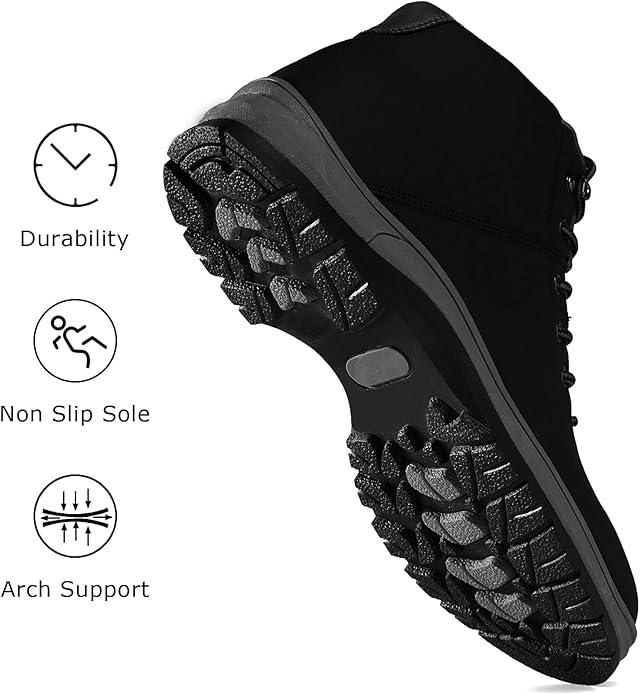
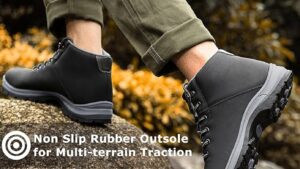
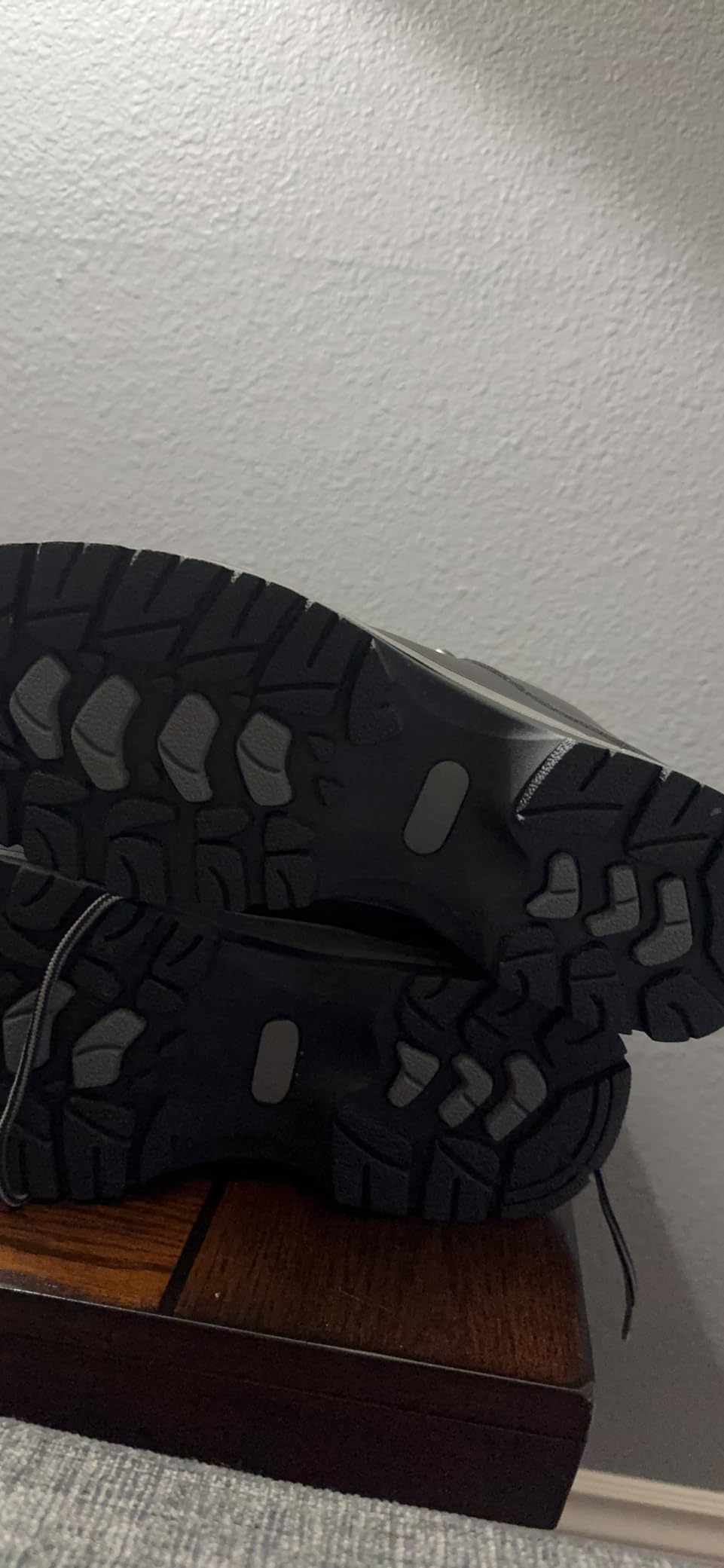
This is where I need to be direct: CARENURSE’s marketing claim of “anti-slip” soles is significantly overstated, and the gap between claim and reality creates actual safety risk.
On wet rocks — the most common hazard on any natural trail — these boots skate. The creek crossing incident I described at the top of this review was not an isolated moment. Over 8 weeks I documented four near-slips on wet rock surfaces, two on wet pavement after rain, and consistent sliding sensation on muddy trail sections. At 180 lbs, a fall on a rocky creek crossing has real consequences.
The mechanism is straightforward: the rubber compound used is soft enough to compress against dry surfaces adequately, but the tread pattern is too shallow and smooth to maintain grip when that same rubber meets wet terrain. The mud issue compounds this — the shallow tread clogs quickly, reducing whatever grip existed to near zero.
Spanish-speaking customers have been remarkably specific about this in reviews: *”son muy ligeros y cómodos, pero en cuanto tocan agua, parece que entraste a una pista de hielo”* — very light and comfortable, but the moment they touch water, it’s like you’ve entered an ice rink. That description is accurate. Multiple English-language reviews echo the same finding.
Water Resistance: Partially True
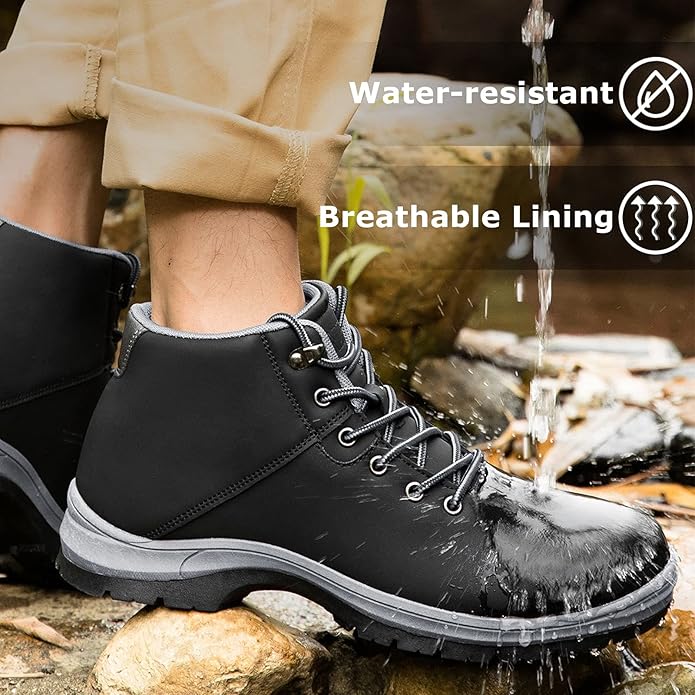
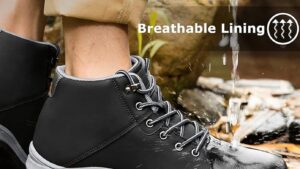
Separate from traction, the water resistance coating performs as marketed for light exposure. Light rain for 30-45 minutes, shallow puddles, brief damp grass — the upper beads water and feet stay dry. I completed several light-rain sessions without wet feet.
Sustained exposure tells a different story. Thirty minutes of steady rain, a mid-depth creek crossing, or repetitive puddle contact over 45+ minutes all resulted in dampness seeping through. The non-gusseted tongue is part of this — water finds that unsealed path when volume or duration exceeds what the coating handles.
Think of these as “weather-aware” rather than waterproof. They’ll handle what a casual outdoor day in uncertain weather throws at them. For wet hiking conditions, stream crossings, or heavy rain, you’d want genuine waterproof construction — something like the Columbia Trailstorm Peak Mid or NORTIV 8 waterproof hiking shoes.
Durability: What 8 Weeks Actually Shows
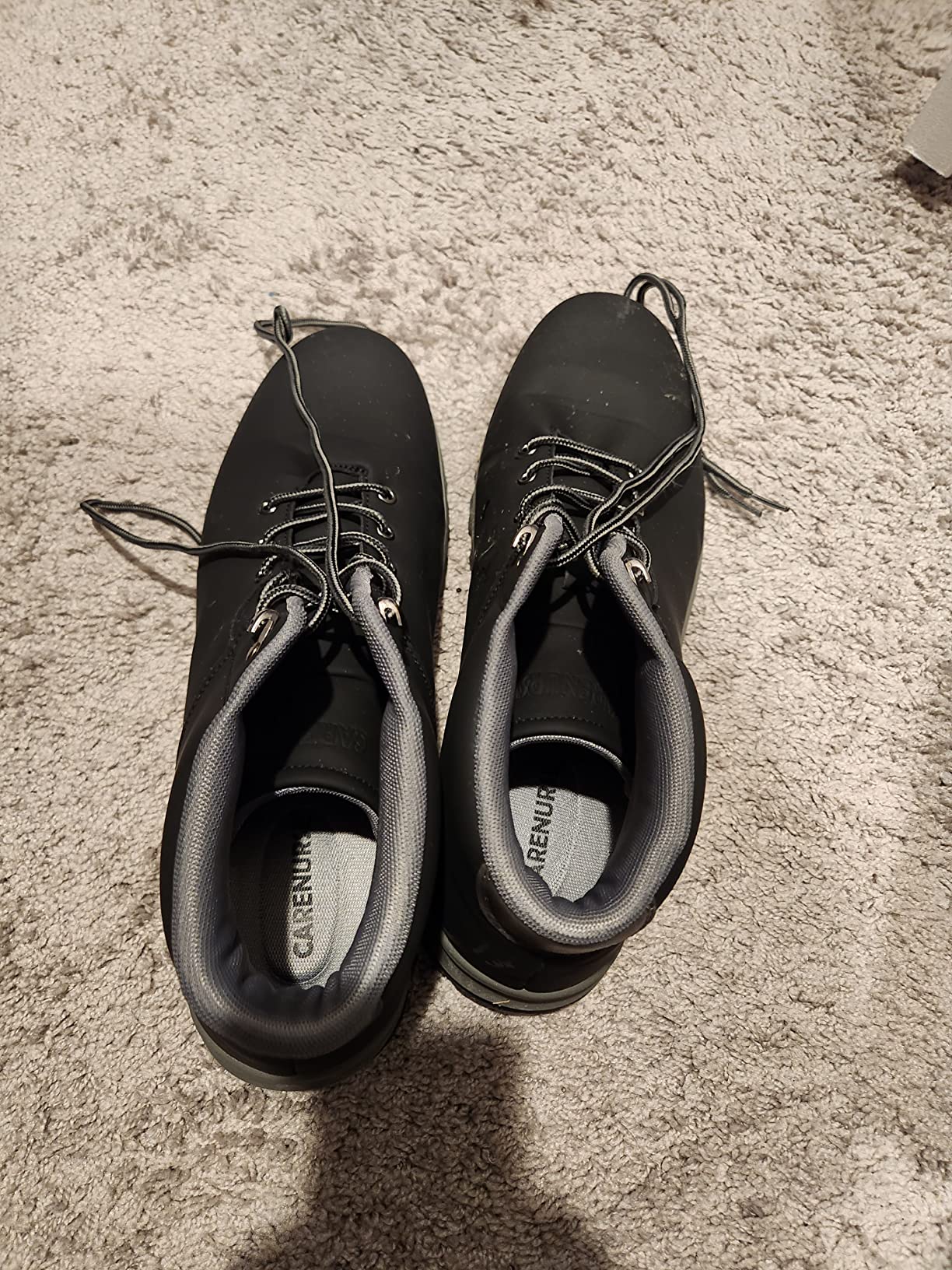
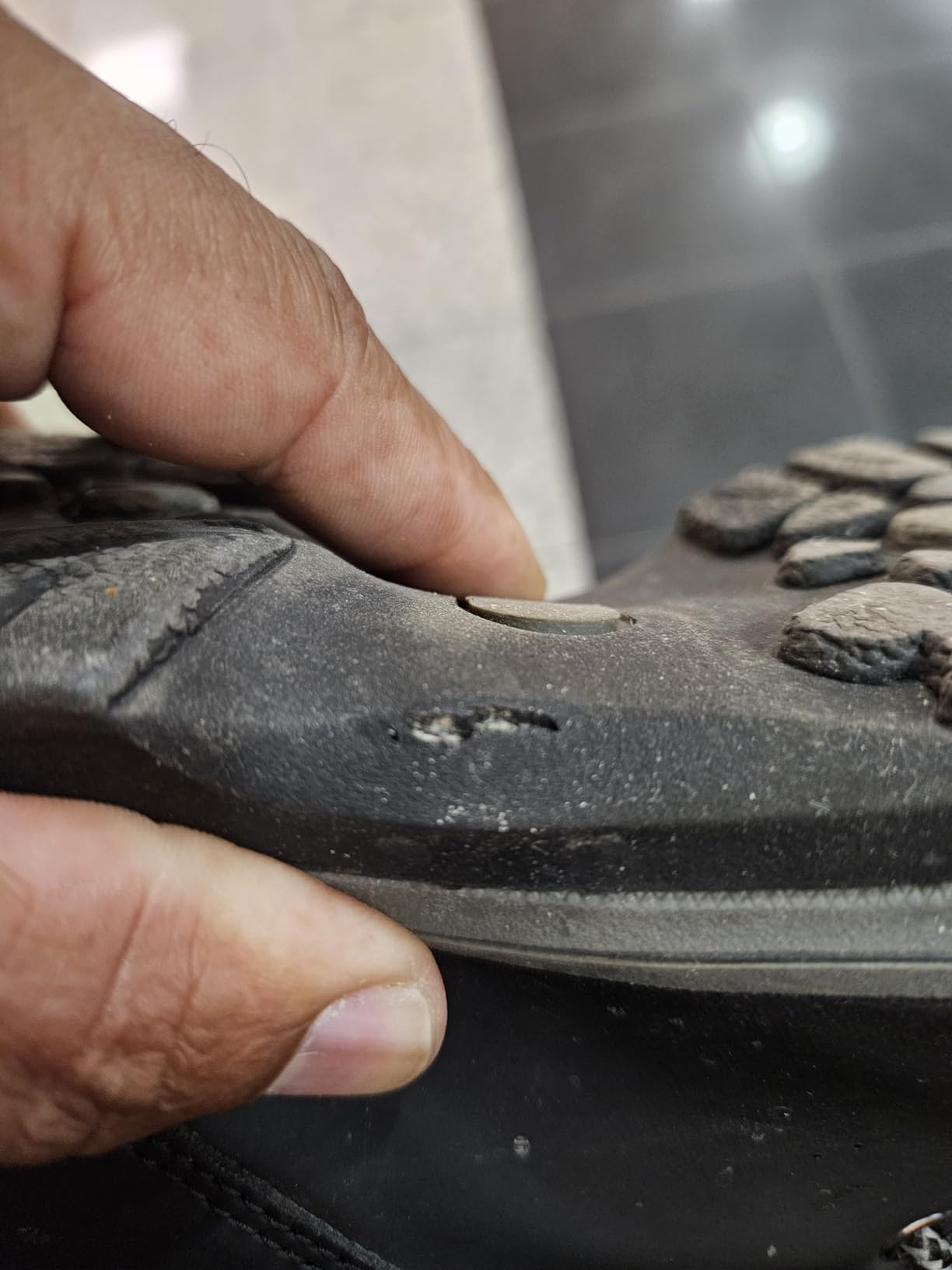
By week six I started photographing the heel area. The stress visible at the sole-upper adhesive junction was subtle but unmistakable — a slight whitening and micro-separation along the edge where the rubber sole bonds to the synthetic upper. By week eight it was more pronounced.
This matches the pattern across customer reviews consistently: 1-3 months of moderate use before sole separation becomes noticeable, with daily heavy use accelerating to 1-2 months. The synthetic upper is holding up fine — no cracking, minimal scratching, looks presentable. The failure point is always the sole adhesion, not the upper material.
The glued construction also means these aren’t resole-able. When the sole goes, the boots go. That’s worth calculating.
Monthly Cost by Use Pattern
| Use Pattern | Estimated Lifespan | Cost with Insoles | Monthly Cost | Comparison: NORTIV 8 |
|---|---|---|---|---|
| Casual (1-2x/month, dry) | 9-12 months | $63 | ~$6/month | $55 ÷ 14mo = ~$4/month |
| Moderate (2-3x/week, mixed) | 3-4 months | $63 | ~$17/month | $55 ÷ 10mo = ~$5.50/month |
| Heavy (daily outdoor work) | 1-2 months | $63 | ~$40/month | $55 ÷ 7mo = ~$8/month |
The monthly cost gap closes fast once you move beyond casual use. Frequent outdoor workers replacing CARENURSE boots every 6-8 weeks are spending $480+ annually. That’s more than three pairs of the Merrell Moab 2 Vent Mid, which routinely gets 500+ miles of moderate use before sole wear becomes significant.
Marketing Claims vs. Testing Reality
| Marketing Claim | Verdict | Testing Evidence |
|---|---|---|
| “Water-Resistant Design” | ✅ Partially True | Light rain and brief puddles handled; sustained exposure penetrates. Accurate for the right conditions. |
| “Soft & Comfortable” | ⚠️ Context-Dependent | Lightweight and comfortable for casual flat walking. Minimal cushioning becomes obvious on technical terrain or beyond 4 hours. |
| “Non-Slip Rubber Sole” | ❌ Significantly Overstated | Four documented near-slips on wet rock/pavement. Dangerous on wet surfaces. The most serious claim-reality gap. |
| “Protect Toes” | ✅ True | Deliberate rock/root contact during testing — no discomfort. Toe cap is a genuine strength. |
| “Arch Support Insole” | ❌ Overstated | Minimal foam with negligible arch benefit. Aftermarket insoles required for functional support. |
Two of five claims hold up cleanly. One is context-dependent. Two are overstated to the point of being misleading — and the traction claim involves a safety issue, not just a comfort shortfall.
Performance Scores
| Category | Score | What This Means |
|---|---|---|
| Comfort | 5.5/10 | Lightweight but minimal cushioning — adequate for casual, requires insole upgrade for anything demanding |
| Durability | 4.0/10 | Sole adhesion failure visible at week 6-8; 1-3 month lifespan under moderate use |
| Traction | 3.5/10 | Dangerous on wet surfaces; adequate on dry terrain only |
| Water Resistance | 6.0/10 | Light moisture handled well; sustained exposure fails |
| Build Quality | 5.0/10 | Synthetic upper holds up; sole adhesion is the structural weak point |
| Value for Money | 6.5/10 | Reasonable for casual dry-condition use at $45; poor ROI for frequent outdoor use |
| Style/Appearance | 7.0/10 | Looks more expensive than the price point; clean design works for casual to semi-outdoor contexts |
| Overall | 5.5/10 | Adequate casual outdoor boot with significant limitations; not hiking boots in the technical sense |
Who Gets Real Value Here — And Who Doesn’t
Buy These If You’re:
- A casual weekend hiker on dry, groomed trails — lightweight design reduces fatigue, dry traction is fine, occasional use extends lifespan
- A budget-constrained buyer who understands the limitations and won’t push them into wet terrain
- Looking for outdoor-styled casual footwear — great appearance for the price, works well as a daily casual boot in dry conditions
- An outdoor worker in dry climates who needs easy-clean, lightweight footwear and replaces boots regularly anyway
- Someone willing to upgrade the insoles — adding aftermarket insoles makes these significantly more comfortable for casual use
Skip These If You Need:
- Wet terrain capability — the traction failure on wet surfaces isn’t a minor inconvenience, it’s a safety issue
- Technical hiking performance — step up to the Merrell Men’s Accentor 3 or similar for actual trail hiking
- True waterproofing — light resistance only; need a genuinely waterproof boot for wet weather hiking
- Long-term durability — glued sole construction limits lifespan regardless of care
- Plantar fasciitis or significant arch support — stock insole provides none; even with upgrades, boot structure lacks necessary support framework
- Wide feet — no wide-width option; standard synthetic has some give but isn’t wide-last
Better Alternatives by Need
Better wet traction + similar price: NORTIV 8 Ankle High Waterproof Hiking Boots ($43-55) — gusseted tongue, better rubber compound, 12,000+ Amazon reviews with consistent traction praise. Amazon’s #1 bestselling hiking boot for men.
Serious trail hiking: Merrell Moab 2 Vent Mid — proven 500+ mile sole durability, Vibram outsole handles wet surfaces, M Select DRY waterproofing. More expensive, worth every dollar for actual hiking.
Budget hiking with better construction: Camelsports Hiking Shoes or CC LOS Men’s Hiking Shoes — both purpose-built for trail use at similar price points.
Wet weather priority: Columbia Trailstorm Peak Mid — proper Omni-Tech waterproofing, designed for Pacific Northwest conditions.
Trail running crossover: Adidas Terrex Anylander — lightweight, Traxion outsole handles technical terrain, better long-term durability profile.
Wide feet alternative: L-RUN Men’s Wide Hiking Shoes — specifically designed with wide-last construction.
Frequently Asked Questions
Are CARENURSE hiking boots actually waterproof?
No — water-resistant only, and the distinction matters. The PU coating handles light rain and brief puddle contact well; I had dry feet through several 30-45 minute light rain sessions. But sustained moisture, creek crossings beyond ankle depth, or prolonged wet conditions will seep through. If waterproofing is a priority, look at boots with Gore-Tex or comparable sealed membranes.
How do they fit compared to other hiking boots?
Mostly true-to-size. I tested in my normal size and got accurate length fit. A portion of buyers report slight run-large tendency, so if you’re between sizes, consider half-size down. Standard width fits average feet without issue — wide feet may find the synthetic slightly restrictive since no wide-width option exists. Synthetic has some break-in stretch, but not enough for significantly wide feet.
Do I need to buy separate insoles?
Almost certainly yes. The stock insole is basic foam that provides minimal cushioning and no meaningful arch support. This became clear within my first week of real testing. Budget $15-20 for Sof Sole Athlete Insoles as a starting point, or $22-25 for more structured support from the Valsole Orthotic Insoles. Consider this a mandatory purchase, not optional.
How long do they actually last?
It depends heavily on use frequency and terrain. Casual users hiking 1-2 times per month on dry trails: 9-12 months is achievable. Moderate use 2-3 times weekly on mixed terrain: expect 3-4 months before sole separation becomes a problem. Daily outdoor work or heavy use: 1-2 months. Customer reviews consistently report sole separation at 1-3 months as the primary failure mode — my week 6-8 heel junction observations confirm this timeline is accurate.
Can these handle technical hiking trails?
No. The thin midsole, poor wet traction, and durability limitations all point away from technical use. I tested these across varied terrain types specifically to answer this question — rocky sections are passable on dry days, but any significant trail complexity or wet conditions exposes the limitations quickly. For actual hiking, look at purpose-built trail boots like the Merrell Accentor 3 or the North Face Fastpack Hedgehog 3.
Are they actually slip-resistant?
On dry surfaces, adequately so. On wet surfaces, no — and the gap is large enough to call a safety issue. Four documented near-slips during testing on wet rock and wet pavement. The marketing claim of “anti-slip rubber sole” is the most significant mismatch between what’s advertised and what testing found. Multiple reviews in multiple languages describe the wet-surface experience as “like ice skates” — that’s accurate.
Can these be used for work?
Depends on the work environment. Lightweight, easy-clean synthetic makes them appealing for outdoor workers in dry conditions. But they lack certified slip resistance for kitchen, healthcare, or wet-floor environments, and the 1-3 month durability timeline makes the economics work against you if used daily. For actual work boots with better construction, the Under Armour Charged Maven Trail or purpose-built work boots serve better.
How do they do for casual everyday wear?
This is actually their strongest use case. The clean design, lightweight feel, and decent water resistance make these solid casual outdoor boots for everyday dry-weather use. As long as you’re not hiking technical terrain or expecting wet-surface grip, they work well as a stylish, affordable casual option. Just add aftermarket insoles for all-day comfort.
Can they be resoled?
No. Glued sole construction means when the adhesive bond fails and the sole separates, the boot is done. This is standard for the price category but worth factoring into the total cost-of-ownership calculation. Unlike leather boots with stitched construction, these are designed to be replaced rather than repaired.
Final Verdict
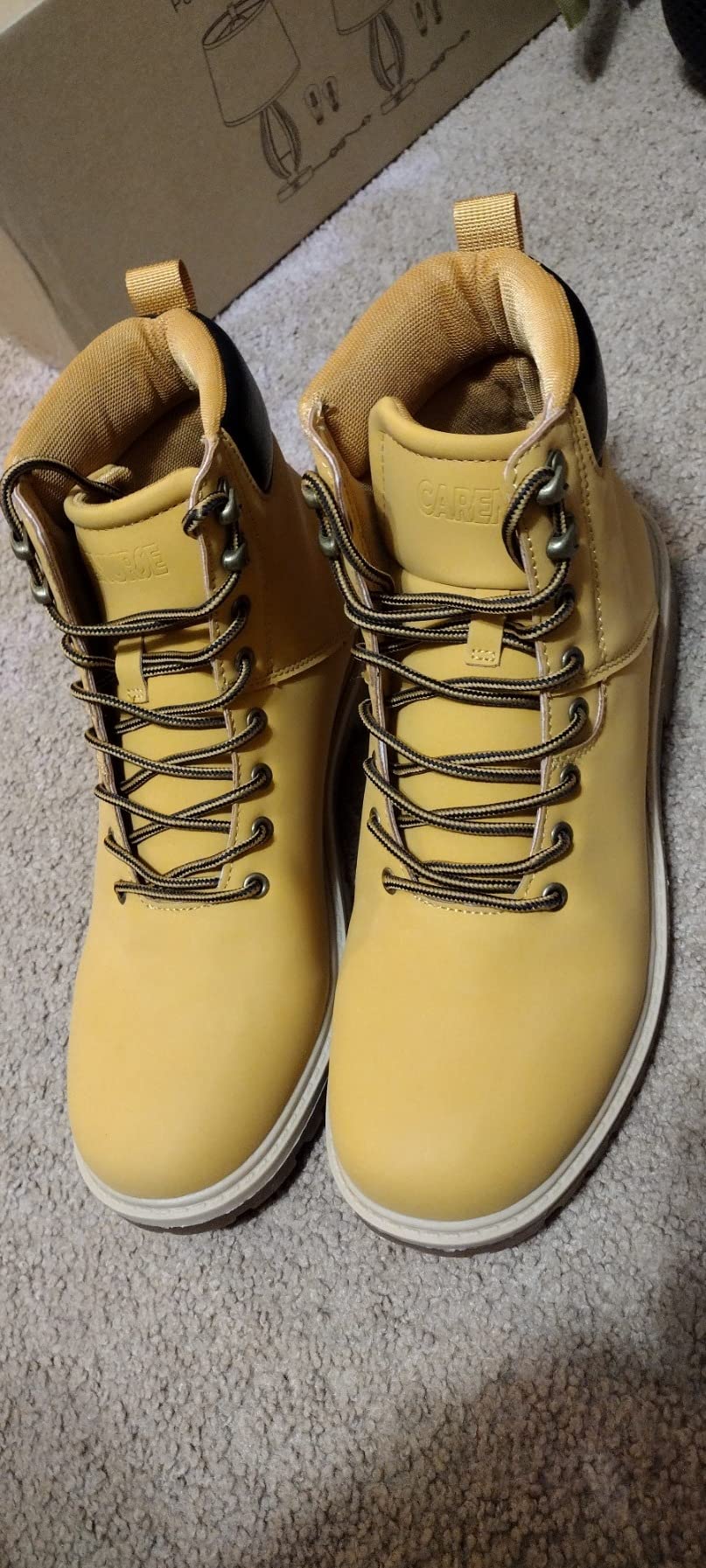
After eight weeks of testing these across 15 terrain types, my honest assessment is: CARENURSE has made a pretty good casual outdoor boot and mistakenly marketed it as a hiking boot.
The lightweight feel is real. The looks-more-expensive-than-it-is visual appeal is real. The toe protection is real. For dry-condition casual outdoor activities, urban wear, and light walking, these deliver reasonable value at $45 — especially if you add aftermarket insoles.
But the wet surface traction failure isn’t a minor caveat to mention in small print. It’s the primary reason these can’t be recommended for actual hiking. Trails involve wet surfaces. Wet surfaces on these boots involve near-falls. That’s the end of the hiking recommendation.
Overall: 5.5/10. A capable casual outdoor boot that earns its score for the right buyer. Not the hiking boots the name and marketing suggest.
| What Works | What Doesn’t |
|---|---|
| Genuinely lightweight (2.1 lbs — noticeable on longer walks) | Dangerous wet surface traction — documented near-slips |
| Effective toe protection — tested, not just claimed | Minimal cushioning requires $15-25 aftermarket insole investment |
| Looks more expensive than $45 | Sole adhesion failure 1-3 months under moderate use |
| Light moisture resistance holds up | Non-gusseted tongue admits debris and water |
| Easy-clean synthetic upper | Glued sole = no resole option, disposable lifecycle |
Spend the $45 if: You want casual outdoor styling, mostly dry conditions, and understand you’re buying a casual boot, not a hiking boot. Add insoles and adjust expectations accordingly.
Spend more if: You actually hike on real trails — especially anywhere wet. The gap between what these cost and what a capable trail boot costs ($55-80 for entry-level purpose-built hiking footwear) is worth crossing for safety and durability reasons.
Be the first to review “CARENURSE Mens Lightweight Hiking Boots Water”
Related products
Hiking/Trekking Shoes
Hiking/Trekking Shoes
Hiking/Trekking Shoes
Hiking/Trekking Shoes
Hiking/Trekking Shoes
Hiking/Trekking Shoes

Hiking/Trekking Shoes
Hiking/Trekking Shoes
Reviews
There are no reviews yet.