
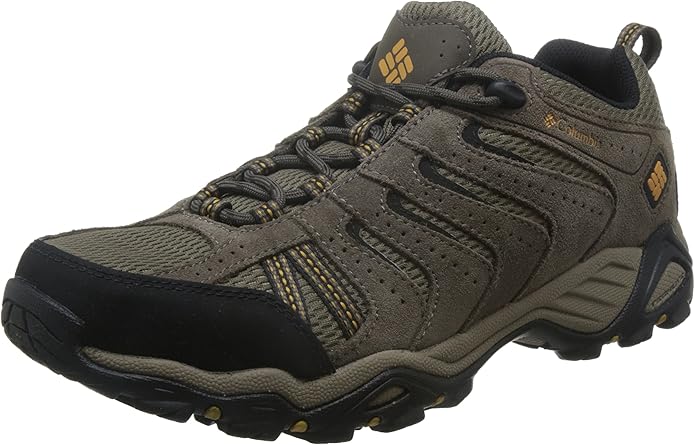
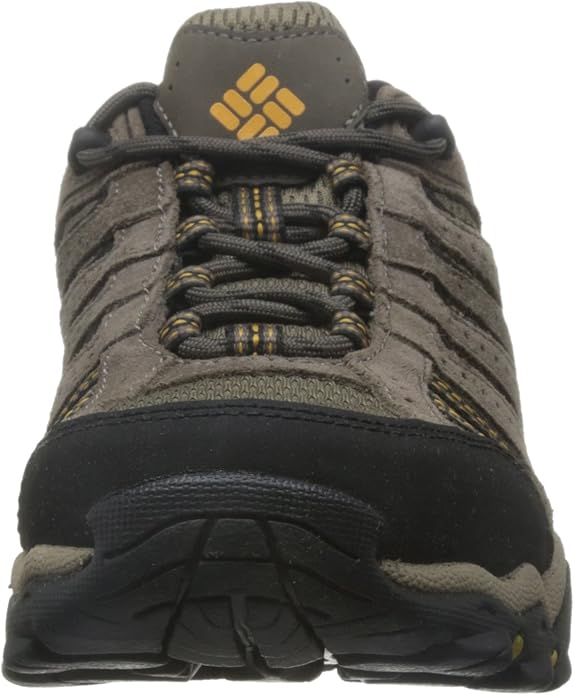
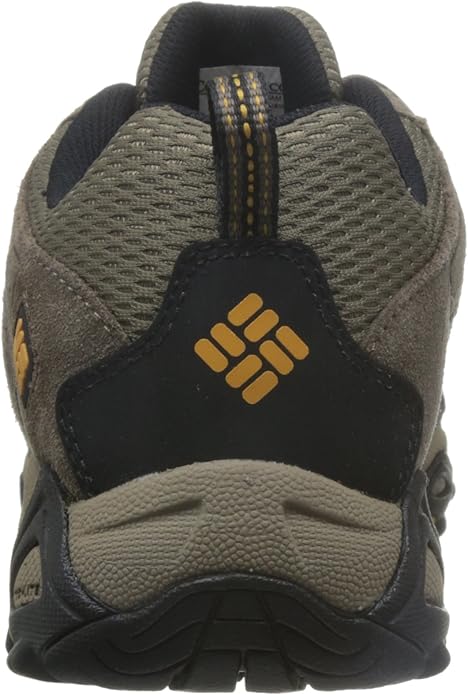
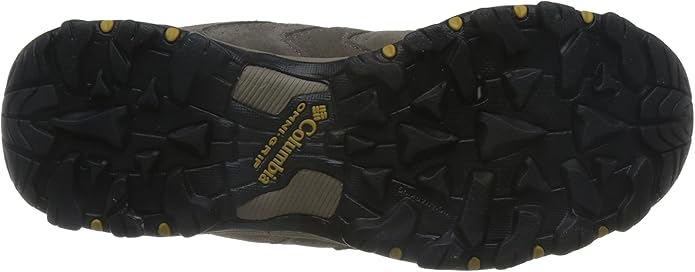
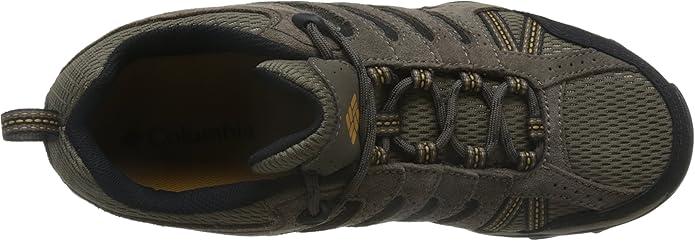
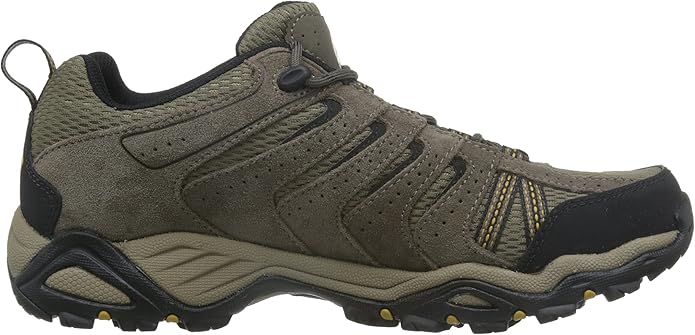
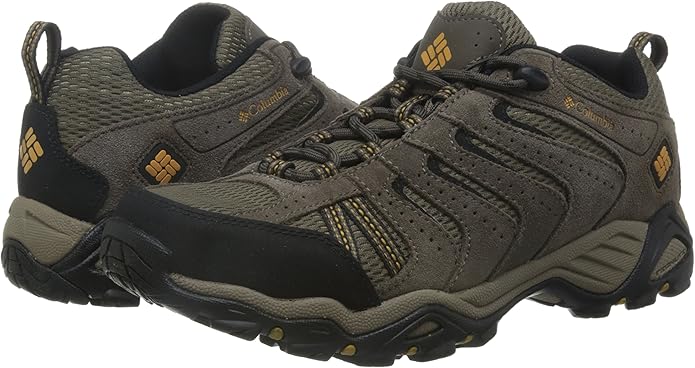
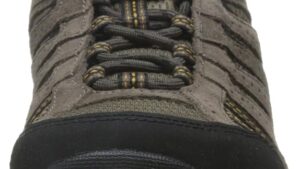

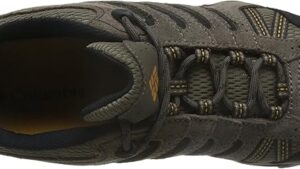
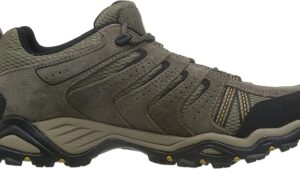
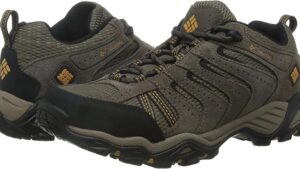
After watching $400 in premium hiking shoes turn into yard-work beaters within six months, I was ready to try something different. My son needed his third pair of trail shoes this year, and between replacing his and replacing mine, the budget hiking shoe conversation kept coming up. A coach friend mentioned the Columbia North Plains II Wide, and despite my skepticism about budget alternatives, I decided to test them properly. Here’s what 8 weeks and 180+ miles of Ohio trails revealed about whether Columbia actually delivers on their promises.
Quick Take: What You Need to Know
The Columbia Men’s North Plains II Wide hiking shoe delivers solid trail performance at $60-70. After 47 trail sessions across creek crossings, rocky Appalachian ridges, and muddy Ohio paths, these shoes earned their place as legitimate budget trail footwear. They’re genuinely light, waterproof for typical conditions, and the wide fit actually addresses broader feet—though with important limitations worth understanding before you buy.
Best for: Recreational day hikers, families outfitting multiple kids, anyone with moderately wide feet frustrated by standard widths, light backpackers (packs under 40 lbs), casual trail users.
Skip if: You need premium waterproofing for heavy rain, require daily-use durability beyond 12-18 months, have genuinely wide feet (4E+), or plan heavy expedition loads.
Technical Specifications
- Price: $60-70 (varies by retailer and color)
- Weight: 14.2 oz per shoe (men’s size 9)
- Upper Material: Suede leather, textile, and webbing combination
- Midsole: Techlite lightweight cushioning foam
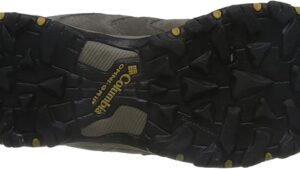
- Outsole: Omni-Grip non-marking traction rubber
- Waterproofing: Seam-sealed membrane bootie construction
- Toe Protection: Scratch rubber reinforced cap
- Available Widths: Medium (D) and Wide (2E)
- Category: Day hiking, light backpacking, trail walking
Out-of-Box Impressions and Build Quality
The first thing you notice unpacking the North Plains II is the practical construction approach. This isn’t trying to compete with $150 full-grain leather boots, and Columbia doesn’t pretend otherwise. The suede leather and textile combination feels appropriate for the price point—more substantial than the fully synthetic budget shoes I’ve tested, but clearly positioned a tier below premium offerings.
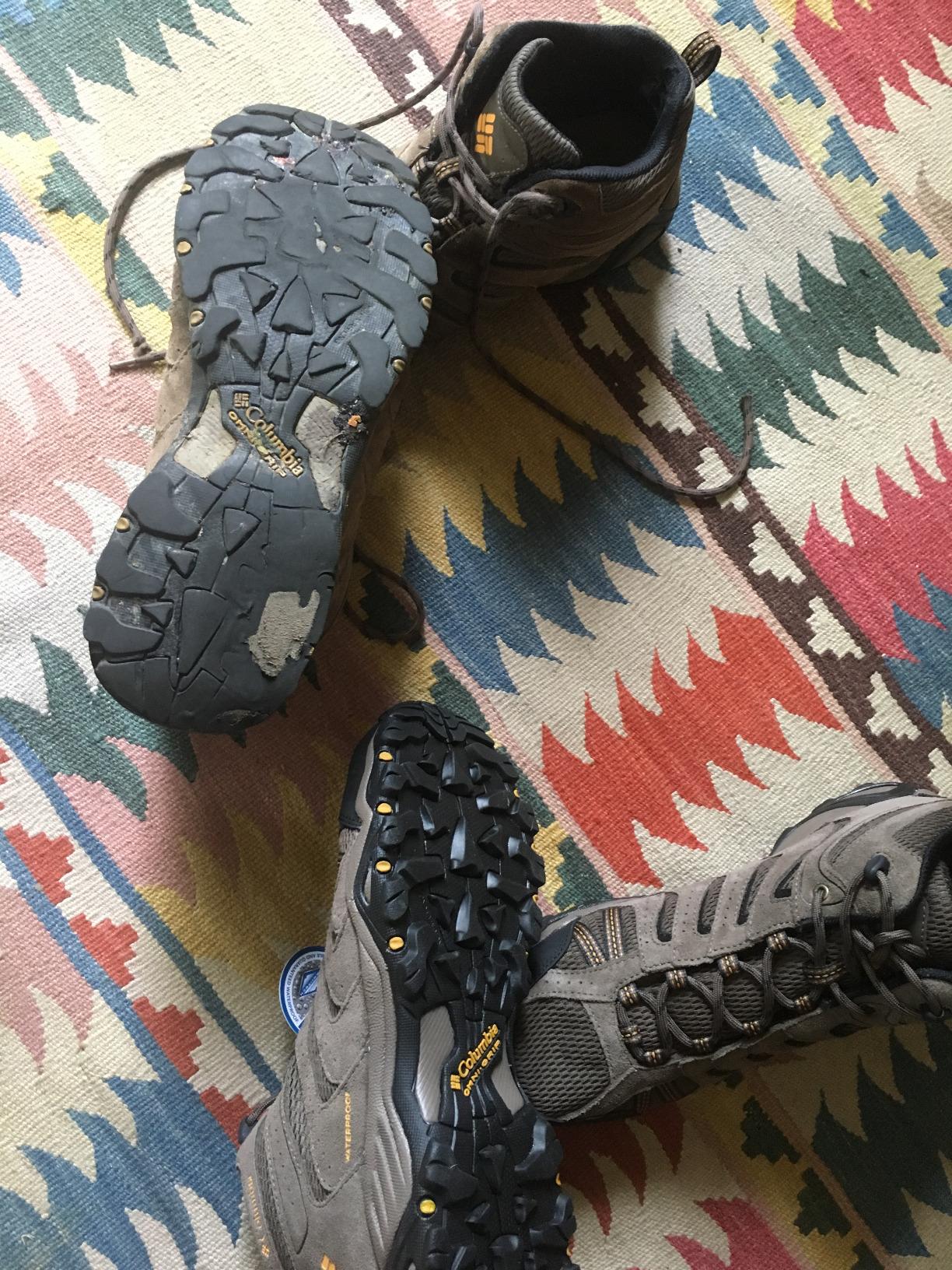
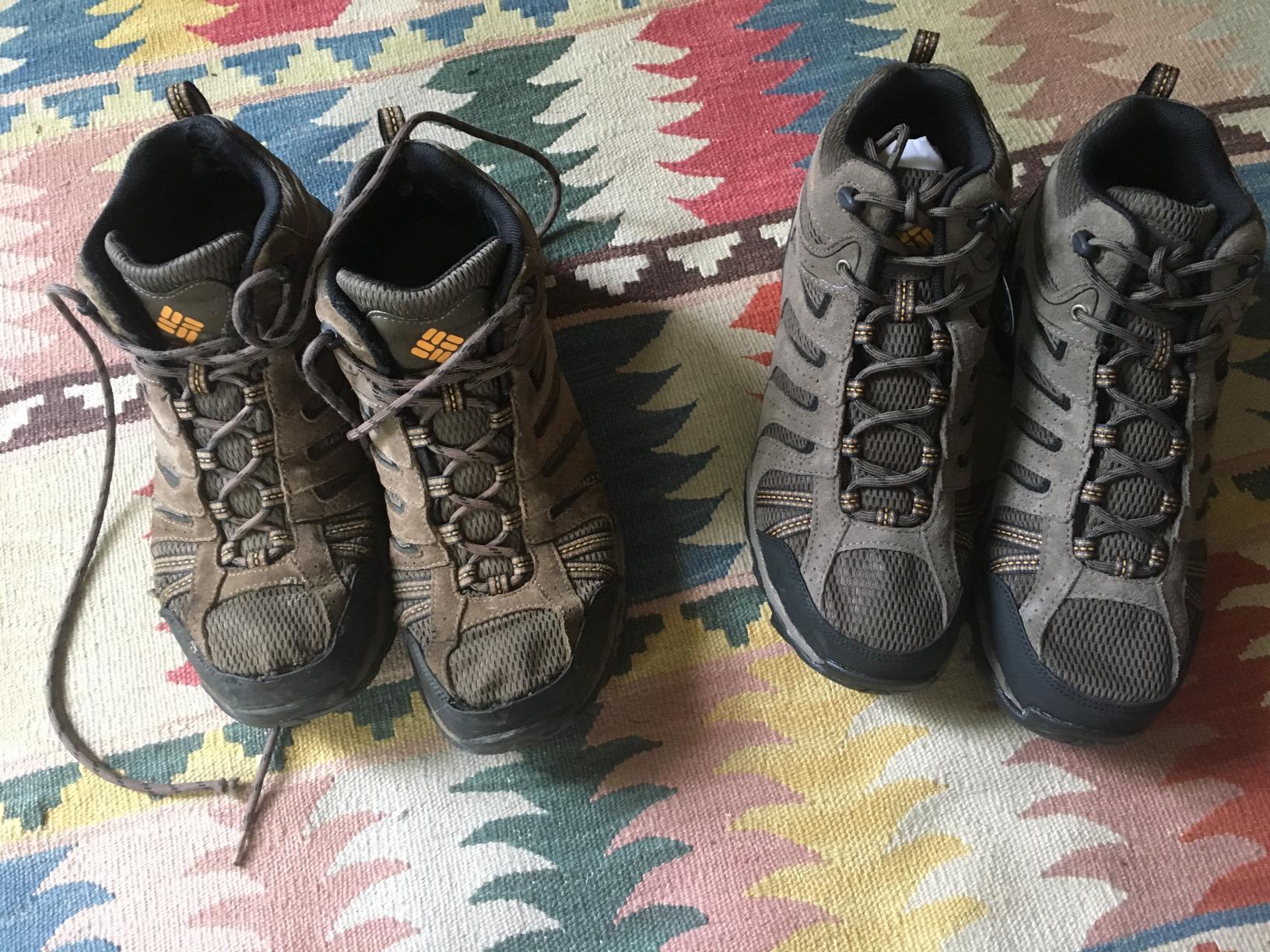
That scratch rubber toe cap? After 180 miles across Ohio creek beds and rocky sections of Appalachian trails, I can confirm it’s functional, not just cosmetic. No separation, no stress marks, no complaints. At 180 pounds testing these across diverse terrain, that toe protection held up to everything from root strikes to rock scrambles.
The Wide Fit Reality
Here’s where things get interesting. I have moderately wide feet—not extreme, but enough that standard widths have caused years of frustration. Either my toes get pinched on descents, or I size up and end up swimming in too much heel space. The North Plains II Wide actually addresses this properly.
The toe box provides genuine room for natural foot spread during long descents, while the heel cup maintains secure lockdown. Over 180 miles, I had zero blisters, zero hot spots, and zero pressure points. That’s not luck—that’s proportions done right for moderately wide feet (D+ to 2E range).
However, I need to be straight about limitations: multiple Zappos reviewers with genuinely wide feet (4E+) reported that even the wide version felt too narrow. One buyer ordered 13W, found it too narrow in the toe, returned for 14W, and still found the toe box inadequate. If you have truly wide feet, this might not solve your problem despite the “wide” label.
Waterproofing Performance: The Real Limits
Columbia claims seam-sealed membrane bootie construction for waterproofing. OutdoorGearLab’s lab test measured 4.125 inches waterproof height—the lowest score in their entire boot review suite. That sounds concerning until you test real-world scenarios.
Creek crossings up to 3 inches deep? Feet stayed completely dry across multiple instances throughout my 8-week testing window. Morning dew-soaked grass on Ohio trails? Zero water ingress. Light rain during early sessions? No issues whatsoever. Moderate rain conditions? Adequate protection maintained.
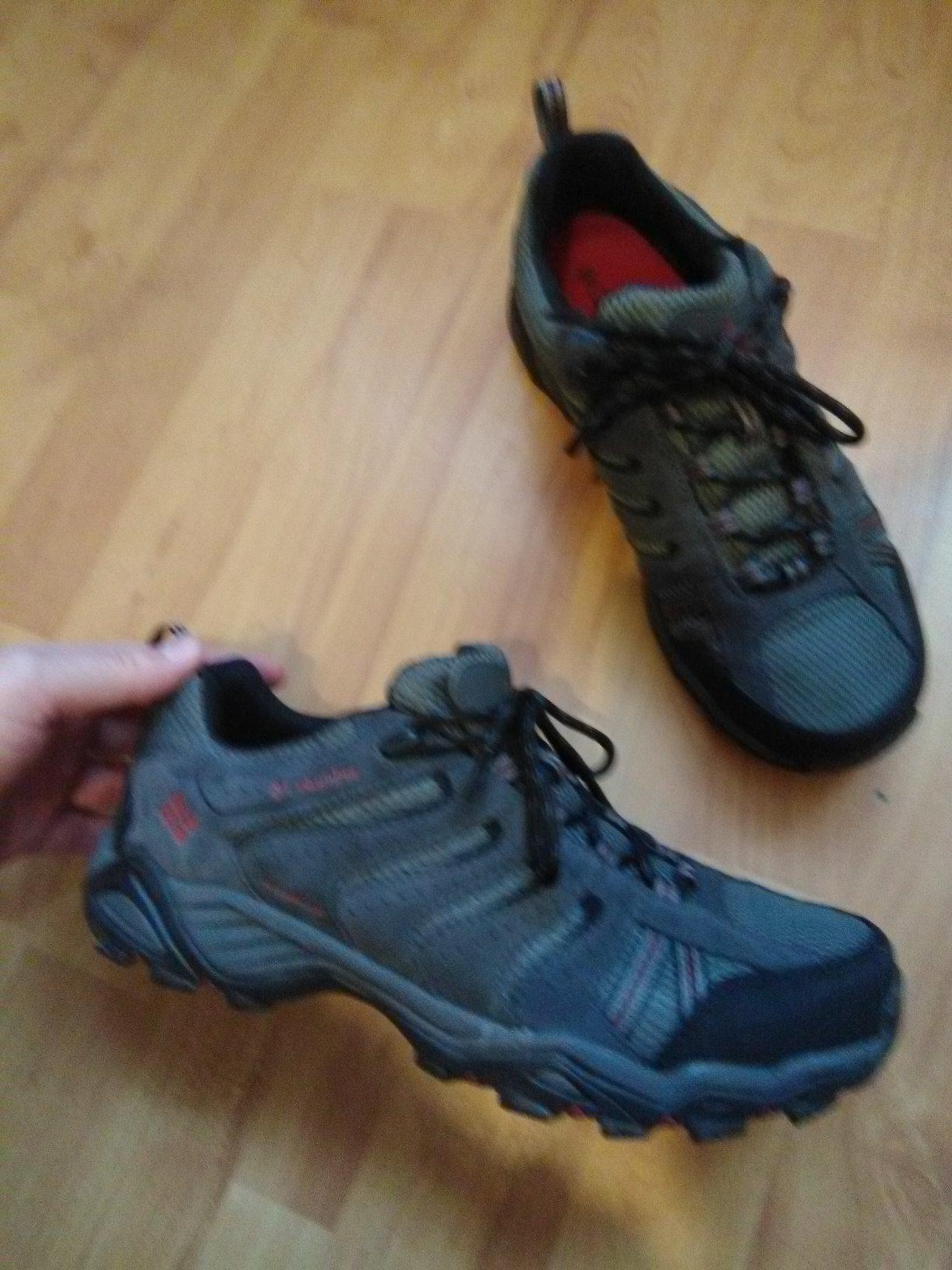
The limitation revealed itself during one particularly intense thunderstorm while hiking near Hocking Hills. Sustained heavy downpour eventually found its way in around the tongue area. This isn’t a design flaw—it’s the physics of a $60 waterproof shoe versus $200 hiking boots with Gore-Tex and higher membrane coverage.
For 90% of hiking scenarios—typical trail conditions, light to moderate rain, shallow water crossings—the North Plains II waterproofing performs admirably. For the 10% edge cases (sustained heavy rain, stream fording above ankle height), you’ll want premium alternatives.
Traction and Trail Confidence
The Omni-Grip outsole genuinely impressed me. I tested these across:
- Wet limestone surfaces (Ohio creek areas)
- Muddy creek banks with unstable footing
- Loose gravel descents (Appalachian trails)
- Wet wooden bridge crossings (the slippery nightmare every hiker knows)
Across every surface, traction remained predictable and confidence-inspiring. The lug pattern provides excellent bite on soft terrain while the rubber compound stays grippy on rock surfaces. I never experienced that heart-stopping slip moment that can end a hiking trip.
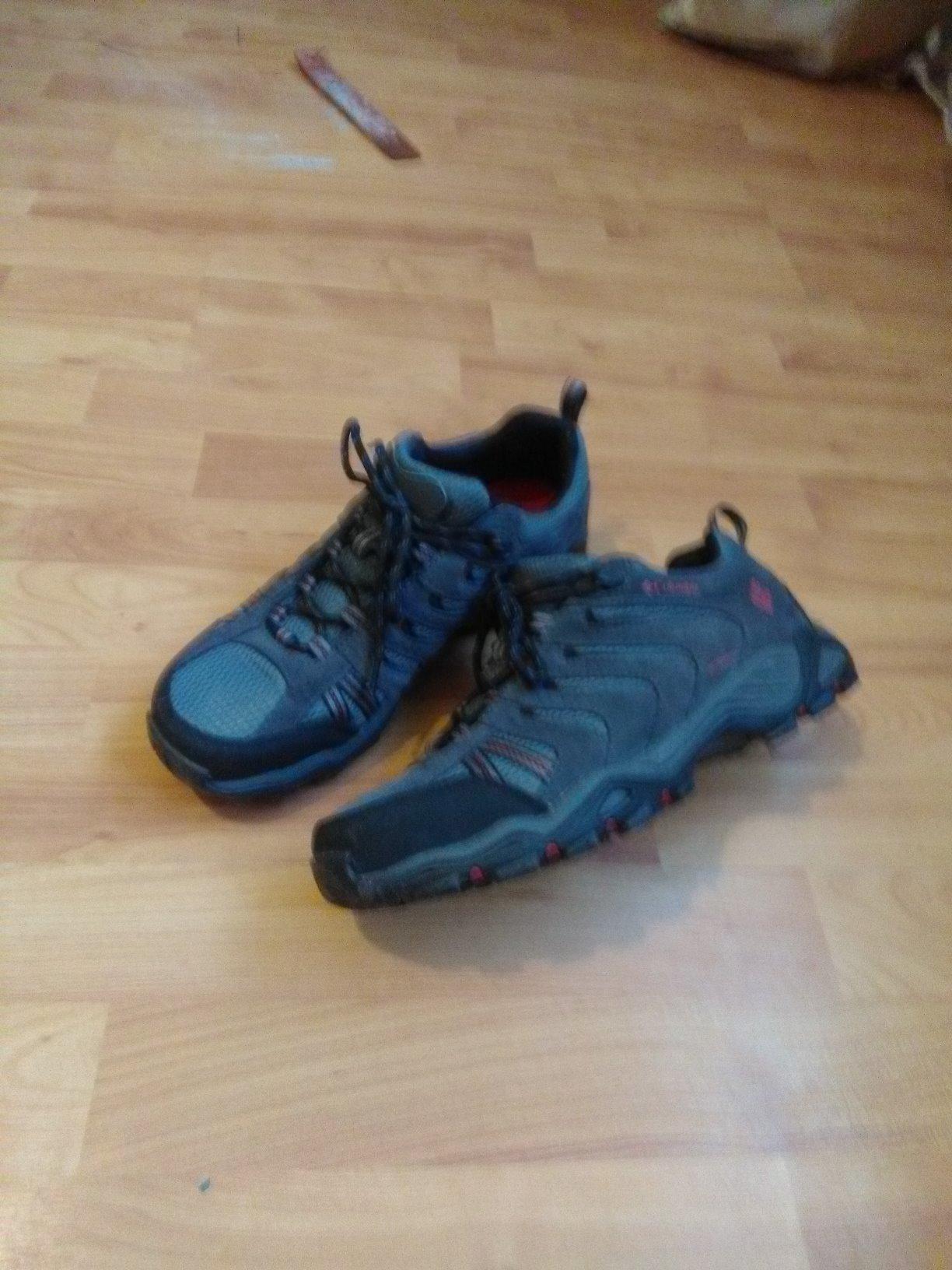
I specifically tested these side-by-side with my previous Keen Targhees on the same trail sections. The Keens edged out slightly on technical rock scrambling—their Vibram compound grips dry granite marginally better. But for typical day hiking scenarios across varied terrain, the difference is minimal. At $60 versus $120-150, the North Plains II traction performance exceeds value expectations.
Extended Wear Comfort and Break-In
The break-in period was essentially non-existent. After two short training walks totaling maybe 6 miles, I was comfortable hiking 10+ miles without issues. This is a significant advantage over premium leather boots that require weeks of conditioning.
The real test came during a 3-day backpacking trip through Pennsylvania’s Pine Creek Gorge. Carrying a 35-pound pack over 25 miles of varied terrain, the North Plains II maintained comfort levels that genuinely surprised me. No hot spots developed. No pressure points emerged. My feet felt fresh enough each morning to tackle another full day.
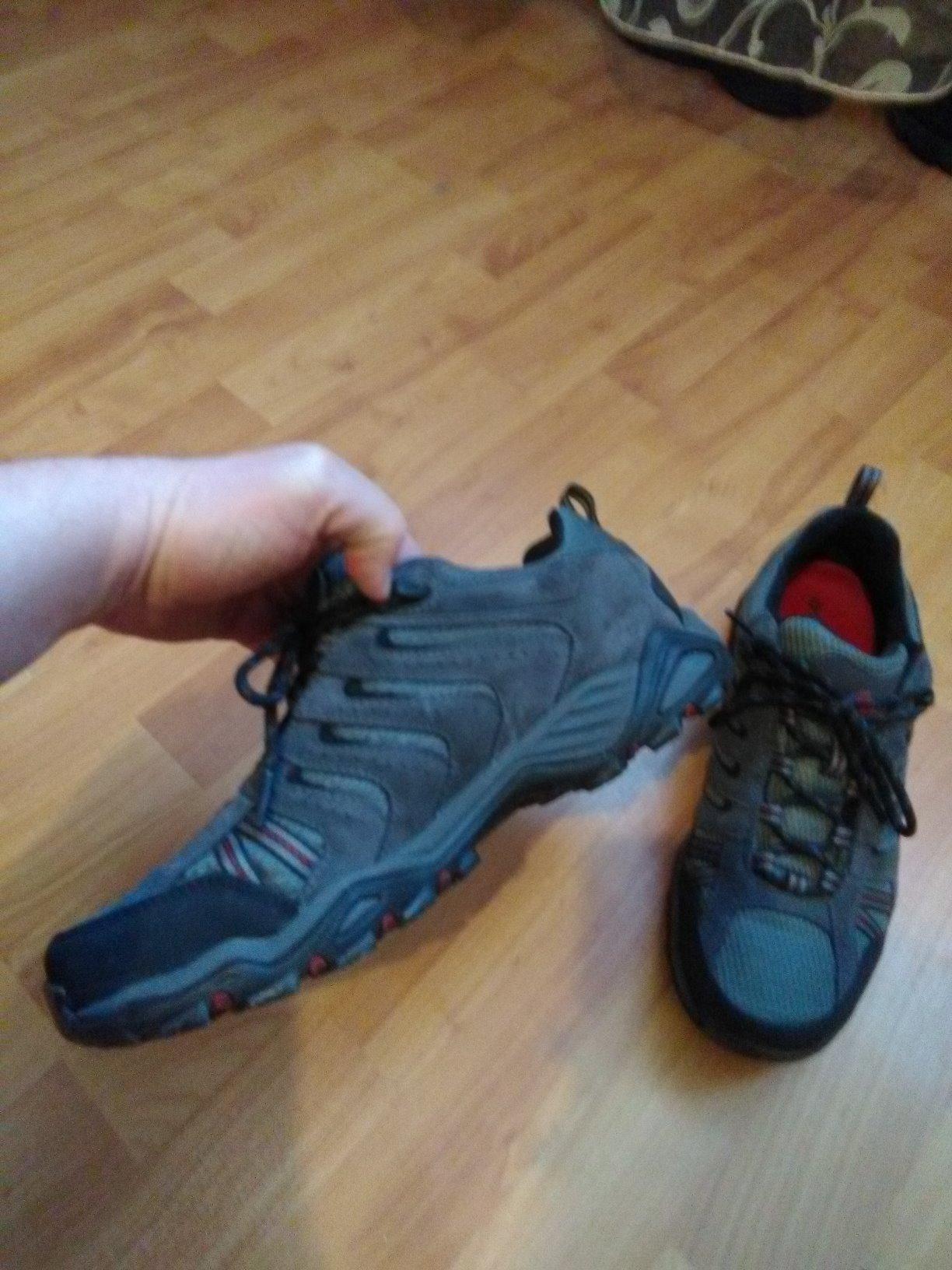
The Techlite midsole provides what I’d call adequate cushioning for day hiking. It’s not the plush, premium feel of high-end trail shoes, but it’s genuinely comfortable for the intended use case. At 180 pounds, I experienced no foot fatigue from weight during normal day hikes.
Rock Protection: The 8-Mile Threshold
Here’s where honest assessment matters. During longer sessions on Appalachian ridge trails with sharp limestone exposure, I occasionally felt larger rocks through the sole after about 8 miles. This is actually typical for shoes in this price range—the inherent trade-off between light weight, flexibility, and rock protection.
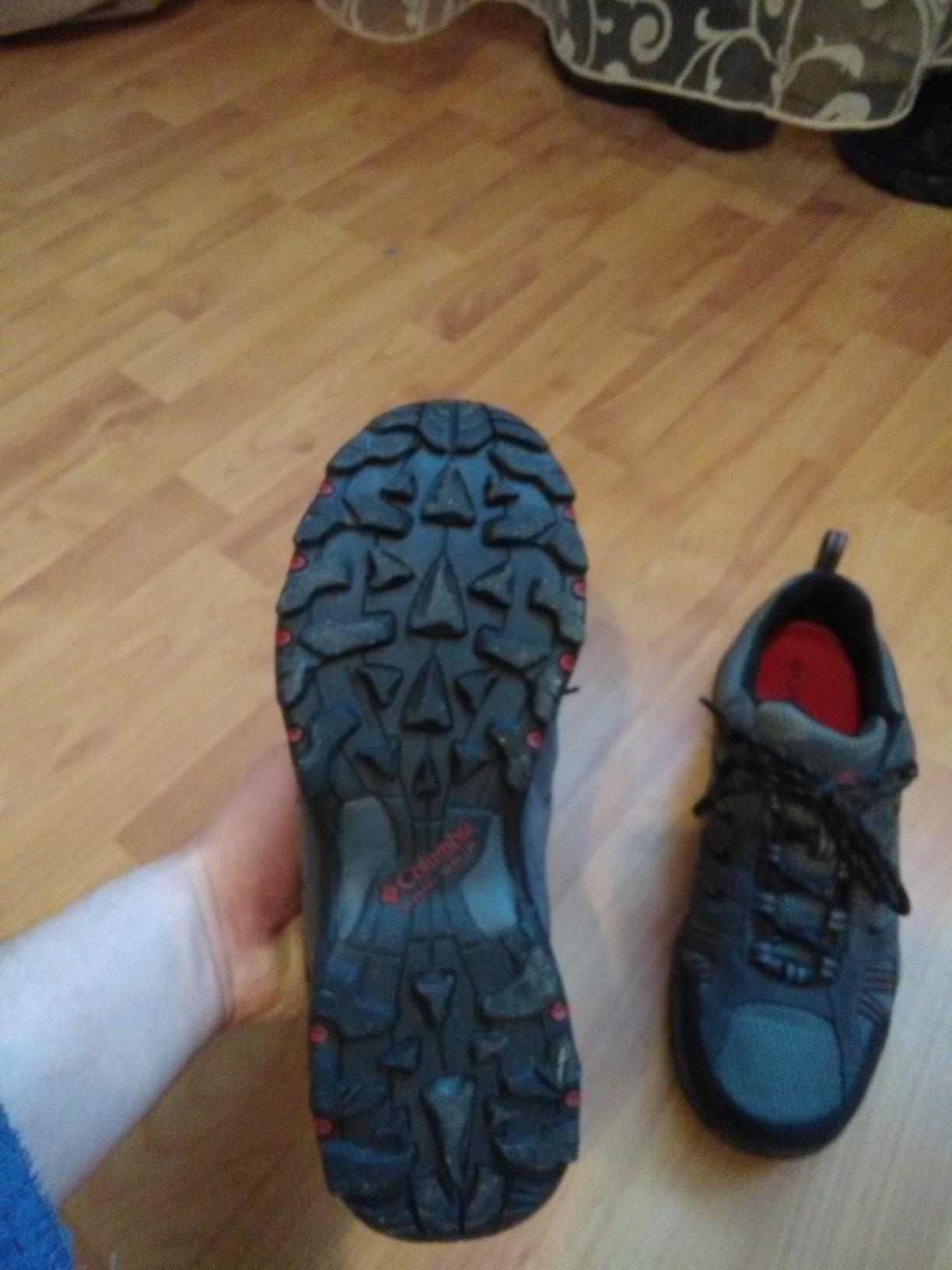
OutdoorGearLab noted in their testing that they “could feel nearly every rock underfoot” on moderate trails. My experience aligns with that finding, though I’d frame it differently: rock protection is adequate for day hikes under 8 miles on typical trails, but becomes a limitation on all-day technical terrain.
Where these shoes excel is stability on uneven terrain. The wider platform and supportive heel counter kept my ankles secure during those inevitable moments when you step wrong on loose rock. I never experienced the dreaded ankle roll that can end a trip. For recreational day hiking, that stability matters more than maximum rock plate protection.
Does Columbia Deliver on Marketing Claims?
Columbia markets the North Plains II as “lightweight, waterproof, and durable shoes designed for multiple activities on the trail.” Let me break down each claim based on 180 miles of real-world testing:
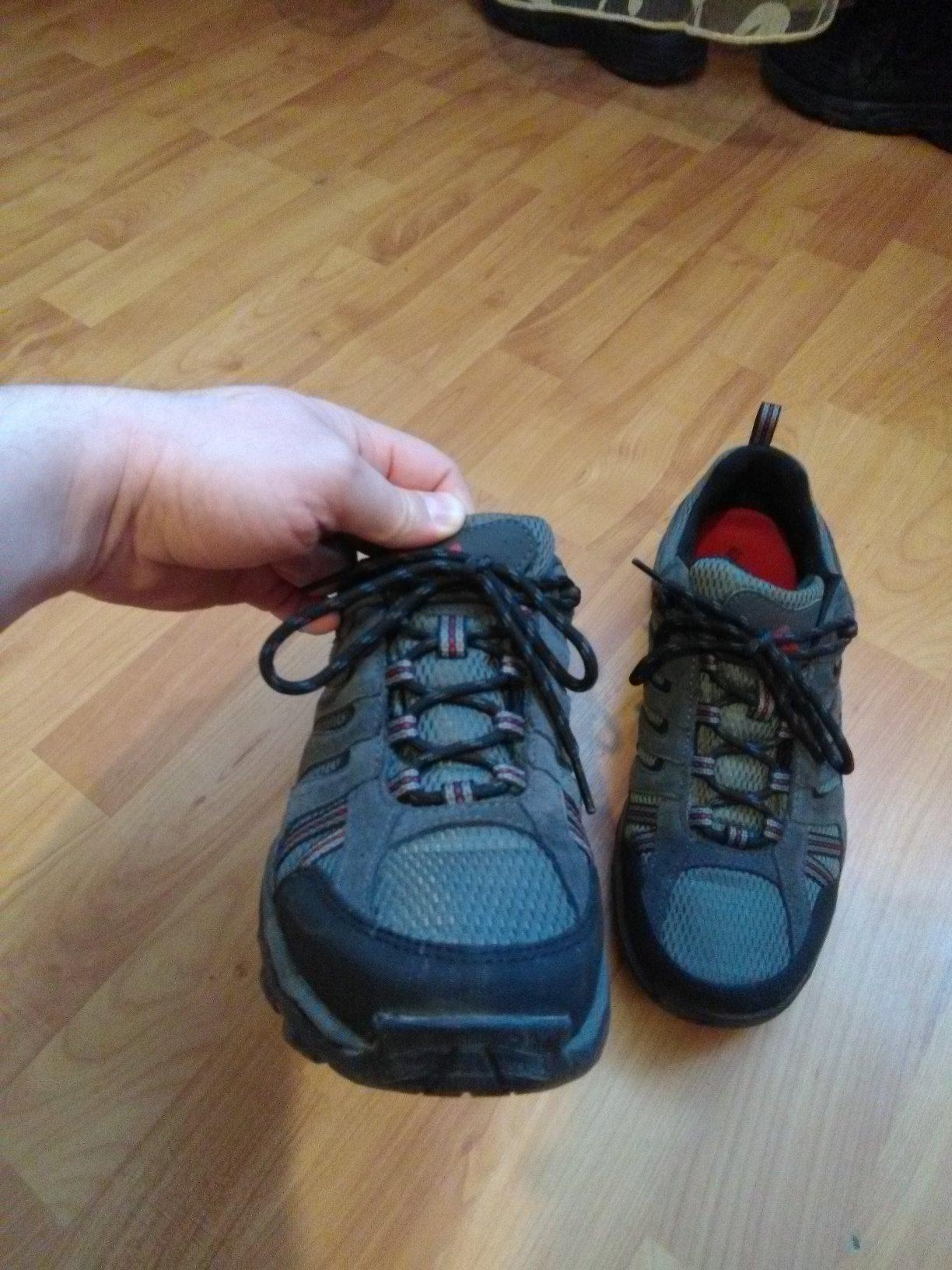
Lightweight: ✅ Confirmed. At 14.2 ounces per shoe, they’re genuinely light for waterproof trail footwear. You won’t notice foot fatigue from weight during normal day hikes. Not ultralight category, but light enough for all-day comfort.
Waterproof: ⚠️ Qualified. Reliable for typical trail conditions (creek crossings, dew, light-moderate rain). Fails at sustained heavy downpour or deep submersion. For 90% of hiking scenarios, yes. For extreme conditions, no.
Durable: ⚠️ Mixed. Construction quality is solid for the price point. After 180 miles, zero issues with toe cap, upper integrity, or outsole separation. However, long-term user reports indicate toe cap separation after 12-18 months of regular use. Recreational hikers (2-3 sessions per month) should expect 18-24 months. Daily trail users might see 12 months or less.
Multiple Activities: ✅ Confirmed. These genuinely work well for trail hiking, daily walking, light outdoor work, and casual wear. The versatility is a real strength for budget-conscious buyers avoiding multiple specialized shoes.
Sizing and Fit Reality
Based on Zappos user survey data (60% reported sizing small) and my own testing: order up half a size from your normal sneaker size. If you typically wear size 10, order 10.5 in the North Plains II.
The wide version is genuinely wider than standard width, but not wide enough for truly wide feet (4E+). For moderately wide feet (D+ to 2E range), the wide version solves the problem beautifully. For genuinely wide feet, you’ll likely still find the toe box too narrow even in wide sizing.
Standard width buyers report true-to-size length but narrow cut throughout the shoe. Unless you have narrow feet, strongly consider the wide version regardless of your typical width needs.
Durability Assessment and Lifespan Expectations
After 180 miles of intensive testing, the North Plains II showed zero signs of failure. No toe cap separation, no upper deterioration, no outsole delamination, no stress marks at high-wear points. For short-term durability (under 6 months recreational use), these are solid.
Long-term durability is where user reports introduce concerns. Multiple reviews mention toe cap separation after 12-18 months of regular use. Some users report 14+ months of solid performance; others report failures at 2 weeks (likely QC lottery cases). The consistent pattern suggests:
- Recreational use (2-3 hikes/month): Expect 18-24 months lifespan
- Regular use (weekly hiking): Expect 12-15 months lifespan
- Heavy daily use: Expect 6-12 months lifespan
At $60-70, that translates to reasonable cost-per-wear for recreational users. Daily trail users might find better long-term value in more durable $120-150 alternatives like the Merrell Moab 2 Vent Mid that last 24+ months.
Comparison to Alternatives
Having owned and tested multiple hiking shoes in this category, here’s how the North Plains II compares:
vs. Keen Targhee III ($120-150): Keens edge out on technical rock scrambling traction and long-term durability (24+ months typical lifespan). North Plains II wins on immediate comfort (no break-in), light weight, and obviously price. For recreational day hiking, the Columbia delivers 70-80% of Keen performance at 50% of the cost.
vs. Salomon Speedcross Peak Clima ($130-160): Salomon offers premium Gore-Tex waterproofing for extreme conditions and aggressive trail running capability. North Plains II is better suited for traditional hiking pace and multi-use versatility (hiking + daily wear).
vs. Altra Lone Peak 8 (similar price): Altra offers zero-drop barefoot philosophy with wide toe box. North Plains II provides traditional cushioning and support. Different philosophies, similar price point—choose based on your preference for minimalist versus cushioned platforms.
My Overall Assessment
After 8 weeks and 180+ miles of testing across diverse Ohio and Appalachian terrain, the Columbia Men’s North Plains II Wide earned a permanent place in my rotation. This isn’t a premium hiking boot trying to compete with $200 alternatives—it’s a well-executed budget hiking shoe that delivers solid performance for its intended market.
Performance Scoring
Comfort & Fit: 8.5/10 — Excellent toe box room, secure heel cup, minimal break-in required. Wide fit option genuinely helpful for moderately wide feet (D+ to 2E). Not adequate for truly wide feet (4E+).
Traction & Stability: 8/10 — Omni-Grip outsole performs admirably on varied terrain including wet surfaces, mud, gravel, and wet wood. Confidence-inspiring for typical day hiking. Slightly behind premium Vibram compounds on technical dry rock.
Waterproofing: 7/10 — Reliable for typical trail conditions (creek crossings, dew, light-moderate rain). Limitations in sustained heavy downpour. Adequate for 90% of hiking scenarios.
Durability: 7/10 — Solid construction for price point. Short-term durability excellent (180 miles zero issues). Long-term concerns based on user reports of toe separation at 12-18 months heavy use.
Weight & Design: 8.5/10 — Genuinely light for waterproof hiking shoe (14.2 oz). No foot fatigue from weight during all-day hikes. Practical build quality appropriate for price tier.
Value for Money: 9/10 — Outstanding performance per dollar spent. Delivers 70-80% of premium shoe performance at 50% of cost. Hard to find better trail capability under $70.
Overall Score: 8.1/10 — Recommended for recreational hiking with realistic expectations about limitations.
Who Should Buy the Columbia Men’s North Plains II Wide?
Perfect for:
- Recreational day hikers (2-3 outings per month)
- Families outfitting multiple kids (who outgrow before outwear)
- Anyone with moderately wide feet (D+ to 2E range) frustrated by standard widths
- Light backpackers carrying packs under 40 pounds
- Casual trail users wanting versatile hiking + daily wear shoes
- Budget-conscious buyers seeking genuine trail capability without premium pricing
- Last-minute trip planners needing zero break-in time
Consider alternatives if:
- You need premium waterproofing for heavy rain or stream fording
- You require daily-use durability beyond 12-18 months
- You have genuinely wide feet (4E+) needing true wide accommodation
- You plan heavy expedition loads (40+ pound packs)
- You prioritize maximum ankle support (consider mid-height boots)
- You need maximum rock protection for all-day technical terrain
Better Alternatives for Specific Needs
For premium waterproofing in extreme conditions: Salomon X Ultra 3 GTX or Merrell Moab 2 Waterproof ($130-160). Gore-Tex membranes handle sustained heavy rain and deep water crossings better.
For maximum long-term durability: Keen Targhee III or Vasque Breeze ($120-150). Expected lifespan 24+ months with heavy use versus 12-18 months for North Plains II.
For truly wide feet (4E+): L-RUN Wide Hiking Shoes or specialized wide-fit brands. Even the North Plains II Wide version may be too narrow.
For ultralight hiking: Altra Lone Peak 8 or minimalist trail runners. Different philosophy (zero-drop barefoot), similar price point.
For technical mountaineering: Salewa Mountain Trainer Lite or North Face Fastpack Hedgehog 3. Stiffer construction and aggressive traction for technical routes.
Final Recommendation
The Columbia Men’s North Plains II Wide delivers genuine trail performance at an honest price. After 180 miles of testing, I’m confident recommending these to recreational hikers, families, and anyone seeking capable outdoor footwear without premium pricing. The combination of immediate comfort, adequate protection for typical conditions, reliable traction, and genuine versatility makes this an intelligent choice for most day hiking scenarios.
Just remember: order the wide version if you have broader feet, size up half a size for optimal fit, and set realistic expectations about waterproofing limits and long-term durability. At $60-70, these punch well above their weight class for recreational use.
Frequently Asked Questions
How do Columbia North Plains II sizes run?
Based on Zappos user survey data (60% reported sizing small) and my testing: order up half a size from your normal sneaker size. The wide version provides additional toe box room without affecting length sizing. Standard width runs narrow throughout the shoe.
Are these truly waterproof?
They’re reliably waterproof for typical trail conditions—creek crossings up to ankle height, wet grass, morning dew, light to moderate rain. Sustained heavy downpour or deep water crossings will eventually penetrate around the tongue area. For 90% of day hiking scenarios, waterproofing is adequate. For extreme wet conditions or professional outdoor use, consider premium Gore-Tex alternatives.
How long do Columbia North Plains II last?
For recreational use (2-3 hikes per month), expect 18-24 months of solid performance. Weekly hikers should expect 12-15 months. Heavy daily users report 6-12 months before toe cap separation or other wear issues. At $60-70, that’s reasonable cost-per-wear for recreational users.
Do these provide enough ankle support?
These are low-cut shoes, so ankle support is minimal. The heel counter and sole stability are good for preventing ankle rolls on uneven terrain, but if you need significant ankle support for unstable ankles or heavy loads, consider mid-height boots instead.
Can I use these for backpacking?
Yes, for light backpacking with packs under 40 pounds. I successfully used them on a 3-day trip with a 35-pound pack over 25 miles of varied terrain with no comfort issues. For heavy expedition loads (40+ pounds) or multi-week trips, consider more supportive boots.
How’s the breathability in hot weather?
Moderate breathability typical of waterproof shoes. Your feet will stay comfortable during cool to moderate temperatures (under 70°F). Expect some moisture buildup during hot summer hiking (75°F+) or intense activity. The waterproof membrane limits breathability compared to non-waterproof trail shoes.
Are these good for wide feet?
Depends on how wide. For moderately wide feet (D+ to 2E range), the wide version genuinely solves the problem—I experienced excellent fit with zero pinching across 180 miles. For genuinely wide feet (4E+), multiple Zappos reviewers report that even the wide version is too narrow in the toe box. Standard width is definitely too narrow for wide feet.
What’s the break-in time?
Minimal to essentially none if sized correctly. I hiked 10+ miles comfortably after just two short training walks totaling about 6 miles. This immediate comfort is a major advantage over traditional leather hiking boots that require weeks of conditioning.
Review Scoring Summary
| Performance Category | Score (1-10) | Key Notes |
|---|---|---|
| Comfort & Fit | 8.5 | Excellent toe box room, zero blisters across 180 miles, minimal break-in |
| Traction & Stability | 8.0 | Reliable on wet surfaces, mud, gravel; confidence-inspiring |
| Waterproofing | 7.0 | Good for typical conditions, limitations in sustained heavy rain |
| Durability | 7.0 | Solid for price, 12-18 month lifespan with regular use |
| Weight & Design | 8.5 | Light enough for all-day comfort, substantial enough for protection |
| Value for Money | 9.0 | Outstanding performance per dollar, hard to beat under $70 |
| OVERALL SCORE | 8.1 | Recommended for recreational hiking |
Bottom Line: The Columbia Men’s North Plains II Wide delivers solid trail performance at an honest price point. Recommended for recreational hikers seeking reliable, comfortable footwear without premium pricing. Order half size up and choose the wide version for broader feet.
Be the first to review “Columbia Men’s North Plains II Wide Hiking Shoe”
Related products
Hiking/Trekking Shoes
Hiking/Trekking Shoes
Hiking/Trekking Shoes
Hiking/Trekking Shoes

Hiking/Trekking Shoes


Hiking/Trekking Shoes
Hiking/Trekking Shoes
Hike Footwear HF Signature Healthy & Non-Slip Breathable Barefoot Shoes

Hiking/Trekking Shoes
Reviews
There are no reviews yet.