
Canvas sneakers are having a moment — and not just on fashion runways. Walk the sidelines of any youth sports tournament this spring, and you’ll spot them everywhere: low-profile, clean-lined, somehow looking effortless after a full day of bleacher sitting, parking lot walking, and spontaneous concession stand sprints. The Keds Women’s Kickstart Pennant keeps catching my eye specifically — those baseball-stitch details read as genuinely charming rather than gimmicky. So I committed to eight weeks of honest testing: 45+ sessions, over 120 miles across baseball fields, grocery runs, school events, and everything in between. Here’s what I actually found.
Quick Specs
- 💰 Price: $60
- ⚖️ Weight: 8.2 oz (women’s size 8)
- 👟 Upper: 100% Canvas
- 🧪 Insole: OrthoLite® footbed
- 🦶 Outsole: Durable rubber
- 📐 Height: Low-top, 6-eyelet lace-up
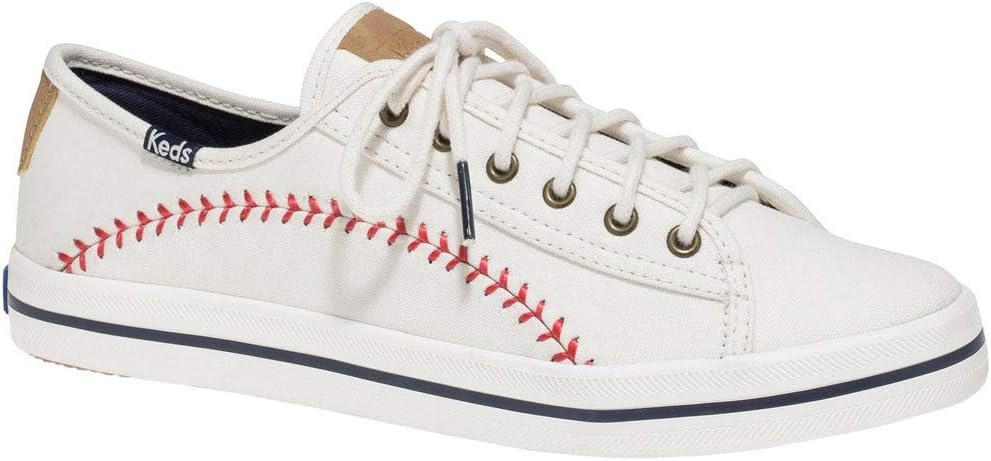
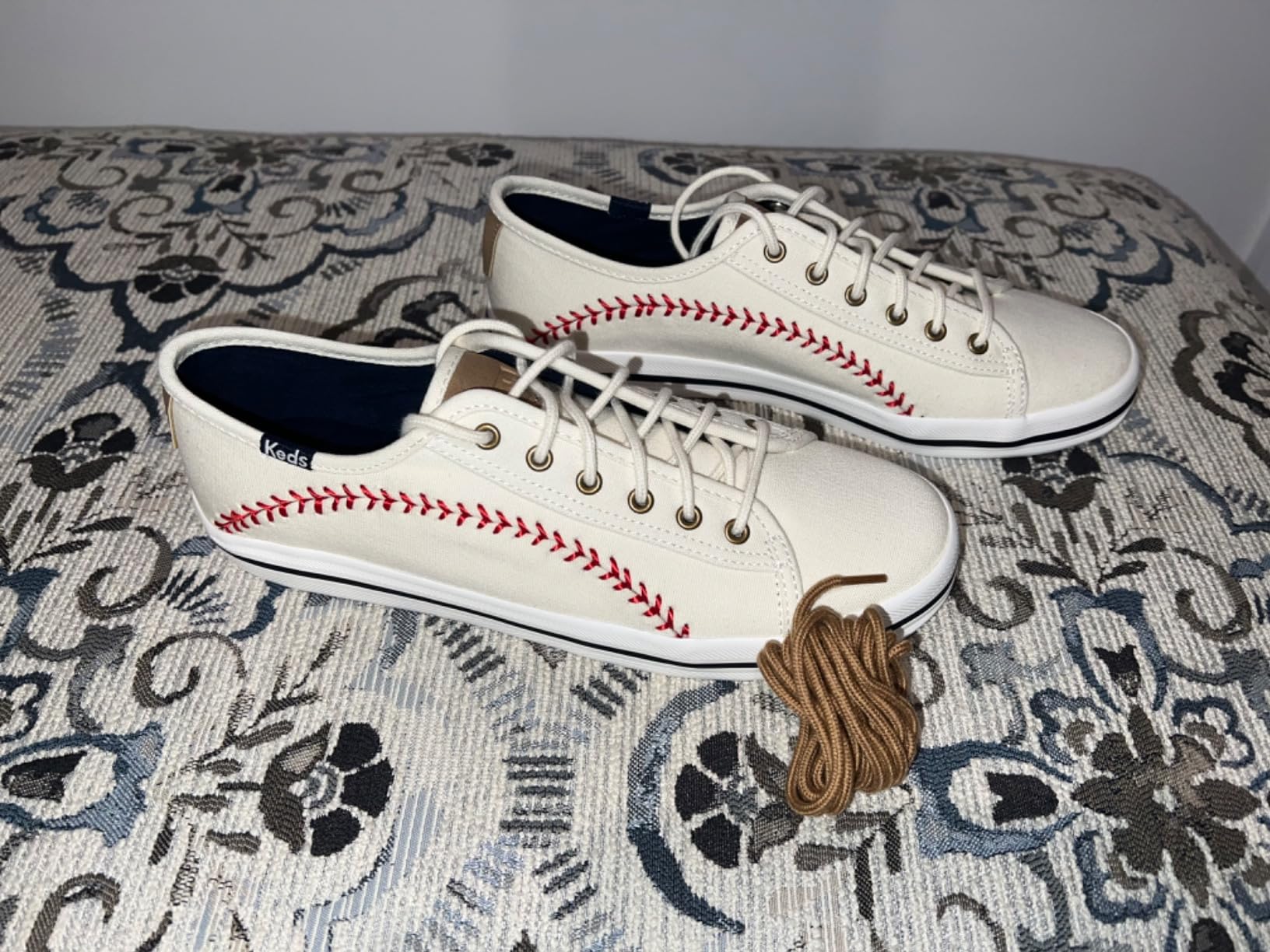
- 🎨 Design: Baseball stitch detailing, dual lace sets included (white + brown)
- 🧼 Care: Spot wash, air dry only
- ⏱️ Testing: 8 weeks, 45+ sessions, 120+ miles
- 🎯 Best for: Casual wear, lifestyle sneaker lovers, all-day spectating events
Design & Build: What You’re Actually Getting
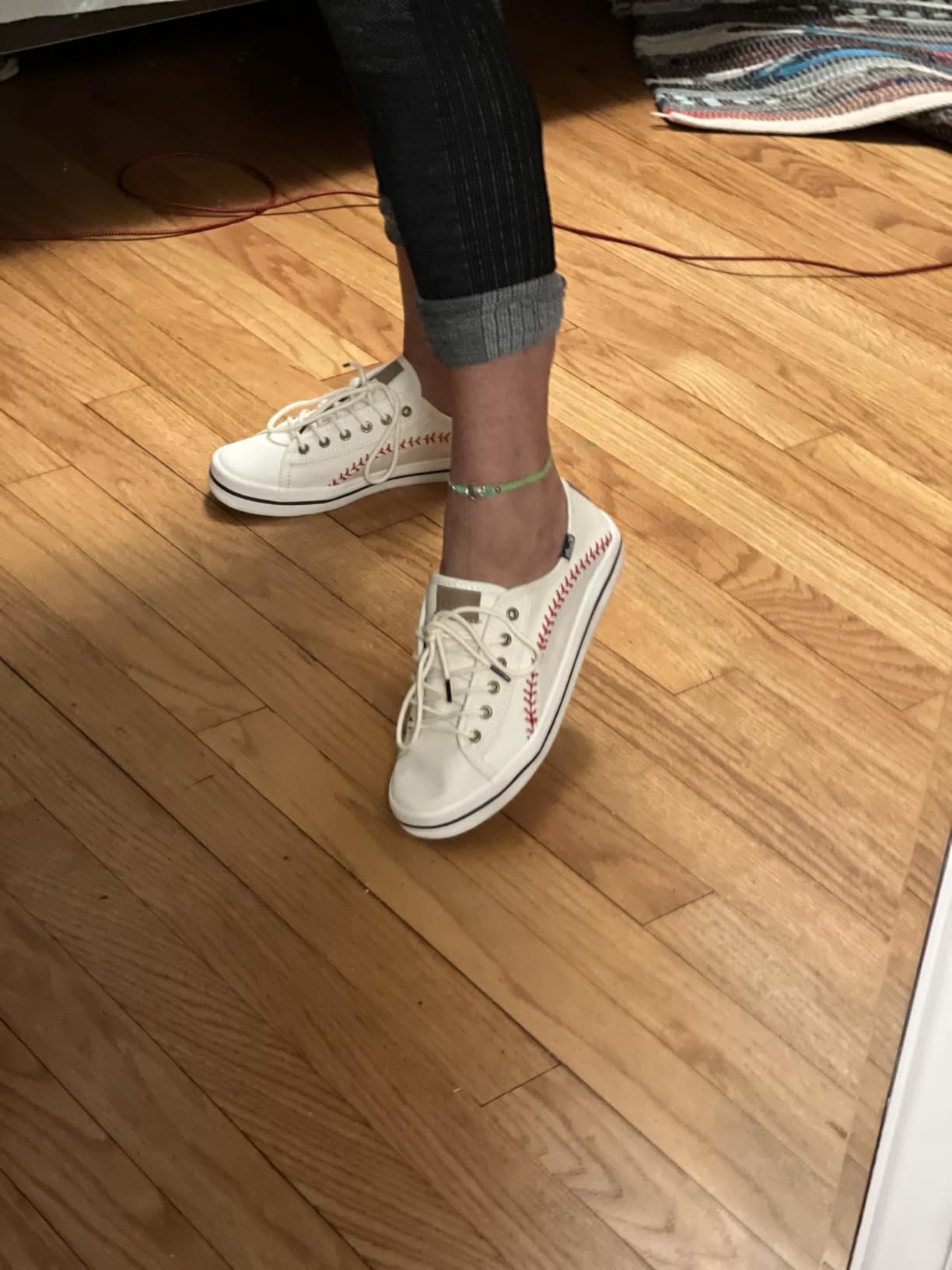
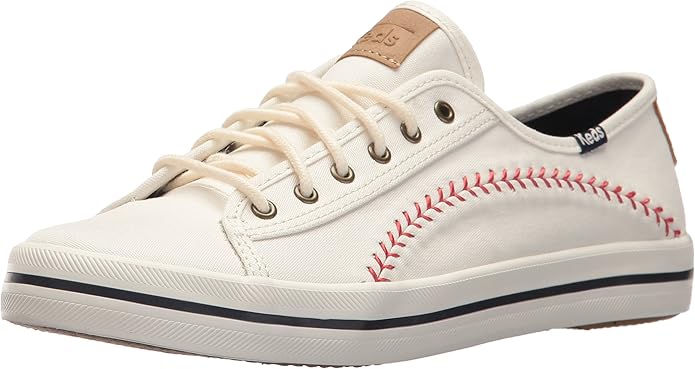
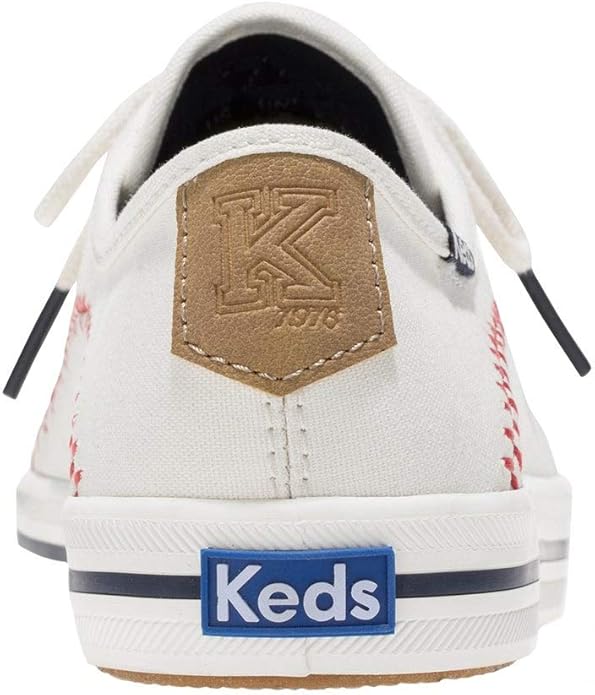
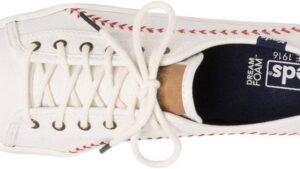
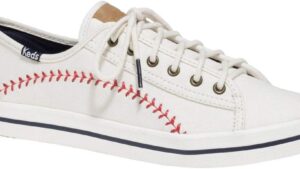
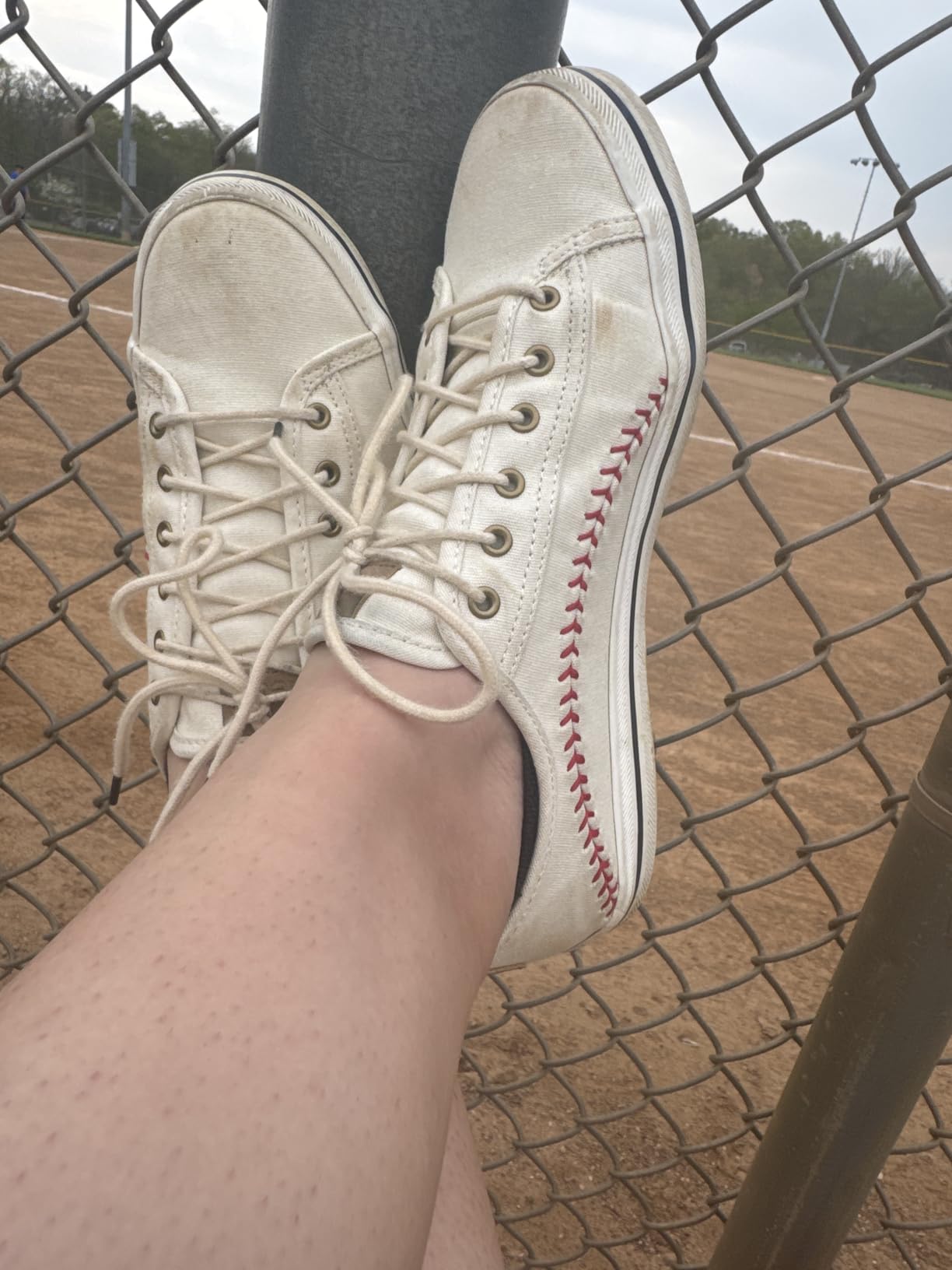
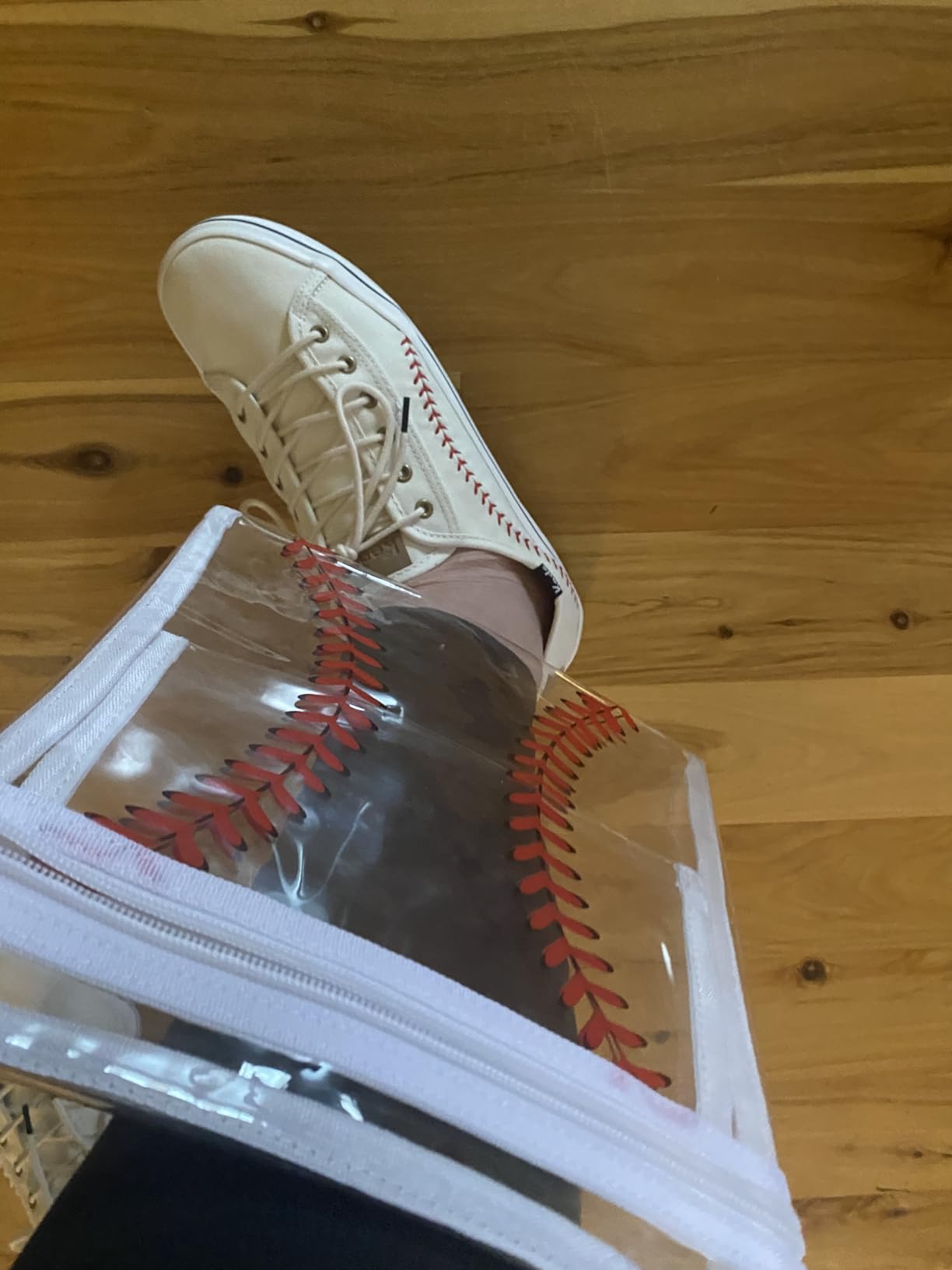
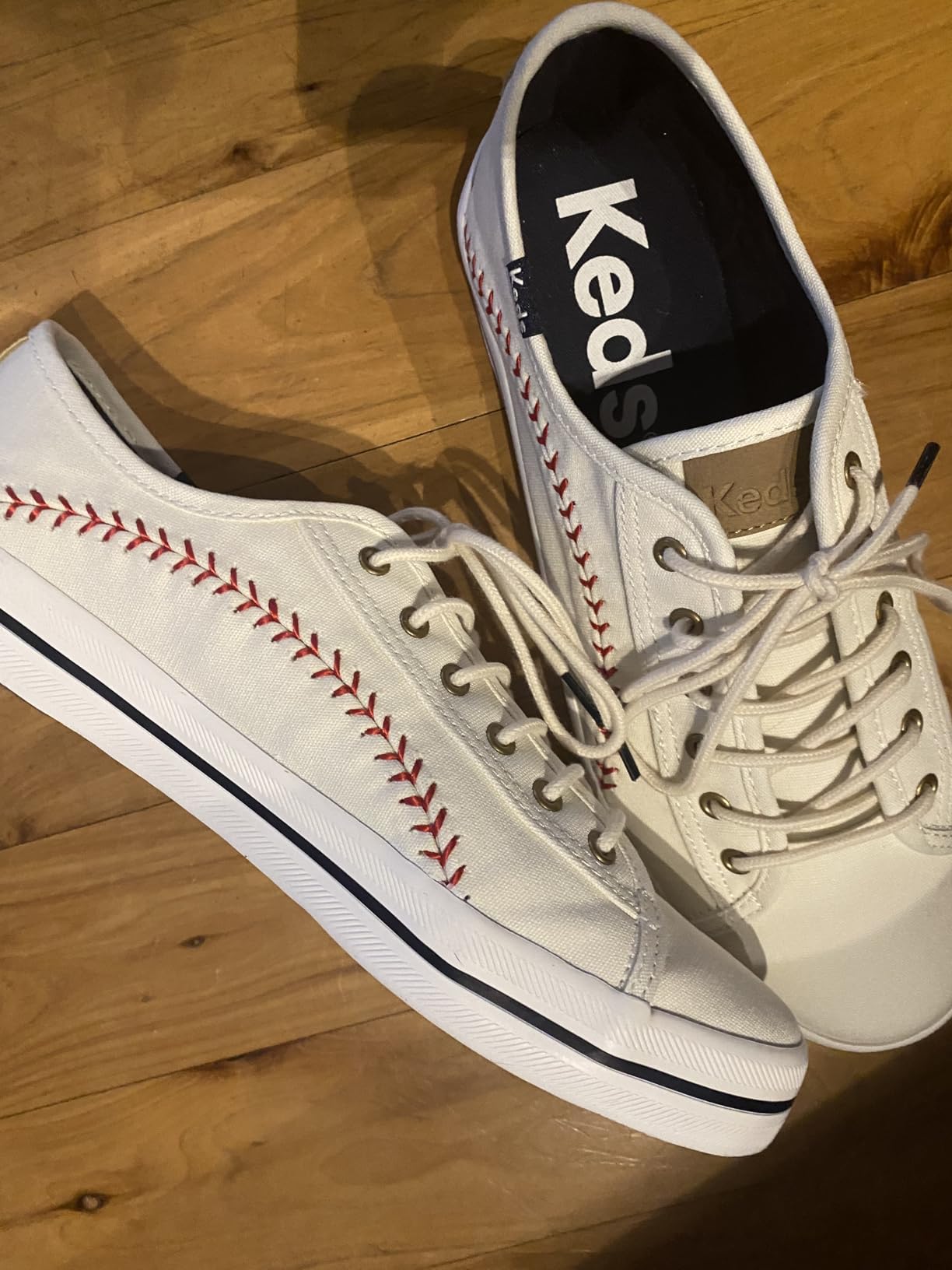
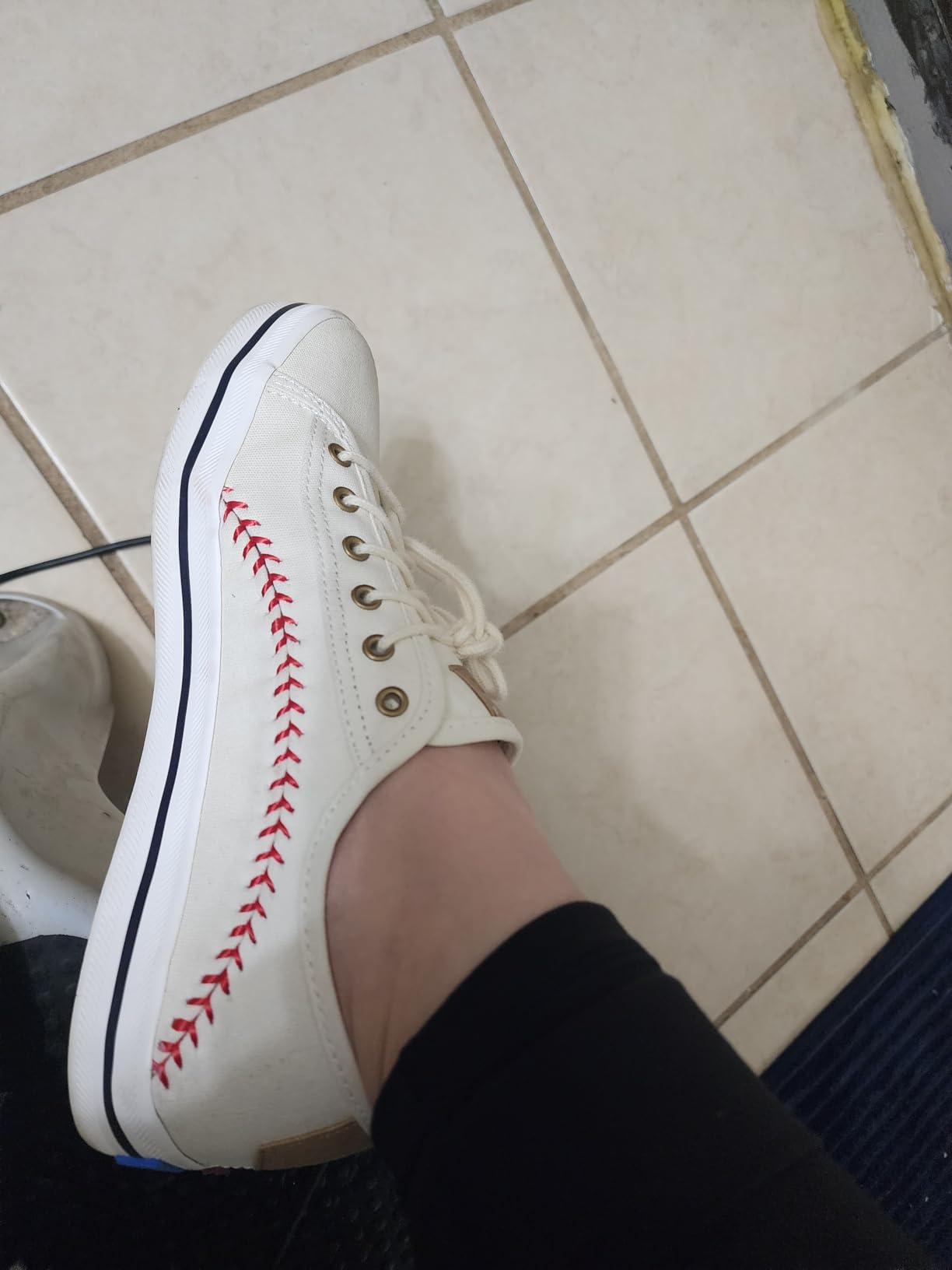
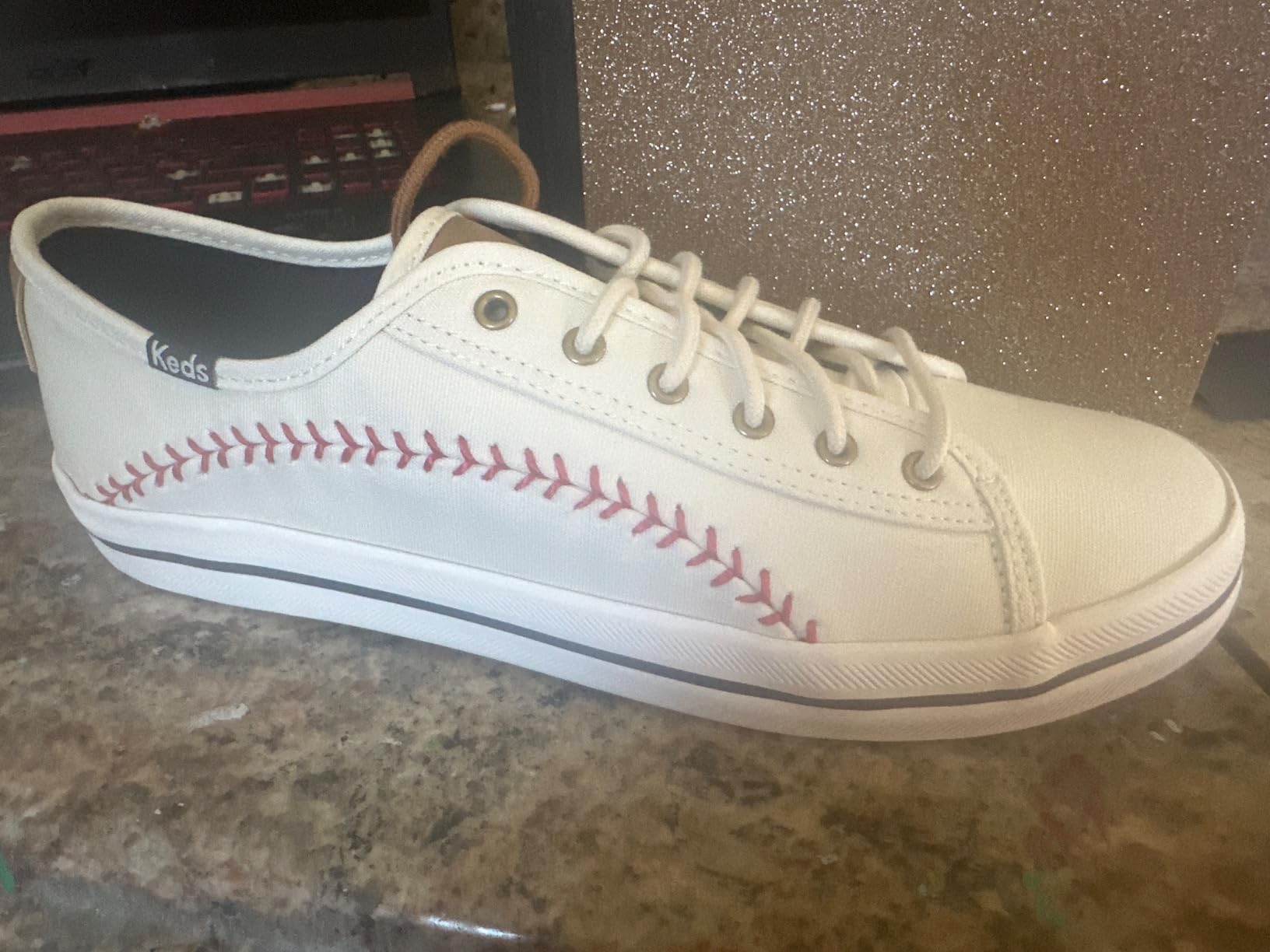
Let me get the most-asked question out of the way first: the baseball stitching is real. Not printed on. Not embossed into the canvas. Actual raised stitches that give the shoe genuine texture and visual depth. After 120 miles across dusty fields and gravel lots, those stitches picked up some authentic field grime — and honestly? They look better for it.
Canvas Construction
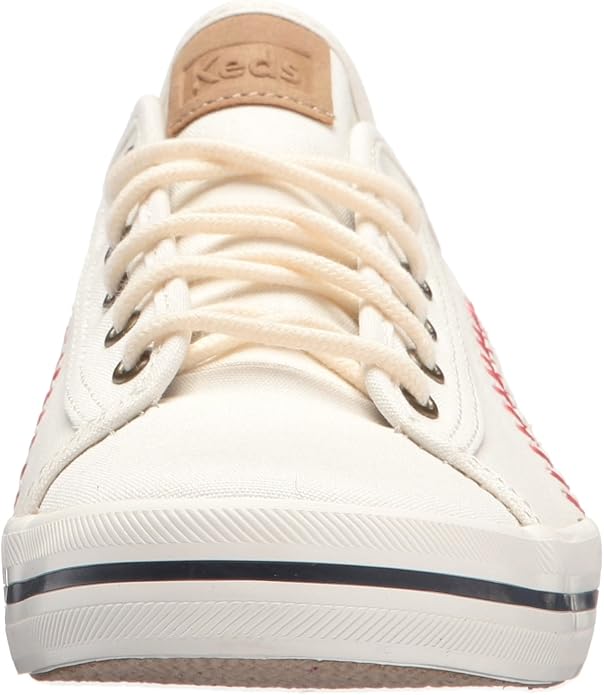
The 100% canvas upper feels substantial but not heavy. It has a tight weave that held its shape through the entire test period with no fraying, no sagging, and no stress tears at the toe box seams. At $60, you expect canvas to be canvas — but this is quality canvas. The kind that develops character rather than just degrading.
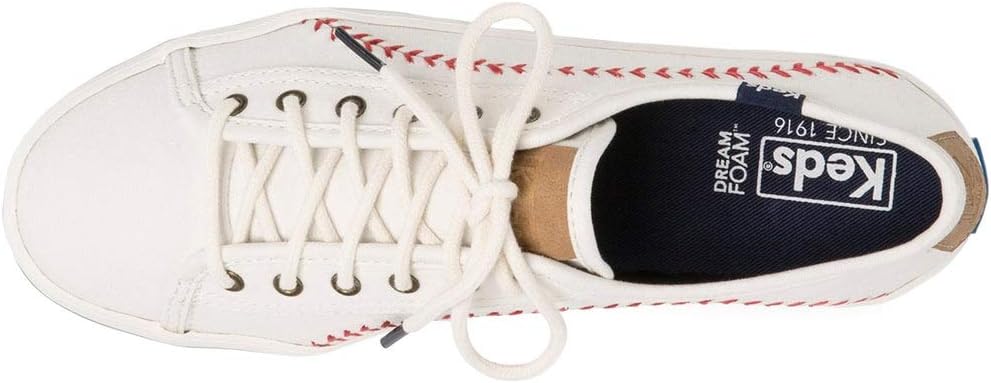
The low-top silhouette sits clean against the ankle with no unnecessary bulk. The 6-eyelet lacing system is straightforward and functional, and the metal-reinforced eyelets showed zero signs of pulling or deforming even after months of daily lacing and unlacing.
The Dual Lace Reality
Both sets (white and brown) come packed in the box, and this turns out to matter more practically than aesthetically. I spent the first three weeks with white laces — they looked pristine in the morning, dusty by noon. Switched to brown for a tournament weekend and never went back. The brown laces handle field dust and the occasional grass stain without advertising it. This is a genuinely useful design choice that often gets dismissed as a style marketing detail.
Color Behavior: Cream vs. Bright White
The cream colorway sits in a practical sweet spot. It’s warm enough to hide coffee spills and everyday smudges that would ruin a stark white shoe, but it shows fine dust from field visits more than white would. After 8 weeks: spot cleaned twice, still presentable. The tradeoff is that cleaning has to be intentional — more on that in the care section.
For other Keds styles in the lineup, the Keds Women’s Champion Lace-Up Sneaker offers a cleaner minimal design if the baseball detailing isn’t your aesthetic, and the Keds Women’s Pursuit Lace-Up Sneakers provide a slightly more modern silhouette at a similar price.
The Break-In: An Honest Timeline
Canvas sneakers require patience. If you try these on and expect immediate cushioned comfort, you’ll be disappointed — and you’ll be wrong about the shoe. The break-in is real, it’s predictable, and it resolves.
Days 1–3: Canvas Stiffness Phase
The heel counter is firm. The canvas hasn’t stretched to accommodate your foot shape yet. The OrthoLite insole feels flat rather than supportive because it hasn’t had the chance to conform to your arch. Wear these for short errands — 30 to 60 minutes max — and expect some pressure at the heels and instep. This isn’t a defect; it’s canvas doing what canvas does before it breaks in.
I noticed pressure building on the outer heel by the end of my first 45-minute wear. Normal. Expected. The solution is consistent, progressive wear — not powering through a 6-hour day prematurely.
Days 4–7: The Shift
By mid-week one, the canvas started softening at the heel counter. My foot was beginning to leave its impression in the OrthoLite footbed — you can actually feel that shift from “flat foam” to “something that responds to my specific foot shape.” Heel slippage that showed up in days 1–3 started resolving here.
The key to this phase: wear regularly. Passive break-in (wearing occasionally) drags this phase out. Daily short-to-medium sessions accelerate it.
Week 2+: Settled In
Week two is when these shoes clicked. The canvas was flexible, the footbed had personalized, and I transitioned to full-day wear without any lingering pressure points. The transition from “feels like shoes” to “feels like my shoes” happened somewhere around day 10.
The Width Issue (Read This Before Ordering)
I wear a standard-width size 8. These fit me correctly in length with appropriate toe room. But I watched a friend with wider feet struggle through three weeks of break-in trying to make these work — and the width problem did not resolve. Canvas stretches along the length axis from use, but width stretching is minimal and inconsistent.
If you have wide feet, this shoe will likely cause ongoing pressure at the instep and lateral toe box regardless of break-in. Either size up 0.5 to 1.0 or seriously consider alternatives. The narrow fit is the single most significant product limitation for a portion of buyers.
Comfortable wider-fit alternatives: the Skechers Bobs B Cute has a more accommodating toe box at a similar price point, and the New Balance 574 offers wide-width options if you need confirmed sizing.
Durability Testing: 8 Weeks and 120+ Miles
Canvas Upper: Still Standing
Week 1–2: No signs of wear. Week 3–4: Minor creasing at the toe flex point — this is normal canvas behavior, not degradation. Week 5–8: The canvas held firm. No tears, no holes, no seam separation at the stress points (toe box, heel junction, lateral mid-upper). I specifically looked for failure signals at the upper-to-sole junction after week 4, having seen this fail on other canvas shoes at similar price points. The bond held.
At $60, this canvas construction outperforms budget canvas alternatives I’ve tested at $30–40. The tighter weave and quality control are visible.
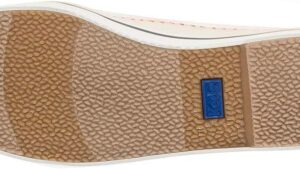
Rubber Outsole: Minimal Wear
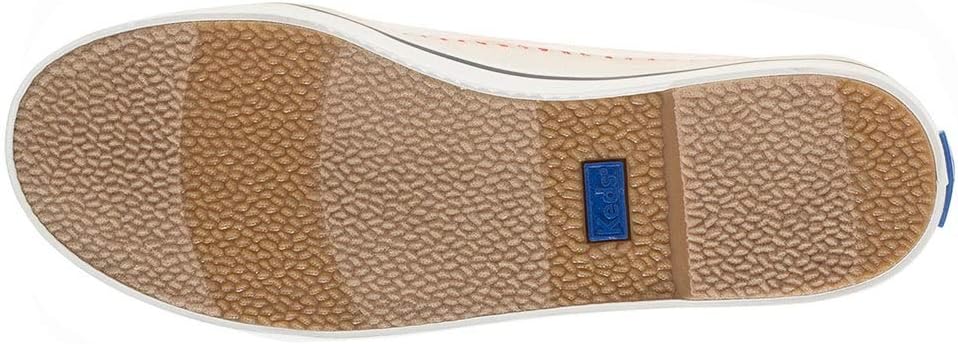
I walked an estimated 120+ miles on surfaces ranging from dusty baseball field gravel and wet grass to hot concrete parking lots and school hallways. The outsole traction pattern showed minimal wear. The heel impact zone — where most outsoles erode first — was still intact with clear tread definition.
Lifespan estimate based on wear rate:
– Casual use (2–3x per week): 12–18 months
– Moderate use (4–5x per week): 6–9 months
– Daily heavy use: 3–4 months
At $60 and a moderate-use lifespan of 6–9 months, you’re looking at roughly $7–10 per month. That’s fair for a specialty lifestyle shoe.
OrthoLite Footbed Under Load
The OrthoLite footbed is the most underappreciated part of this shoe. It didn’t compress dramatically over 8 weeks — it molded. By week 6, it had a clear impression of my arch and heel that provided personalized support rather than the generic flat cushioning I started with. The support structure didn’t bottom out at the test conclusion, which I can’t say for some budget foam insoles I’ve tested at similar price points.
For durability comparison at similar price: the PUMA Carina L uses a foam midsole that can compress faster than the Keds OrthoLite setup. The New Balance 574 has better outsole durability at a higher price but serves a different style niche.
All-Day Comfort: From First Game to Last Event
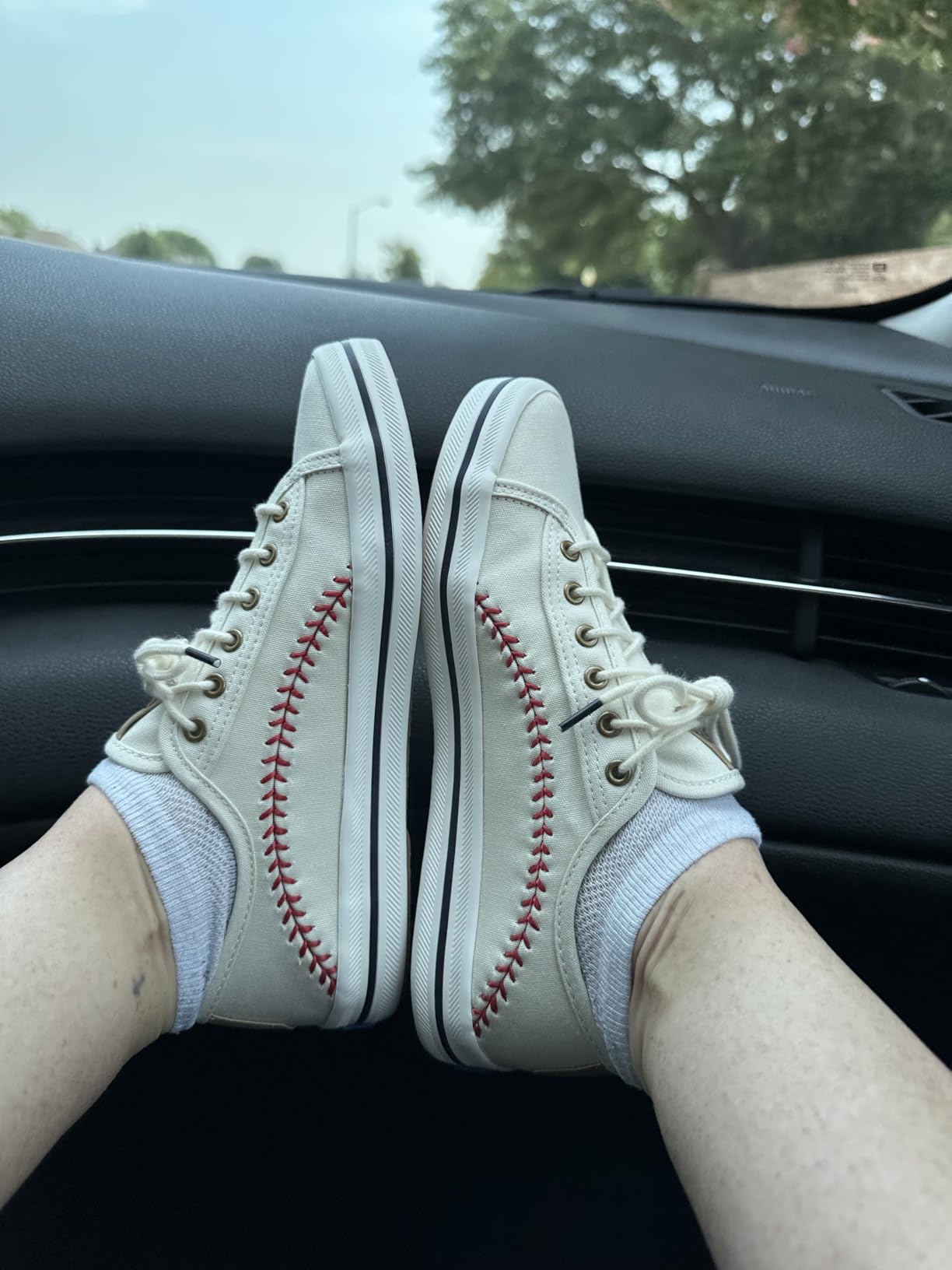
After break-in, I ran an extended all-day test: early morning baseball game at 7 AM, grocery shopping mid-morning, a birthday party in the afternoon, and an evening school event — call it 14+ continuous hours of wear. Here’s how it played out:
Hours 1–4: Morning Freshness
With a properly broken-in OrthoLite footbed, the first four hours felt genuinely comfortable. The canvas breathed well during the morning game’s humidity. No pressure points, no heel slippage, natural toe room even after some foot swelling from walking.
Hours 4–8: Afternoon Hold
The midsole cushioning held through the afternoon. Breathability was the genuine standout here — the canvas upper kept heat from building up the way synthetic materials do. I’ve worn athletic foam sneakers that turn into ovens by hour six. The Kickstart Pennant’s canvas just ventilated.
Hours 8+: Evening Reality
My feet were tired by the evening — but that’s expected after 14 hours. What mattered: the shoe wasn’t the cause. The OrthoLite hadn’t bottomed out, the heel counter was still locked, and there were no new pressure points. Foot fatigue from hours on hard surfaces is a body problem, not a shoe failure.
Bleacher Sitting Context
Significant time during baseball games is spent on metal bleachers — stationary, in heat. Canvas breathability matters more than traction here. The OrthoLite footbed doesn’t go flat immediately under seated static weight, which I appreciated during 2–3 hour game stints.
The Care Reality: Spot Wash Only, and Take It Seriously
The 5.5/10 ease-of-care score deserves explanation, because this is where the shoe creates real friction for some users.
Machine Wash: Don’t
I made the mistake of running these through a gentle machine wash cycle early in testing. The cream canvas bled color into the wash water. The shoes came out uneven in tone, slightly dulled. Multiple other owners report the same — it’s a consistent risk across the canvas construction and colorways.
Stick to spot cleaning. Full stop.
The Spot Wash Protocol That Works
After 8 weeks, here’s the routine that kept these looking presentable:
1. Damp cloth (lukewarm water) for surface dust — after every field visit
2. Mild soap + soft-bristle brush for stubborn spots — as needed
3. Air dry in shade, not direct sun (sun yellows cream canvas)
4. Laces removed and hand-rinsed separately
Time investment per cleaning: 15–20 minutes. Frequency at 4–5 wears per week: every 2 weeks. It’s not difficult, but it is deliberate.
The Cream Maintenance Balance
Cream canvas is more forgiving than stark white for spills — a coffee drip that would ruin white canvas mostly disappeared with spot cleaning on the cream. But fine dust from field visits shows clearly on cream and requires regular attention. If you’re a low-maintenance shoe person, this shoe will frustrate you. If you don’t mind 20 minutes of care every two weeks, it’s manageable.
If machine-washable convenience is a priority, the Skechers Summits offers a more forgiving care situation at a comparable price.
Fit & Sizing Guide
| Foot Type | Recommendation | Notes |
|---|---|---|
| Standard width (B) | True to size | Length TTS, comfortable after break-in |
| Narrow width (AA) | True to size | May have slight excess room; lace adjustment helps |
| Wide width (D) | Size up 0.5–1.0 OR reconsider | Width does not reliably stretch; ongoing pressure risk |
| Very wide (2E+) | Not recommended | Insufficient canvas width at any size |
The heel fit resolves with break-in — any slippage in week one is temporary. The width issue does not resolve. Know your foot width before ordering, especially if you’re buying online without a try-on option.
For buyers with wider feet seeking a casual canvas sneaker: the Reebok Princess has a more accommodating fit profile, and Hello Basics Canvas Sneakers offer wider-toe-box options at a lower price point.
Does Keds Deliver on the Marketing Claims?
Keds claims: “Durable rubber outsole for added comfort”
Reality: The outsole is durable — minimal wear at 120 miles confirms this. “Added comfort” oversells it; the rubber provides impact absorption and reasonable traction, not premium cushioning. The comfort comes from the OrthoLite footbed, not the outsole. Accurate on durability; generous on comfort claim.
Keds claims: “Canvas upper with baseball stitch detailing”
Reality: Verified accurate. The stitching is raised and tactile, not a surface print. This matters — it means the detailing survives regular wear rather than fading or cracking after a few months.
Keds claims: “OrthoLite® footbed”
Reality: Confirmed. OrthoLite is a recognized brand technology for footbeds that resist compression over time. The personalized molding I observed over 8 weeks is consistent with what OrthoLite technology promises.
Keds claims: “Spot wash, air dry only”
Reality: Take this literally. Machine washing caused color bleeding in testing. This isn’t overcautious marketing language — it’s accurate product guidance that should be followed.
Who Should Buy — and Who Should Skip
Perfect for:
- Women with standard or narrow-width feet
- Baseball and softball game spectators who want to look intentional
- Weekend casual wear rotation (not a daily-driver shoe)
- Hot/humid climate wear — canvas breathability is a genuine advantage
- Buyers who appreciate design authenticity (raised stitching, not printed)
- Anyone willing to invest 1–2 weeks of break-in for the payoff
- Spot-clean care is acceptable
Skip if:
- Wide feet — the narrow fit is a genuine dealbreaker at any size
- You need machine-washable convenience
- You plan to use these for actual sports or athletic activity
- Immediate out-of-box comfort is non-negotiable
- You need 12-hour daily wear as a work shoe — viable but not ideal
Alternatives Worth Considering
For retro canvas style on a budget: Hello Basics Canvas Sneakers — lower price, less brand heritage, simpler design
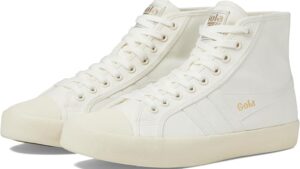
For retro fashion with more styling variety: Lucky Step Women’s Retro Fashion Sneakers or Gola Coaster High if you prefer a high-top silhouette
For machine-washable convenience: Skechers Summits
For more cushioning at higher price: Adidas Cloudfoam Pure — different aesthetic, better foam cushioning out of box
For chunky retro trend: Dream Pairs Platform Chunky Y2K Maeve — bolder platform aesthetic, different fit geometry
Detailed Scoring
| Category | Score | Reasoning |
|---|---|---|
| Style & Design | 9.0/10 | Authentic raised stitching, dual laces, clean silhouette — details are genuine |
| Initial Comfort | 6.0/10 | Canvas stiff, footbed not yet molded, heel pressure first 3–5 days |
| Comfort (after break-in) | 7.5/10 | Solid all-day support, genuine canvas breathability, OrthoLite personalized well |
| Fit & Sizing | 7.0/10 | True to size in length, narrow in width — standard-width buyers fine, wide feet problematic |
| Durability | 8.0/10 | Canvas and outsole held at 120 miles; sole bond intact; above-average for $60 canvas |
| Versatility | 8.5/10 | Works across spectating, errands, casual events; not for sports; breathable for summer |
| Value at $60 | 8.0/10 | Quality-to-price solid; design authenticity justifies premium over budget canvas |
| Ease of Care | 5.5/10 | Spot wash only; machine wash causes color bleeding; cream shows dust; requires regular attention |
| OVERALL | 7.8/10 | Recommended with fit and care caveats |
Frequently Asked Questions
Do the Keds Kickstart Pennant run true to size?
True to size in length — my size 8 fit correctly with appropriate toe room throughout 8 weeks of testing. They run narrow in width, though. Standard-width feet should order true to size. Wide feet should size up 0.5 to 1.0 or consider a different shoe entirely.
How long does break-in take?
Plan for one to two weeks of progressive wear. Start with 30–60 minute errands and build up. The heel counter softens by mid-week one; the OrthoLite footbed begins personalizing around days 5–7; full all-day comfort arrives around week two. Don’t skip this phase by jumping into a 10-hour day on first wear.
Can you machine wash these?
No. I tested this: one gentle machine cycle caused cream canvas color bleeding. The care instruction to spot wash and air dry isn’t overcautious marketing language — it’s accurate. Use a damp cloth and mild soap, and air dry in shade rather than direct sun, which can yellow cream canvas.
What’s the actual lifespan?
At casual use (2–3 times per week): 12–18 months before visible degradation. Moderate use (4–5 times per week): 6–9 months. Heavy daily use: 3–4 months. After 120 miles in 8 weeks, both canvas and outsole showed minimal wear — the construction earns its longevity estimate.
Are both lace sets actually useful?
The brown laces are the more practical set for field use. They hide dust, grass, and surface grime far better than white, while maintaining the baseball aesthetic. I switched to brown mid-testing and found them significantly lower maintenance. The white laces look better in fresh, clean contexts. Both are included and the option to switch is worth using.
Are these good for walking long distances?
After break-in: yes, for moderate walking. These logged 120+ miles over 8 weeks without discomfort. They’re not engineered running or walking shoes — no dedicated motion support or impact cushioning stack — but the OrthoLite footbed handles extended casual walking well. Not the right pick for daily 5-mile training walks, but a full event day is well within range.
What’s the best alternative if I have wide feet?
For a similar casual canvas aesthetic with more width accommodation: the Skechers Bobs B Cute has a wider toe box at a comparable price. If you need confirmed wide-width sizing, the New Balance 574 is available in wide fits. The Reebok Princess also offers a more accommodating fit profile for women needing extra width.
Is the baseball stitch decoration or actually sewn in?
Verified: actual raised stitching, not printed or embossed. After 120 miles across fields and surfaces, the stitching detail remained intact and clearly three-dimensional. This matters for longevity — printed designs fade and crack, raised stitching doesn’t.
Final Verdict
Eight weeks and 120+ miles later: the Keds Women’s Kickstart Pennant earned its place in a regular rotation.
The design authenticity is real — raised baseball stitching, thoughtful dual lace sets, a cream colorway that behaves practically in real-world use. The canvas construction holds up better than the price suggests. The OrthoLite footbed rewards consistent wear with a personalized comfort fit that budget foam insoles don’t deliver.
The trade-offs are equally real: a break-in period that requires patience, a spot-wash care requirement that demands deliberateness, and a narrow fit that excludes buyers with wider feet. These aren’t hidden flaws — they’re known quantities to factor into the decision.
The bottom line: For a standard-width buyer who wants a casual canvas sneaker with genuine design character, all-day breathability, and durability above the $60 price expectation, this is a strong choice. Just come in with accurate expectations on break-in and care, and know your foot width before ordering.
Rating: 7.8/10 — Recommended with fit and care awareness.
Be the first to review “Keds Women’s Kickstart Lace Up Sneaker”
Related products
Sneaker

Sneaker
Sneaker

Running Shoes
Reviews
There are no reviews yet.