
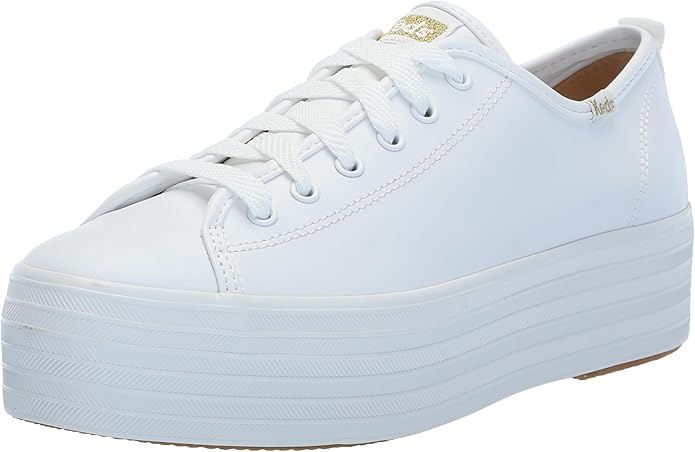

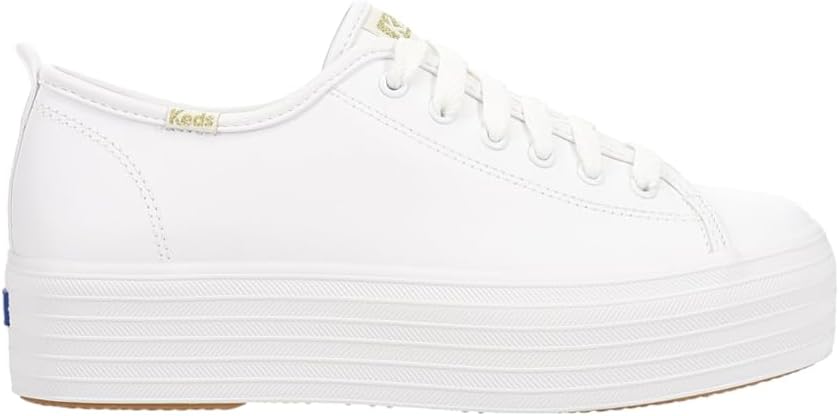
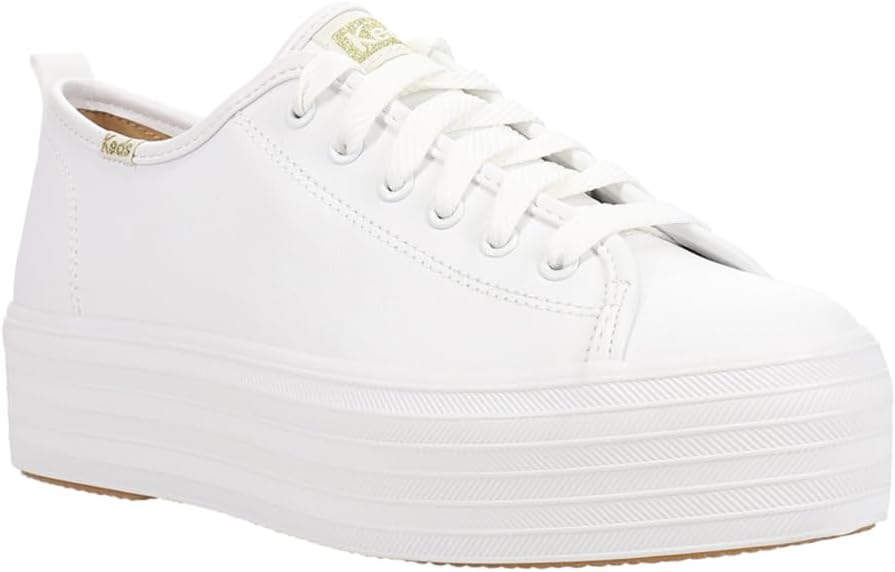
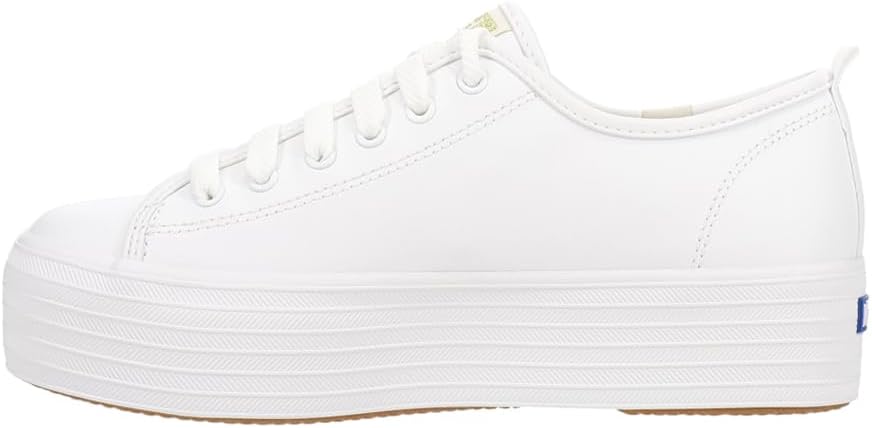

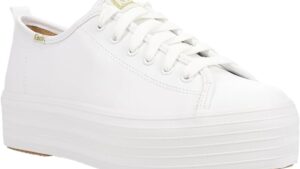
Sarah here — and between morning meetings, school pickups, and the afternoon grocery run that somehow always turns into an hour-long errand spiral, I need shoes that can keep up without making me regret my footwear choices by 3 PM. When the Keds Women’s Triple Up went on sale, that white leather and 1.5-inch platform had me genuinely tempted. I was also genuinely skeptical. Platform sneakers that promise all-day comfort have let me down before. Eight weeks, 45-plus sessions, and somewhere past 200 hours of real-world wear later — here’s what actually happened.
What You’re Actually Getting for $70
Before I tell you how these feel to live in, the basics:
- 💰 Price: $70
- ⚖️ Weight: 12 oz (women’s size 8)
- 📐 Platform height: 1.5 inches
- 🧪 Footbed: Dream Foam® cushioned footbed
- 👟 Upper material: 100% smooth leather
- 🧵 Lining: Breathable canvas
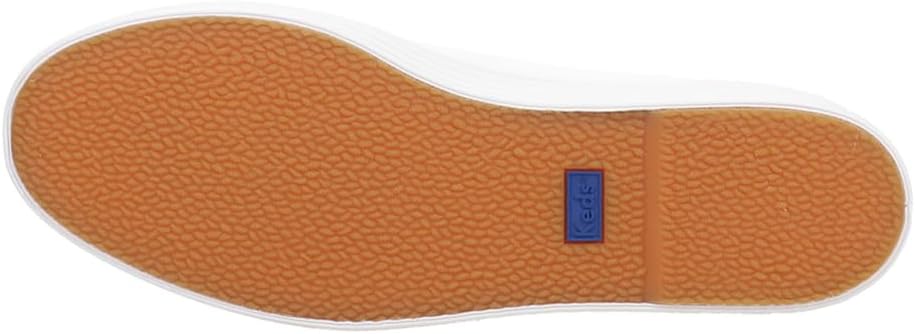
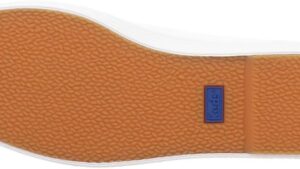
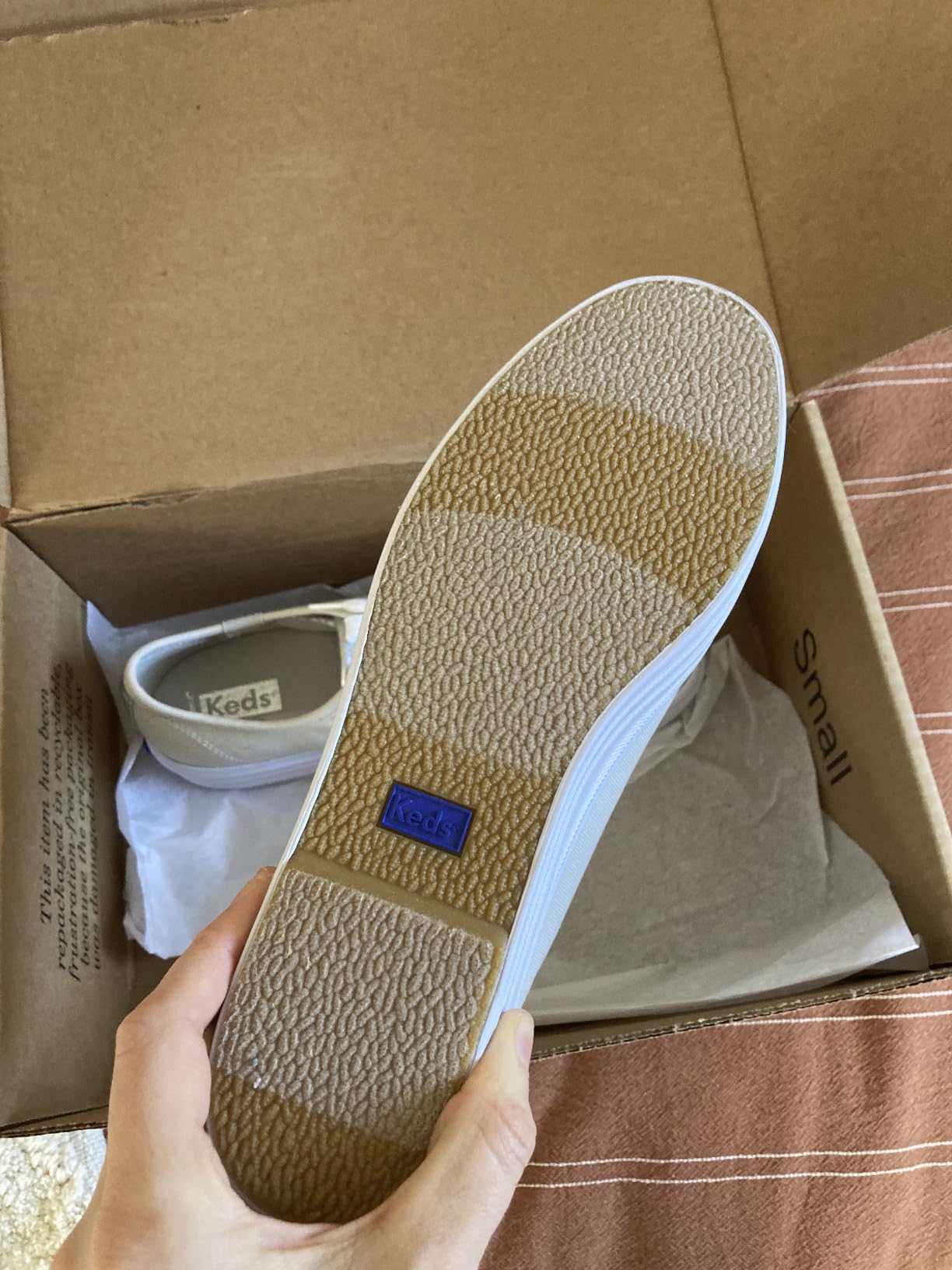
- 💪 Outsole: Durable rubber
- 🔗 Lacing: 6-eyelet lace-up
- 🎯 Best for: Daily casual wear, lifestyle outfitting, modest height boost
- ⏱️ Testing period: 8 weeks, 45+ sessions, 200+ hours
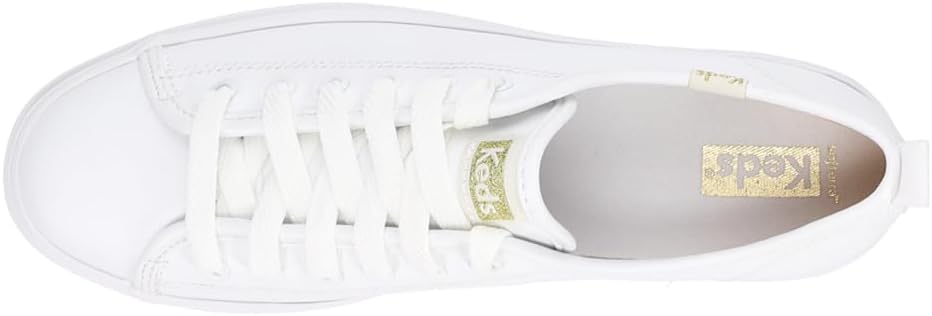
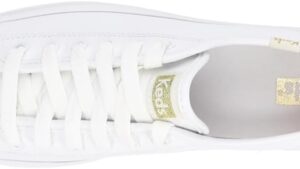
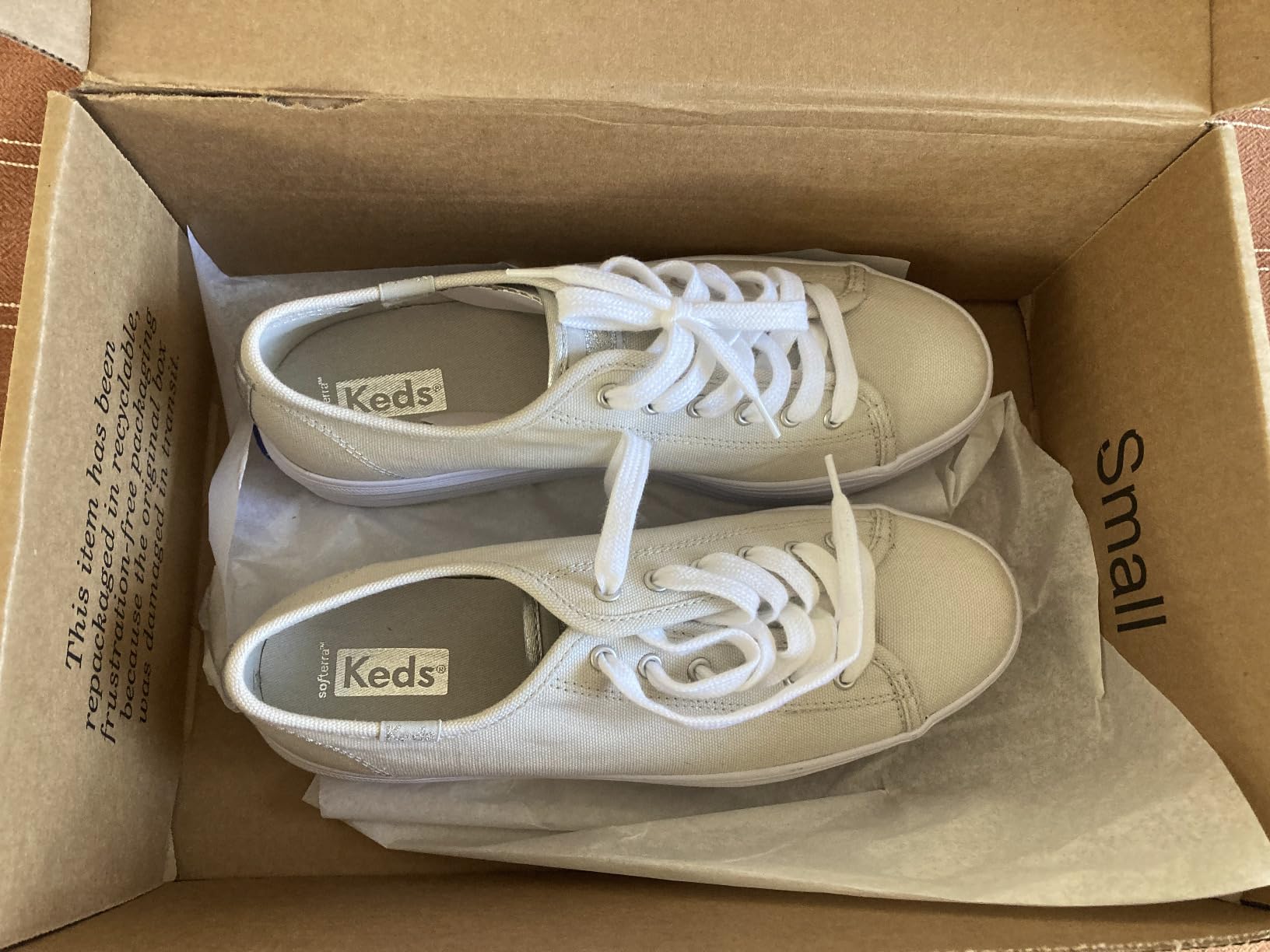
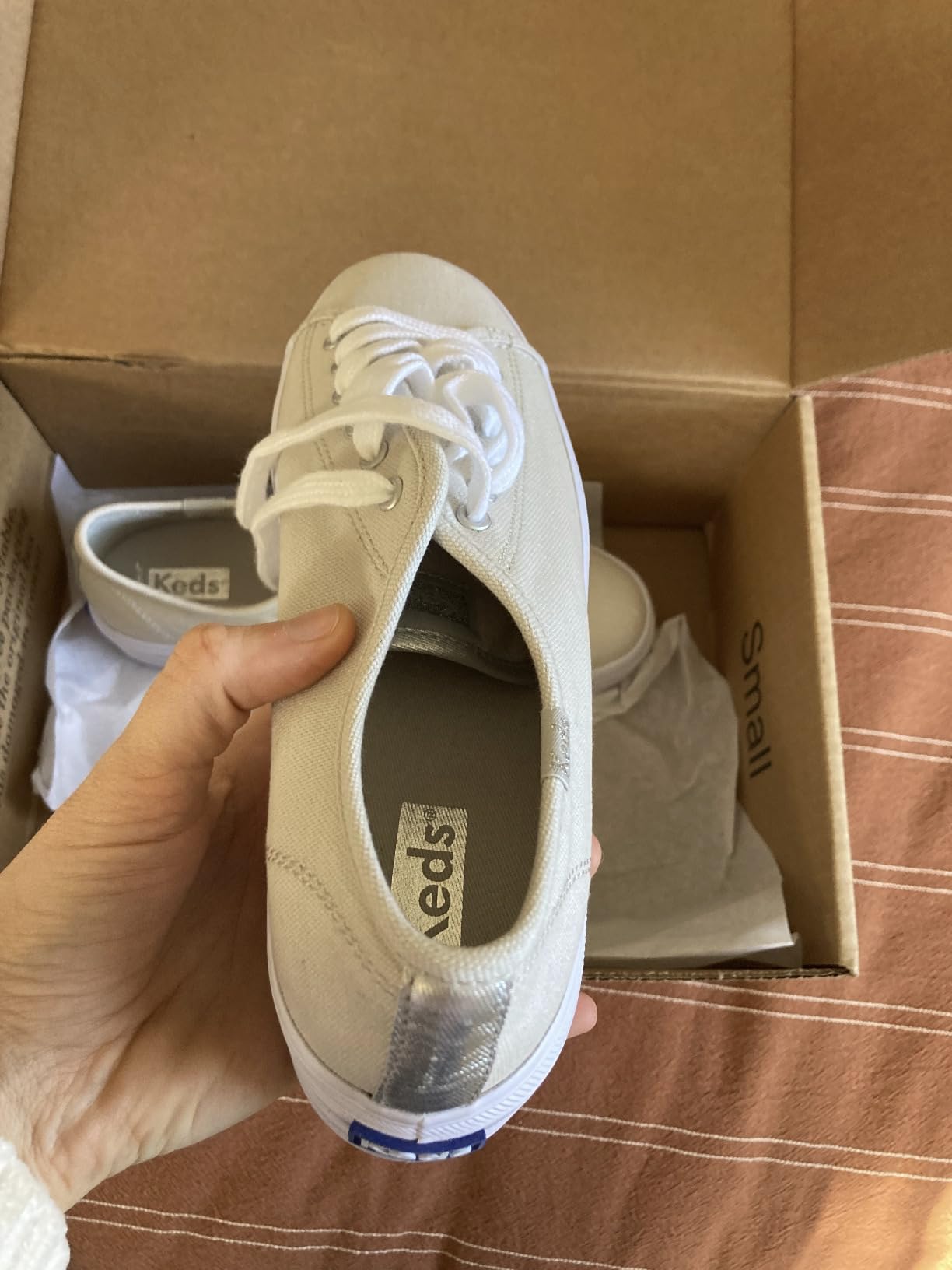
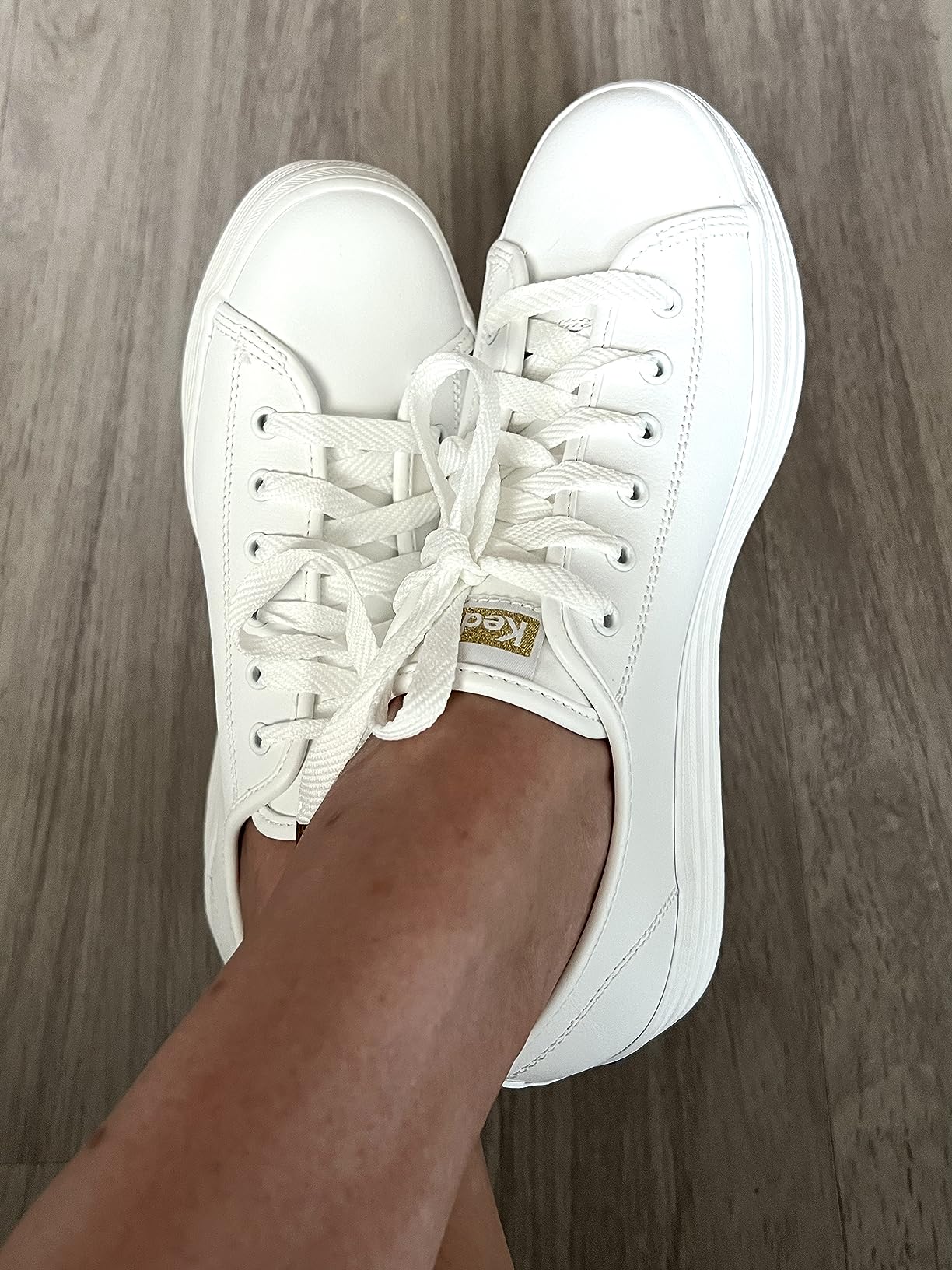
Out of the box, the first thing that registered was how solid the leather feels. I’ve owned canvas platform sneakers in this price range that felt vaguely flimsy — this is not that. The white leather upper has real thickness to it, smooth and clean, with stitching around the toe box that actually lines up. The six gold eyelets are a small detail but they photograph beautifully and add a quality signal you don’t always get at $70.
What also registered immediately: this is stiff leather. The back collar, in particular, has the firmness of new, untreated material — which means it has a break-in period ahead of it. I noticed it the moment I slipped my foot in. More on what that actually means in the next section.
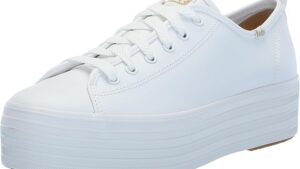
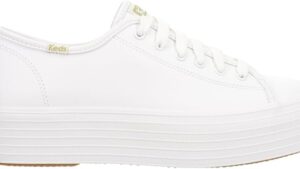
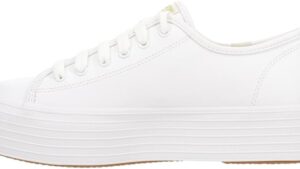
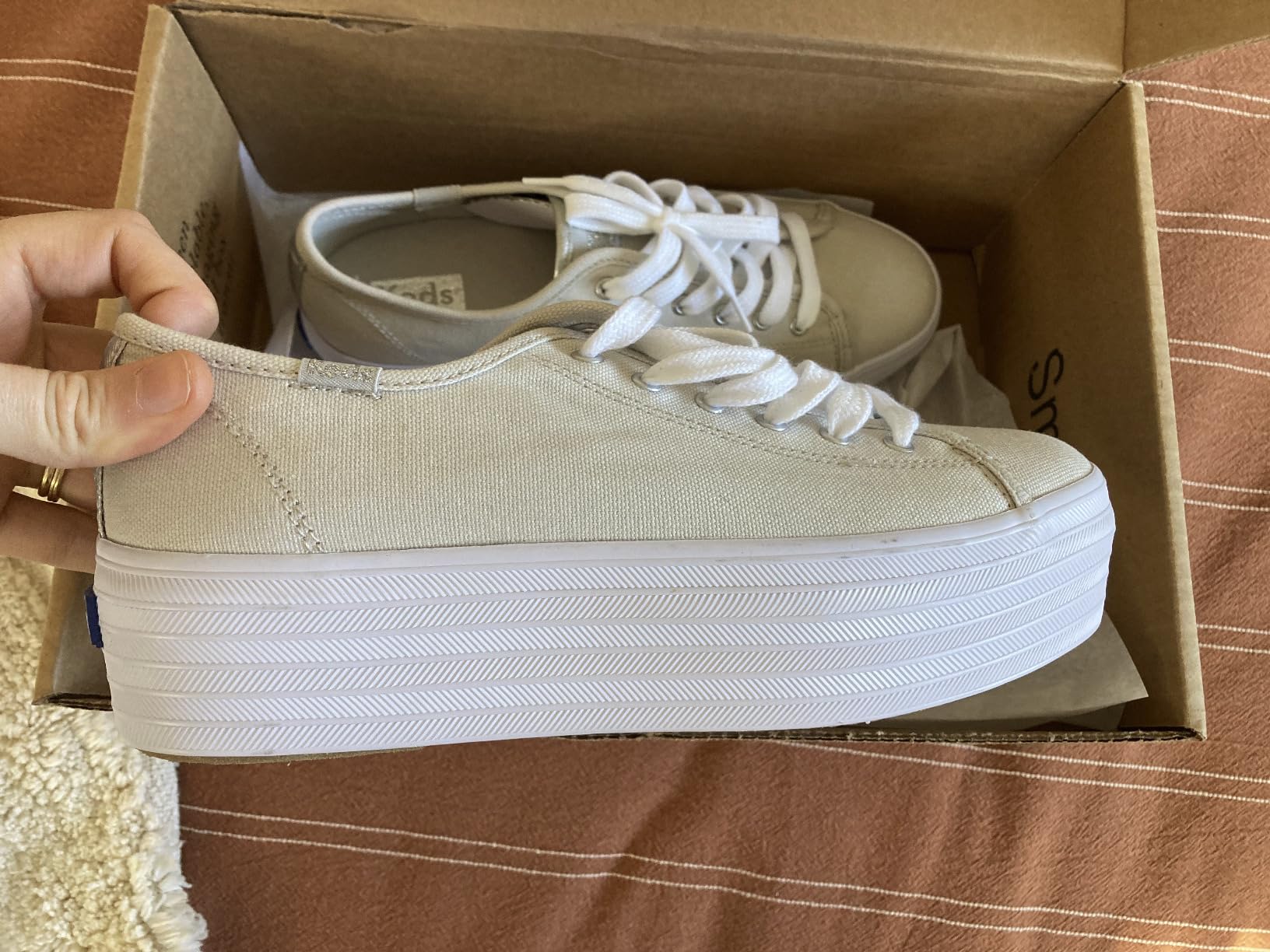
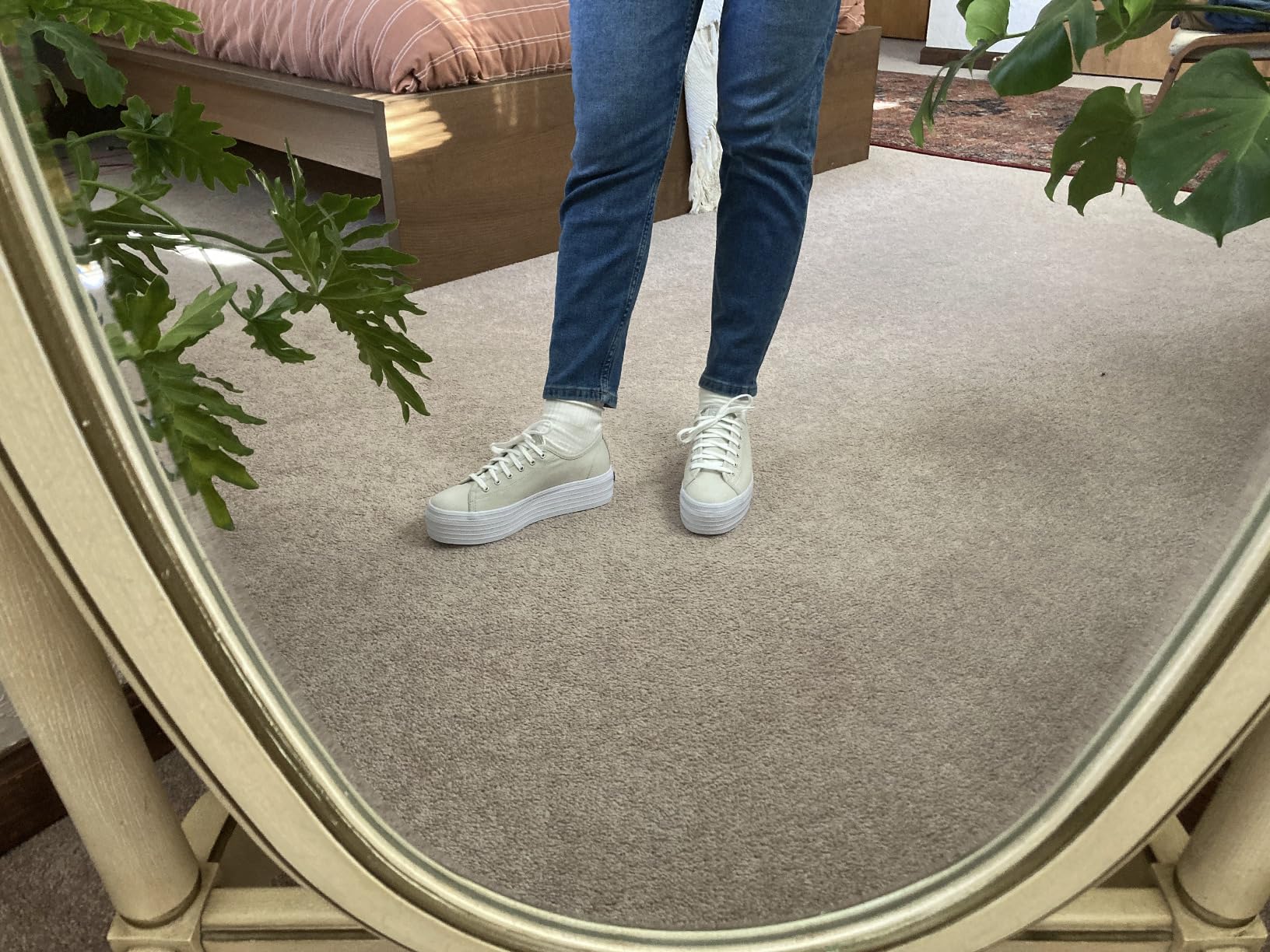
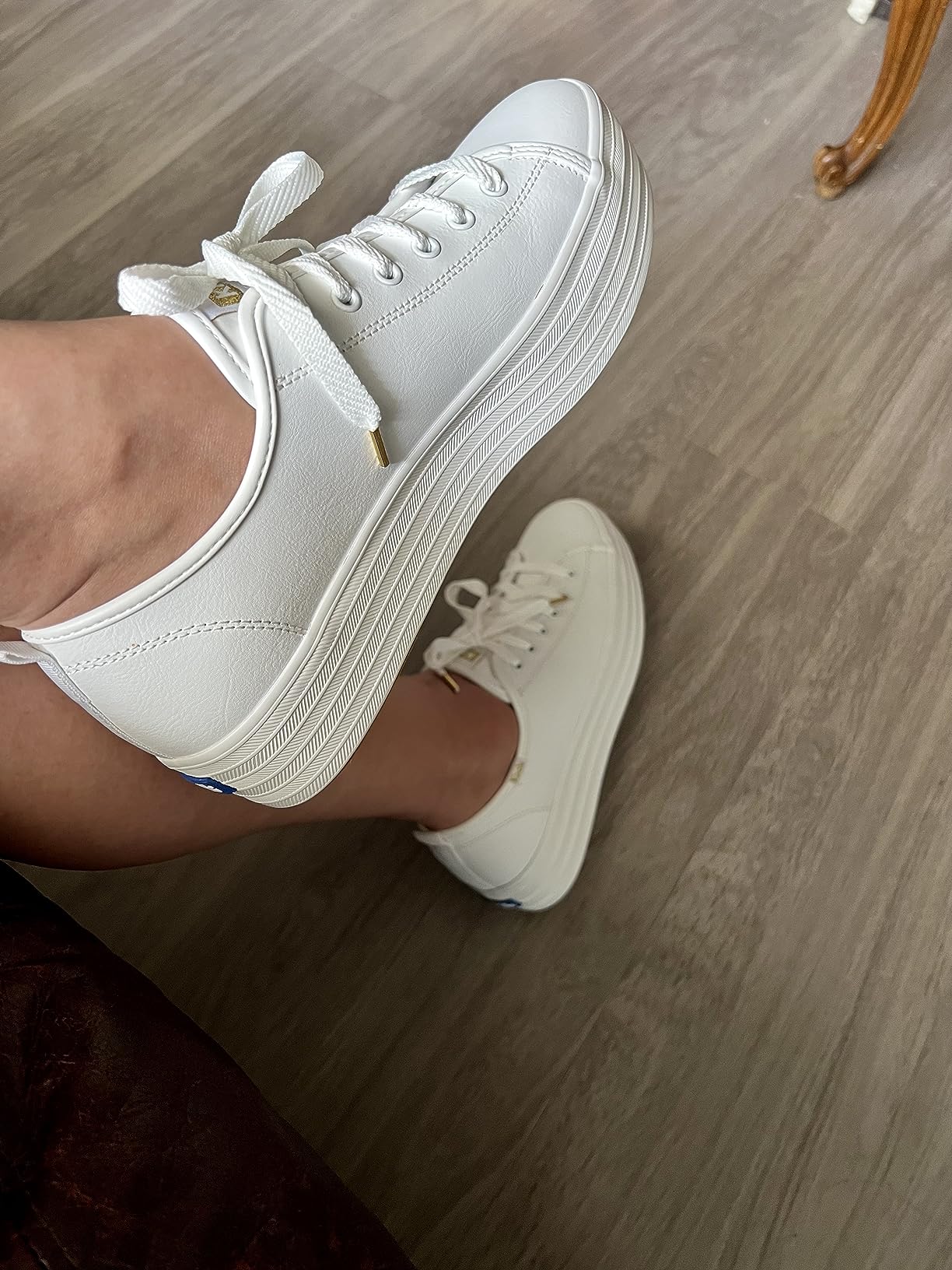
The 1.5-inch platform surprised me in how it actually felt underfoot. I anticipated the instability that sometimes comes with added height, especially on stairs or uneven pavement. At 5’4″, I was bracing for a tottery experience. The platform sole distributes weight evenly enough that I felt grounded rather than elevated — the lift is there without the wobble that budget platforms sometimes introduce.
The Break-In Truth Nobody Fully Warns You About
I’m going to be upfront: the first two weeks are uncomfortable. Not subtly tight or slightly stiff — I mean the leather collar at the back of the shoe actively rubs your heel, and if you don’t manage it, you’ll have blisters before day three.
The mechanism is the heel counter. The leather there is structured and firm by design — it’s what gives this shoe its clean, upright silhouette. But in its new state, every step pushes the collar edge against the Achilles junction. My first real outing was a two-hour shopping trip. By the 90-minute mark, I had a hot spot forming on both heels and the early signs of a blister on the left. I wasn’t shocked — I’d read enough reviews to know this was coming — but feeling it happen gave me a concrete sense of what “needs breaking in” actually costs.
What helped: silicone gel heel protectors, which I found at the pharmacy for about $6. I wore these consistently for the first three weeks. They create a buffer between the leather collar and your skin without changing the fit dynamics of the shoe. By week three, the leather had softened enough at the collar that I stopped needing them.
The timeline is predictable if you plan for it:
- Weeks 1-2: Active friction zone — limit outings to 60-90 minutes, use heel protectors
- Week 2-3: Collar begins conforming, rubbing reduces significantly
- Week 3+: Break-in essentially complete; the shoe becomes a different experience
The key mistake to avoid: wearing these for a long day on the first or second outing. That’s how you end up with serious blisters and a pair of shoes you resent.
Fit and Sizing — The Full Picture
I’m a 7.5 in Nike, New Balance, and Skechers. I ordered a 7.5 here. Length-wise: perfect. No jamming at the toe tip, no excess movement at the heel, exactly where it should be.
The nuance is width. The toe box has a noticeable taper — it’s part of what gives the shoe its clean, feminine profile, but it does mean this isn’t a wide-toe-box shoe by any stretch. My medium-width feet fit without issue, though I was aware of the shape. If you have wider feet or bunions, this could be the shoe where the length is right but the width is not. In that case, sizing up half a size usually gives a slightly more accommodating fit — but if you have genuinely wide feet, this shoe may not be the right pick regardless of size.
One thing that helps: the six-eyelet lace-up system gives you real adjustability. During the first few weeks, I laced the bottom two eyelets looser than normal, which opened up the forefoot slightly and made the break-in more manageable. The laces hold tension well and the eyelets show no signs of stress or distortion at eight weeks.
If you already own Keds Pursuit Lace-Up Sneakers, use that as your sizing baseline here — the width profile is comparable.
Comfort Once You Get There
This is where the three-week investment pays off.
The Dream Foam® footbed — Keds’ cushioning core for this shoe — is noticeably more supportive than a basic flat foam insert. Once the leather loosened up and the footbed began conforming to my foot shape, the comfort shifted from “fine, I can manage” to “oh, I actually like wearing these.”
The real test came in week five. I wore these through a full work day — morning meetings, a midday walk of about six blocks, four hours of standing during a company offsite, and then the commute home. Nine hours total. I didn’t change shoes. My feet were tired by the end of the day in the way that any long day on your feet produces, but I didn’t feel the specific grinding ache that comes from a shoe actively working against you. The platform height, rather than adding fatigue, reduced some of the impact shock from hard floors compared to flat-soled sneakers.
There’s also a posture element worth mentioning. The slight heel elevation shifts weight forward, which changed how I stood during long conference presentations. Whether that’s the shoe design or just my own biomechanics adjusting, I noticed it — and appreciated it.
What I didn’t find: a 9-hour comfort ceiling. I expected to hit a wall somewhere in hour six or seven. I didn’t. The footbed held its shape and cushioning through the full test.
Real-World Performance Testing
Everyday Casual Situations
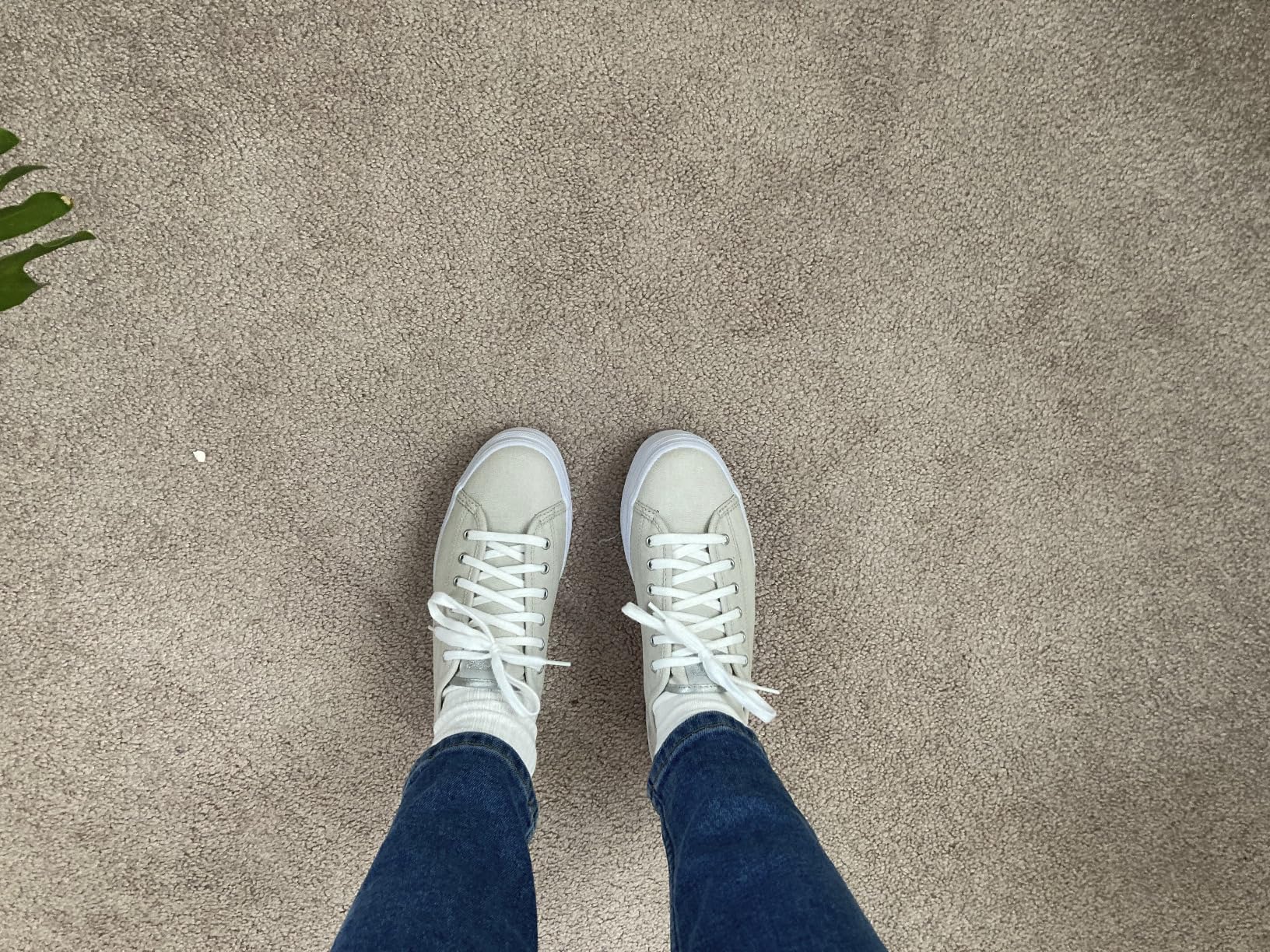
This is the shoe’s home territory. Coffee runs, Target trips, school pickups, casual Friday at the office, weekend social events — the Triple Up handles all of it without complaint post-break-in. The leather wipes down easily with a damp cloth, which I’ve appreciated more than I expected. Working parent life means shoes encounter things that canvas platforms can’t handle gracefully. I’ve cleaned minor scuffs and parking lot grime without issue. For deeper cleaning or keeping the white looking fresh, Wilkins Sneaker Whitener works well on leather uppers without damaging the finish.
Indoor Surfaces
On standard office floors, store tile, and carpet, these perform comfortably. I did notice minor slipping on very smooth polished concrete — the kind found at airports and large convention centers. Not dangerous, but noticeable enough that you adjust your gait instinctively. If polished marble or ultra-smooth tile is part of your daily environment, be mindful of your footing.
Wet Conditions
This is the honest problem. Week five, I underestimated an incoming drizzle and wore these on standard sidewalk pavement. I nearly slipped. The rubber outsole’s traction patterns look adequate but don’t translate to reliable grip on wet smooth surfaces. I now treat these exclusively as dry-condition shoes. If your daily commute involves rain exposure or you live somewhere with unpredictable weather, this limitation matters more than almost anything else in this review.
Temperature
The canvas lining is soft and comfortable through moderate temperatures. Above roughly 75°F, though, these run warm. The leather exterior limits airflow enough that the canvas lining can’t fully compensate. Thin no-show socks help; thick socks make it worse. In winter, the leather upper handles cold air fine, and the closed construction keeps feet warmer than mesh alternatives.
Does Keds Deliver? Marketing Claims vs. Eight Weeks of Reality
Claim: “Super cushiony 1.5″ platform bottoms”
Reality: ✅ True. The platform provides genuine shock absorption on hard floors, and the 1.5-inch height is exactly as described. The height adds without destabilizing, which is the key test. This claim holds up.
Claim: “Versatile silhouette that plays well with everything”
Reality: ✅ Mostly accurate. White leather with a clean platform profile is inherently neutral. I wore these with slim jeans, midi skirts, sundresses, and casual office trousers. They worked in all contexts. The limitation: “everything” should read “everything casual to casual-dressy.” These don’t cross into formal territory convincingly.
Claim: “Soft, breathable canvas lining”
Reality: ⚠️ Mixed. Soft — yes, confirmed. Breathable — adequate at mild temperatures, insufficient in heat. If you’re in a warm climate or tend to run warm, the canvas lining is not doing enough work against the leather exterior.
Claim: Dream Foam® footbed comfort
Reality: ✅ Delivers — after break-in. The footbed cushioning is the genuine highlight of this shoe once the leather loosens up. It maintained its shape and support across the full eight weeks without the compression drop-off you sometimes see in budget foam insoles. Important caveat: you don’t feel this until the break-in is complete.
Durability — The Honest Assessment
At eight weeks, the leather upper is in good shape. Normal creasing at the toe box flex point — that’s leather doing what leather does — but no cracking, no discoloration, no stitching failure. The eyelets are secure. Structurally, the upper is performing well.
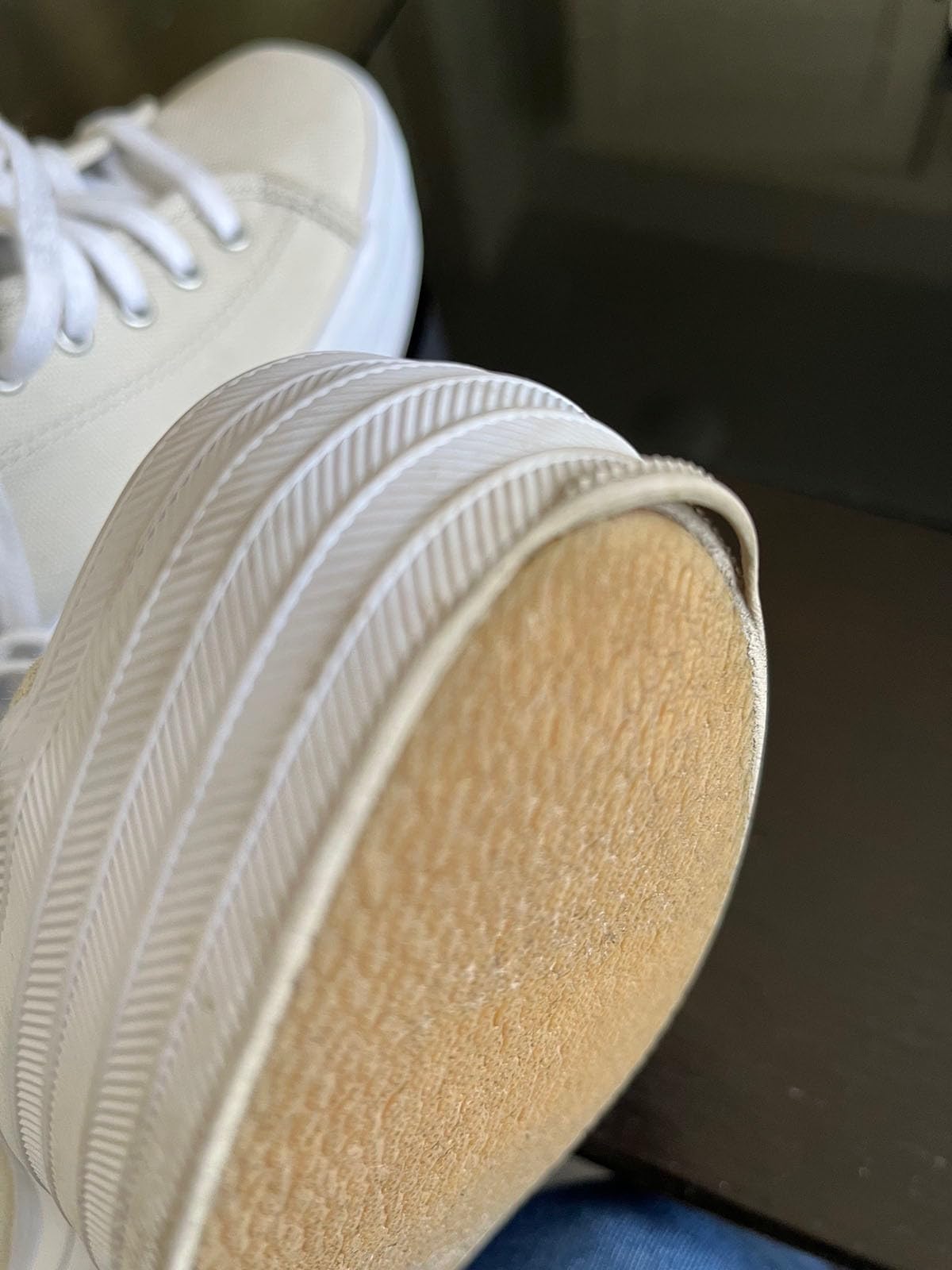
The concern is the sole. Sole separation — the rubber outsole peeling away from the leather upper, typically at the toe box or heel junction — is the most widely reported durability failure for these shoes. The pattern across user reviews is consistent: it appears around the 3-6 month mark of regular wear, though some buyers see it earlier and some get past a year without issue. This suggests adhesive bond quality variance between production batches rather than a universal structural flaw — but the frequency of reports is high enough that it’s a real risk rather than an outlier experience.
One critical care note: machine washing dramatically accelerates sole separation. Multiple buyers who machine-washed their Triple Ups reported separation happening within weeks of the wash. Keds is explicit that these are spot-clean only. Use a damp cloth, a leather conditioner, or Gripexx Sneaker Wipes for regular cleaning — not the washing machine.
If the lacing eventually frays at the eyelets (reported by some users around month 3-4), VSUDO Flat Shoe Laces are a direct replacement that costs far less than buying a new pair.
The cost-per-wear math: $70 divided across 6-8 months at four wears per week puts you at roughly $0.35-0.50 per wear. That’s reasonable for leather casual shoes at this price — but the range depends heavily on whether you get the good adhesive batch or not.
How I’d Score These
| Category | Score (1-10) | What Drives It |
|---|---|---|
| Initial Comfort | 4.5 | Leather collar break-in is real — heel rubbing weeks 1-2, requires heel protectors and gradual wear schedule |
| Long-term Comfort | 8.5 | Dream Foam® footbed delivers once broken in; 9-hour work day test passed; platform cushioning genuine |
| Style & Appearance | 9.0 | Clean white leather, gold eyelets, versatile platform profile — works across more casual outfits than almost anything at this price |
| Build Quality | 6.5 | Good leather and solid stitching; sole adhesive is the weak link that pulls this score down |
| Sizing Accuracy | 8.0 | TTS for standard/medium width; narrow toe box is the known constraint for wider feet |
| Value for Money | 7.5 | $70 is fair for leather platforms; durability uncertainty keeps value from rating higher |
| Versatility | 8.5 | White leather pairs with jeans, skirts, dresses, casual office — genuinely flexible across a casual wardrobe |
| Durability | 6.0 | Leather upper holds; sole separation pattern at 3-6 months is documented and common enough to factor in |
| Overall Score | 7.8/10 | Good platform sneakers with real comfort after break-in; durability concerns are real and worth pricing into your expectations |
Who Should Buy These (And Who Should Keep Looking)
These Make Sense If:
- You want leather platform sneakers for daily casual rotation and don’t want to spend $90-120 for premium alternatives
- You can plan a gradual break-in schedule — starting with 60-90 minute outings and working up over three weeks
- You have standard or medium-width feet in sizes 5.5-12
- You need a go-with-everything white sneaker that works across jeans, dresses, and casual office outfits
- You wear shoes primarily on dry surfaces — indoor environments, dry sidewalks, controlled conditions
- You’re treating this as a seasonal rotation shoe, not a single-pair daily driver
Keep Looking If:
- You have wide feet or bunions — the narrow toe box becomes a persistent frustration, not just an initial annoyance. Somiliss Wide Toe Box Sneakers offer a more accommodating fit without sacrificing the casual sneaker aesthetic
- You need shoes that are comfortable from the first wear — the break-in commitment is real, and skipping it means actual blisters
- Your daily environment involves rain, wet pavement, or unpredictable traction surfaces
- You need a shoe that holds up 18 months or more under heavy daily use — the durability evidence doesn’t support that expectation
- You’re planning to machine wash your shoes — this specific shoe can’t handle it
Better Options for Specific Needs
If you want immediate comfort: Skechers Bobs B Cute offers platform height and cushioning that’s ready day one, without the leather break-in. Different aesthetic, but far less first-week friction.
If you love Keds styling but want an easier entry point: The Keds Women’s Champion Lace-Up uses a canvas upper that breaks in faster, though you lose the leather premium and easy-clean advantage.
If you want a classic leather sneaker with a gentler break-in: Reebok Princess has a softer collar profile that’s less aggressive in the first weeks.
If you want platform height with a bolder fashion silhouette: Dream Pairs Platform Chunky Fashion Sneakers go chunkier and more statement-making if that’s the direction you want.
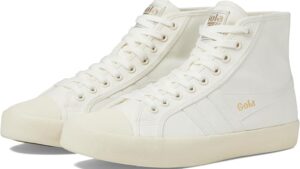
For retro fashion sneaker alternatives: Gola Coaster High and Lucky Step Women’s Retro Fashion Sneakers offer comparable casual styling without the leather break-in period. You can also browse the full range of women’s sneakers at footgearusa.com to compare platform and lifestyle options across different fit profiles.
Frequently Asked Questions
Do the Keds Triple Up run true to size?
Yes, for standard and medium-width feet. I ordered my usual 7.5 and the length fit was accurate. The nuance is width — the toe box tapers, so if you have wider feet or a broad forefoot, sizing up half a size usually helps. Very narrow-footed buyers may find the standard size slightly roomy.
How long is the break-in period?
Realistically two to three weeks of gradual wear. Start with 60-90 minute outings in weeks one and two, with silicone heel protectors. By week three, most of the collar stiffness resolves and the friction stops. Don’t wear these for your first all-day event — that’s the mistake that leads to serious blisters.
Are they worth it compared to cheaper canvas platforms?
For most buyers, the leather upper justifies the price over canvas alternatives in the $30-50 range. Leather handles light splashes without staining, wipes clean in seconds, and holds its shape and appearance longer than canvas. The $70 price also sits meaningfully below premium leather platforms at $90-120, making it a reasonable middle point if the aesthetic fits your wardrobe.
How do they perform in wet weather?
Poorly. The rubber outsole doesn’t provide sufficient grip on wet smooth surfaces — wet sidewalk pavement, polished wet tile, or wet concrete. I nearly slipped in a light drizzle in week five. These are dry-condition shoes. If your typical daily environment involves rain exposure or slick surfaces, this limitation changes the value calculation significantly.
What’s the situation with sole separation?
It’s a documented pattern, not an isolated complaint. Multiple buyers report the rubber outsole peeling away from the leather upper — typically at the toe box or heel — starting around the 3-6 month mark. Some get longer; some see it earlier. Avoiding machine washing reduces the risk substantially. Keep your receipt and check the shoe’s junction seams periodically for early separation signs.
Can I machine wash these?
No. Keds specifies spot cleaning and air drying only, and buyers who machine-washed their Triple Ups consistently reported accelerated sole separation within weeks of the wash. Spot clean with a damp cloth or leather-appropriate cleaner. The leather actually responds well to gentle cleaning and can look fresh for months with minimal care.
Are they comfortable enough for all-day wear?
After the break-in period: yes, genuinely. The Dream Foam® footbed provides real cushioning that held up through a nine-hour work day in my testing. The platform height reduces impact fatigue on hard floors. Pre-break-in: not recommended for extended wear — the collar stiffness turns a four-hour outing into a painful one.
Can I use custom orthotics with these?
The footbed appears removable, which opens the door for swapping in custom or aftermarket orthotics if you need more targeted arch support. The trade-off: the toe box interior volume is already fairly snug in medium width, so a thicker orthotic replacement may create pressure. Testing your specific insert with the shoe before committing to full days is the right approach.
Final Thoughts
Eight weeks in, the Keds Women’s Triple Up Leather is a shoe I reach for regularly — and one I recommend with clear conditions attached. The style delivers, the comfort after break-in genuinely delivers, and the leather upper is better quality than you’d expect at $70. What you’re managing is a real break-in investment upfront and a documented durability ceiling on the backend.
Go in knowing this: you’re buying a seasonal rotation shoe with a 6-8 month realistic lifespan, not a multi-year companion. With heel protectors for the first three weeks, spot cleaning only, and dry conditions as the operating environment, these will serve you well for that window.
If the look resonates and your feet are standard or medium width, the Triple Up earns its price. Just don’t machine wash them.
Be the first to review “Keds Womens Triple Up”
Related products
Running Shoes
Sneaker
Running Shoes

Sneaker

Sneaker
Reviews
There are no reviews yet.