
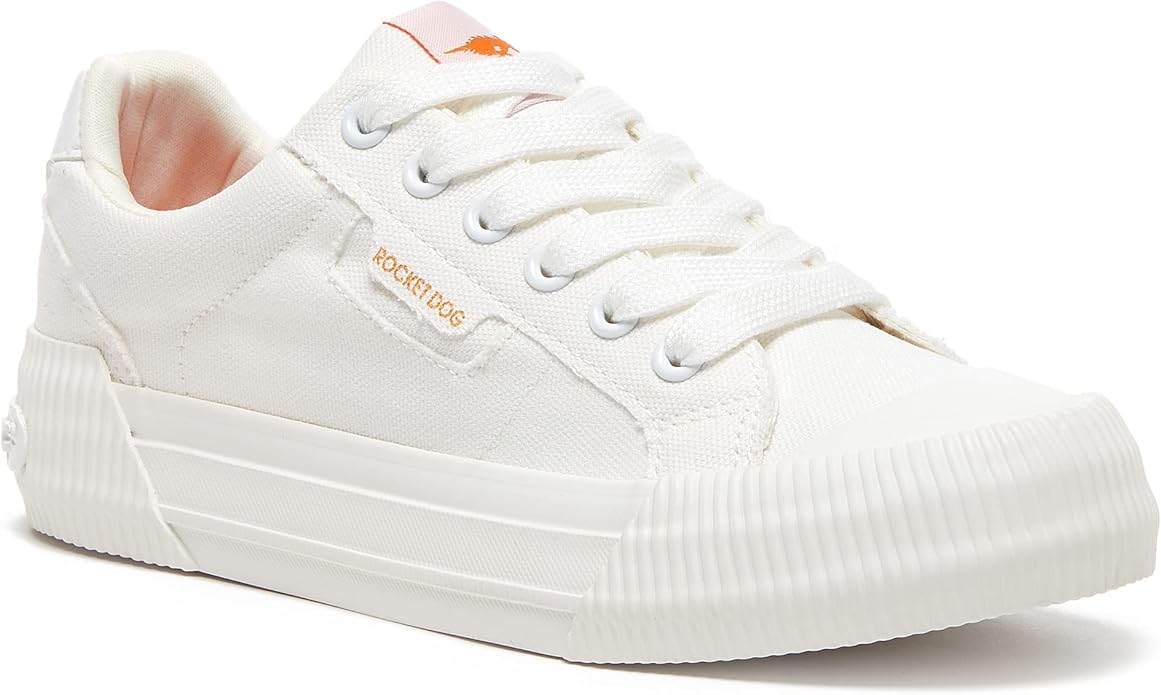

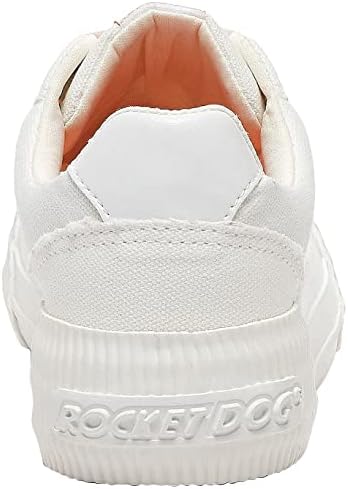
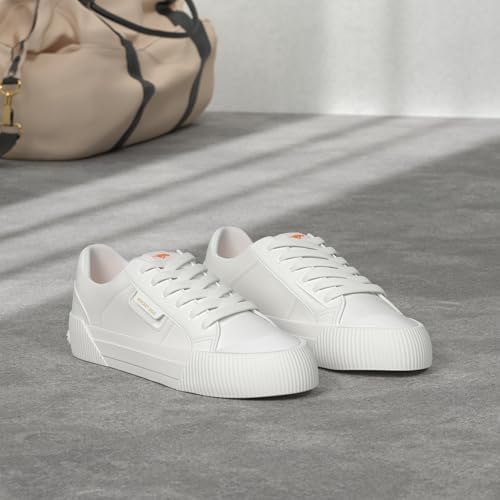
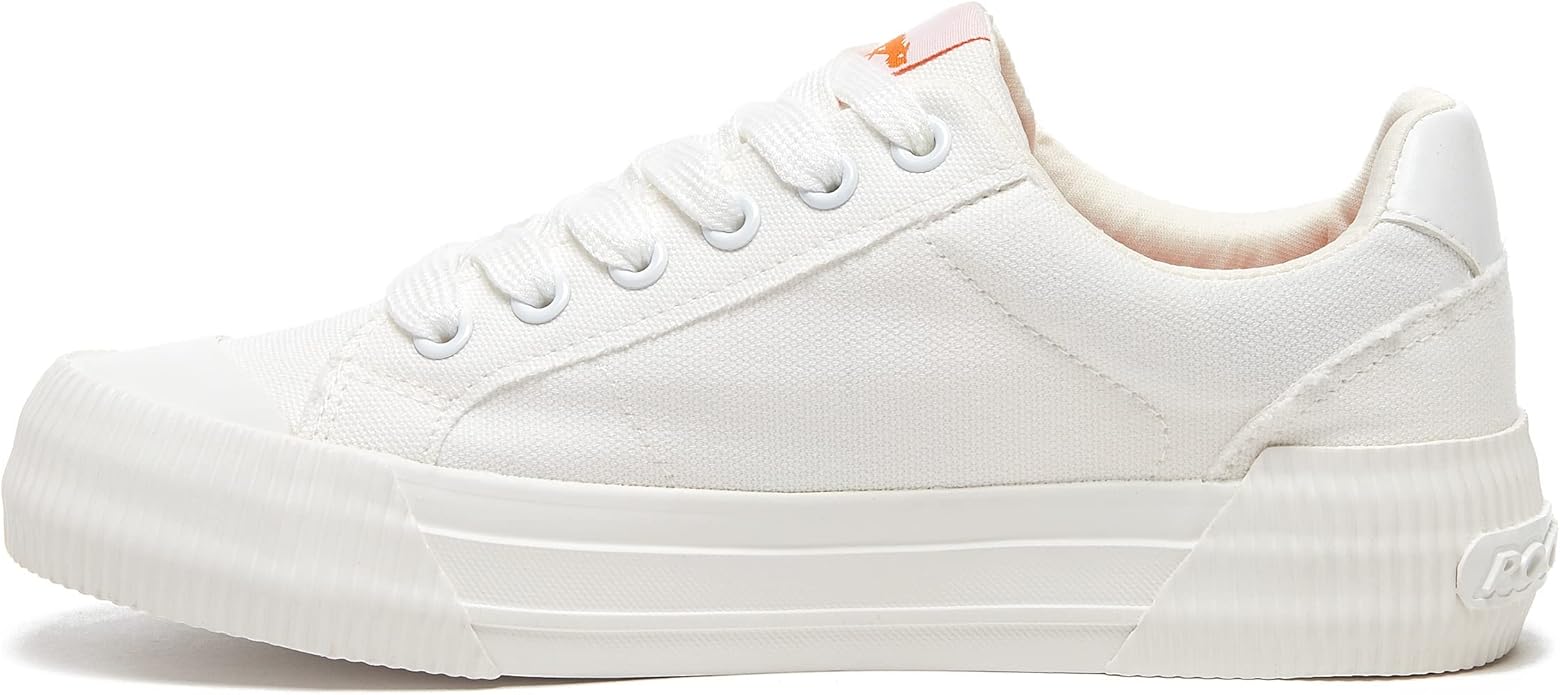
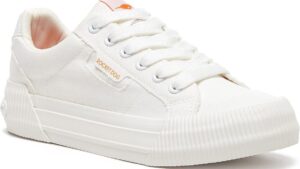

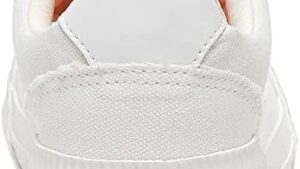
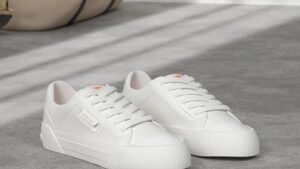
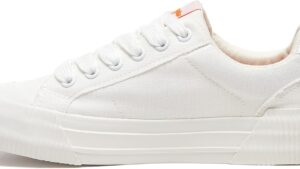
Rocket Dog Women’s Cheery Comfort Plush Foam Sneaker
$34.98
- ⚖️ Weight: 1.2 lbs (women’s size 8)
- 👟 Upper: Textured cotton canvas
- 👠 Sole: Rubber (chunky platform)
- 🧪 Midsole: Plush foam cushioning
- 🔒 Closure: Lace-up
- 💧 Water resistance: None — not water resistant
- 📐 Wide width: Not available
- 🎯 Best for: Casual errands, school pickup, short daily outings
Back-to-school season had me running ragged — teacher orientation, supply shopping, three different kids’ schedules to juggle. I’d been wearing my usual rotation, but something kept catching my eye on social media: these Rocket Dog Cheery sneakers that seemingly every school-run mom I followed had in at least two colors. Under $50, cute chunky sole, apparently comfortable straight out of the box. I’m Sarah, and as someone who’s ruthlessly practical about footwear (if it can’t survive a grocery haul and a school event on the same day, it’s not earning shelf space), I tested these for eight full weeks. What I found is more nuanced than the five-star average suggests.
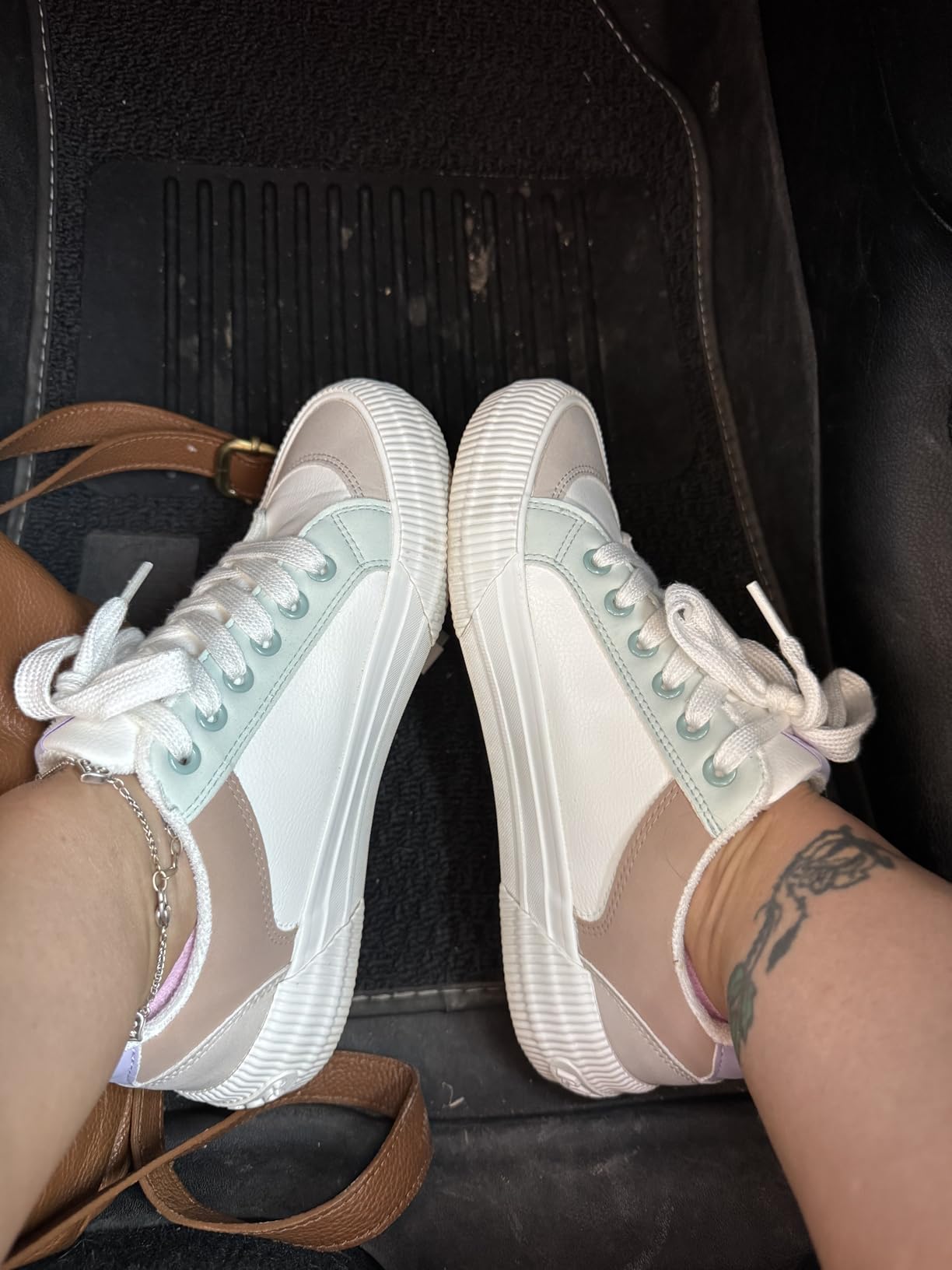
First Impressions: Box to Sidewalk
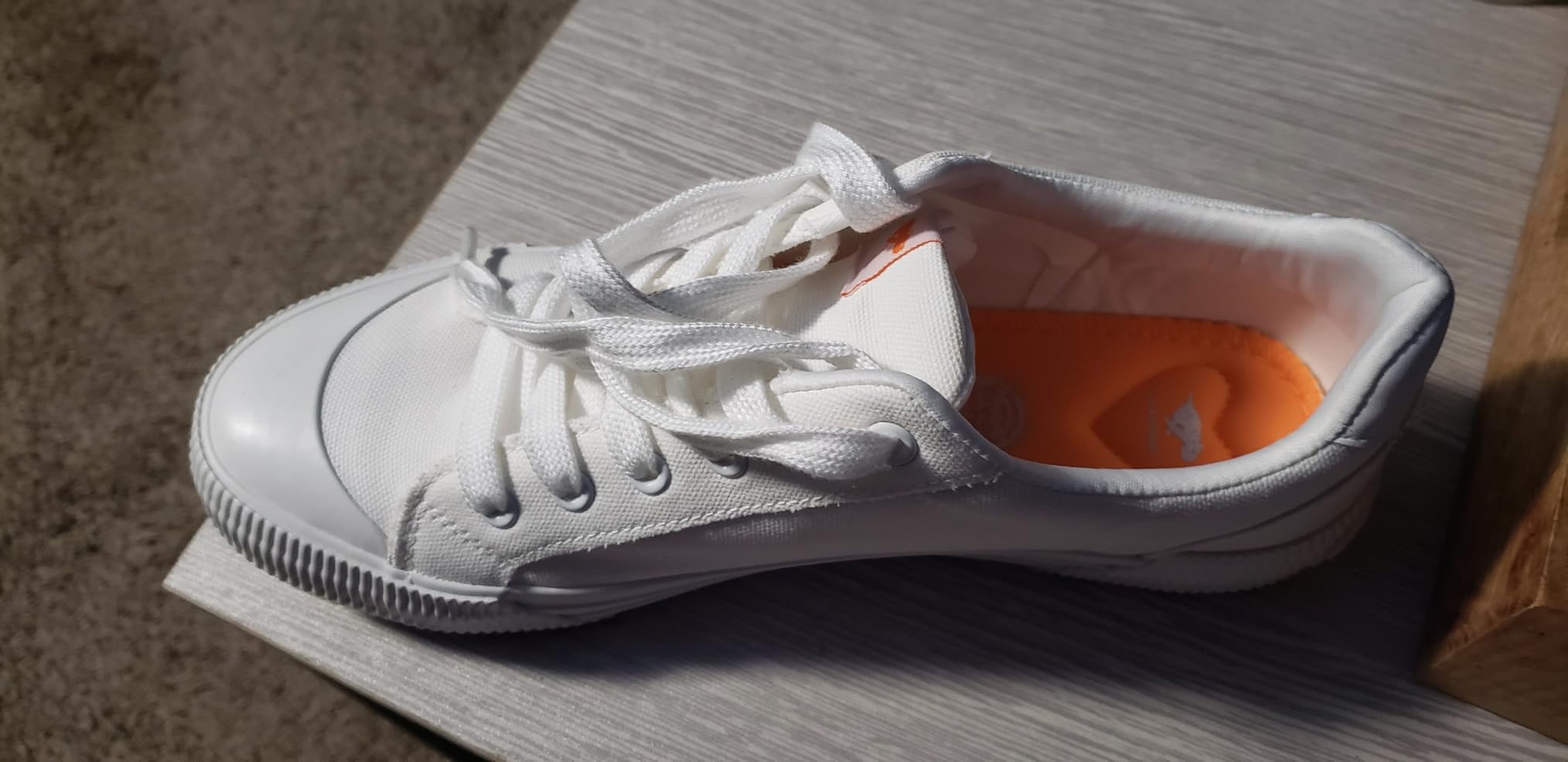
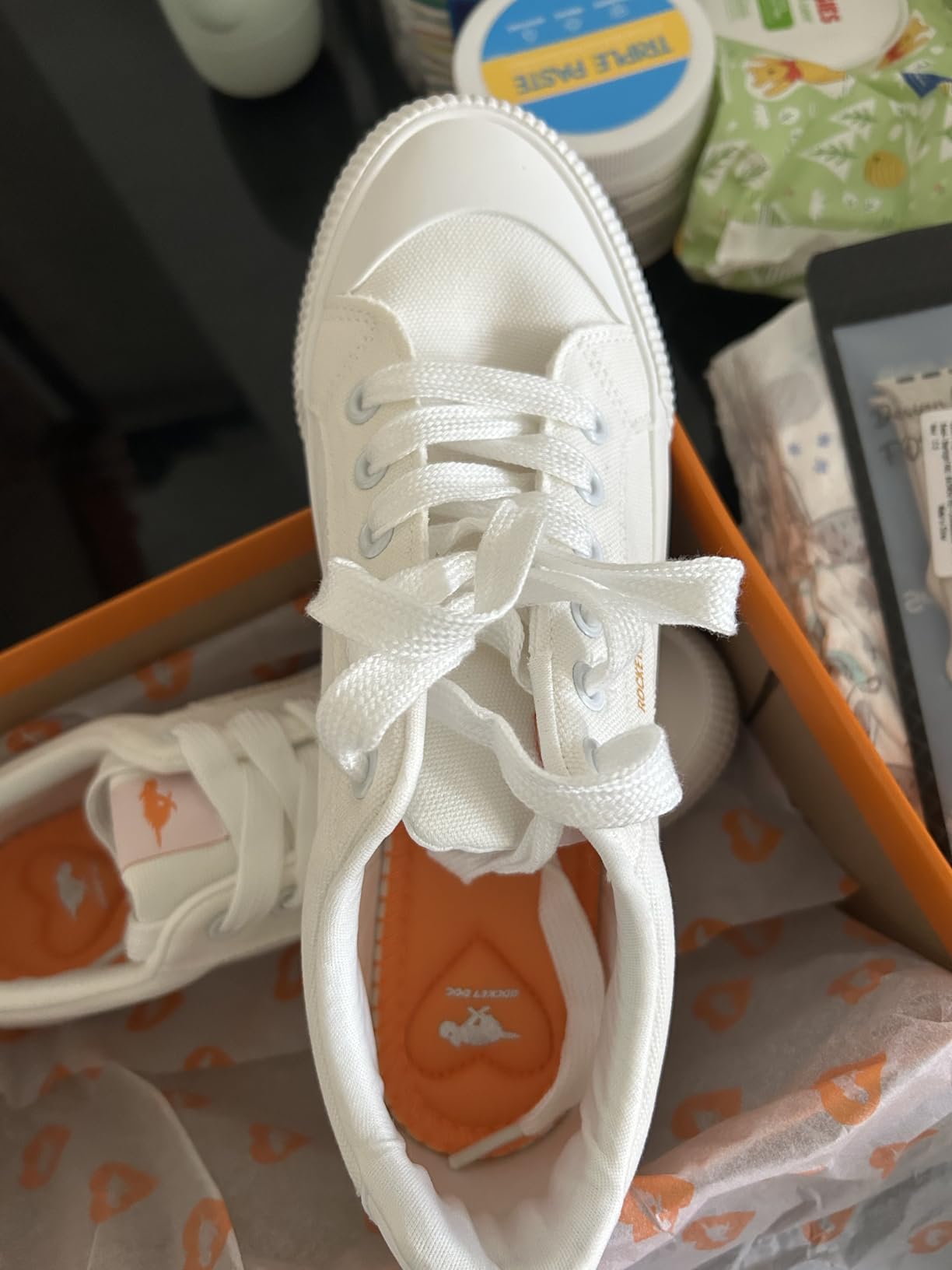
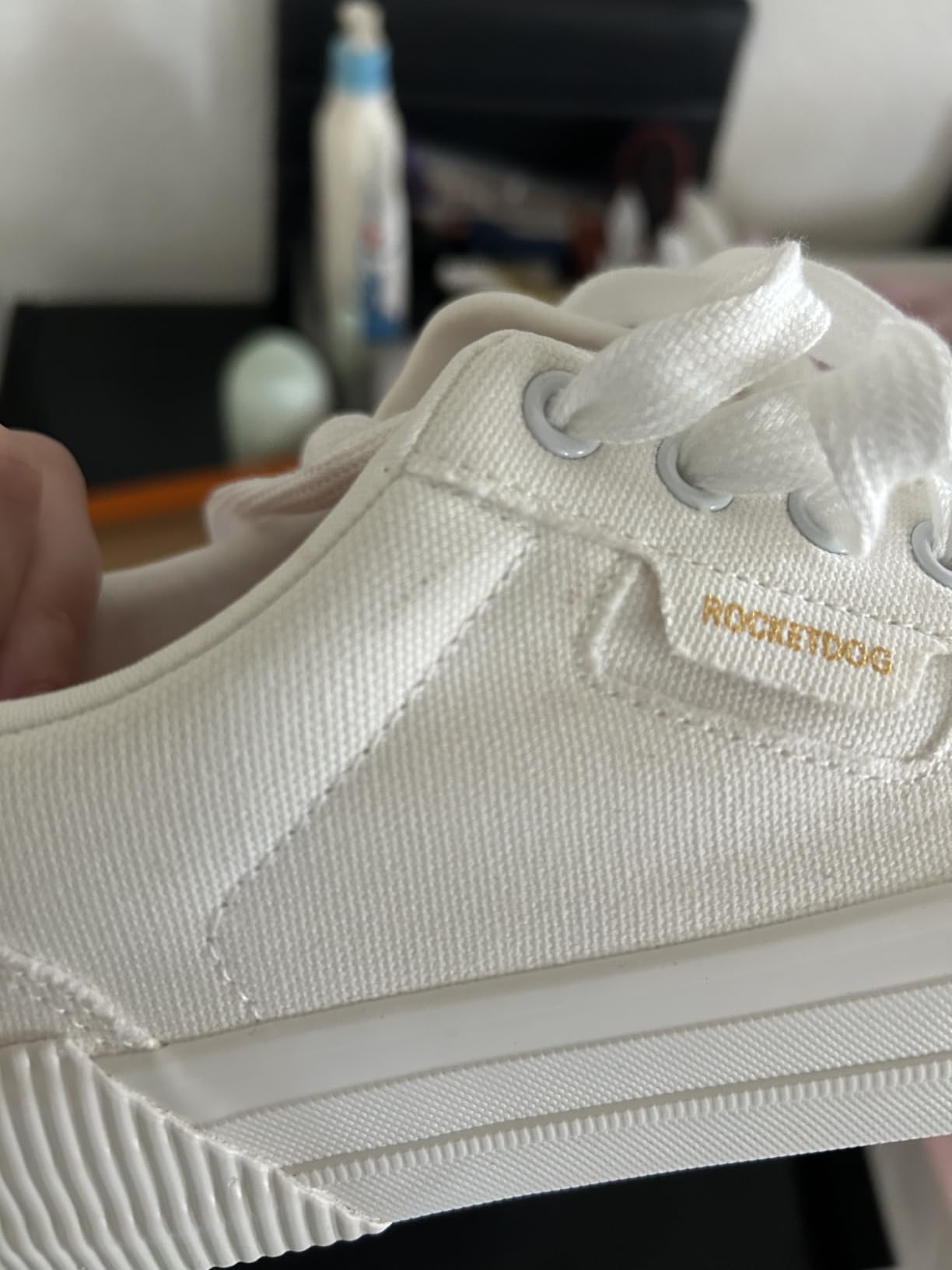
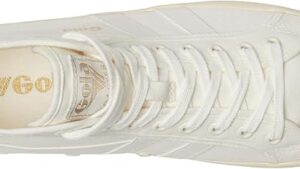
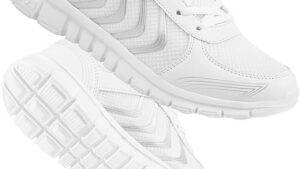
Unboxing these, the chunky sole is the first thing that registers — it’s more substantial than photos suggest, which is a good thing aesthetically. The white colorway I tested has a clean, classic look that pairs easily with half my closet. Canvas feels light in the hand, not stiff at all.
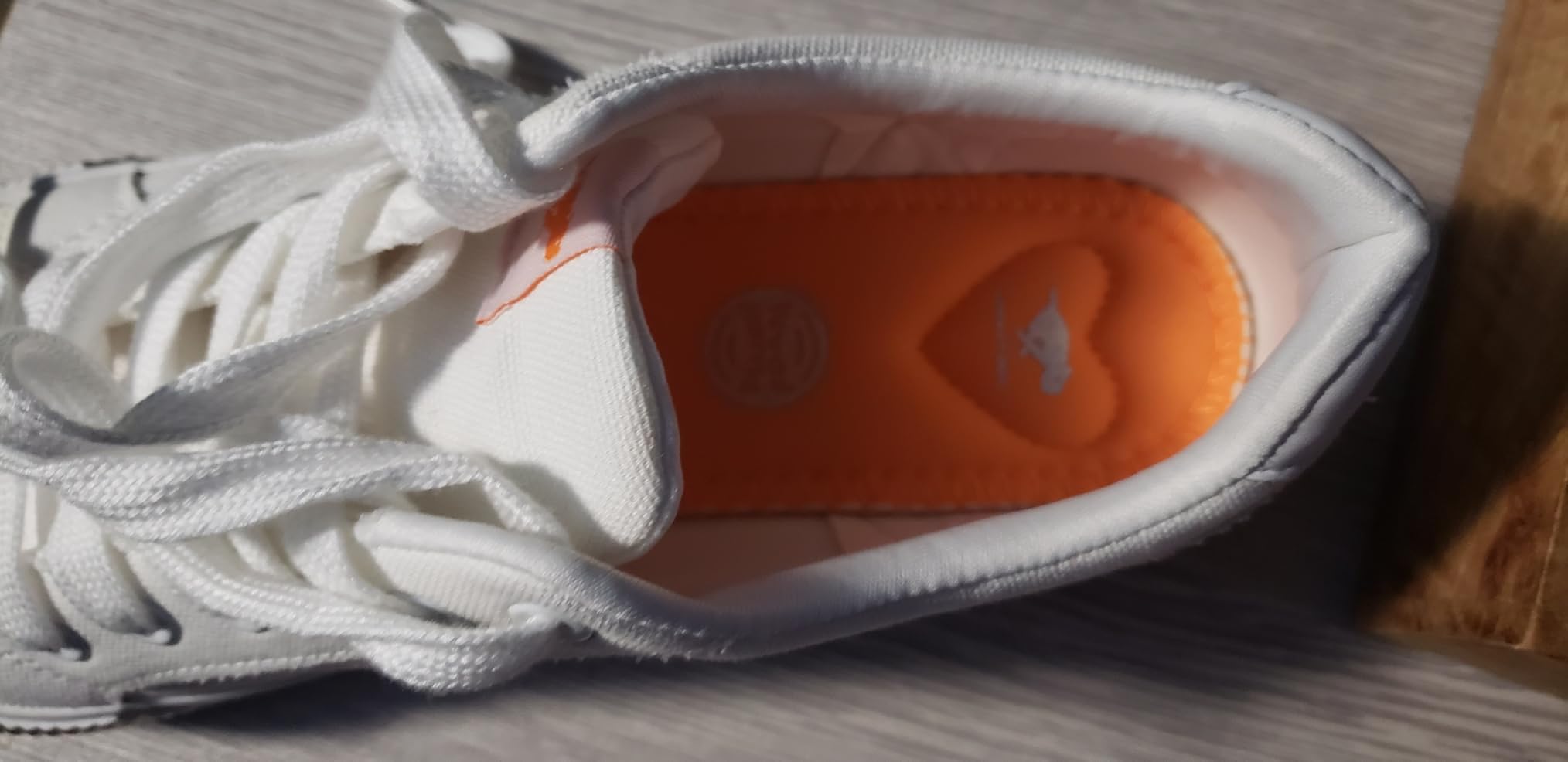
Lacing them up and stepping down for the first time, that plush foam does what it promises. There’s a softness underfoot — not gel-shoe cushy, but a genuine cushioned landing compared to bare-canvas alternatives. The fit around my standard-width feet felt snug in the right places without any pinching.
One thing worth knowing upfront: the canvas upper has a subtle texture (Rocket Dog specs it as “textured cotton” rather than smooth canvas). It’s a minor detail that contributes to the casual-stylish look, though it means the white version attracts dirt slightly faster than a smooth canvas would.
The Comfort Timeline: What Actually Happens Week by Week
This is the section I wish more budget sneaker reviews would write — because “comfortable” is a time-dependent claim. Here’s exactly how these felt across eight weeks:
Days 1–3: The Comfort Honeymoon
Maximum plush. Wearing these for a full school orientation day — four hours on my feet across campus, gym floors, hallways — my feet felt fine at the end. The foam underfoot delivers that gentle cloud sensation the marketing promises. No break-in friction, no hot spots, nothing to complain about. If someone had reviewed these on day one, it would be an easy 9/10.
Week Two: The First Subtle Shift
Around day nine or ten, I noticed the “cloud” sensation had dialed down a notch. Still comfortable, still a shoe I reached for without hesitation. But the foam had started its compression journey. Extended errand runs of 5–6 hours showed this most clearly — feet were still fine but I wasn’t surprised when they were.
Weeks 3–4: The Transition Point
This is when the foam compression becomes obvious rather than subtle. The insole, which started life as plush cushioning, now feels notably flatter underfoot. The rubber sole’s presence is more pronounced. If you were using these as daily wear shoes before this point, you’ve likely already noticed the shift.
For women with neutral arches doing light activities, this isn’t a dealbreaker — they’re still comfortable canvas sneakers. For anyone who needed arch support from day one, this is when the insole gap becomes real.
Weeks 5–8: The New Baseline
By week five, the foam has settled into its compressed final state. These now feel like quality flat canvas sneakers — not plush, not cushioned in any meaningful way, but not uncomfortable either. Think standard canvas sneaker comfort, which for casual wear is perfectly acceptable.
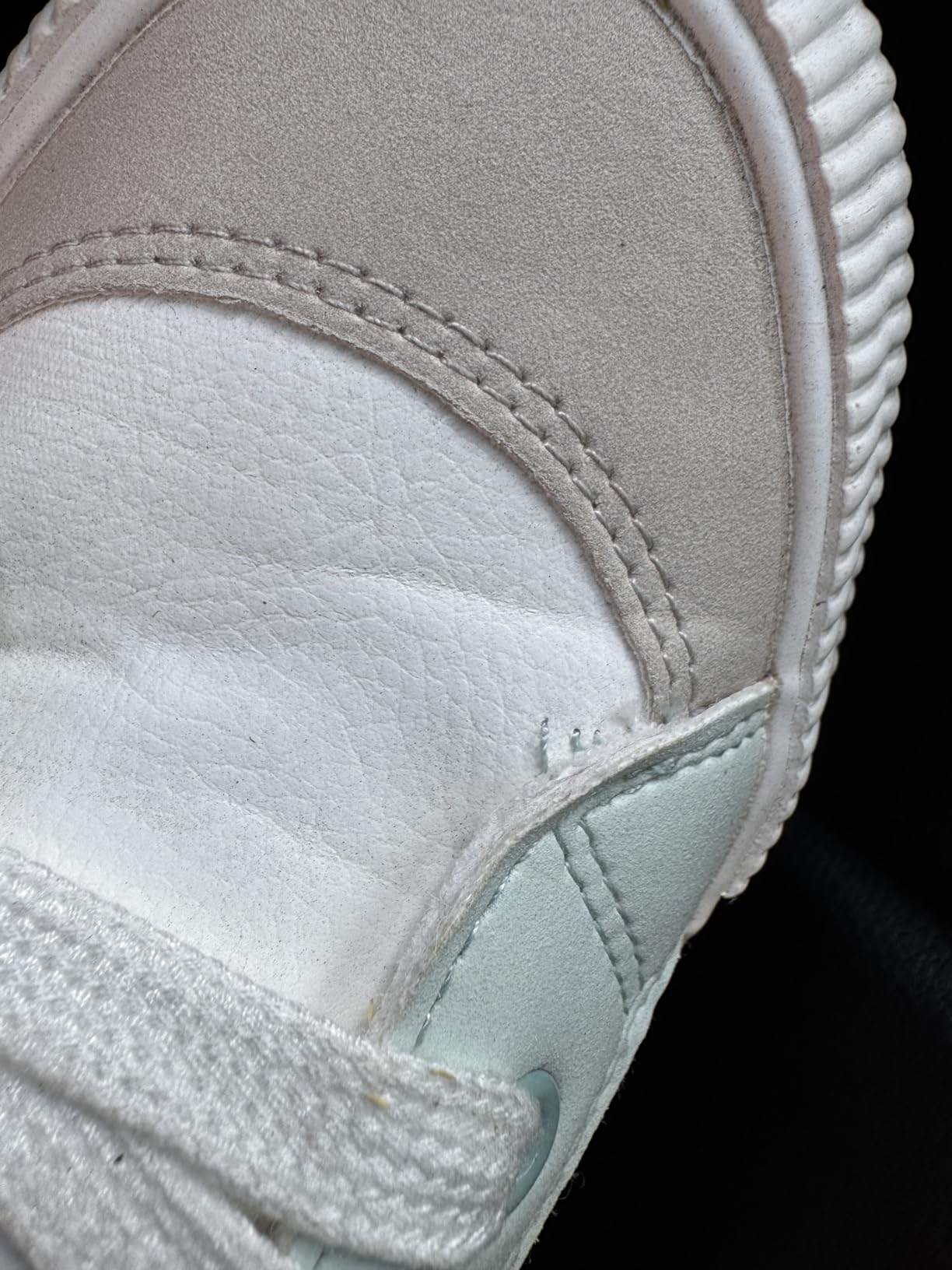
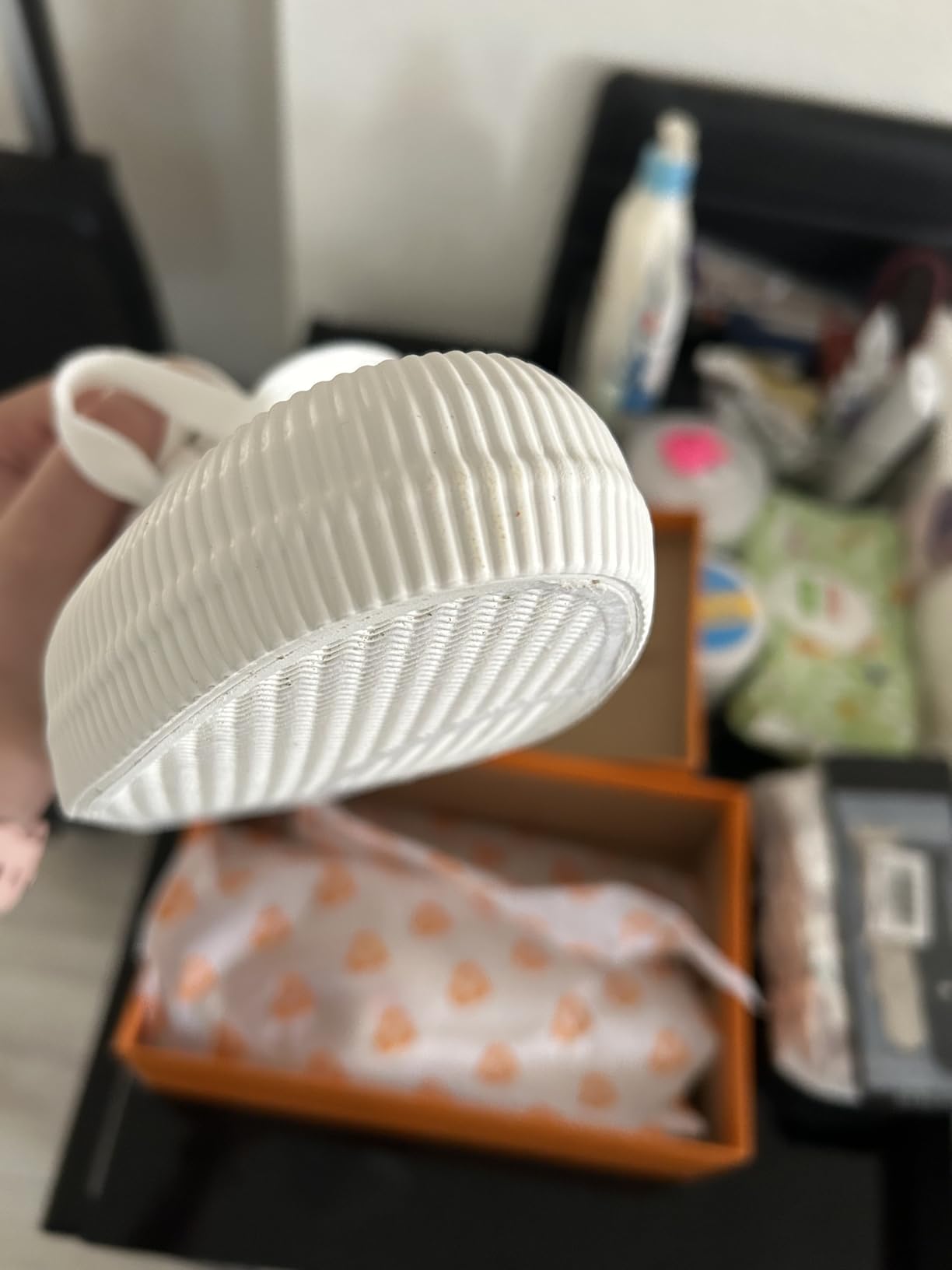
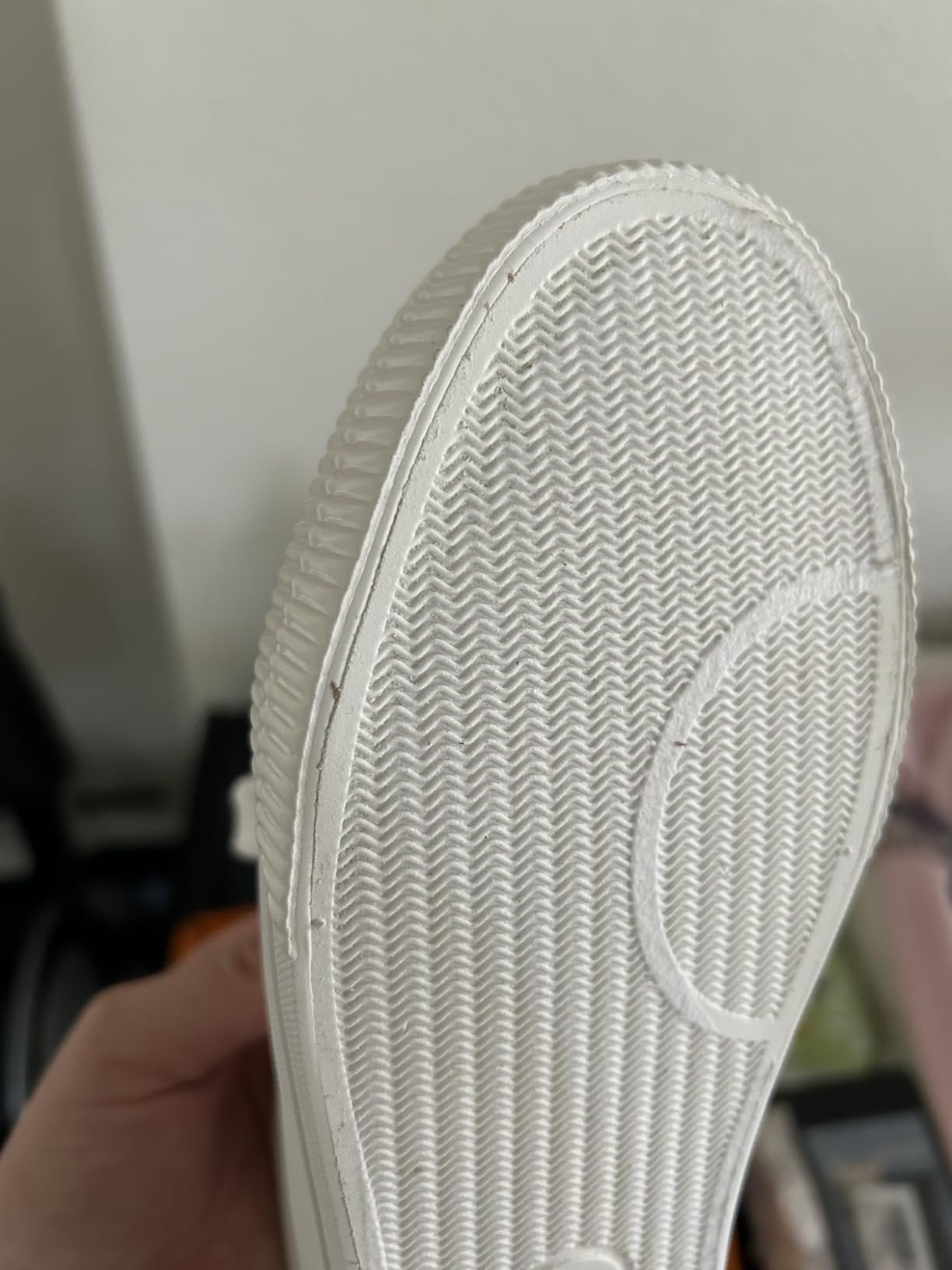
Durability observations from this phase: minor stress marks appearing at the toe box flex point (where the foot bends with each step), the sole-to-upper bond showing early signs of stress at that same junction. Nothing separated during my testing period, but several community reviewers report this progressing to actual separation at the three-to-six-month mark.
Daily Life Performance: The Real Test
School Pickup & Short-Duration Wear (Under 2 Hours)
Genuinely excellent throughout the entire testing period. This is these shoes’ sweet spot. Light walking, standing in pickup lines, moving between the car and one or two destinations — they handle this effortlessly. If this describes most of your daily shoe use, these will satisfy you for months.
Grocery Runs & Errand Blocks (3–5 Hours)
Strong performance in weeks one and two. By weeks five through eight, feet started showing fatigue around the three-to-four-hour mark rather than five. Not painful, but notable. For this use pattern, the first two months are the best experience; expect a mild step-down after that.
Extended Days (6+ Hours)
This is where the flat insole and compressed foam make themselves known. A full day at a school carnival or a long shopping center visit will have your feet ready for a break by hour five. Women who need sustained support throughout long days should look at Skechers Summits or similar shoes with built-in arch support rather than expecting these to cover that ground.
Traction
On dry surfaces — tile, hardwood, pavement — adequate traction without issues. The rubber chunky sole grips reasonably well for walking pace. One scenario to avoid: wet pavement immediately after rain. The smooth rubber underside prioritizes aesthetics over grip, and I took a careful slow step or two on a slick parking lot surface. Not dangerous if you’re aware of it, but not reassuring either.
The Water Resistance Gap (What the Original Articles Don’t Tell You)
This surprised me: Amazon’s official listing explicitly categorizes these as “Not Water Resistant.” For a casual sneaker marketed toward busy everyday women, this matters more than you’d think.
Canvas absorbs water quickly. I caught a short drizzle (maybe five minutes walking to a store entrance) and felt dampness on my feet by the time I reached the door. Wet parking lots after rain? Same issue. If you live somewhere that sees regular rain, or if school pickup happens in drizzle season, add this to your planning.
The machine washing does work — cold water, gentle cycle, air dry. Colors held (the white didn’t dull noticeably after two washes). But keep the dryer entirely out of the picture. The heat can weaken the adhesive bonding the sole, which is already the primary durability concern.
Arch Support Honest Talk
The insole is essentially a flat foam pad. There’s no arch contouring, no pronation support, no heel cup structure. For women with neutral arches doing low-intensity daily activities, this is fine — particularly in weeks one through three when the foam itself provides some cushioning.
For anyone with plantar fasciitis, flat feet, or high arches, these aren’t sufficient on their own. The good news: aftermarket insoles like Sof Sole Athlete Insoles or a pair of Valsole Orthotic Insoles drop into the shoe easily and dramatically extend the comfort ceiling. Adding an insole does make the toe box feel slightly tighter, so if you’re already between sizes, account for that when deciding on sizing.
Note: The insole’s removability isn’t confirmed by Rocket Dog. It likely lifts out, but if you have custom rigid orthotics, verify before purchasing.
Durability Reality Check
Here’s the honest lifespan breakdown based on my testing and community data:
| Wear Intensity | Realistic Lifespan | Cost per Month |
|---|---|---|
| Light (1–2× per week) | 12–18 months | $2.50–$3.75 |
| Regular (3× per week) | 6–9 months | $5.00–$7.50 |
| Daily (5× per week) | 4–6 months | $7.50–$11.25 |
The primary failure mode is sole-to-upper separation at the toe box. It starts as a subtle stress mark around weeks five to six, then gradually widens. Community reports consistently point to three to six months for actual separation at regular wear frequency. Canvas upper holds up better than the sole bond — you’ll likely get your money’s worth from the fabric long after the sole starts causing concern.
Brand Claims vs. What I Actually Found
“Trendy Chunky Style”: Fully accurate. The chunky platform sole is genuinely on-trend, and it pairs well across casual outfits. No complaints here — this is what Rocket Dog does well, and why women keep coming back for different colorways.
“Ultimate Comfort”: Accurate for weeks one through two. After that, you’re working with standard canvas sneaker comfort, which is fine but not ultimate. Setting that expectation correctly from the start would serve buyers better than letting them discover it around week three.
“Cushioned Insoles and Supportive Builds”: The cushioned insole claim is accurate initially. “Supportive builds” is marketing language — there’s no structural support, just foam padding. If you read that and assume arch support, you’ll be surprised.
“Versatile Fashion Statement”: Accurate. These pair easily with jeans, casual dresses, leggings, athleisure — the clean design translates across contexts. For casual and creative environments, they’re genuinely versatile.
Sizing: Getting It Right
Around 80% of wearers report true-to-size fit. The toe box is medium-width — roomy enough for standard feet without feeling sloppy, but consistently described as too snug for wide feet.
- Standard width, TTS: Order your normal size
- Between sizes: Size up half a size
- Wide feet: Size up half a size (heel slip risk) or choose a shoe with wide-width options — Rocket Dog doesn’t offer any in this style
- Narrow feet: TTS; lace snugly to reduce excess room
- Adding insoles: Order TTS first; size up only if the insole makes it feel tight
Wide feet are genuinely underserved here. If you’ve struggled with canvas sneaker toe boxes before, explore options with dedicated wide sizing — Somiliss Wide Toe Box Sneakers are designed with that use case in mind.
Value: The Real Cost Breakdown
At under $50, these sit below comparable-looking canvas sneakers from brands like Converse ($55–60) and Vans ($65–70). The upfront price advantage is real, but the math shifts when you factor in lifespan:
| Shoe | Price | Avg Lifespan | Cost/Month |
|---|---|---|---|
| Rocket Dog Cheery | $45 | 7 months | $6.43 |
| Converse Chuck Taylor | $55 | 12 months | $4.58 |
| Vans Old Skool | $65 | 15 months | $4.33 |
| Keds Champion | $60 | 11 months | $5.45 |
Where Rocket Dog wins the value argument: if you’re deliberately buying multiple colorways as a rotation strategy, the lower entry price matters. Two pairs of Rocket Dog for $90 is one Converse and one Keds for nearly $120. That math works if you treat shoes as seasonal fashion items rather than long-term investments.
Score Breakdown
| Category | Score | What Drives It |
|---|---|---|
| Immediate Comfort | 8.5 | Days 1–14: genuine plush underfoot, zero break-in required |
| Long-term Comfort | 6.5 | Foam compresses by week 3; flat insole + compressed foam after month 2 |
| Style Versatility | 9.0 | Chunky sole works across casual outfits; colorway options genuinely diverse |
| Durability | 5.5 | Sole bond fails 3–6 months; foam compression permanent by week 6 |
| Value for Money | 7.5 | Under $50 entry price; worse long-term math vs Converse/Vans |
| Sizing Accuracy | 7.0 | 80% TTS; no wide-width option hurts a significant buyer segment |
| Overall | 7.2/10 | Solid casual sneaker with honest limitations |
Who Should (and Shouldn’t) Buy These
| ✅ Good fit for you if: | ❌ Consider alternatives if: |
| • You want casual sneakers under $50 • Daily activities under 4 hours on your feet • Style matters more than long-term support • You rotate multiple pairs rather than daily-driving one • Standard-width feet • Dry climate or rare rain exposure • Machine-washable is a must-have • Immediately comfortable without a break-in |
• You need arch support for plantar fasciitis or flat feet • You walk 5+ hours daily • Wide feet (no wide options available) • You live in a rainy climate • You want 12+ months of durability • Daily wear at high frequency |
Better Alternatives for Specific Needs
If you need better durability: Converse Chuck Taylors consistently outlast Rocket Dog by four to six months at equivalent wear frequency. The upfront premium ($10–15 more) pays back in per-month cost within six months. Vans Old Skool goes further — the vulcanized sole construction holds better long-term.
If you need arch support: Neither Rocket Dog nor Converse addresses this well. Skechers Summits offer built-in cushioned insoles with more structure, or pair Rocket Dog with aftermarket insoles as covered above. For women needing true arch correction, walking-focused running shoes are a better category entirely.
If you want a similar aesthetic at lower price: Lucky Step Women’s Retro Fashion Sneakers and Project Cloud Fashion Sneakers occupy a similar casual-stylish space and are worth comparing.
If wide feet are the issue: Somiliss Wide Toe Box Women’s Sneakers are built for this specific problem — and many lightweight walking shoes come in wider sizing that canvas fashion sneakers typically don’t offer.
If slip-on convenience is your priority: Many women tuck the Rocket Dog laces and use these as slip-ons (the design accommodates it). But if you want a purpose-built slip-on, Konhill Women’s Slip-On Loafers skip the lace-tucking workaround entirely.
If canvas care is a concern: Keeping white canvas clean is an ongoing commitment. A bottle of Wilkins Sneaker Whitener extends the white colorway’s lifespan dramatically and is worth keeping on hand.
Frequently Asked Questions
Why does the comfort drop so noticeably around week three?
Budget foam compresses faster than premium materials. Premium shoes use high-density foam or gel compounds that resist compression for twelve-plus months. The plush foam in the Cheery Comfort is standard EVA-grade — genuinely soft when new, but compressed permanently within a few weeks of daily wear. It’s not a defect; it’s a materials trade-off at the price point.
Can I add custom orthotics?
Likely yes — the insole appears removable, though Rocket Dog doesn’t confirm this explicitly. The footbed design is flat enough that aftermarket insoles (arch support, gel, orthotic) drop in without major fit distortion. Adding one does make the toe box feel slightly tighter, so if you’re between sizes, factor that in.
Are these appropriate for a rainy-day school pickup?
Not ideal. The canvas saturates quickly in light rain, and feet get damp within a few minutes of wet walking. If your school pickup involves outdoor exposure in unpredictable weather, a water-resistant option would serve you better.
How do I get the longest lifespan out of these?
Rotate with another pair (giving each 48+ hours to decompress between wears), machine wash only when necessary (cold, gentle, air dry), avoid wet conditions, and add an aftermarket insole at week three to compensate for foam compression.
Why do so many women buy multiple colorways even though they know these don’t last?
Because at $45, buying two or three colorways across a year can cost less than a single premium pair. It’s a deliberate rotation strategy, not buyer regret. The fashion-first approach to casual sneakers — seasonal refresh over durable investment — legitimately works for some wardrobes and budgets.
Do these work as slip-ons?
Yes, many women use them this way — tie the laces once, tuck them under the tongue. The fit is snug enough to hold without the laces actively tied. Not ideal for longer walks (heel may slip slightly), but for quick errands it’s convenient. If slip-on is your primary preference, purpose-built designs like Hash Bubbie Slip-On Canvas Sneakers are worth considering.
Do Rocket Dog sneakers run true to size?
Yes, for approximately 80% of wearers. If you’re between sizes or have wide feet, go half a size up. Narrow feet can order true to size and lace tighter.
What’s the best colorway to avoid visible dirt?
Anything other than white. The textured cotton canvas on darker colorways (black, navy, prints) hides normal use dirt much better. If you love the white look, plan on regular spot cleaning and keep sneaker cleaner on hand.
Final Verdict
The Rocket Dog Women’s Cheery Comfort earns its 7.2/10 by delivering exactly what the price tag suggests: fashionable, initially comfortable casual sneakers with honest limitations. The first two to three weeks are genuinely impressive for a sub-$50 shoe. The style versatility is real. The machine-washability is practical.
The limitations are equally real: comfort fades as foam compresses, durability runs out at the six-to-nine-month mark for regular wearers, no arch support, and no wet-weather performance. For women who understand these trade-offs and shop accordingly, Rocket Dog Cheery delivers genuine value. For women expecting these to function as an everyday workhorse for years — look elsewhere.
The women buying multiple colorways aren’t making a mistake. They’re doing the math differently — prioritizing style refresh and initial comfort over longevity. That’s a completely valid approach at this price point.
Bottom line: Buy these knowing you’re investing in the first eight weeks of great-looking, comfortable casual wear. Rotate them with another pair, add an insole by week three, and enjoy the style without expecting year-round durability.
Performance Summary
| Performance Category | Score (1–10) | Key Notes |
|---|---|---|
| Immediate Comfort | 8.5 | Best-in-class first two weeks; plush foam delivers |
| Long-term Comfort | 6.5 | Compression by week 3; flat insole limits extended wear |
| Style Versatility | 9.0 | Chunky sole trend-right; pairs well across casual outfits |
| Durability | 5.5 | Sole bond failure at 3–6 months; consistent community pattern |
| Value for Money | 7.5 | Low entry price; per-month math worse than Converse/Vans |
| Sizing Accuracy | 7.0 | 80% TTS; wide feet excluded; no half-up guidance on brand site |
| Overall Rating | 7.2 | Stylish, honest budget choice for casual rotation wear |
Be the first to review “Rocket Dog Women’s Cheery Comfort Plush Foam Sneaker”
Related products

Sneaker
Sneaker
Sneaker

Sneaker
Reviews
There are no reviews yet.