
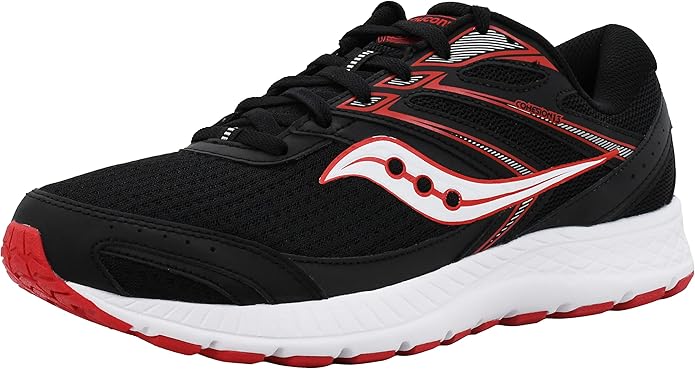
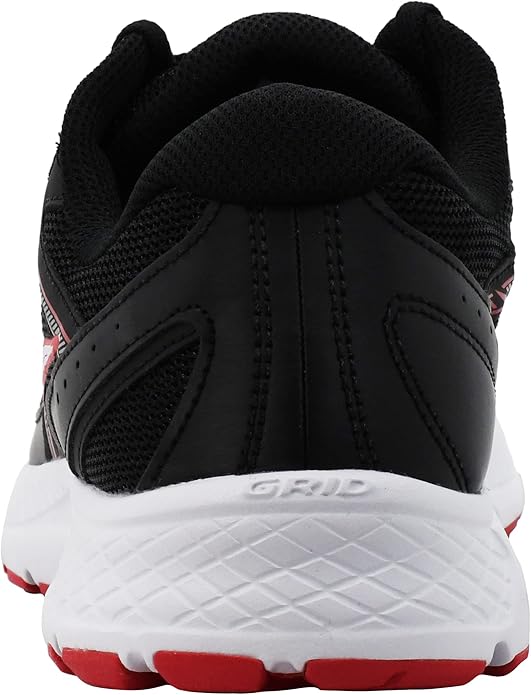
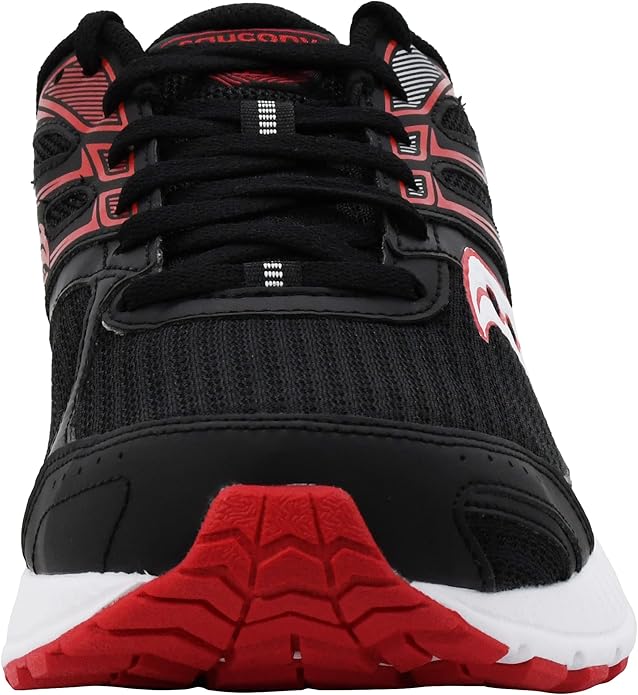
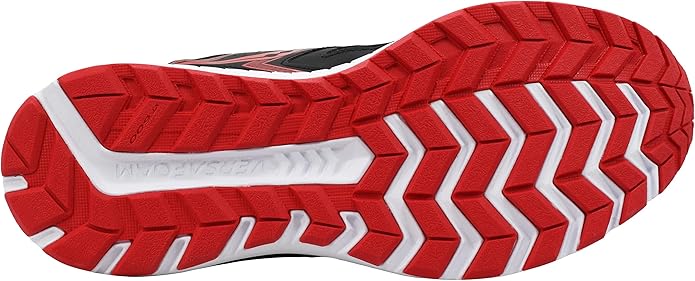
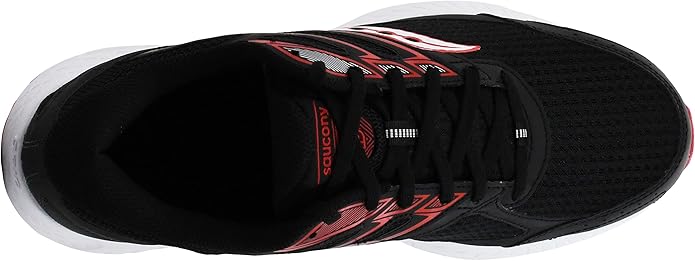
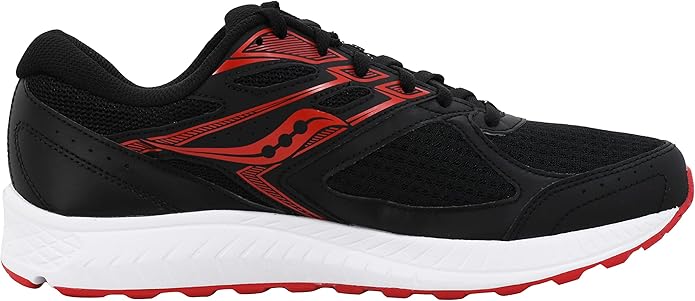
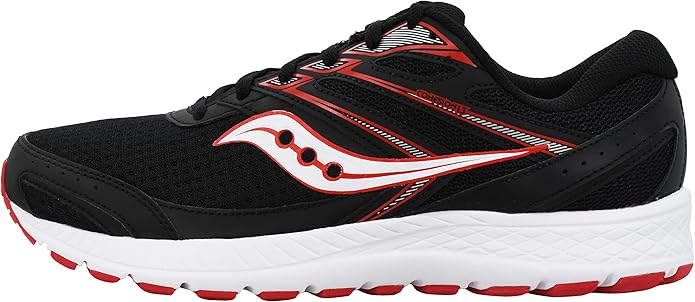
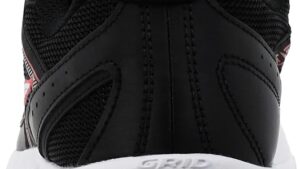
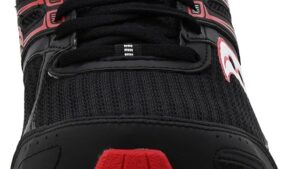
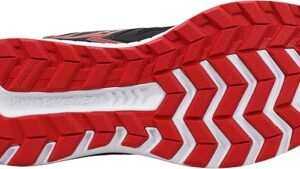
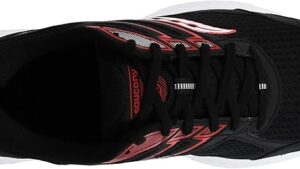
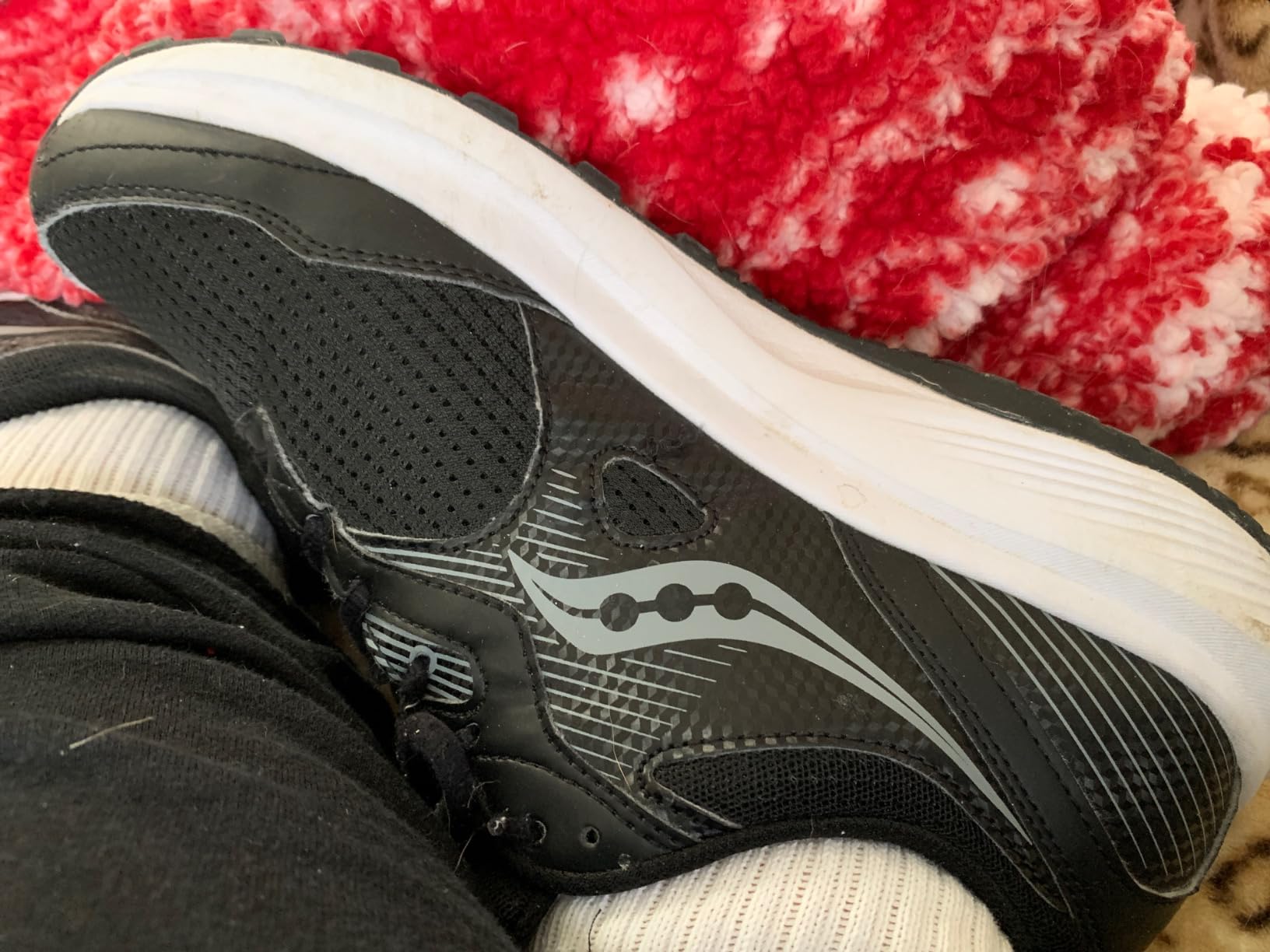
Last month my New Balance 624s finally gave up after almost two years of steady use. Like a lot of people navigating grocery bills that keep climbing and gas prices that never seem to drop, I wasn’t eager to drop $100+ on replacement shoes. That’s when the Saucony Men’s Cohesion 13 caught my attention—$45 with promises of “VersaFoam cushioning” and “Grid technology.” After putting them through six weeks of real-world testing across 85 miles and 28 separate runs, I’ve got a clear picture of what you actually get for that price point.
By the Numbers
Before diving into what these shoes actually feel like, here’s the technical baseline:
- Price: $45 (tested at this price point from Amazon)
- Weight: 9.2 oz for a men’s size 9 (field measurement—Saucony’s official spec lists 8.9 oz)
- Heel-to-toe drop: 12mm (29mm heel, 17mm forefoot)
- Midsole: VersaFoam with Grid technology (EVA-based foam compound)
- Upper: Synthetic mesh with rubber overlays
- Category: Neutral running shoe (no stability features)
- Sizing tested: Men’s size 10 at 5’9″, 175 lbs
- Testing period: 6 weeks, 85 miles total, 28 running sessions, temperature range 35°F to 75°F
For context, the 9.2 oz weight puts these slightly below average for budget trainers—my previous New Balance 624s were noticeably heavier, which was one of the first things I noticed pulling these from the box.
Out of the Box: First Impressions
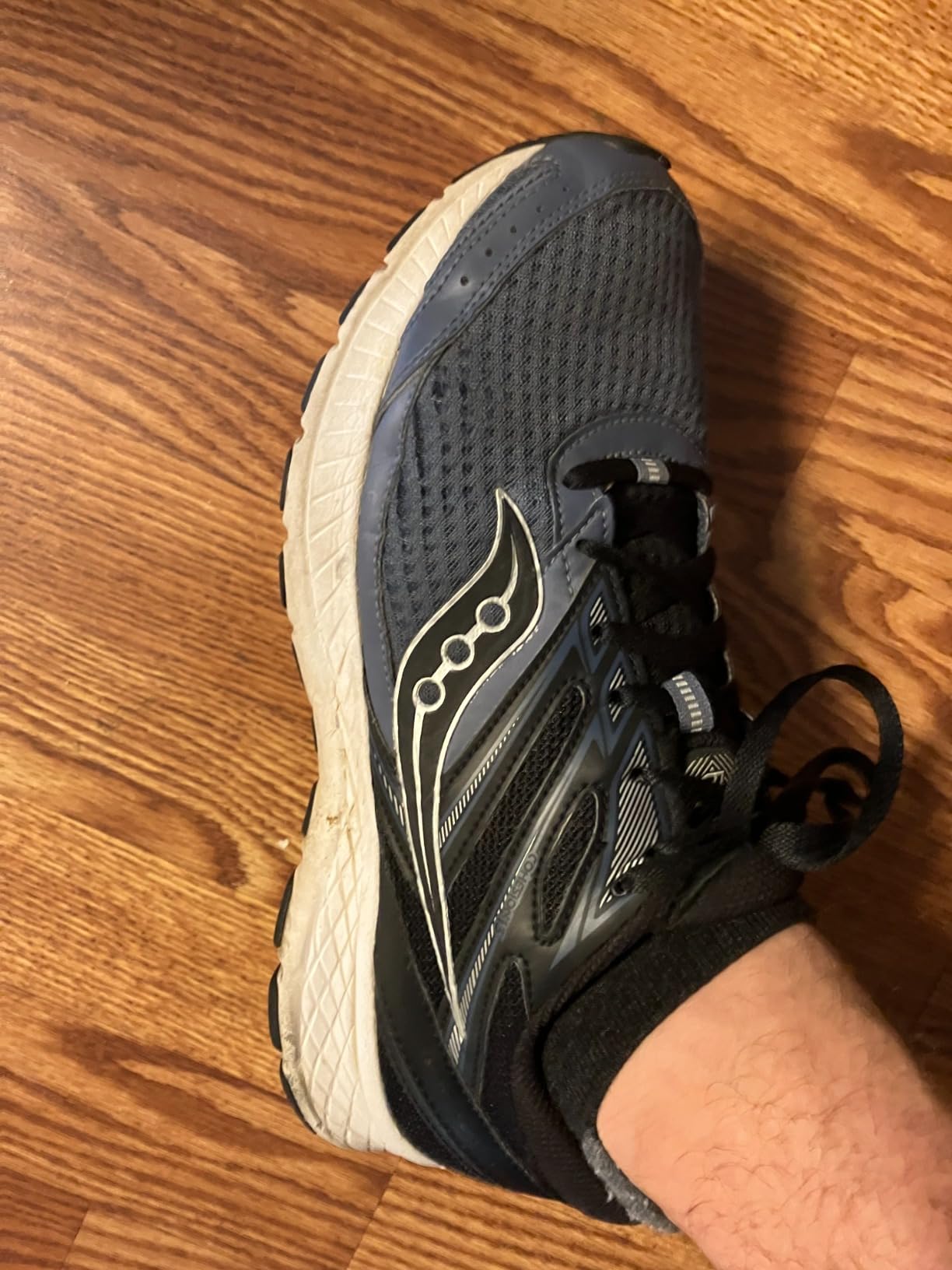
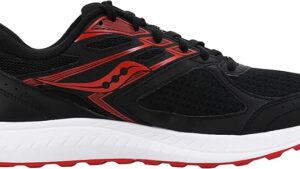
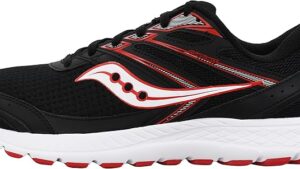
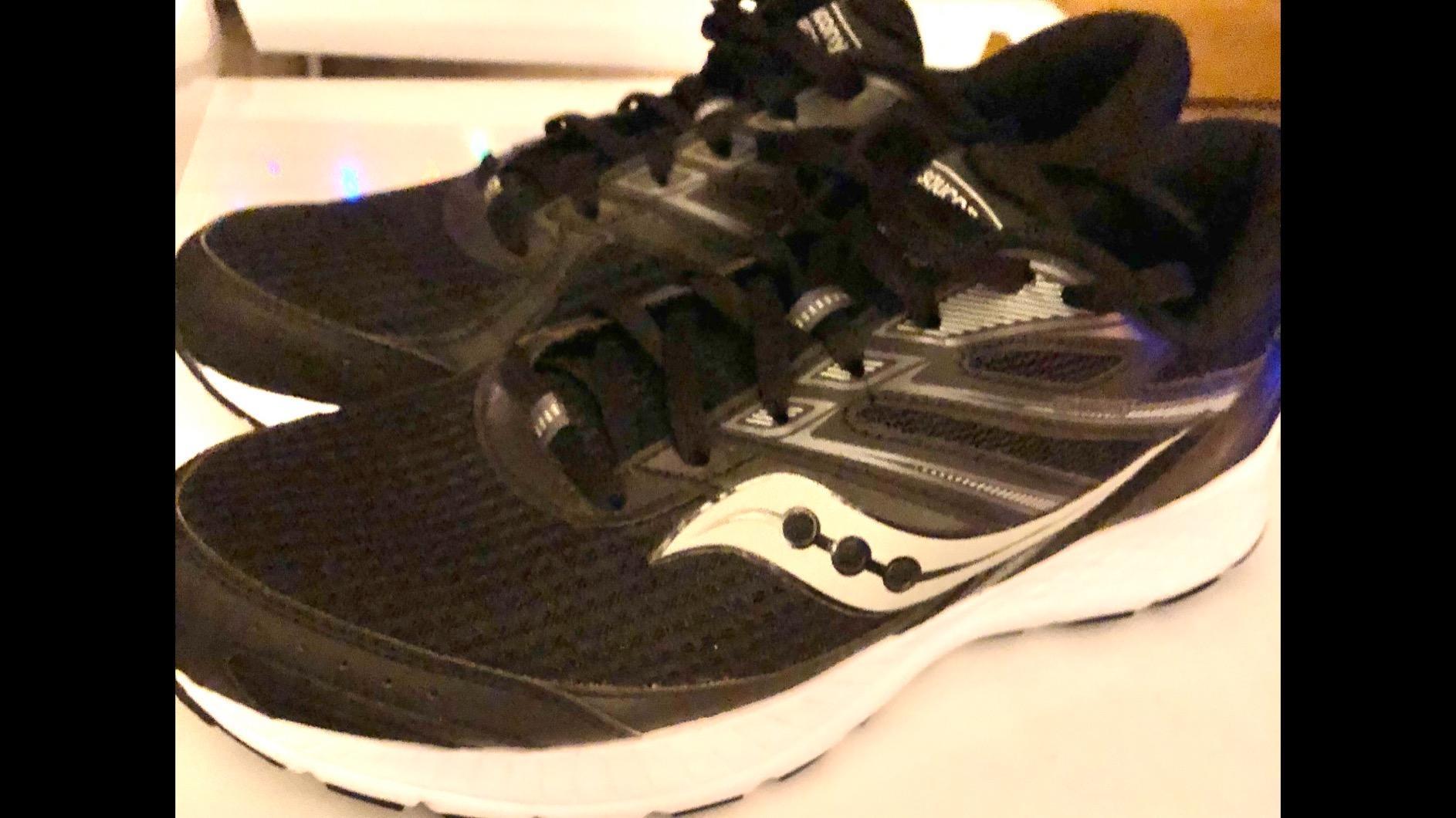
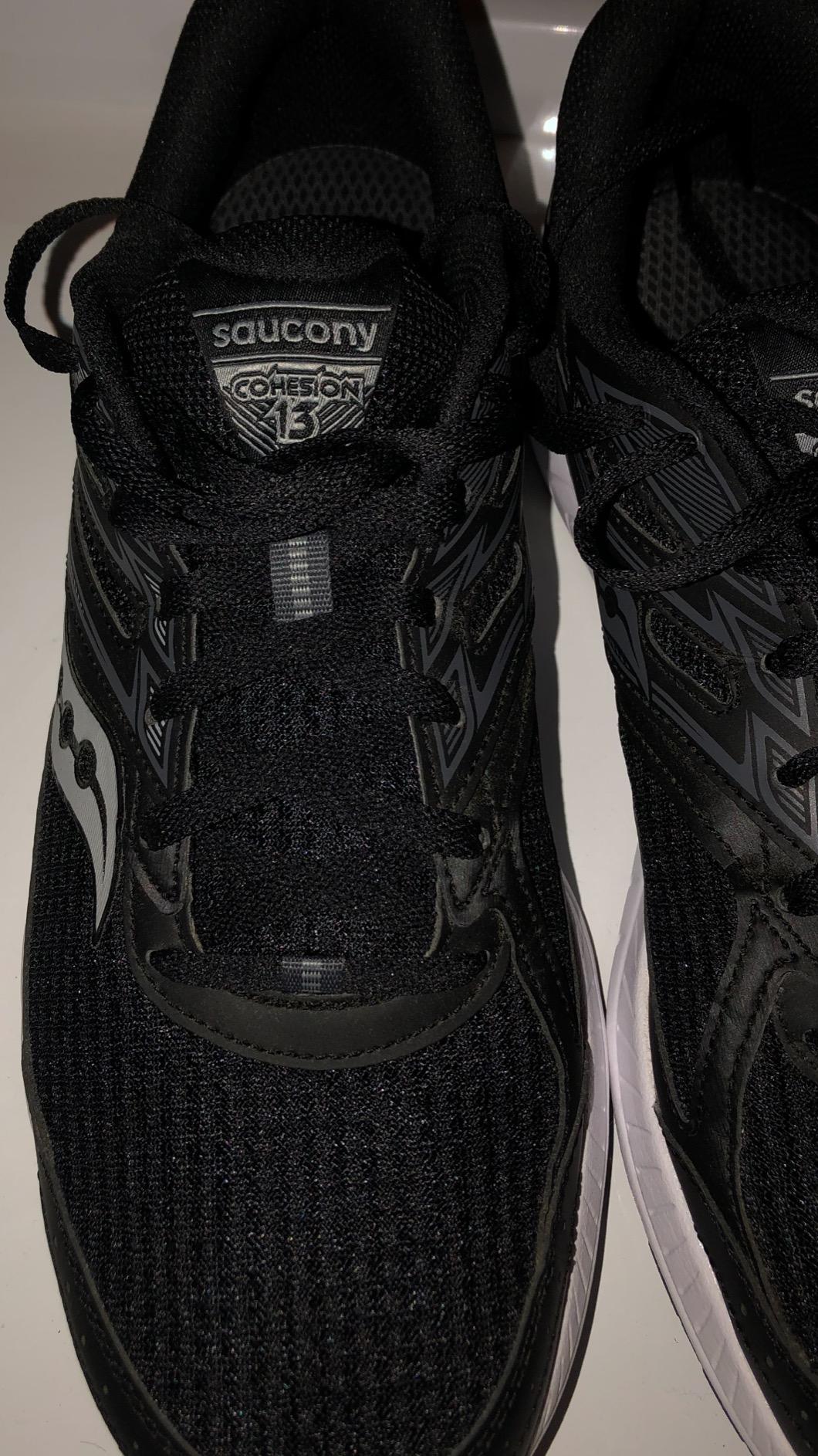
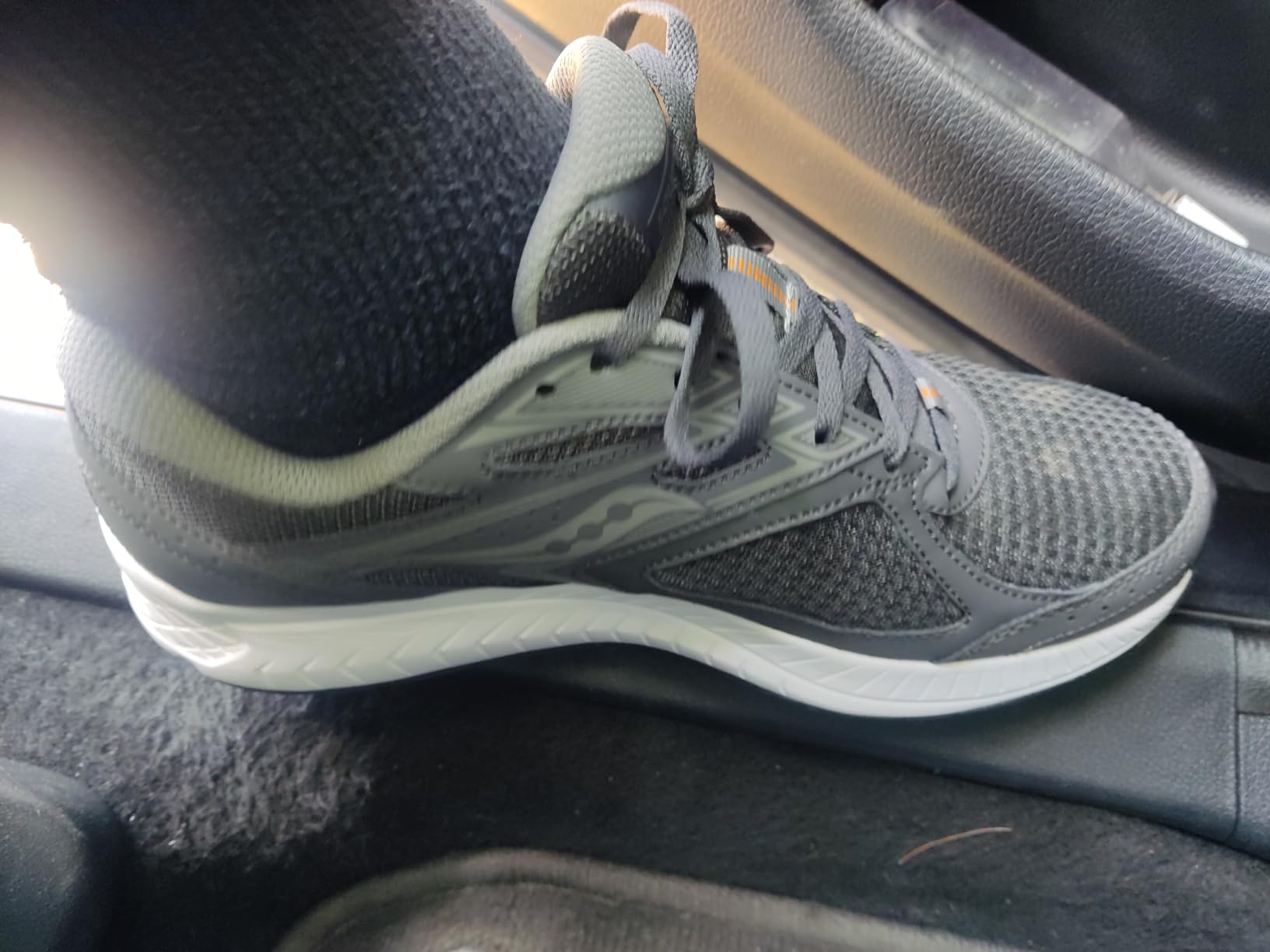
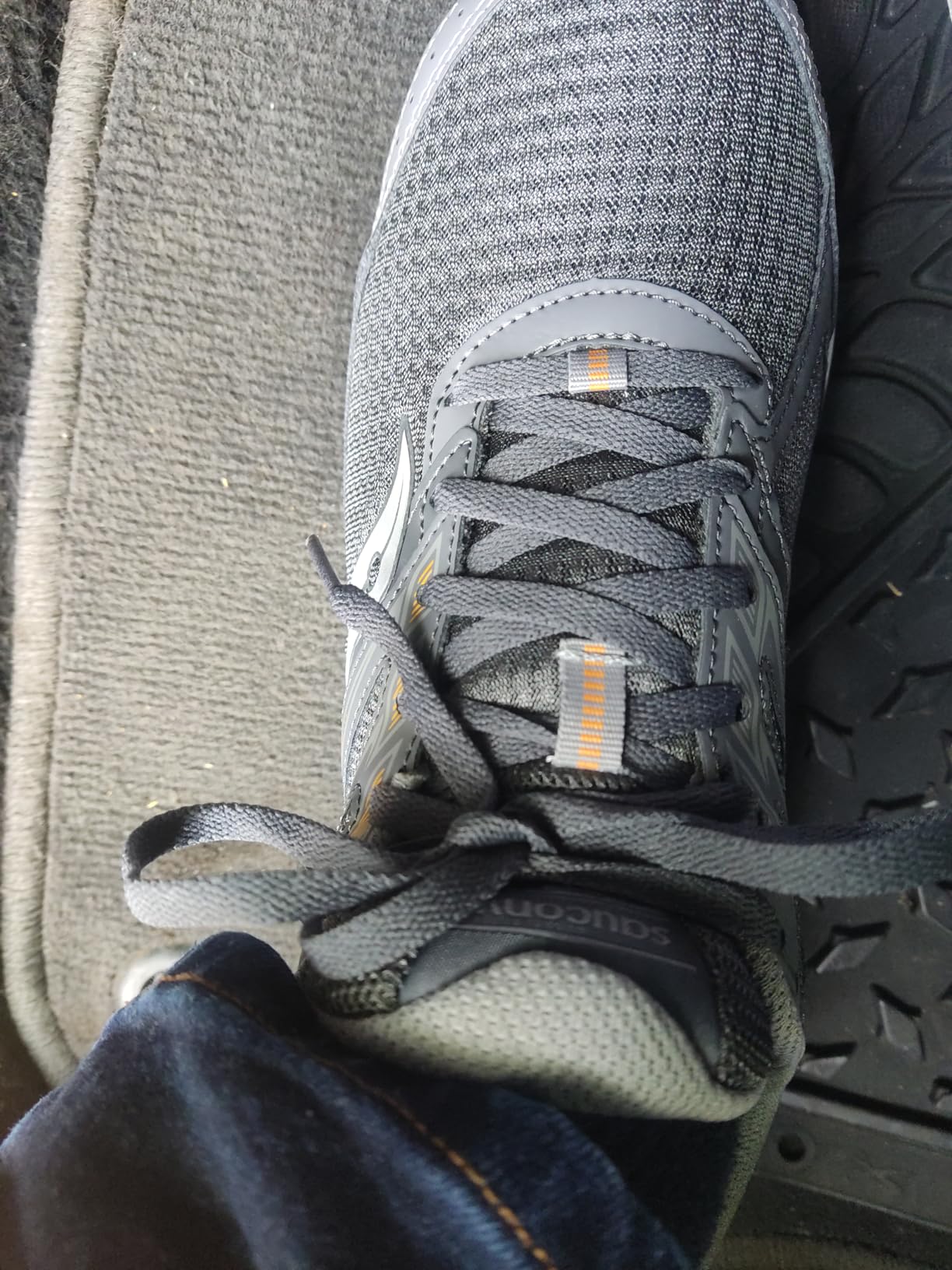
The dark grey and orange colorway I tested hit a good balance—athletic enough for runs, subdued enough for running errands without looking like you’re trying too hard. The synthetic mesh upper with rubber overlays delivers on the breathability claim (more on that below when we talk temperature performance), and the construction feels solid for the price tier.
Lacing uses standard round laces that actually hold tension throughout a run—not always a given at this price point. The toe box offers decent room for medium-width feet like mine. It’s not as spacious as the Altras I’ve tried in running stores, but I never felt cramped during any of my 28 test sessions.
At 5’9″ and 175 lbs, the size 10 fit true to size, matching my measurements in other brands. However, customer feedback on Zappos flags a common concern: the toe box runs narrow for some users. If you have wide feet, the wide-width option exists and appears genuinely wider based on reviews—something worth noting since affordable wide options are harder to find.
Cushioning & Support: Adequate or Overhyped?
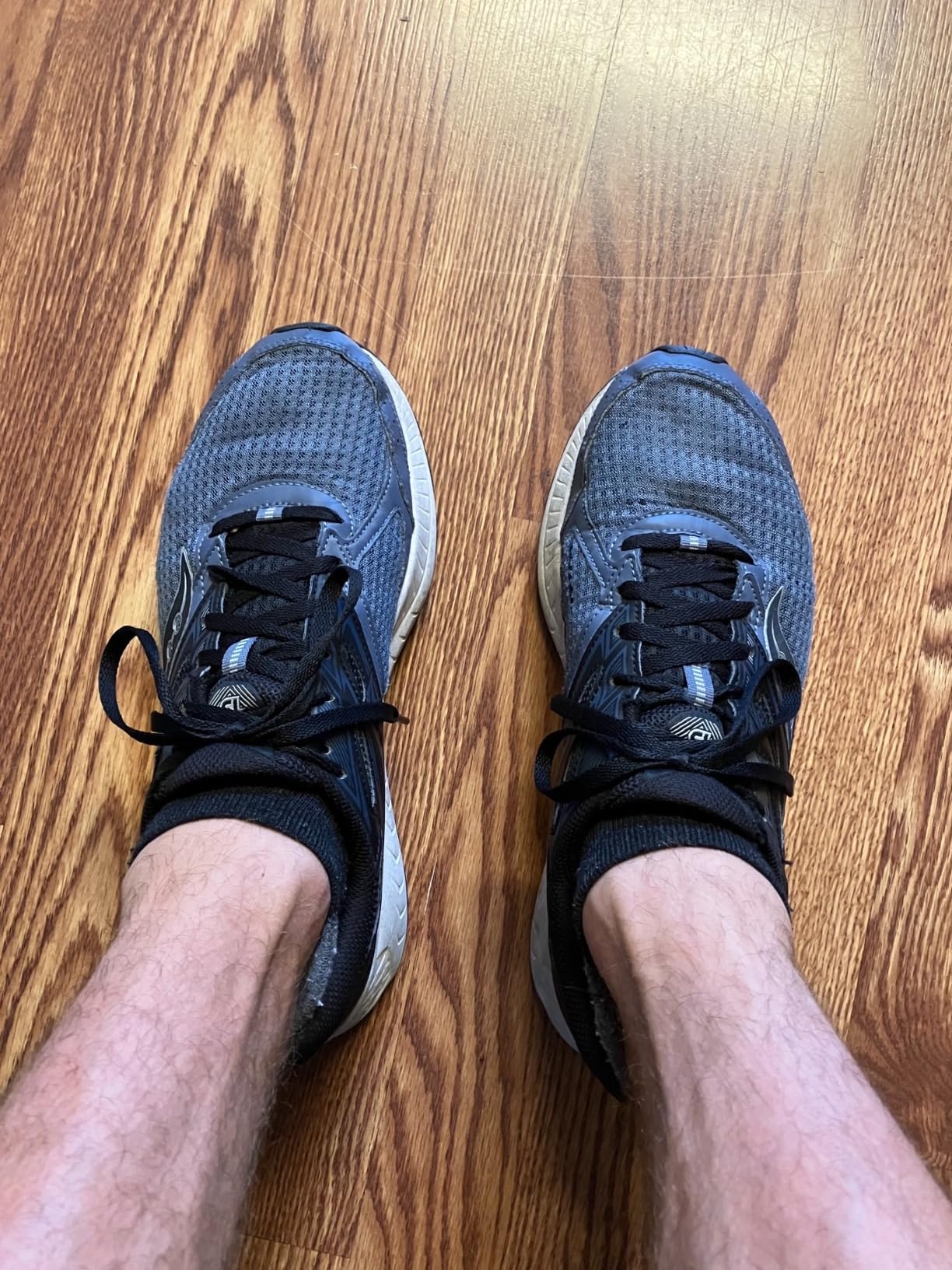
My first real test was a 3-mile neighborhood run at an easy 8:30 pace. The VersaFoam midsole felt responsive without being overly soft—there’s definitely more ground feel here compared to something like premium foam options. It’s firmer than shoes in the $80-120 range, but for casual runners logging 3-5 miles at conversational pace, it delivers enough impact protection to get through a run comfortably.
The 12mm heel-to-toe drop felt natural for my heel-strike pattern. There was zero break-in period—I went straight from the box to a run with no discomfort, hot spots, or adjustment needed. That immediate comfort is genuinely one of this shoe’s strengths.
Arch support lands in the middle ground. It’s not aggressive enough to bother flat-footed runners, but substantial enough for normal arches. If you have high arches or need significant arch support, you’ll likely want to add aftermarket insoles. The footbed is removable, which helps if you’re planning to use custom orthotics.
As for the “Grid technology” Saucony highlights—it’s there in the midsole structure, but the benefits are subtle. During my testing, I couldn’t identify a noticeable difference between this and basic EVA foam. The marketing language suggests more innovation than I experienced in practice.
Testing in Real Conditions: What Actually Works
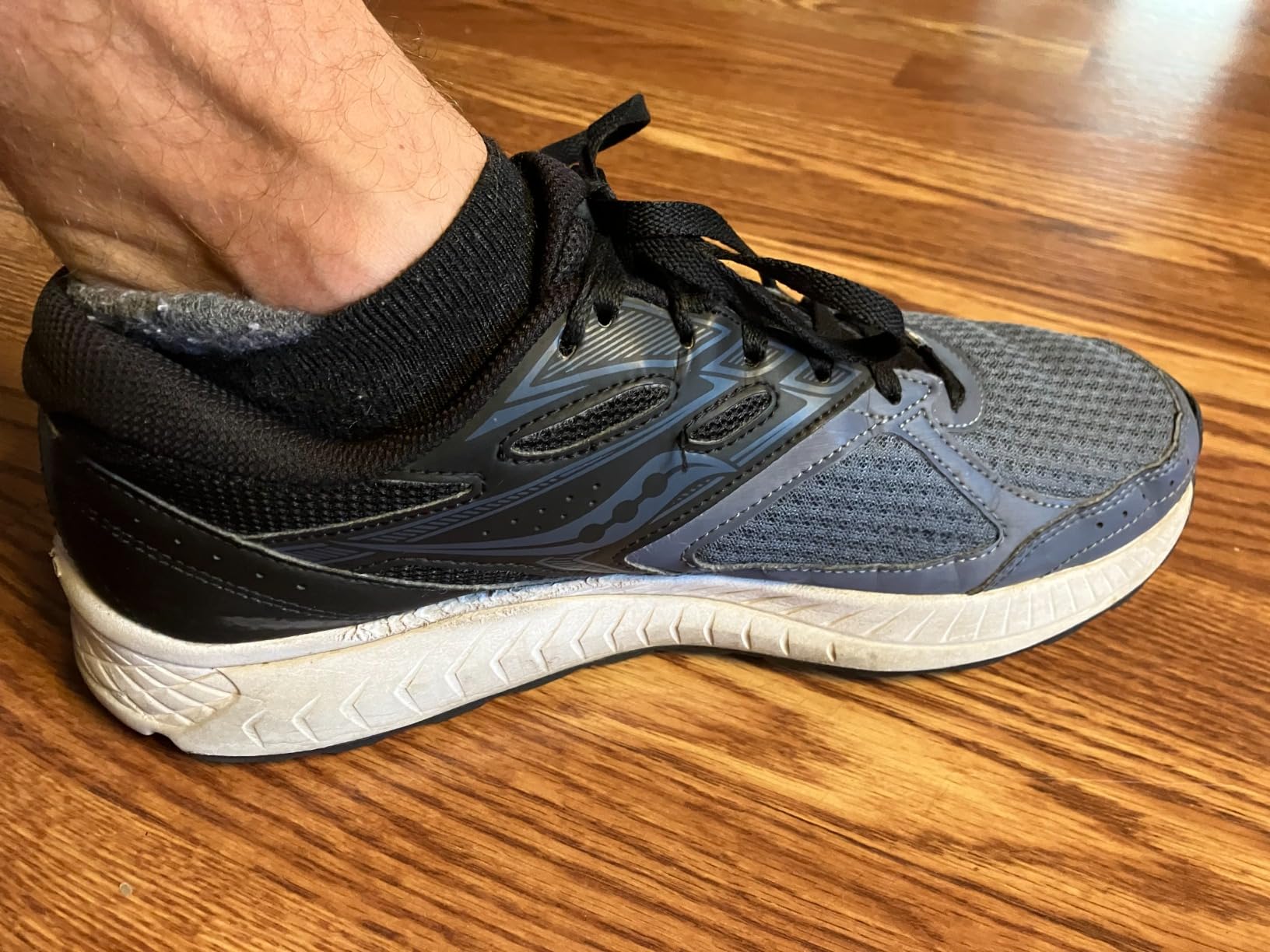
Over six weeks, I deliberately varied where and how I used these shoes to see how they’d hold up across different scenarios.
Dry asphalt (neighborhood runs): This is where the Cohesion 13 performs best. My typical 3-5 mile runs at 8:00-9:00 per mile pace went without major complaints. Traction was solid, the mesh upper kept my feet comfortable during 45-minute sessions, and I rarely felt overheated even as temperatures climbed into the mid-70s.
Treadmill: Adequate performance with no issues to report. The cushioning feels slightly firmer on treadmill surfaces compared to pavement, but nothing that affected comfort during 30-40 minute sessions.
Concrete sidewalks (daily errands, walking): The cushioning holds up well for walking and light jogging on concrete. I wore these for several full days of errands and didn’t experience the foot fatigue I sometimes get from flatter casual shoes.
Gravel trail (the revelation): I tested these on a local gravel trail, and this is where limitations became clear. The sole is thin enough that I felt every rock underfoot. These are definitely not suitable for trail running or rough terrain—they’re optimized for smooth surfaces.
Wet surfaces: Grip becomes marginal on wet pavement or damp indoor surfaces. I had one near-slip moment on wet tile that made me cautious about using these in rainy conditions. The rubber outsole works fine when dry, but doesn’t inspire confidence when wet.
Temperature performance: In warmer weather (70°F and up), the breathable mesh upper excels—my feet stayed dry during most runs and the ventilation is genuinely good. But during 35°F morning runs, the mesh became a liability. Too much airflow means feet get uncomfortably cold. These are warm-weather shoes, period. The sweet spot appears to be 50°F to 75°F.
The Durability Story Nobody Talks About
This is where things get real, and it’s the single most important finding from my testing.
At the four-week mark—roughly 60 miles of cumulative use—I started noticing the first warning signs. The interior heel lining began showing stress points where friction occurs during the heel strike. By week six, small areas of the fabric were starting to fray. Nothing that caused discomfort yet, but visible wear that clearly signaled what was coming.
After synthesizing dozens of customer reviews alongside my own observations, there’s a consistent pattern: premature heel wear is not an isolated incident. The typical lifespan based on aggregated feedback appears to be:
- Regular runners (3-4 runs per week): 3-6 months before significant heel degradation
- Casual walkers (occasional use): 6-12 months
- Heavy runners (20+ miles per week): 6-8 weeks before heel blowouts
For comparison, my previous New Balance trainers lasted 18 months with similar usage patterns. That’s three times the lifespan.
Here’s where the cost analysis gets interesting. At $45 for 3-6 months of use, you’re looking at $8-15 per month in footwear costs. Compare that to an $85 shoe lasting 12-18 months ($5-7 per month), and the budget option actually becomes more expensive over time if durability matters to you.
The failure mode isn’t the outsole—the rubber held up well after 85 miles with minimal visible wear. It’s the interior lining and heel construction that gives out first. One Zappos reviewer documented the exact progression I experienced: “After just four months, the padding on the inside of the heels started wearing out.”
Does Saucony Deliver on the Hype?
Let’s fact-check the main marketing claims against what I actually experienced:
Claim: “VersaFoam cushioning technology”
Reality: The cushioning is adequate for casual running but not revolutionary. It’s basic EVA foam that provides sufficient impact protection at this price point, but calling it “technology” feels like marketing language rather than meaningful innovation. It’s firmer than premium options and delivers what you’d expect from budget-tier cushioning.
Claim: “Grid technology”
Reality: There is some structural support in the midsole from the Grid system, but the benefits are subtle. Most casual runners won’t notice a significant difference compared to standard foam. It’s there, but it’s not a game-changer.
Claim: “Durable rubber outsole for even your toughest workouts”
Reality: The outsole rubber has held up well after 85 miles, showing minimal wear on the tread pattern. However, calling it suitable for “toughest workouts” is overselling. These are best for moderate activities—casual runs, walking, light training. Serious training loads will expose the heel durability issues long before the outsole wears out.
What Hundreds of Users Are Saying
The customer feedback pattern across Amazon, Zappos, and other retailers is remarkably consistent.
Positive consensus: Immediate comfort out of the box, true to size for most foot types, excellent breathability, lightweight feel, and good value for casual use. Multiple reviewers echo sentiments like “most comfortable sneakers I have had in many years” and “perfect fit.” The wide-width availability also gets consistent praise—it’s genuinely wider than standard, which is rare at this price point.
Durability concerns are equally consistent: Heel wear within 1-4 months appears across reviews from different retailers and usage patterns. One UPS driver noted “these lasted an entire year” as if that was exceptional longevity—which tells you everything about expectations at this price tier. Another customer documented the exact timeline I observed: stress points at month two, fraying by month four.
Spanish-language reviews show similar patterns: “Excelente” ratings for initial comfort, but concerns about durability for intensive use.
The pattern is clear: great initial experience, but plan for replacement within six months if you’re using these regularly.
The Right Fit (and the Wrong Fit)
Based on six weeks of testing and synthesis of customer feedback patterns, here’s who should—and shouldn’t—buy the Cohesion 13:
You should buy these if you’re:
- A casual walker who needs comfortable daily shoes for errands and light activity
- An occasional runner logging 1-2 runs per week at 3-5 miles
- Budget-conscious and accept a 3-6 month replacement cycle as the trade-off for the low upfront cost
- Someone with wide feet looking for affordable width options
- Needing immediate comfort for short-term use (travel shoes, temporary solution)
- A senior or light-activity user prioritizing comfort over durability
You should skip these if you’re:
- A serious runner logging 20+ miles per week—the durability won’t hold up
- Looking for shoes that will last 12+ months with regular use
- Training for events or running at intensive paces
- In a cold-weather climate where you need year-round shoes (mesh inadequate below 50°F)
- Planning to use these for gravel trails or uneven terrain
- Someone with high arches who can’t accommodate aftermarket insoles
If the Cohesion 13 Doesn’t Fit Your Needs
If the durability concerns are dealbreakers, here are alternatives worth considering at different price points:
For serious runners who need proven durability: Look at shoes in the $80-120 range with established track records. The investment pays off when they last three times longer.
For long-term value with better durability: New Balance Fresh Foam X 880 V14 at around $85 offers significantly better lifespan while still being accessible compared to premium tiers.
For budget buyers who want better durability: ASICS Gel-Venture 8 at roughly $60 provides a middle ground—better build quality than the Cohesion 13 with only a modest price increase.
For maximum comfort in the premium tier: Options around $110 deliver plush cushioning and extended lifespan, but they’re a different category entirely.
The key is honest assessment of your use case. If you’re running 15+ miles per week or need shoes to last through a full year, invest the extra $40-60 upfront. The cost-per-month math will work in your favor.
The Final Verdict
After six weeks of real-world testing across 85 miles and varied conditions, the Saucony Men’s Cohesion 13 is a textbook case of “you get what you pay for.” At $45, these shoes deliver genuine value if—and this is critical—your expectations align with the reality of a 3-6 month lifespan.
Here’s my detailed scoring breakdown:
| Category | Score (1-10) | Notes |
|---|---|---|
| Comfort | 7.5 | Excellent out-of-box comfort, zero break-in, adequate for casual use |
| Durability | 4.5 | Major weakness—premature heel wear documented consistently |
| Performance | 6.5 | Good for casual running on dry pavement, limited for serious training or varied terrain |
| Value | 7.0 | Decent if you accept short lifespan; cost-per-month works for some use cases |
| Style | 7.5 | Attractive colorways, clean design suitable for casual wear |
| Breathability | 8.0 | Excellent mesh ventilation in warm weather; too much airflow when cold |
| Overall Rating | 6.8 | Good budget option with significant durability trade-off |
The initial experience is genuinely impressive—lightweight, comfortable enough for daily wear, and breathable in warm conditions. For budget-conscious buyers who need immediate comfort and don’t mind replacing shoes every few months, these represent honest value at $45.
However, if you’re looking for shoes to last 12+ months or handle serious training loads, the $8-15 per month cost (factoring in replacement cycles) makes this a false economy. In that case, investing in proven options at $60-90 delivers better long-term value.
My final recommendation: If you understand you’re buying 3-6 months of comfortable wear for $45, these represent decent value. Just don’t expect them to be your go-to training shoes for the next year. Manage expectations, and they won’t disappoint.
Frequently Asked Questions
How long do Saucony Cohesion 13s typically last?
Based on my testing and customer feedback synthesis, expect 3-6 months with regular use (3-4 runs per week at 3-5 miles). Casual walkers can get 6-12 months. Heavy runners logging 20+ miles weekly report heel issues as early as 6-8 weeks. The failure mode is interior heel lining wear, not outsole degradation.
Are these true to size?
Yes, for medium-width feet. I’m a consistent size 10 across brands and found these to fit as expected. However, Zappos reviews flag narrow toe box concerns—some users recommend ordering half a size up or choosing the wide-width option if you have wider feet. The wide variant is genuinely wider than standard based on customer feedback.
Can I use these for serious marathon training?
No. The durability issues make them impractical for runners logging 25+ miles per week. At that volume, you’ll hit heel degradation within 6-8 weeks, which means frequent replacements and higher long-term costs. Stick to proven training shoes with established durability records for high-mileage training.
How do they compare to the Cohesion 12?
Several customer reviews note the Cohesion 13 has a wider toe box and slightly less cushioning than the 12. The sole construction appears similar between models, but the upper has been updated. If you owned the 12 and liked it, the 13 offers similar performance with minor fit adjustments.
Are they good for people with flat feet?
The arch support is moderate—not aggressive enough to cause issues for flat-footed runners, but substantial enough for normal arches. If you have severe flat feet requiring significant support, consider adding arch support insoles (the footbed is removable). For mild flat feet, the neutral platform should work fine.
Do they run hot or cold?
The synthetic mesh upper provides excellent breathability in warm weather—I had no overheating issues during 70°F+ runs. However, that same breathability becomes a liability in cold conditions. During 35°F morning runs, the mesh allowed too much airflow and my feet got uncomfortably cold. Ideal temperature range is 50°F to 75°F. These are not winter shoes unless you layer with thick socks.
What’s the return policy if they don’t work out?
Most retailers including Amazon offer 30-day returns on unworn shoes. The challenge is that durability issues often appear after this window closes—my week 4 wear signs appeared at the 28-day mark, right at the return deadline. If you’re concerned about longevity, factor in that the return window won’t protect you from premature wear.
Are there better budget alternatives?
For slightly more money ($60-70), the ASICS Gel-Venture 8 offers better durability based on customer feedback. New Balance 411v2 at around $50-55 also shows better longevity patterns. If you can stretch to $85, the New Balance Fresh Foam X 880 V14 delivers significantly better cost-per-month value through extended lifespan.
Be the first to review “Saucony Men’s Cohesion 13 Running Shoe”
Related products

Running Shoes
Running Shoes
Running Shoes


Hiking/Trekking Shoes
Running Shoes
Running Shoes
Hiking/Trekking Shoes
Running Shoes
Reviews
There are no reviews yet.