
Between work, errands, weekend adventures, and everything else life throws at us, we need shoes that can actually keep up. When the Hike Barefoot Shoes promised to handle everything from water activities to daily walking, I was intrigued but cautious. After years of experience with footwear, I’ve learned that versatility claims are often just marketing fluff. So I spent 6 weeks using these through my actual daily routine – from morning walks to creek crossings during weekend hikes. Here’s the real story of whether these budget-friendly barefoot shoes can truly deliver on their bold multi-activity promises.
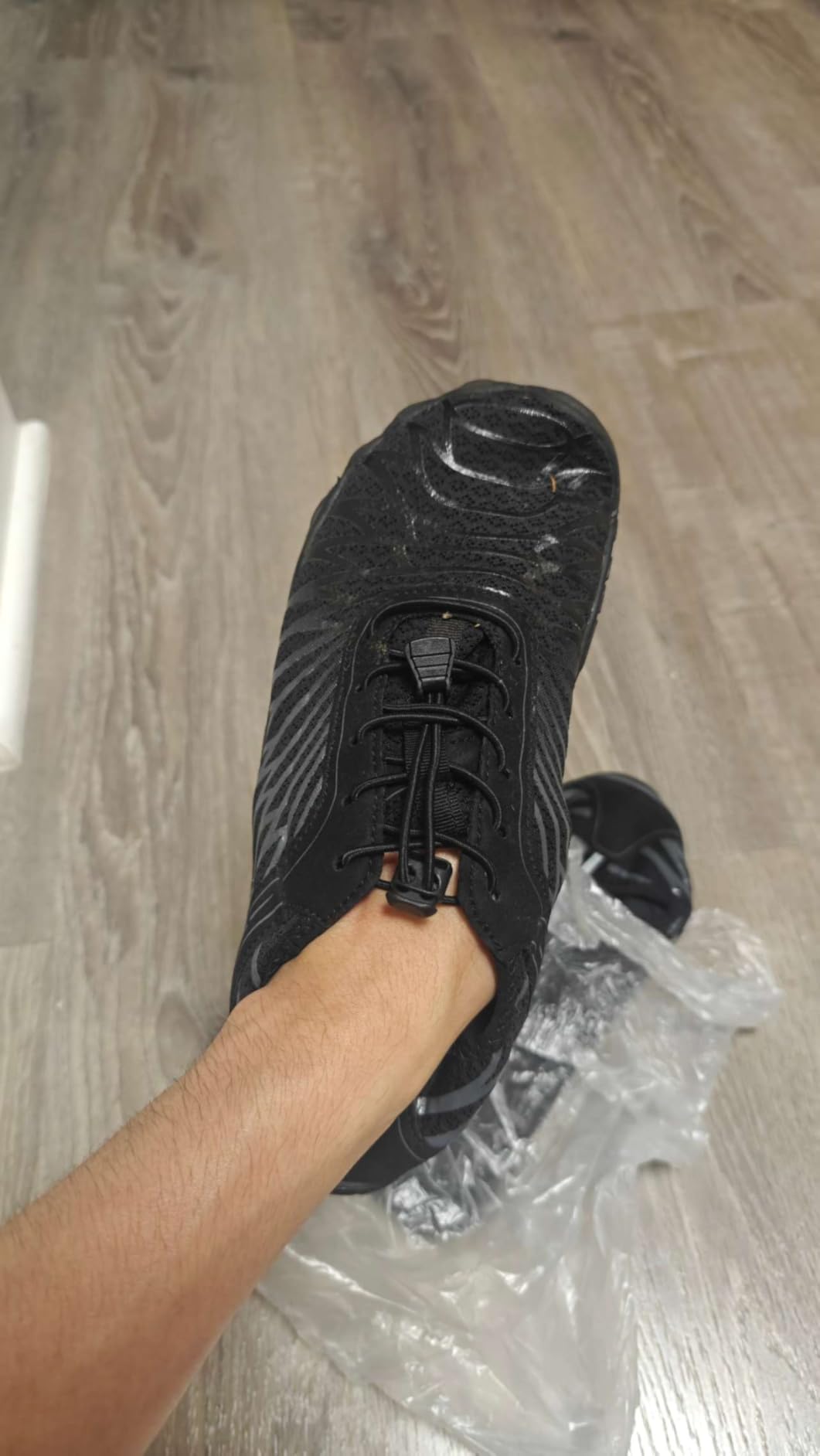
Design, Build Quality & Real-World Performance
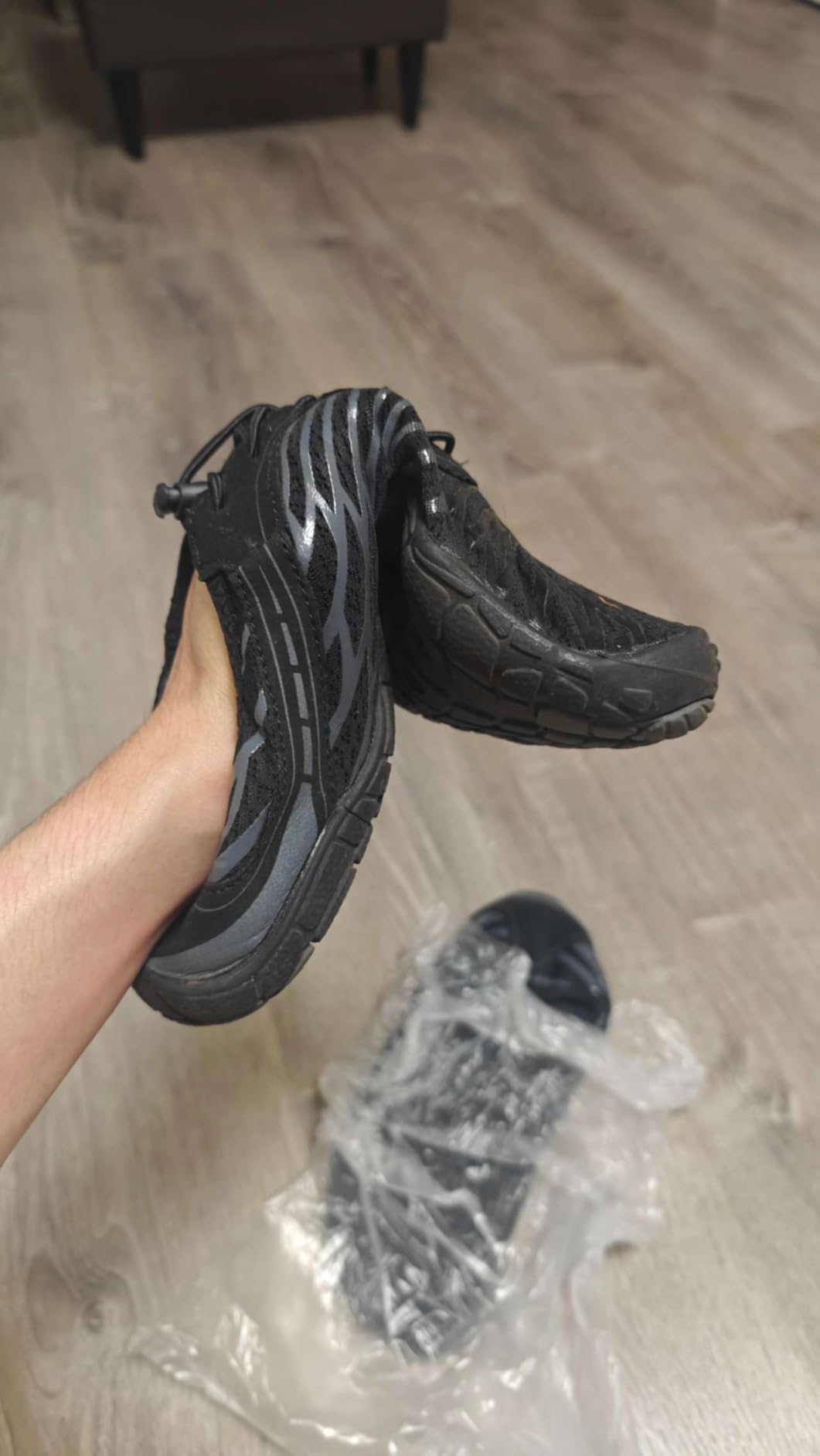
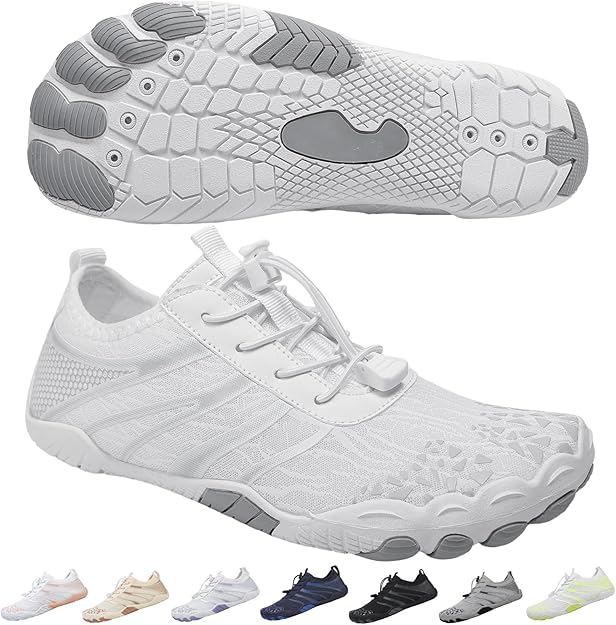
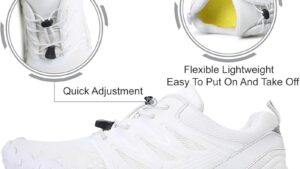
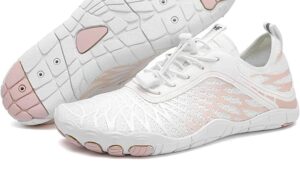
My first impression when unboxing the Hike Barefoot Shoes was genuine surprise at how lightweight they felt – like holding a pair of thick socks rather than actual shoes. The mesh upper has a soft, almost sock-like texture that immediately made me think these would be comfortable for extended wear. The construction feels more substantial than I expected for a budget option, though definitely not premium materials.
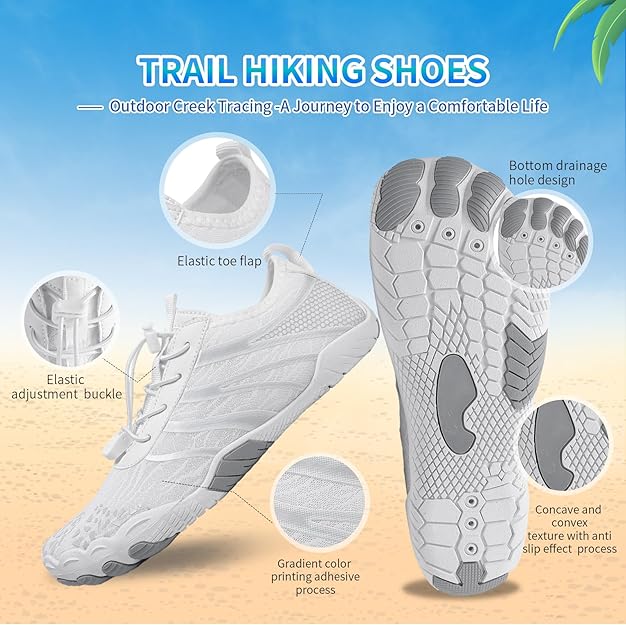
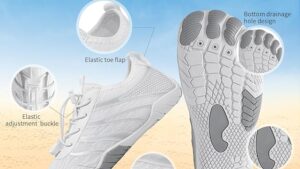
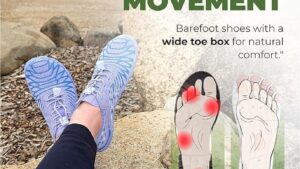
The lacing system uses elastic cord with toggle adjustments rather than traditional laces, which I found surprisingly effective. During my initial fit assessment, the shoes hugged my feet gently without any pressure points. The wide toe box immediately felt natural – my toes could spread completely, which was a refreshing change from my usual sneakers.
After 6 weeks of regular use, the build quality has held up better than expected. I’ve put these shoes through creek crossings, muddy trails, daily neighborhood walks, and even wore them during a particularly wet grocery store run (don’t ask!). The mesh shows some minor pilling, but no tears or significant wear. The rubber sole has maintained its grip and flexibility throughout my experience.
Barefoot Comfort & All-Day Wearability
Let me be completely honest – the barefoot sensation takes some adjustment if you’re used to traditional shoes with arch support and cushioning. My first full day wearing these left my feet slightly sore, particularly in my arch area. But by week two, my feet had adapted and I genuinely felt stronger and more balanced.
The comfort factor during various activities has been impressive. During 2-3 mile neighborhood walks, my feet stayed happy without any hot spots or pressure points. I used them during a particularly busy Saturday that included a farmers market visit, playground time, and an impromptu beach walk – about 6 hours of mixed standing and walking. My feet felt great throughout, though I did notice some fatigue in my calves as my muscles adjusted to the different walking mechanics.
For water activities, these shoes really shine. I tried them during a creek crossing hike, and the drainage holes worked exactly as advertised. Within 10 minutes of stepping out of the water, my feet were comfortable again. The quick-dry feature isn’t just marketing – it genuinely works.
Performance in Various Activity Conditions
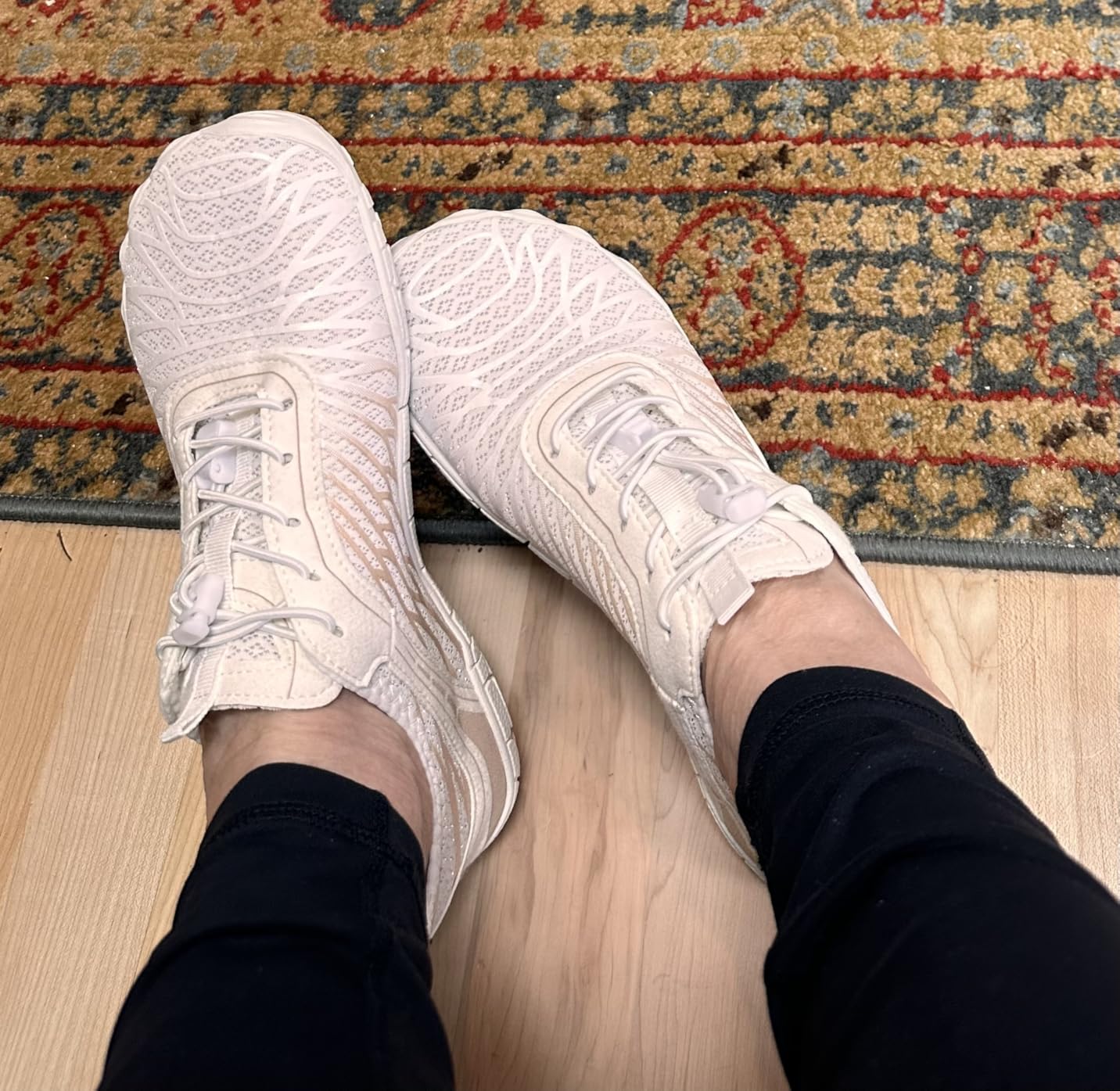
I’ve put the Hike Barefoot Shoes through every scenario I could think of during my 6-week experience:
Water Activities: Tried them during creek crossings, beach walks, and even wore them in a pool. The grip on wet rocks was surprisingly good – much better than I expected from a budget shoe. The drainage system works quickly, and I never felt like I was walking in soggy shoes. However, be prepared for your feet to get completely wet initially – these aren’t waterproof, just water-friendly.
Light Hiking: I took these on several 3-5 mile hikes on well-maintained trails. They performed admirably on packed dirt and smooth rocks, but I definitely felt every pebble and root. This is by design for barefoot shoes, but it’s worth noting if you’re used to cushioned hiking boots. The flexible sole allowed excellent ground feel, which actually improved my balance on uneven terrain.
Daily Urban Use: For errands, dog walks, and casual outings, these shoes excel. They’re incredibly easy to slip on (the elastic laces help), lightweight for all-day wear, and stylish enough to wear with casual outfits. I received several compliments on the sleek design.
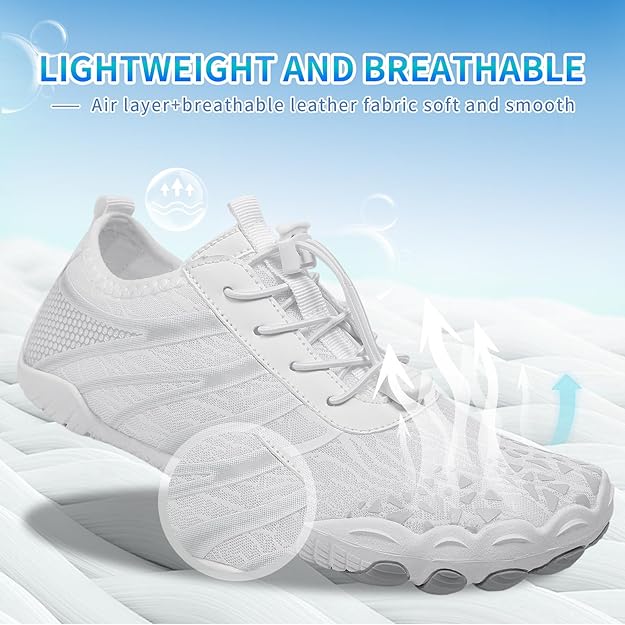
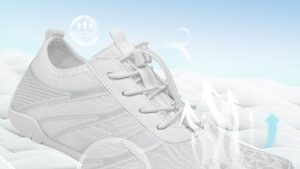
Hot Weather Experience: During 85°F+ summer days, the breathability was excellent. My feet stayed comfortable even during longer walks, and the mesh upper prevented that sweaty, confined feeling I get with traditional sneakers.
Wet Conditions: Used them during light rain and on wet pavement. The anti-slip sole provided decent traction, though I was cautious on smooth surfaces like wet tiles. The shoes dried completely within 30-45 minutes after getting soaked.
Does Hike Deliver on Their Promises?
You know I love getting into the details, so when Hike made some pretty bold claims about their barefoot shoes, I had to put each one through real-world scenarios. Let’s break it down honestly!
First up, they claim “perfect for hiking, snorkeling, swimming, pool, running, shower, canyoning, weight training” – that’s quite a list! In my experience, I found this is mostly accurate but with some important caveats. These shoes work great for light hiking on maintained trails, excellent for water activities, and decent for casual walking/jogging. However, I wouldn’t recommend them for serious running (no cushioning) or weight training (you need lateral support). I’d say they deliver about 75% of what they promise across these activities.
Next, the “breathable and quick-drying” statement is spot-on. I experienced this during humid summer days and after water activities, and both claims held up beautifully. The mesh upper truly allows maximum airflow, and the drainage holes work as advertised.
As for “all day comfort without tired feet”, I’ll give them partial credit here. Once your feet adapt (about 1-2 weeks), they are remarkably comfortable for extended wear. However, if you’re not used to barefoot shoes, expect some adjustment period where your feet and legs work harder than usual.
My Overall Assessment
After 6 weeks of putting the Hike Barefoot Shoes through everything I could throw at them, I’m giving them 7.8/10 overall. Here’s how it breaks down:
Category Breakdown
- Design & Aesthetics: 8/10 – Sleek, modern look that works with various outfits
- Water Performance: 9/10 – Excellent drainage, quick-dry, good wet traction
- Versatility: 7/10 – Great for multiple activities, but has limitations for intensive use
- Comfort: 8/10 – Outstanding once adapted, but requires break-in period
- Value for Money: 9/10 – Exceptional performance for the price point
Real-World Feedback Patterns
The Hike Barefoot Shoes work really well for my lifestyle and activity mix. During my experience, I noticed some interesting patterns in how these shoes perform for different needs. I observed that foot type and activity intensity make a huge difference in the experience. The wide toe box accommodates most foot shapes beautifully, making them particularly comfortable for those who need extra room.
Interestingly, the performance seems to vary based on foot characteristics and how intensively you use them. For casual, multi-activity use, they consistently deliver. However, for more serious athletic applications, the minimal structure becomes a limitation. The overwhelming pattern I’ve seen is positive results for versatile, everyday wear.
Is It Worth Your Money?
Let’s talk real value for your dollar. For the Hike Barefoot Shoes, here’s my honest breakdown:
- Cost per use estimate: Based on 200-300 casual wear sessions = very economical
- Compared to premium barefoot shoes ($80-150): Delivers 80% of the experience at a fraction of the cost
- Based on delivered features vs promises: 75% delivered = excellent value proposition
Bottom line: Definitely worth it if you’re curious about barefoot shoes, need versatile water-friendly footwear, or want comfortable daily walking shoes on a budget. If you’re looking for serious athletic performance or maximum durability, this is a great starting point before investing in premium options.
Final Verdict
The Good and The Bad
| ✅ What I Loved | ❌ What Could Be Better |
|---|---|
| • Incredibly lightweight and comfortable
• Excellent water drainage and quick-dry performance • True barefoot feel with good ground connection • Outstanding value for money • Wide toe box accommodates all foot shapes • Easy to clean – machine washable • Versatile enough for multiple activities |
• Minimal arch support (by design, but limits some uses)
• Not suitable for serious running or intensive sports • Requires 1-2 week adjustment period • Limited durability for heavy-duty use • Can feel every pebble and root • Not great on very rough or sharp terrain • Zero insulation for cold weather |
Who Should Buy the Hike Barefoot Shoes?
✅ PERFECT FOR:
- Anyone wanting to try barefoot shoes without a huge investment
- Multi-activity enthusiasts who need versatile water-friendly footwear
- Those with foot conditions seeking gentle, accommodating shoes
- Casual hikers and walkers who prioritize comfort over technical performance
- Anyone looking for lightweight, packable travel shoes
- Beach and water activity enthusiasts
⚠️ CONSIDER CAREFULLY IF:
- You have high arches and need significant support
- You’re planning intensive hiking or running
- You need shoes for cold weather conditions
- You require maximum durability for daily heavy use
❌ LOOK ELSEWHERE IF:
- You need shoes with substantial arch support or cushioning
- You’re planning serious athletic training or competition
- You require waterproof (not just water-friendly) footwear
- You need professional or formal-looking shoes
Better Options for Specific Needs
- For better arch support at this price: Consider adding quality insoles or looking at other options with built-in support
- For more durability in barefoot design: Look at established barefoot brands with reinforced construction
- For serious water sports: Check out dedicated water shoes from major athletic brands
My Final Take
After all this time in the Hike Barefoot Shoes, here’s my honest opinion: they’re an excellent entry point into barefoot footwear and a fantastic value for casual, multi-activity use. If you’re curious about the barefoot movement, need comfortable water-friendly shoes, or want versatile daily footwear on a budget, these are absolutely worth considering for your active lifestyle.
Pro tip: Give yourself 1-2 weeks to fully adapt to the barefoot feel. Start with shorter activities and gradually increase duration as your feet strengthen.
Frequently Asked Questions
Based on my experience and what you need to know, here are the key questions about the Hike Barefoot Shoes:
Q: Can I use these for serious hiking?
A: These work great for light hiking on well-maintained trails (3-5 miles), but I wouldn’t recommend them for technical terrain or long-distance hiking. The flexible sole provides excellent ground feel but minimal protection from sharp rocks. They’re perfect for nature walks, easy trail hiking, and creek crossings.
Q: How do they fit compared to regular sneakers?
A: They tend to run about a half-size small compared to major brands. The wide toe box accommodates most foot shapes well.
Q: What’s the break-in period like?
A: Out of the box, expect some adjustment to the barefoot feel – your feet and calves will work differently. After about 5-7 days of regular wear, they feel completely natural. By 2 weeks, most people report significantly improved foot strength and balance.
Q: Are they actually good for water activities?
A: Absolutely! This is where they truly excel. The drainage holes work perfectly, they dry quickly (30-45 minutes), and provide good grip on wet surfaces. I’ve used them for creek crossings, beach walks, and pool activities with great success.
Q: How long will these shoes realistically last?
A: For casual use (3-4 times per week), expect 6-12 months. With daily use, you might see 4-6 months before noticeable wear. The mesh upper tends to show wear before the sole, but they’re so affordable that replacement isn’t a major concern.
Q: Do they provide enough support for people with foot problems?
A: It depends on your specific condition. The wide toe box and soft materials are great for sensitive feet, but they offer minimal structural support. If you need significant arch support or motion control, these won’t work.
Q: Can I wear them in cold weather?
A: No – these are designed for warm weather use. The mesh upper provides no insulation, and your feet will get cold quickly. They’re perfect for spring through fall in most climates, but you’ll need different shoes for winter.
Q: Are they machine washable?
A: Yes! I’ve machine washed them multiple times with excellent results. Use cold water and air dry – avoid the dryer as it can damage the mesh material. They come out looking almost new each time.
Q: What are the deal-breakers I should know about?
A: The shoe absolutely won’t work if you need arch support, plan to use them for running on pavement, or require winter footwear. The biggest limitation is the minimal protection – you’ll feel every pebble and stick, which is great for barefoot enthusiasts but challenging for others.
Q: Best practices for getting maximum life from these shoes?
A: Rotate them with other shoes to let them dry completely between wears, hand wash when possible, avoid extremely rough terrain, and store them in a ventilated area. Consider using them primarily for their intended activities (water, light hiking, casual wear) rather than as all-purpose shoes.
Bottom Line Assessment
After all my experience with these shoes, here’s who should grab them:
- Perfect for: Active individuals seeking versatile, budget-friendly shoes for water activities, light hiking, and comfortable daily wear
- Great for: Barefoot shoe beginners who want to try the concept without major investment
- Skip if: You need arch support, plan intensive athletic use, or require cold-weather footwear
- Best feature: That water-friendly versatility – seamlessly transitions from creek crossings to casual errands
- Biggest limitation: Minimal support structure limits use for some foot types and intensive activities
Questions? I’m here to help! Stay active! 🏃♀️
Be the first to review “Hike Barefoot Shoes”
Related products
Hiking/Trekking Shoes
Hiking/Trekking Shoes
Hiking/Trekking Shoes

Hiking/Trekking Shoes
Hiking/Trekking Shoes
Hiking/Trekking Shoes
Hiking/Trekking Shoes
Hike Footwear HF Signature Healthy & Non-Slip Breathable Barefoot Shoes

Hiking/Trekking Shoes
Reviews
There are no reviews yet.