
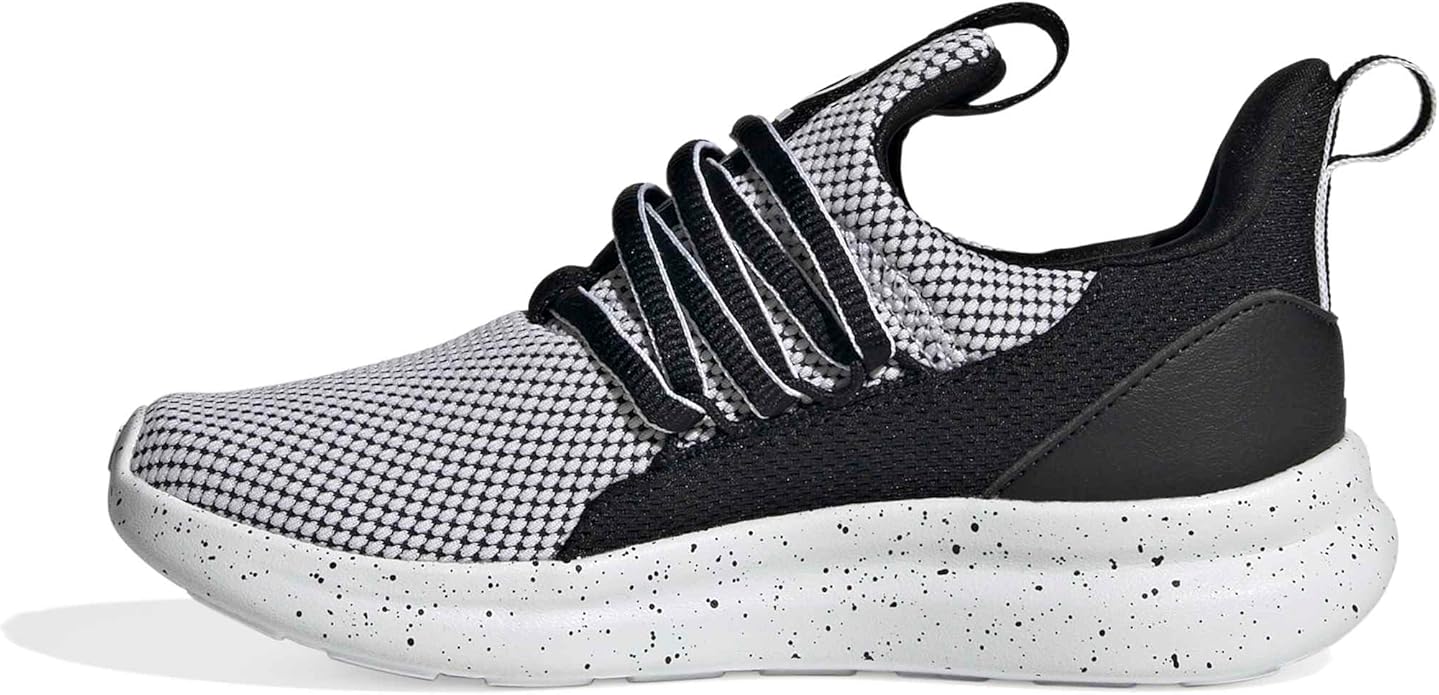
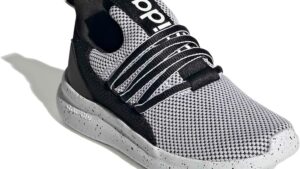
Adidas Unisex-Child Lite Racer Adapt 7.0 Sneaker
$45.00
- 💰 Price: $40–50
- ⚖️ Weight: 4.2 oz (kids size 2)
- 🧪 Midsole: Cloudfoam (Solo EVA)
- 👟 Upper: All-mesh bootie construction
- 🔗 Closure: Elastic bands + slip-on design
- 📏 Sizing: Toddler through Big Kids (sizes 3–13)
- ✅ True-to-Size: 77% (Zappos, 2,784 reviews)
- ✅ True-to-Width: 92% (Zappos confirmation)
- 🧼 Machine Washable: Yes (cold gentle, air dry)
- 👟 Removable Insole: No
- 🎯 Best for: School wear, playground, casual daily use
- ❌ Not for: Orthotics users, wet climates as primary shoe, heavy sport use
My son’s been wearing shoes like it’s a competitive sport — three pairs before his eighth birthday. After pair number three gave out in January, I promised myself I’d actually test the next pair properly before buying. That meant six weeks with the Adidas Lite Racer Adapt 7.0, from daily school drop-offs to muddy weekend park visits to the occasional rainy-day Seattle scramble. Here’s the full picture every parent needs before clicking “buy.”
Design and Build: Lightweight Where It Counts
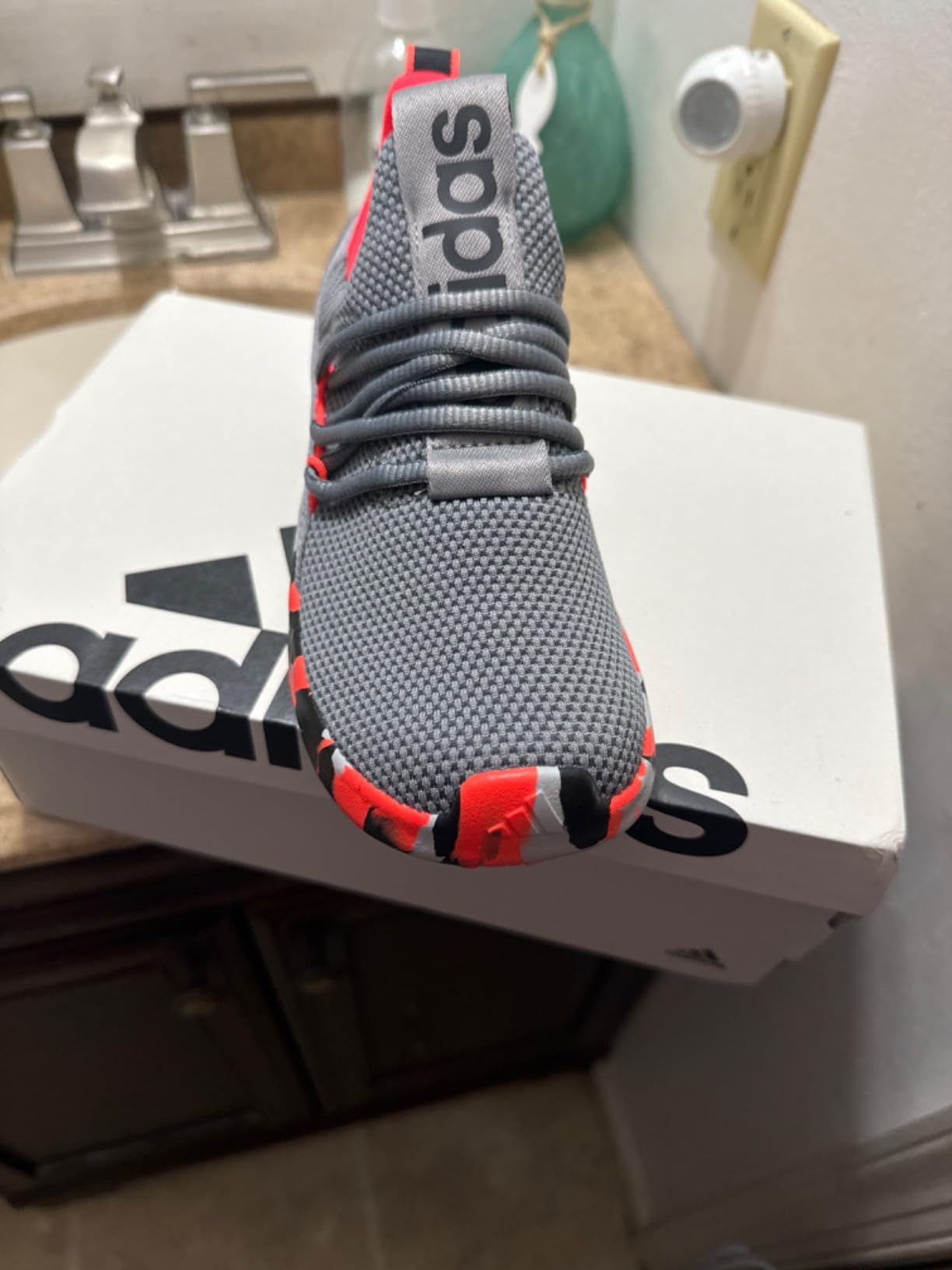
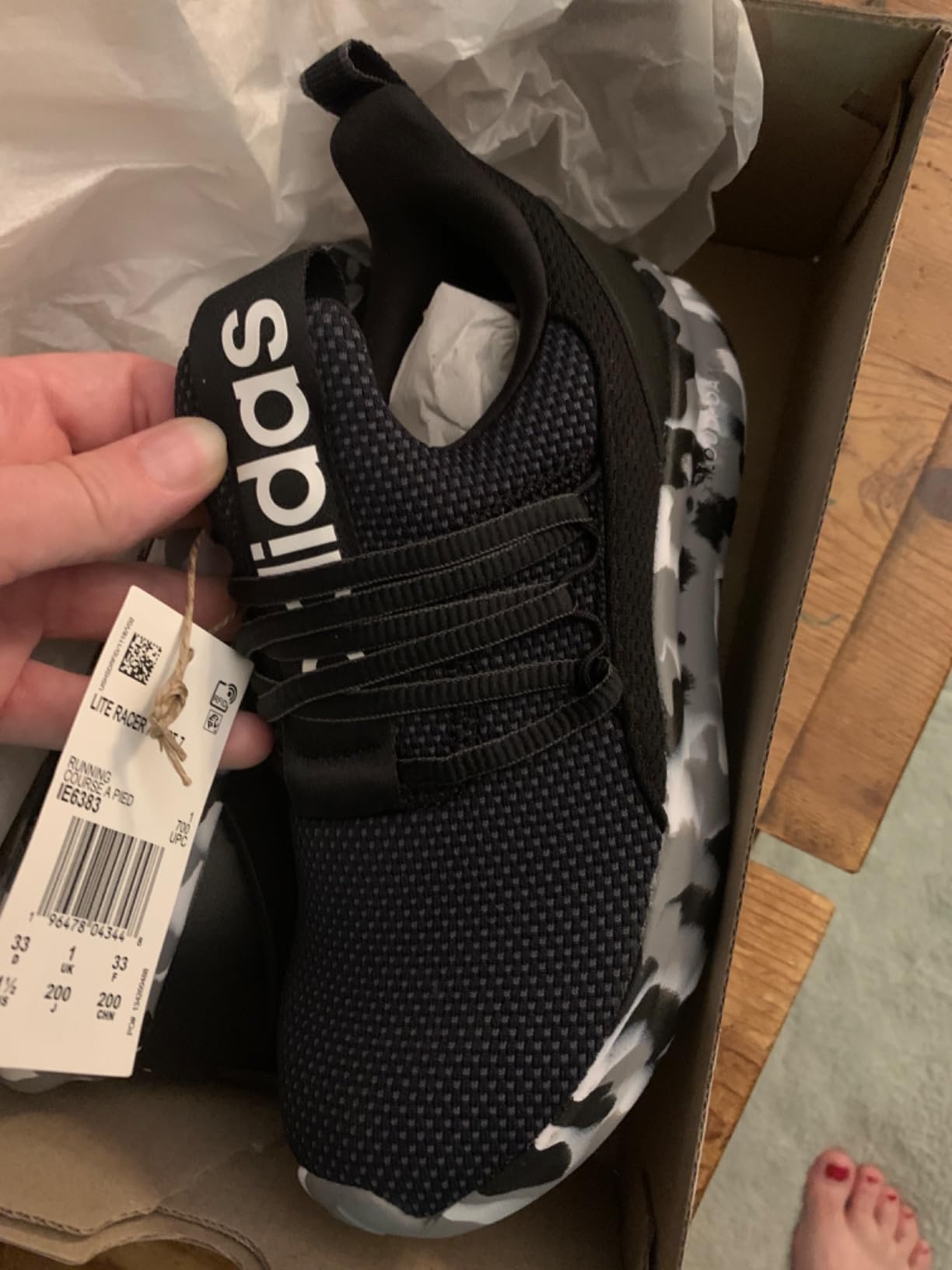
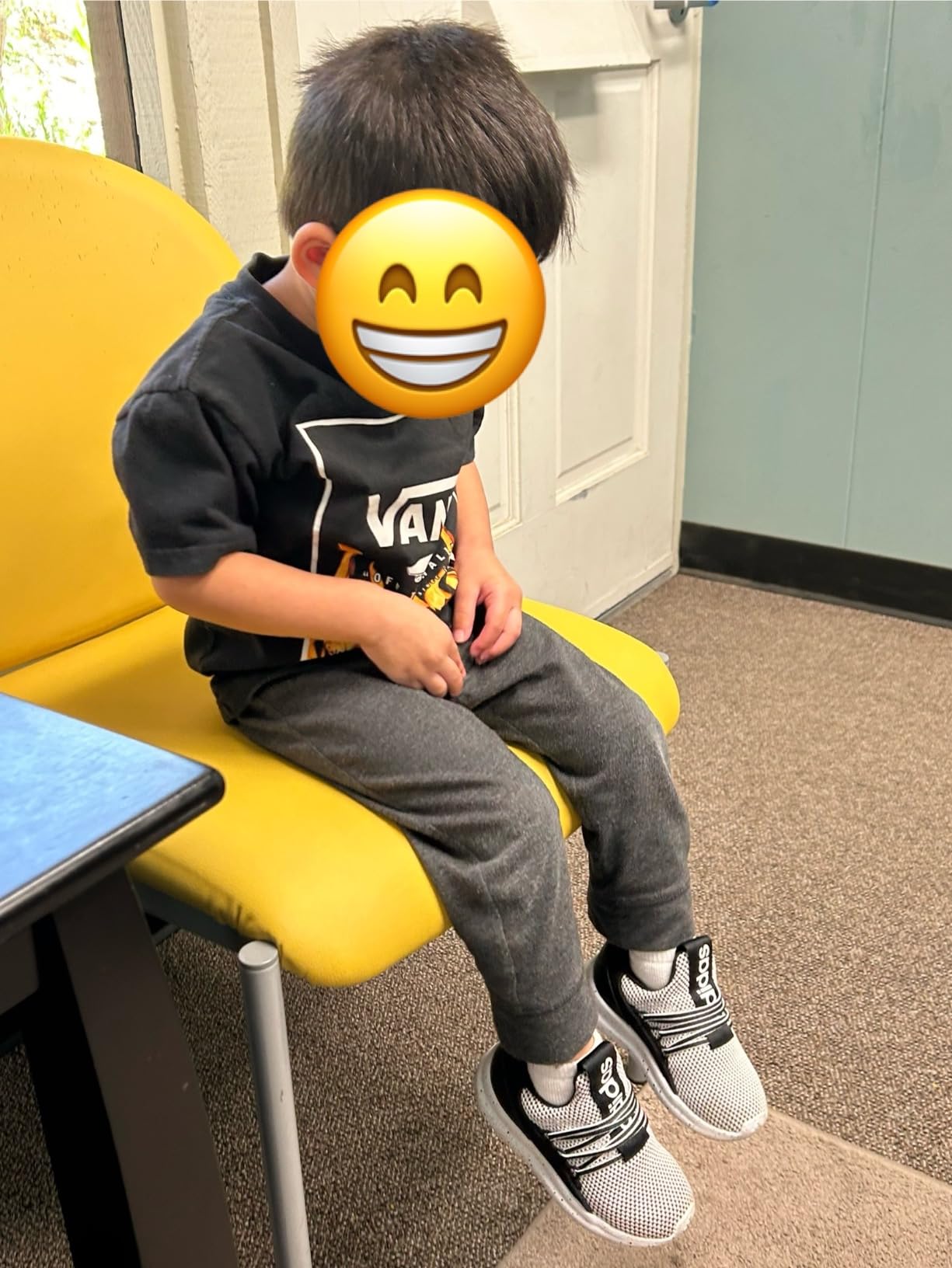
The moment I pulled these out of the box, the weight was the first thing I noticed — or rather, the lack of it. At 4.2 ounces for a kids size 2, these are genuinely lighter than most kids’ sneakers in this price bracket. My son, who routinely refuses shoes he deems “too heavy” (don’t ask), wore them for 10 minutes, pronounced them “fine,” and ran off. That’s as close to a rave review as I get from a 7-year-old.
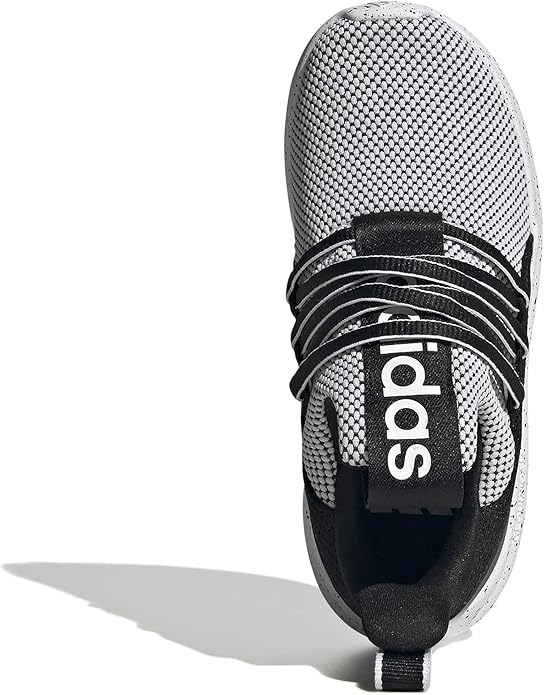
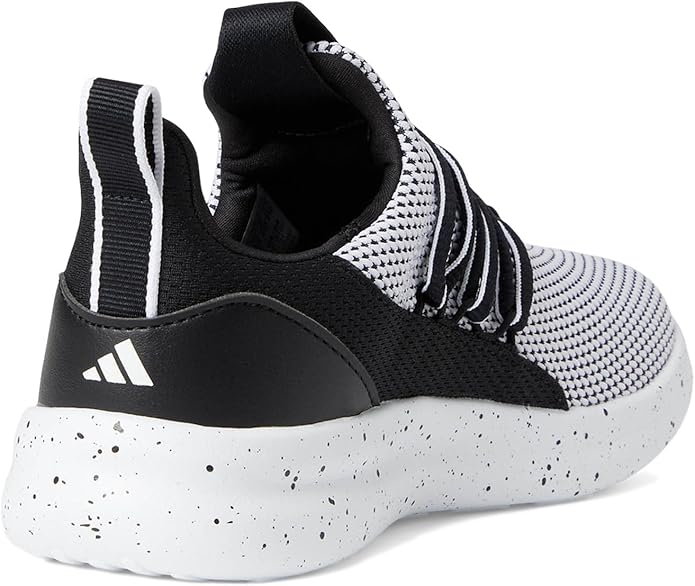
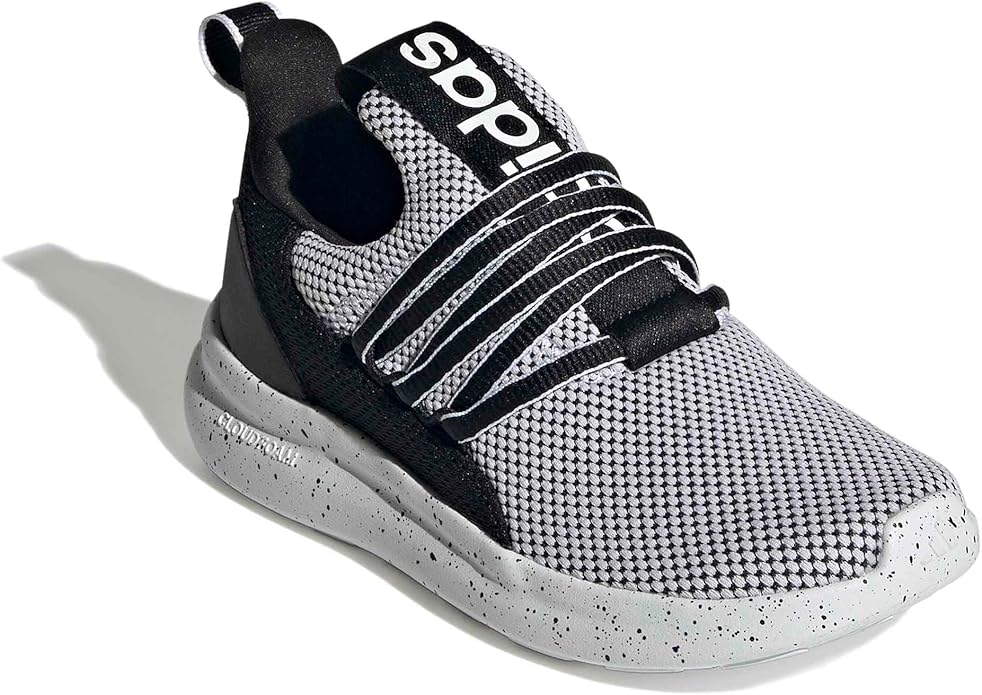
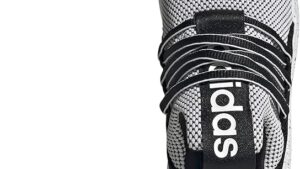
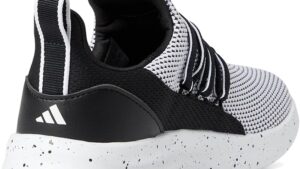
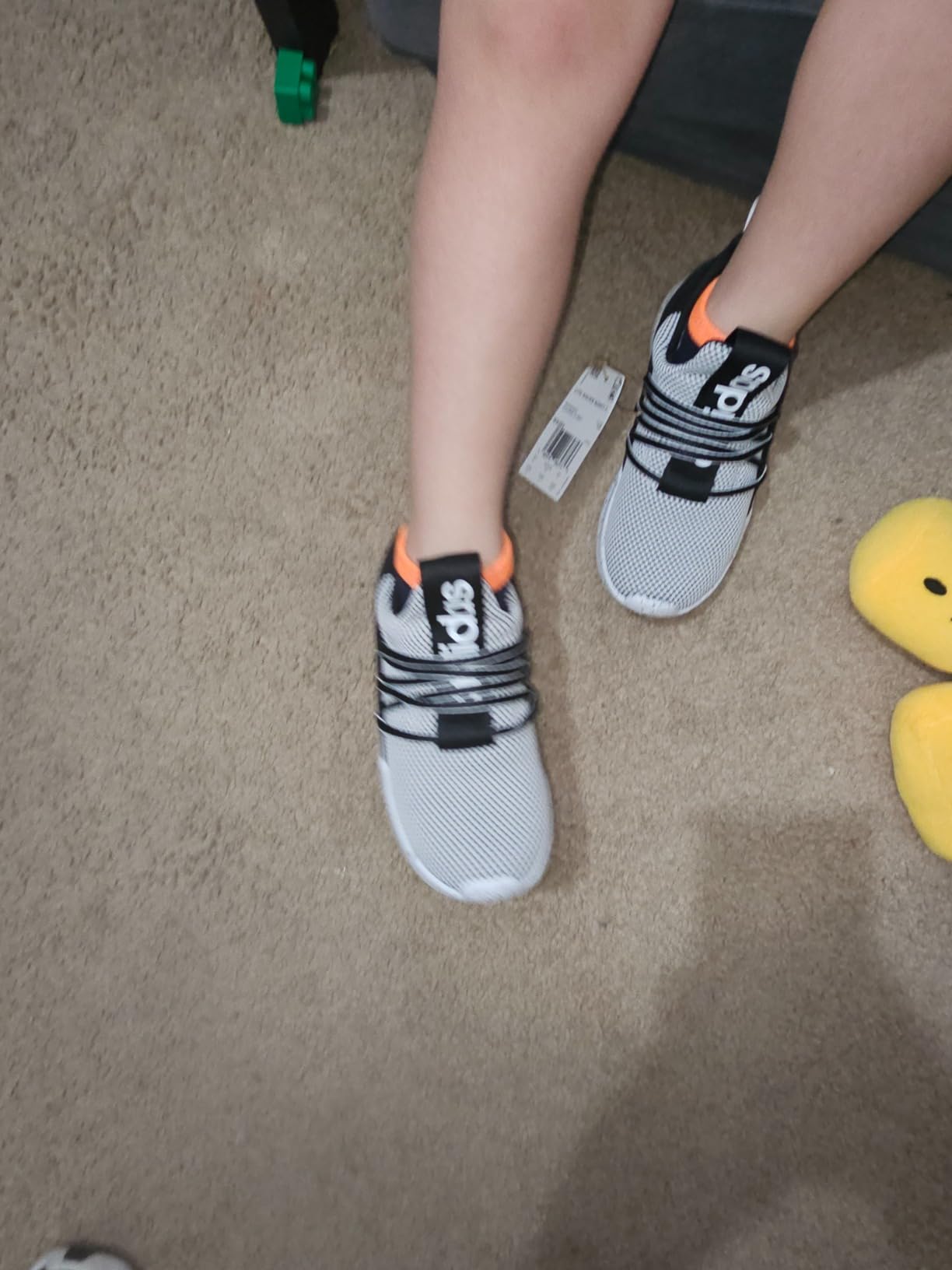
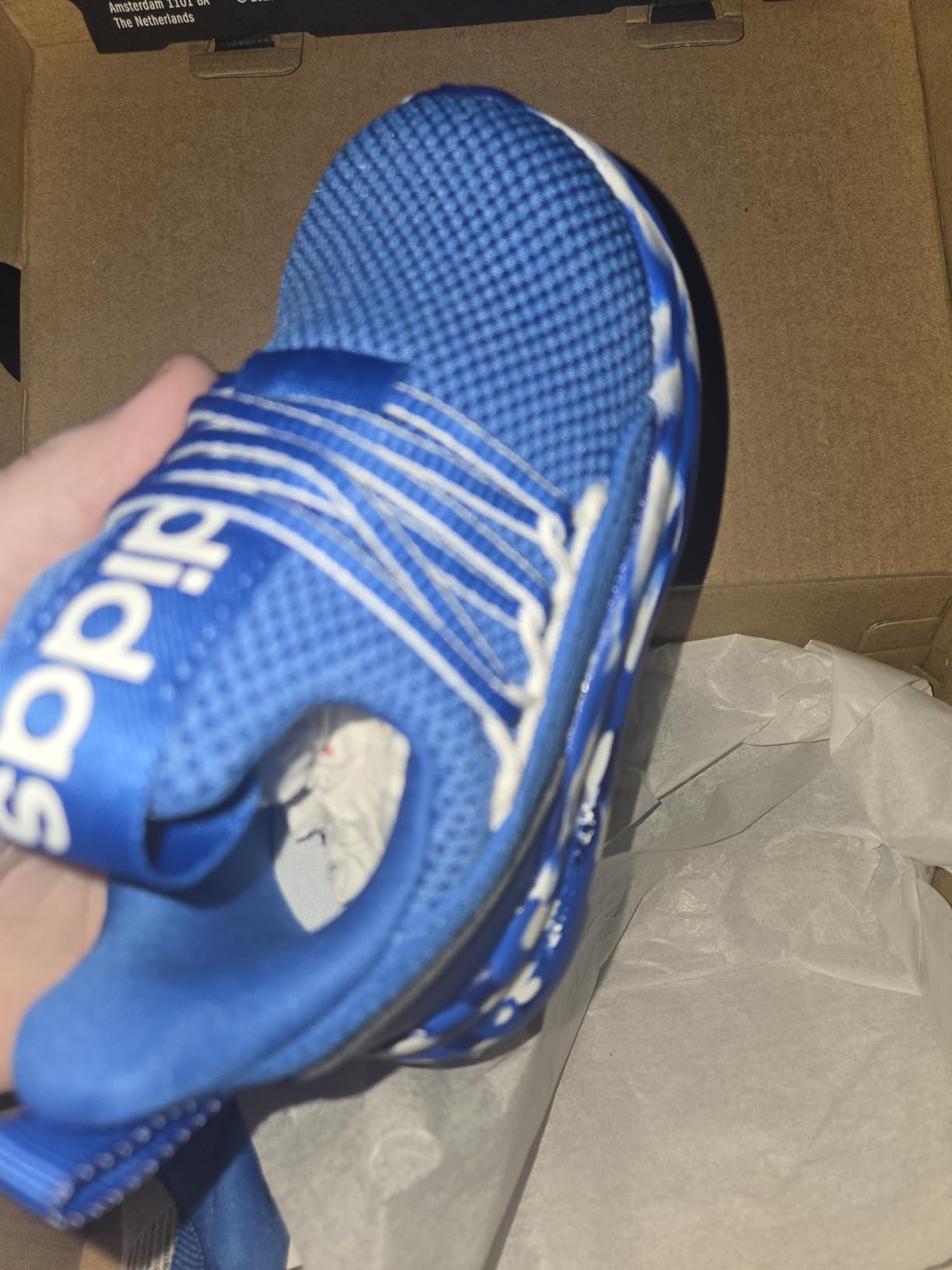
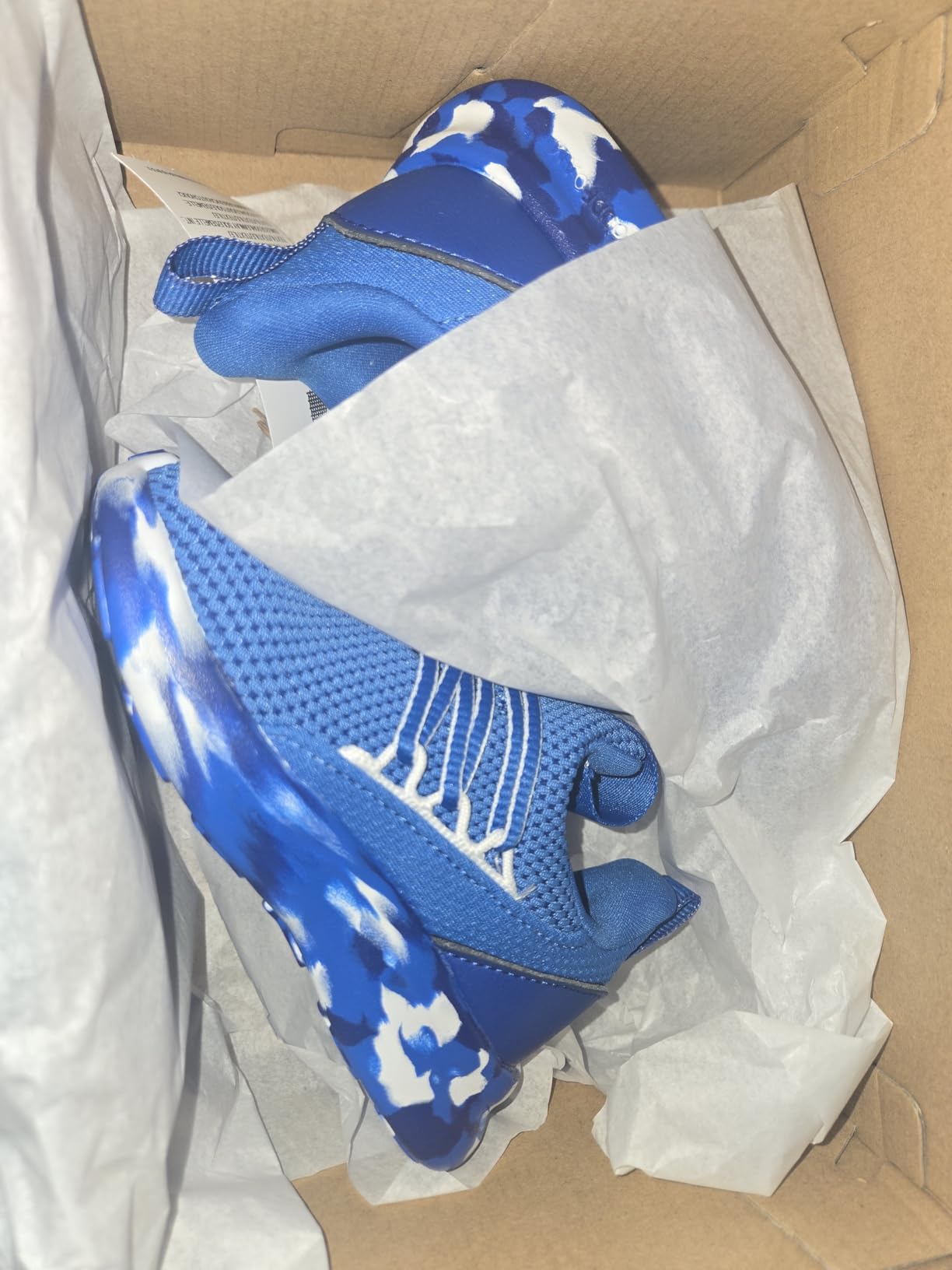
The all-mesh bootie upper wraps around the foot in one continuous piece — no seams pressing against the top of the foot, no rigid side panels. It stretches when it needs to and holds when it should. The construction is closer to a thick athletic sock than traditional shoe fabric, which explains both the comfort and the durability tradeoff.
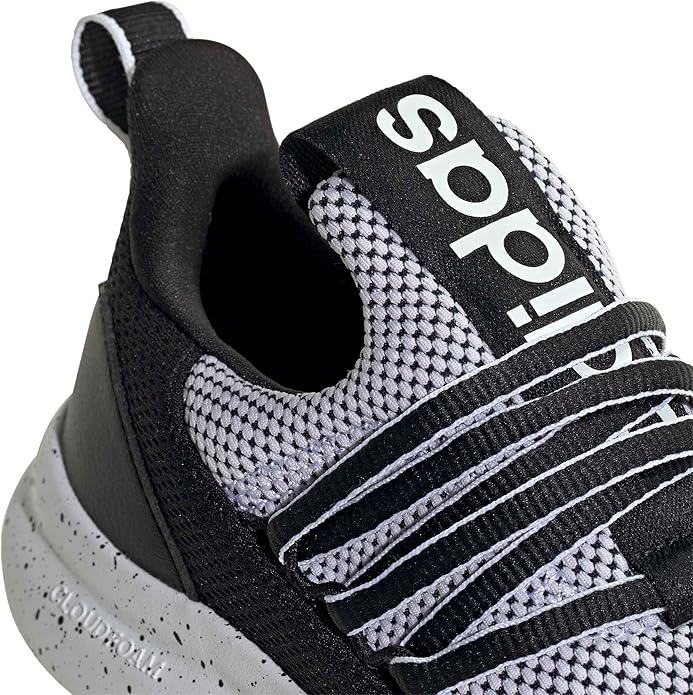
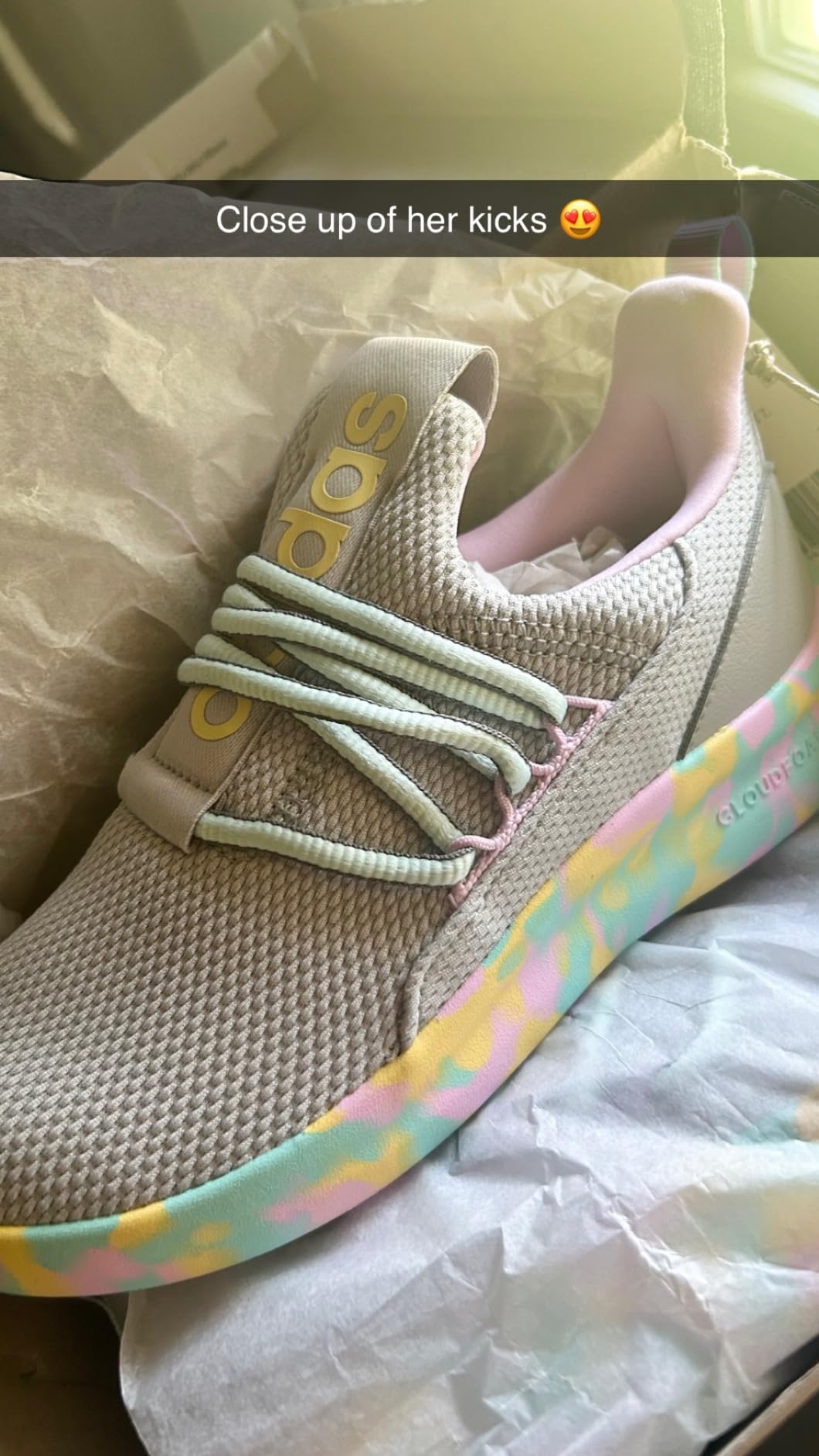
One thing worth knowing upfront: the elastic bands running across the top look like laces but don’t function like them. They’re aesthetic. You can’t loosen or tighten them to adjust fit the way you would with traditional laces. The secure fit comes entirely from how snugly the elastic collar wraps the foot — not from tension you control. This isn’t a flaw exactly, but it’s worth understanding before you buy. If your child needs precision lace-tightening for stability (soccer drills, intense playground sport), these won’t give you that control. For school walking and casual recess activity, it works perfectly fine.
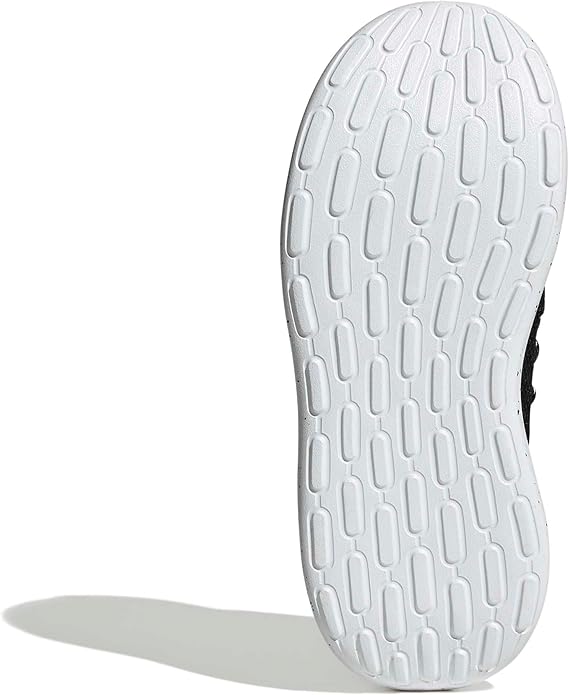
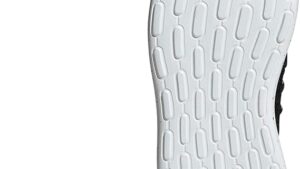
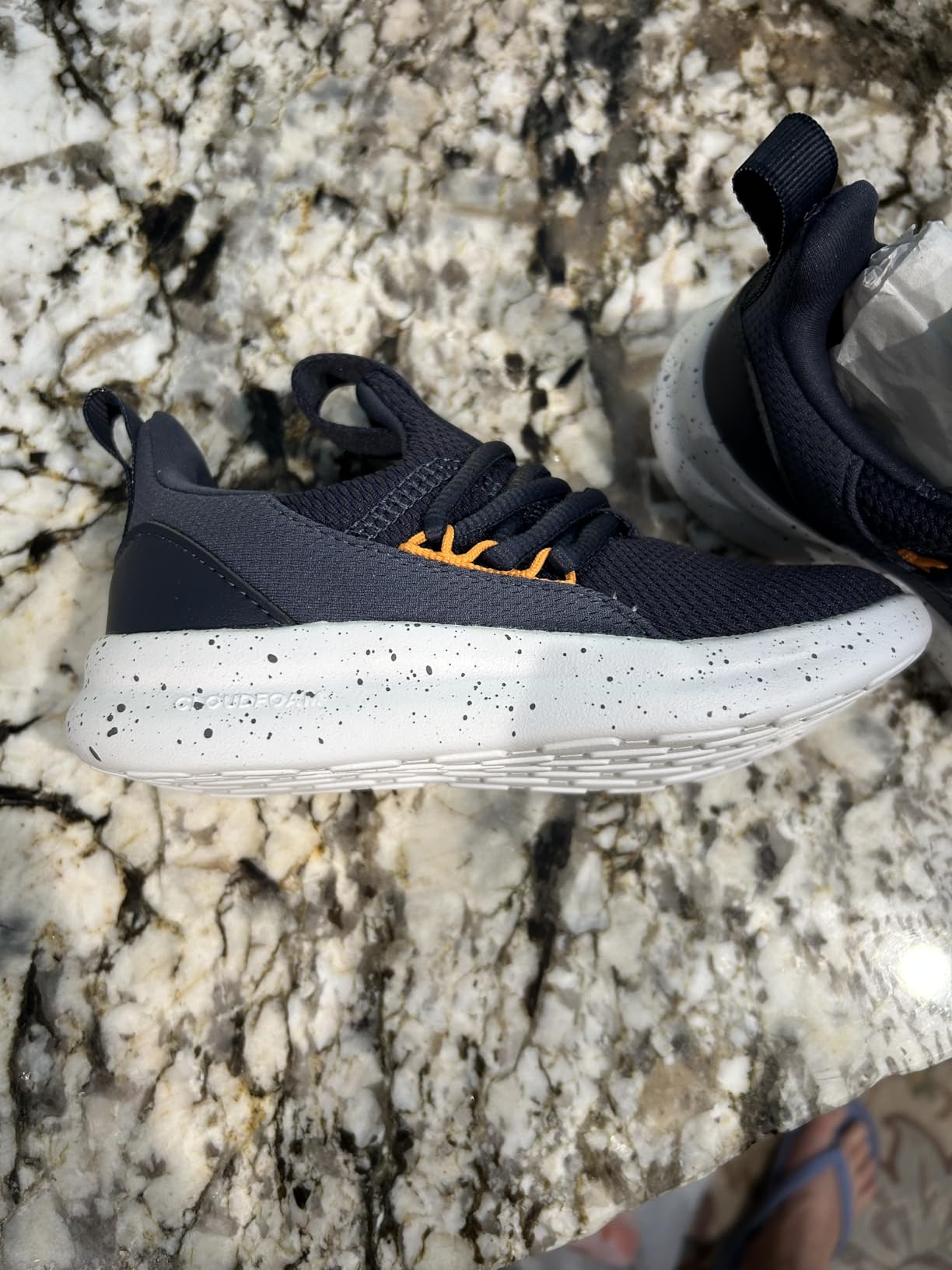
The sole is standard rubber over a Solo EVA foam midsole. Budget-tier materials honestly, but appropriate for the price. No exotic compounds, no multi-density foam stacks — just serviceable construction that handles what kids actually do all day.
What Cloudfoam Actually Does for Kids
Adidas markets the Cloudfoam midsole as plush, cloud-like cushioning — and for the first few weeks, that description holds up reasonably well. For school-age kids walking on classroom floors, playground asphalt, and gym surfaces, the foam absorbs enough impact to keep feet comfortable through the full school day.
What Cloudfoam is not: premium Boost-level energy return. This is Solo EVA foam with Adidas branding on it. The Adidas Cloudfoam Pure and similar Cloudfoam adult models deliver the same general feel — moderate, consistent softness rather than the springback you’d get from higher-end foams.
For a seven-year-old doing school walks and recess? It’s more than enough. My son’s feedback across six weeks was consistent: no complaints about feet hurting after school, no requests to take them off early. That’s the real comfort test, and these pass it comfortably.
The compression timeline tracks predictably. Week 1–3: fresh foam with clear cushioning response. Week 4–6: slight firming as foam settles into the foot’s pressure patterns. After month one, the midsole still works — but you can feel it’s no longer “new.” For a school shoe expected to last 4–6 months on moderate use, this pacing is normal and expected.
Where Cloudfoam has limits: extended high-impact activities. Three-plus hours of continuous running or jumping at the park pushed the cushioning to its edges — noticeable to me observing, though my son didn’t complain. For pure school wear (6–7 hour days with normal activity levels), Cloudfoam delivers without issue.
Six Weeks at Recess: Real Playground Performance
The playground is where claims get verified or destroyed. Over six weeks of daily recess, weekend park visits, and backyard play, here’s what I actually observed:
On dry surfaces — playground equipment, concrete paths, asphalt, grass fields — the rubber outsole gripped consistently. No slipping during tag, no instability on the monkey bars. My son moved confidently without once mentioning shoes, which is the best review possible when you’re seven and focused on winning at recess.
Climbing equipment was handled well. The slightly snug collar fit (more on that in the next section) actually worked in the shoe’s favor here — the foot didn’t slide around inside the shoe during vertical movement. Lateral direction changes during tag games were handled without heel shift or foot roll.
The lightweight build helped with agility in a way heavier sneakers genuinely don’t. Kids move differently in heavy shoes — shorter strides, more deliberate steps. In the Lite Racer, my son ran his normal overenthusiastic sprint and the shoes moved with him rather than against him.
Activity ratings from six weeks of observation:
– School walking all day: 9/10 — no fatigue issues
– Playground running (dry): 8/10 — confident, secure
– Climbing structures: 7.5/10 — adequate grip and foot hold
– Wet playground surfaces: 4/10 — significant slip risk (addressed below)
– Grass and dirt: 8/10 — outsole handled varied terrain well
The Entry Opening: What Nobody Tells You
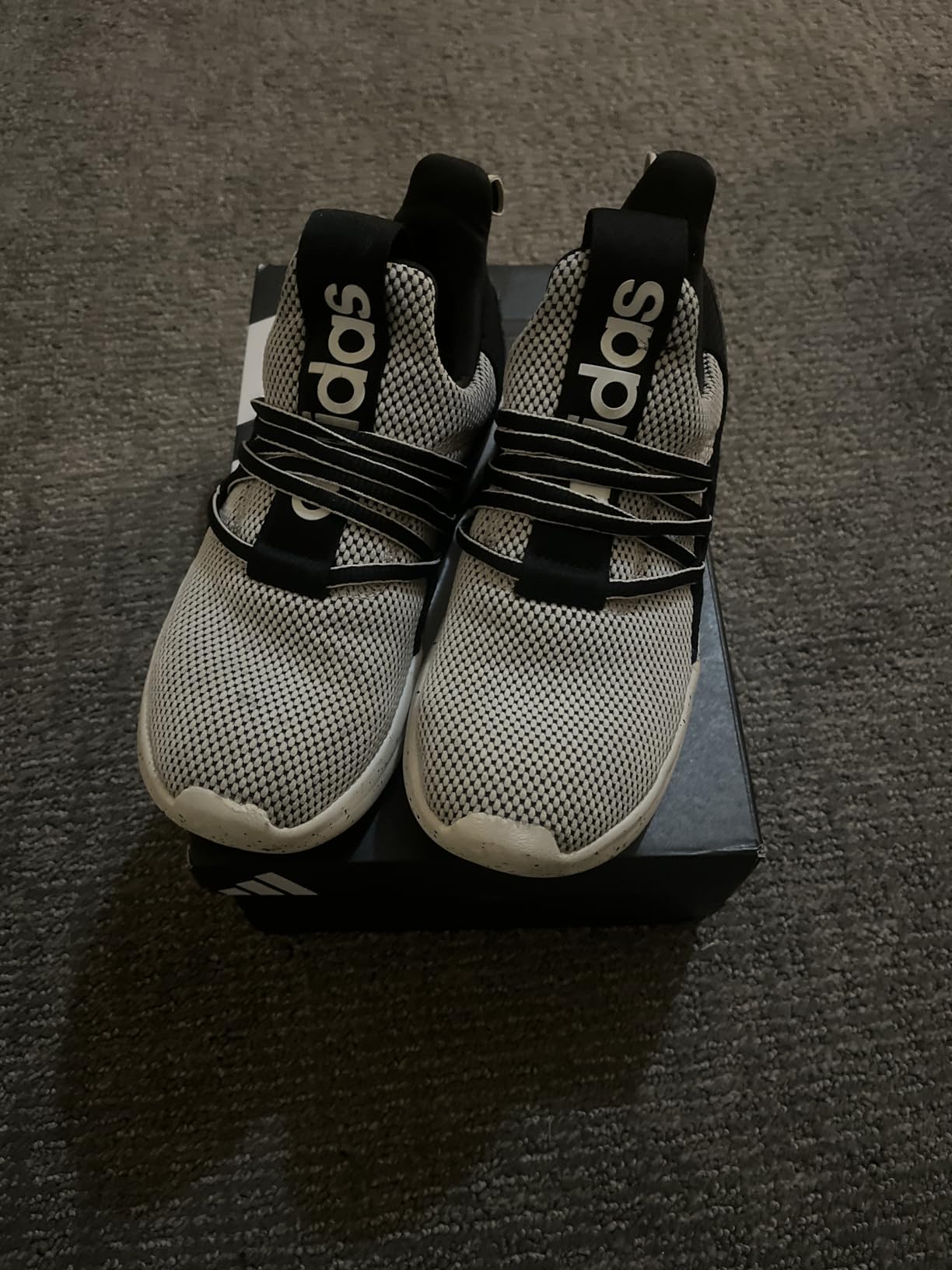
This is the finding that no competitor review bothers to document, and it’s the one parents most need to know: the entry opening on these shoes is intentionally snug, and it doesn’t become truly easy to slip on until about three to four weeks in.
Day one was legitimately frustrating. My son couldn’t get his foot in without help, and “easy slip-on” felt like false advertising. Zappos has at least one one-star review from someone who purchased, couldn’t get their foot in, and returned immediately. I understand that reaction. But those reviewers stopped short of finding out what happens next.
Here’s the actual timeline:
**Days 1–2:** Entry requires adult assistance or significant effort. The elastic collar barely stretches. Morning rush pressure made this particularly annoying.
**Days 3–5:** Noticeably easier. The elastic is beginning to soften and conform to foot shape.
**Week 2:** Clear improvement. Kids can often manage independently with some effort.
**Week 3:** Entry is straightforward. The elastic has stretched to its working range.
**Week 4 onward:** Genuine slip-on. Takes about 8–10 seconds, no help needed.
The tradeoff is worth understanding: the tight entry elastic is doing the work that laces would normally do. It creates the secure fit that keeps the shoe stable on climbing equipment and through direction changes. Loosen that collar, and you’d have a less secure shoe. It’s a design choice, not a defect.
Practical tips for the break-in period: a basic shoehorn speeds up week one dramatically. Using it consistently for the first two weeks gets you to the comfortable phase faster. Also worth telling your kid upfront — “these will get easier” — rather than letting frustration build in week one.
If your child has sensory sensitivity to tight shoes or strong resistance to the entry effort, this break-in period could be genuinely difficult. For most kids, it’s a minor two-week inconvenience before you have a shoe that’s easy to use independently.
Sizing and Fit: The Width Story
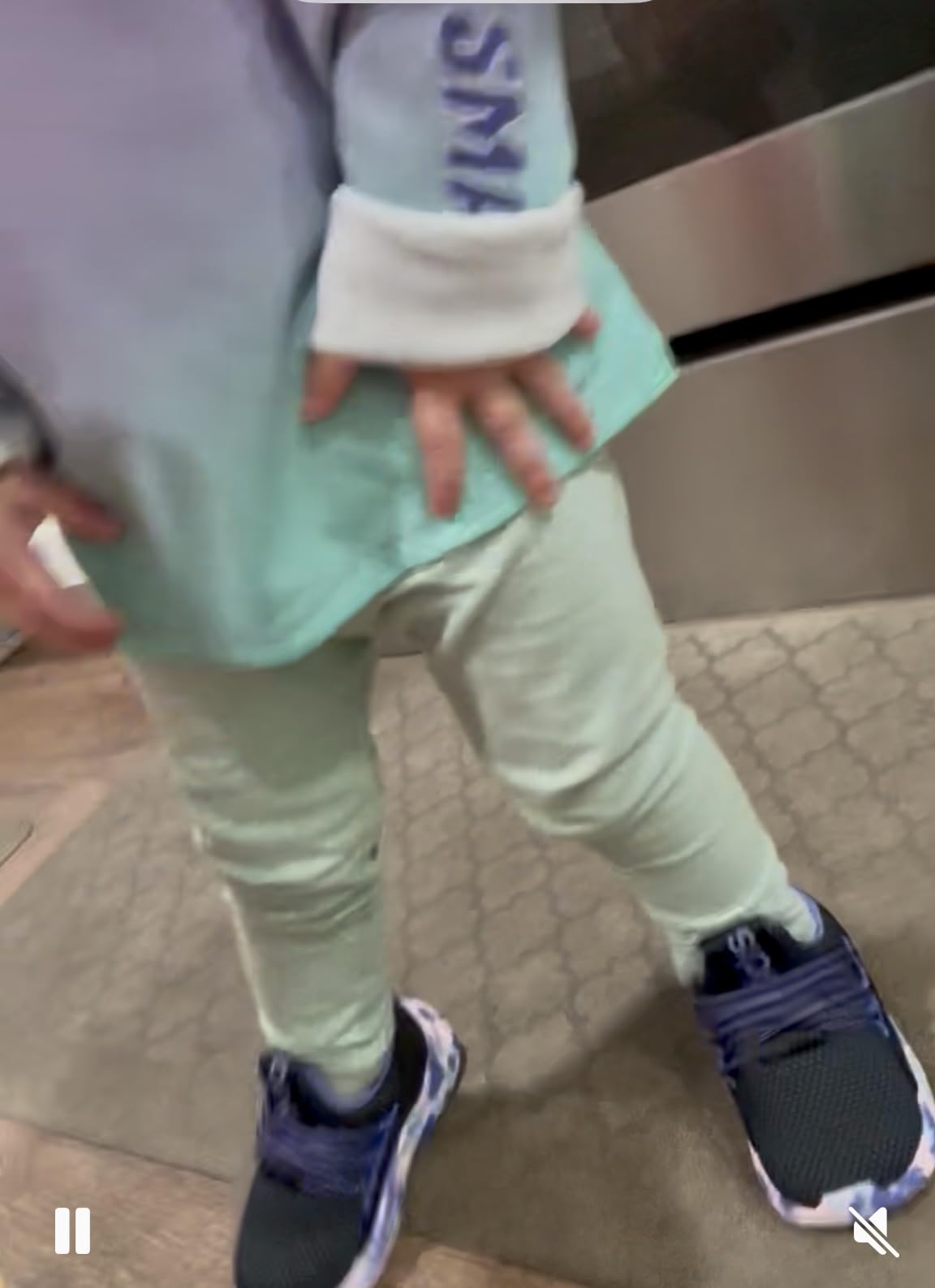
With 2,784 Zappos reviews to pull from, the sizing picture is unusually clear:
– **77% felt true to size** — strong consensus, order your child’s measured size
– **92% felt true to width** — exceptional number, even for standard-width buyers
That 92% width figure deserves attention. Most budget kids’ shoes run narrow or have rigid side panels that squeeze wider feet. The all-mesh bootie construction here stretches laterally, making it genuinely accommodating for children with wider feet. If you’ve cycled through multiple brands because the toe box always cramps — this is worth trying.
Standard width feet: order exact measured size. No adjustment needed.
Wide feet: standard width Lite Racer 7.0 works for most. The stretchy upper accommodates without a wide-width variant required in most cases.
Narrow feet: TTS works, but there’s a minor risk of heel looseness with a very narrow foot profile. If your child has had heel-slip issues in other slip-ons, consider the snug collar entry as a potential benefit — it holds the heel better than open-entry designs.
One sizing mistake to avoid: don’t buy a full size up “for growth room.” The playground security comes from a snug fit. A loose shoe on the monkey bars is a genuine safety concern. Better strategy — buy TTS, plan for replacement in 4–6 months when growth genuinely requires it.
Seattle Rain Reality: Wet Weather Performance
I’m in Seattle. Rainy days are a fact of life from October through May. Within the first three weeks of testing, the wet weather reality became clear.
These shoes are not waterproof. The mesh upper absorbs water almost immediately in rain — within five minutes of light rain exposure, my son’s socks were noticeably damp. A full puddle incident saturated the shoe completely. Drying time was 24–36 hours, which meant a day without the shoes the following morning.
Wet pavement traction was still acceptable — the rubber outsole holds grip on wet concrete without significant slipping. The traction issue emerged on wet playground equipment: painted metal surfaces and wet composite playground structures dropped to dangerous slip levels. We had one near-fall from a wet ladder on a rainy recess day, and after that I started keeping backup shoes for wet-weather school days.
Machine washing works well for mud cleanup — cold gentle cycle, then air dry completely. Don’t use a dryer or direct heat source; it damages the EVA foam. Full drying from machine wash takes about 24 hours.
For dry climates or seasonal-dry-weather use, none of this is a concern. For Pacific Northwest families, rainy-region parents, or anyone expecting an all-weather school shoe: these aren’t it. You need a waterproof primary shoe and treat these as your dry-day option.
Durability: Honest Timeline by Use Pattern
The original article scored durability at 6/10, and six weeks of testing confirmed that’s accurate. These are budget-tier materials. Expectations need to match price point.
**Light use (1–2 days per week):** 8–12 months realistic lifespan. Cosmetic wear only, no structural failure expected. Cost works out to roughly $0.35–0.40 per wear.
**Moderate use (school 3–4 days per week):** 4–6 months. This is the most common parent scenario. Visible sole thinning begins around month 3, stress patterns visible at 8–10 weeks. Still functional but showing age. Cost: $0.55–0.70 per wear.
**Heavy daily use (school plus after-school plus weekends):** 2–3 months. Foam compression becomes obvious, outsole wear accelerates. Cost climbs to $1.00–1.50 per wear — significantly less efficient.
Specific observations across six weeks:
– Upper mesh: no tearing, no separation, held up well
– Seams: no separation at any stress point
– Sole attachment: secure throughout test period (no early delamination)
– Insole: stayed in position, no lifting or adhesive failure
– Elastic lace bands: maintained shape, no fraying observed
The midsole compression is the primary failure mode — not a defect, just budget EVA foam doing what budget EVA foam does. The outsole rubber will thin before it separates, which is better than sudden sole-bond failure.
A rotation strategy extends value considerably: two pairs alternating daily stretches each pair to 6–8 months at moderate use, bringing combined cost to roughly $0.50 per wear — competitive with much more expensive options.
Value Analysis: The Real Math
At $40–50, these sit between the ultra-budget $20 options and premium $80–120 kids’ running shoes. The math for each use scenario:
**Moderate school use (5 months, 4 days/week):**
– Cost: ~$45
– Total wears: ~85
– Per wear: ~$0.53/wear
– Monthly: ~$9/month
**Comparison context:**
– $100 premium shoe at 10 months: ~$0.50/wear — similar per-wear cost if it genuinely lasts 10 months
– $20 budget shoe at 2 months: ~$0.80/wear — worse value for daily wearers
– Lite Racer at moderate school use: solid middle-ground
The place where the math gets tricky is heavy daily use — at $1.00–1.50/wear, you’d save money buying a more durable $70 shoe that lasts 6 months. But for the most common parent scenario (school shoes that get rotated with another pair), $45 and a 5-month lifespan is genuinely reasonable value.
Two-pair rotation math: Two pairs at $90 total, rotated across 8 months combined = $11.25/month, ~$0.50/wear. That beats most mid-tier options on per-wear cost while giving you a clean pair always available and faster drying rotation.
Overall Scoring
Solid School Shoe for Budget-Conscious Families
| Category | Score | Key Finding |
|---|---|---|
| Comfort & Fit | 8.5/10 | All-day school comfort validated; 92% true-to-width exceptional |
| Build Quality | 6.0/10 | Budget-tier EVA and rubber; no defects but compression by month 2–3 |
| Playground Performance | 7.0/10 | Excellent dry traction; slip risk on wet metal surfaces |
| Weather Resistance | 4.0/10 | Not waterproof; mesh saturates in 5 min light rain |
| Convenience | 8.0/10 | Machine washable; genuine slip-on after 3–4 week break-in |
| Value for Money | 7.5/10 | $0.53/wear moderate use; two-pair rotation improves significantly |
| Overall | 7.2/10 | Recommended for school-focused moderate use; not for wet climates or daily athletes |
Strengths
- Genuinely lightweight: 4.2 oz — kids notice the difference
- Wide-foot friendly: 92% true-to-width (Zappos, 2,784 reviews)
- All-day school comfort: Cloudfoam holds up through full school days
- Machine washable: Cold gentle cycle, air dry — real convenience
- Independence-building: Easy slip-on after 3–4 week break-in period
- Budget positioning: $0.53/wear at moderate school use
Limitations
- Tight entry opening: Requires 3–4 week break-in; not immediate slip-on
- Not waterproof: Mesh saturates in light rain; wet-climate parents beware
- No orthotics: Insole not removable; custom orthotics not compatible
- Budget durability: 4–6 months moderate use; foam compresses month 2–3
- Wet playground surfaces: Slip risk on wet metal equipment
- Elastic laces are decorative: Can’t tighten for stability like traditional laces
Who Should Buy These — And Who Shouldn’t
**Buy these if:**
– Your child complains about heavy shoes — the 4.2 oz weight makes a real difference
– Wide feet have been a problem — 92% true-to-width is exceptional at this price
– You want machine-washable school shoes for playground mud cleanup
– You’re in a dry climate or need a dry-season school shoe
– Budget is a primary constraint and 4–6 months of solid wear is acceptable
– You’re doing a rotation strategy — two pairs at $90 beats one premium pair at the same price
**Skip these if:**
– Your child needs custom orthotics — non-removable insole is a hard no
– You’re in Seattle, Portland, or any rainy-climate region as a primary shoe — the mesh is not weatherproof
– Your child plays sports 5+ days per week and needs a more durable build — look at dedicated ASICS Upcourt 3 Kids or sport-specific options
– Sensory-sensitive kids who strongly resist tight shoe entry — the break-in period could be genuinely difficult
– Your child has very narrow feet — the elastic collar may not snug down enough, causing heel slip
– You want something for harder court sports — consider AND1 Kids Basketball options instead
For soccer-focused kids who need something beyond casual play, Brooman Kids Soccer Cleats, LEOCI Kids Soccer Cleats, and Dream Pairs Soccer Cleats are purpose-built alternatives worth comparing.
The Bottom Line
The Adidas Lite Racer Adapt 7.0 is a practical school shoe that does its best work in specific conditions: dry climate, moderate use, wide-footed kids, budget-conscious parents. The lightweight build is genuinely appreciated by kids who fight heavy shoes, the Cloudfoam comfort holds through school days without complaint, and the machine-washable design makes post-playground cleanup less of an event.
The entry opening break-in is the most important thing to know going in — expect two to three weeks of adult-assisted mornings before independent slip-on happens. It’s not a flaw, it’s the mechanism that gives you the playground-secure fit, but no one else seems to document the timeline honestly.
For the right family in the right climate, this is a solid $45 investment. Sarah’s son finished the 6-week test period asking for the next size when he outgrows these. That, genuinely, is the only review that matters.
Frequently Asked Questions
Are the elastic laces actually adjustable?
No — they’re primarily aesthetic. The elastic bands add visual interest but don’t tighten or loosen for fit adjustment. The secure fit comes entirely from the elastic collar wrapping the foot. This means you can’t tighten the shoe mid-activity, but it also means there’s nothing to untie or come loose at recess.
How long does the tight entry opening last?
The entry opening softens over 3–4 weeks. Days 1–2 require adult help or significant effort. By week 2 most kids can manage with some effort. By week 4 it’s genuinely easy. A basic shoehorn speeds up the break-in period considerably. Plan for this timeline rather than being caught off guard during week-one morning rushes.
My child has wide feet — will these fit?
Very likely yes. Zappos data from 2,784 reviews shows 92% felt true-to-width. The all-mesh bootie construction stretches laterally to accommodate wider feet in the standard-width version. This is one of the shoe’s genuinely standout features — wide-foot kids who struggle with rigid sneakers often do well here.
Can you actually machine wash them?
Yes. Cold gentle cycle, then air dry completely — 24 hours for full dryness. Don’t use a dryer or direct heat; it damages the EVA foam. The mesh upper survives washing well. For playground mud and sand cleanup, this is a real practical advantage.
What’s the realistic lifespan?
Depends on use intensity. Light use (1–2 days per week): 8–12 months. Moderate school use (4 days per week): 4–6 months. Heavy daily use: 2–3 months. The midsole foam compresses noticeably by month 2–3 on heavy use but remains functional for longer. Budget accordingly for your child’s actual wear pattern.
Do these work in rain?
Not as a primary shoe in rainy climates. The all-mesh upper saturates in about 5 minutes of light rain exposure. Drying takes 24–36 hours. The outsole traction stays acceptable on wet pavement, but wet metal playground surfaces are a genuine slip risk. For Pacific Northwest families or rainy-region parents, treat these as your dry-day option and keep a waterproof shoe for rain days.
Should I size up for growing room?
No. Order true-to-size. Sizing up reduces playground security — loose heel slip on equipment is a real concern. Better approach: buy TTS, plan for replacement in 4–6 months when the child genuinely outgrows it. If you’re budget-conscious, a two-pair rotation ($90 total) gives you longer combined wear at roughly the same per-month cost as sizing up and replacing sooner.
How do these compare to the adult Adidas Lite Racer lineup?
The kids version shares the same DNA with the adult Adidas Lite Racer 4.0 — lightweight build, Cloudfoam midsole, slip-on design. The kids version’s entry opening is proportionally tighter relative to foot size, and the build is appropriately scaled for growing feet rather than adult activity levels. If you’re buying for a pre-teen moving toward adult sizing, compare the Big Kids sizing to adult options before committing.
Review Scoring Summary
| Category | Score | Key Points |
|---|---|---|
| Comfort & Fit | 8.5/10 | All-day school comfort; 92% true-to-width; tight entry 3–4 week break-in |
| Build Quality | 6.0/10 | Budget-tier materials; no early defects; foam compresses month 2–3 |
| Playground Performance | 7.0/10 | Excellent dry traction; 4/10 wet playground equipment slip risk |
| Weather Resistance | 4.0/10 | Mesh saturates in minutes; 24–36 hr drying; not for wet climates |
| Convenience | 8.0/10 | Machine washable; true slip-on after break-in; independence-building |
| Value for Money | 7.5/10 | $0.53/wear moderate use; rotation strategy extends to $0.50/wear |
| Overall Score | 7.2/10 | Solid school shoe for dry climates, wide feet, budget-conscious families |
Be the first to review “Adidas Unisex-Child Lite Racer Adapt 7.0 Sneaker”
Related products
Sneaker
Sneaker
Sneaker
Sneaker
Sneaker
Reviews
There are no reviews yet.