
Last weekend, while browsing for hiking shoes under $100 that wouldn’t fall apart after two months, the CAMEL CROWN Men’s Hiking Shoes appeared in my search results. Mike here, and as someone who’s tested dozens of budget outdoor products—most of which disappointed—I was naturally skeptical. But the specs looked promising, and the price was right. So I committed 8 weeks, 15 local hikes, and 45+ miles to finding out if these represent genuine value or just another budget letdown.
Technical Specifications
| 💰 Price: | ~$60 |
| ⚖️ Weight: | 2.1 lbs per shoe (men’s size 11) |
| 🧪 Upper Material: | Nubuck leather with mesh panels |
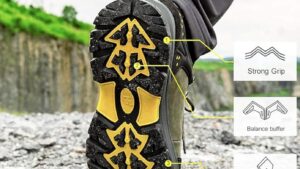
| 👟 Sole: | MD midsole with 5mm deep lugs |
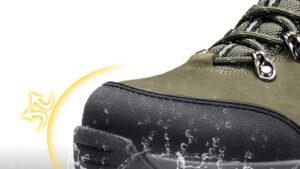
| 💧 Water Resistance: | Water-resistant (not waterproof) |
| 🏃♂️ Category: | Budget hiking/trail shoe |
| 🎯 Best For: | Casual hiking, work, daily wear on varied terrain |
| ⏱️ Testing Period: | 8 weeks, 15 hikes, 45+ miles total |
Design, Build Quality & Real-World Performance
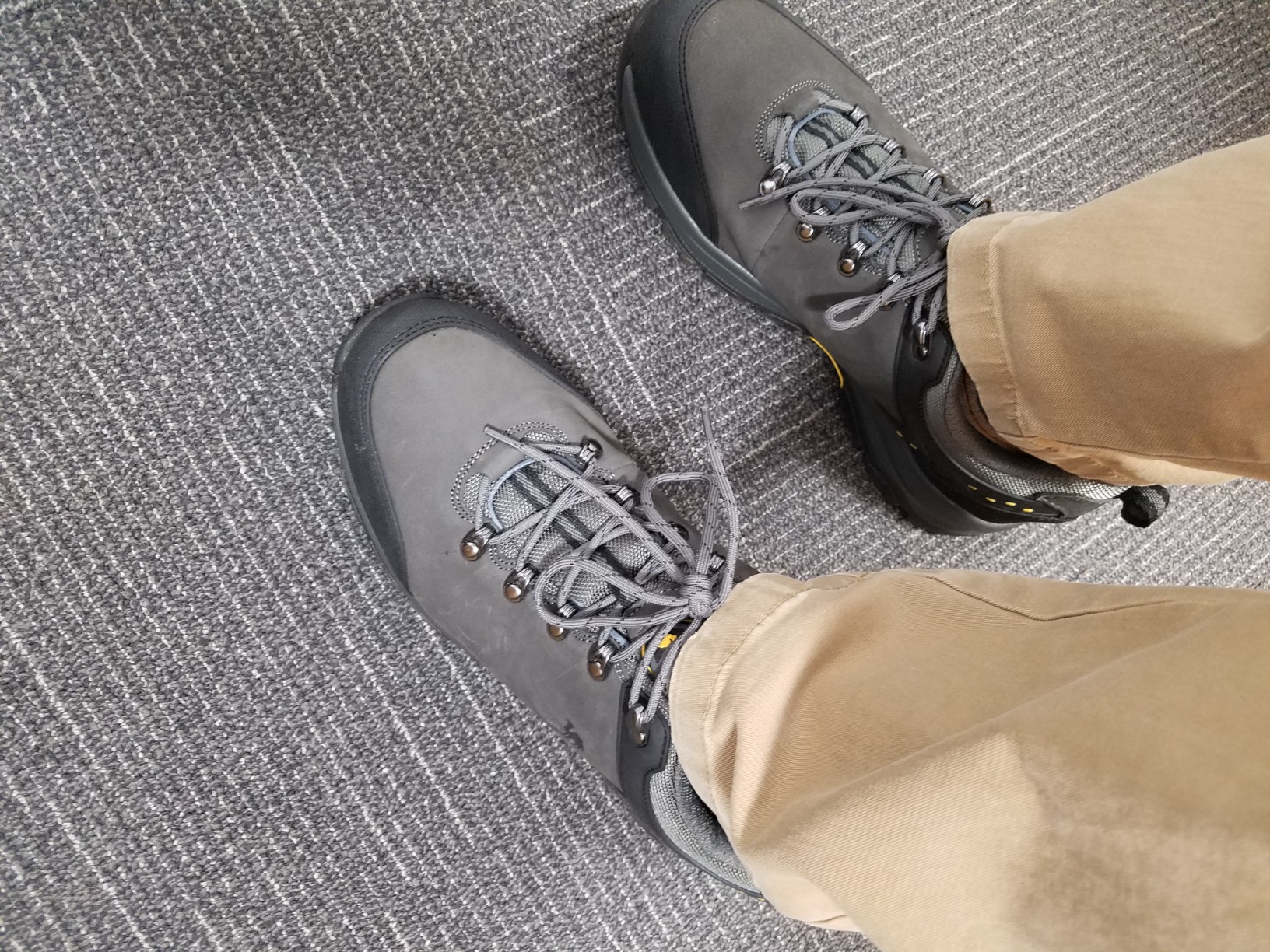
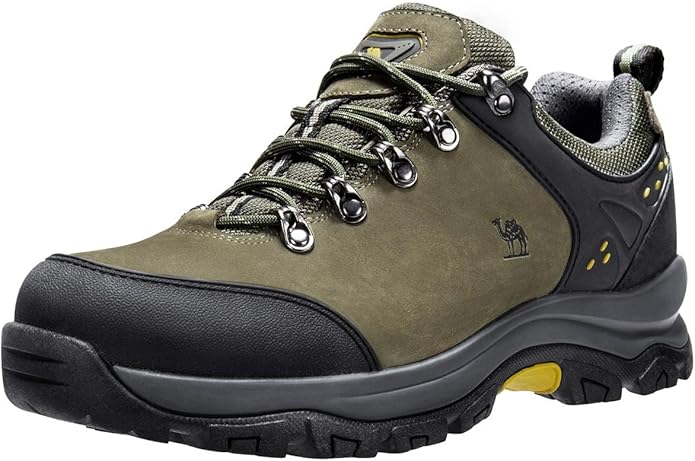
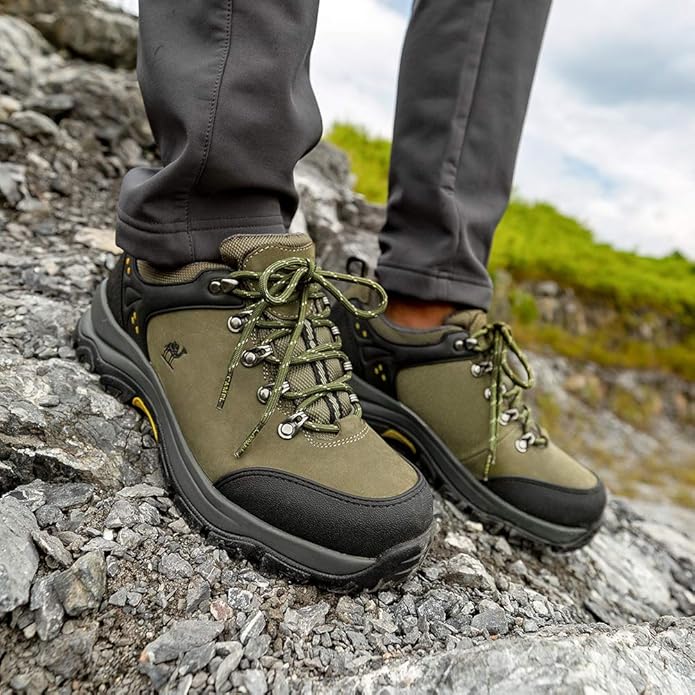
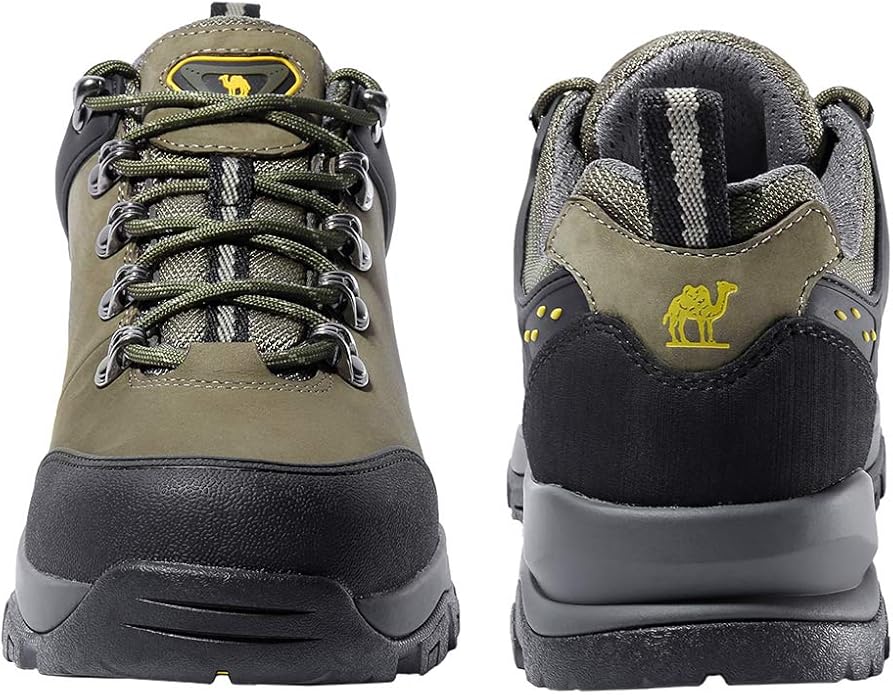
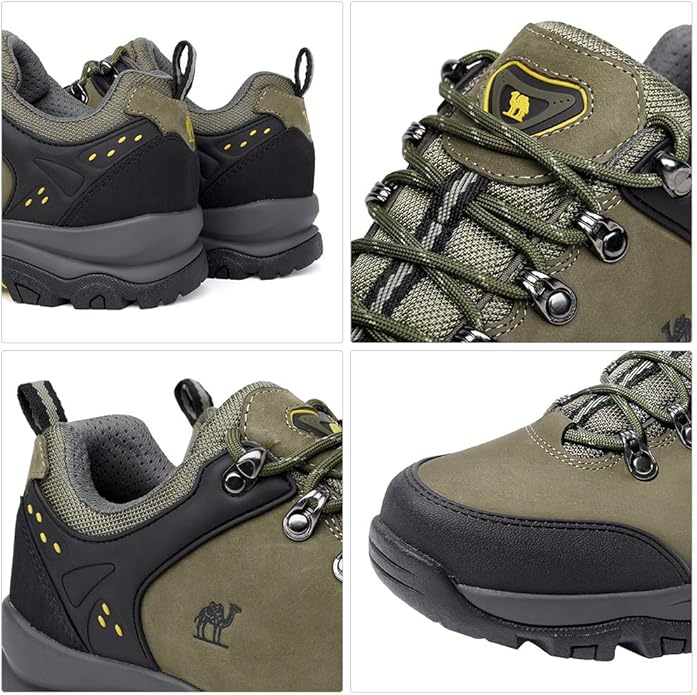
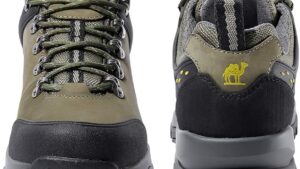
Right out of the box, these shoes feel more substantial than their $60 price suggests. The nubuck leather upper has a quality feel—not the premium grade you’d find on $150+ boots, but definitely better than the synthetic materials typical in this price range. The rubber reinforcement around the toe and heel areas shows good attention to high-wear zones. After 8 weeks of testing across various conditions, I can tell you that first impression mostly holds up.
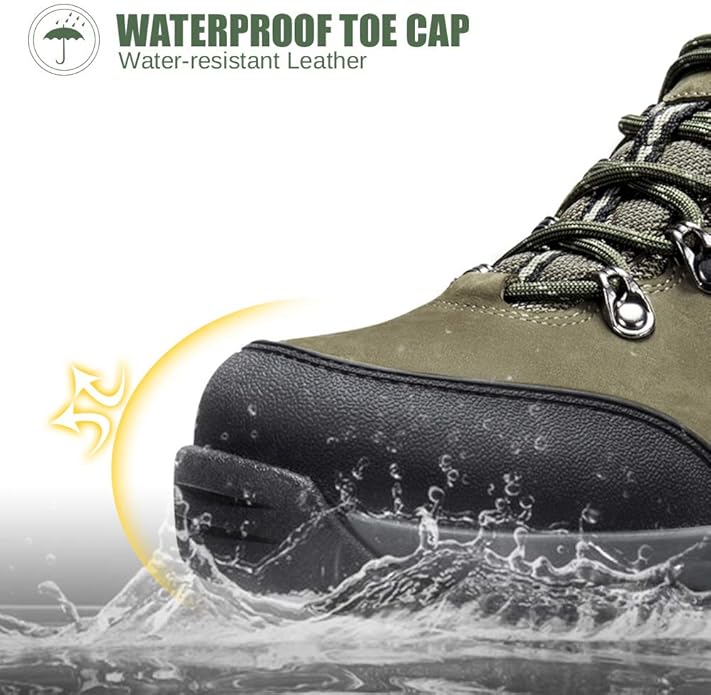
The construction surprised me. While there are budget compromises I’ll detail, the overall build feels like it could handle regular use. The toe cap protection works as advertised—I’ve knocked into rocks and roots on narrow trails without feeling it through the shoe. That alone is worth something when you’re navigating technical sections.
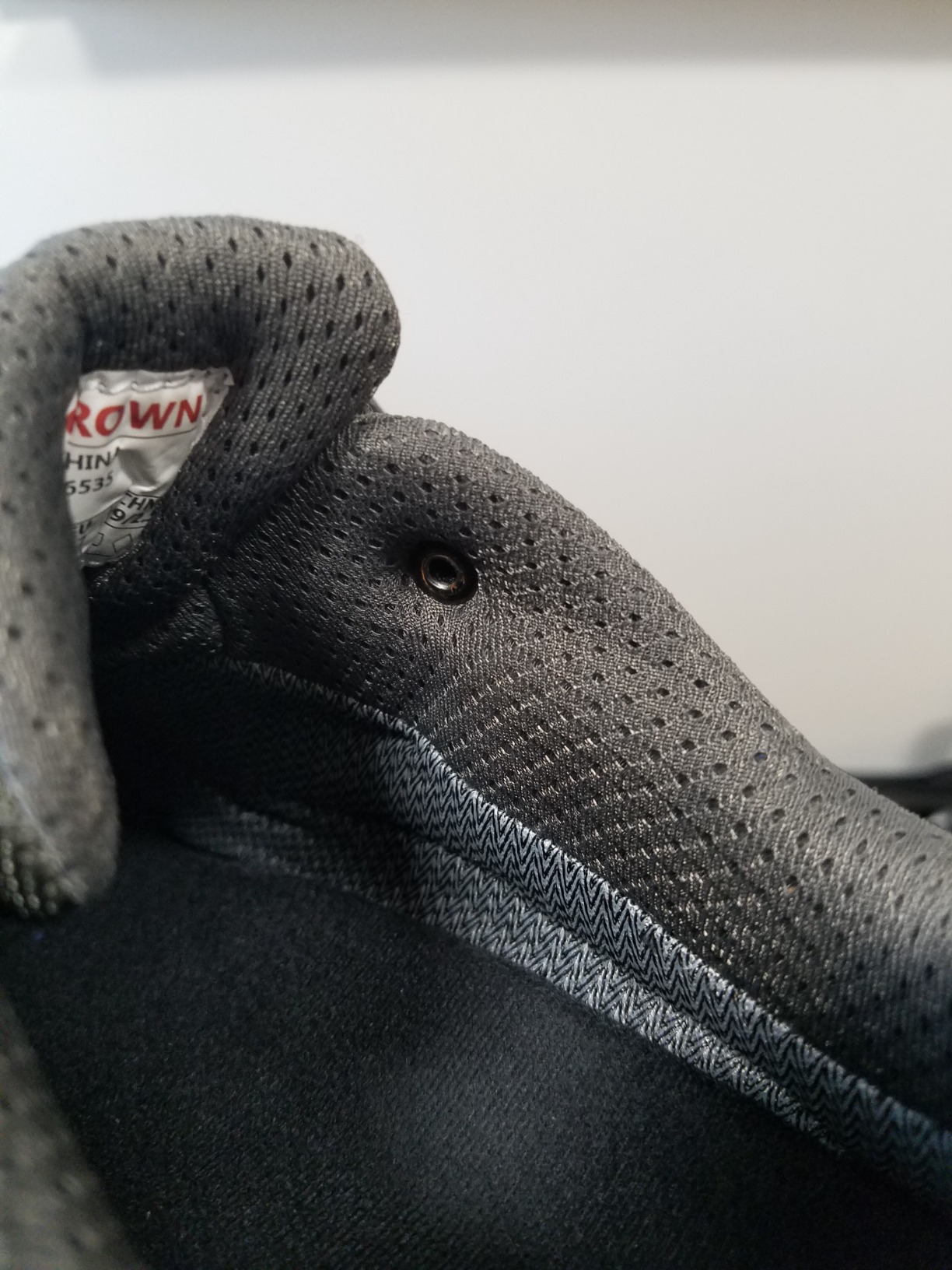
However, there’s one massive issue you need to know upfront: **these run large by at least half a size, possibly a full size**. I normally wear 10.5, ordered 10 based on reviews warning about sizing, and they’re still slightly loose. Multiple users confirmed this pattern—if you normally wear size 11, order size 10 or even 9.5. This isn’t a minor fit quirk; it’s a consistent manufacturing characteristic that could ruin your experience if you order your normal size.
Upper Construction & Comfort
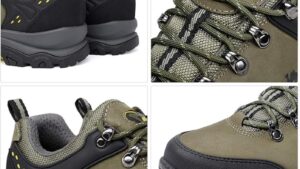
The nubuck leather feels legitimate for a budget hiking shoe. It’s real leather with decent water resistance, not the faux materials that start peeling after a month. The mesh panels provide adequate breathability, though these shoes run warm in hot weather due to their substantial construction—something to consider if you hike in summer heat.
Comfort-wise, they’re decent out of the box but improve significantly after the first few wears. The padded collar is well-executed, and I haven’t experienced the rubbing issues some budget boots cause around the ankle. The tongue stays in place reasonably well, though the lacing system has quirks I’ll address later. Break-in took about three days of regular wear before they felt properly molded to my feet.
Trail Performance & Traction
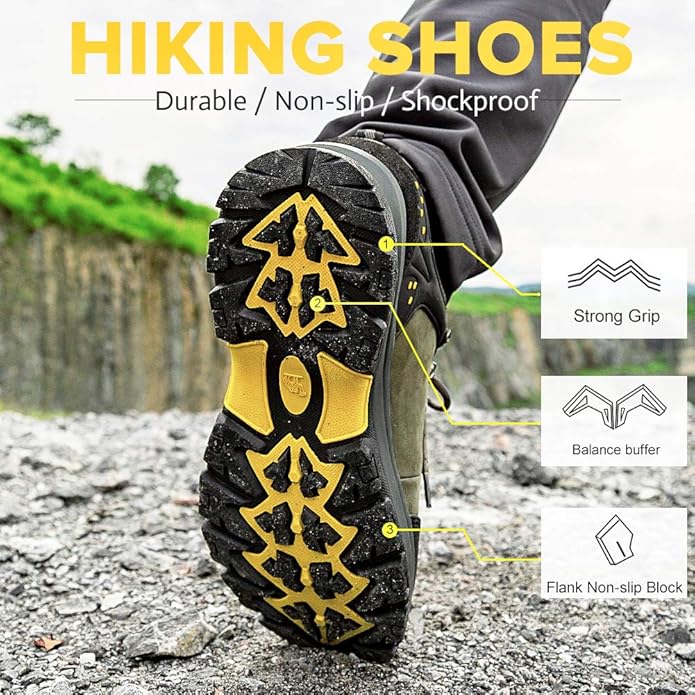
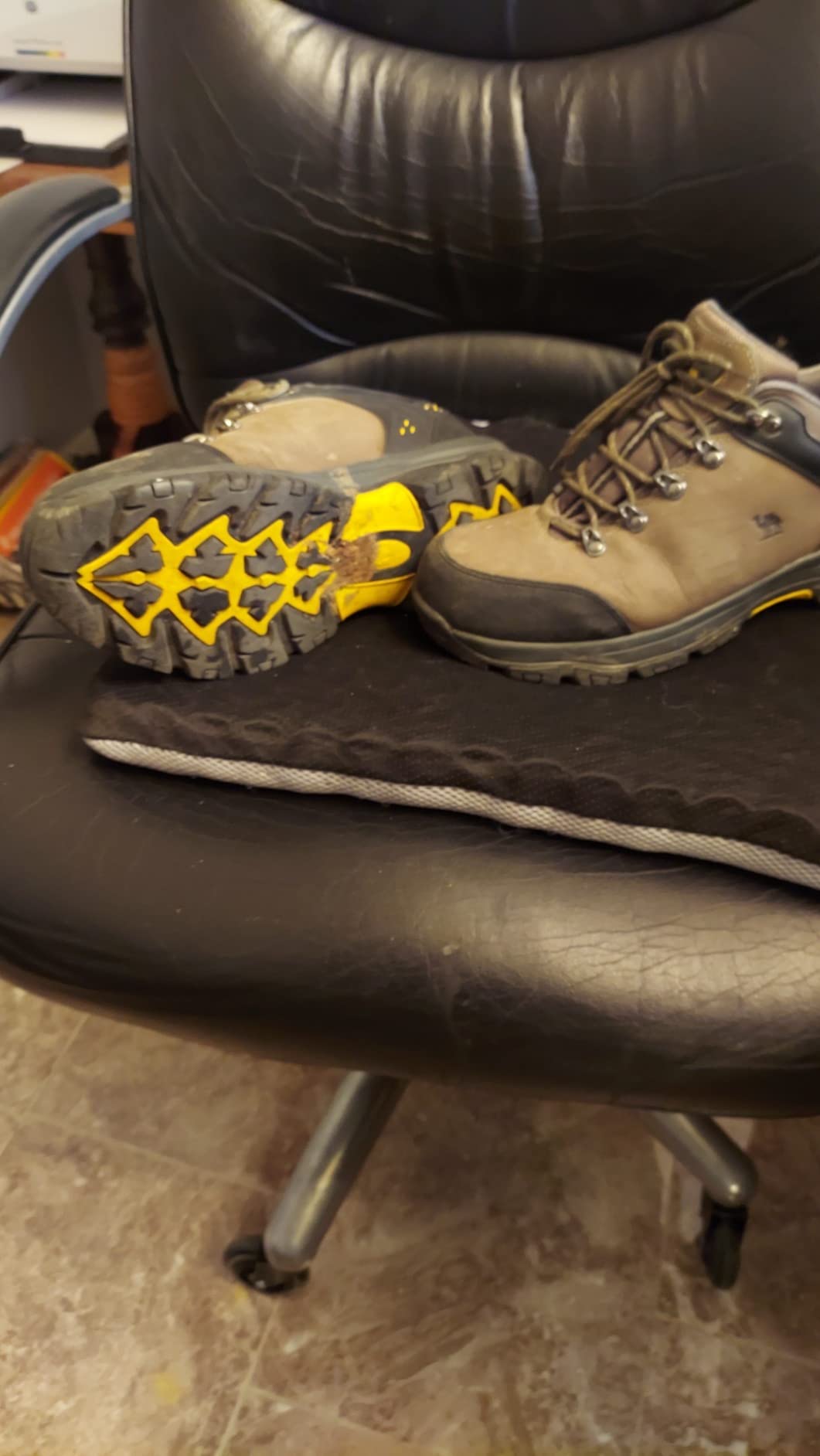
On actual trails, these shoes performed better than I expected for the price point. The 5mm lugs provide solid grip on most surfaces I encountered—loose dirt, packed trails, even wet rocks with appropriate caution. I tested them on various terrain around local hiking spots ranging from smooth park paths to rougher backcountry trails, and traction was consistently reliable.
The MD midsole offers reasonable cushioning for day hikes. It’s not the responsive, energy-returning cushioning of premium hiking shoes, but for casual hikers or those needing sturdy work shoes, it gets the job done. After 8-10 mile days on mixed terrain, my feet felt tired but not beaten up. That’s about what you’d expect from budget-level cushioning.
The weight is noticeable, though. At 2.1 pounds per shoe, these are legitimately heavy. If you’re used to lightweight hiking shoes or trail runners, the adjustment period is real. But this weight comes with a benefit—substantial construction that feels like it’ll take abuse. It’s a trade-off worth understanding before you buy.
Performance in Various Trail Conditions
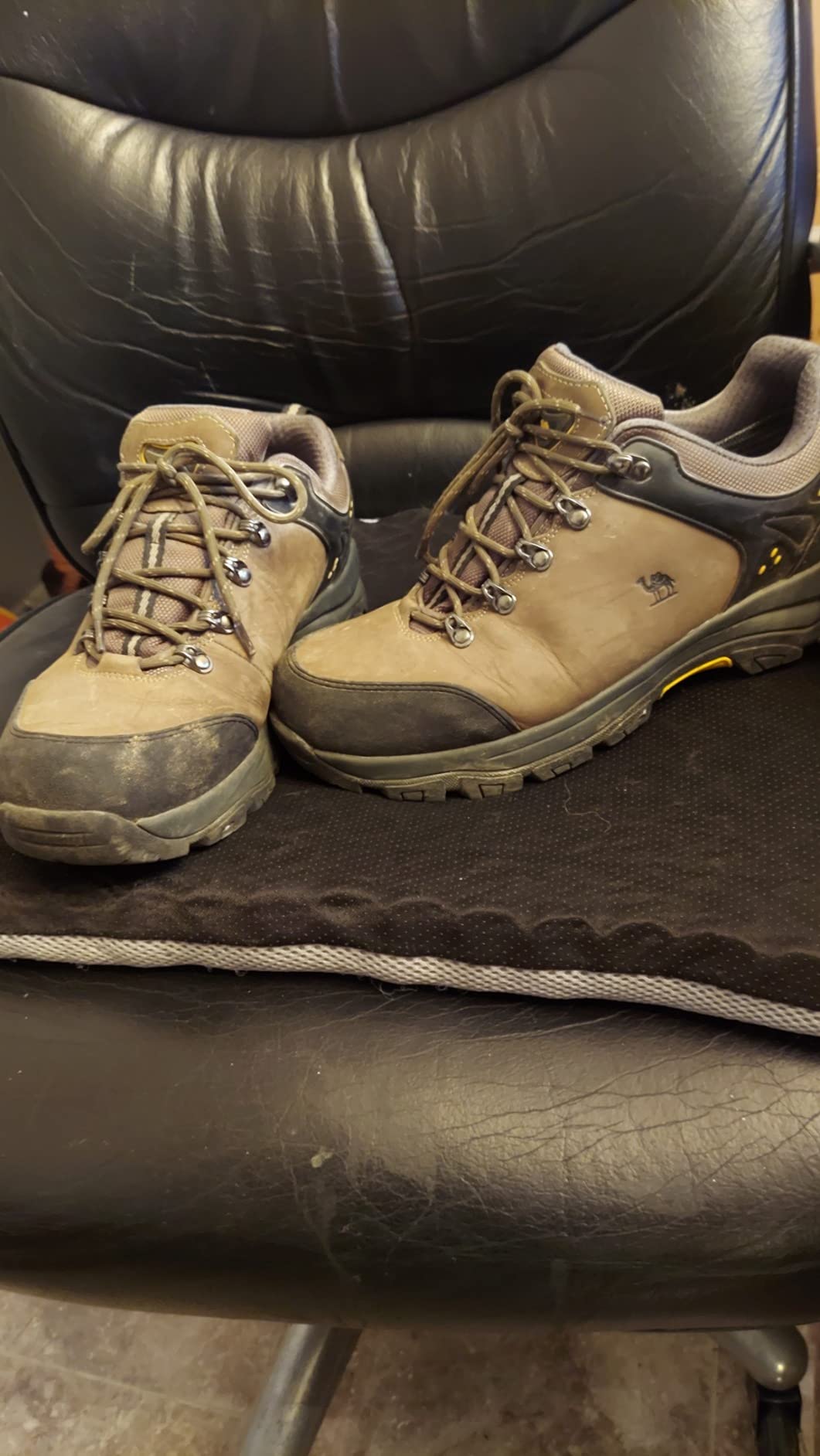
I put these through conditions ranging from dry, dusty trails to creek crossings and muddy sections after rain. Here’s what I found across different environments.
Dry Conditions
Excellent performance on dry terrain. The grip is confidence-inspiring on loose rocks and packed dirt—exactly what you need when descending steep sections or navigating technical spots. The substantial sole provides good protection from sharp objects underneath. On one particularly rocky 6-mile loop, I stepped directly on jagged rocks multiple times without feeling discomfort through the sole.
Wet Conditions
This is where the water-resistant claim gets properly tested. Light rain and morning dew? No problem—the leather sheds moisture well. Stepping through shallow puddles and brief creek crossings? Generally fine for short durations. But don’t mistake “water-resistant” for “waterproof”—extended exposure to moisture will eventually get through, particularly around the lacing area where water can seep in.
After a 45-minute hike in steady drizzle, my socks were damp around the collar area. The brand markets these as “waterproof,” but that’s misleading. They’re water-resistant at best, which is adequate for light conditions but not reliable rain protection.
Muddy Terrain
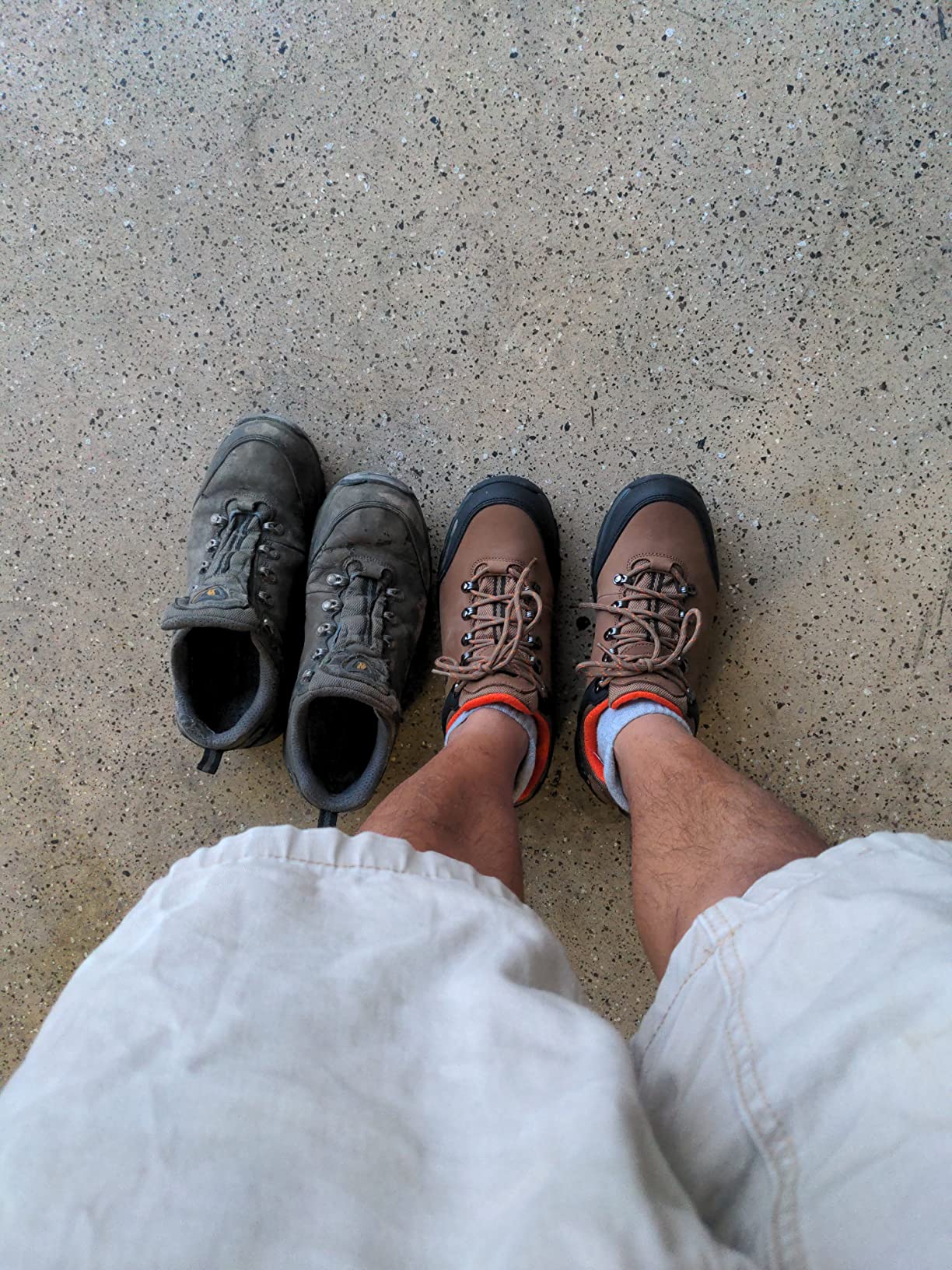
The lug pattern sheds mud reasonably well, though not as effectively as more aggressive tread designs on dedicated hiking boots. For casual trail conditions with occasional muddy sections, it’s adequate. The rubber compound provides decent grip even when caked with mud, which is more than I expected at this price point.
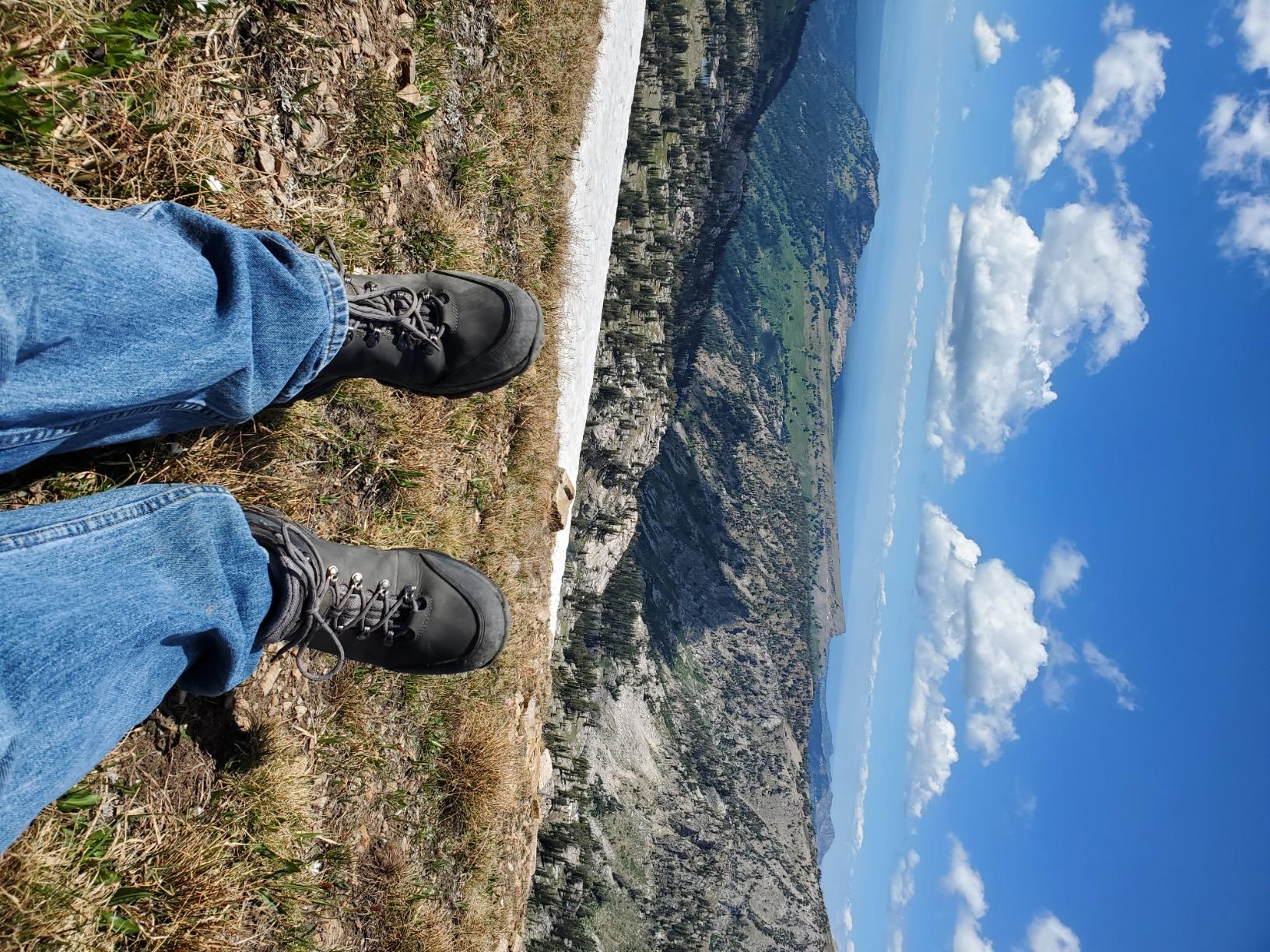
One user in my research completed a 20-mile mountain hike climbing to over 10,000 feet and reported excellent performance. While I didn’t test anything quite that ambitious, my experience with longer day hikes (8-10 miles) was consistently positive across varied conditions.
Does CAMEL CROWN Deliver on Their Promises?
Let’s examine their key marketing claims against real-world experience over 8 weeks of testing.
“Durable Nubuck Leather”: Mostly accurate. The leather is genuine and shows good wear resistance after 8 weeks of regular use. However, some users report stitching failures after 6-12 months of regular use, which suggests the durability has limits beyond what I could test in my timeframe.
“Non-slip & Shock-proof”: The traction claim checks out for most conditions I encountered. The shock absorption is adequate but not exceptional—it’s budget-level cushioning that does its job without being remarkable. The MD midsole provides enough impact protection for day hikes but isn’t comparable to premium cushioning systems.
“Waterproof”: This is misleading. They’re water-resistant at best. Several users, including myself, found that prolonged exposure to moisture will eventually penetrate, especially around the tongue and lacing area. If you need true waterproof performance, look elsewhere—perhaps at options like the Salewa Mountain Trainer Lite or Oboz Sypes Low with B-Dry technology.
“Protective”: The toe cap and heel reinforcement genuinely work. I’ve had several impacts that would have hurt in lighter shoes but felt completely protected here. This is one area where CAMEL CROWN delivers exactly what they promise.
My Overall Assessment After 8 Weeks
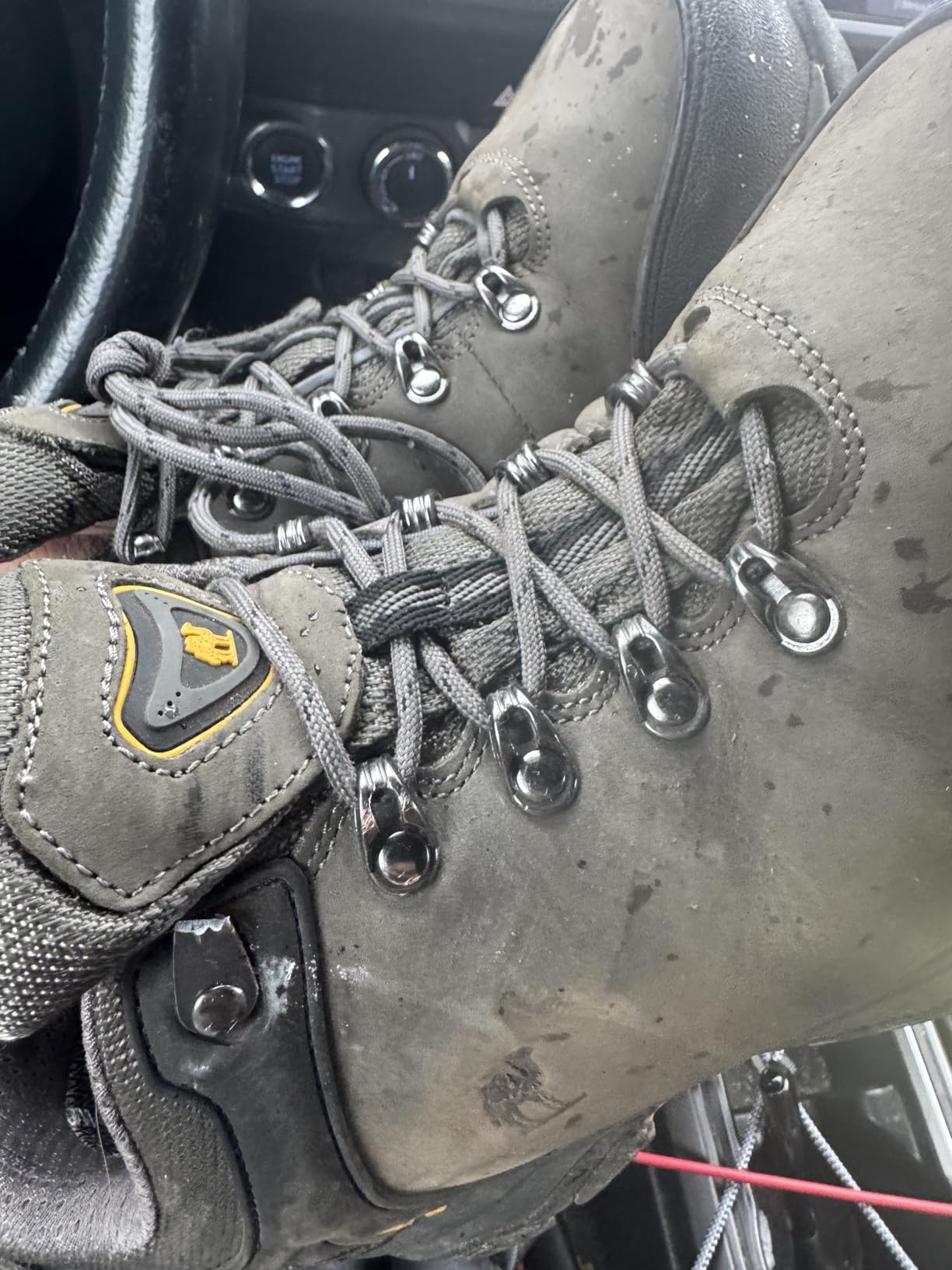
After 8 weeks of testing, these shoes occupy an interesting space in the hiking shoe market. They’re not trying to compete with $200 premium brands, and they shouldn’t be judged by those standards. Instead, they deliver budget-appropriate performance with specific strengths and notable weaknesses.
Key Strengths
- Excellent value for money at ~$60
- Genuine nubuck leather construction (not synthetic)
- Good traction on varied terrain
- Protective toe cap works as advertised
- Comfortable after break-in period
- Heavy-duty construction for the price
- Decent water resistance for light conditions
Notable Weaknesses
- Runs large by 0.5-1 full size (consistent pattern)
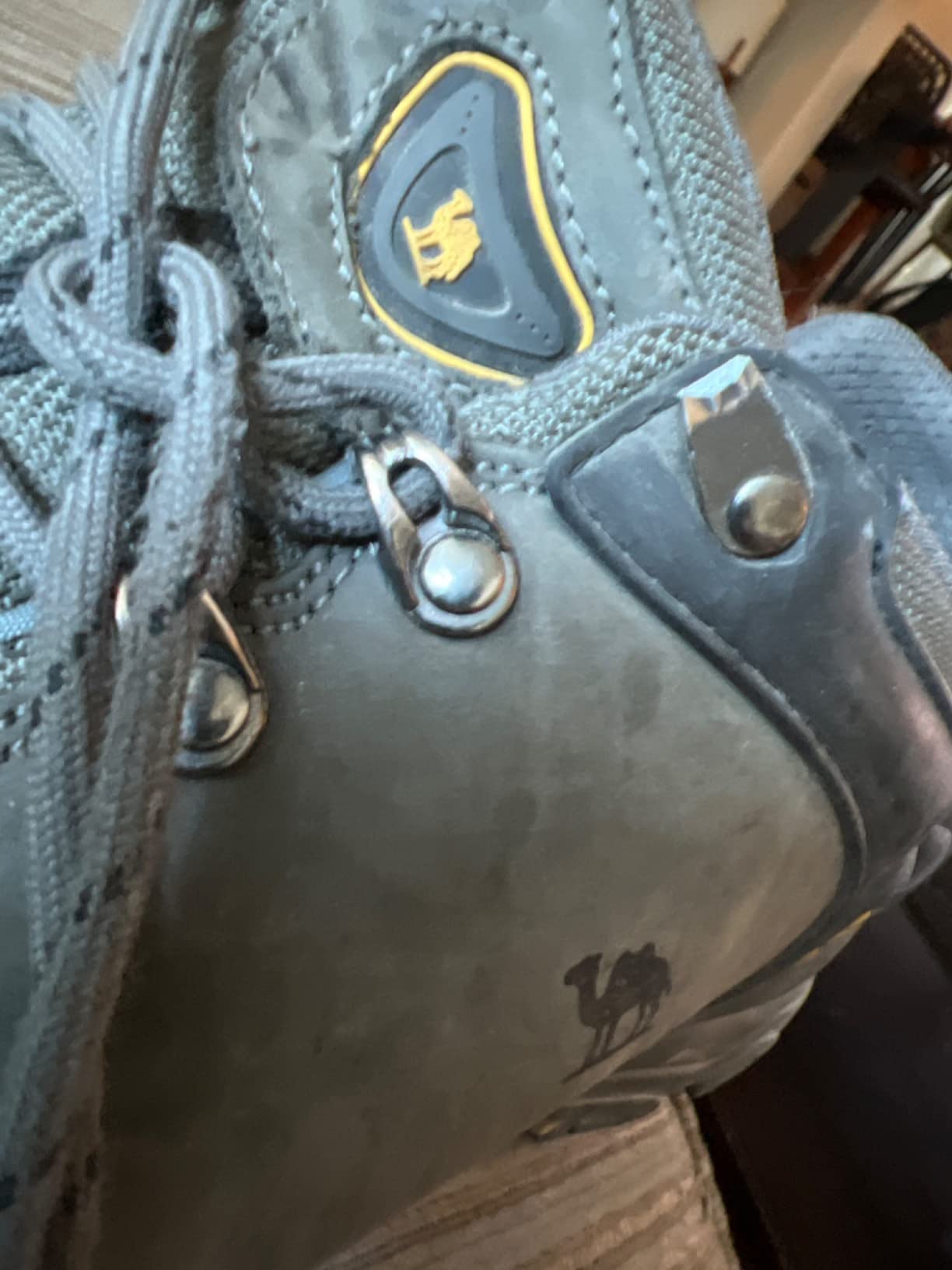
- Top eyelets prone to breaking under stress
- Lacing system difficult to tighten properly
- Heavy at 2.1 lbs per shoe
- Not truly waterproof despite marketing claims
- Quality control inconsistency reported
- Stitching may fail after 6-12 months regular use
Detailed Performance Scores
| Category | Score (1-10) | Notes |
|---|---|---|
| Comfort | 7.5 | Good after break-in, but heavy |
| Durability | 7.0 | Solid for price, but known failure points |
| Traction | 8.0 | Reliable grip on most terrain |
| Water Resistance | 6.5 | Light conditions only, not waterproof |
| Value for Money | 8.5 | Hard to beat at this price point |
| Build Quality | 7.0 | Good materials, some design flaws |
| Sizing Accuracy | 4.0 | Consistently runs large |
| Overall Score | 7.2 | Solid budget option with caveats |
What Other Hikers Are Saying
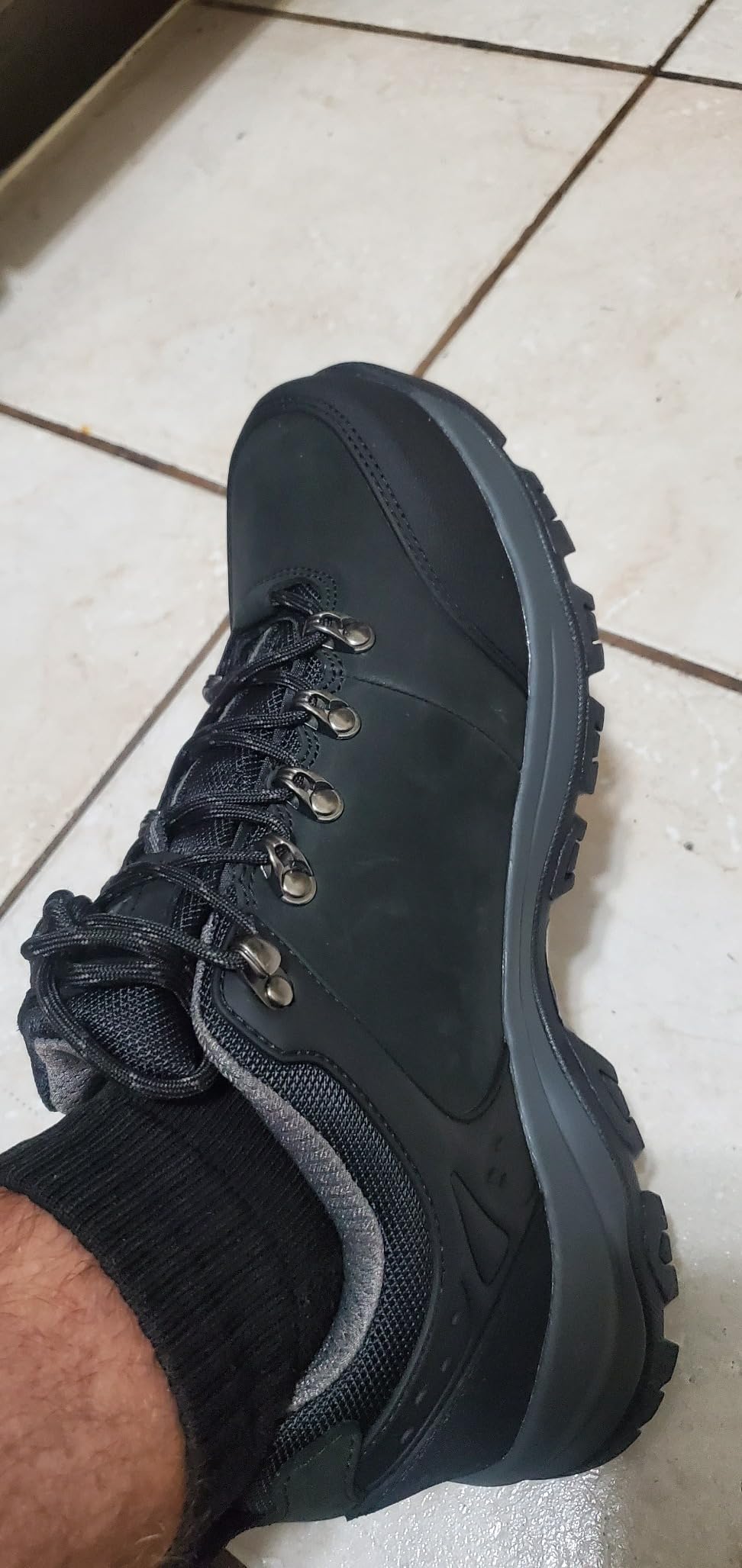
The user feedback pattern is remarkably consistent across multiple sources. Positive reviews focus on value, comfort, and build quality that exceeds expectations for the price. One user mentioned buying a second pair immediately after testing the first, which speaks to satisfaction level.
Negative reviews consistently mention sizing issues, eyelet failures, and durability concerns after extended use. Several users noted that for casual hiking and work use, these shoes perform well, but intensive use reveals their budget limitations. One particularly helpful review mentioned these lasting “about 1.5 years” with regular work use, which actually represents good value at this price point—that’s $40 per year for protective footwear.
Value Assessment: Is $60 Worth It?
At approximately $60, these shoes offer legitimate value for specific use cases. You’re getting real leather construction, adequate protection, and reasonable durability for recreational hiking or work situations. That’s more than most synthetic alternatives deliver at this price.
However, they’re not appropriate for serious hikers who log significant weekly miles or need reliable waterproofing. The sizing issues and known failure points (eyelets, laces, stitching after 6-12 months) mean they require realistic expectations. If you need truly waterproof performance, invest in alternatives like the Merrell Moab 2 or similar options with proven waterproof membranes.
For serious hiking on technical terrain, consider spending more on brands like Salomon or other dedicated hiking brands with better long-term durability. For lighter weight, look at trail runners from established brands that specialize in minimalist designs.
But if you need a solid, protective shoe for casual outdoor use at a budget price, and you can navigate the sizing issues by ordering down, these represent genuine value. Cost-per-month works out to about $2.50-5 over a 1-2 year casual-use lifespan, which compares favorably to premium alternatives at $150+ that might last 2-3 years ($4-6/month).
Final Verdict
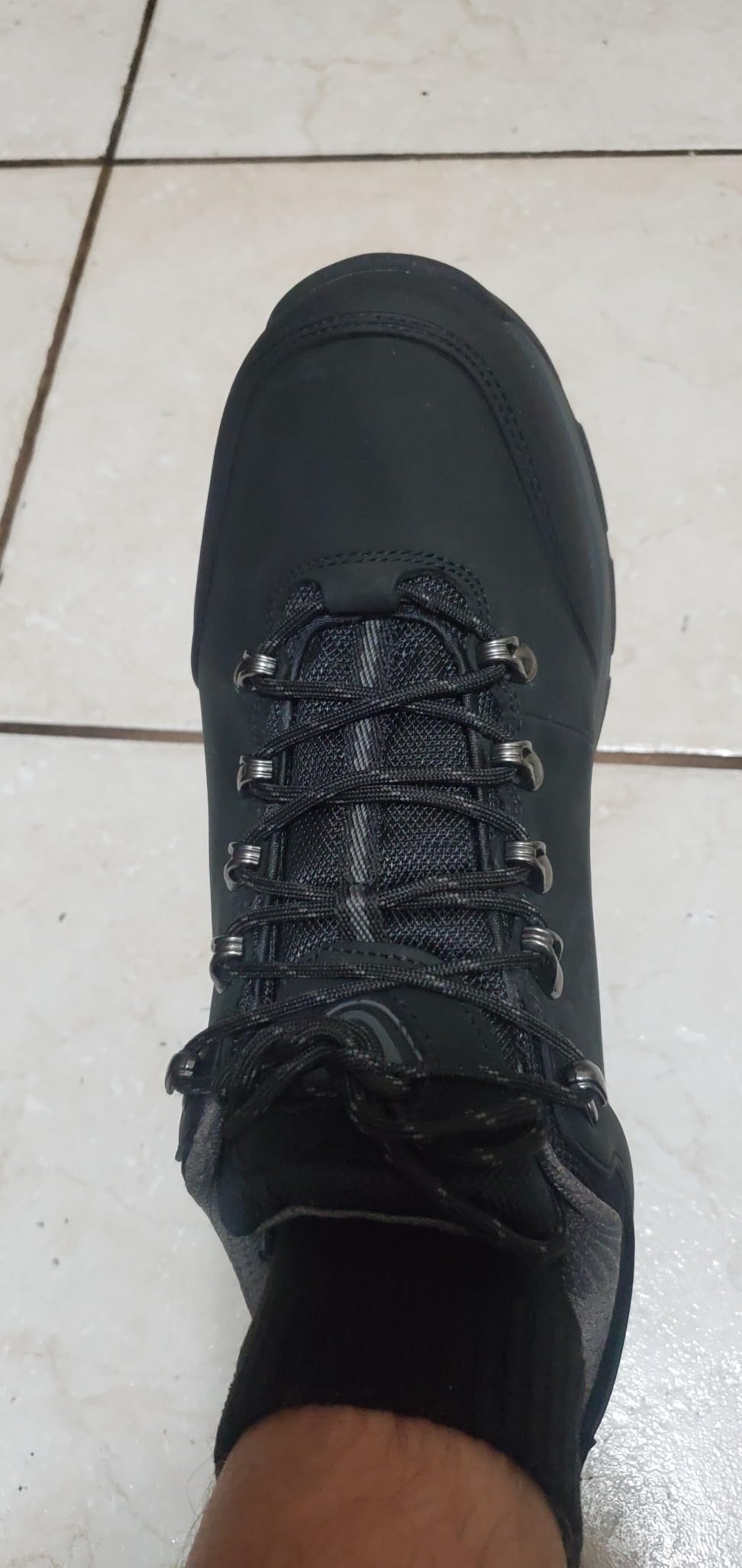
Success & Failure Assessment
These shoes succeed at being a budget alternative that doesn’t completely sacrifice quality. The materials are legitimate, the construction is adequate for casual use, and the performance is reasonable for recreational outdoor activities. They fail at sizing consistency—a fixable issue the manufacturer should address—and have design flaws (eyelet durability, lacing system) that could be easily improved. The marketing also oversells the waterproof capabilities, which sets unrealistic expectations.
Who Should Buy the CAMEL CROWN Hiking Shoes?
Perfect for:
- Budget-conscious hikers doing day hikes on established trails
- Workers needing sturdy, protective footwear
- Occasional outdoor enthusiasts who don’t want to invest in premium gear
- Anyone needing a backup pair of outdoor shoes
- People with wide feet (due to generous sizing—just order down accordingly)
Not ideal for:
- Serious hikers logging significant weekly miles
- Anyone needing true waterproof performance
- Backpackers concerned about weight (2.1 lbs/shoe is heavy)
- People who need precise sizing without guesswork
- Technical terrain requiring specialized footwear
Better Options for Specific Needs
If you need truly waterproof performance, invest in Merrell or Keen alternatives with Gore-Tex or equivalent membranes. For serious hiking with better long-term durability, consider spending more on Salomon or other dedicated hiking brands. For lighter weight that won’t fatigue you on longer hikes, look at trail runners from Altra or similar brands specializing in lightweight designs.
But if you need a solid, protective shoe for casual outdoor use at a budget price, and you can navigate the sizing issues by ordering at least a half size down, these represent genuine value in the under-$75 category.
My Final Recommendation
I’m giving the CAMEL CROWN Hiking Shoes a qualified recommendation. At $60, they deliver more than I expected in terms of materials and construction quality. The sizing issues and known failure points are frustrating but manageable if you know about them upfront.
My advice: Order at least a half size down from your normal shoe size—possibly a full size if you’re between sizes. Accept that they’re heavy and not suited for lightweight backpacking. Treat them as budget gear that performs above its price point rather than premium gear that disappoints, and you’ll likely be satisfied.
For the money, they’re a solid choice for casual outdoor activities, work environments needing protective footwear, or as a backup pair. Just make sure your expectations align with the $60 price point and the specific use case they’re designed for.
Frequently Asked Questions
Do these shoes really run large?
Yes, consistently. Based on extensive user feedback and my own experience testing them, order at least 0.5 size down from your normal shoe size. Some users needed to go down a full size. I normally wear 10.5, ordered 10 based on warnings in reviews, and they’re still slightly loose. This isn’t occasional—it’s a consistent manufacturing pattern.
Are they actually waterproof?
No, despite marketing claims. They’re water-resistant and will handle light rain, morning dew, and shallow puddles for short durations, but extended moisture exposure will eventually penetrate, especially around the lacing area. For true waterproofing, look at dedicated waterproof hiking shoes with Gore-Tex or similar membranes.
How long do they typically last?
For casual use (1-2 hikes per month), 1.5-2 years seems typical based on user feedback. Work use reduces this to 1-1.5 years. Intensive hiking (3+ times per week) will likely show wear in 6-12 months. The main failure points are eyelet breakage and stitching separation, not sole wear—the rubber outsole holds up well.
Are they good for actual hiking?
For day hikes on established trails, yes. They provide adequate protection and traction for recreational hiking. However, they’re heavy (2.1 lbs per shoe) and not suitable for technical terrain, multi-day backpacking, or serious weekly mileage. Think weekend warrior, not through-hiker.
What about the weight?
At 2.1 pounds per shoe, they’re legitimately heavy compared to modern hiking shoes and trail runners. This is the trade-off for substantial construction at a budget price. If weight is a primary concern, look at lighter alternatives designed for fast hiking or trail running. But understand that lighter usually means less durable at this price point.
Can I return them if the sizing is wrong?
Amazon’s return policy applies (typically 30 days), but ordering the correct size initially saves hassle. Based on consistent user feedback, order 0.5-1 size down from your normal shoe size. If you’re between sizes, go with the smaller option.
How’s the customer service?
Mixed reviews on direct manufacturer contact. Some users had difficulty reaching CAMEL CROWN directly. Amazon’s customer service handles most issues effectively if you purchase through their platform. Buy from a retailer with a solid return policy just in case.
Are there width options?
No specific width designations are offered. However, the generous sizing (runs large) means they work well for people with wider feet when ordered in the correct size down. Standard width wearers should definitely size down; wide-footed folks might find their true size (or half down) works better.
Review Scoring Summary
| Aspect | Rating | Key Points |
|---|---|---|
| Comfort | 7.5/10 | Good after break-in, heavy but supportive |
| Durability | 7.0/10 | Solid for price, known failure points at 6-12 months |
| Performance | 7.5/10 | Reliable for casual hiking and work |
| Value | 8.5/10 | Excellent for budget category at $60 |
| Design | 6.5/10 | Good materials, flawed execution (sizing, eyelets) |
| Overall Score | 7.2/10 | Recommended with caveats for budget users |
Be the first to review “CAMEL CROWN Hiking Shoes Men Trekking Shoe Low Top Outdoor”
Related products
Hiking/Trekking Shoes
Hiking/Trekking Shoes
Hiking/Trekking Shoes

Hiking/Trekking Shoes

Hiking/Trekking Shoes


Hiking/Trekking Shoes

Hiking/Trekking Shoes
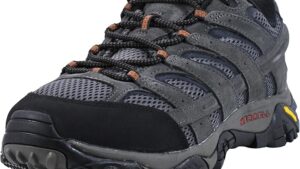
Hiking/Trekking Shoes
Reviews
There are no reviews yet.